Large Format Photography
Archived article
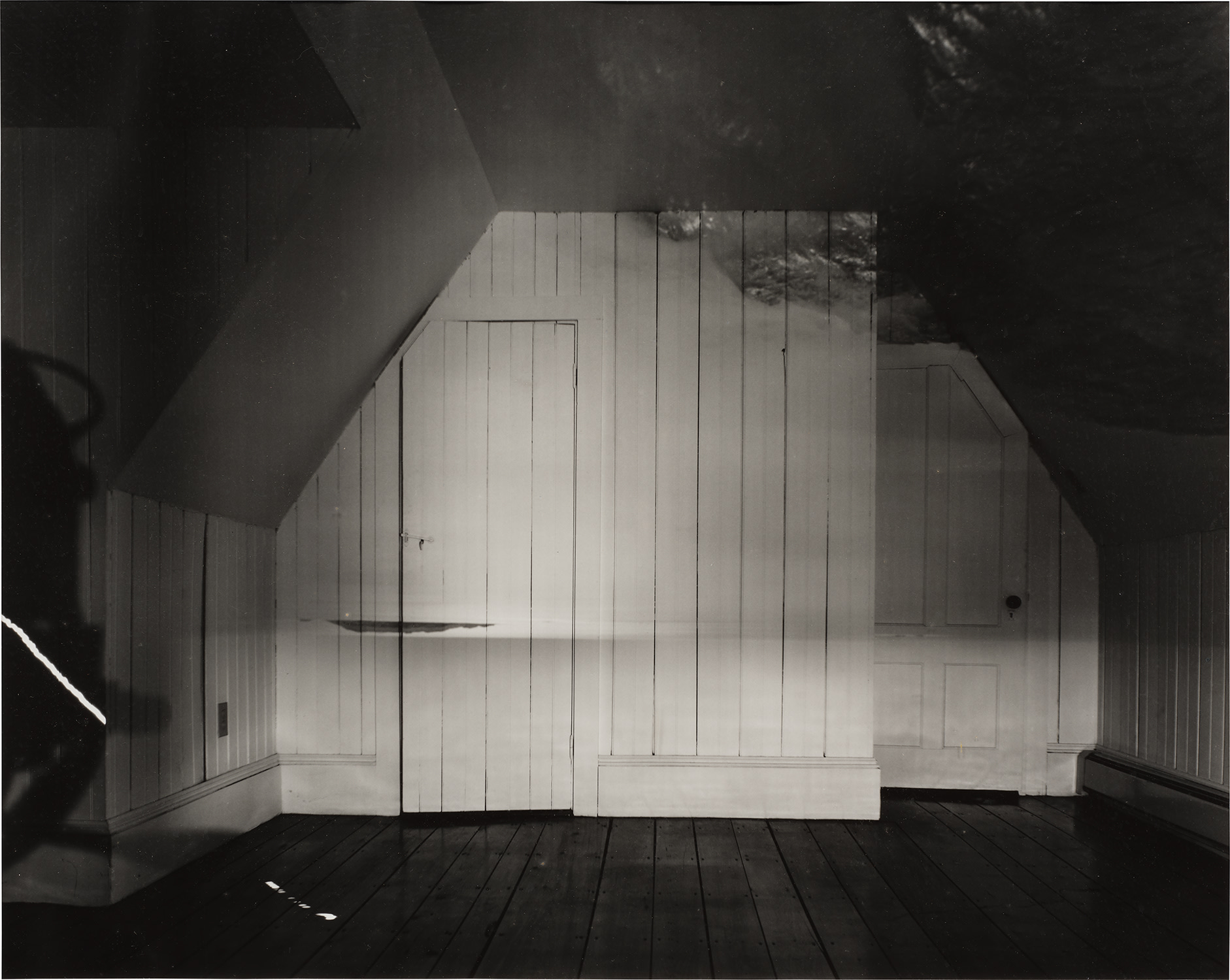
Abelardo Morell
Camera Obscura Image of the Sea in Attic, Marblehead, Massachusetts
You are reading a previous version of this article.
Read the latest version```json { "headline": "The Big Picture: Why Scale Changes Everything", "body": "There is something almost unreasonable about a large format photograph. It asks too much of a wall, commands too much of a room, and somehow, inexplicably, asks too much of you in return. Collectors who fall for this work often describe the same moment of recognition: standing before a print that refuses to let the eye settle, that pulls you in and holds you there. It is not merely size that does this.
It is the particular quality of attention that large format photography demands, both from the artist who made it and from the person who chooses to live with it. That combination of technical ambition and emotional weight is precisely what makes this corner of the art market so enduring.", "When collectors ask what separates a good large format photograph from a great one, the answer almost always comes back to intentionality. The format must earn its scale.
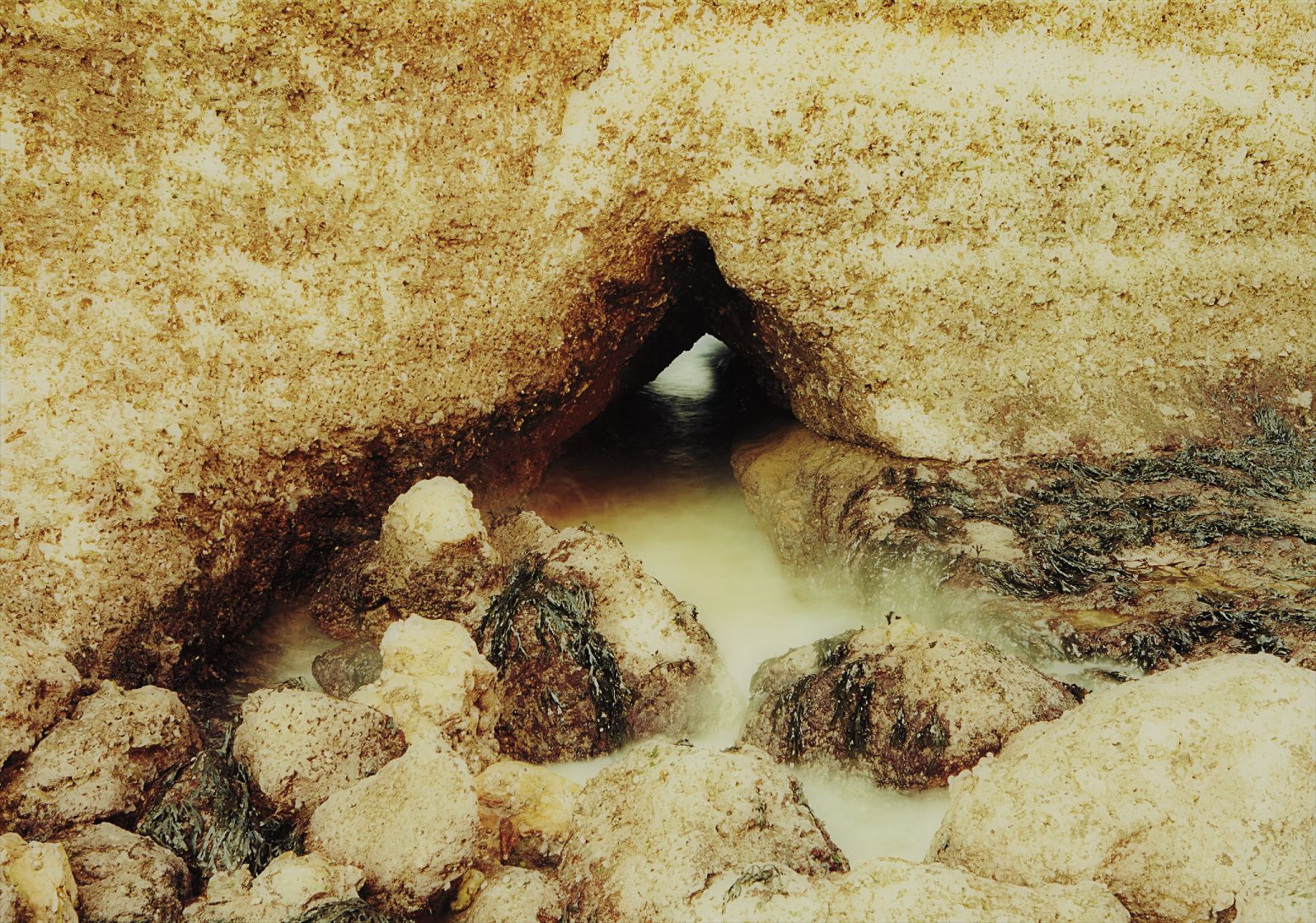
Elger Esser
Sous La Manneporte, Frankreich
Works that simply enlarge a subject without transforming it in the process tend to feel decorative rather than revelatory. What you want to find is an image where the physical size is inseparable from the meaning, where something is at stake in the dimensions themselves. Andreas Gursky understood this completely. His images of stock exchanges, supermarkets, and vast interior spaces are not just big photographs of big places.
The scale enacts a kind of vertigo, a dissolving of the individual into the systemic, that could not exist at smaller dimensions. When you acquire a Gursky, you are acquiring an argument about the world, and that argument is inseparable from its physical form.", "The question of what to look for extends beyond concept into craft. Collectors should pay close attention to tonal range and resolution across the full picture plane, particularly toward the edges and corners, where lesser work often loses its grip.
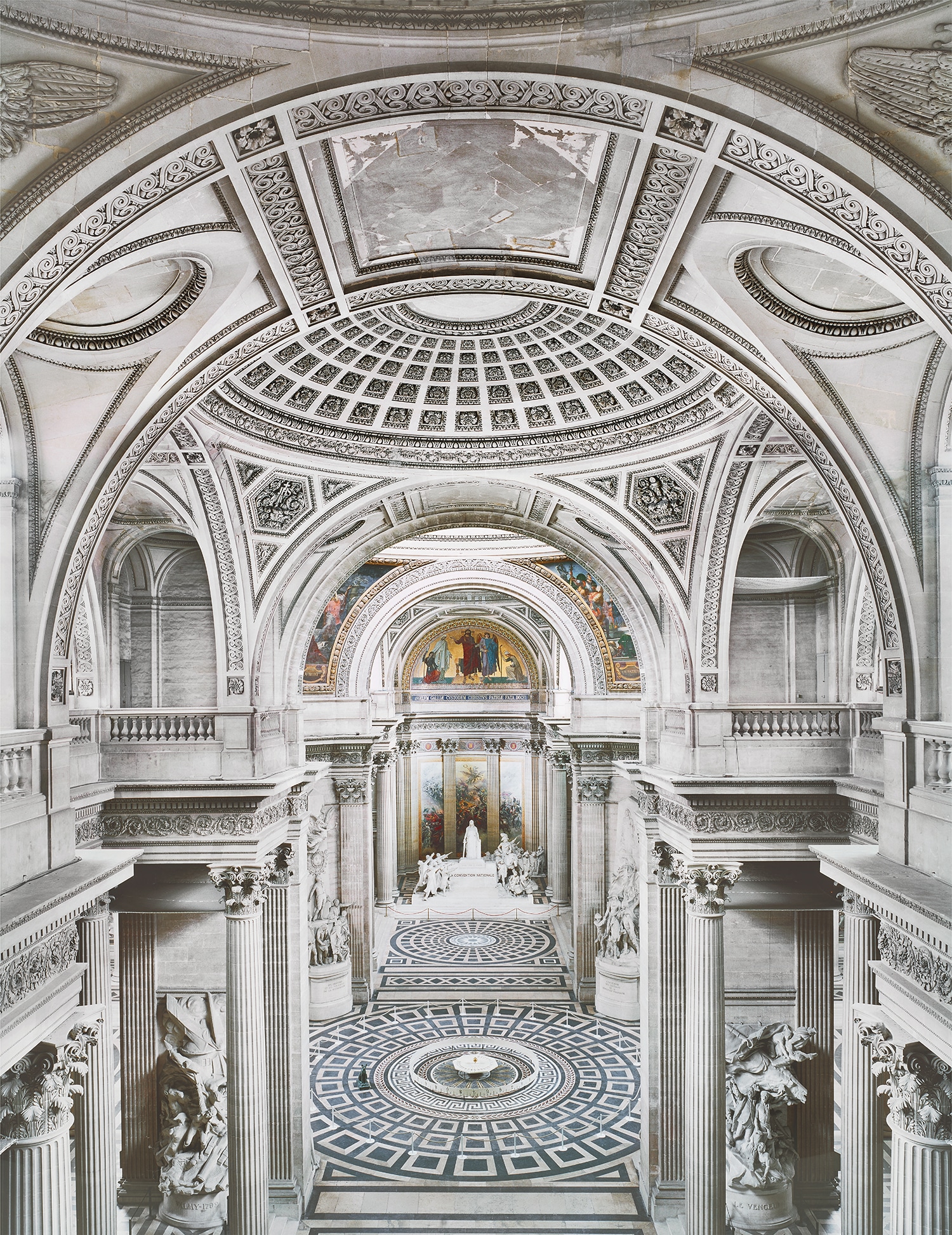
Candida Höfer
Panthéon Paris I
The printing substrate matters enormously. C prints, chromogenic prints, and pigment prints on aluminum or Diasec mounted works each behave differently under different lighting conditions and over time. Candida Höfer, whose interiors of libraries, opera houses, and institutional spaces reward extended looking in ways few photographers can match, consistently produces works where the craft is so exacting that the artifice disappears entirely. That transparency of means is a mark of quality worth seeking.
Thomas Struth achieves something similar in his museum photographs, where the surface is so controlled that the image feels less like a record and more like a proposition.", "From a collecting standpoint, the Düsseldorf school remains the gravitational center of this market, and for good reason. The legacy of Bernd and Hilla Becher, who taught at the Kunstakademie Düsseldorf and shaped an entire generation of photographers, produced artists whose works now anchor major institutional collections worldwide. Beyond Gursky and Struth, Thomas Ruff has built one of the most intellectually rigorous bodies of work in contemporary photography, moving from his early deadpan portrait series through newspaper images, jpegs, and architectural photographs in ways that keep unsettling assumptions about what a photograph actually is.

Barry Frydlender
Dreamers
Thomas Demand occupies a fascinating adjacent territory, constructing life size paper and cardboard models of spaces, photographing them at monumental scale, and then destroying the models, leaving only the image. His works on The Collection represent some of the most conceptually loaded objects in this entire category. For collectors building for the long term, these are artists whose market position reflects genuine critical consensus rather than fashion.", "The artists who feel undervalued relative to their quality and ambition are worth identifying carefully.
Richard Learoyd, who works with a room sized camera obscura to produce unique, large scale direct positive prints, occupies a category almost entirely his own. Because his works are unique objects rather than editioned prints, they carry a different kind of market logic, one more aligned with painting than with photography, and collectors who understand that distinction have an advantage. Abelardo Morell has been making camera obscura images since the 1990s and has built a body of work that feels increasingly important as photography's relationship to light and optics becomes a central critical conversation. John Chiara, less widely known outside specialist circles, creates large unique photographs using a vehicle he has converted into a mobile camera, producing images of the American landscape that feel both ancient and completely contemporary.
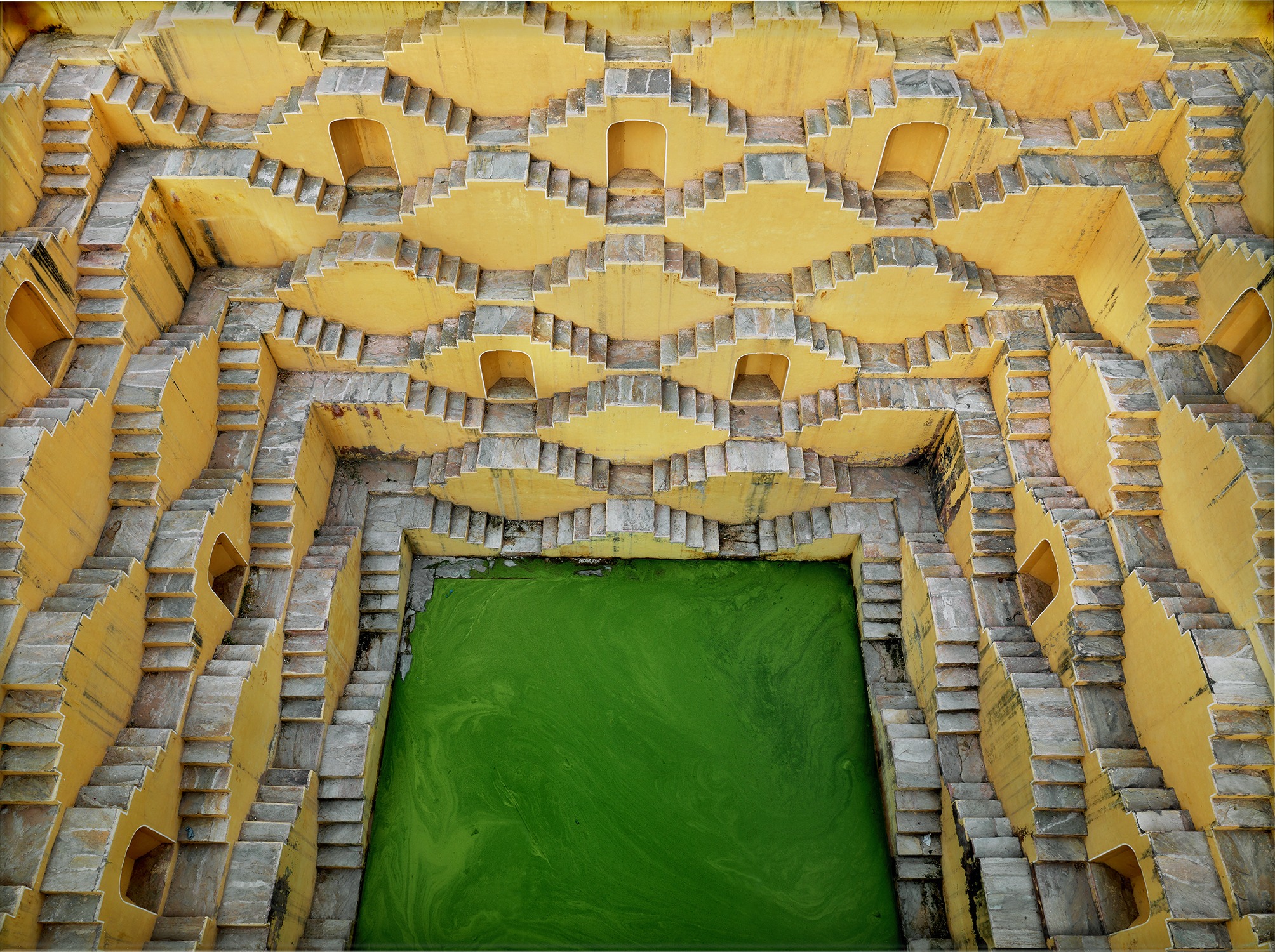
Edward Burtynsky
Stepwell #2, Panna Meena, Amber, Rajasthan, India
These are artists whose critical reputation and market price have not yet converged, which is precisely the moment worth paying attention to.", "At auction, large format photography has demonstrated remarkable stability at the top of the market. Gursky's Rhein II, sold at Christie's in 2011 for just over four million dollars, remains a benchmark conversation, though the broader market for this category operates across a wide range. Works by Edward Burtynsky, whose photographs of industrial landscapes and environmental transformation are among the most morally urgent images being made anywhere, have performed consistently well across major sale rooms.
His prints reward serious attention as collected objects because the environmental subjects he documents are not becoming less relevant. Joel Sternfeld, whose American Prospects series from the early 1980s remains one of the defining photographic projects of that decade, represents genuine secondary market value for collectors who approach photography with the same patience they would bring to any blue chip asset. The key insight auction data tends to confirm is that edition size matters: works from smaller editions, ideally the first few prints in a series, consistently outperform.", "Practically speaking, there are conversations every collector should have before acquiring a work in this category.
Ask the gallery explicitly about the edition structure, how many prints exist across all sizes and formats, and whether artist proofs are in circulation. Understand the printing process and who executed the print, as artist supervised printing carries different provenance weight than prints produced after an artist's involvement. Condition is everything with large format work, as surface abrasion, silvering at edges, and substrate separation can be catastrophic and costly to address. Display requires thought: indirect or diffused lighting almost always flatters these works more than direct spots, and Diasec mounted works in particular can develop condensation issues if hung on exterior walls in climates with significant temperature variation.
Finally, do not underestimate the spatial commitment. A work that transforms a room in a gallery will transform a room in your home with equal force. That is not a warning. It is the whole point.
Works tagged Large Format Photography
Abelardo Morell
Camera Obscura Image of the Sea in Attic, Marblehead, Massachusetts
Candida Höfer
Panthéon Paris I
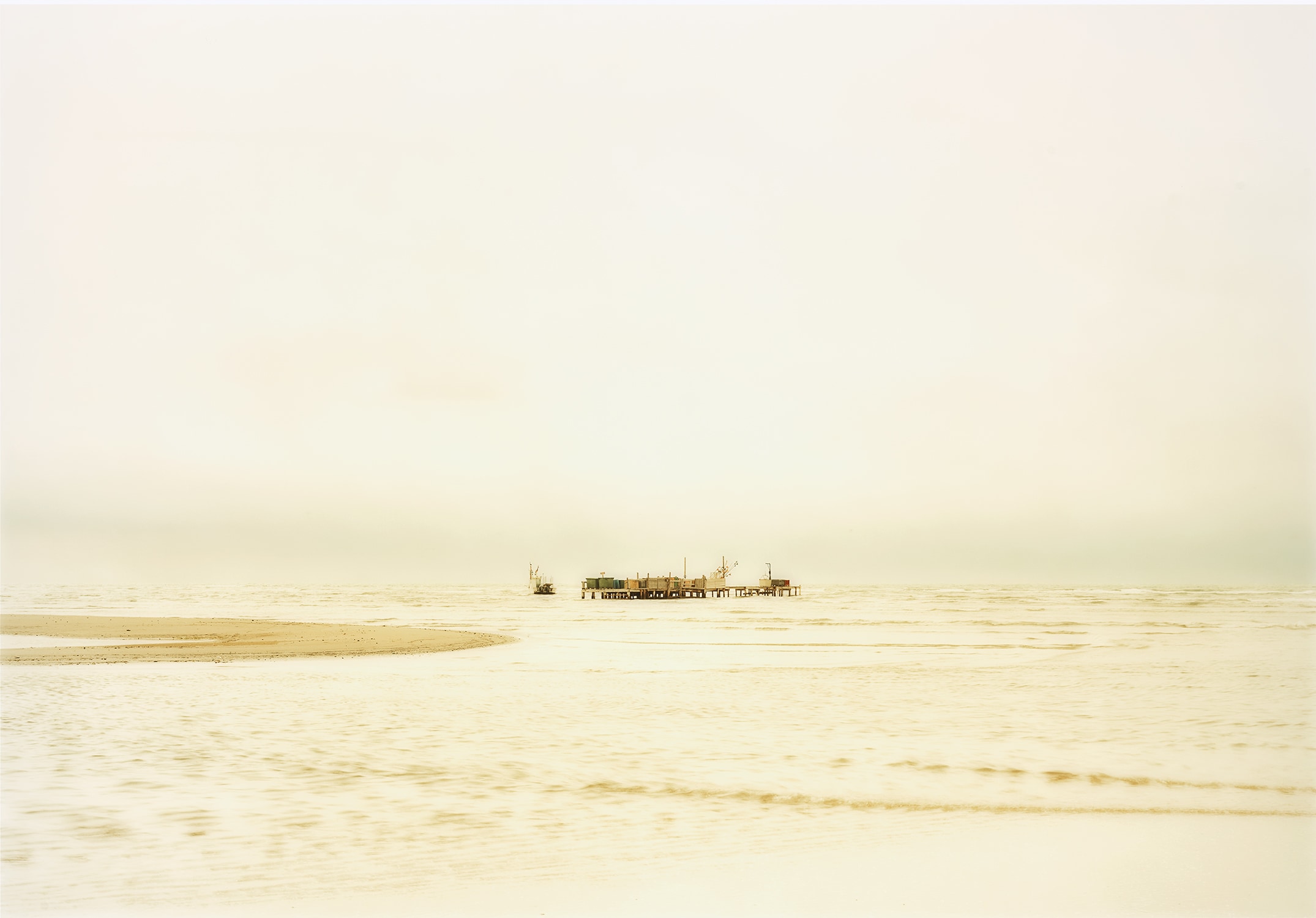
Elger Esser
Beauduc III, Frankreich
Edward Burtynsky
Stepwell #2, Panna Meena, Amber, Rajasthan, India
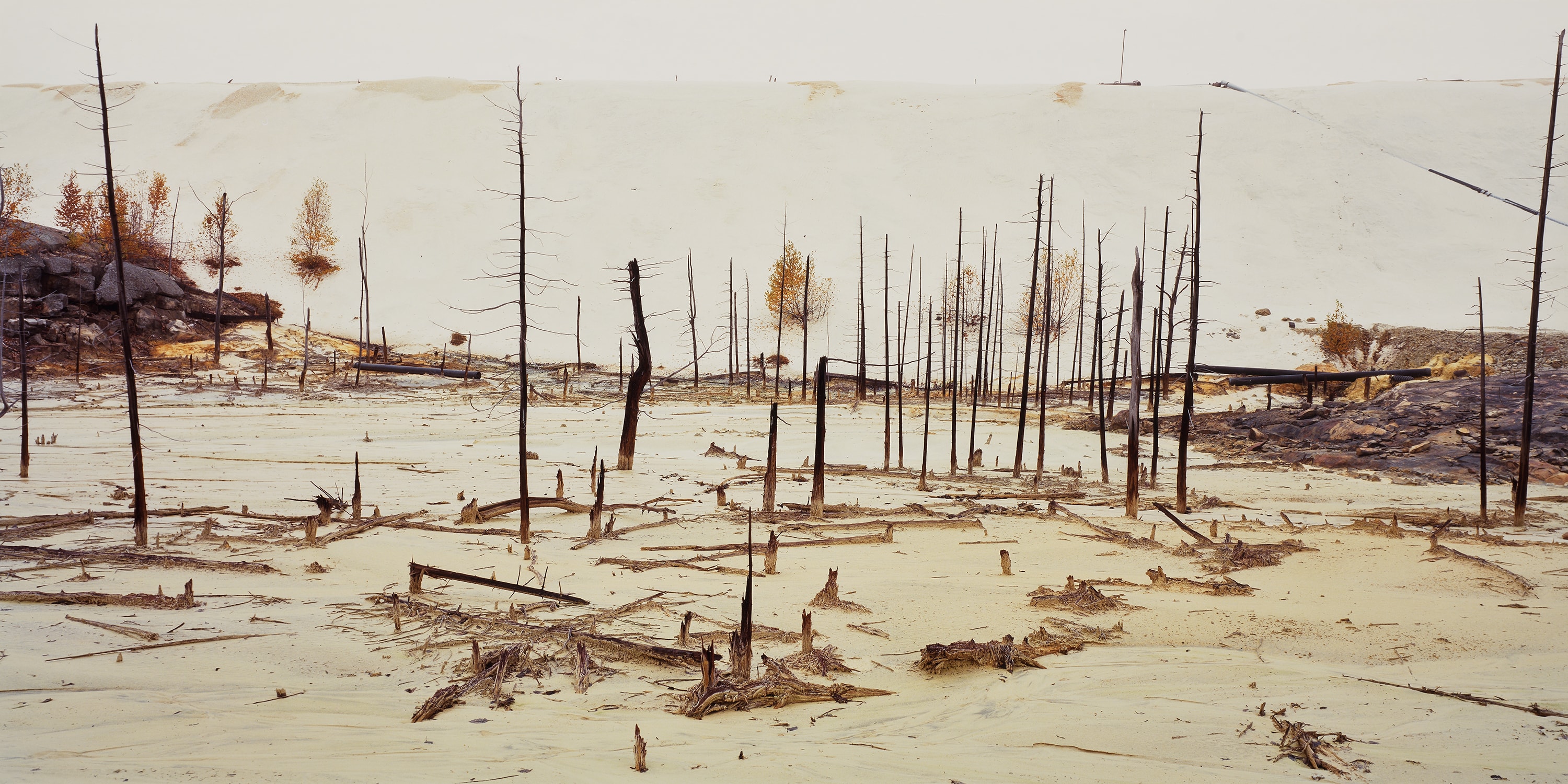
Edward Burtynsky
Uranium Tailings #12, Elliot Lake, Ontario
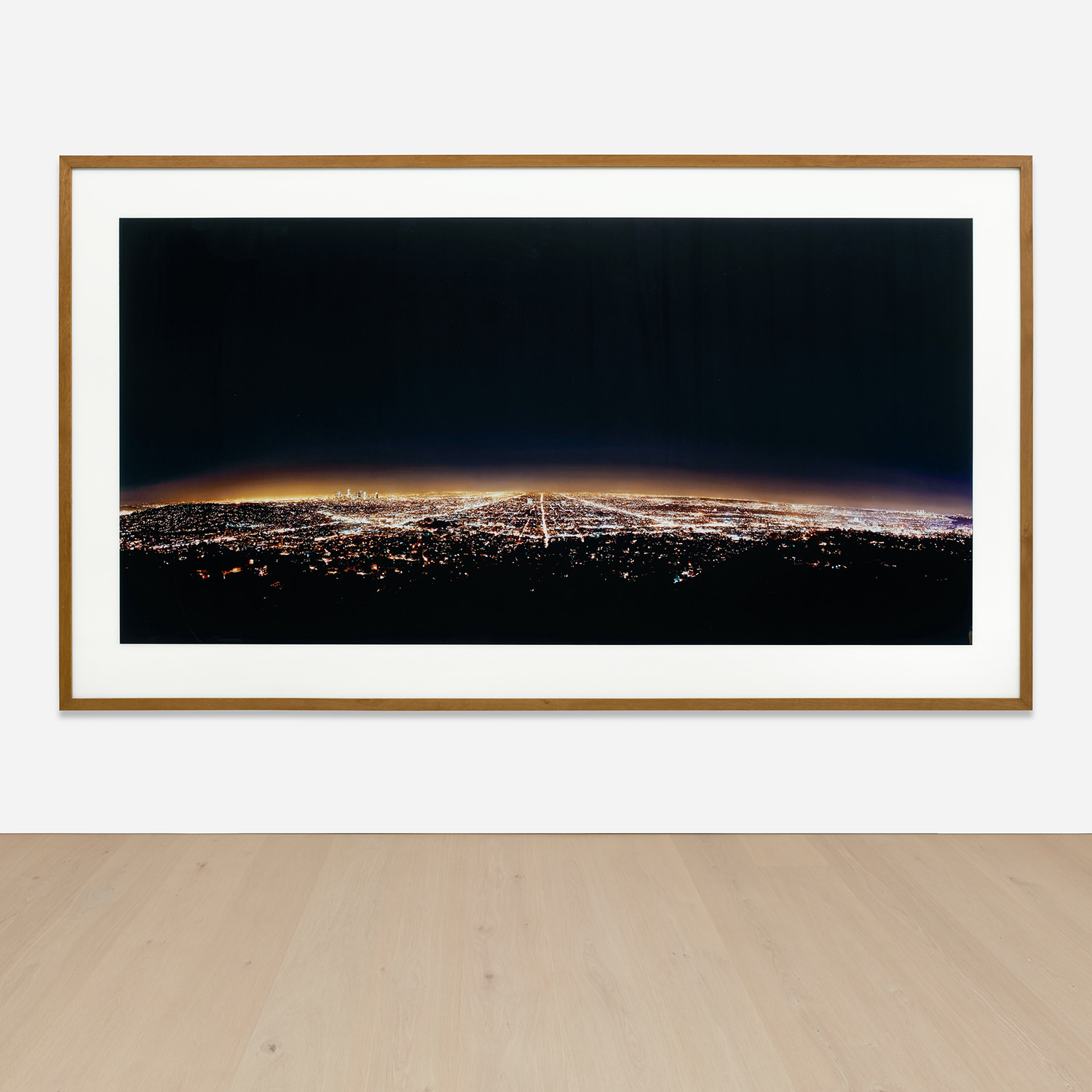
Andreas Gursky
Los Angeles
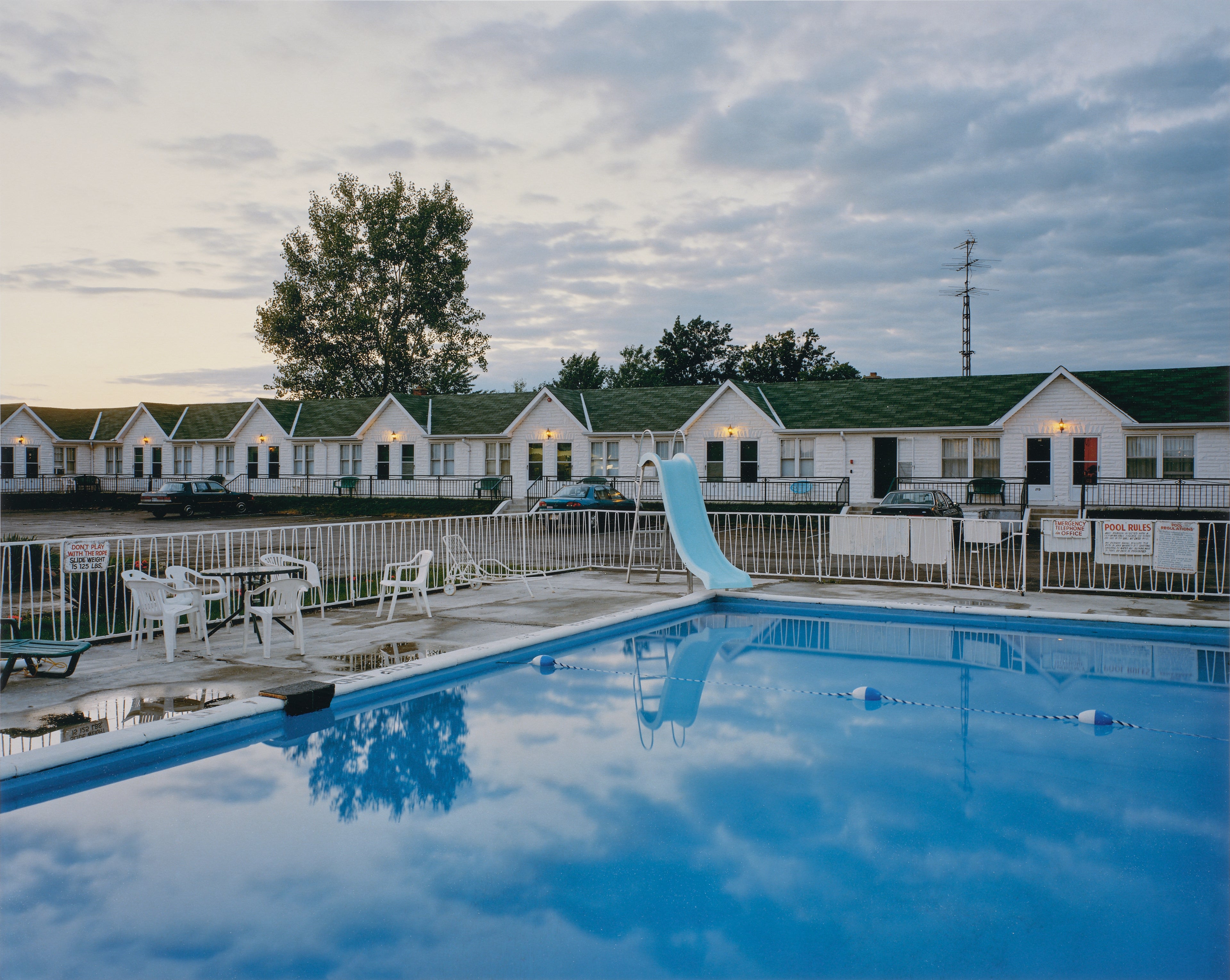
Alec Soth
A-1 Motel
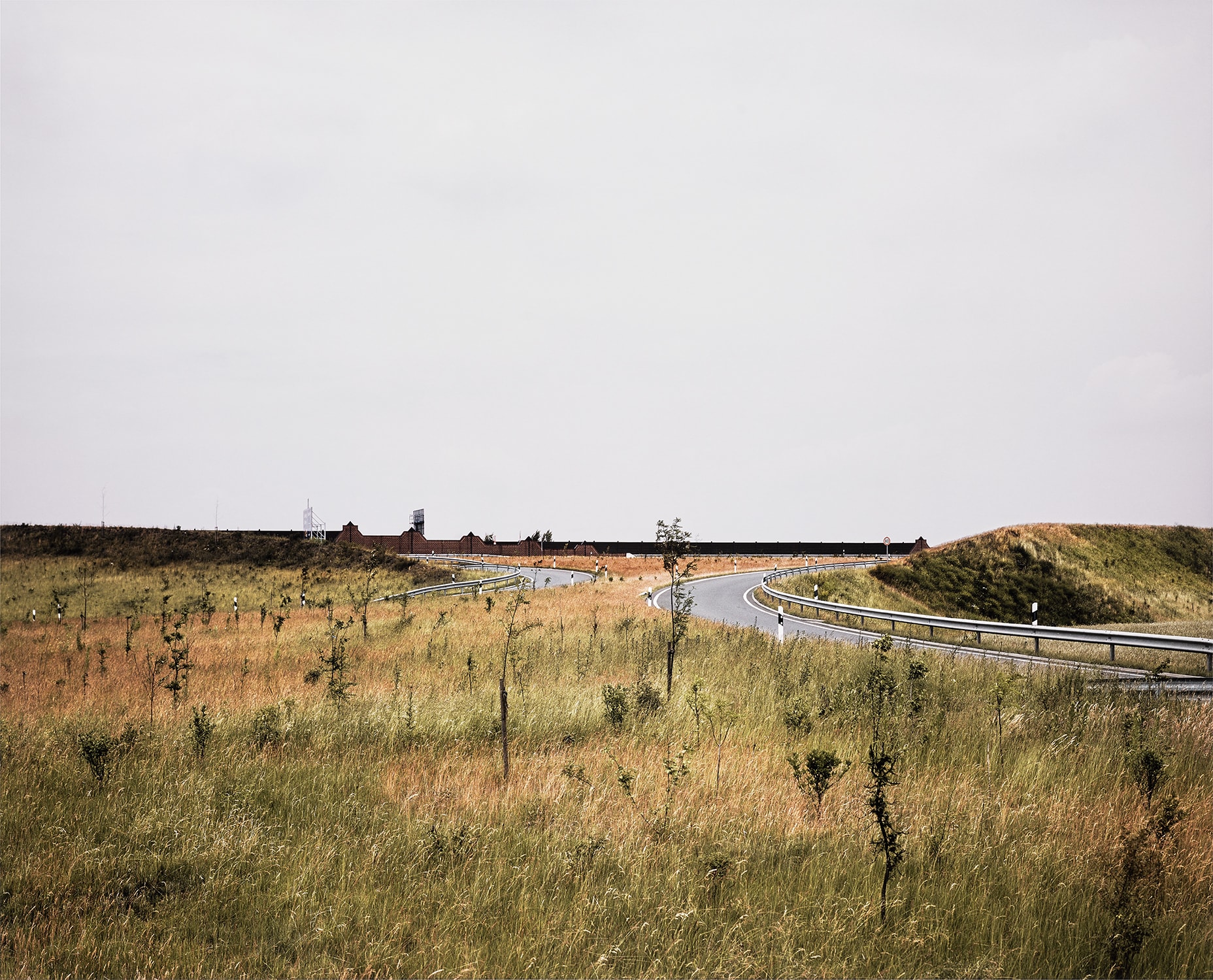
Andreas Gursky
Bremen, Autobahn
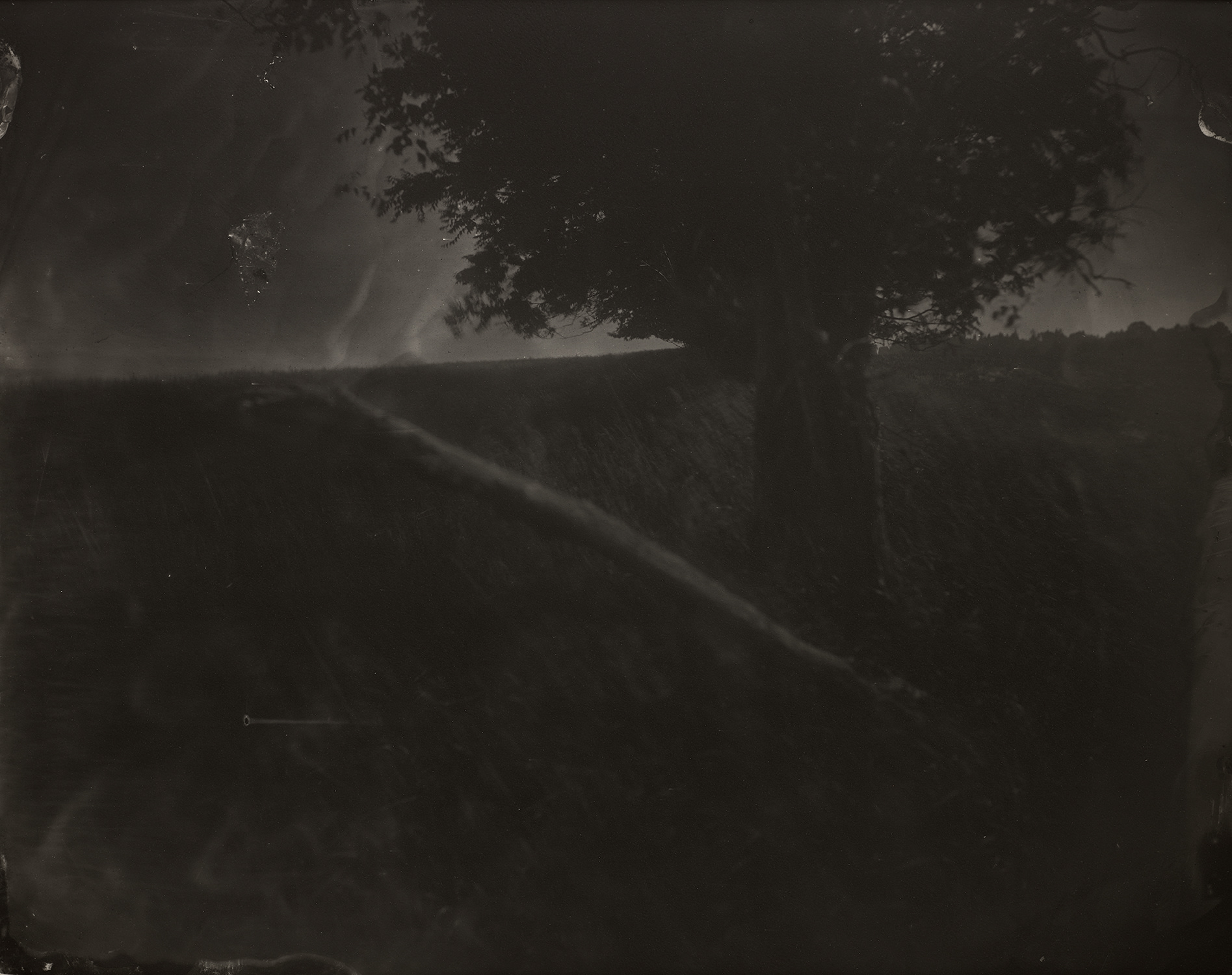
Sally Mann
Battlefields, Antietam #11 (Smoke)
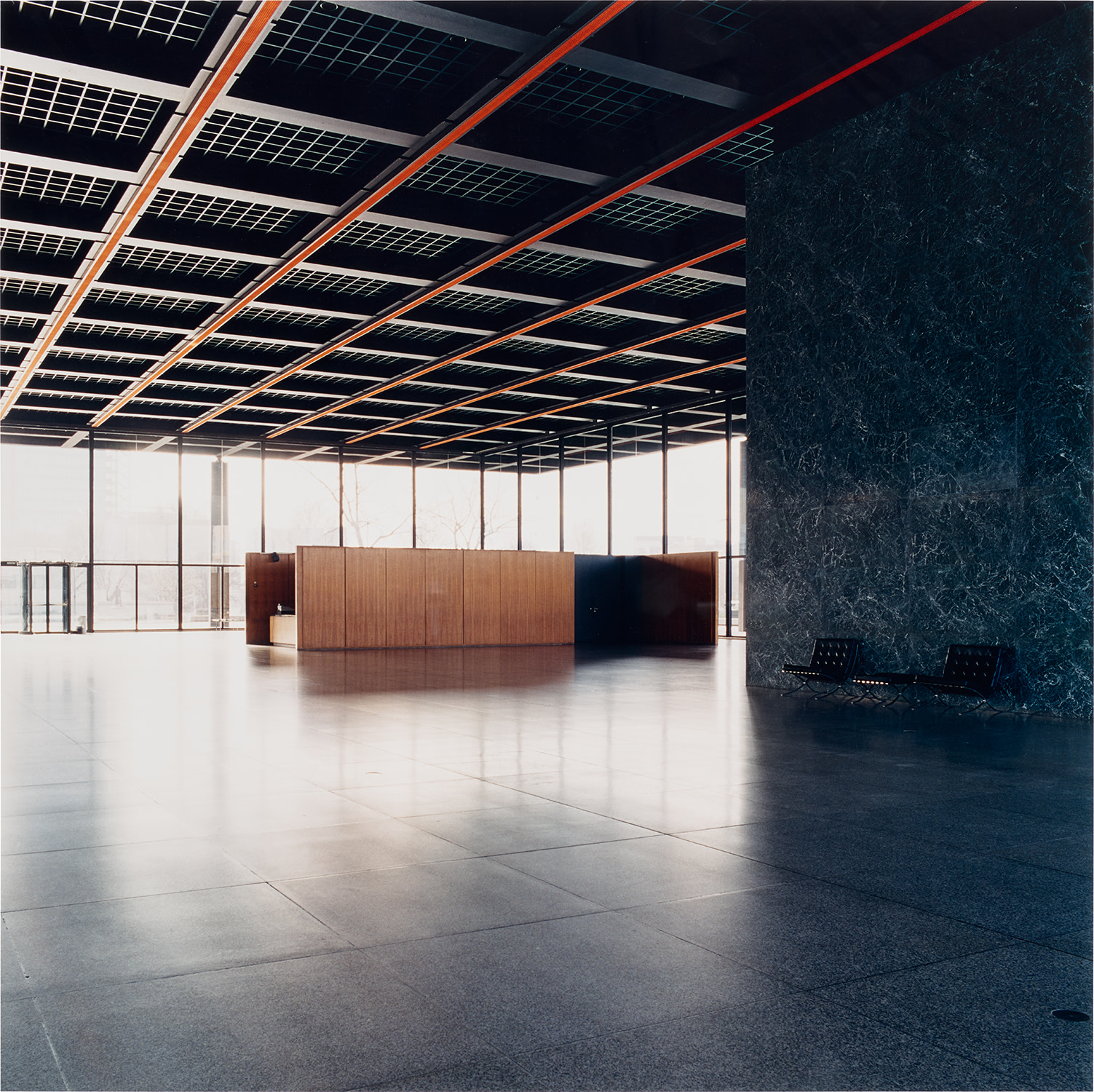
Candida Höfer
Neue Nationalgalerie Berlin III
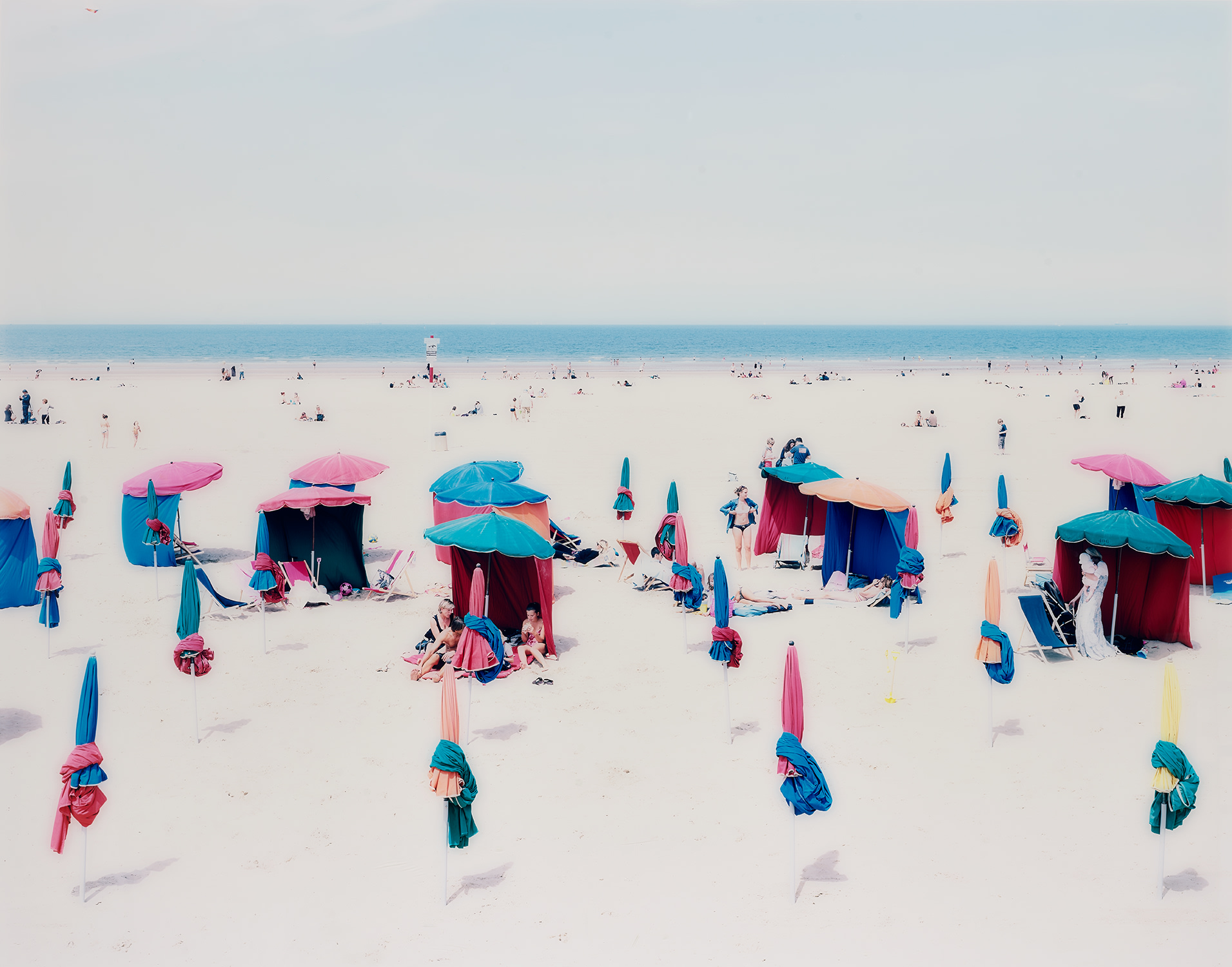
Massimo Vitali
Deauville (#4408)
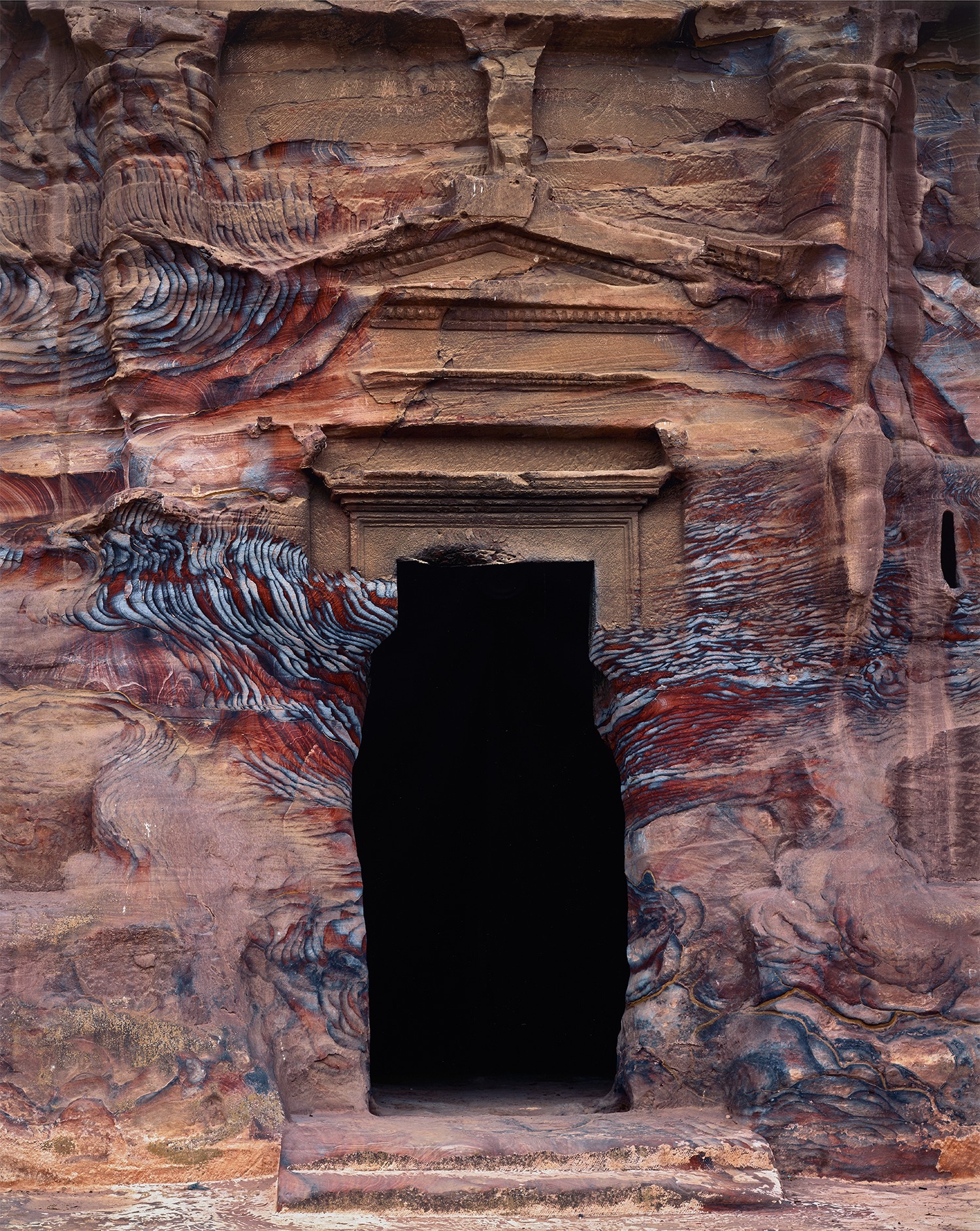
Robert Polidori
Door in Façade of Tomb el-Hubta, Necropolis Area Petra, Jordan
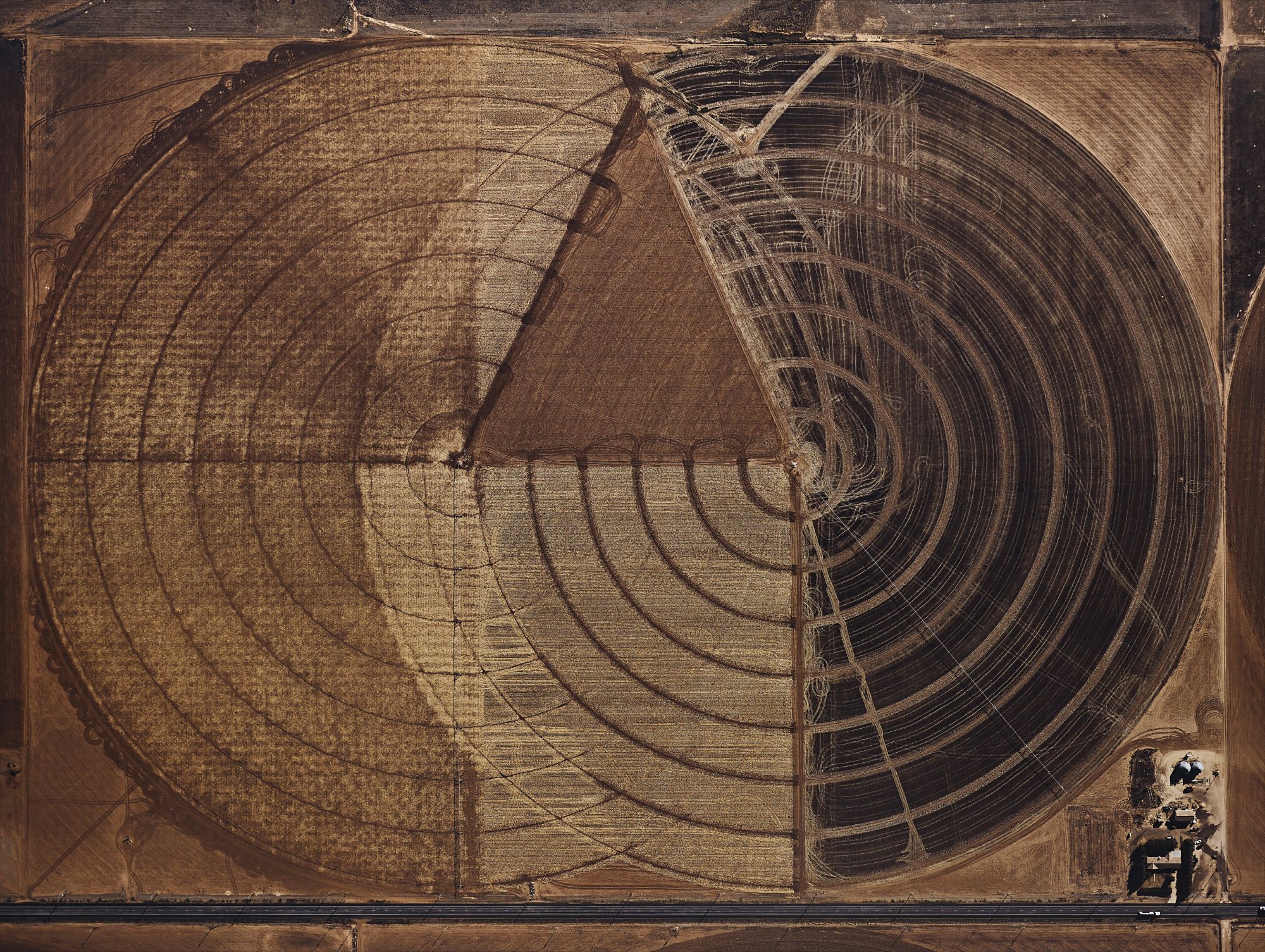
Edward Burtynsky
Pivot Irrigation #1, High Plains, Texas Panhandle, USA
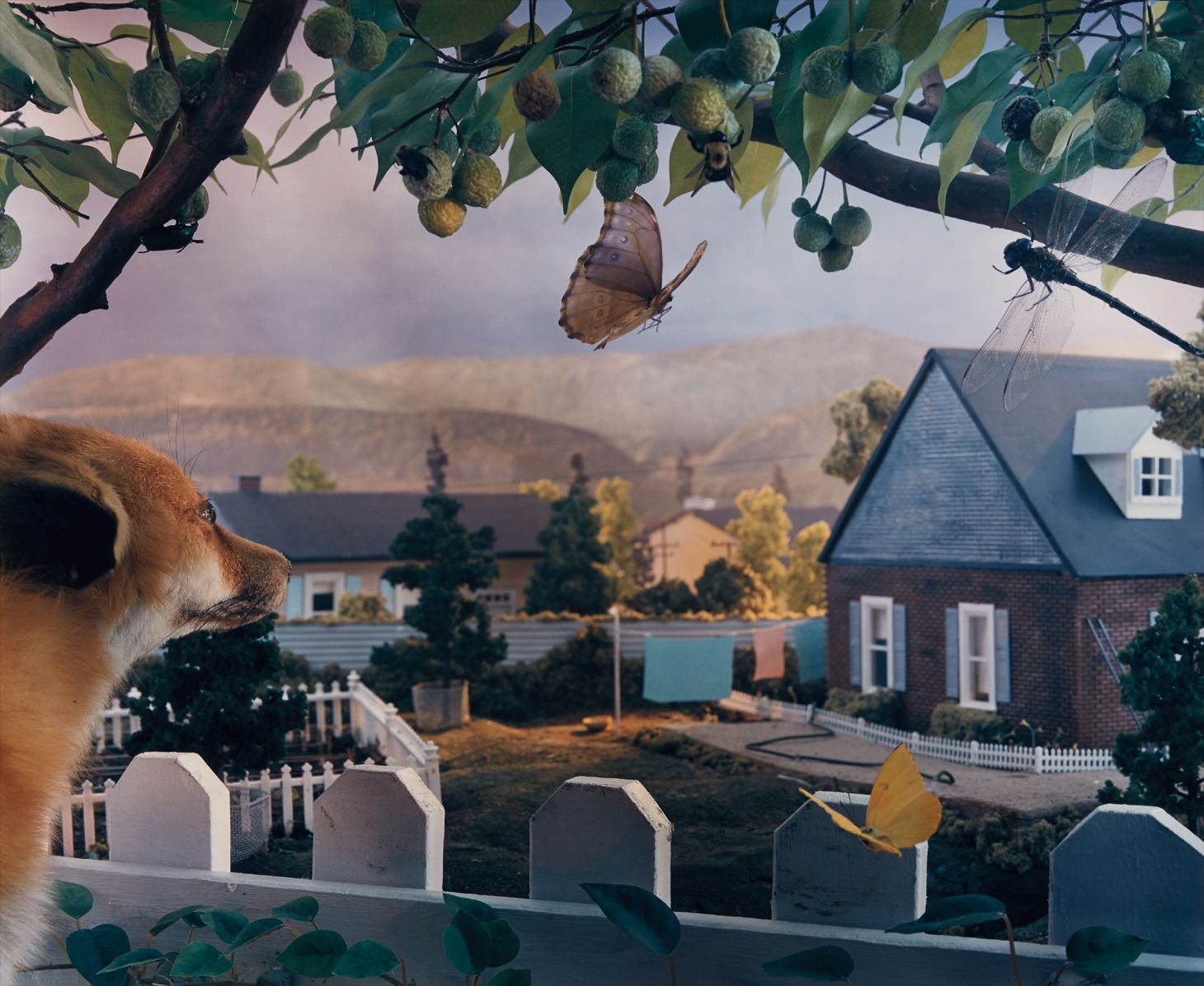
Gregory Crewdson
Natural Wonder
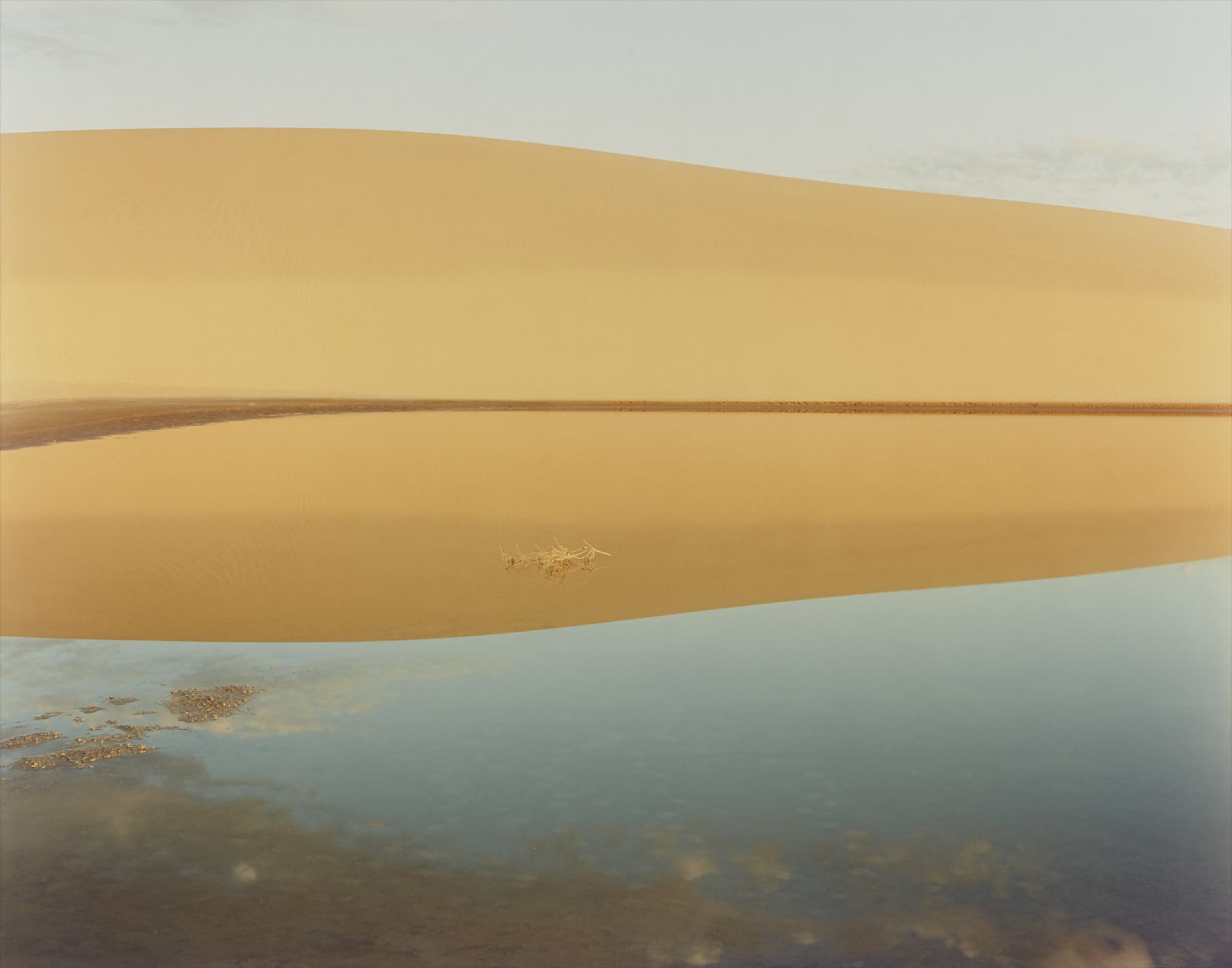
Richard Misrach
Battleground Point #41
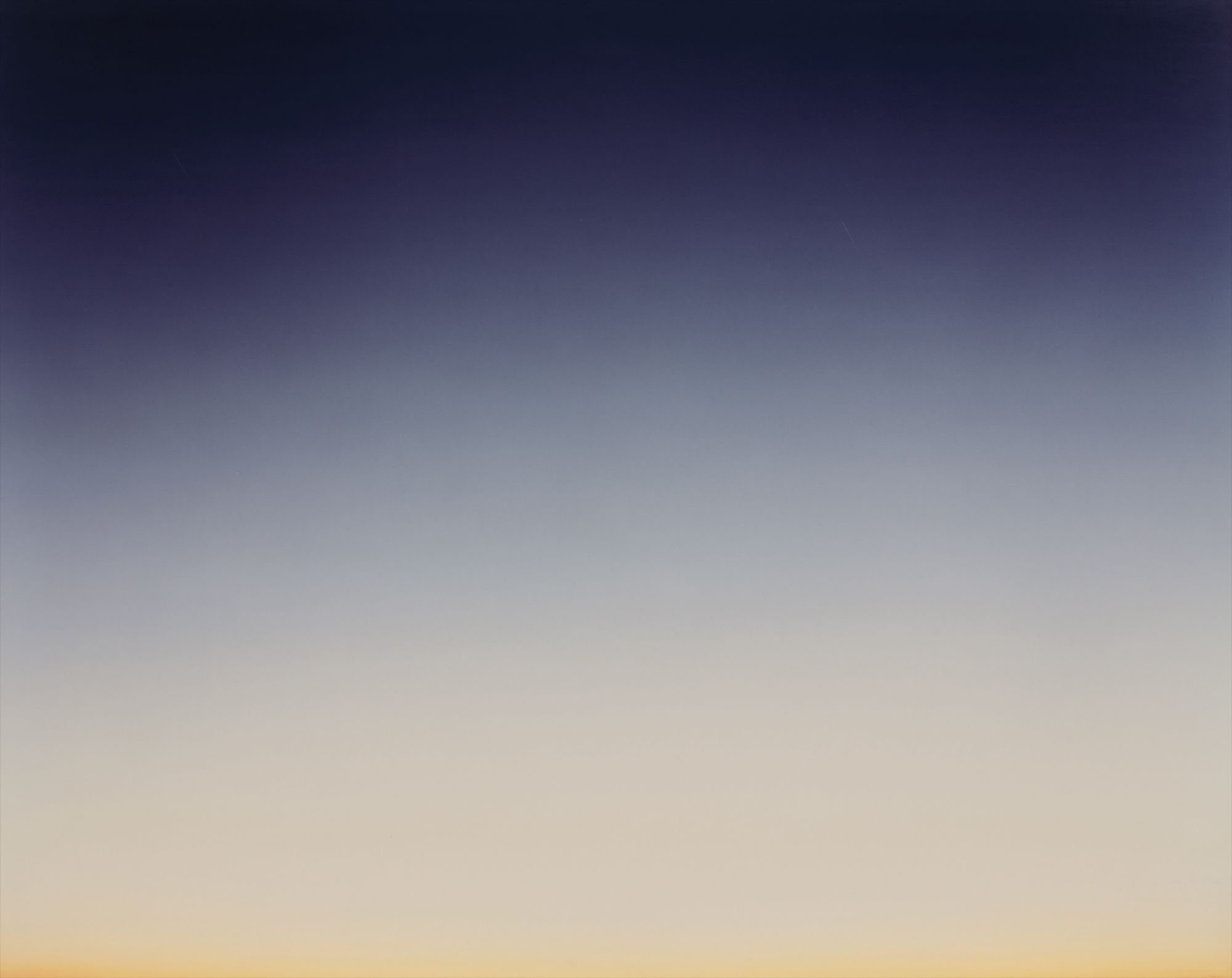
Richard Misrach
Araby, Arizona, 3.24.95, 7:27 pm
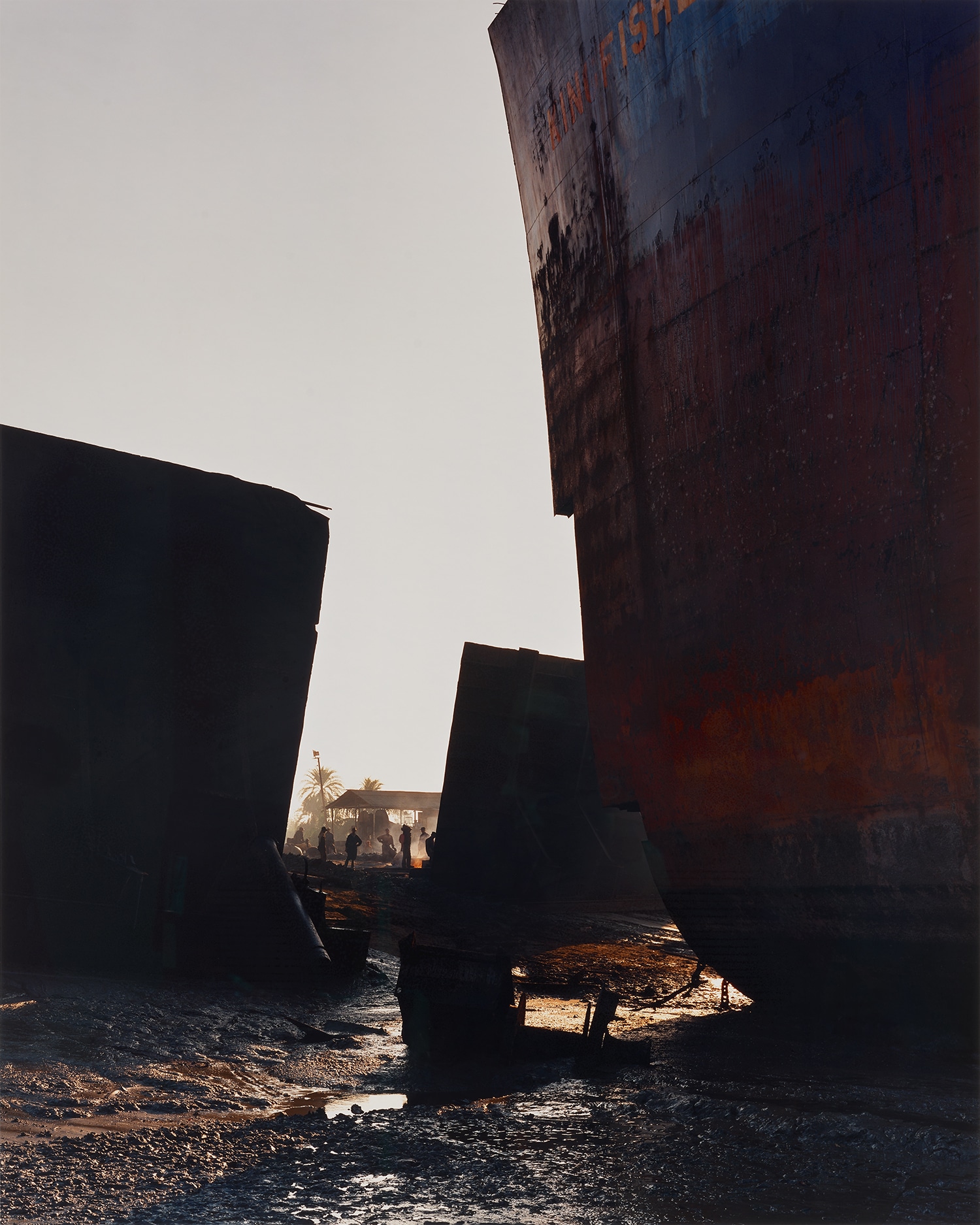
Edward Burtynsky
Shipbreaking #2, Chittagong, Bangladesh
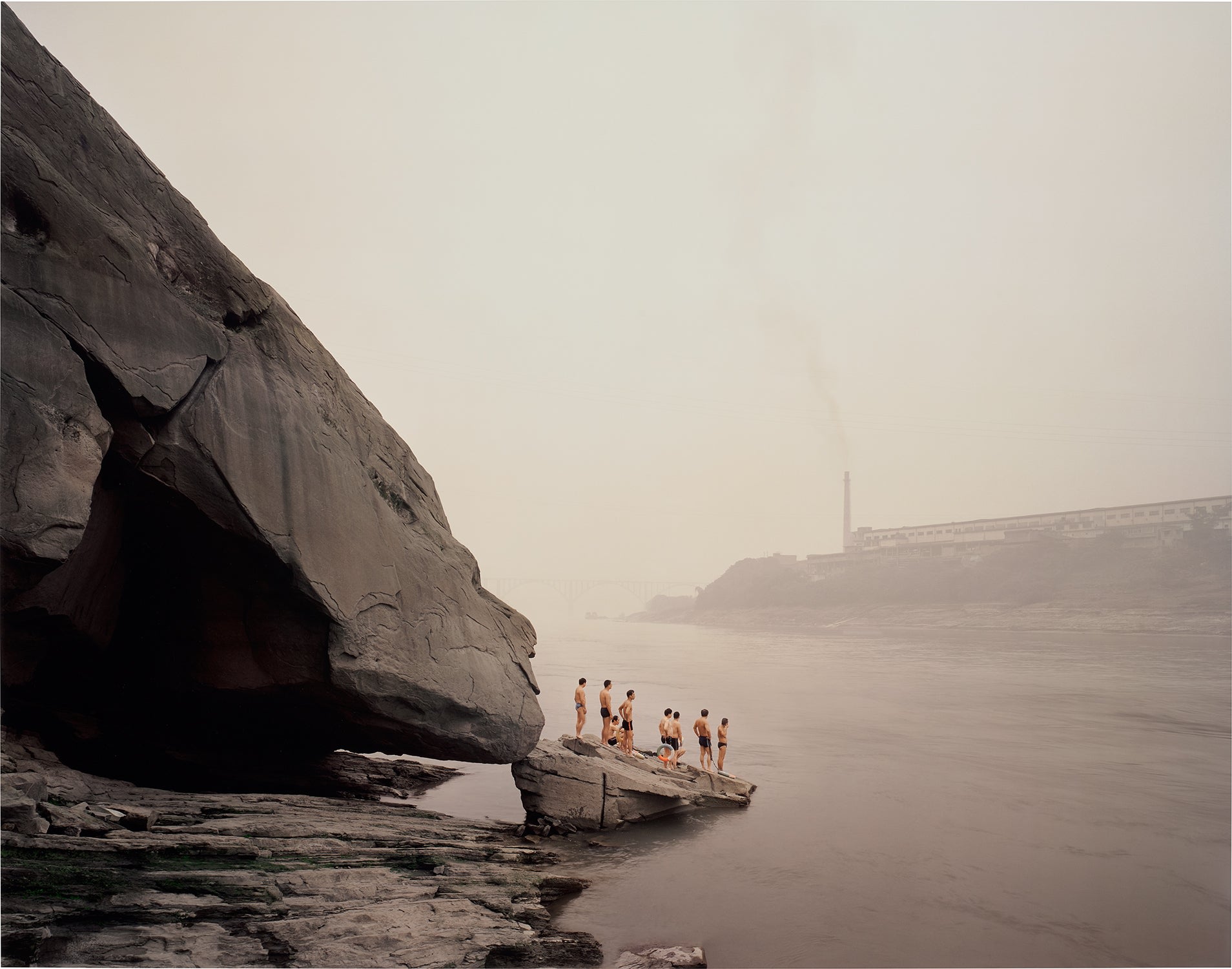
Nadav Kander
Yibin I (Bathers), Sichuan Province from the Yangtze River Project, 2007
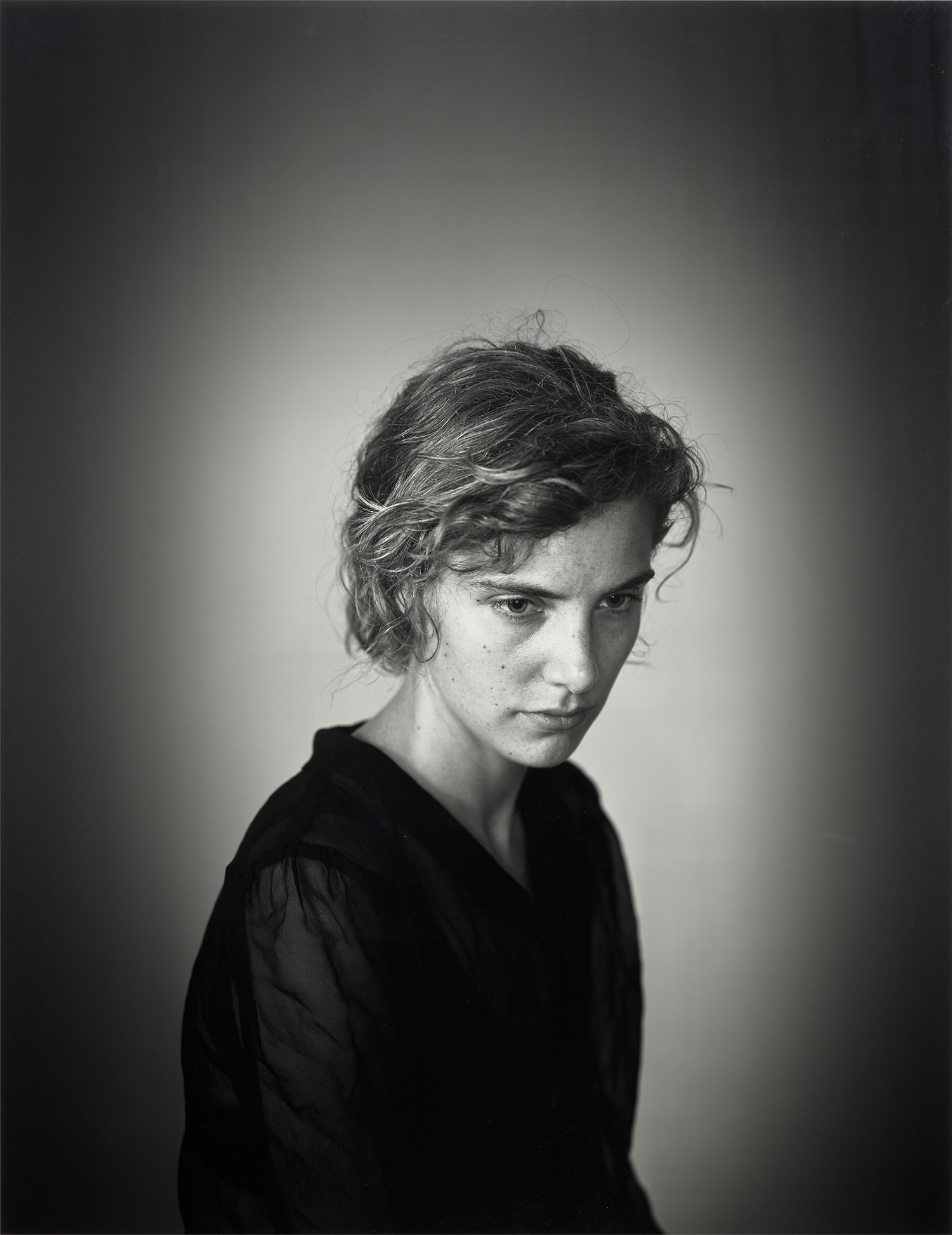
Richard Learoyd
Agnes, July 2013 (1)

Hiroshi Sugimoto
Ionian Sea Santa Cesarea
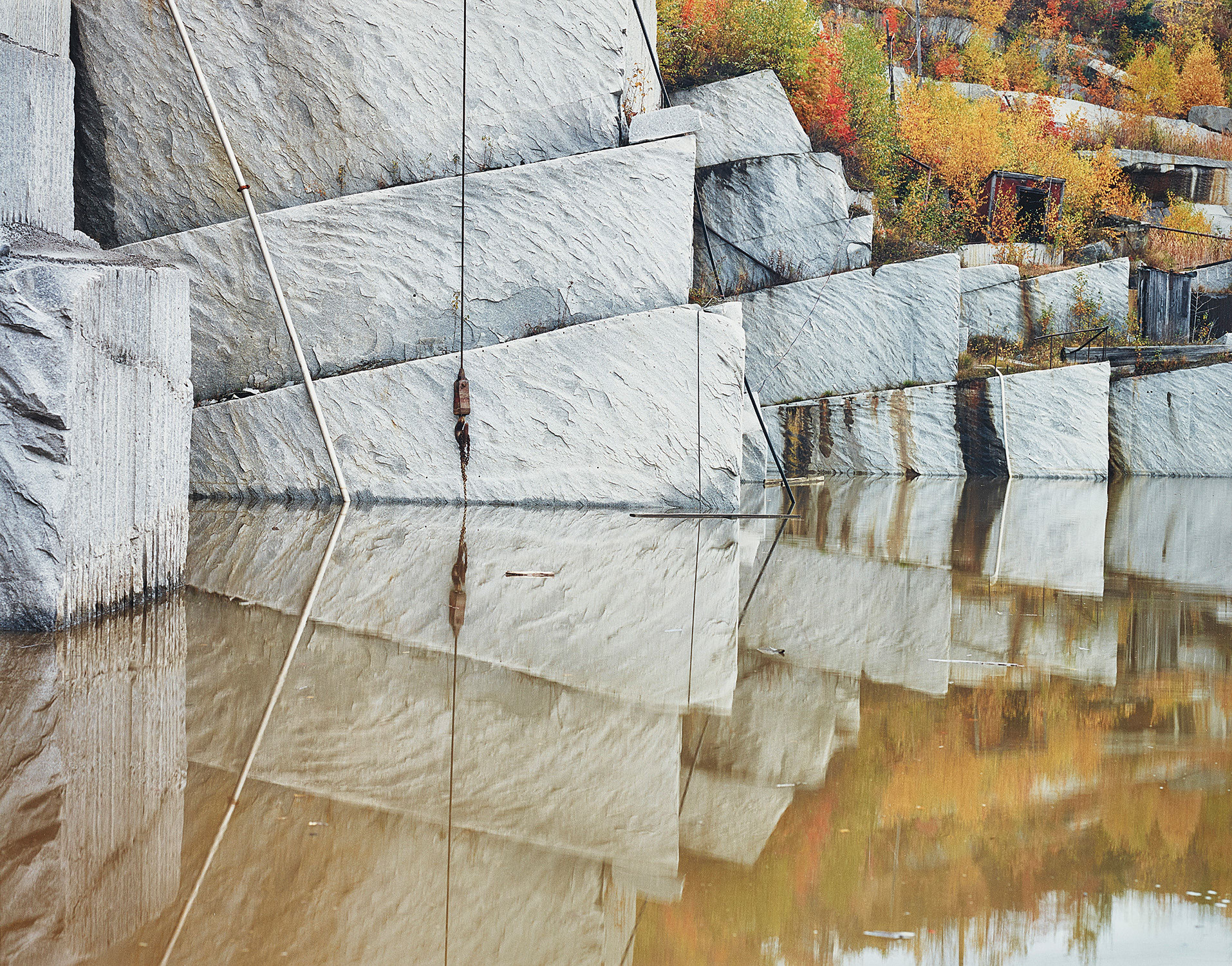
Edward Burtynsky
Rock of Ages #2, Granite Quarry, Bebee Quebec, Canada
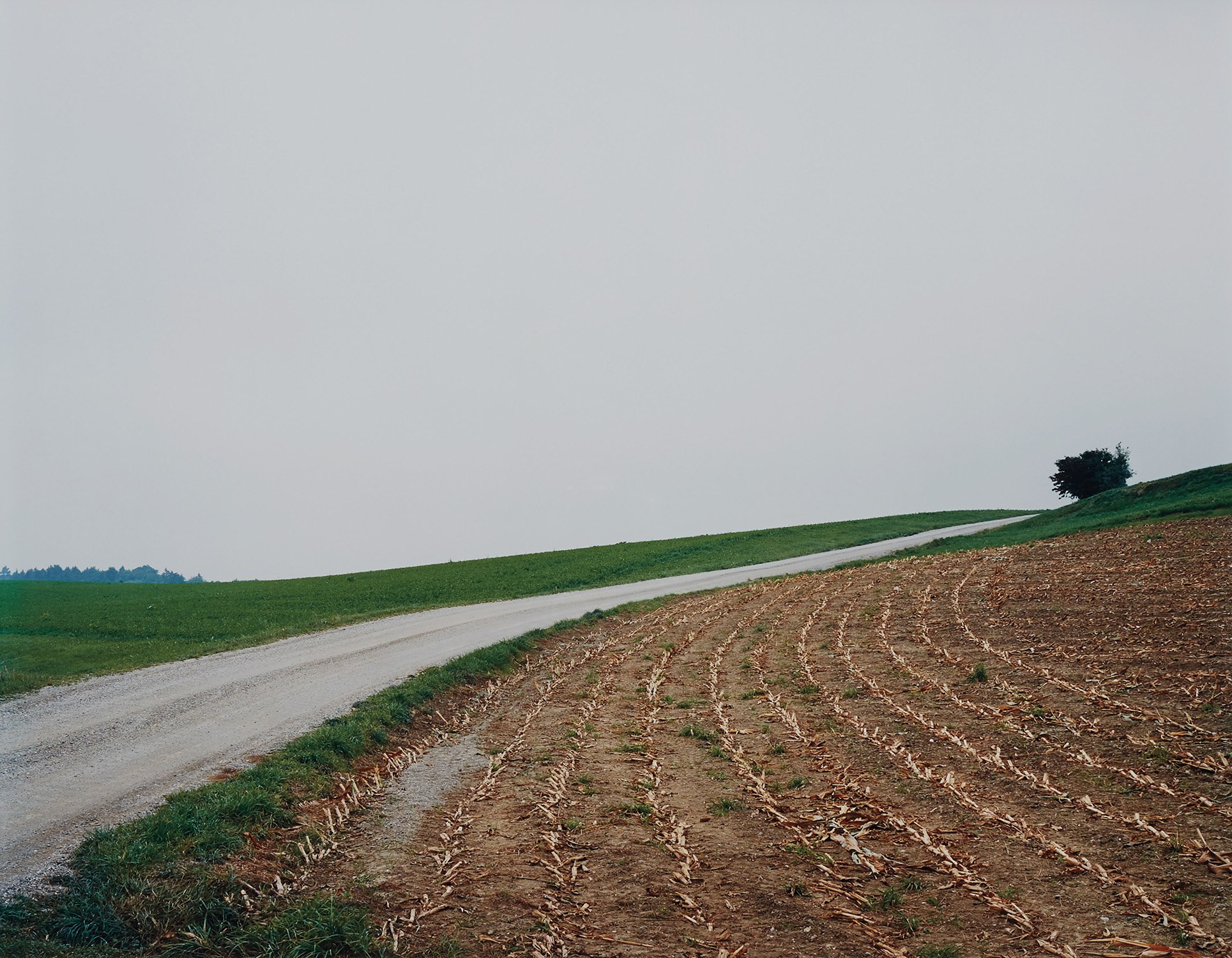
Thomas Struth
Mais-Acker, No. 22, Winterthur
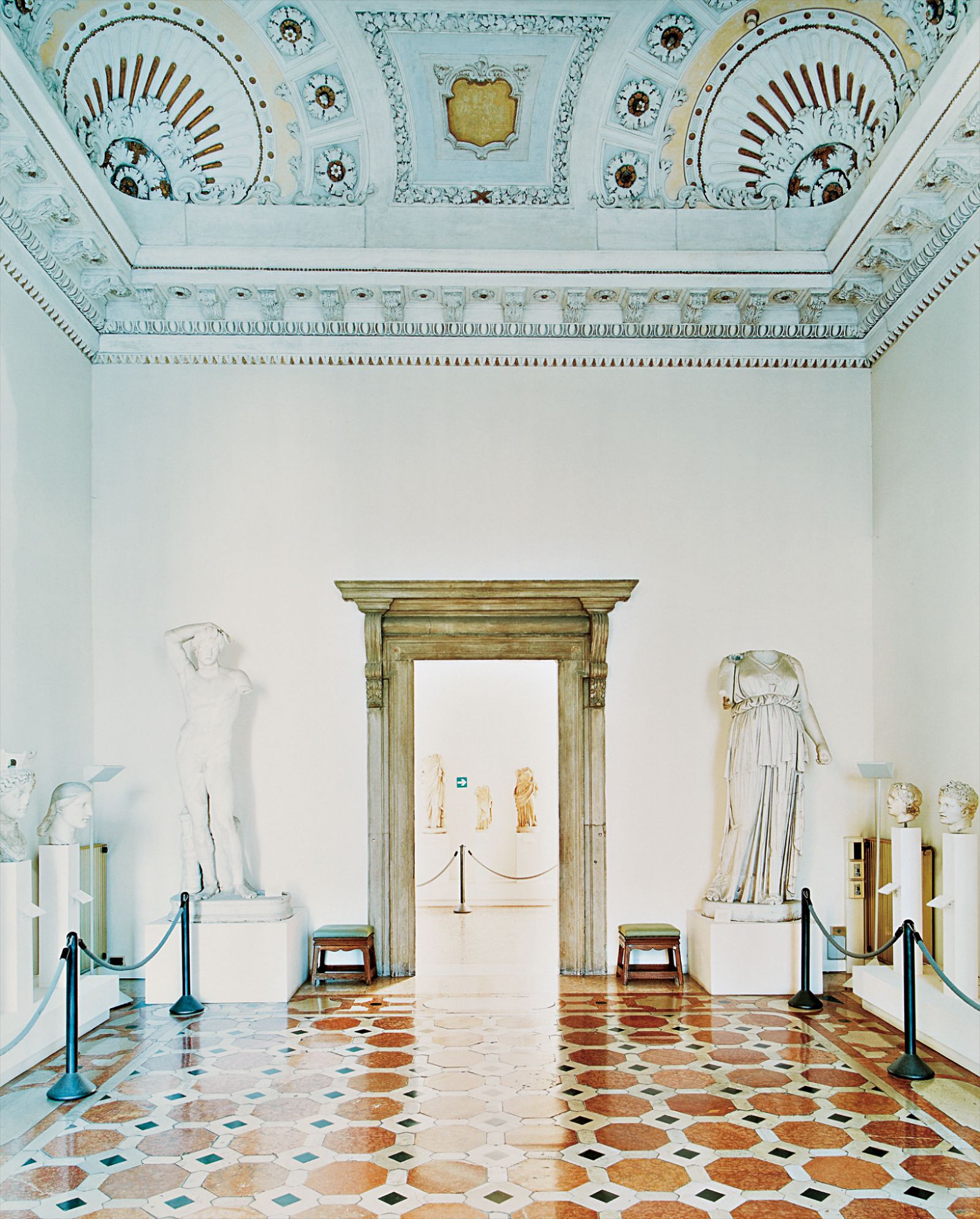
Candida Höfer
Museo Archeologico Nazionale Venezia II
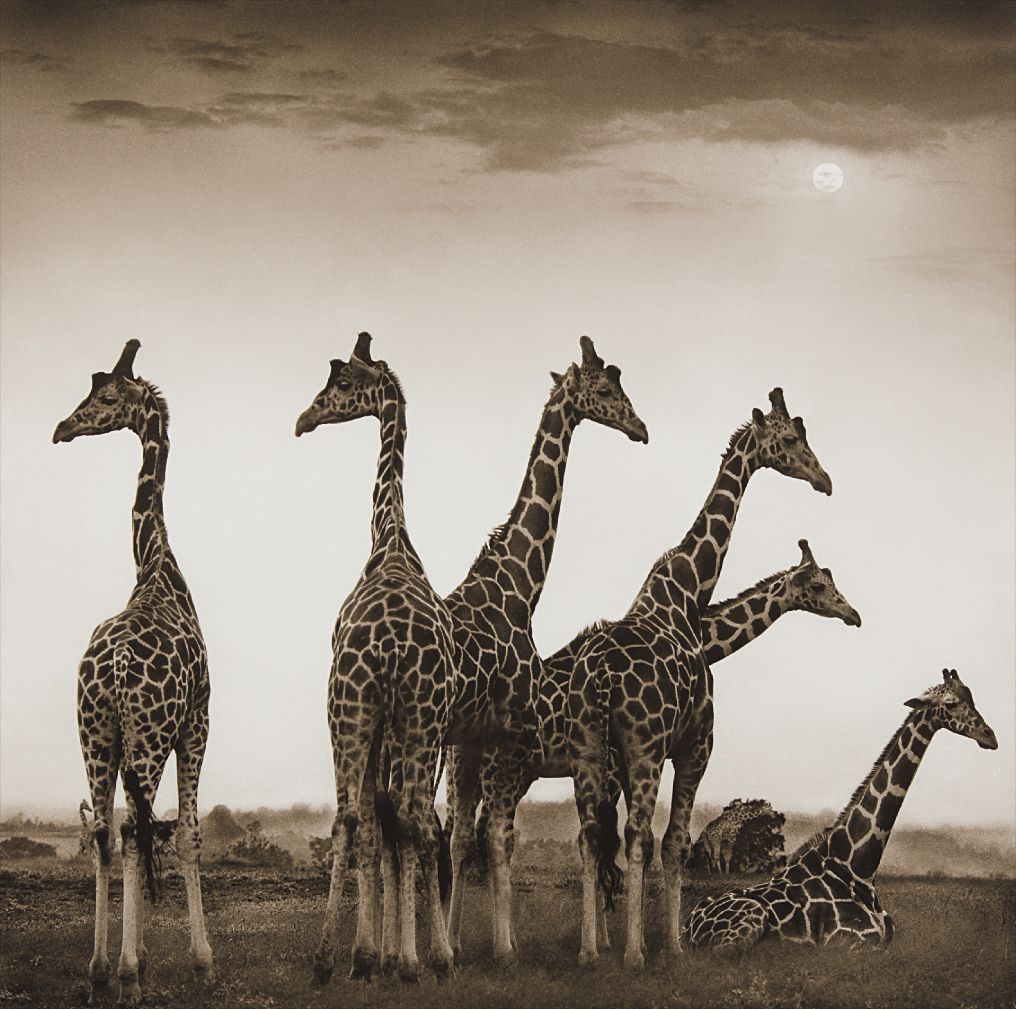
Nick Brandt
Giraffe Fan, Aberdares