Japanese
Archived article
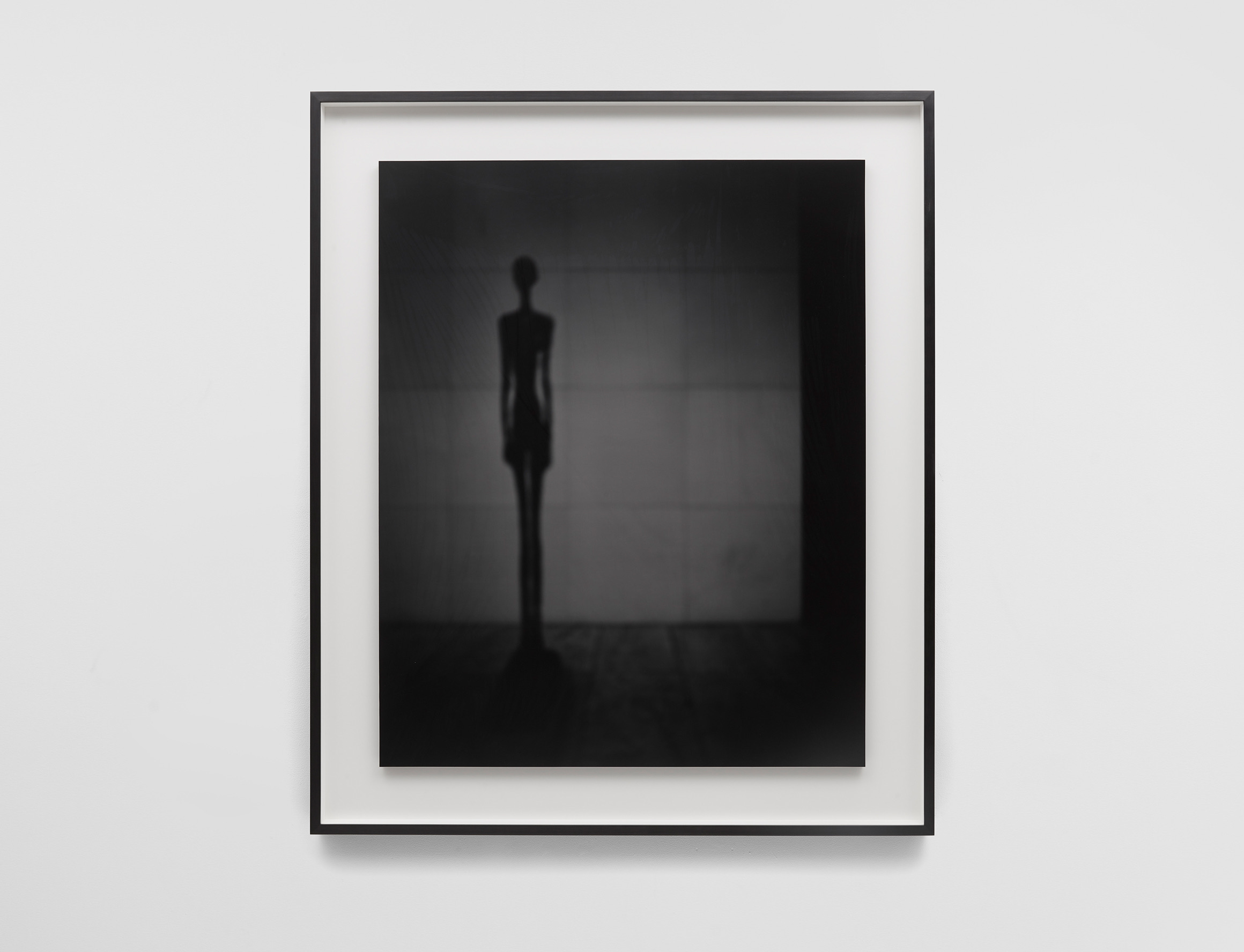
Hiroshi Sugimoto
Past Presence 001, Tall Figure, III, Alberto Giacometti
You are reading a previous version of this article.
Read the latest version```json { "headline": "The Island That Rewired Visual Culture Forever", "body": "There is a particular kind of looking that Japanese art demands. It asks you to slow down, to find the infinite inside the finite, to understand that a single brushstroke can carry the weight of a philosophy. From the spare ink washes of Zen influenced painting to the sensory overload of contemporary pop, Japanese visual culture has never been one thing. It has always been a conversation between stillness and chaos, between the ancient and the urgently new.
That conversation is very much ongoing, and for collectors who pay attention, it remains one of the most generative forces in the art world today.", "The story begins long before modern categories like \"fine art\" even existed in Japan. During the Edo period, which ran from 1603 to 1868, a merchant class with money and leisure time created an entirely new visual economy. Woodblock printing, or ukiyo e, emerged as the medium of this moment.
![Katsushika Hokusai — Kanagawa oki nami ura (Under the well of the Great Wave off Kanagawa) [“Great Wave”]](https://rtwaymdozgnhgluydsys.supabase.co/storage/v1/object/public/artwork-images/auction-lots/japanese-and-korean-art-24346-nyr-lot84.jpg)
Katsushika Hokusai
Kanagawa oki nami ura (Under the well of the Great Wave off Kanagawa) [“Great Wave”]
Artists like Katsushika Hokusai and Utagawa Hiroshige produced prints that circulated widely, captured everyday beauty, and encoded something profound about the relationship between human beings and the natural world. Hokusai's Thirty six Views of Mount Fuji, begun around 1830, is probably the most studied series in the history of printmaking. Hiroshige's landscapes, melancholic and rain soaked and tender, were equally revolutionary. Both artists are well represented on The Collection, and holding their work is to hold a piece of the moment when mass visual culture was invented.
", "The influence of these printmakers on Western modernism is almost impossible to overstate. When Impressionist painters in Paris first encountered ukiyo e in the 1860s and 1870s, the effect was seismic. Monet collected hundreds of Japanese prints. Van Gogh copied Hiroshige directly in oil paint.
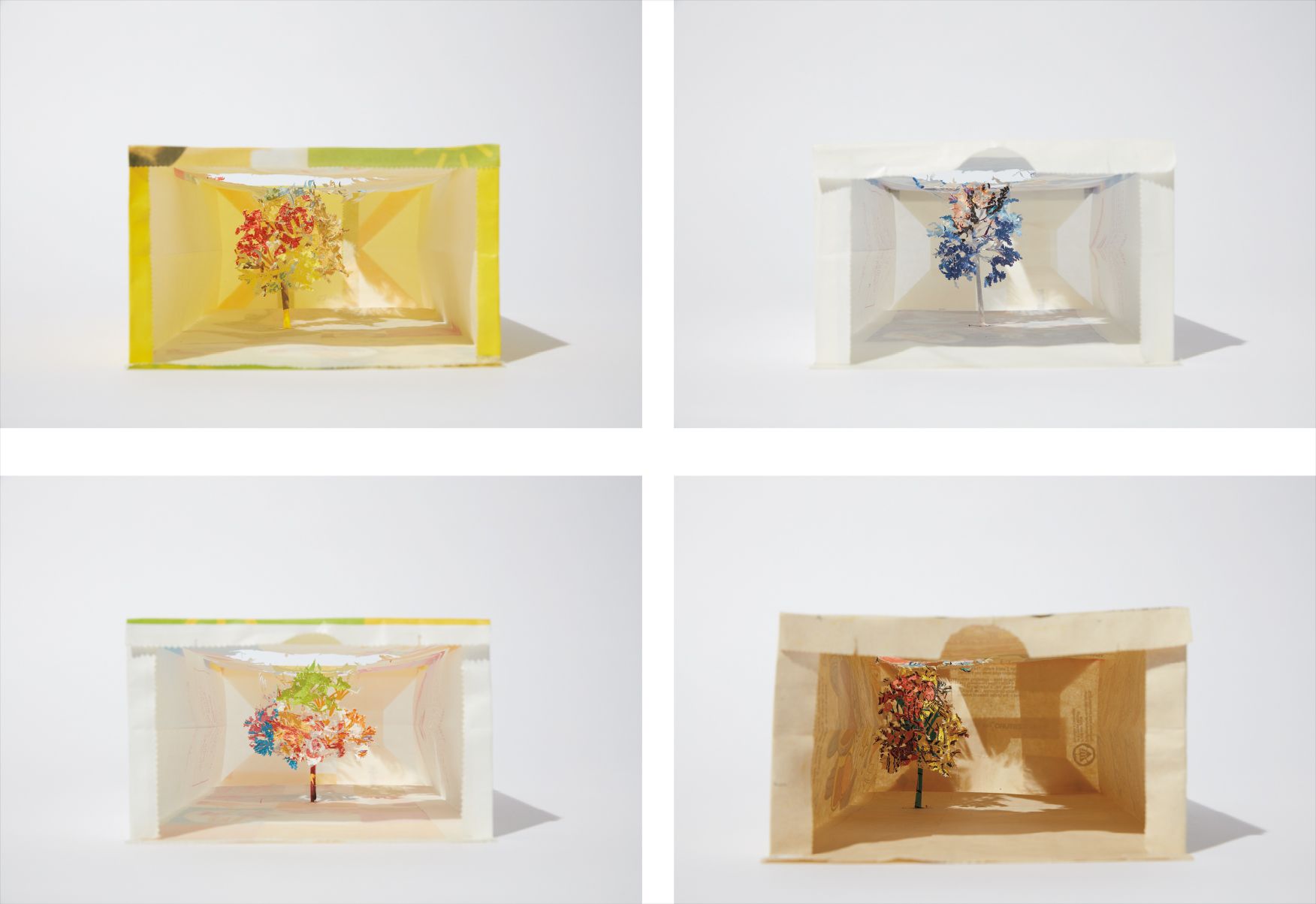
Yuken Teruya
Happy Meal Crossing, 2005
The flattened perspective, the bold contour lines, the compositional daring of cutting off figures at the edge of the frame: all of it filtered into the European avant garde and changed painting permanently. This moment of exchange, which art historians call Japonisme, reminds us that Japanese art has never existed in isolation. It has always been in dialogue, always migrating and transforming as it moves through the world.", "The twentieth century brought its own ruptures.
After the devastation of World War Two, Japanese artists faced the task of rebuilding not just cities but meaning itself. The Gutai group, formed in Osaka in 1954, responded with radical physicality. Kazuo Shiraga, one of Gutai's most ferocious presences, famously painted with his feet, suspending himself from ropes and dragging his body across canvases in performances that were as much about the body's survival as they were about painting. His works, available on The Collection, carry that primal energy intact.
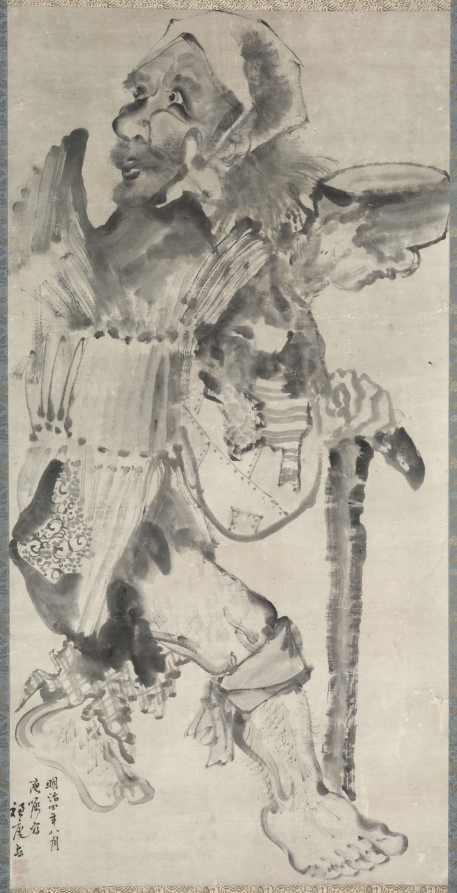
Hirafuku Suian
Beggar (Kojiki), 1871
Meanwhile, the Mono ha movement of the late 1960s and 1970s asked artists to simply place materials in space and observe what happened. It was quieter, more philosophical, deeply indebted to Zen thought, and it anticipated minimalism and relational aesthetics by decades.", "Utagawa Kuniyoshi brought something wilder to the ukiyo e tradition, a taste for the fantastical, the grotesque, and the heroic that feels almost contemporary. His prints of mythological warriors and shape shifting creatures read today like proto manga, and the lineage from his work to the visual language of modern Japanese popular culture is direct and traceable.
That visual DNA runs through Dragon Ball Z and the broader universe of anime and manga that has shaped global youth culture since the 1980s. Kitagawa Utamaro's bijin ga, his exquisite portraits of beautiful women from the same Edo period, occupy the other end of that spectrum: intimate, psychologically searching, and formally rigorous in ways that still feel modern.", "Then came the artists who would bring Japanese art into the center of the international contemporary scene. Yayoi Kusama, whose obliterating polka dots and Infinity Mirror Rooms turned her into one of the most recognized artists alive, had already been working in New York in the 1960s, staging happenings and creating soft sculptures before retreating to Tokyo and eventually choosing to live voluntarily in a psychiatric institution while continuing to paint with extraordinary productivity.
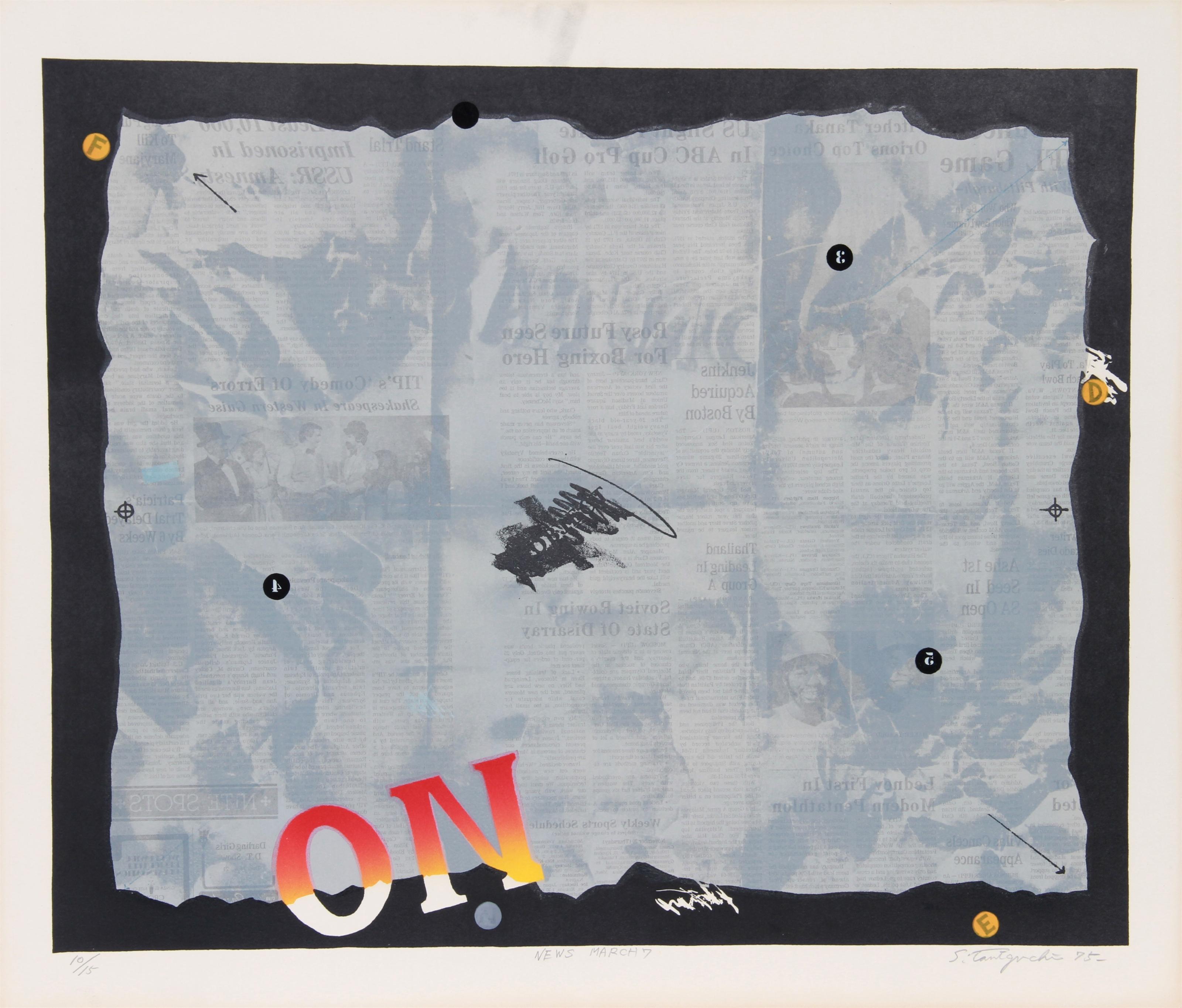
Shigeru Taniguchi
News March 7th
Her story is inseparable from her art, and the breadth of her work on The Collection captures just how restless and uncontainable her vision has always been. Takashi Murakami arrived in the 1990s with a different kind of ambition. His Superflat theory, articulated around 2000, argued that Japanese culture was defined by a radical flattening of surface, a collapse of high and low, fine art and commercial imagery, that had its roots in the ukiyo e tradition. His work with Louis Vuitton, his collaborations with Kanye West, and his staggering commercial empire have made him both celebrated and contested.
The works on The Collection reveal the full range of his practice, from tender to transgressive.", "Yoshitomo Nara occupies quieter but no less consequential territory. His wide eyed children, at once innocent and menacing, draw on both Japanese manga aesthetics and a European expressionist tradition. Nara studied in Düsseldorf in the 1980s and 1990s, and that double inheritance gives his work its particular charge.
Hiroshi Sugimoto approaches photography with the patience of a monk, his long exposure seascapes and theater interiors creating images that feel like they were made at the edge of time. Daidō Moriyama and Nobuyoshi Araki work at the other extreme, shooting the streets and bodies of Tokyo with an urgency that is almost violent. Together these artists suggest that Japanese photography is its own universe, as rich and contradictory as any tradition in the medium.", "What connects all of this, across centuries and movements and media, is a willingness to take the formal question seriously.
Japanese art has consistently asked what a line can do, what emptiness means, how beauty and suffering coexist. Chiharu Shiota's vast thread installations and Tomoo Gokita's mysterious painted figures continue that inquiry in the present tense. Ayako Rokkaku, who paints large scale works with her bare hands, and Tomokazu Matsuyama, whose layered portraits fuse Eastern and Western iconographies, represent the newest generation carrying this conversation forward. For a collector, Japanese art offers something rare: a tradition deep enough to spend a lifetime with, and alive enough to keep surprising you.
Works tagged Japanese
Yuken Teruya
Happy Meal Crossing
Hirafuku Suian
Beggar (Kojiki)
Katsushika Hokusai
Kanagawa oki nami ura (Under the well of the Great Wave off Kanagawa) [“Great Wave”]
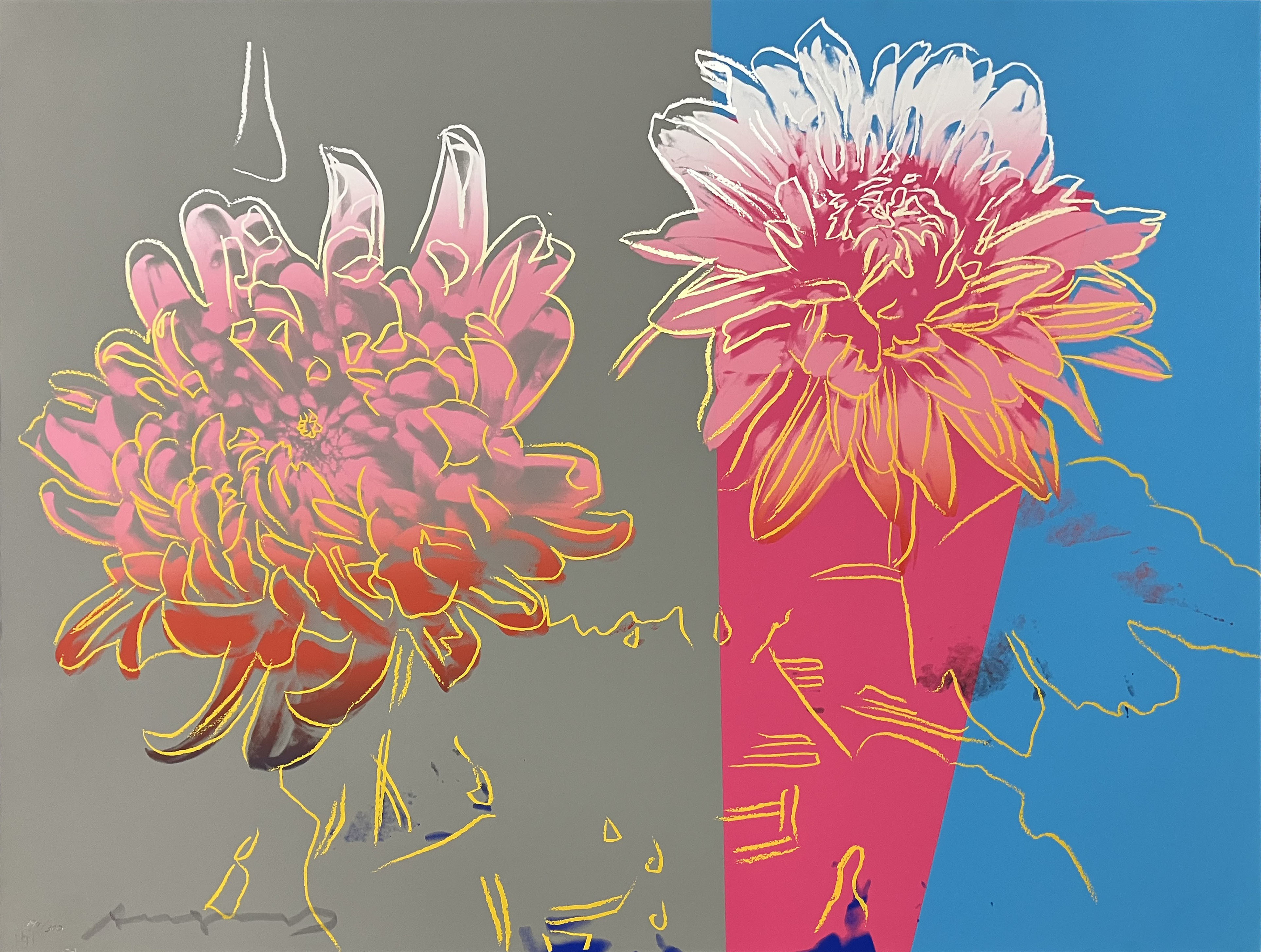
Andy Warhol
Kiku, II.308
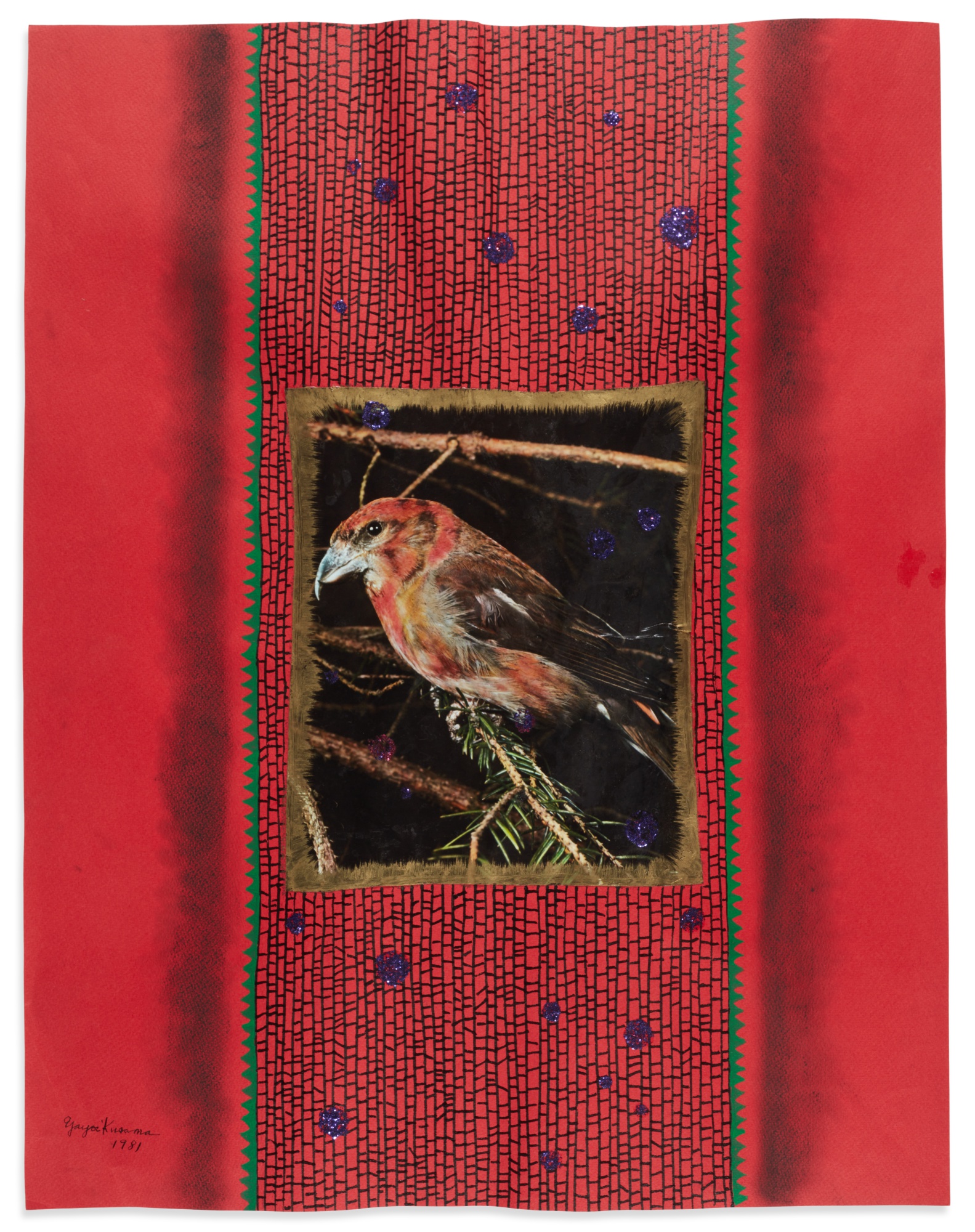
Yayoi Kusama
Night Bird
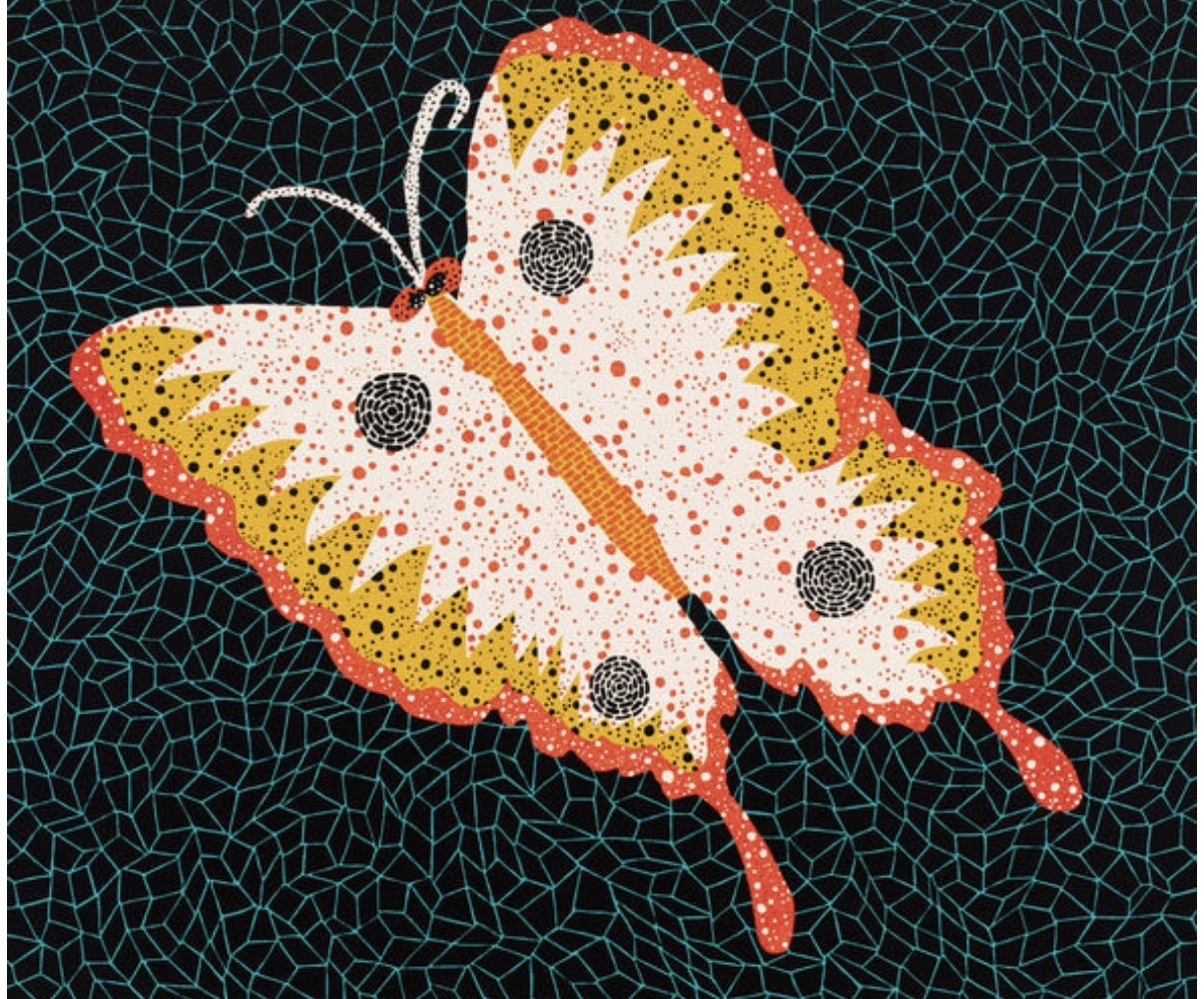
Yayoi Kusama
Butterfly
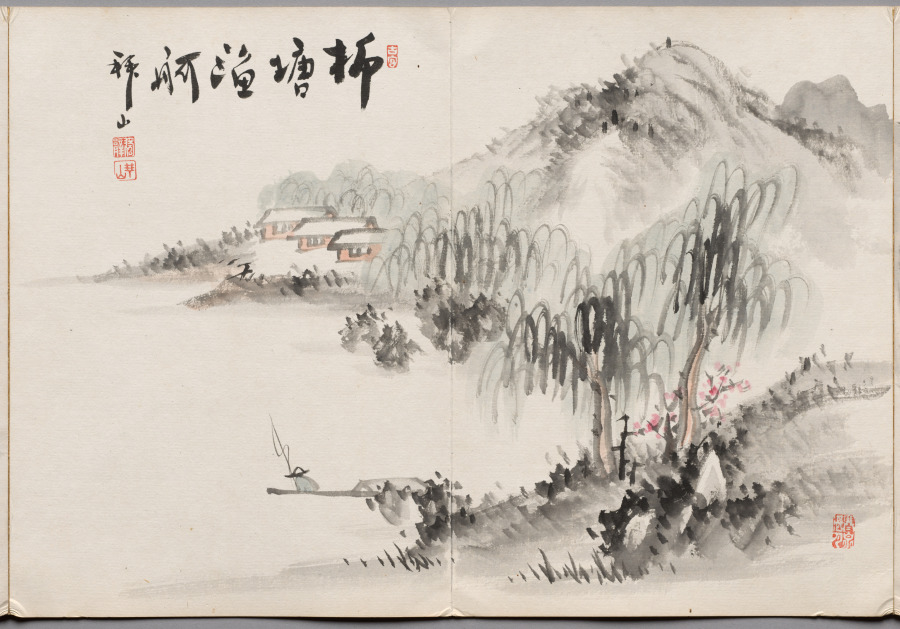
Yoshitsugu Haizan
Painting Four from Album of Paintings by Haizan
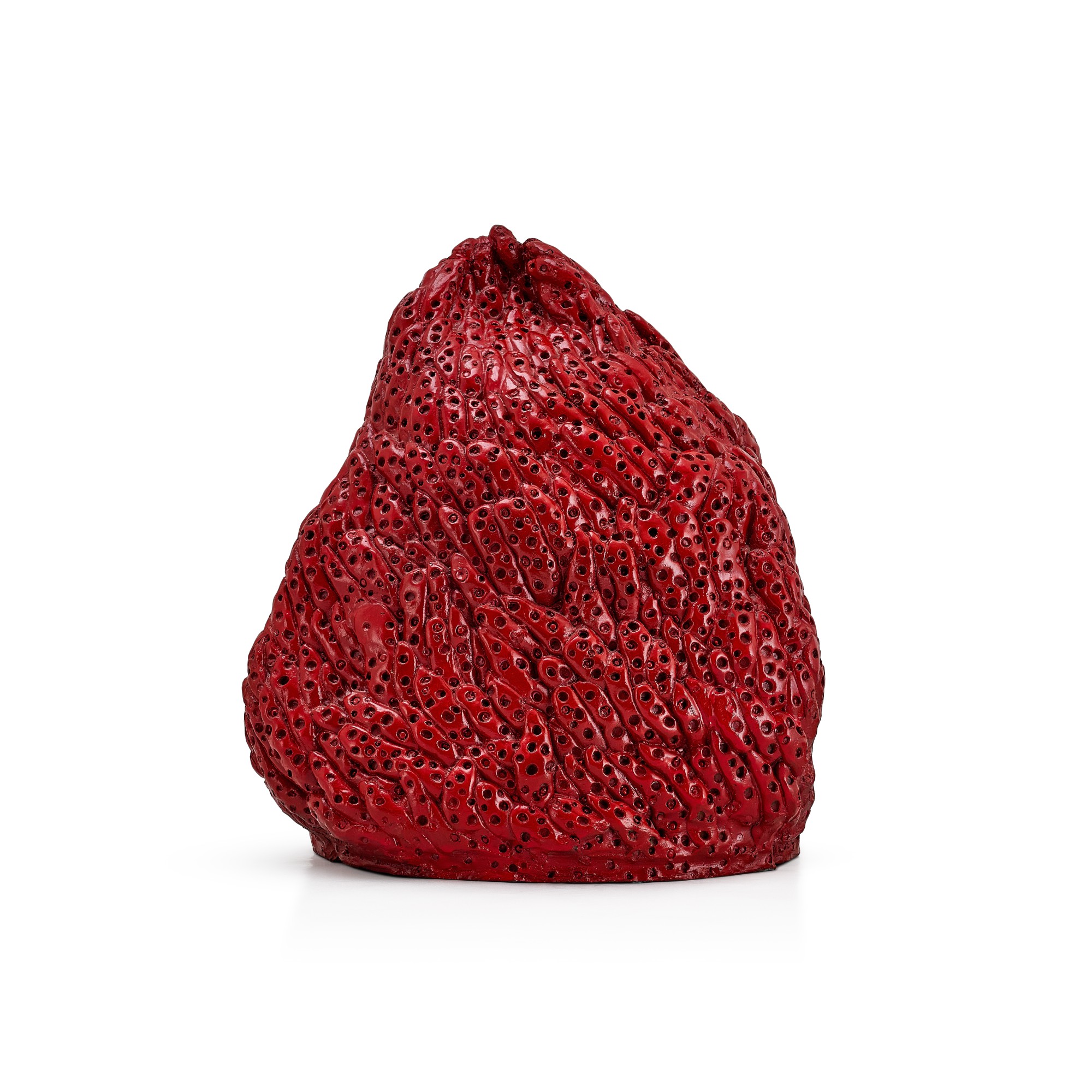
Yayoi Kusama
草莓(2)
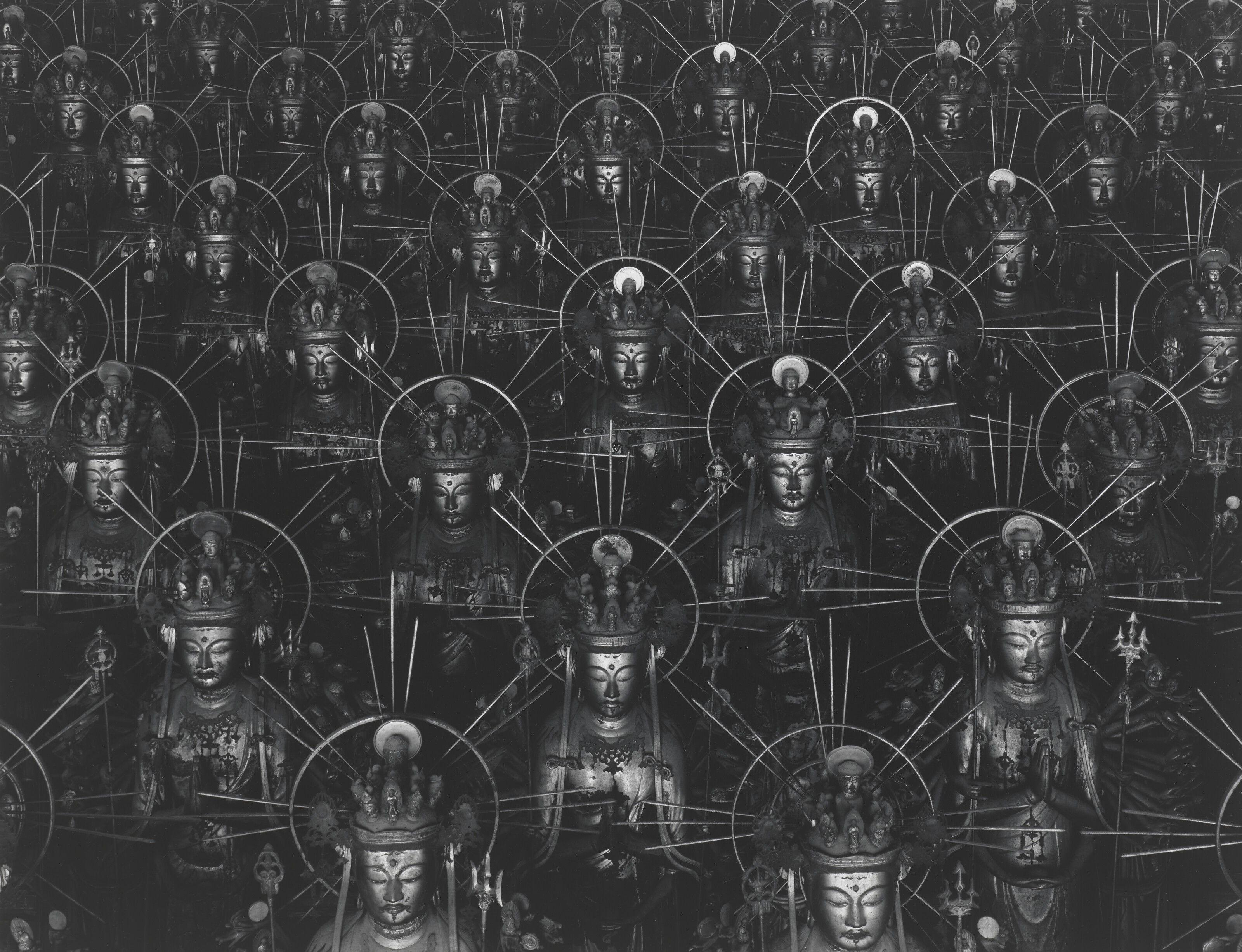
Hiroshi Sugimoto
Sea of Buddha (016), 1995
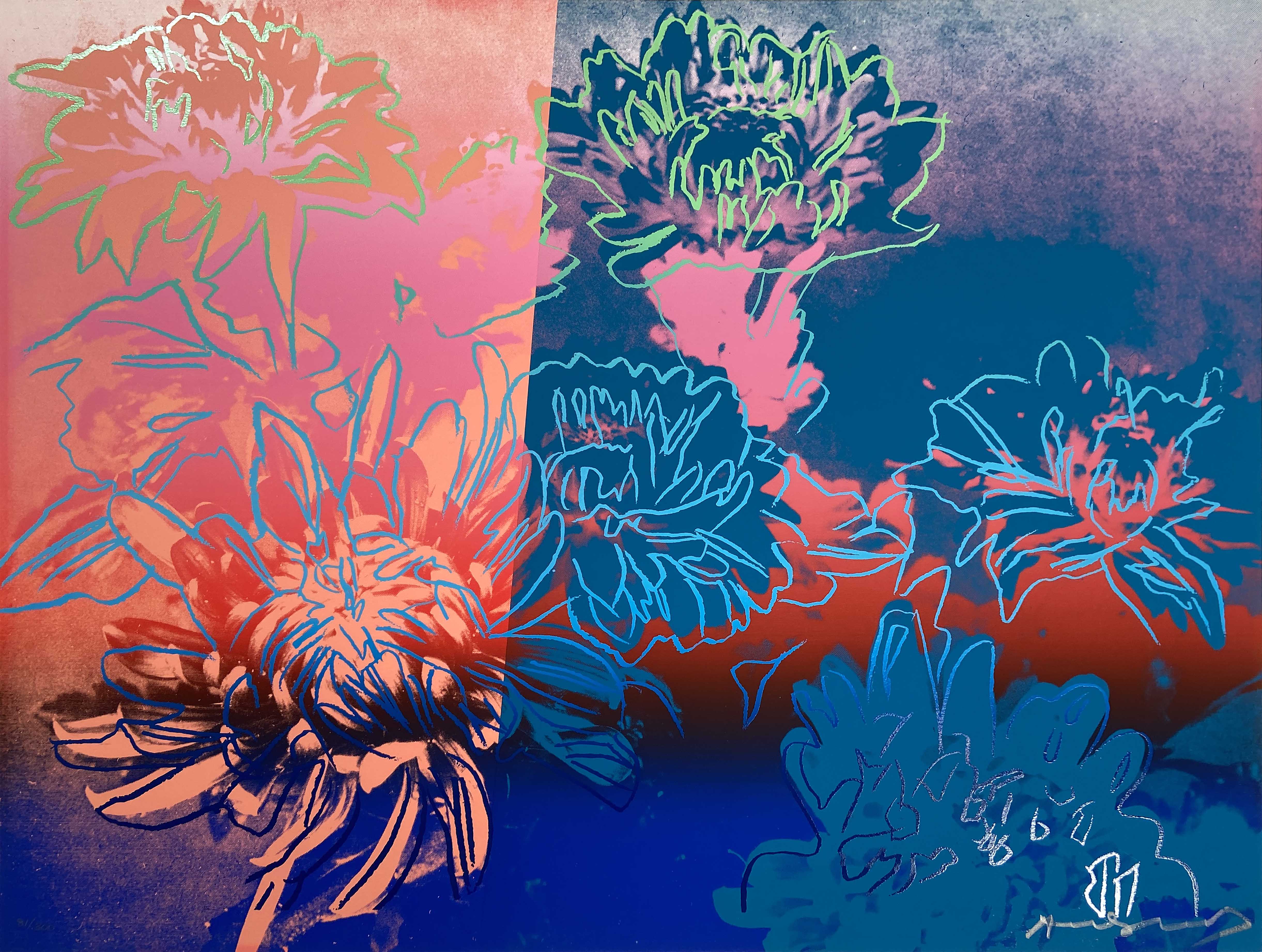
Andy Warhol
Kiku, II.309
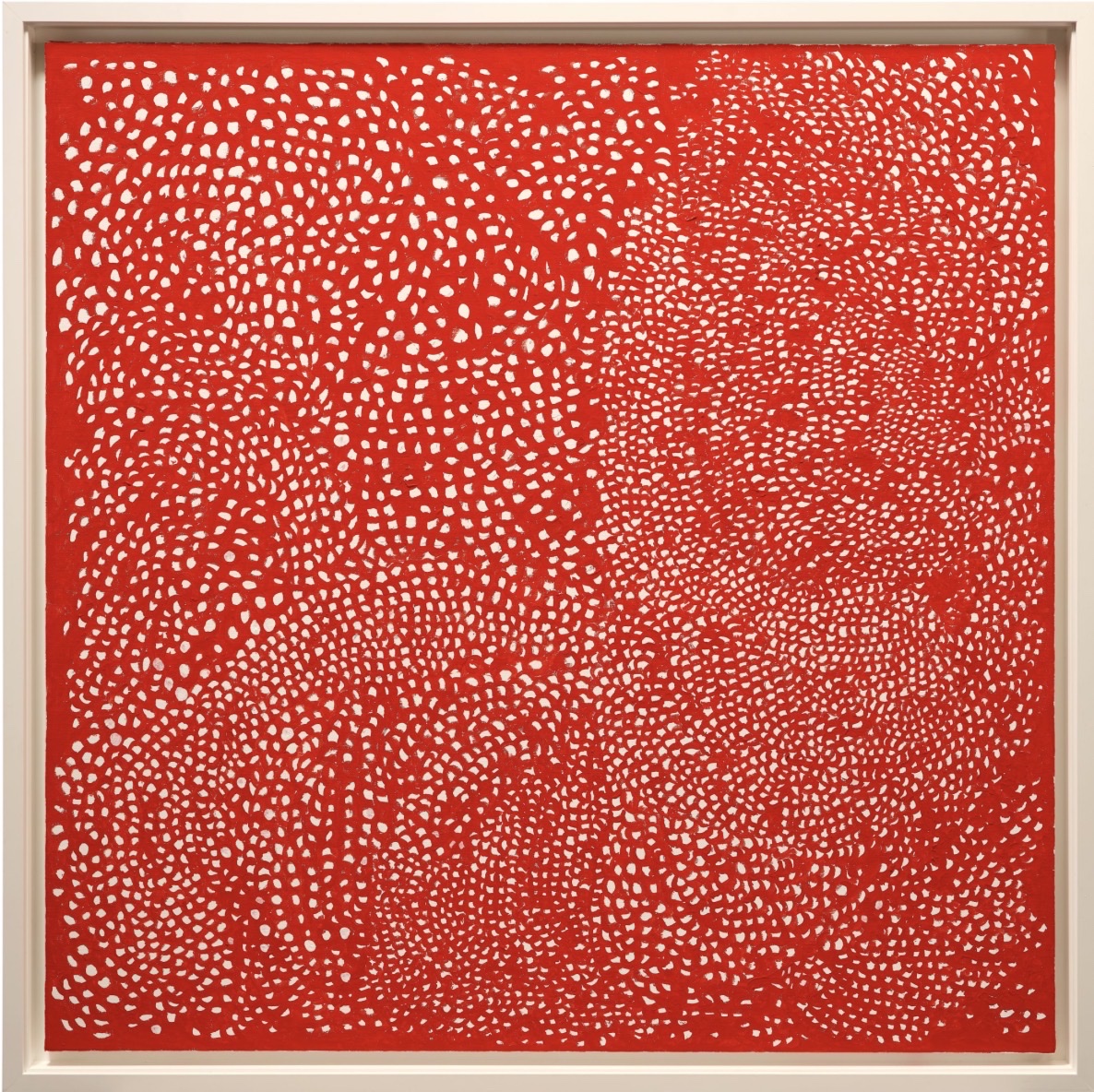
Yayoi Kusama
Sunset Afterglow inside My Heart
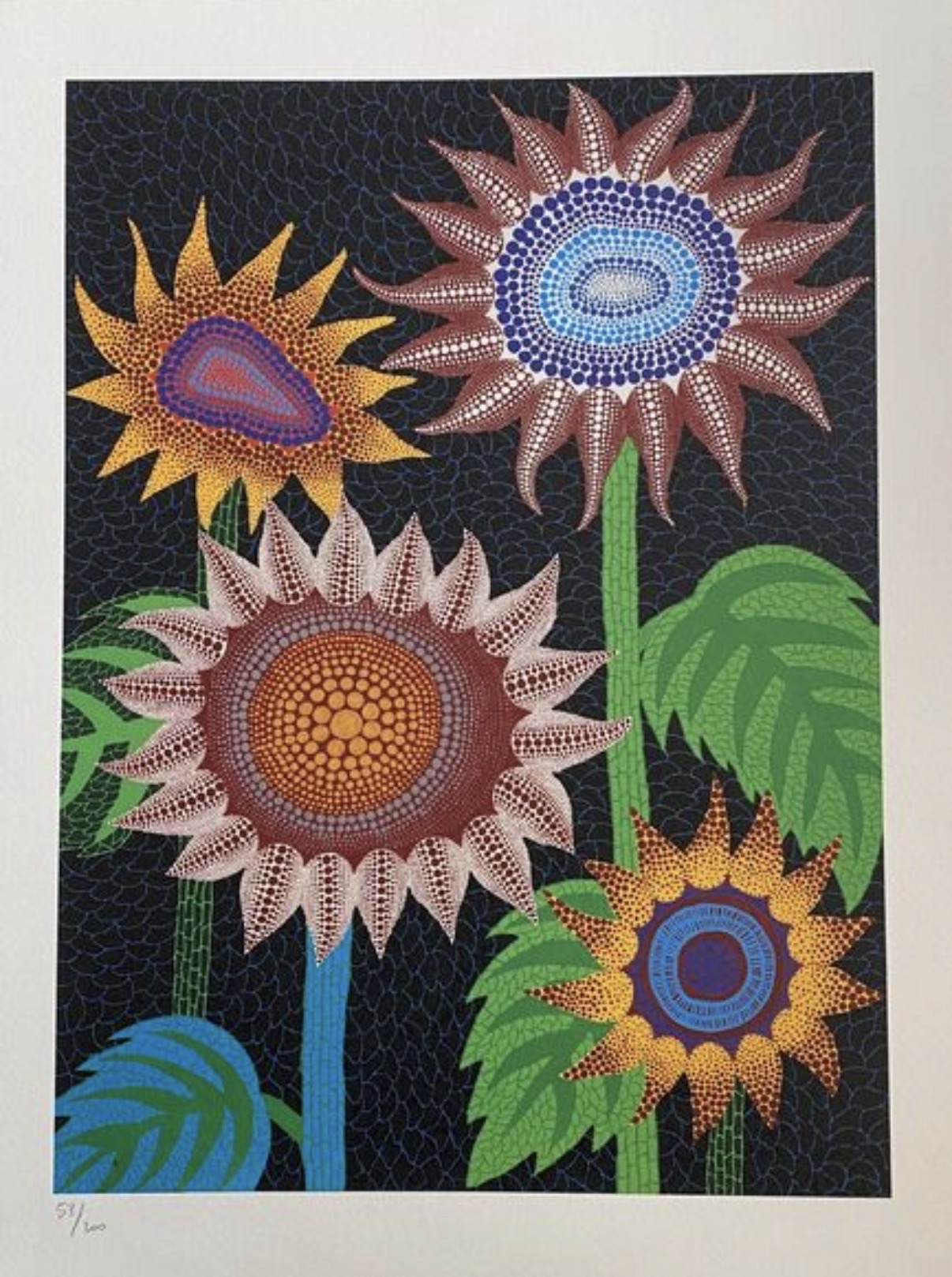
Yayoi Kusama
Sunflowers
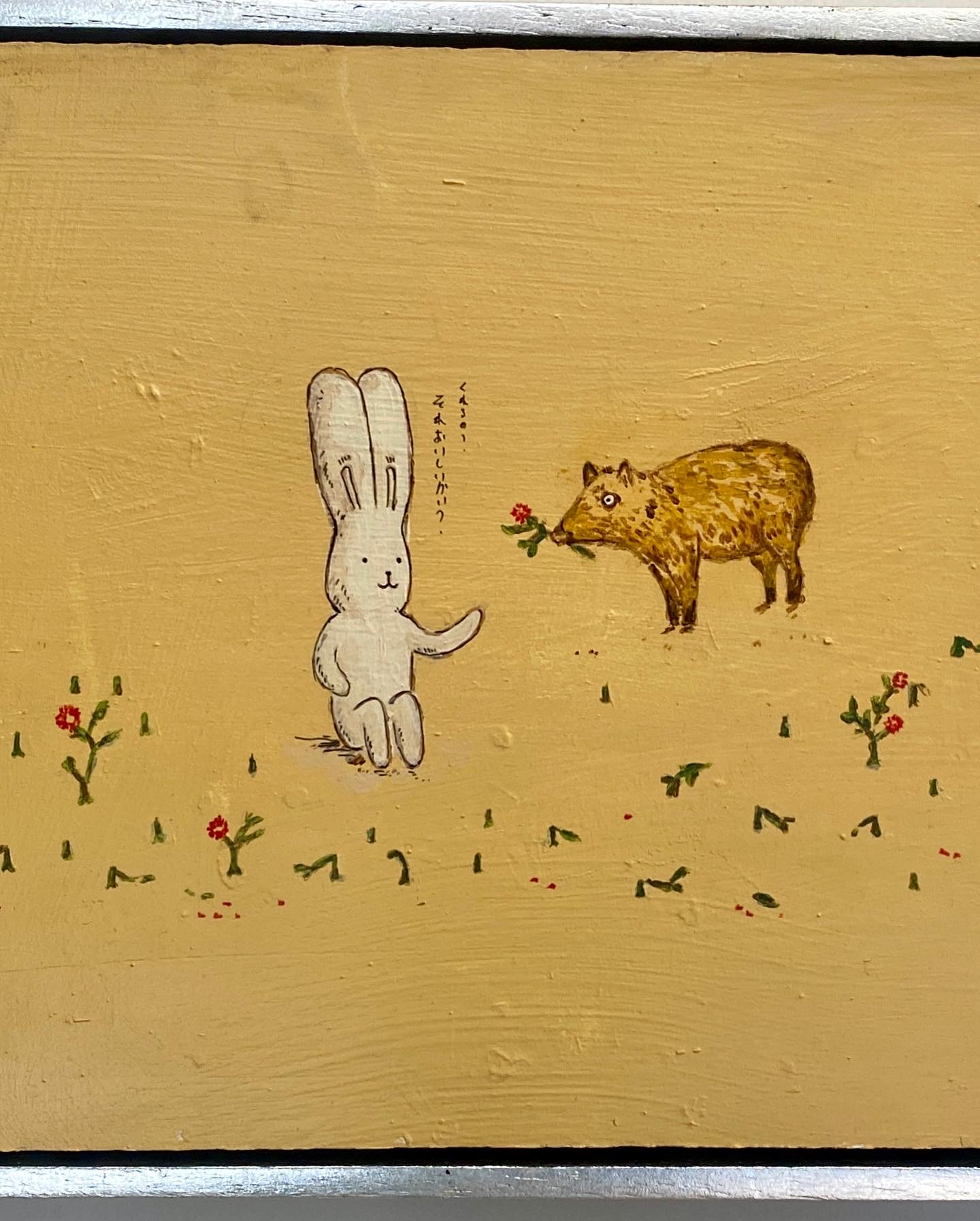
Atsushi Kaga
Are you Giving Me that Flower
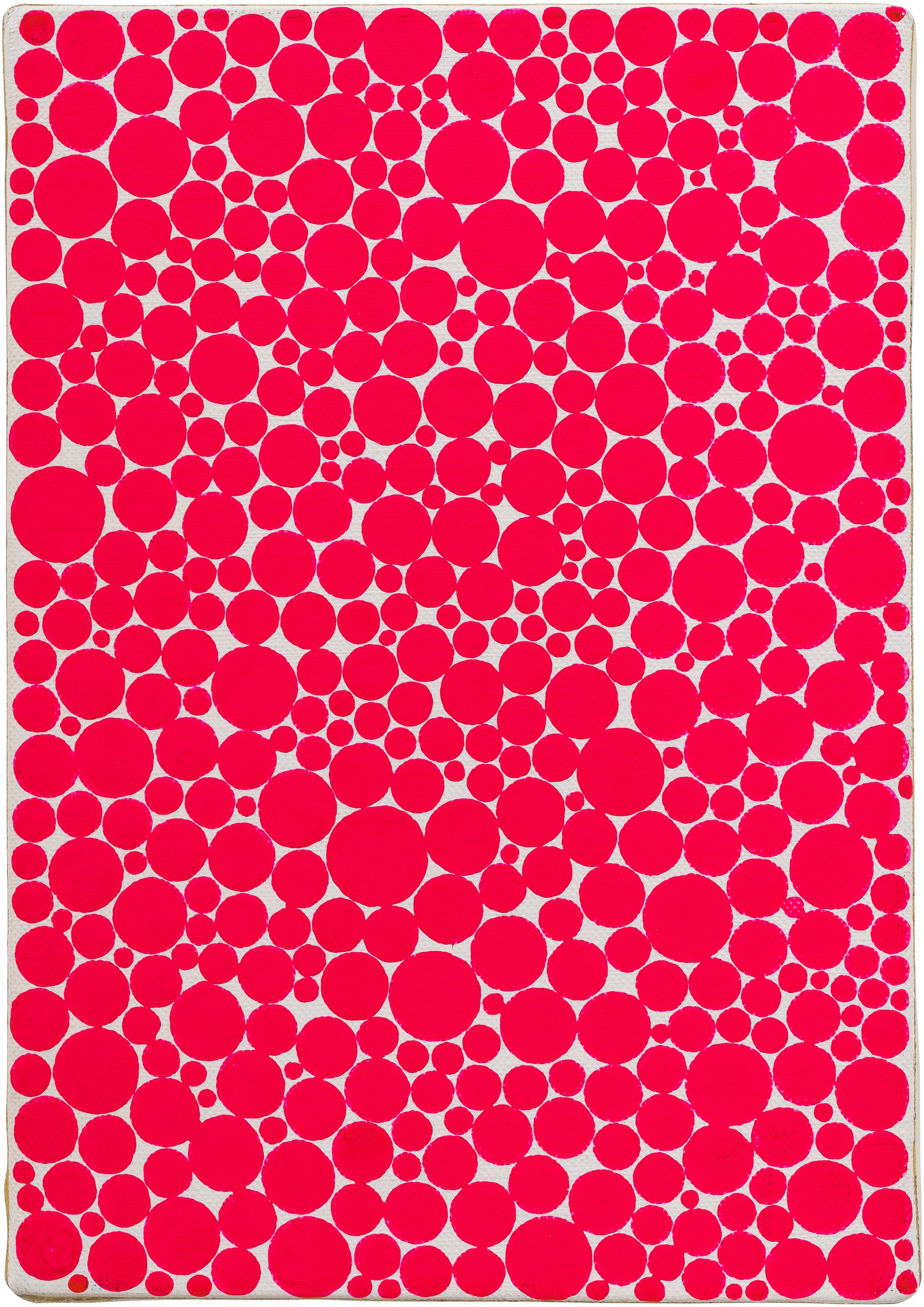
Yayoi Kusama
Infinity Dots
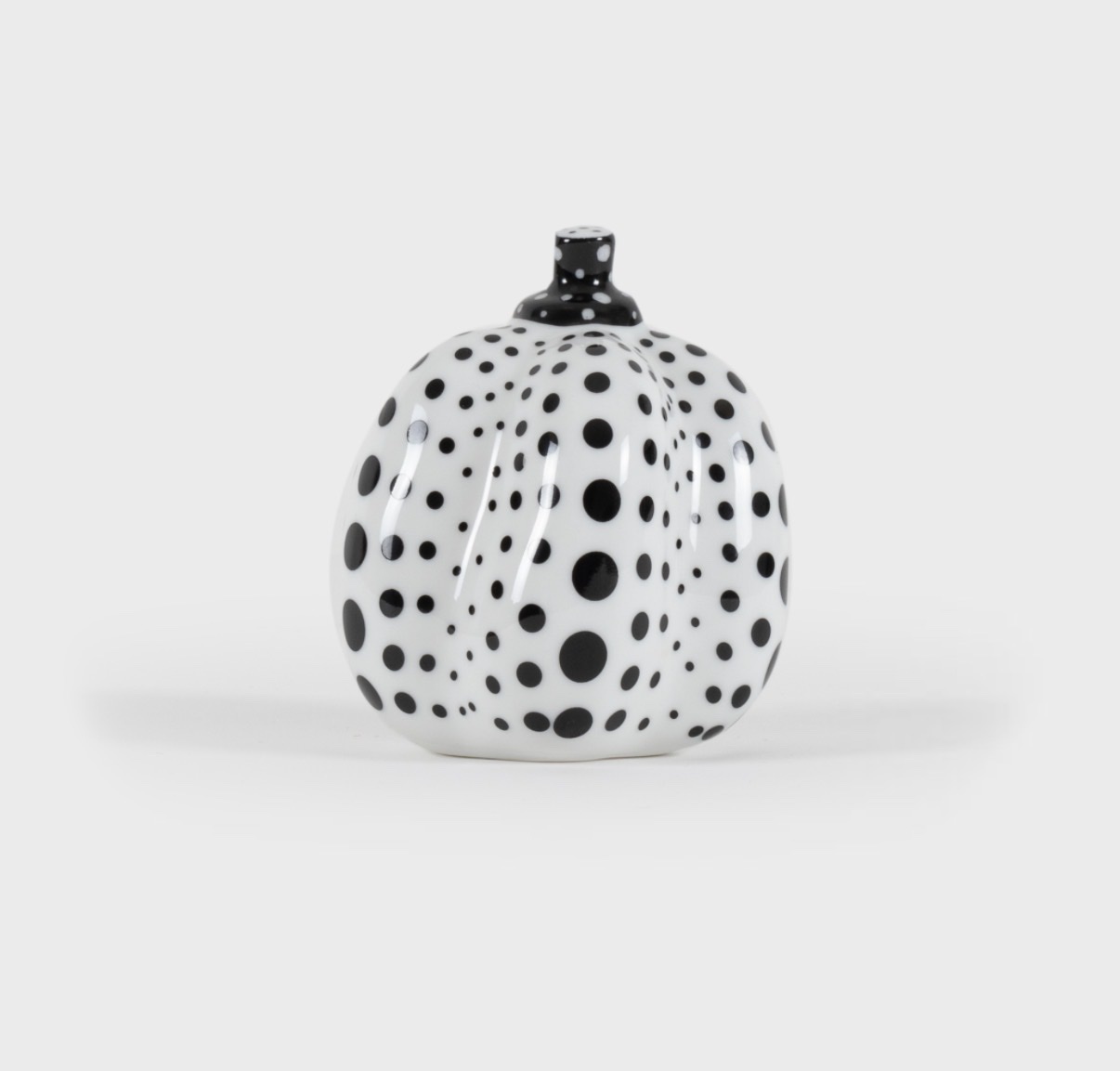
Yayoi Kusama
Pumpkin (Limoges) (White and Black)
Hiroshi Sugimoto
Past Presence 071, L'Homme Qui Marche II
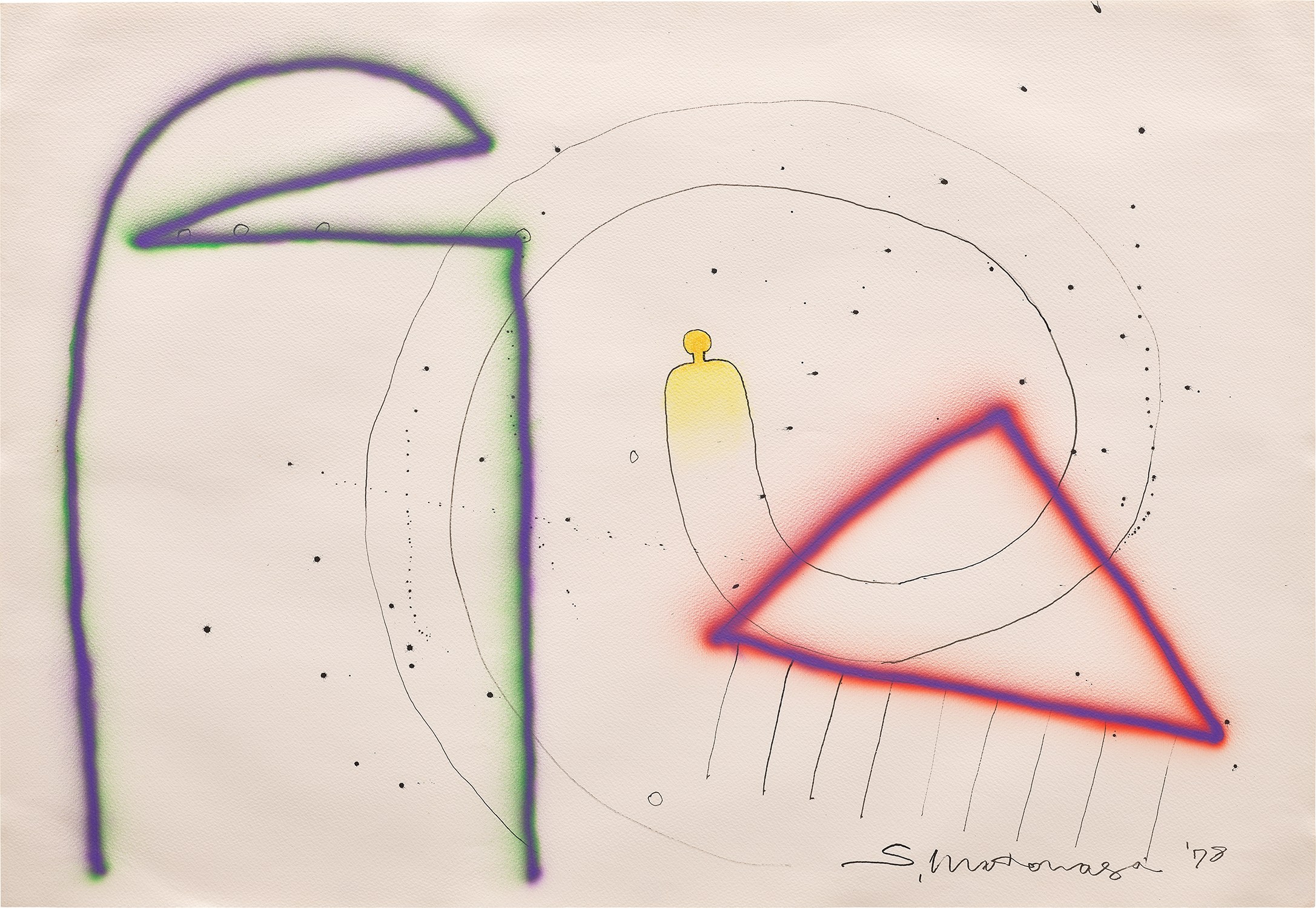
Sadamasa Motonaga
Three Shapes are Drawn
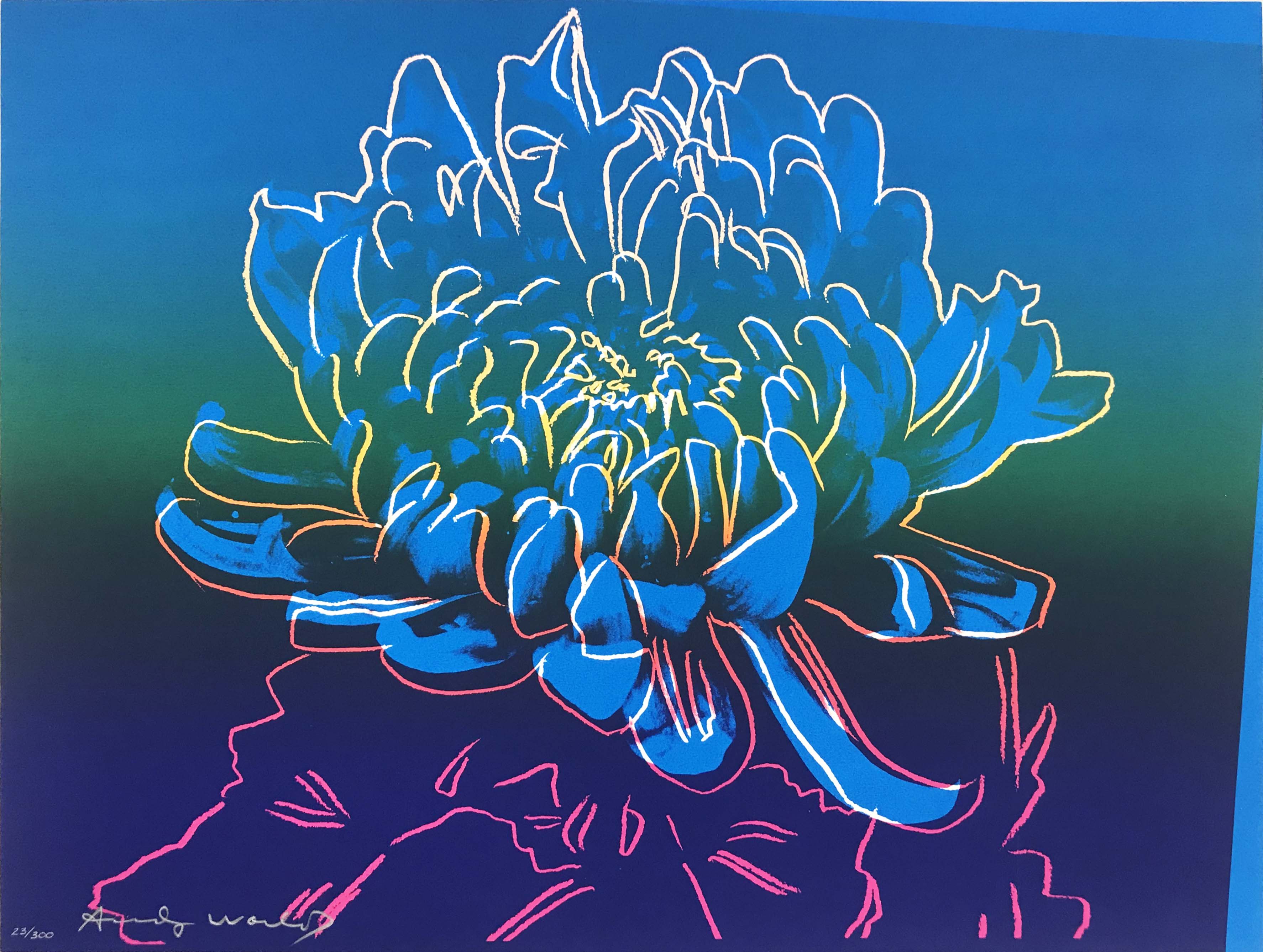
Andy Warhol
Kiku, II.307
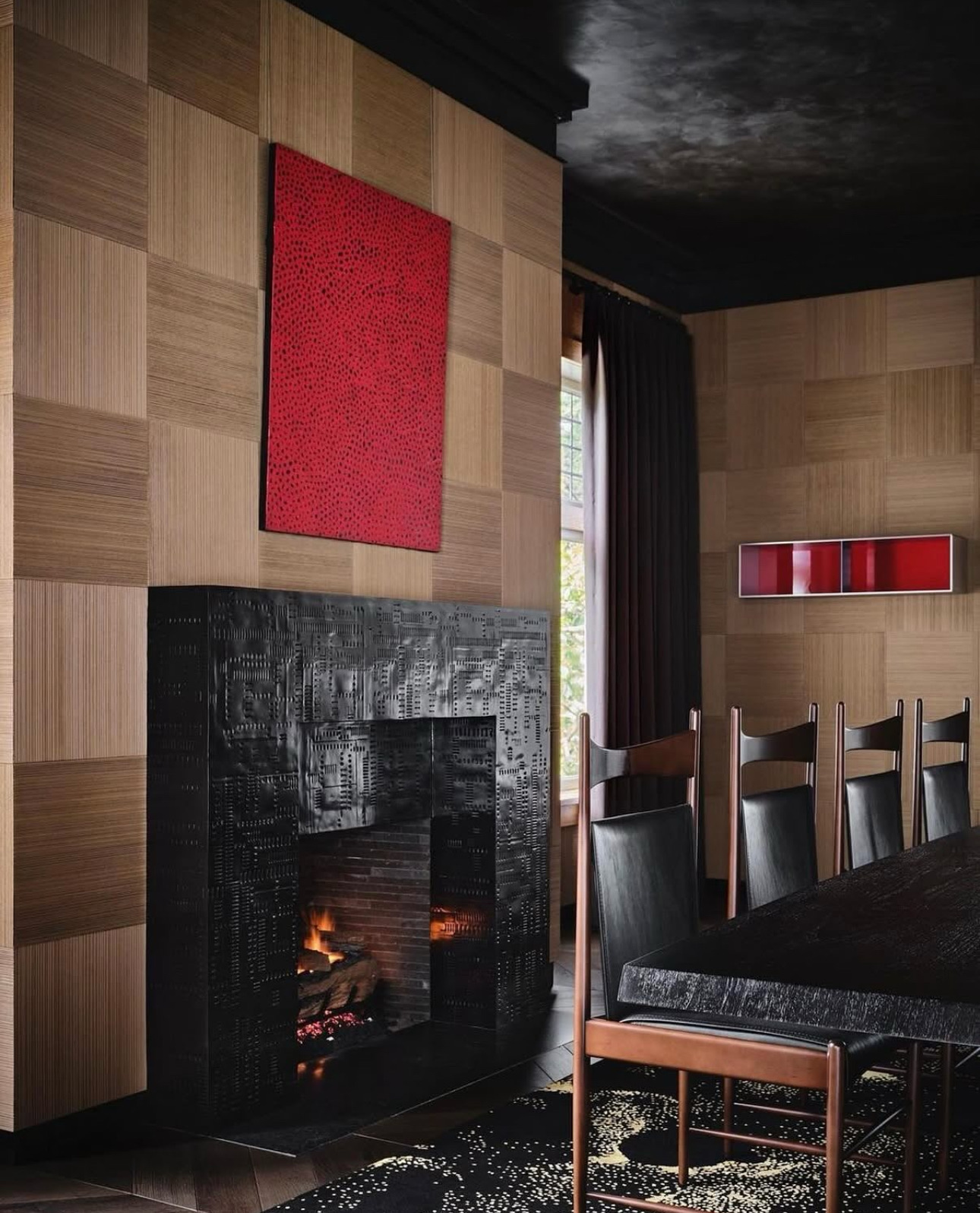
Yayoi Kusama
Infinity Net
Hiroshi Sugimoto
Past Presence 001, Tall Figure, III, Alberto Giacometti
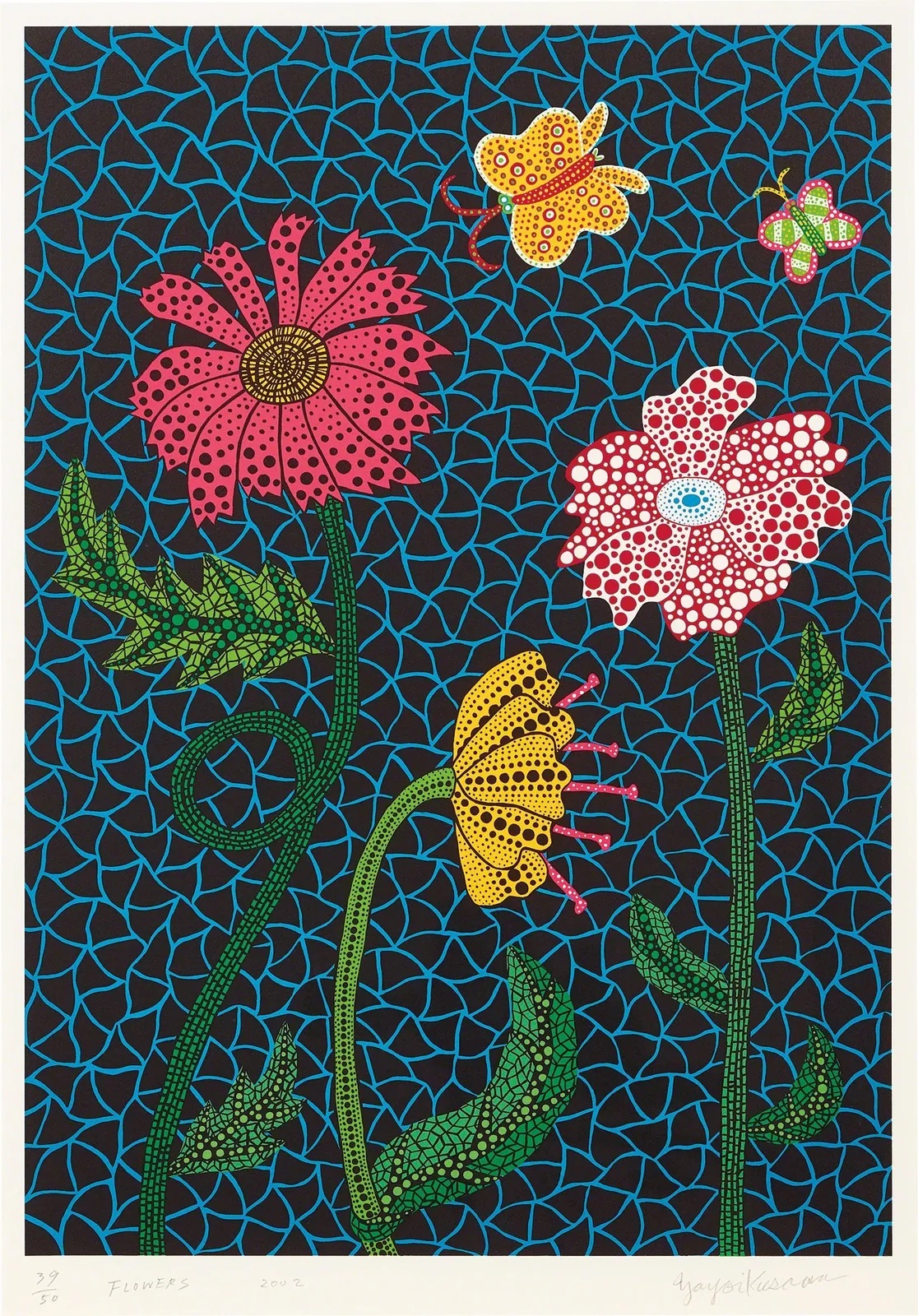
Yayoi Kusama
Flowers (Kusama 309)
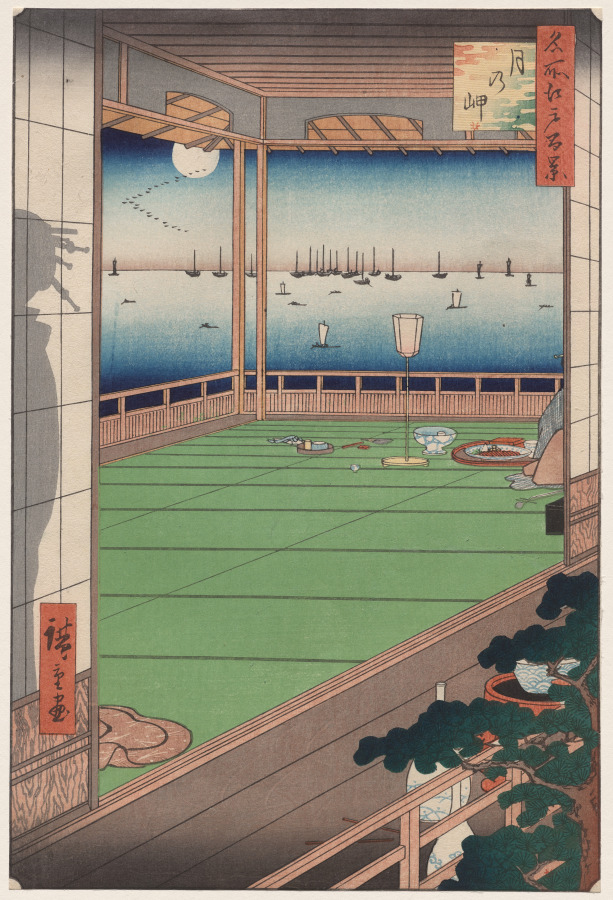
Utagawa Hiroshige
The Moon-Viewing Promontory, from One Hundred Views of Famous Places in Edo
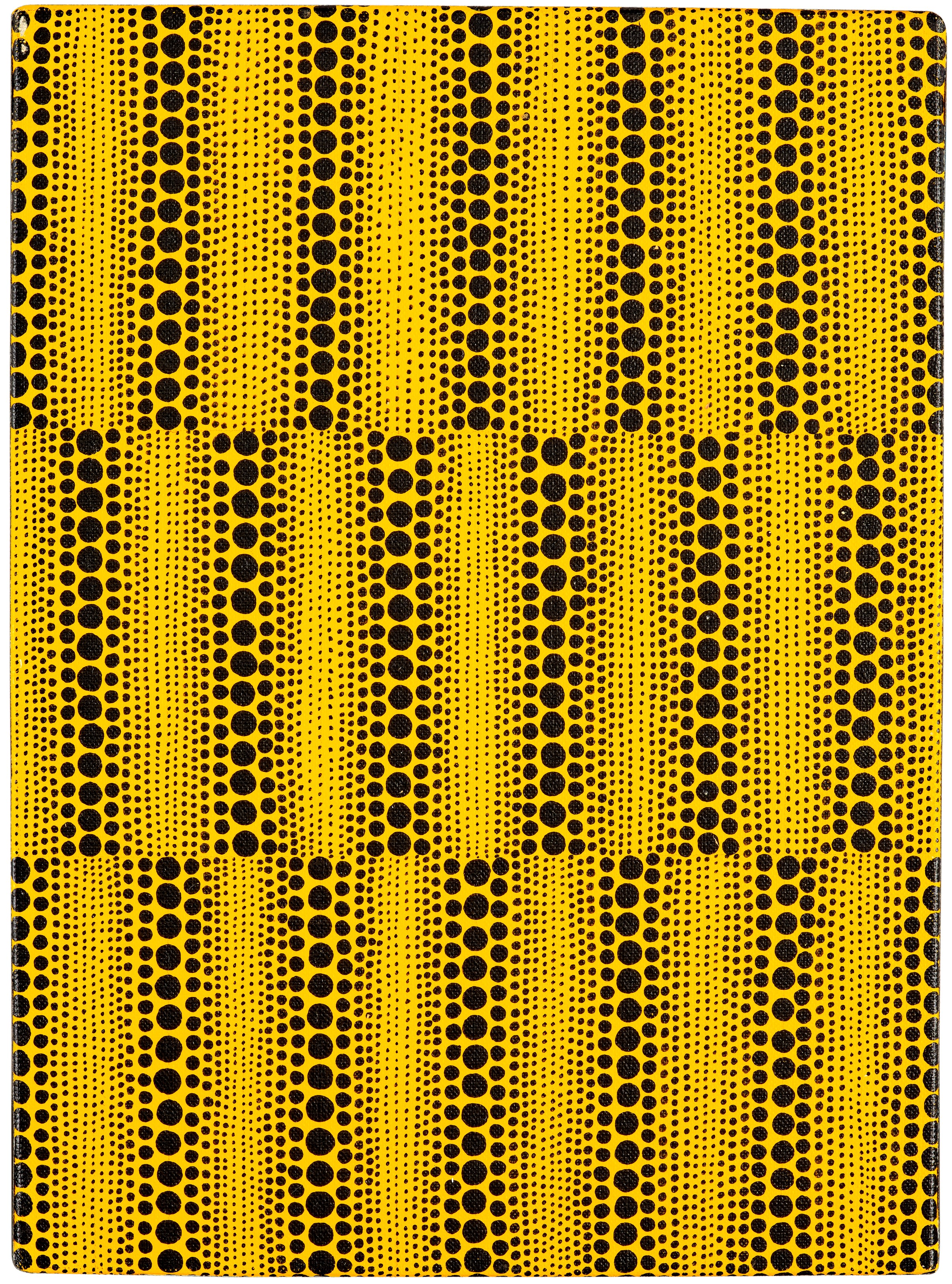
Yayoi Kusama
River
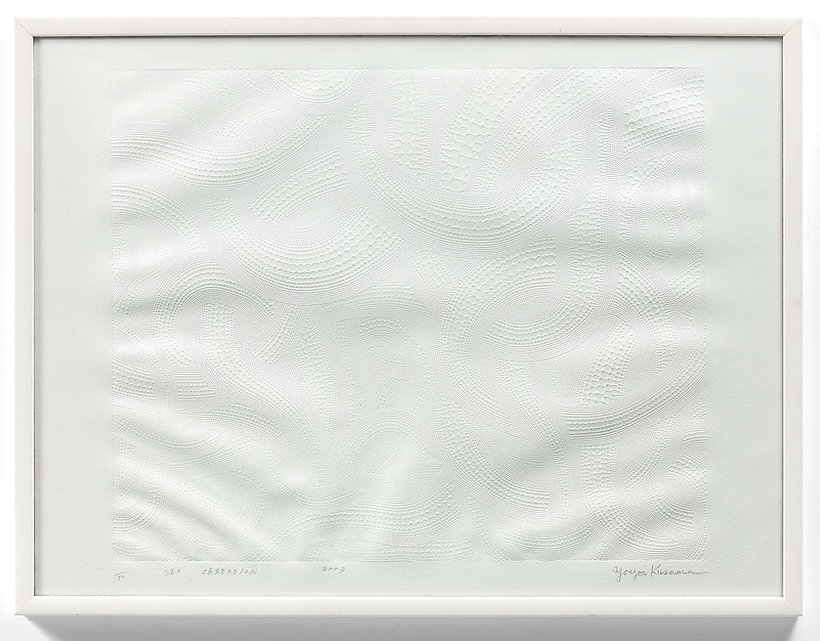
Yayoi Kusama
Sex Obsession