Japanese American Artist
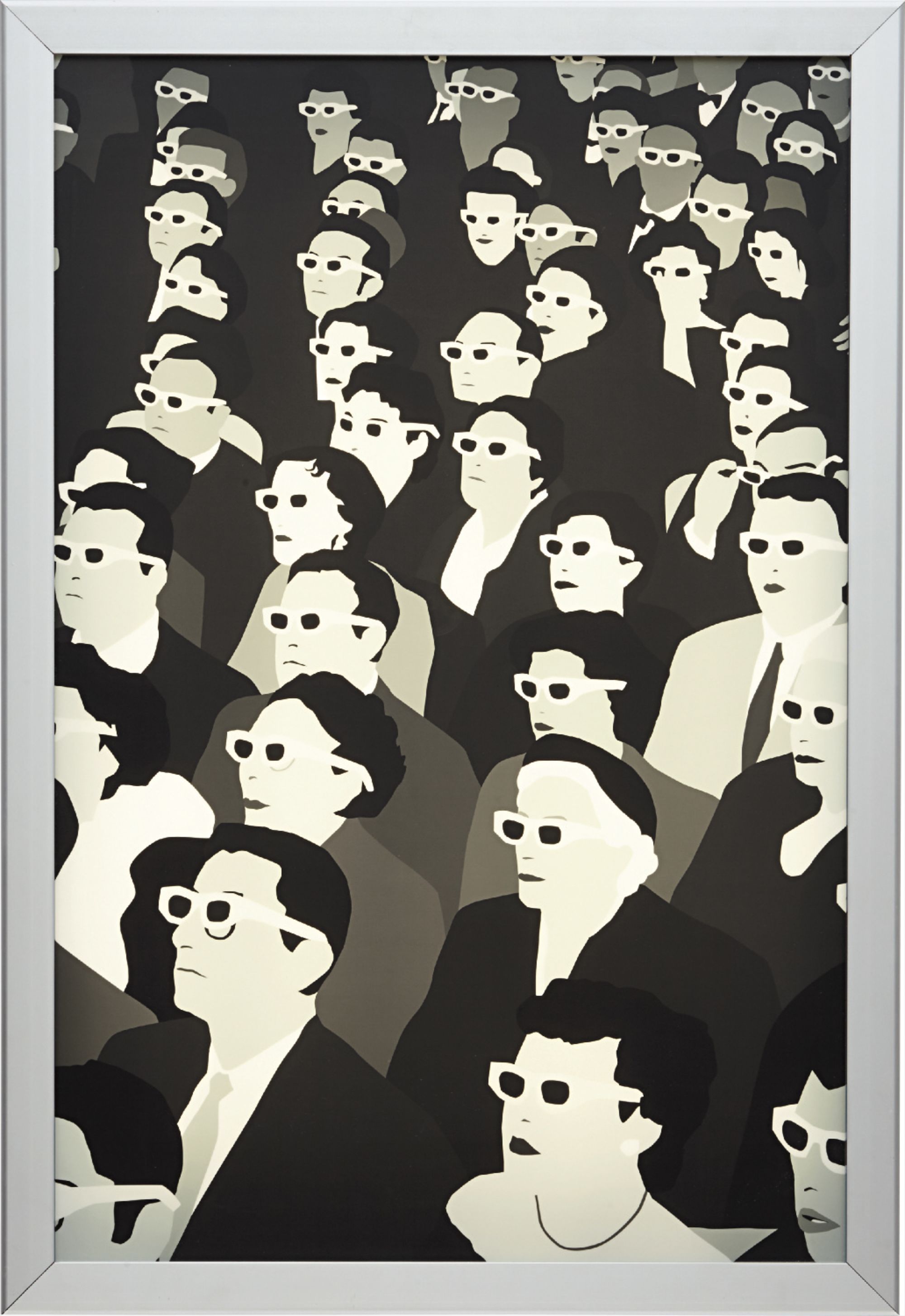
Kota Ezawa
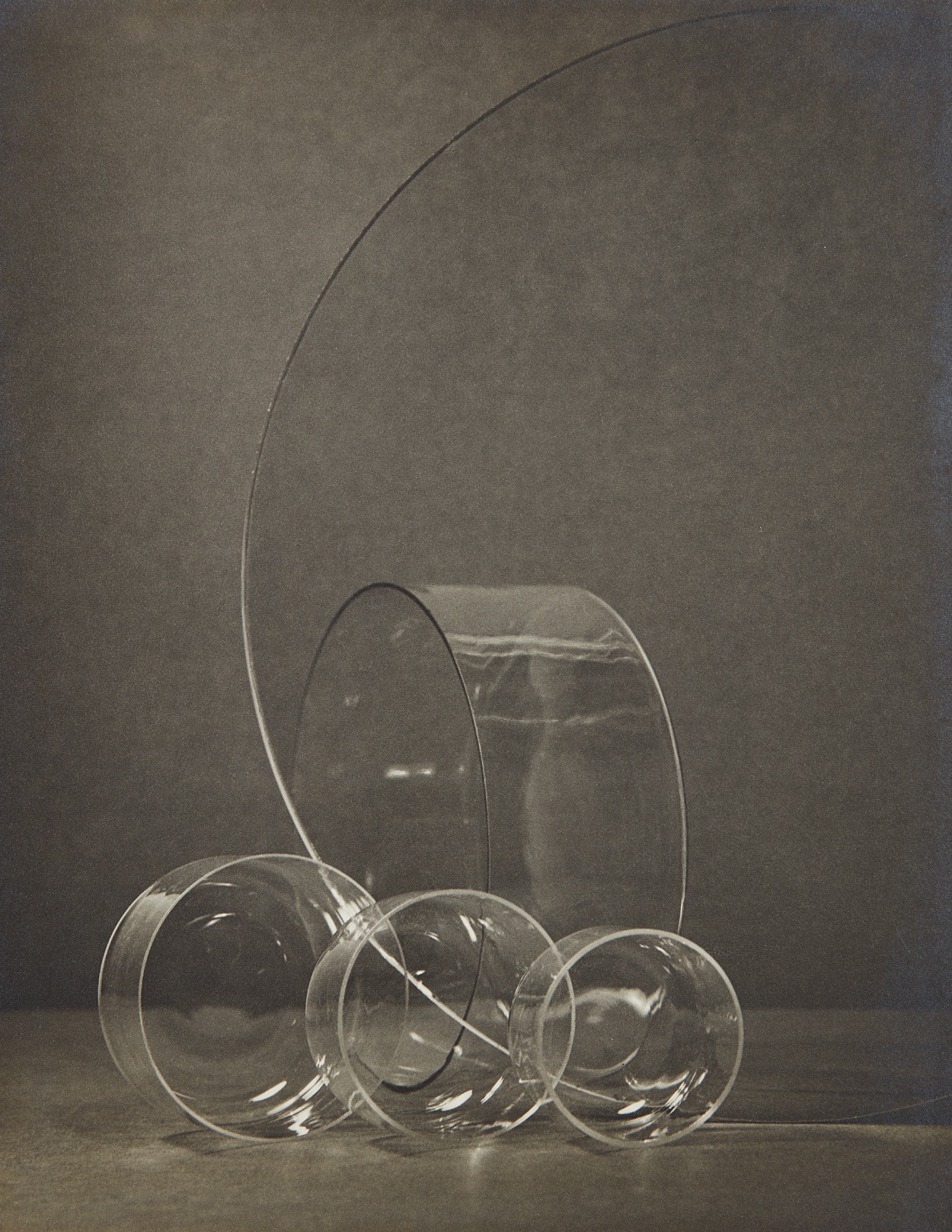
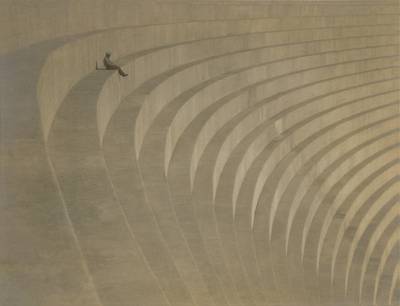
3-D Movies from History of Photography Remix



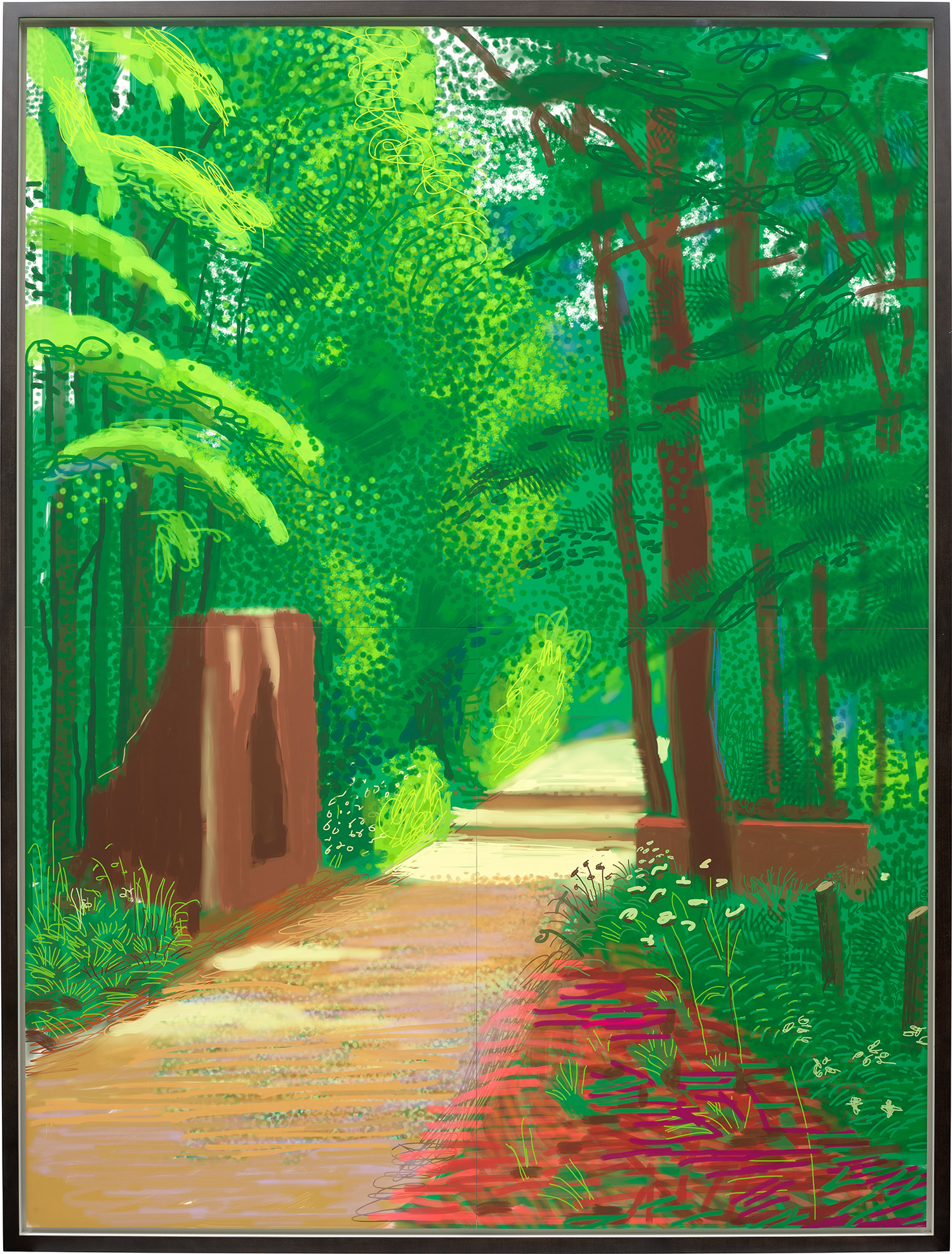
Between Two Worlds, Boundless Vision
There is a particular kind of presence that works by Japanese American artists bring into a room. It is not easily described, but collectors who have lived with these works know it intimately. It has something to do with the way negative space is treated as substance rather than absence, the way materiality is pushed until it reveals something philosophical, and the way personal and cultural identity becomes form without ever becoming illustration. Collectors are drawn to this territory because it offers genuine complexity at every scale, from intimate works on paper to large sculptural installations that reorganize the architecture around them.
That tension between belonging and displacement, between Japanese aesthetic inheritance and the full force of American modernism, has generated some of the most searching art of the last century. It continues to generate it now. For collectors, this is not background context. It is the actual content of the work.
Isamu Noguchi
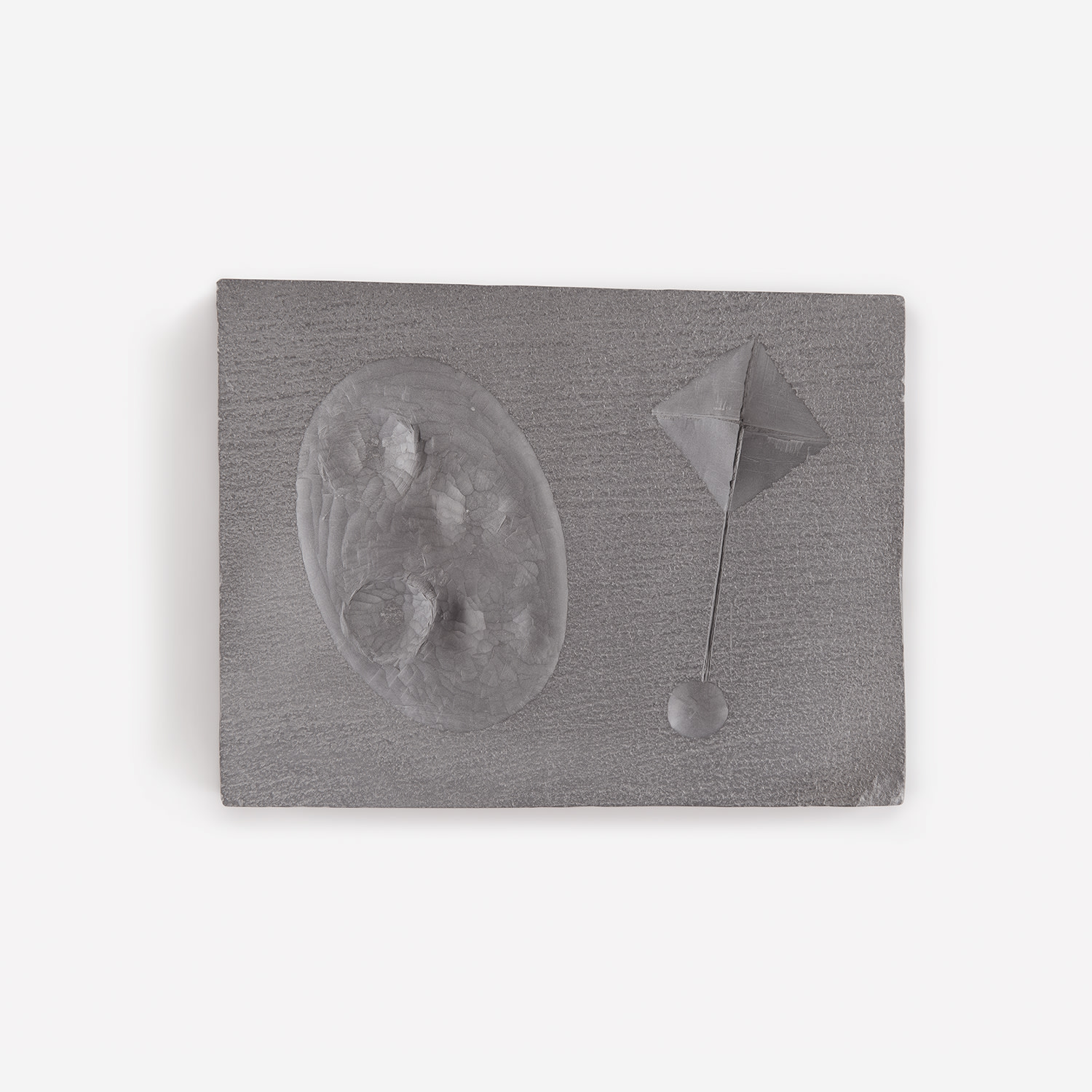
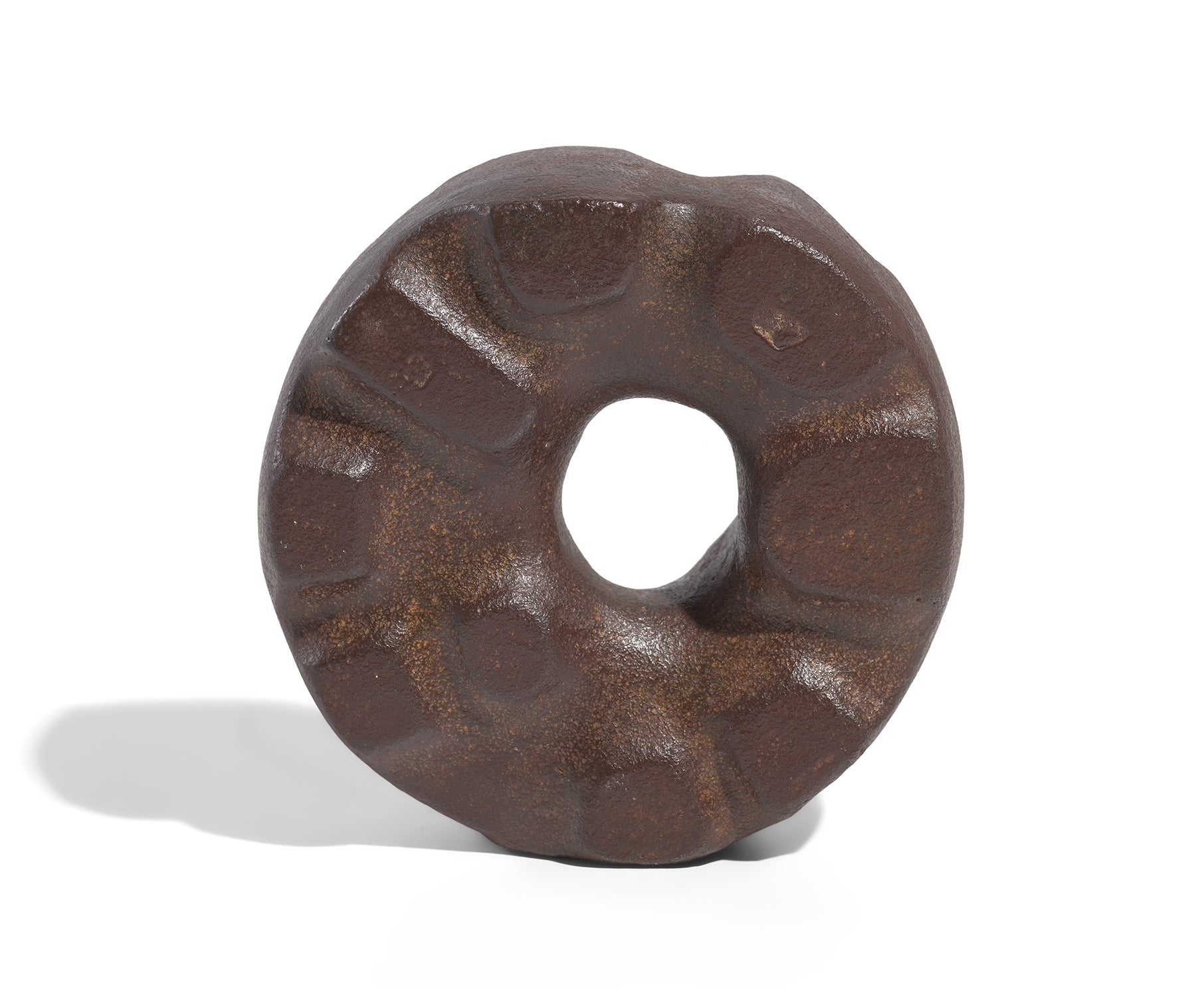
Black Sun Maquette, 1969
When you understand that Isamu Noguchi spent years navigating the boundaries of what it meant to be neither fully accepted in Japan nor fully accepted in the United States, you begin to understand why his sculptures feel so urgently alive. The formal elegance is inseparable from the existential pressure that produced it. Knowing what separates a good work from a great one in this area requires paying attention to whether the artist has metabolized their influences or simply assembled them. In weaker work you see the seams, the decorative application of Japanese visual motifs onto Western formal structures.
In the strongest work, there is genuine synthesis. The distinctions collapse and something new emerges. Look for works where the handling of material is deliberate and inventive, where the artist has a clear commitment to a particular problem and has pushed it further than feels comfortable. Restraint, when it is earned, is one of the most powerful qualities a work can possess.
James Hiroshi Suzuki
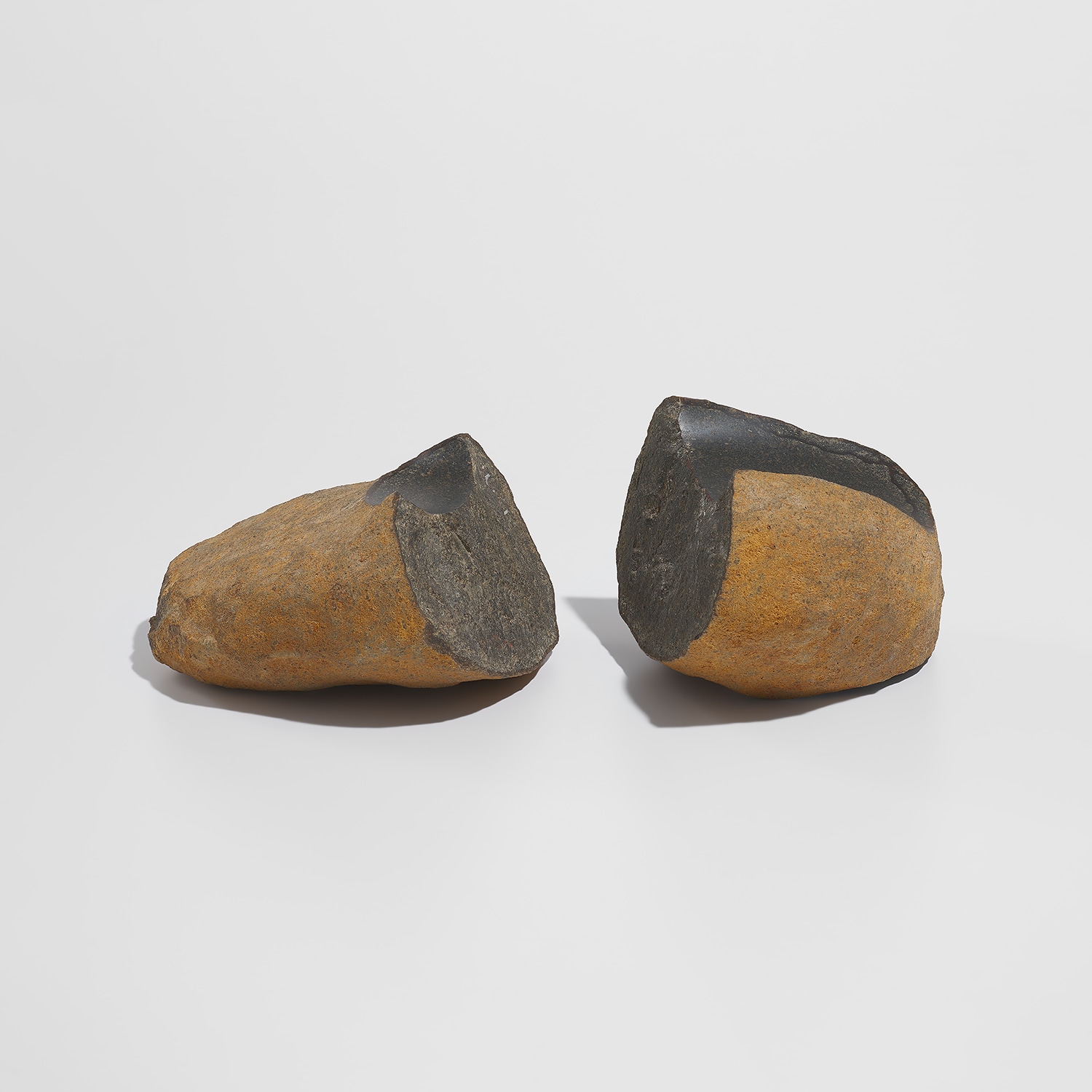
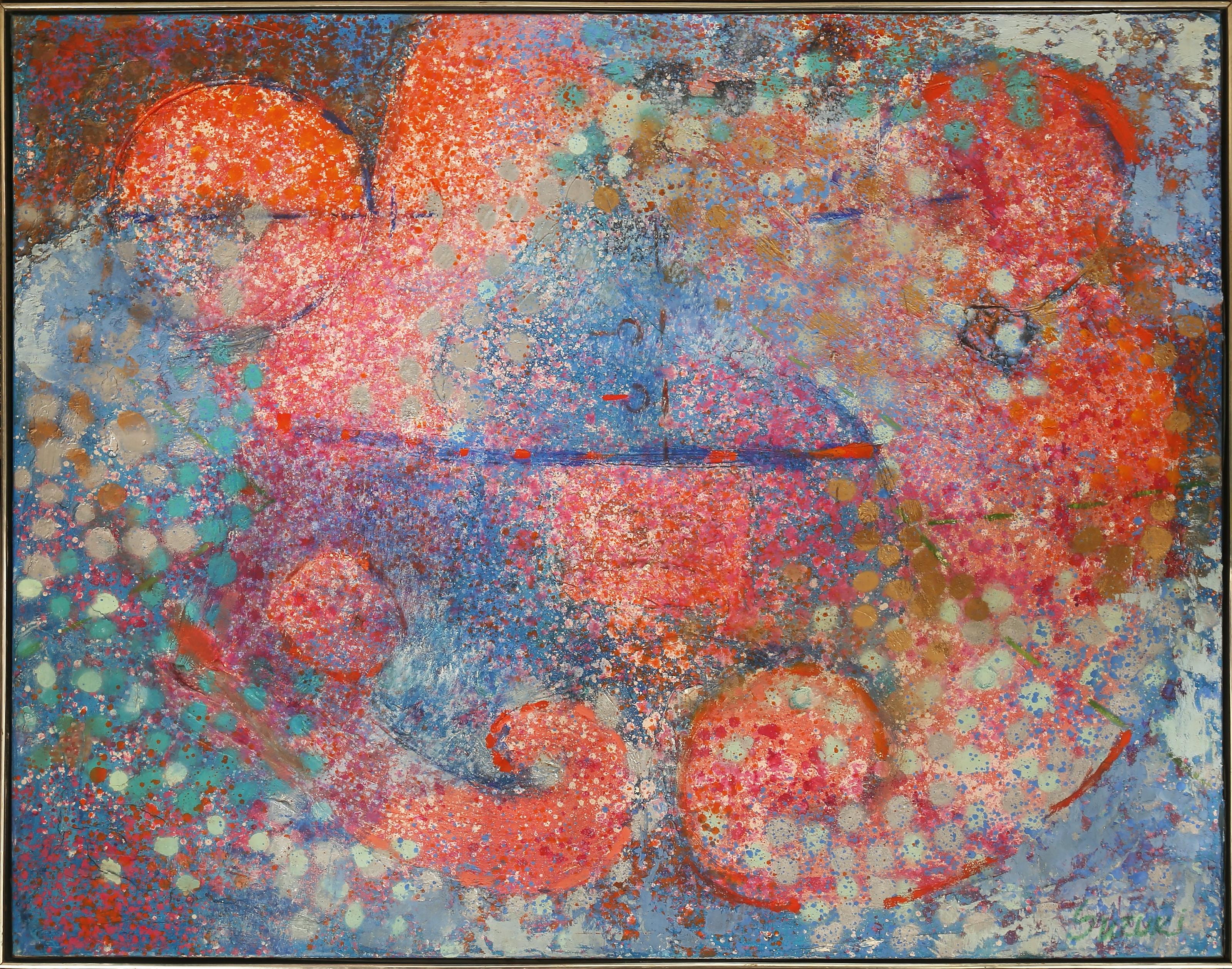
The Old Ones
Isamu Noguchi remains the foundational figure in this space, and works by him that appear on the market carry extraordinary weight. His output across stone, bronze, paper, and furniture design established a vocabulary that subsequent generations of Japanese American artists have had to reckon with, consciously or not. James Hiroshi Suzuki, a much less widely known figure, deserves sustained attention from collectors willing to look beyond the obvious names. His paintings, rooted in Abstract Expressionism but saturated with a lyrical delicacy that sets them apart from the mainline New York School, represent what many advisors consider a significant area of undervaluation.
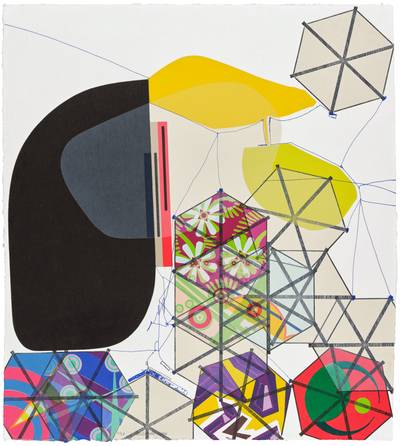
Suzuki showed at Gump's Gallery in San Francisco and operated largely on the West Coast during the 1950s and 1960s, which placed him outside the critical centers of power at the time. That obscurity is now an opportunity. Jacob Hashimoto has built a practice around accumulation and suspension, constructing immersive environments from thousands of small paper kite forms that seem to generate their own atmosphere. His work photographs beautifully but lives more powerfully in person, which is exactly the kind of quality collectors should seek out.
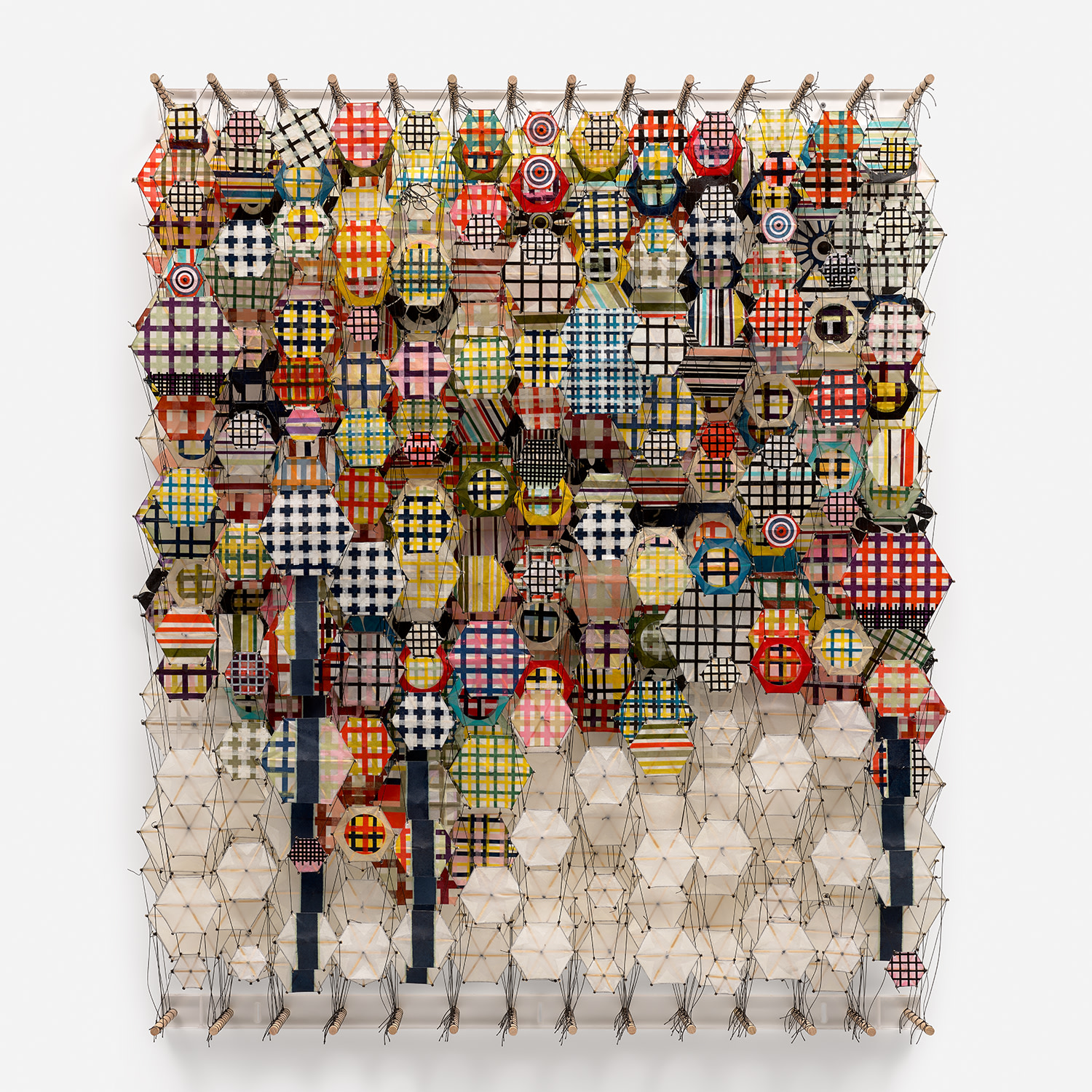
Jacob Hashimoto
Little SST, 2007
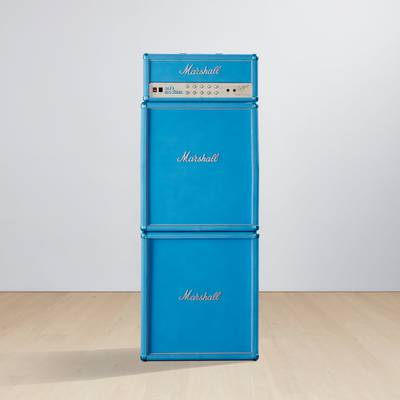
The experience of standing inside one of his large installations is qualitatively different from any reproduction, and that gap between image and object is where lasting collecting value tends to live. Kaz Oshiro approaches the object from the opposite direction, fabricating paintings that convincingly impersonate amplifiers, refrigerators, and road cases using stretched canvas and acrylic. The works sit in the space between sculpture and trompe l'oeil with an almost deadpan wit, and they hold up extremely well as the conceptual gesture ages. Kota Ezawa and Tomokazu Matsuyama each represent compelling points of entry for collectors who want to engage with younger voices reshaping this conversation.
Ezawa works primarily in video and lightbox works, reducing canonical images from art history, cinema, and news media into flat graphic forms that feel both familiar and estranged. His practice engages questions about image circulation and cultural memory that grow more relevant with each passing year. Matsuyama works in painting and large scale prints that collapse Eastern and Western visual languages with a confidence and decorative intelligence that makes his work genuinely pleasurable to live with, which is never a small thing. At auction, works by Noguchi perform consistently at the highest levels when they are well documented and in sound condition.
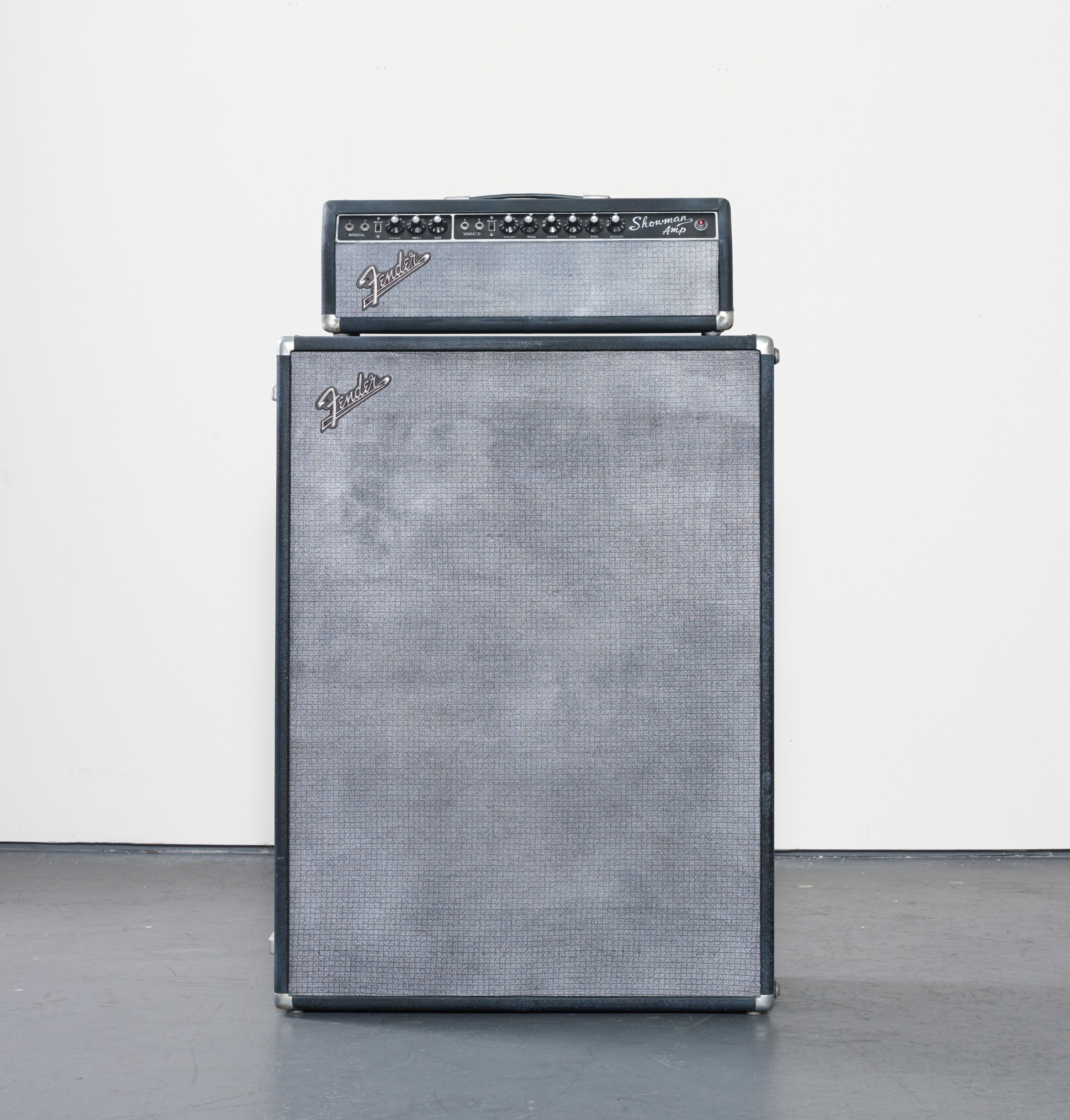
Kaz Oshiro
Fender Showman Amp with Cabinet #1 (Screaming Hand)
His biomorphic sculptures in stone and bronze have set strong records over the past two decades, and the market for his Akari light sculptures, while more accessible in price, has become increasingly sophisticated in its attention to provenance and original condition. Works by emerging and secondary figures in this category tend to trade more actively through galleries and private sales than through the major auction houses, which means collectors can often negotiate directly and build relationships that offer genuine advantage. Pay attention to institutional support, museum acquisitions are one of the clearest signals that an artist is moving into a more durable phase of their market. Practically speaking, paper works in this area require careful attention to light exposure and humidity.
Many artists working in this tradition have made extensive use of Japanese papers, which are extraordinarily resilient but sensitive to environmental inconsistency over long periods. Ask galleries specifically about recommended framing and UV protection, and request full condition reports before purchasing any work that has previously been on extended exhibition. For edition works, which are common in the practices of artists like Ezawa and Hashimoto, confirm the total edition size, the number of artist proofs, and whether the edition is published by the artist or a third party. These details matter at the point of resale.
The most important question to ask a gallery is not about price. It is about which institutions are currently holding or pursuing the work, and what the artist's exhibition trajectory looks like over the next several years. A solo show at a major museum does not guarantee market appreciation, but it signals a kind of critical validation that tends to anchor values over time. Collecting in this space rewards patience, genuine curiosity, and a willingness to look at artists who have been underserved by the mainstream critical conversation.
The works on The Collection represent that breadth well, and for collectors willing to engage seriously, the range of scale, medium, and ambition here offers entry points at nearly every level of the market.