Irish Artist
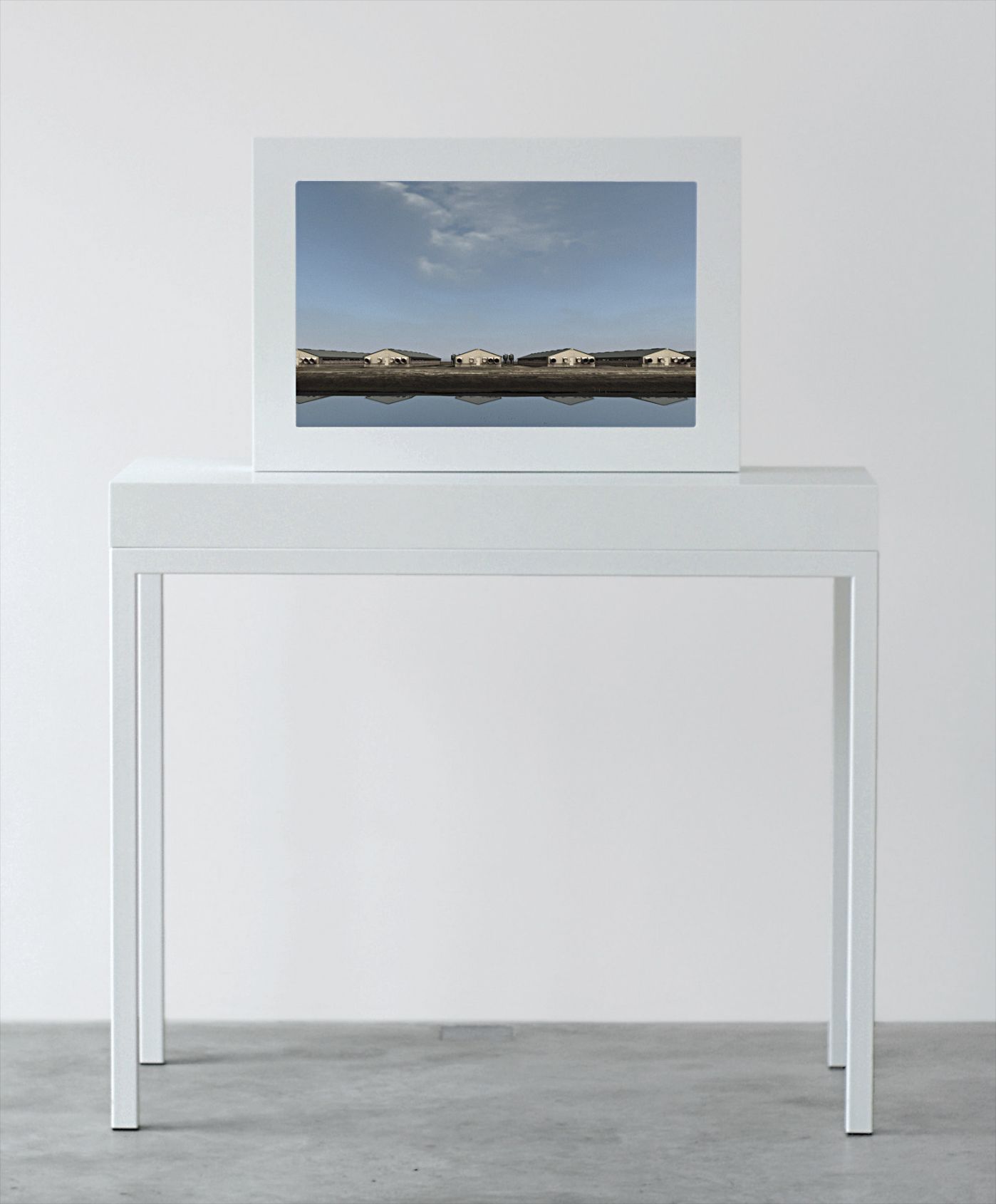
John Gerrard
Grow Finish Unit (Eva, Oklahoma)
What It Means to Paint Irish Now
There is something genuinely difficult about defining Irish art, and that difficulty is precisely what makes it so rewarding to collect. It resists the tidy categories that organise so much of the contemporary market. It sits between island and continent, between an oral tradition and a visual one, between centuries of colonial suppression and a recent, almost startling explosion of international recognition. To look seriously at Irish art is to look at a culture that found its visual voice relatively late, and has been making up for lost time with remarkable intensity ever since.
The institutional history is instructive. The Royal Hibernian Academy, founded in 1823, was for much of the nineteenth century the primary structure through which Irish painters found validation and audience. But the RHA operated in the long shadow of London, and many of the most significant figures in Irish art made their reputations by leaving. Roderic O'Conor, born in County Roscommon in 1860, spent most of his working life in France, becoming a close associate of Paul Gauguin in Pont Aven and developing a boldly striped brushwork technique that placed him firmly in the Post Impressionist tradition.
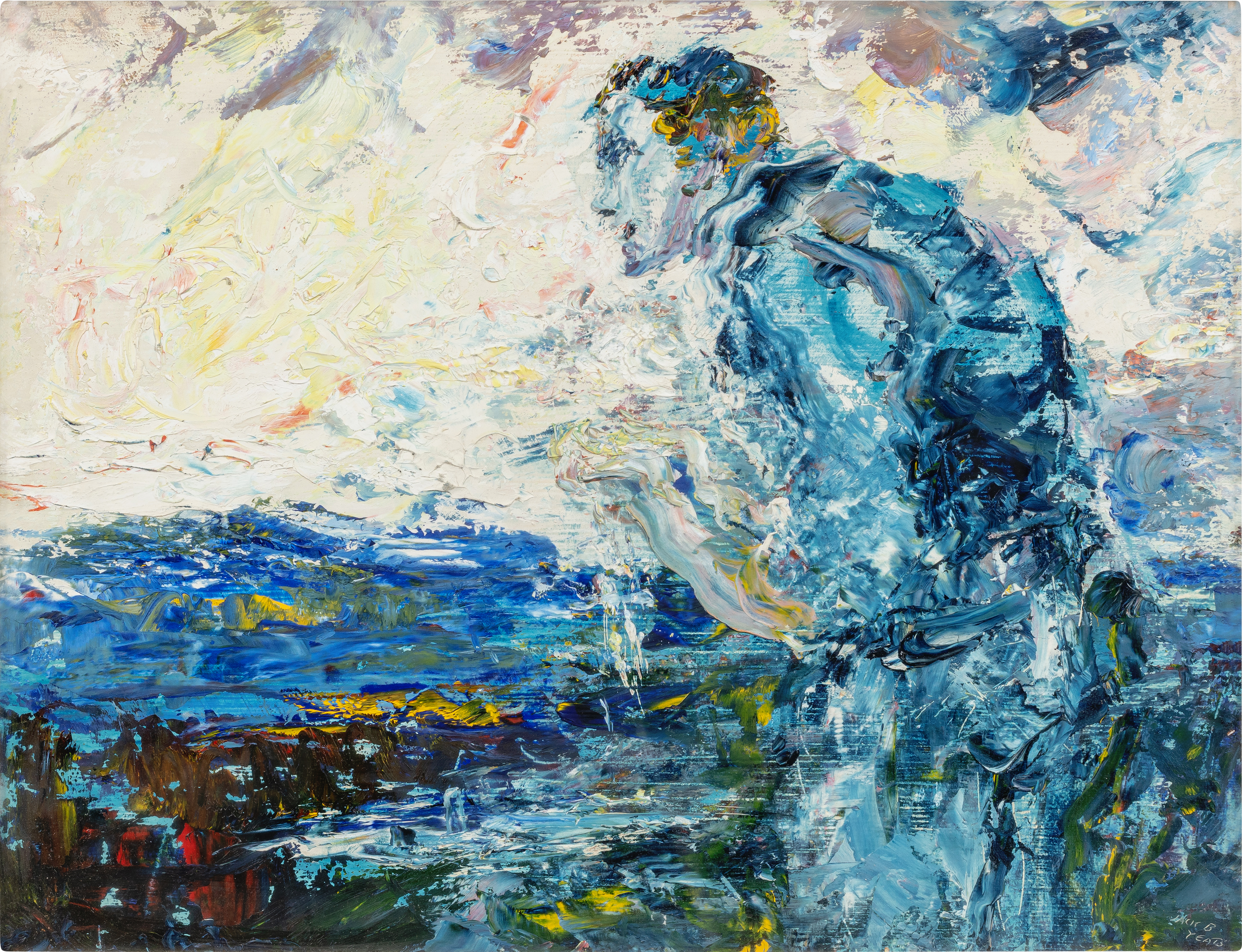
Jack B. YeatsA
Come on the Dawn, 1951
His work remains among the earliest examples of an Irish artist fully absorbing and transforming European modernism, and it reads today with a freshness that feels almost contemporary. Jack Butler Yeats represents a different kind of turn. Younger brother of the poet W.B.
Yeats, he began as an illustrator before developing one of the most singular painterly voices of the twentieth century. By the 1940s his work had become extraordinarily expressive, the surfaces thick and almost turbulent, the subjects drawn from Irish myth, memory, and street life. His paintings from this period anticipate Abstract Expressionism without ever quite becoming it. They are rooted in place in a way that Abstract Expressionism rarely was.
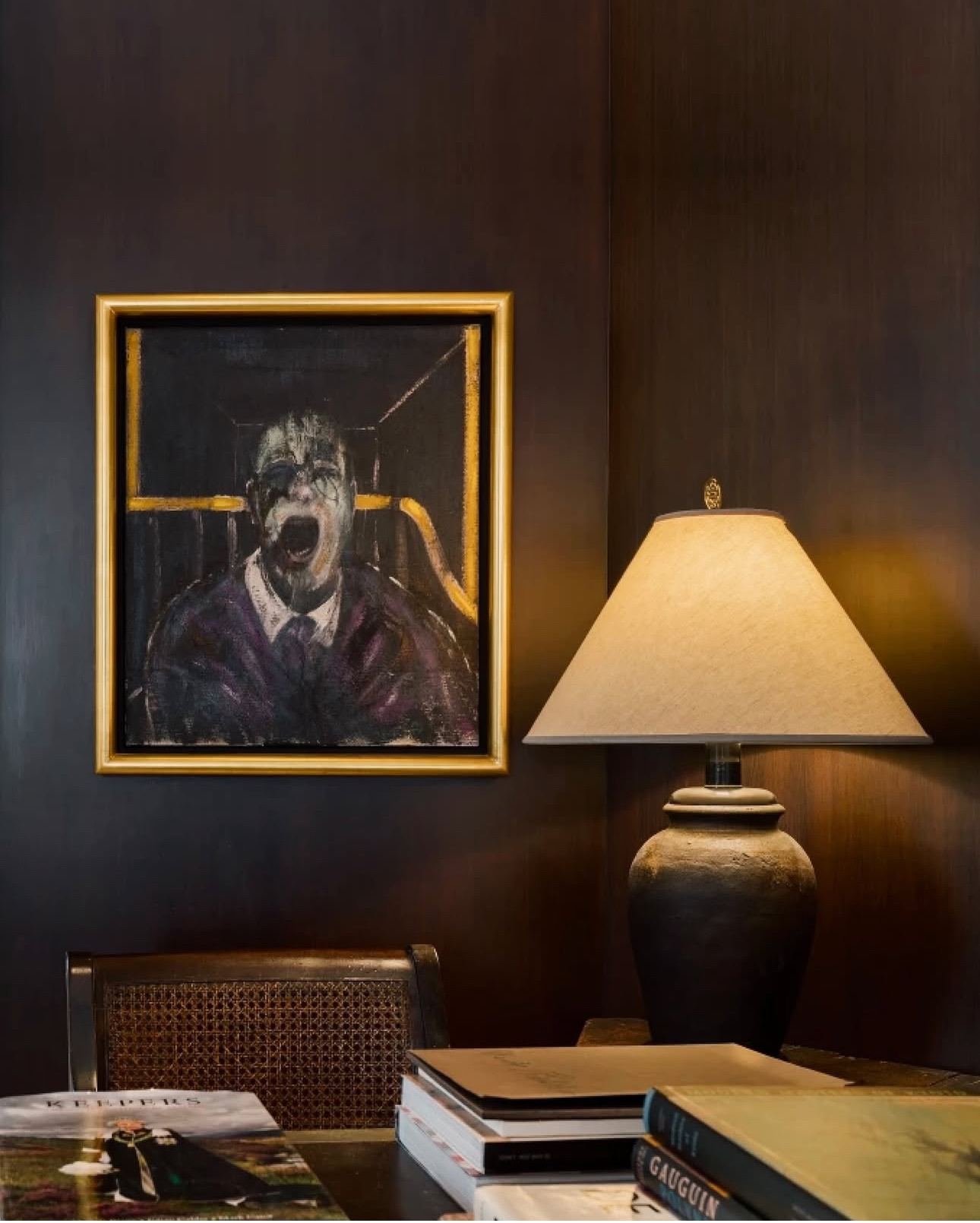
Francis Bacon
Study for a Head, 1952
Several works by Yeats appear on The Collection, and they reward close attention precisely because they operate in this in between space, identifiably Irish in subject and feeling, yet formally radical in ways that still feel modern. Francis Bacon, born in Dublin in 1909, is the twentieth century Irish artist whose international reputation stands tallest, though he complicated any simple notion of Irish identity. He left Ireland young, rarely spoke of it directly, and built his career entirely in London. Yet the violence, the isolation, the existential rawness of his figures carries something that those who know Ireland recognise.
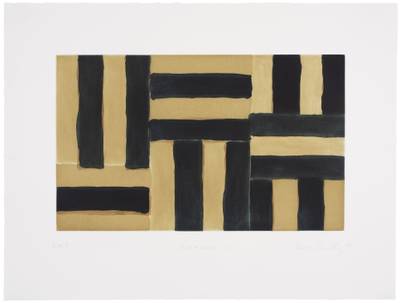
His two works on The Collection stand as anchors, reminders that the Irish contribution to the larger story of modern art is not peripheral but central. Sean Scully is in many ways Bacon's generation's most significant successor in terms of international stature, though his language is entirely different. Born in Dublin in 1945 and raised partly in London, Scully developed a stripped back abstract vocabulary of stripes and bands that has made him one of the most collected painters of the late twentieth and early twenty first centuries. His work carries an emotional weight that purely geometric abstraction rarely achieves.
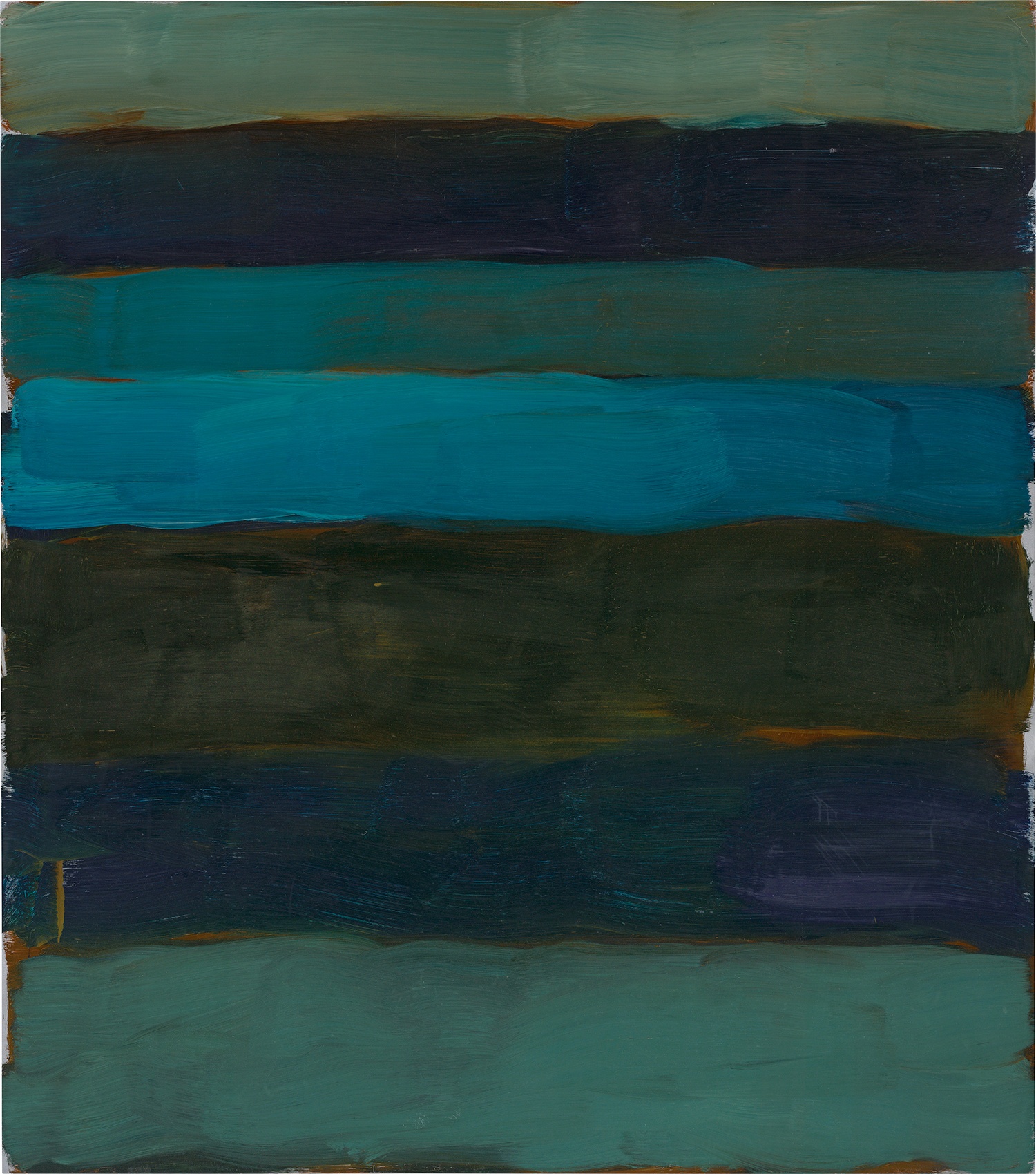
Sean Scully
Landline Inward, 2015
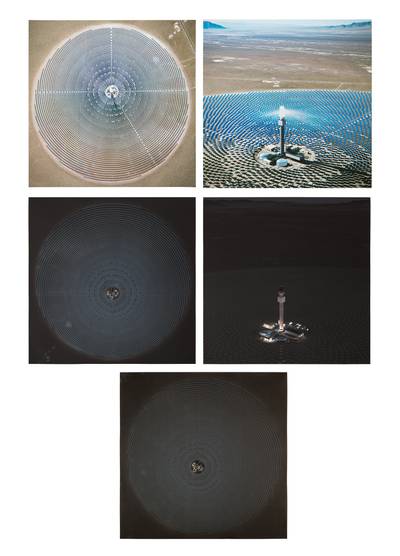
It has been shown at the Venice Biennale, acquired by the Metropolitan Museum of Art in New York, and celebrated across Europe and the United States. His presence on The Collection is among the most significant, and his paintings repay the kind of sustained looking that great abstraction always demands. The generation that followed Scully absorbed the lessons of international conceptualism while remaining engaged with questions of place, image, and materiality in specifically Irish ways. John Gerrard, born in 1974, works in real time simulation and moving image to address energy, labour, and landscape with a rigour that places him among the most important artists working in the digital sphere globally.
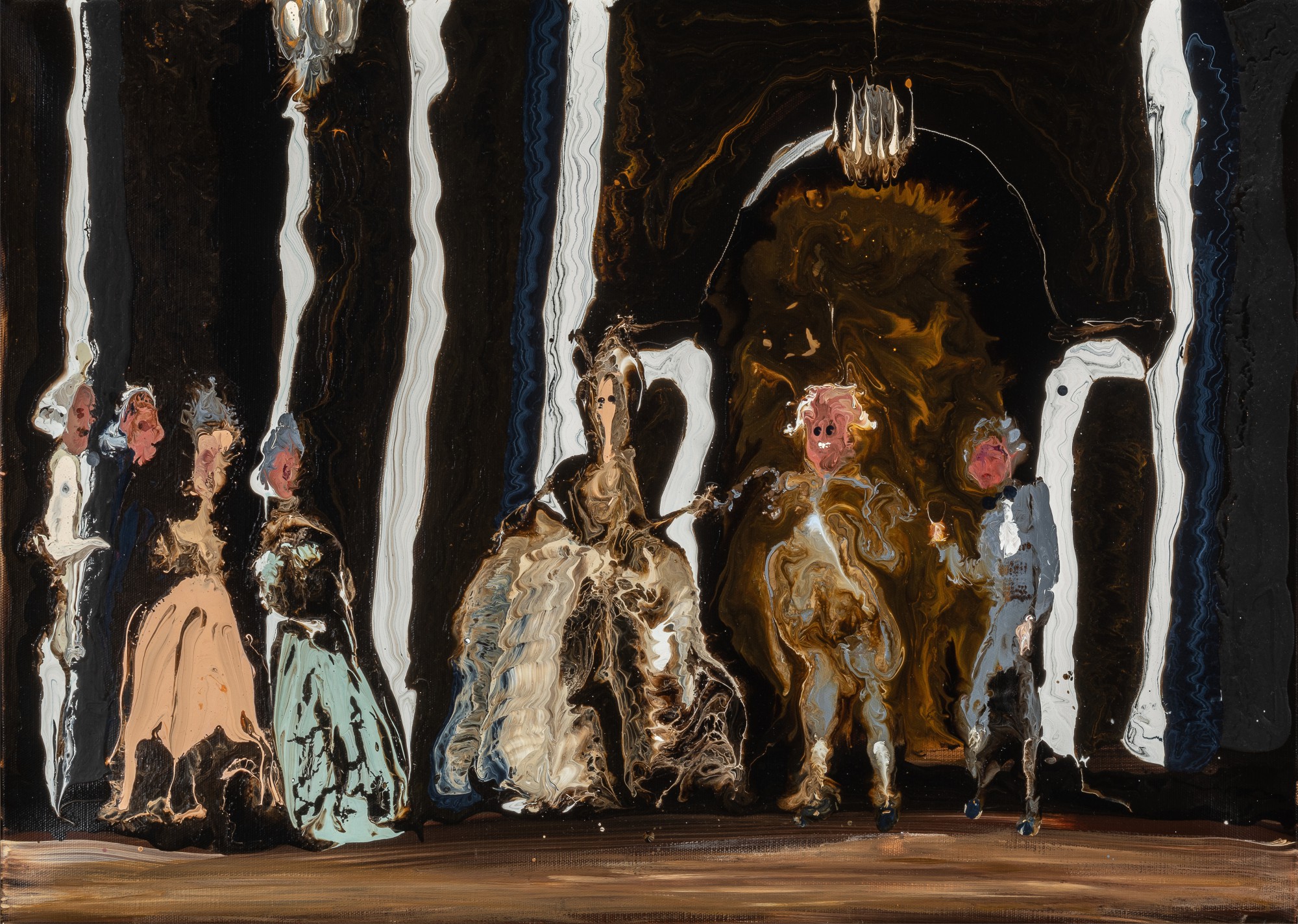
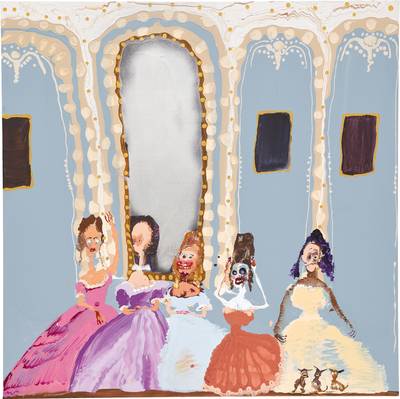
His Solar Reserve series, which rendered a concentrated solar power plant in Nevada as an endlessly looping simulation, drew attention to the politics of energy infrastructure with a calm that made it all the more unsettling. Gerrard is well represented on The Collection, and his work stands as proof that the Irish artistic tradition can generate figures of genuine international consequence working in entirely new forms. Genieve Figgis occupies a different register entirely, working in a tradition of oil painting that reaches back to Fragonard and Watteau while injecting something genuinely destabilising into those silks and powdered wigs. Her figures melt and blur, their features sliding toward horror or hilarity, their interiors thick with a kind of aristocratic decay.
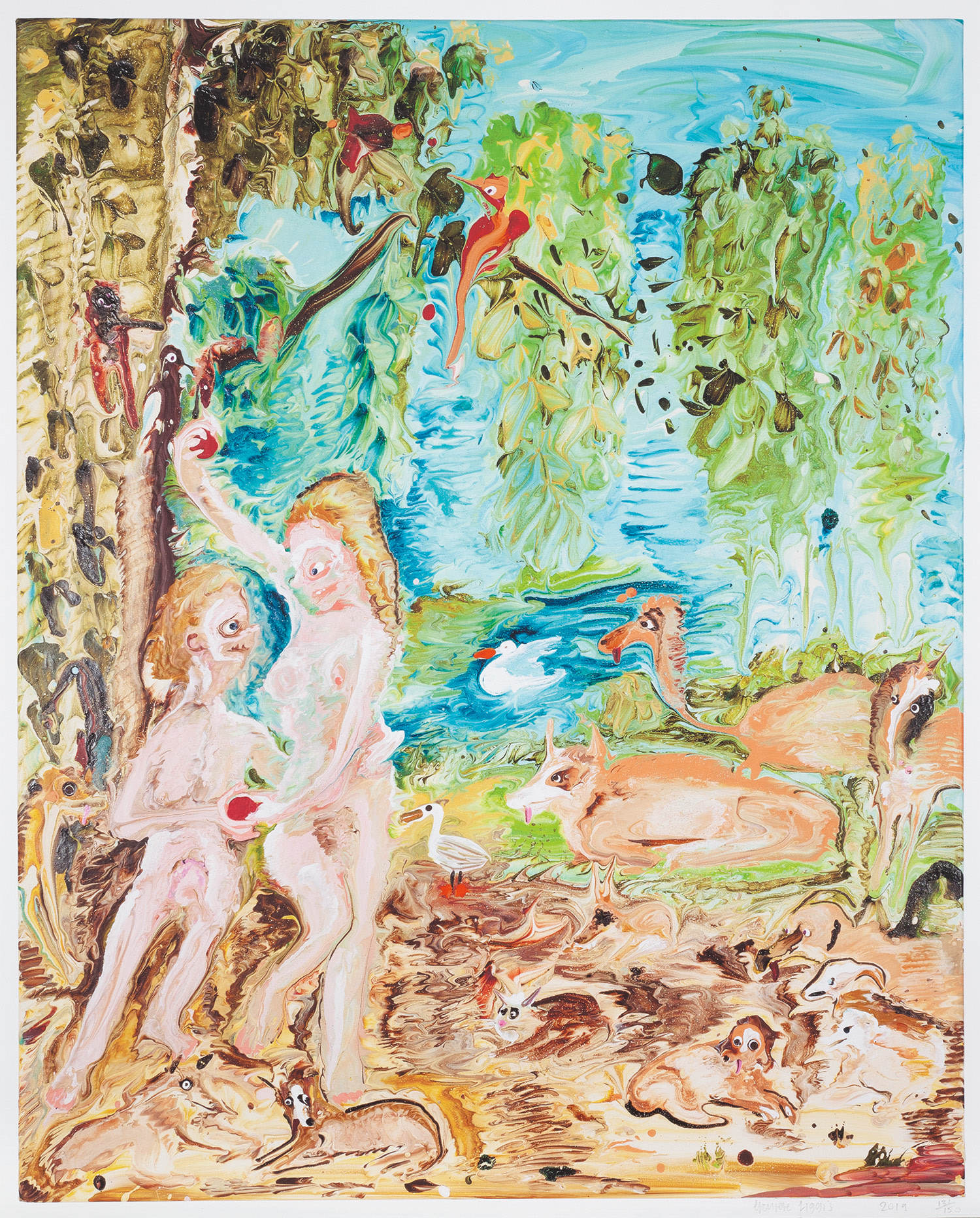
Genieve Figgis
Adam & Eve
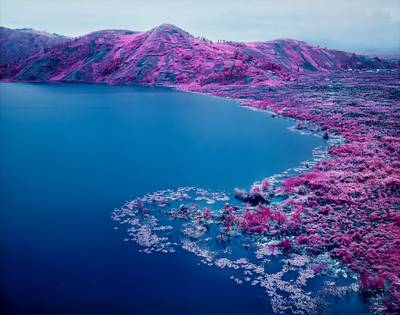
She came to wider attention after a Twitter exchange with Richard Prince in 2014 led to her work being widely shared, a thoroughly contemporary origin story for a painter whose visual references are centuries old. Her work on The Collection is among the most immediately arresting. Richard Mosse brings a documentary impulse to photography and video that transforms the genre entirely. His use of infrared film and thermal imaging in conflict zones, particularly his work in the Democratic Republic of Congo and later on migration across the Mediterranean, has generated images of extraordinary beauty and devastating political force.
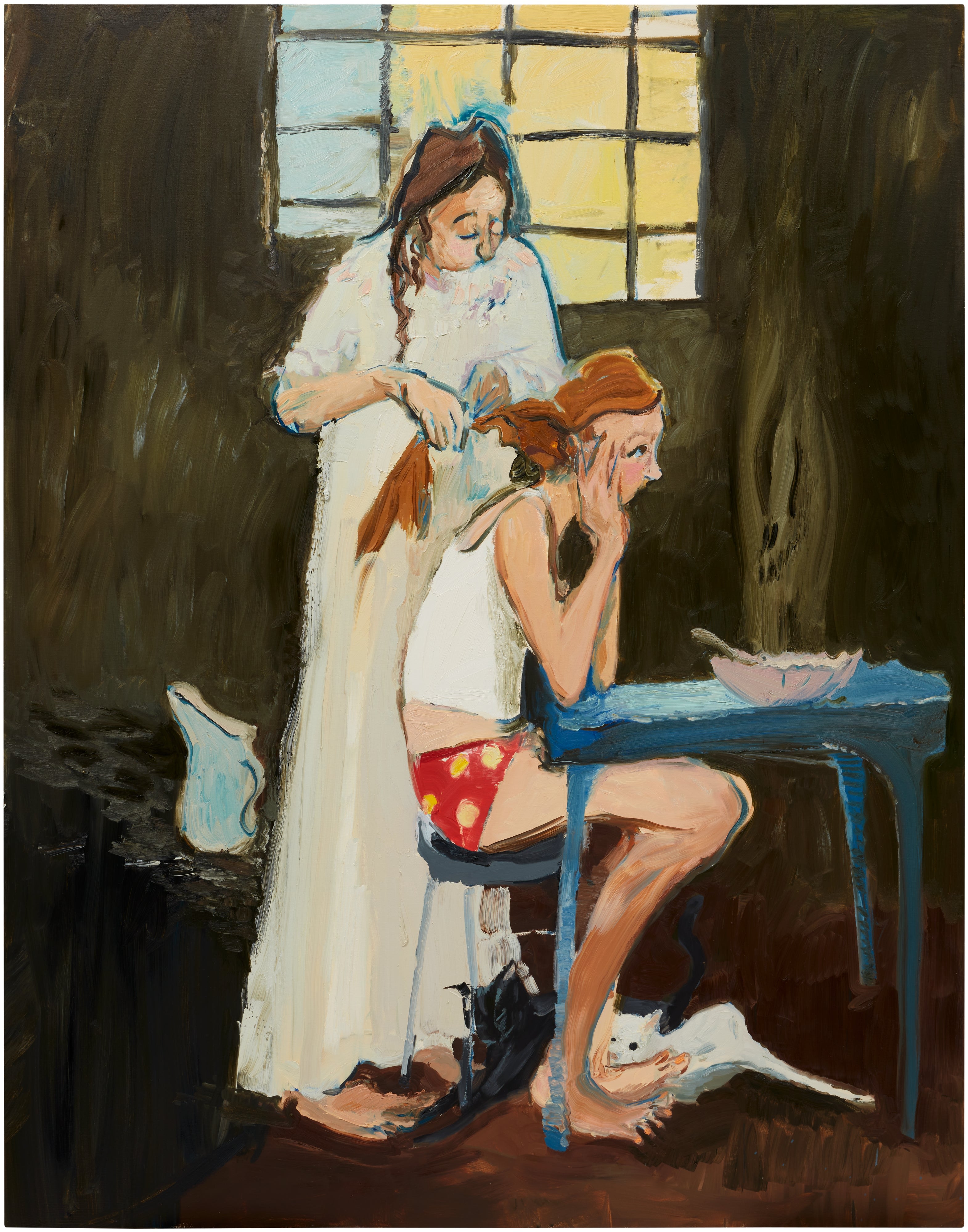
He has shown at the Venice Biennale and MoMA, and his presence on The Collection connects the photographic tradition to the broader questions of witness and responsibility that define much of the strongest contemporary art. Younger artists including Conor Harrington, Elizabeth Magill, and Lauren Quin extend the conversation in directions that confirm how broad the category of Irish art has become. Harrington fuses street art vernacular with baroque figuration in large scale works that deal with masculinity and power. Magill's atmospheric landscapes dissolve into something closer to psychological states than topography.
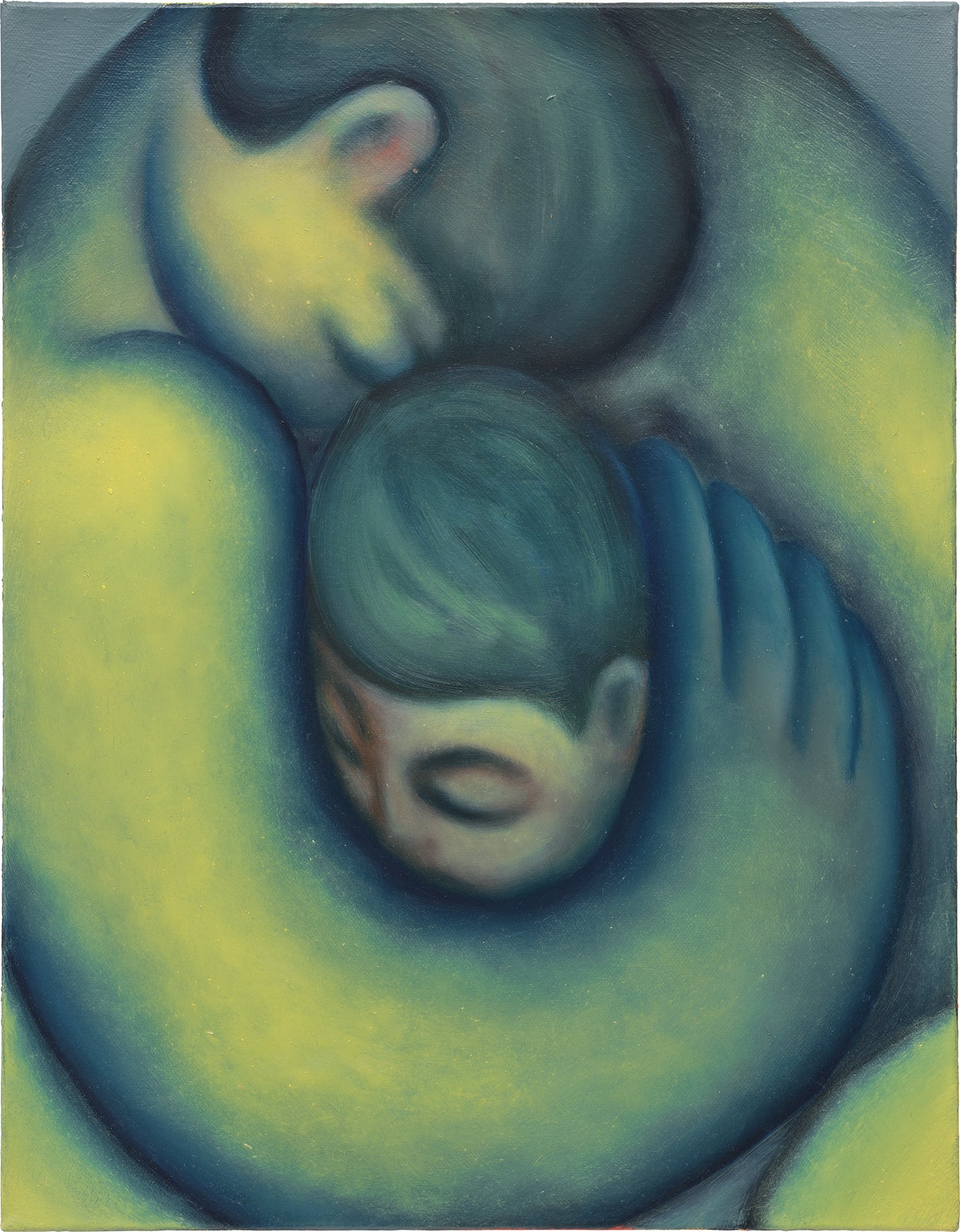
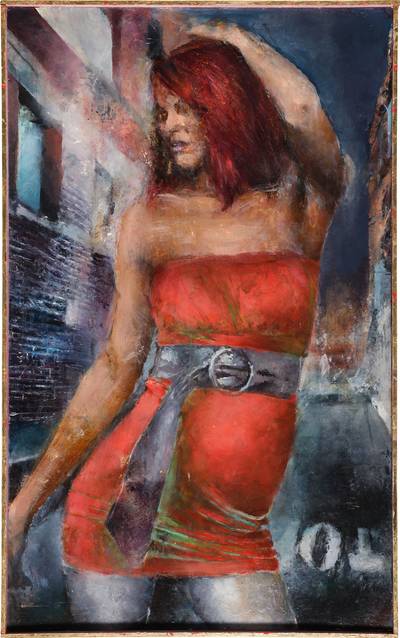
Quin brings a painterly intimacy to questions of the body and domestic space. What unites them is not subject matter or style but a certain seriousness of purpose, a willingness to press against inherited forms rather than simply inhabit them. To collect Irish art now is to participate in a story that is still very much being written. The market has grown significantly since the 1990s, driven in part by the economic transformation of Ireland itself and in part by the diaspora's growing interest in cultural connection.
But the best argument for collecting this work is not financial or nostalgic. It is the work itself, which has earned its place in the larger international conversation through decades of genuine ambition and formal invention.