Intimate Portrait
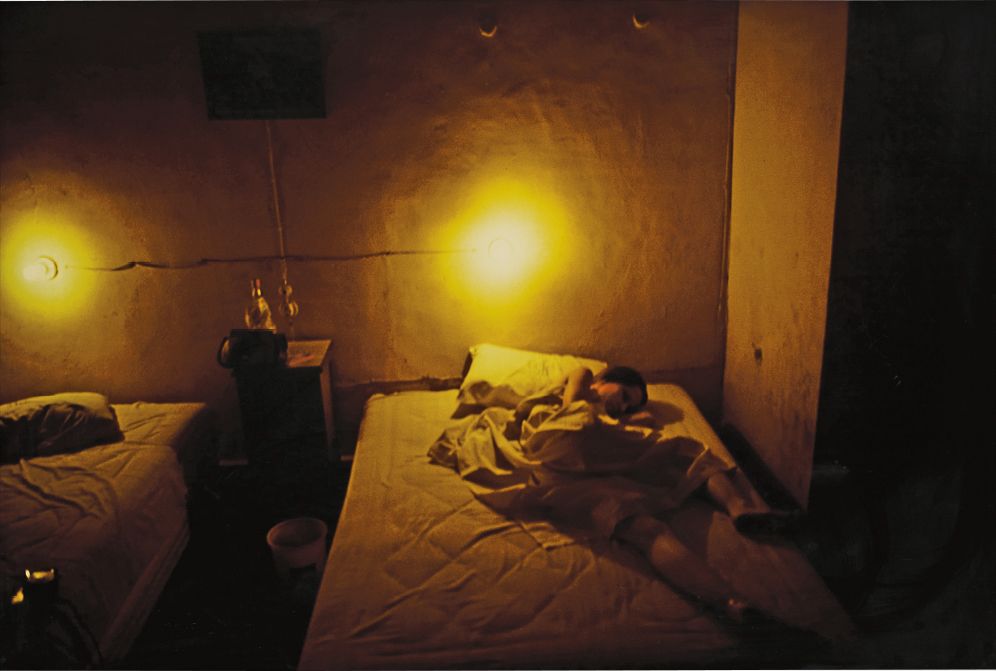
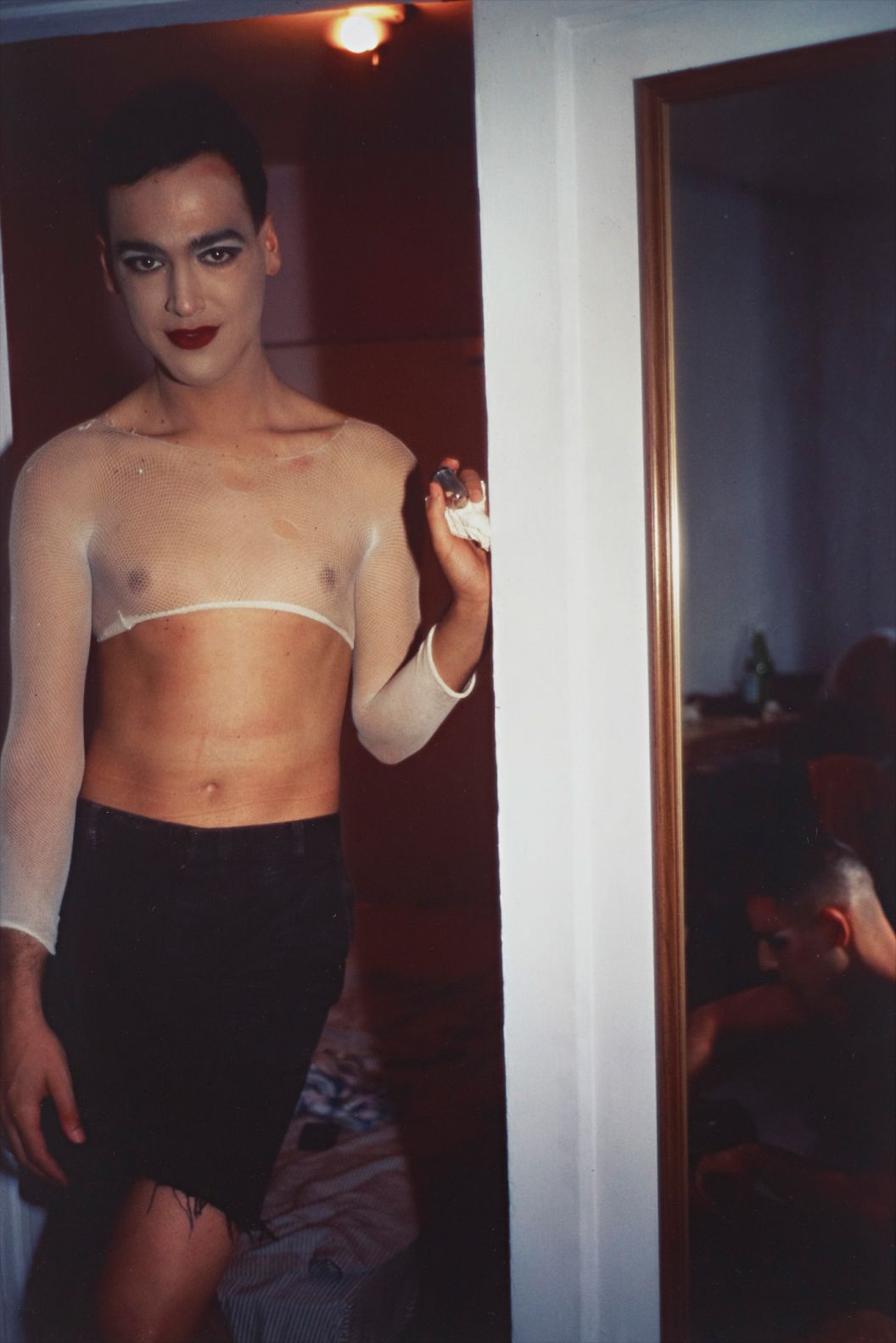
Nan Goldin
Suzanne in yellow hotel room, Hotel Seville, Merida, Mexico, 1981


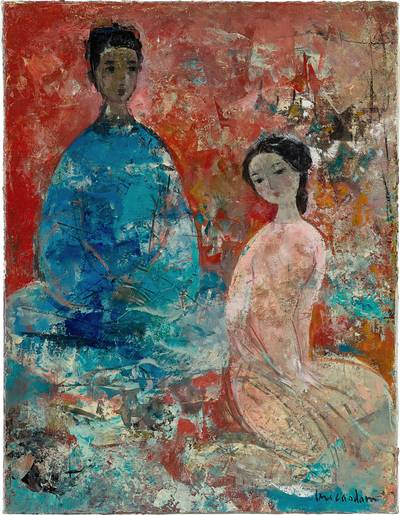
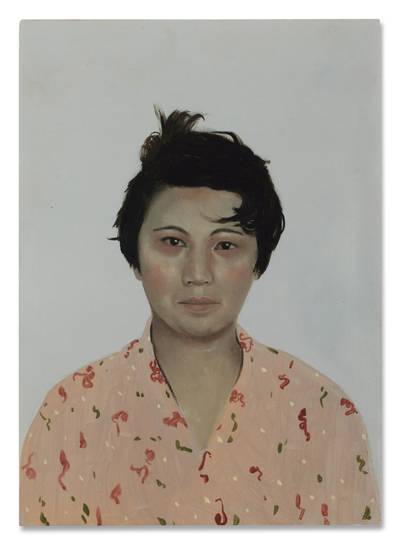

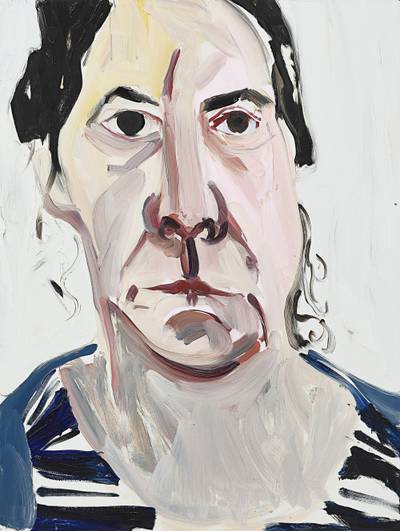

The Gaze That Gets Under Your Skin
There is something quietly relentless about living with an intimate portrait. Unlike landscape or abstraction, it looks back at you. Over time, the person in the frame becomes a kind of resident, a presence you navigate around on your way to make coffee or sit down to read. Collectors who have spent years building holdings in this space often describe the same phenomenon: the work changes as you change.
A photograph of a lover asleep, a painting of a friend caught in an unguarded moment, these images accrue meaning the longer they stay on your wall. That accumulating resonance is part of what makes intimate portraiture one of the most psychologically rewarding areas of the market. The other part is rarity of nerve. Truly intimate work requires something from the artist that more formal portraiture does not.
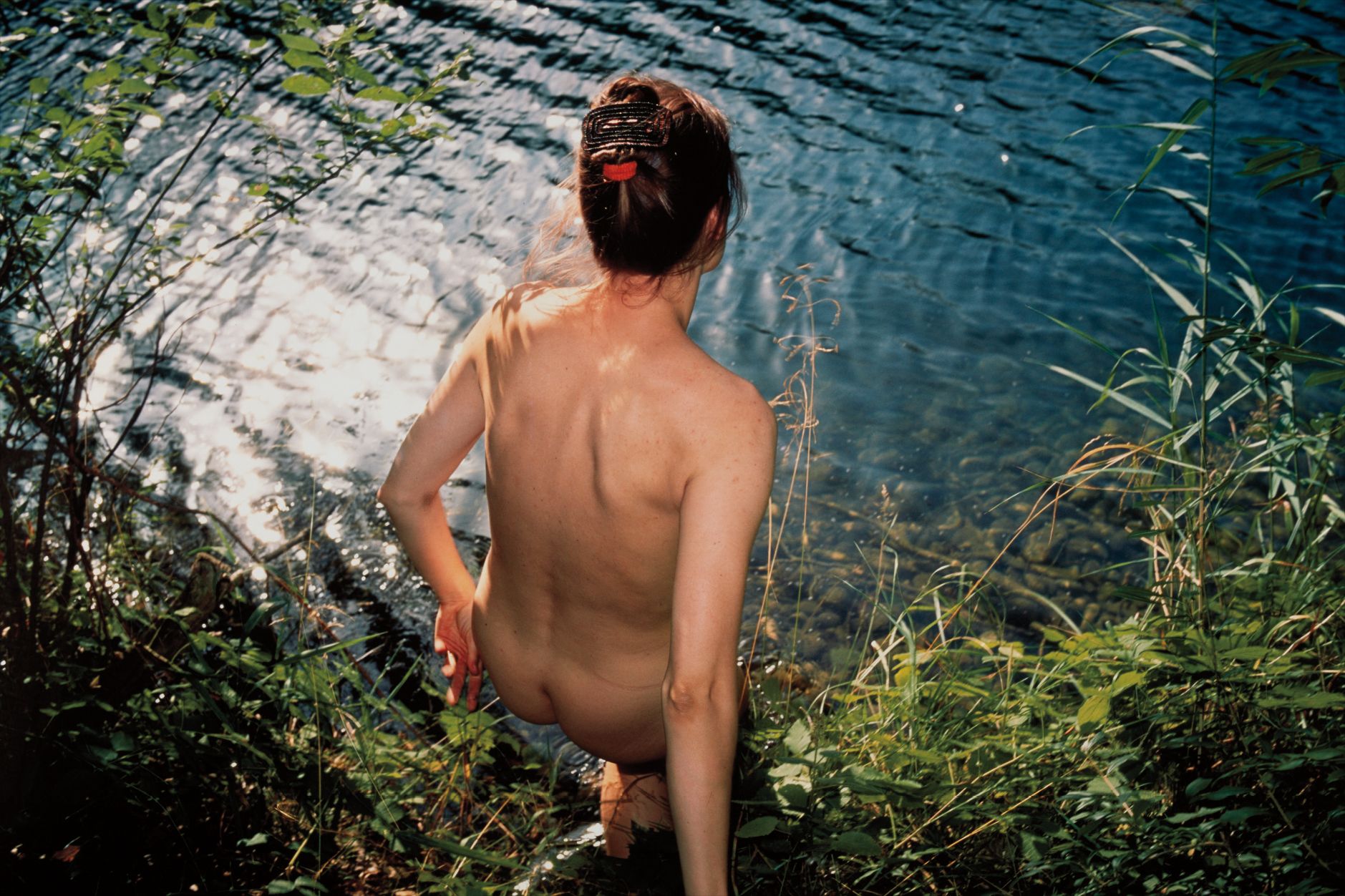
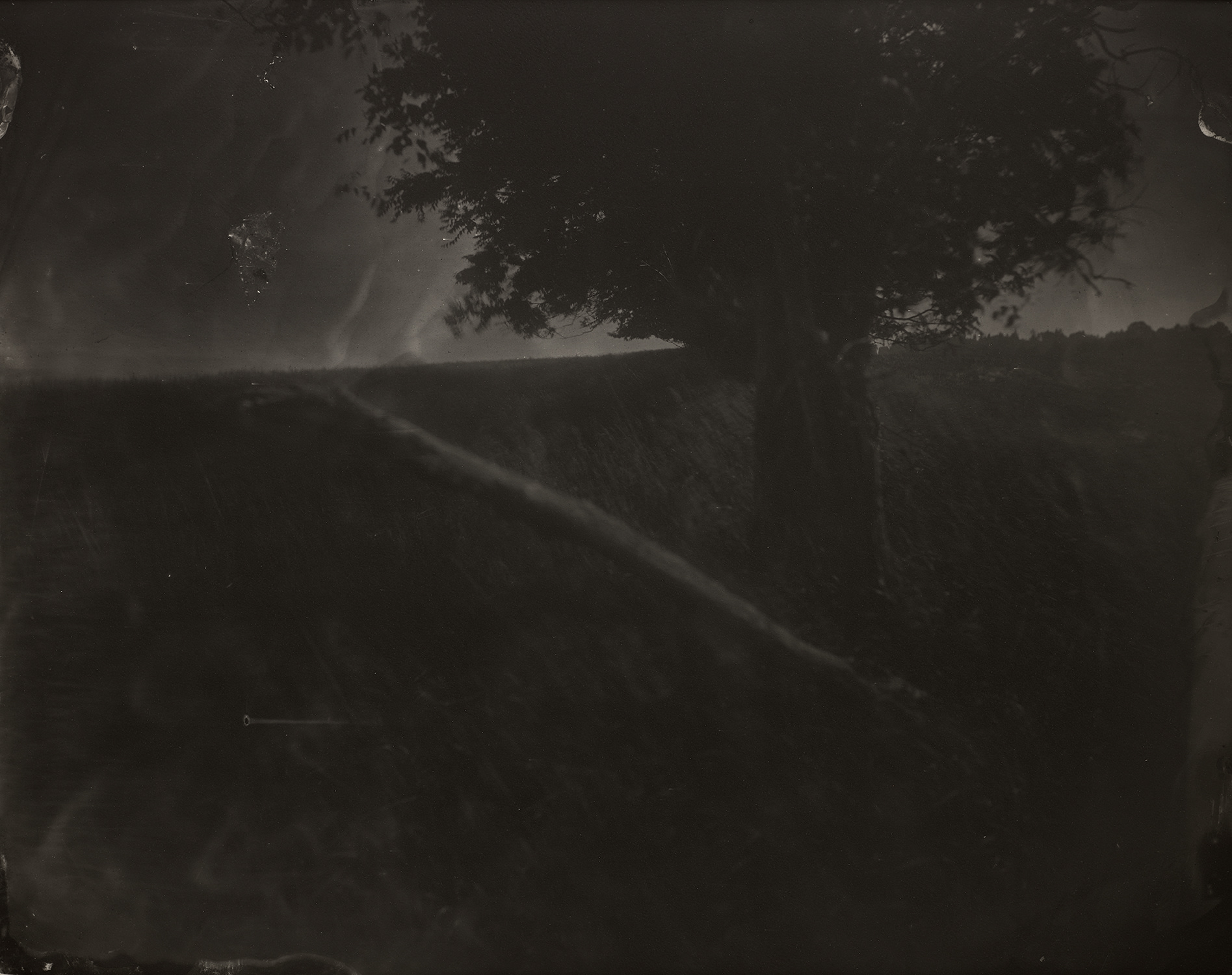
Nan Goldin
Geno by the lake, Bavaria
It requires proximity, trust, and a willingness to make the viewer feel slightly uncomfortable with how close they are getting. The best works in this category do not simply document a person. They reveal a relationship. When Nan Goldin exhibited The Ballad of Sexual Dependency as a slideshow at Mudd Club in New York in 1985, she was not presenting portraits in any conventional sense.
She was presenting the texture of intimacy itself, its tenderness and its damage. That distinction matters enormously when you are evaluating a work to acquire. So what separates a good intimate portrait from a great one? The answer almost always comes down to access and vulnerability, on both sides of the lens or brush.
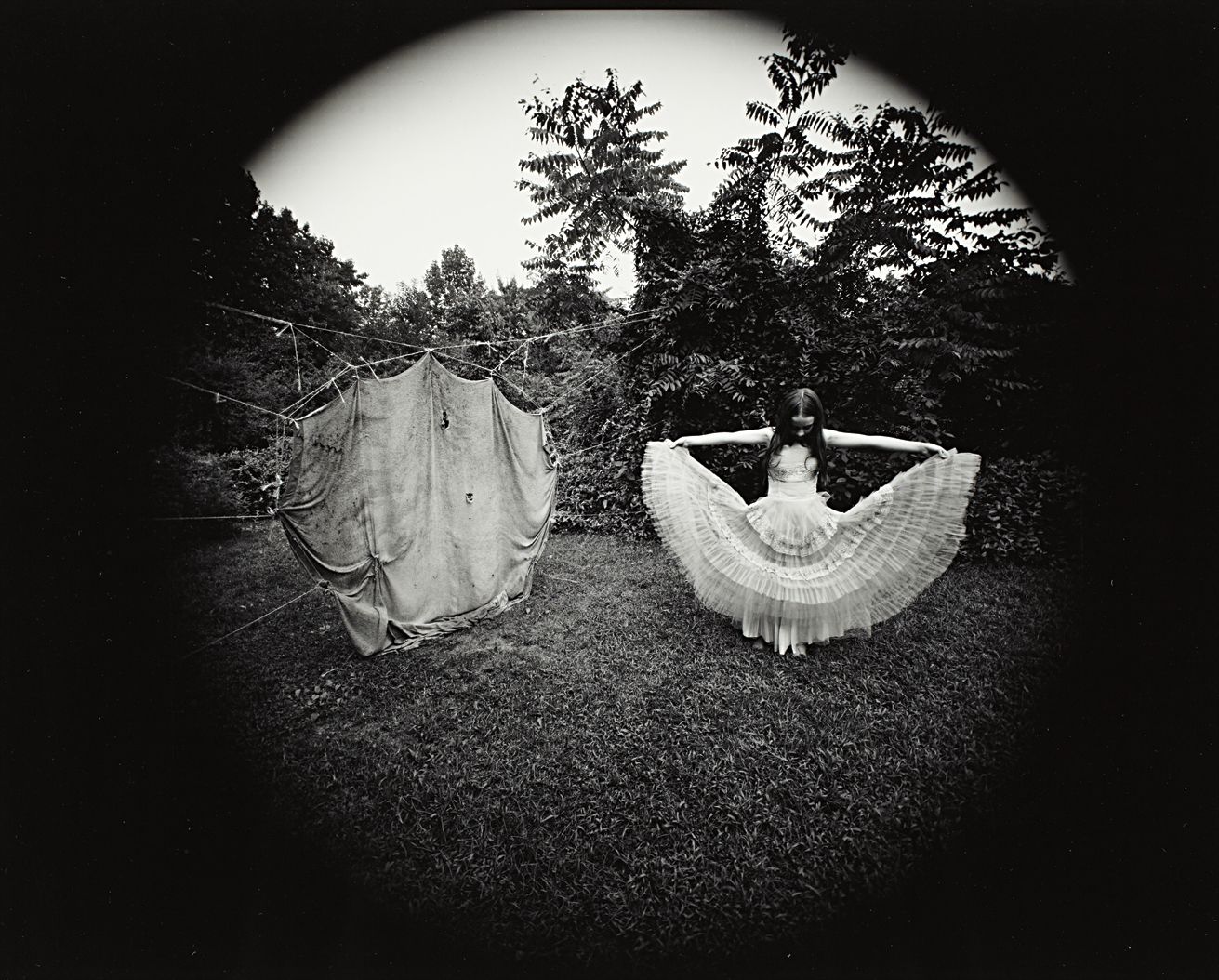
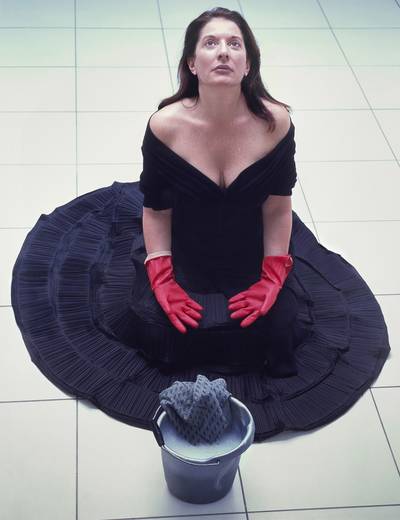
Emmet Gowin
Nancy, Twine and Blanket Construction, Danville, Virginia
A great work makes you feel that the subject could not have been captured by anyone else, that the image exists because of a specific bond. Emmet Gowin's photographs of his wife Edith carry this quality. His early work from the late 1960s and early 1970s feels genuinely private, not in a voyeuristic way but in the way that a handwritten letter is private. You sense you are holding something that was never quite meant to be framed and sold, and yet is somehow more powerful for being so.
When evaluating works in this category, ask yourself whether the intimacy feels earned or performed. The answer is usually visible within a few seconds of looking. Among the artists well represented on The Collection, Goldin remains one of the most consequential figures in this space, both culturally and in market terms. Her prints have held and grown in value steadily, particularly since the renewed global attention that came with the documentary All the Beauty and the Bloodshed in 2022.
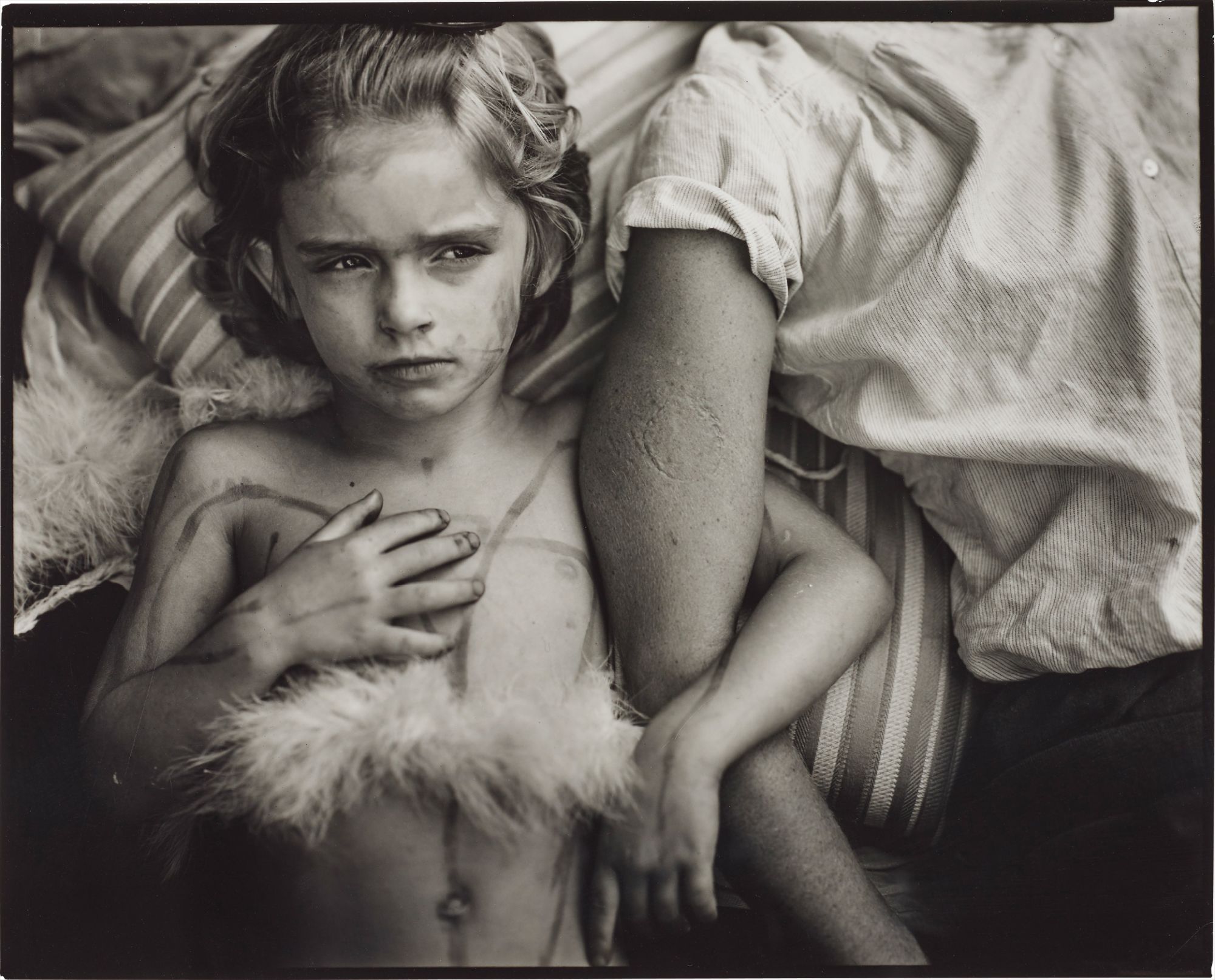
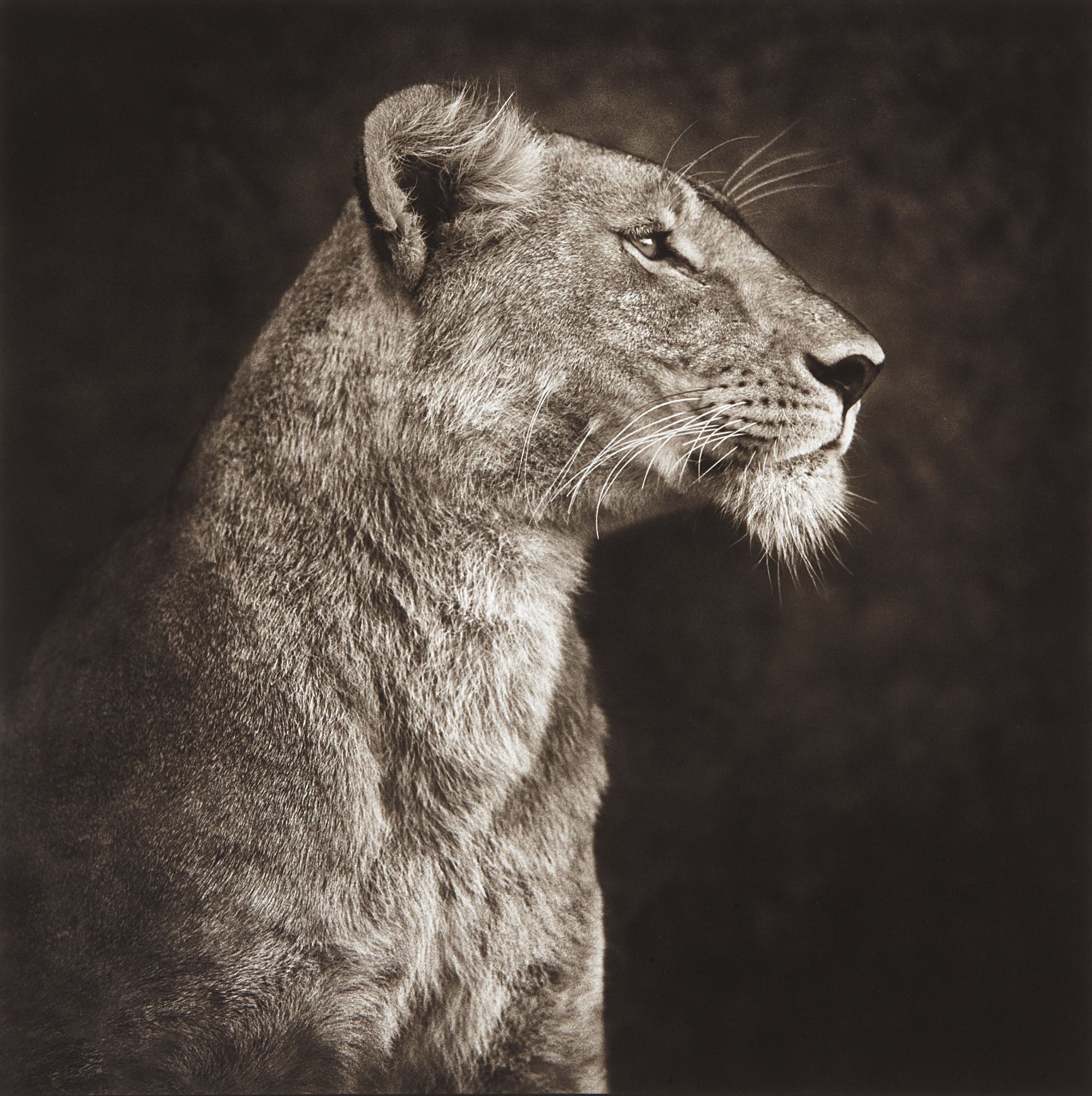
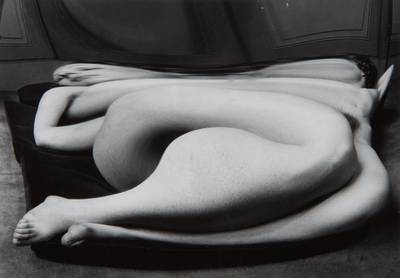
Sally Mann
Jessie Bites
Sally Mann is another cornerstone. Her large format photographs, particularly from the Immediate Family series of the late 1980s and early 1990s, occupy a rare position where art historical significance and emotional power reinforce each other. Works from that period are now held in major museum collections worldwide and appear at auction with strong results. For collectors entering this space, both artists represent a considered long position.
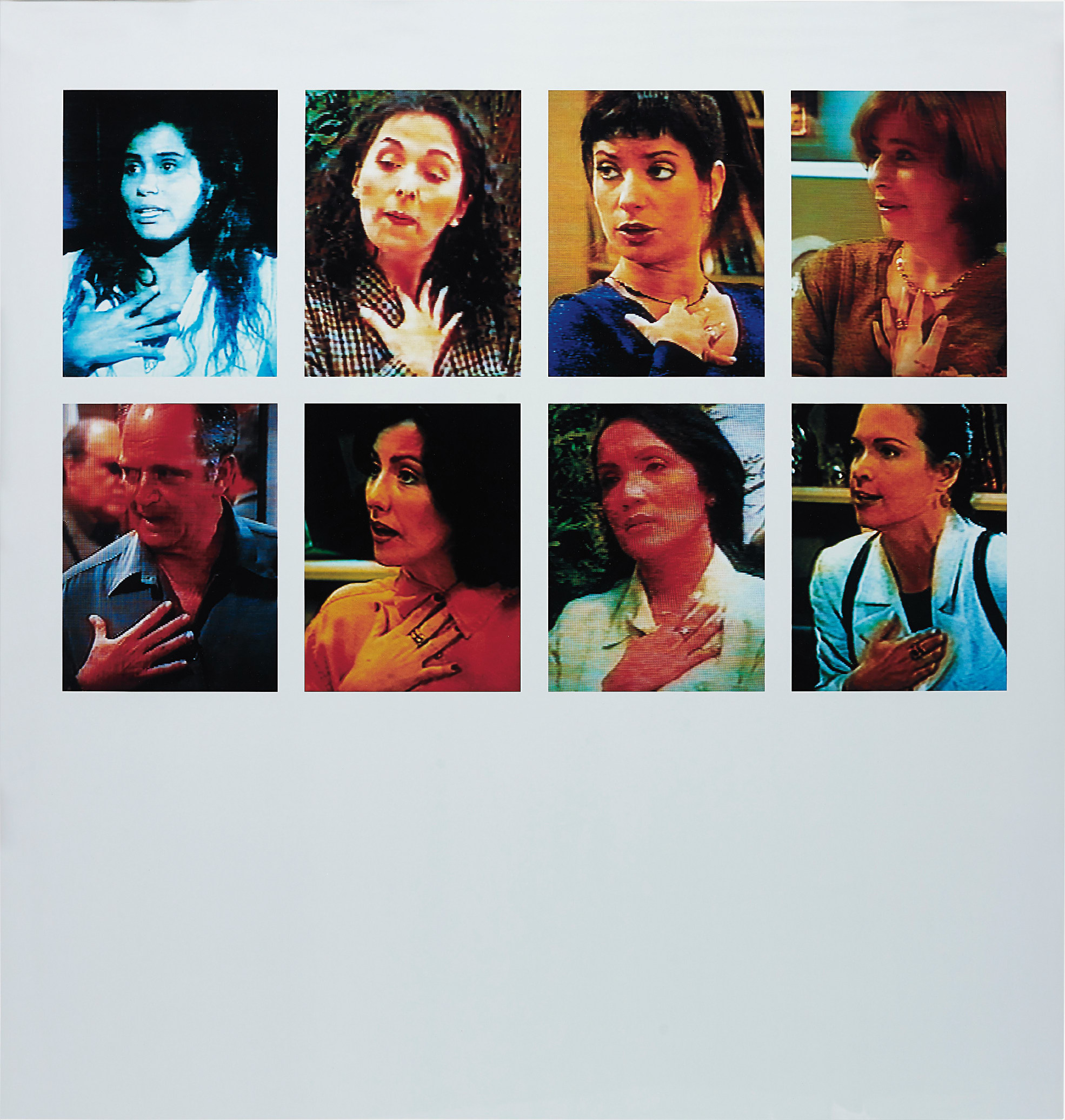
Harry Callahan, less discussed in current market conversations but no less important, made profoundly tender photographs of his wife Eleanor over several decades. His work rewards patient collectors who are drawn to quieter registers of devotion. The intimate portrait is also a category where painting and photography sit unusually close together, and smart collectors are thinking across both. Frank Auerbach's built up, almost archaeological surfaces produce portraits that feel like acts of sustained attention rather than representation.
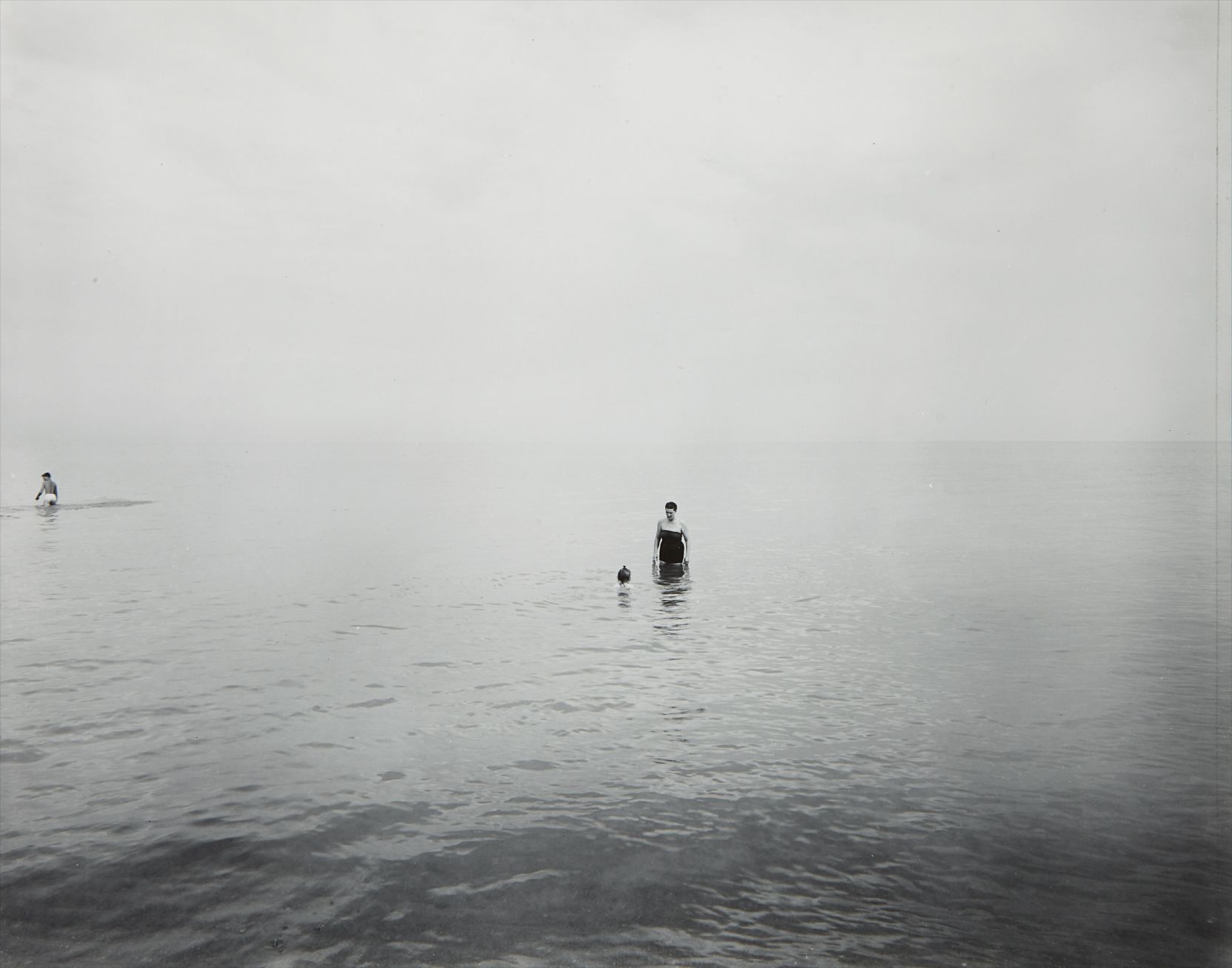
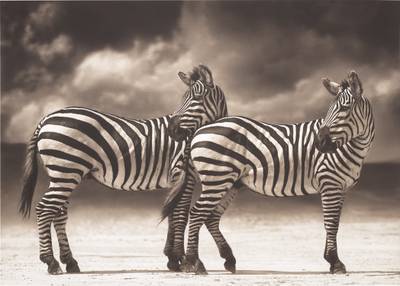
Harry Callahan
Eleanor and Barbara, Lake Michigan
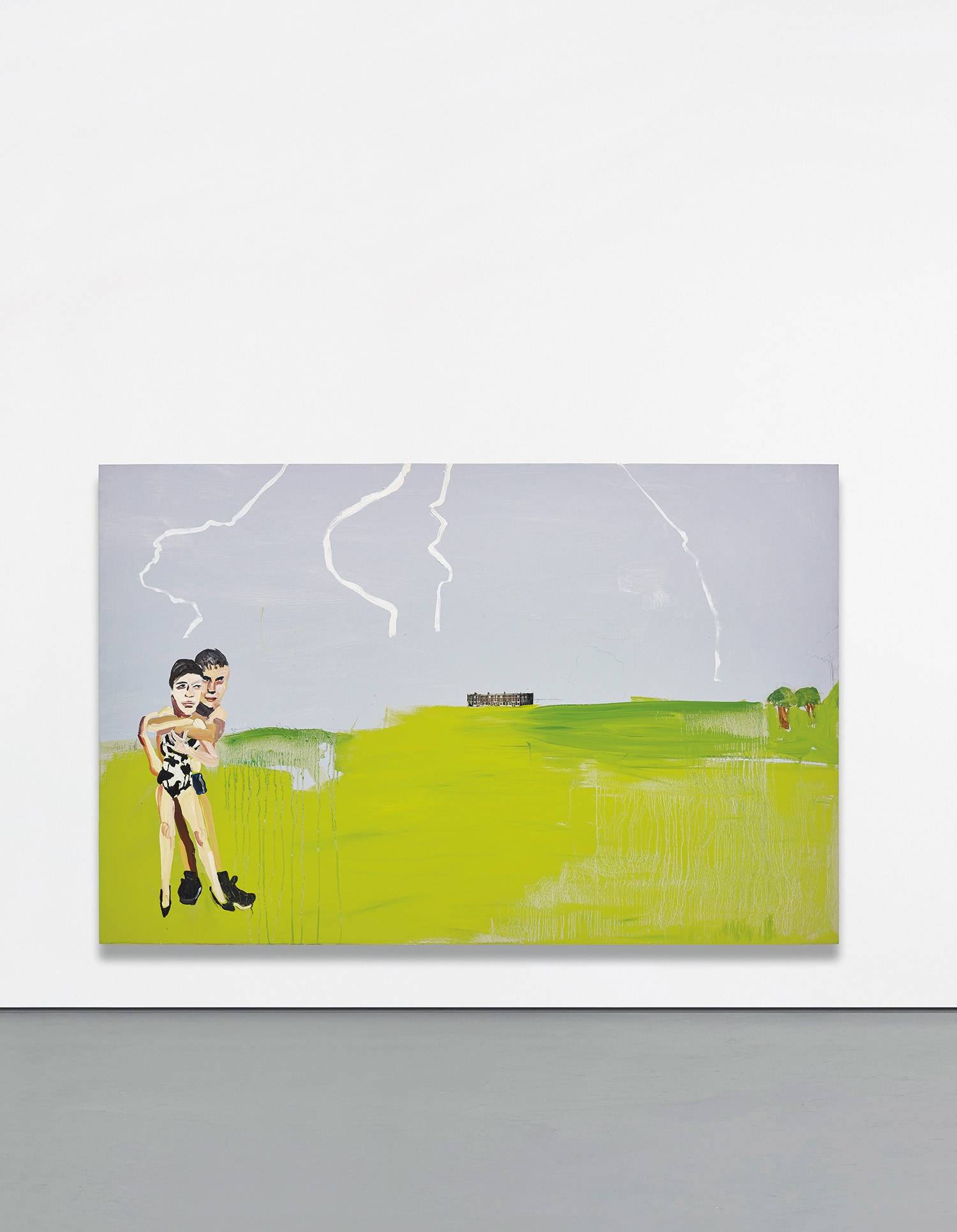
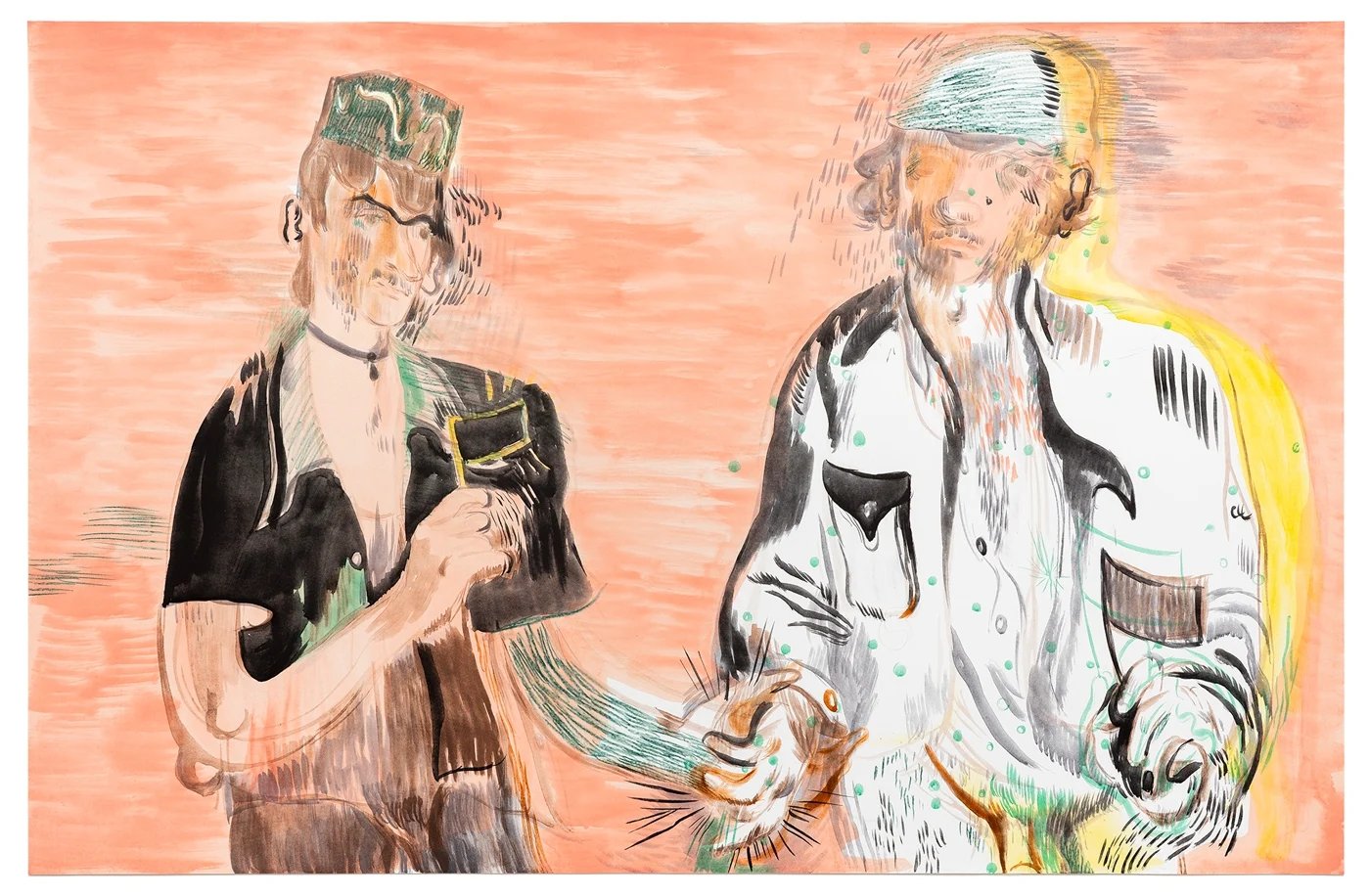
Chantal Joffe brings a rawness to painted portraiture that reads as genuinely confessional, her figures often caught in moments of domestic or psychological exposure. Louise Giovanelli, younger than either and building serious critical momentum, works with a very different visual language but shares that quality of making you feel you have walked into something private. Her work is still available at prices that will not hold. Collectors who are already looking at the established names in this space should be paying close attention to where she goes next.
In photography, Alessandra Sanguinetti deserves more attention than the secondary market currently gives her. Her long term project with two cousins in rural Argentina, developed over many years and published as The Adventures of Guille and Belinda, is one of the most sustained and emotionally complex bodies of intimate portraiture produced in the past thirty years. Her prints remain accessible relative to their importance. Similarly, Mona Kuhn works with a quiet intensity that sits outside the more sensationalized end of intimate photography, and her following among serious collectors has grown steadily in Europe and the United States.
At auction, intimate portraiture performs most strongly when provenance is clear and the work can be positioned within a well documented series or body of work. Isolated prints from lesser known projects by even major artists tend to underperform relative to works that can be anchored in a narrative. Condition is particularly critical in this category. For photographic works, ask specifically about the printing process, whether the work is a lifetime print or printed later, and what fading or color shift to expect over time.
Display conditions matter. Consistent light levels and careful humidity control are not optional with works on paper. For paintings in this space, the surface is often everything, so request detailed condition reports and ask directly about any historical restoration. When approaching a gallery about works in this area, the most important question is often the simplest: what is the relationship between the artist and the subject.
The answer tells you whether you are looking at a document of genuine intimacy or a construction of it. Both can be valuable, but they are different things, and the collector who understands the distinction will build a more coherent and resonant collection. The intimate portrait is not a decorative category. It is, at its best, a record of what it costs to be close to another person.
That is not a small thing to bring into your home. It is, for the right collector, exactly the point.