Industrial Theme
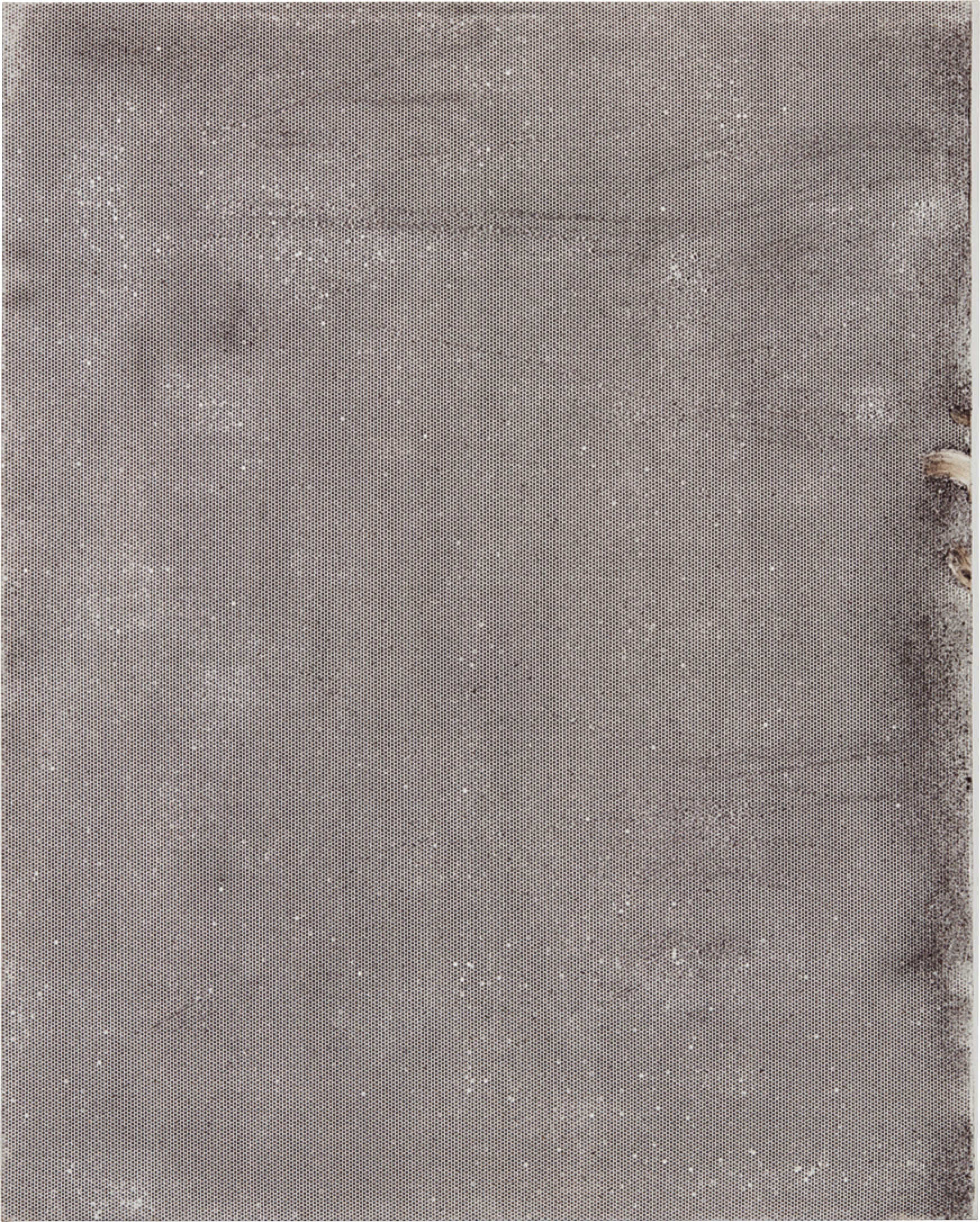
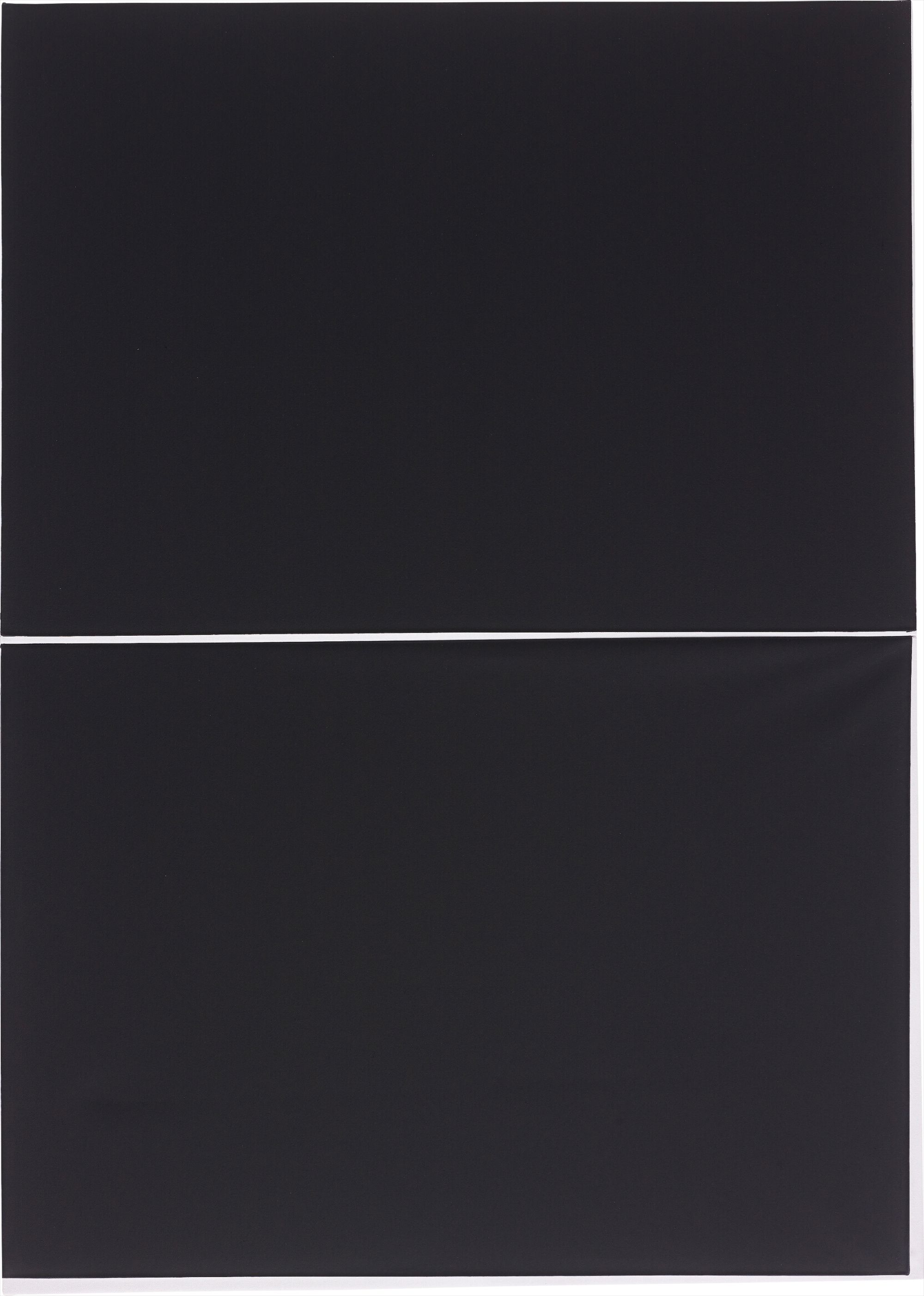
Ryan Estep
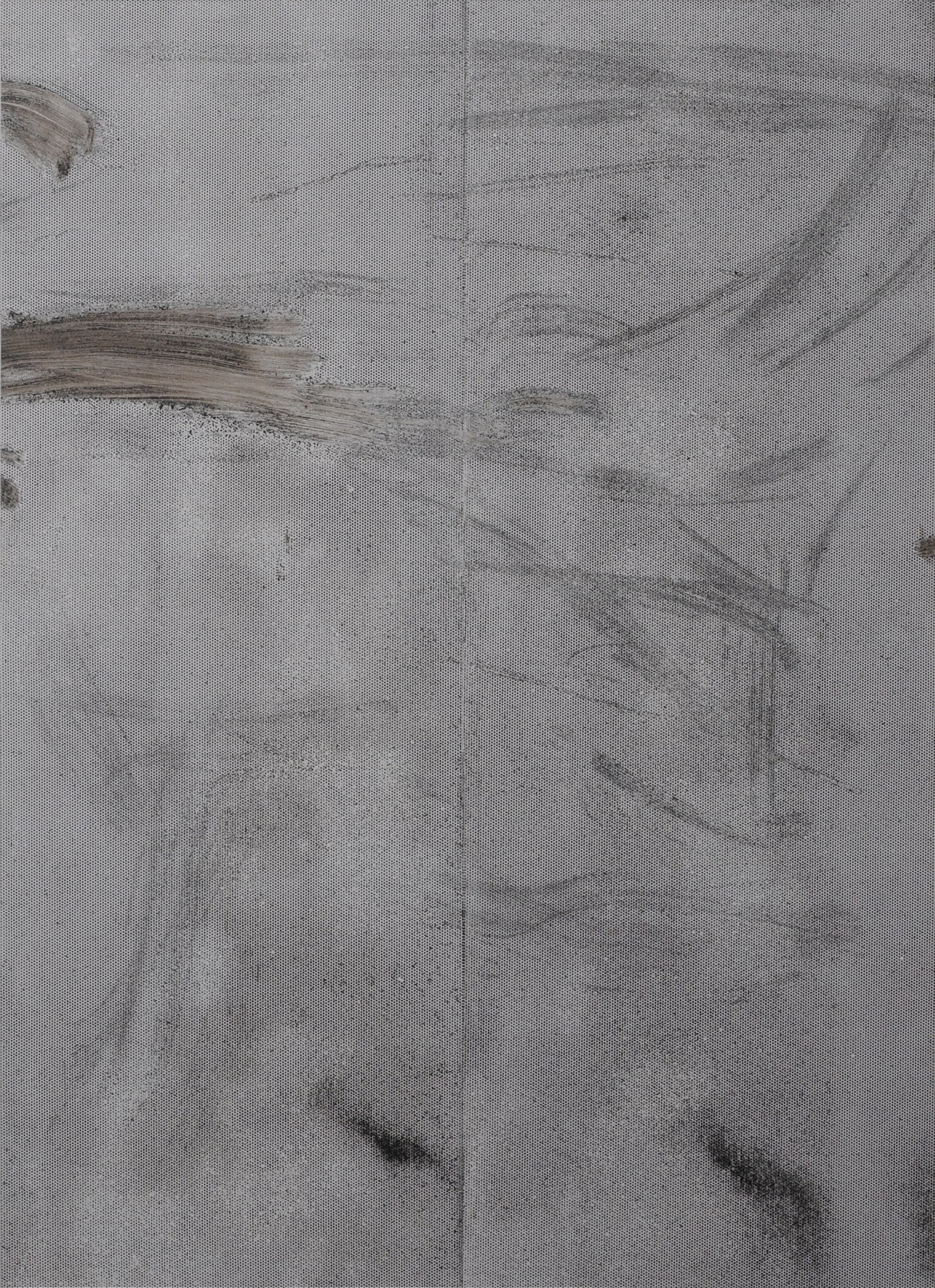
Sterilized Dirt B12, 2014
The Machine Age Never Really Ended
There is something almost defiant about art that chooses the factory floor over the garden, the steel girder over the pastoral hillside. Industrial theme in art is not merely a subject matter. It is a philosophical stance, a decision to look unflinchingly at the world that modernity built and to find within it something worth contemplating. From the smoke blackened skies of early twentieth century Europe to the deconstructed consumer landscapes of postwar America, artists drawn to industrial imagery have consistently refused the comfort of beauty for its own sake, insisting instead that the places where things are made, broken, and discarded deserve the same sustained attention we give to any other corner of human experience.
The roots of this sensibility run deep. When J.M.W.
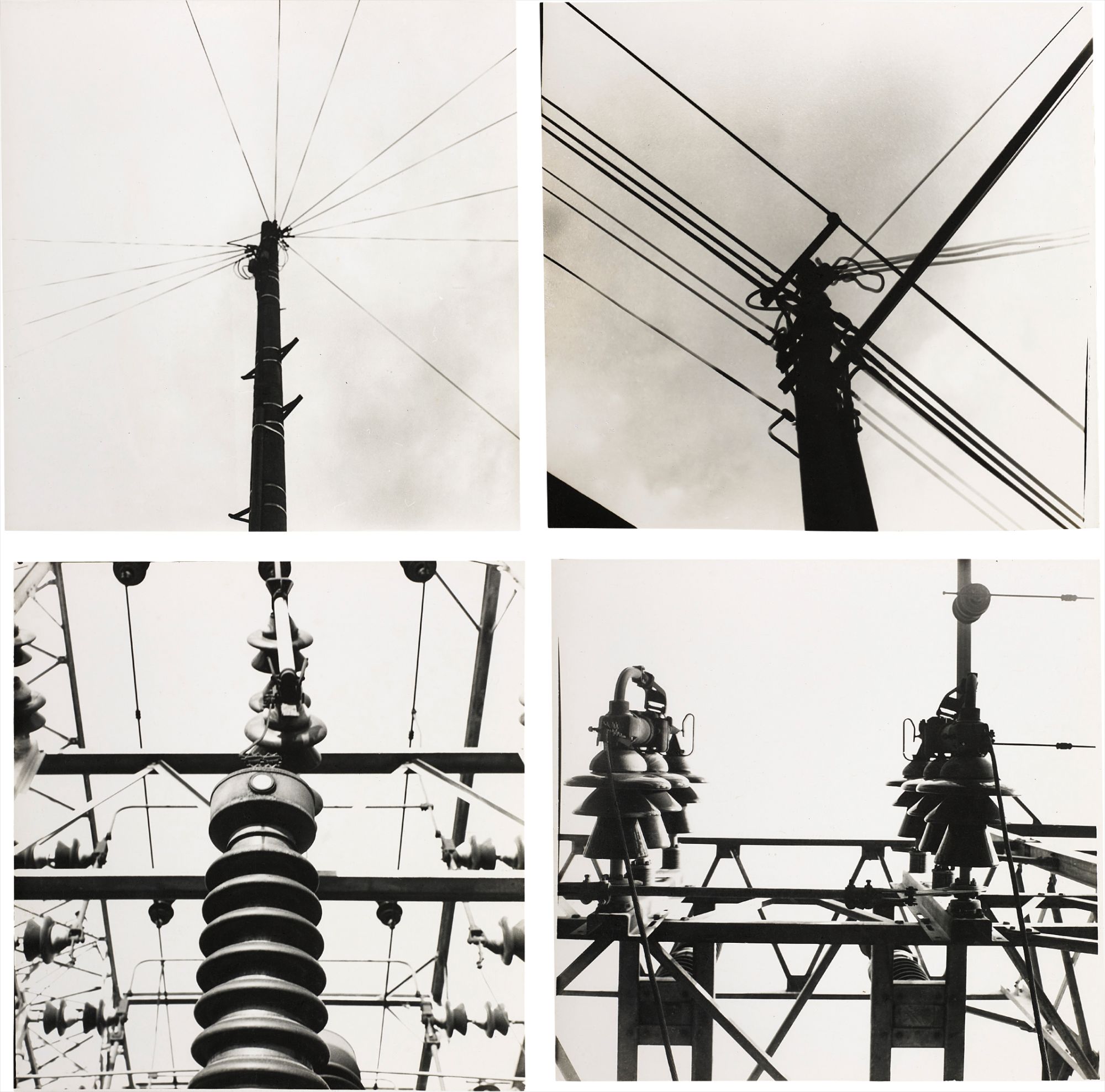
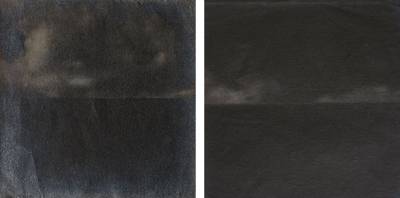
Jorge Ortiz
Cables
Turner painted Rain, Steam and Speed in 1844, he was doing something genuinely radical, positioning the locomotive not as an intrusion into the landscape but as a new kind of sublime. The Impressionists, for all their love of light and leisure, were not immune either. Claude Monet's series of the Gare Saint Lazare, painted in 1877, treated the iron and steam of a Paris train station with the same reverent attention he later gave to water lilies. These were early signals that the industrialized world was not the opposite of art's subject matter.
It was the subject matter. The twentieth century accelerated everything. The Futurists in Italy, particularly in the years just before the First World War, turned industrial speed and mechanical force into an aesthetic religion. In Germany, the Bauhaus movement, founded by Walter Gropius in 1919, dissolved the boundary between fine art and industrial production entirely, arguing that craft and manufacturing were a single continuum.
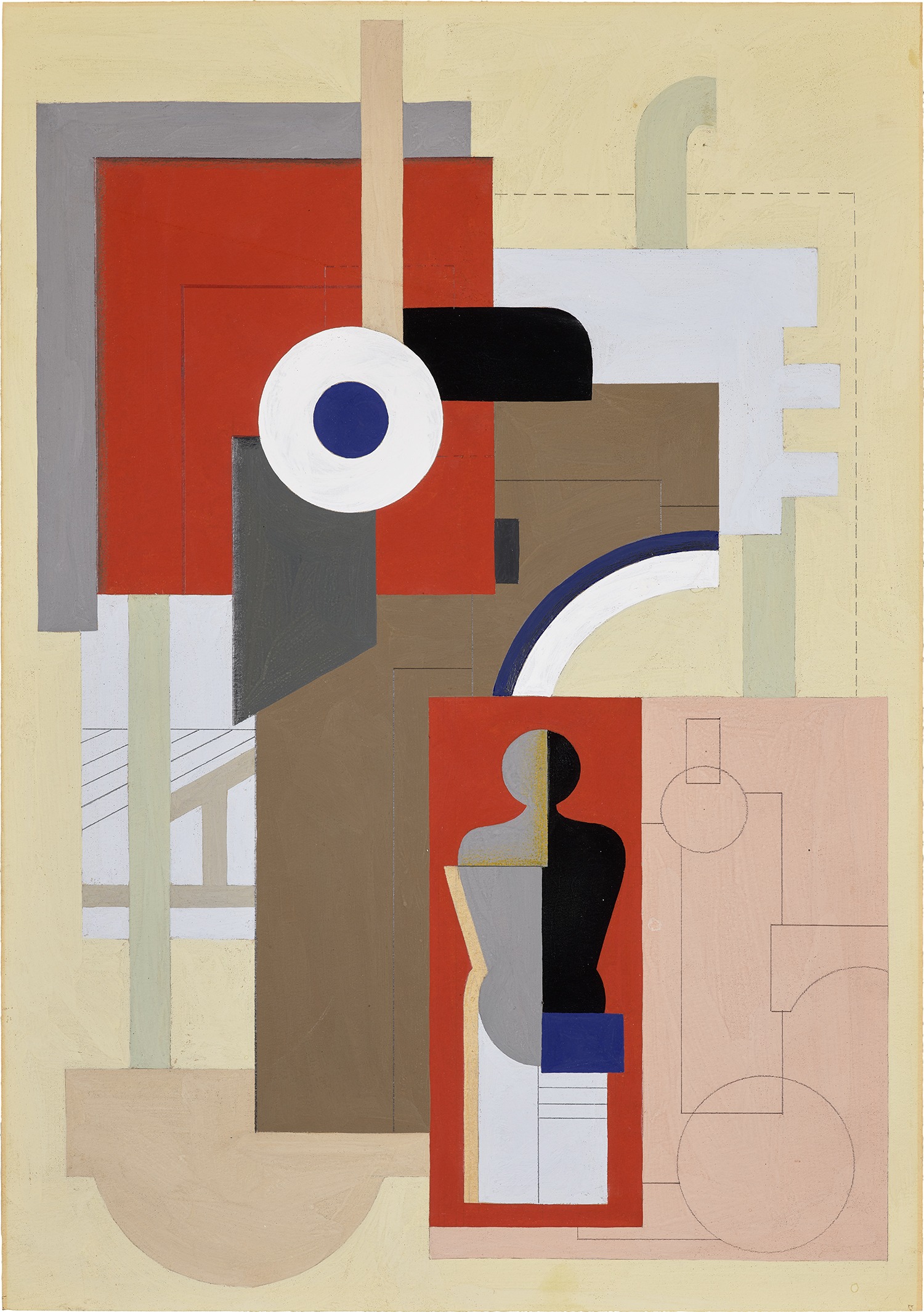
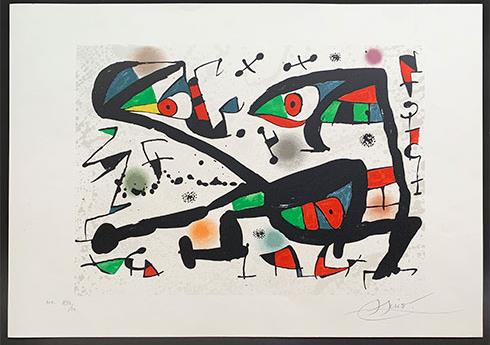
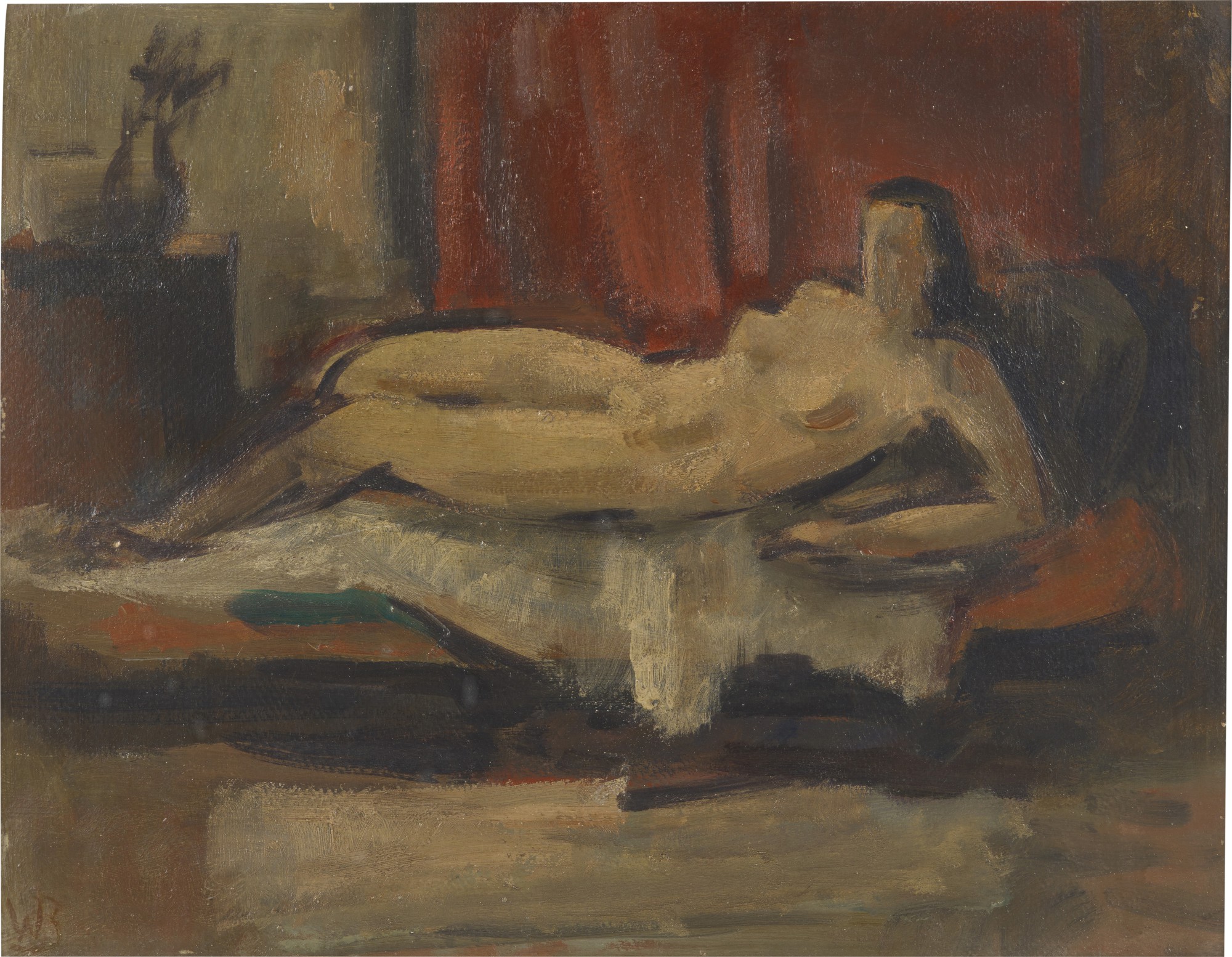
Willi Baumeister
Maschine und Mensch, 1926
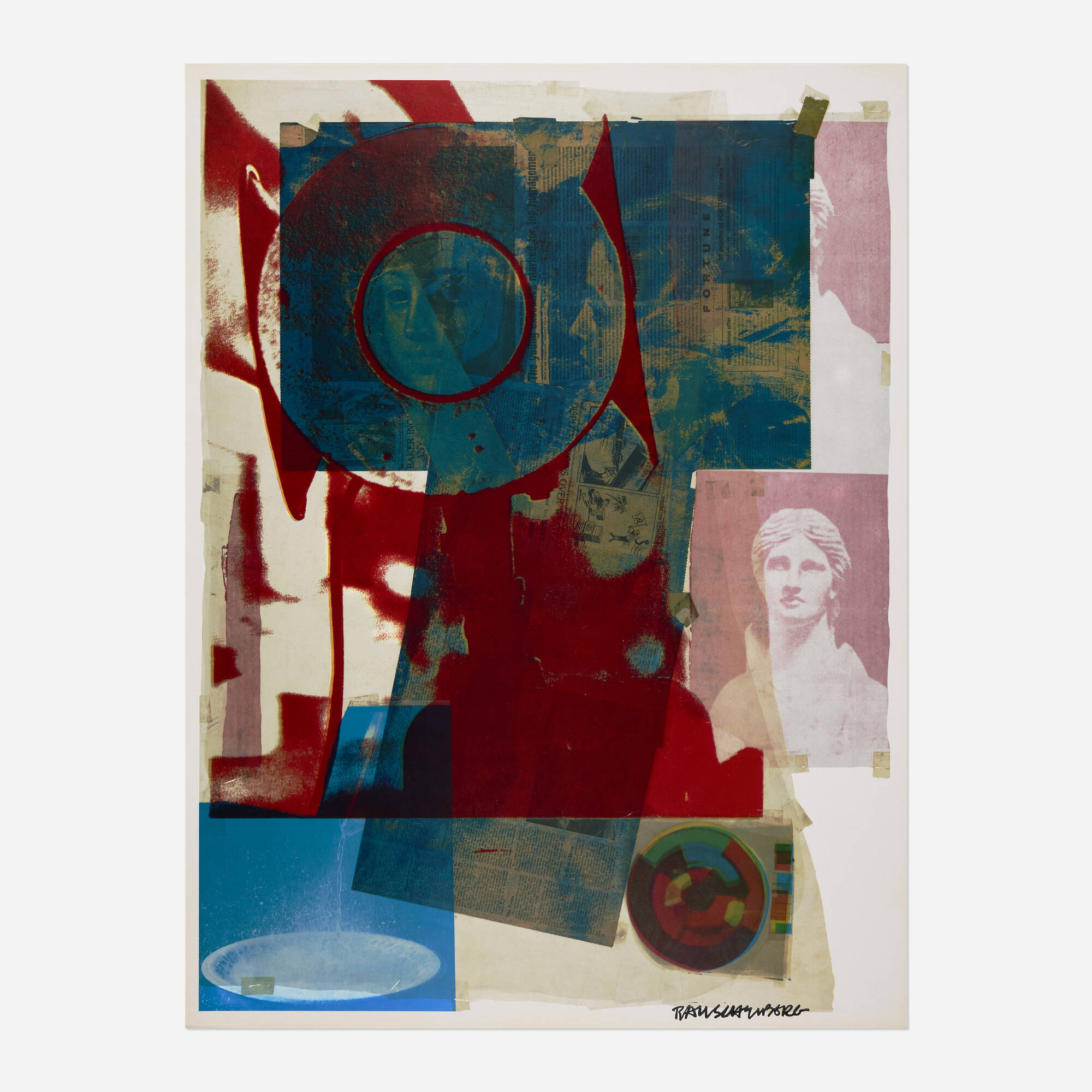
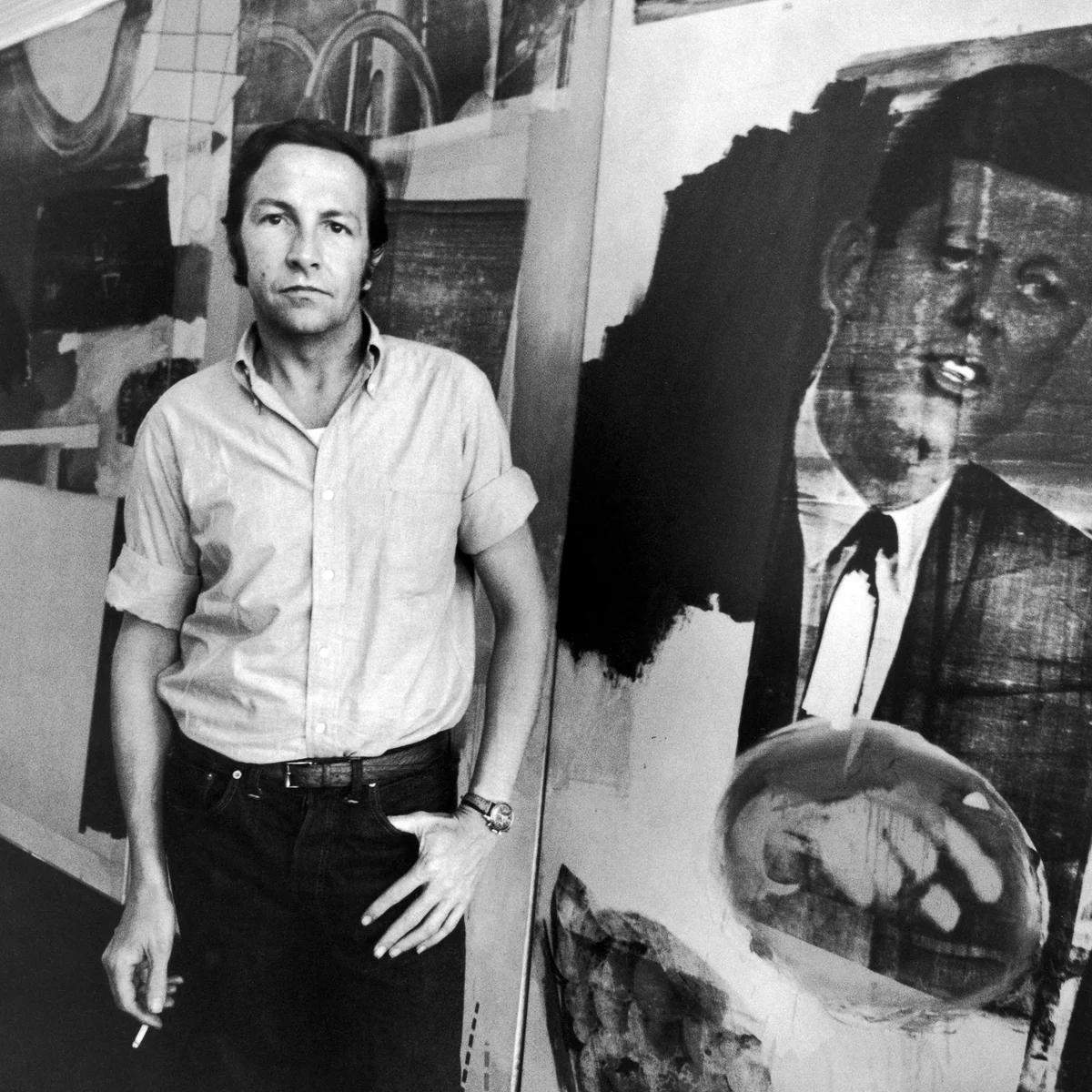
Willi Baumeister, who taught at the Bauhaus and developed his own language of abstract forms that echoed the rhythms of machinery and construction, became one of the defining voices of this sensibility in German modernism. His work resists easy categorization but carries throughout it a sense of structure and process that feels entirely at home in this conversation. The postwar period brought a more complicated, sometimes darker relationship with industrial imagery. Robert Rauschenberg, working in New York from the early 1950s onward, absorbed the detritus of industrial and commercial culture into his Combines, those extraordinary assemblages that gathered newspaper clippings, factory materials, and mass produced objects into something that felt genuinely alive with the texture of American life.
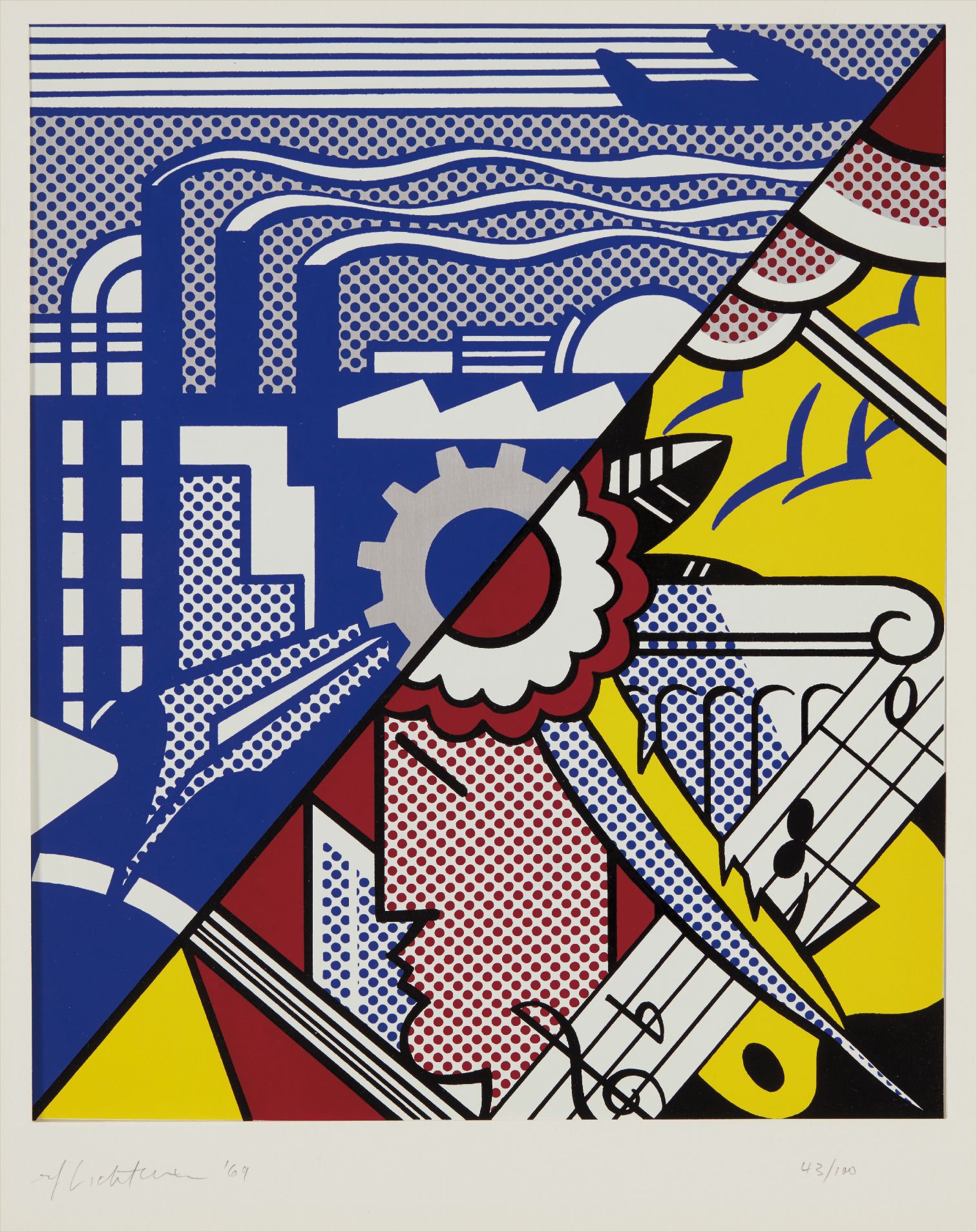
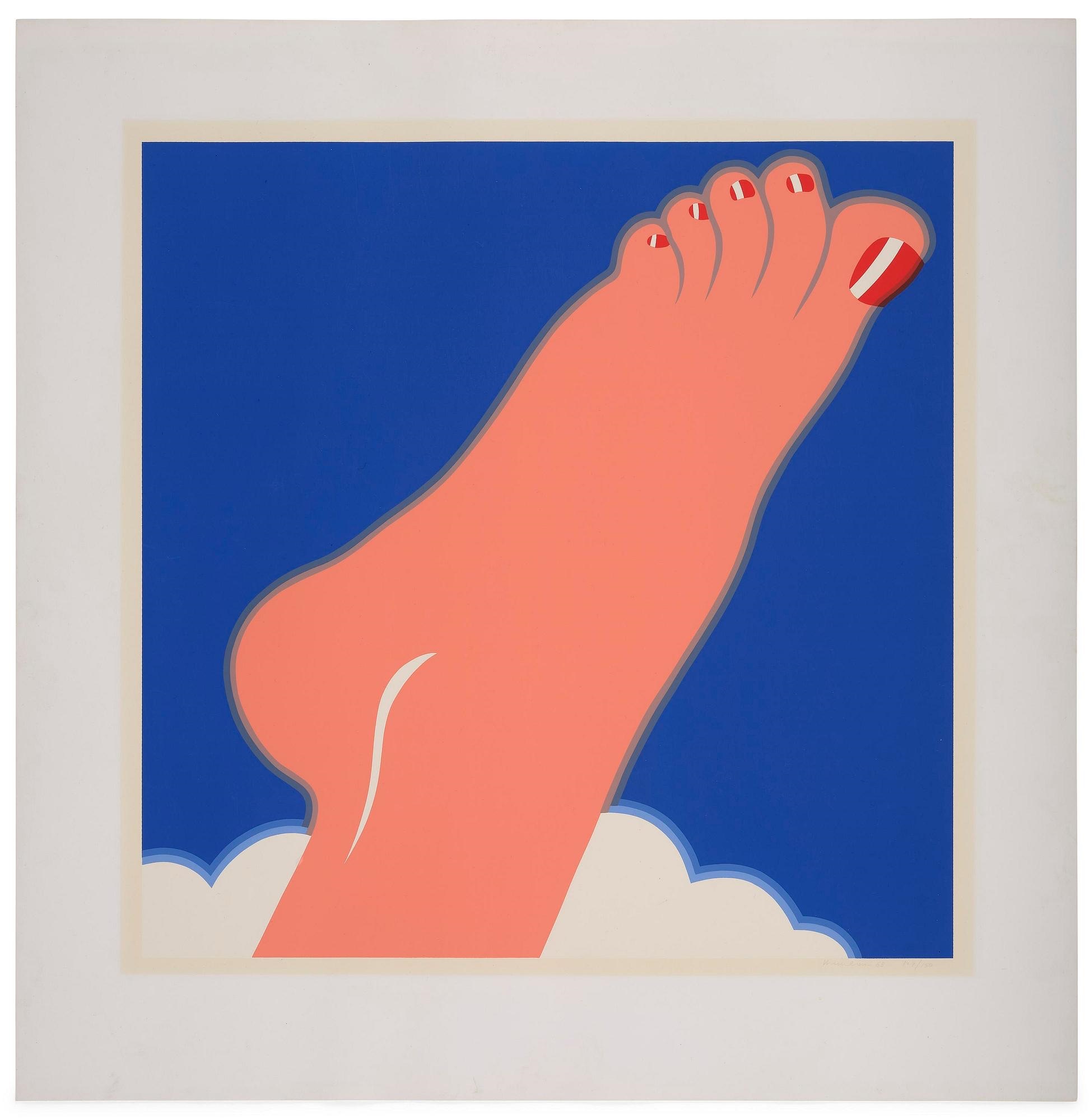
Rauschenberg was not romanticizing industry. He was treating it as the atmosphere his generation breathed, unavoidable and endlessly generative as raw material. Roy Lichtenstein, meanwhile, borrowed the visual language of industrial reproduction itself, the Ben Day dot, the flat graphic line, to comment on the machinery of image making in consumer society. His work from the early 1960s onward made visible the printing processes that most people never thought about, turning industrial technique into fine art with a knowing, almost teasing intelligence.
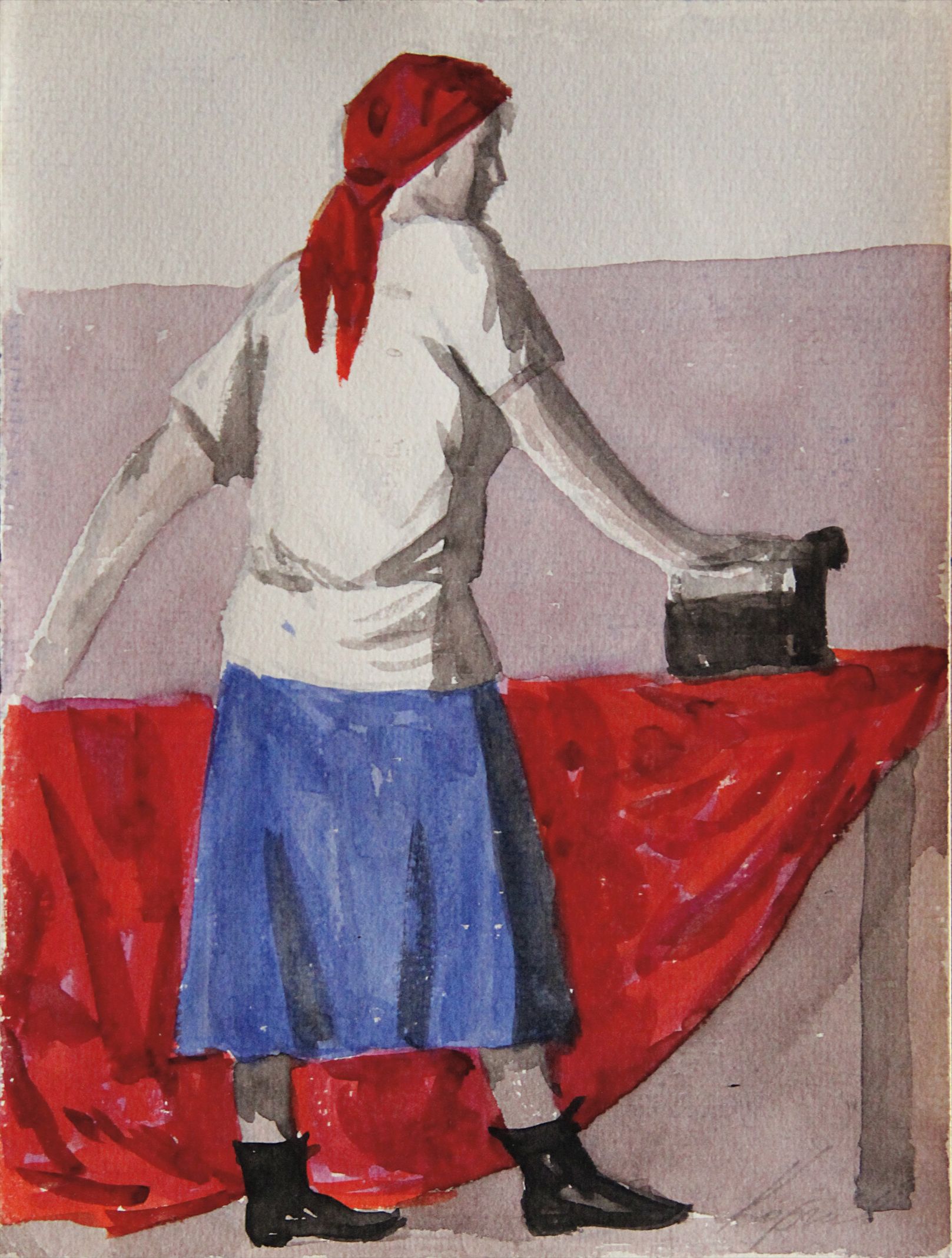
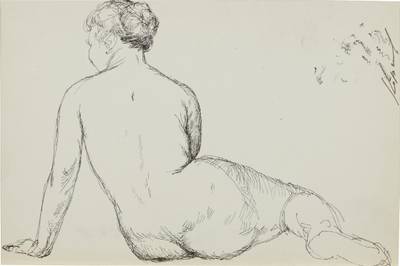
Geli Korzhev
Irons Red Fabric, Study for "New Slogan"
Somewhat separately, in the Soviet and Eastern European tradition, industrial imagery carried a very different weight. Geli Korzhev, the Russian painter who became one of the most significant figurative artists of the Soviet period, brought to industrial and working class subjects a gravity and psychological depth that stood apart from official propaganda. His figures are workers but also humans worn down and complicated by the weight of history. Korzhev refused sentimentality while remaining deeply empathetic, a combination that gives his best work a quality almost Caravaggiesque in its honest attention to the texture of labor and struggle.
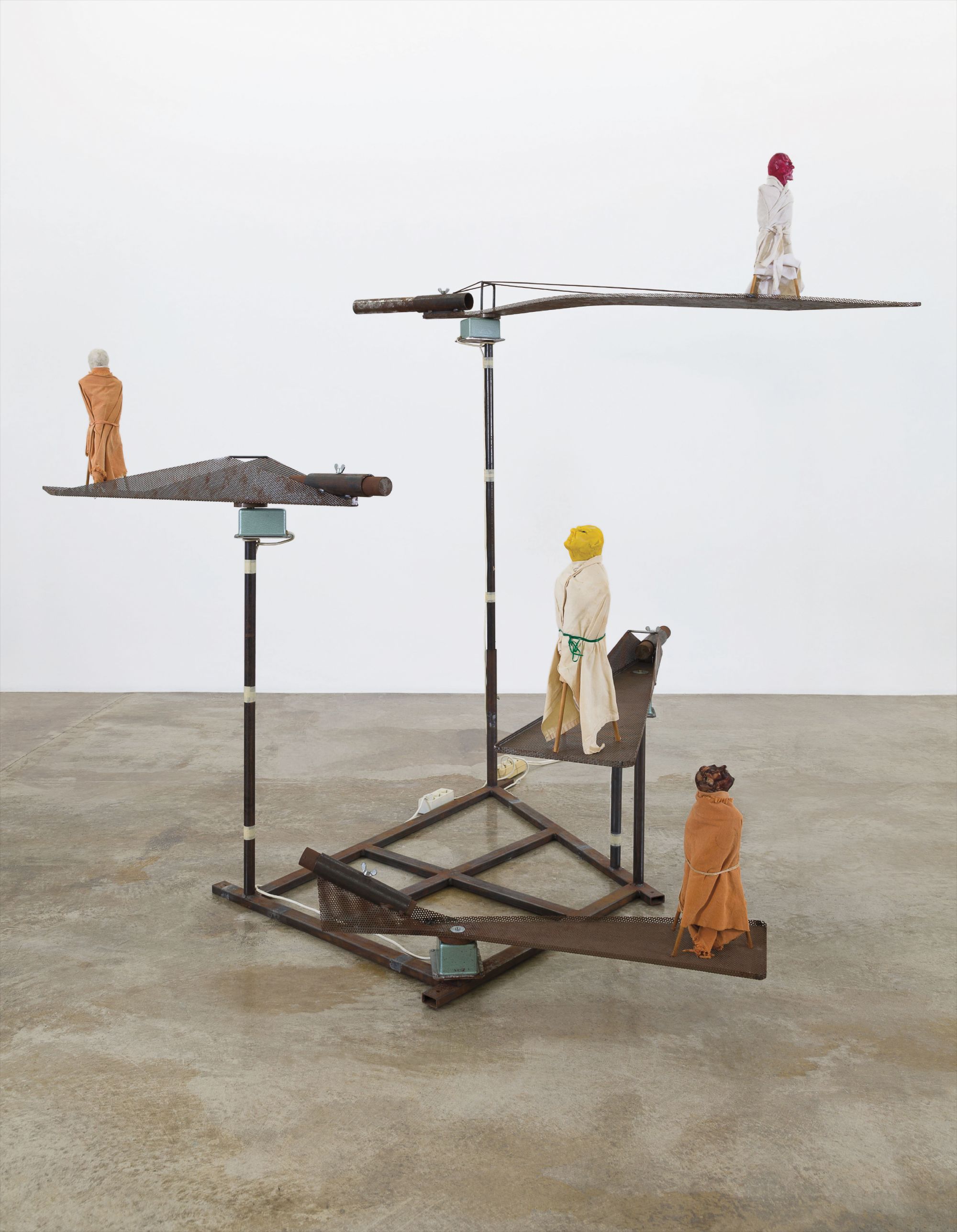
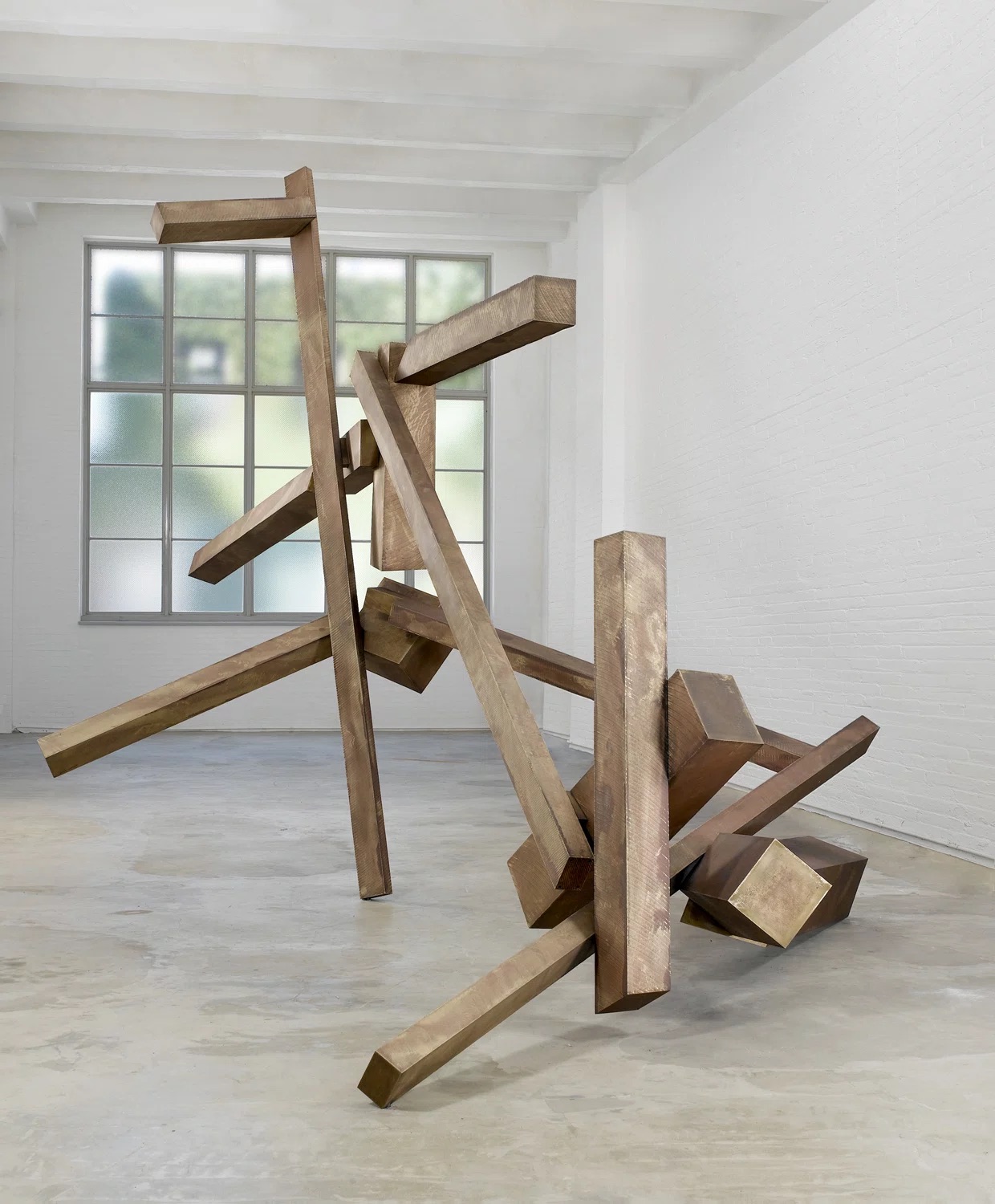
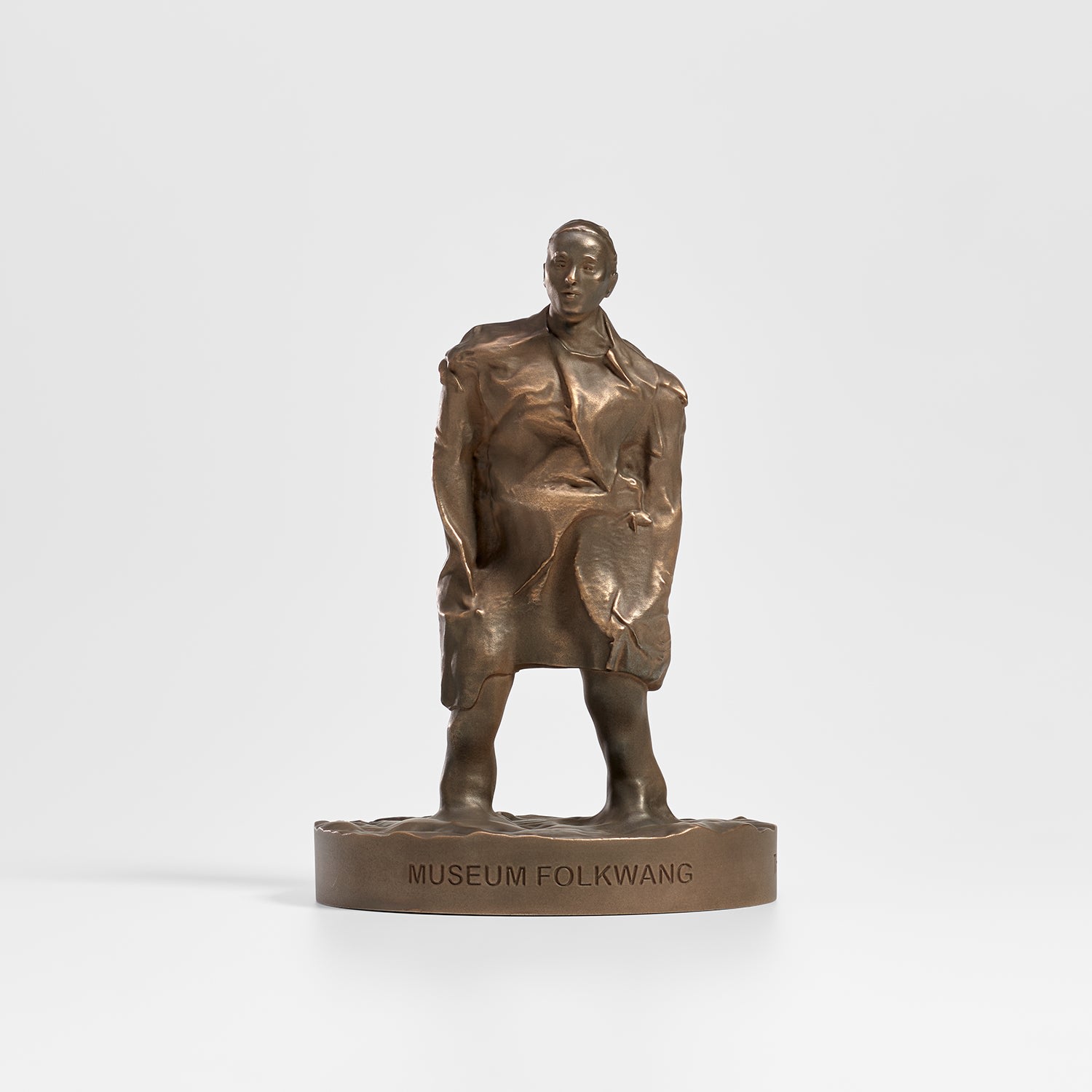
The contemporary moment has not abandoned these questions. If anything, the anxieties around automation, the global supply chain, the ruins of deindustrialized cities and the spectral afterlives of factories have made industrial imagery feel newly urgent. Thomas Schütte, the German sculptor whose work spans figuration, architecture, and installation, has spent decades building a body of work that considers the structures humans design to organize themselves, including the industrial and bureaucratic architectures of power. His work arrives at industrial theme from an architectural and conceptual direction, asking not what factories look like but what they mean as systems.
Ryan Estep
Sterilized Dirt B12, 2014
Jorge Ortiz and Ryan Estep, both represented on The Collection, engage with this territory in ways that feel grounded in the present tense, attentive to how industrial aesthetics and materials continue to shape visual language for artists working now. Technically, artists working within industrial themes have always been interested in the materials themselves as meaning. Weathered steel, concrete, found industrial components, printing processes drawn from commercial production, paint applied in ways that echo manufacturing rather than painterly tradition. The choice of material is rarely incidental.
When an artist works in rusted iron or uses silkscreen processes borrowed from commercial printing, they are implicating the work itself in the systems it depicts. This circularity is part of what makes industrial art so conceptually rich. The medium becomes inseparable from the message in ways that are hard to replicate in more traditionally precious materials. What gives this theme its lasting power is not nostalgia for a particular era of production or a fascination with machinery for its own sake.
It is the recognition that industry is where human ambition and human cost have always intersected most visibly. The factory, the construction site, the foundry, these are places where labor becomes object, where time becomes product, where individual effort disappears into collective output. Artists who keep returning to this territory are asking, persistently and from different angles, what it means to make things in a world organized around making things. That question has not become less interesting with time.
If anything, in an era when so much production has been rendered invisible or offshore or automated, the artists who insist on looking at it directly are performing a kind of necessary witnessing that feels more relevant than ever.