Industrial Medium
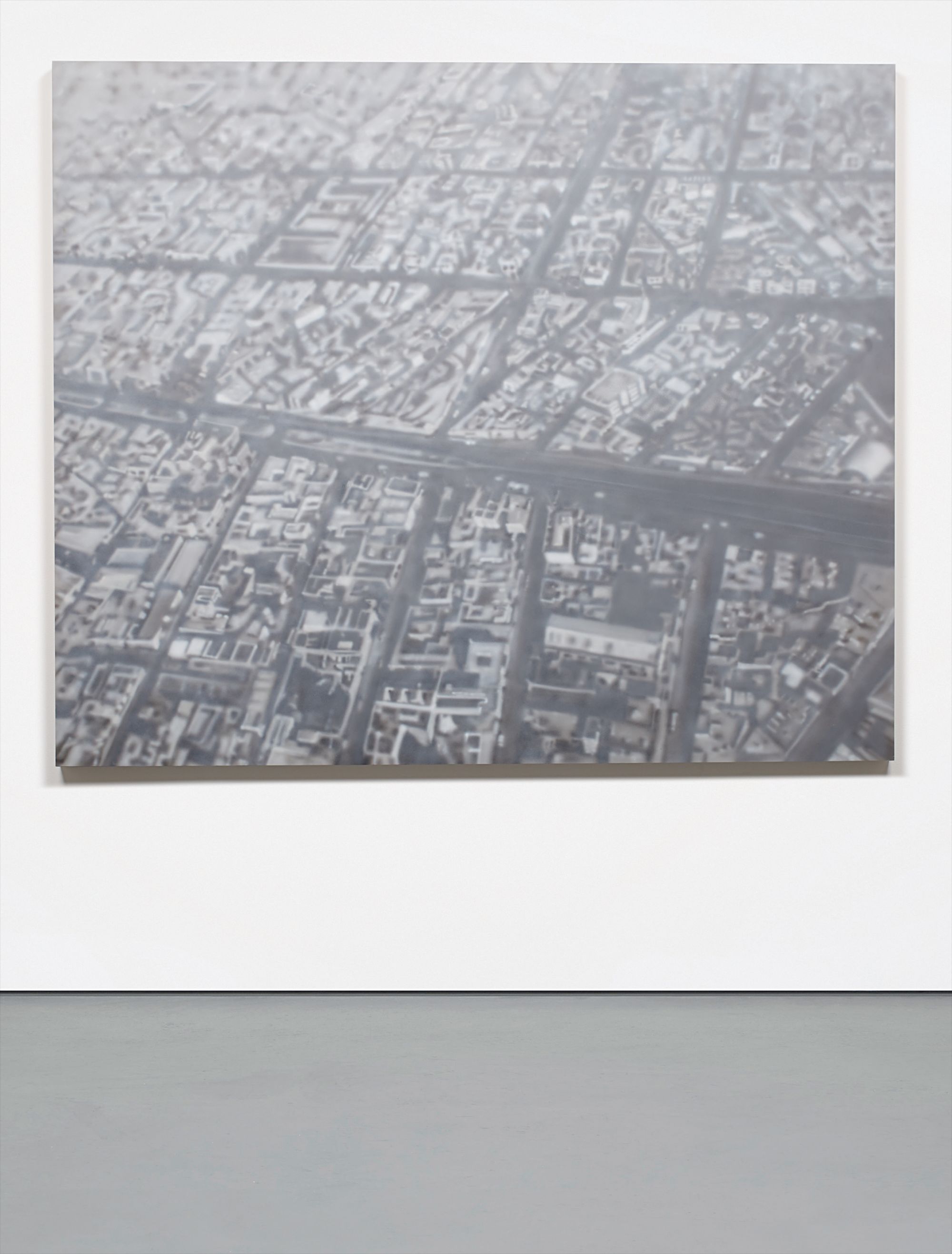
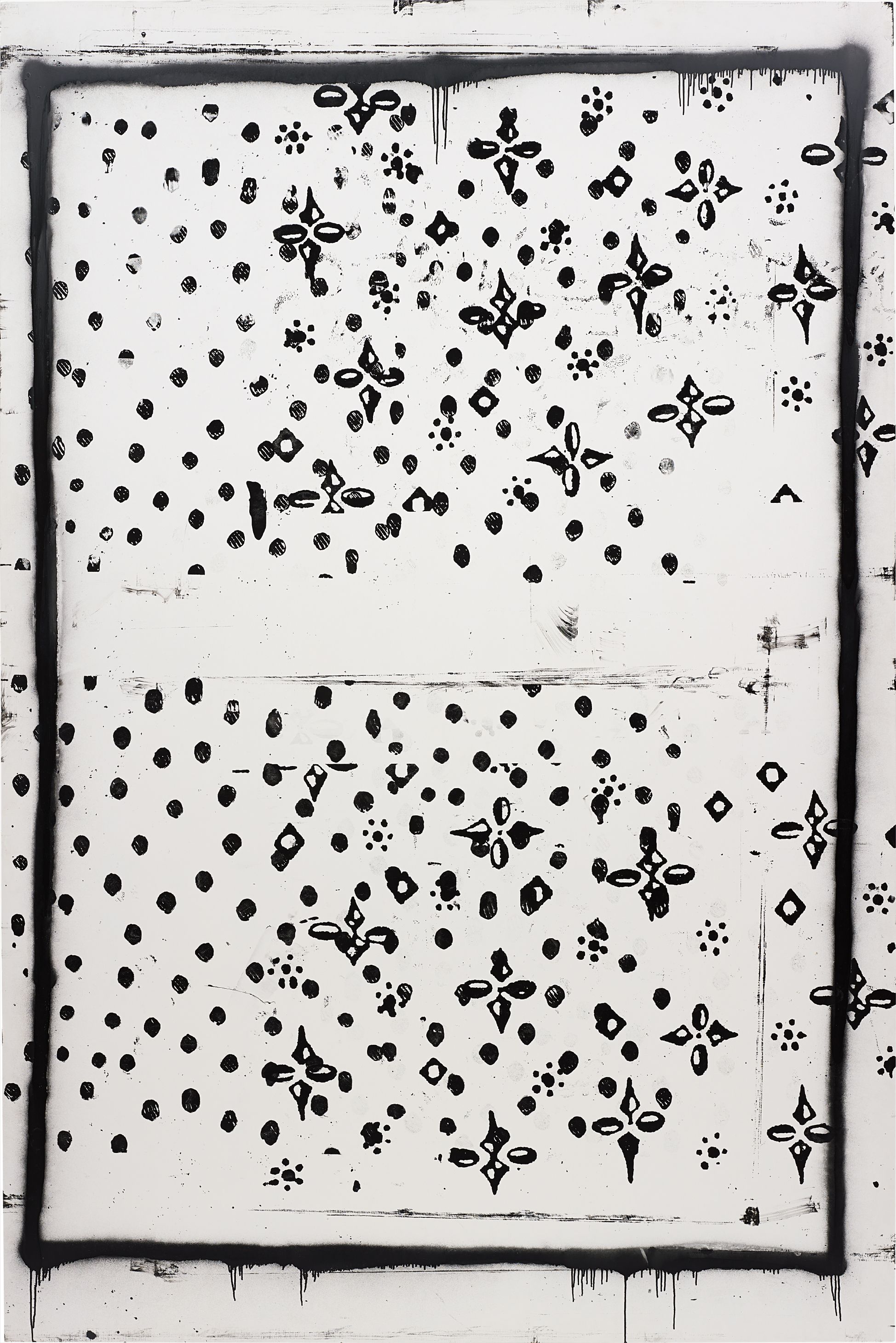
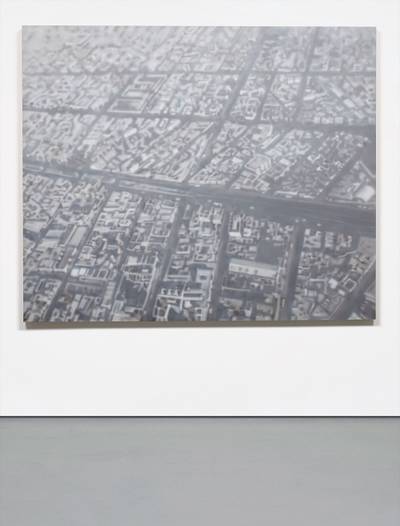
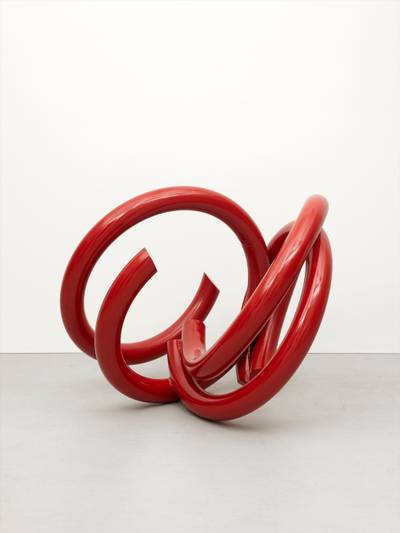
Melanie Smith
Vanishing Landscape No. 5

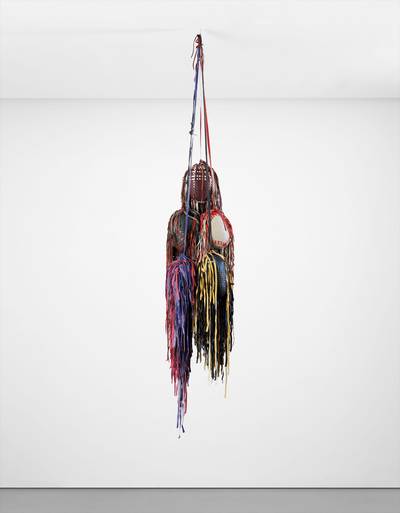
When the Factory Floor Became the Canvas
When Christie's brought a large scale Christopher Wool work to auction in 2023, bidders pushed the price well past its high estimate, a reminder that the appetite for art made from industrial processes, manufactured surfaces, and the visual language of production shows no sign of cooling. Wool's stencilled enamel paintings, with their flat mechanical letterforms and their refusal of painterly warmth, have become one of the clearest signals of where the market places its confidence. But the result pointed to something larger than one artist's momentum. It confirmed that the entire conversation around industrially inflected art, work that borrows from the factory, the print shop, the construction site, finds itself in an unusually robust position right now.
The critical groundwork for this moment was laid across several decades of institutional attention. The Whitney Museum's ongoing commitment to artists working at the intersection of production and abstraction gave collectors a vocabulary, and major surveys of figures like Daniel Buren helped establish the idea that systematic, repeatable visual structures were not a lesser form of art making but a serious philosophical proposition. Buren's striped canvases and site specific interventions, conceived since the late 1960s as a rigorous interrogation of context and repetition, now feel less like provocation and more like bedrock. When the Centre Pompidou mounted its retrospective of his work, the crowds were not merely curious.
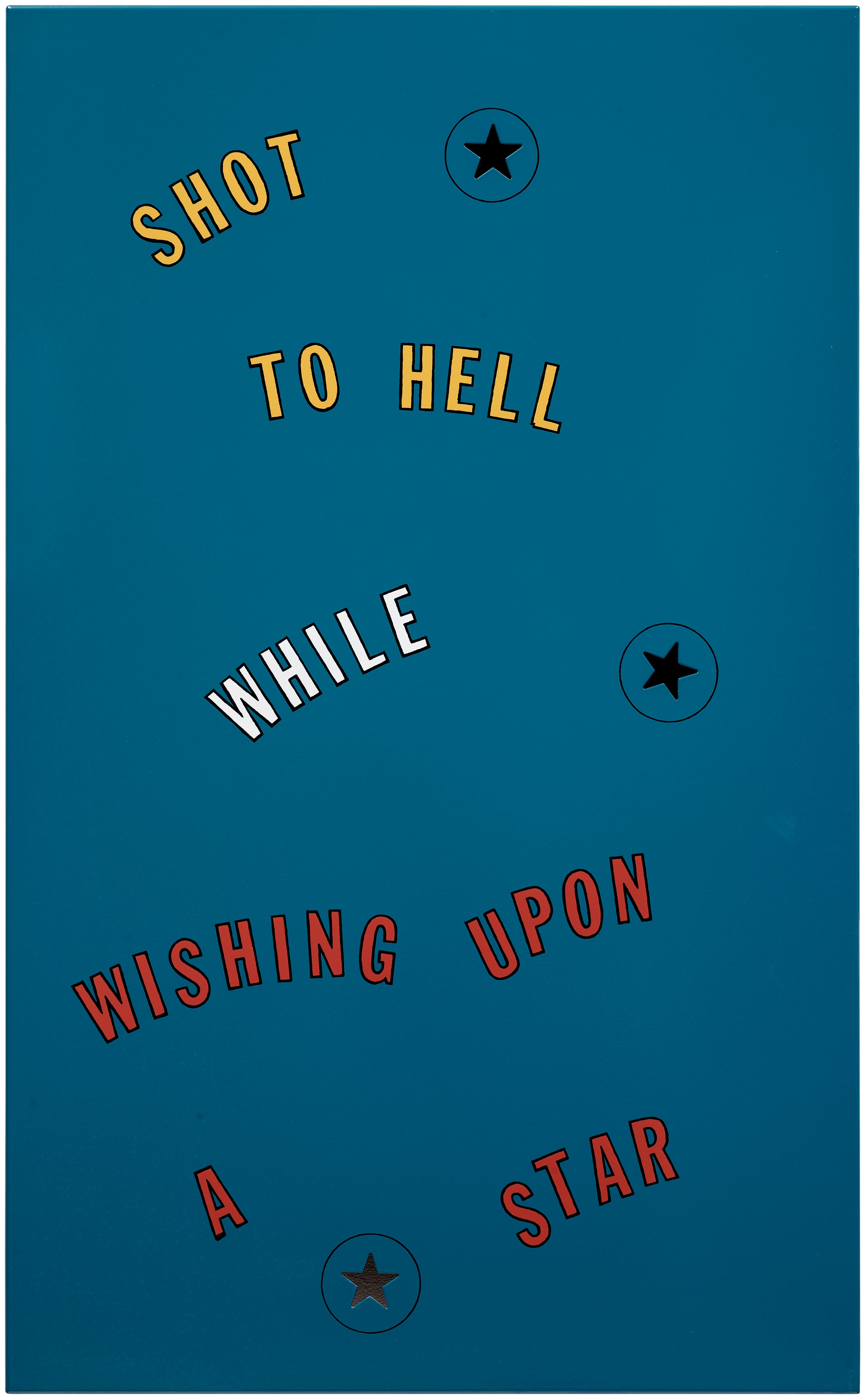
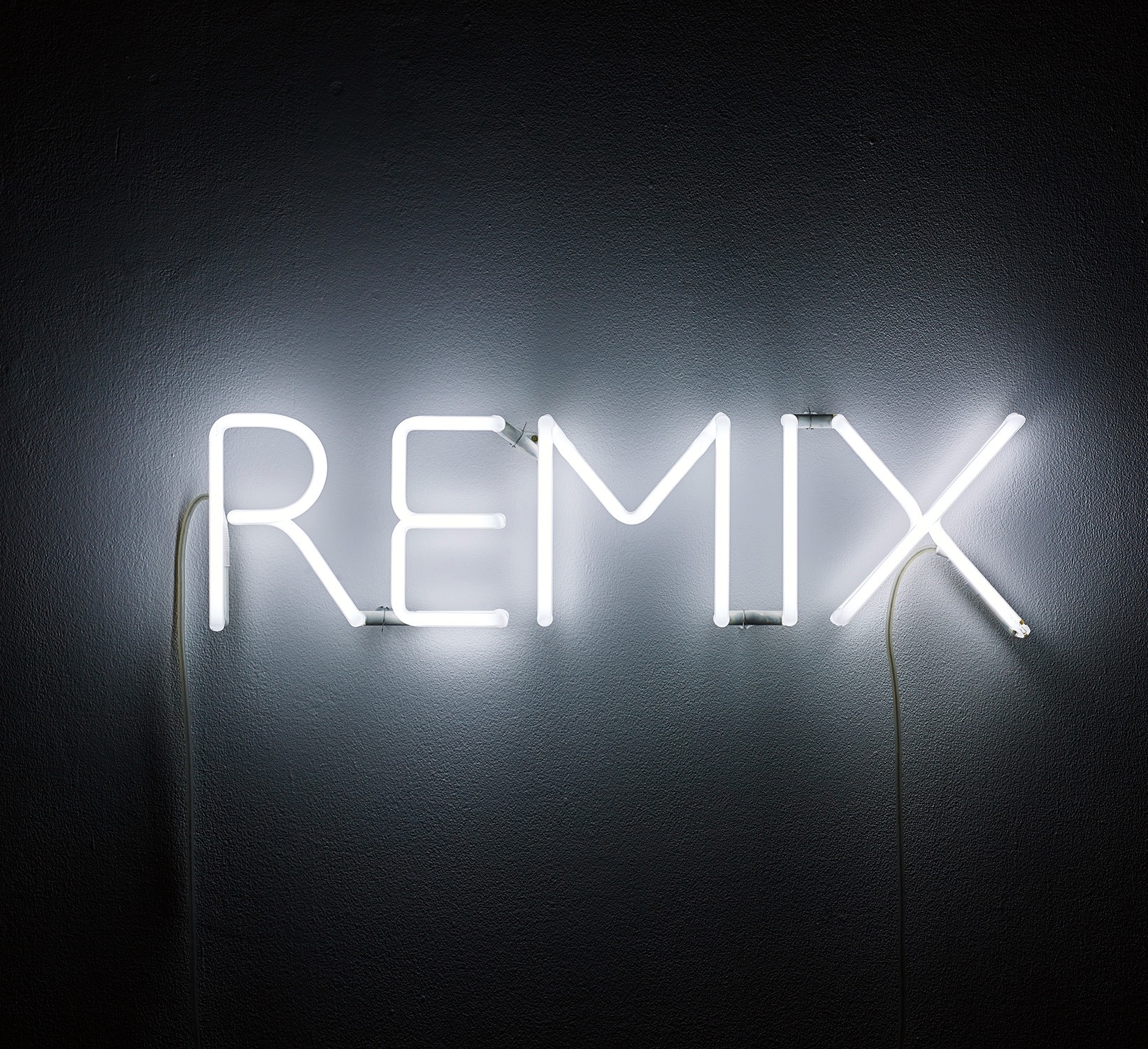
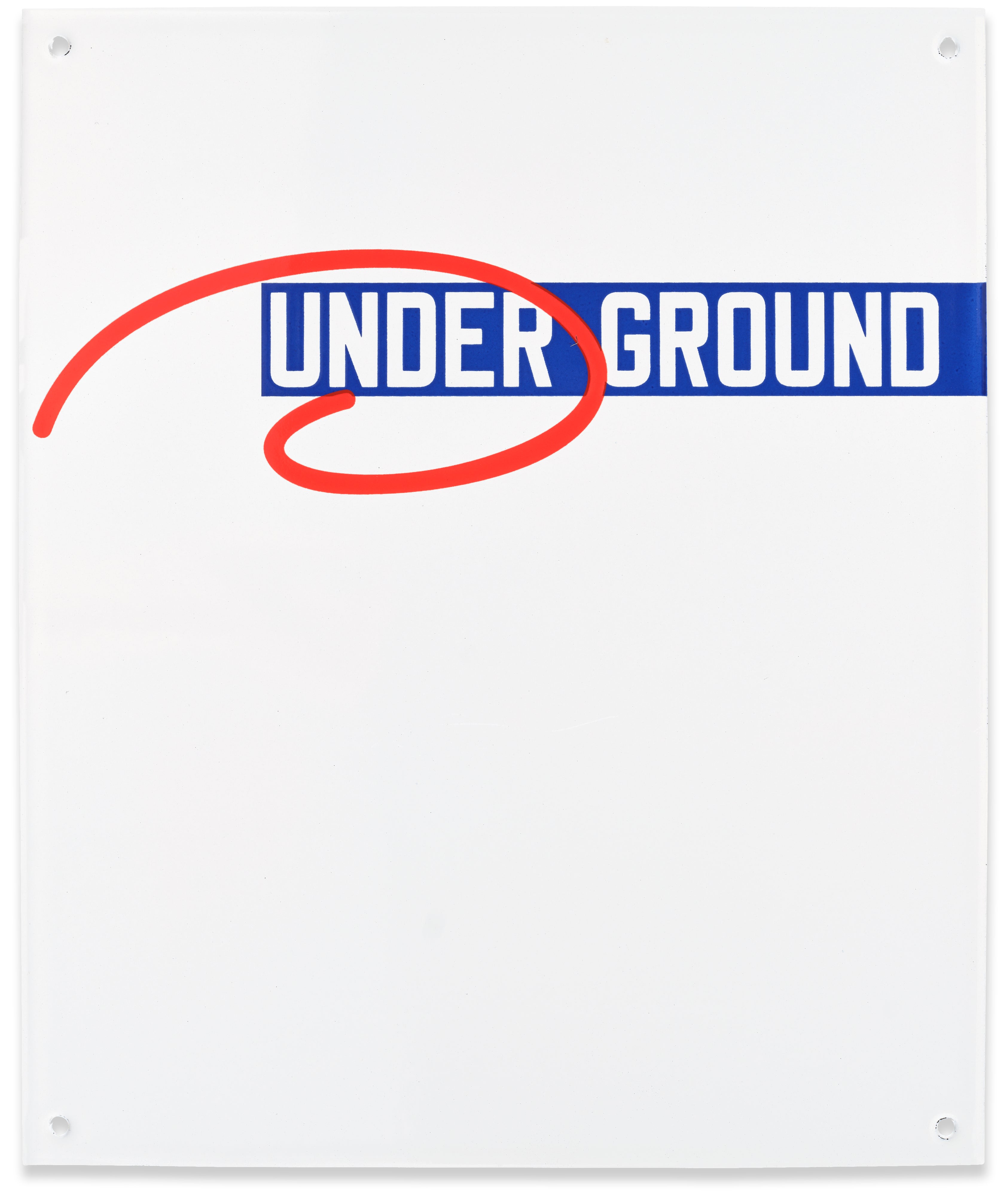
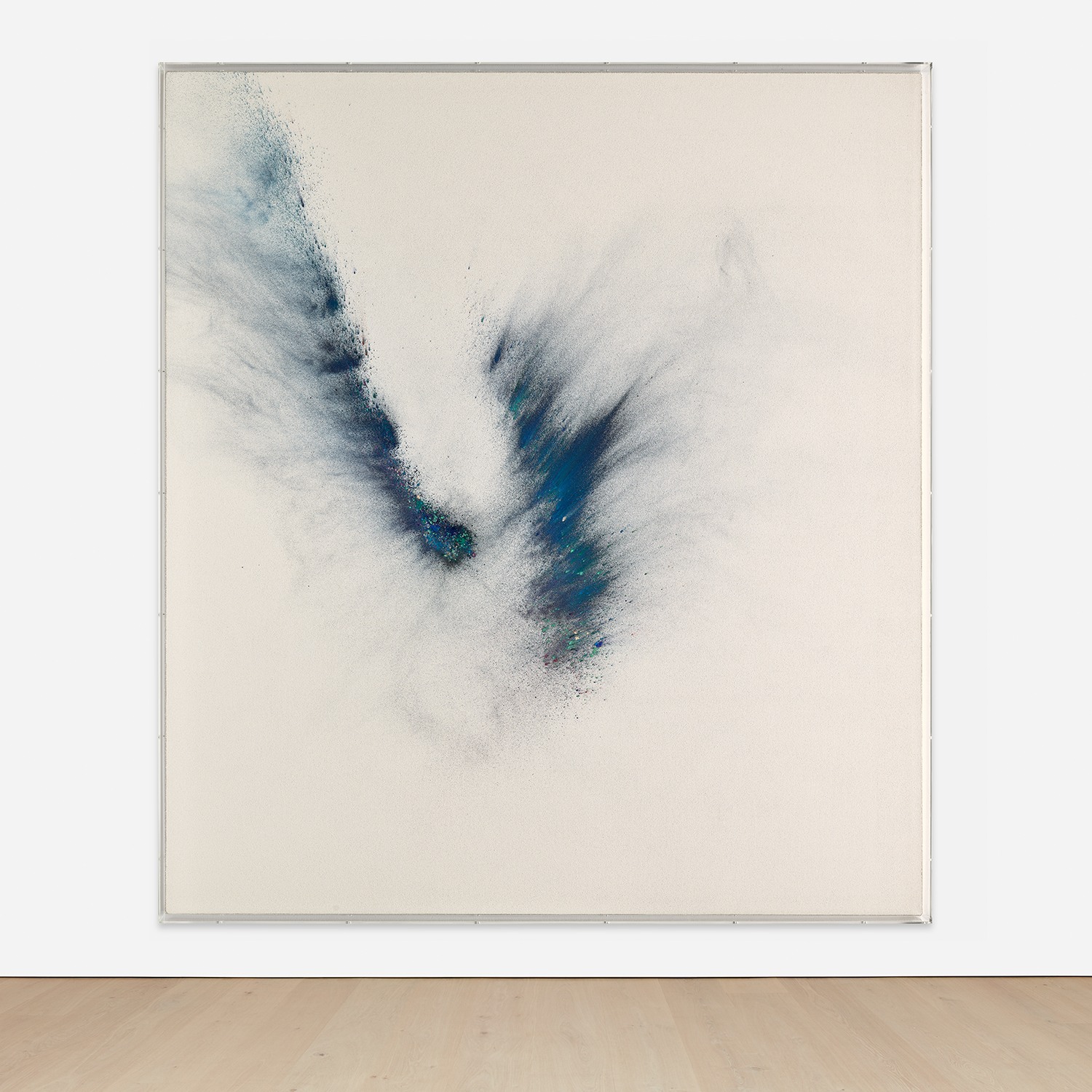
Lawrence Weiner
Shot to Hell...
They were confirming a canon. Recent exhibition programming at institutions across Europe and North America has leaned heavily into the themes that define this category. Lawrence Weiner's text based works, which treat language itself as a kind of industrial material, something to be placed, moved, and applied to surfaces like paint or steel, have been the subject of renewed curatorial attention following his death in 2021. The retrospective thinking around his practice has helped younger collectors understand that the industrial medium is not simply about physical process.
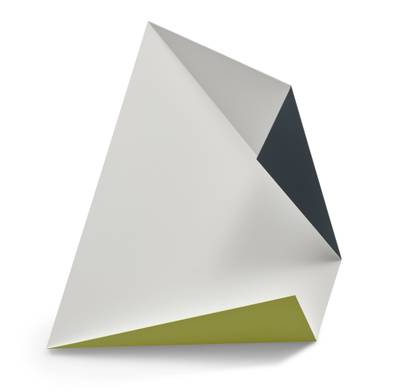
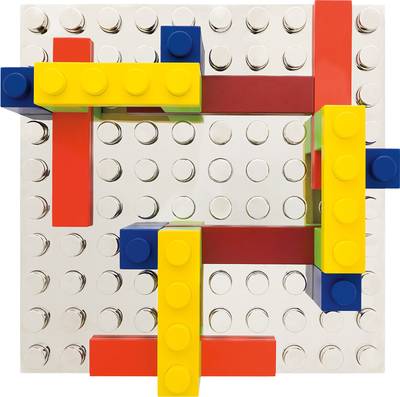
It is about treating communication, repetition, and instruction as raw materials. That conceptual expansion has opened the category up considerably, drawing in work by artists like Rana Begum, whose geometric structures in powder coated steel and reflective surfaces propose a conversation between minimalist fabrication and optical experience that feels entirely contemporary. Auction results across the past several years tell a story about which artists within this space have moved from critical regard to market consensus. Wool leads among the artists well represented on The Collection, with his prices at major houses consistently reaching into the millions for strong examples.

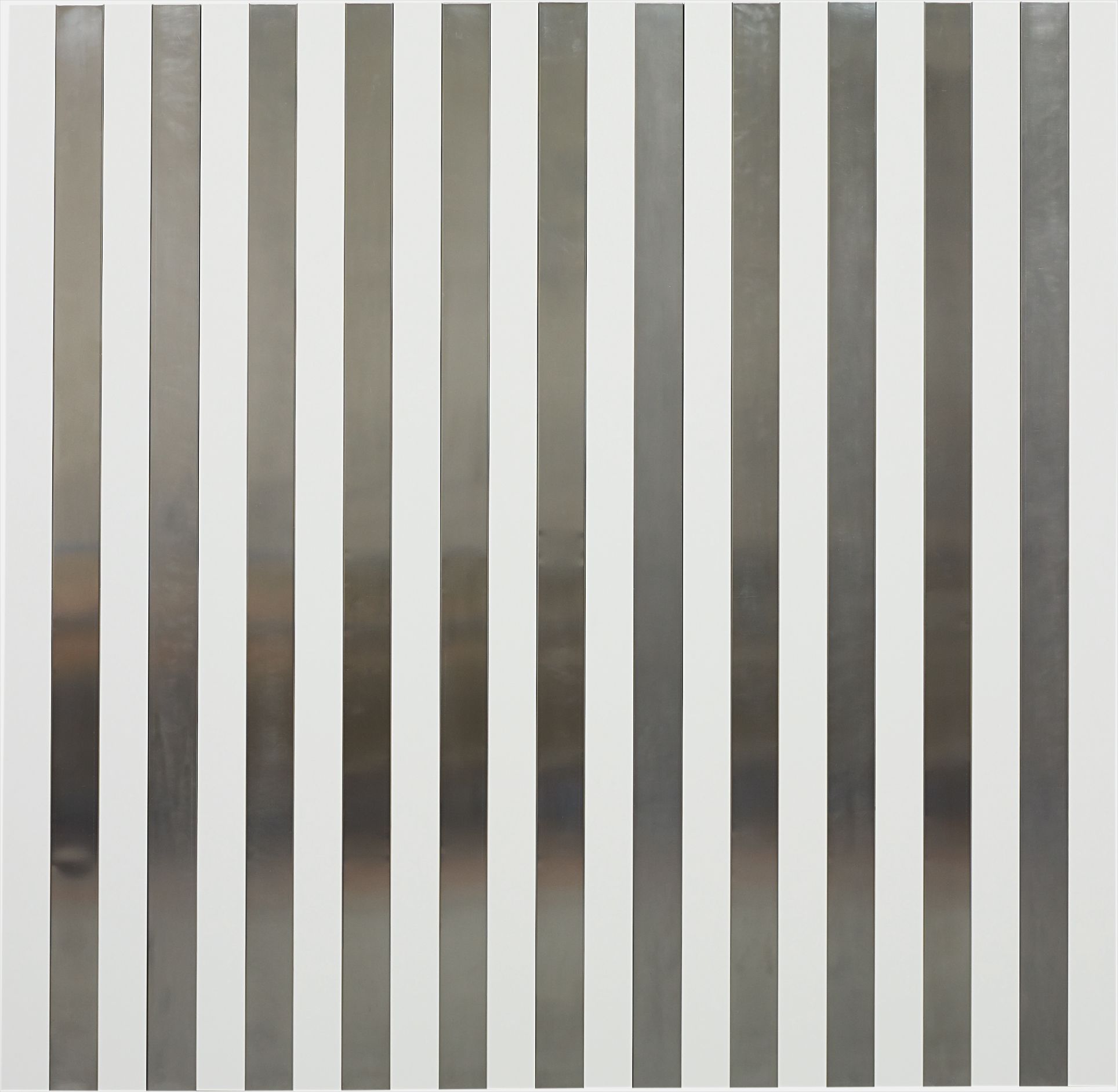
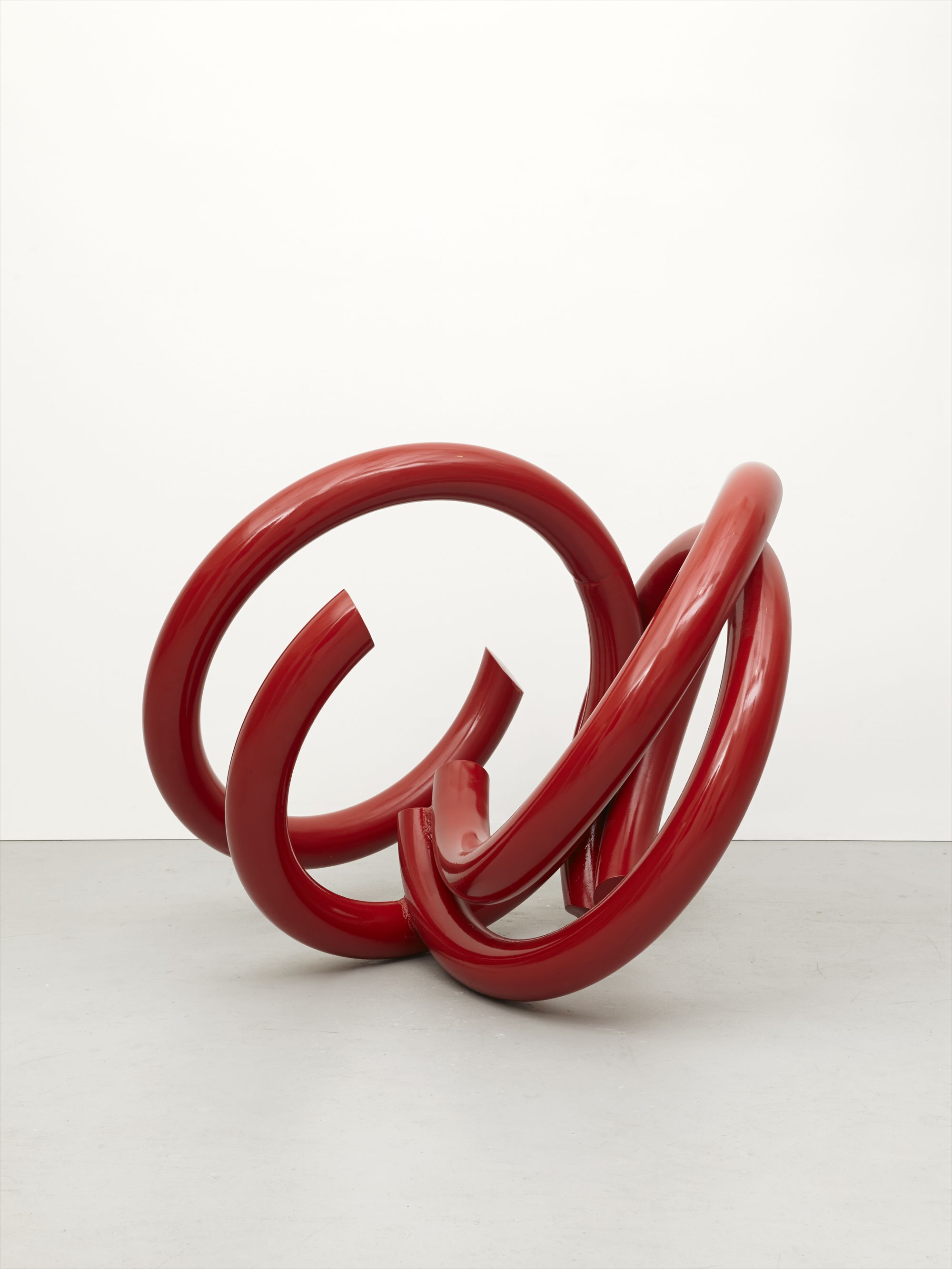
Rana Begum
No. 319, 2012
Kelley Walker, whose work processes found imagery through digital printing and silkscreen onto unconventional supports, has attracted serious institutional interest and secondary market attention, though his work also carries the weight of a more contested critical reception. That complexity, the sense that some of this work refuses easy consumption, is arguably part of what keeps the serious collector engaged. The market rewards work that sustains argument. Institutional collecting in this space has been particularly telling.
Tate Modern, the Museum of Contemporary Art Los Angeles, and the Stedelijk in Amsterdam have all built holdings that reflect a commitment to artists who use industrial processes not as novelty but as structural thinking. When a museum acquires work by someone like Eva Rothschild, whose sculptures move between craft knowledge and industrial material in ways that keep both categories slightly off balance, it signals that the institution understands the work as durable rather than trend driven. The same logic applies to the growing institutional interest in Sylvie Fleury, whose appropriation of consumer surfaces and luxury materials reads differently in a post pandemic world, more urgent and more melancholy than it perhaps did in the 1990s when her practice first attracted wide attention. The critical conversation shaping this area draws from several directions at once.
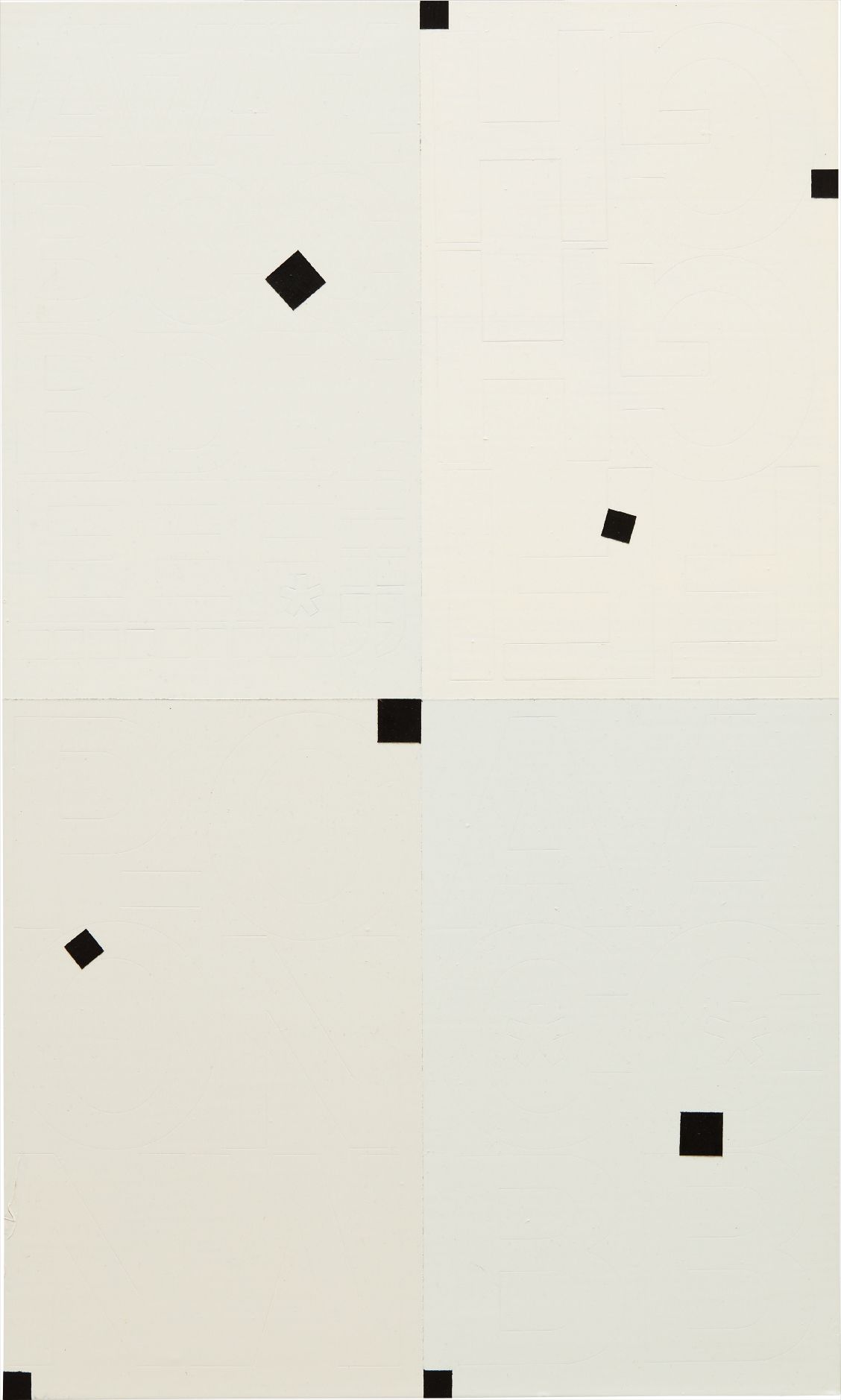
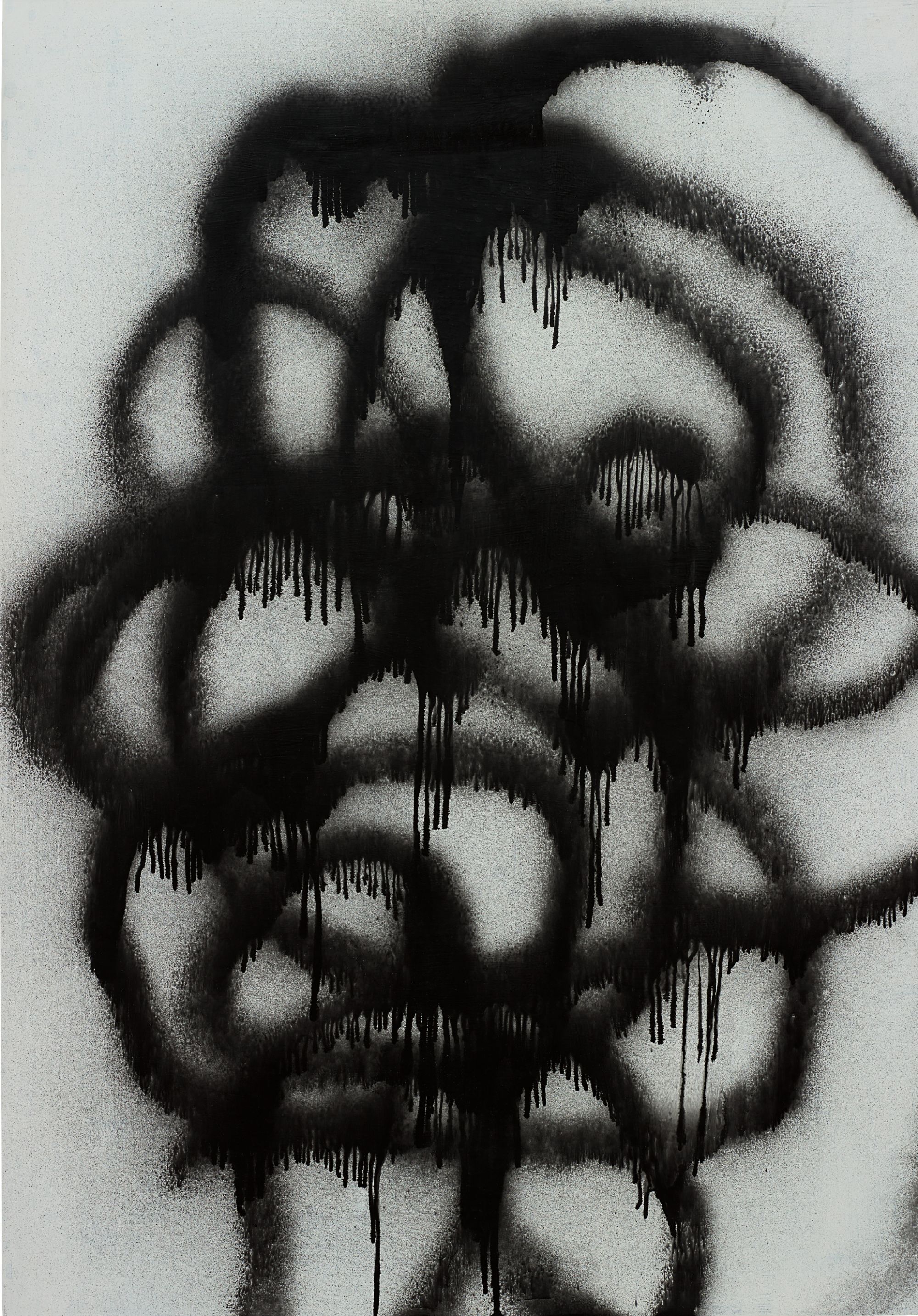
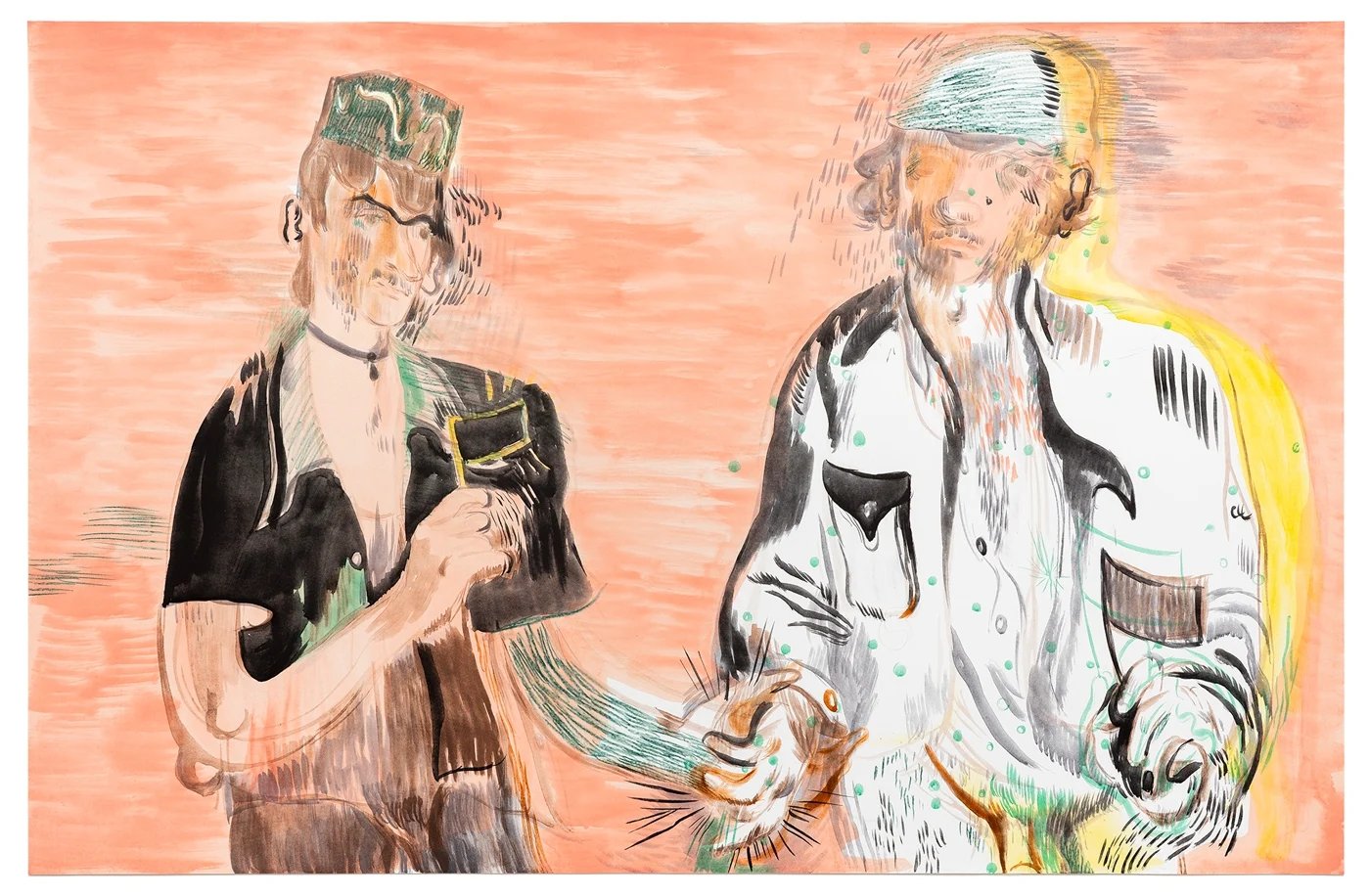
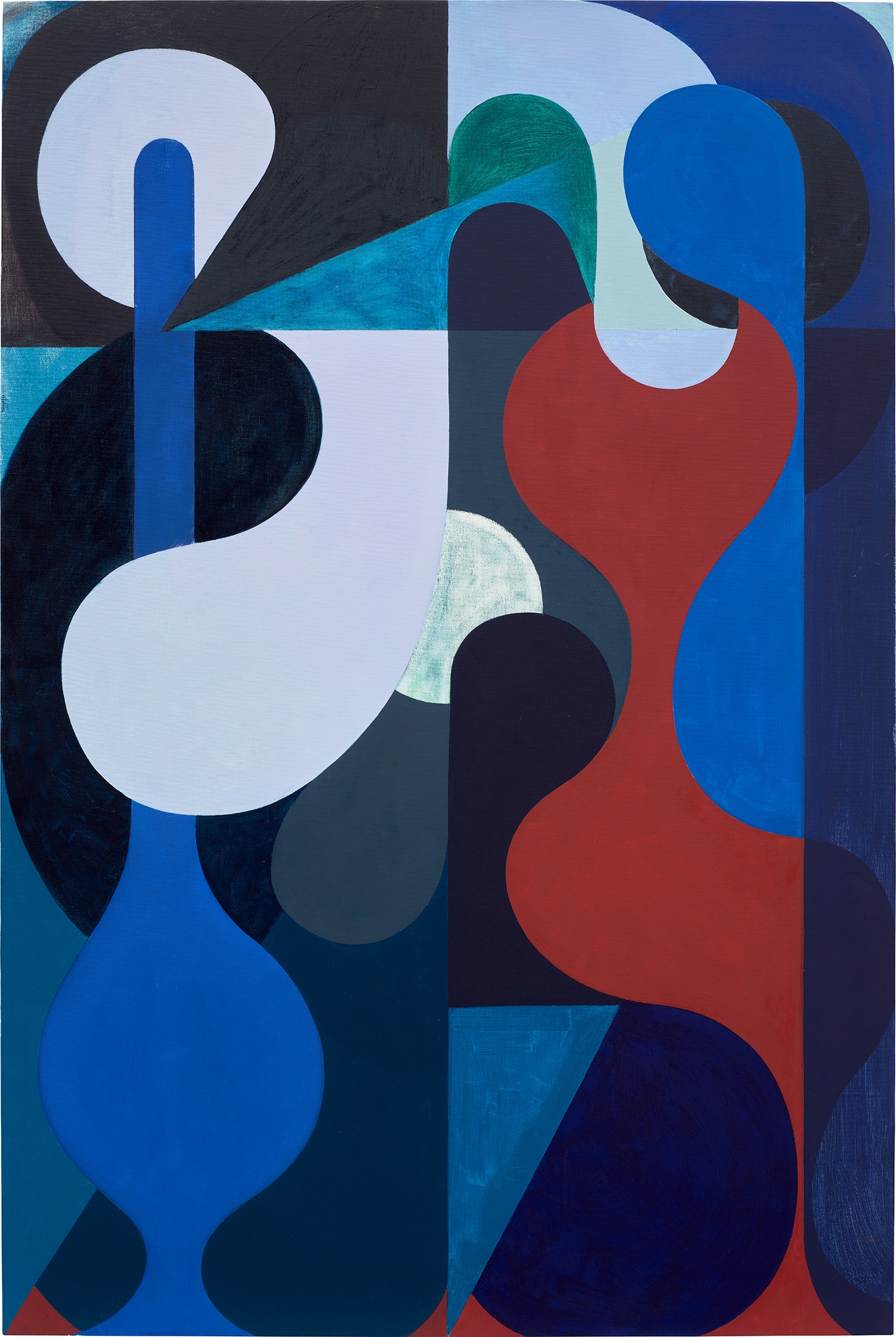
Sebastian Black
Period Piece (........)
Writers associated with Artforum and October have provided the theoretical scaffolding, emphasising questions of labour, reproduction, and the politics of surface. But some of the most generative writing has come from younger critics who are less interested in defending the conceptual heritage and more curious about what happens when artists like Ingrid Calame or Sebastian Black bring personal or bodily registers into processes that were originally conceived as impersonal. Calame's practice of tracing marks from urban floors and translating them into layered painted works on paper complicates the clean lines of the industrial medium category in productive ways. Her inclusion in group shows alongside more strictly systematic practitioners has created interesting friction.
Among the artists whose trajectories feel most alive right now, Eddie Peake deserves particular attention. His work, which moves between performance, video, and painted surfaces using stencils and graphic devices that recall both street art and commercial printing, has been the subject of serious gallery and institutional shows in London and beyond. Peake brings a bodily and often erotic charge to processes that might otherwise read as cool or distanced, and that tension feels very much of the moment. Similarly, Melanie Smith's long engagement with Mexico City as a site of industrial modernity and social production has earned renewed attention from curators thinking about how global urbanism has shaped visual culture outside the traditional art world centres.
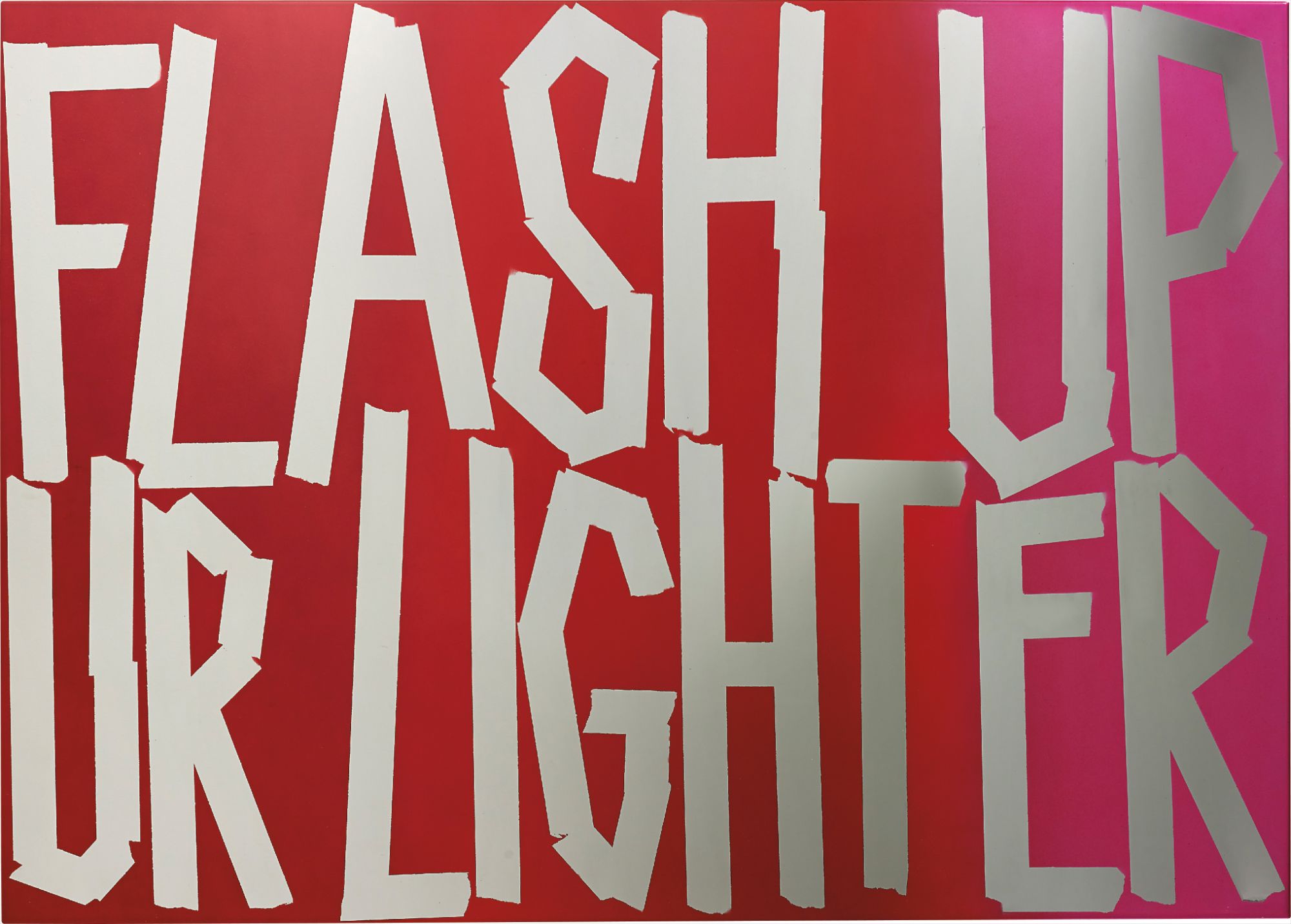
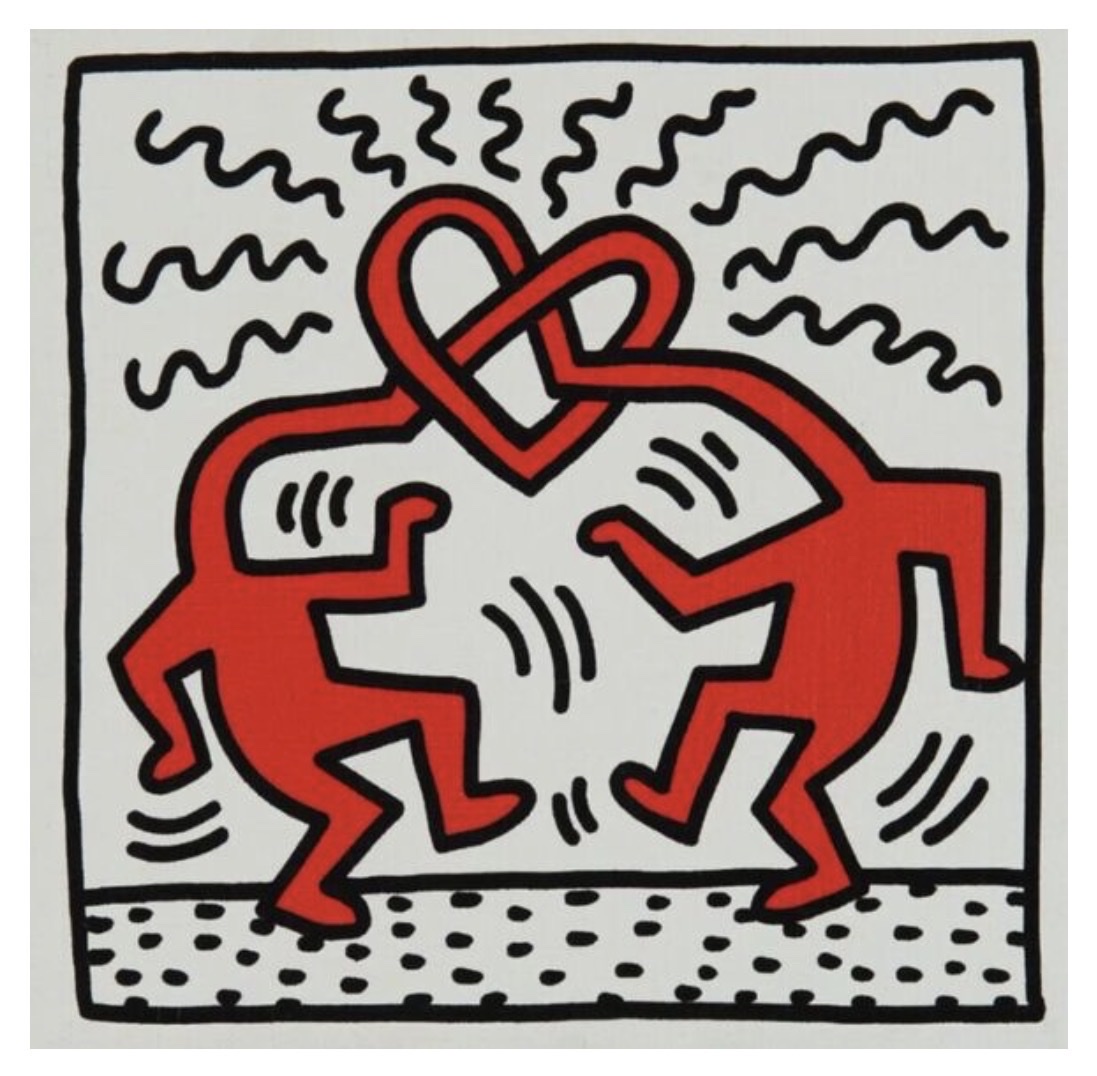
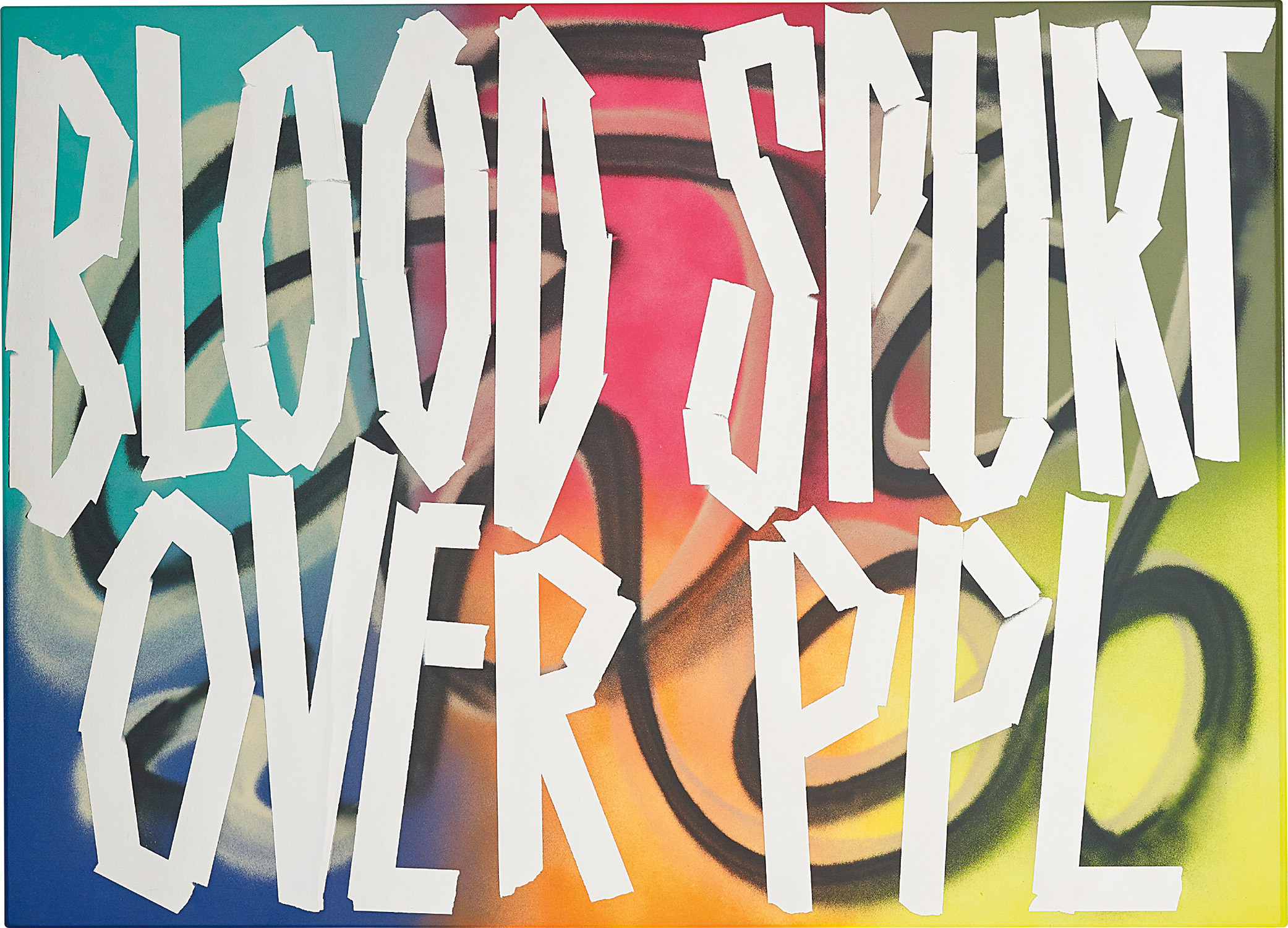
Eddie Peake
Flash up your lighter
What feels settled in this space is the core canon: the institutional certainty around Wool, Buren, and Weiner is unlikely to shift. What feels genuinely alive is the question of how younger artists are inheriting, complicating, and sometimes rejecting the frameworks those figures established. The surprises are likely to come from artists whose practices are harder to categorise, those who move between digital fabrication, traditional craft, and conceptual instruction in ways that do not sit neatly within the industrial medium as it has been understood. The collectors paying attention to figures like Nadine DeLawrence Maine and Dean Levin are betting that the category still has genuine expansion ahead of it.
Given the auction results and the institutional momentum, that looks like a well placed bet.