Identity And Race
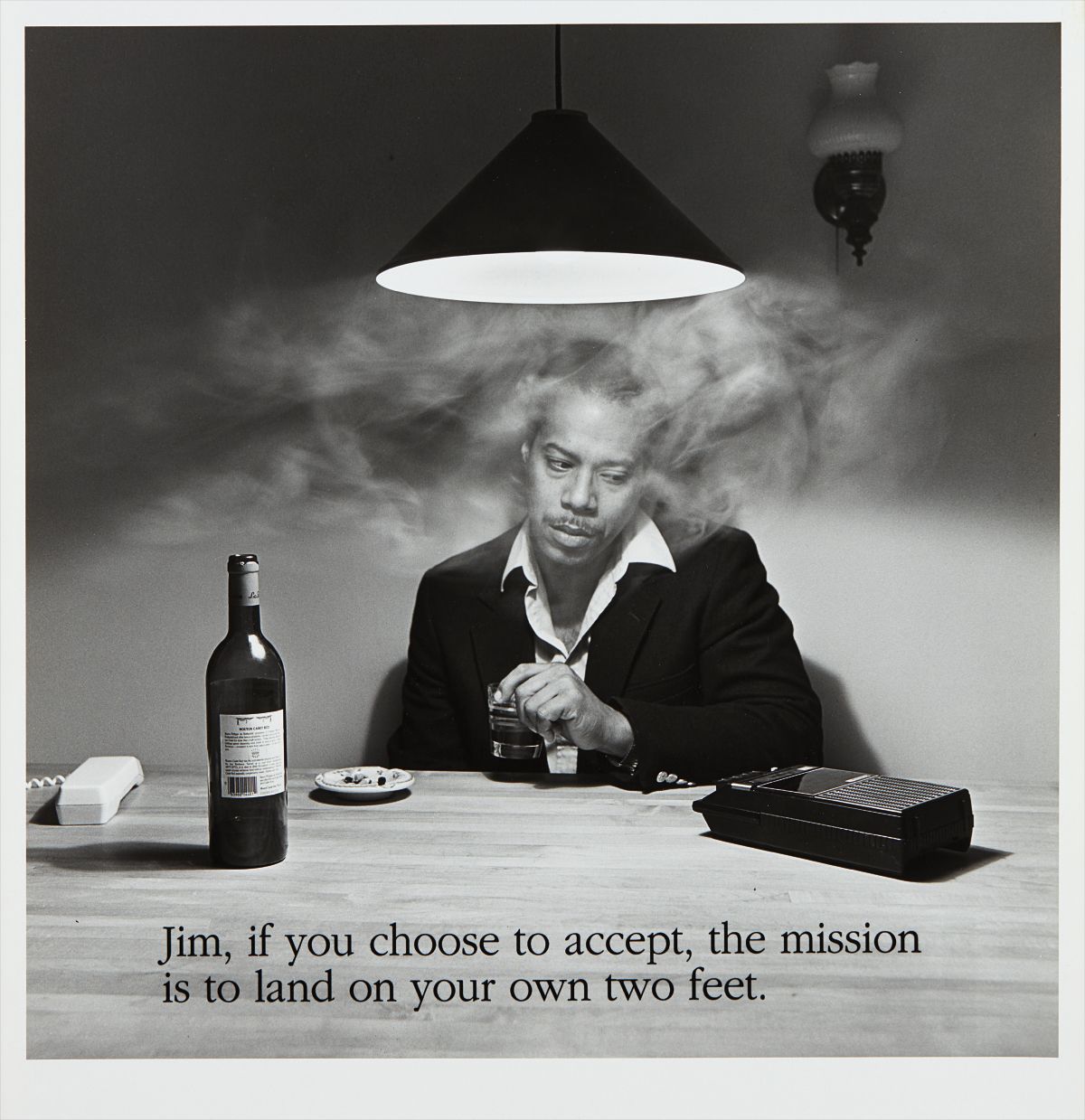
Carrie Mae Weems
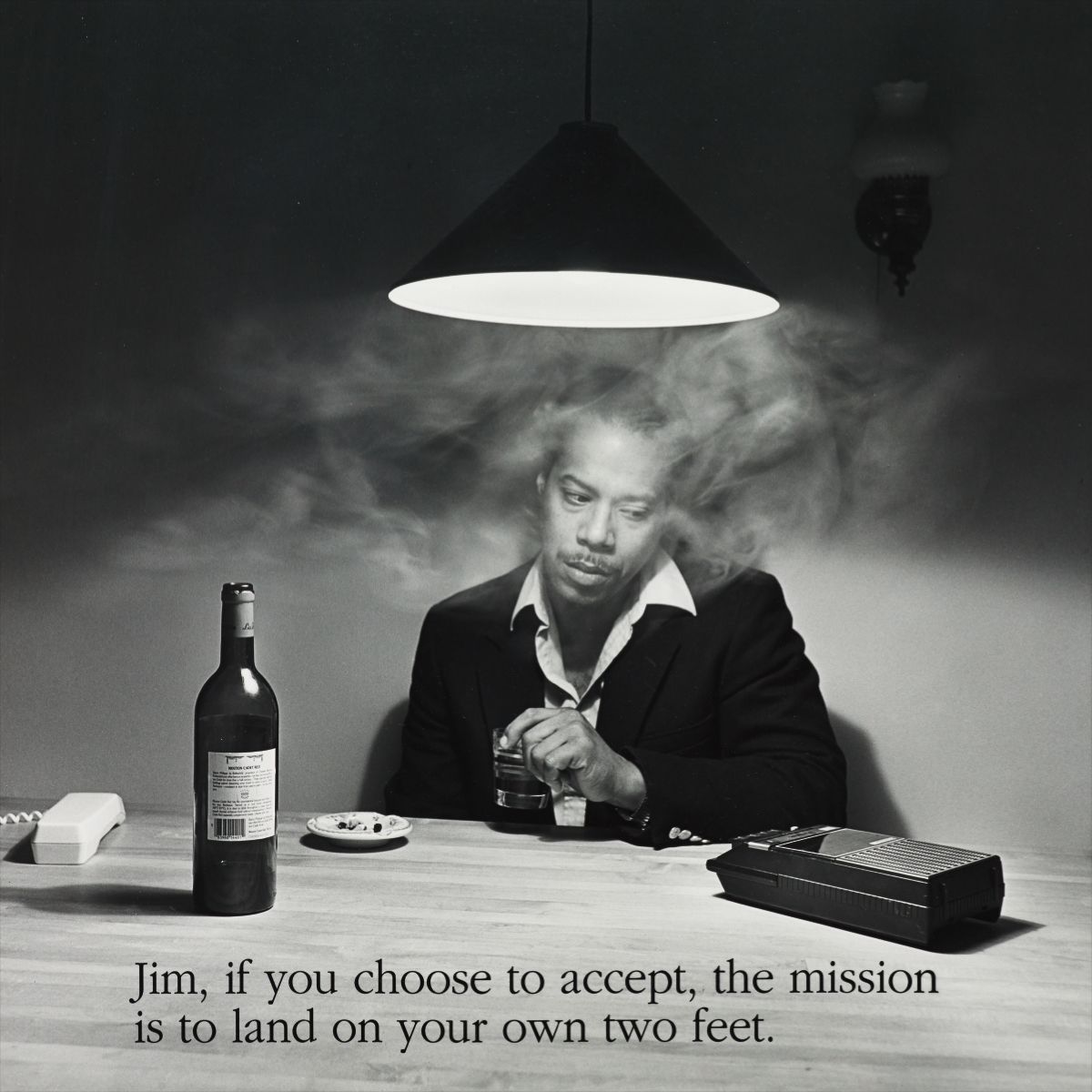
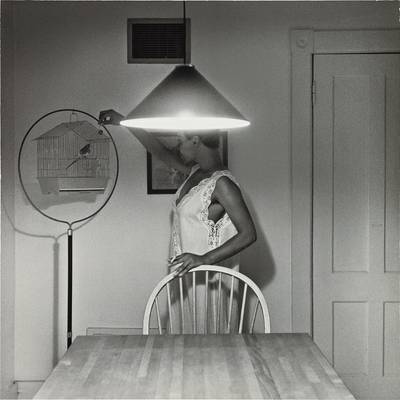
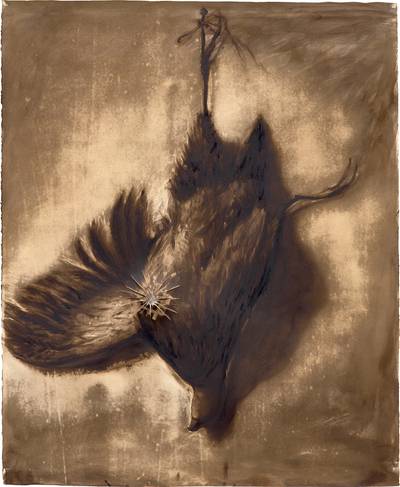
Jim, if you choose to accept, the mission is to land on your own two feet.
The Mirror That Refuses To Look Away
There is a particular kind of collecting that goes beyond acquisition. Works that engage race and identity ask something of the people who live with them, something more than aesthetic pleasure or financial consideration. Collectors drawn to this area often describe a similar experience: the work refuses to settle into the background. It stays active in the room, shifting meaning as the light changes, as visitors arrive, as the world outside the window changes.
That quality of sustained provocation is not incidental to these works. It is the whole point. The draw for serious collectors is partly intellectual and partly visceral. These artists are working in a tradition that reaches back through the Harlem Renaissance and the Black Arts Movement, through the documentary photography of Gordon Parks and the conceptual provocations of Adrian Piper, and they are doing so with full awareness of that history.
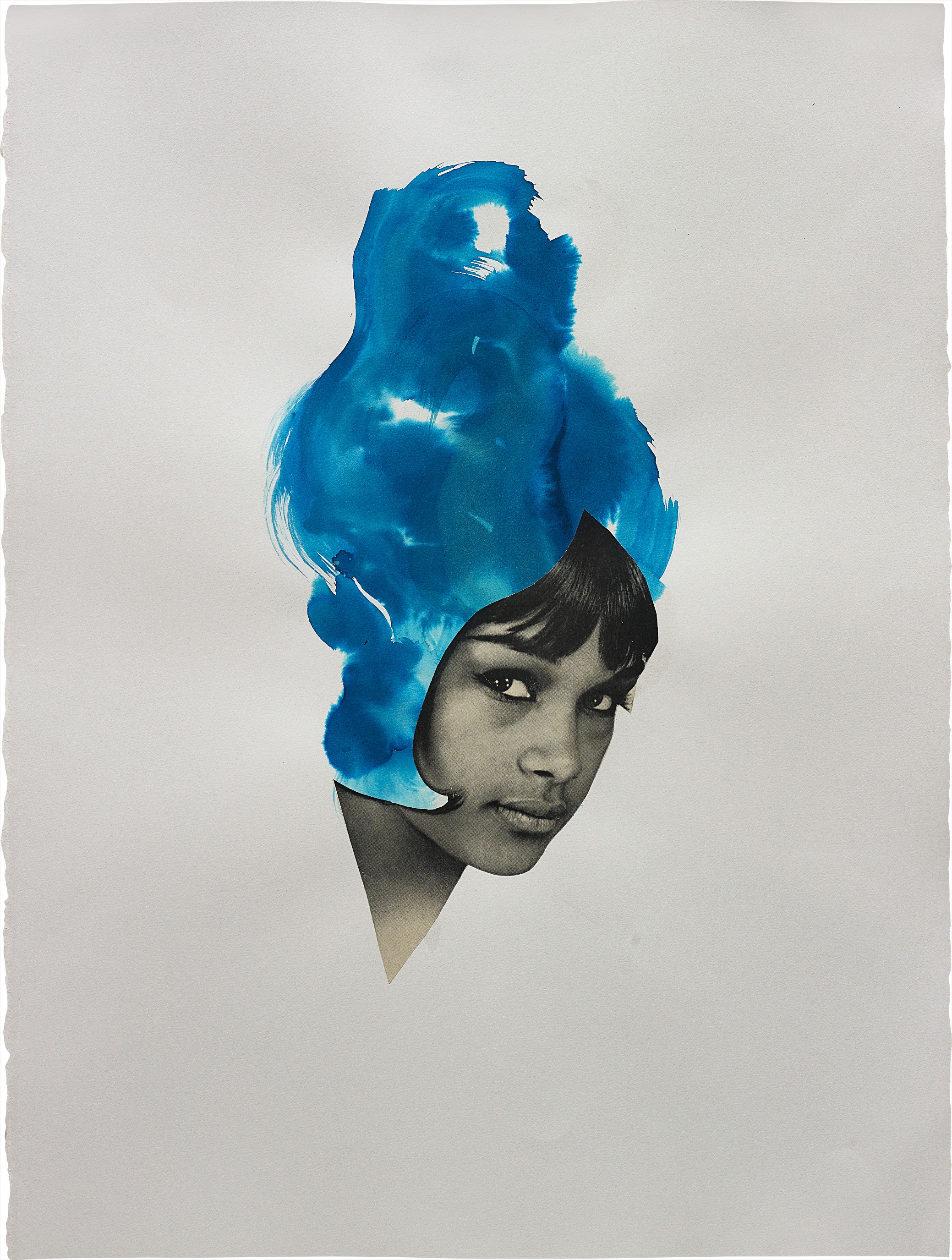
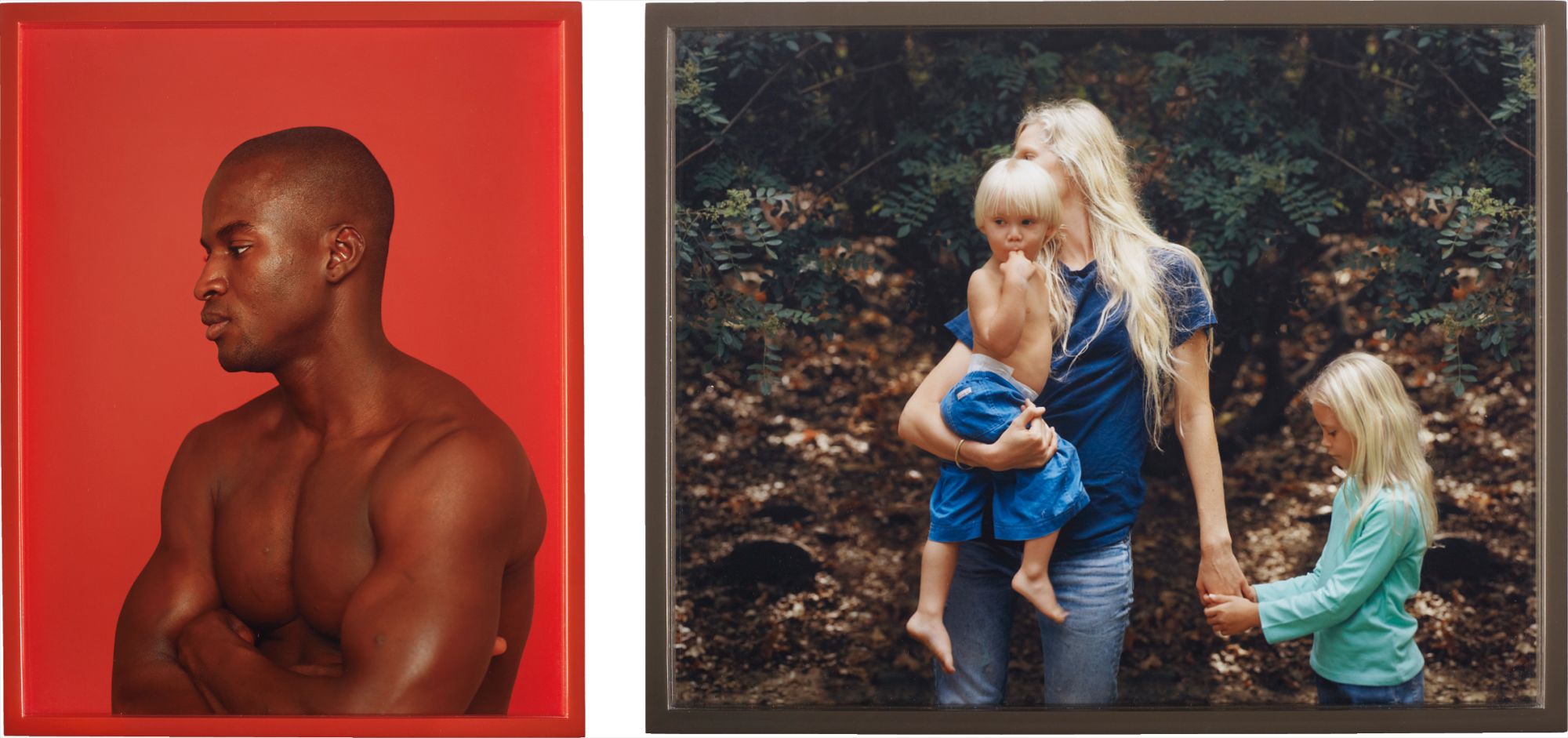
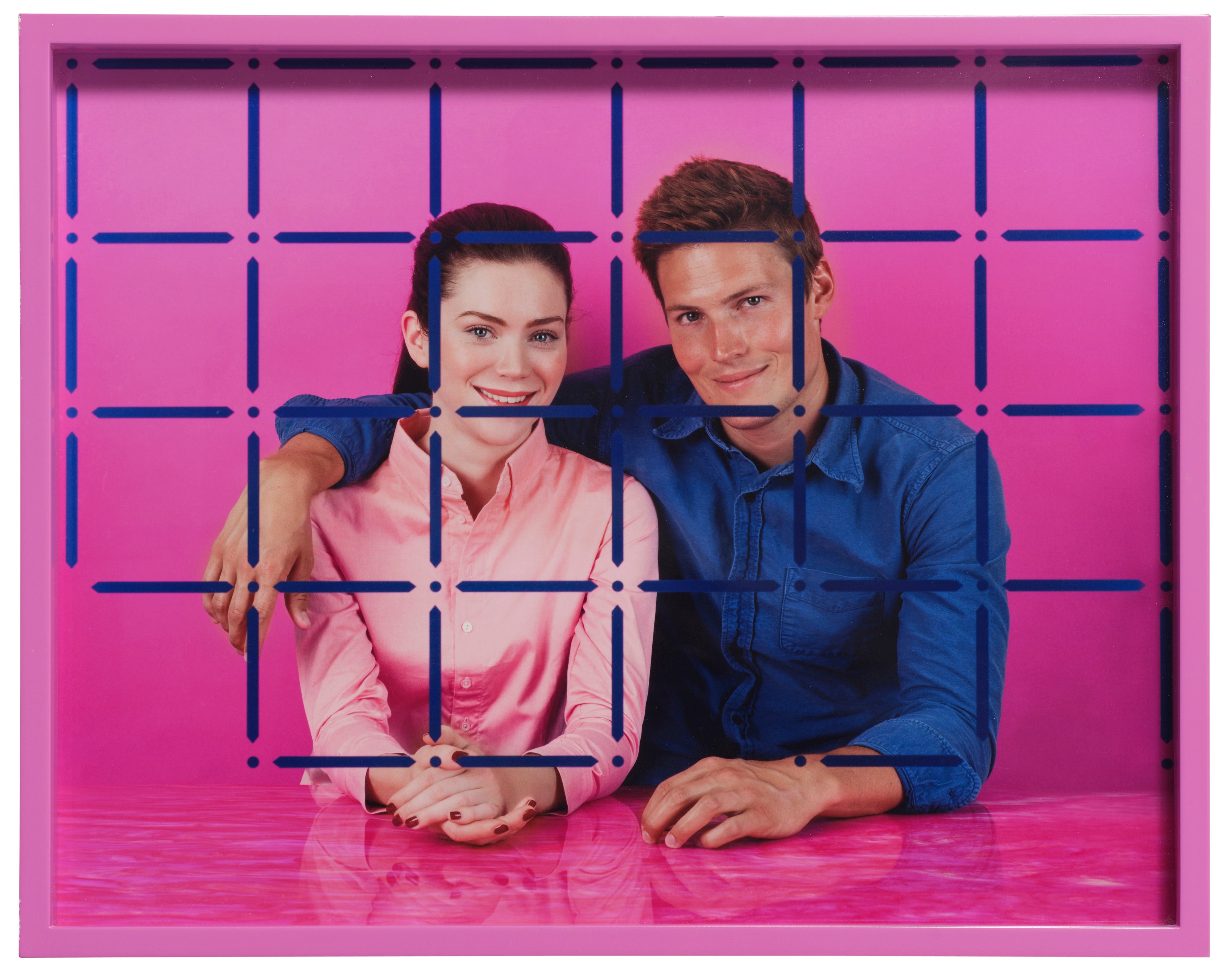
Lorna Simpson
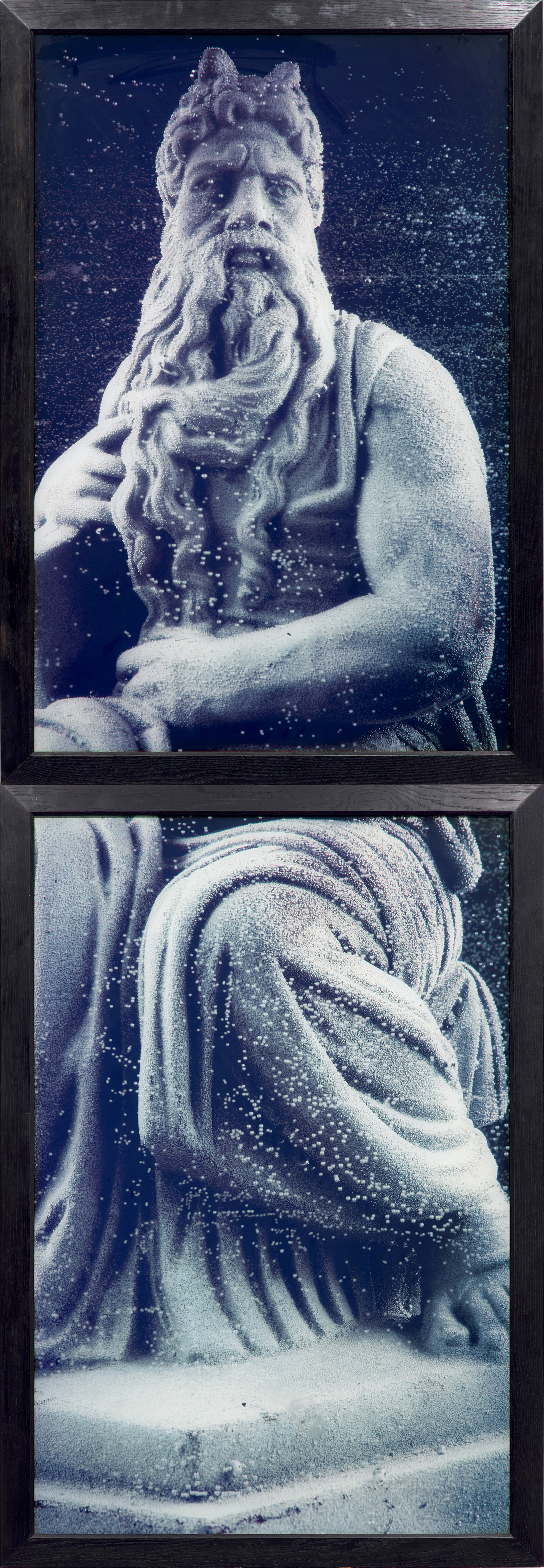
Ultra Blue, 2013
When you collect in this space, you are not just acquiring an object. You are entering a conversation that has been going on for decades and that shows no sign of resolving itself. For many collectors, that is precisely the appeal. What separates a good work from a great one here is largely a question of specificity and resistance.
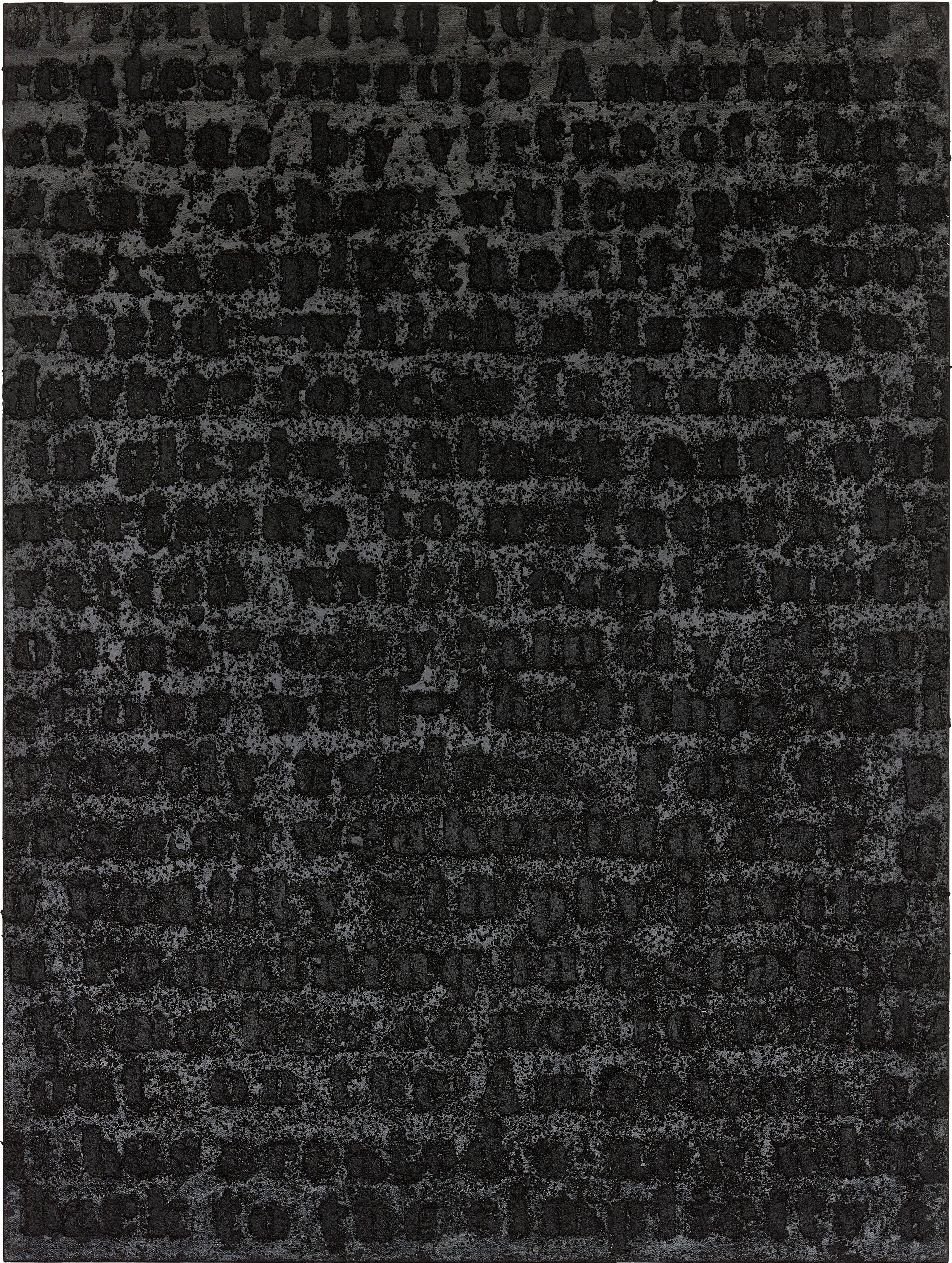
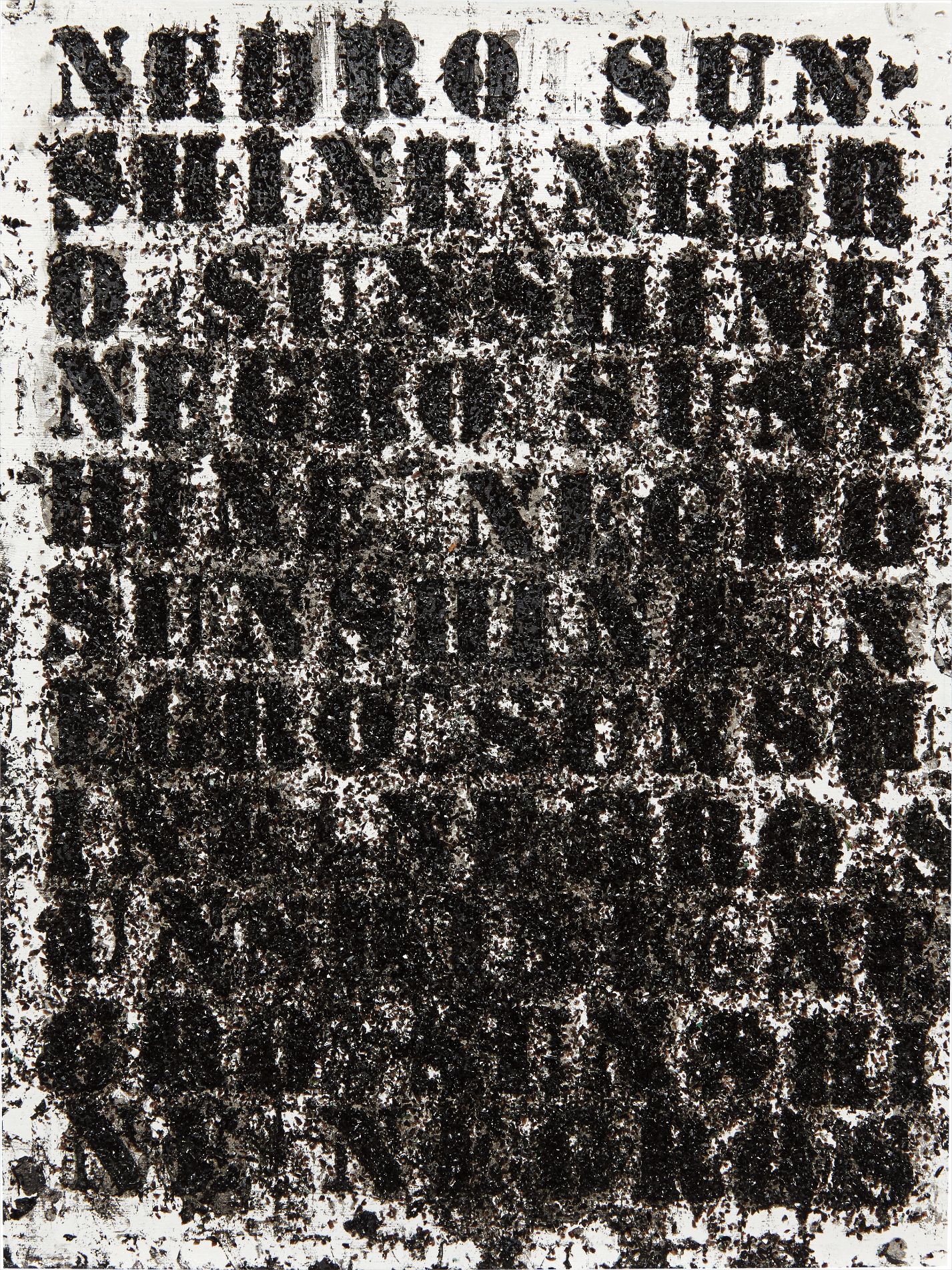
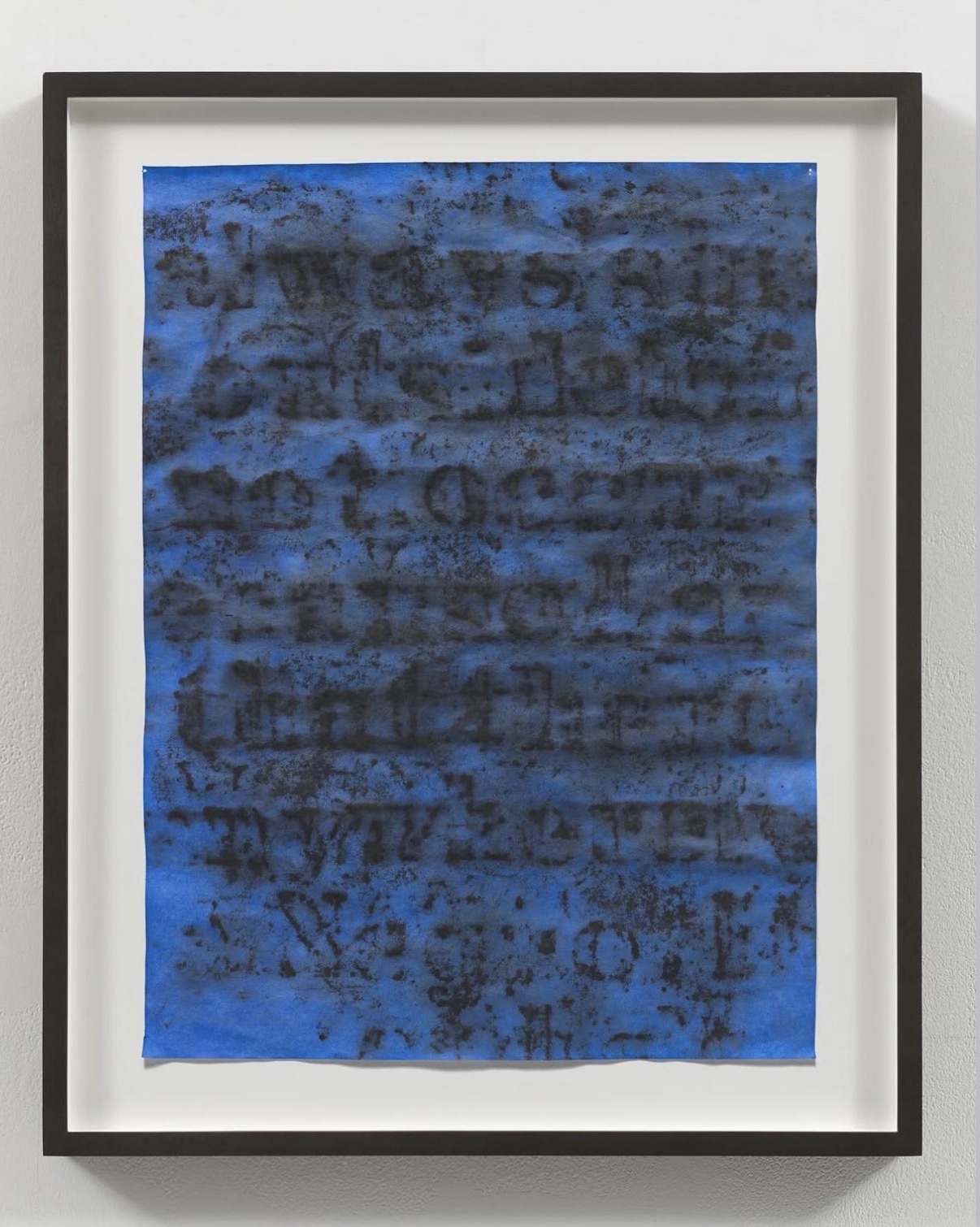
The strongest works refuse easy consumption. Glenn Ligon, whose practice you find well represented on The Collection, is a useful example. His text based paintings draw on sources ranging from Richard Pryor to James Baldwin, but what makes them extraordinary is the way meaning degrades across the canvas surface. The language becomes illegible not because it is obscure but because it is so densely applied that reading becomes an act of sustained effort.
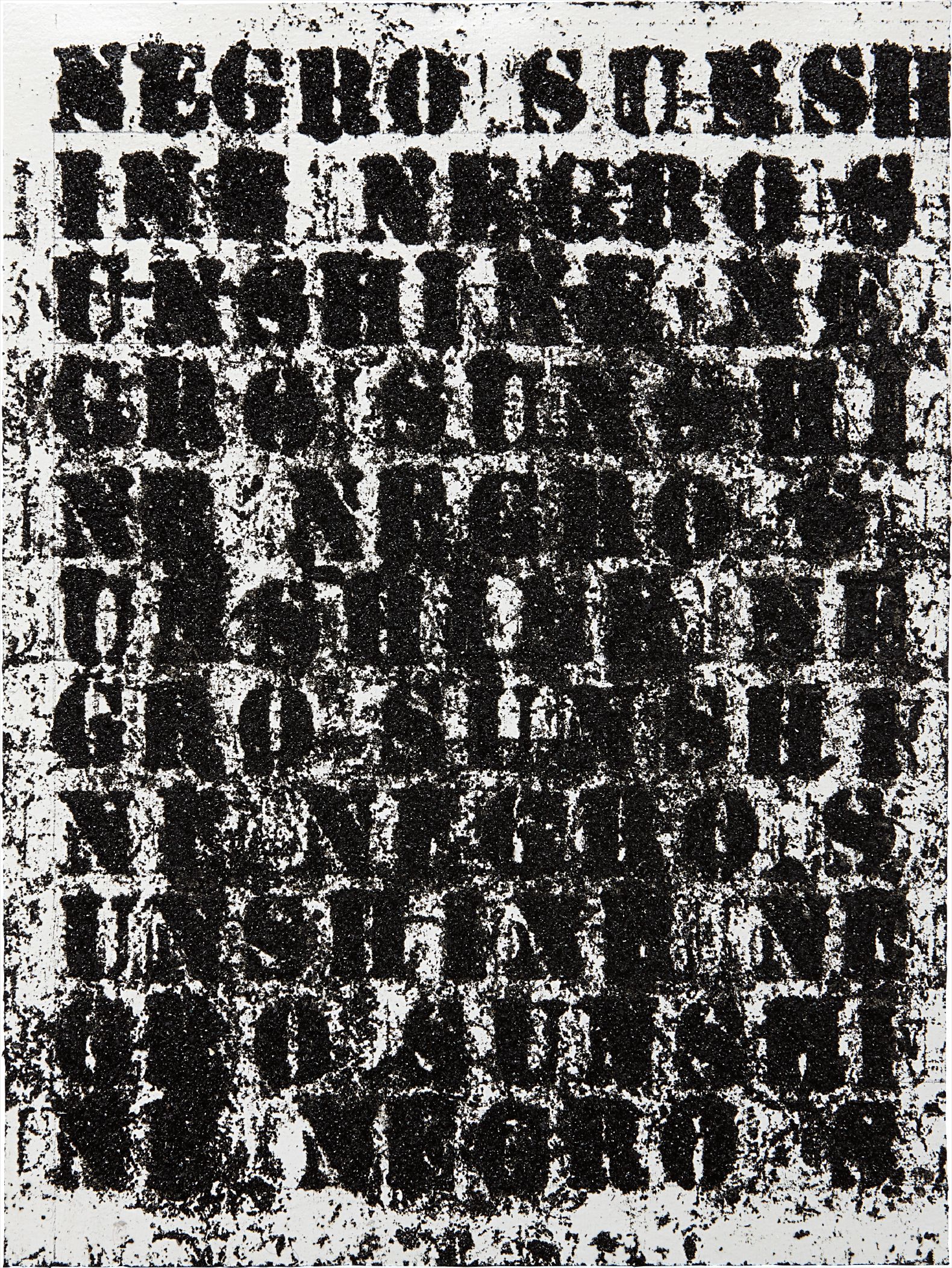
Glenn Ligon
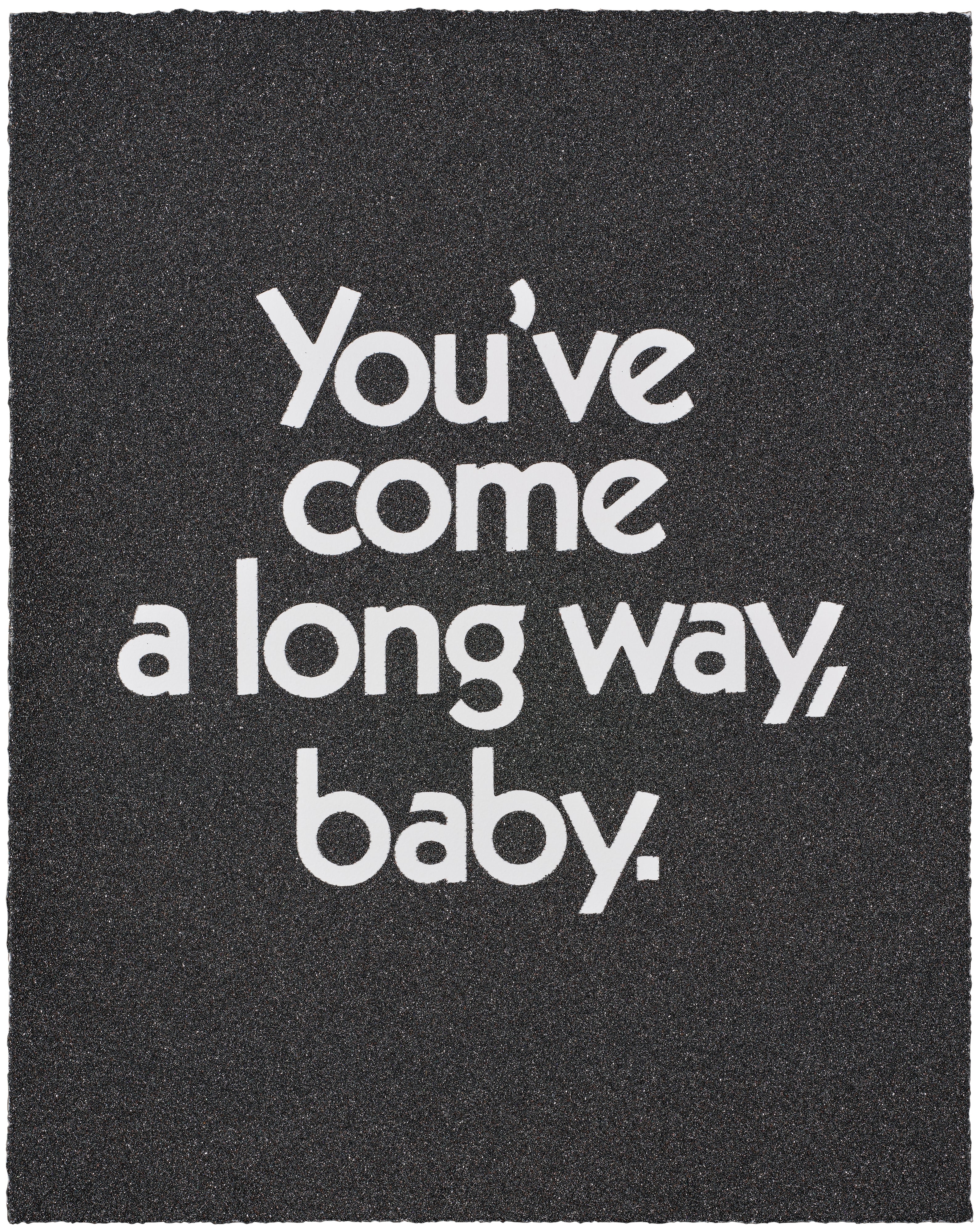
Negro Sunshine #74
A good work illustrates an idea. A great work makes you perform it. When looking at works in this category, ask yourself whether the piece is explaining something to you or requiring something of you. The latter is almost always the stronger position.
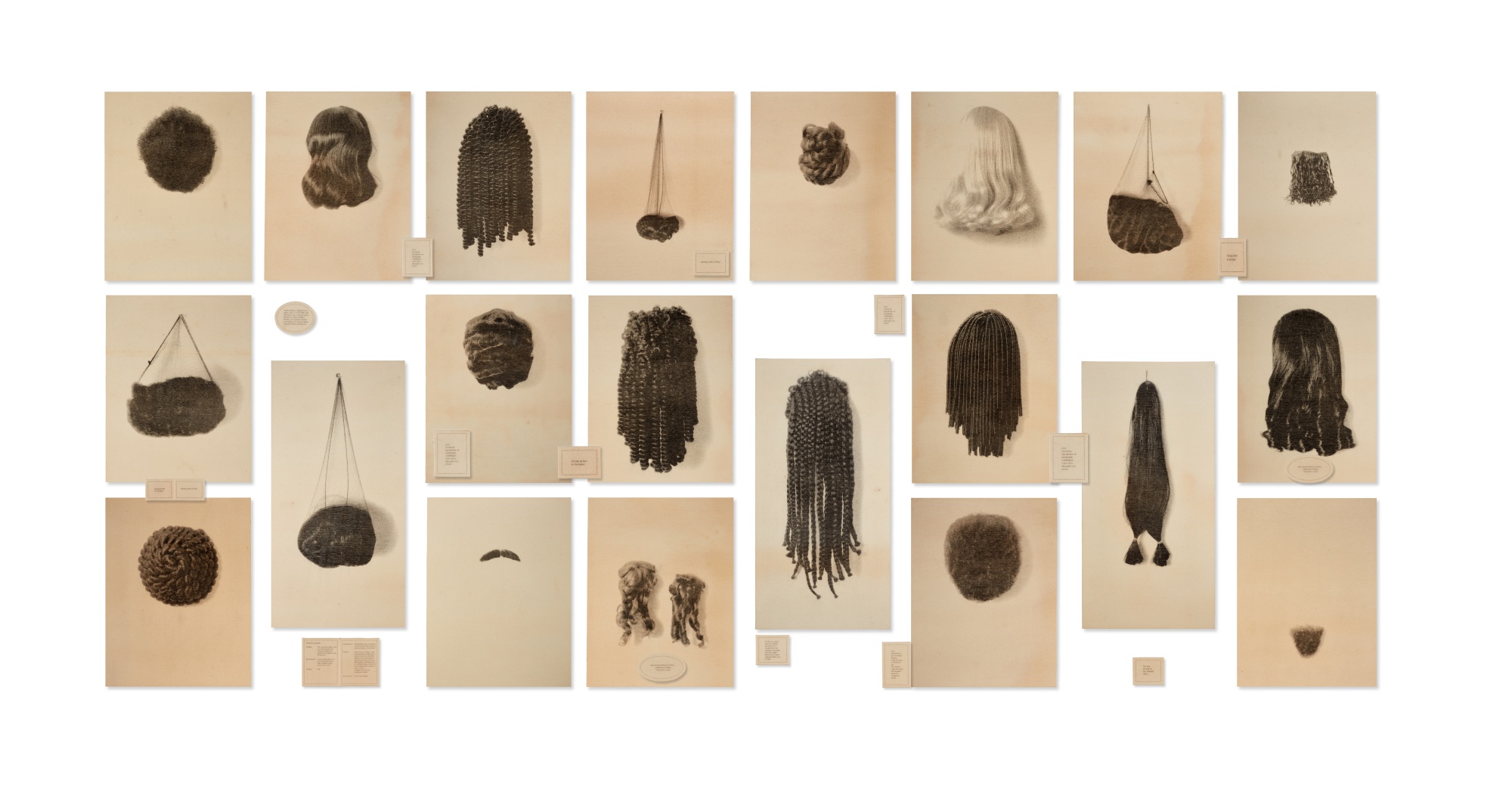
Carrie Mae Weems and Lorna Simpson represent a different but equally important strand. Both artists emerged in the late 1980s and early 1990s and both used photography and text in ways that fundamentally challenged documentary conventions. Weems's Kitchen Table Series from 1990 remains one of the most important bodies of work produced by any American artist in that period, and her presence on The Collection reflects a wider market recognition that has been building steadily for years. Simpson, whose work often stages anonymous Black female figures against fragmented text, asks questions about visibility and legibility that feel as urgent now as when she first showed at the Museum of Modern Art in 1990.
Carrie Mae Weems
Jim, if you choose to accept, the mission is to land on your own two feet.
Collectors who understood the significance of these practices two decades ago were not just ahead of the market. They were paying attention. For collectors thinking about where genuine opportunity still exists, the work of Titus Kaphar and Rashid Johnson rewards close attention. Kaphar's interventions into art historical painting, where he literally buries or obscures white European figures to bring forward Black presence, have attracted significant institutional support and his market has reflected that.
Johnson's practice spans sculpture, painting, and installation, and his recent years have seen him move into film and other time based work, which tends to complicate simple valuation but also signals the kind of artistic ambition that sustains long term relevance. Noel W. Anderson, who works with jacquard weaving and photography to address stereotyping and media representation, is a younger figure whose institutional trajectory is still being written and whose work on The Collection represents the kind of early positioning that discerning collectors recognize. At auction, works in this category have shown remarkable resilience over the past decade and an acceleration in the years since 2020.
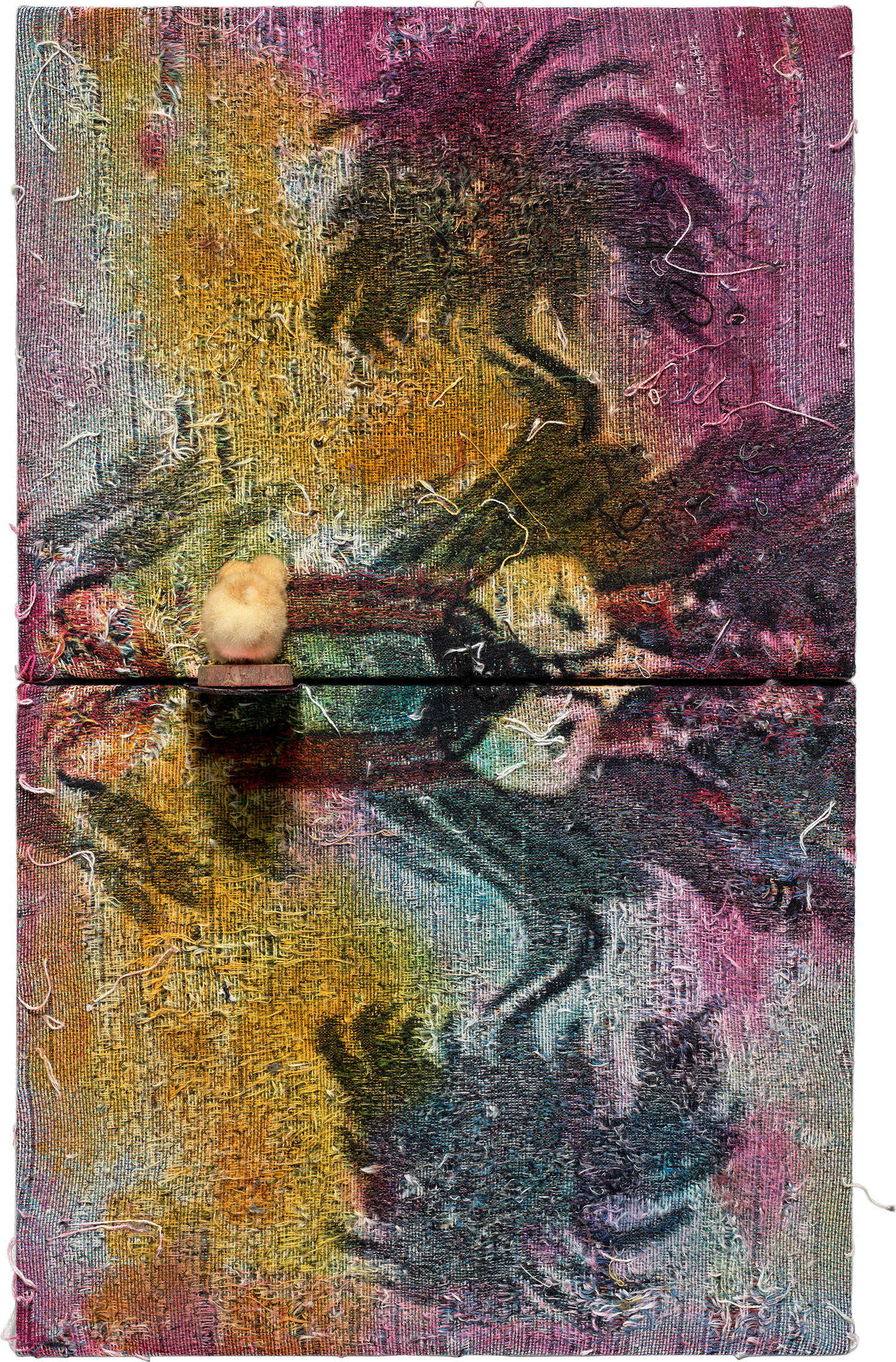
Noel W. Anderson
Dis' Uh So She A Shun, 2021
Glenn Ligon's works have achieved prices in the millions at major houses, and the critical consensus around artists like Hank Willis Thomas, who investigates race and advertising culture with sardonic precision, has been followed by real market movement. The mistake some collectors make is to treat this as a single monolithic category where rising prices for one artist automatically lift all others. The market here is actually quite discerning. Works with strong exhibition histories, institutional provenance, and clear placement within an artist's development consistently outperform works that feel peripheral.
Andres Serrano, whose confrontational practice spans photography and sculpture, occupies a different position in this conversation, one where provocation is the methodology, and collectors should understand that his work carries a different kind of institutional baggage that affects both display and resale. Practically speaking, there are several questions worth asking before any acquisition. For photographic works, and many of the artists in this space work primarily in photography or photo based practice, edition size and printing process matter enormously. Ask the gallery whether the work is from the original print run or a later edition, and ask for documentation of the printing method and paper stock.
Weems and Simpson both work in editions, and understanding where a specific print sits within the edition is essential for both display and eventual resale. Condition is a particular concern for works that incorporate text, especially silkscreened or painted text on unconventional surfaces. Ask about previous exhibition loans and any condition reports from those loans. For unique works on canvas or panel, standard conservation concerns apply, but pay particular attention to works with collaged or mixed media elements, which can behave unpredictably over time.
Display deserves more thought than it usually receives. These are not works to tuck into a corridor. The best collectors create situations where the work has room to be encountered, not just seen. That might mean a dedicated wall, controlled lighting, and enough physical distance that a viewer can move toward and away from the piece.
Some works in this category are genuinely difficult to live with in the ordinary sense, and that difficulty is not a flaw. It is a feature. The collectors who understand that tend to build the most coherent and meaningful collections over time, because they are selecting for significance rather than comfort, and the market has a long memory for collections built on that basis.