Hand Embellished
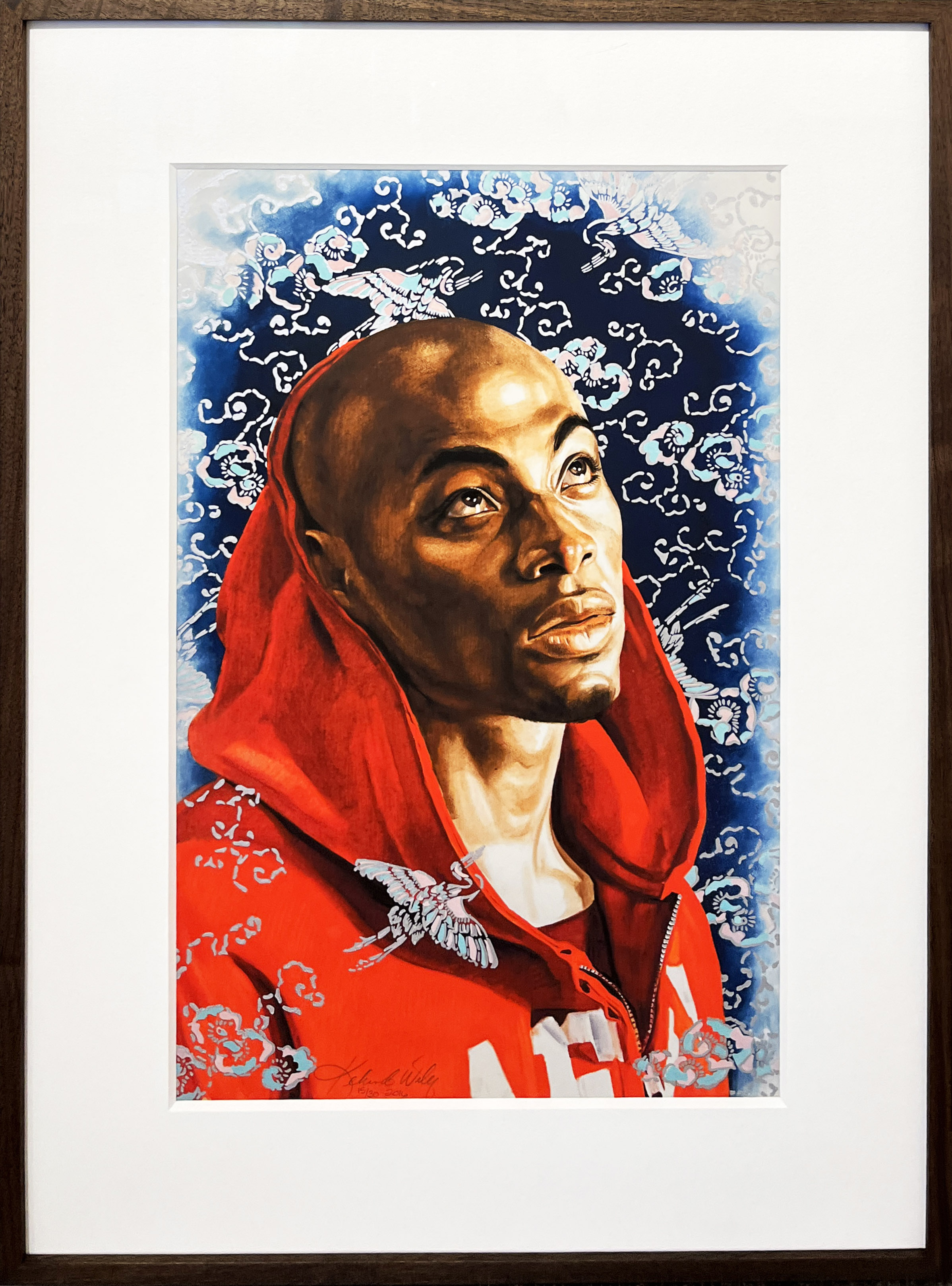
Kehinde Wiley
Sophie Arnould Study II, 2016
When the Artist's Hand Comes Back
At a Christie's sale in late 2023, a canvas by Kehinde Wiley that had been finished with dense, layered hand embellishment sold well above its high estimate, drawing attention not just for the name on the lot but for the physical evidence of touch across its surface. Bidders were not simply buying an image. They were buying the proof of a decision, the moment when an artist looked at something already resolved and chose to complicate it further. That tension between the generated and the made, between the automatic and the deliberate, is where some of the most interesting collecting conversations are happening right now.
Hand embellishment as a category has a longer history than the current AI conversation might suggest. Photographers in the nineteenth century routinely hired specialists to add color and detail to printed surfaces, treating the photographic image as a foundation rather than a finished object. What has changed is the cultural weight of the gesture. When an artist like Ebony G Patterson lays hand over surface, adding materials, textures, and interventions that exceed what any automated process could anticipate, the act carries a statement about presence and labor that feels newly charged.
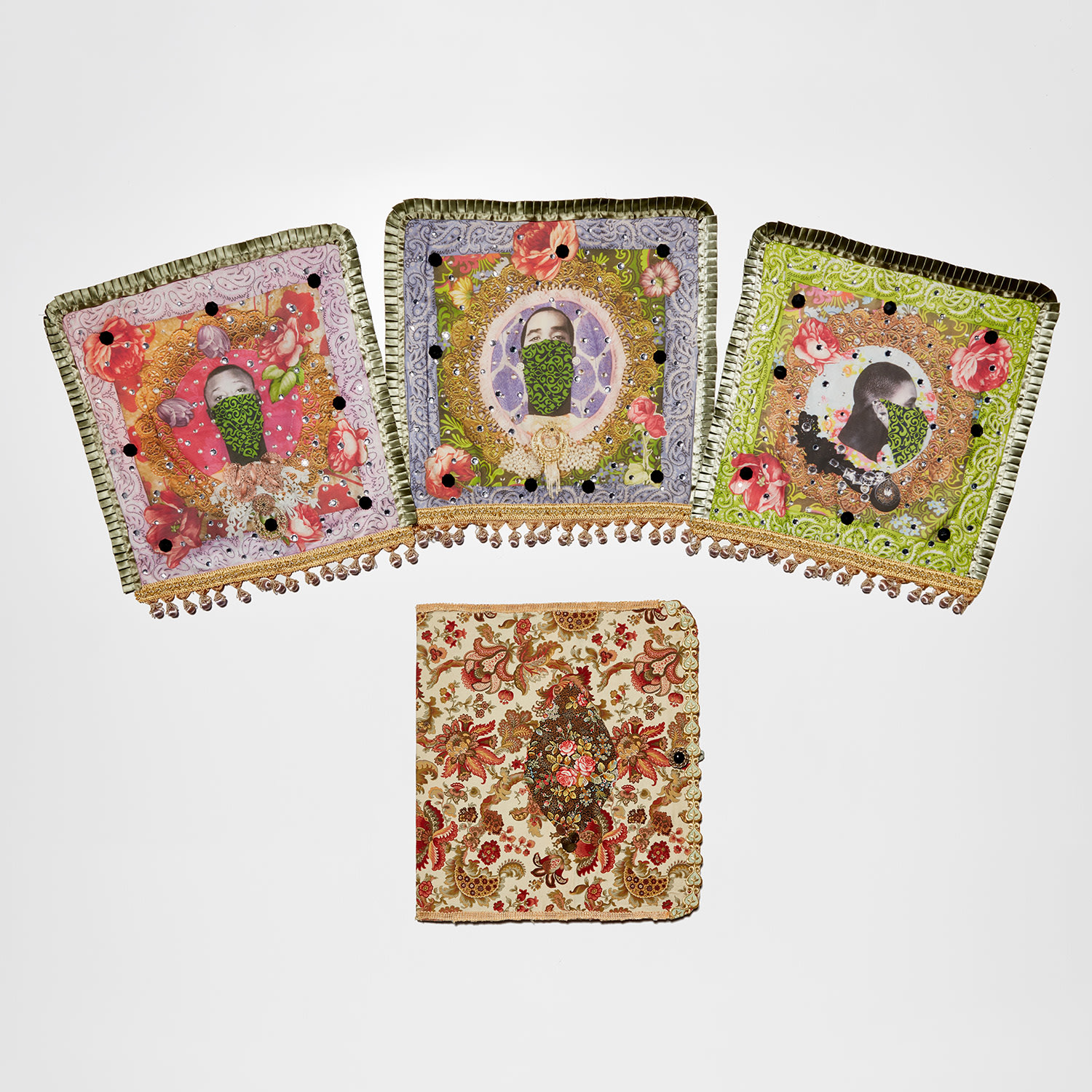
Ebony G Patterson
Ebony G. Patterson
The physical mark is not a correction. It is an argument. The exhibition landscape has reflected this shift. The Studio Museum in Harlem has consistently championed artists who treat surface as a site of accumulation and witness, and Patterson's large scale works have been central to that conversation since her inclusion in shows like Dead Treez and subsequent institutional survey presentations.
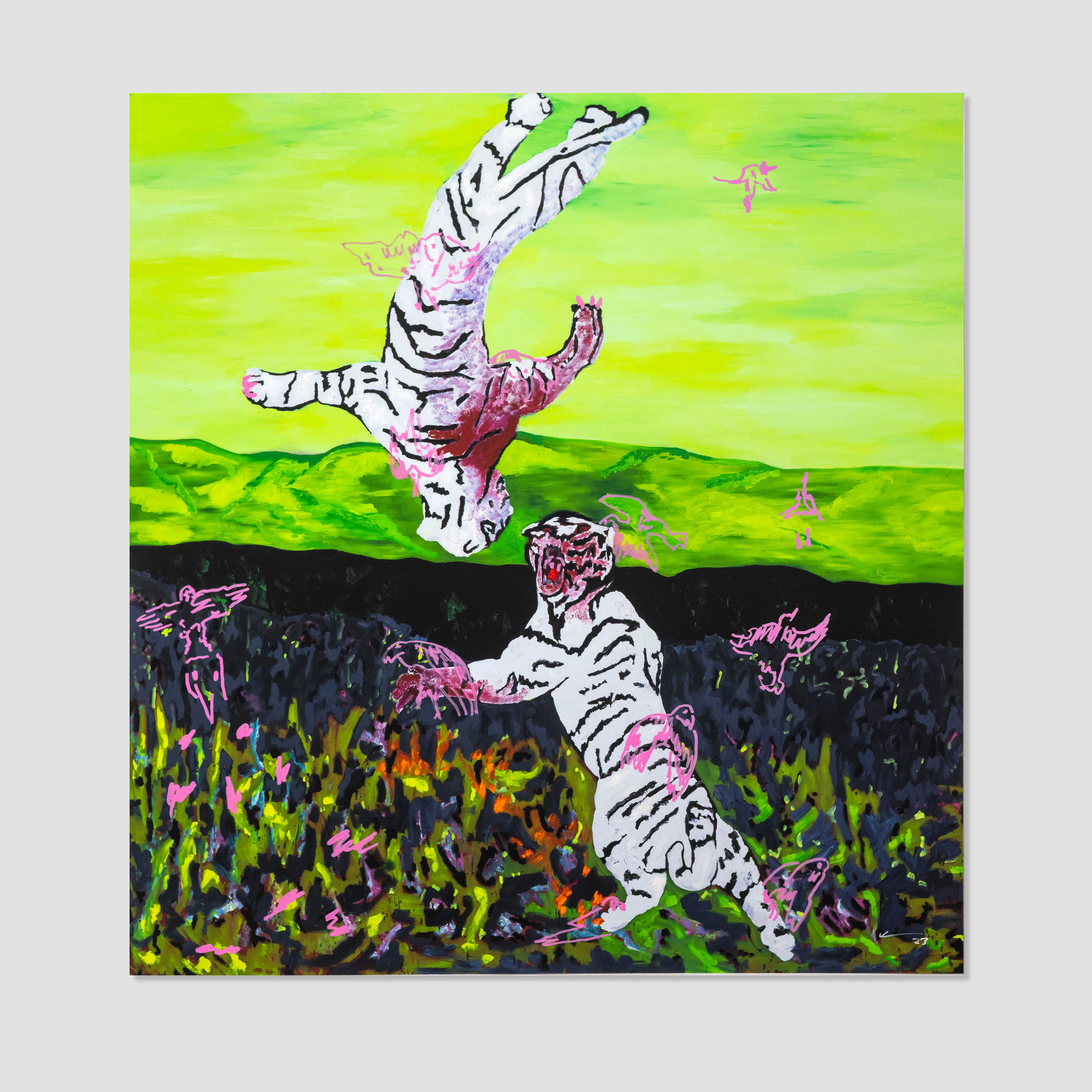
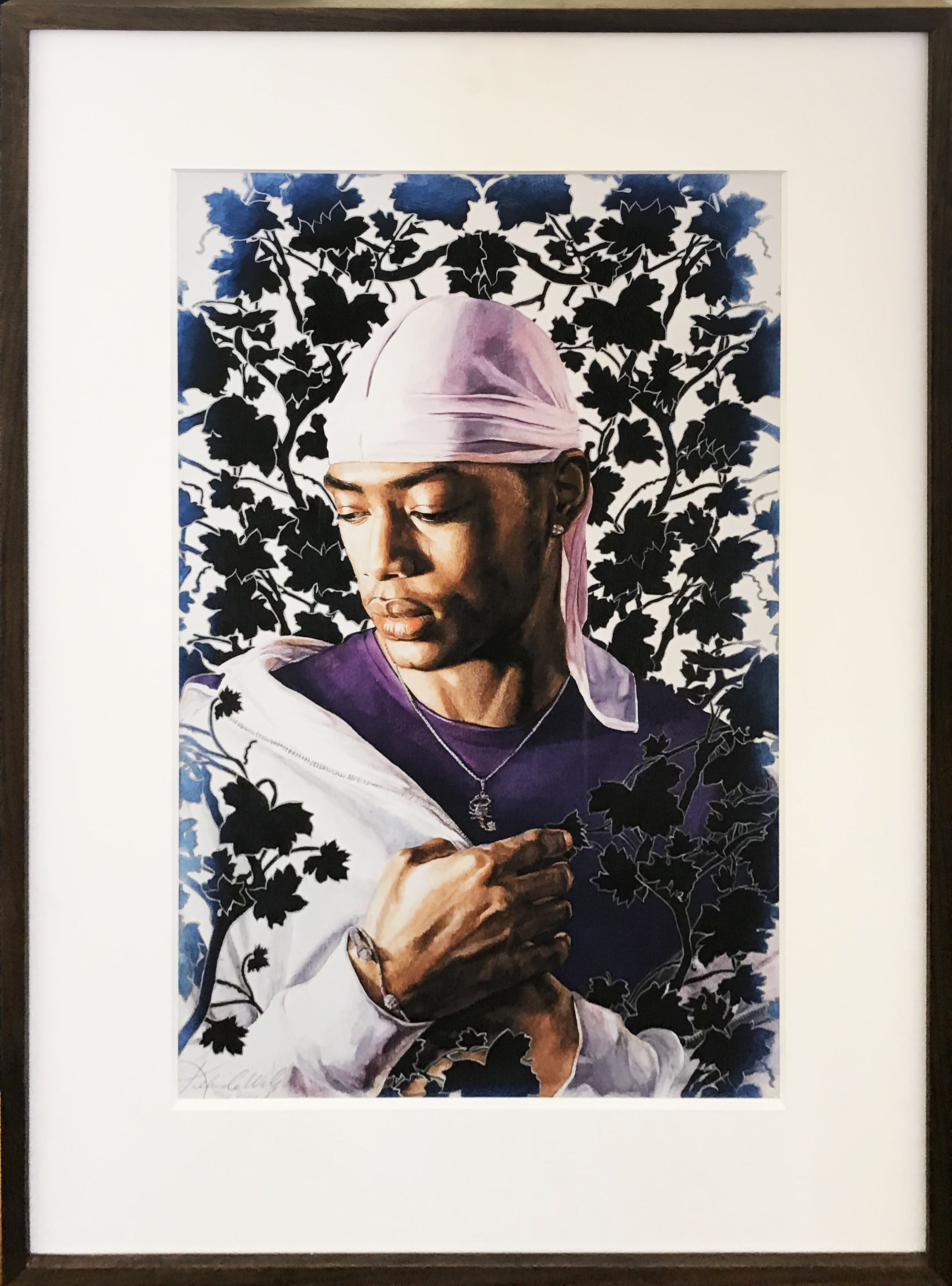
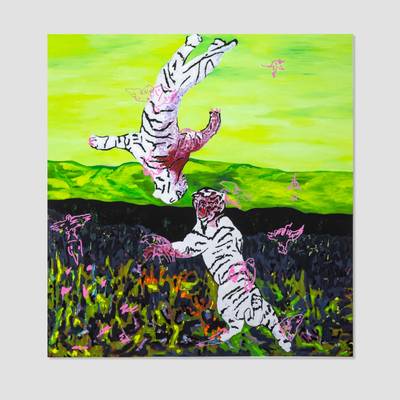
The works do not separate neatly into what was printed and what was added because that ambiguity is part of the content. Florian Krewer, whose paintings move between photographic source material and expressionistic hand intervention, has been shown in New York and European contexts that similarly resist the idea of a clean boundary between process and finish. At auction, the market has been clearest in its appetite for work where embellishment adds legibility to an artist's signature concerns rather than simply adding texture for its own sake. Kehinde Wiley's works on The Collection are well placed within this conversation.
Kehinde Wiley
Sophie Arnould Study II, 2016
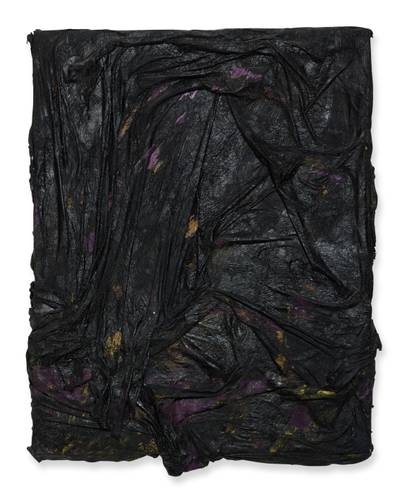
His practice has always involved a kind of formal argument with the history of portraiture, and when hand finishing enters that argument, it deepens the work's relationship to the tradition it is rewriting. Angel Otero, who builds surfaces by pouring, peeling, and relocating paint, occupies a related position. His results look generated and found but are entirely produced through physical process. That distinction matters to serious buyers.
Institutional collecting in this area has become more confident. The Museum of Fine Arts Boston, the Smithsonian American Art Museum, and the Tate have all made acquisitions in recent years that reflect an interest in work where the digital or photographic and the handmade are genuinely interdependent rather than sequential. These are not institutions collecting trend. They are responding to a critical consensus that has been building since at least 2015, when several major survey shows began placing artists who work across these registers in permanent collection galleries rather than temporary presentation spaces.
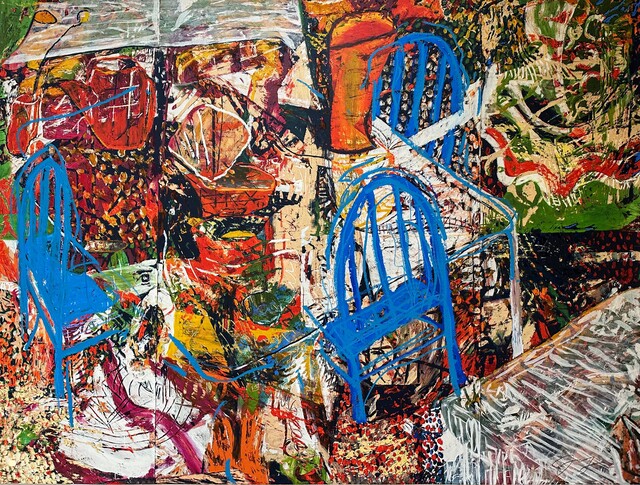
Angel Otero
Broken Record (Uniquely Hand-embellished), 2022
The signal is that this is not a moment. It is a framework. The critical writing around hand embellishment has been shaped significantly by curators and essayists working outside the strictest painting or photography departments. Thelma Golden's framing of post black aesthetics, which she developed in collaboration with Glenn Ligon and which has influenced how a generation of critics reads Black American artists working with image and surface, provides useful language for understanding what is at stake when an artist like Patterson or Wiley chooses to intervene physically in a surface that already carries cultural weight.
The intervention is not decorative. It is editorial. More recently, writers associated with publications like Artforum and e flux have been grappling with what it means to value hand embellishment in an era when the baseline image can be generated without any human decision at all. Bob Dylan's presence in this context is worth noting.
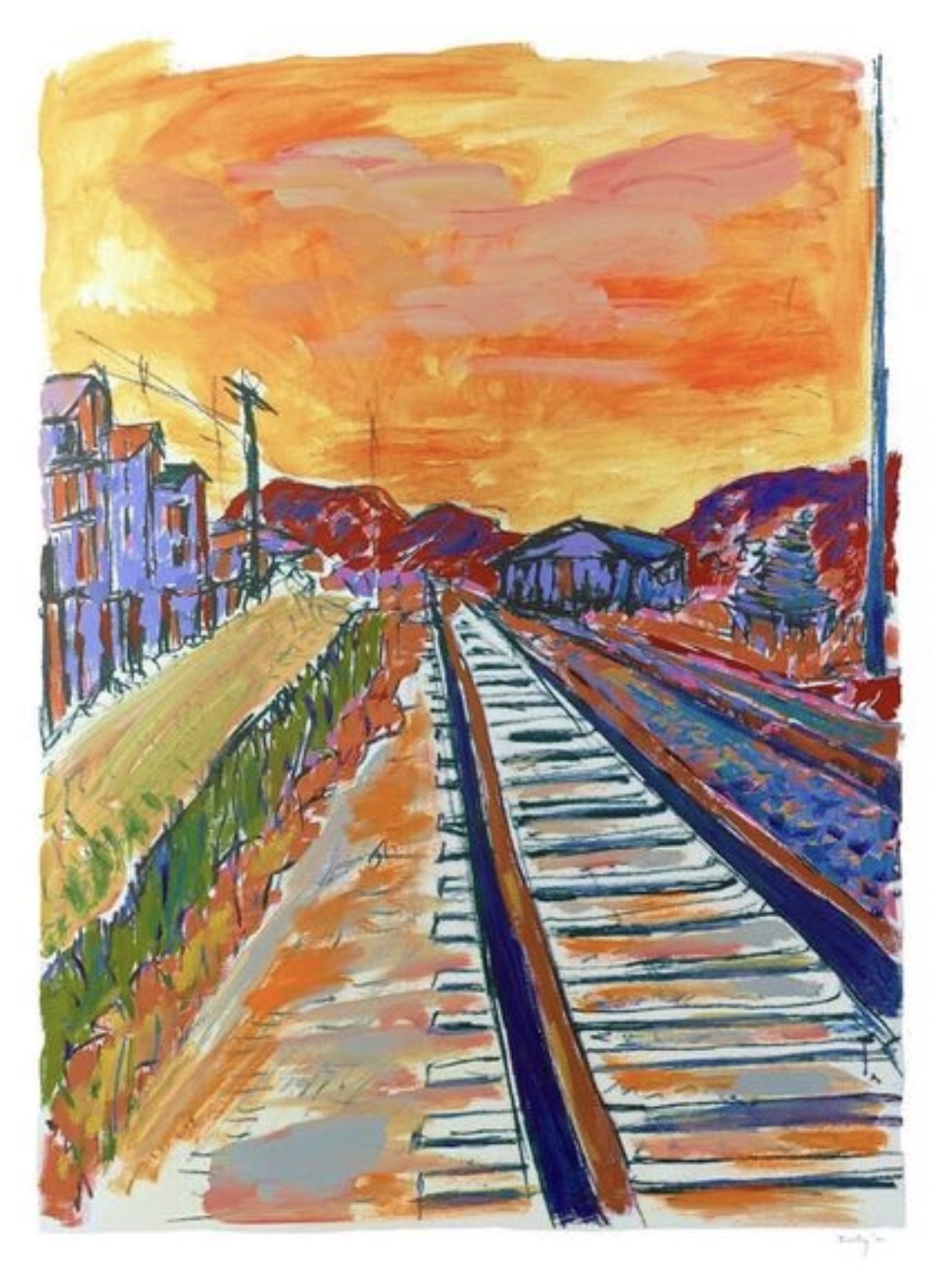
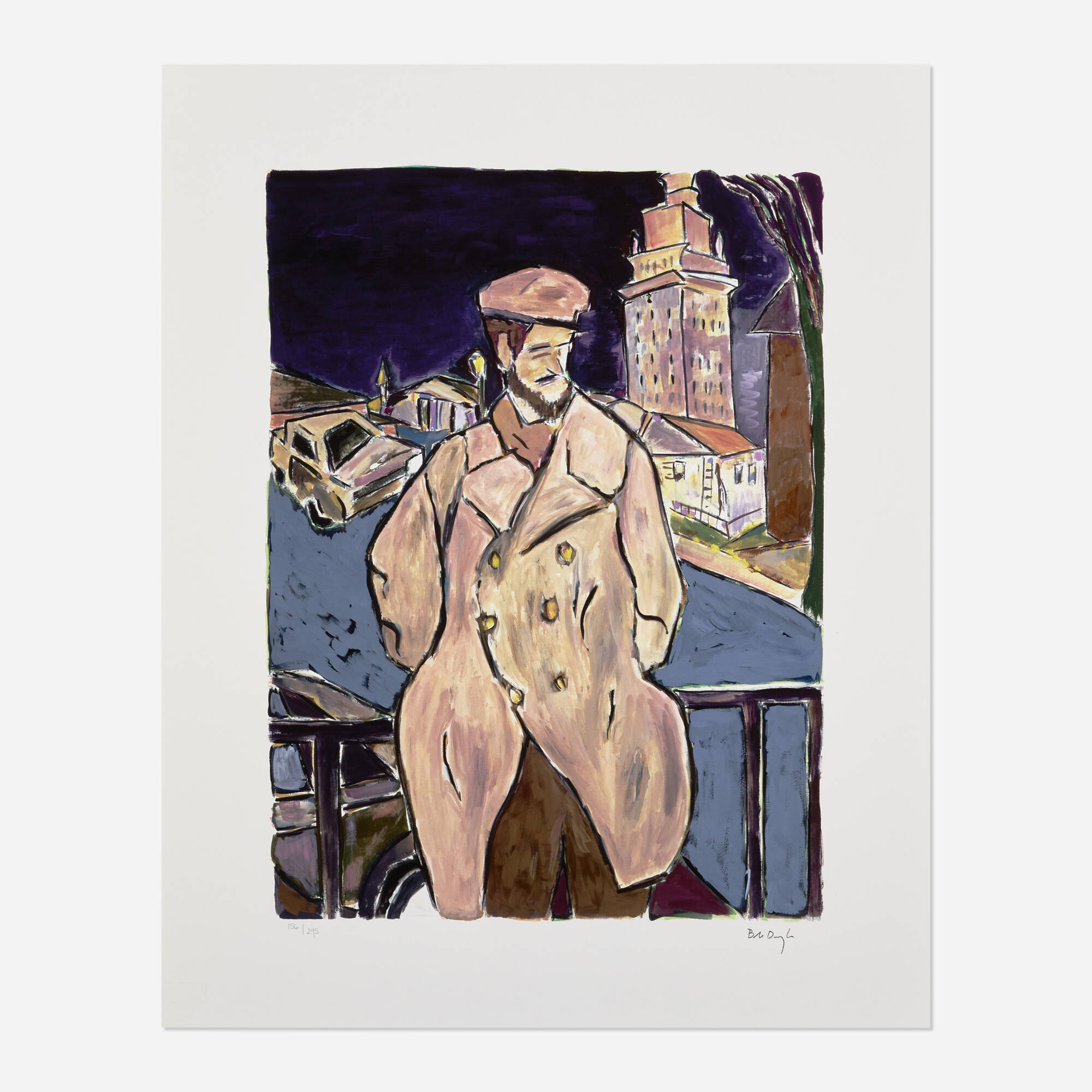
Bob Dylan
Side Tracks, 14 April 2007, Sheffield, 2015
His career as a visual artist, including his ironwork and his paintings that draw on photographic reference, has always been understood partly through the lens of embellishment and transformation. His works on The Collection sit in an interesting position: made by a figure whose cultural authority comes from an entirely different domain, yet whose visual practice insists on the same questions about touch, source, and authorship. For collectors, the interest is not simply biographical. It is about what happens when the manual gesture is applied to material that arrives already saturated with meaning.
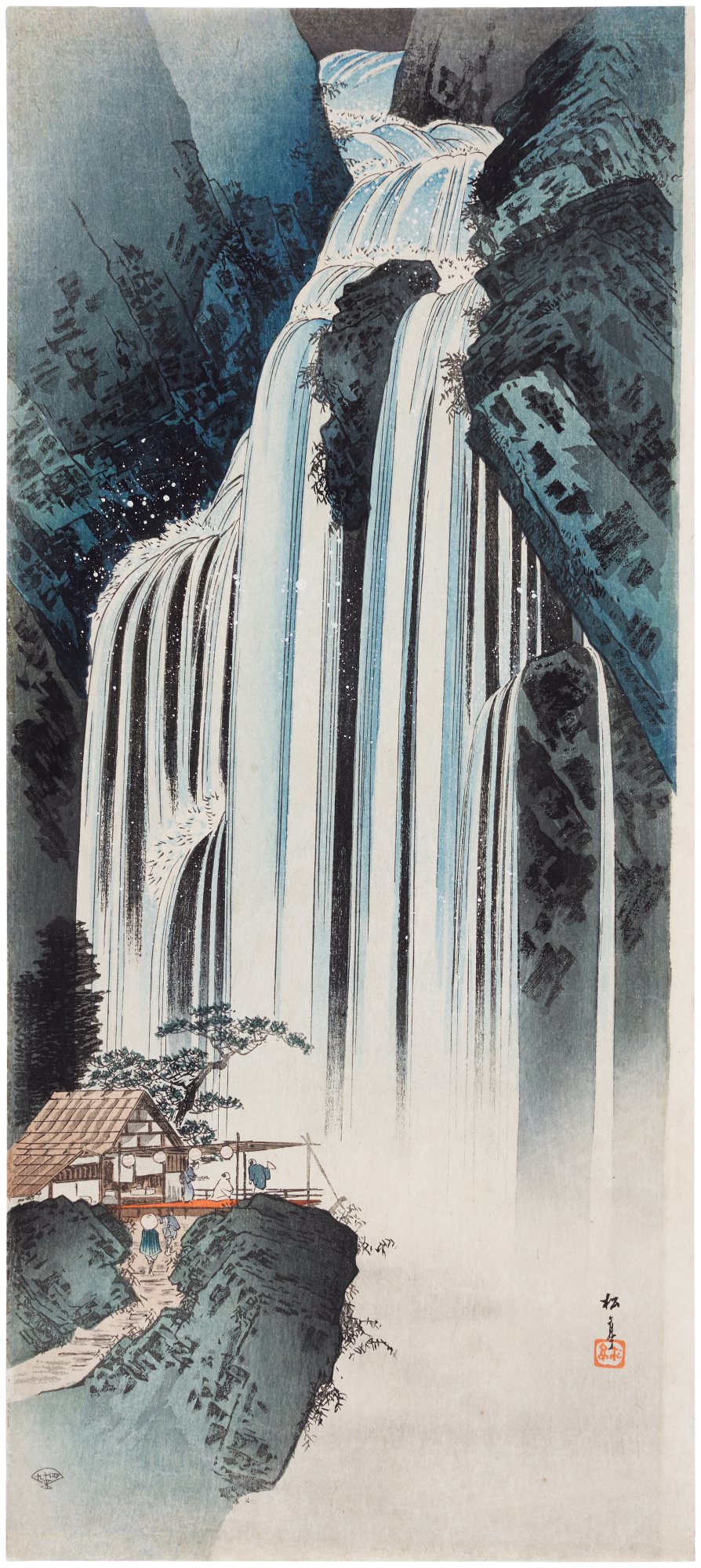
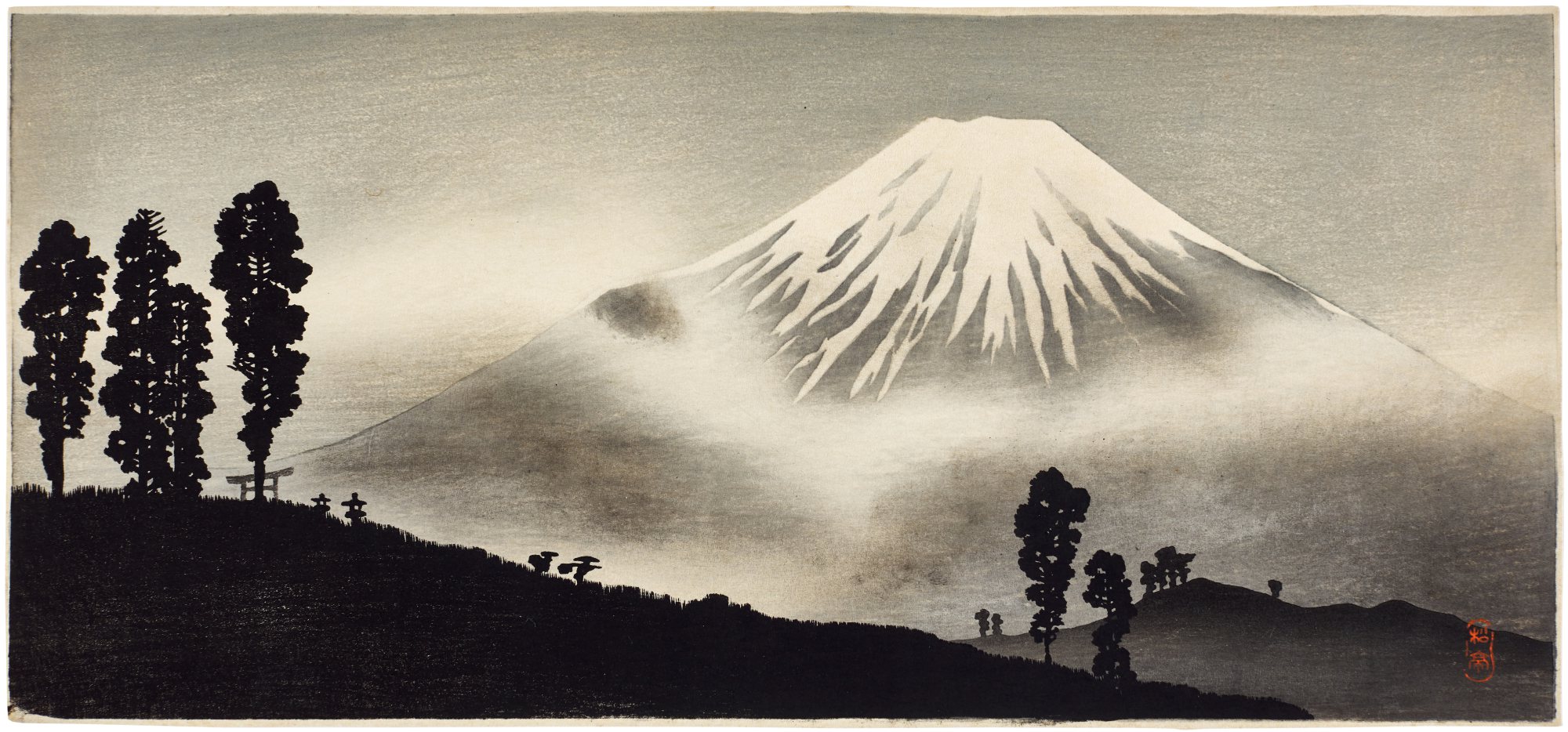
Takahashi Shotei's work, represented here in a different register entirely, offers a useful historical anchor. The Taisho and early Showa era shin hanga prints he produced involved elaborate collaboration between artist, woodblock carver, and printer, with the artist's touch distributed across multiple hands and processes. Collectors of that period were already navigating a version of the question that faces buyers today: where is the author in a process that involves multiple stages of mediation. The answer then, as now, was that the authorial act is the decision about where to stop, what to leave, and what to add.
What feels alive right now is the refusal of simplicity. The most compelling works in this category are not those that use hand embellishment to announce authenticity in a panicked response to AI anxiety. They are the ones where the addition or intervention creates a genuinely new reading of the surface beneath. What feels settled is the auction market's comfort with mid career artists in this space whose institutional validation is already established.
What surprises are coming will likely involve younger artists for whom the distinction between hand and algorithm was never the point, and who are making work that asks different questions entirely. The collectors paying attention to that edge right now are the ones who will find themselves ahead of the next institutional consensus.