Grid Pattern
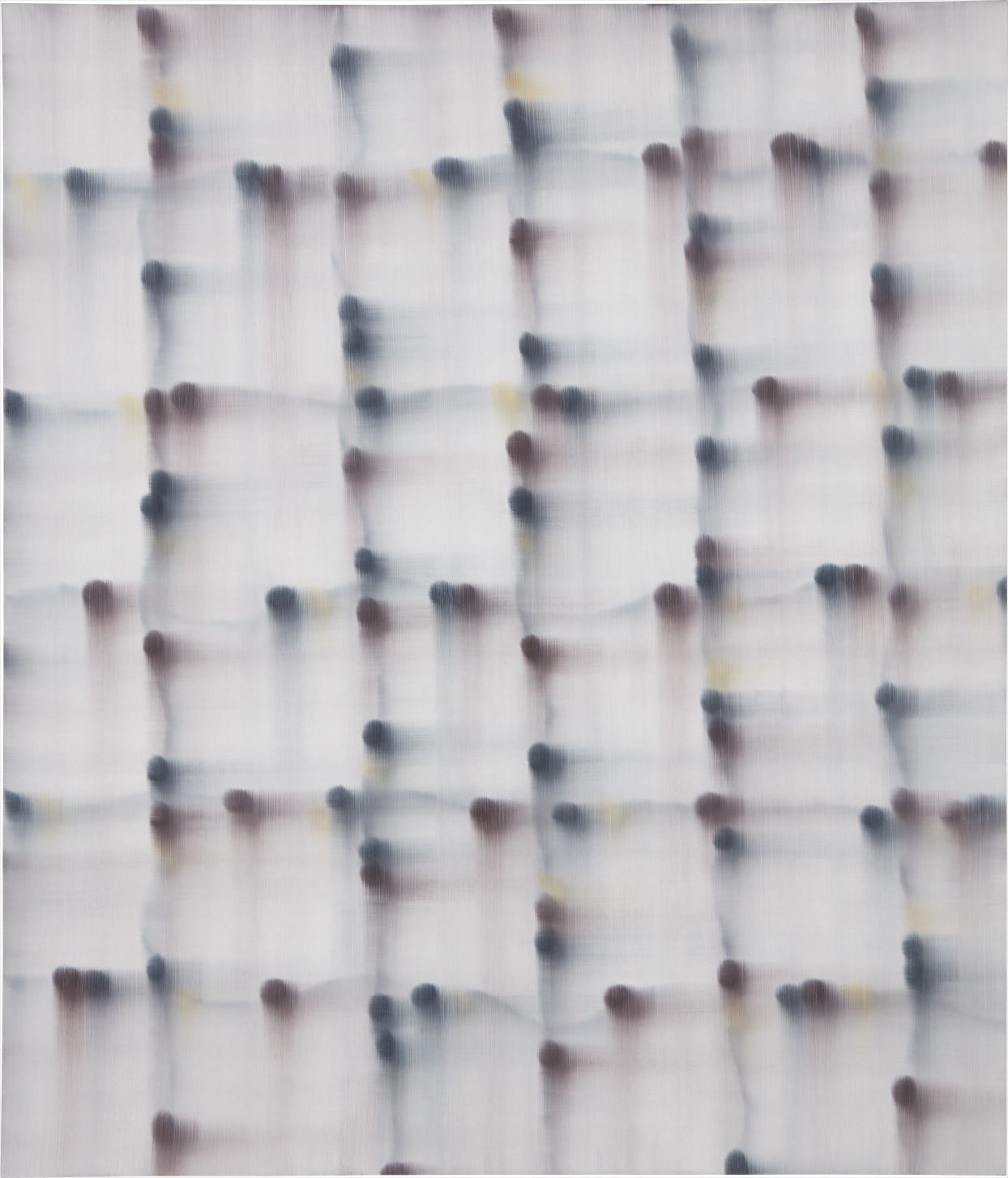
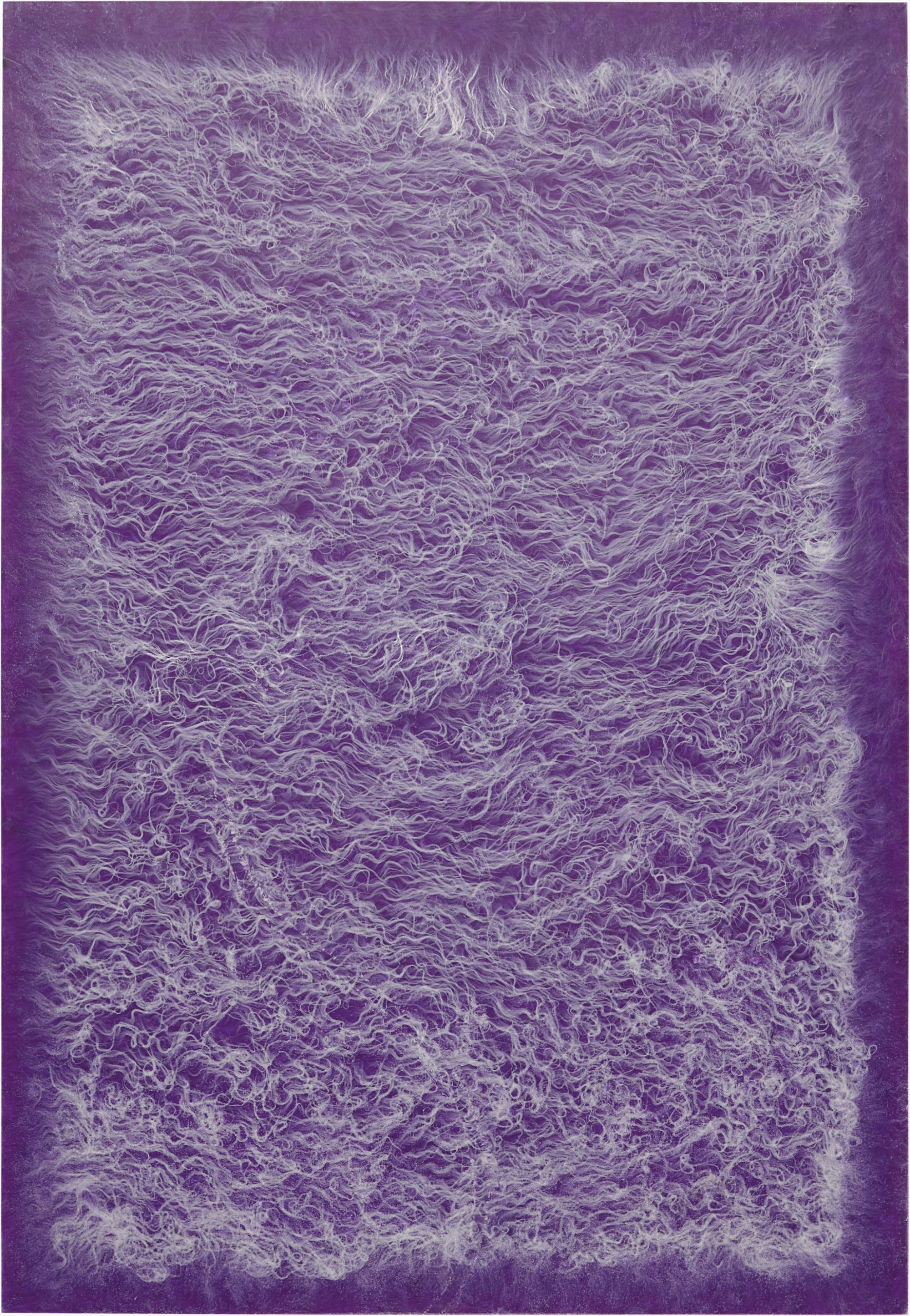
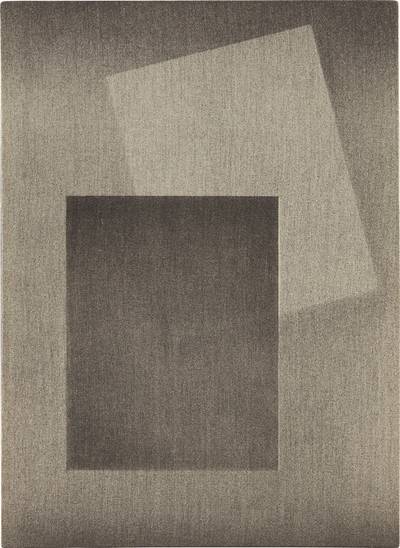
Mark Francis
Grid Painting (Black, White, Brown, Yellow), 1996

The Grid: Order, Obsession, and Everything Between
There is something almost primal about the grid. It is the first thing a child draws when handed a piece of graph paper, and it is the structure that has occupied some of the most serious minds in twentieth and twenty first century art. That apparent simplicity is the trap, and the invitation. The grid does not merely organize a surface.
It asks fundamental questions about repetition, freedom, the relationship between the hand and the mind, and whether a system can contain genuine feeling. The grid's ascent as a serious artistic proposition is usually traced to the early twentieth century, when Piet Mondrian and Theo van Doesburg began dismantling pictorial space in favor of pure structure. Their De Stijl movement, founded in the Netherlands in 1917, proposed that the right angle and the primary color were the essential vocabulary of a modern visual language. But the grid as a subject in itself, rather than merely a compositional tool, really came into its own in the 1960s and 1970s, when Minimalism and Conceptualism gave artists permission to treat the system as the content.
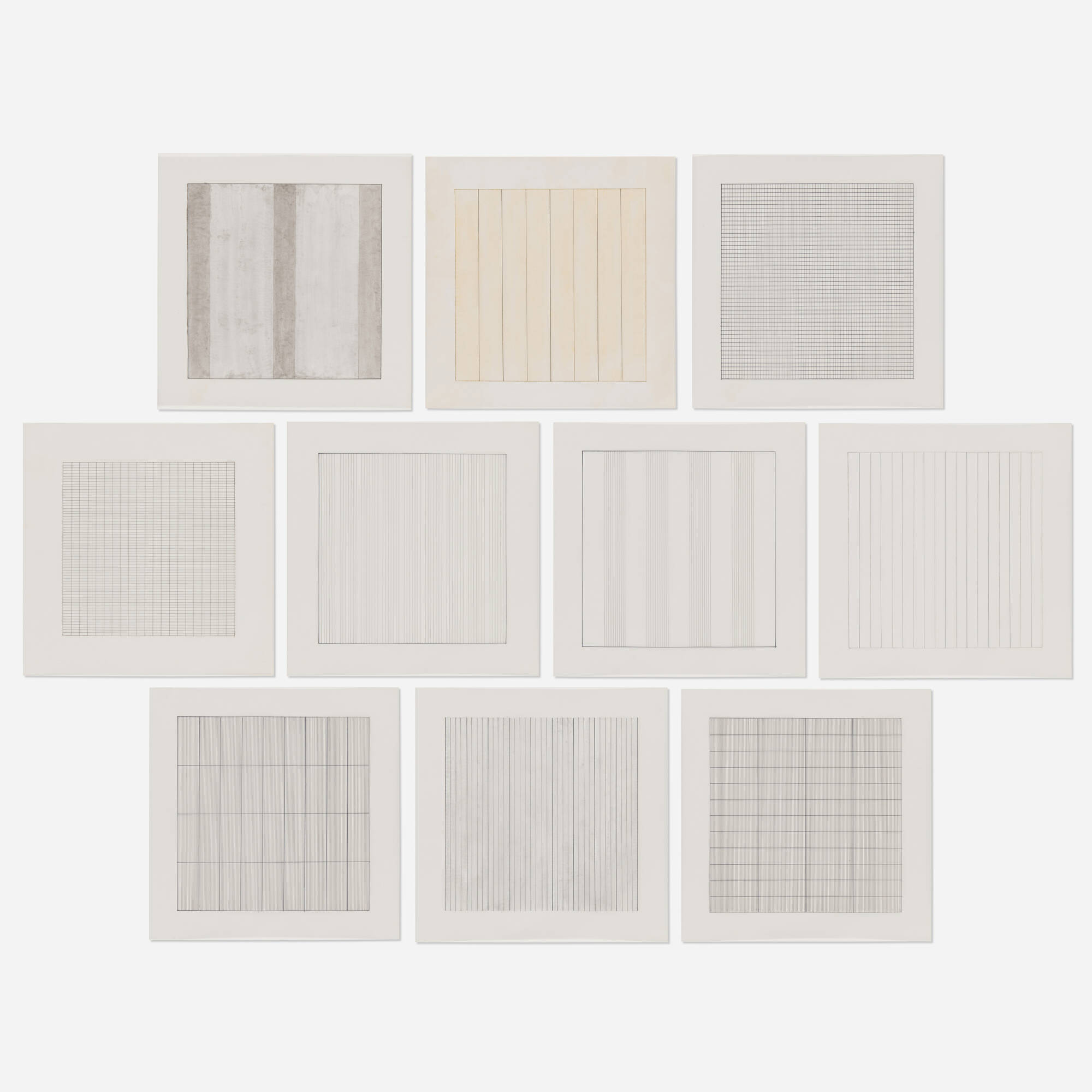
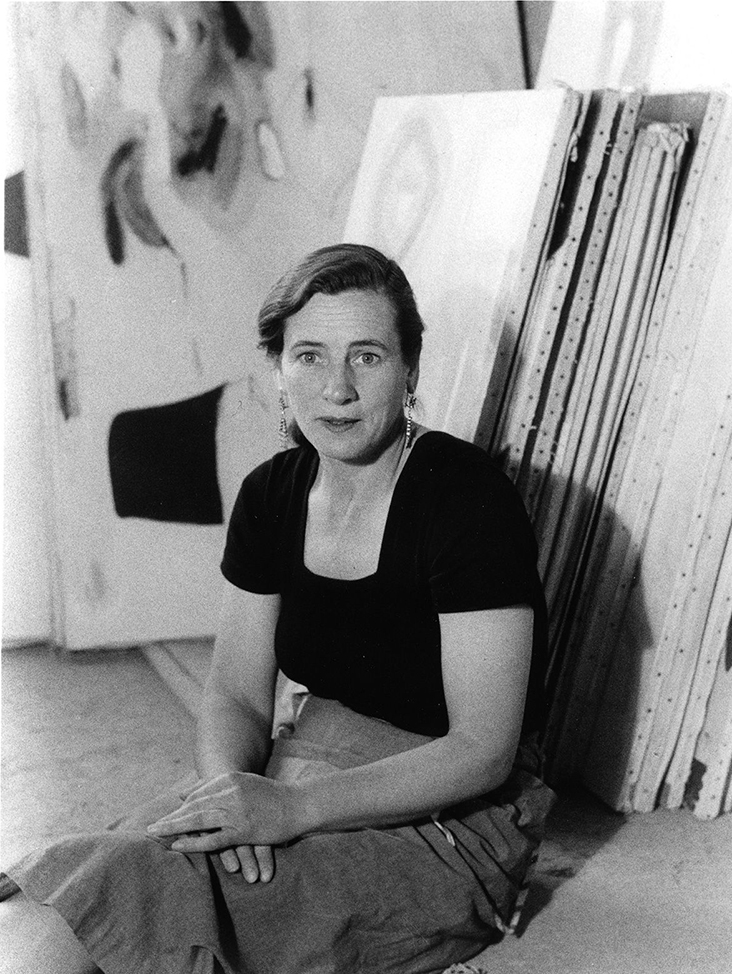
Agnes Martin
Paintings and Drawings: Stedelijk Museum Portfolio, 1990
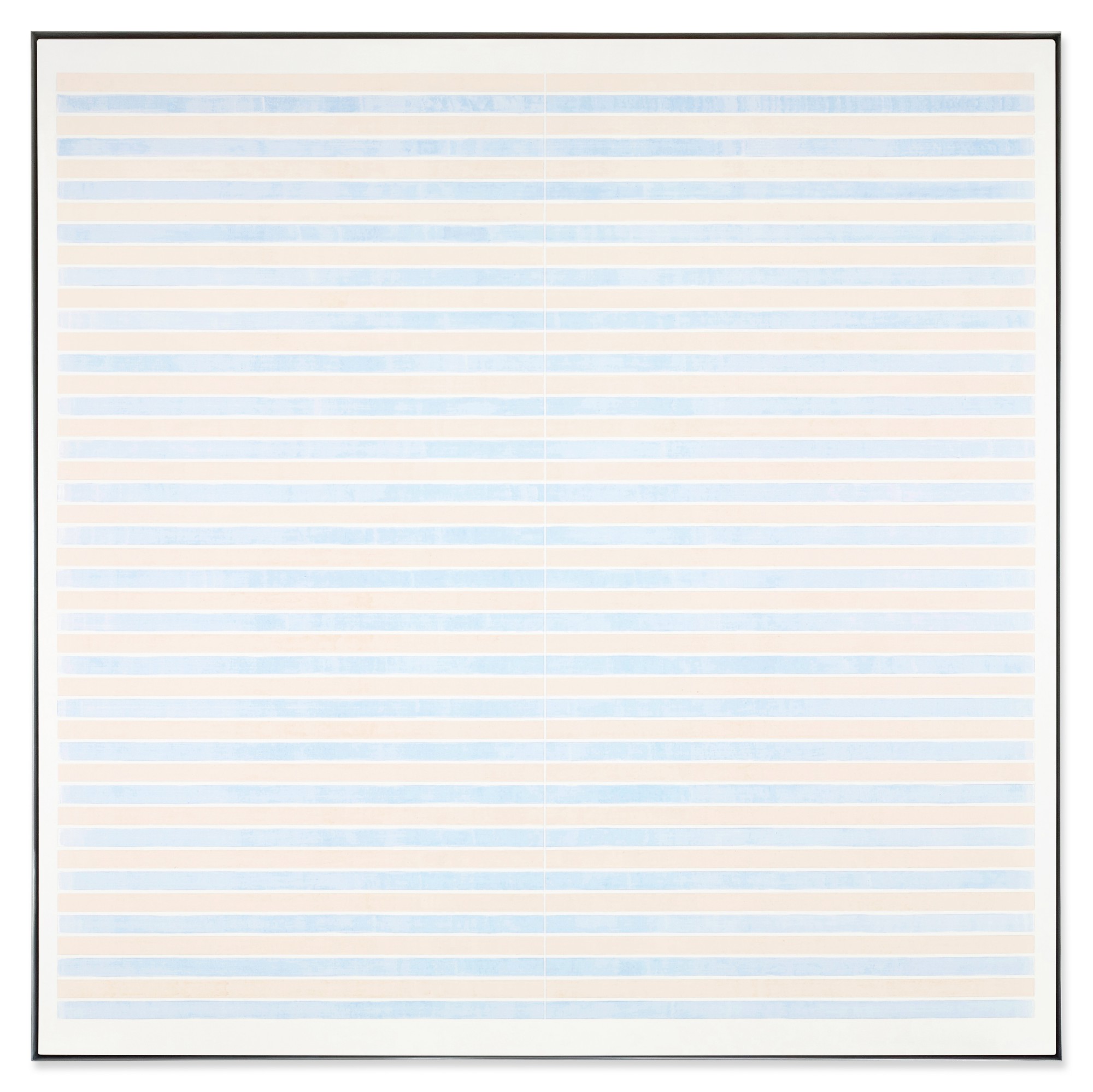
Rosalind Krauss famously argued in her 1979 essay that the grid was the emblem of modernity itself, a surface that refused narrative, refused depth, refused everything except its own insistent repetition. Agnes Martin, whose work is especially well represented in The Collection, understood the grid as a vehicle for something far more intimate than theoretical rigor. Her linen canvases from the 1960s onward, covered in penciled lines of extraordinary delicacy, were never really about geometry. Martin spoke of her grids in terms of joy and innocence, of a state of mind she was reaching toward rather than a system she was imposing.
The work feels hand breathed rather than mechanically produced, and that tension between structure and vulnerability is precisely where its power lives. She left New York for New Mexico in 1967, and the vast horizontal light of the desert seems to have entered the work permanently from that point. Where Martin found transcendence, other artists found pressure and politics. Alighiero Boetti's embroidered grids, made collaboratively with Afghan artisans throughout the 1970s and 1980s, were systems that deliberately surrendered control.
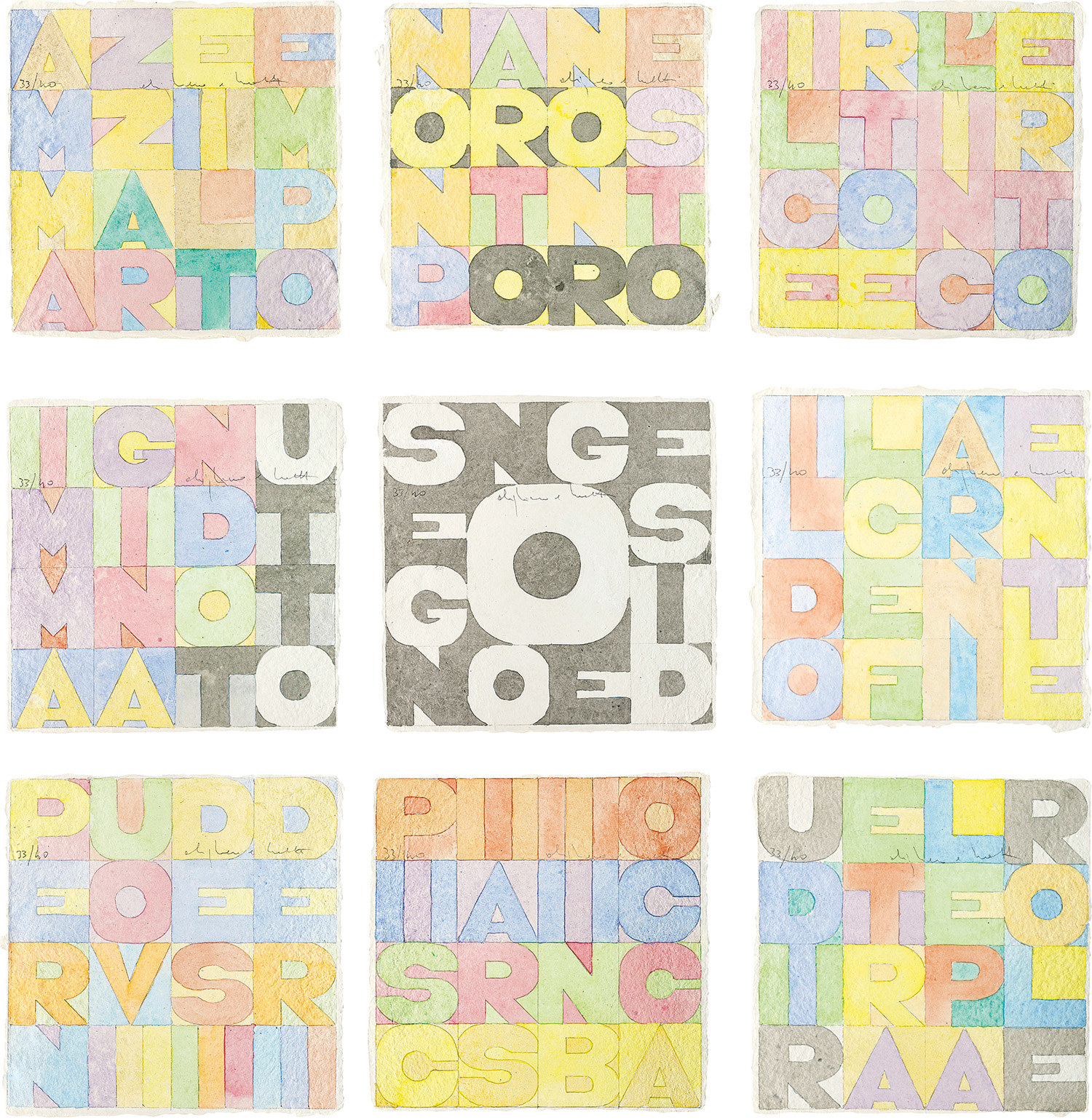
Alighiero Boetti
Nove Quadrati (Nine Squares)
The Italian Arte Povera figure devised the structure, and others executed it, so that authorship itself became a subject of the work. Sol LeWitt, whose practice is also reflected in The Collection, took the logic of the grid to its conceptual extreme, arguing that the idea was the machine that made the art. His wall drawings, specified in written instructions and executed by others, turned the grid into a kind of democratic score, endlessly reproducible and entirely contingent on the moment of its making. The grid continued to accumulate meaning as it passed through successive generations.
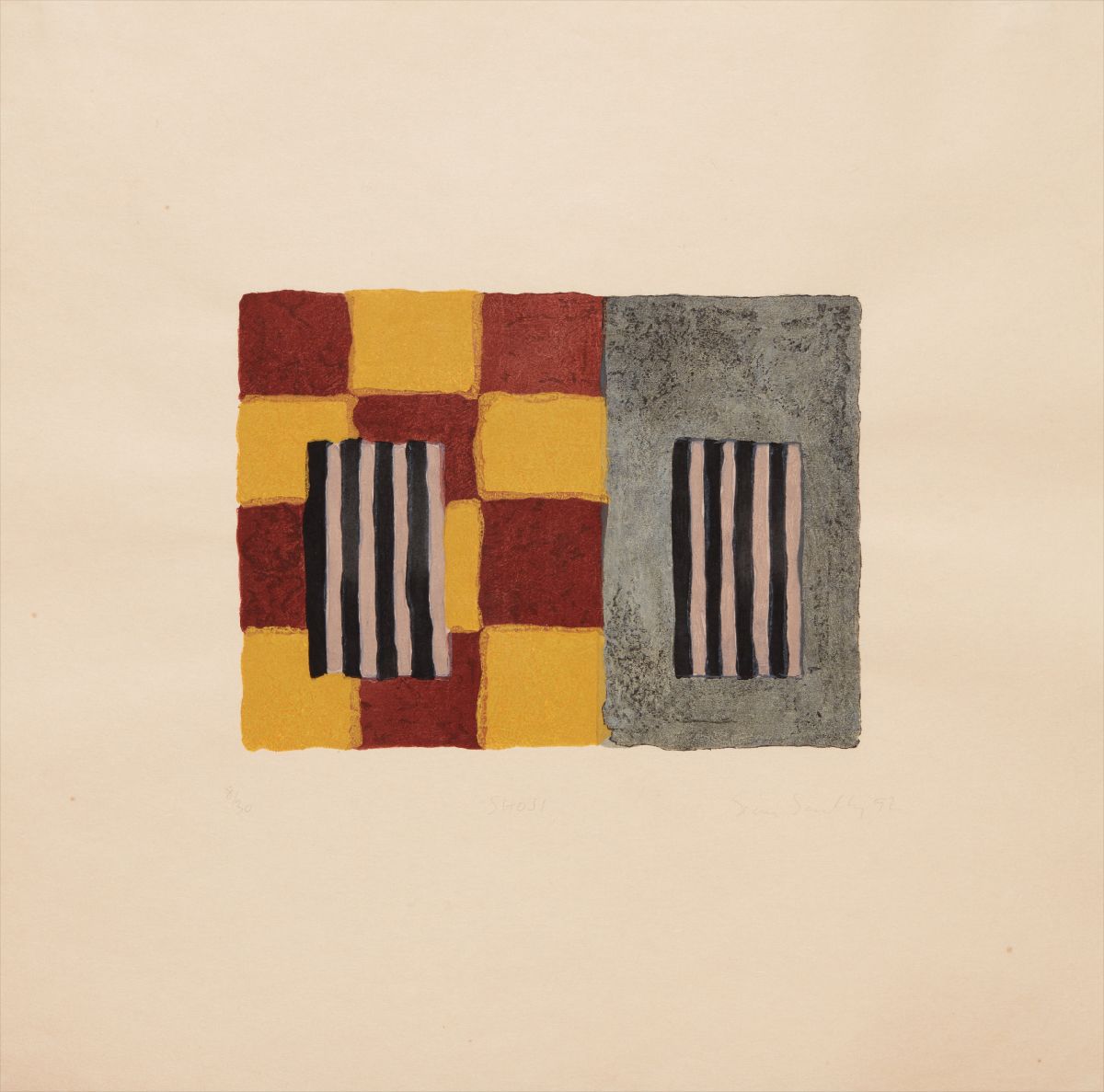
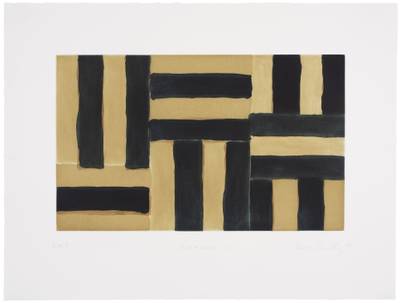
Peter Halley brought a sharply critical edge to the form in the 1980s, repainting the grid as a diagram of social control, a map of cells and conduits that mirrored the logic of urban planning and institutional power. His Day Glo and Roll a Tex surfaces were deliberately artificial, announcing their own constructed nature at full volume. Around the same time, Sean Scully was doing something almost opposite, loading thick horizontal and vertical bands with the emotional weight of landscape, of light falling through windows, of memory. Both approaches demonstrate the astonishing elasticity of the grid as a format.
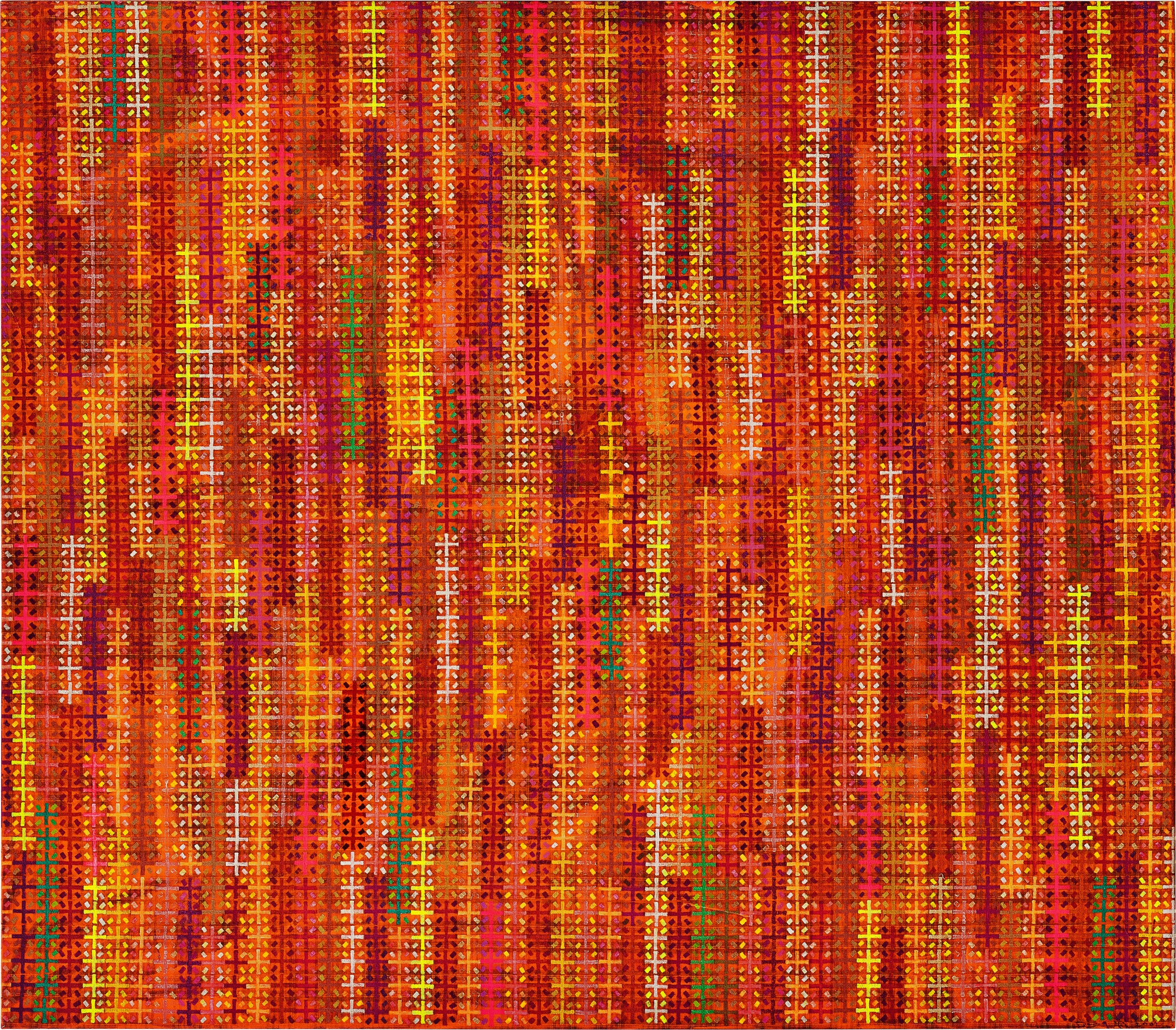
Ding Yi
Appearance of Crosses 十示
It holds ideology and feeling with equal ease. In more recent decades, artists from outside the Western canon have expanded what the grid can mean and do. Ding Yi, working in Shanghai since the late 1980s, has built an entire career around the cross and plus sign, working on tartan fabric and industrial surfaces in a practice that is simultaneously rigorous and exuberant. Maria Taniguchi in the Philippines has spent years building large scale paintings from a single repeated brick unit, each work the result of thousands of hours of accumulated mark making that reads as both minimalist and intensely labored.
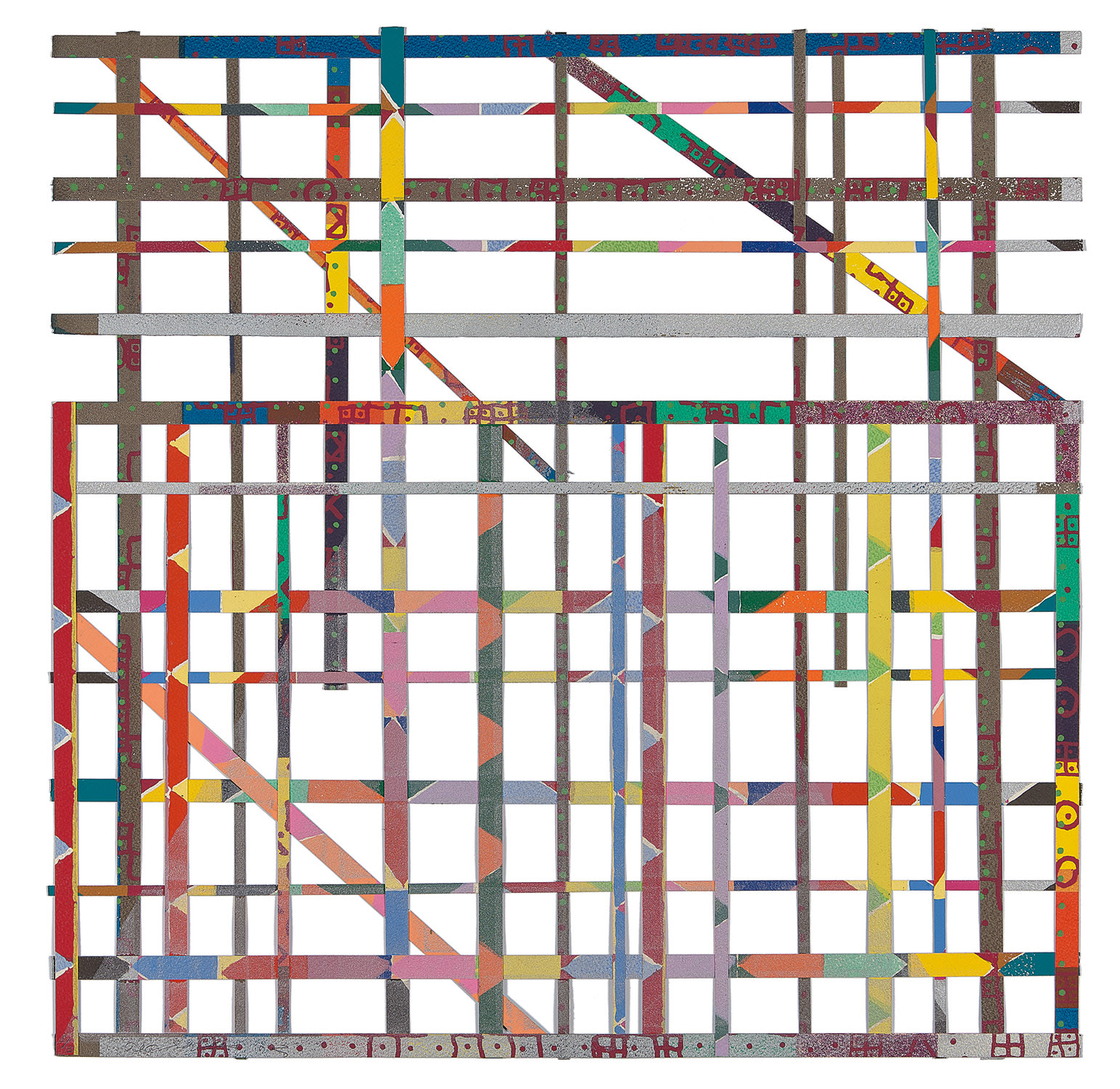
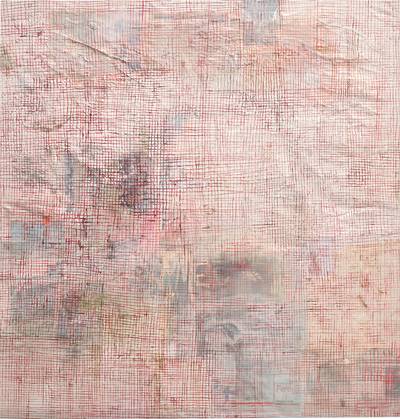
Mandy El Sayegh weaves text and biological imagery into gridded surfaces that feel like contested sites, places where order is always on the verge of breaking down. These artists do not simply repeat a Western formal tradition. They interrogate and expand it. Technically, grid based works range from the rigorously mechanical to the quietly handmade, and that range is part of what makes collecting in this area so rich.
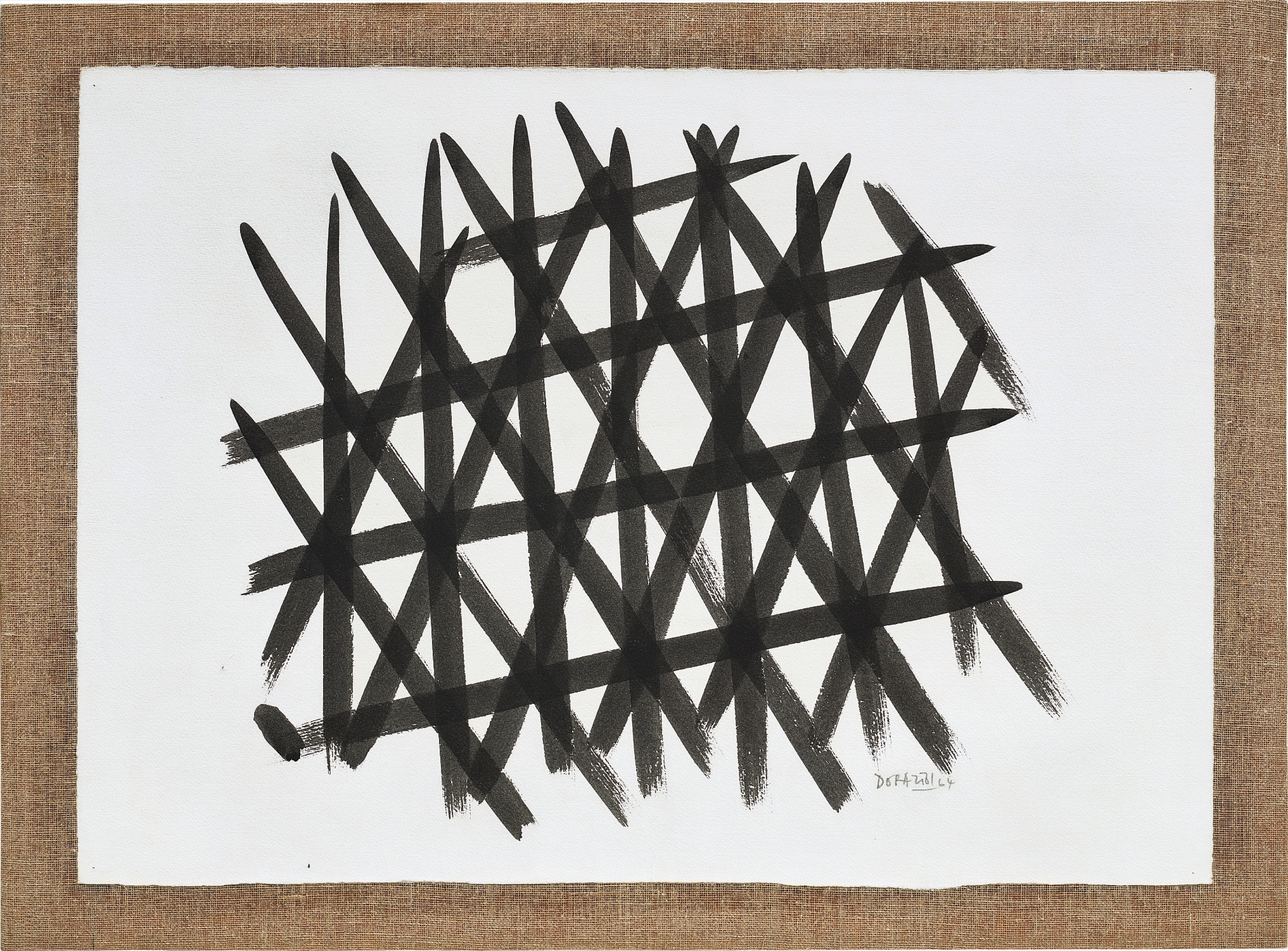
Piero Dorazio
Reticolo, 1964
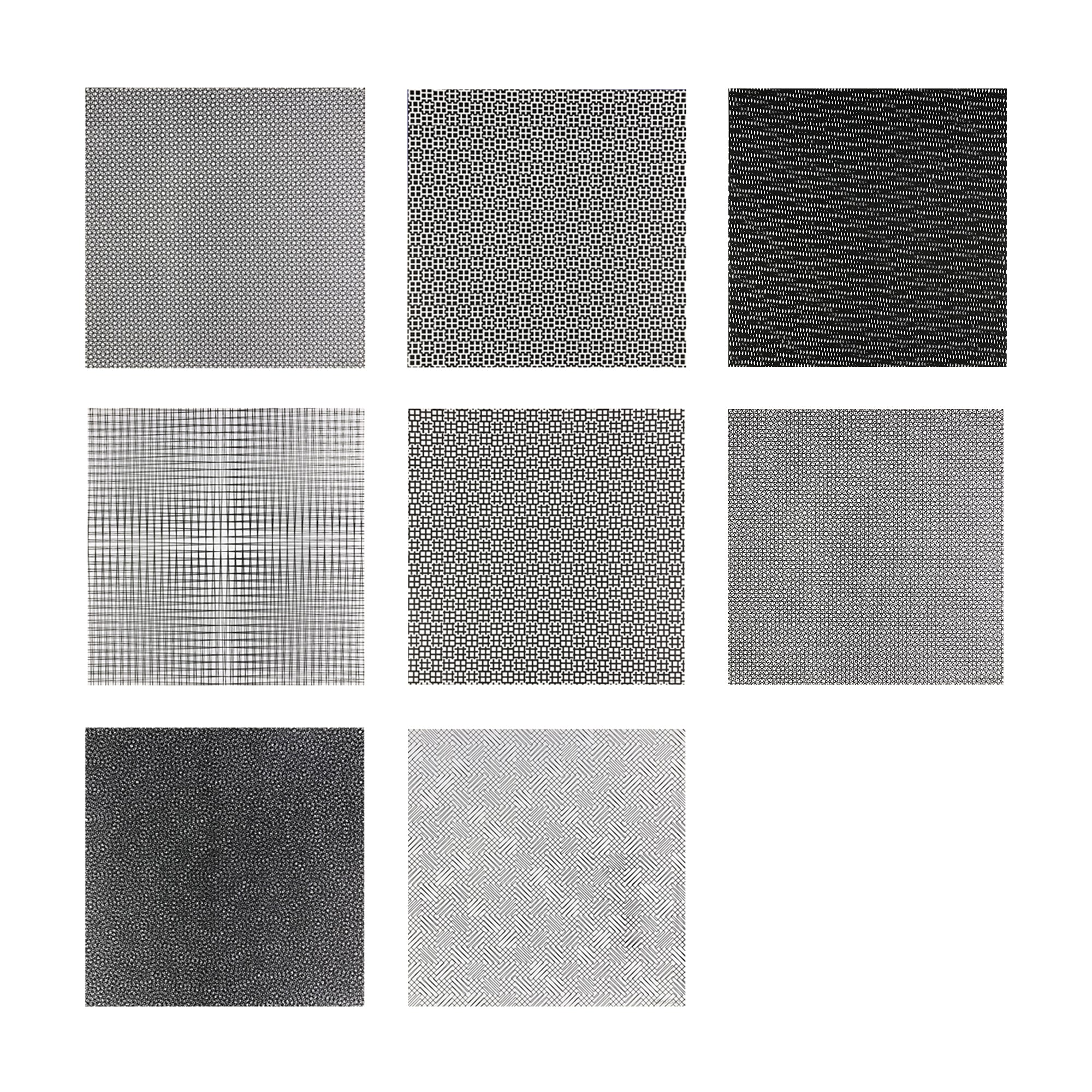
Piero Dorazio used interlocking bands of color to create optical vibration across the picture plane, his paintings fizzing with chromatic energy that rewards sustained attention. Mark Francis, working in a more restrained register, builds surfaces from repeated cellular forms that hover between the microscopic and the cosmic. Gerhard Richter's photographic and painted grids propose an entirely different set of questions about reproduction and the nature of the image. Each of these artists has a distinct relationship to the grid not as a constraint but as a kind of creative engine.
What endures about the grid is its refusal to be finished as an idea. Evan Nesbit stretches and folds his canvases so that the grid becomes three dimensional, a physical object as much as a painted surface. Nick Darmstaedter brings irreverence and material wit to the form. Sarah Morris maps the geometry of corporate architecture and power into paintings of chromatic intensity.
The grid keeps generating new meanings because it is, at its core, a conversation between freedom and limitation, between the desire to impose order and the impossibility of ever fully doing so. That conversation is one that art will apparently never exhaust, and looking at the works gathered on The Collection in this area, it is easy to see why collectors continue to find it endlessly compelling.