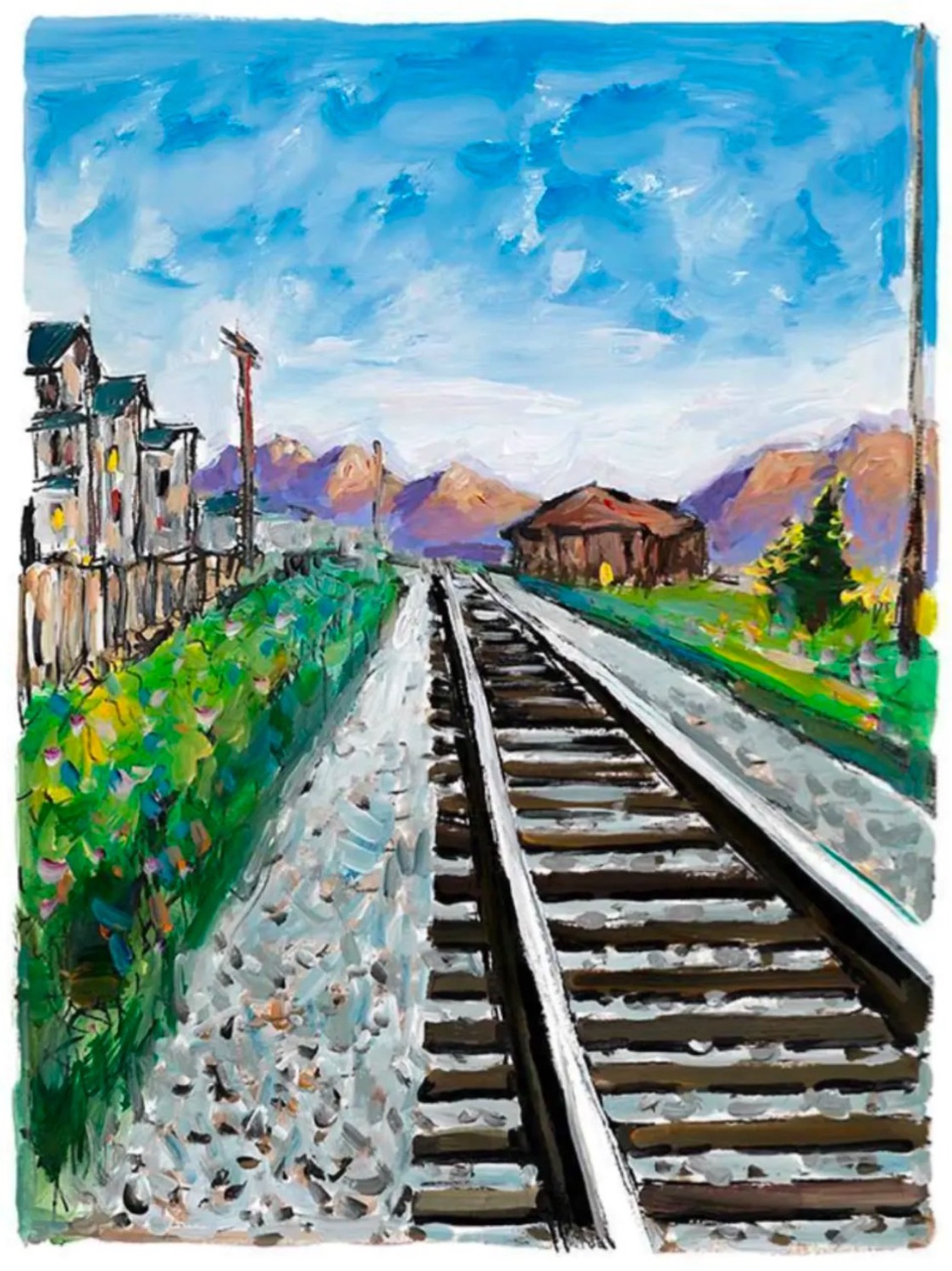
Glass
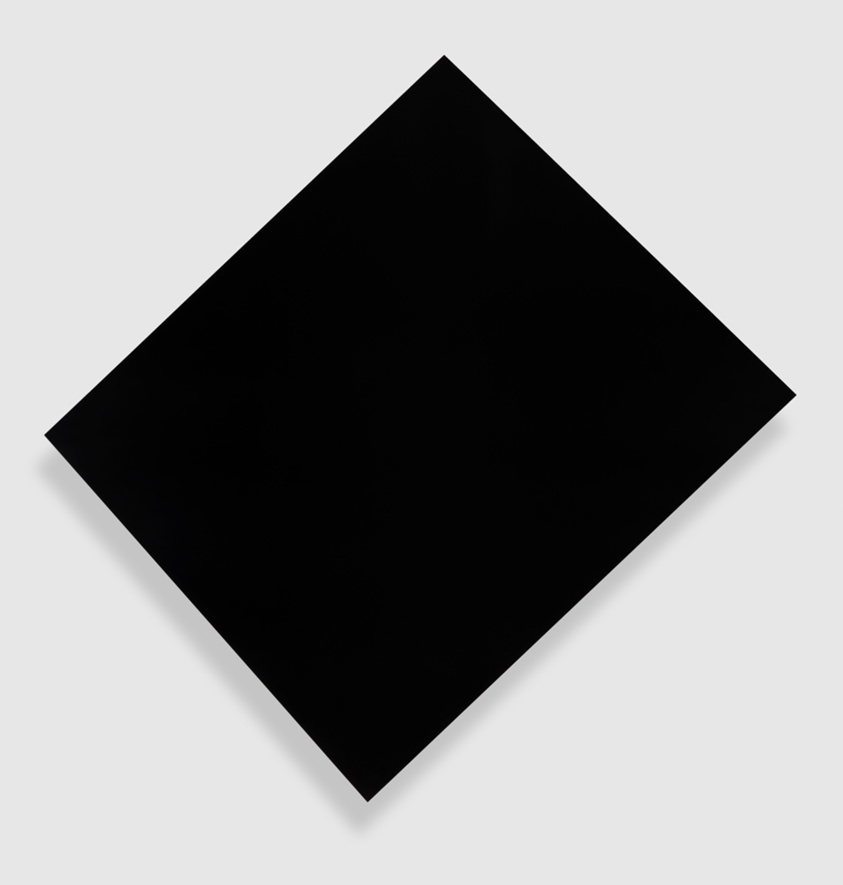
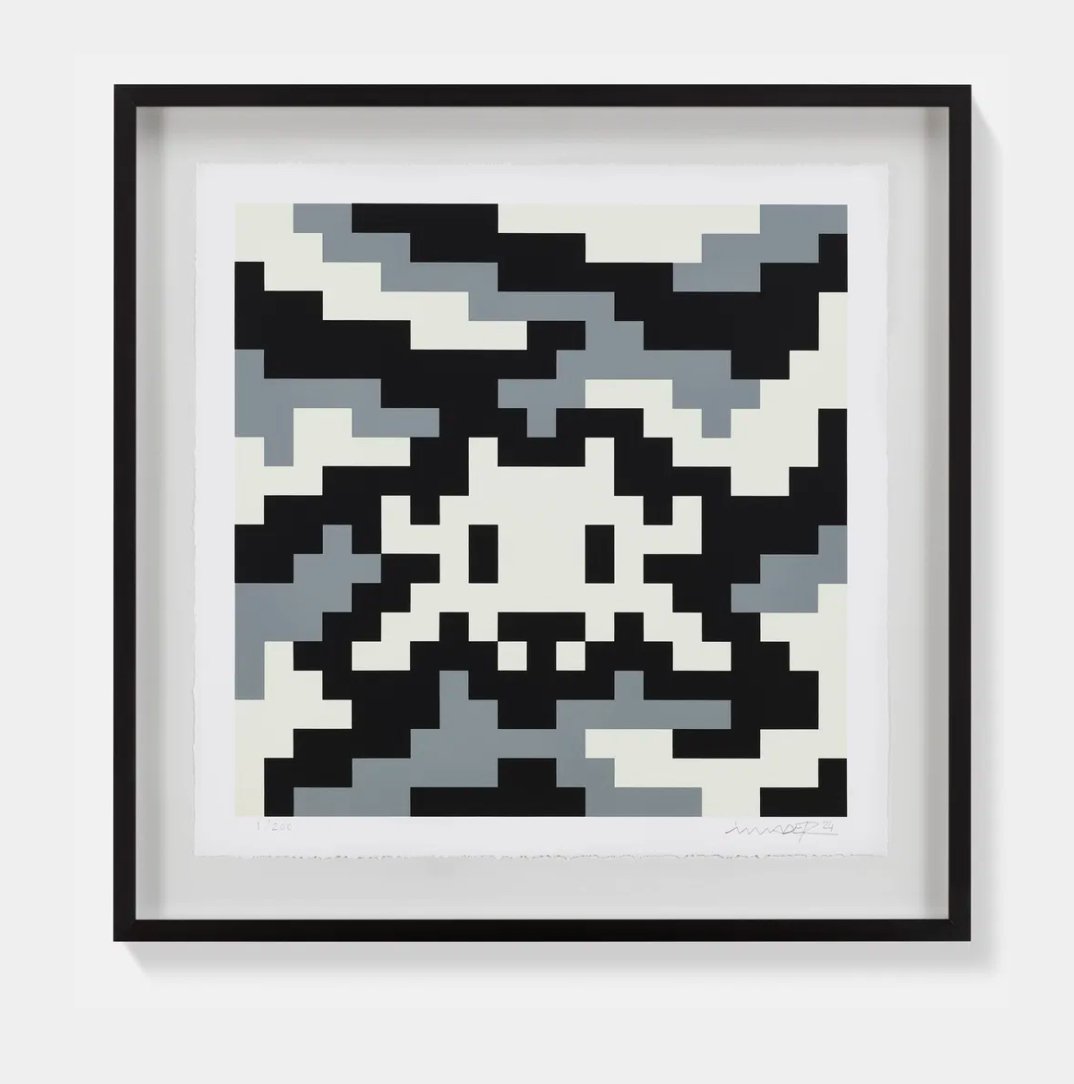
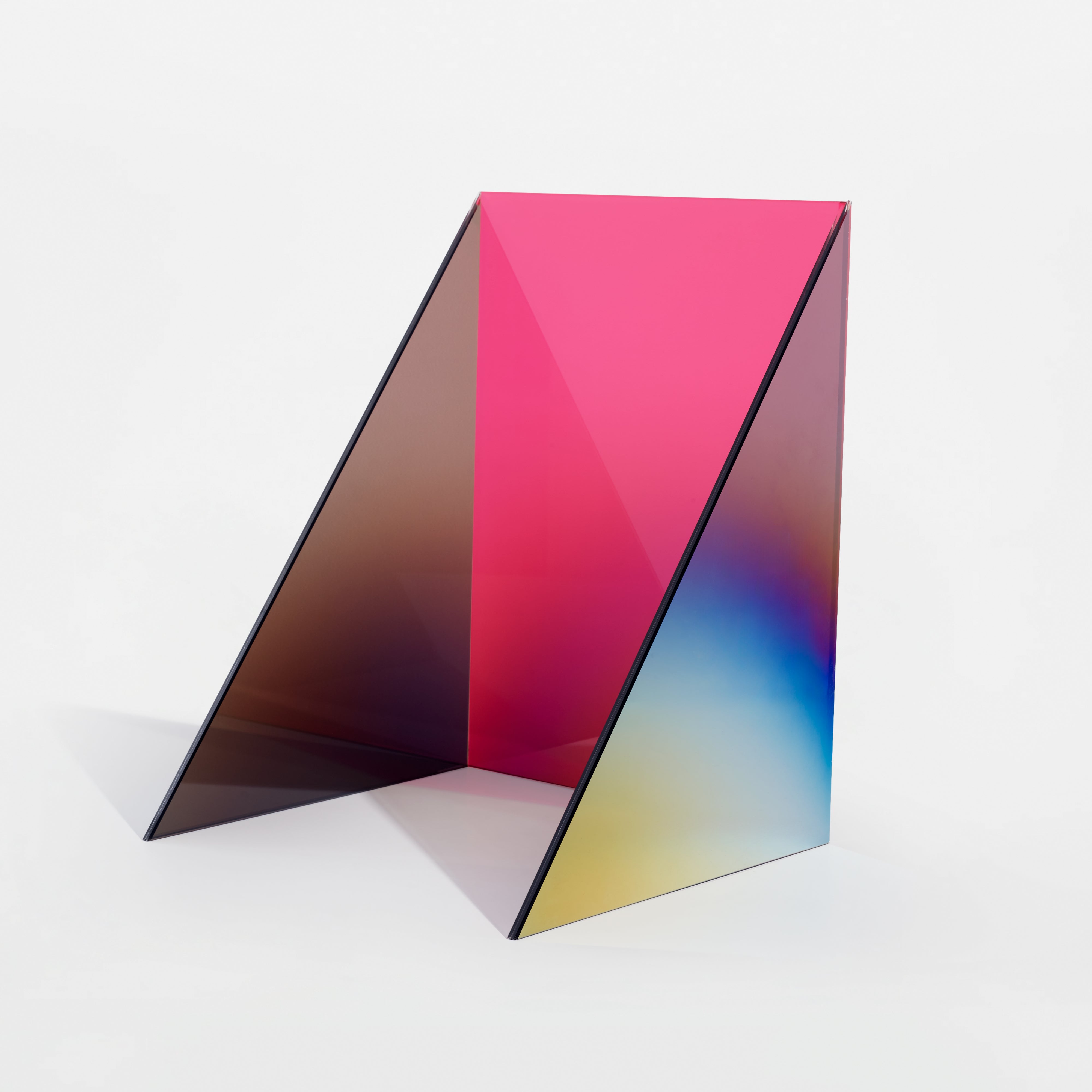
Ellsworth Kelly
Black Panel, 1989



Glass: The Most Alive Thing You Can Own
There is something almost unfair about glass. It asks nothing of you intellectually before it rewards you. You walk into a room, light shifts, and a work catches it in a way that stops you cold. Collectors who live with glass describe it in terms they rarely use for other mediums: alive, unpredictable, different every hour.
That quality, the way a piece refuses to be the same object twice depending on the season, the time of day, the angle of approach, is what draws serious collectors in and tends to keep them there. The appeal runs deeper than beauty, though beauty is rarely beside the point. Glass occupies a strange and productive tension between fine art and decorative object, between the precious and the industrial, between transparency and opacity. That ambiguity is part of its power.
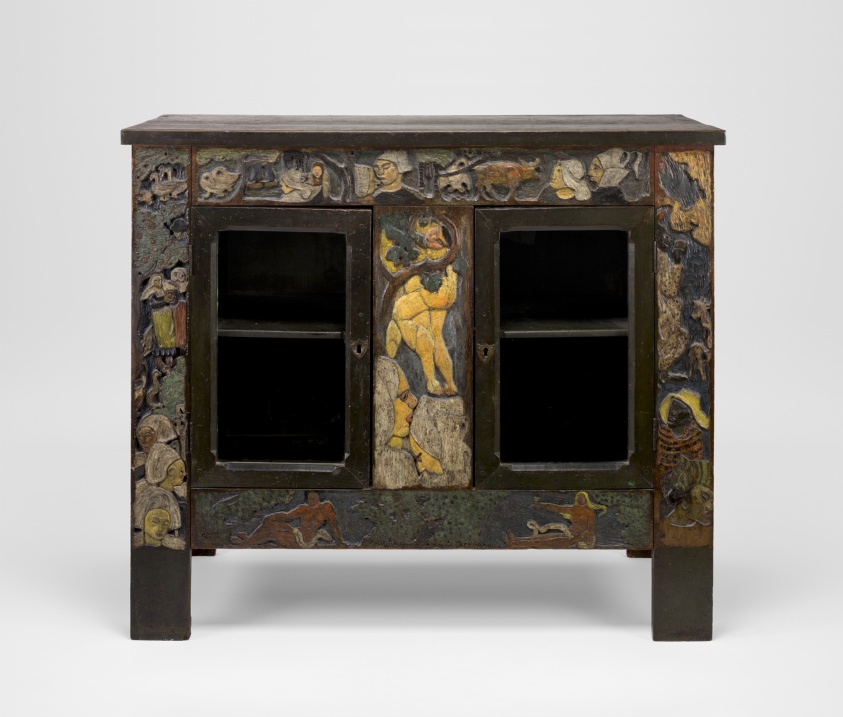
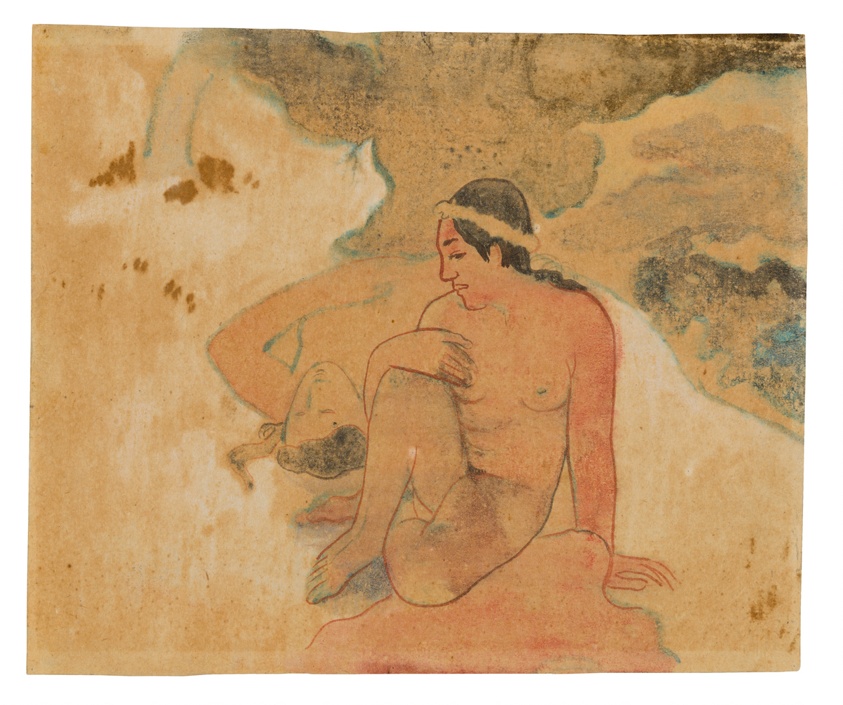
Paul Gauguin
Earthly Paradise, 1888
A collector hanging a Gerhard Richter glass panel is engaging with questions of perception and the limits of representation. A collector placing an Émile Gallé vase in a domestic interior is inviting a different kind of conversation, one about craft elevated to philosophy, about the natural world rendered in molten material by an artist who believed deeply in the correspondence between form and living matter. Both experiences are legitimate. Both are rich.
So what separates a good work from a great one? The answer shifts depending on where you are on the spectrum between applied arts and contemporary practice, but certain principles hold. In historical glass, particularly the extraordinary production coming out of late nineteenth century France, the quality of the internal decoration matters enormously. With Gallé, whose work is well represented on The Collection, collectors should look for complexity in the layered cameo technique, pieces where the carving reveals genuine depth and where the botanical or symbolic motifs feel observed rather than repeated.
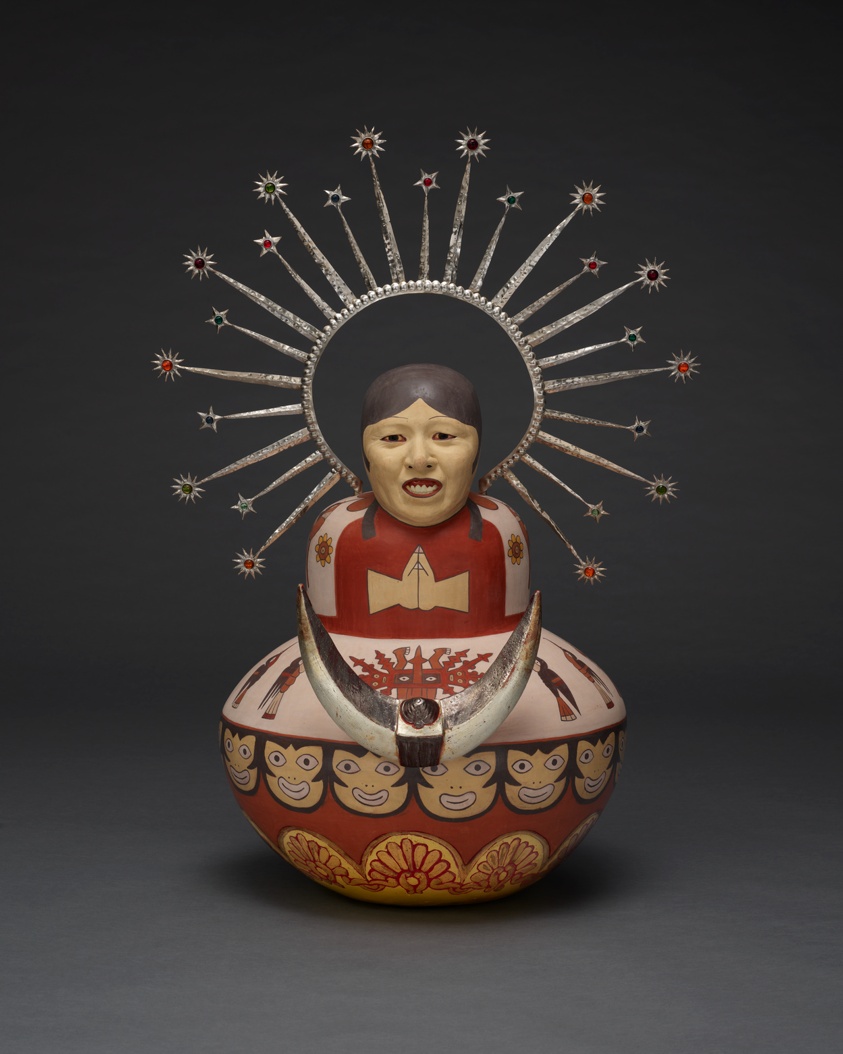
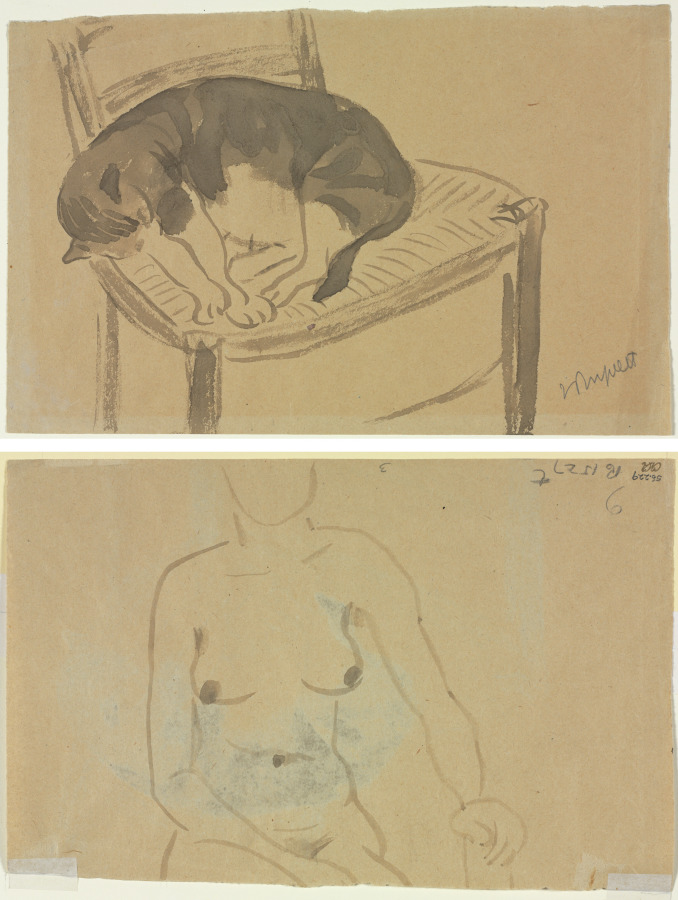
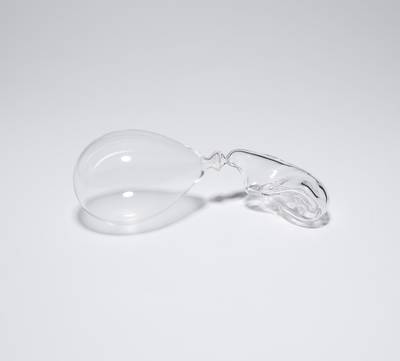
Kukuli Velarde
La Linda Nasca, 2011
The very best Gallé pieces carry a kind of melancholy precision that distinguishes them from the atelier production pieces, which are beautiful but not visionary. Signed pieces with unusual subject matter or exceptional color relationships are where the real collecting opportunities concentrate. In contemporary work, the question shifts toward conceptual coherence. Larry Bell, whose glass cube and panel works have been central to the Light and Space movement since the 1960s, offers collectors something rare: a rigorous conceptual framework that produces objects of genuine sensory pleasure.
Bell's vacuum coated glass pieces are not decorative in any dismissive sense. They are arguments about perception, about the way the eye constructs space. When you acquire a Bell, you are acquiring a position in a specific and well documented conversation in American art. That provenance of ideas is part of the value.
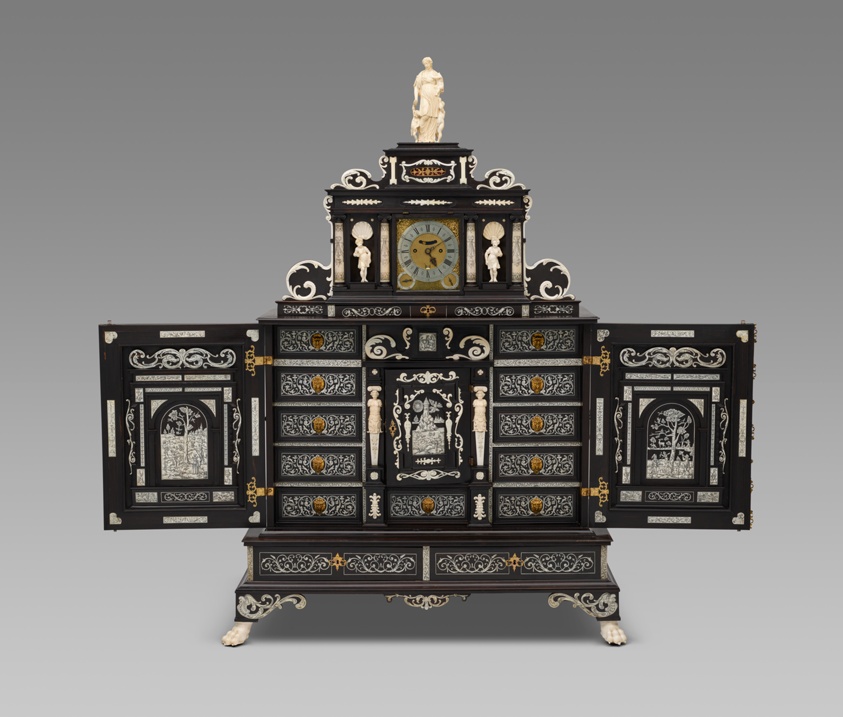
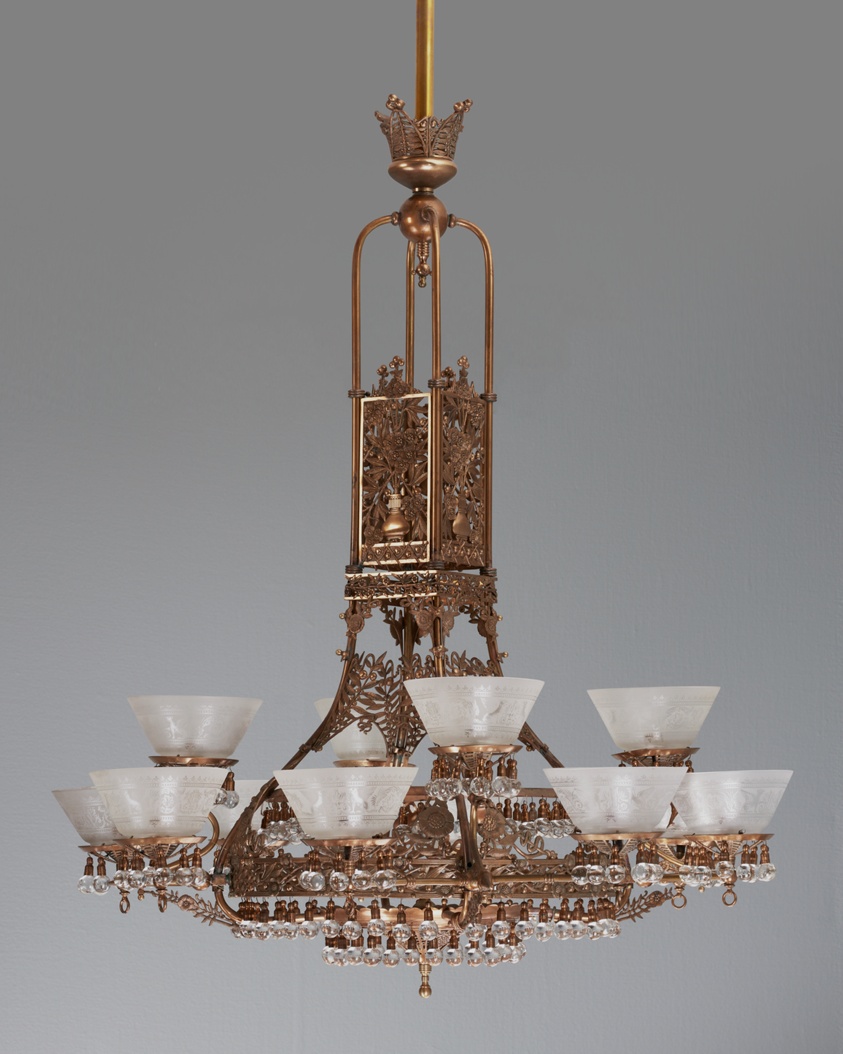
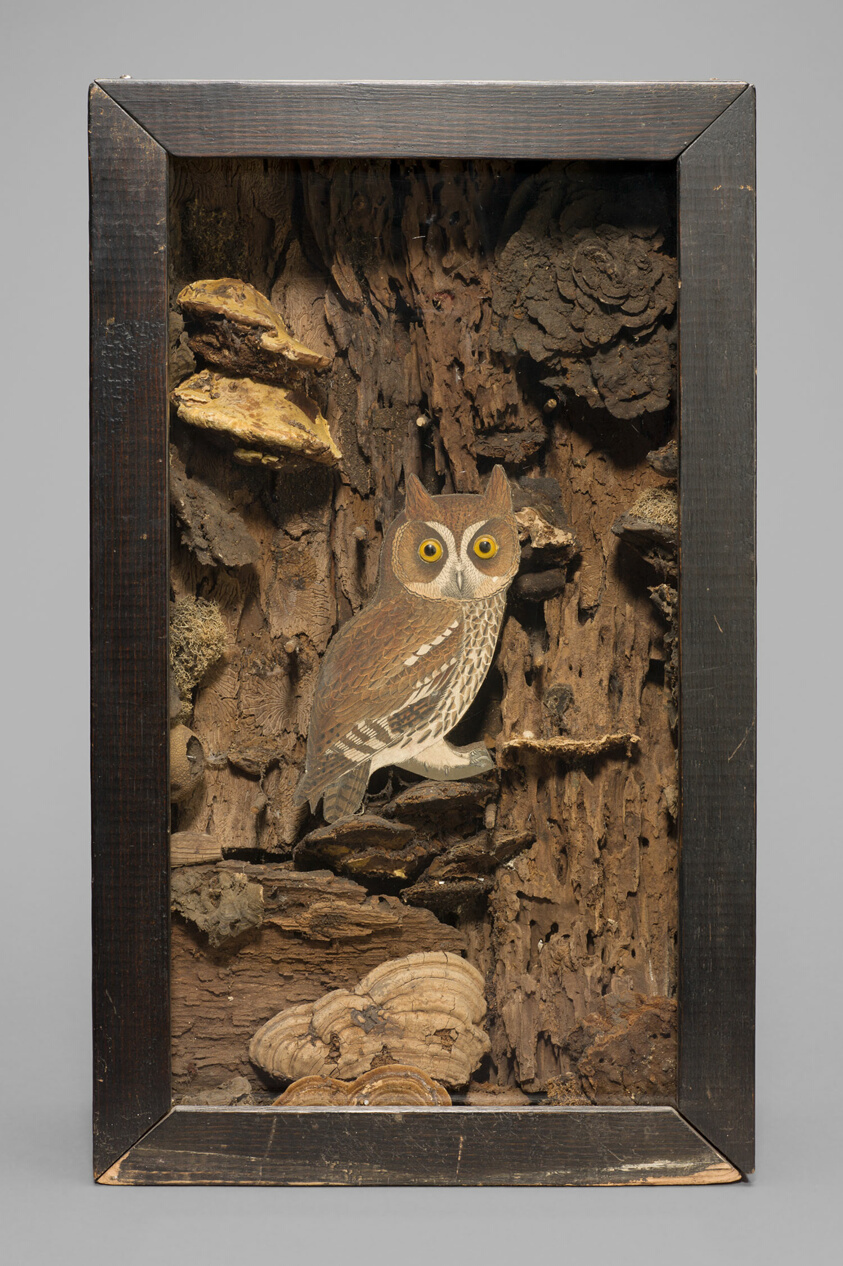
Unknown Artist
Cabinet, 1640
Similarly, works by Dan Graham, whose pavilion and architectural glass pieces have been exhibited at institutions including the Dia Art Foundation and the Guggenheim, carry intellectual freight that rewards long acquaintance. Ólafur Elíasson represents perhaps the most visible contemporary intersection of glass, light, and experiential art. His practice, which encompasses everything from studio glass objects to large scale architectural installations, has been the subject of major retrospectives at Tate Modern and MoMA. Collectors acquiring Elíasson works on paper or studio editions are entering a market that has shown consistent institutional support and sustained auction performance.
Ann Veronica Janssens, whose light filled installations using glass and mist have gained significant critical traction in European contemporary circles, represents a slightly less saturated opportunity. Her work shares Elíasson's phenomenological ambitions but commands prices that have not yet fully caught up with her institutional reputation, which makes this an intelligent moment to pay attention. At auction, historical glass from the Art Nouveau period has demonstrated resilience across market cycles. Gallé and the collaborative production of Louis Majorelle with Daum perform reliably at the major houses, with exceptional pieces consistently exceeding estimates when condition is strong and provenance is clear.
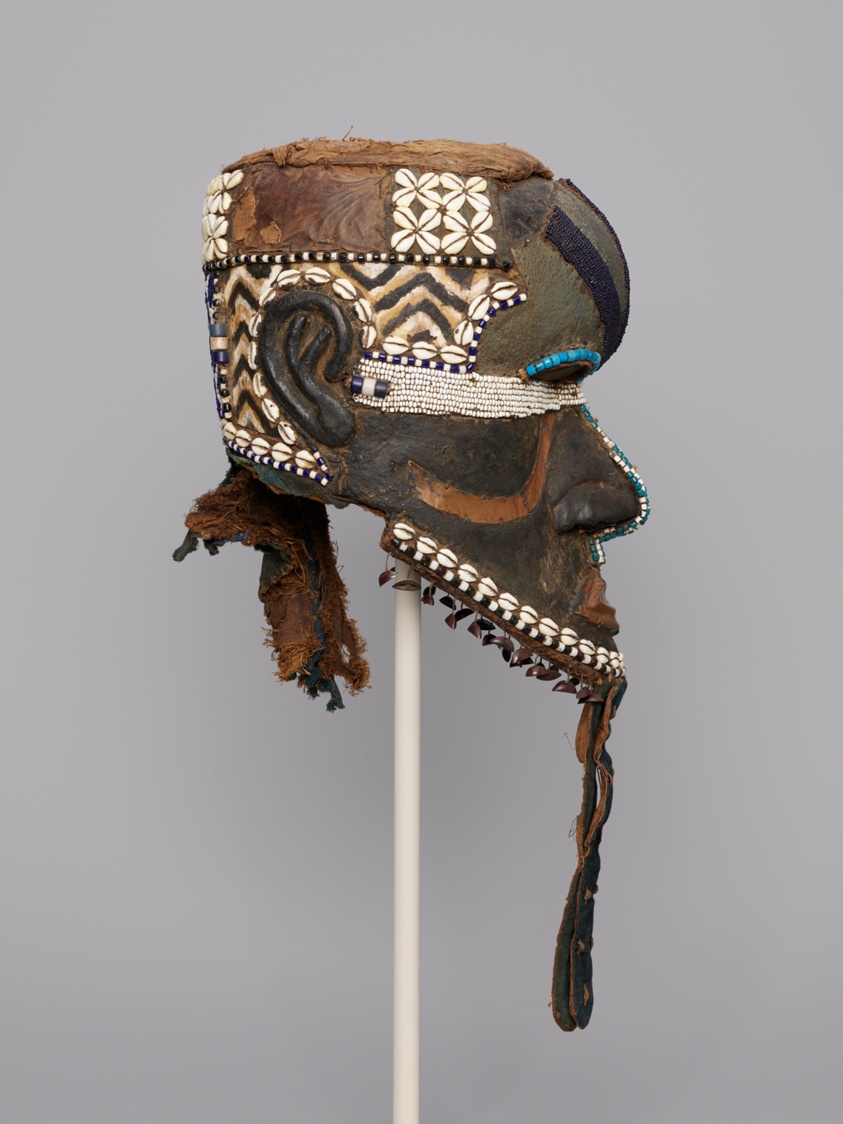
Kuba
Helmet Mask (Bwoom), 1875
The market for twentieth century studio glass remains more volatile and more dependent on connoisseurship, which means that educated collectors can still find value in areas that have not yet been fully rationalized by the market. Works by Bruno Romeda, whose minimalist glass sculptures occupy a thoughtful position between Arte Povera and Conceptualism, represent the kind of quiet, considered practice that tends to appreciate steadily rather than spectacularly, which is often exactly what a serious collection needs. Condition is a more complex question with glass than with almost any other medium. Chips, even tiny ones on the rim or base, can reduce value dramatically in historical pieces, and no amount of restoration fully recovers that loss.
When acquiring through a gallery, ask specifically whether any restoration has been carried out and request ultraviolet examination if the provenance is uncertain. With contemporary glass, the edition structure matters. Ask whether you are acquiring a unique work or an edition, what the total edition size is, how many artist proofs exist, and whether the edition is documented by a certificate signed by the artist or estate. These questions are not pedantic.
They are the foundation of responsible collecting. Display deserves serious thought. Glass rewards natural light but can be damaged by prolonged direct sunlight, which causes fading in enameled and cameo pieces over time. Positioning works where they receive ambient rather than direct illumination generally serves both the object and the viewing experience better.
Pedestals for three dimensional works should be stable and scaled to allow viewing from multiple angles. A Gallé vase seen only from the front is half seen. A Bell panel experienced in a corner where two walls create competing reflections is seen incorrectly. The medium asks you to think about the viewing conditions as part of the acquisition decision, not as an afterthought.
What glass ultimately offers the collector is a medium that keeps its secrets longer than most. You can live with a great piece for a decade and still find something new in it on a winter afternoon when the light is particular. That quality of sustained discovery is rarer than it sounds and worth paying for.