Finnish
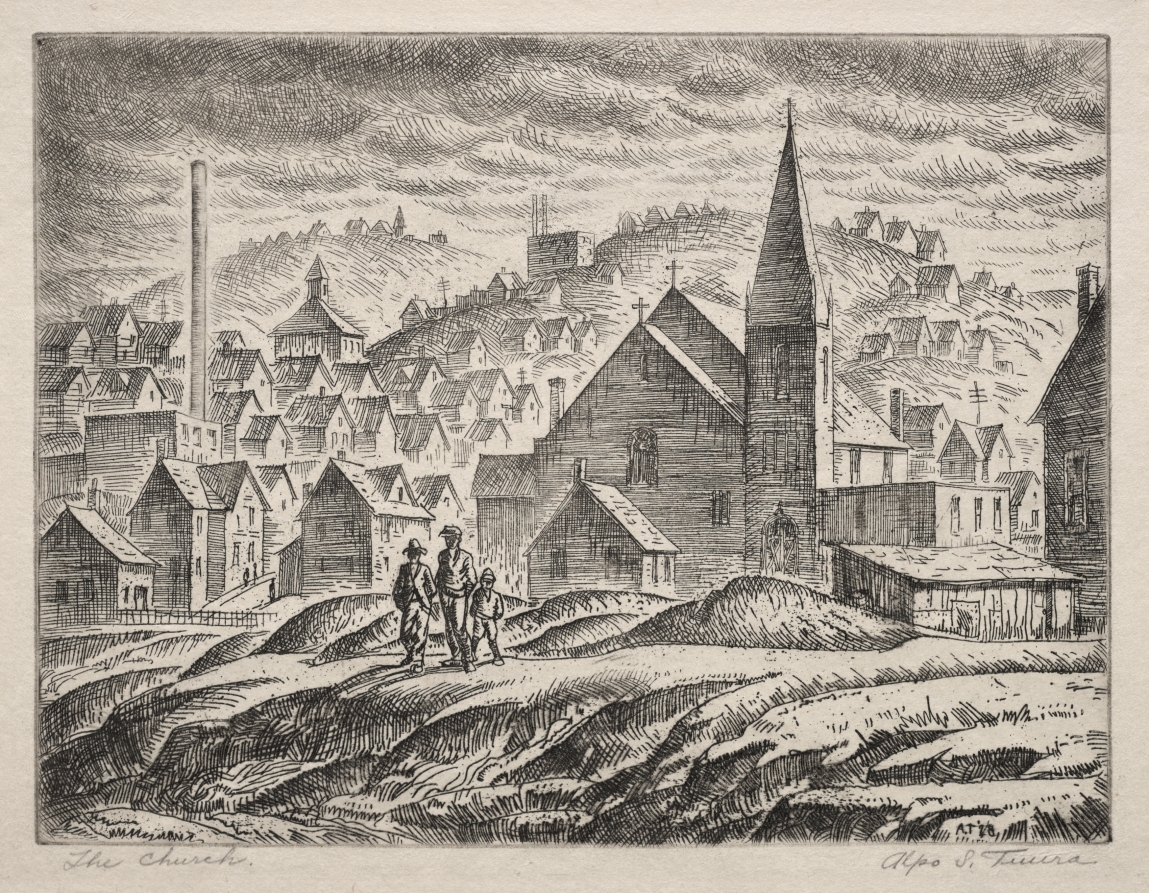
Alpo S. Tuura
The Church, 1928
The Nordic Light Nobody Could Ignore
There is something about Finnish art that resists easy categorization, and that resistance is precisely what makes it so compelling. It is not Scandinavian in the broad brushstroke sense that gets deployed lazily to describe anything originating north of Hamburg. It is specific, rooted in a landscape of birch forests and frozen lakes, shaped by a cultural identity that only formally crystallized as a nation in 1917. The art that emerged from this place and this people carries the weight of that long process of becoming, and once you start looking carefully, you cannot stop.
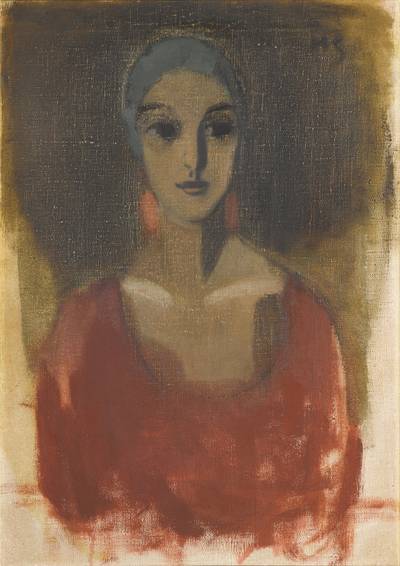
The story of Finnish art as a self conscious project begins in the late nineteenth century, when the country was still a Grand Duchy under Russian imperial rule. Artists who had trained in Paris and Düsseldorf returned home carrying the tools of European modernism but found themselves drawn to something that could not be learned abroad. The National Romantic movement of the 1890s produced paintings of mythic forests and granite shorelines that functioned almost as political statements, visual arguments for a culture worth preserving. It was in this charged atmosphere that Helene Schjerfbeck developed her singular vision.
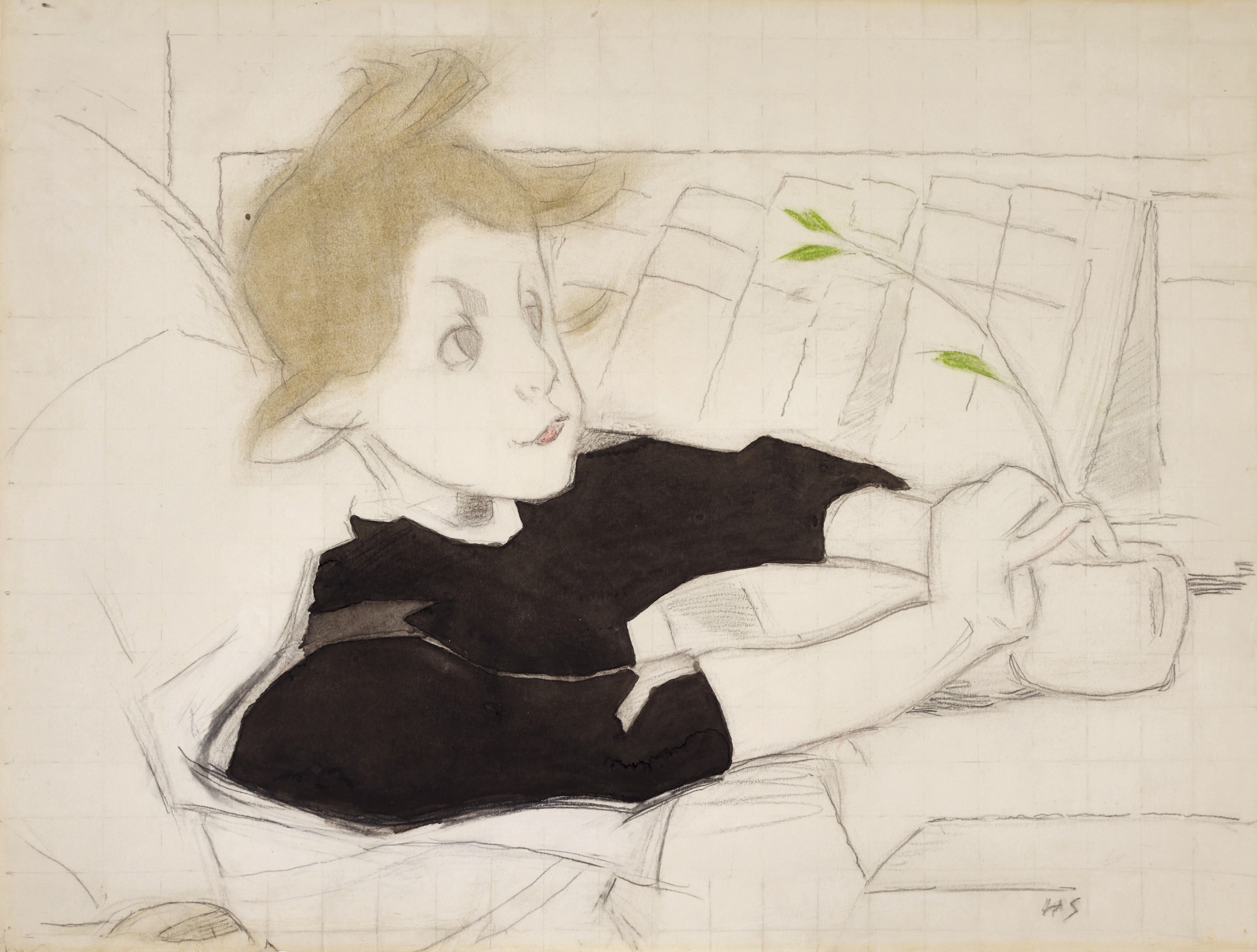
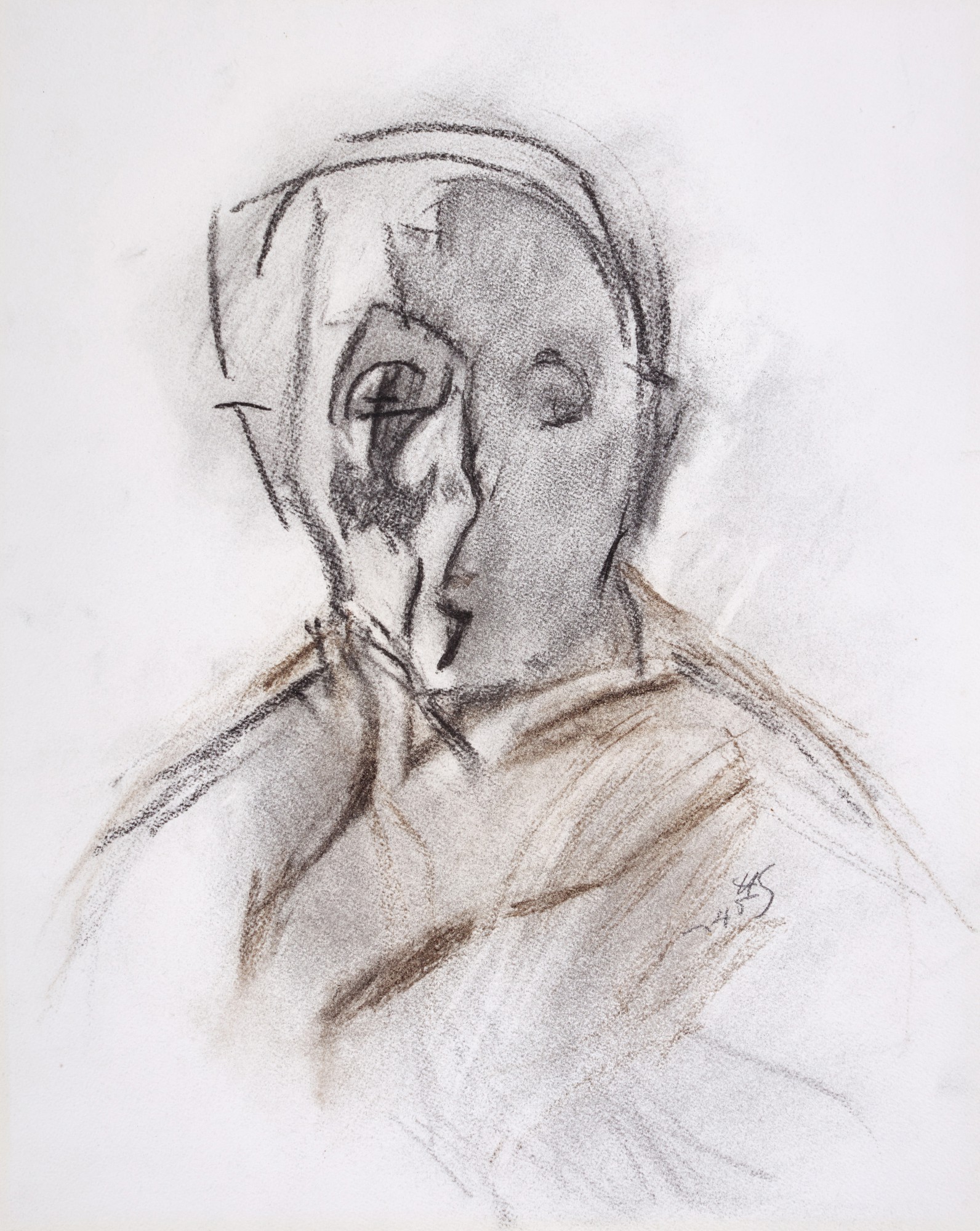
Helene Schjerfbeck
The Convalescent
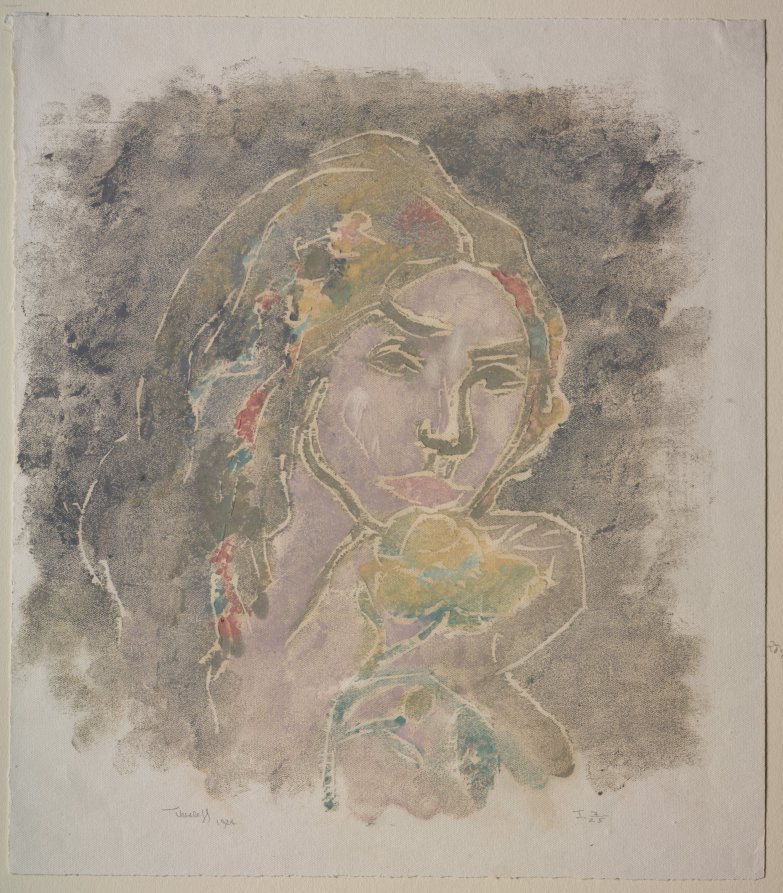
She had studied in Paris in the 1880s, absorbing realism and later the quiet revolution of Symbolism, but her mature work moved somewhere else entirely. Her portraits, increasingly reduced and almost spectral, feel like they belong to no school at all. Ellen Thesleff was another figure shaped by that same Paris encounter but pulled in a different direction. Where Schjerfbeck turned inward and stripped away, Thesleff moved toward an almost ecstatic use of color and mark, her landscapes and figures vibrating with an expressive energy that anticipates Expressionism without quite being it.
Both women were extraordinary painters working at a moment when Finnish cultural institutions were still being built around them, and both are well represented on The Collection, which gives collectors a rare opportunity to consider their work in proximity. To place a Schjerfbeck and a Thesleff in the same room is to understand the full range of what Finnish modernism could contain. The twentieth century brought its own upheavals. The Winter War of 1939 and the years of reconstruction that followed produced a culture that valued clarity, functionality, and a kind of poetic restraint.
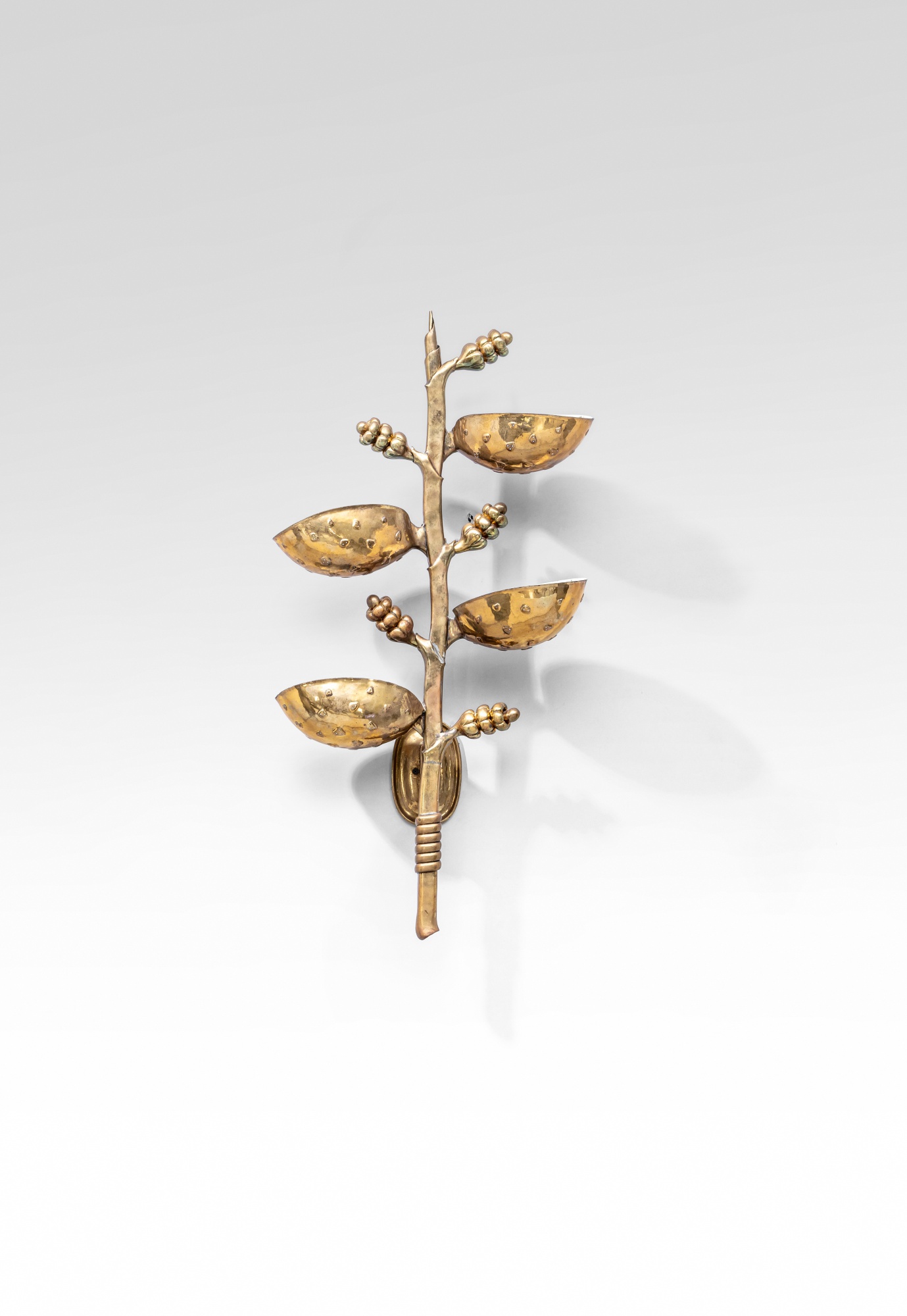
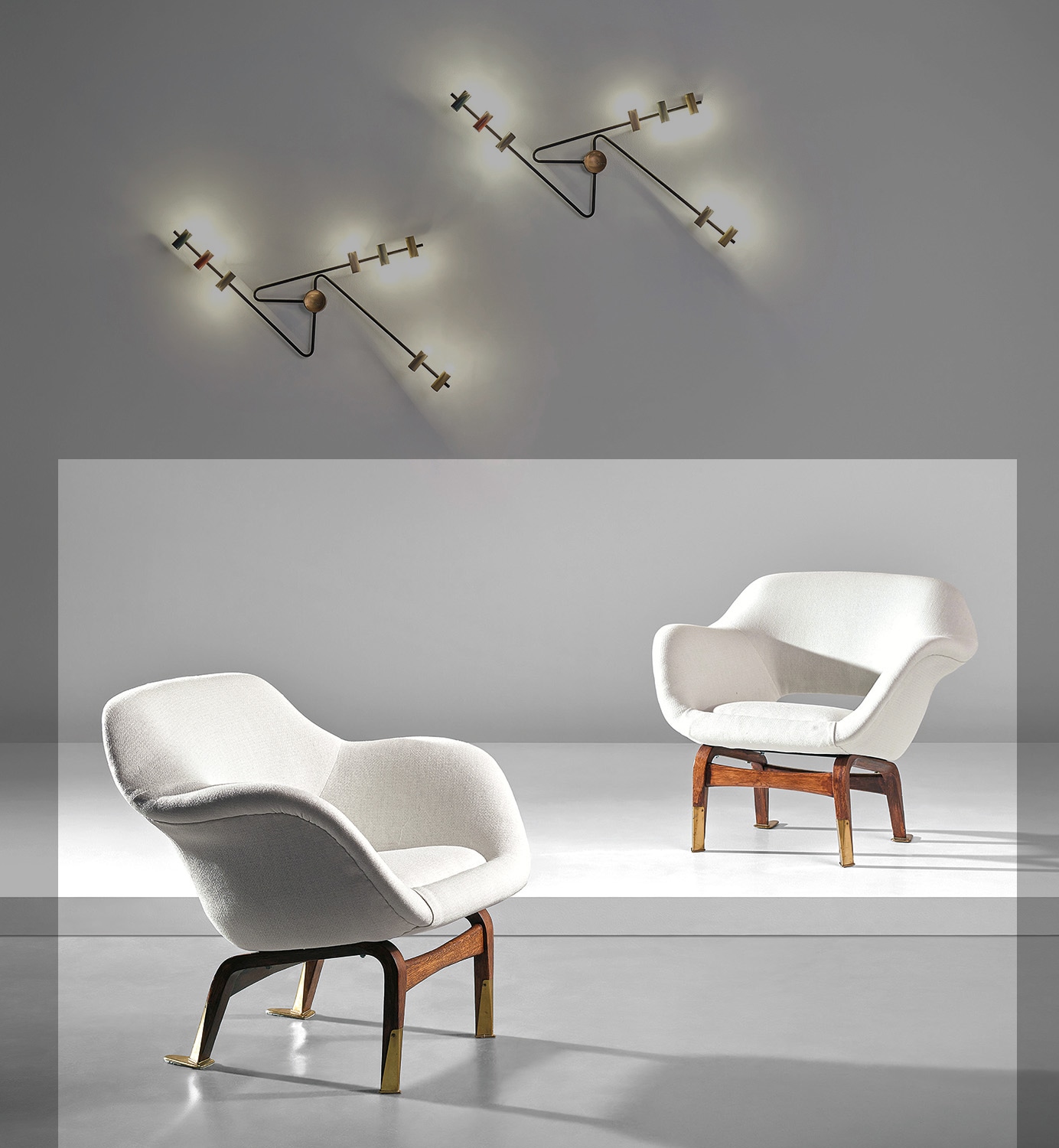
Paavo Tynell
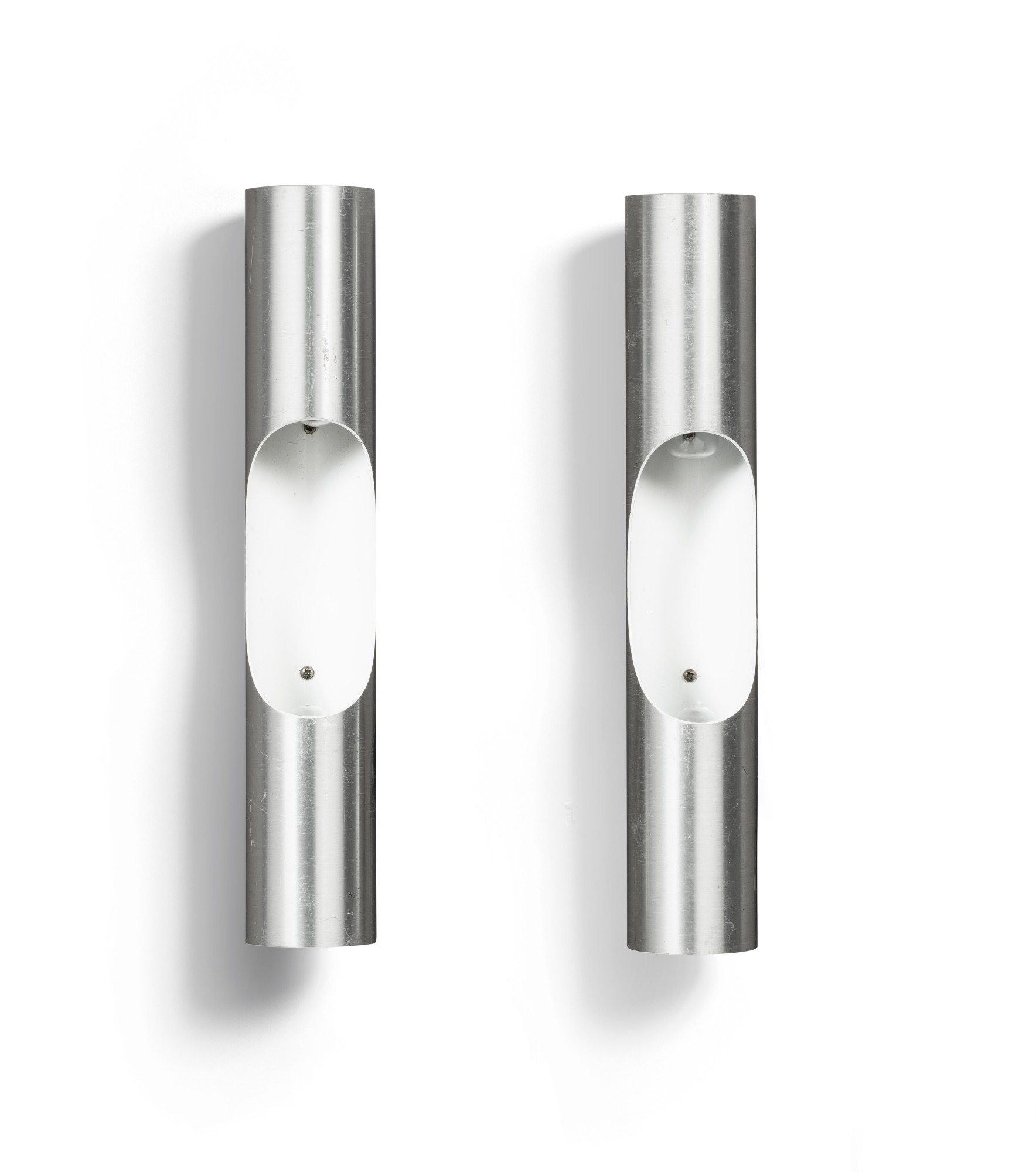
Applique Wivex
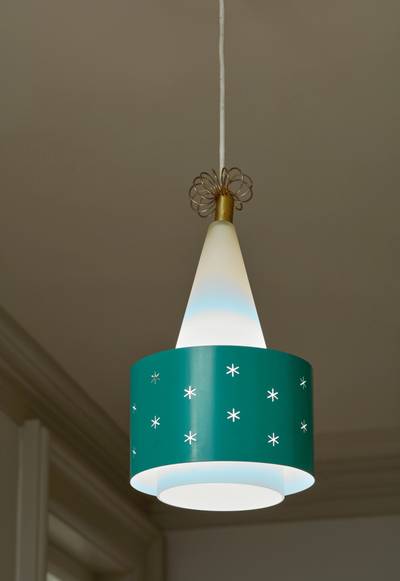
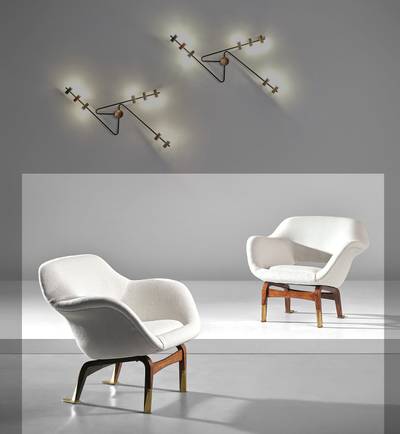
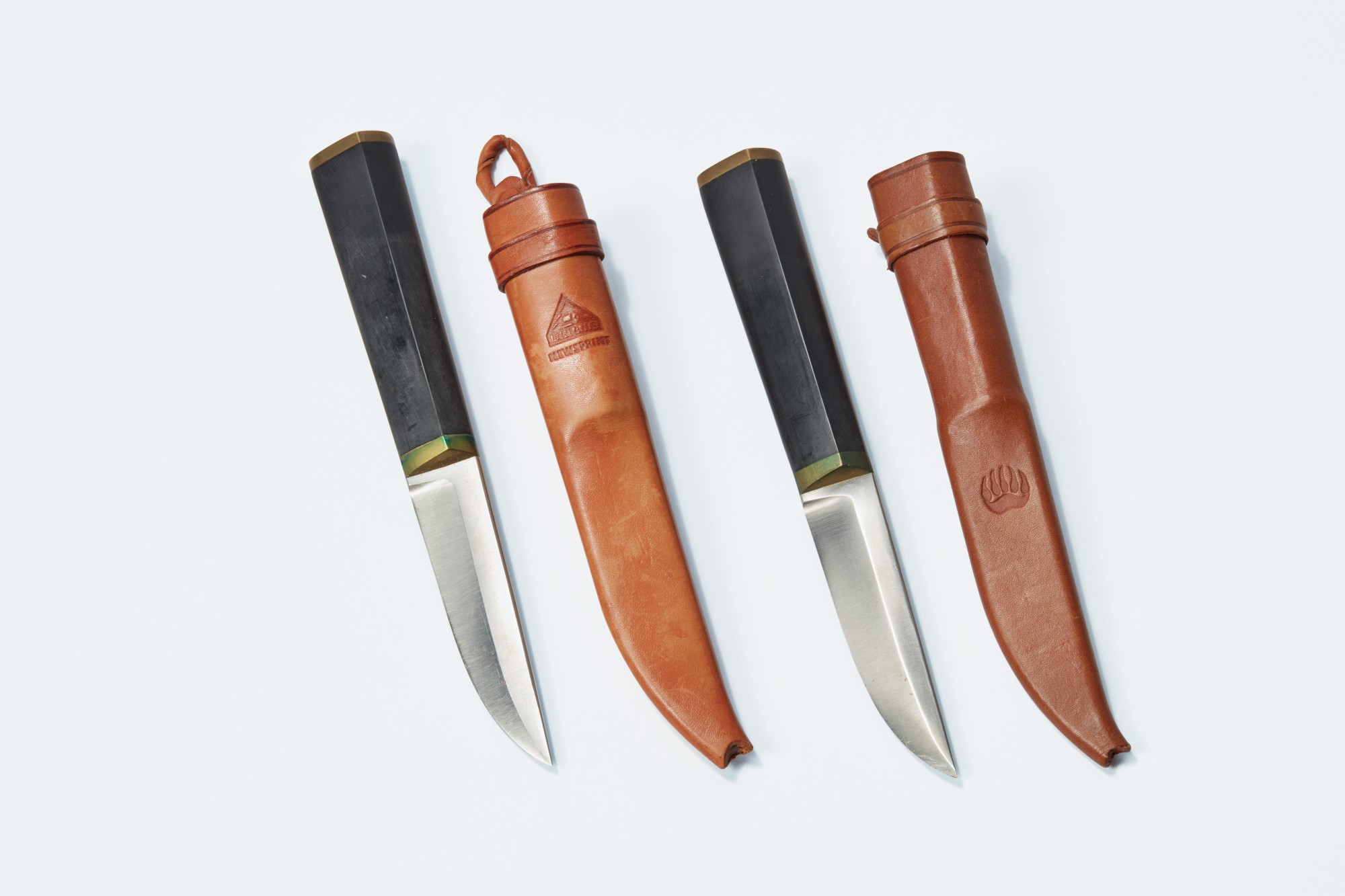
This sensibility found its most visible expression in design as much as in fine art. Paavo Tynell, whose extraordinary lighting work appears on The Collection, fused modernist rigor with a handcrafted delicacy that feels distinctly Finnish. Ilmari Tapiovaara brought similar values to furniture, and Tapio Wirkkala, one of the most gifted material thinkers of the postwar period, worked across glass, ceramics, and industrial design with a fluency that blurred every boundary between art and object. These were not decorators.
They were philosophers of form working through things you could hold in your hands. Finnish design achieved international recognition through the Milan Triennale exhibitions of the 1950s, where Finland consistently won major prizes and introduced a global audience to an aesthetic that felt both ancient and absolutely contemporary. But it would be a mistake to let the design legacy overshadow what was happening in painting and sculpture during the same decades. The postwar generation of Finnish artists was grappling seriously with abstraction, with landscape as a conceptual rather than descriptive category, and with what it meant to make art in a country still defining its relationship to the wider world.
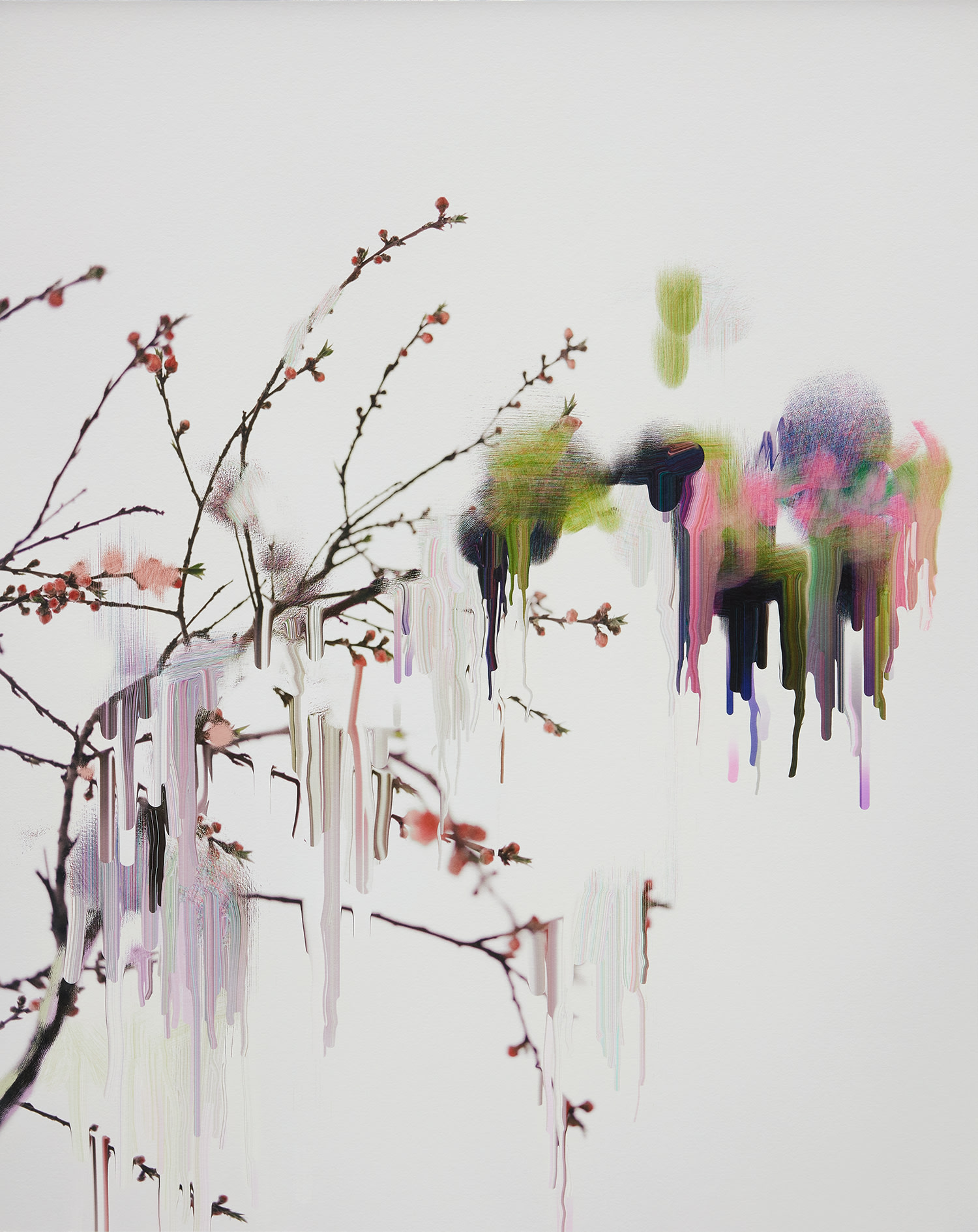
Sandra Kantanen
Sandra Kantanen
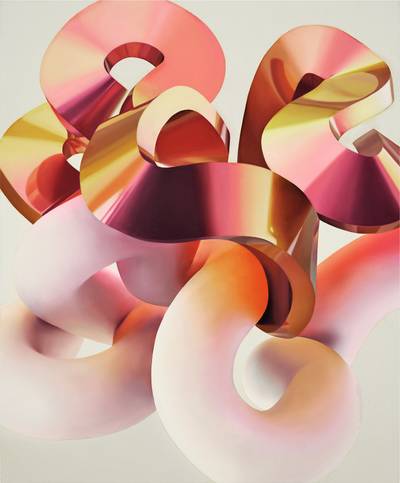
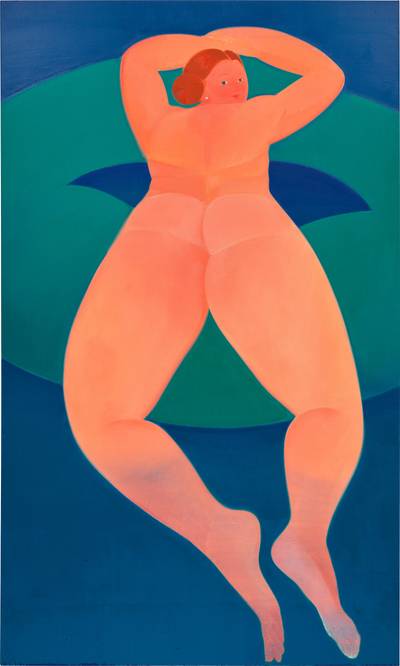
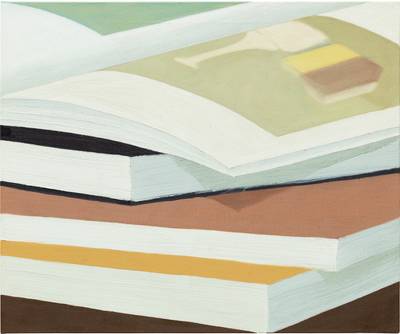
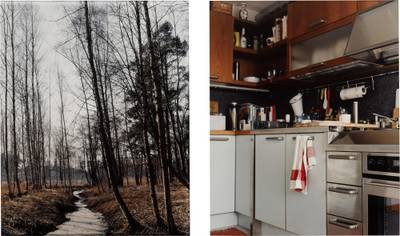
By the 1980s and 1990s, Finnish artists were operating in a fully international context while maintaining a sensibility shaped by their particular inheritance. Sandra Kantanen works with photography and painting in ways that dissolve the boundaries between the two, producing images of almost supernatural quietness. Henni Alftan, whose precise and subtly disorienting paintings have attracted serious international attention, brings a formal intelligence to everyday scenes that rewards sustained looking. Eija Liisa Ahtila, whose video and film installations have been shown at major institutions including the Venice Biennale and Documenta, is one of the most important artists working anywhere in the world, and her presence on The Collection signals the seriousness of the Finnish representation gathered here.
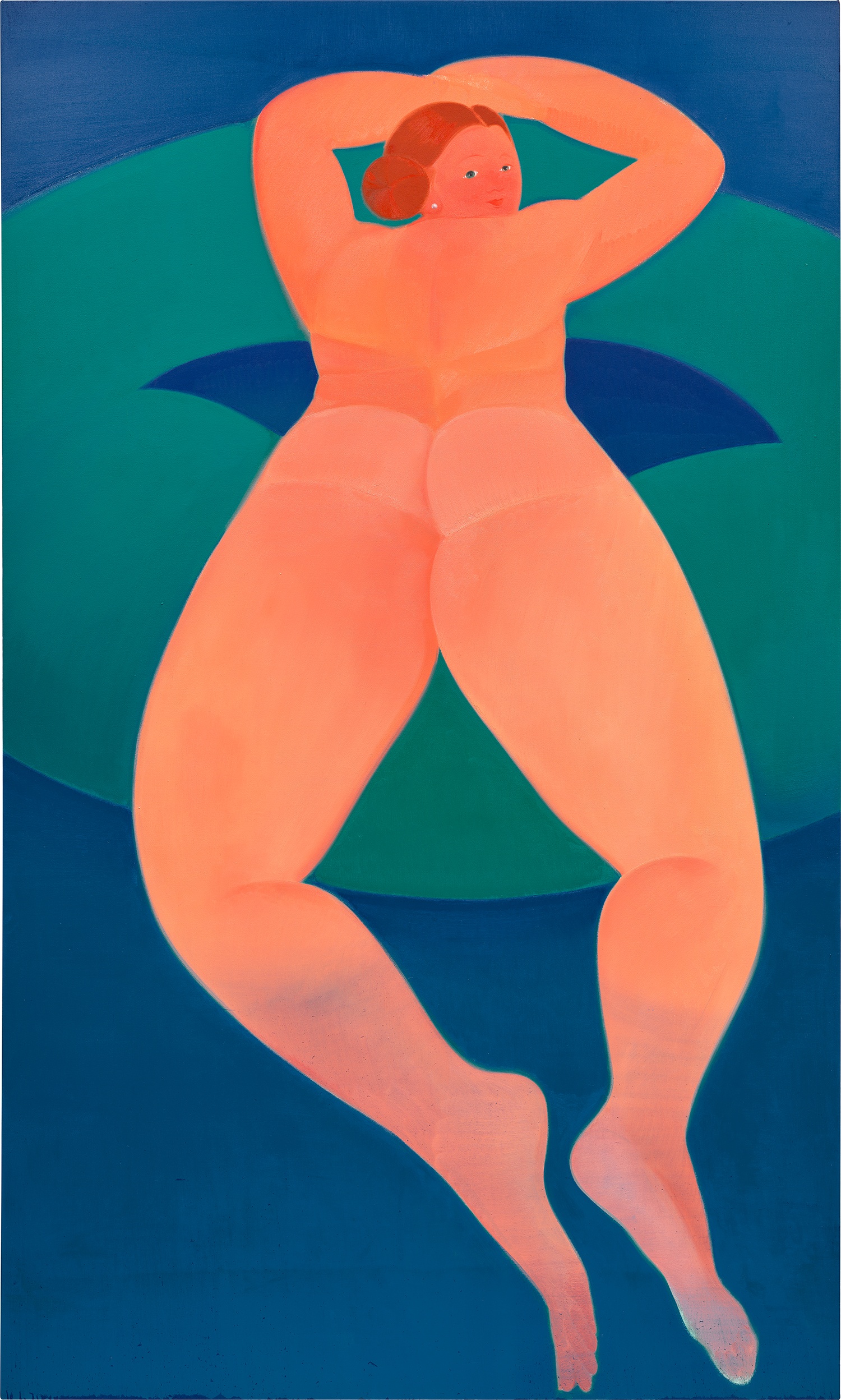
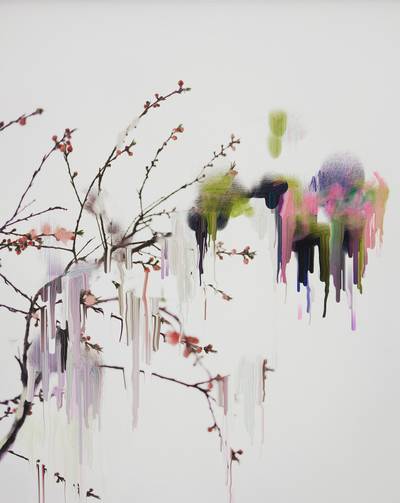
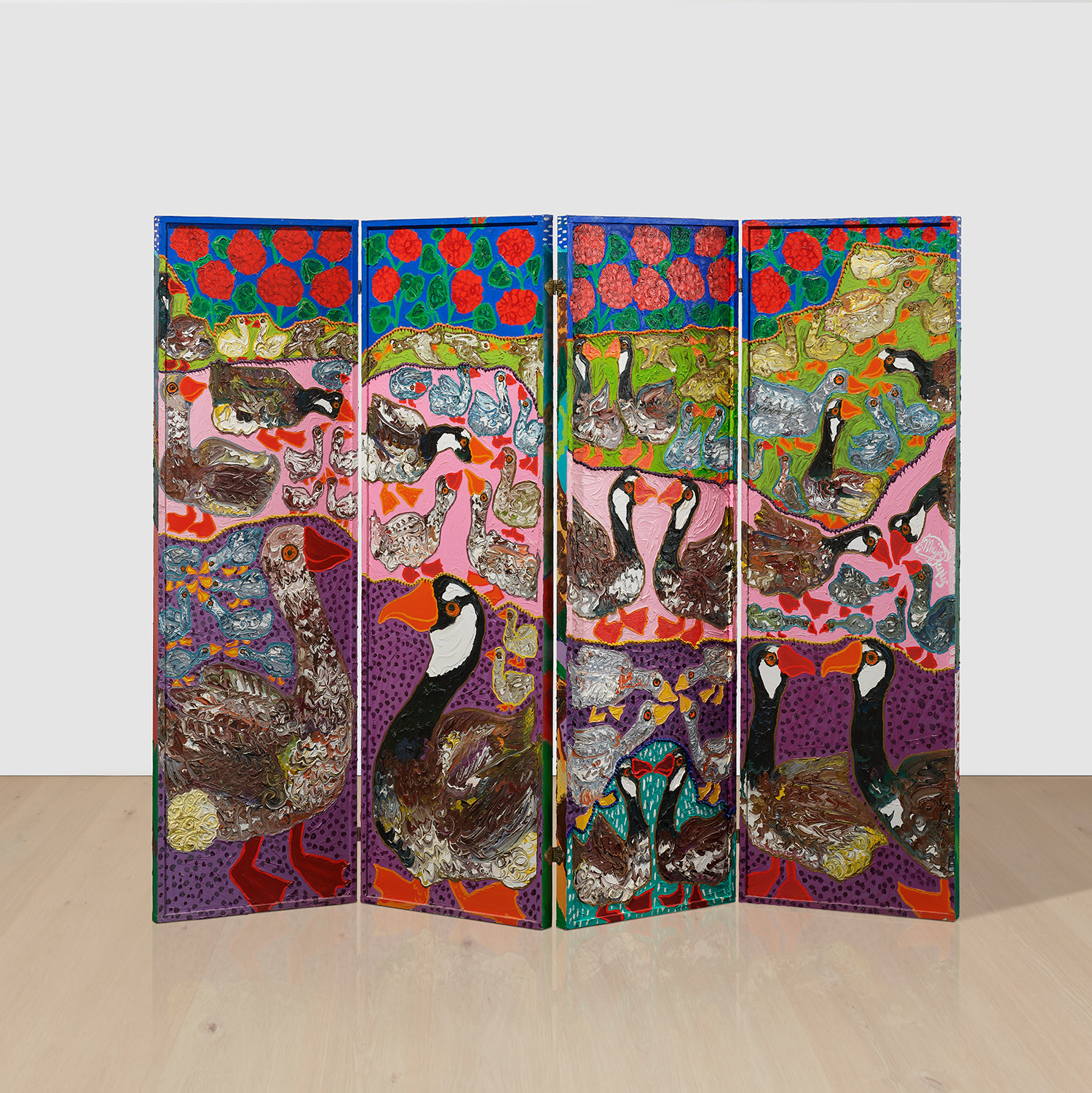
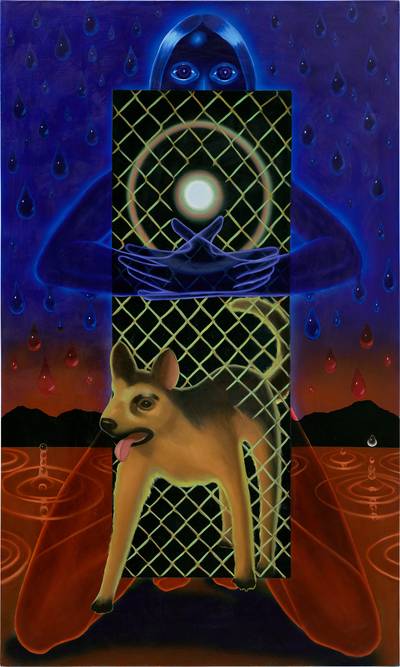
Among the younger voices, Sofia Mitsola brings a vibrant figuration shaped by mythological thinking and bodily experience, while Vickie Vainionpää works in ways that engage with interiority and memory. Alpo S. Tuura and Anja Salonen each carry forward that Finnish capacity for distillation, for finding the essential thing and trusting it to carry meaning without elaboration. Maija Luisa Komulainen adds another dimension to this conversation, and the inclusion of Maija Peeples Bright, the American artist of Finnish heritage, opens a fascinating thread about how a cultural identity travels and transforms across geography and generation.
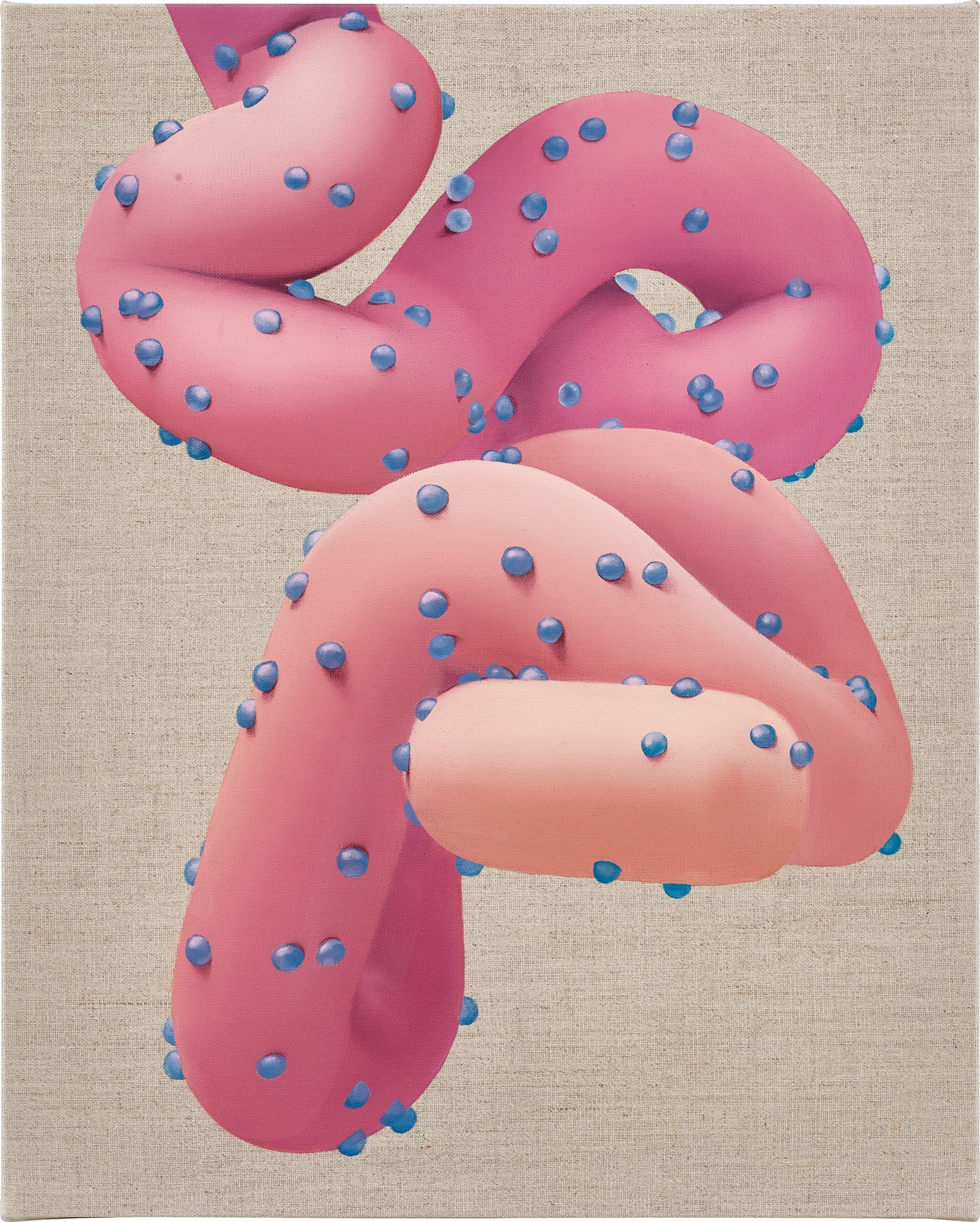
Vickie Vainionpää
輕柔動感 13
What holds all of this together is not a style but an attitude. Finnish art, across its many expressions, tends toward the essential. It does not explain itself. It does not perform.
It asks you to slow down, to look carefully, to sit with what is given. In an art world that often rewards spectacle and legibility, this quality can feel almost countercultural. Collectors who discover it rarely move on quickly. There is a gravity here, a weight that comes from deep cultural roots and from artists who seem genuinely uninterested in approval from anywhere except the work itself.
The Collection brings together an unusually strong group of Finnish artists across different periods and practices, offering a kind of condensed survey that rewards being explored with attention. Whether you enter through Schjerfbeck's unsettling late portraits or through Ahtila's conceptually layered film work, you will find yourself pulled into a conversation that has been going on for over a century and shows no sign of quieting. Finland is a small country. Its art is large.