Fabric
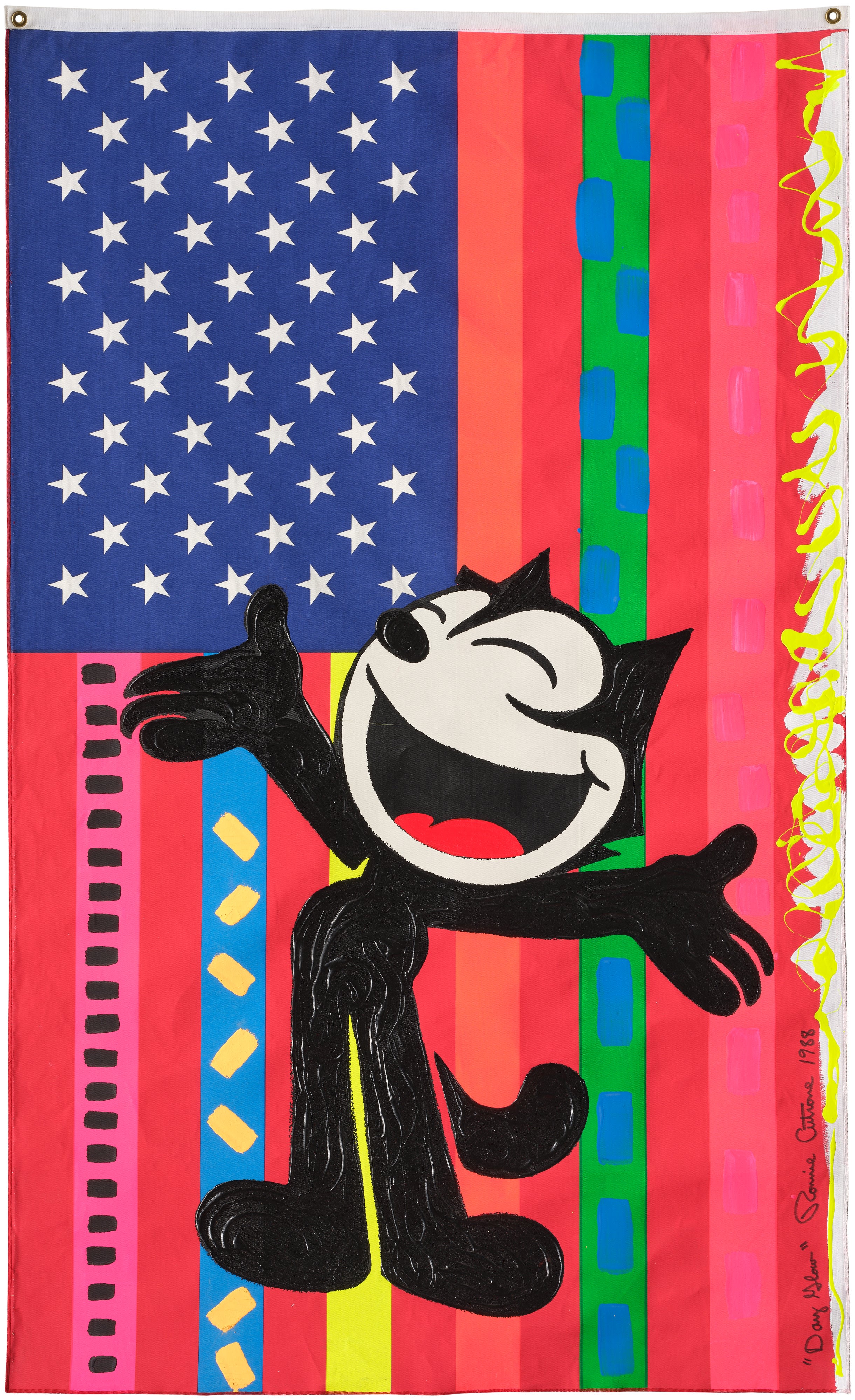
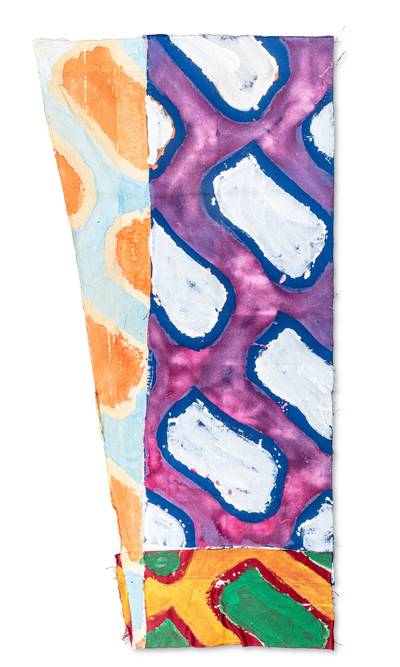
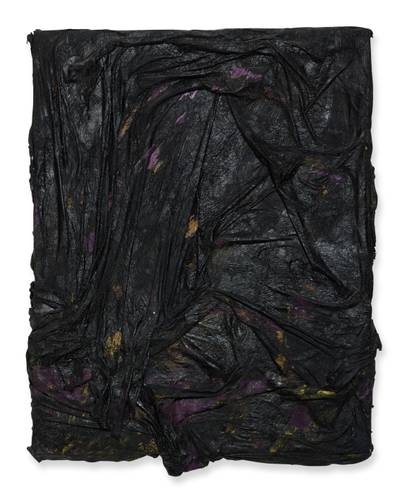
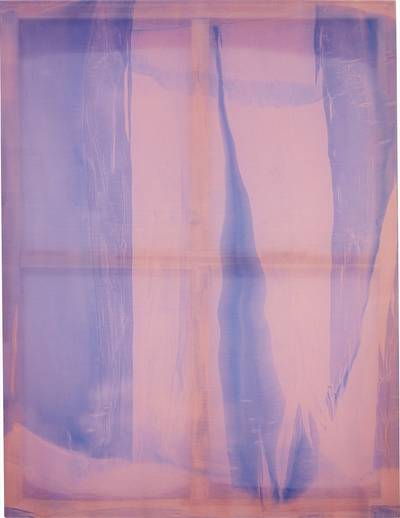
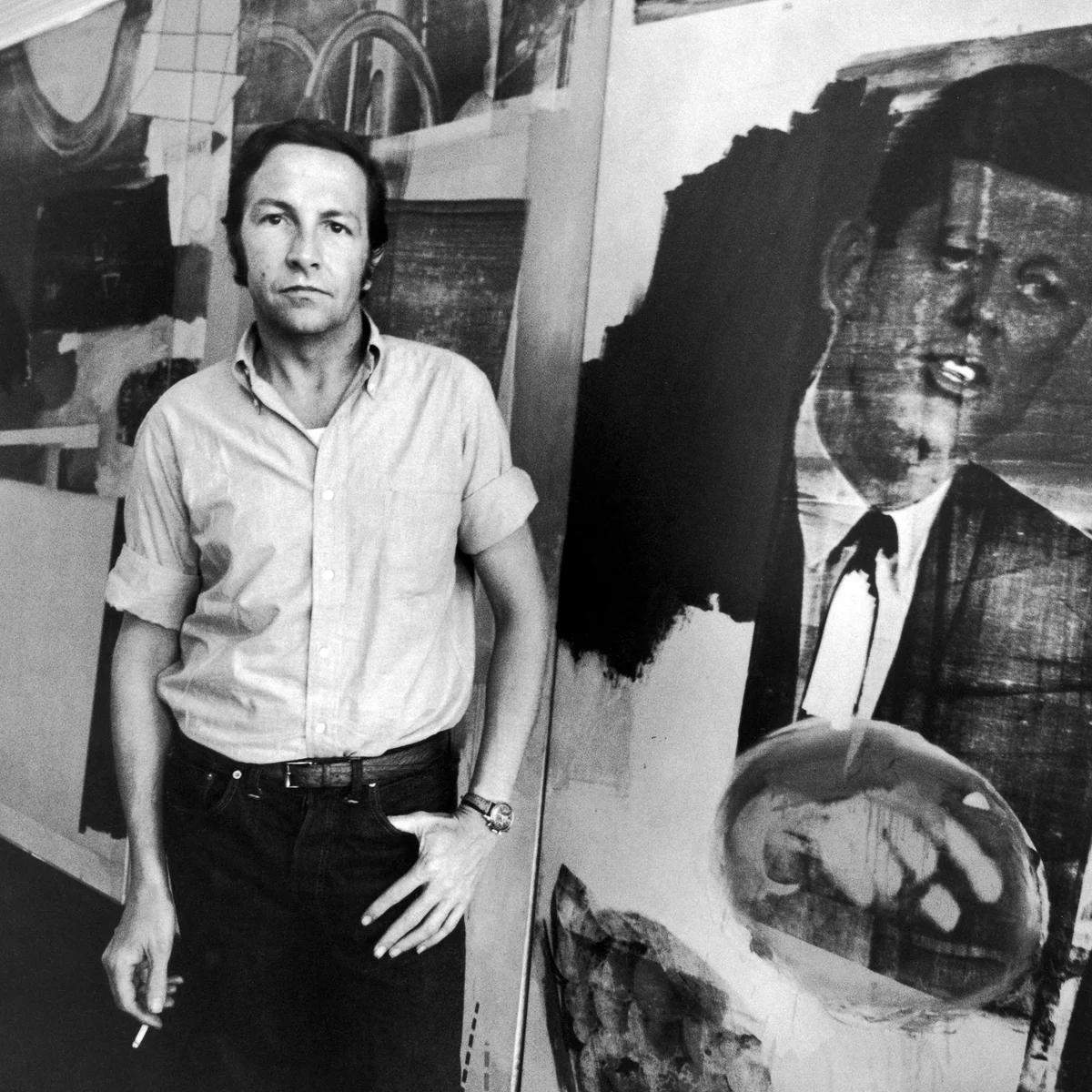
Ronnie Cutrone
Day Glow, 1988

Thread, Tension, Power: Fabric Reclaims the Wall
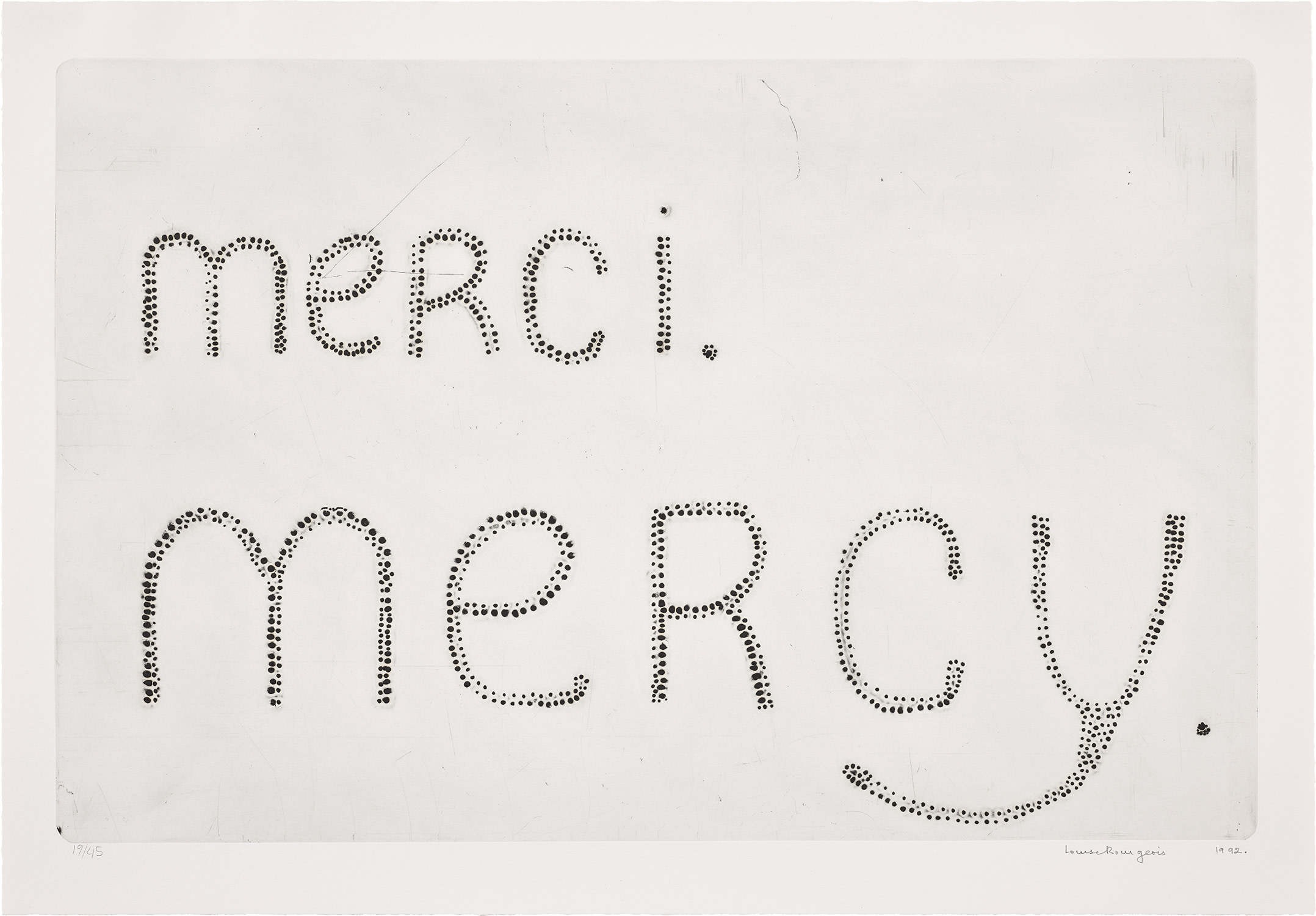
When a Louise Bourgeois textile work last crossed the block at Christie's, the room held its breath in a way that felt different from the usual auction theater. These were not paintings pretending to be something else. They were objects that had lived close to the body, carried memory in their weave, and now commanded prices that once seemed unimaginable for works in fiber. The result landed well above estimate and confirmed what a growing number of serious collectors already knew: fabric, as a medium and as a conceptual anchor, has moved from the margins of the market to its center of gravity.
The critical rehabilitation of textile and fabric based practice has been building for decades, but it accelerated visibly in the years following the major Louise Bourgeois retrospective at the Museum of Modern Art in 2017, which gave sustained attention to her late fabric works and the Cells installations. MoMA's willingness to hang those pieces alongside her canonical spider sculptures reframed the conversation entirely. Fabric was no longer a supporting actor in her practice. It was the thing itself, saturated with autobiography, desire, and dread.

Louise Bourgeois
Couple, 2002
That institutional endorsement sent a signal that the market absorbed slowly and then all at once. The Bourgeois effect opened doors for a broader reconsideration. The Centre Pompidou mounted a significant survey of Claude Viallat's Supports Surfaces work that reminded viewers how radical his decision to paint on unprimed, unstretched fabric actually was in the late 1960s. Viallat and his peers were not simply rejecting the easel painting tradition.
They were asking what a painting is if you remove the frame, the stretcher, the entire apparatus of support. That question has never stopped being interesting, and collectors are responding. Viallat's works on The Collection are a strong entry point for anyone who wants to understand how that inquiry played out in material terms. Angel Otero occupies a particularly compelling position in the current market.
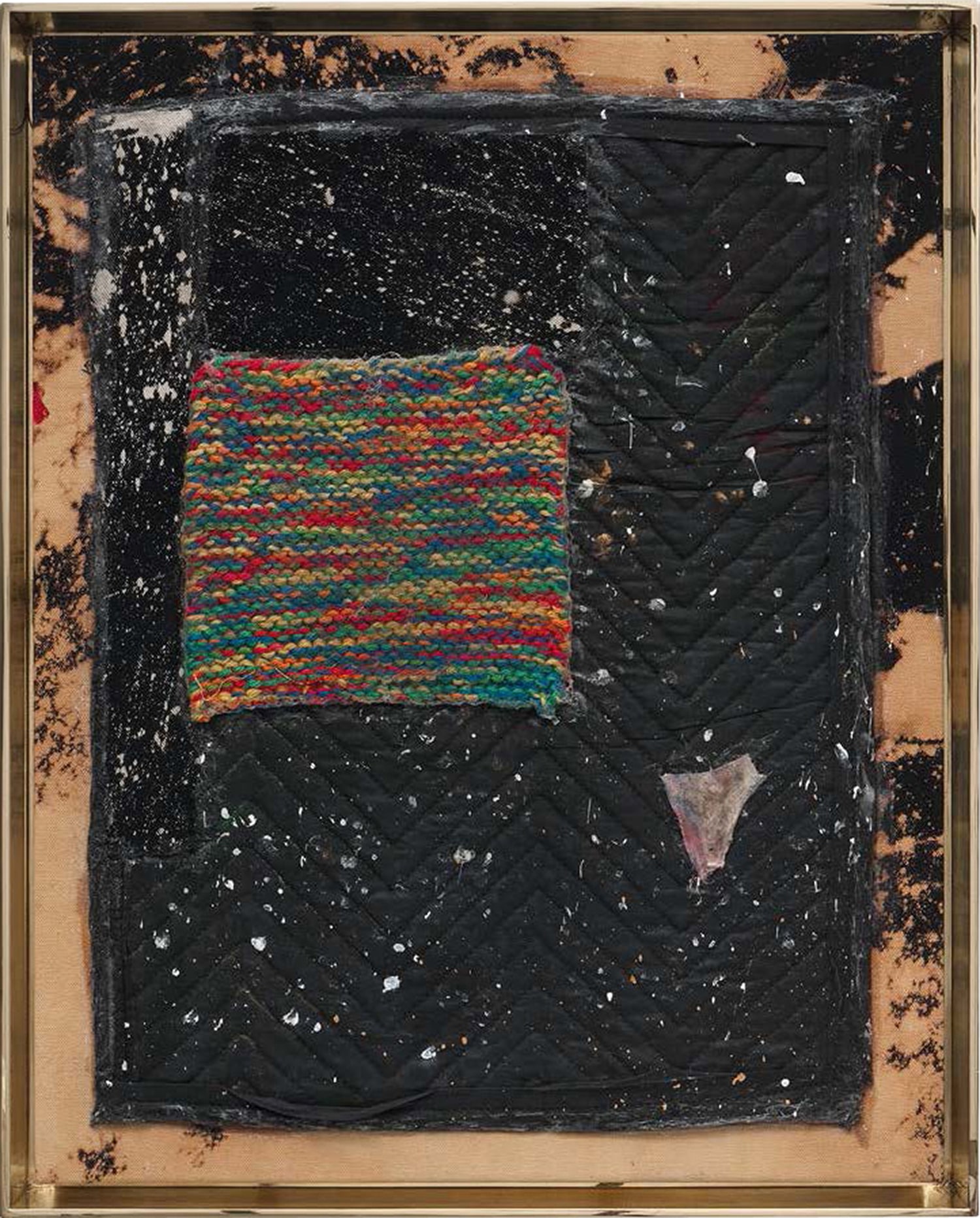
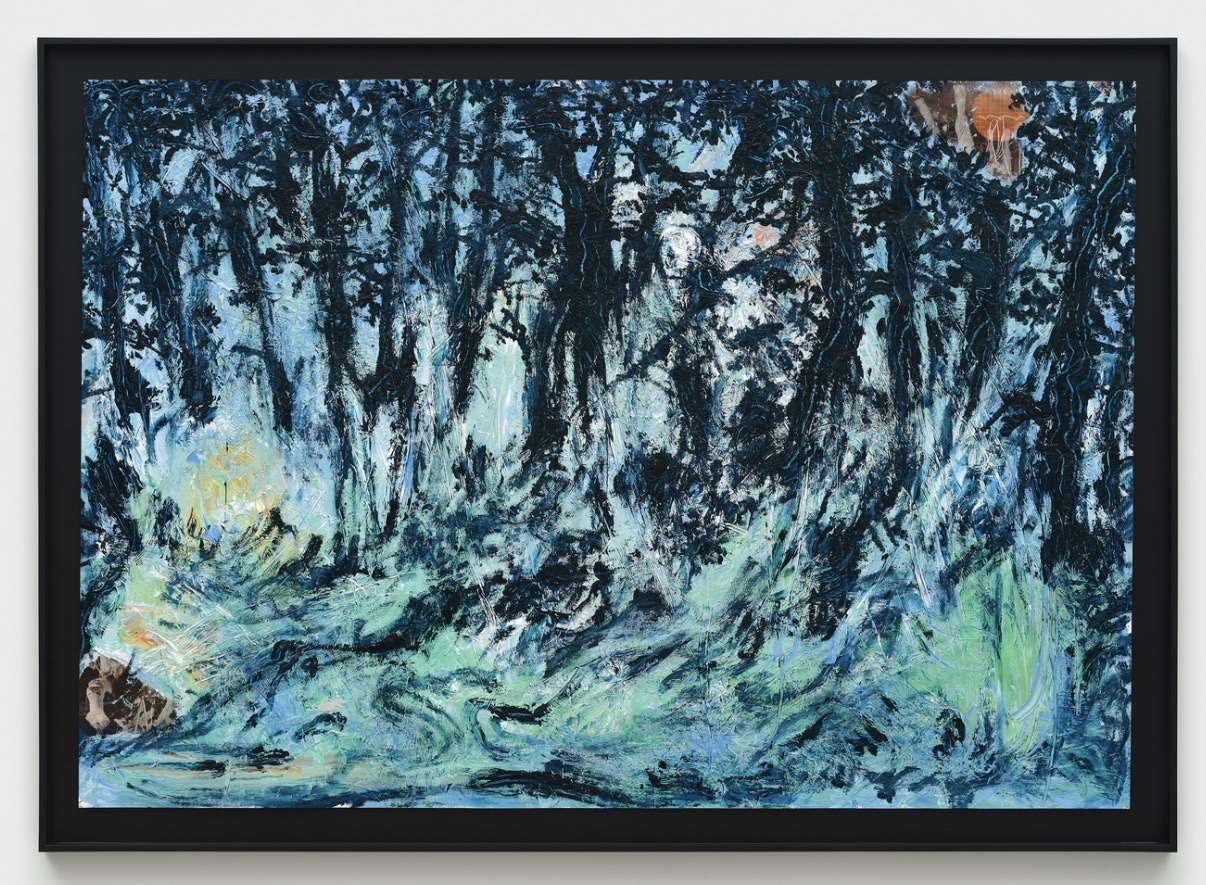
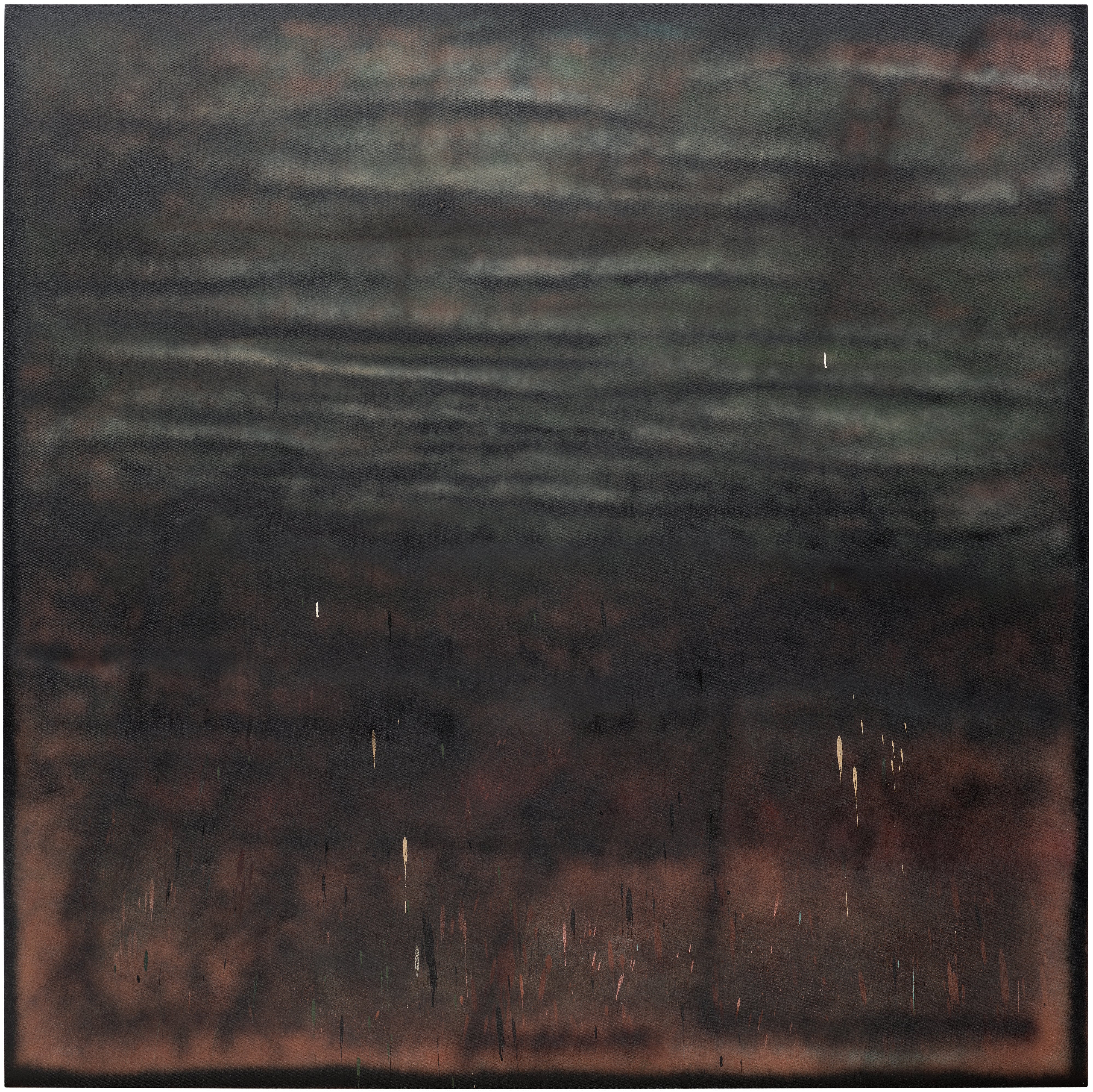
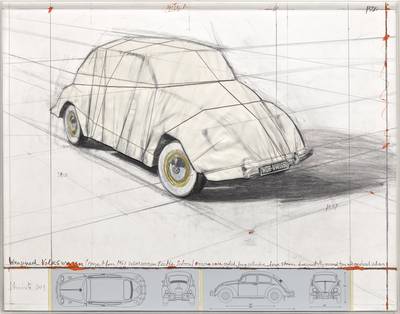
Sterling Ruby
Bc (4013), 2012
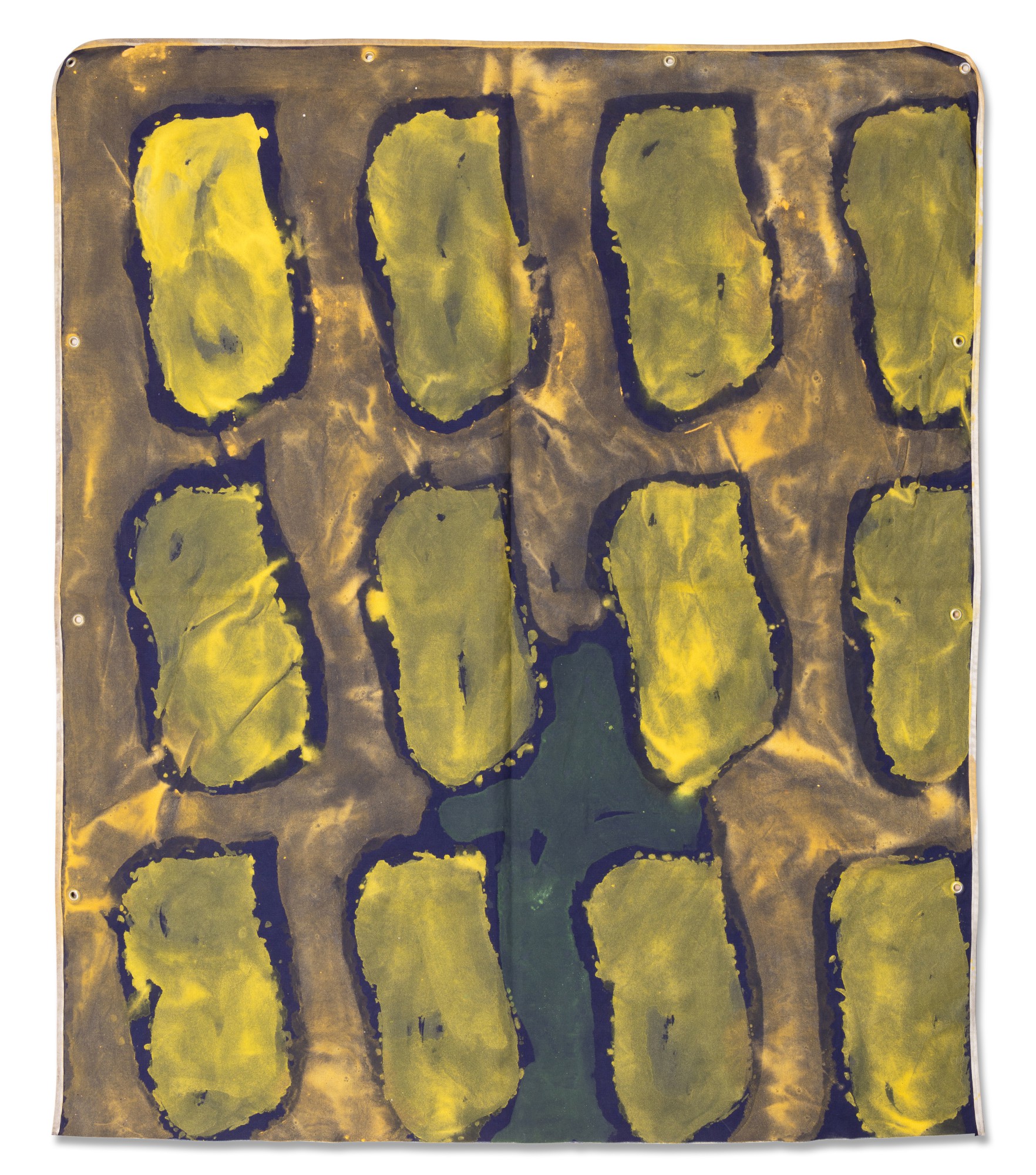
His process involves painting on glass, peeling the dried paint off in skins, and then collaging those skins onto canvas, sometimes incorporating fabric directly into the resulting surfaces. The works look like something between a ruin and a celebration. His auction trajectory has been consistently upward, with results at Phillips and Christie's tracking the broader appetite for work that blurs the boundary between painting and textile. Sterling Ruby is another figure whose relationship to fabric has proved commercially durable.
His DRFTRS works, large scale dyed and sewn pieces, have attracted institutional attention and serious secondary market interest, appearing at venues from the Museum of Contemporary Art Los Angeles to Gagosian's international spaces. The museum world has been unambiguous in its signals. The Costume Institute at the Metropolitan Museum of Art continues to attract record attendance, but more interesting from a collecting perspective is the way encyclopedic institutions have been integrating textile practice into their contemporary galleries rather than siloing it into decorative arts departments. The Tate Modern's ongoing commitment to fiber based work, including acquisitions of Anni Albers holdings that helped contextualize living artists, reflects a curatorial argument that fabric is not a subcategory of fine art but one of its primary languages.
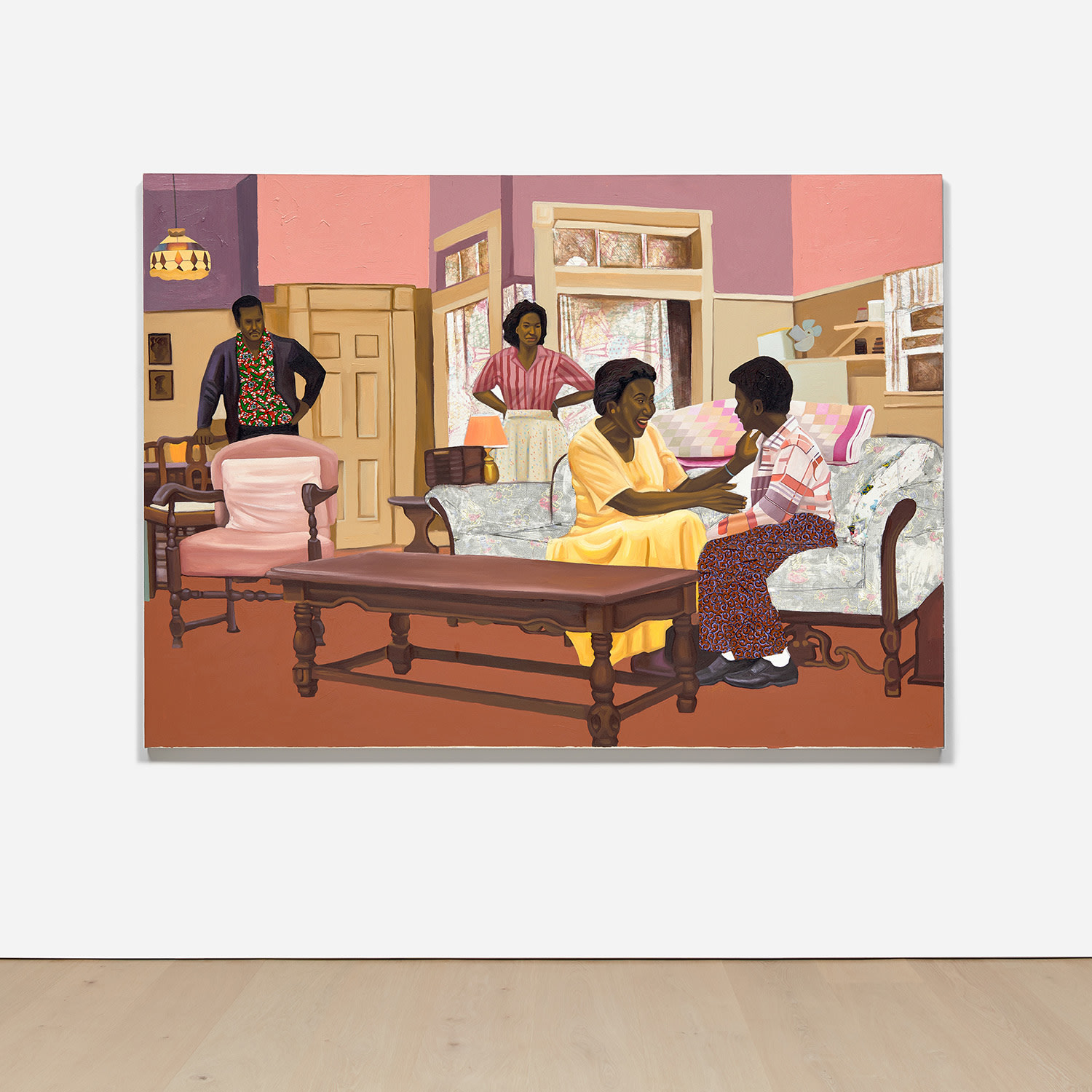
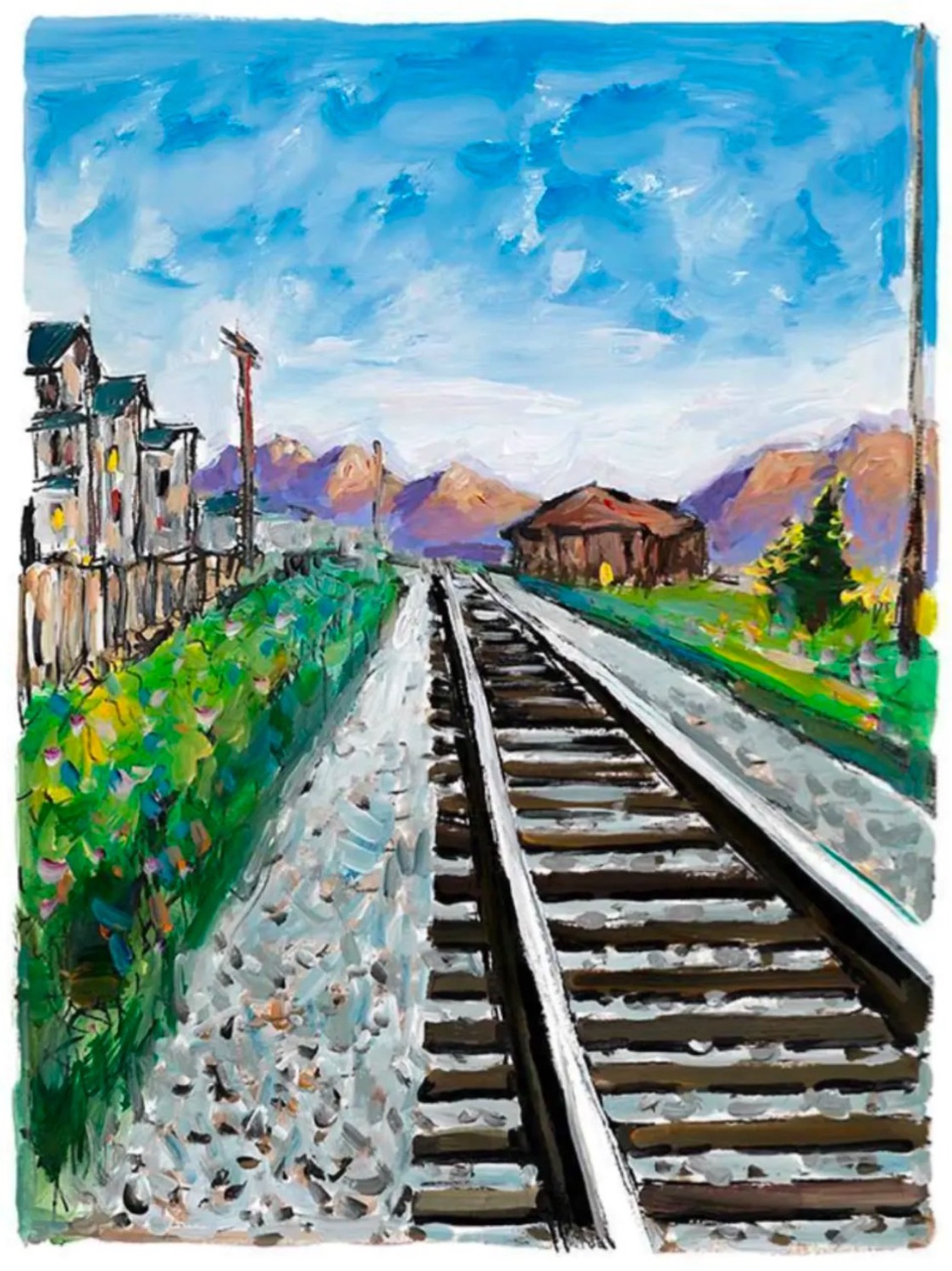
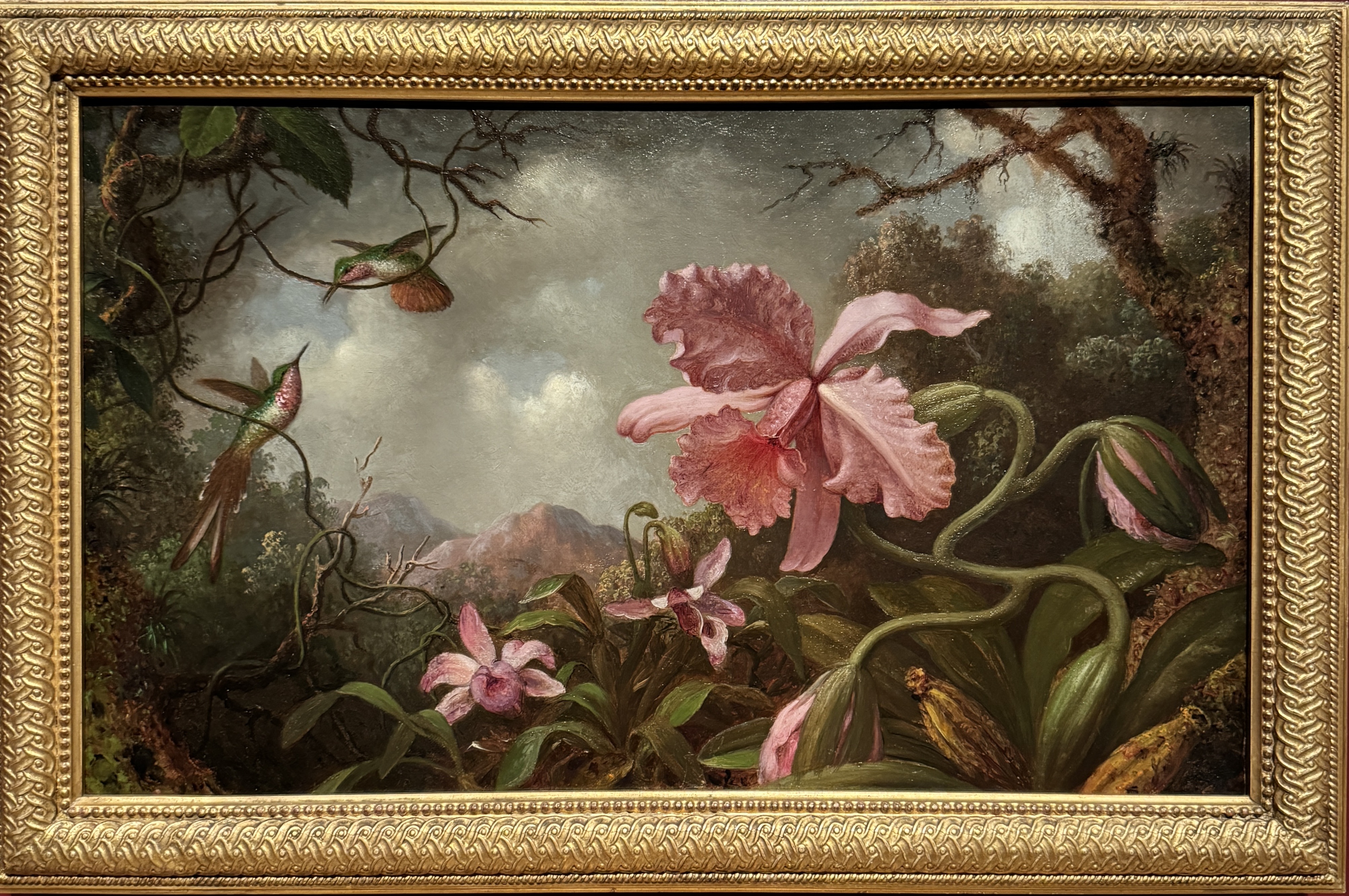
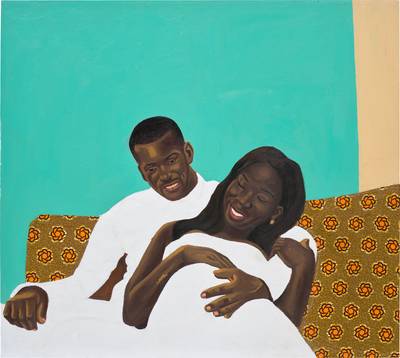
Cornelius Annor
Asempa Aba Fie (Good News in the House), 2021
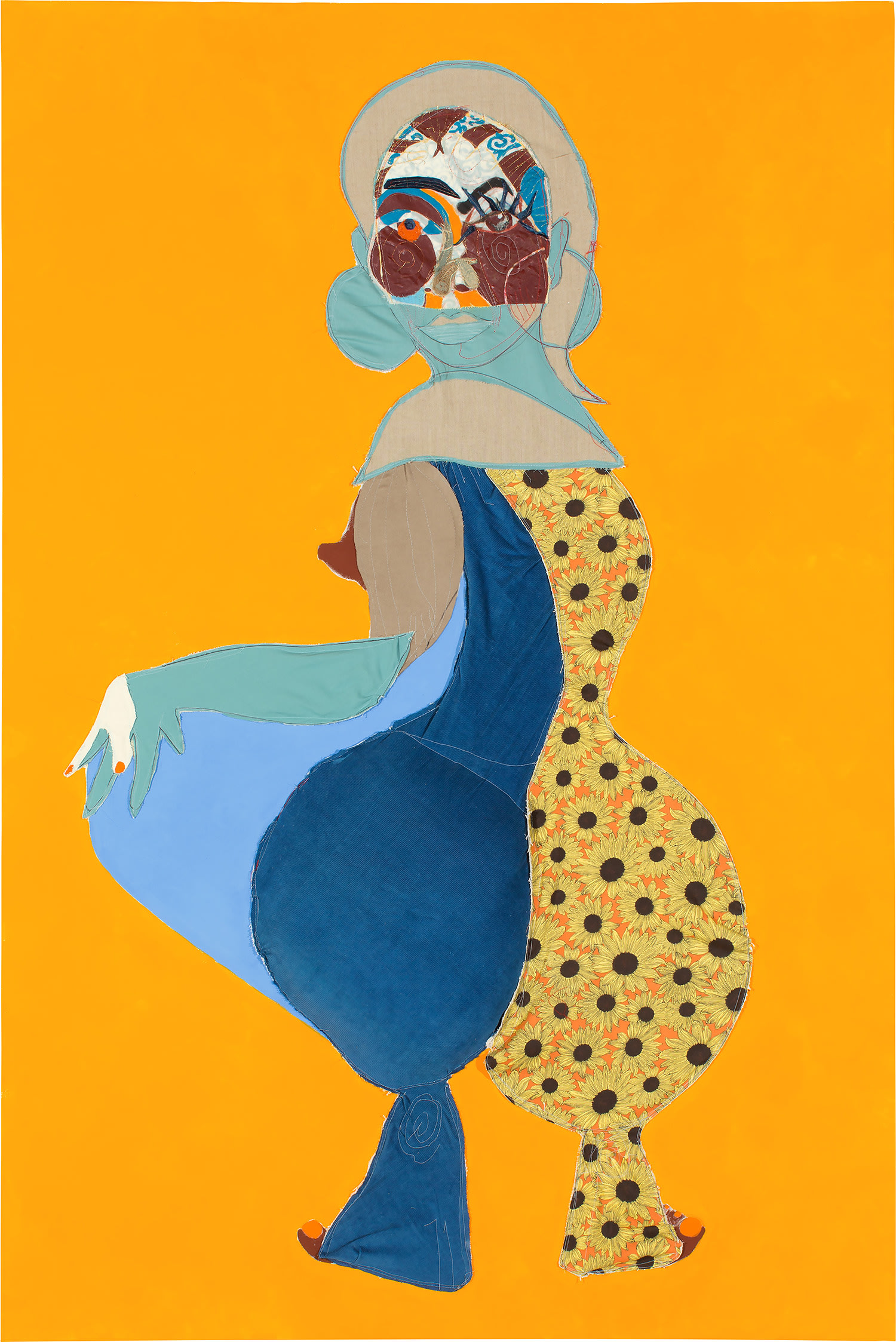
When Tate buys, the market listens. Among younger practitioners, Tschabalala Self and Cornelius Annor both use fabric in ways that feel urgent rather than nostalgic. Self's sewn and painted figures carry the weight of Black embodiment and popular culture simultaneously, and her institutional rise has been steep. She has shown at Parasol Unit in London and had her work acquired by major American museums within a remarkably compressed timeline.
Annor's paintings, which incorporate wax printed textiles associated with West African visual culture, situate personal history inside a broader conversation about globalization and authenticity. Both artists are well represented on The Collection and reflect the current critical enthusiasm for work that uses fabric not as decoration but as argument. The writers and curators shaping this conversation include Glenn Adamson, whose book Thinking Through Craft made an influential case for reclaiming the handmade from its subordinate status in the hierarchy of artistic production. Curator Judith Diment's work at the Whitechapel Gallery brought attention to the political dimensions of textile practice in ways that younger critics have built upon.
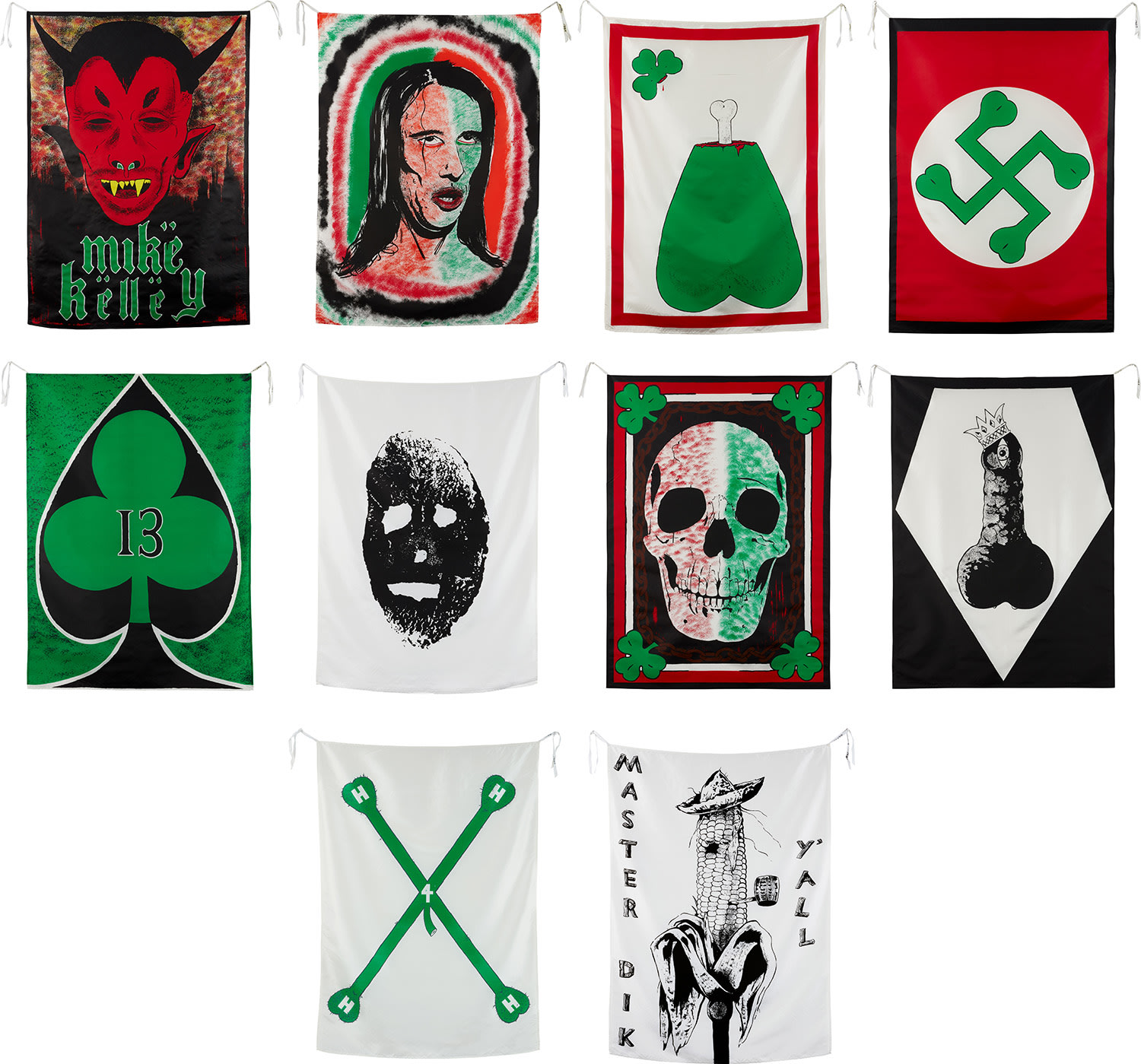
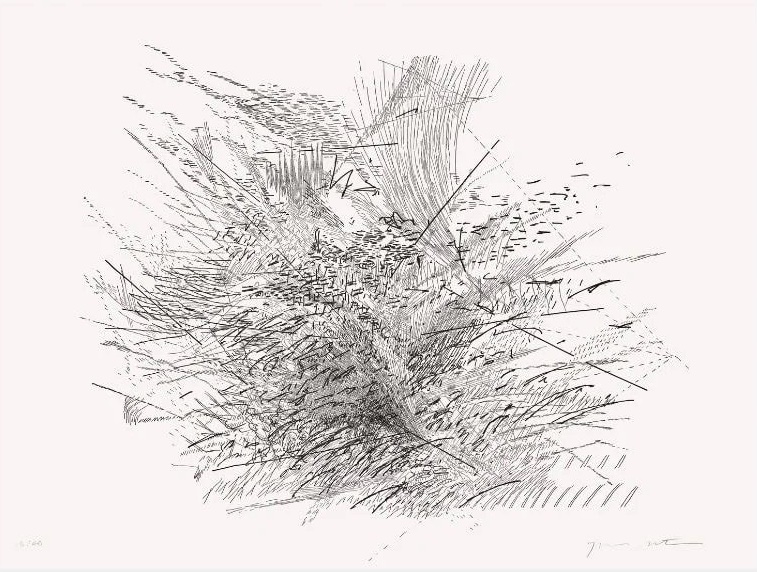
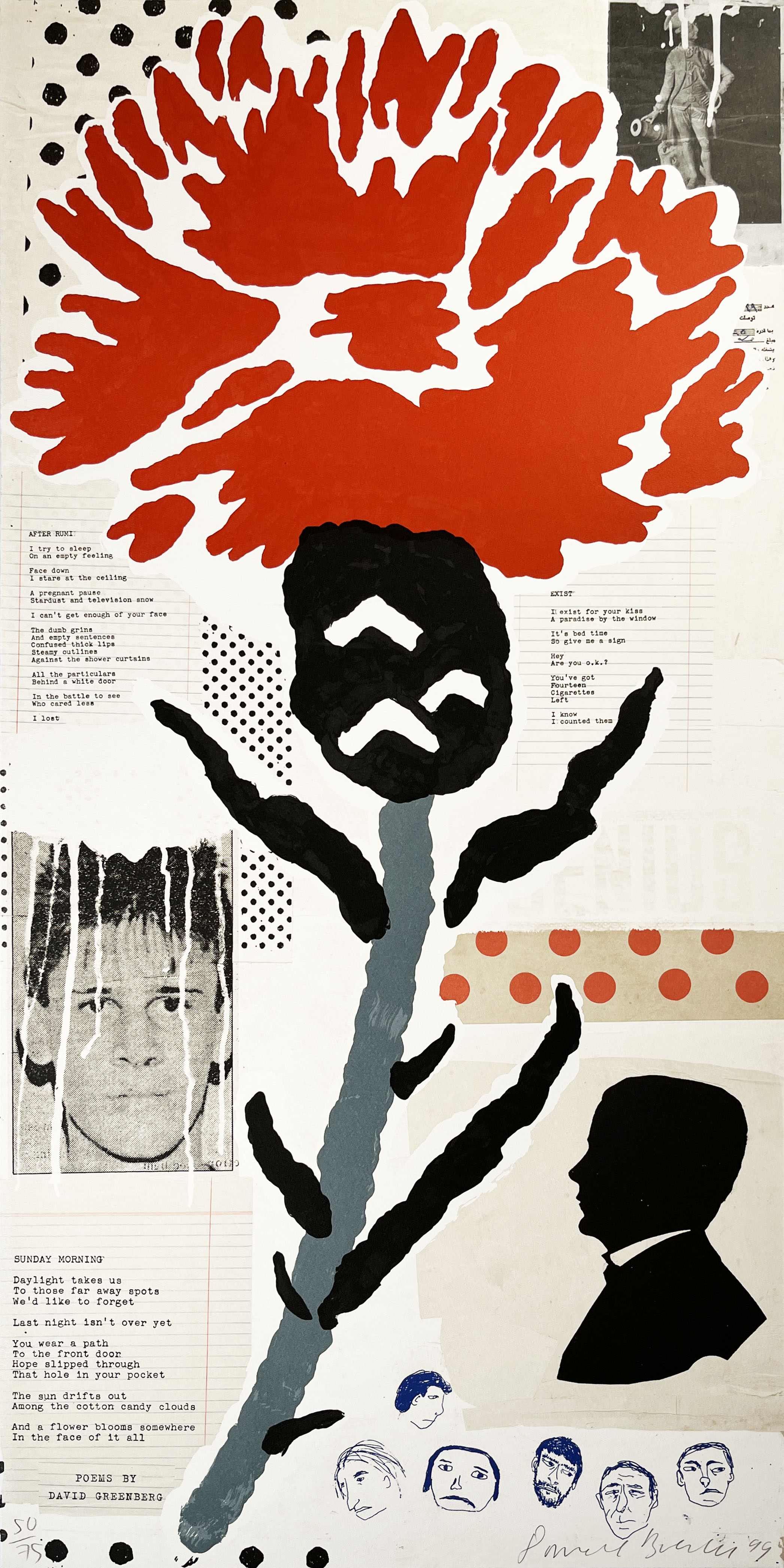
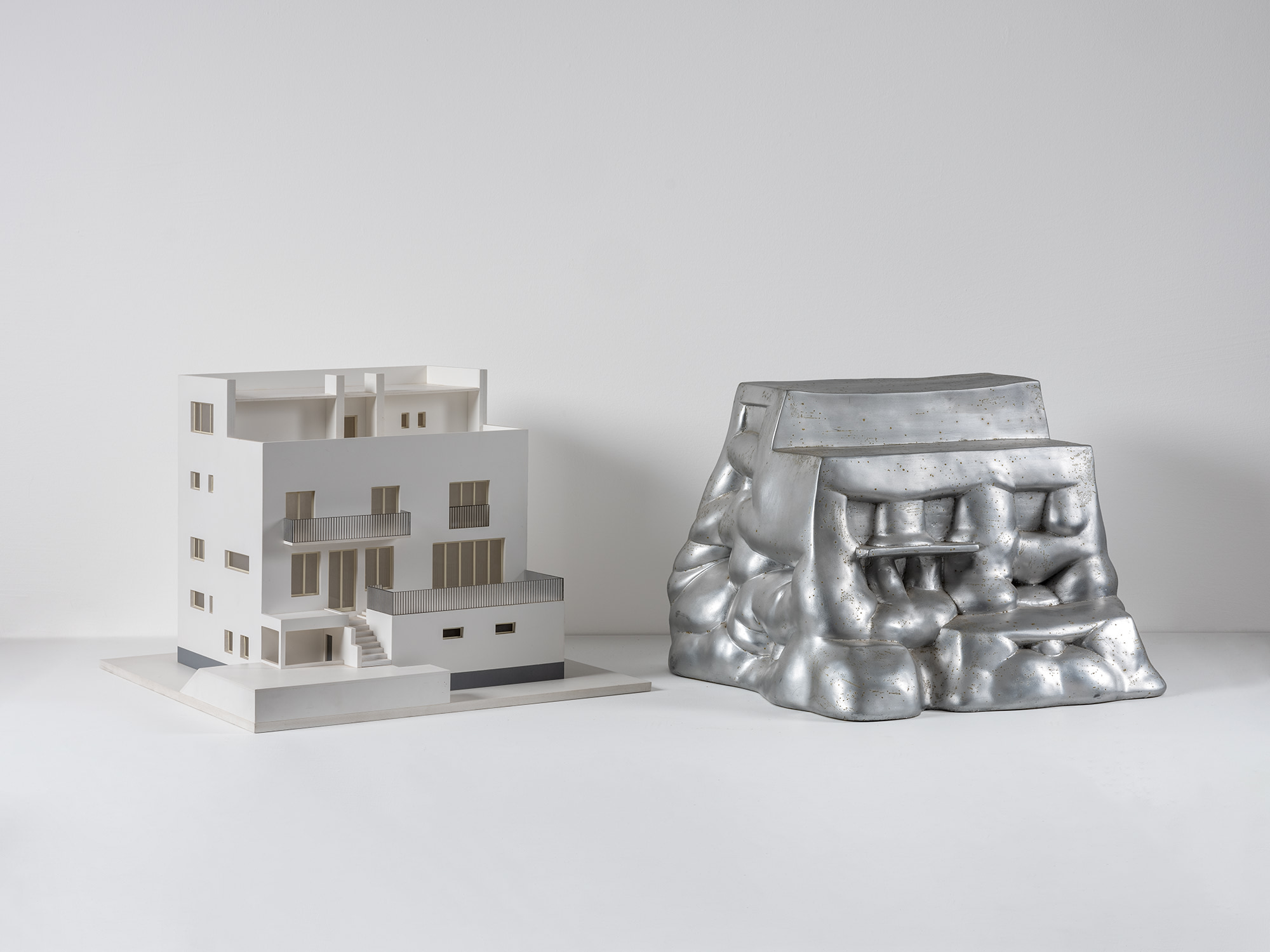
Mike Kelley
Pansy Metal / Clovered Hoof
Artforum and Frieze have both published substantial features in recent years on the resurgence of weaving and fabric work, often framing it alongside questions of labor, gender, and the archive. That critical infrastructure matters because it creates the intellectual context in which prices are justified and institutions feel confident acquiring. What feels alive right now is the crossover energy between design and fine art fabric practice. Margo Wolowiec's digitally derived weavings sit at that intersection in a way that feels genuinely new rather than merely trend adjacent.
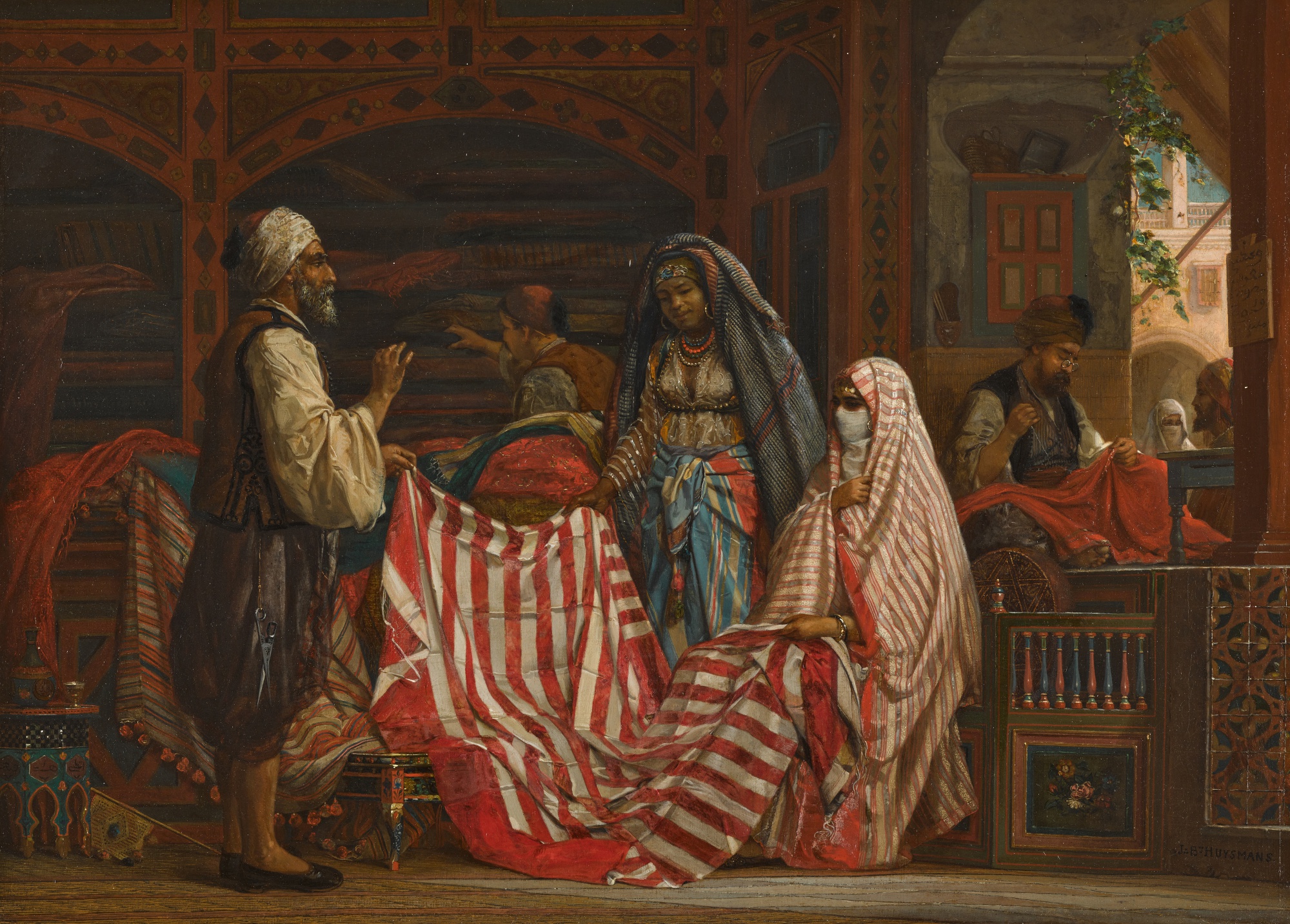
Ayan Farah's painted linen works, which use the support itself as a kind of protagonist, are drawing sustained gallery and museum attention. The Indonesian batik pieces in historical collections, including the Javanese sarongs noted among the works on The Collection, are also being revisited with fresh eyes as scholars and curators reconsider how non Western textile traditions shaped twentieth century abstraction in ways that were long undercredited. What feels settled is the argument that fabric belongs in serious collections at all. That battle is over.
What remains genuinely open is how the market will price the historical material relative to living practitioners, and whether the current enthusiasm reflects a durable revaluation or a moment of fashion. The evidence from auction rooms and acquisition committees suggests the former. Fabric carries time differently than any other medium. It softens, creases, absorbs.
It holds the trace of a body. In an art world sometimes accused of prizing the cold and the legible above all else, that warmth is not a weakness. It turns out to be exactly the point.