Etching
Archived article
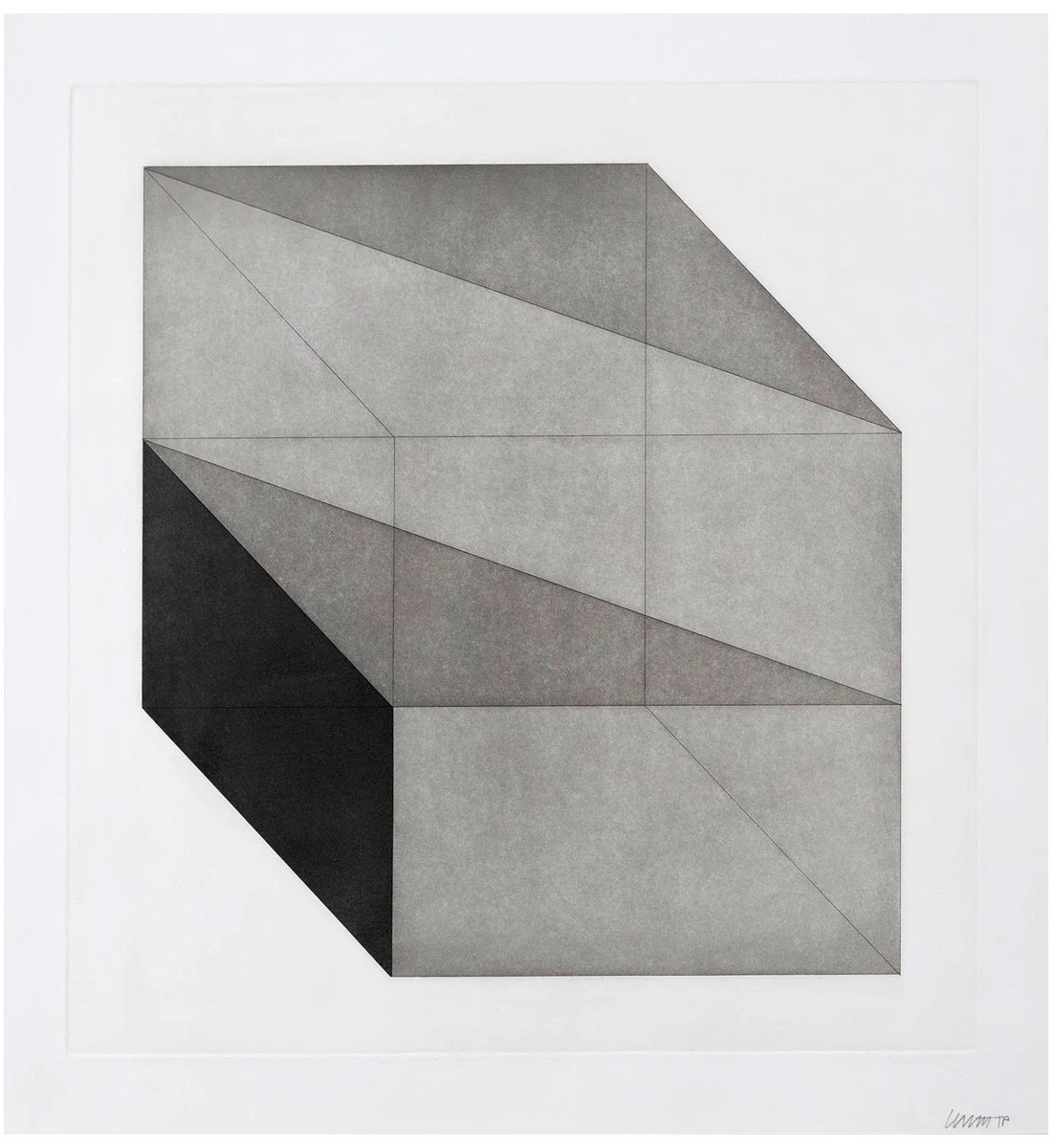
Sol LeWitt
Derived from a Cube 5
The Acid Line That Changed Everything
You are reading a previous version of this article.
Read the latest versionWhen a first state impression of Rembrandt van Rijn's 'Christ Presented to the People' sold at Christie's for well over a million dollars, the room shifted in that particular way it does when a print reminds everyone present that it is not a lesser object, not a reproduction, not a consolation prize for collectors who cannot afford paintings. It is its own thing entirely, with its own logic, its own beauty, and its own ruthless hierarchy of quality. Etching has been staging these quiet coups for decades, and the market is paying attention with a seriousness that would have seemed unlikely to some observers twenty years ago. The medium itself rewards a particular kind of looking.
An etcher draws with a needle into a wax ground on a metal plate, then submerges the plate in acid, which bites into the exposed lines. The depth of the bite, the quality of the ground, the timing of the immersion, the weight of the paper, the pressure of the press: every variable matters and every variable shows. When you hold a fine impression of a Whistler nocturne or a Charles Méryon view of Paris, you are holding an object that carries the full record of its own making. That transparency between process and result is part of what collectors find so compelling, and it is what institutions have been quietly acquiring for generations.
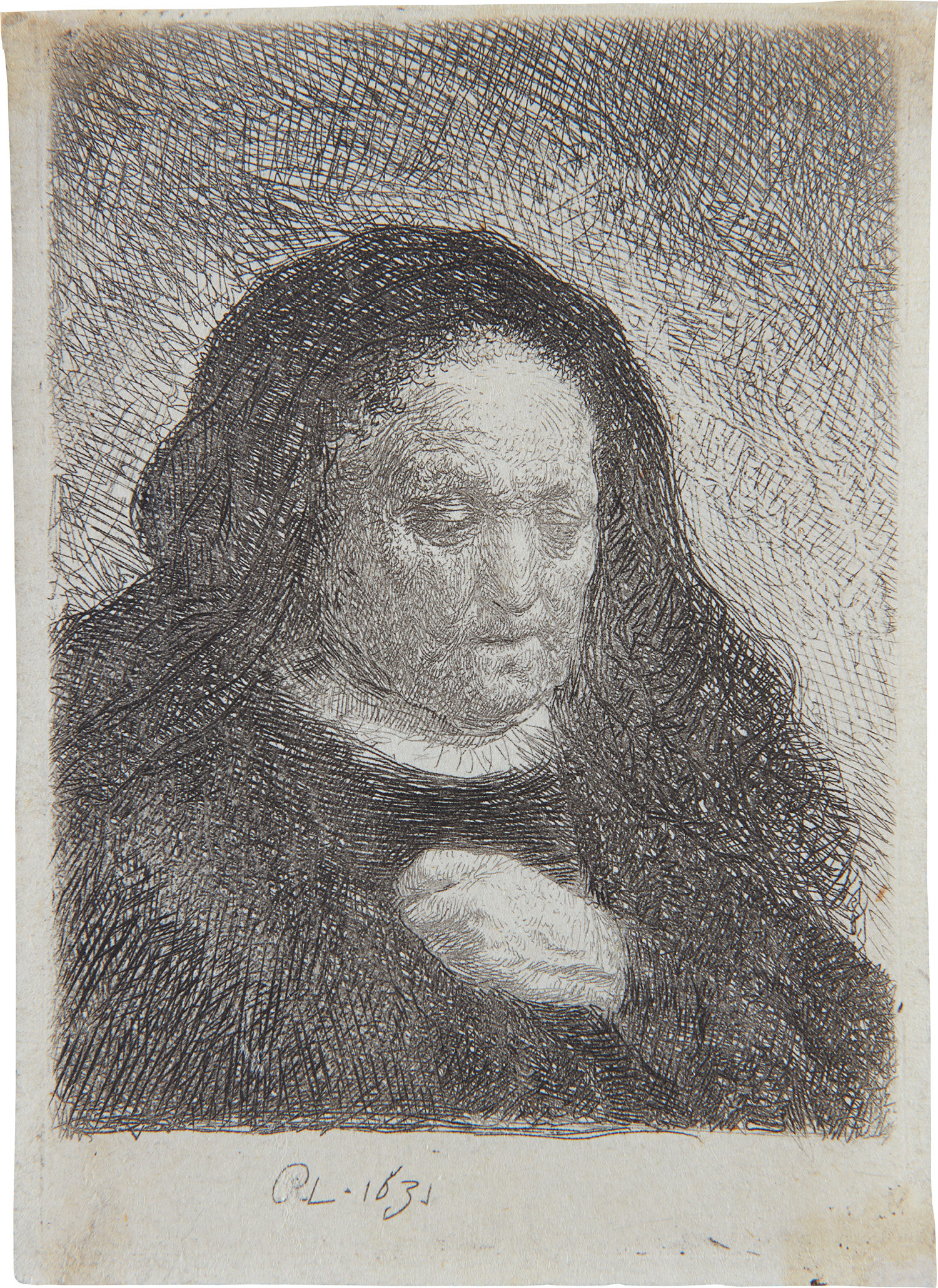
Rembrandt Harmensz. van Rijn
Rembrandt's Mother with her Hand on her Chest
Museum activity around etching has intensified considerably in recent years. The British Museum mounted a landmark Rembrandt prints survey that drew significant critical attention and reminded a broad public that his graphic work is inseparable from his achievement as a whole. The Morgan Library in New York has continued to deepen its engagement with the medium through focused acquisitions and programming. The Art Institute of Chicago, which holds one of the great print collections in the world, has staged exhibitions examining the nineteenth century etching revival with a scholarly rigor that sent dealers and collectors back to artists like Félix Bracquemond, Francis Seymour Haden, and Maxime Lalanne with fresh eyes.
That revival, centered in Paris and London from the 1860s onward, produced work of enormous range and ambition, and it remains undervalued relative to its historical importance. At auction, the results tell a nuanced story. Rembrandt commands the summit, as he has for generations, with rare early impressions achieving prices that place them comfortably alongside significant paintings by lesser artists. Picasso's graphic work, vast and uneven as it is, contains passages of pure etching genius, particularly the Vollard Suite, and fine impressions from that series find eager buyers across major houses.
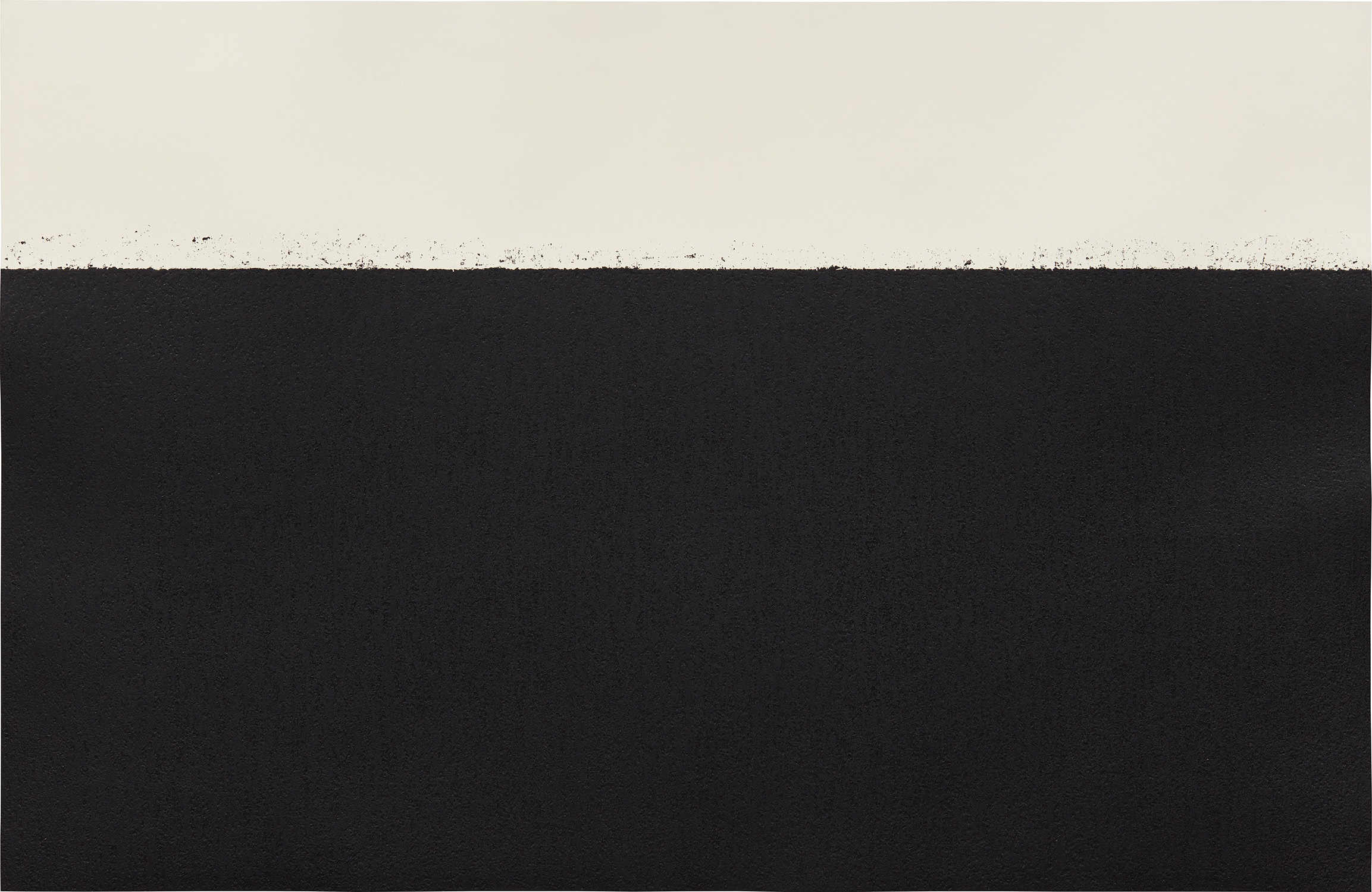
Richard Serra
Level II
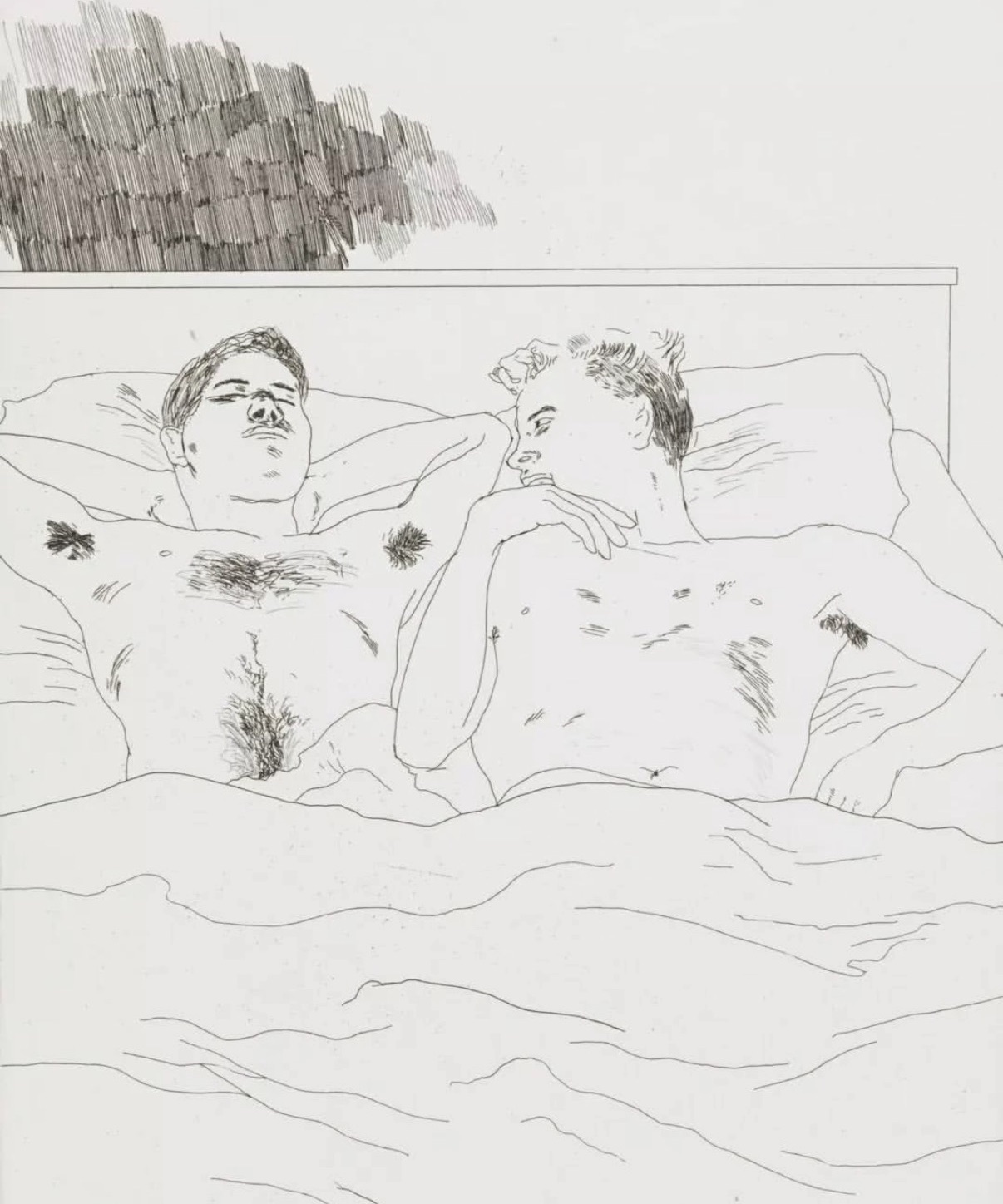
Lucian Freud, whose approach to etching was as uncompromising as his approach to painting, has seen sustained market interest since his death in 2011, with institutions and private collectors competing seriously for his best prints. David Hockney's etchings occupy a different register, warmer and more accessible, and they move with considerable reliability at the middle and upper levels of the print market. What these results share is a story about quality of impression: condition matters in prints more than almost anywhere else in the market, and educated buyers increasingly understand this. The critical conversation around etching has shifted meaningfully in the last decade.
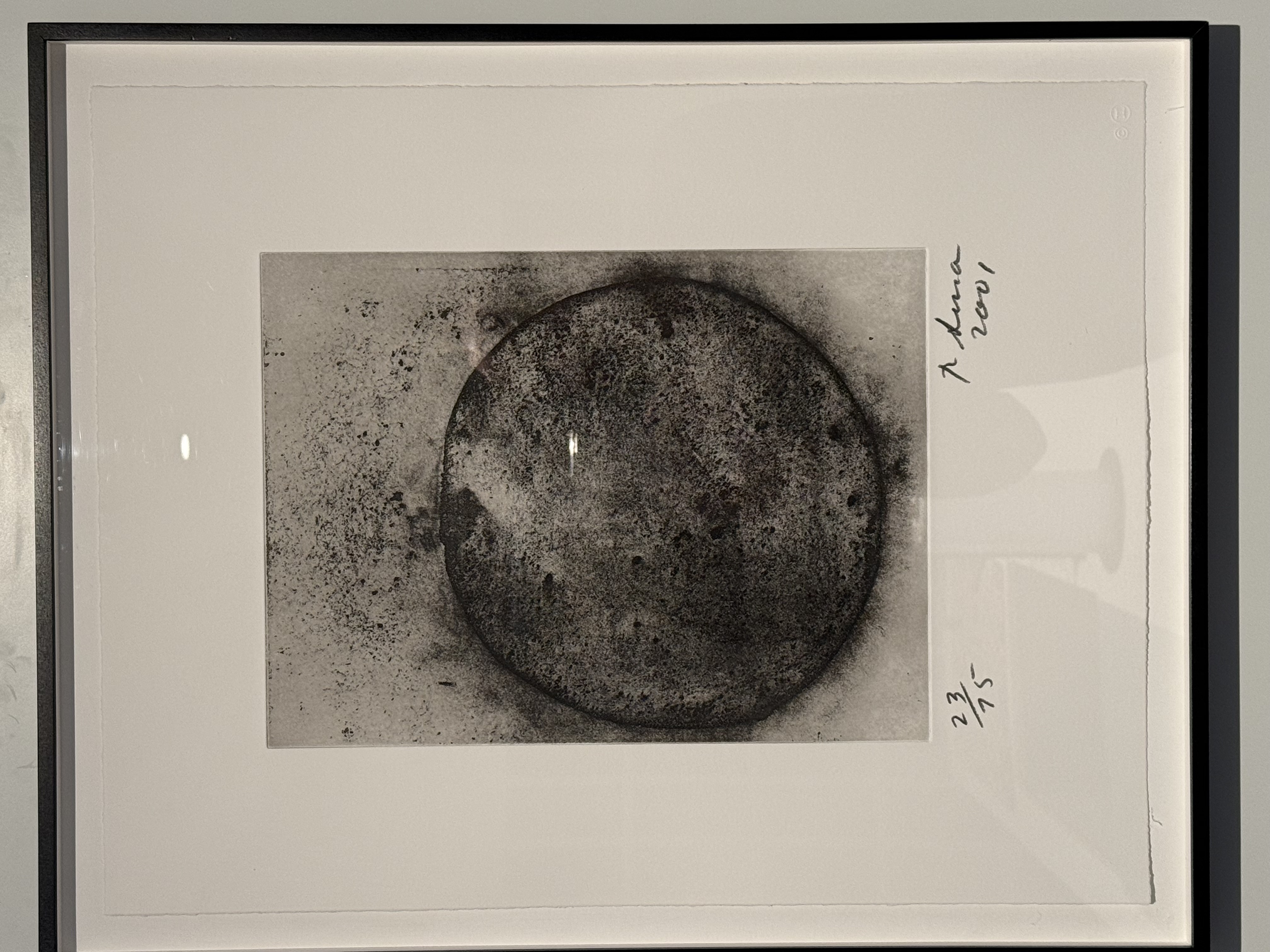
Scholars like Antony Griffiths, whose writing on the history of prints combines deep archival knowledge with genuine critical sensibility, have helped position the medium as a subject worthy of the same intellectual attention given to painting and sculpture. Publications including Print Quarterly have sustained a level of scholarly engagement that feeds directly into curatorial thinking at major institutions. There is also a generational dimension: younger curators who came of age during a period when artists like Richard Serra and Brice Marden were producing serious graphic work have absorbed a different understanding of what etching can do conceptually. Serra's enormous aquatints, more landscape than mark, sit at a considerable remove from Whistler's intimate Thames subjects, yet both are asking the same fundamental questions about line, tone, and the nature of the printed surface.
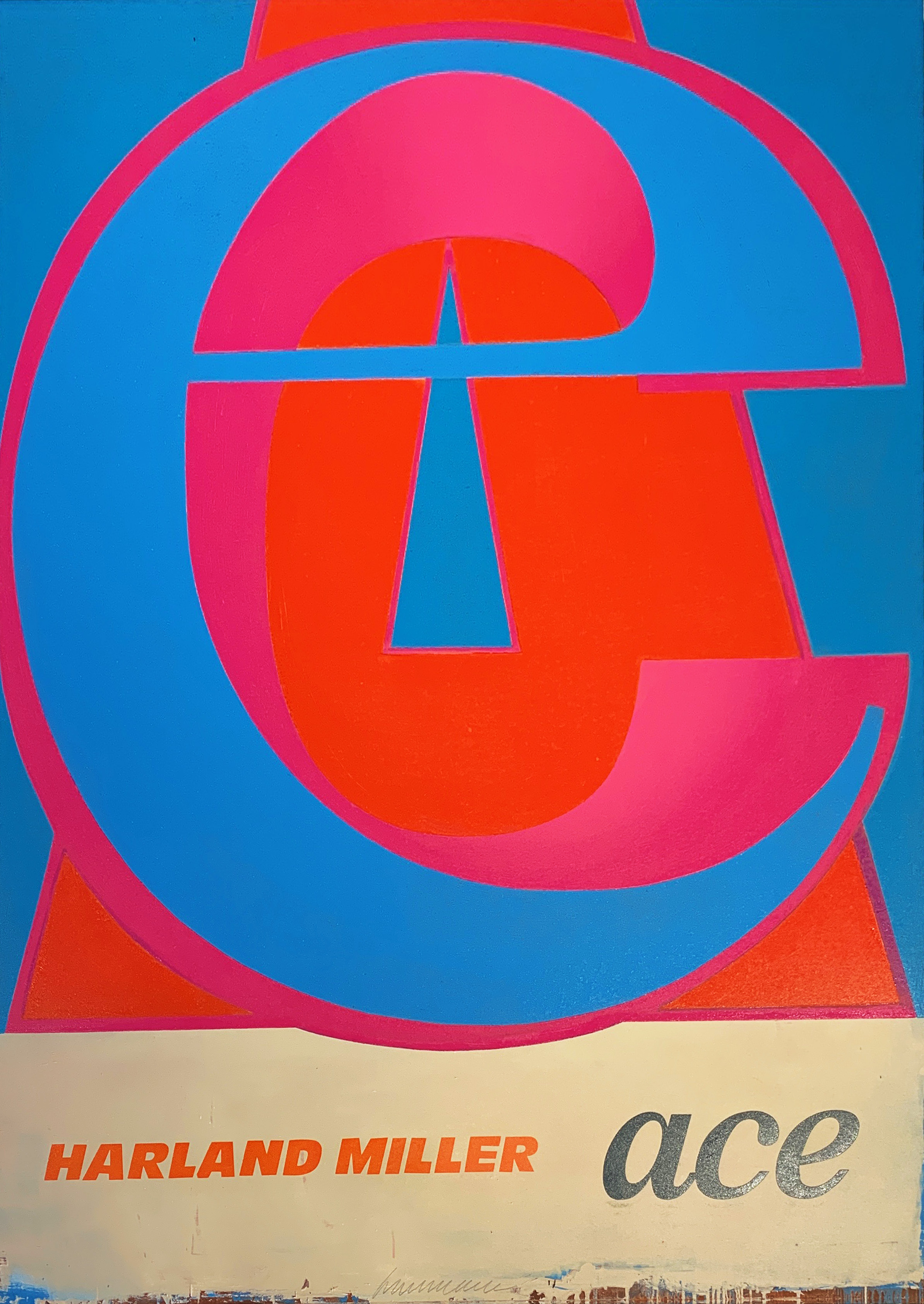
Harland Miller
Ace, 2019
The energy right now feels concentrated in a few directions simultaneously. There is genuine renewed appetite for the nineteenth century French and British artists who have been underrepresented in contemporary collecting: Félix Hilaire Buhot with his marginal vignettes and atmospheric urban subjects, Anders Zorn whose understanding of reflected light in etching is perhaps unequaled, Charles Méryon whose vertiginous Paris images anticipate both photography and modernism in uncanny ways. These artists are well represented on The Collection, and the opportunity they present is real. The gap between their historical importance and their current market prices is the kind of gap that tends to close, not widen, as institutional attention increases.
At the contemporary end, the question of where etching sits within a broader conversation about process, materiality, and the handmade is very much alive. Jim Dine has spent decades insisting on the medium's expressive possibilities with an almost evangelical persistence. Damien Hirst approached it from a different angle, using the tradition's authority as a form of cultural provocation. What is interesting is that neither approach feels finished: the conversation these artists opened continues to generate responses from younger printmakers who are bringing etching into dialogue with digital processes, activist content, and international traditions that the European canon largely ignored.
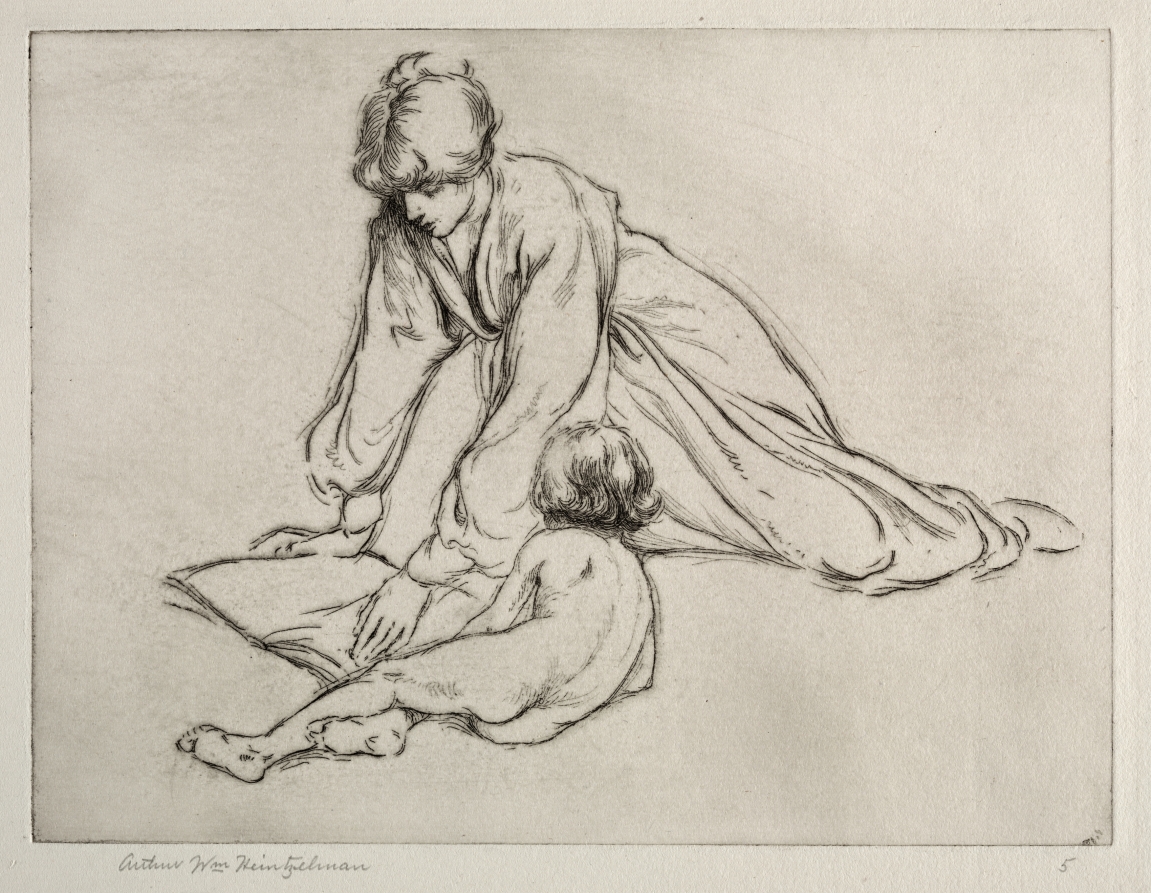
Arthur William Heintzelman
The Sun Bath, 1919
For collectors paying attention, that edge is where the most interesting surprises are likely to emerge. What remains constant, across centuries and market cycles, is the fundamental fact that a great etching is a great work of art, full stop. The needle in the ground, the acid in the bath, the ink in the line: these are not handicaps, not limitations, not footnotes to a more prestigious practice. They are the conditions of a particular kind of excellence, and the collectors, curators, and institutions who understand this have been rewarded for their understanding, in every sense, repeatedly.
Works tagged Etching
Sol LeWitt
Derived from a Cube 5
Arthur William Heintzelman
The Sun Bath
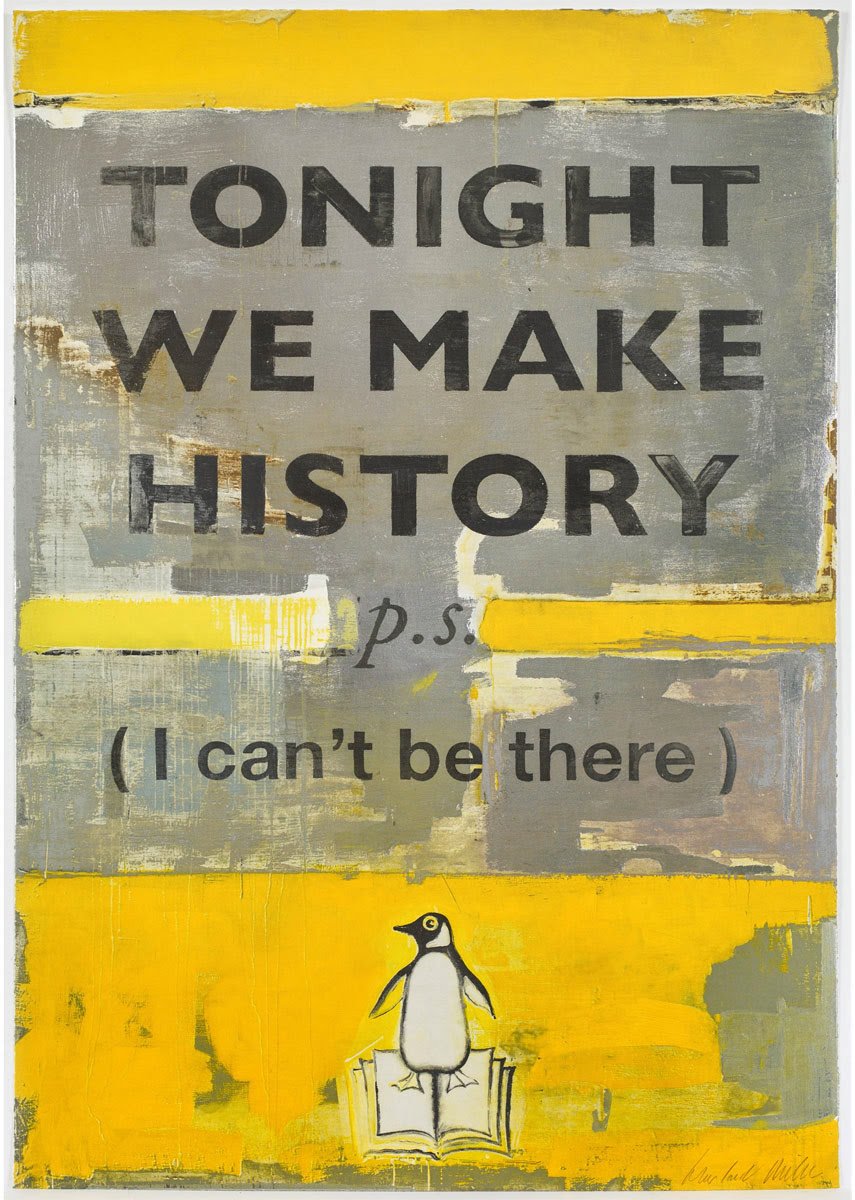
Harland Miller
Tonight We Make History, P.s. I Can't Be There (Small)
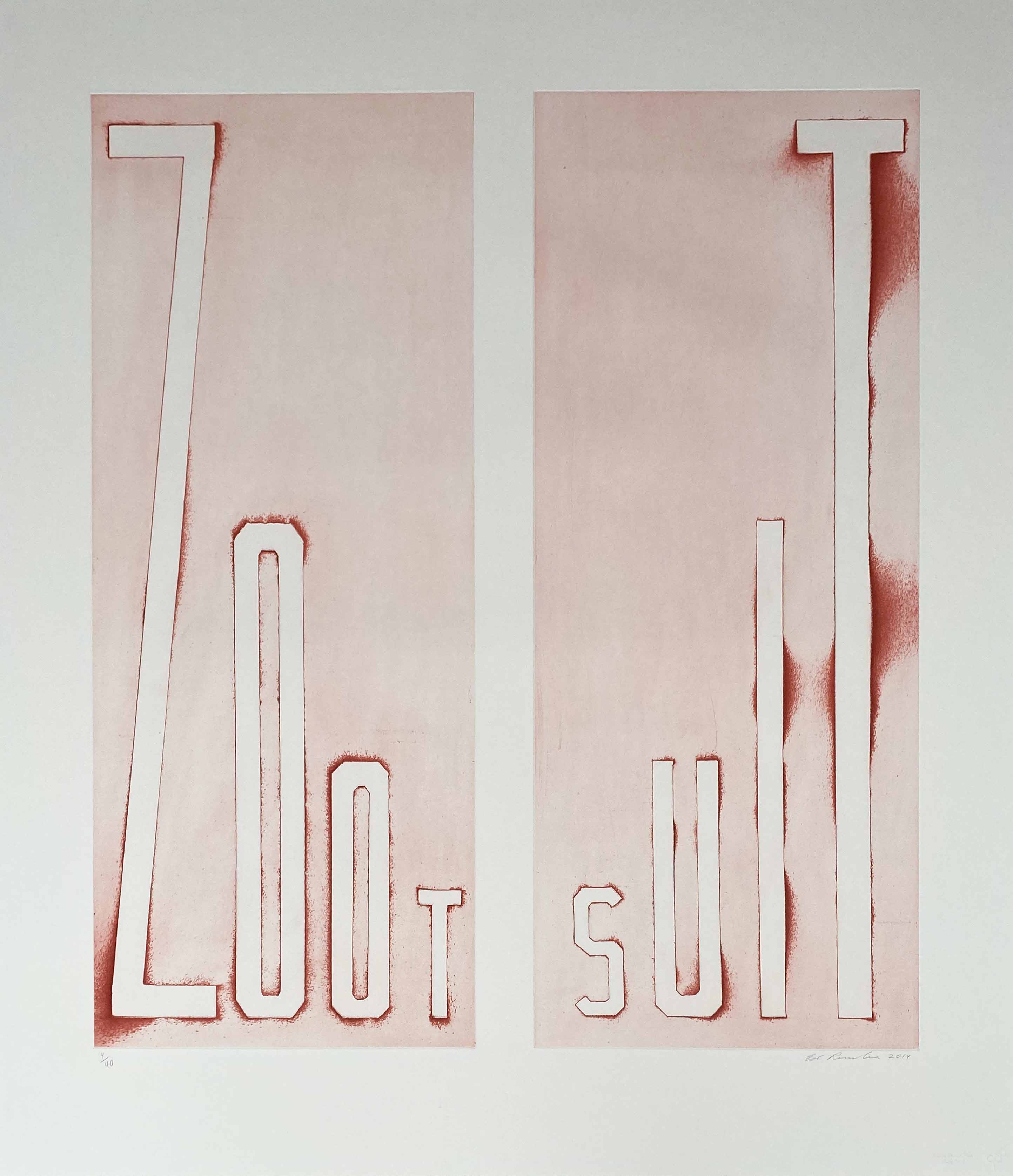
Ed Ruscha
Zoot Suit
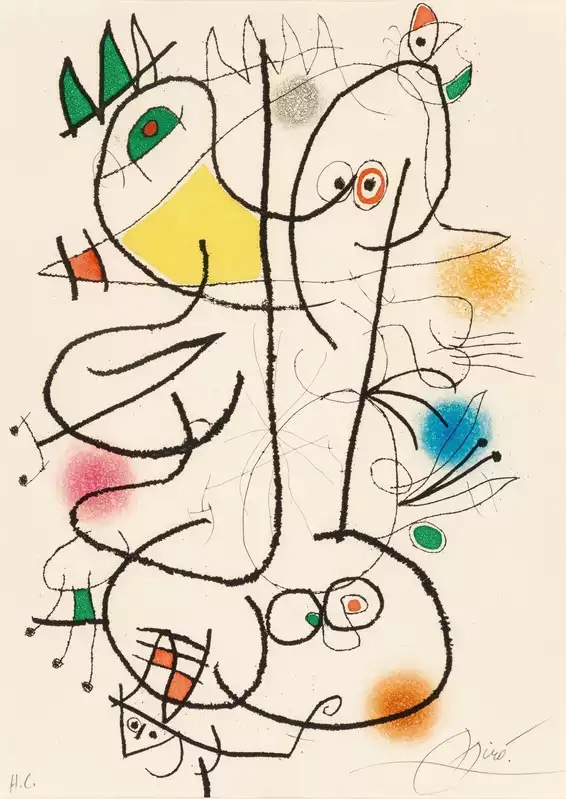
Joan Miró
Le Miroir de L'Homme par les Bêtes
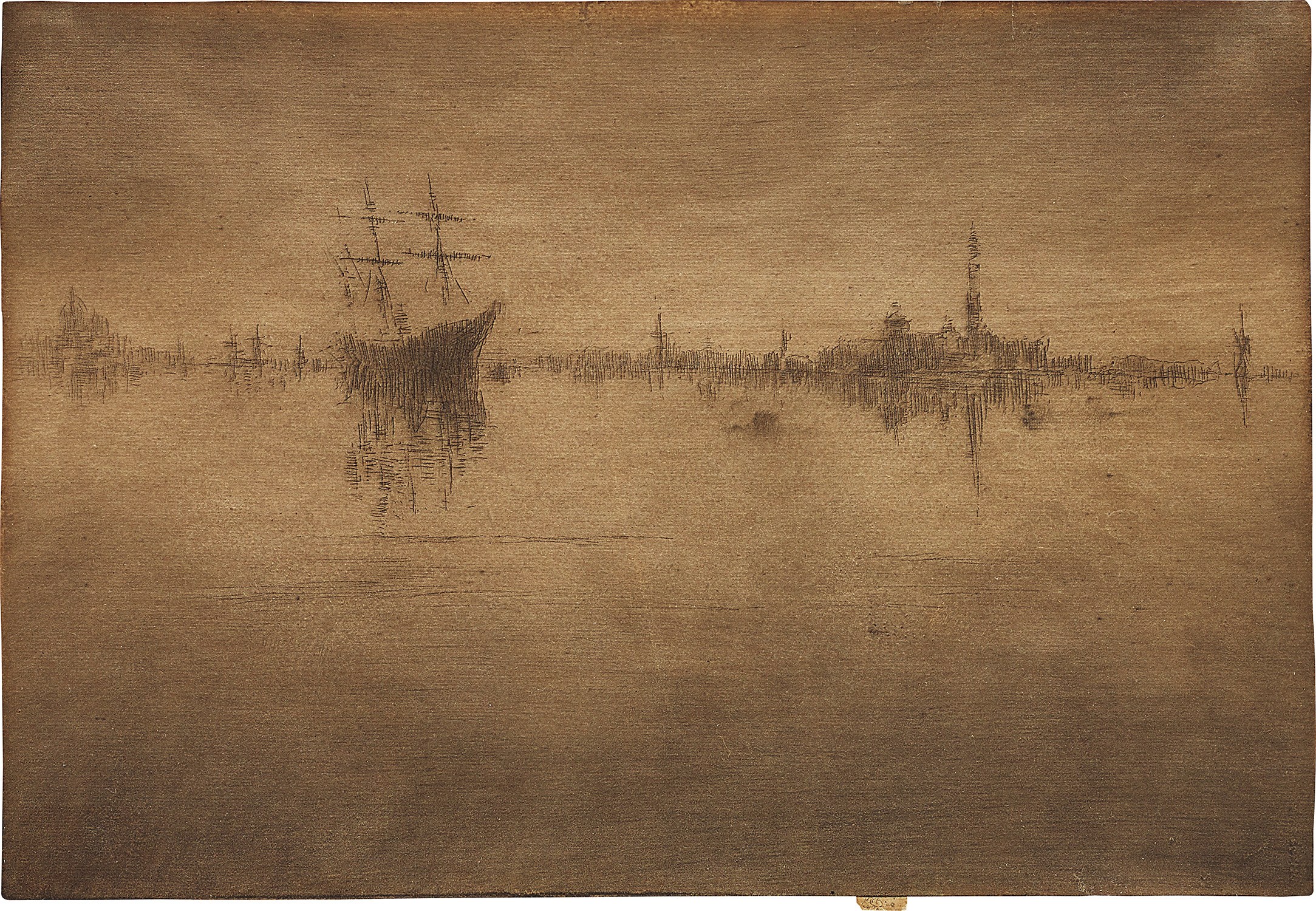
James Abbott McNeill Whistler
Nocturne, from Venice, a Series of Twelve Etchings (the First Venice Set)
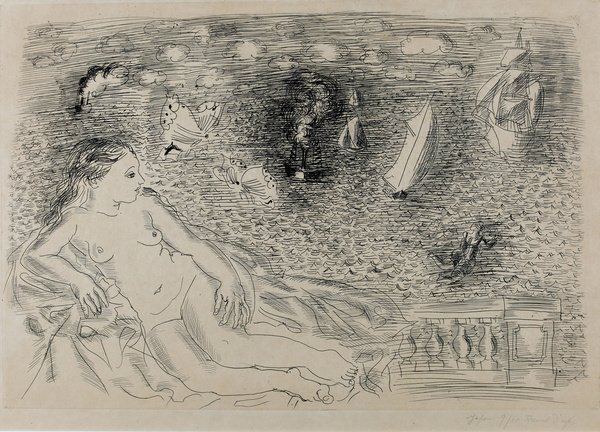
Raoul Dufy
Amphitrite
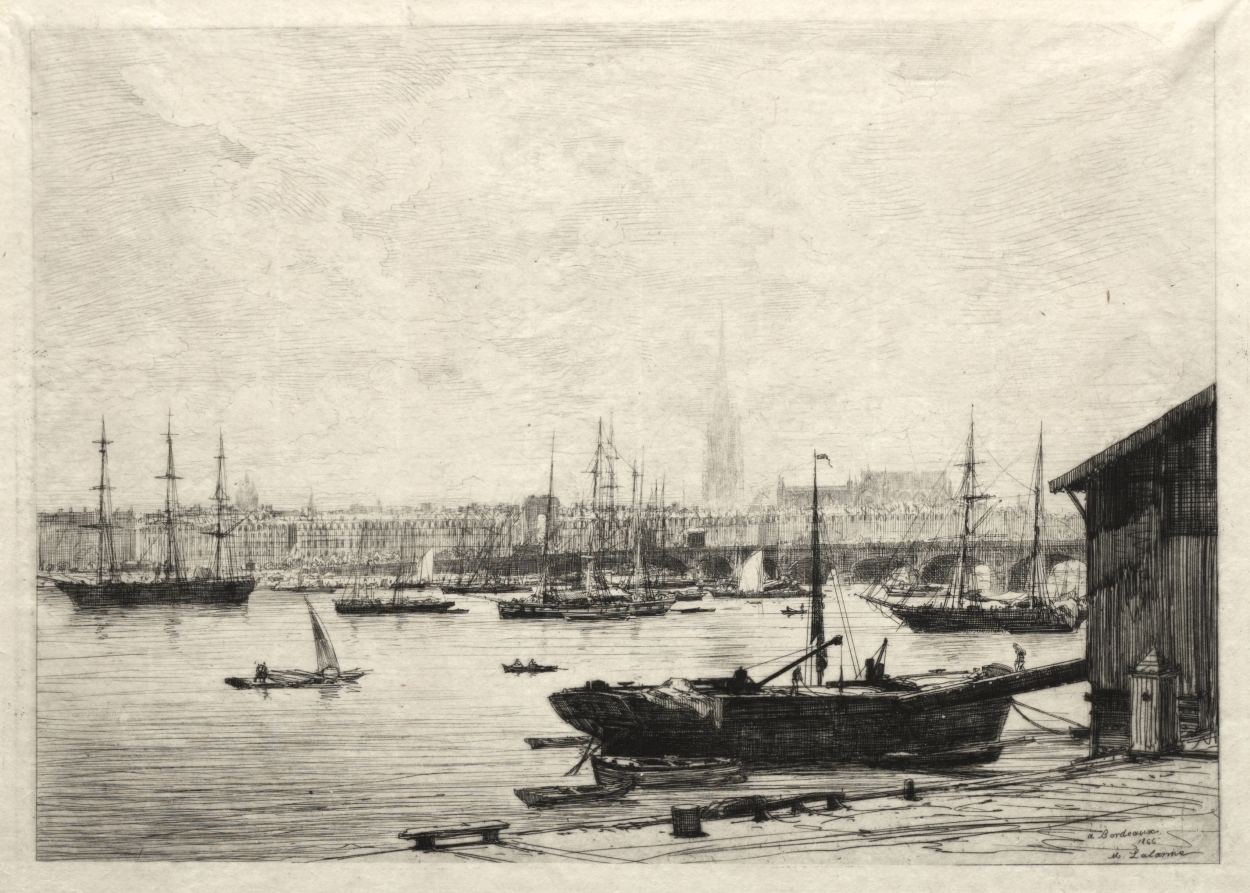
Maxime Lalanne
Bordeaux
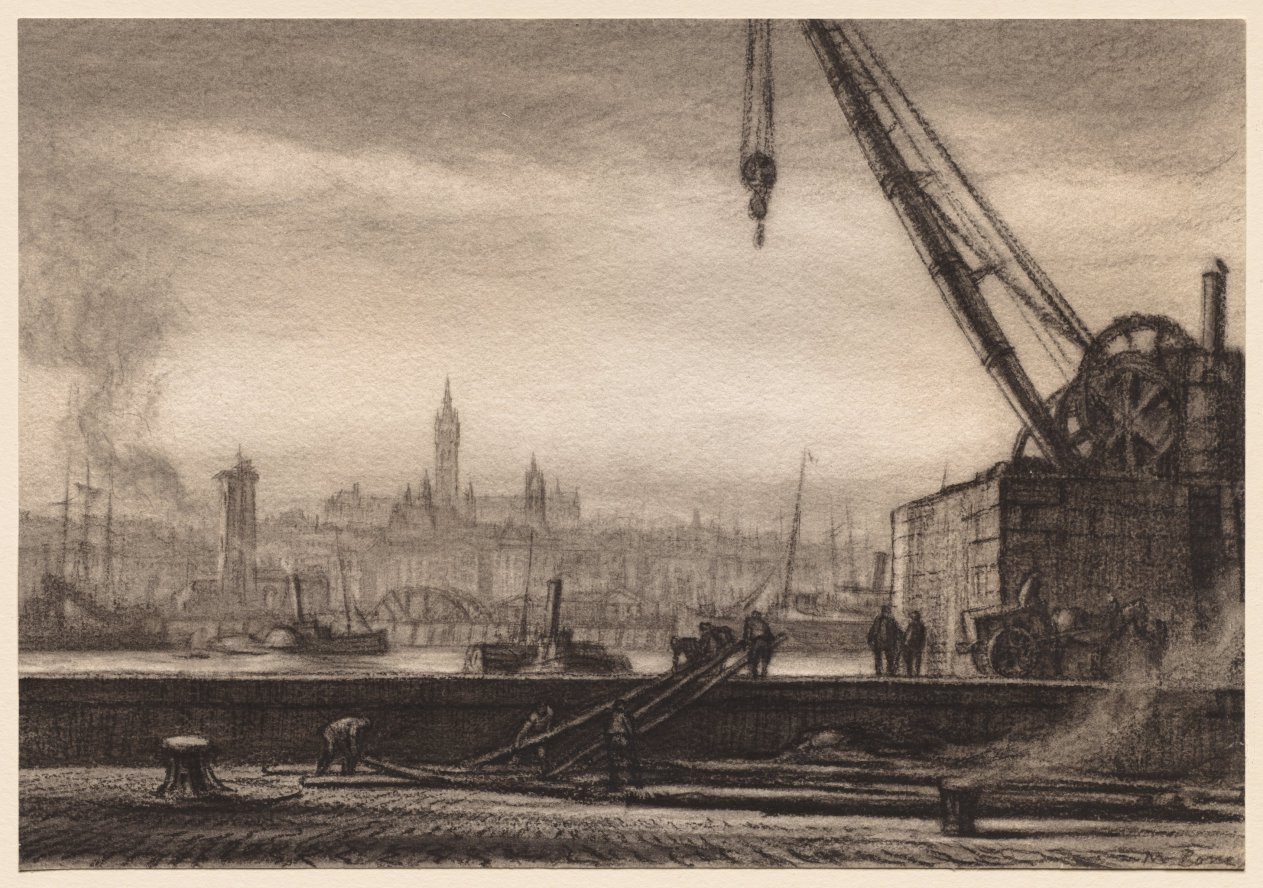
Muirhead Bone
Glasgow University
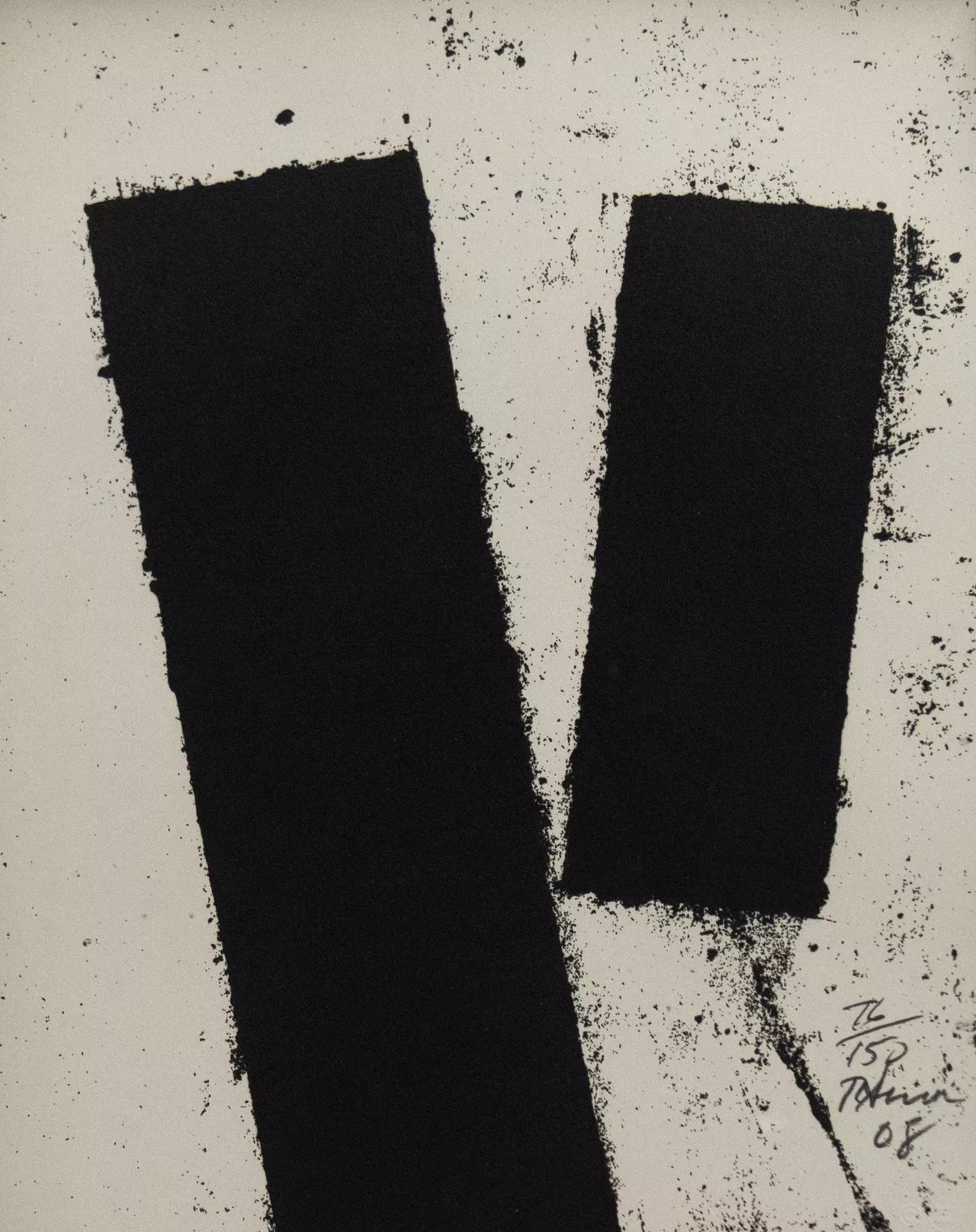
Richard Serra
Promenade Notebook Drawing
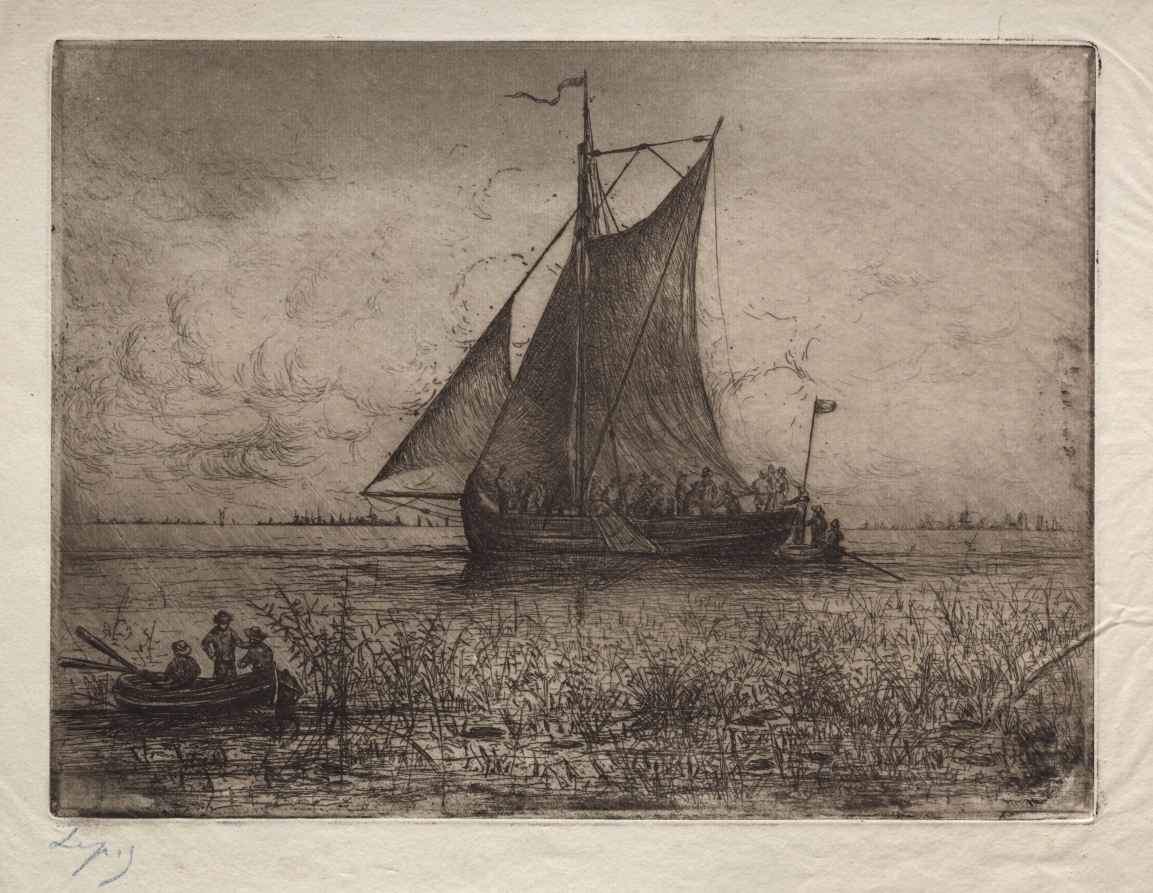
Ludovic Napoléon, Vicomte Lepic
Dutch Riverscape
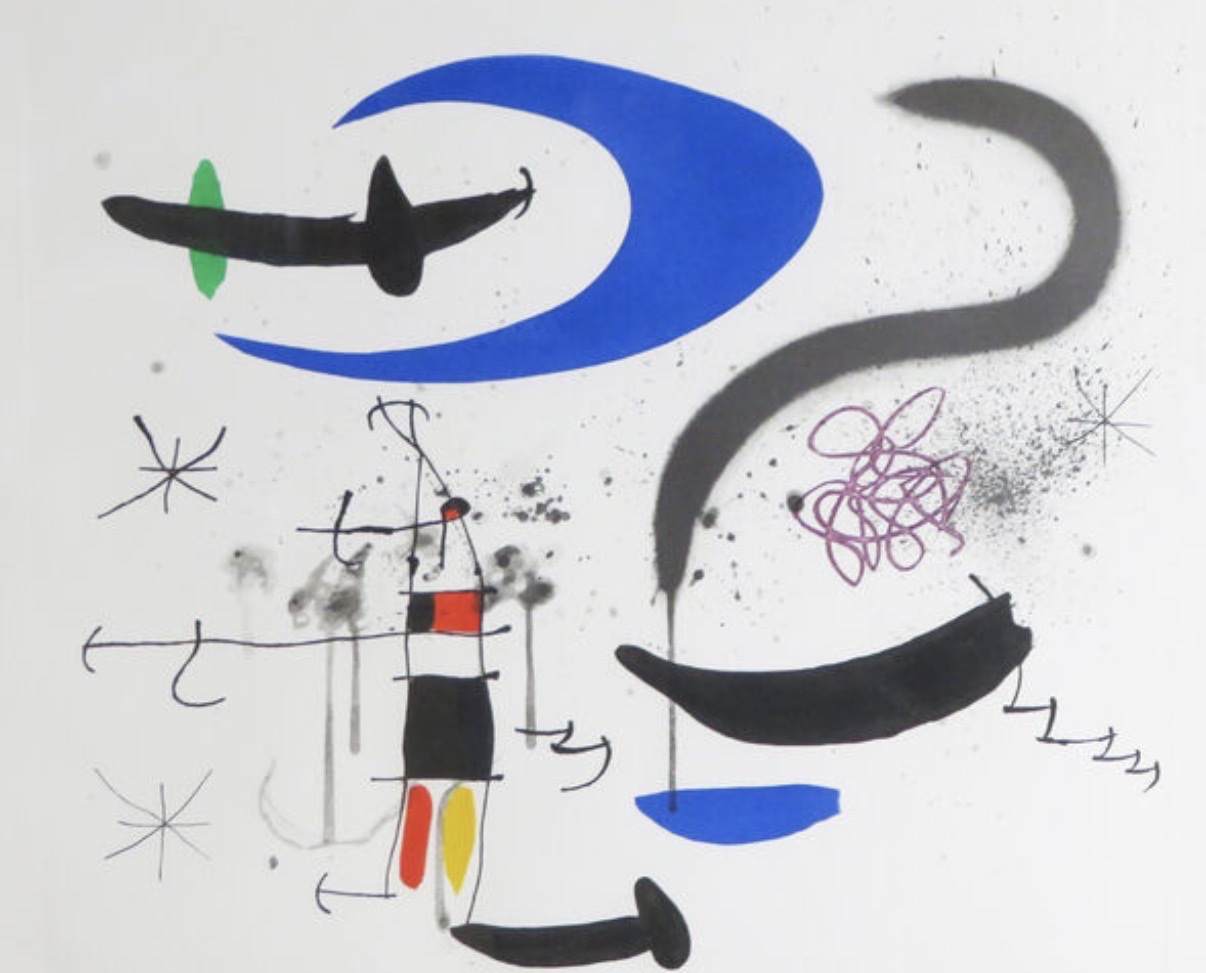
Joan Miró
Escalier de la Nuit
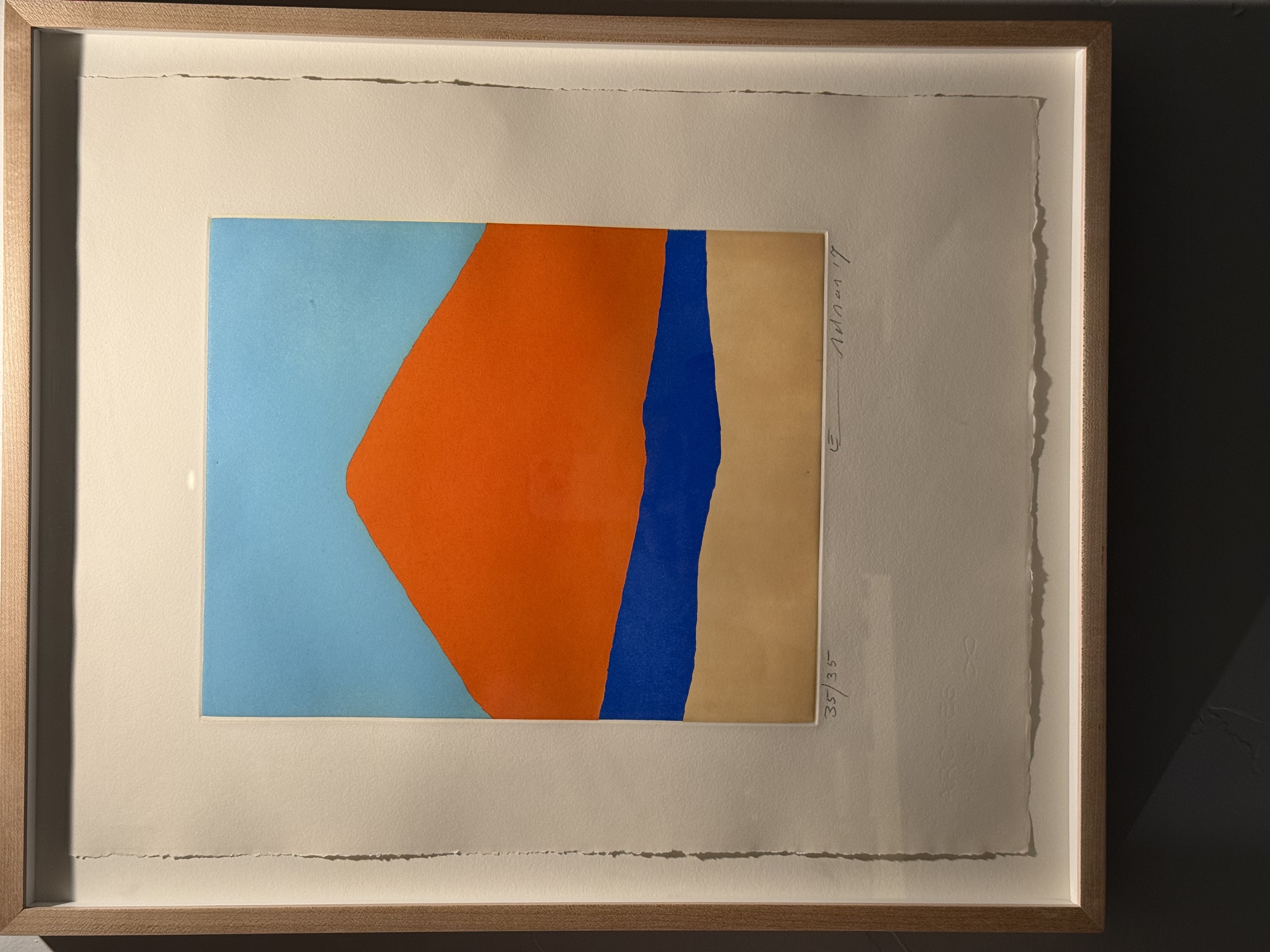
Etel Adnan
Guatemala
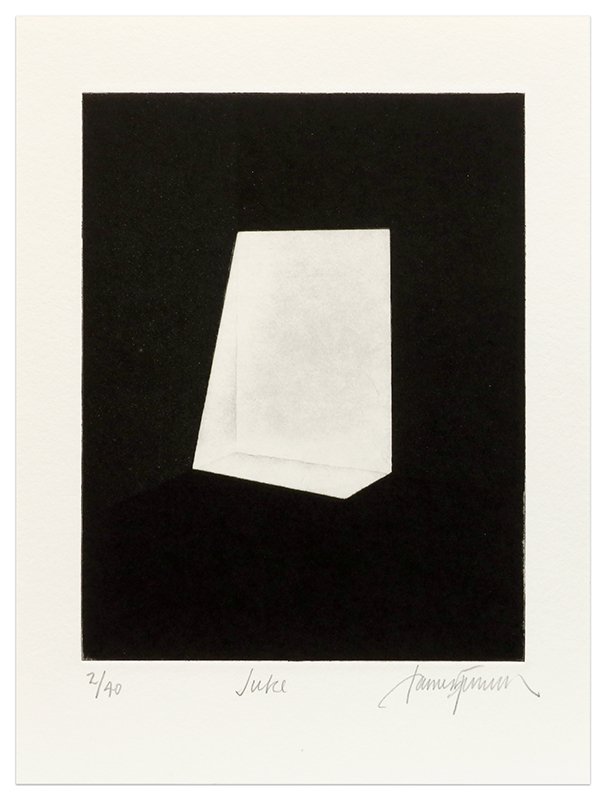
James Turrell
Alta
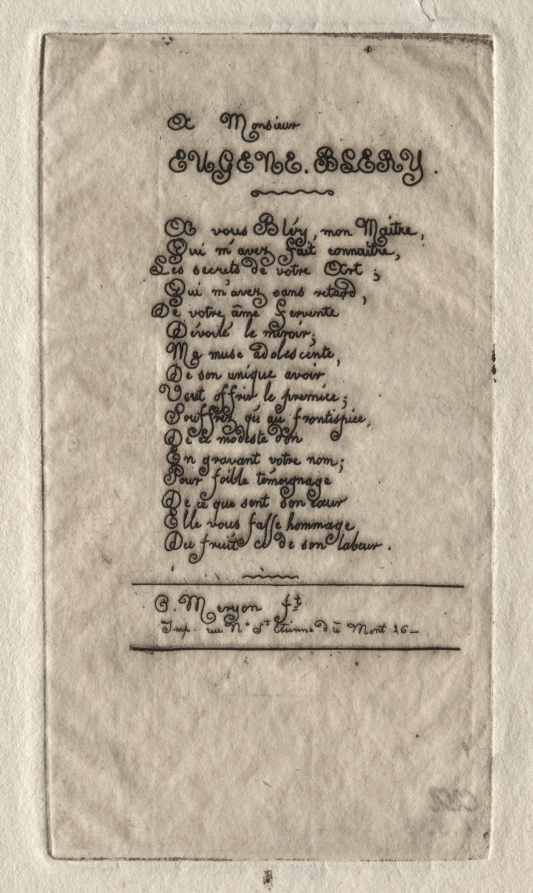
Charles Méryon
Verses to Eugène Bléry
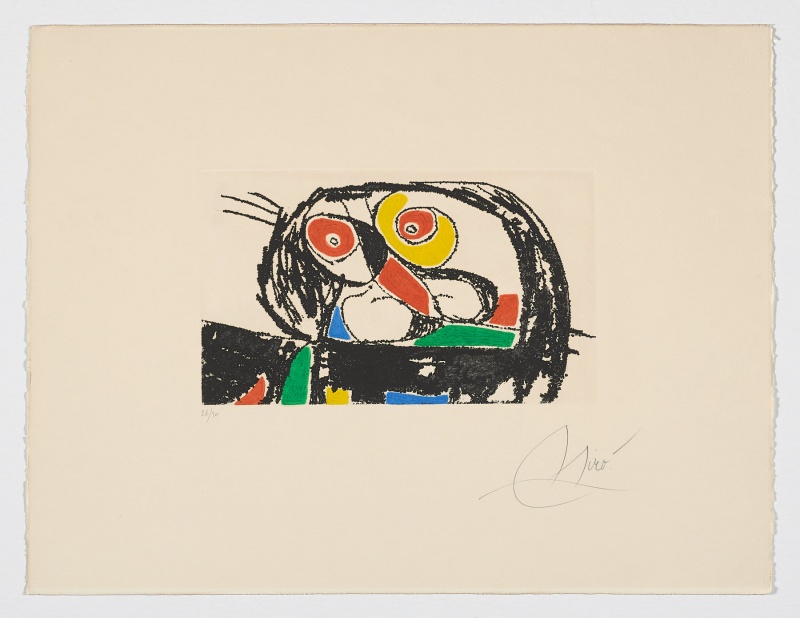
Joan Miró
Le Bousier (The Dung Beetle)
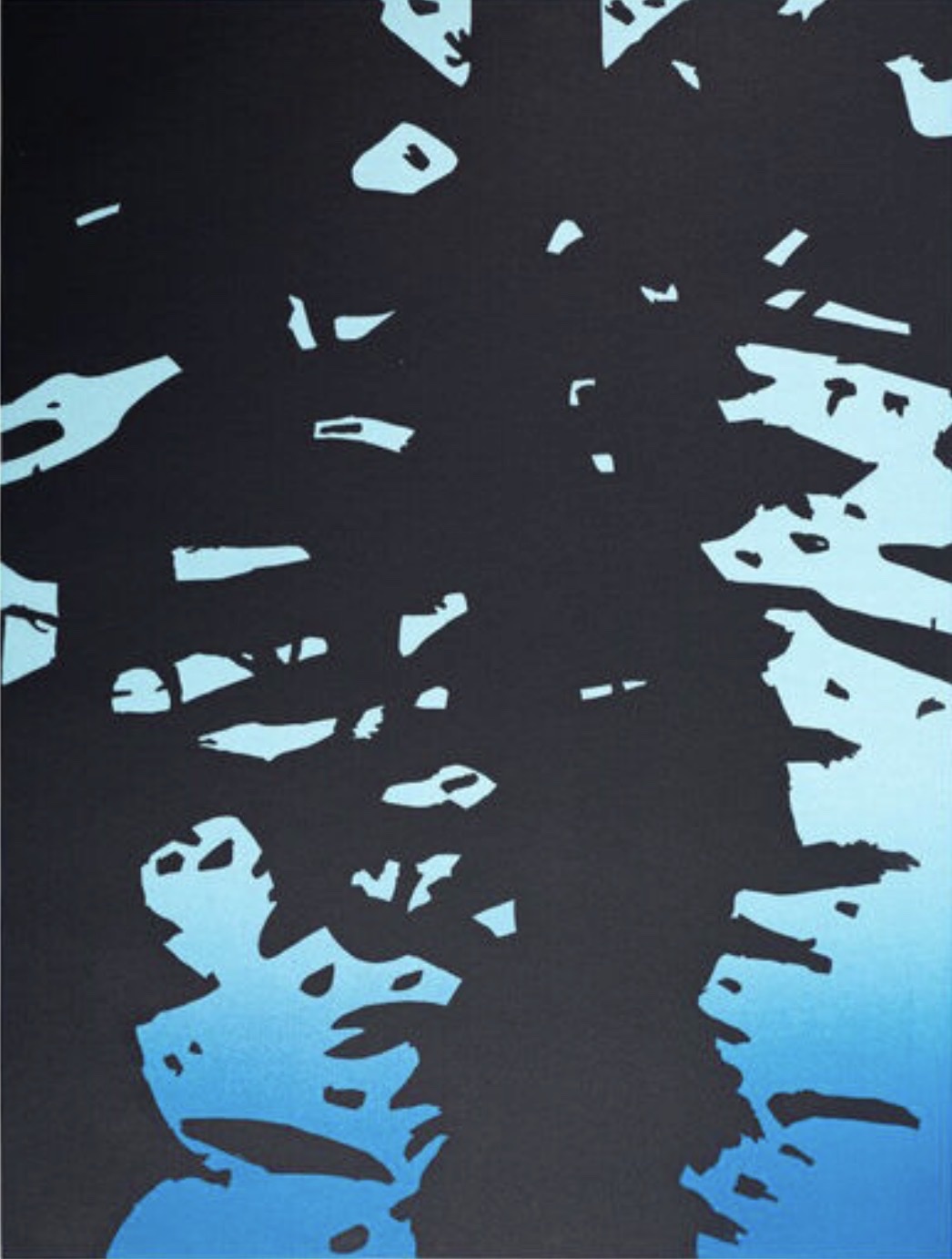
Alex Katz
Reflection II
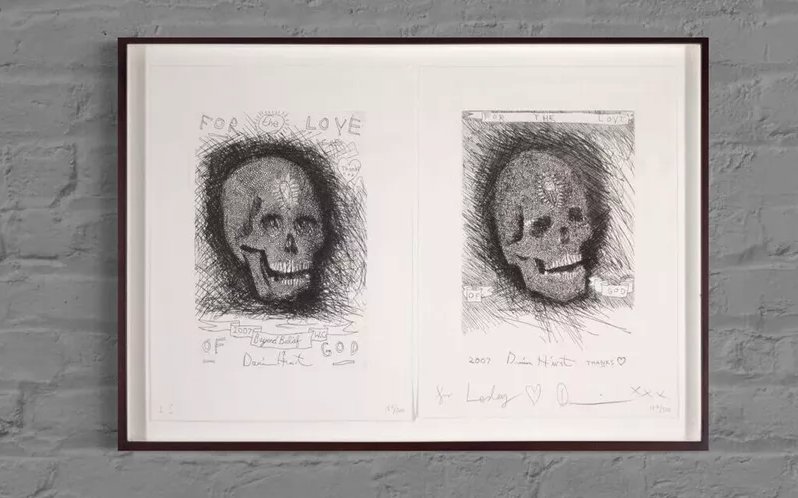
Damien Hirst
For the Love of God & Beyond Belief (Diptych)
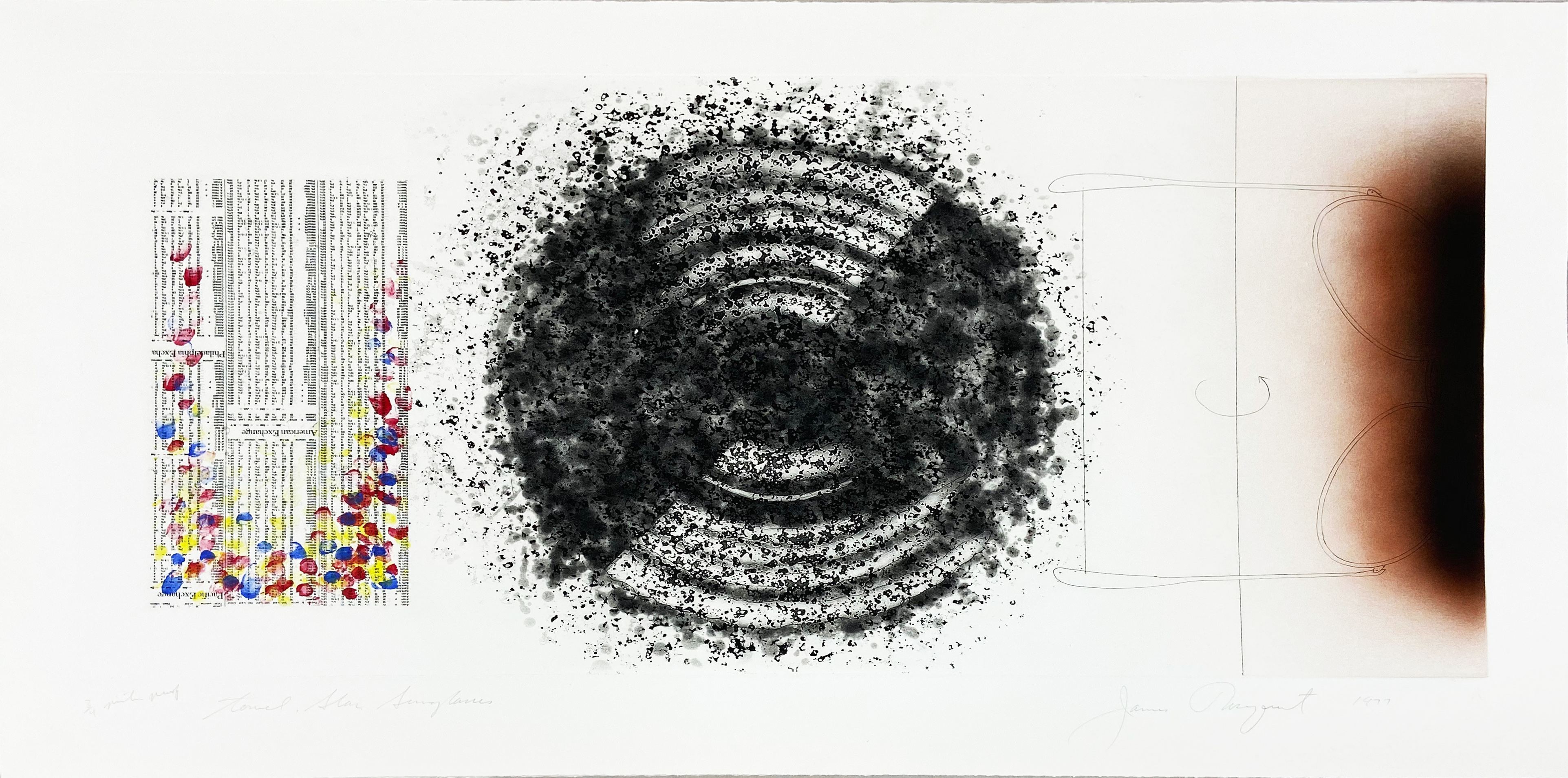
James Rosenquist
Towel, Star, Sunglasses
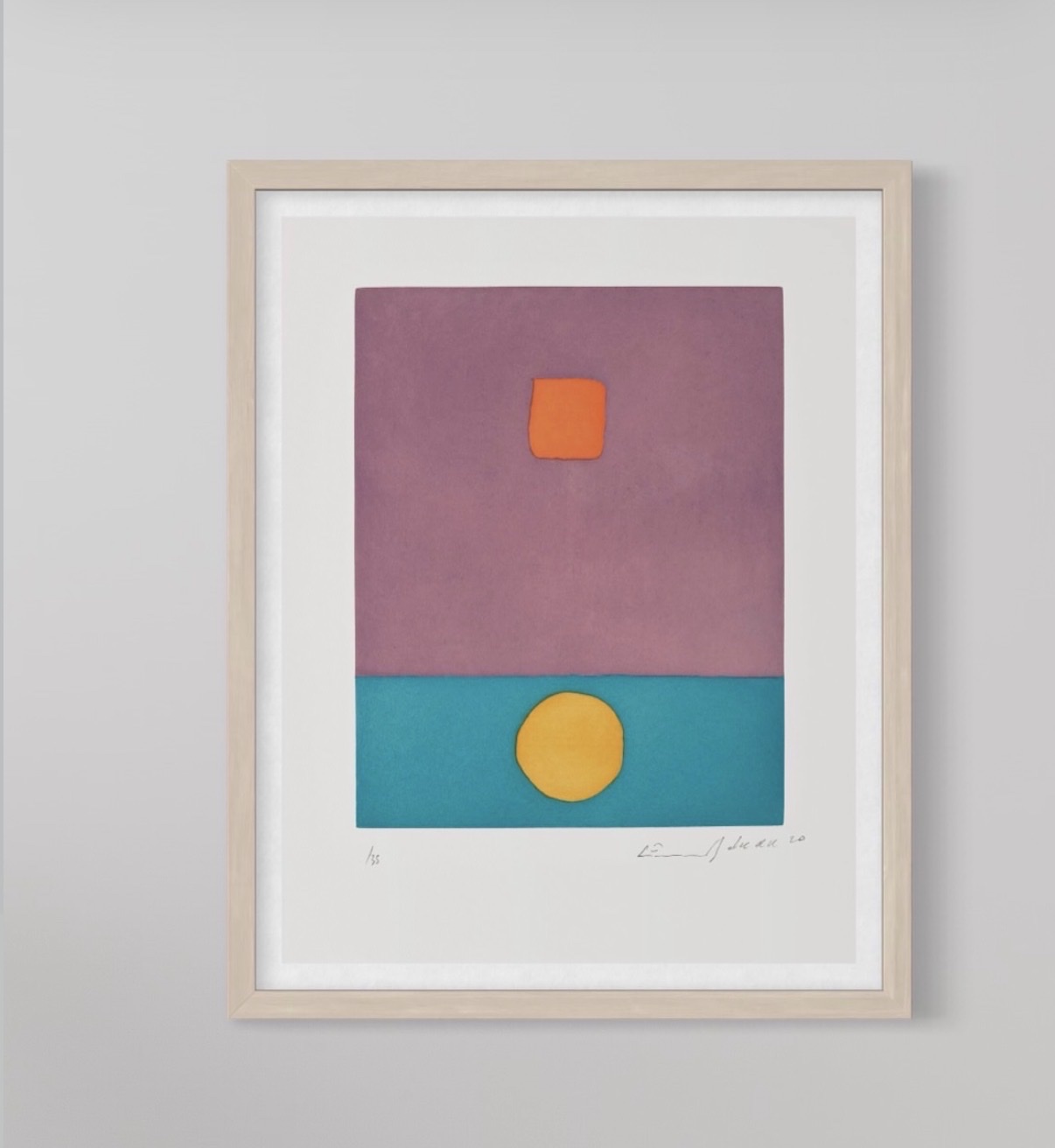
Etel Adnan
La Soleil a Vécu (The Sun has Lived)
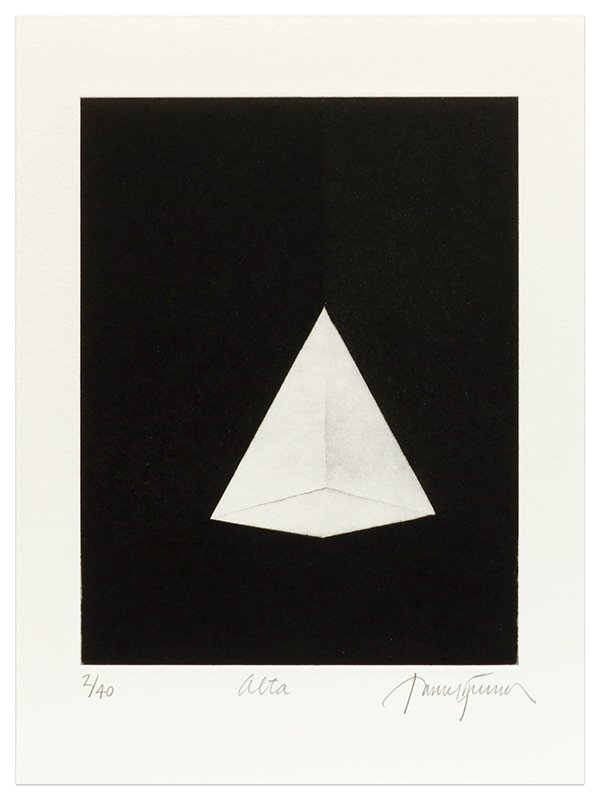
James Turrell
Juke
Richard Serra
Galileo Galilei
David Hockney
In Despair

Harland Miller
In Shadows I Boogie