Ephemeral Art
Andy Goldsworthy
Andy Goldsworthy

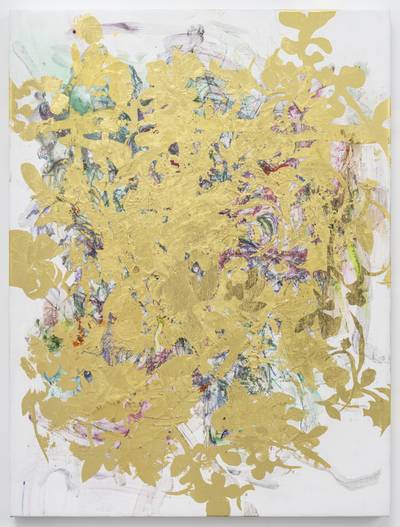
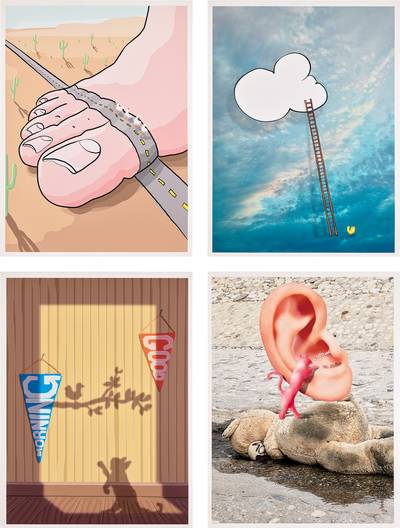
Nothing Lasts. That's the Point.
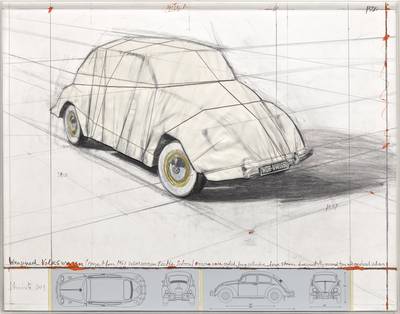
When Christo and Jeanne Claude wrapped the Arc de Triomphe in silvery fabric in October 2021, completing a project the artist had envisioned since 1962, the world stopped to watch something disappear. The installation was always going to last only sixteen days. That was never a limitation. It was the entire argument.
Crowds gathered in the rain. People flew in from other countries. The internet, which usually flattens everything into content, seemed genuinely moved. What that moment confirmed, with unusual clarity, was that art made to vanish has never felt more necessary.
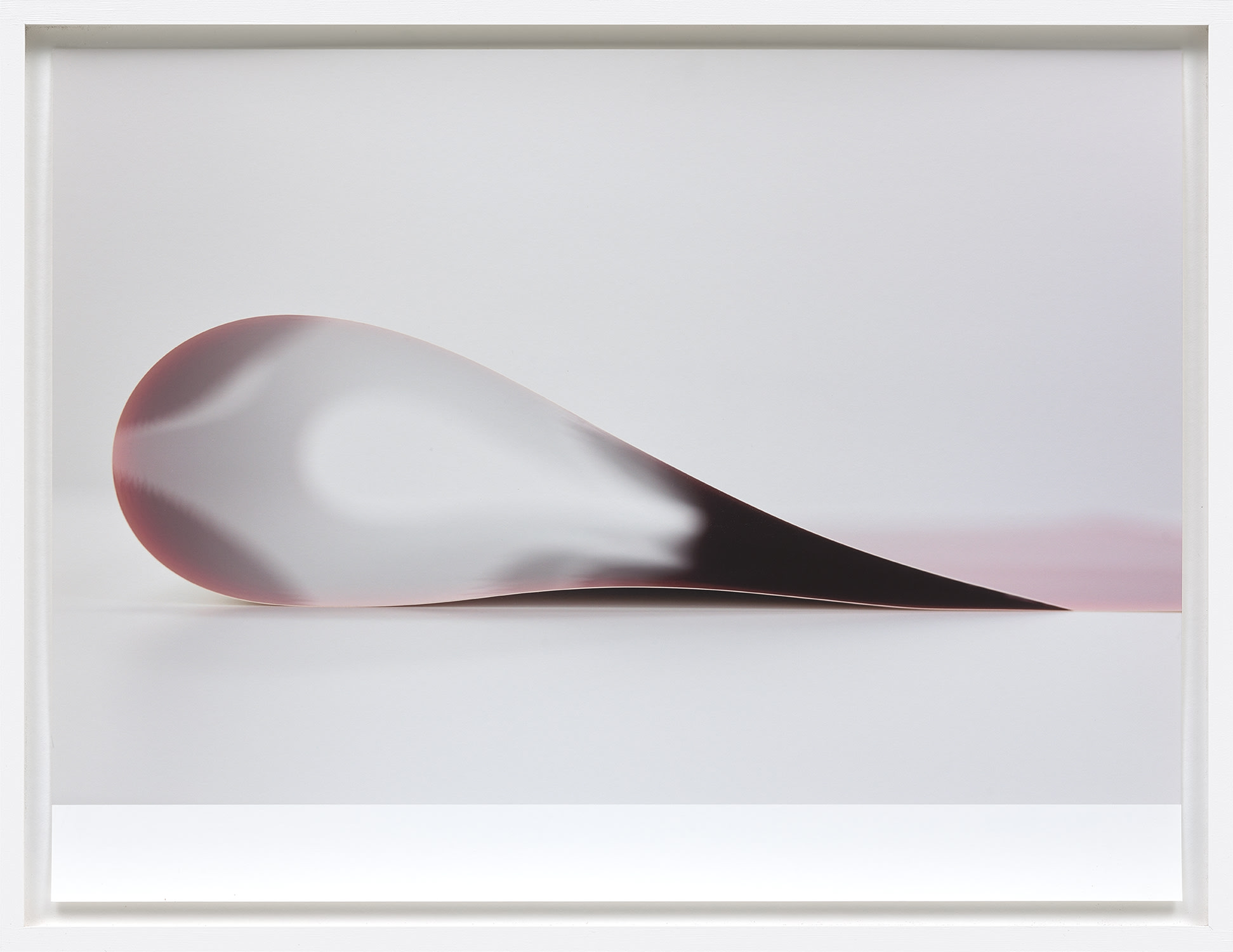
Wolfgang Tillmans
Paper drop Oranienplatz, c, 2017
Ephemeral art occupies a strange and privileged position in contemporary culture. It cannot be fully owned in the traditional sense, cannot be stored in a freeport, cannot appreciate in quite the way a canvas can. And yet the market around it, and around documentation of it, has grown steadily more serious. Collectors are no longer content to admire from a distance.
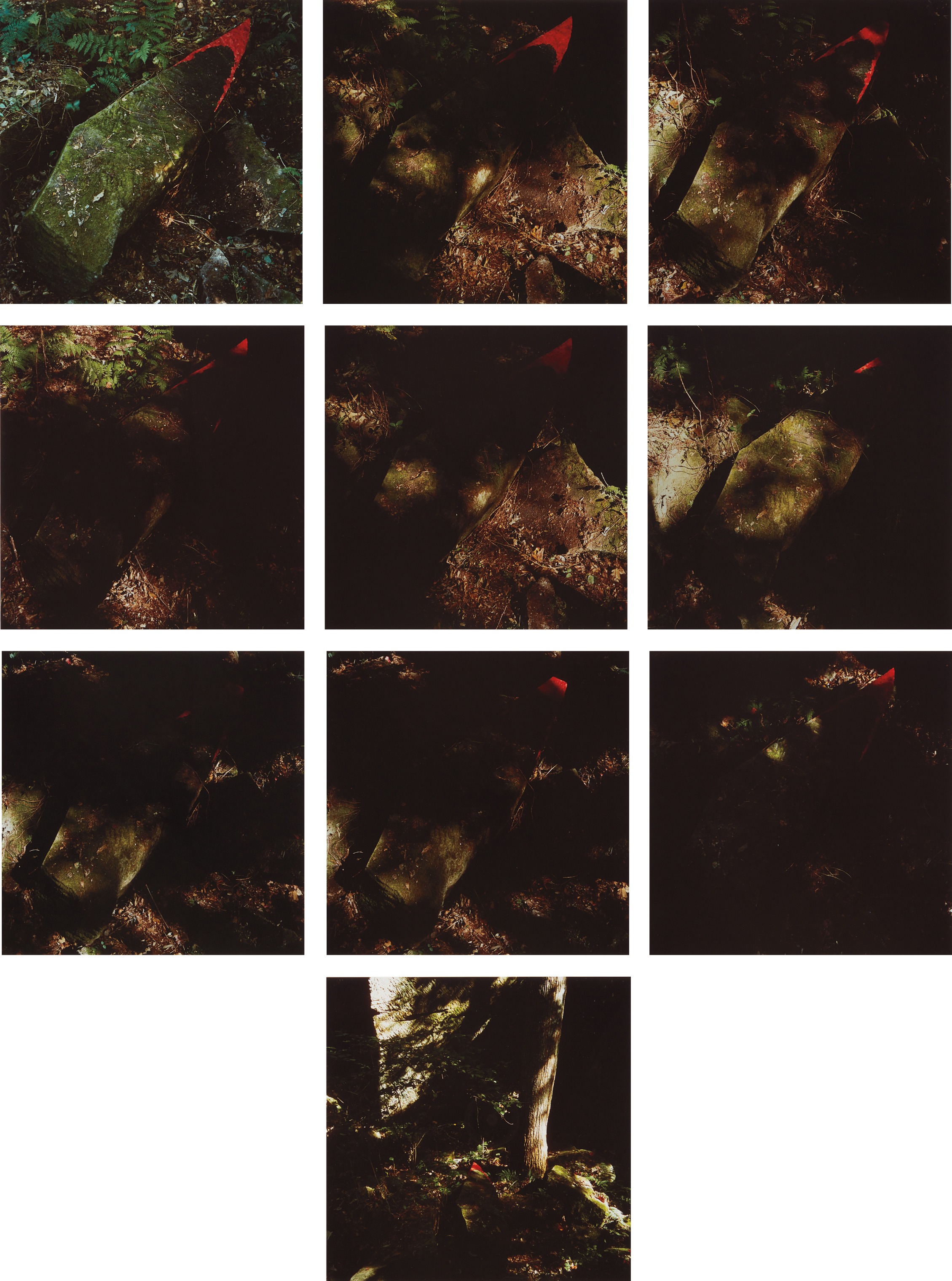
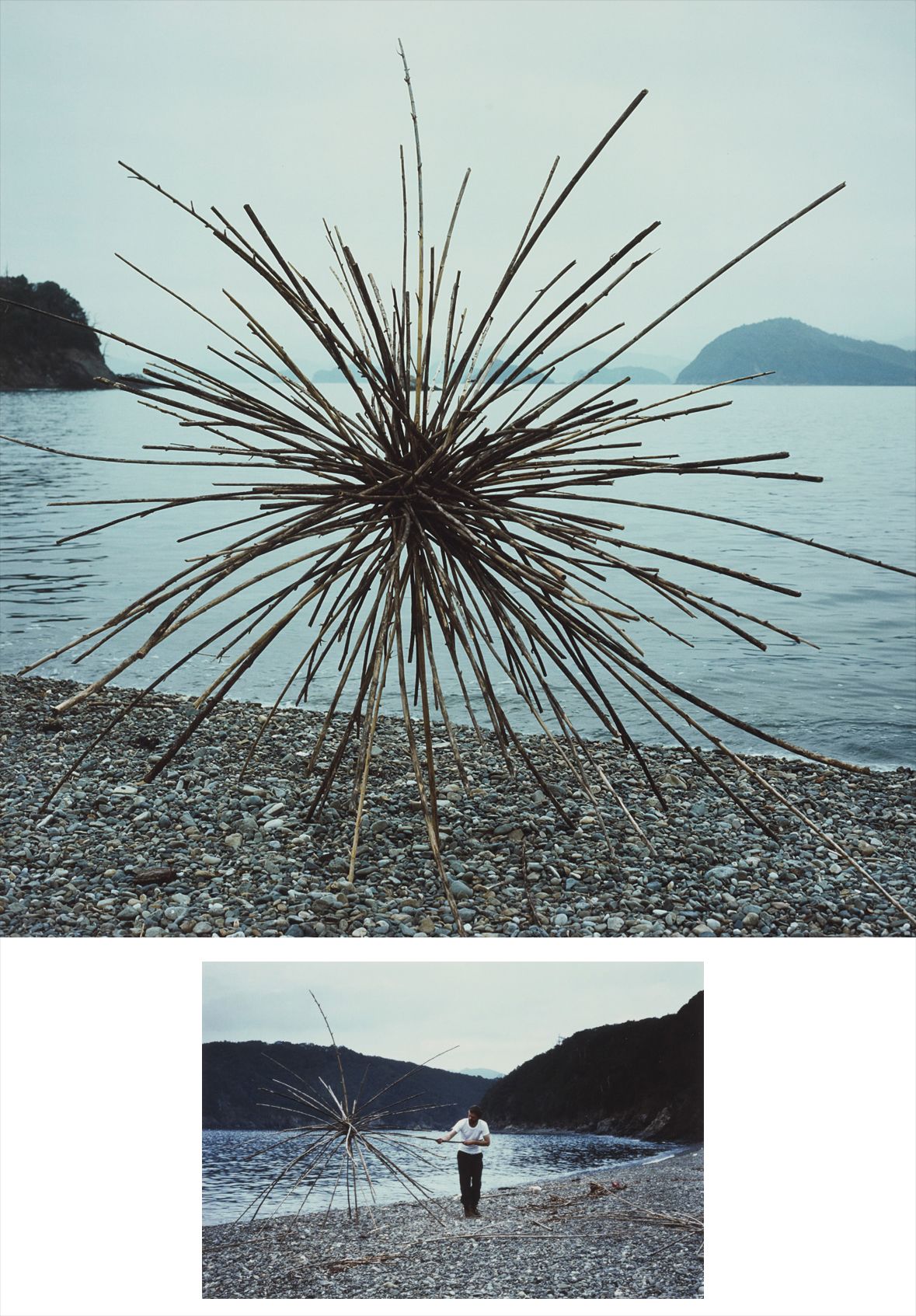
They want proximity to the moment of making, certificates of authenticity, limited edition photographs, preparatory drawings, the whole ecosystem that surrounds a work that cannot be held forever. The appetite is real, and institutions have noticed. Andy Goldsworthy has perhaps done more than any other living artist to shape how audiences understand impermanence as a discipline rather than a gesture. His work with leaves, ice, stone, and shadow, constructed in remote locations and documented only in photographs, asks the viewer to sit with the fact of its disappearance.
Andy Goldsworthy
Andy Goldsworthy
The photographs are not substitutes for the work. They are a different kind of work entirely, one about memory and record and the inadequacy of both. His pieces on The Collection speak to a collector sensibility that is drawn to nature, time, and process as subjects worthy of serious attention. The auction market for his photographic documentation has remained consistent and quietly strong, particularly in the United Kingdom and among American private collectors who came to him through the 2001 documentary Rivers and Tides.
The critical conversation around ephemerality has matured considerably since the relational aesthetics debates of the 1990s. Nicolas Bourriaud's writing gave a generation of curators permission to take social and temporal art seriously as a category, but it also created a certain earnestness that later writers pushed back against. More recently, critics including Hal Foster and T.J.
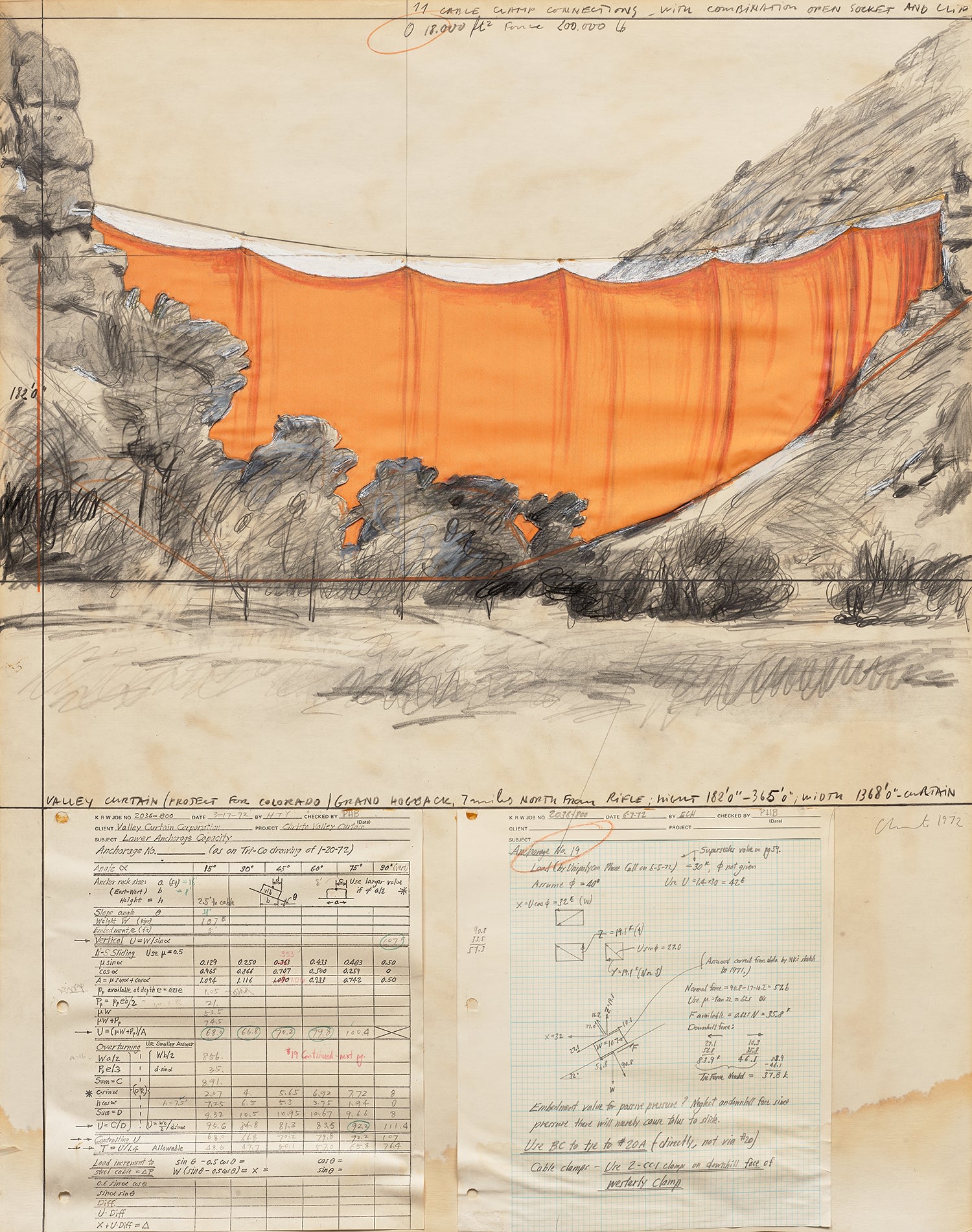
Christo
Valley Curtain (Project for Colorado) Grand Hogback, 7 Miles North from Rifle, 1972
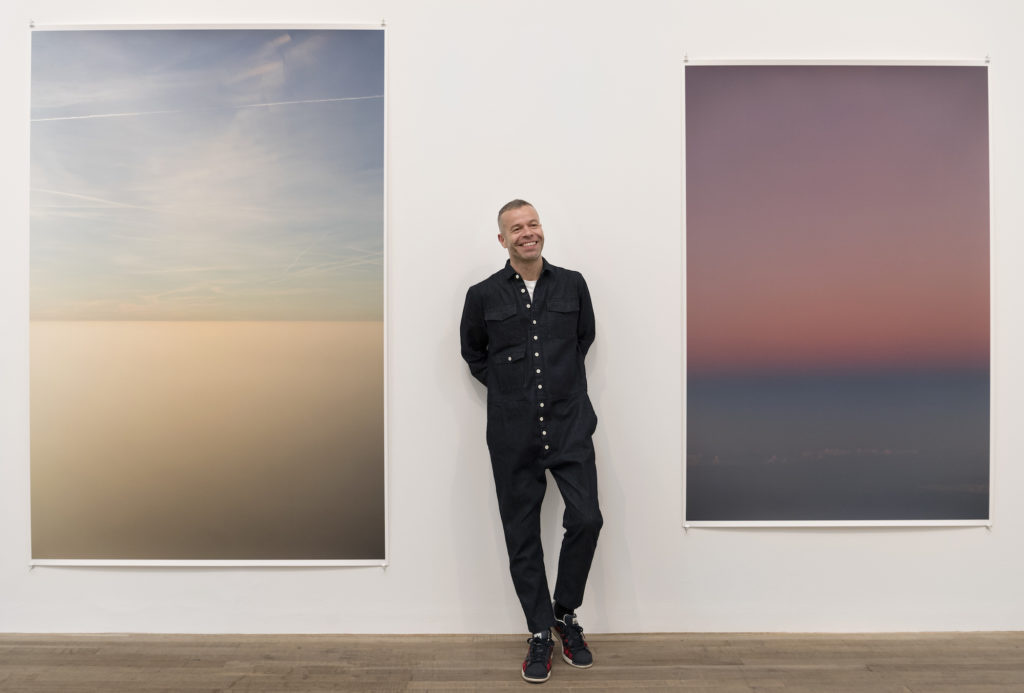
Demos have written with precision about the politics of disappearance, asking who benefits from art that leaves no trace and whether impermanence can be as much an evasion as a statement. Frieze and Artforum have both given sustained attention to artists working in this mode, and the conversation has sharpened as a result. Museum collecting in this space is necessarily creative and sometimes controversial. The Tate Modern has been a consistent champion, acquiring works by artists including Wolfgang Tillmans, whose practice circles around the provisional and the contingent.
Tillmans, represented on The Collection, does not make ephemeral work in the traditional sense, but his installations are deeply concerned with how images exist in time and how their meaning shifts depending on context, placement, and the attention of the viewer. The Museum of Modern Art in New York and the Guggenheim have both developed strategies for acquiring time based and unstable works, including extensive documentation protocols and artist interviews that become part of the permanent record. Jim Hodges brings a different emotional register to this conversation. His work with flowers, mirrors, and fragile materials has always been inflected by loss, by the AIDS crisis specifically, and by the way beauty insists on itself even in the presence of grief.
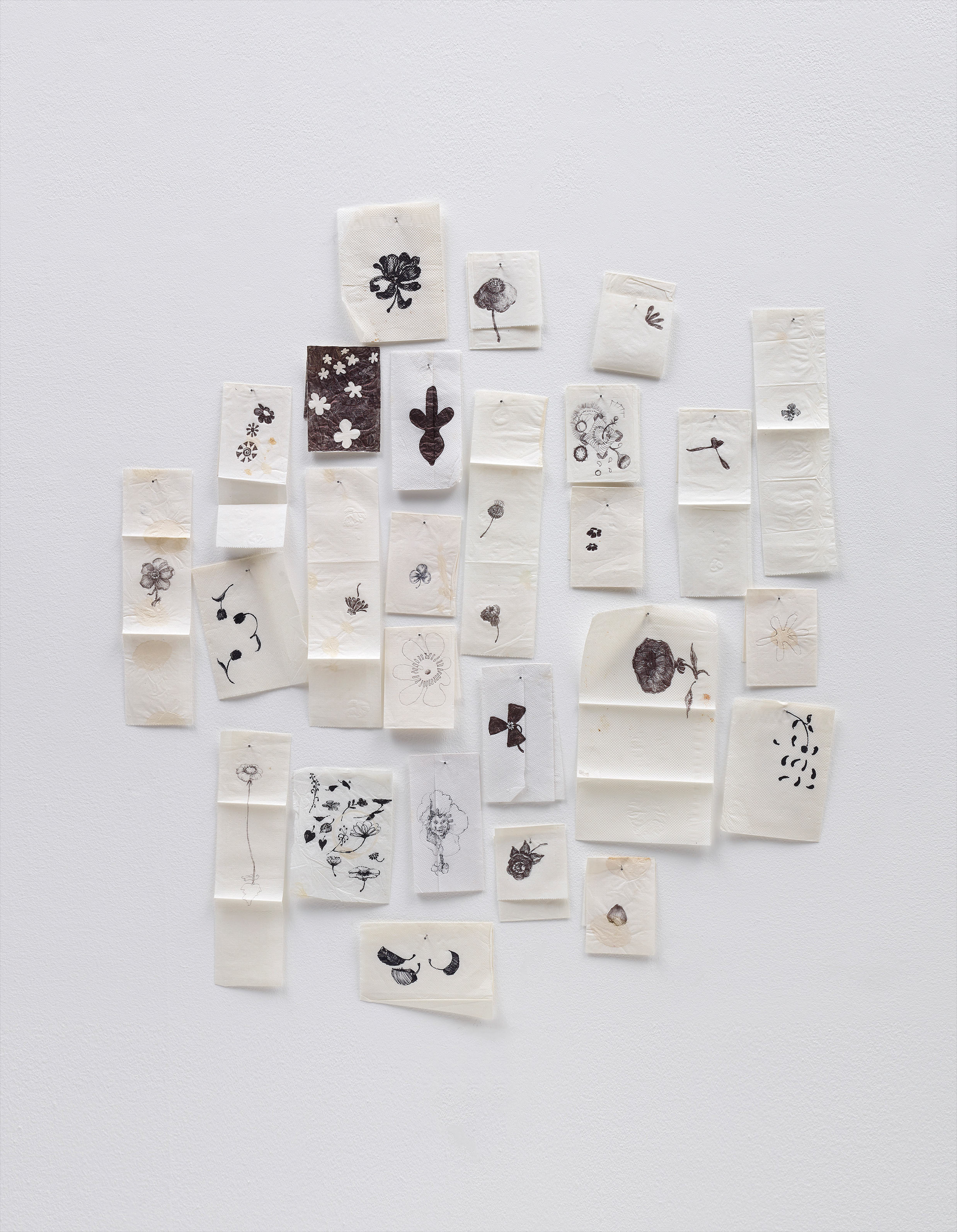
Jim Hodges
A Diary of Flowers – Just Black, 1993
His installations are frequently site specific and temporary, though objects from larger bodies of work do enter the market. The prices his work commands reflect both the critical seriousness he has earned over three decades and the genuine scarcity of major pieces when they do appear. His presence on The Collection is a signal of a collecting taste that values emotional intelligence alongside formal rigor. Urs Fischer operates at a different scale and with a different kind of spectacle.
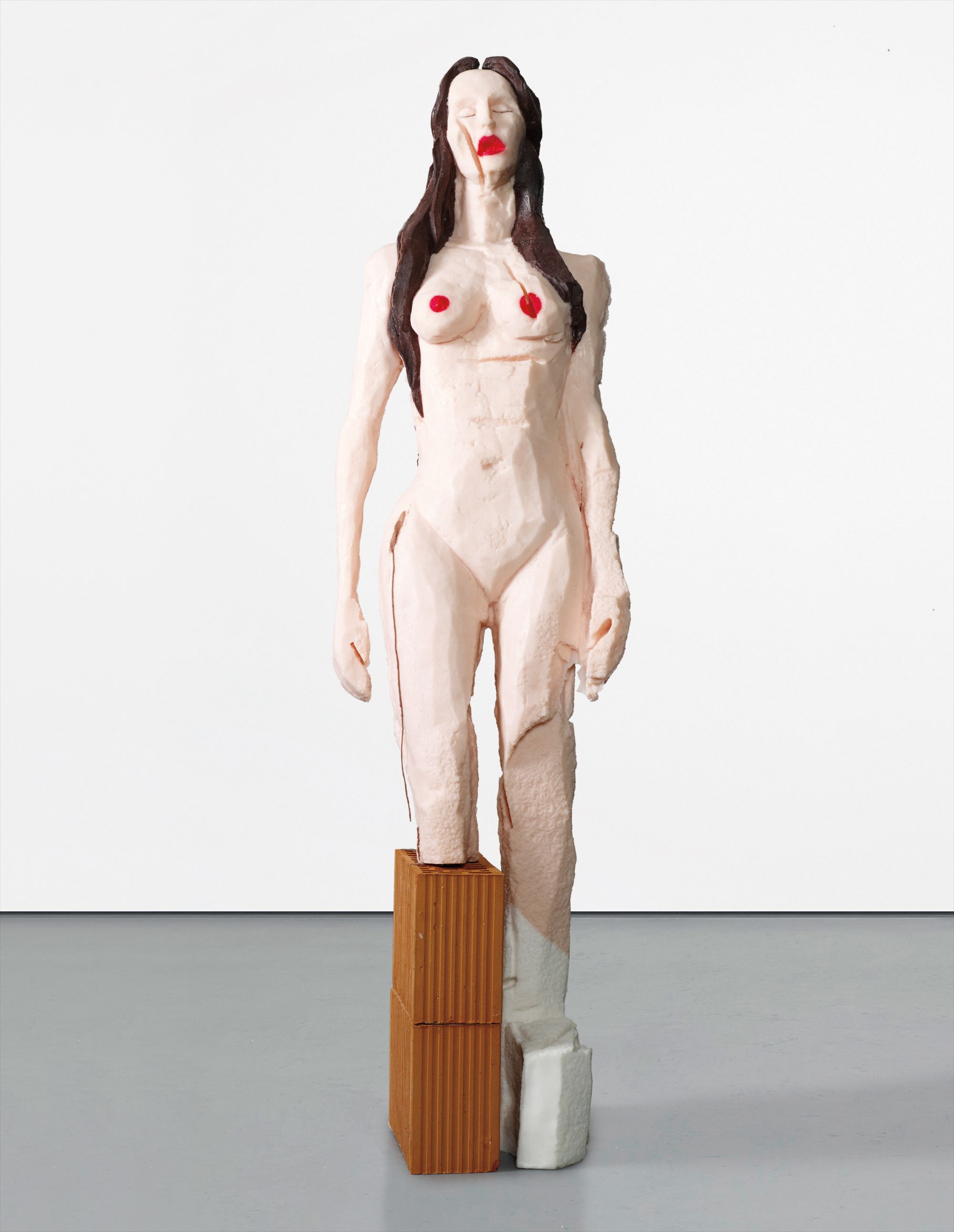
His wax candle sculptures, which melt over the course of an exhibition, turn the act of viewing into a durational experience with a visible end point. When he cast a full scale replica of Giambologna's Rape of the Sabine Women in wax for his 2011 Gagosian show and allowed it to burn over weeks, the critical response was divided in exactly the productive way that good work usually provokes. The auction results for Fischer have reflected an ongoing collector interest in work that is conceptually ambitious and visually arresting even in documentation. The energy right now feels most alive at the intersection of ephemeral practice and ecological thinking.
Artists and curators are asking whether impermanence is not just an aesthetic position but an ethical one, a refusal of the accumulation logic that drives both the art market and the broader culture. Goldsworthy's engagement with landscape feels newly urgent in this context. There is also a genuine curiosity about what it means to collect in this space responsibly, to support practice without reducing it to commodity. Some galleries are experimenting with experience based models, certificates that confer the right to restage a work, or subscriptions to ongoing artistic processes.
What surprises are coming is harder to say, but the signals are interesting. Young artists are engaging seriously with obsolescence, with media that degrade intentionally, with work that exists fully only once. The market for documentation and related objects has room to grow, and institutions that are building expertise now will be better positioned when major estates and archives become available. For collectors on The Collection, the artists working in this mode represent something genuinely difficult to replicate: a commitment to time itself as a medium, and to the particular kind of attention that only vanishing things demand.