Environmental Theme
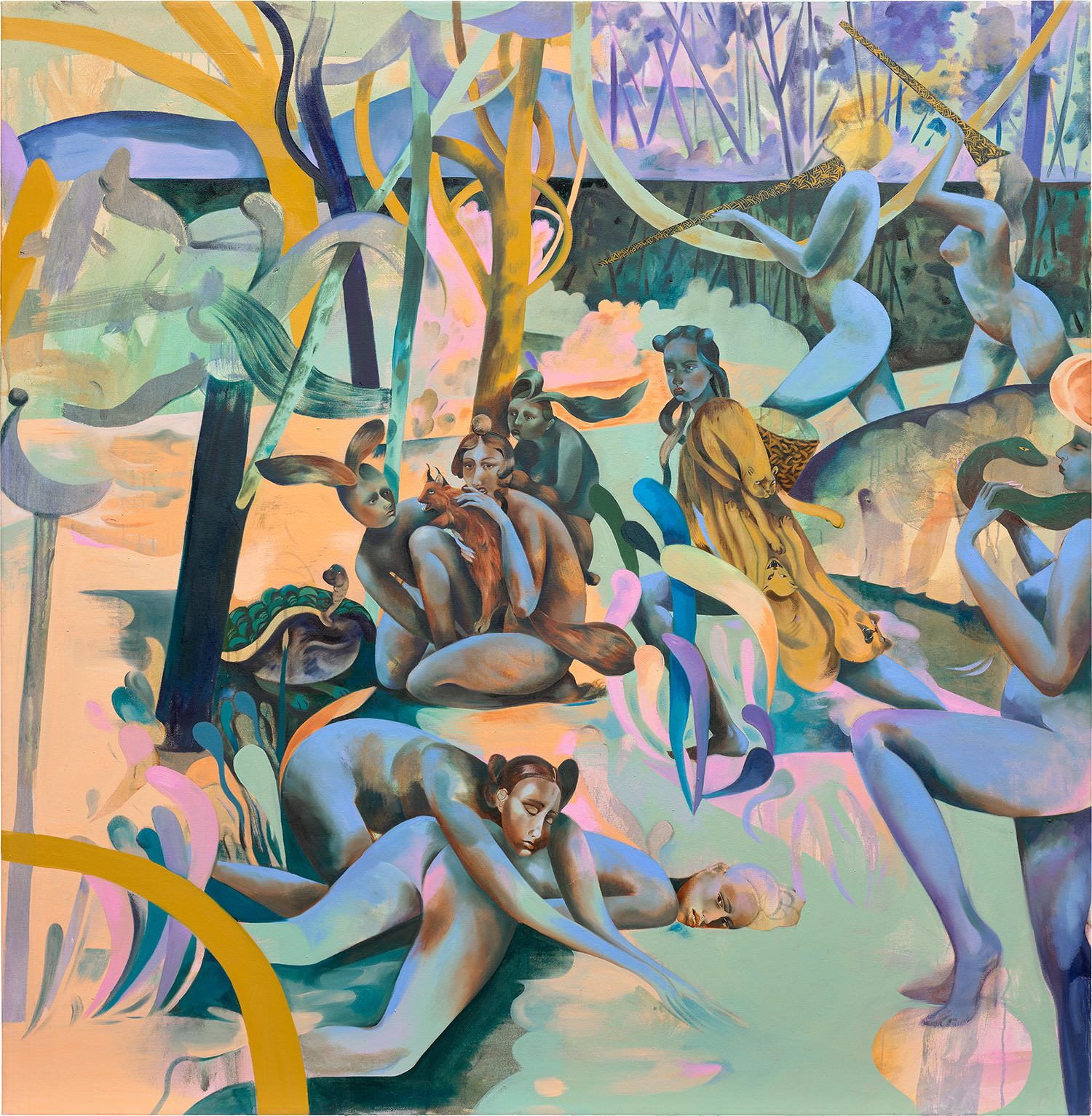
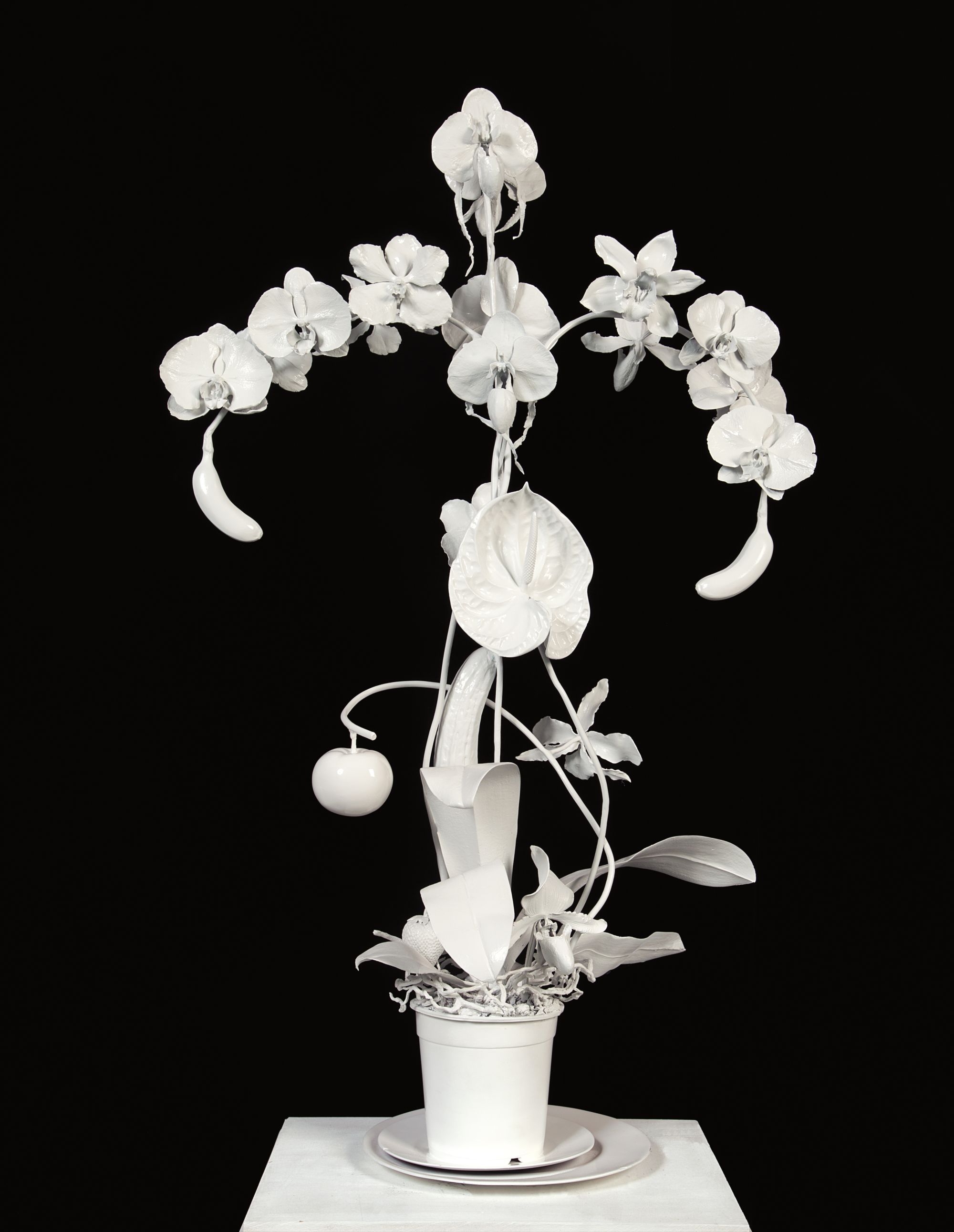
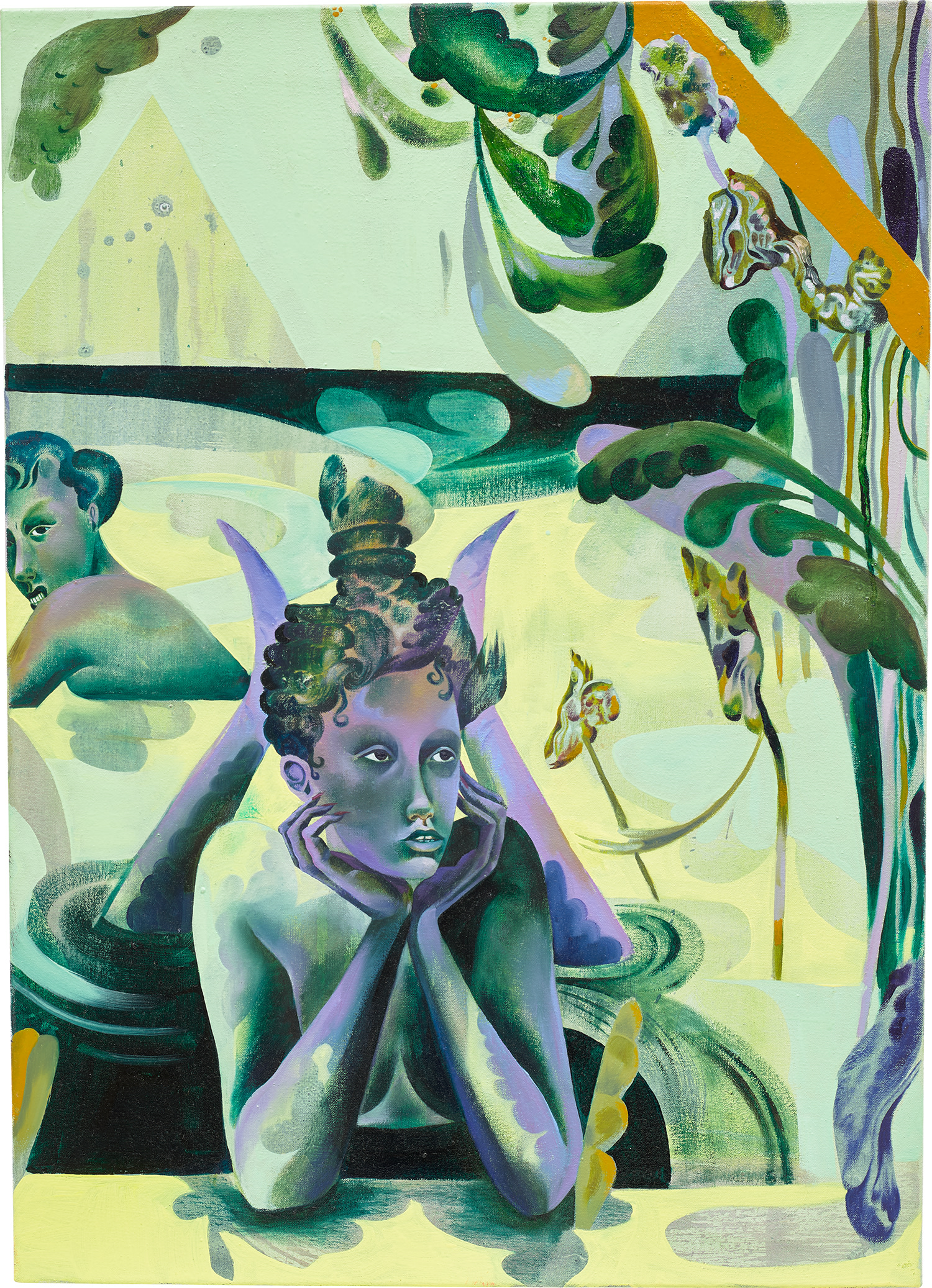
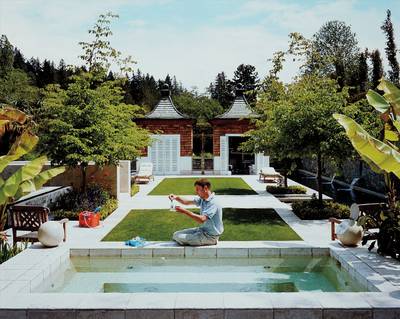
Jessie Makinson
Through The Lattice Step Lightly, 2018

Art That Argues With the Planet Right Now
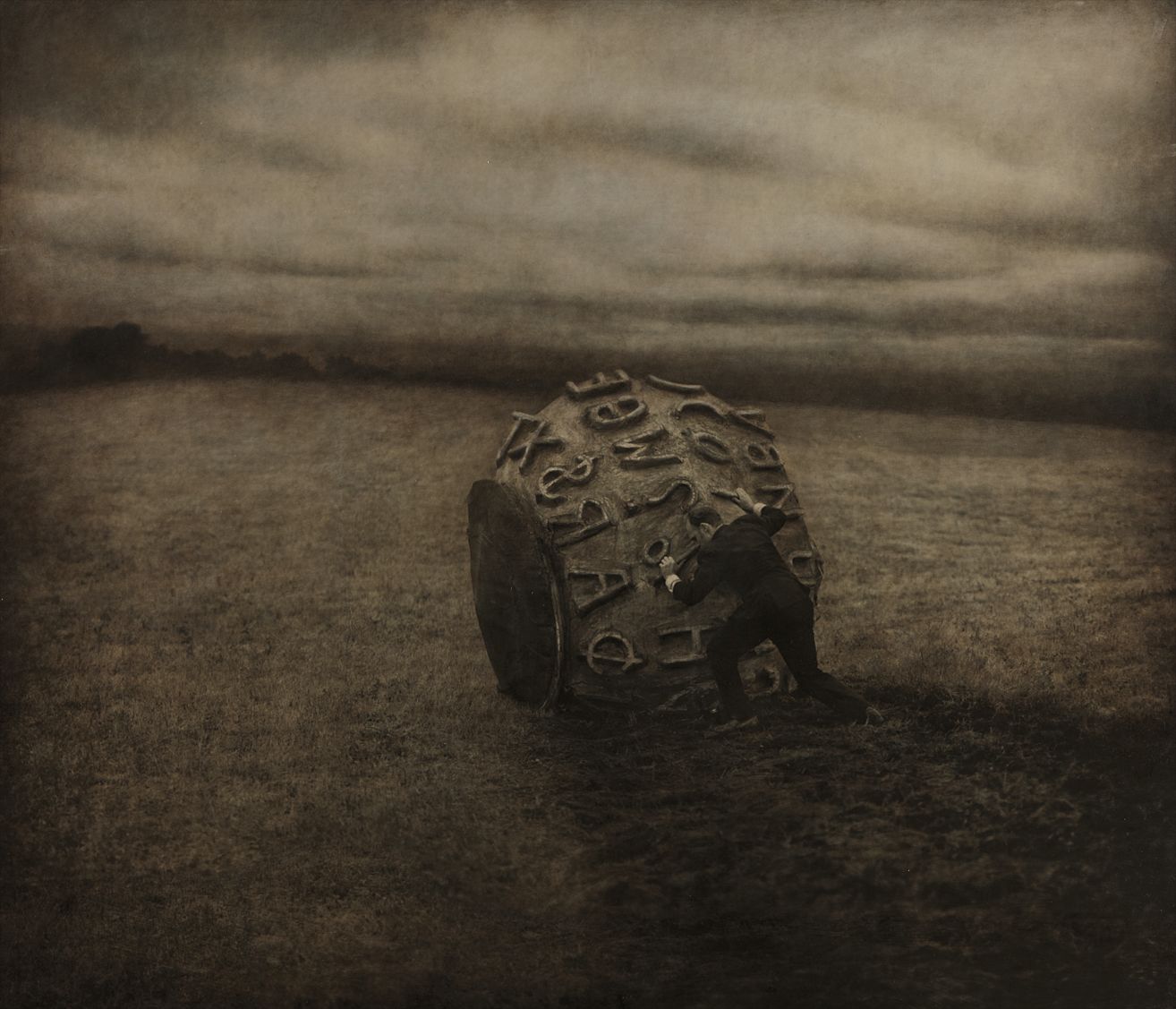
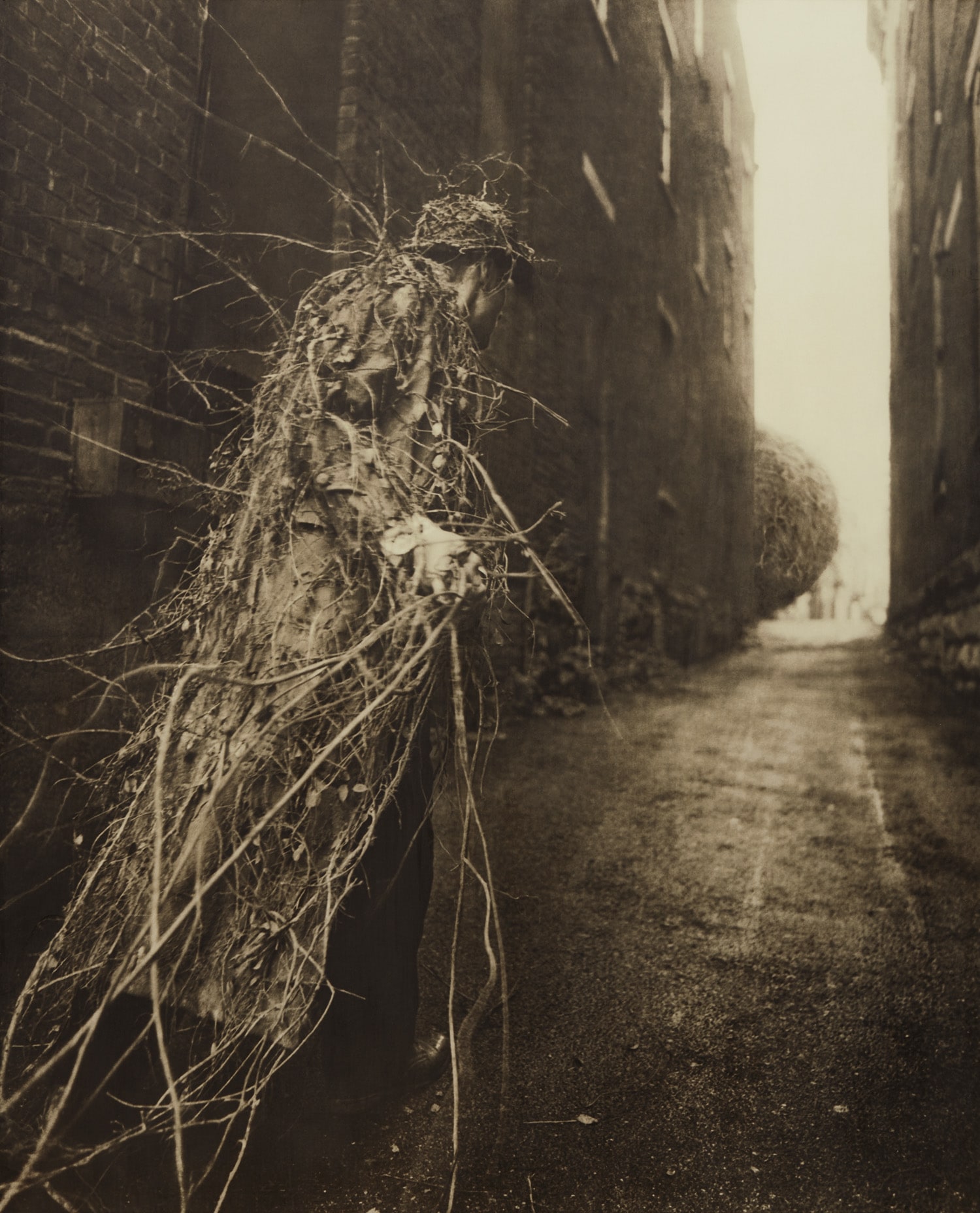
When Robert ParkeHarrison's "The Architect's Brother" series achieved strong results at Christie's in recent seasons, it confirmed something that dealers had been quietly noting for years: work that grapples seriously with ecological anxiety no longer occupies a niche corner of the market. It sits at the center. ParkeHarrison's sepia toned photographs of a lone figure attempting futile repairs on a damaged natural world carry a weight that feels almost unbearably current, and collectors who acquired them a decade ago are watching institutions catch up to what they already understood intuitively. The environmental theme in contemporary art is not new, but its cultural urgency has shifted the conversation in ways that feel genuinely irreversible.
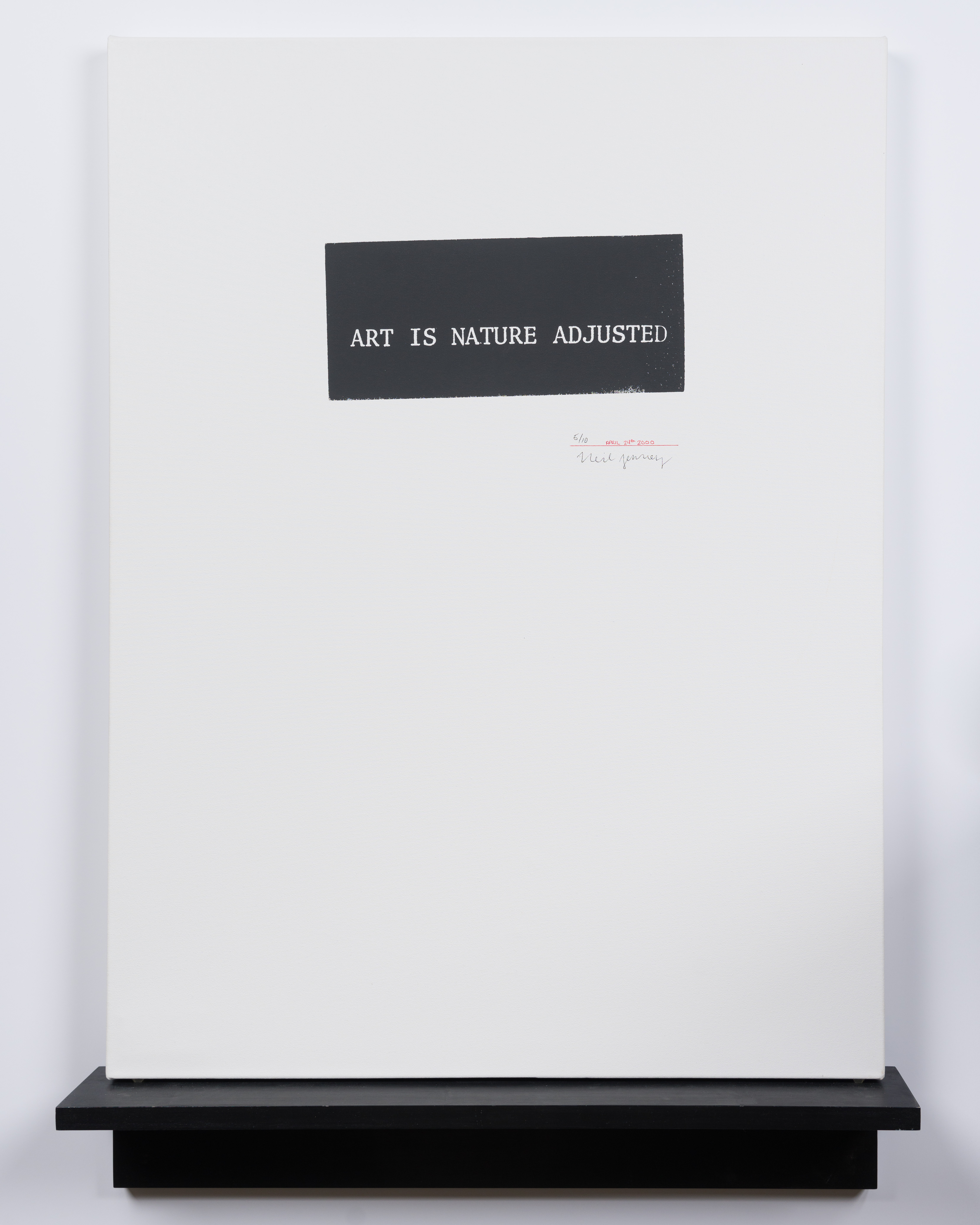
What was once filed under activist art or issue driven work is now understood as some of the most sustained critical inquiry happening in studios today. The distinction matters because it changes how curators talk about the work, how auction specialists frame it, and ultimately how deeply it enters permanent collections. Neil Jenney was making paintings about ecological rupture in the 1960s and 1970s when almost no one in the art world wanted to frame it that way, and the rehabilitation of his reputation over the past decade tracks almost exactly with the broader cultural reckoning around climate. Exhibitions have played an enormous role in shaping this shift.
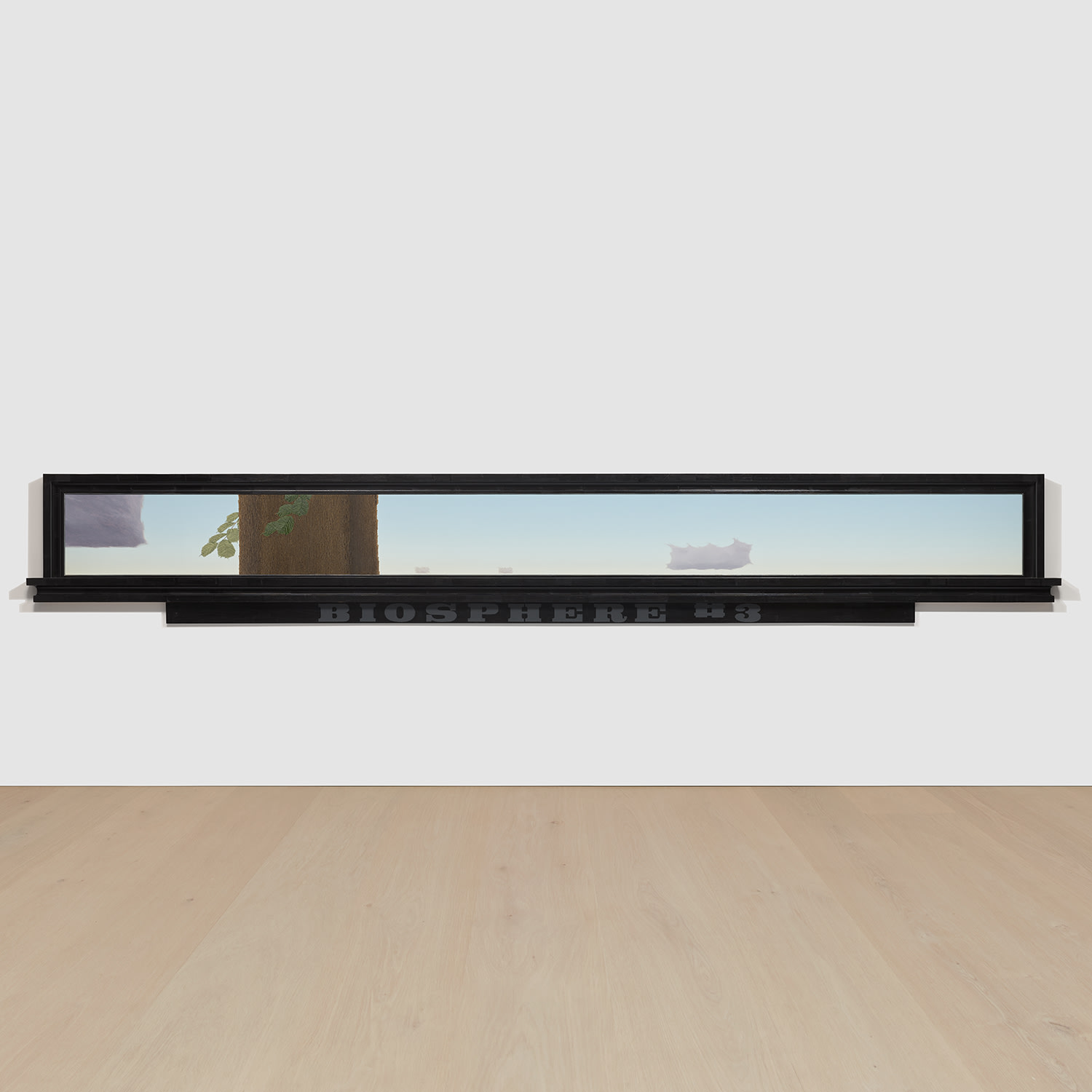
Neil Jenney
Biosphere #3, 1971
The Hayward Gallery's "Eco Visionaries" show in 2020 was a landmark moment, gathering artists whose practices addressed environmental collapse with formal rigor rather than didactic messaging. Tate Modern has increasingly incorporated ecological thinking into its acquisitions strategy, and institutions from the Los Angeles County Museum of Art to the Serpentine have mounted programming that treats the environment not as subject matter but as a lens through which all art making can be examined. These are not temporary gestures. They signal a permanent recalibration of how major museums understand their collecting responsibilities.
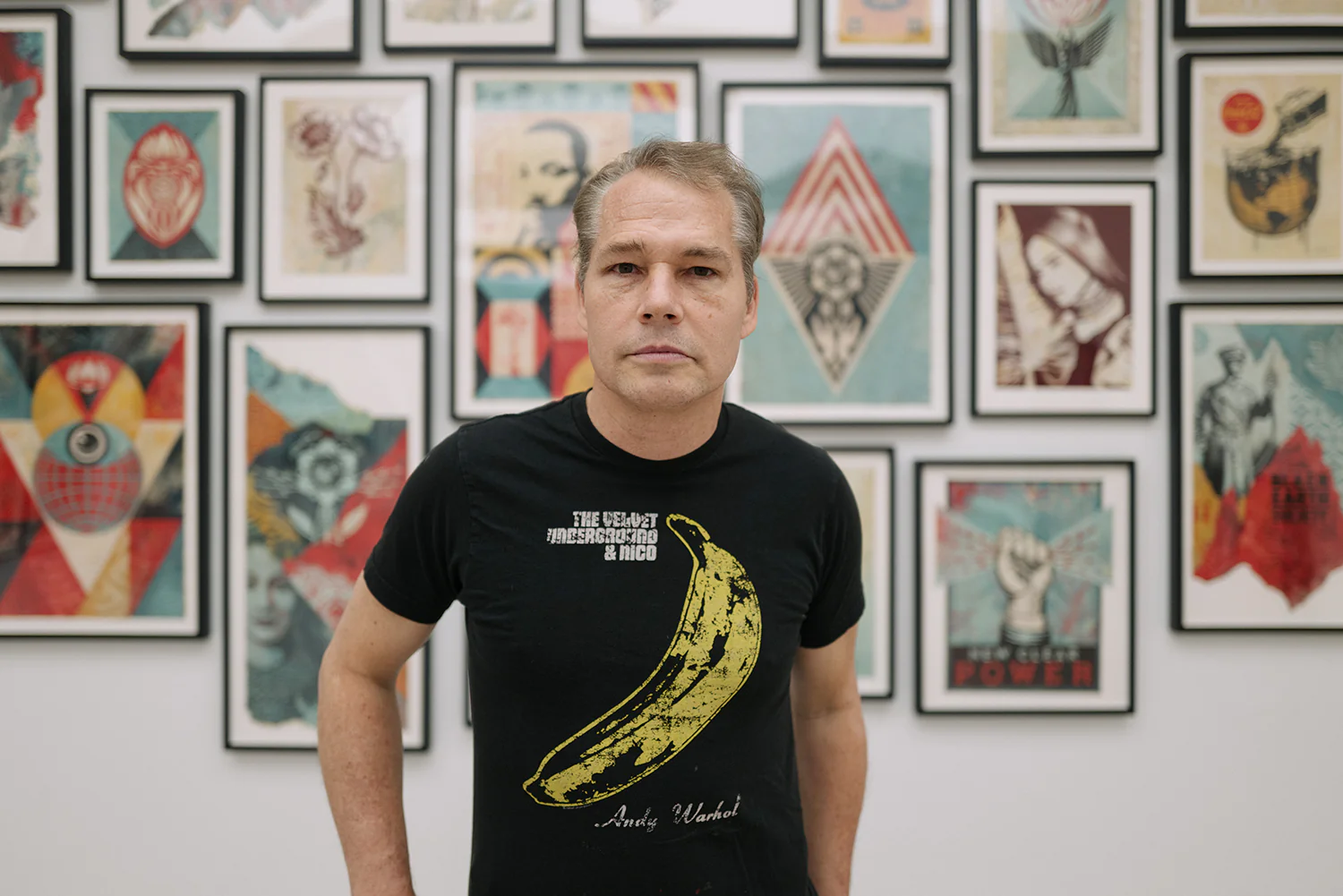
At auction, the results have been clarifying. Shepard Fairey's work, long understood through the lens of political street culture, has found a secondary readership among collectors who recognize that his imagery around land, power, and resource extraction sits within a much longer tradition of environmental advocacy through image making. Marc Quinn brings a different kind of intensity to the conversation, using biological materials and scientific language to ask what the body and the natural world owe each other. His market has always rewarded ambition, and as the critical framing around his practice matures, the environmental dimensions of his work are receiving more serious attention from both scholars and buyers.
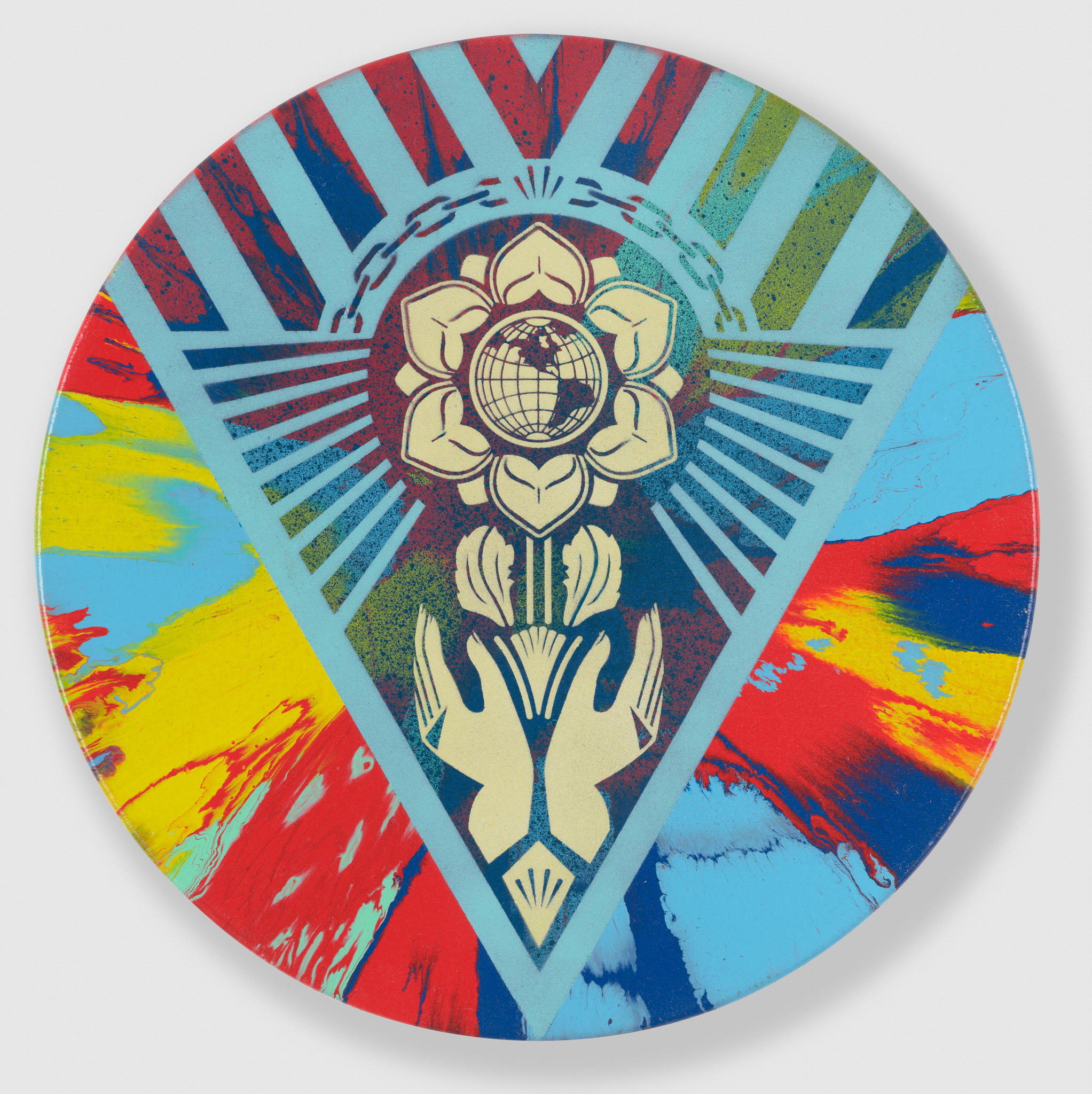
Shepard Fairey
Beautiful Rotating Earth Justice Spin Painting, 2025
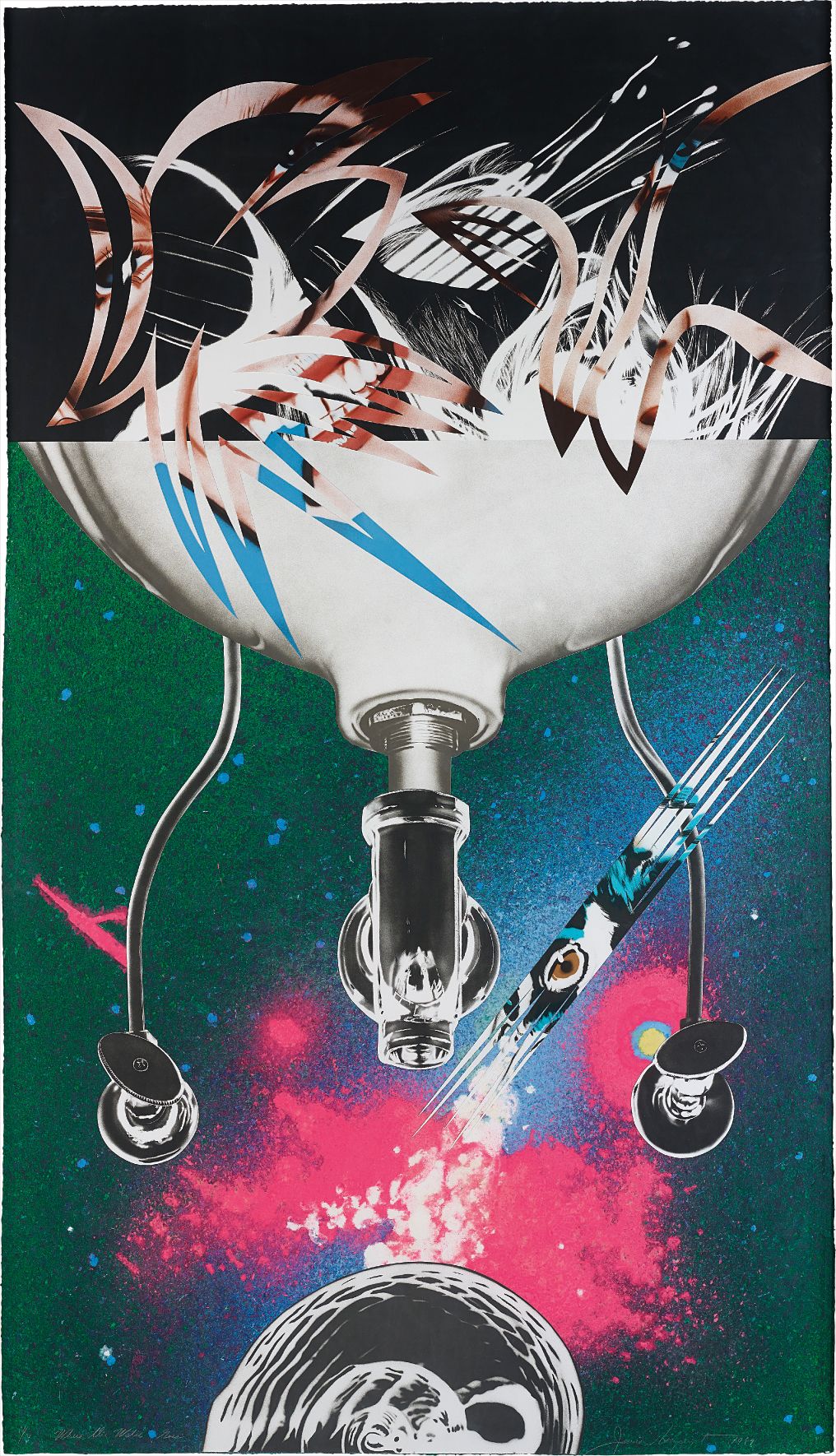
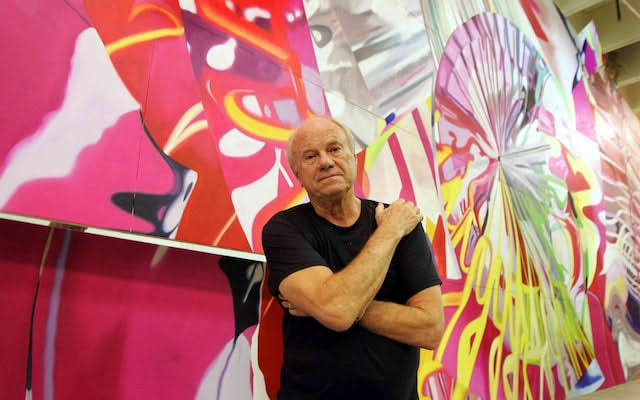
James Rosenquist's monumental canvases, which absorbed the visual noise of industrial America and reflected it back at an almost unbearable scale, command significant prices at the major houses and are increasingly read as environmental documents as much as Pop gestures. The institutional appetite for work in this area extends beyond the obvious collecting centers. Museums in the Nordic countries have been particularly aggressive, as have institutions in Southeast Asia where the physical realities of environmental change are not abstract but lived. The Bass Museum in Miami, sitting as it does in a city that calculates its own future in rising inches of seawater, has made pointed acquisitions that reflect a kind of urgency the institution does not need to manufacture.
When a museum's building may itself be threatened by the conditions the art addresses, collecting in this space becomes something more than a curatorial position. The critical conversation has been shaped by a cluster of voices who insist on treating this work with the same formalist rigor applied to any other significant art historical category. T.J.

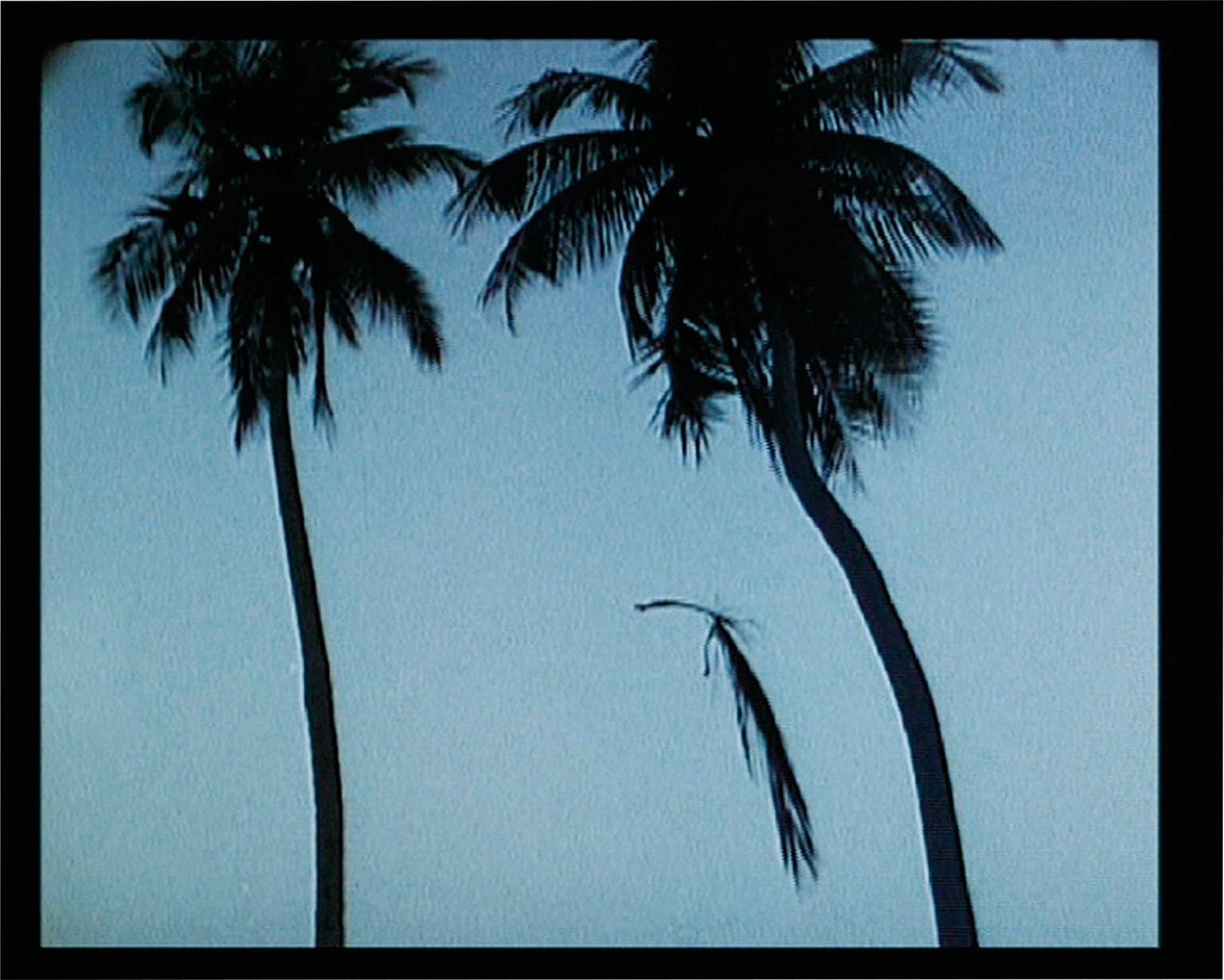
Allora
Solar Catastrophe
Demos, the scholar whose writing on ecology and contemporary art set a new standard for the field, has been essential in this regard. His insistence that environmental art be evaluated on aesthetic as well as ethical grounds gave collectors and curators permission to apply the same discernment they would bring to abstraction or conceptual practice. Publications including Frieze, Artforum, and e flux have devoted sustained attention to artists working in this space, and the effect has been a deepening of the vocabulary available to anyone trying to think carefully about these acquisitions. Allora and Calzadilla represent a kind of practice that embodies this sophistication.
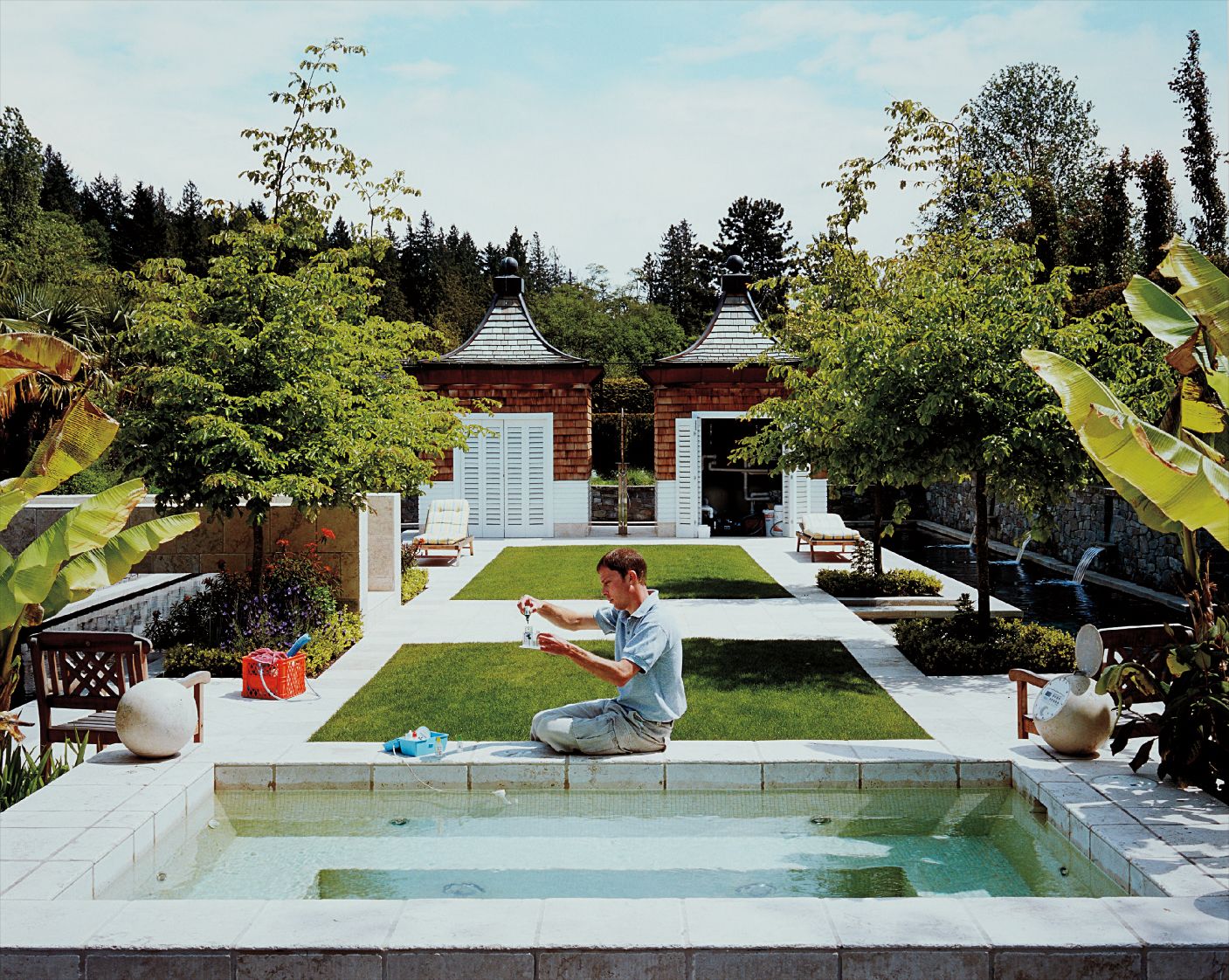
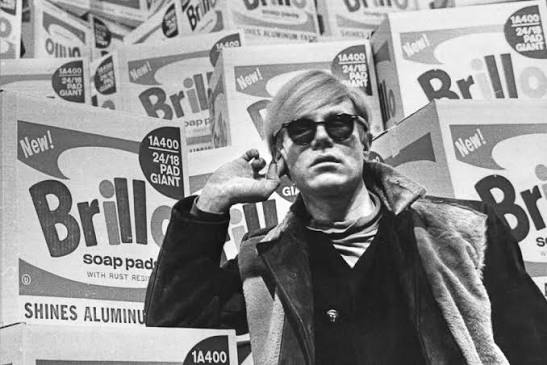
Their work engages military history, ecological extraction, and the politics of territory in ways that resist easy summary, and their presence in major international survey exhibitions over the past two decades has helped define what rigorous environmental art can look like when it refuses to be merely illustrative. Scott McFarland's meticulously constructed photographic works, which examine cultivated landscapes with an almost forensic attention to what has been arranged and what has been suppressed, offer a quieter but equally insistent form of ecological thinking. Andy Warhol's inclusion in this conversation might surprise some, but his fascination with industrial processes and consumer waste, most evident in works from his later decades, looks quite different through an environmental lens than it did when Pop was the only available frame. Jessie Makinson brings an entirely different energy, her imagery drawing on folklore and organic form in ways that feel genuinely alive right now.
Jessie Makinson
Through The Lattice Step Lightly, 2018
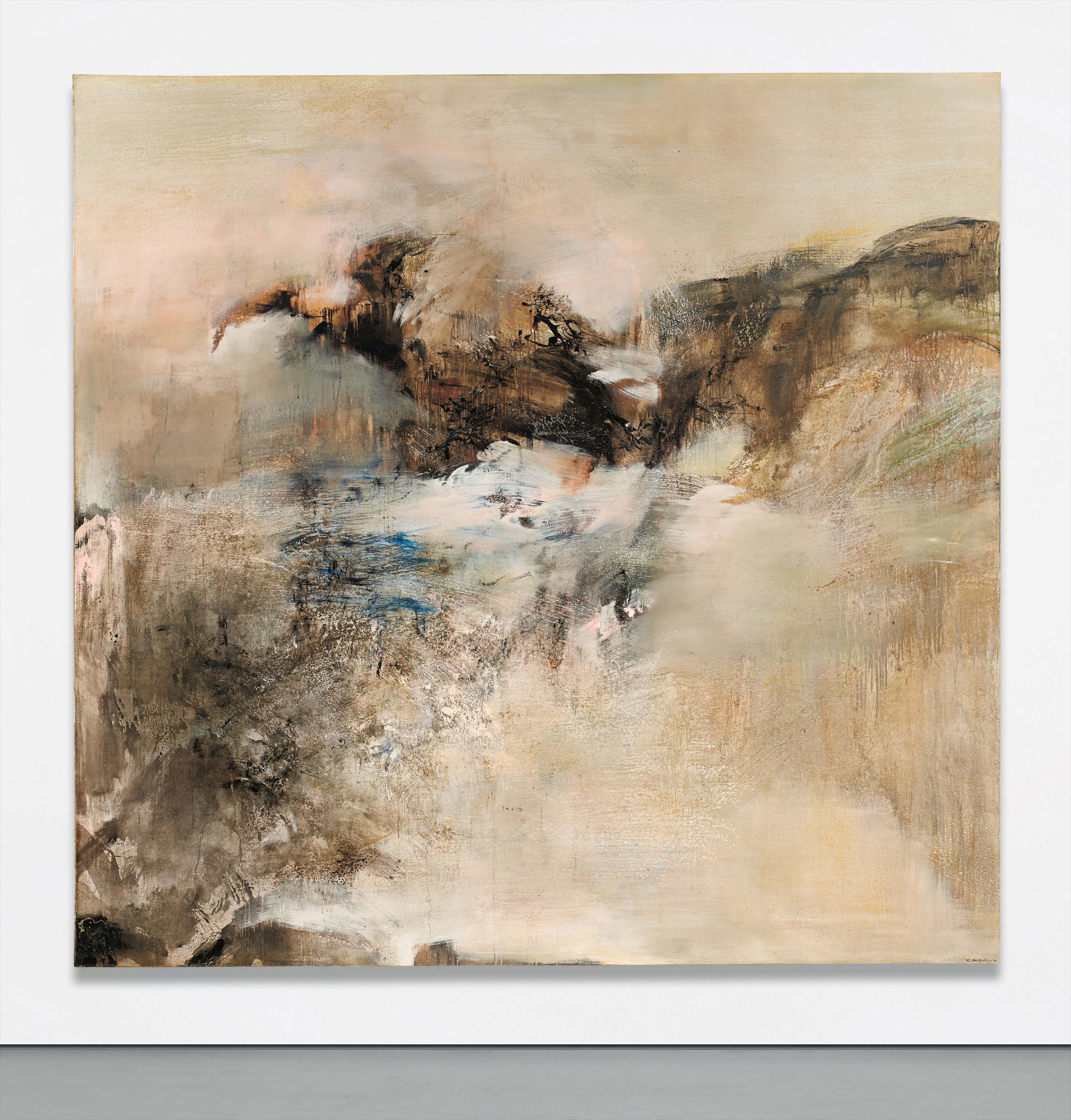
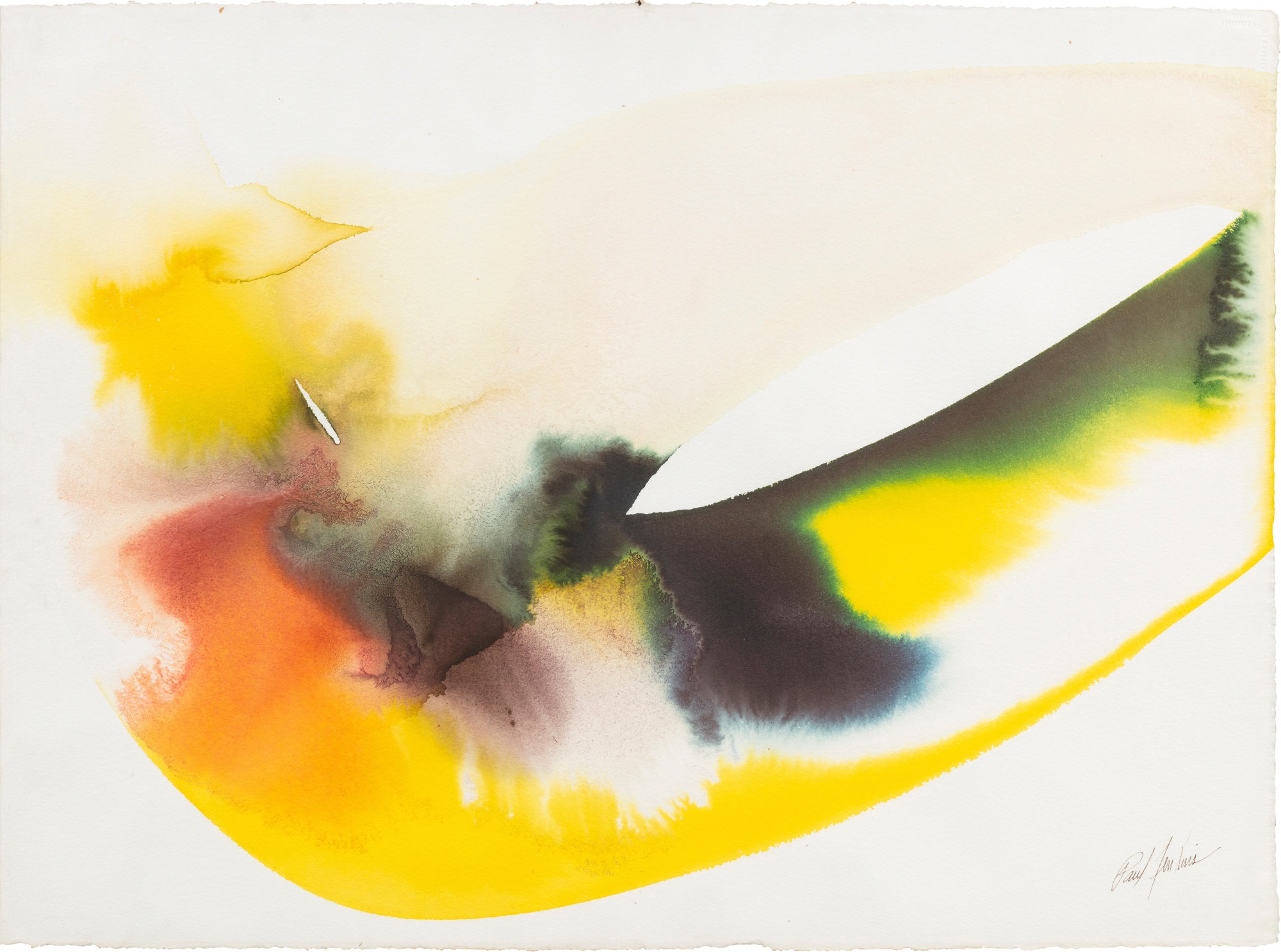
Paul Jenkins, whose poured canvases traced the movements of chance and natural force, anticipated ecological aesthetics decades before the terminology existed. What feels most significant about this moment is not any single sale or exhibition but the convergence of critical, institutional, and market forces around the same artists and ideas simultaneously. The work that felt prophetic in the hands of early collectors now looks essential. What surprises are coming is harder to say, but the energy in younger practices that engage environmental collapse through material experimentation rather than representation suggests the category has not finished expanding.
The collectors who are paying attention to studios rather than waiting for auction validation will find the most interesting positions.