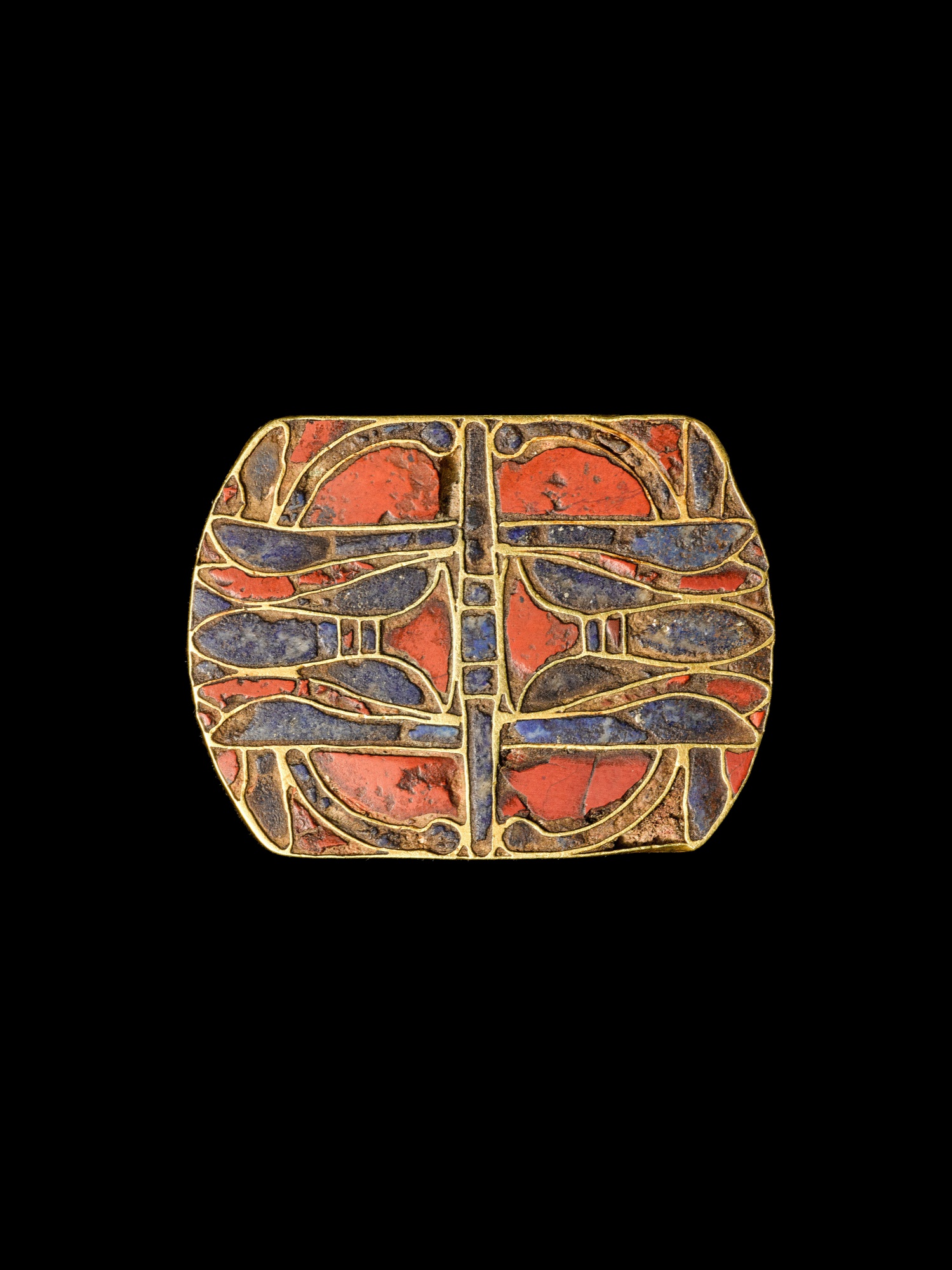
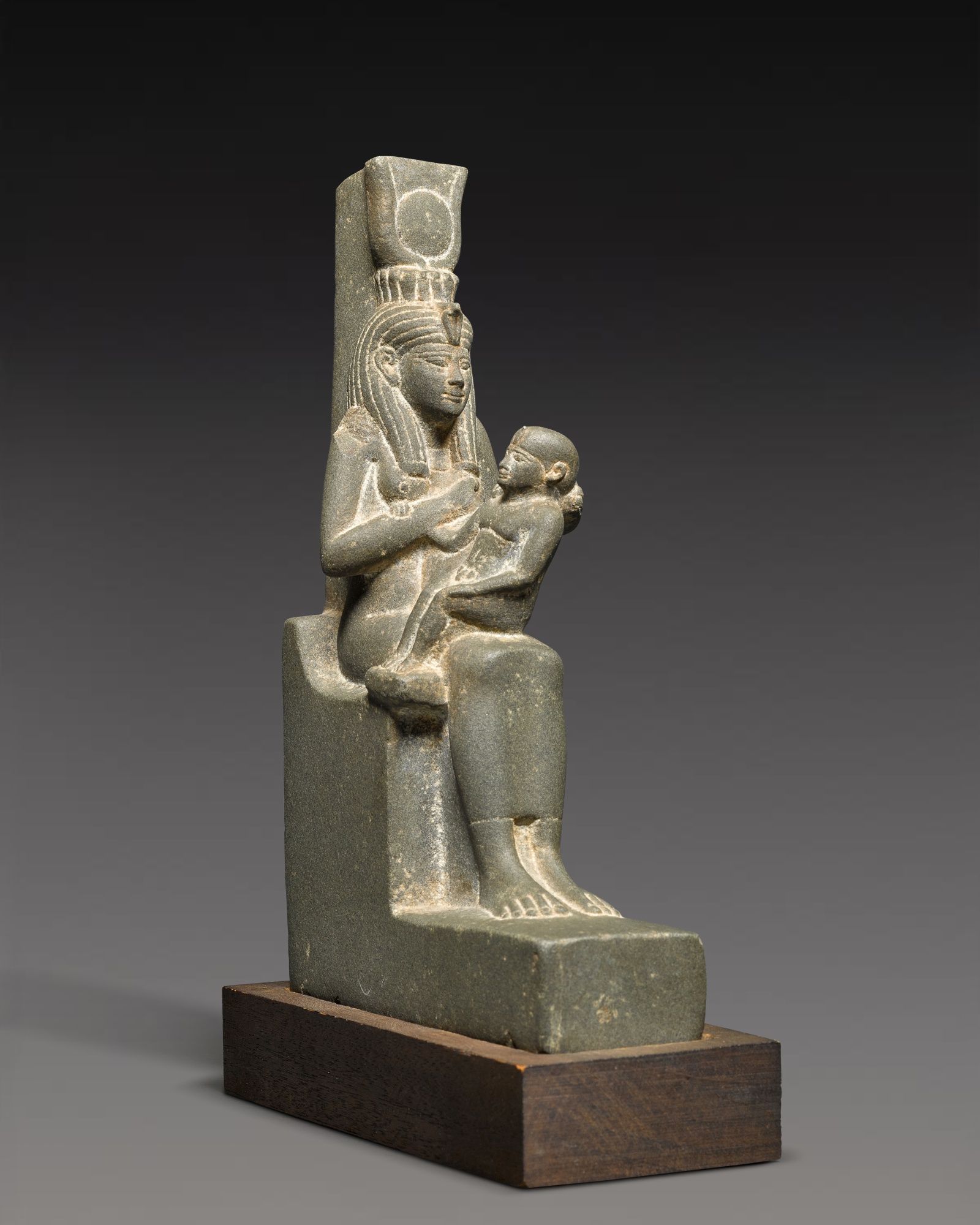
Egyptian
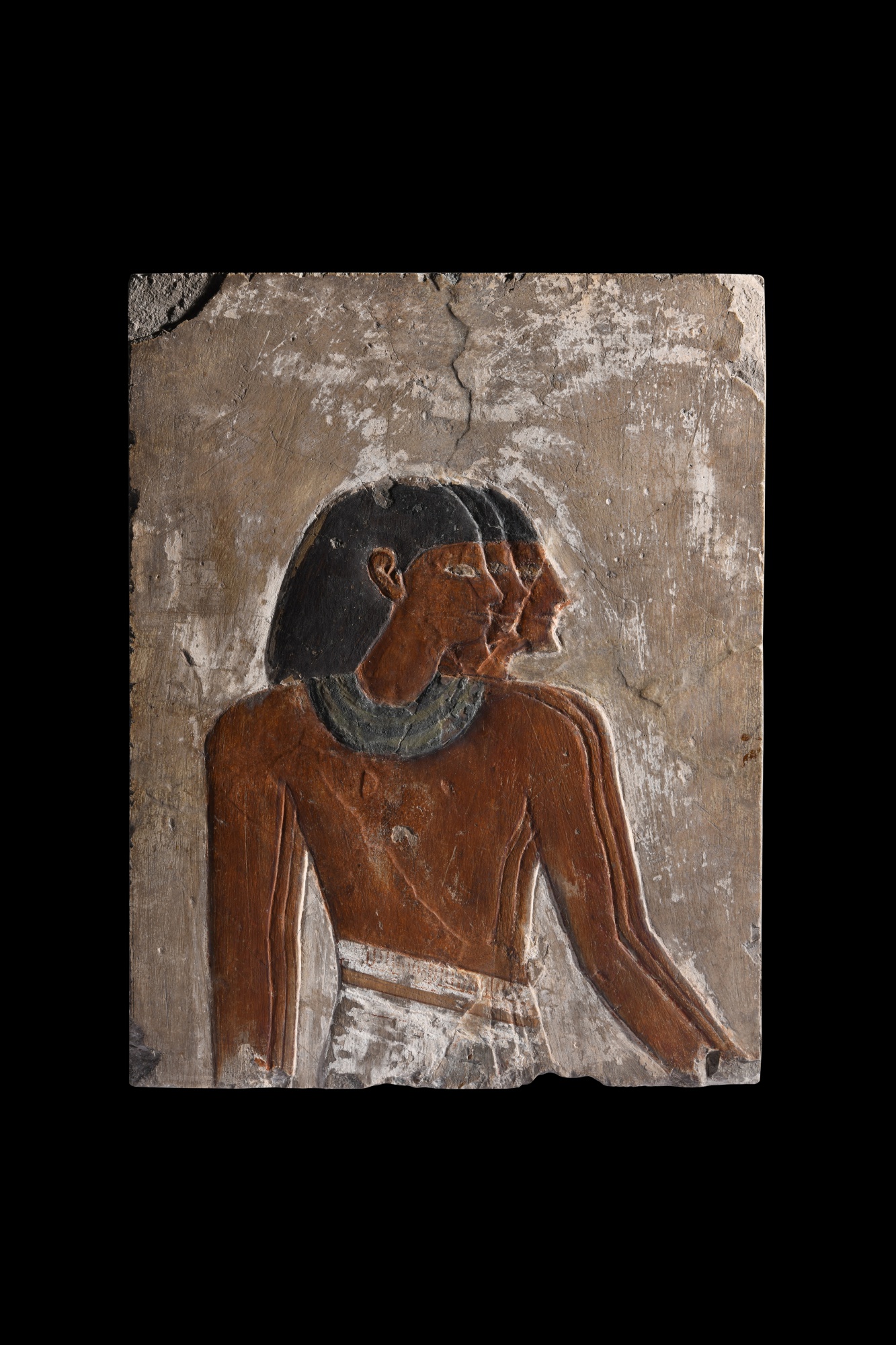
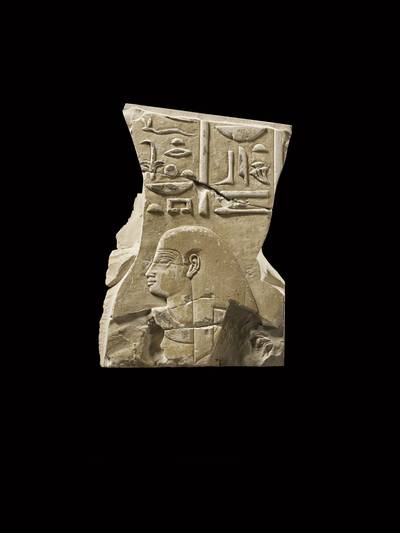
An Egyptian Limestone Relief Fragment, 18th Dynasty, reign of Tuthmosis III, 1479-1426 B.C.
An Egyptian Limestone Relief Fragment, 18th Dynasty, reign of Tuthmosis III, 1479-1426 B.C.



Egypt Never Left. It Just Got Louder.
When a limestone relief fragment from the reign of Tuthmosis III came to auction a few years ago, the room went quiet in that particular way rooms do when everyone present understands they are looking at something irreplaceable. Objects from the 18th Dynasty carry that weight. The piece dated to somewhere between 1479 and 1426 B.C.
, a span of time so vast it makes the entire history of oil painting feel like a weekend. The result was strong, and the underbidders were serious. What it confirmed, for anyone paying attention, is that ancient Egyptian material continues to command genuine desire from collectors who see beyond decoration and into something closer to philosophy made physical. The market for Egyptian antiquities and works on paper has been shaped in recent years by a broader institutional reckoning with provenance, repatriation, and the ethics of ownership.
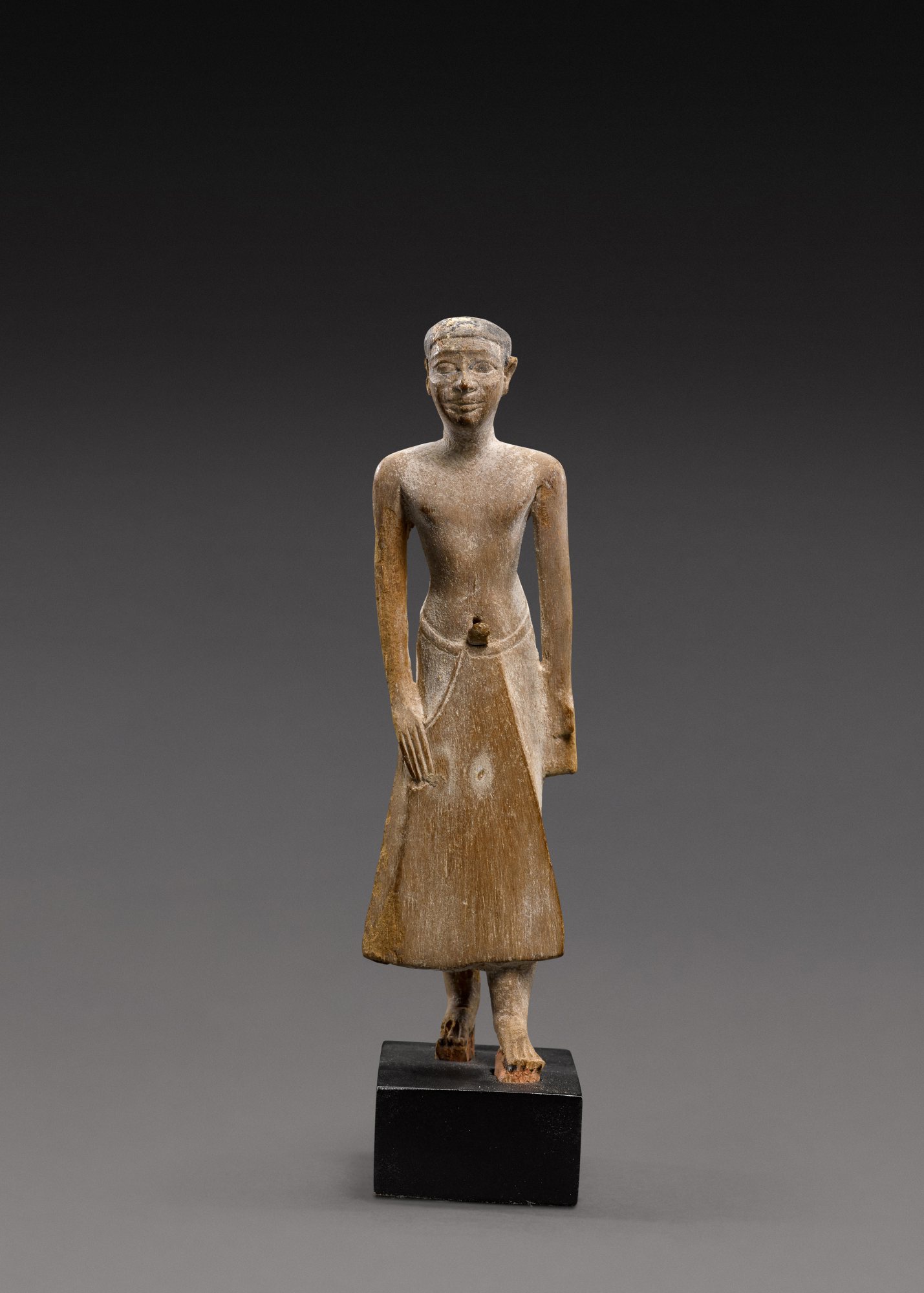
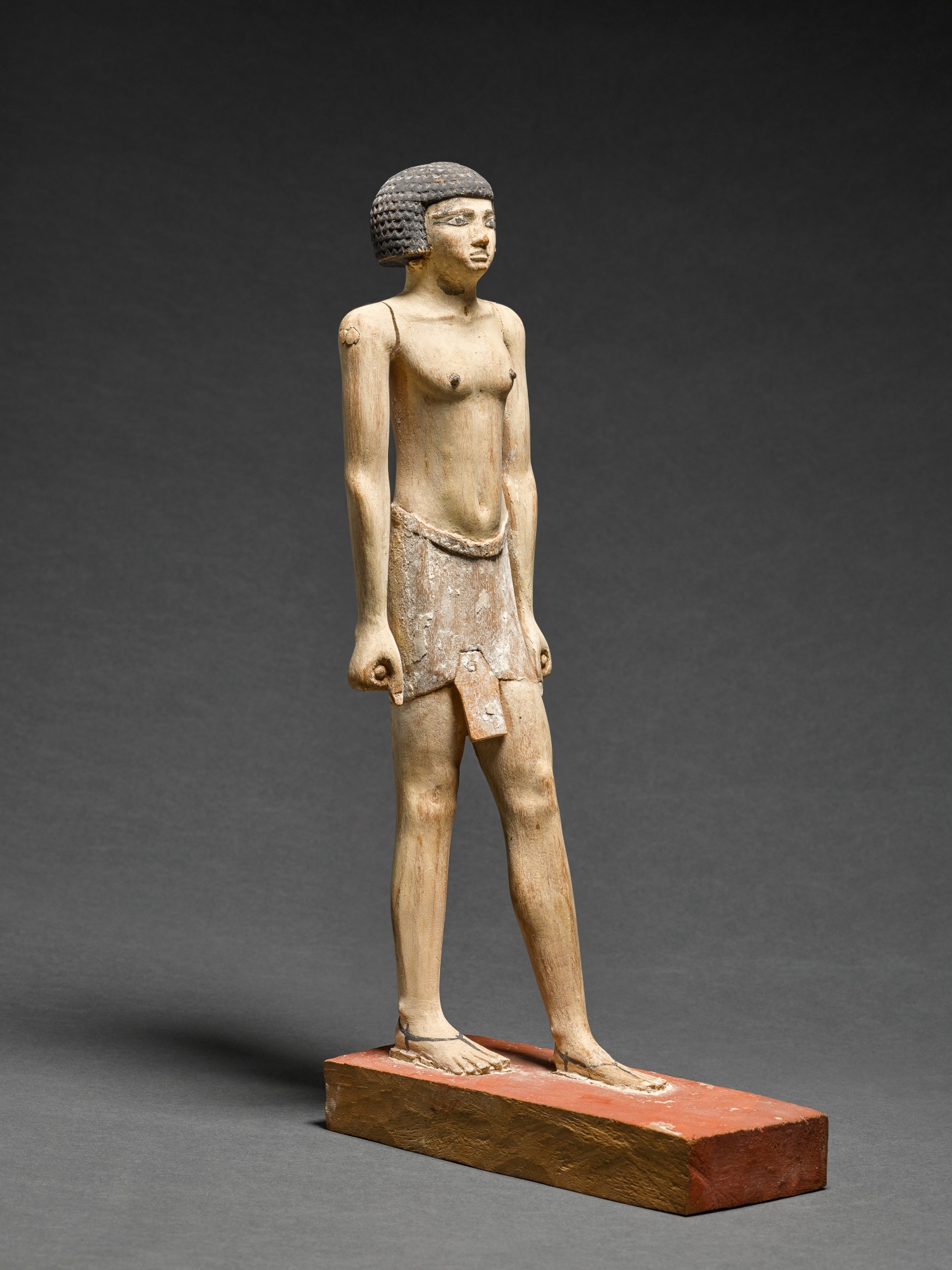
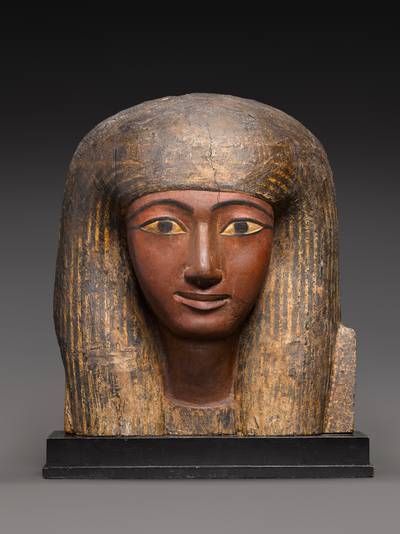
An Egyptian Wood Figure of a Man
An Egyptian Wood Figure of a Man, 6th Dynasty, reign of Pepi II, circa 2246-2152 B.C.
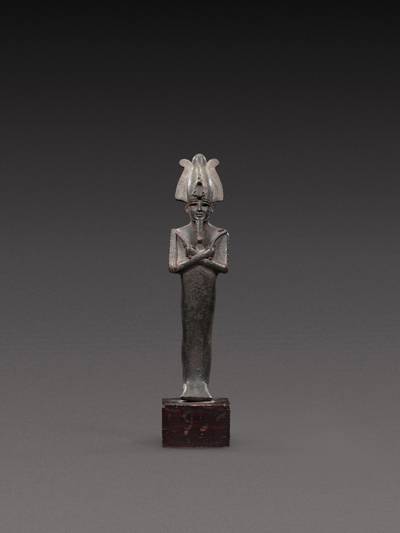
This has not dampened appetite so much as refined it. Collectors are increasingly drawn to works with documented histories, clean auction trails, and clear relationships to reputable estates and collections. The result is that well provenanced pieces, whether bronze figures of Osiris, greywacke cosmetic palettes, or granodiorite seated torsos, now command premiums that reflect not just aesthetic quality but the confidence that comes with transparency. Christie's and Bonhams have both brought significant Egyptian material to market in recent cycles, and the top results consistently reward works that arrive with scholarly attention already attached.
Among the ancient material, bronze figures deserve particular attention. The ancient Egyptians understood bronze as a votive medium with a specific spiritual function, and the best surviving examples carry that intentionality in their very posture. Figures of Osiris were produced over centuries, and yet the finest ones retain an authority that resists the idea of mass production entirely. Similarly, the cat as sacred form occupies a category unto itself.
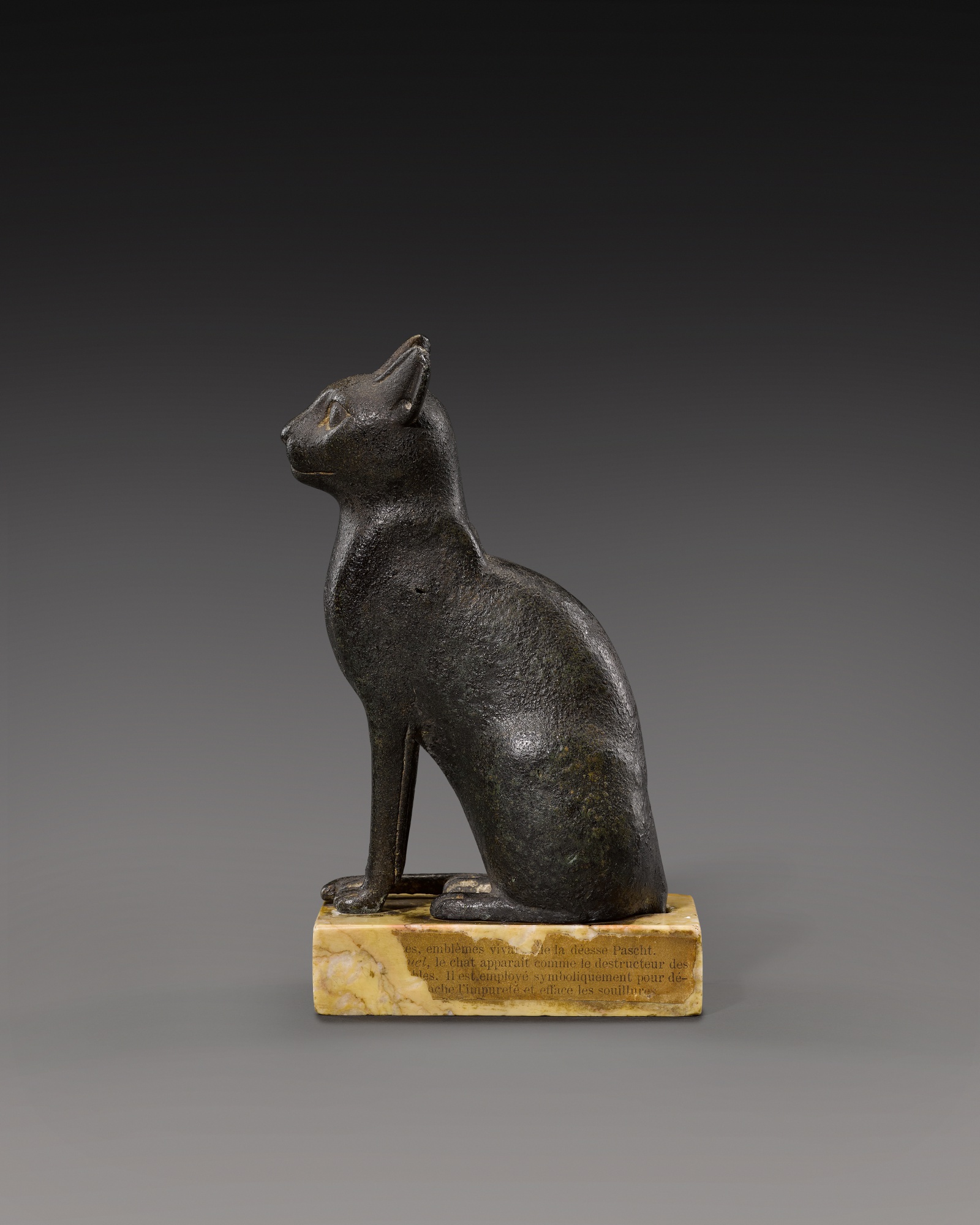
An Egyptian Bronze Figure of a Cat
An Egyptian Bronze Figure of a Cat, Late Period, 26th/30th Dynasty, 664-342 B.C.
Bronze cat figures range from the crudely apotropaic to the extraordinarily refined, and it is the latter that collectors and institutions fight over with real conviction. The basalt heads, torsos, and seated figures that appear with some regularity at the major houses speak to a sculptural tradition as rigorous as anything produced in classical antiquity, and the market has been slow to fully price in that equivalence. The contemporary Egyptian art conversation is where energy feels most alive right now, and much of it circles around a handful of figures whose work is finally receiving the sustained institutional attention it deserves. Mahmoud Said, who was painting luminous and psychologically complex figuration in Alexandria in the 1920s and 1930s, is now recognized as a cornerstone of modernism in the Arab world, not merely a regional footnote.
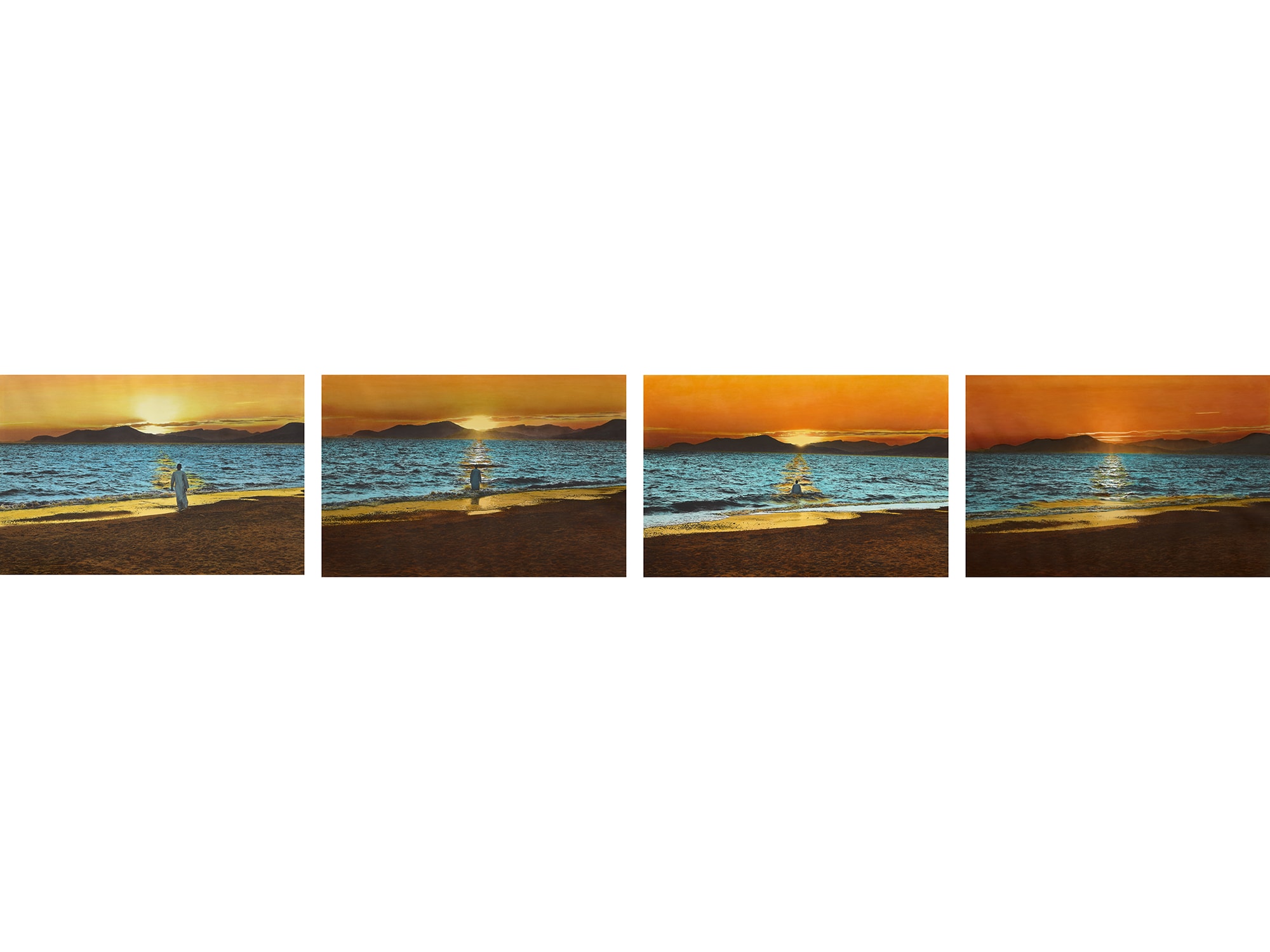
His prices at auction reflect this reappraisal. Abdel Hadi El Gazzar and Inji Efflatoun, both connected to the progressive art movements that emerged in Cairo in the postwar decades, have been subject to revisionary scholarship that places their work in direct conversation with global surrealism and social realism rather than apart from it. Seif Wanly and Georges Sabbagh complete a picture of a mid century Egyptian avant garde that is still being properly mapped. Youssef Nabil occupies a singular position in this conversation.
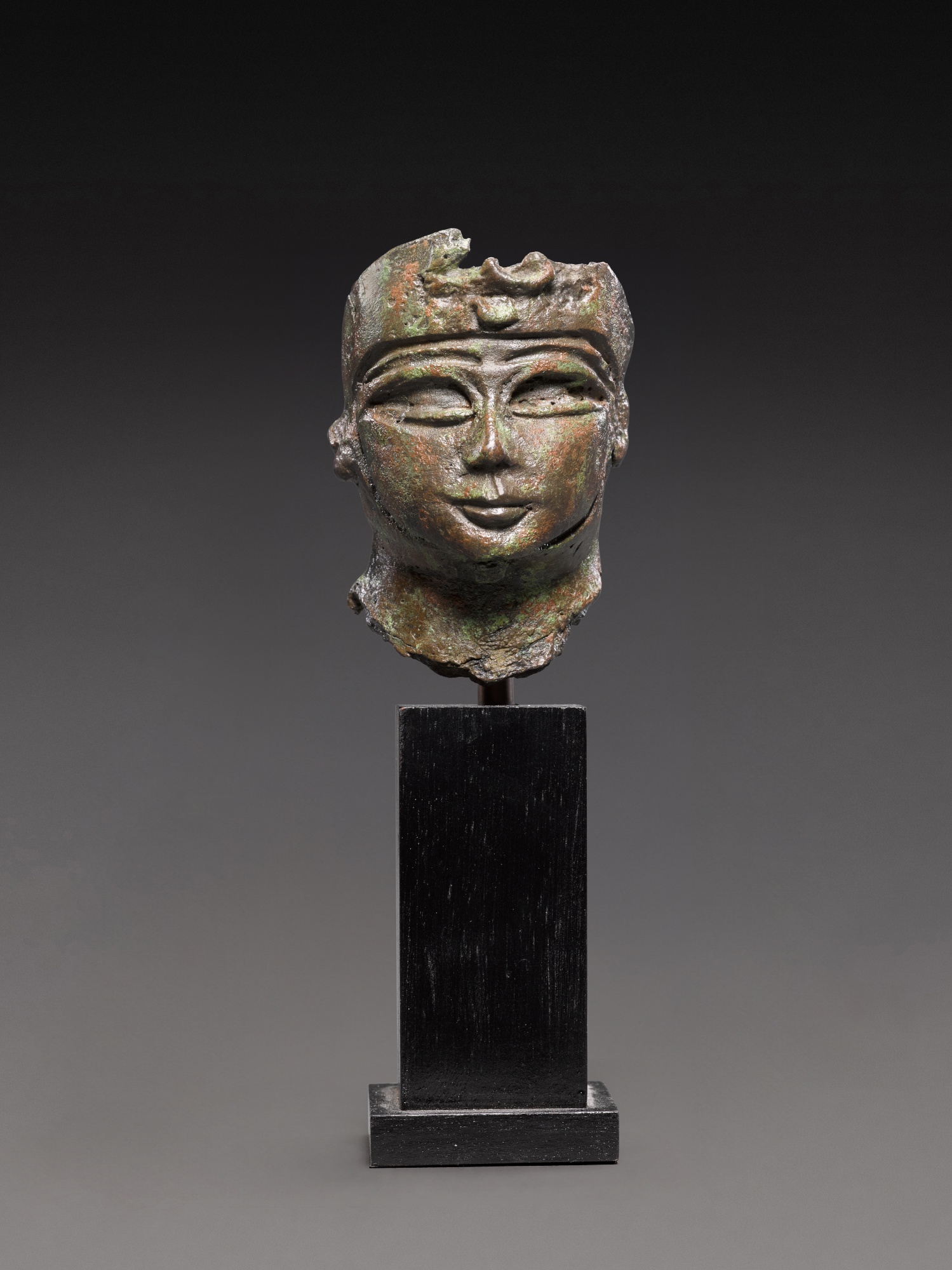
An Egyptian Bronze Head of a Divinity or Ruler
An Egyptian Bronze Head of a Divinity or Ruler, 21st/22nd Dynasty, 1080-720 B.C.
His hand colored photographs, which draw on the visual language of Egyptian cinema from the 1940s and 1950s, manage to be simultaneously nostalgic and critically sharp. Nabil has had major shows in Paris, New York, and Cairo, and his work is held by significant private collections and institutions including the Guggenheim Abu Dhabi and the Musee d'Art Moderne de la Ville de Paris. Ghada Amer, whose practice spans painting, sculpture, and installation and whose early work provocatively embeds erotic imagery within embroidered surfaces, has long been positioned in major museum contexts. Her work is in the permanent collections of MoMA and the Brooklyn Museum, among others, and she remains one of the most intellectually challenging artists working at the intersection of feminism, Arab identity, and contemporary form.
The photographic dimension of this category is worth dwelling on. The 19th century photographers who documented Egypt, including Maxime Du Camp, Francis Frith, and Antonio Beato, were among the first practitioners to understand the medium as a vehicle for monumental subject matter. Du Camp traveled through Egypt with Gustave Flaubert in 1849 and 1850, producing calotypes that have a stillness and grandeur that still astonishes. Frith made multiple journeys and produced images at multiple scales including the enormous mammoth plate prints that remain benchmarks in the history of photography.
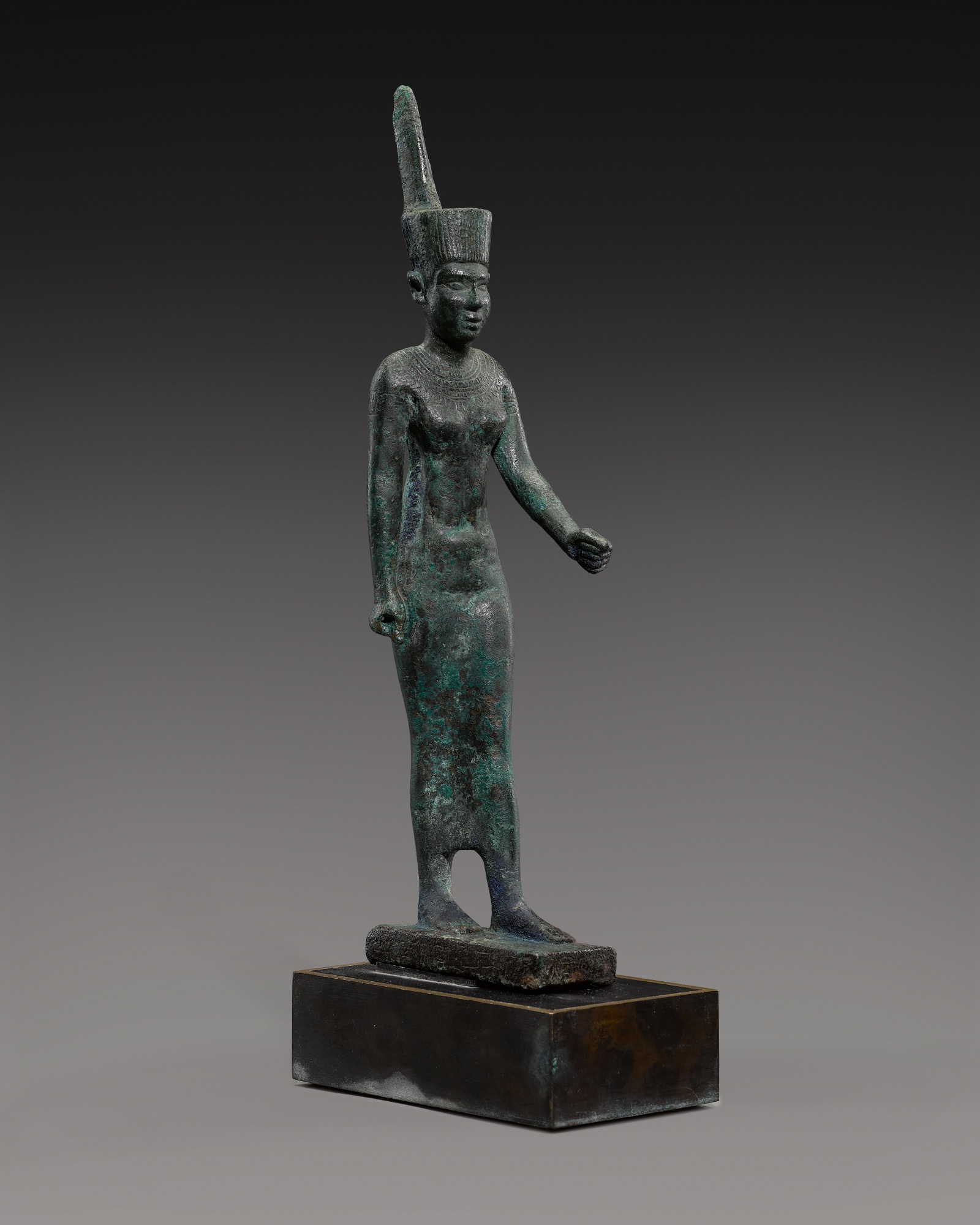
An Egyptian Bronze Figure of Neith
An Egyptian Bronze Figure of Neith, Late Period, probably 26th Dynasty, 664-525 B.C.
These works sit at the intersection of documentary and art history, and they continue to trade at meaningful levels at auction, particularly when condition is good and provenance is clear. Institutionally, the conversation about how to collect and exhibit Egyptian material has shifted in genuinely productive directions. The British Museum, the Metropolitan Museum of Art, and the Louvre all continue to wrestle publicly with questions of access and repatriation, and this tension has made the scholarly apparatus around Egyptian objects more rigorous and more visible. Curators like Egyptologist Joann Fletcher and scholars working through journals including the Journal of Egyptian Archaeology have helped shape a more nuanced understanding of objects not as isolated trophies but as nodes in larger cultural systems.
For collectors, this means the context around a work matters as much as the object itself. What feels most surprising, and most promising, about this space right now is how thoroughly the distance between ancient and contemporary has collapsed. A collector who holds a limestone canopic jar and a Youssef Nabil photograph in the same home is not collecting inconsistently. They are following a single thread: the Egyptian preoccupation with image, preservation, and the afterlife of things.
The works on The Collection reflect this full range with genuine depth, from material that predates Rome to painting and photography made in the last several decades. The conversation between those ends of the timeline is where the most interesting thinking is happening, and it shows no sign of quieting.