Dynamic Mood
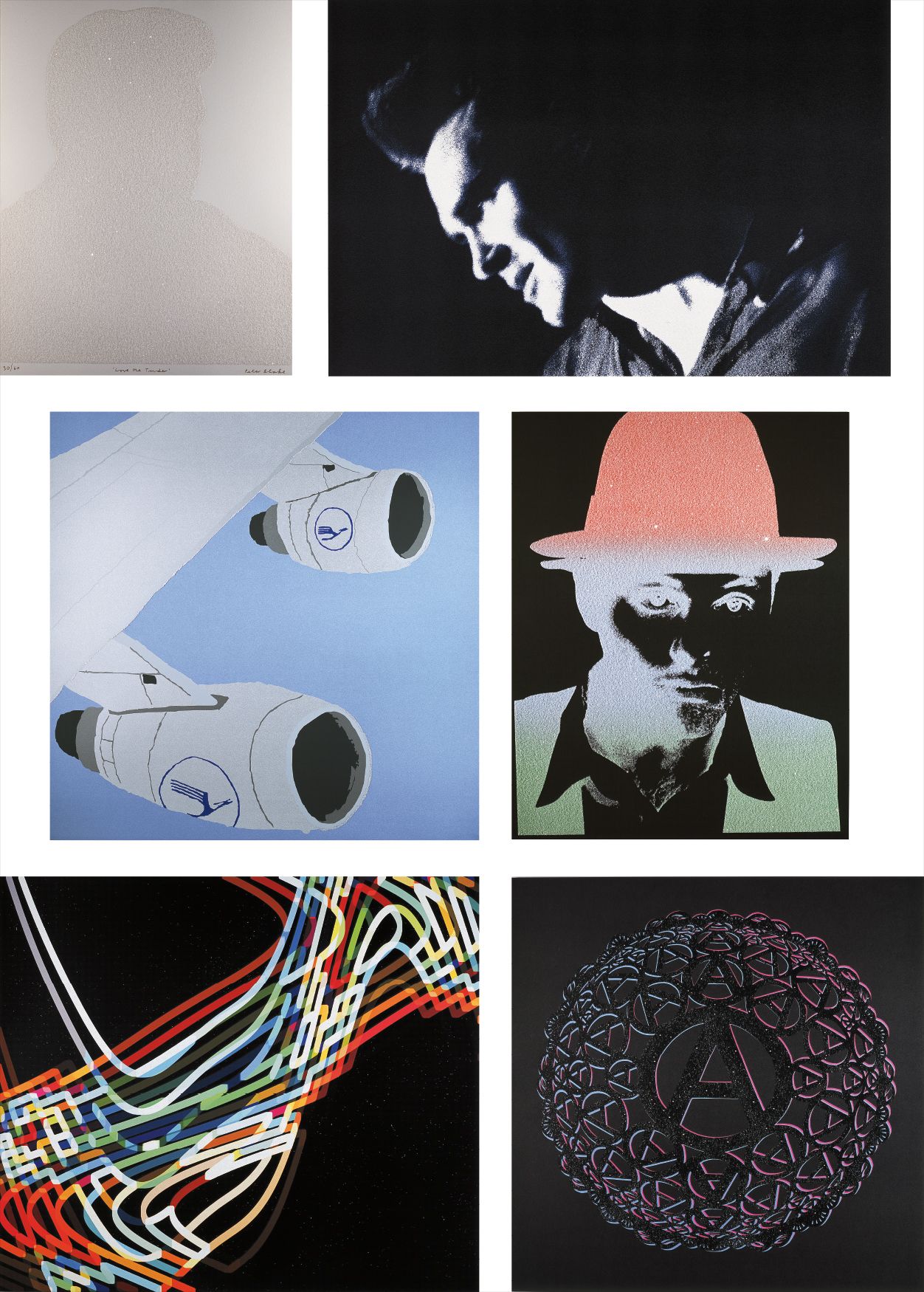
Various Artists
Diamond Dust Volume I

Feeling It: Art That Moves Before You Think
There is a particular kind of artwork that does not ask you to interpret it so much as to feel it working on you. Dynamic mood, as a category, describes precisely this territory: art that operates through sensation, rhythm, and emotional charge rather than through narrative or symbol. It is work that understands the viewer's nervous system as its primary canvas. This is not decorative ambition.
It is something closer to a philosophical position about what painting and image making can fundamentally do. The roots of this impulse run deep. By the early twentieth century, artists across Europe were growing restless with representation as the dominant mode of pictorial meaning. The Futurists in Italy, writing their provocative manifestos between 1909 and 1914, insisted that art must capture states of becoming rather than moments of static being.
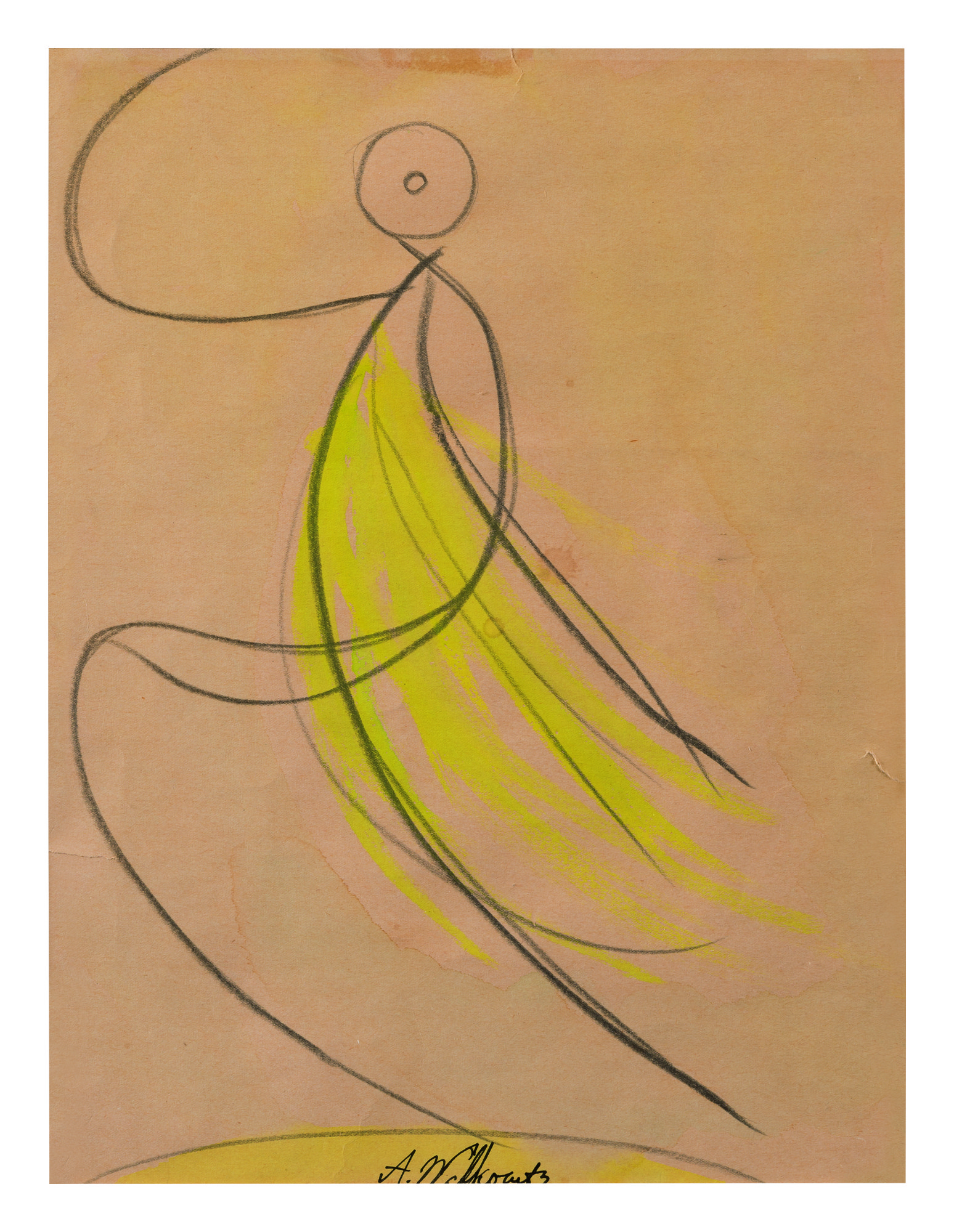
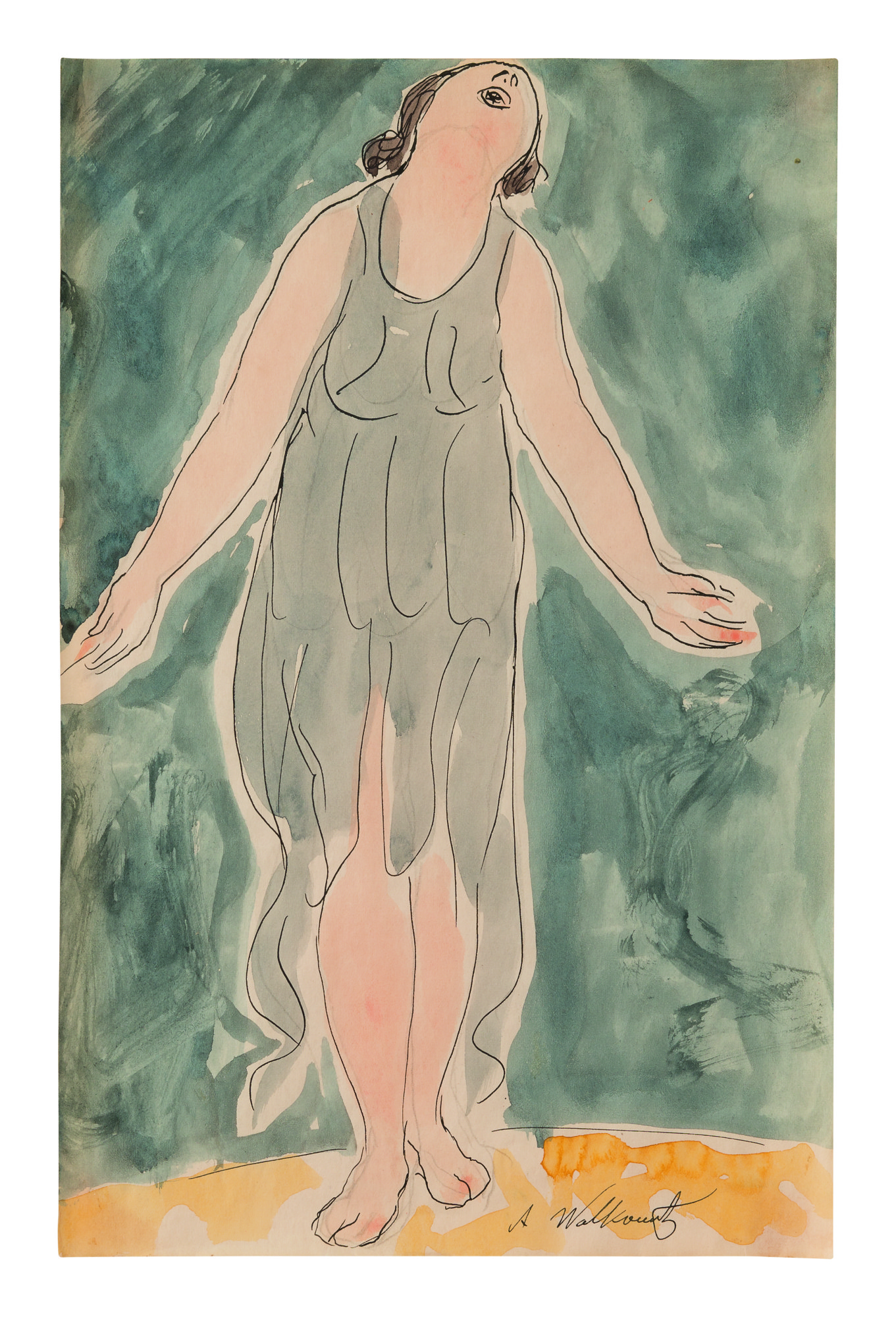
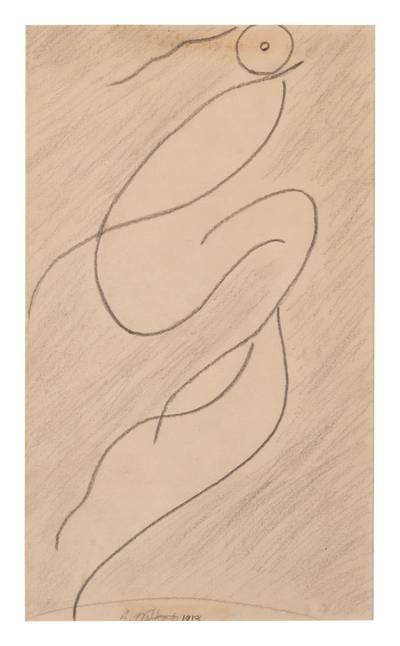
Abraham Walkowitz
Study Of A Dancer, 1912
Simultaneously, Wassily Kandinsky was developing his theories of color and form as carriers of spiritual and emotional force, publishing 'Concerning the Spiritual in Art' in 1911 and laying groundwork that generations of artists would continue to build upon. The idea that a painting could function like music, producing mood directly through its formal properties rather than its subject matter, was radical and genuinely liberating. Abraham Walkowitz is a figure who repays close attention in this context. Working in New York in the early decades of the twentieth century, Walkowitz developed an extraordinary body of work centered on the dancer Isadora Duncan, producing thousands of drawings and watercolors that attempted to translate the kinetic energy of performance into line and gesture.
His method was less about documentation than about emotional transfer. He wanted the drawing itself to carry the same aliveness he perceived in Duncan's movement. The works represented on The Collection demonstrate how thoroughly Walkowitz understood mark making as a form of feeling rather than recording. The postwar decades brought a new intensity to questions of mood and sensation in art.
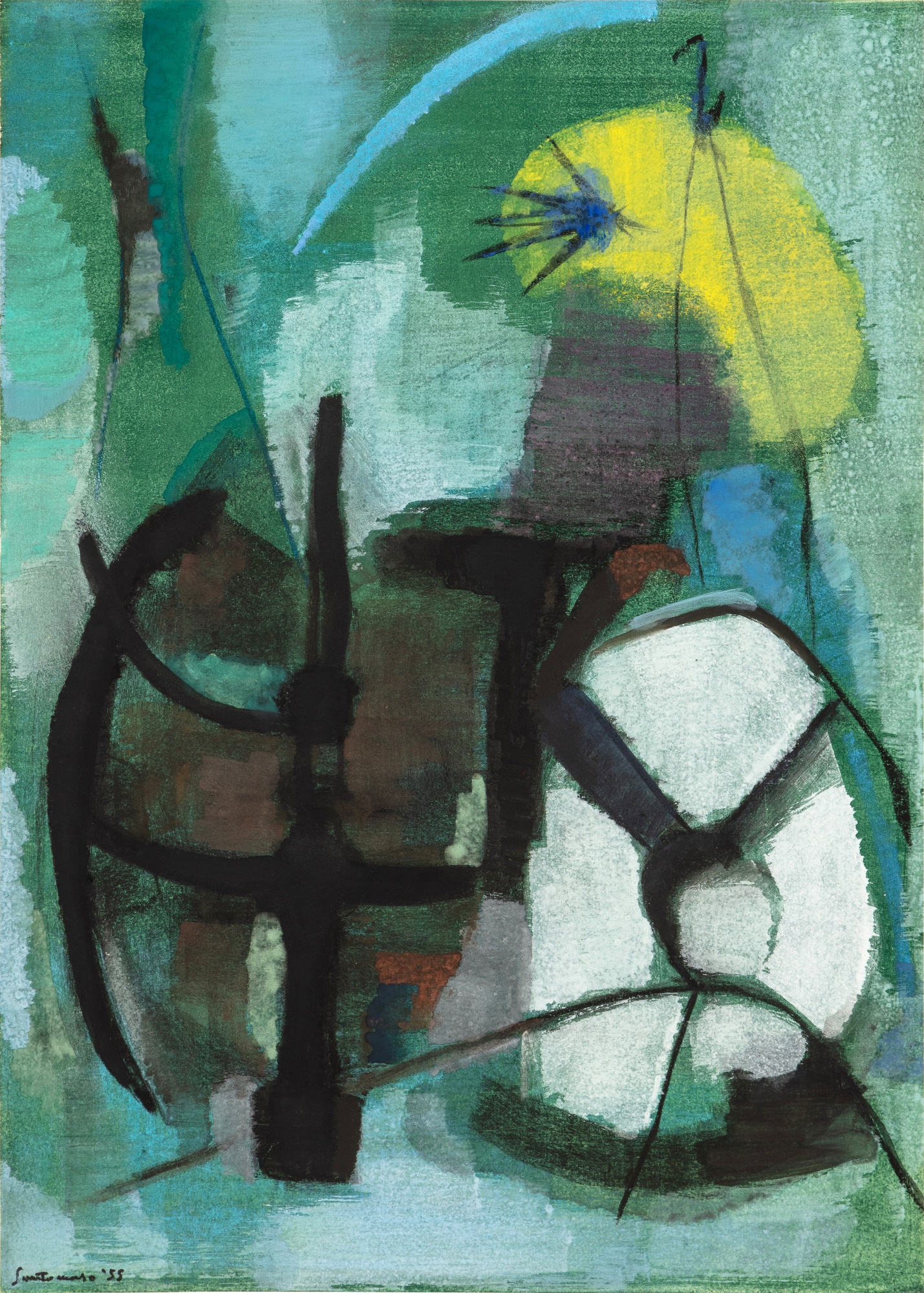
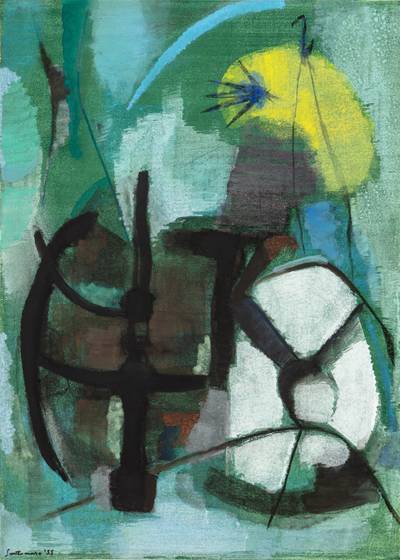
Giuseppe Santomaso
Sans Titre (Ruote e falci)
Abstract Expressionism in New York gave painters like Mark Rothko and Franz Kline a vocabulary for addressing emotional states of considerable scale and complexity. But the conversation was also happening in Europe with equal urgency. Giuseppe Santomaso, the Venetian painter associated with Spazialismo and later with various currents of European abstraction, developed a painterly language that drew on the light and chromatic richness of his surroundings while moving decisively toward an interior emotional register. His canvases feel inhabited by mood in the way that a room can be inhabited by an atmosphere you sense before you can name it.
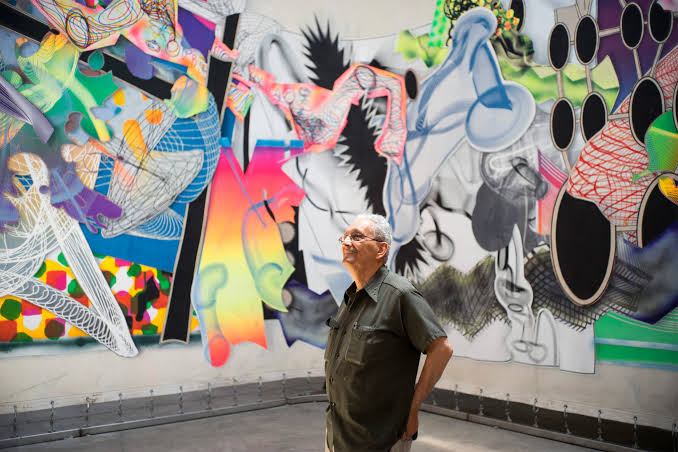
The 1960s introduced a more systematic investigation of how visual experience produces feeling. Carlos Cruz Diez, the Venezuelan artist who became one of the great figures of kinetic and Op art, spent decades studying how color relationships generate physical and psychological responses in the viewer. His Physichromies series, begun in 1959, demonstrated that mood could be engineered with precision, that the sensation of movement and change could be embedded in a static object through the careful manipulation of hue and structure. Cruz Diez was not chasing mysticism.
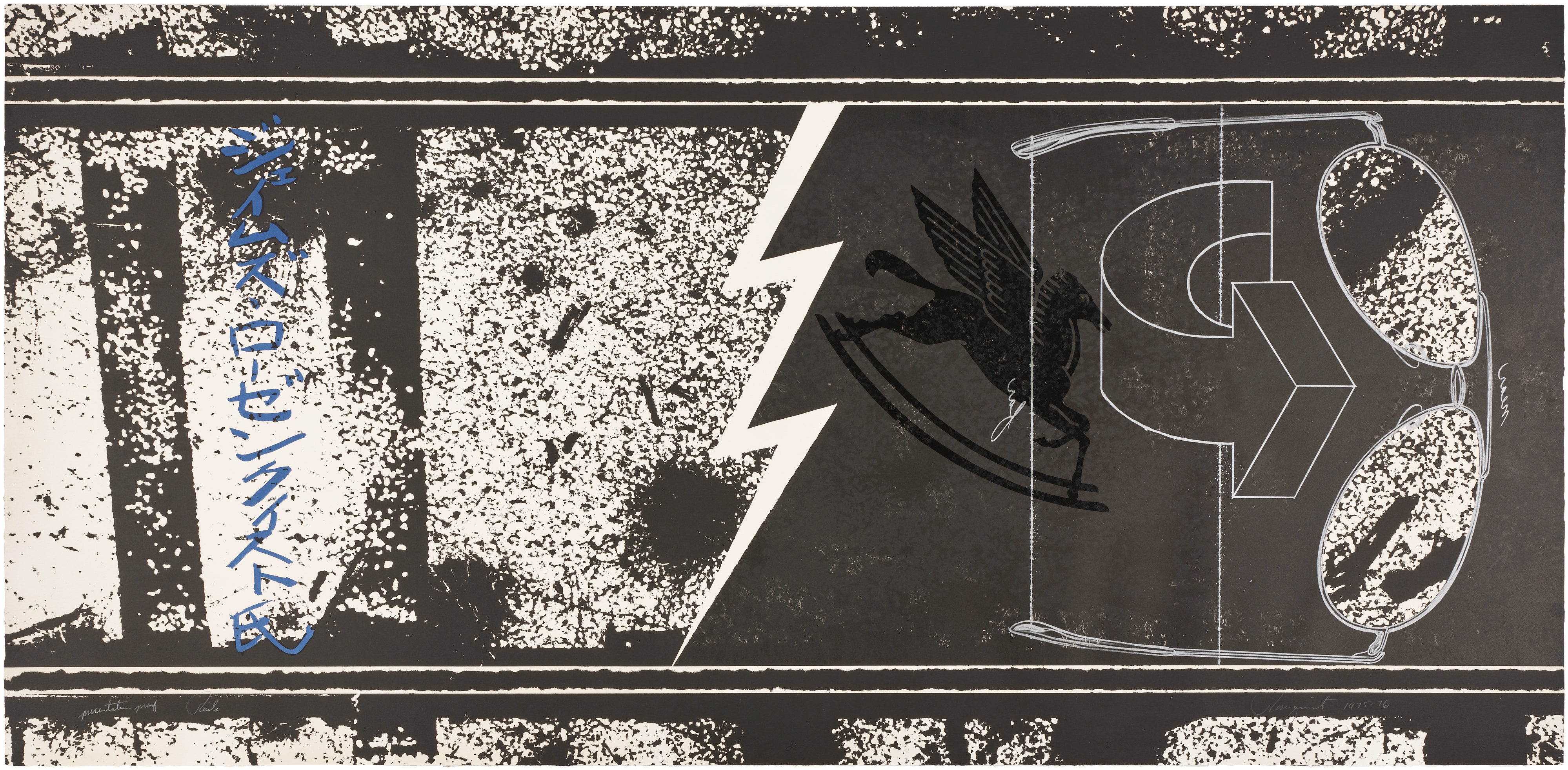
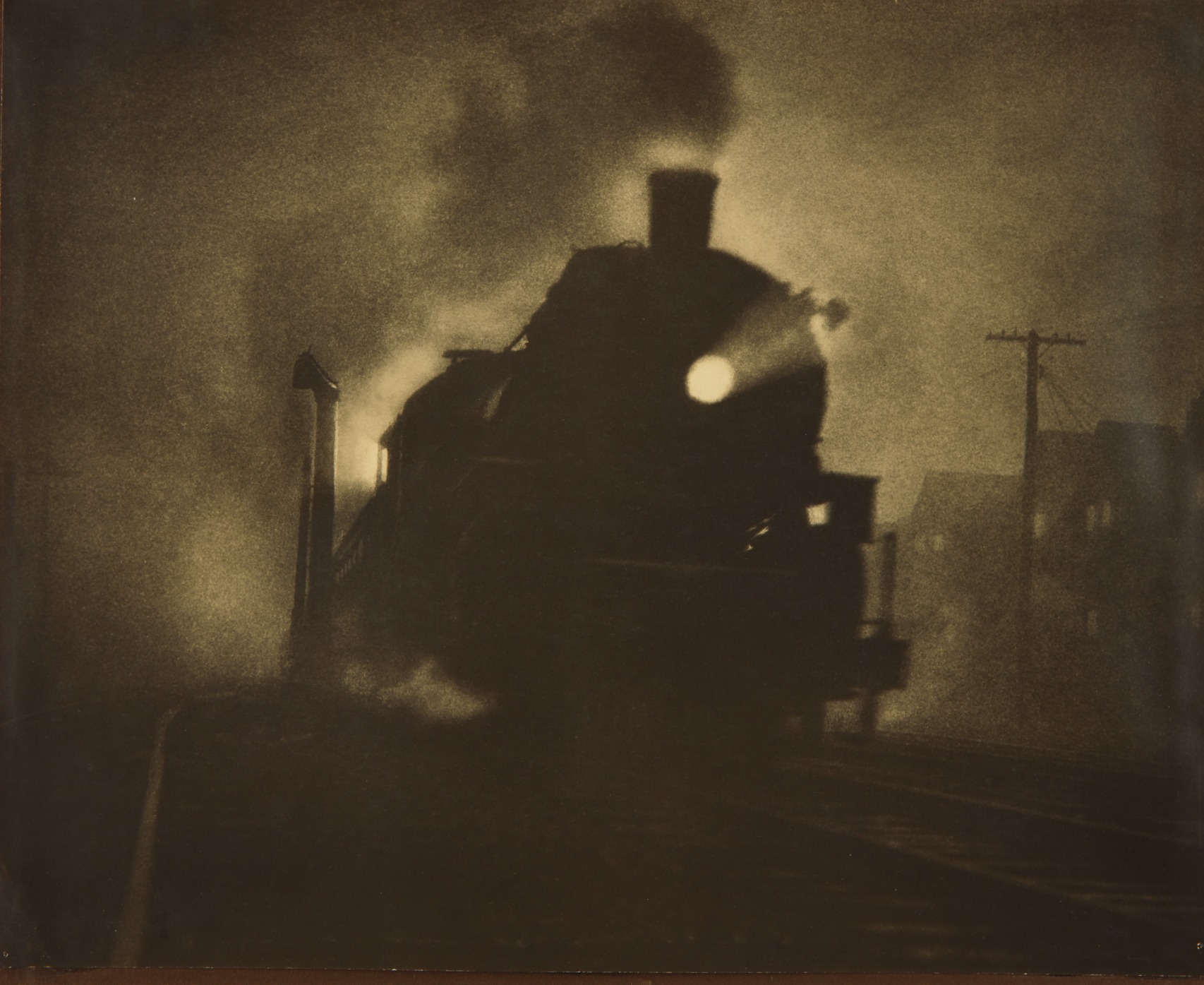
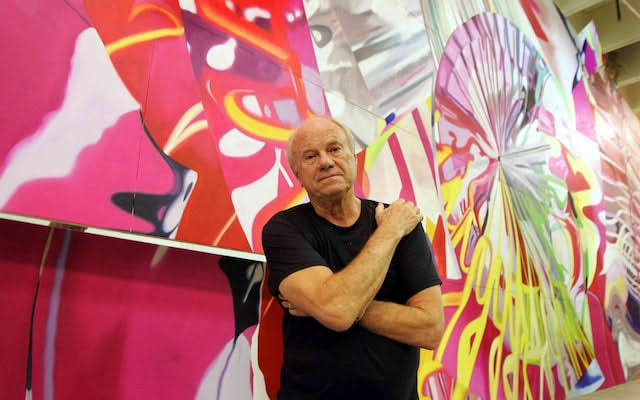
James Rosenquist
Rails
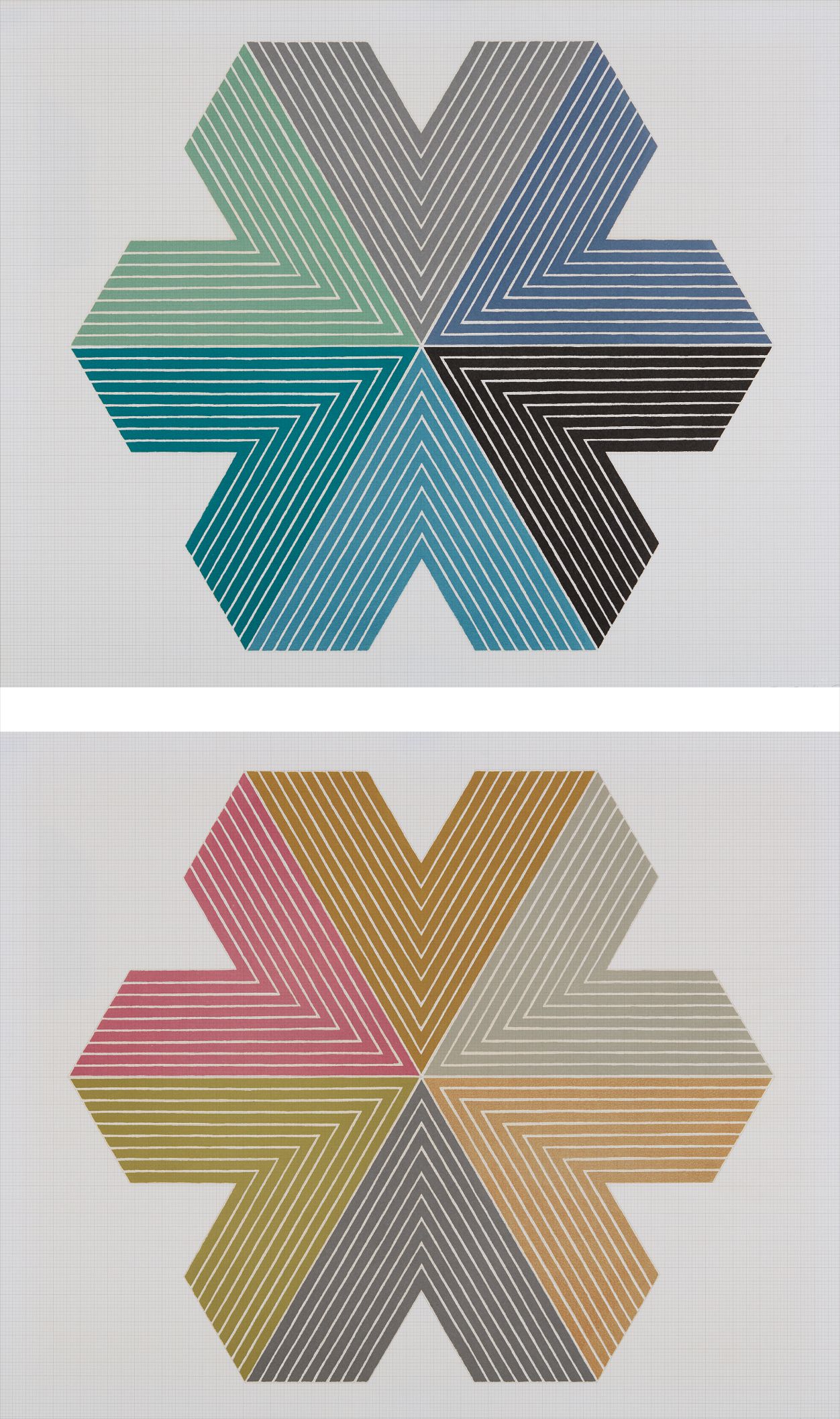
He was conducting research, and the emotional responses his work produces are the documented results. Frank Stella, working in the same period though from a different position, used shaped canvases and bold geometric patterning to produce works of tremendous visual energy that insist on being experienced before they are analyzed. James Rosenquist brought a different kind of dynamism to the question, colliding imagery from advertising and popular culture at a scale designed to overwhelm rational processing and operate instead on an associative, almost subliminal level. His 'F 111' of 1964 to 1965 is one of the most ambitious attempts in American art to produce a specifically contemporary mood, the jittery, saturated, slightly anxious atmosphere of postwar consumer culture rendered at the scale of environment.
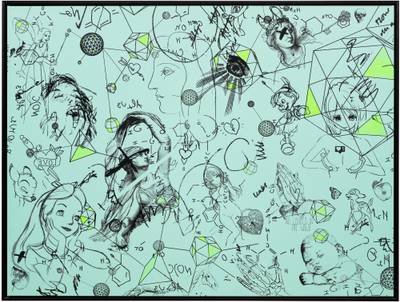
The work does not illustrate that mood. It produces it. More recently, artists working across a range of mediums have continued to test the relationship between form, color, and felt experience. Joseph Klibansky, whose work engages with themes of time, consciousness, and aspiration, produces objects and paintings that carry a particular emotional temperature, at once celebratory and searching.
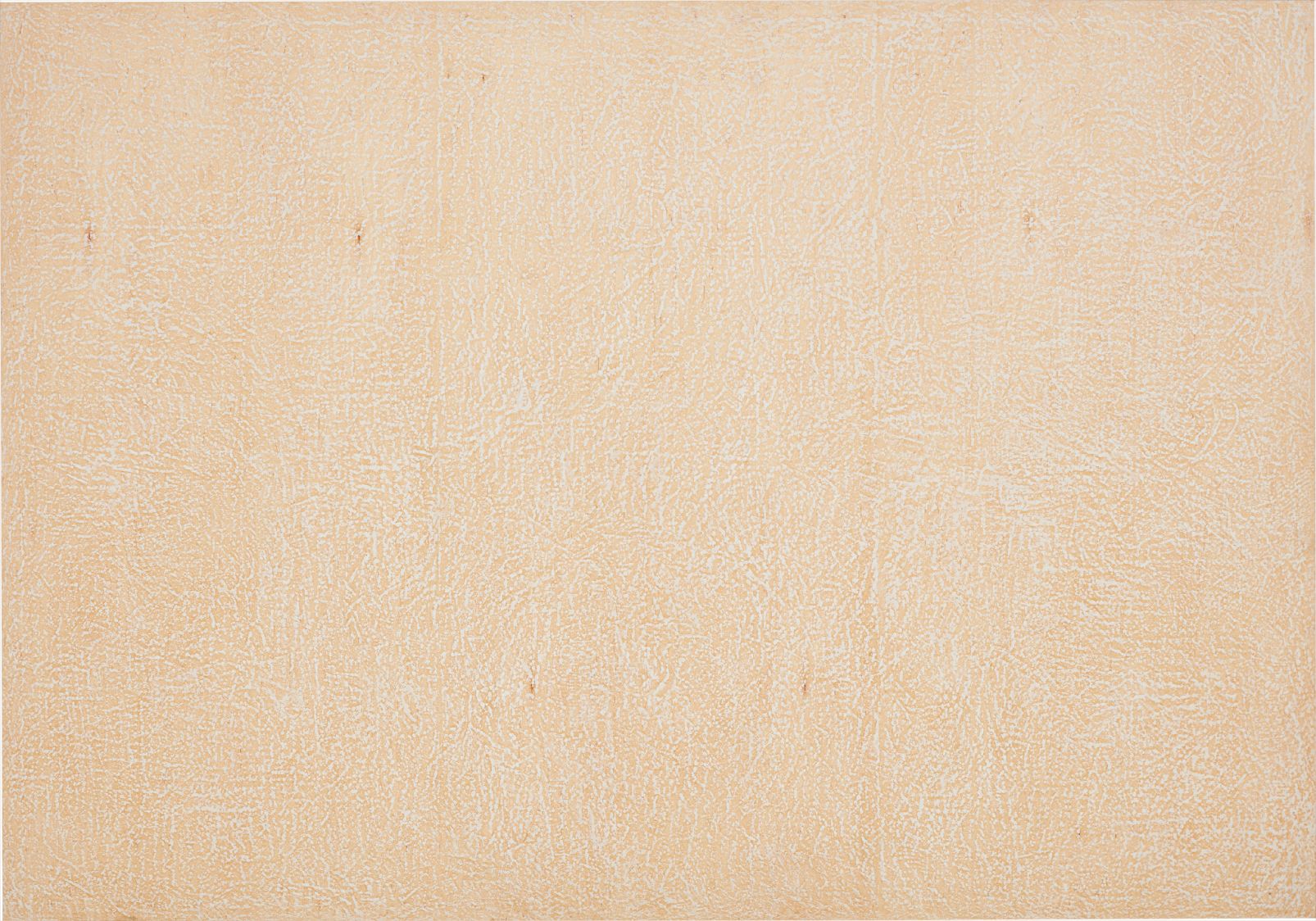
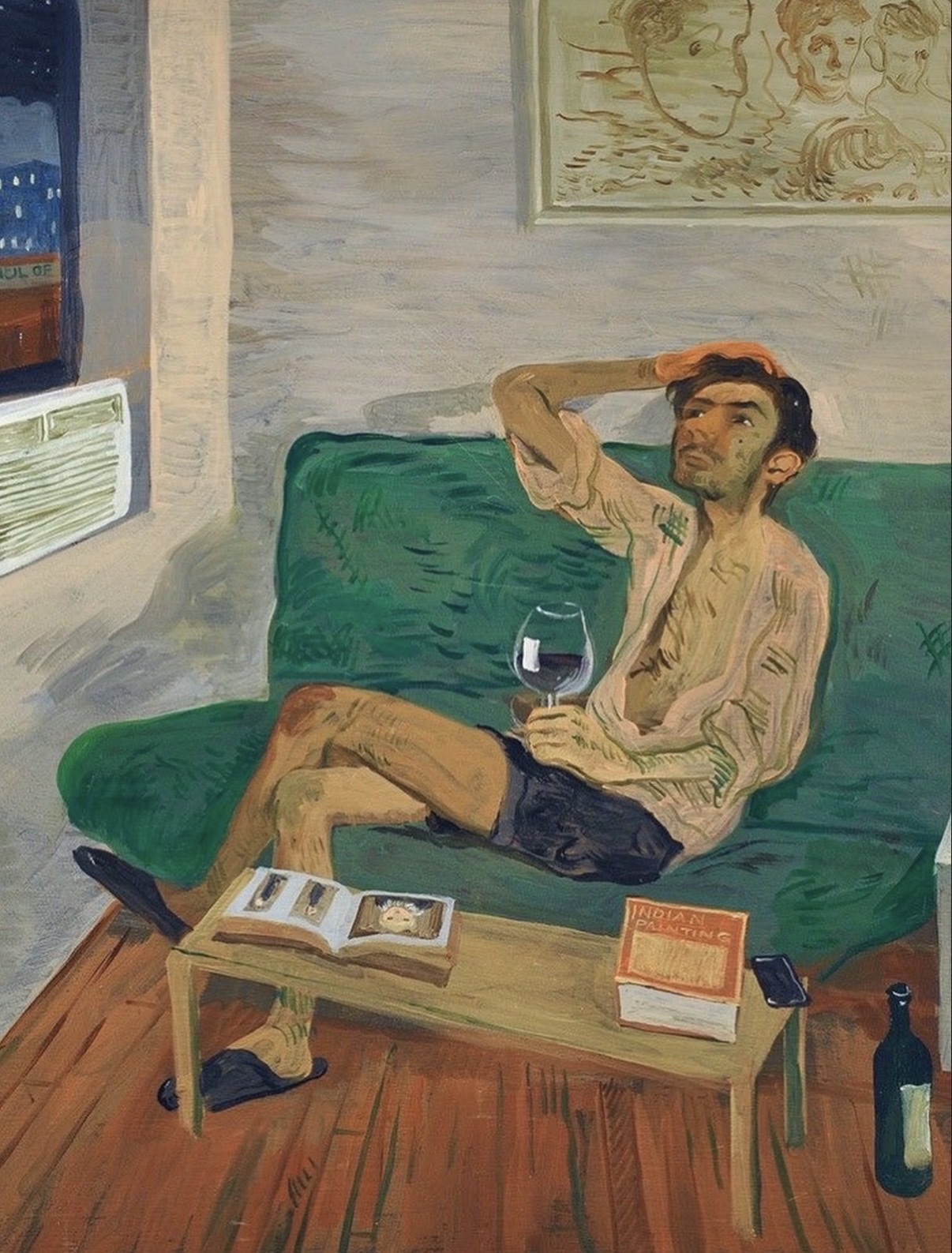
Brendan Lynch
Da Bull
Brendan Lynch approaches dynamic mood through processes that allow chance and material behavior to participate in the final work, creating surfaces that feel genuinely alive rather than resolved. George W. French and the broader category of works by various artists represented on The Collection suggest how widely shared this interest has become across generations and geographies. What unites these practices across a century of art making is a conviction that feeling is not a secondary or decorative function of art.
It is primary. The techniques involved vary enormously, from the gestural immediacy of Walkowitz's line to the chromatic engineering of Cruz Diez to the material investigations of contemporary painters. But the underlying commitment is consistent: that the artwork should produce in the viewer a condition, a state, something that persists after the image itself has been left behind. For collectors, work in this category presents a particular kind of responsibility and reward.
These are not pieces that settle quietly into a room. They participate in the emotional life of a space and everyone who moves through it. Living with dynamic mood means accepting that your own responses will shift over time, that a work which felt urgent in one season of your life may feel tender or melancholy in another. That mutability is not a weakness.
It is the whole point. The great works in this lineage are not finished when they leave the studio. They complete themselves over and over in the encounter with each new viewer, in each new moment of looking.