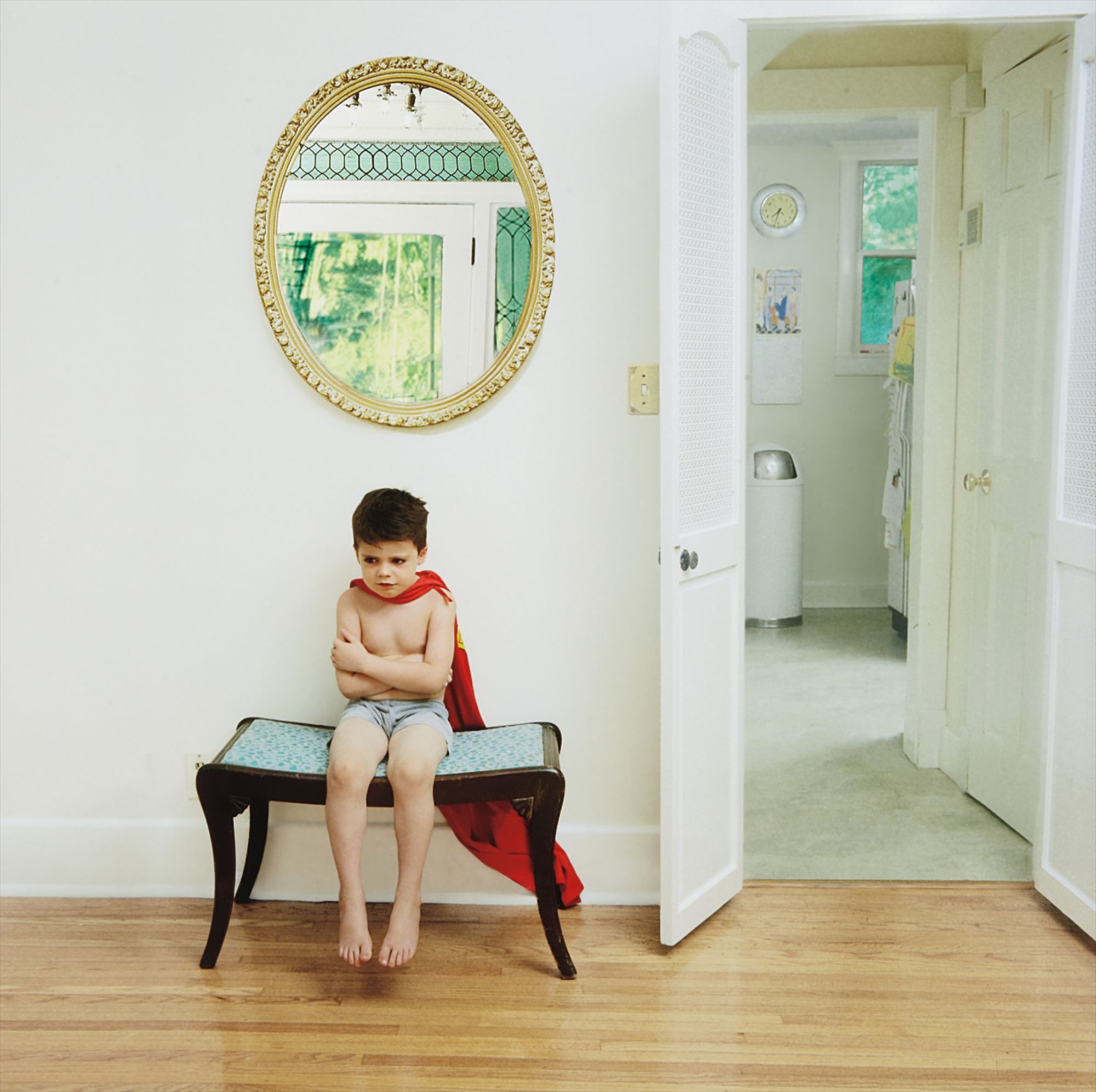
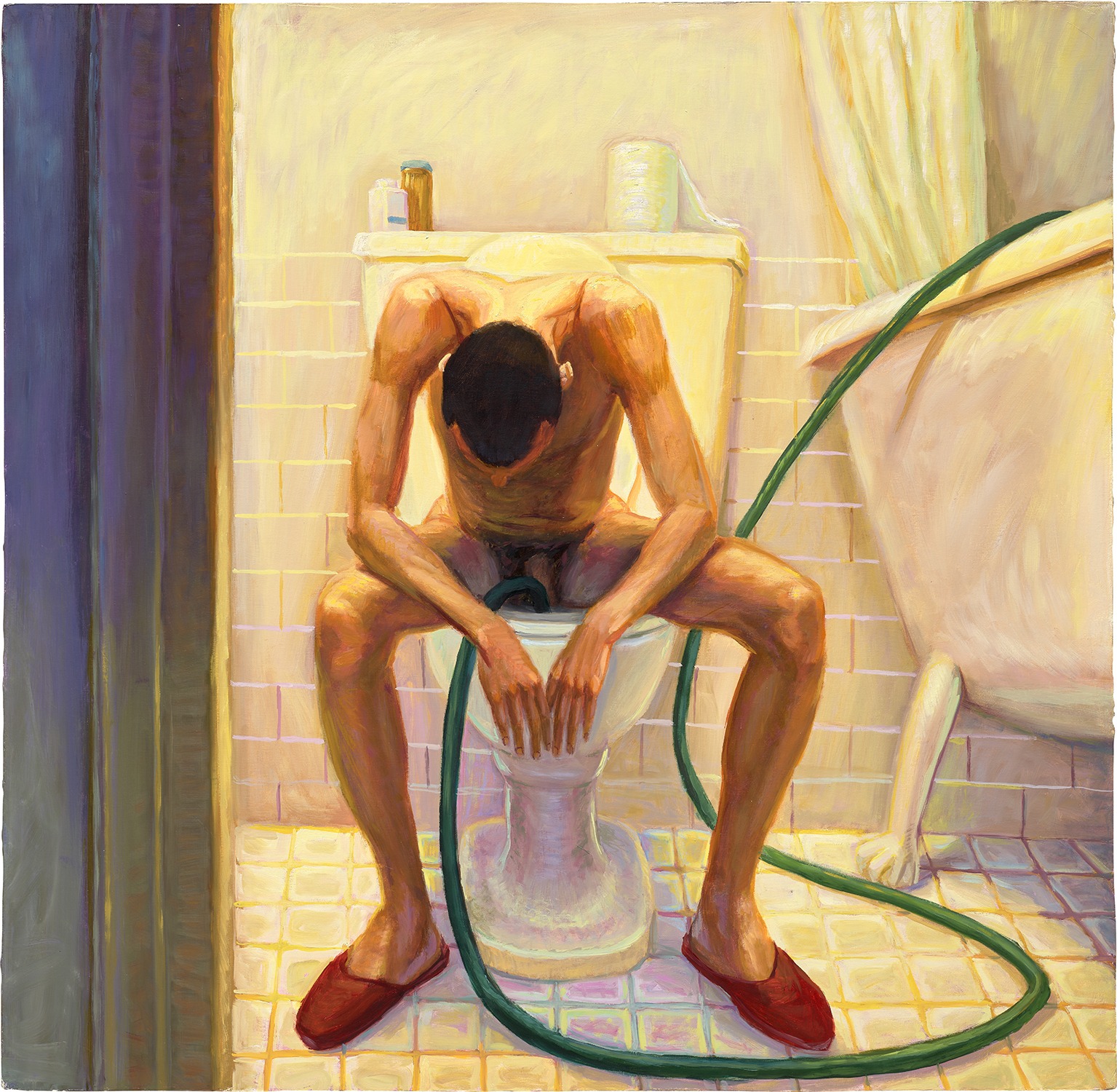
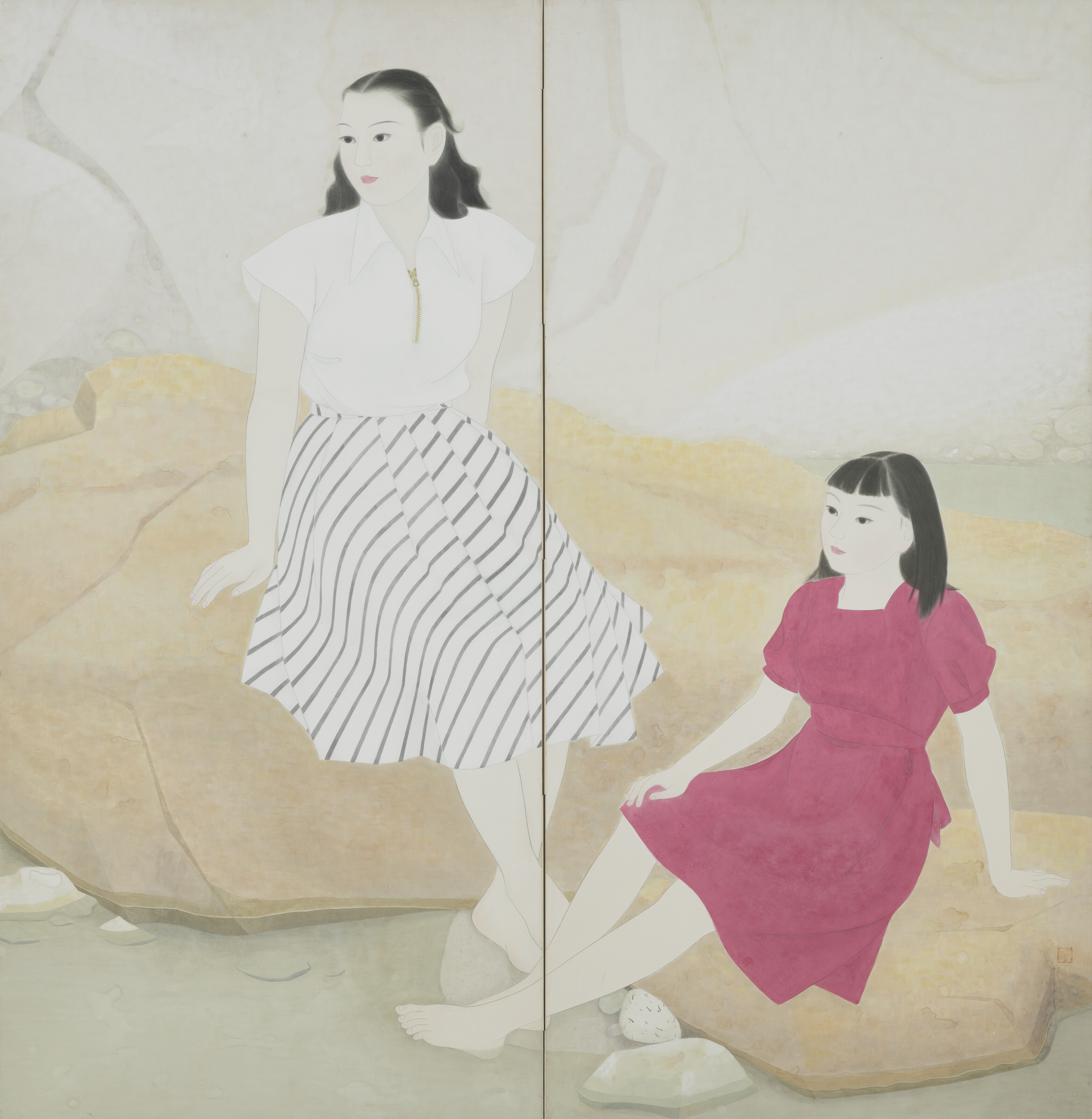
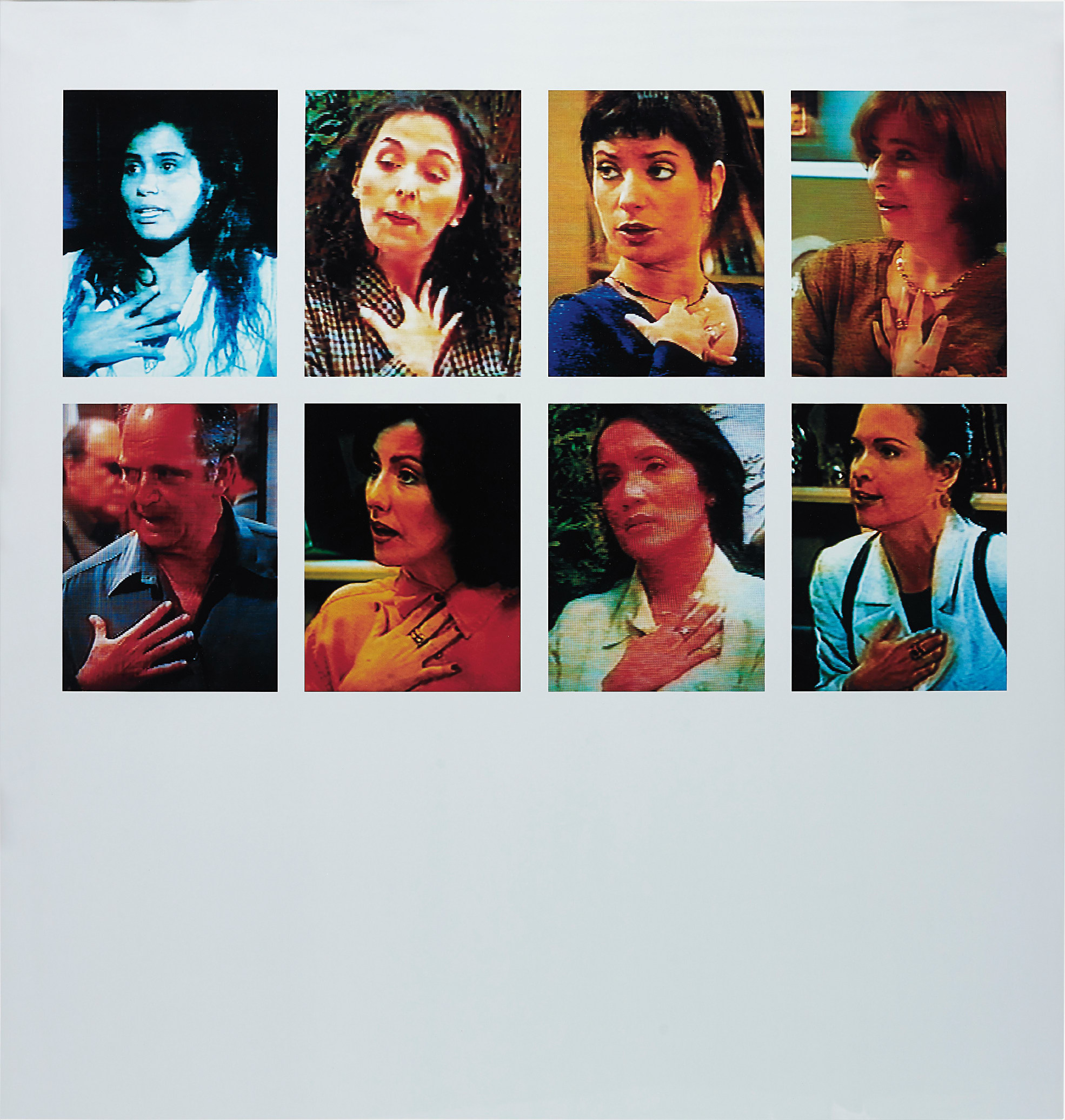
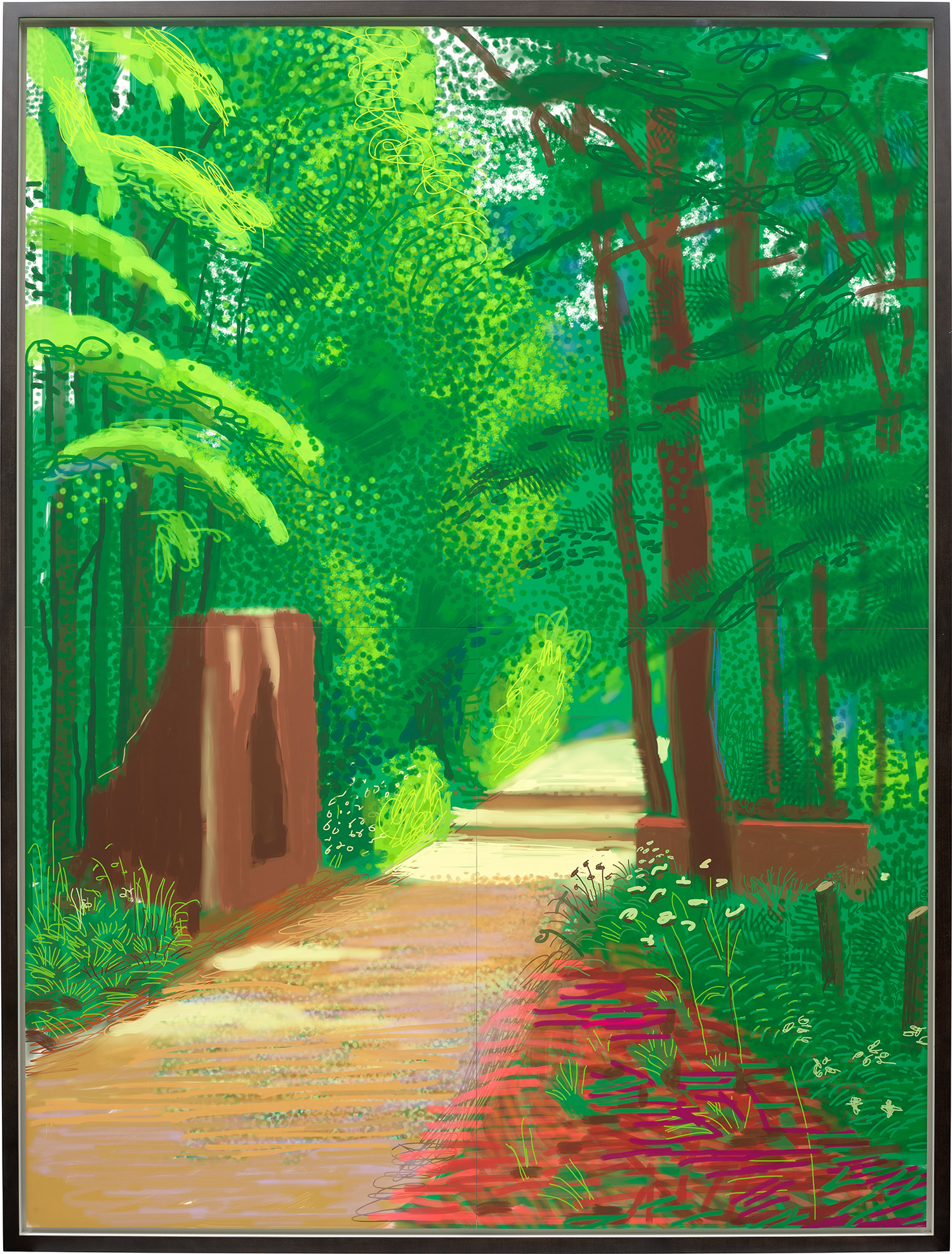
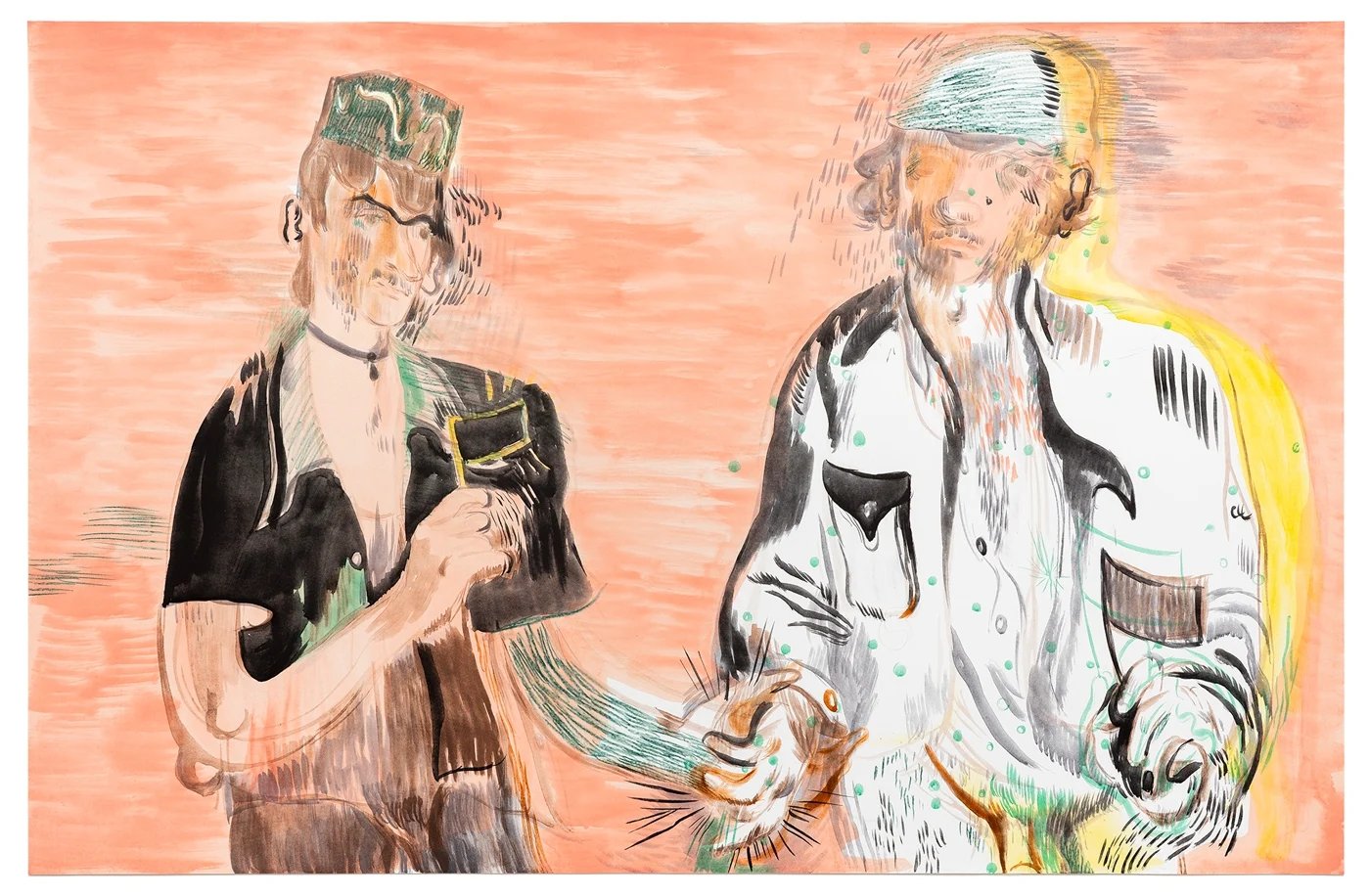
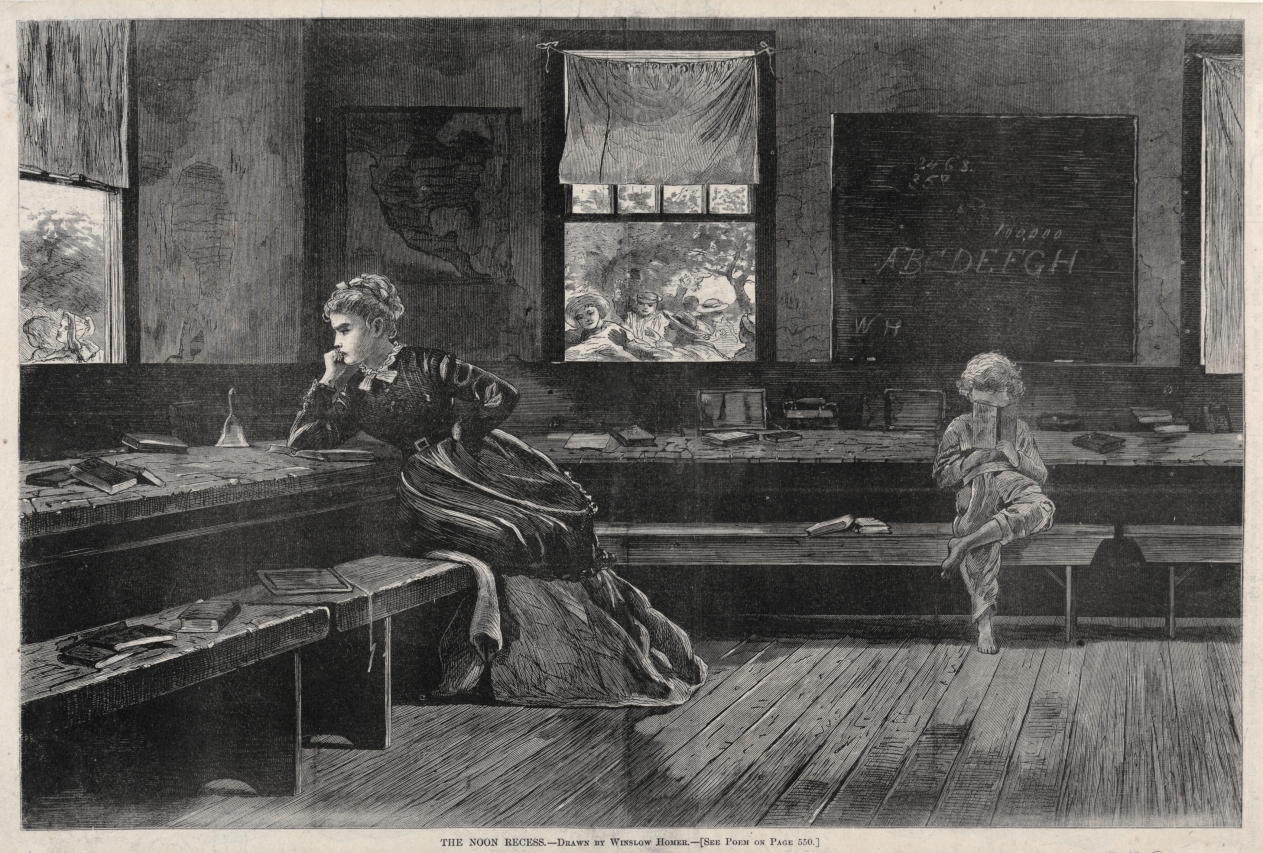
Domestic Scene
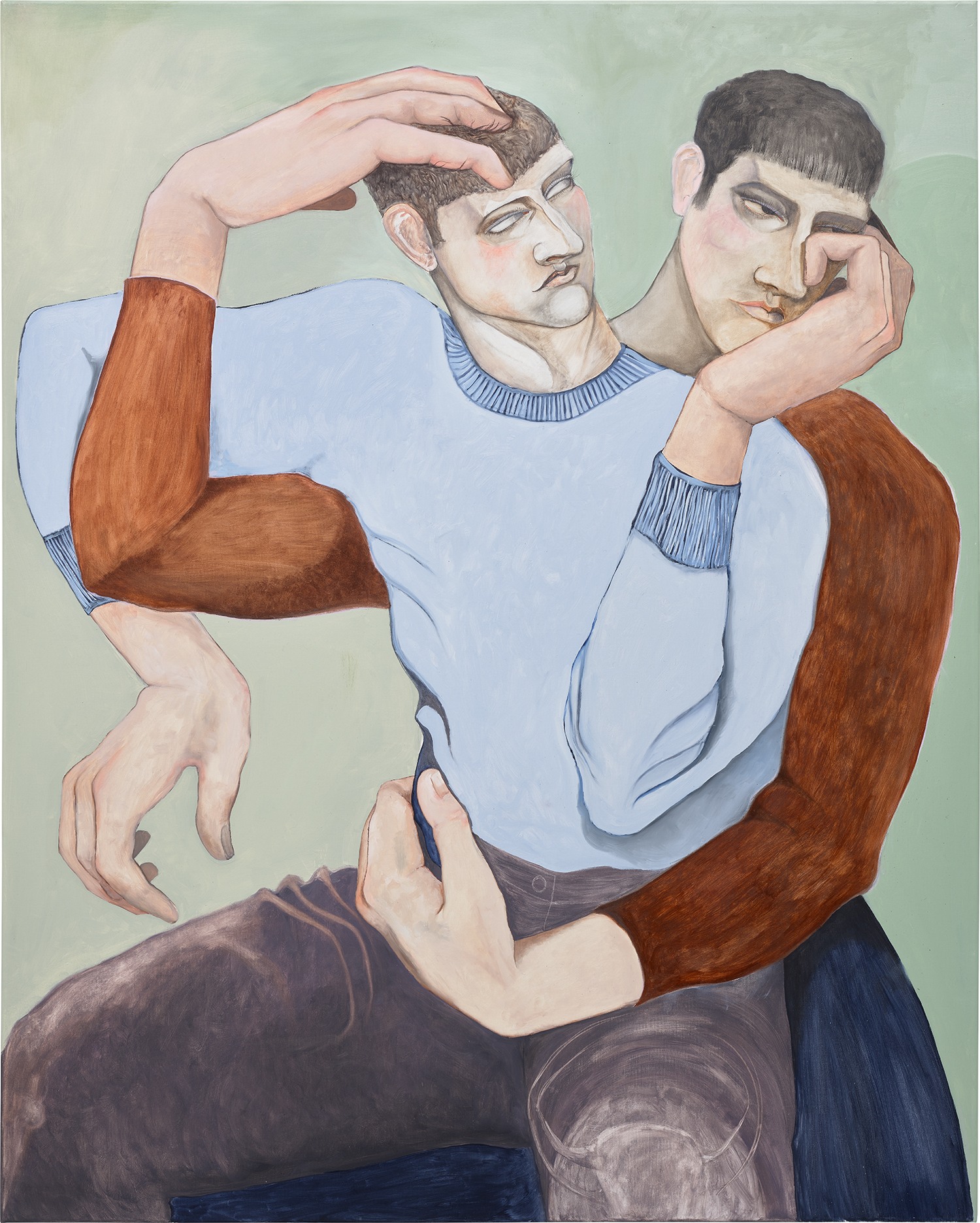
William Brickel
Two Figures (Lap), 2020






The Algorithm Moves In: Collecting AI Art Now
There is something quietly radical about living with an AI artwork. Not the science fiction version of that idea, all cold surfaces and blinking interfaces, but the actual domestic reality of it: a work generated through machine learning hanging above your sofa, shifting how you read the light in a room, asking questions you did not expect a framed image to ask. Collectors drawn to this category tend to share a particular quality of mind. They are comfortable with ambiguity.
They are not waiting for the market to tell them what to think. And they understand, intuitively, that the history of art has always been a history of tools finding new hands. What makes AI work compelling to live with is precisely what makes it controversial in certain corners of the art world. The question of authorship, of intention, of the relationship between prompt and output and final object, does not resolve itself the more you look.
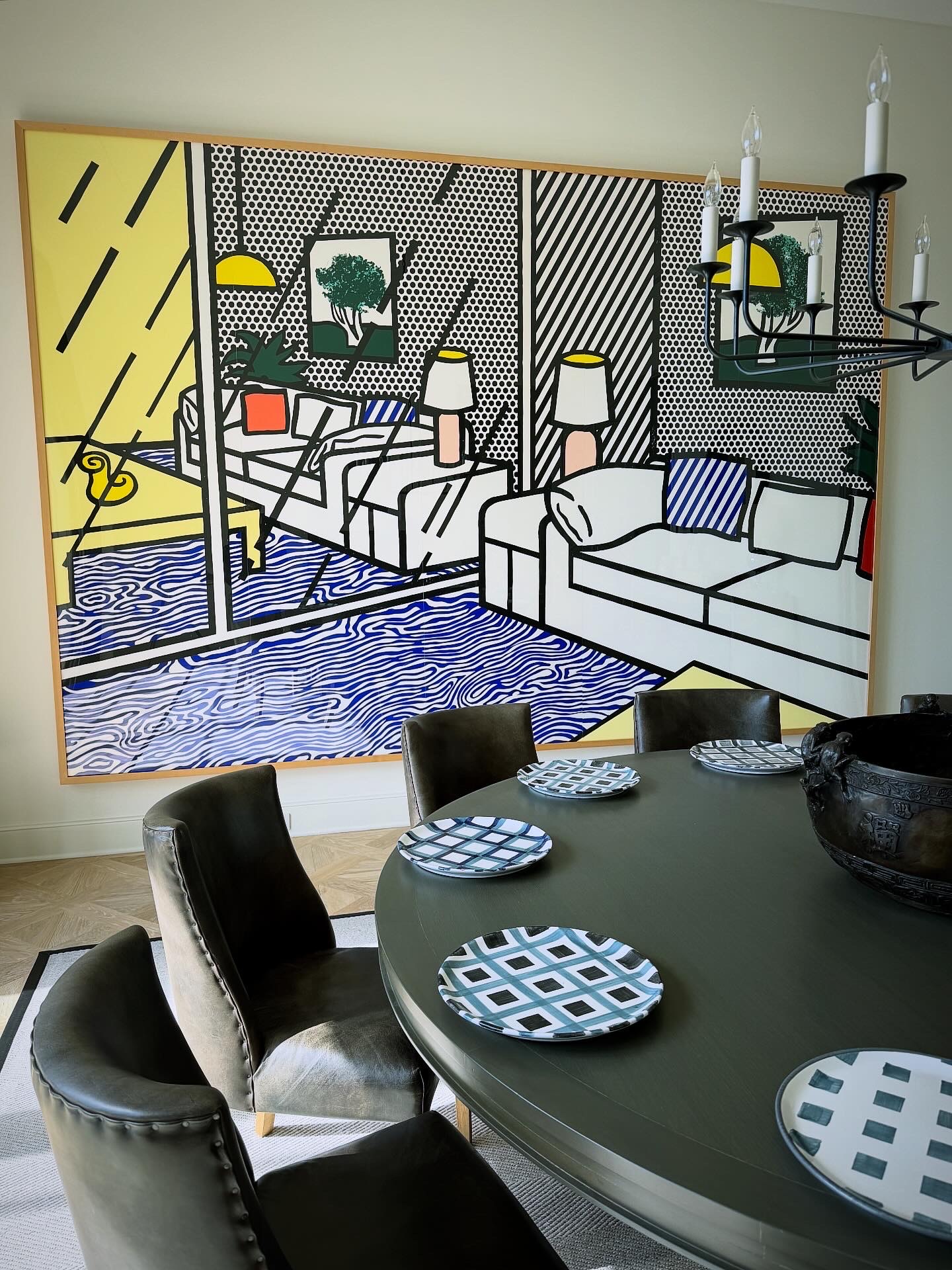
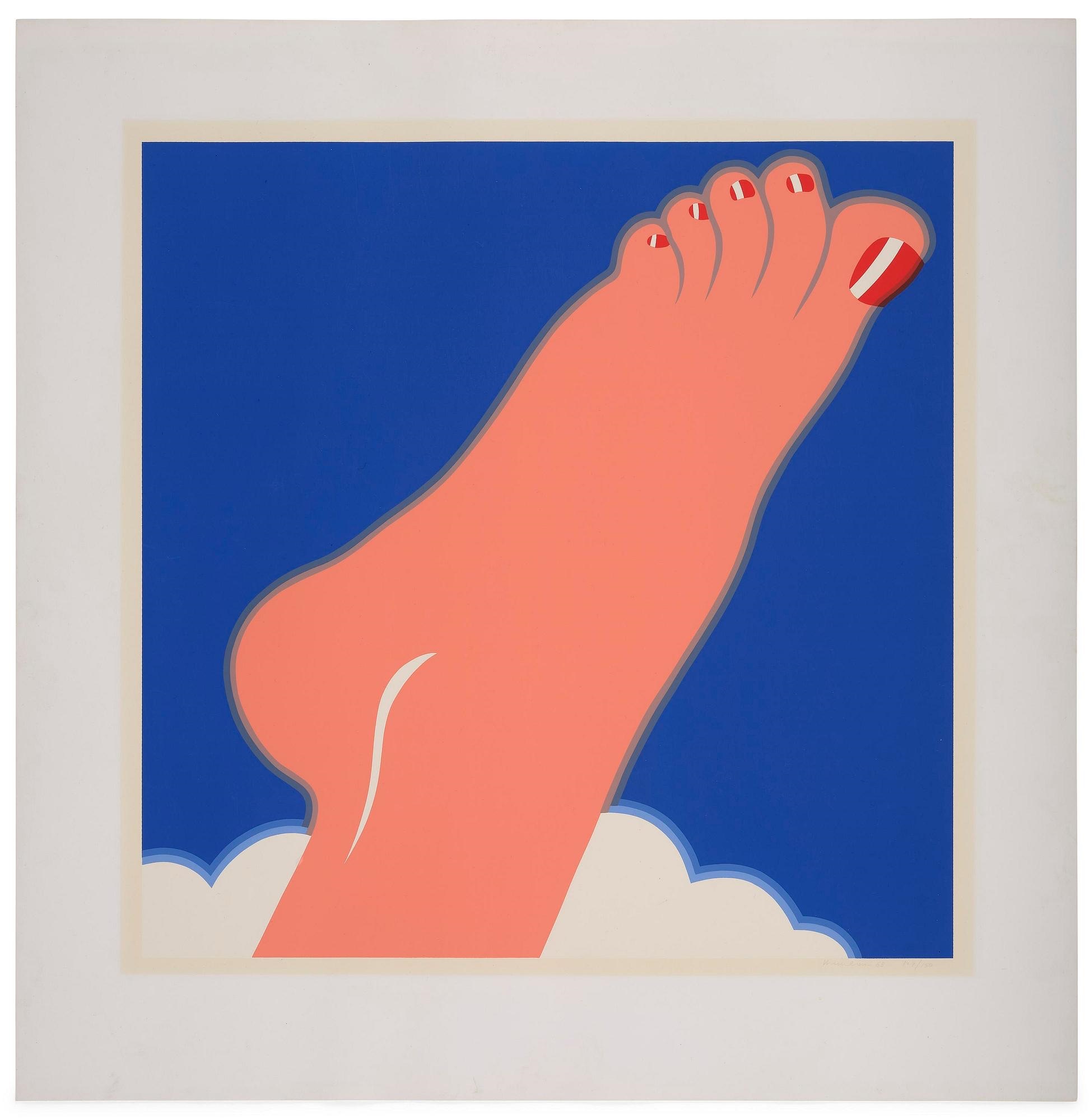
Roy Lichtenstein
untitled
It deepens. Collectors who have spent years with abstract expressionism or conceptual photography often find this familiar territory. The work does not explain itself. It requires something from you.
The best AI works carry that same productive unease, a sense that meaning is being negotiated rather than delivered. Separating a good AI work from a great one requires the same eye you would bring to any category, sharpened by a few specific concerns. The first is intentionality. There is an enormous amount of AI generated imagery circulating right now, most of it technically accomplished and aesthetically inert.
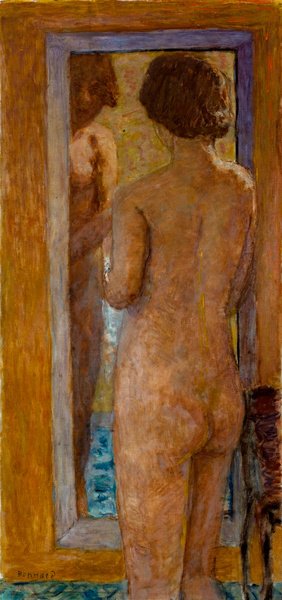
Pierre Bonnard
Femme à sa toilette, 1934
Great work in this space demonstrates a coherent artistic vision that the technology serves rather than replaces. The artist's choices, about model, dataset, curation, output selection, and presentation, should feel considered and irreducible. You should be able to sense a mind behind the work, even when that mind has worked through a machine. The second concern is uniqueness.
Unlike painting, where the hand of the artist leaves a physical trace, AI work lives or dies by the integrity of its edition structure and the clarity of its provenance. Edition size matters enormously here, and it is one of the first things to ask about. An open edition AI print is a fundamentally different proposition from a small closed edition with rigorous documentation. Ask the gallery or the artist directly: how many impressions exist, how are they numbered, is there a certificate of authenticity tied to the specific file or output, and what happens to the master file after the edition closes.
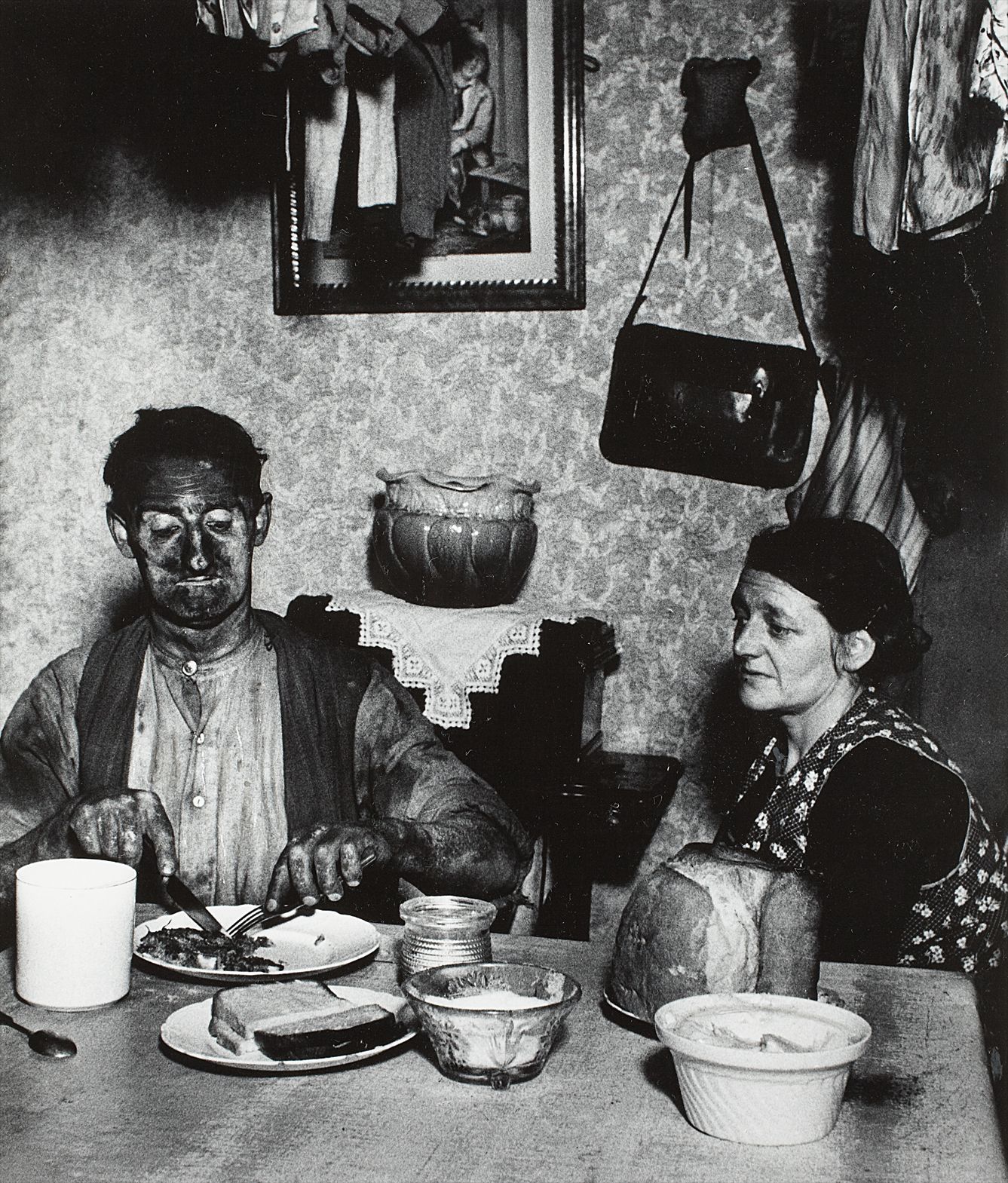
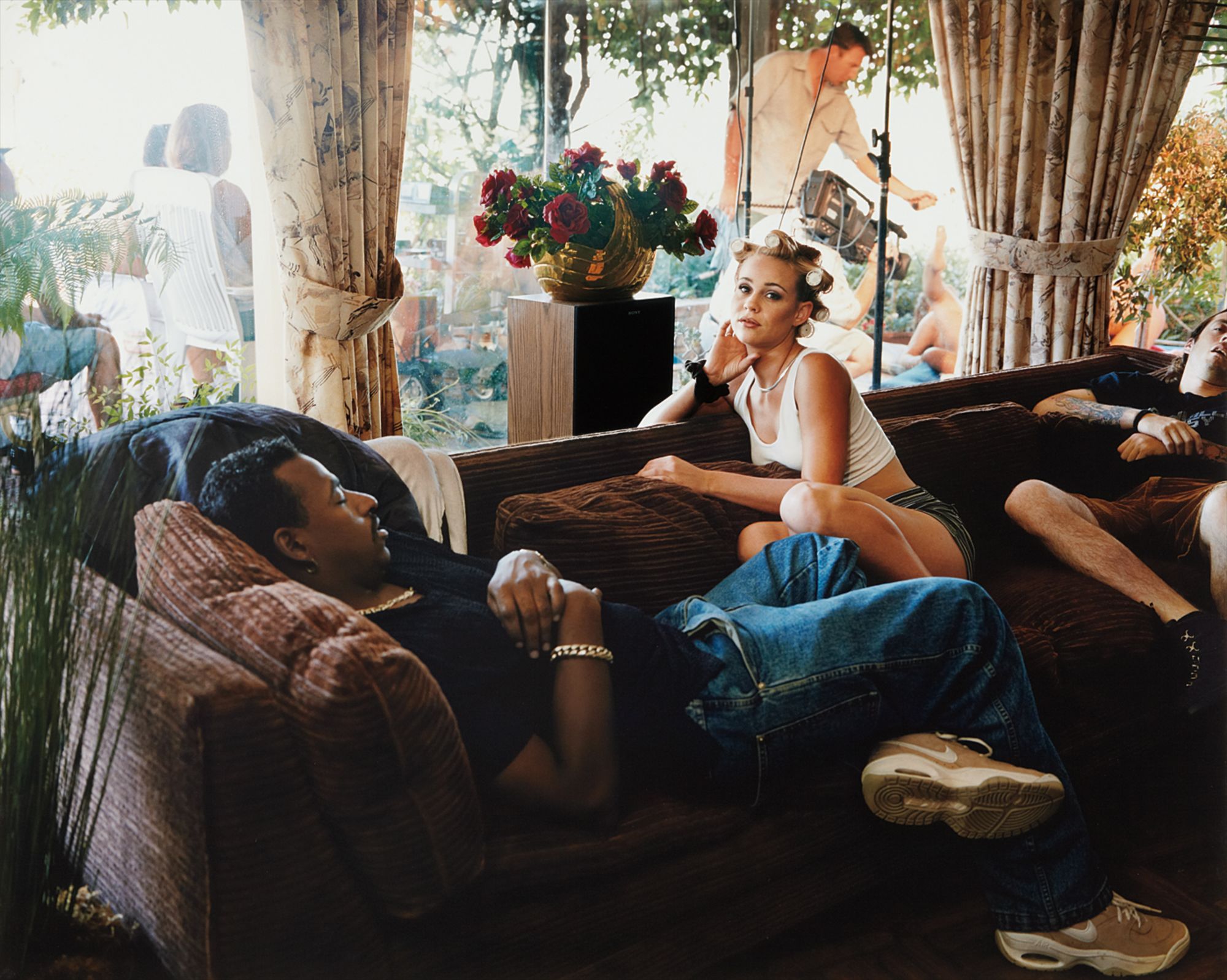
Bill Brandt
Northumbrian miner at his evening meal
These are not pedantic questions. They are the questions that determine whether a work holds value over time. Unique works, where a single output has been designated as the definitive version and the file formally retired, represent the strongest collecting proposition in this category right now. In terms of artists whose work merits serious attention, the collectors doing best are those who approach AI as they would any emerging medium: by looking for artists with a recognizable sensibility that transcends the tool.
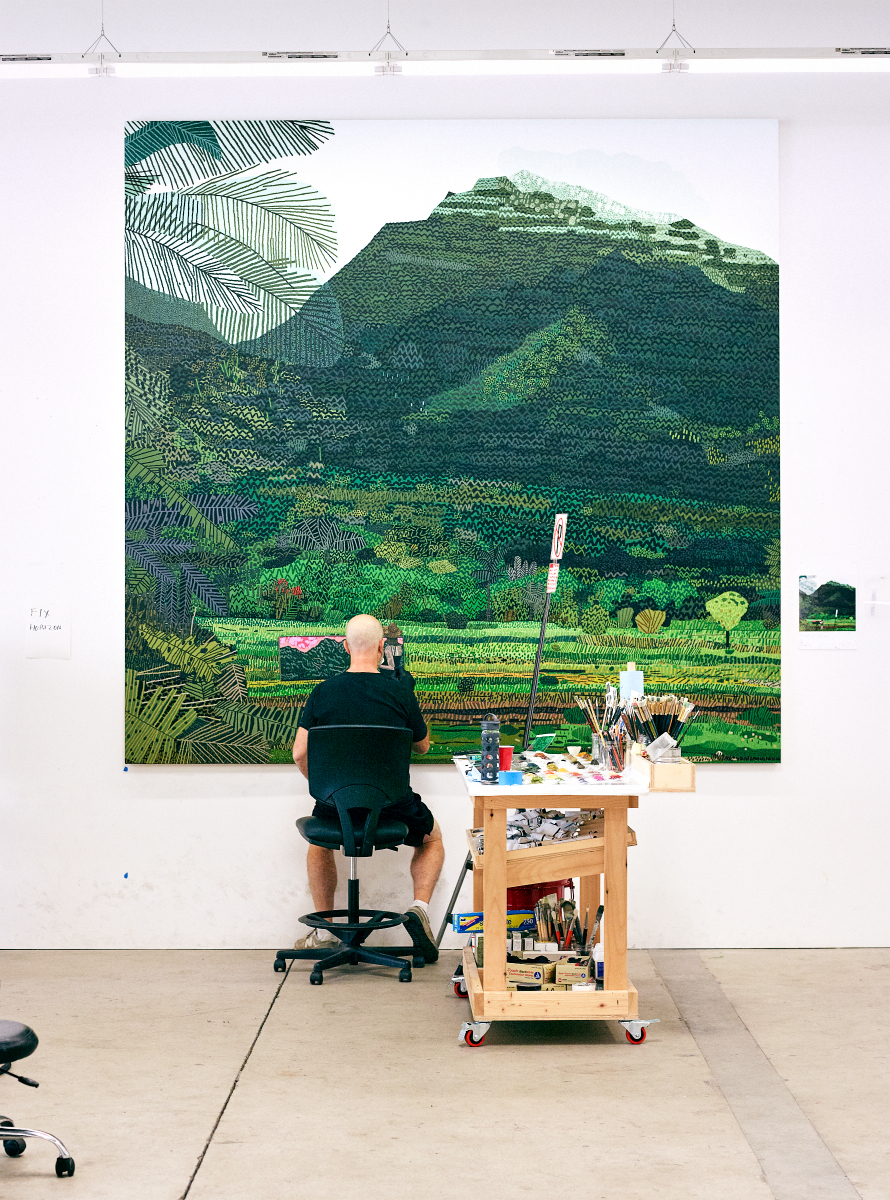
The works gathered on The Collection sit in useful dialogue with a broader lineage of domestic and interior subject matter. Pierre Bonnard's late interiors, with their electric color and compressed space, feel unexpectedly close to certain AI generated domestic scenes where chromatic logic overwhelms representation. Jonas Wood's pattern dense interiors share something with AI work that layers visual information until the image becomes almost architectural. The comparison is not casual.
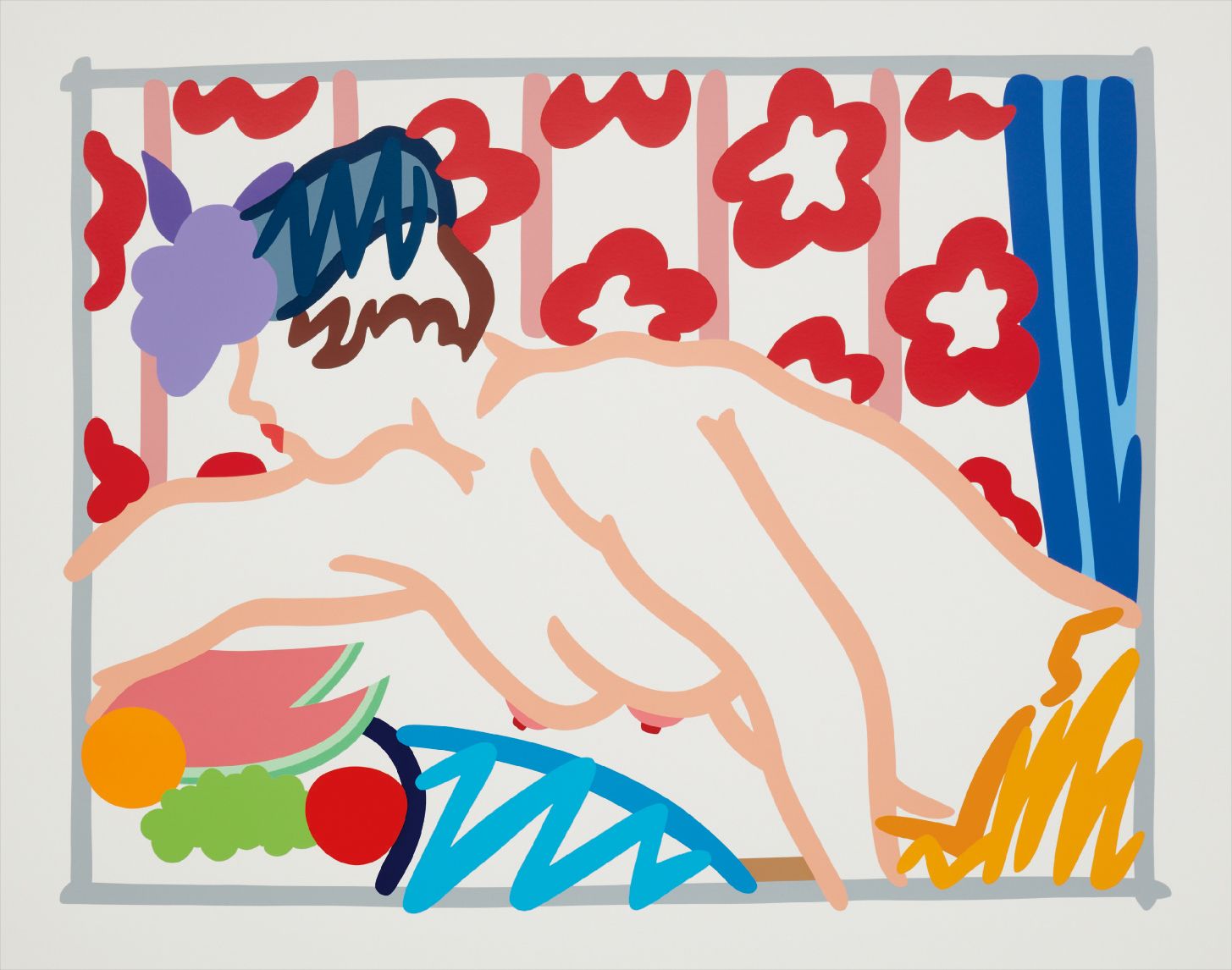
Tom Wesselmann
Judy Reaching Over Table
It is a way of understanding what qualities persist across very different modes of making. Tom Wesselmann and Roy Lichtenstein, both well represented on The Collection, remind us that American art has a long tradition of interrogating the domestic image through the lens of reproduction and mediation. AI work sits downstream of that tradition and is richer for the connection. Collectors who have spent time with Wesselmann's Great American Nude series or with Lichtenstein's flattened interiors from the 1990s will find the conceptual grammar of AI domestic work more legible and more interesting.
The questions about what a home looks like, who is imagined inside it, and what desire the image is meant to produce, run through all of it. At auction, AI work is still finding its footing, and that creates opportunity. The secondary market for digital and AI based work has been volatile since the NFT correction of 2022, but physical AI works, meaning output printed on archival material, presented as objects in the world, have shown more stability. The key indicator to watch is institutional acquisition.
When museums begin collecting specific artists working in this mode, secondary market prices tend to follow within two to three years. Several major institutions have made quiet acquisitions in this space since 2021, and the market has not yet priced in that validation. Collectors who move now are not speculating blindly. They are reading the same signals that drove early photography collecting in the 1970s.
Practical considerations for displaying AI work are worth thinking through carefully. Archival print quality varies widely, and you should ask to see a materials specification sheet before purchasing. Works printed on aluminum or mounted behind museum glass tend to hold up better in domestic environments than paper based outputs, particularly in rooms with variable light or humidity. Framing choices carry meaning in this category in a way they sometimes do not elsewhere.
A work presented with the same care as a fine art photograph signals a different relationship to the tradition than one displayed as a screen or projection, though both can be valid depending on the artist's intent. When in doubt, ask the gallery how the artist prefers the work to be displayed and whether there are installation guidelines. Artists working seriously in this space tend to have strong opinions about this, and those opinions are worth hearing.