Cultural Narrative
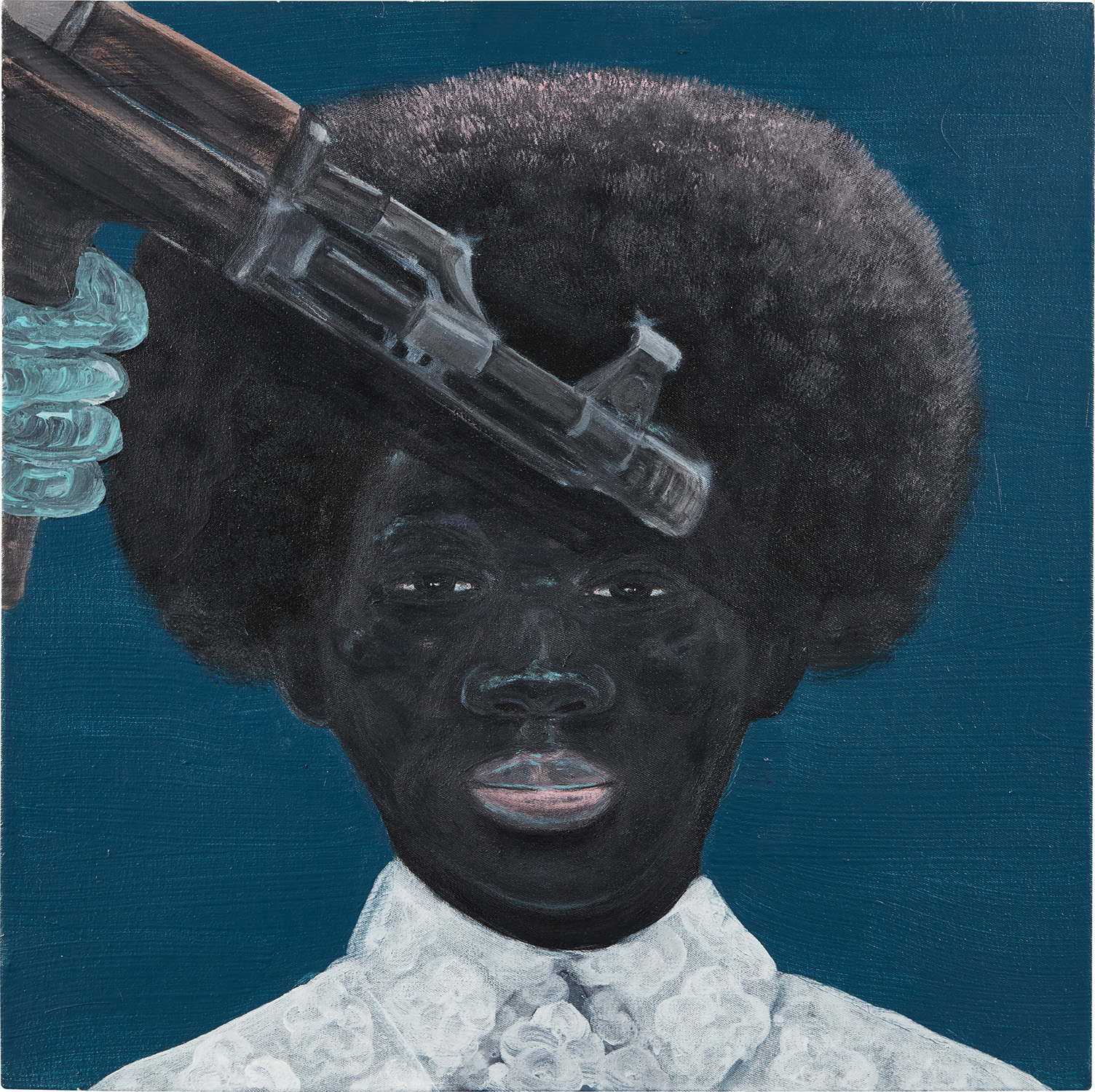
Wonder Buhle Mbambo
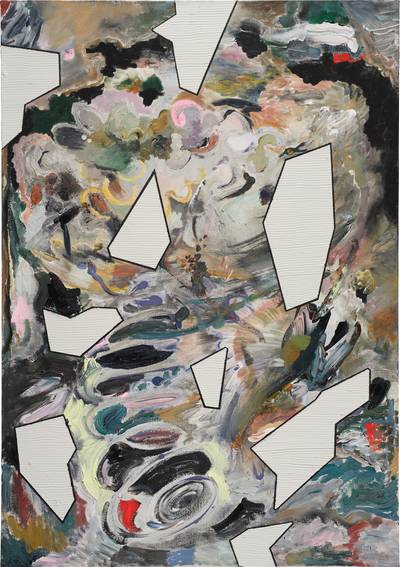
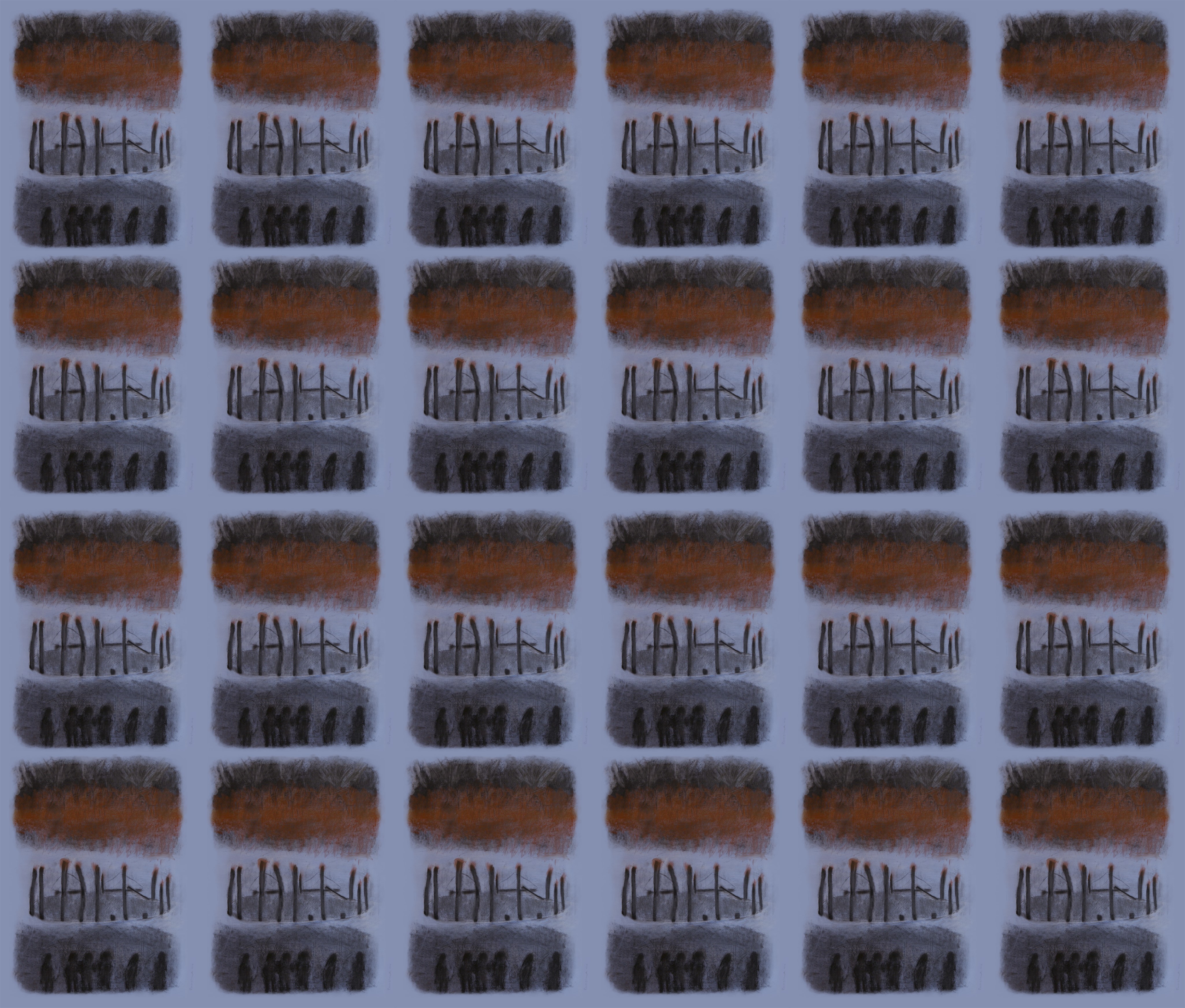
Inkomo iyashayelwa ubisi lwayo, 2020
The Stories Paintings Tell When You Stop Looking Away
There is a particular kind of collector who is drawn to works that refuse to let the room feel neutral. Cultural narrative art does exactly that. It carries the weight of collective memory, contested history, and lived experience into domestic and institutional spaces alike, and it demands a relationship rather than mere appreciation. Collectors who live with this work often describe a shift in how they move through their own homes, as though the paintings and photographs are quietly reorganizing their understanding of what happened, and to whom, and why it still matters.
That quality of ongoing dialogue is precisely what makes the category so compelling to own over the long term. What separates a genuinely great work in this space from one that is merely accomplished comes down to specificity versus generality. The strongest pieces do not traffic in abstracted gestures toward identity or history. They arrive with precision, anchored in a particular place, a particular set of bodies, a particular wound or celebration that refuses to be universalized into comfortable meaninglessness.
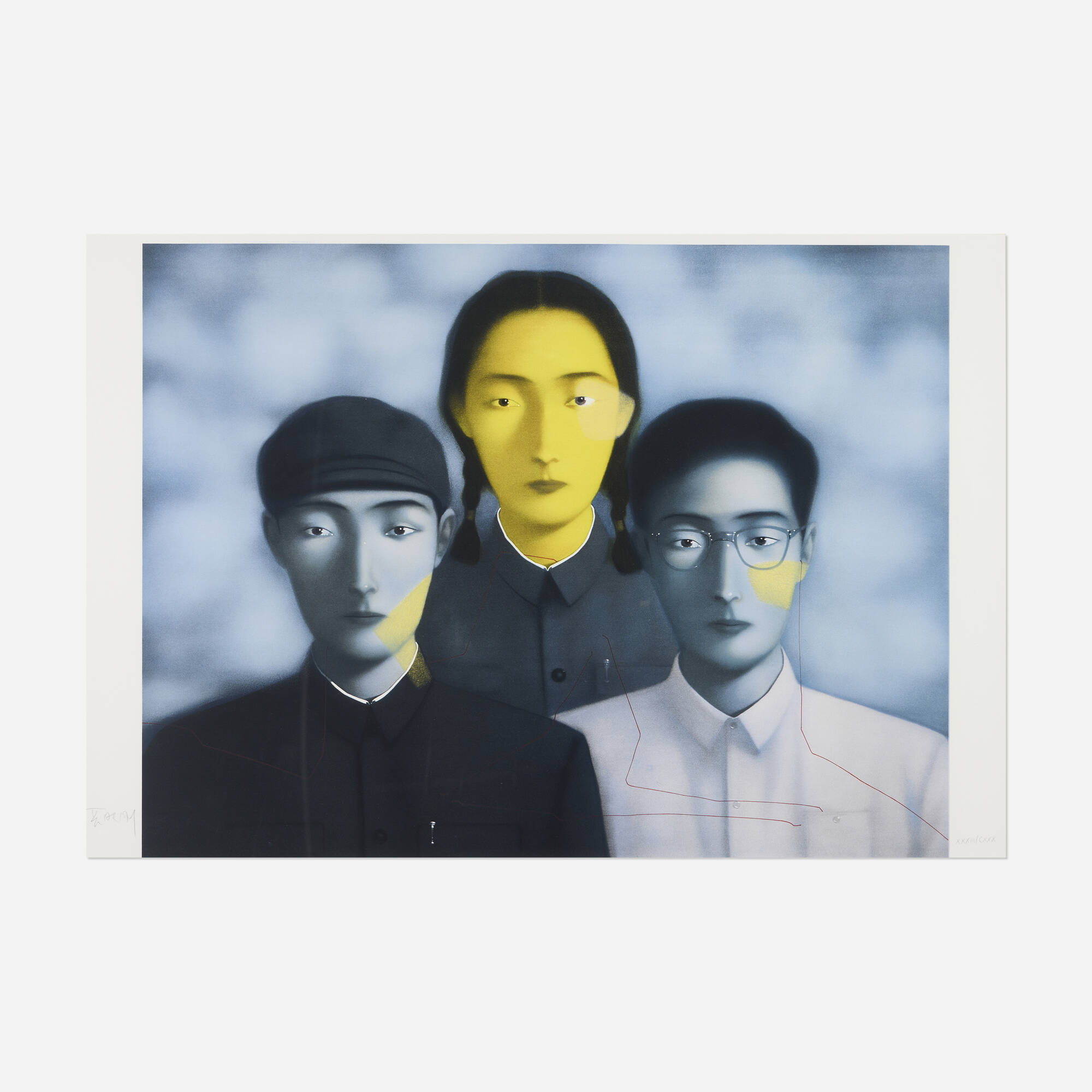
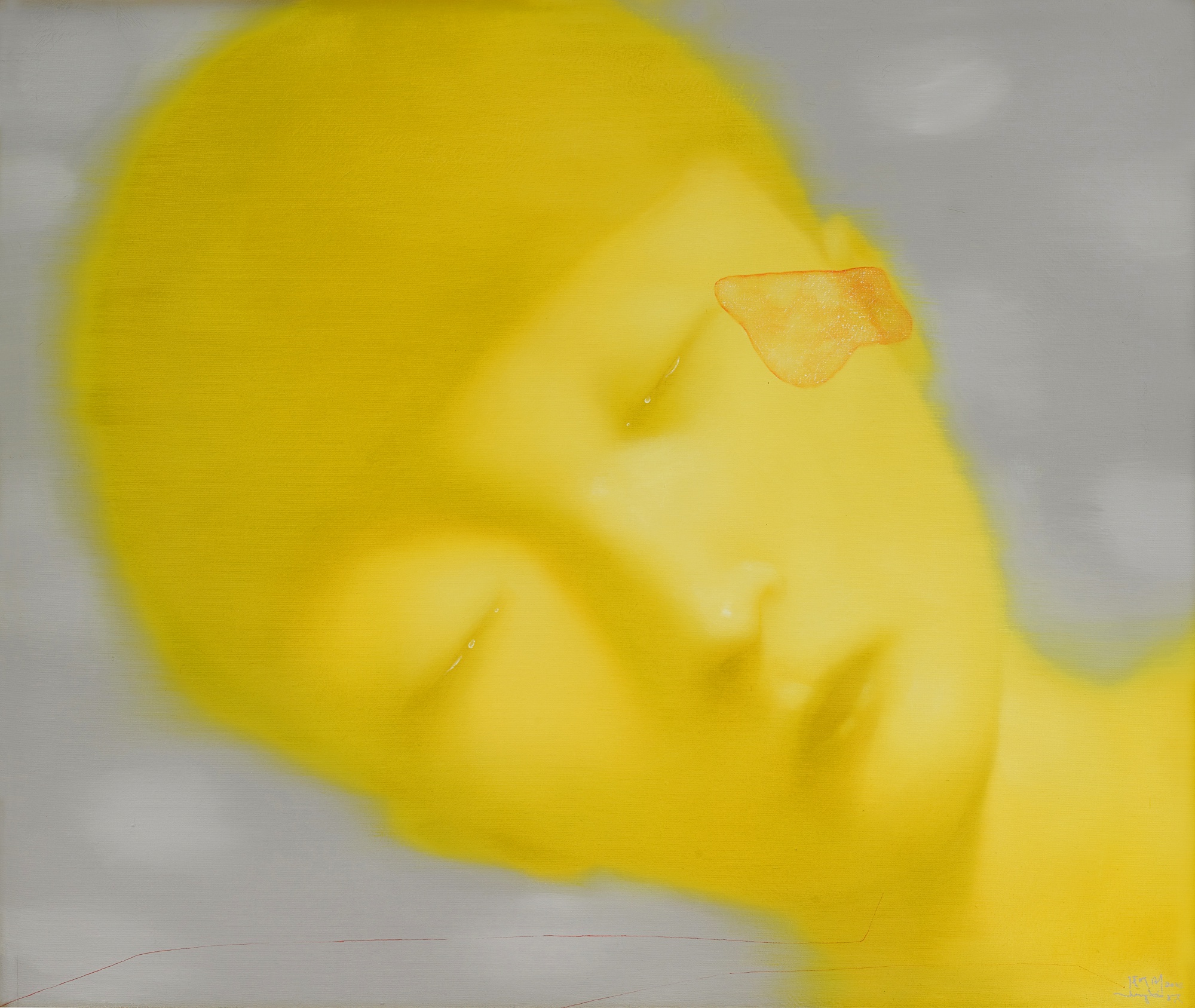
Zhang Xiaogang
Bloodline: Big Family No. 8, 2006
When you stand in front of work by Zhang Xiaogang, you feel the weight of Cultural Revolution era China pressing against the surface of those eerily composed family portraits, the tension between collective erasure and private feeling made utterly visible. That historical specificity is what gives the work its staying power, both emotionally and in the market. Collectors should also attend to whether an artist is working within or against a received visual language. The most valuable works in cultural narrative tend to occupy a position of productive tension with existing traditions, borrowing from and subverting the Western canon simultaneously.
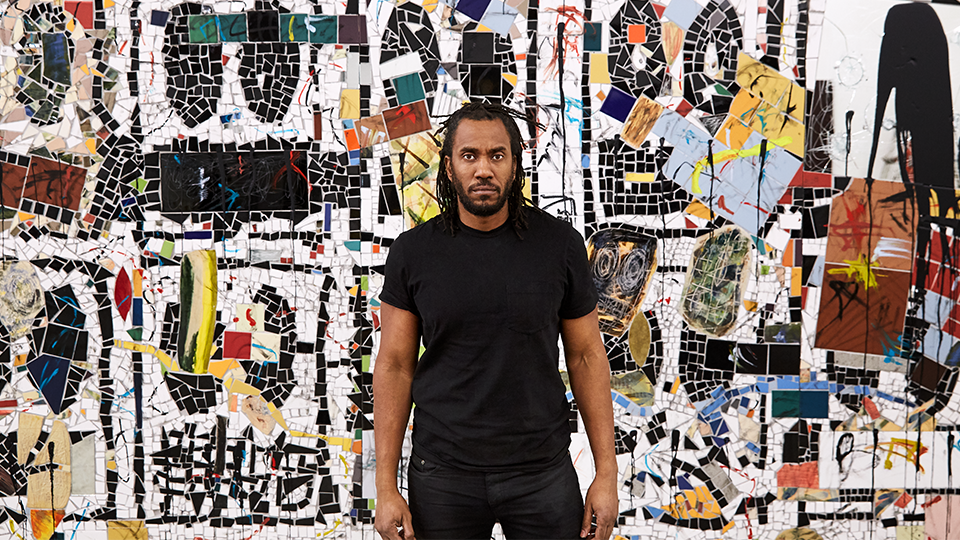
Beatriz González spent decades doing exactly this in Colombia, taking the iconography of European old master painting and mass media imagery and fusing them into something that felt both local and universal, both celebratory and mournful. Her work now commands serious institutional attention and auction results that reflect a market catching up to what curators knew for years. When you encounter work that has been quietly championed by museums before the broader market noticed, that gap is often where the most significant collecting opportunities live. In terms of artists representing strong long term value on The Collection, Rashid Johnson stands out as someone whose market has matured without losing its momentum.
Beatriz González
Historias Wiwa I, 2015
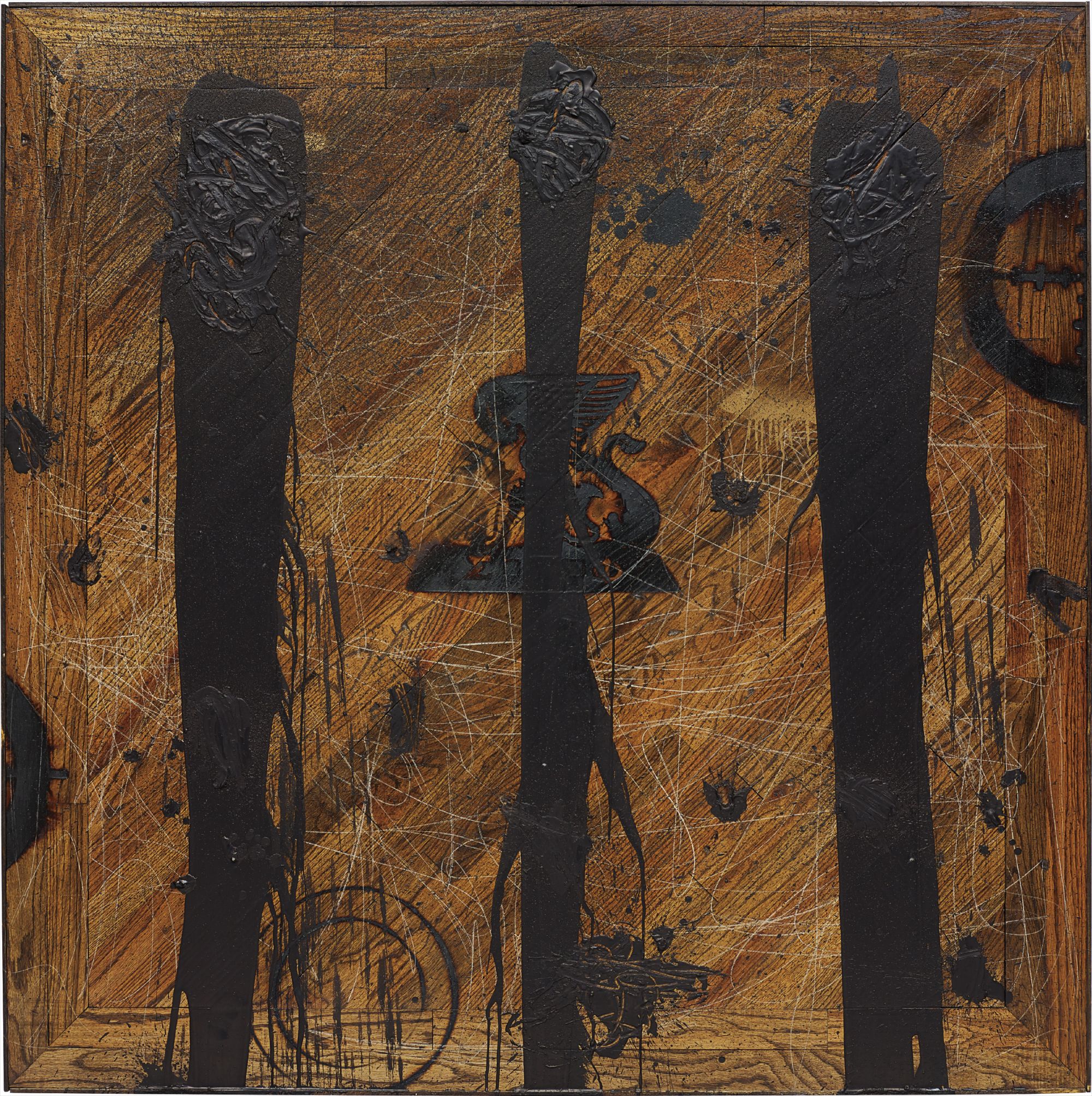
His work layers Black American cultural history, anxiety, and intellectual ambition into surfaces that are physically complex and conceptually demanding, and that combination tends to hold value through market cycles in ways that purely decorative work does not. Ming Smith occupies a different but equally important position. As one of the first women members of Kamoinge Workshop and a photographer whose images of Black life and experience carry an almost spiritual luminosity, she has received overdue institutional recognition in recent years, with her work entering major museum collections and her auction presence growing accordingly. Getting ahead of that kind of recognition is one of the genuine pleasures of collecting in this space.
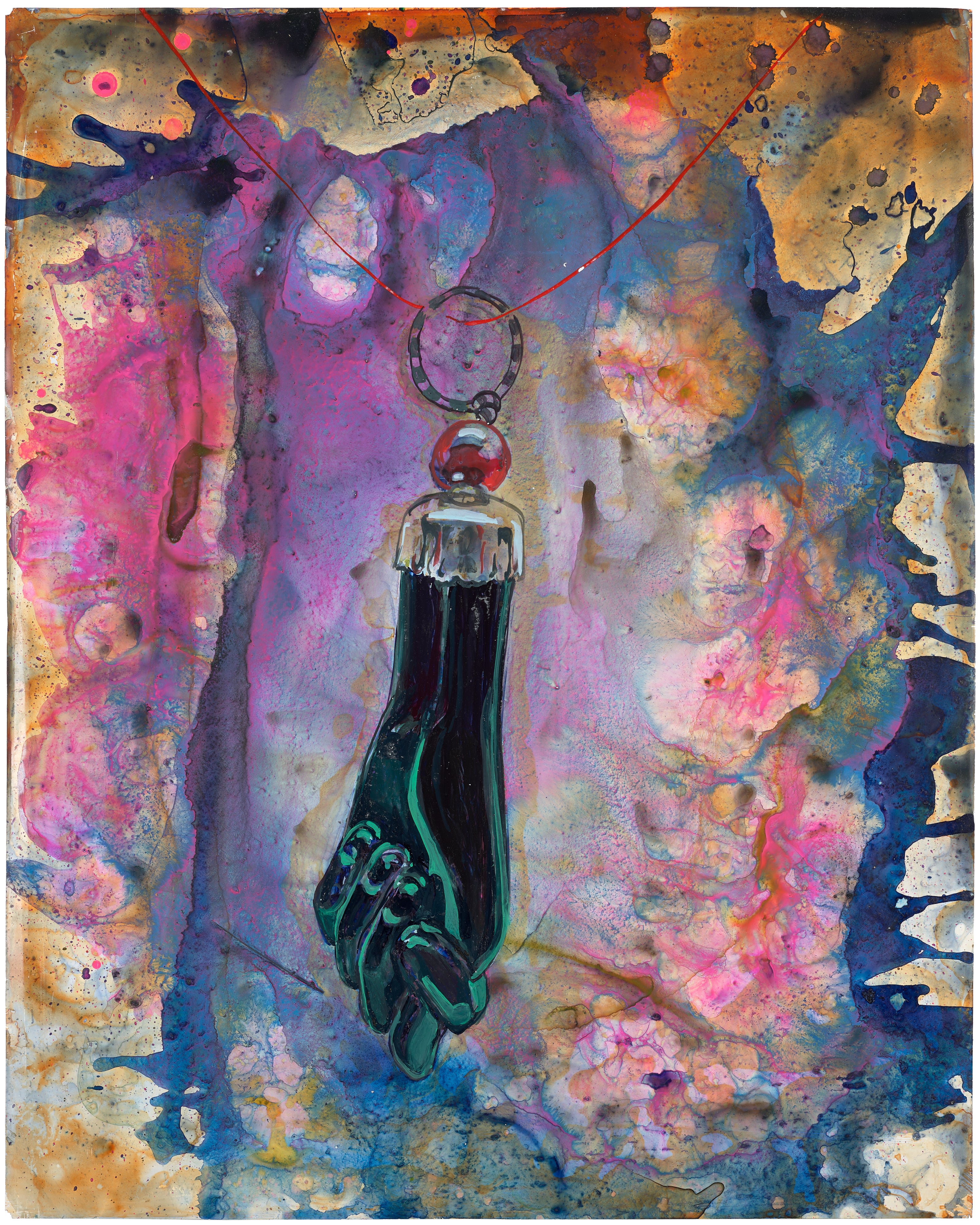
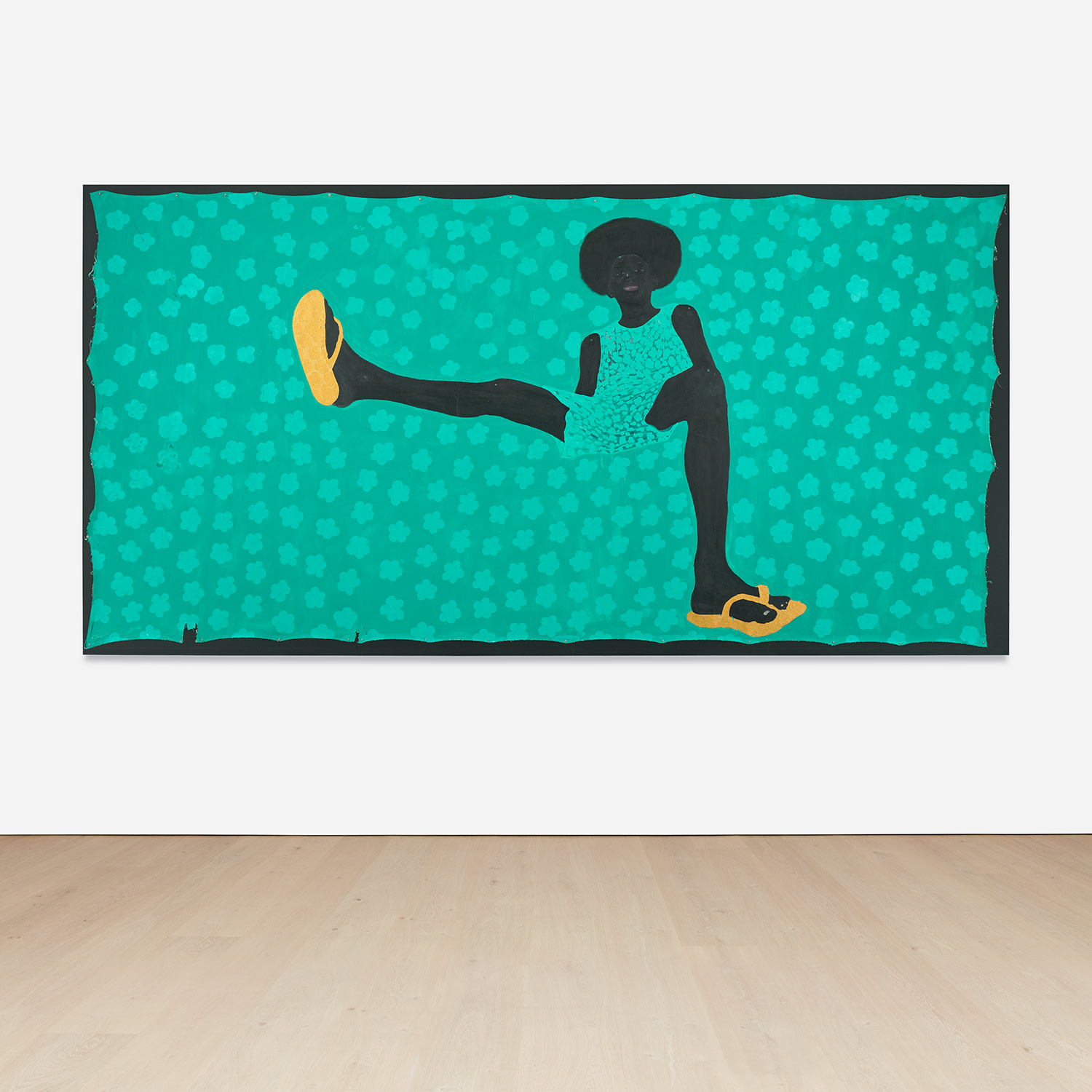
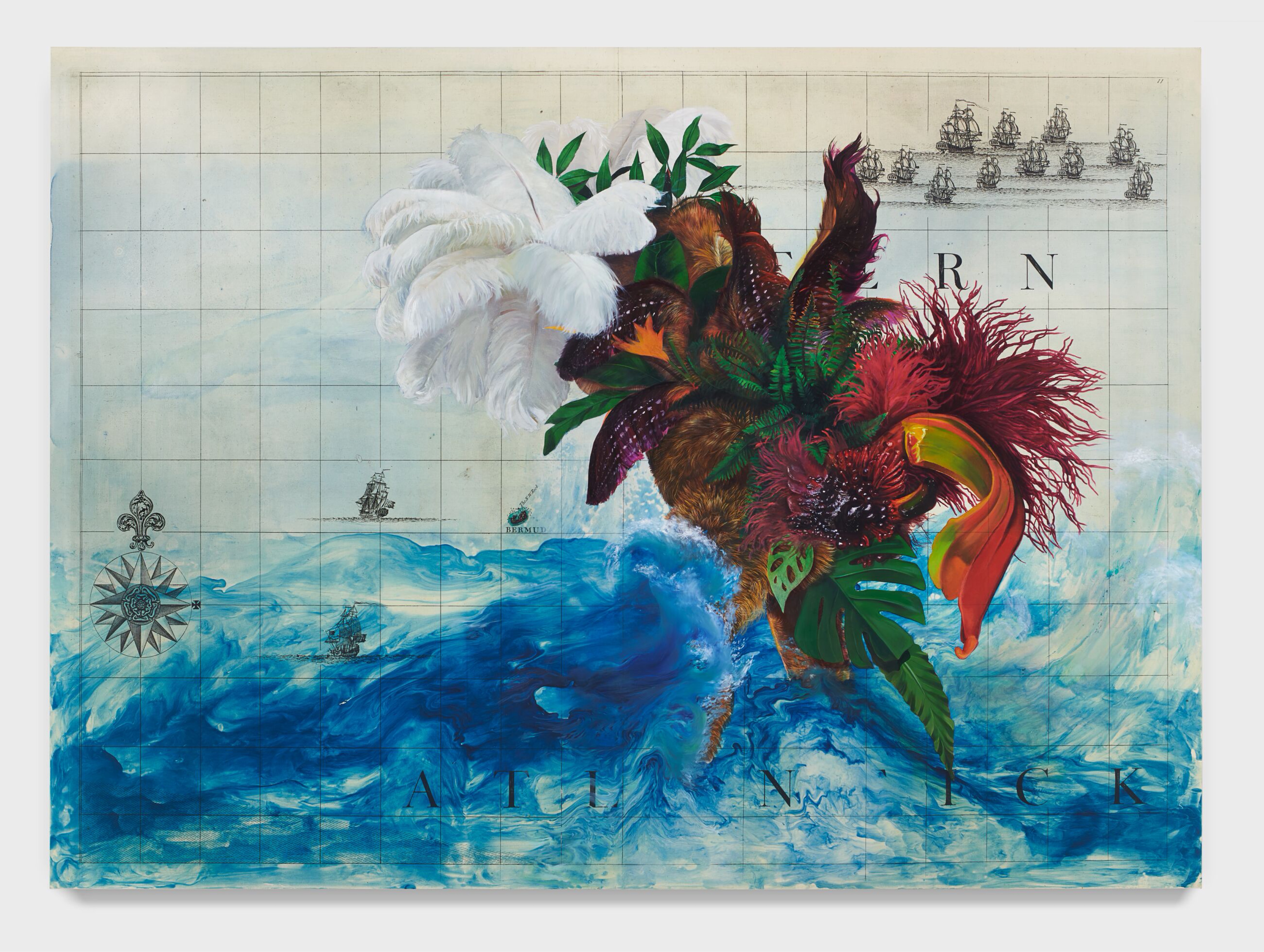
Firelei Báez represents what might be the most exciting current opportunity in cultural narrative work for collectors who want both aesthetic pleasure and historical depth. Her paintings and works on paper draw on Afro Caribbean history, Haitian cosmology, and the visual archives of colonialism, all filtered through an extraordinary facility with color and mark making that makes the work genuinely beautiful to live with alongside its intellectual weight. She has had major institutional shows including her commission for the historic Pool Room at the Four Seasons Restaurant building in New York, and her primary market continues to move through a small number of galleries with serious waiting lists. Wonder Buhle Mbambo, working in South Africa and bringing a younger generation's reckoning with post apartheid identity and the body into painting, represents the kind of emerging voice that sophisticated collectors are watching closely right now.
Wonder Buhle Mbambo
Inkomo iyashayelwa ubisi lwayo, 2020
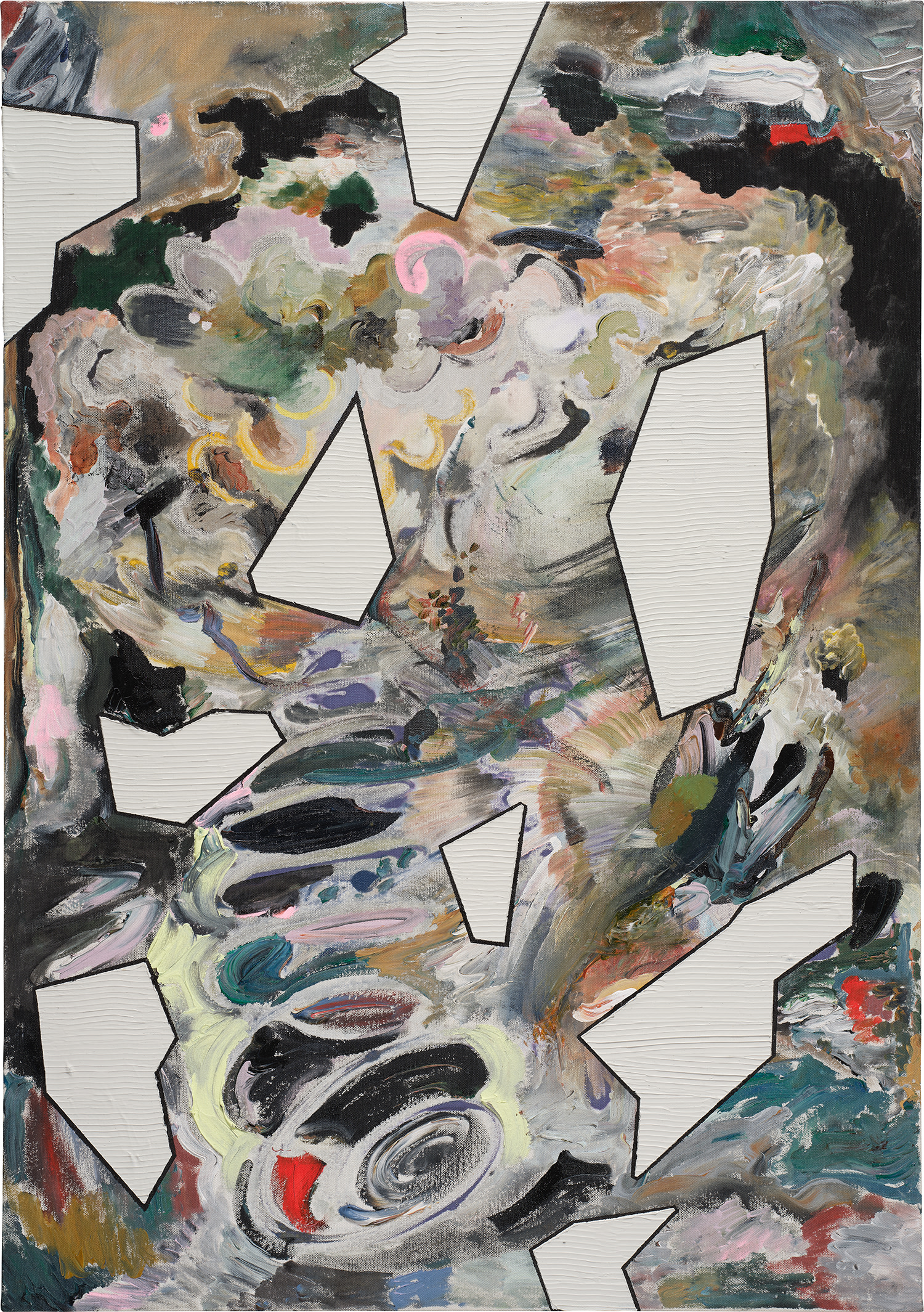
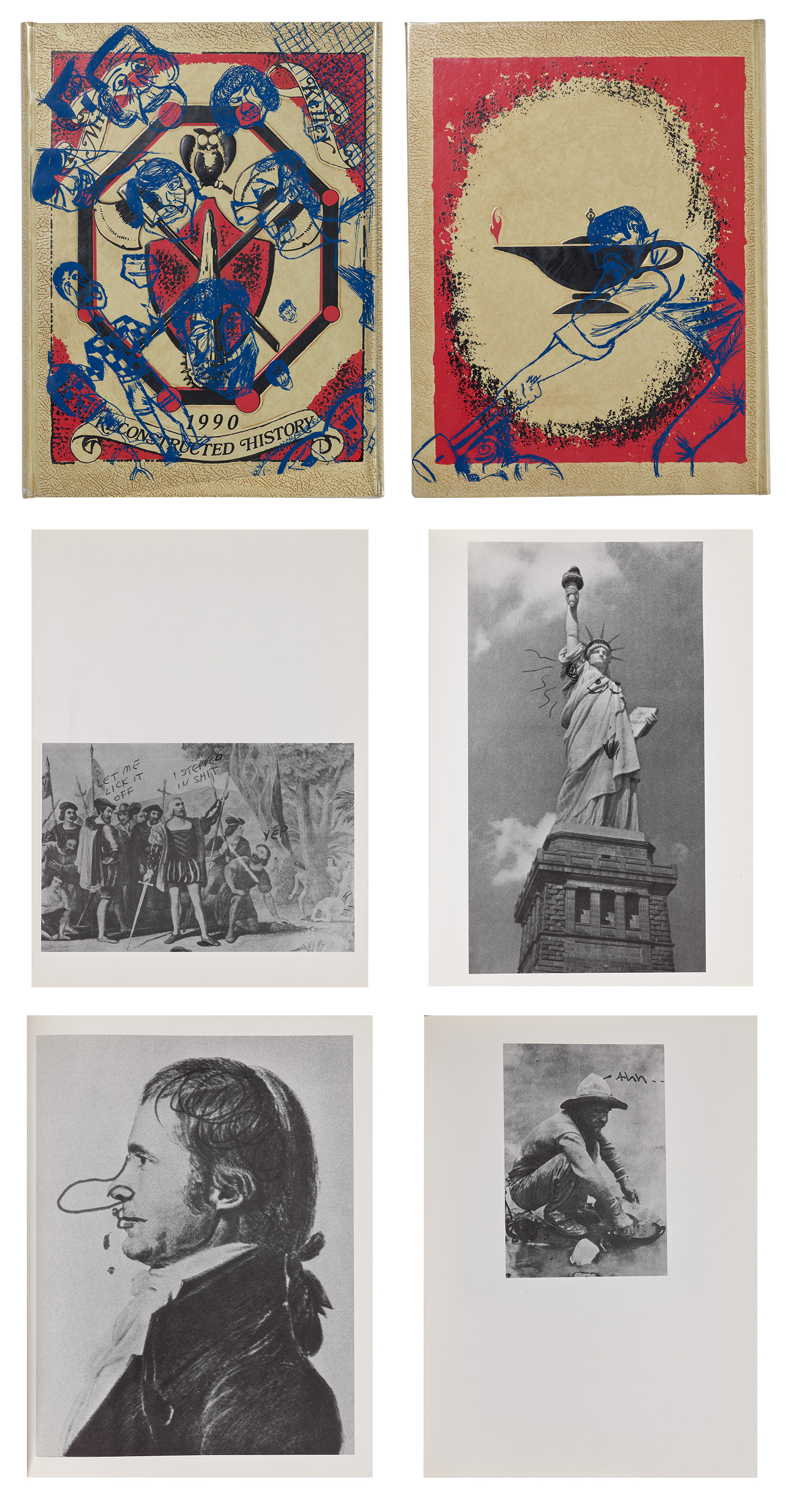
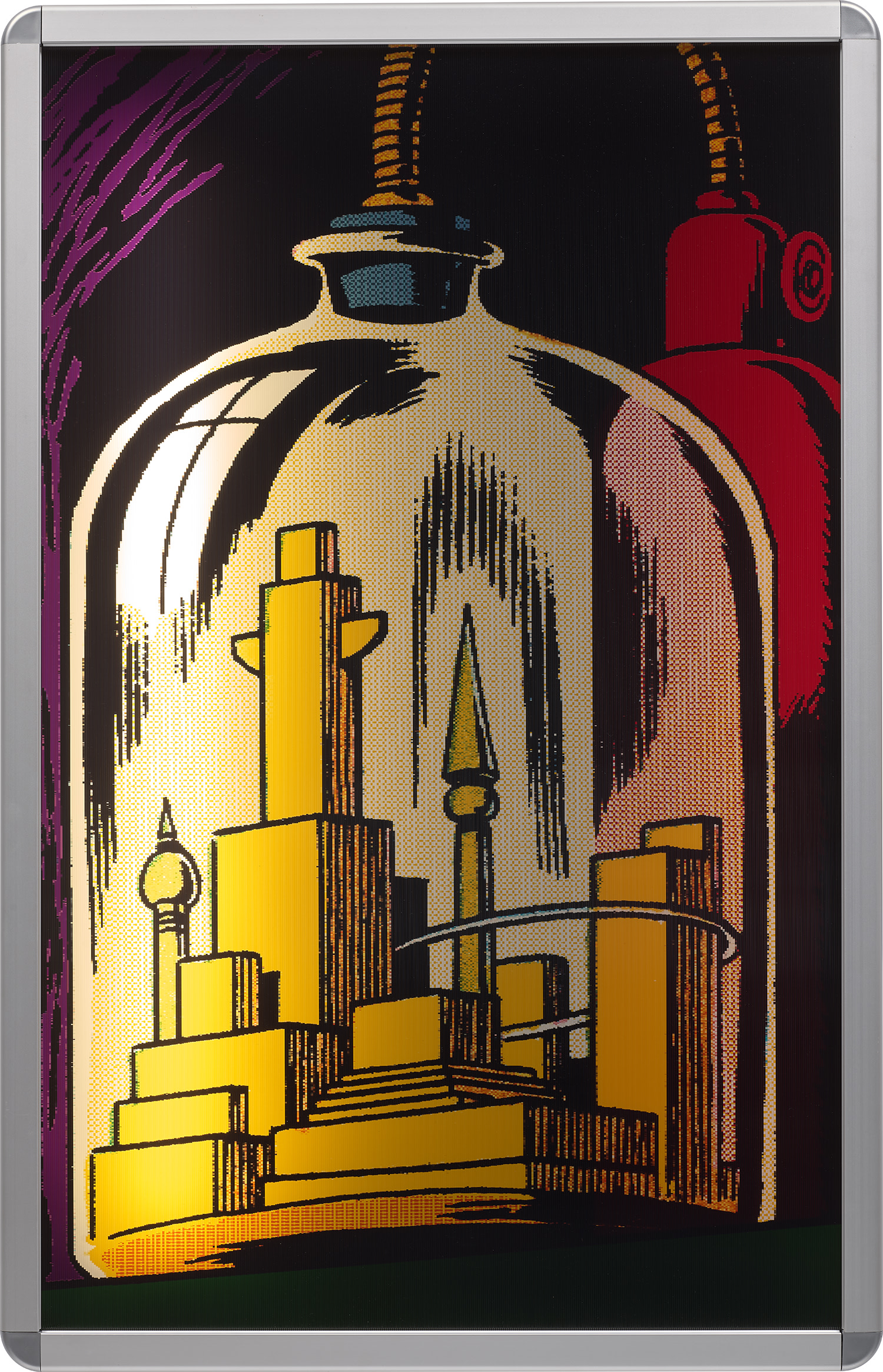
At auction, cultural narrative work has shown consistent strength over the past decade, particularly as museum acquisition programs have prioritized exactly the kind of artists who have historically been underrepresented. This institutional demand creates a floor that protects secondary market values better than many other categories. Works by artists like Helen Johnson, whose paintings engage with feminism, labor, and social systems in ways that feel politically urgent without being didactic, have moved steadily through both the primary market and more specialist auction environments in recent years. Mike Kelley, whose long career engaged with American cultural mythology and repressed collective memory, remains a benchmark for how deeply this kind of work can penetrate the museum and institutional market over time.
For practical collecting, a few considerations matter more than most people discuss openly. Condition in works that use unconventional materials, which is common in cultural narrative practice, requires particular attention. Ask the gallery directly about materials, whether any components are inherently unstable, and what conservation guidance the artist has provided. This conversation also tells you something about how seriously a gallery is thinking about the long term life of the work.
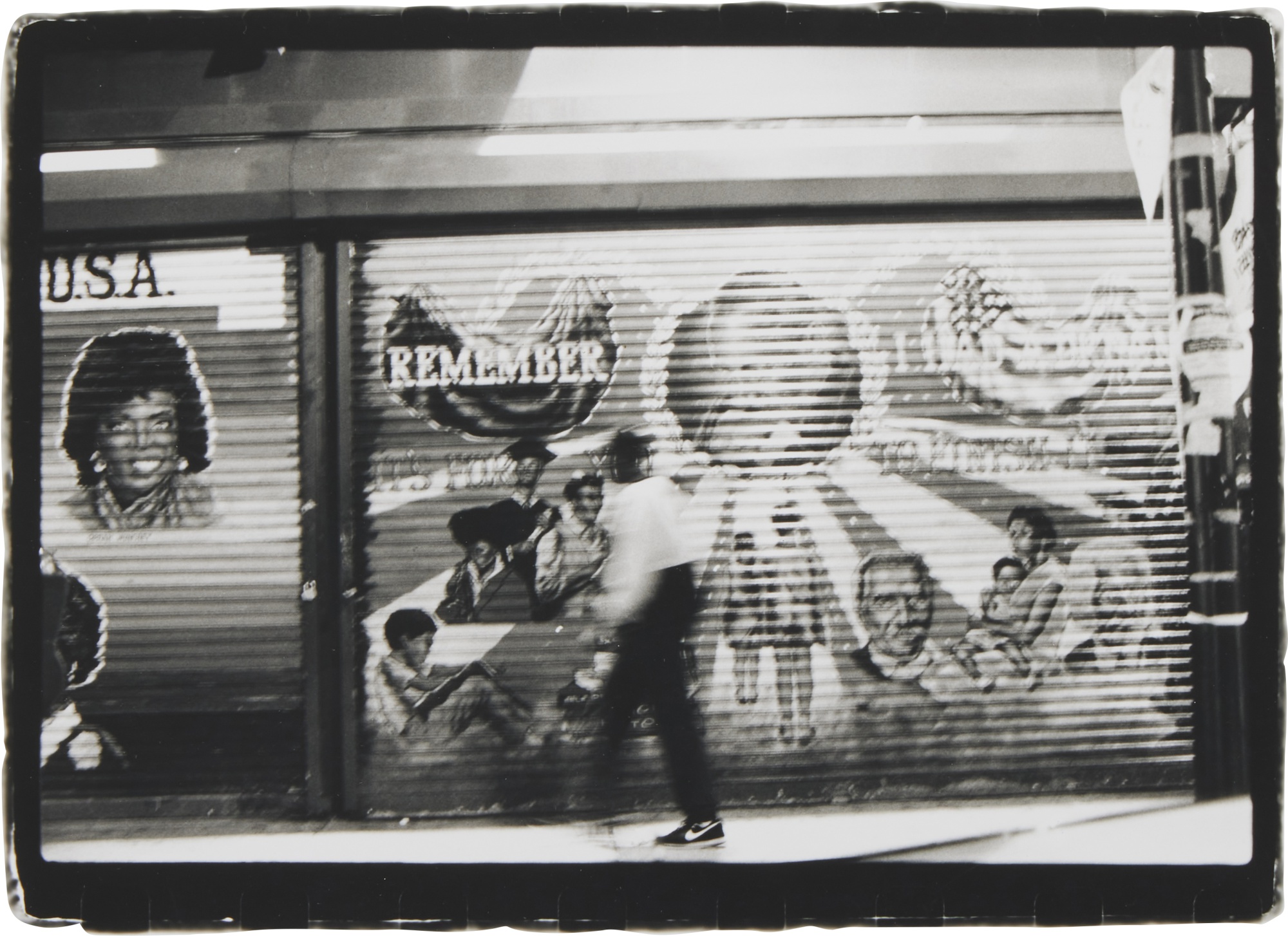
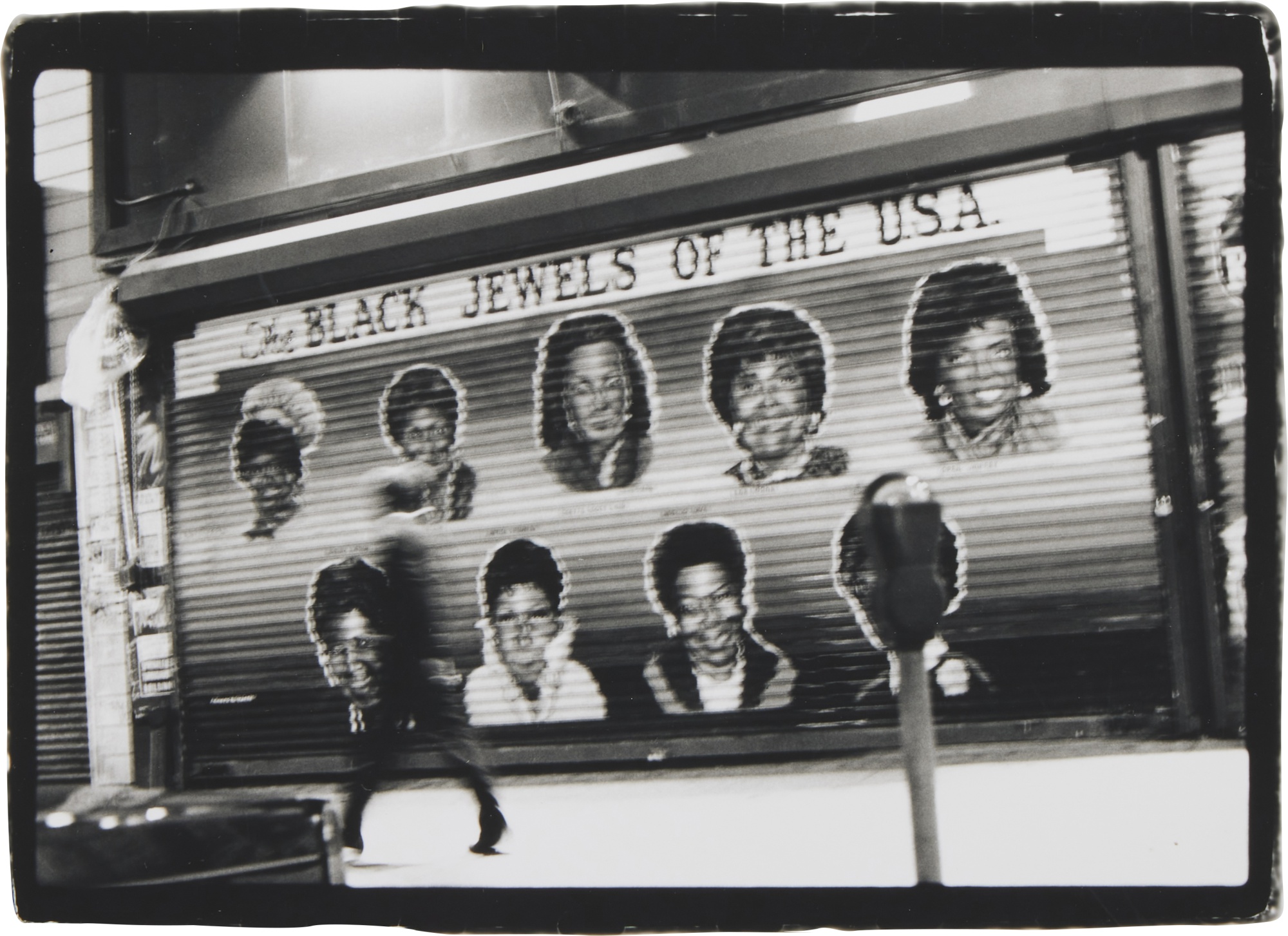
Ming Smith
'Prodigal Son - Harlem, for Oprah' (from the Invisible Man series)
For photographic works like those by Ming Smith, understanding the edition size and the printing process is essential, since smaller editions with archival processes will always outperform larger ones in the secondary market. For unique painted or drawn works, provenance and exhibition history matter enormously, and a work that has been shown in a significant institutional context carries a kind of endorsement that compounds in value over time. Finally, it is worth saying that the collectors who do best in this category tend to be the ones who are genuinely curious rather than purely strategic. The work rewards sustained looking and reading, and that investment pays dividends both personally and financially.
When you ask a gallery about a work in cultural narrative, the most revealing question is not about edition size or resale history. It is about what the artist was working through when they made it, and what that problem still has left to say. The galleries that can answer that question with depth and conviction are the ones whose artists tend to be worth collecting.