Close-Up Photography
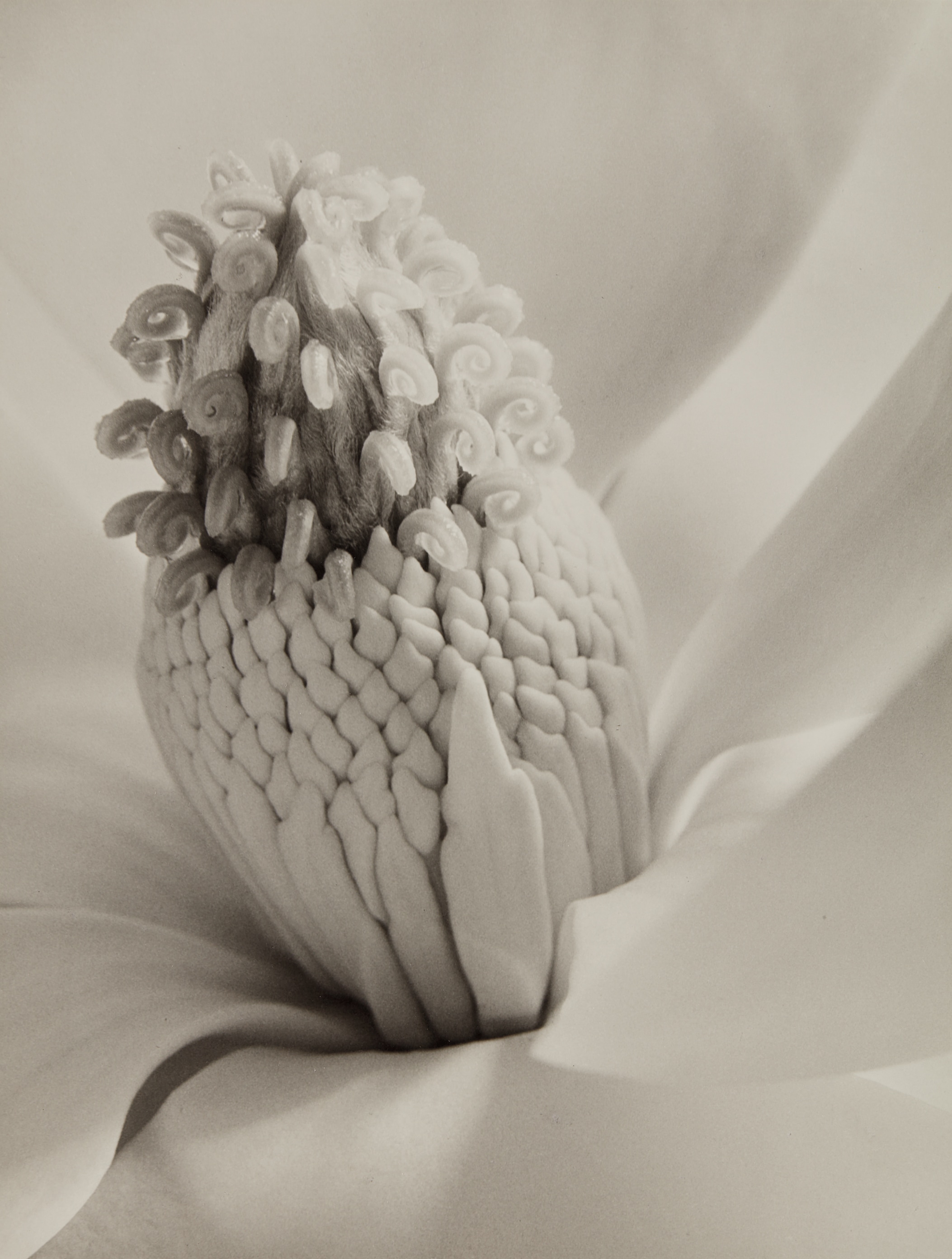
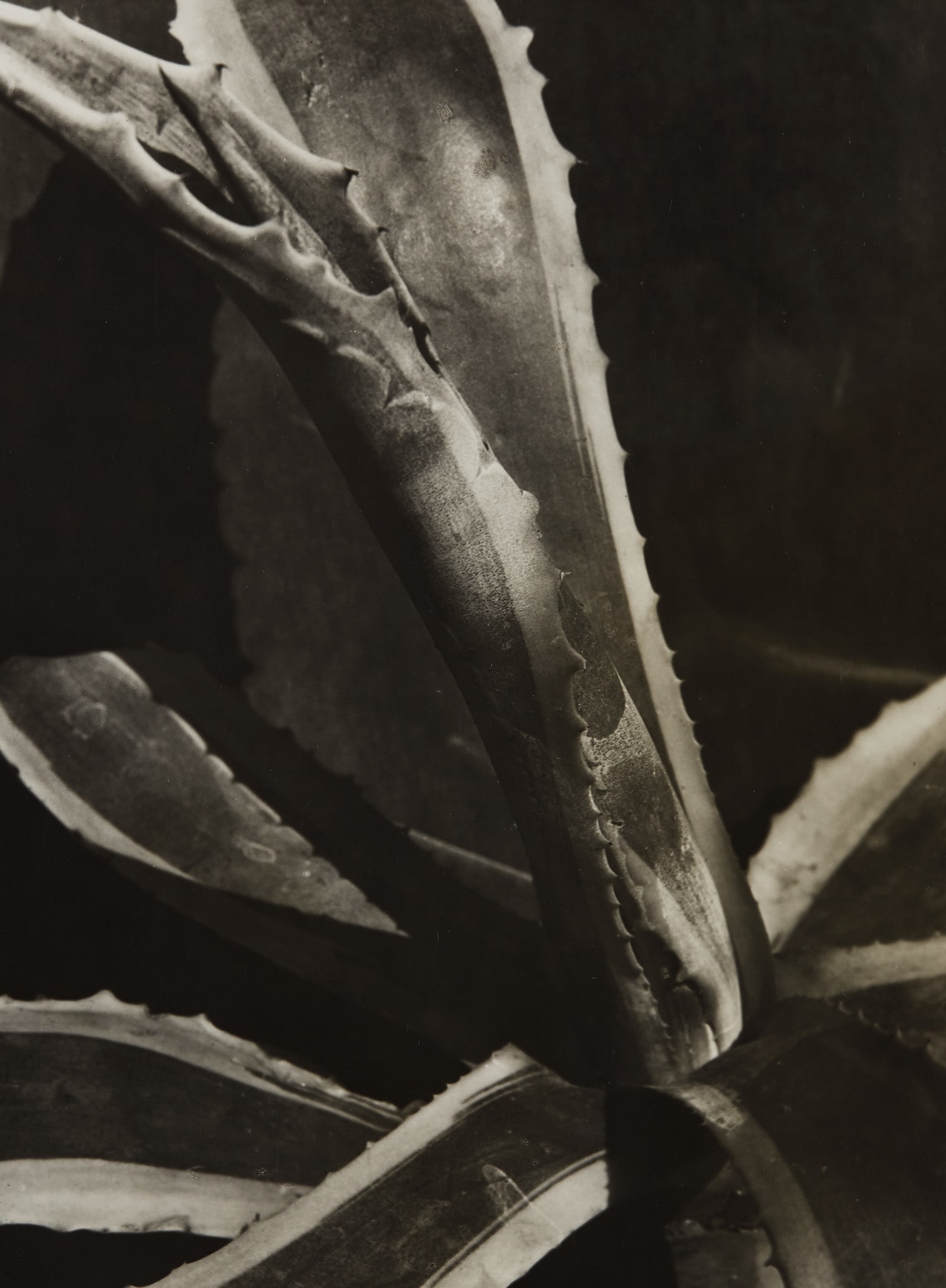
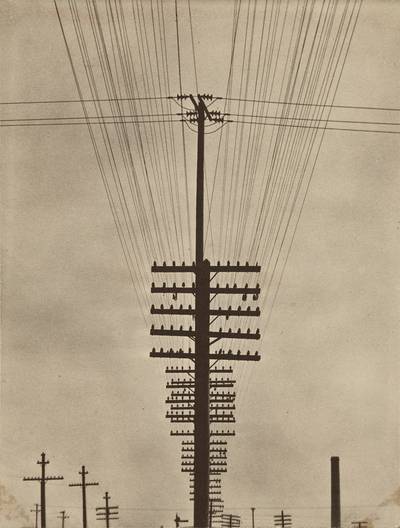
Imogen Cunningham
Magnolia Blossom (Tower of Jewels)

.jpg/400px-Kris_Humphries_NJ_Nets_2009_(cropped).jpg)


The World in an Inch: Collecting the Close-Up
There is something almost confrontational about a great close up photograph. It refuses to let you look away. It takes an object or a fragment of a body or a surface you have passed a thousand times without noticing and transforms it into something you cannot quite name, something that sits between the familiar and the genuinely strange. Collectors who fall for this kind of work often describe the same experience: the image stopped them cold, and they have never fully recovered.
That quality of arrested attention is not incidental. It is the whole point. Living with close up photography is a different proposition than living with a landscape or a portrait. The work tends to operate on a register that shifts with your proximity to it.
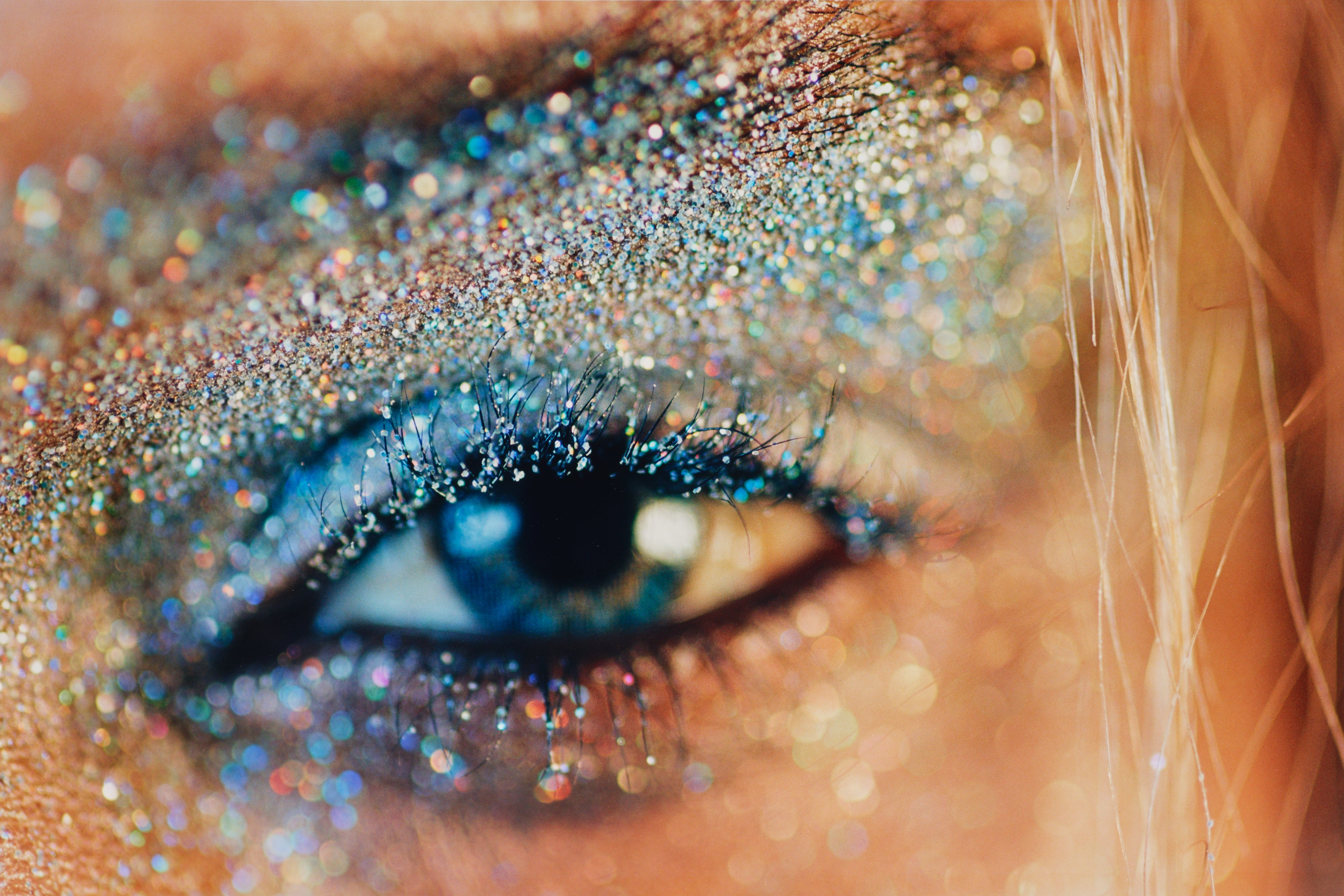
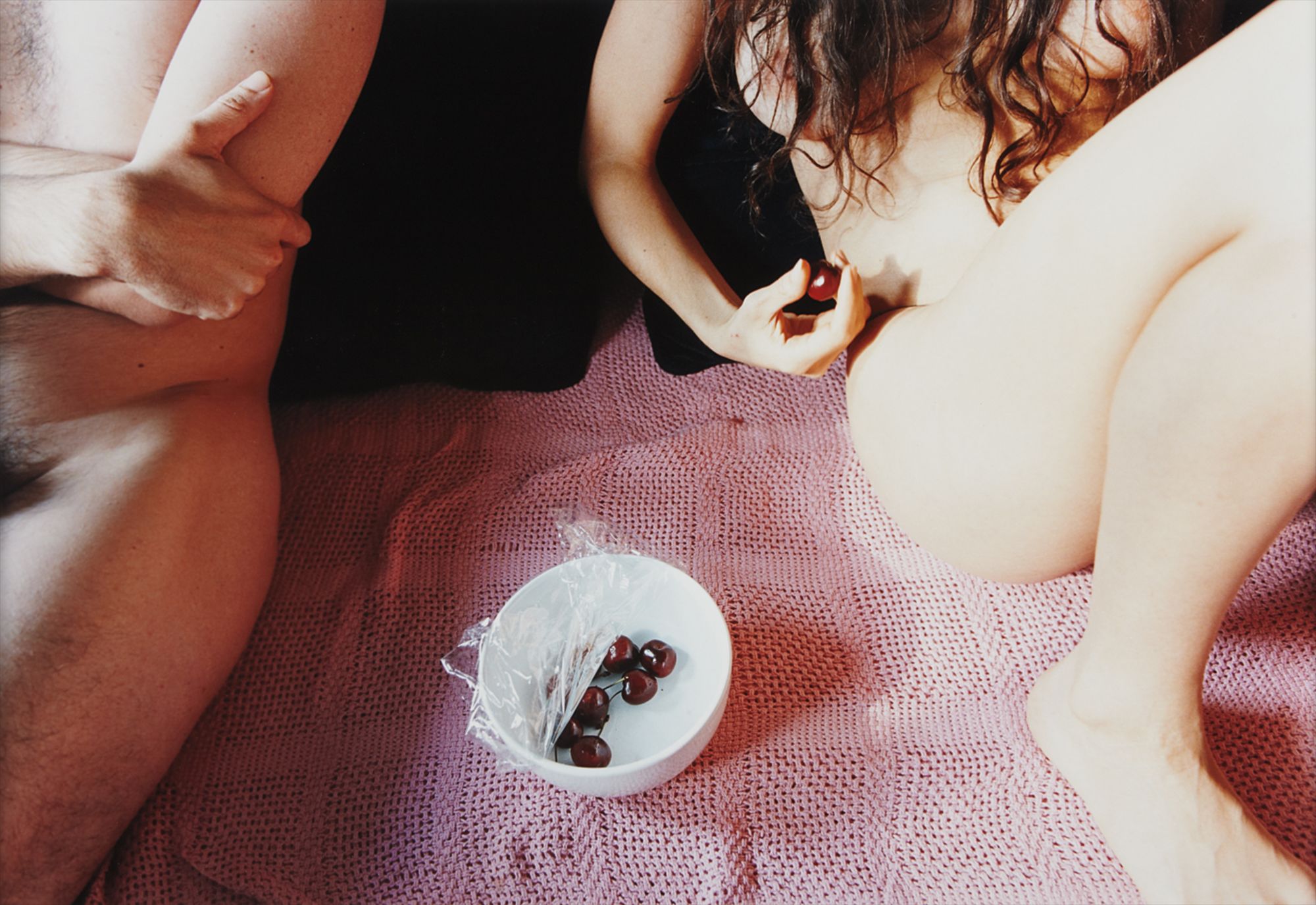
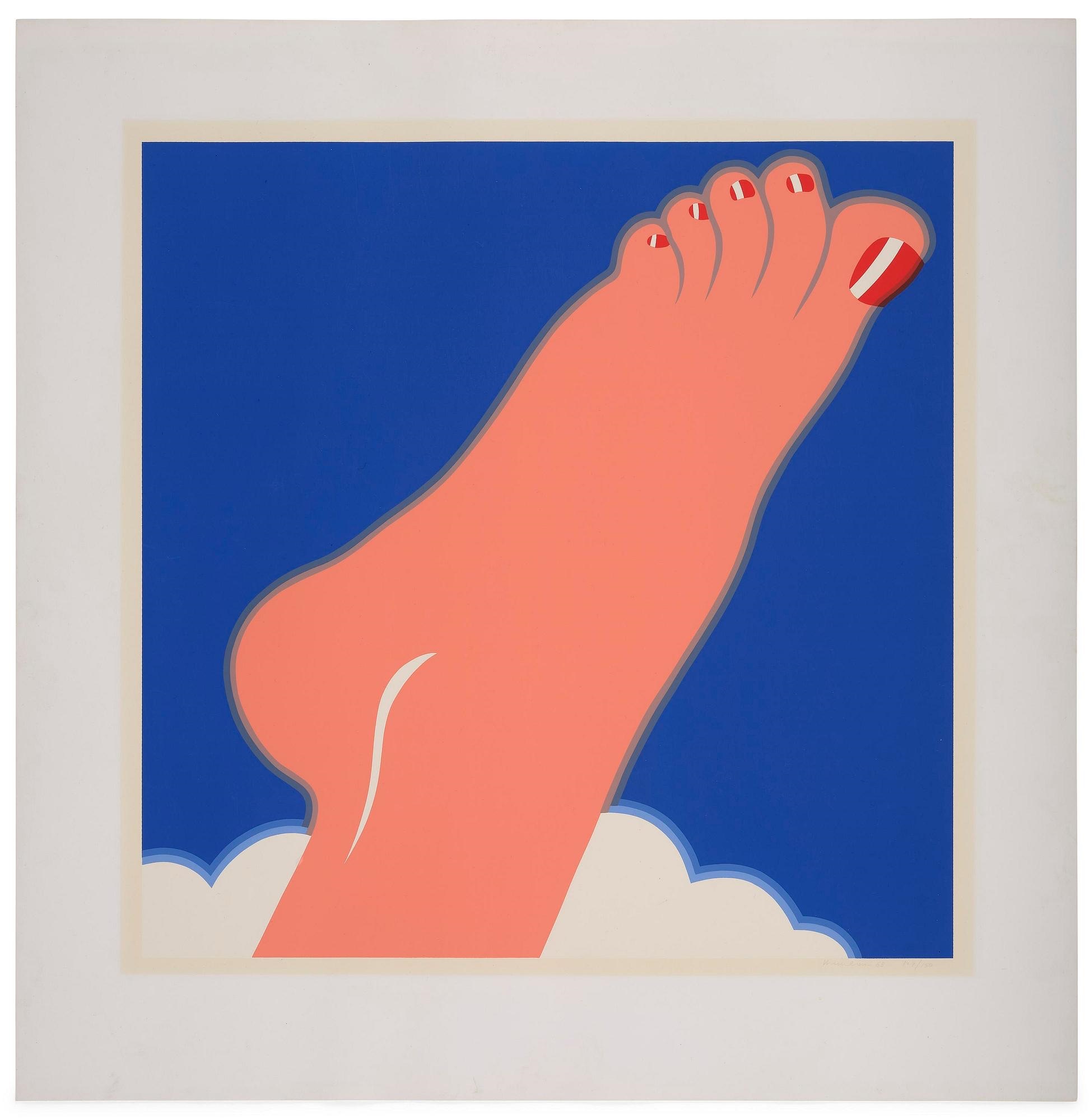
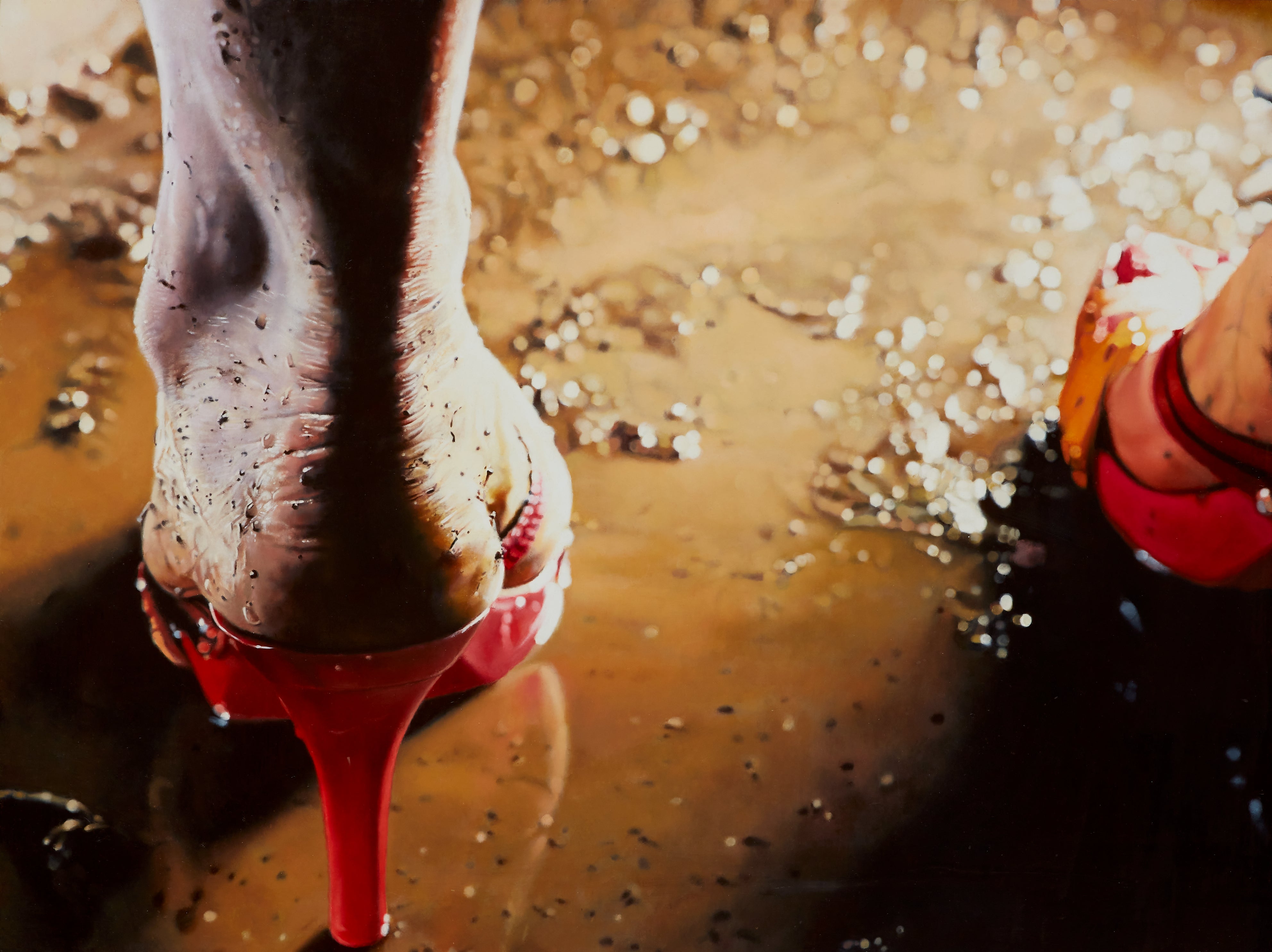
Marilyn Minter
Frostbite
Step back and you see an abstraction, a field of tone and texture. Step closer and the subject reasserts itself, sometimes disturbingly so. This perceptual oscillation means the work rarely goes stale. A good close up photograph changes in your house depending on the light, depending on how tired you are, depending on what you had for breakfast.
It is one of the rare categories in collecting where intimacy of scale produces rather than diminishes complexity. So what separates a genuinely great work from a merely accomplished one? The answer is almost always tension. The best close up photographs hold two competing realities in suspension simultaneously.
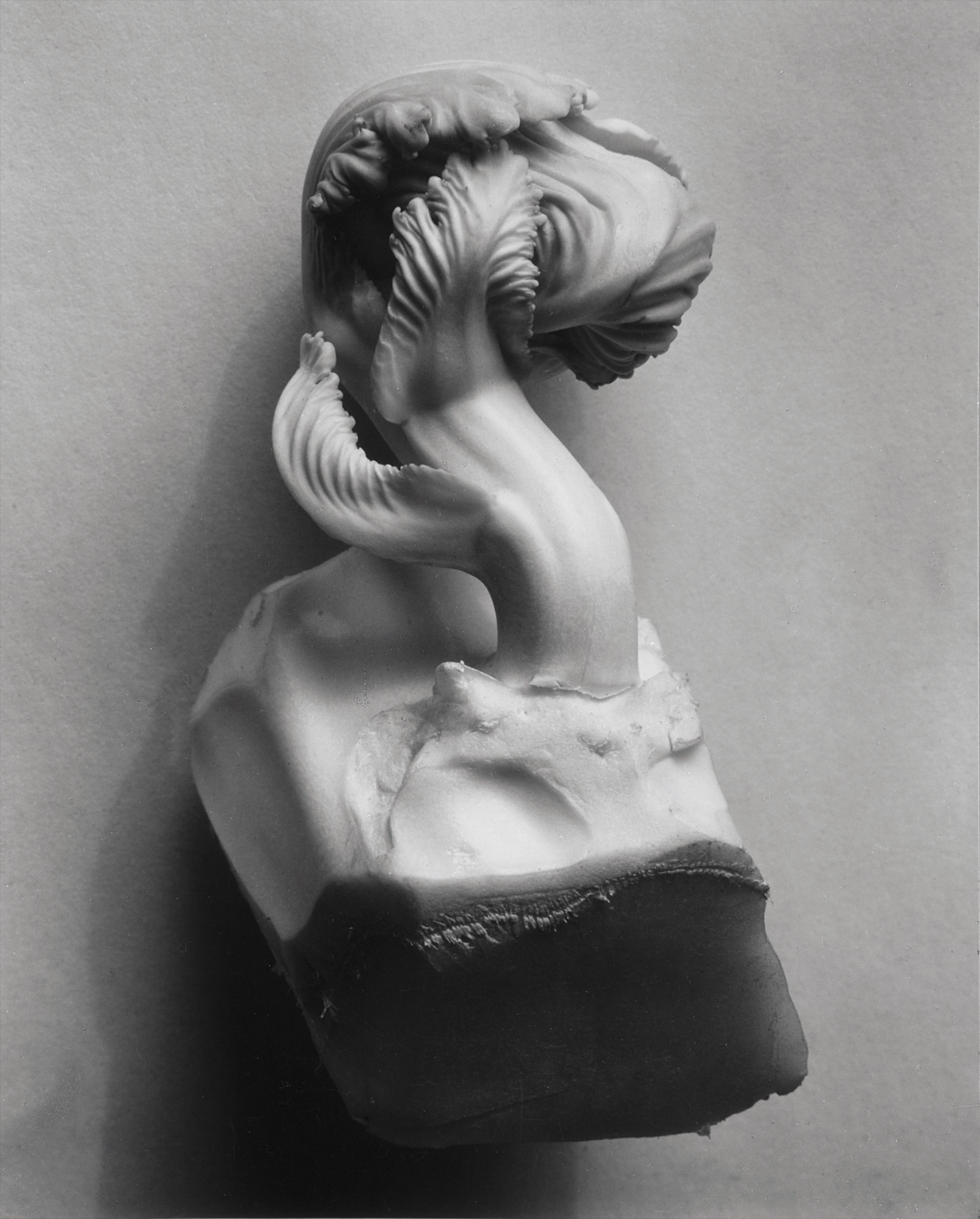
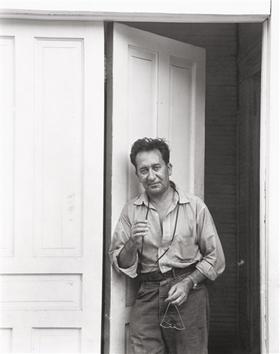
Edward Weston
Cabbage Fragment
Edward Weston understood this better than almost anyone. His studies of peppers and shells from the late 1920s and 1930s are not really about vegetables or nautilus forms at all. They are about the body, about desire, about the uncanny capacity of the physical world to echo itself across scale and species. When you are looking at a Weston close up, you are never quite sure what you are looking at, and that uncertainty is the source of its power.
Collectors should look for that quality of productive ambiguity above almost anything else. The formal vocabulary matters too. Sharpness, depth of field, the relationship between what is revealed and what is withheld. Albert Renger Patzsch, the great German modernist whose work defined a kind of rigorous industrial lyricism in the 1920s, showed how ruthless clarity could itself become a form of strangeness.
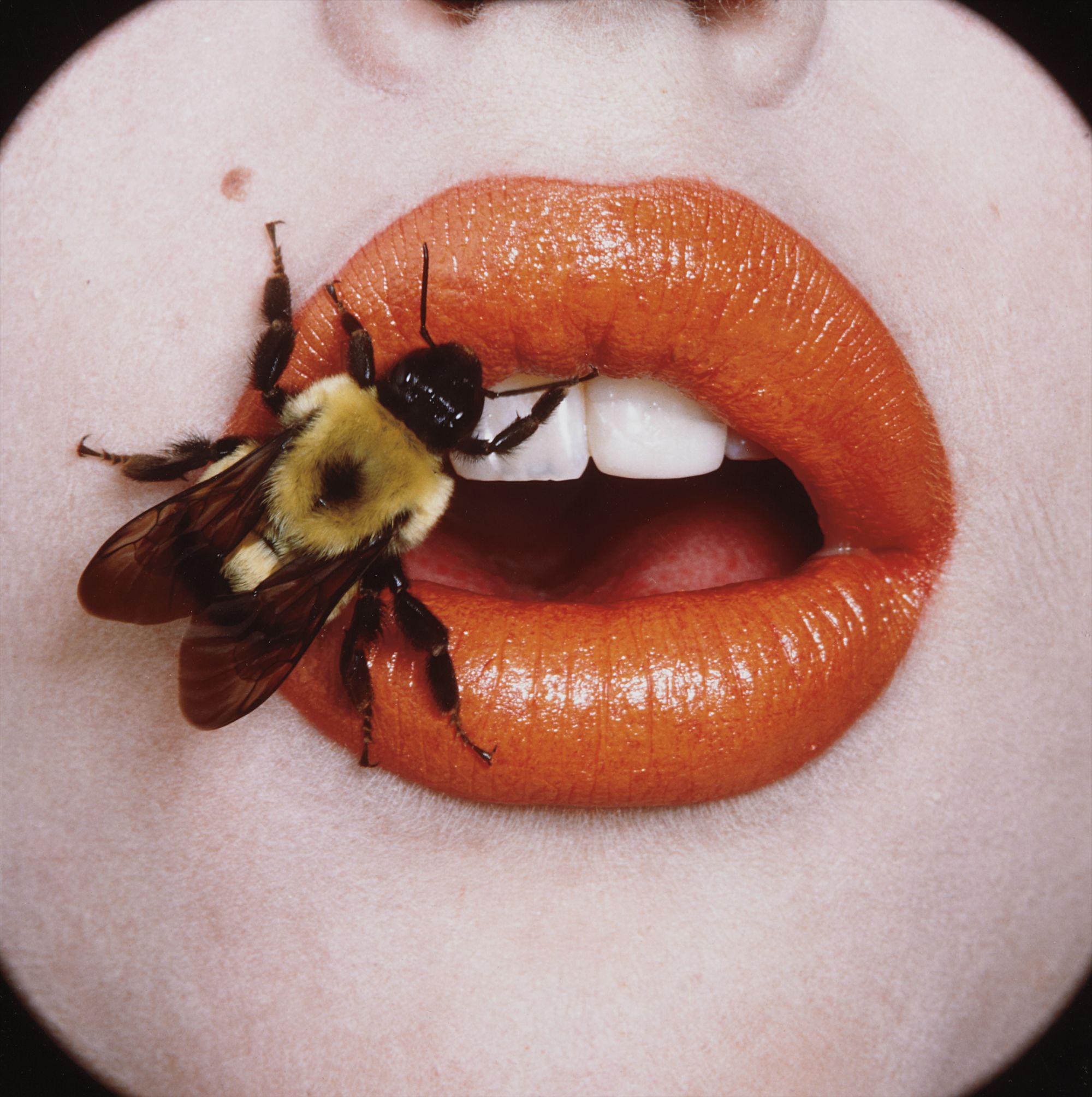
Irving Penn
Bee (A), New York, September
His close studies of plant forms and manufactured objects treated the world as a system of interlocking visual rhymes, and the best examples remain among the most quietly radical images of the twentieth century. When considering a purchase, look at where the photographer chose to place the edges of the frame. Cropping in close up work is not compositional tidying. It is an argument about what reality contains.
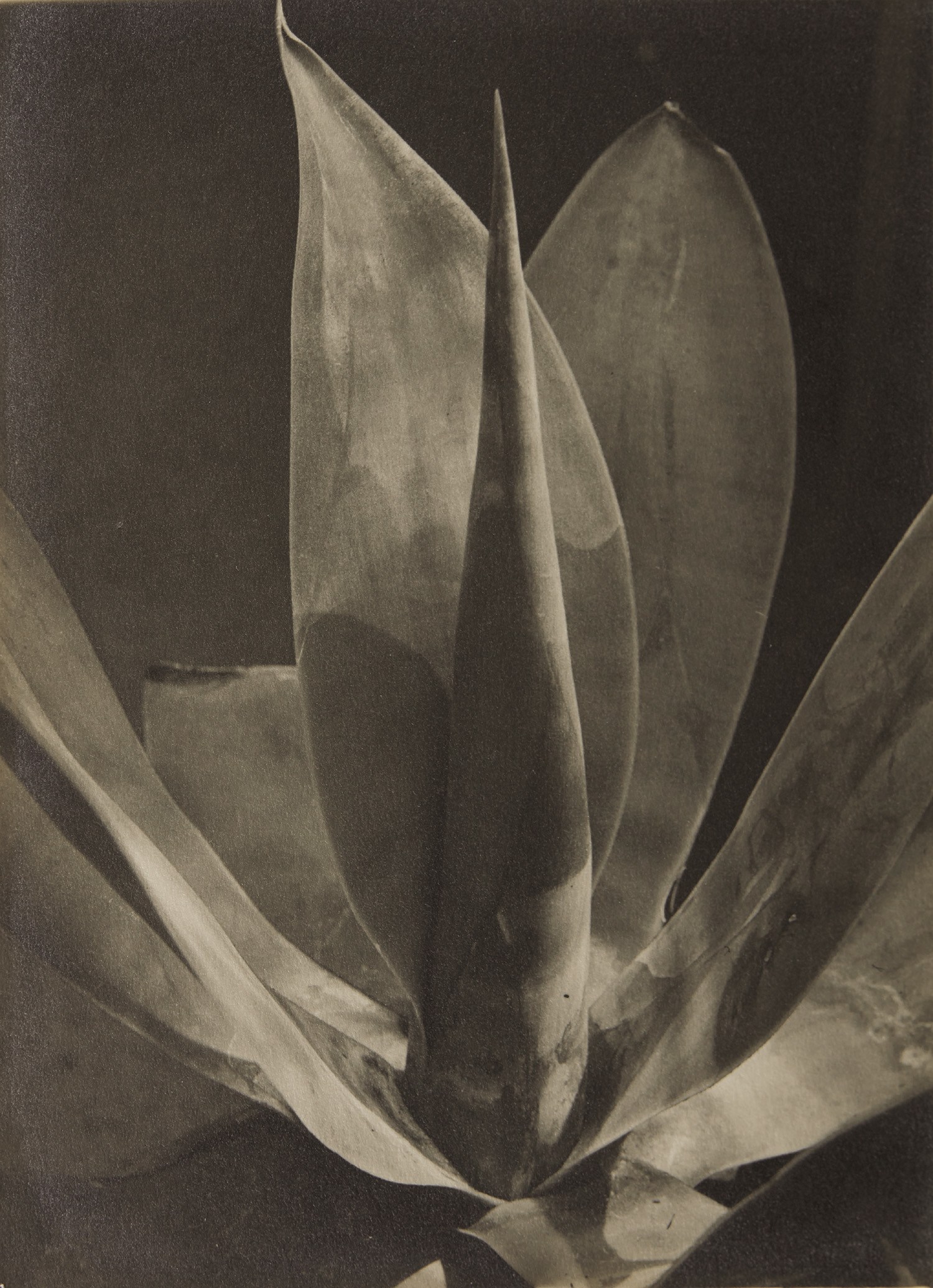
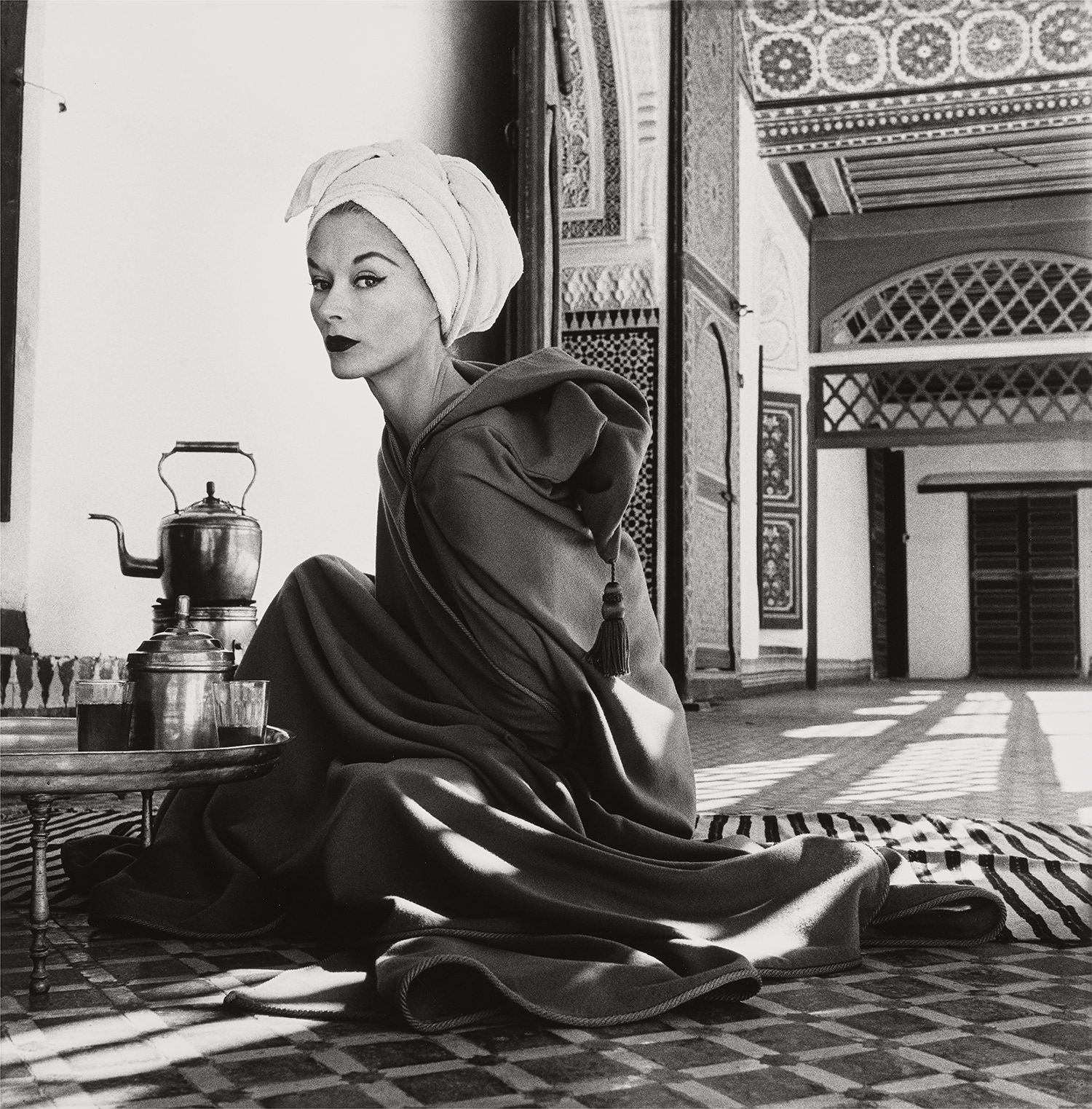
For collectors building a serious position in this area, the names on The Collection represent a genuinely strong starting point. Imogen Cunningham spent decades exploring the expressive possibilities of extreme proximity, from her botanical studies of the 1920s to her late portrait work. Her ability to find monumentality in small things gives her photographs a presence that scales beautifully in domestic and institutional spaces alike. Irving Penn is another cornerstone figure whose close up still lifes and later cigarette studies demonstrate how commercial training and fine art ambition can produce work of lasting formal intelligence.
Imogen Cunningham
Magnolia Blossom (Tower of Jewels)
Penn understood that the close up is essentially a philosophical proposition: that meaning is not diminished by limitation but intensified by it. More recent practitioners push the genre into territory that feels urgently contemporary. Marilyn Minter's hyper detailed images of skin, glitter, and bodily surface engage the close up as a site of desire, commerce, and cultural anxiety simultaneously. Her work sits in major museum collections including the Museum of Modern Art in New York and the San Francisco Museum of Modern Art, and her market has deepened considerably over the past decade.
Elinor Carucci brings an autobiographical intensity to close up practice that is entirely her own. Her images of her own body through pregnancy, illness, and aging have a rawness that the controlled formal beauty of the pictures only heightens. She is an artist whose critical reputation and market position both feel undervalued relative to the quality of the work. At auction, close up photography occupies an interesting position.
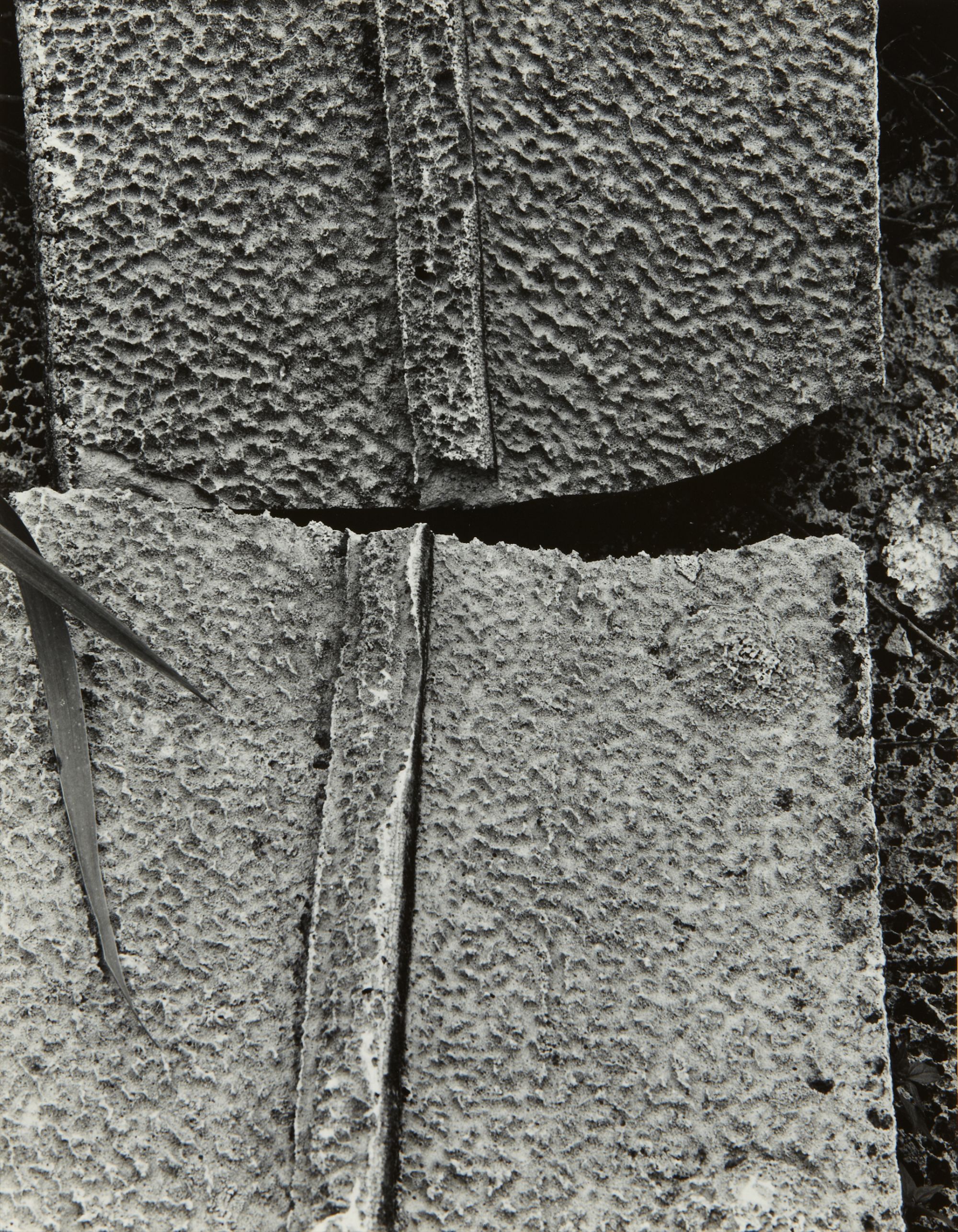
Canonical works by Weston or Penn at the top end can achieve significant prices, with Penn's still life photographs regularly appearing at Christie's and Sotheby's with strong results. The secondary market for mid tier works in this category is generally healthy because the images tend to be striking in reproduction and therefore generate sustained interest from a wide pool of buyers. Works by Aaron Siskind, whose abstract close ups of peeling paint and weathered surfaces anticipated much of what Abstract Expressionism would later attempt in paint, represent an area of genuine opportunity. His work remains underpriced relative to its historical importance and its sheer visual authority.
There are practical considerations every collector should think through carefully. Close up photography often involves significant tonal range, from deep shadows to near white highlights, and prints are vulnerable to fading if exposed to direct light over time. Ask the gallery about paper type and whether the print was made by the photographer or under their supervision. For works by artists no longer living, estate printed or posthumous prints carry different considerations around both value and authenticity.
For contemporary artists, edition size is a critical variable. A smaller edition from an artist with strong institutional support is almost always a better long term position than an open edition from a name with more market noise. When speaking with a gallery about a close up photograph, do not be shy about asking for condition reports and provenance documentation. Ask whether the work has been shown publicly and in what context.
Exhibition history is not vanity. It is evidence of institutional confidence in the work, and it matters on the secondary market. Ask about the relationship between the print size and the subject scale. Some close up photographs gain everything from being printed large, while others achieve their full effect at intimate dimensions.
Getting that question right is the difference between a work that commands a room and one that disappears into it. The close up, at its best, never disappears.