Character-Based
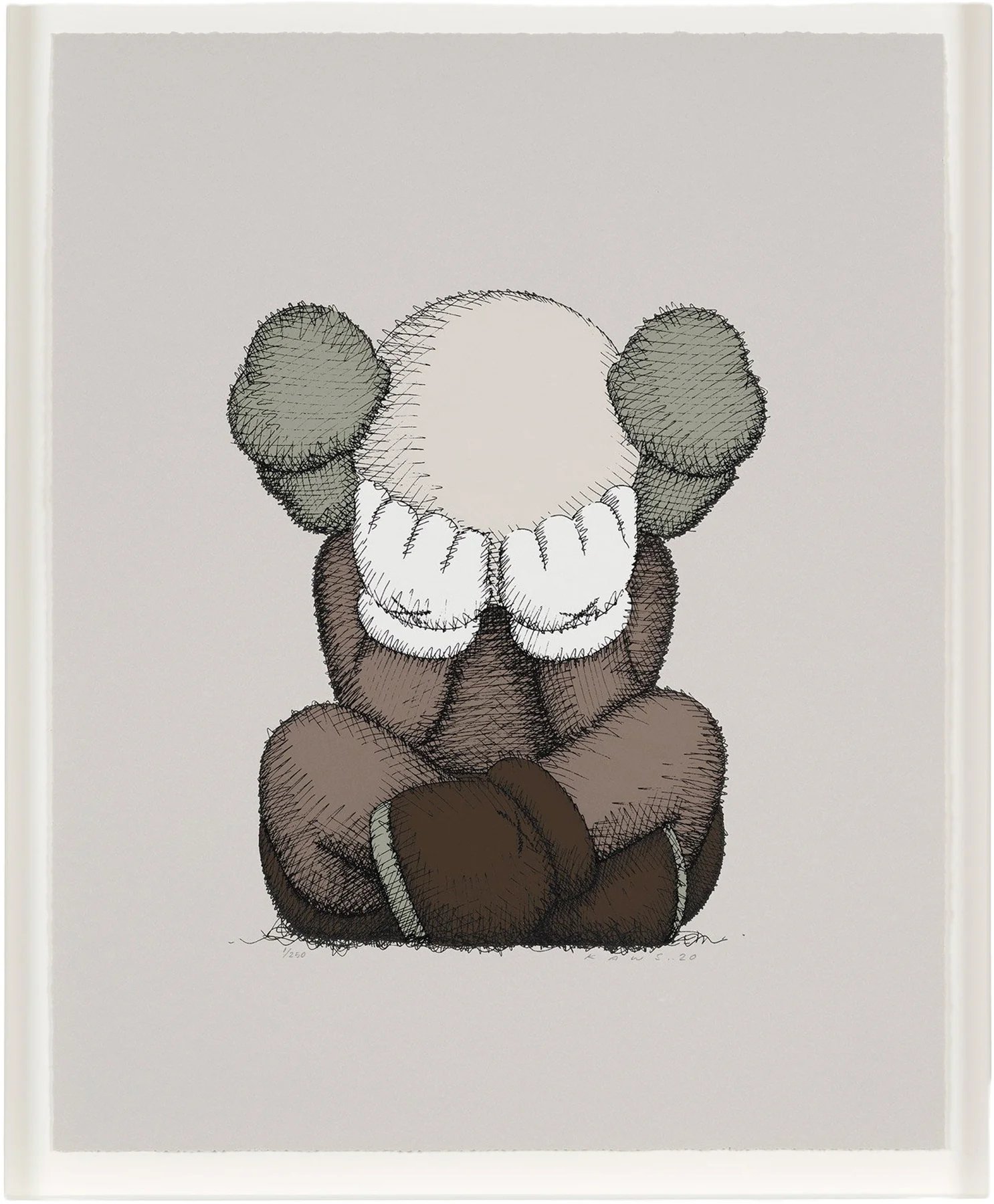
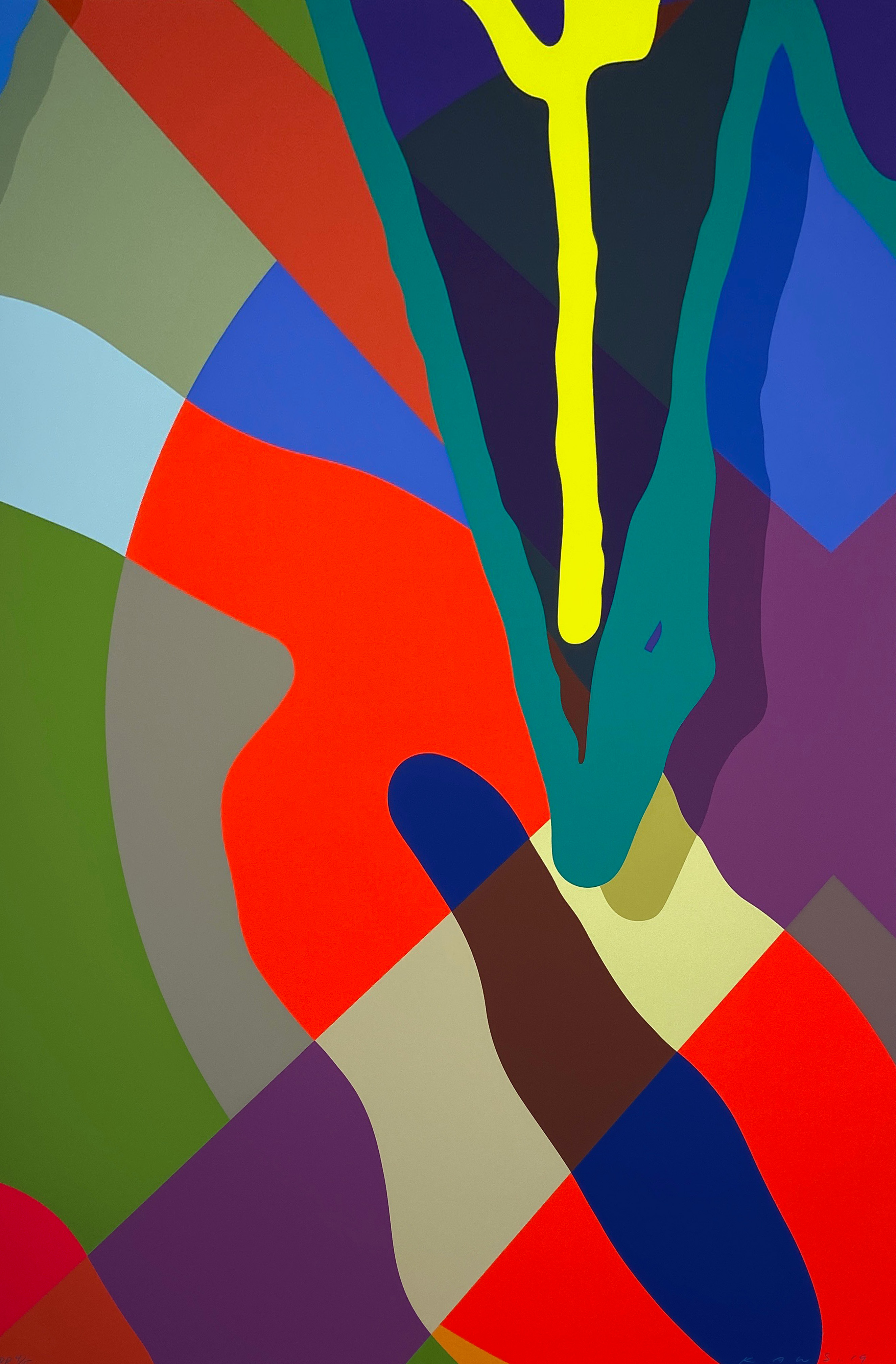
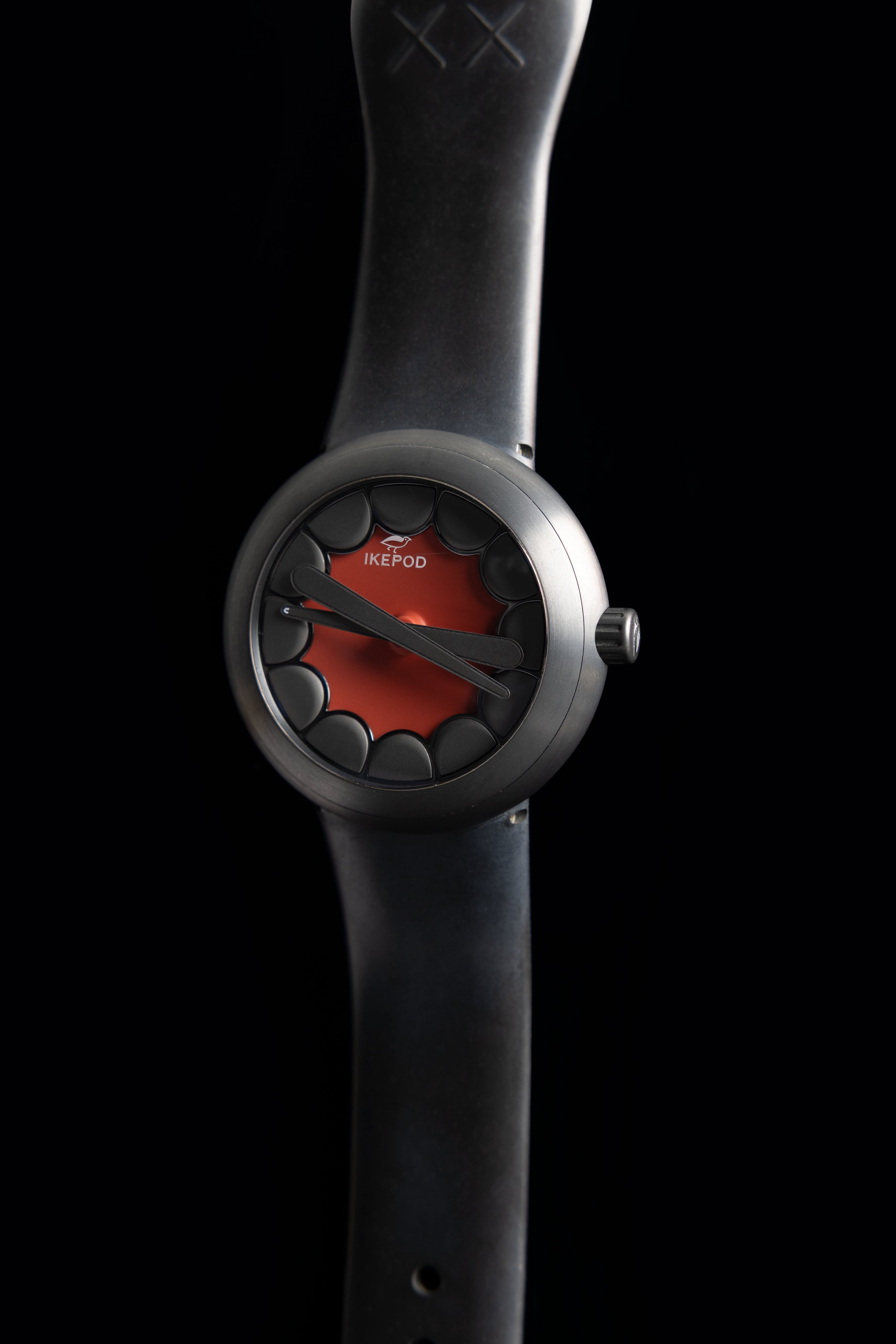
KAWS
Separated, 2021
When Characters Became the Canvas
There is a moment in every serious collector's education when the boundary between fine art and popular imagery stops feeling like a boundary at all. Character based art has a way of collapsing that distance entirely, arriving with a visual directness that feels almost aggressive in its clarity, and then revealing, layer by layer, something far more complex underneath. It is one of the most genuinely international art movements of the past three decades, and it remains one of the most misunderstood by those still tethered to older hierarchies of what constitutes serious work. The roots of character based practice stretch back further than its contemporary moment might suggest.
Pop Art in the late 1950s and 1960s established the foundational argument that imagery drawn from consumer culture was not merely valid subject matter but could be the very engine of meaning. Roy Lichtenstein borrowed the visual language of comic strips and bent it into something philosophically loaded. Andy Warhol serialized cultural icons until the concept of authenticity became almost absurd. But the generation that emerged from Japan and then from New York in the 1990s pushed further, insisting that the character itself, rather than what it referenced, could be the primary artistic unit.
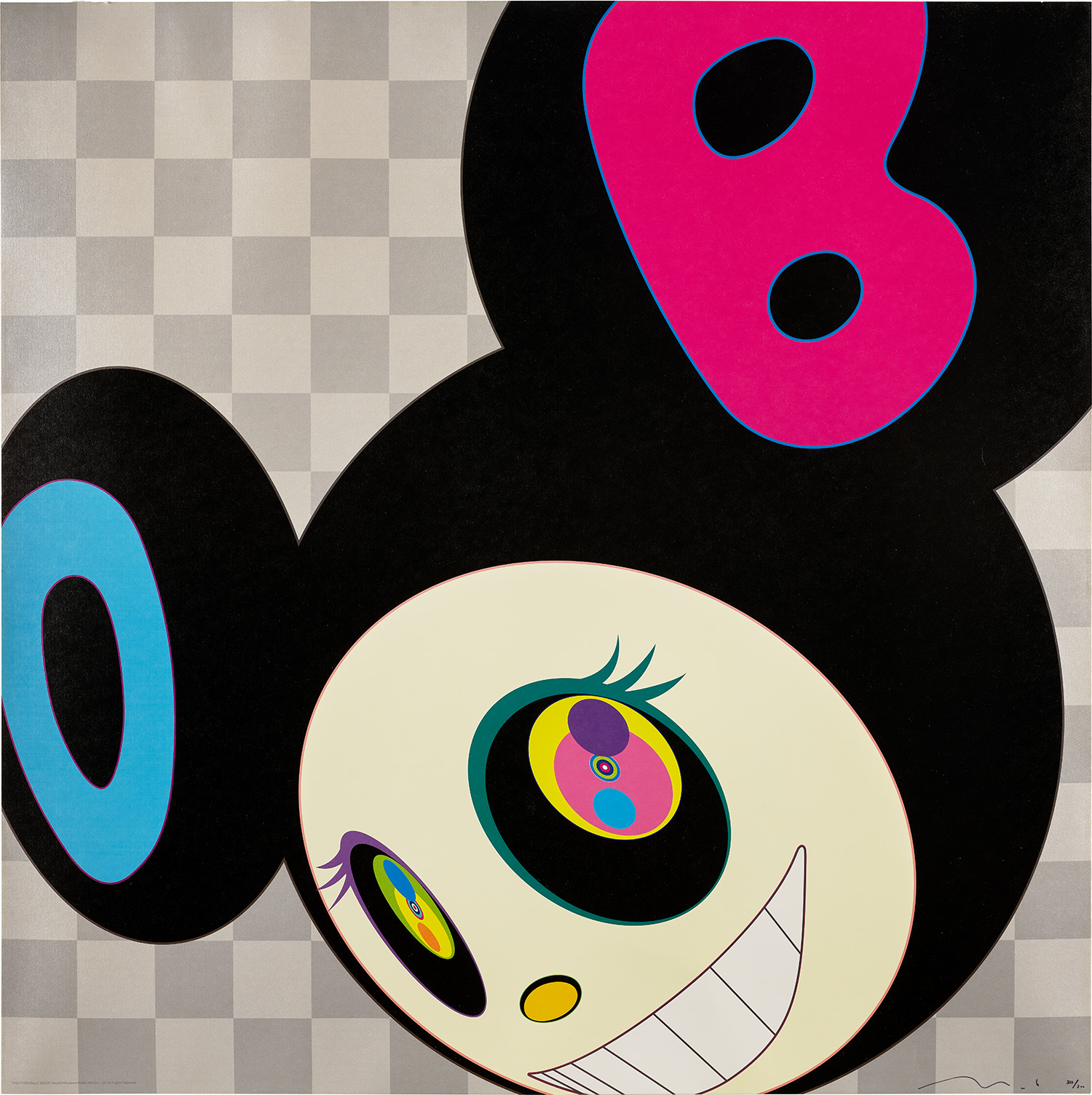
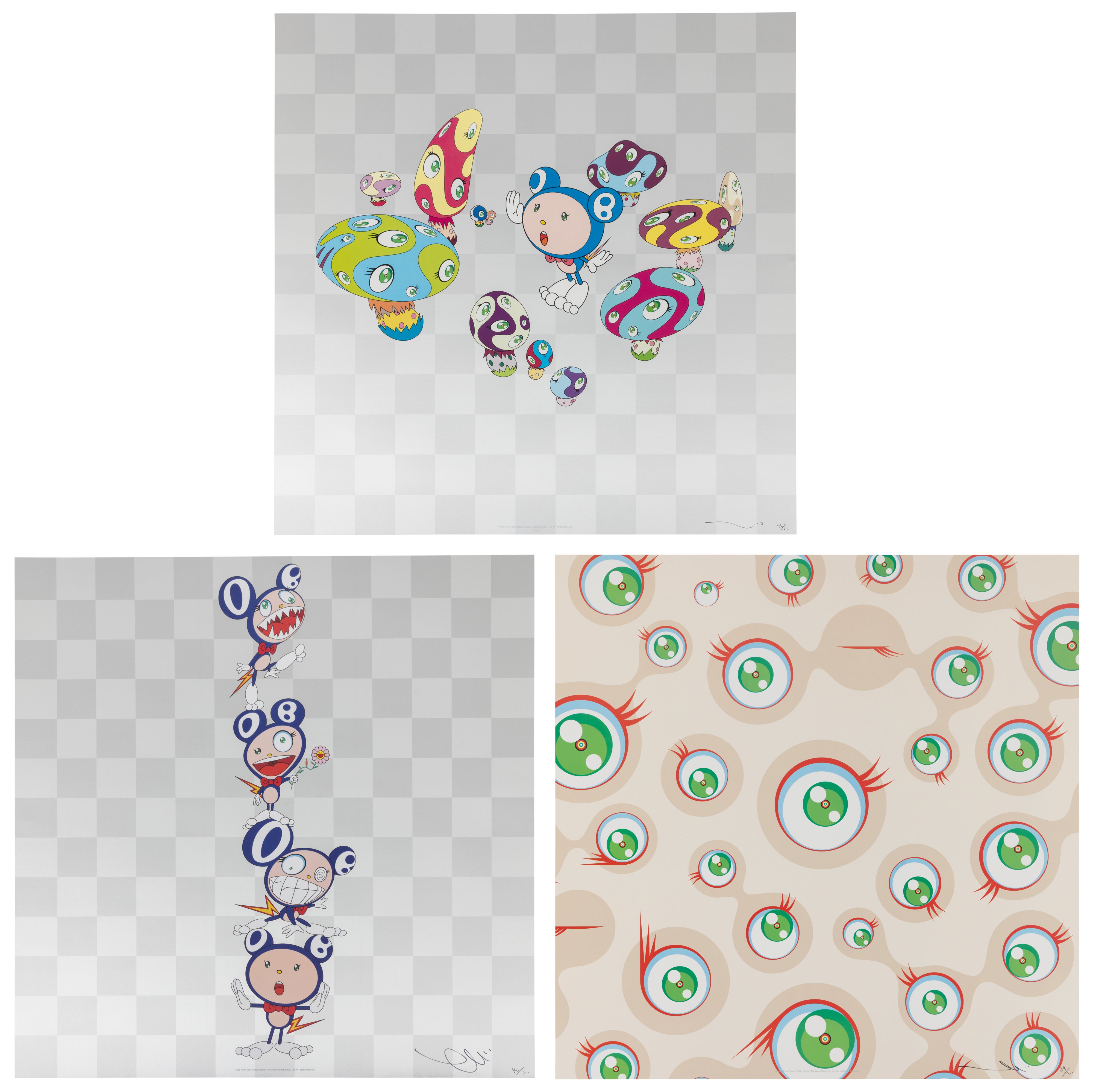
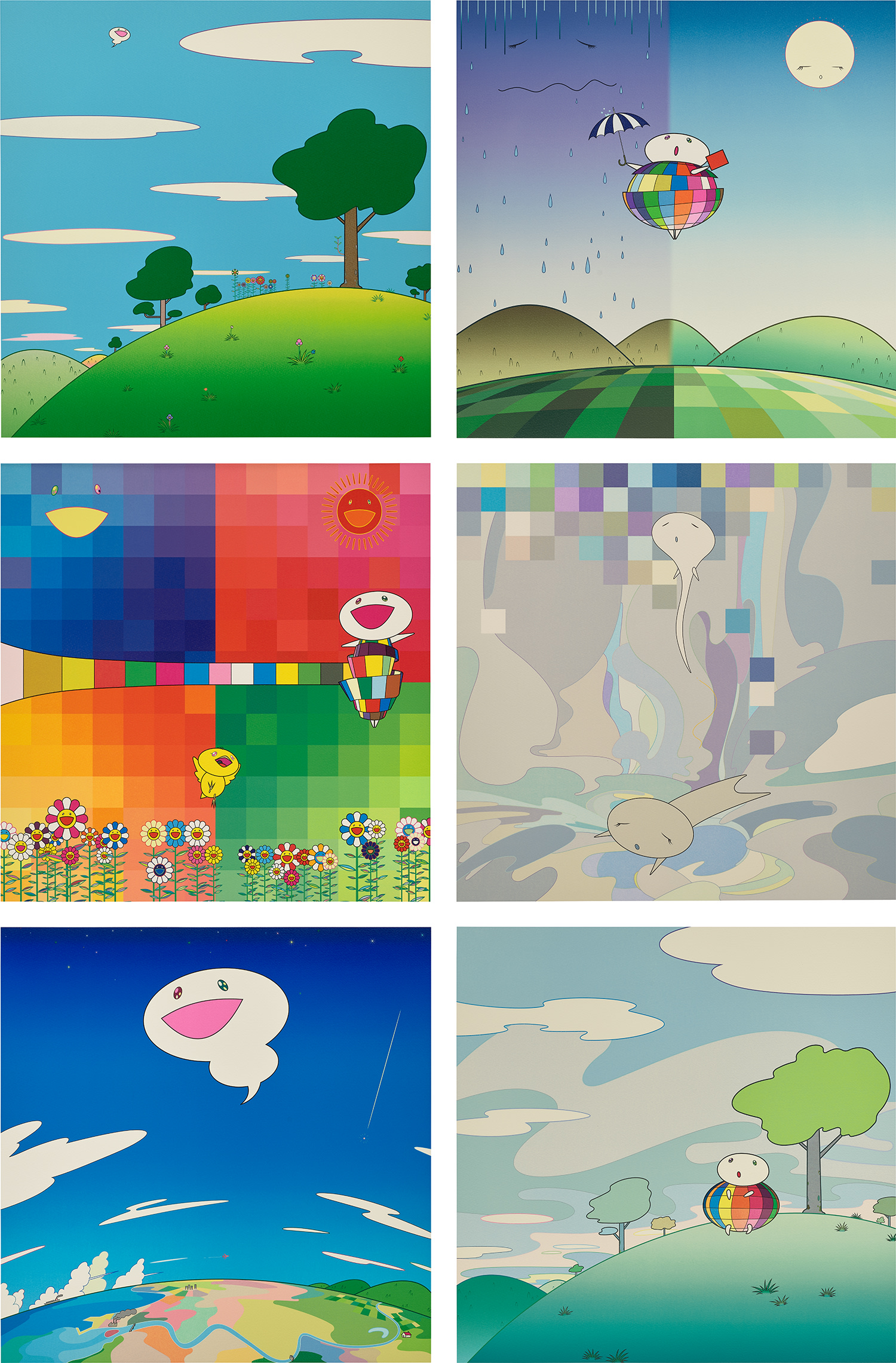
Takashi Murakami
AND THEN Black
Takashi Murakami is arguably the central architect of the theoretical framework that gave character based art its intellectual legitimacy. His concept of Superflat, which he articulated most forcefully in the landmark 2000 exhibition of the same name at the Museum of Contemporary Art in Los Angeles, proposed that Japanese visual culture had collapsed the distinction between high and low into a single continuous plane. The cute and the grotesque existed in the same register. Murakami's smiling flowers and his more disturbing imagery occupied the same pictorial space without hierarchy or apology.
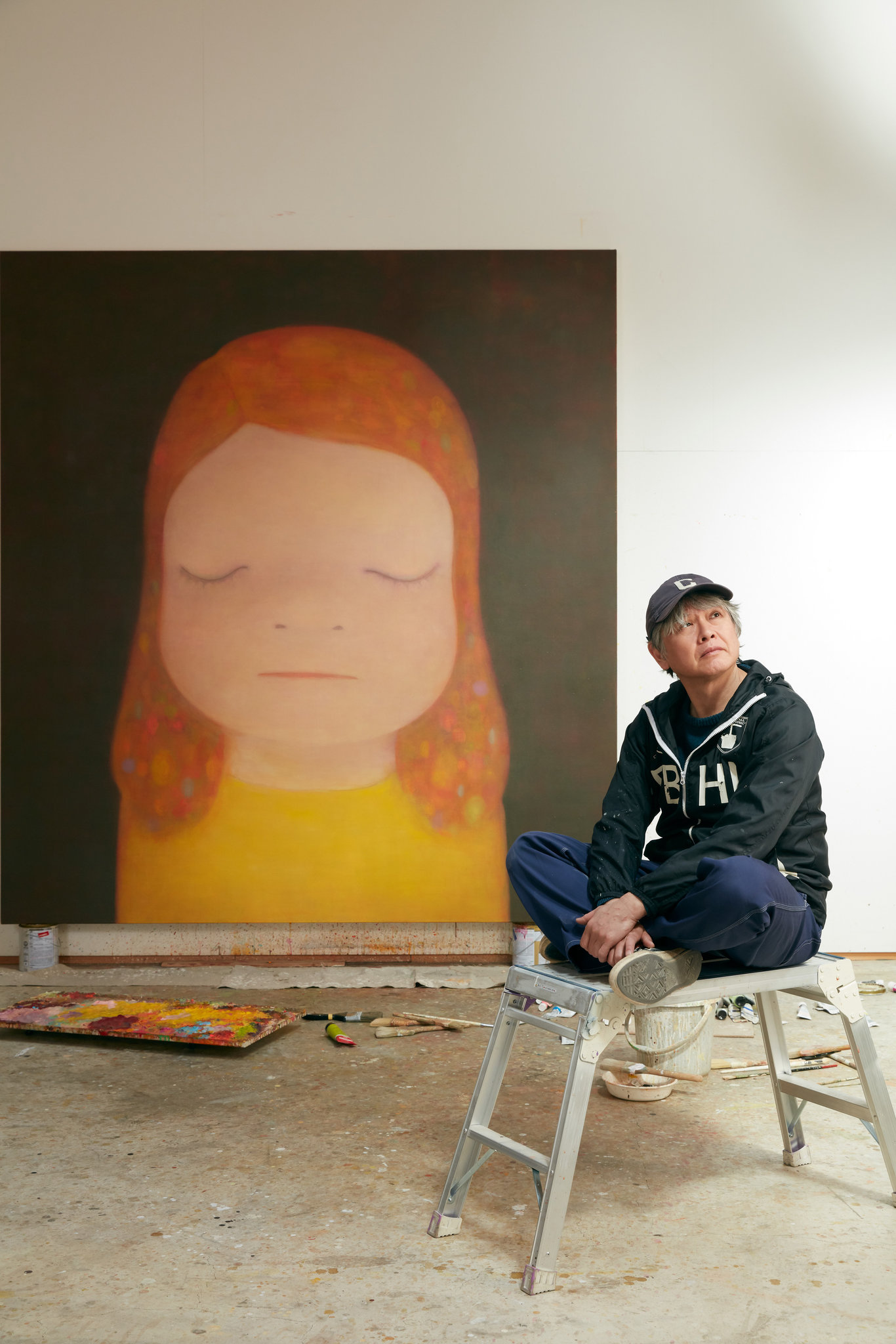
His works on The Collection exemplify this tension, the surface seduction always concealing a more unsettling proposition about desire and consumption. Yoshitomo Nara arrived at a similar destination through a very different emotional route. Where Murakami theorized, Nara intuited. His children, rendered with enormous heads and ambiguous expressions, feel less like characters in a narrative sense and more like psychological archetypes drawn from some collective unconscious of postwar Japan.
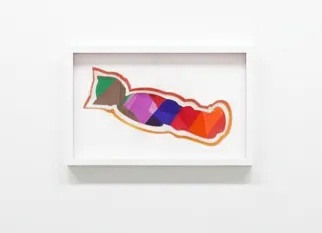
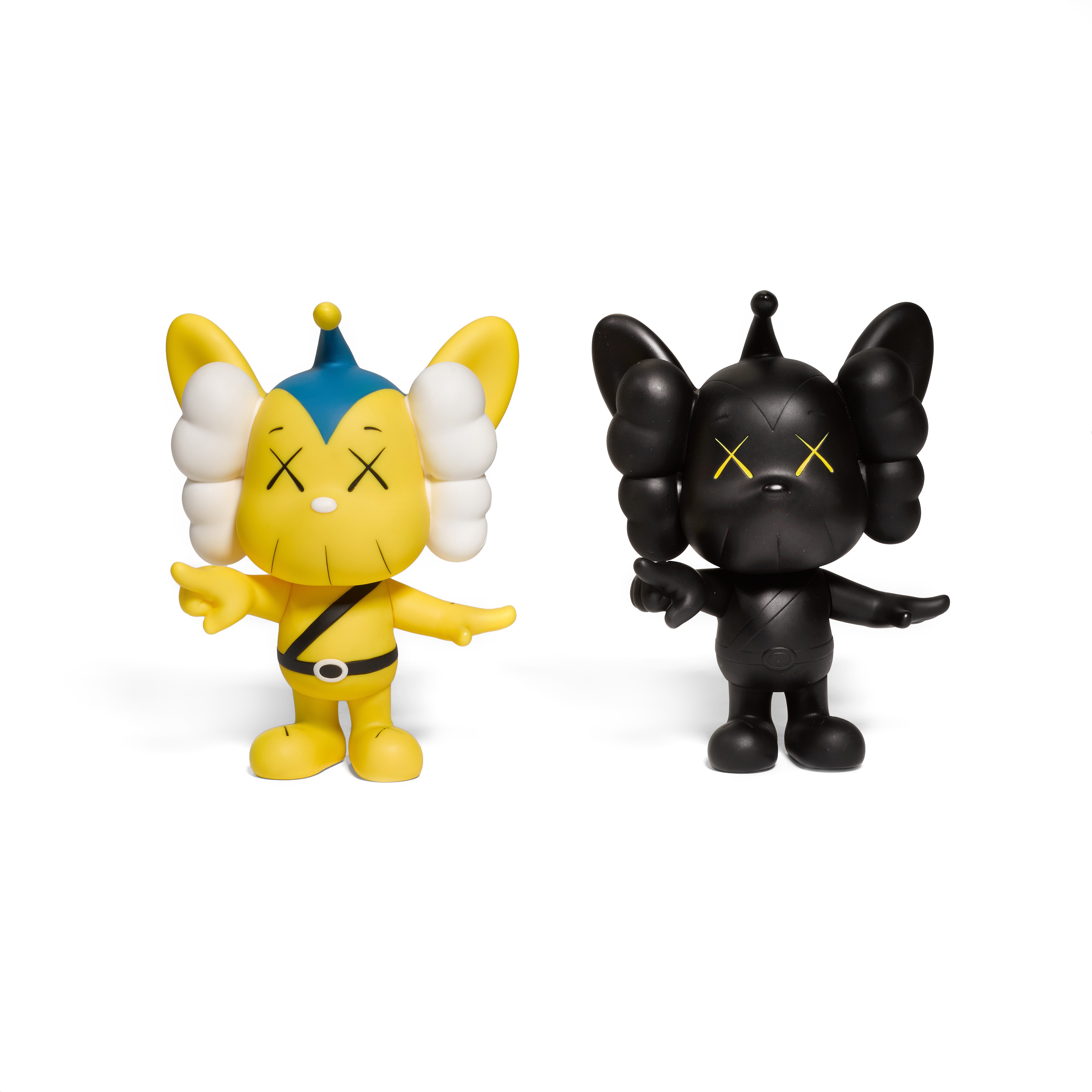
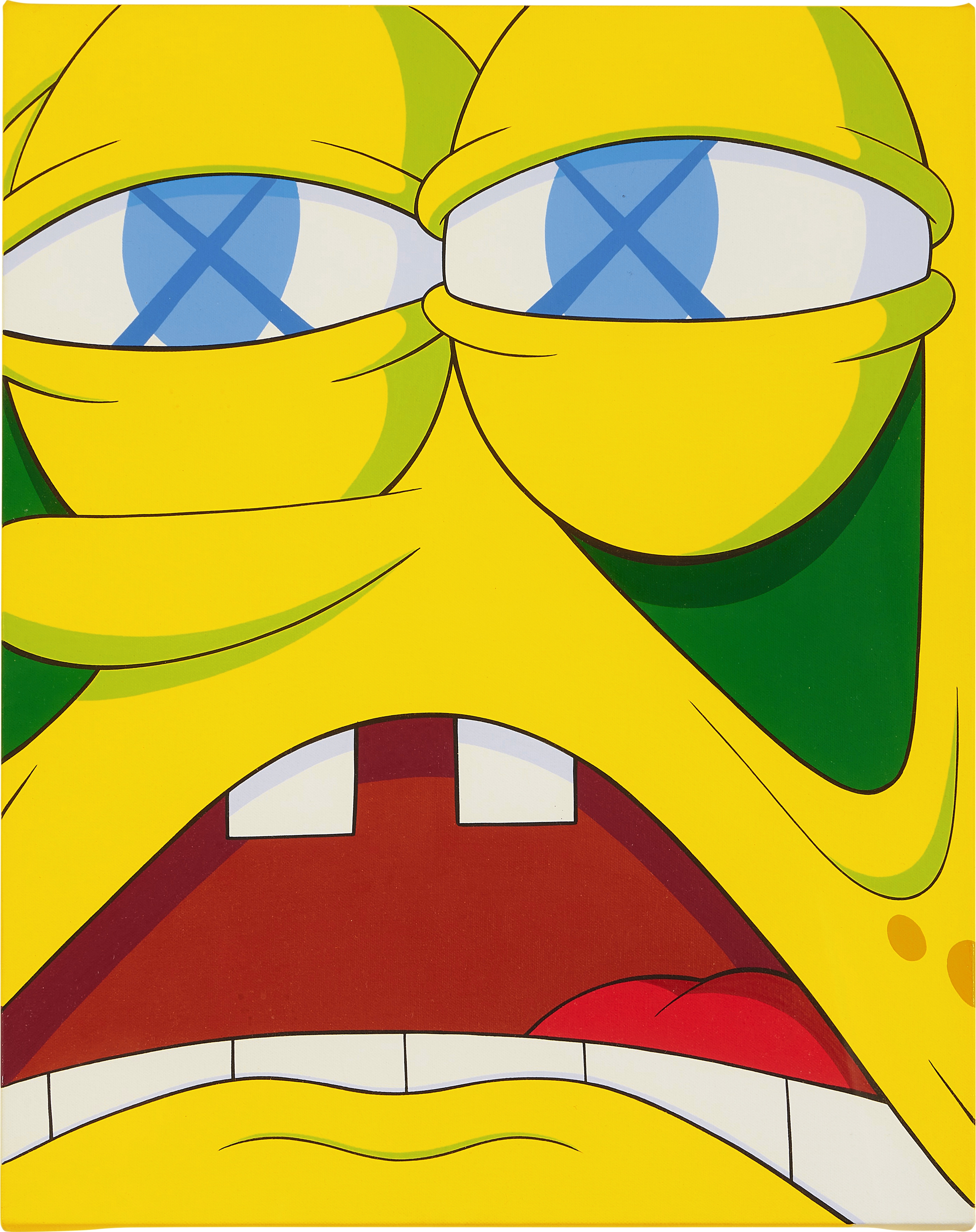
KAWS
Astroboy, 2020
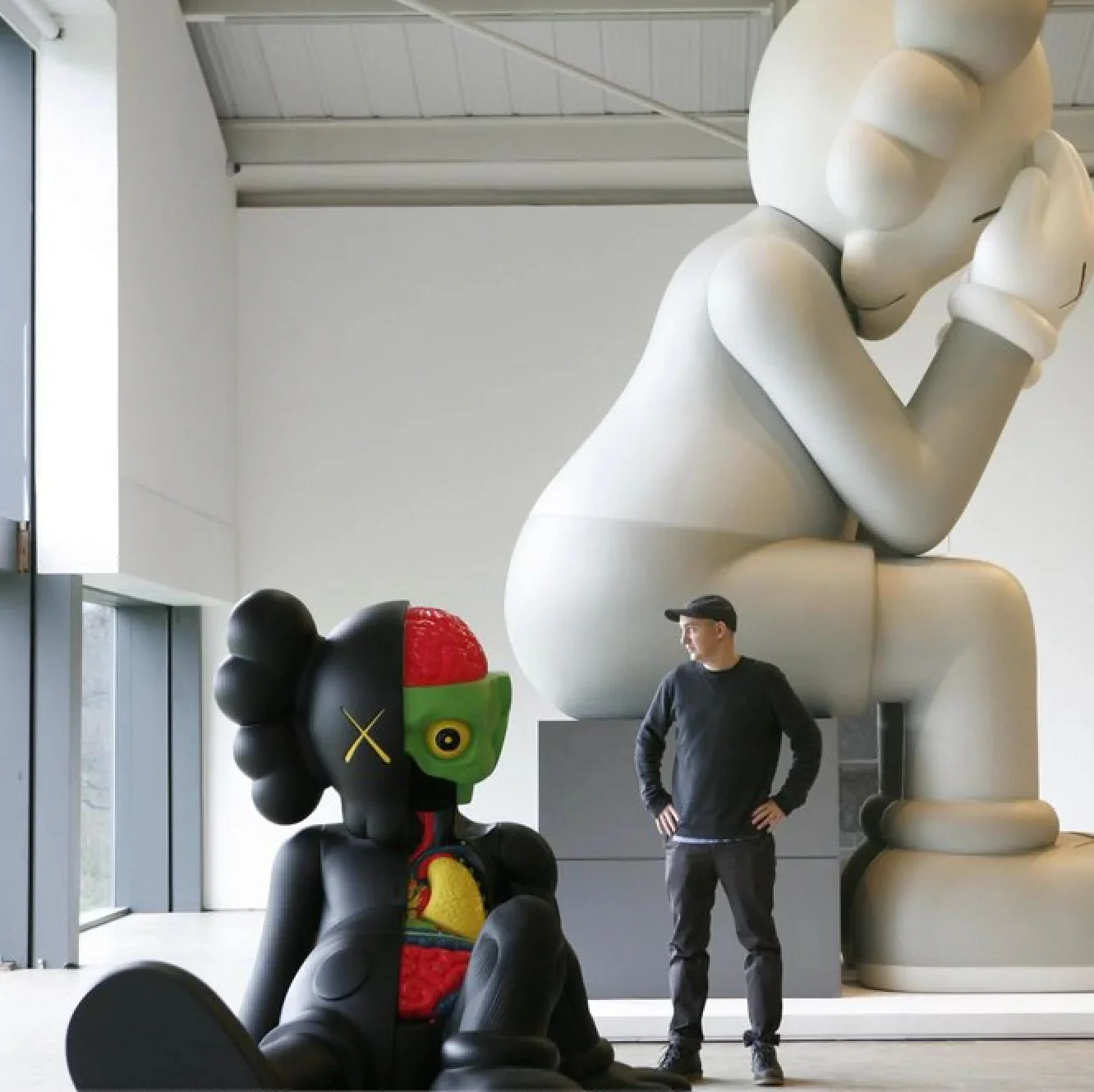
Raised partly in northern Japan with limited access to local peer groups, Nara found companionship in Western rock music and developed an artistic sensibility that was simultaneously deeply Japanese and romantically influenced by American counterculture. His singular work on The Collection carries that particular weight, the intimacy of something confessed rather than constructed. KAWS represents the strand of this movement that took hold most powerfully in the urban West. Beginning in the late 1990s with a practice rooted in subverting billboard and bus shelter advertisements in New York and Paris, Brian Donnelly developed his XX eyed characters through a dialogue with public space that few artists of his generation matched in scope or ambition.
By the mid 2000s, those characters had migrated from the street to gallery walls to sculpture to collaboration with brands ranging from Nike to Dior, a trajectory that some critics read as capitulation and others recognized as the movement's logic taken to its fullest expression. KAWS is particularly well represented on The Collection, offering collectors a substantial cross section of how his visual vocabulary has evolved across formats and scale. Kasing Lung and the phenomenon of LABUBU, which emerged from his How2Work toy and publishing universe, represent the most recent chapter in this ongoing story. Where KAWS and Murakami entered the wider conversation through fine art infrastructure, galleries and museums and auction houses, Lung's characters arrived primarily through the collectible toy world before migrating upward into gallery contexts and, through the Pop Mart collaboration, into a genuinely global mass cultural moment.
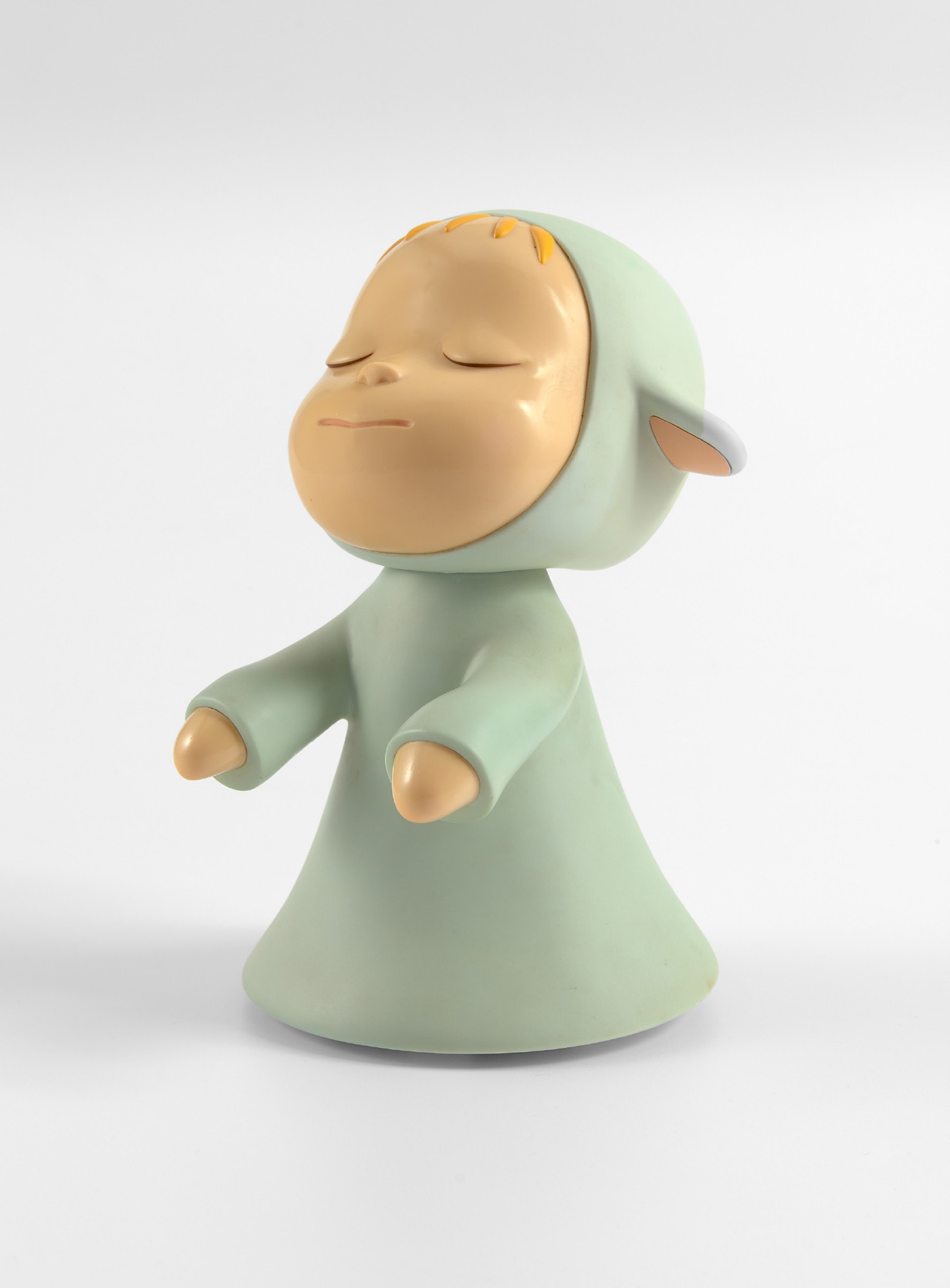
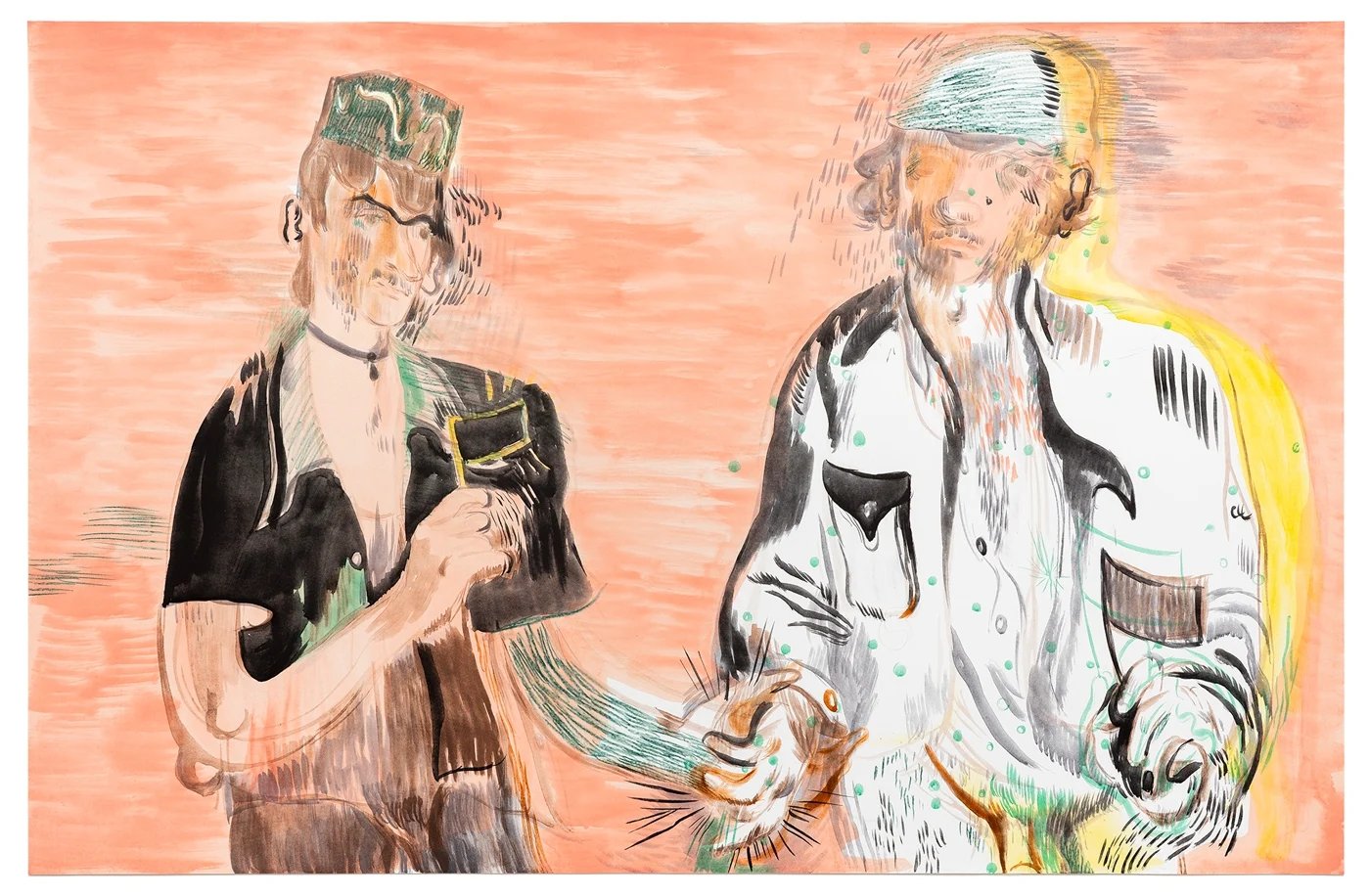
Yoshitomo Nara
Little Wanderer
LABUBU's wild toothed grin became something of a cultural signifier in 2023 and 2024, visible in the hands of celebrities and on the pages of publications that would not have acknowledged vinyl figures a decade earlier. The work on The Collection offers a point of entry into understanding why that crossover happened and what it means. What unites these artists across their considerable differences in background, medium, and methodology is a shared commitment to the character as a container for emotional and cultural content. The techniques vary enormously.
Murakami employs a large studio practice modeled partly on traditional Japanese craft workshops and partly on Warhol's Factory, producing works of extraordinary technical refinement. KAWS works across painting, sculpture, and digital formats with a consistency of line that has become one of the most recognizable marks in contemporary art. Nara's paintings carry a rawness that his drawings on found materials make even more apparent. Lung's world building draws on illustration, toy design, and narrative in equal measure.
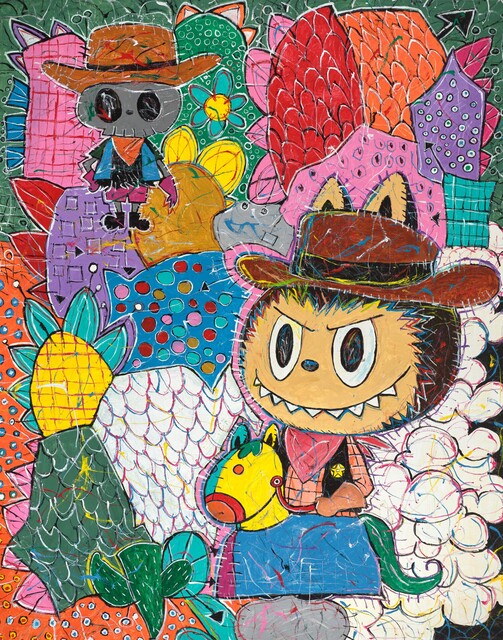
Kasing Lung, LABUBU
Horse, 2022
The conceptual common ground is not stylistic but philosophical: the belief that a character, properly conceived, can hold as much meaning as any other artistic form. The cultural significance of this movement is difficult to overstate when measured honestly. Character based art has proven more effective than almost any other contemporary form at crossing generational and geographic lines, reaching audiences that traditional fine art institutions have struggled for decades to engage. It has also generated serious critical discourse, collected by major museums and discussed in peer reviewed publications alongside whatever skepticism still lingers in certain corners of the critical establishment.
More importantly, it has changed the way a generation of collectors approaches the question of what art is for, what it should feel like to live with, and whose cultural references deserve to be enshrined. For collectors working in this space today, the opportunity is not simply to acquire works by artists who have already achieved significant market recognition. It is to develop a genuine understanding of the ideas that animate the movement, to see the connections between Murakami's Superflat thesis and the emotional directness of Nara's children, between the street origins of KAWS and the toy culture lineage of LABUBU. Those connections form a coherent intellectual story, one that positions character based art not as a footnote to contemporary practice but as one of its defining chapters.