British Contemporary
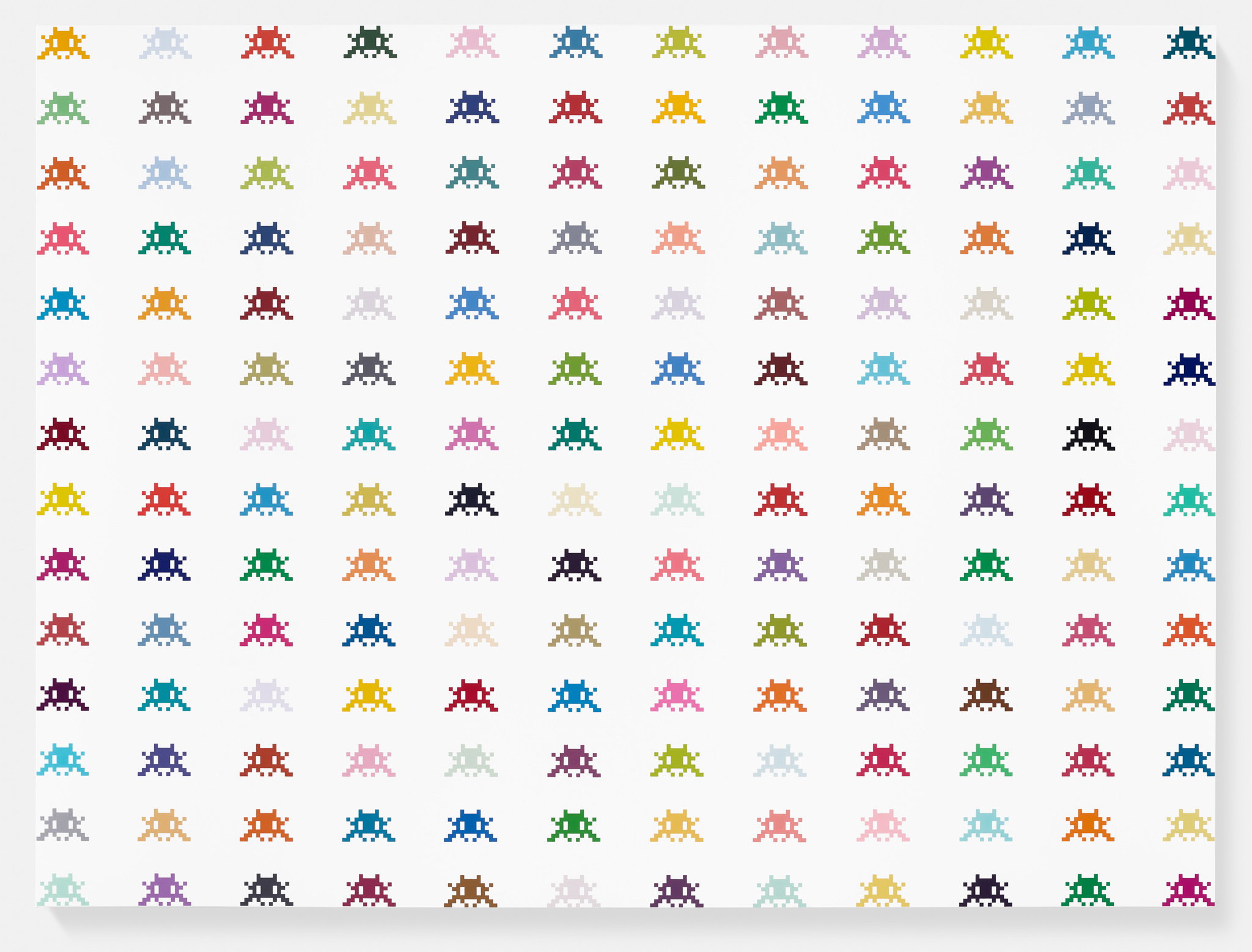
Damien Hirst
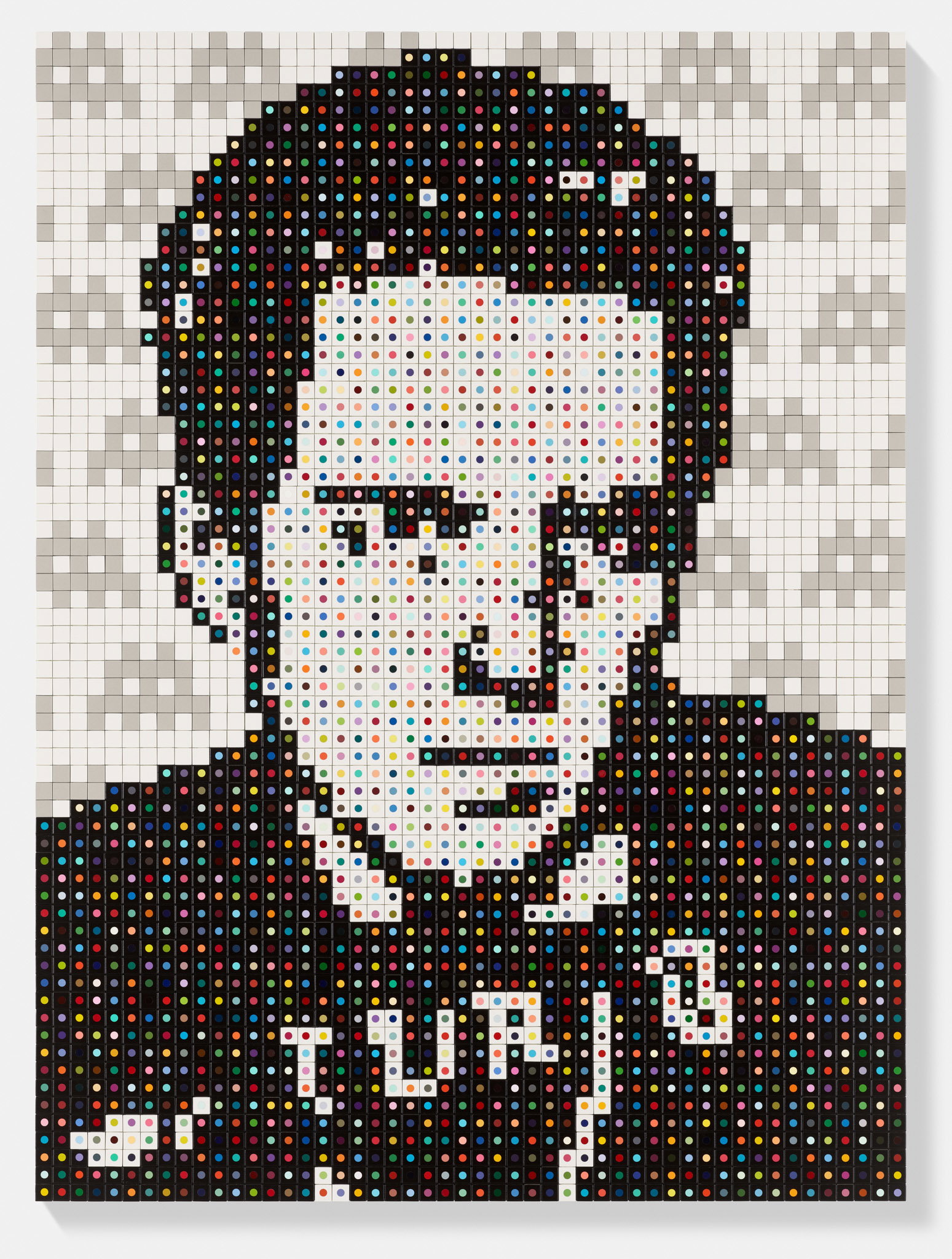
Doliprane 1000 Invaded, 2025
Brilliant, Provocative, Unapologetically British
There is a particular quality of nerve that runs through British contemporary art, a willingness to be uncomfortable, to be funny, to be raw, and to dare the viewer to look away. It is not a polished tradition. It is one built on confrontation, on working class candour and conceptual rigour existing in the same breath, on artists who understood that shock was not an end in itself but a way of forcing a genuine encounter. To collect within this tradition is to engage with some of the most charged and argued over works of the past four decades.
The story of British contemporary art as we understand it today begins in earnest in the late 1980s, when a generation of students at Goldsmiths College in London began organising their own exhibitions rather than waiting for the institutional world to notice them. The most significant of these was Freeze, held in a disused Port of London Authority building in Surrey Docks in the summer of 1988, curated by a then unknown Damien Hirst. It was an audacious act of self promotion that became, in retrospect, the founding moment of an entire movement. The group that emerged from that milieu became known as the Young British Artists, the YBAs, a loose and often contradictory collective defined less by shared aesthetics than by shared ambition and a shared willingness to operate outside the established gatekeeping structures.

Damien Hirst
Nitrofurantoin 100mg, 2019
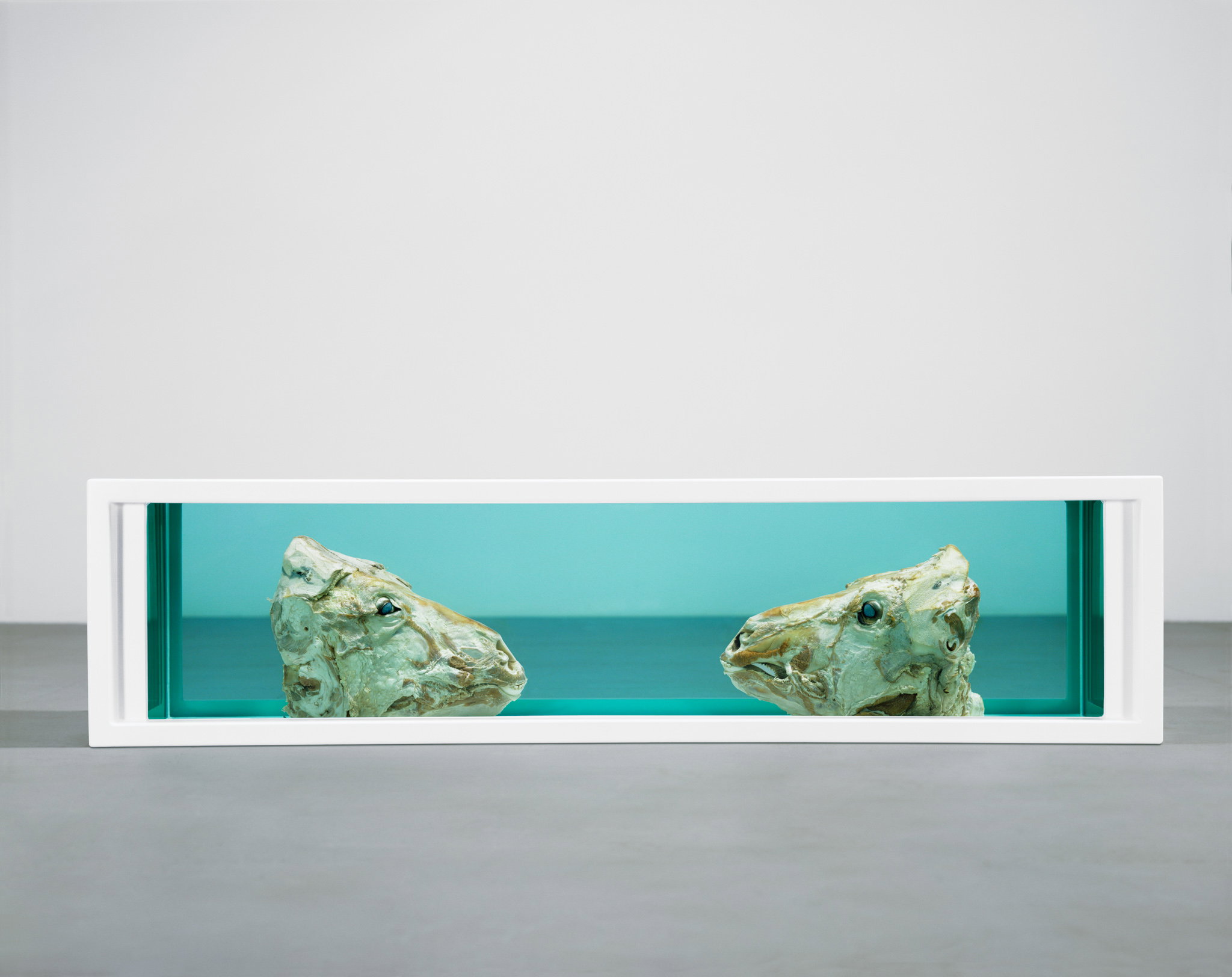
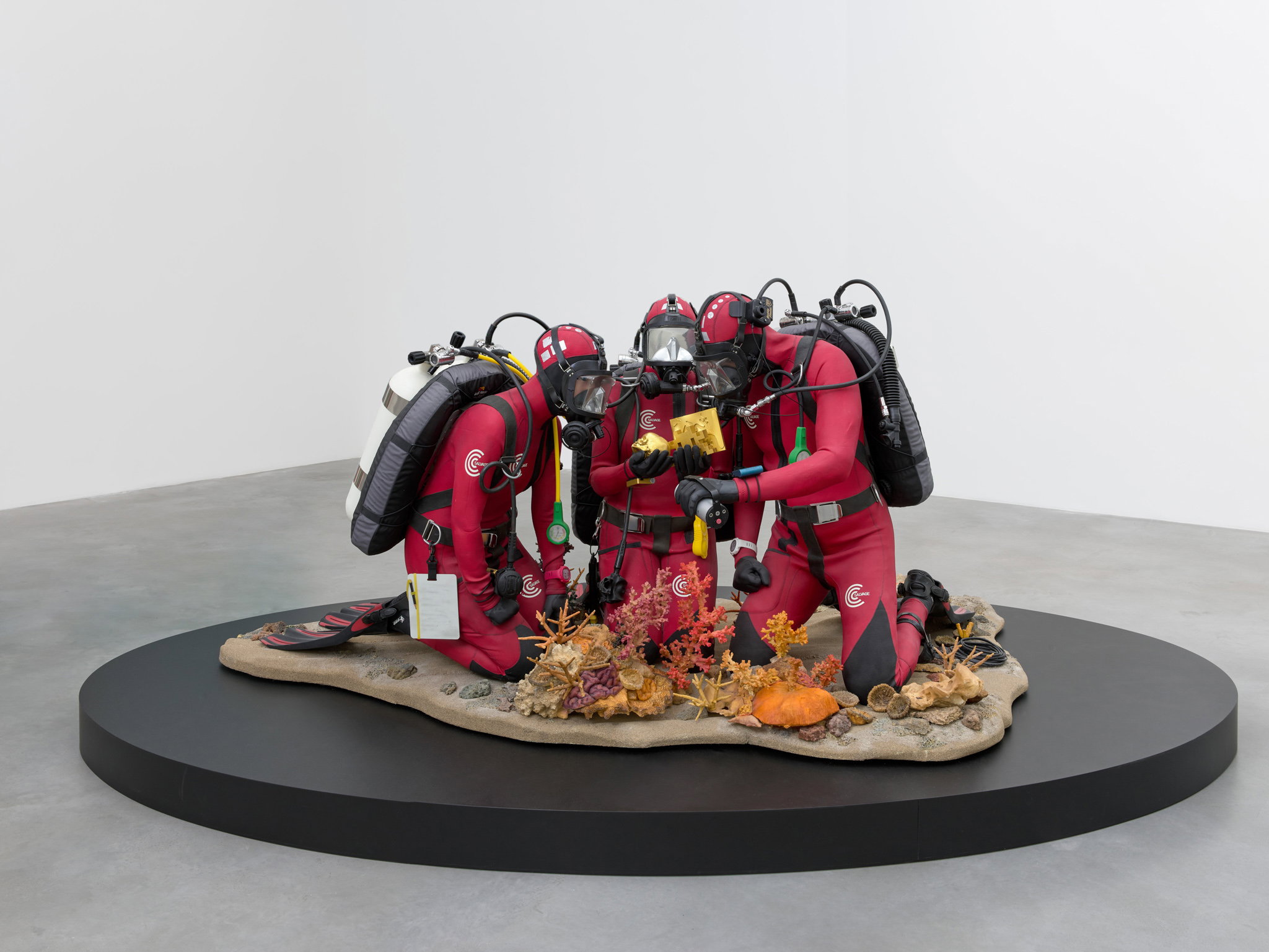
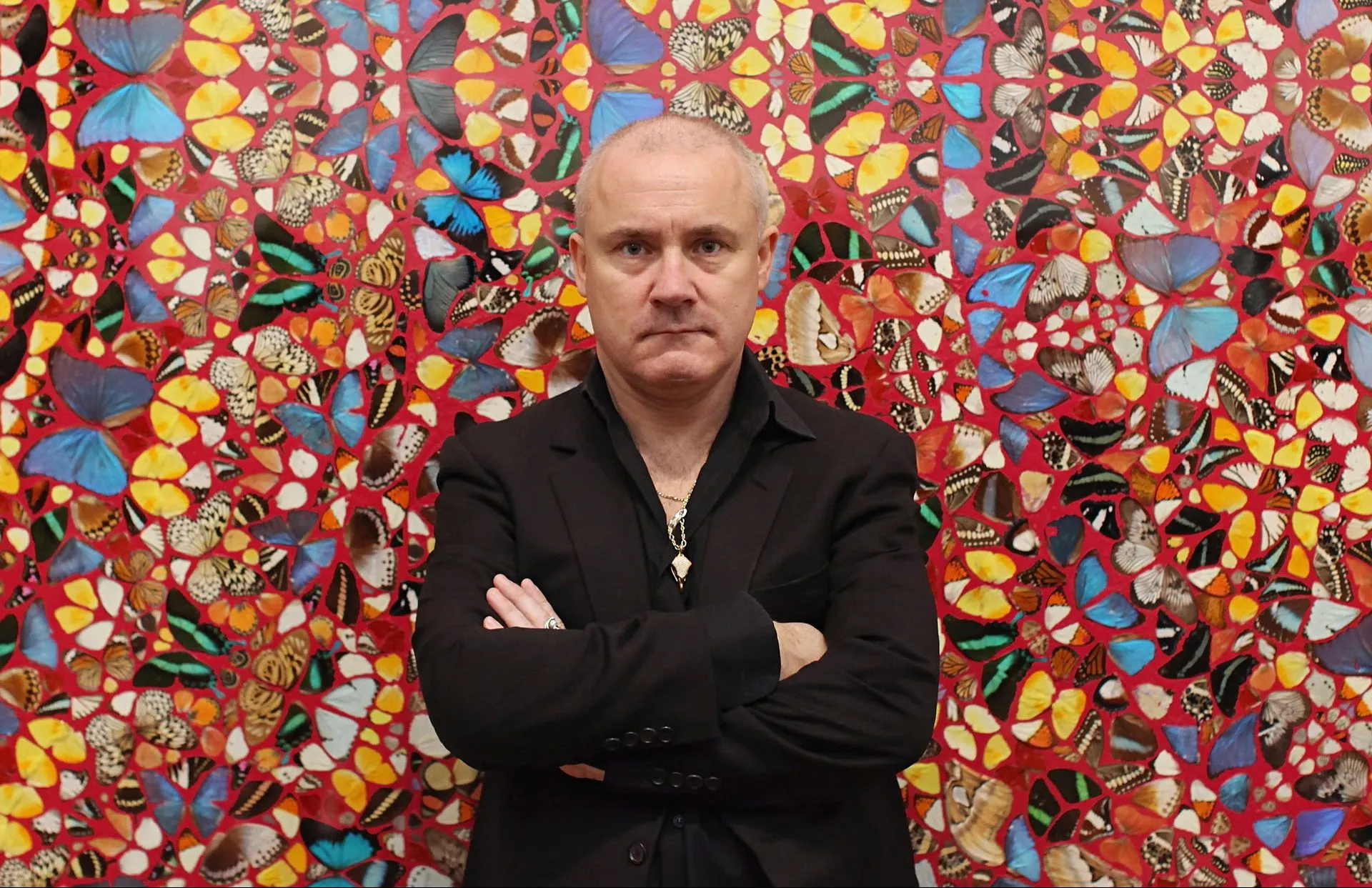
Damien Hirst became the most visible and commercially dominant figure to emerge from that generation, and his presence in any serious collection of British contemporary work is almost inevitable. His work introduced the formaldehyde vitrine, the spot painting, and the spin canvas as recognisable art world currencies. The Physical Impossibility of Death in the Mind of Someone Living, exhibited in 1992 as part of the Young British Artists show at the Saatchi Gallery, placed a tiger shark suspended in preservative solution at the centre of international art world conversation. It asked questions about mortality, spectacle, and the relationship between science and awe that Hirst has continued to circle throughout his career.
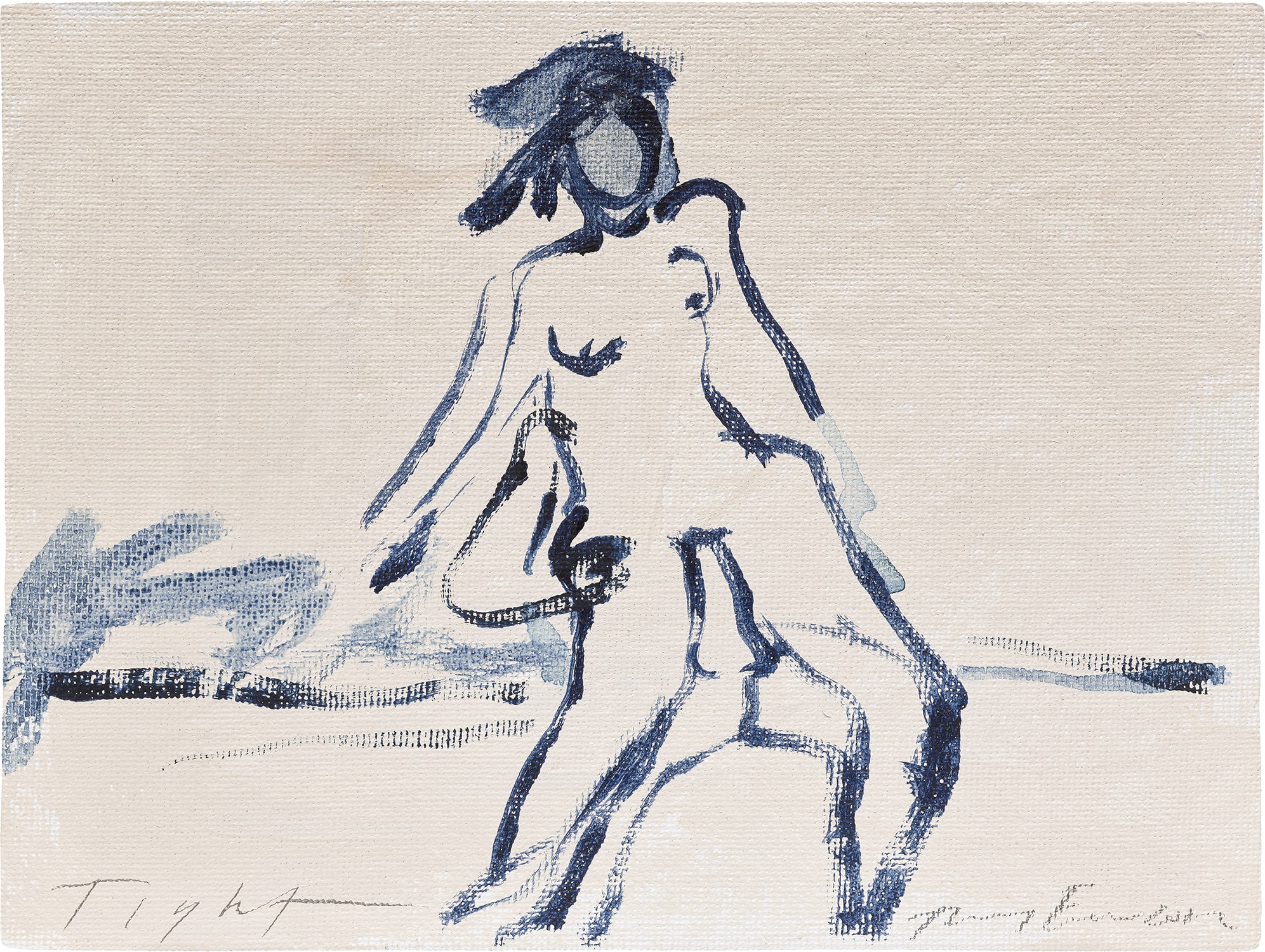
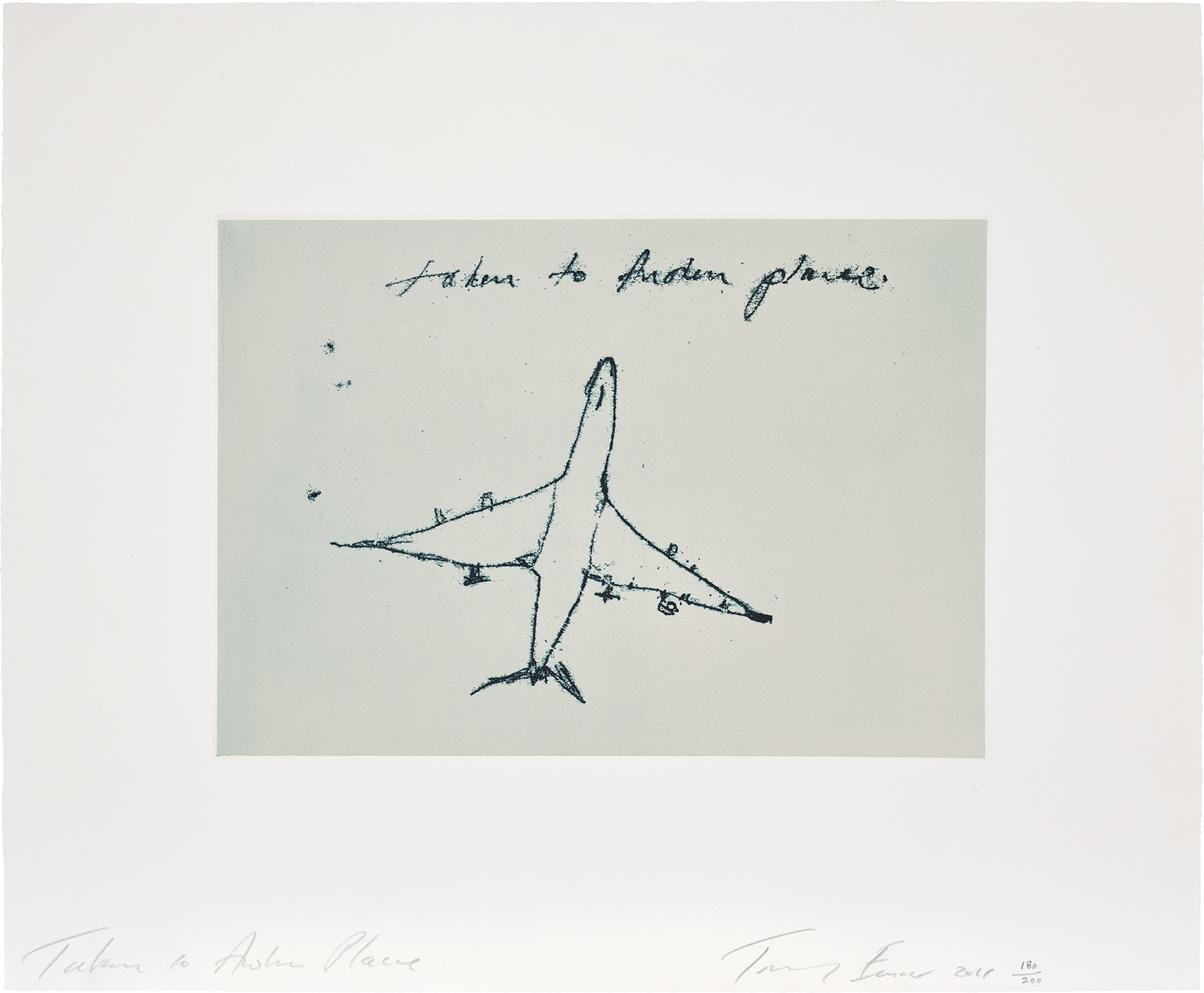
The works represented on The Collection offer collectors access to a practice that has evolved across decades without ever abandoning its appetite for the grand gesture. Tracey Emin came to prominence through a register entirely different from Hirst's clinical grandeur. Her work is confessional, physically intimate, and deeply personal in a way that felt genuinely transgressive when it first appeared. My Bed, shown at the Turner Prize exhibition in 1999, brought her work to a mass audience and ignited a debate about authorship, authenticity, and the boundaries of what art could include that has never entirely subsided.
Tracey Emin
Taken to Another Place
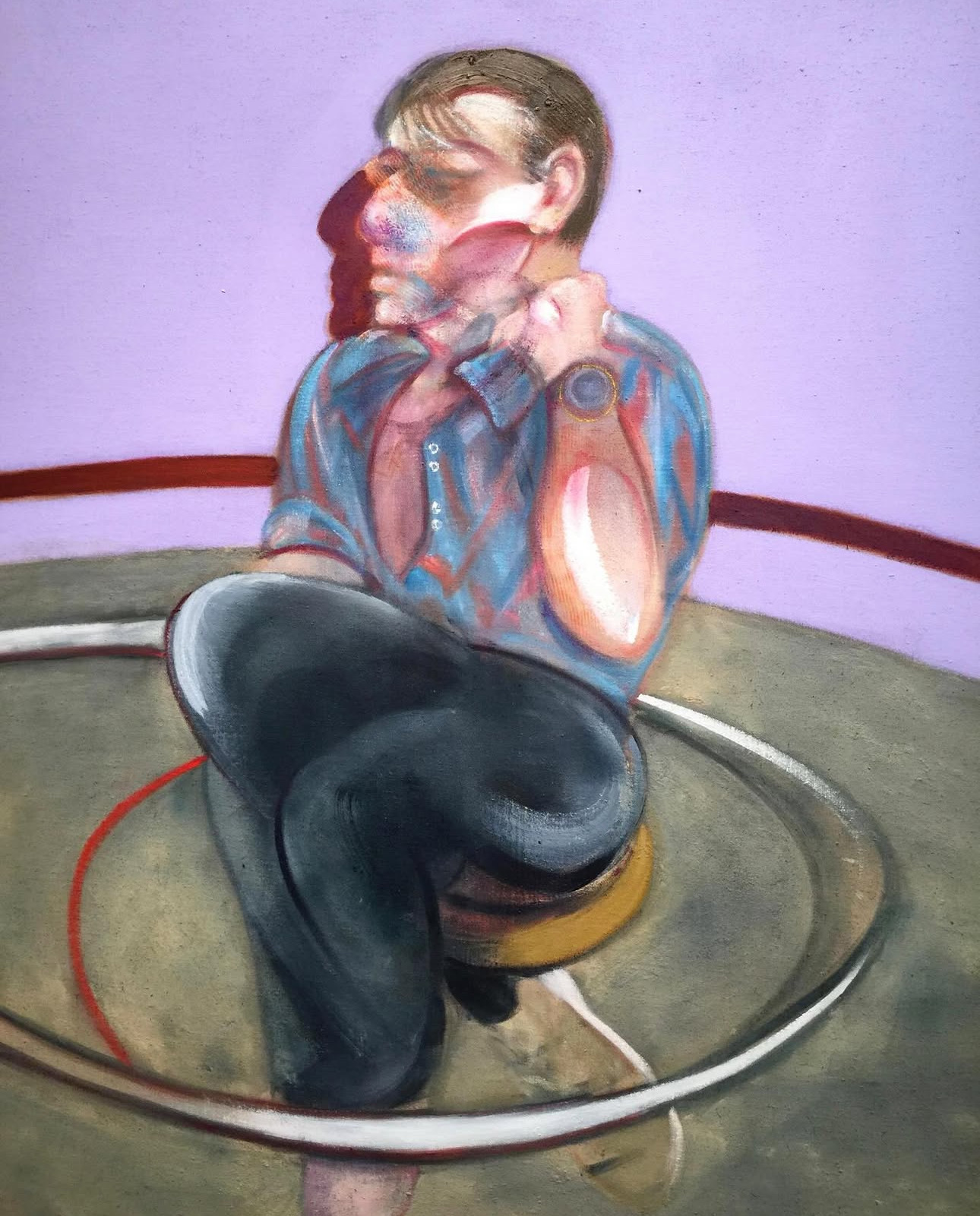
Her neon texts, her drawings, her embroideries, all of them speak in a voice that is unmistakably hers, rooted in autobiography and in a refusal to aestheticise pain into something decorative or safe. To own a work by Emin is to accept that art can be an act of testimony as much as it is an act of making. Beyond the most celebrated names, British contemporary art in this period drew on a rich and complicated cultural context. The legacy of Francis Bacon and Lucian Freud, both working in London well into the 1990s, provided an older grammar of figurative intensity against which younger artists defined themselves, whether by extension or by reaction.
The influence of the Conceptualism that had come through from Joseph Kosuth and the Art and Language group in the 1970s was also present, giving many YBA works a self awareness about what art is and how it communicates that prevented the sensationalism from becoming merely tabloid. The culture of Charles Saatchi as collector and patron shaped the market conditions and the visibility of the movement in ways that were both enabling and contested. The techniques and materials that define the most iconic works from this tradition are worth pausing over. Industrial processes, vitrines, pharmaceutical cabinets, neon tubing, found objects, medical and scientific detritus, these were not accidental choices.
They spoke to a postindustrial Britain, to the NHS, to consumer culture, to the relationship between the body and the systems that manage it. There was also a deliberate strategy of scale, of working large enough that the work could not be ignored, could not be reduced to a domestic object even when it ended up in private hands. The tension between monumental ambition and deeply personal subject matter is one of the defining characteristics of British contemporary work at its best. The cultural significance of this period is difficult to overstate.
British contemporary art in the 1990s and into the 2000s put London back at the centre of international art world attention for the first time since the 1960s. It generated enormous commercial momentum, transformed the art fair landscape, and influenced a generation of artists across Europe and North America who absorbed its lessons about visibility, narrative, and the media management of artistic identity. The Turner Prize, established in 1984 but achieving its greatest cultural traction during these years, became a genuine national conversation, the kind of sustained public argument about what art is and who it is for that most countries can only dream of. Today, British contemporary art occupies a more complicated position.
The YBA moment has passed into art history, its protagonists now canonical rather than controversial, their prices reflecting institutional endorsement rather than provocation. But the spirit of that tradition, irreverent, conceptually serious, alert to the social conditions in which art is made and received, continues to animate younger British artists who have found new subjects and new forms while drawing on the same underlying nerve. For collectors, the opportunity is to engage with a tradition that is still alive, still producing work of consequence, and still capable of that particular quality of discomfort that is, in the end, what serious art is for.