Botanical Subject
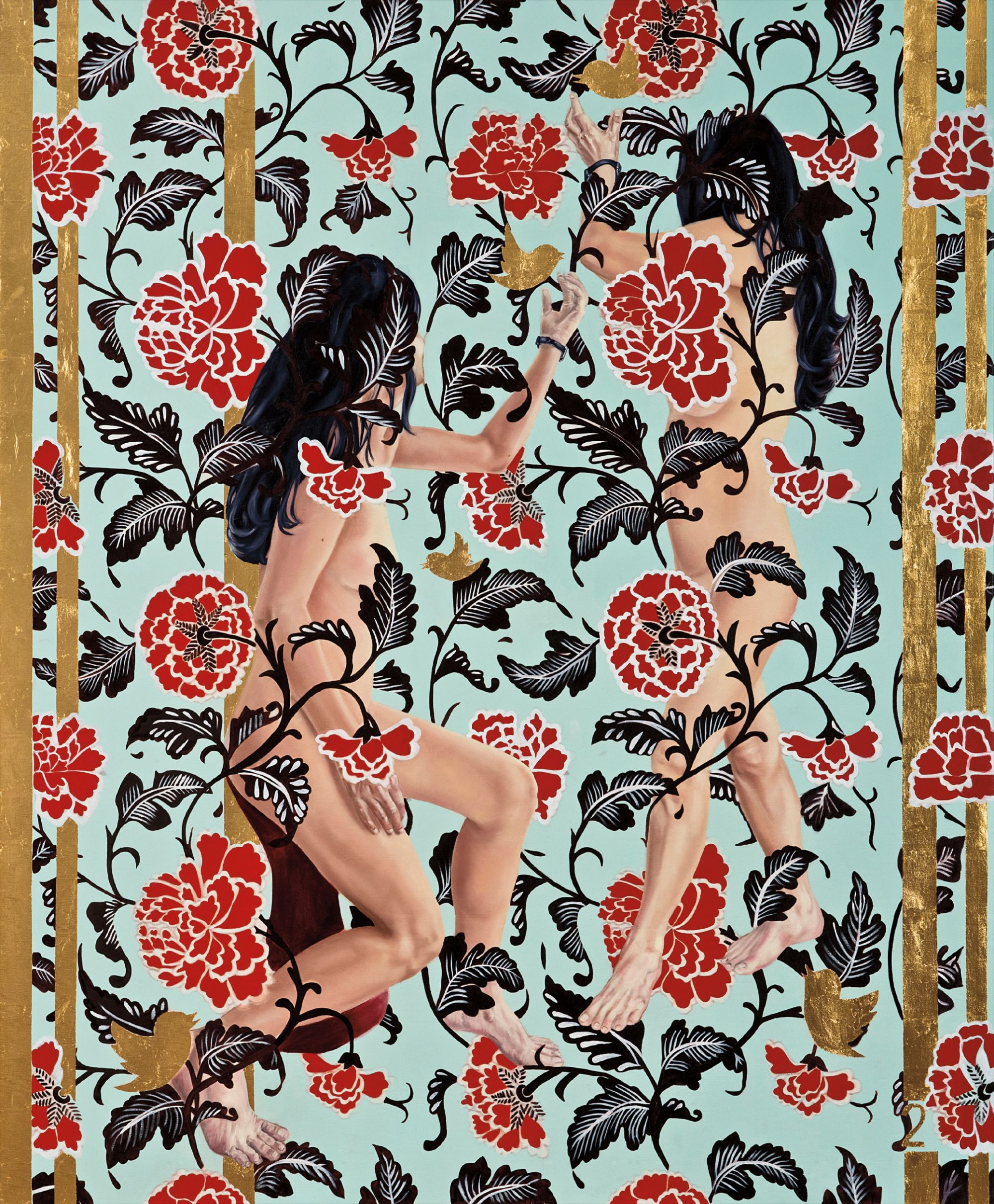
Asli Özok
Garden of Armina Rose, 2017


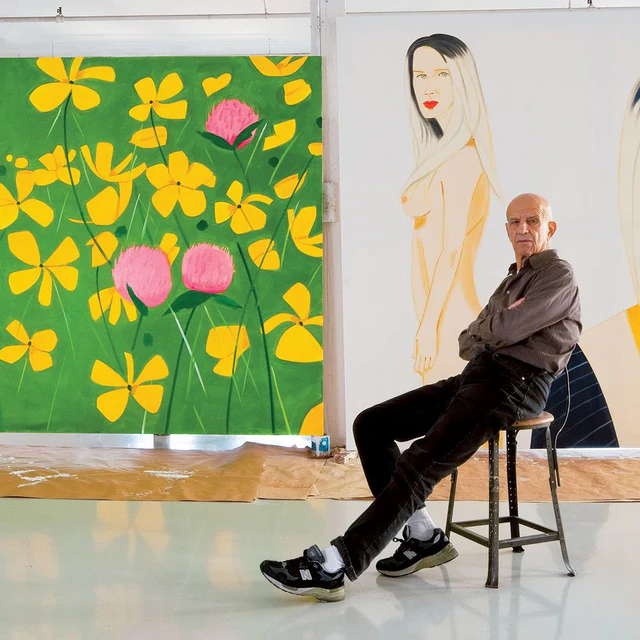

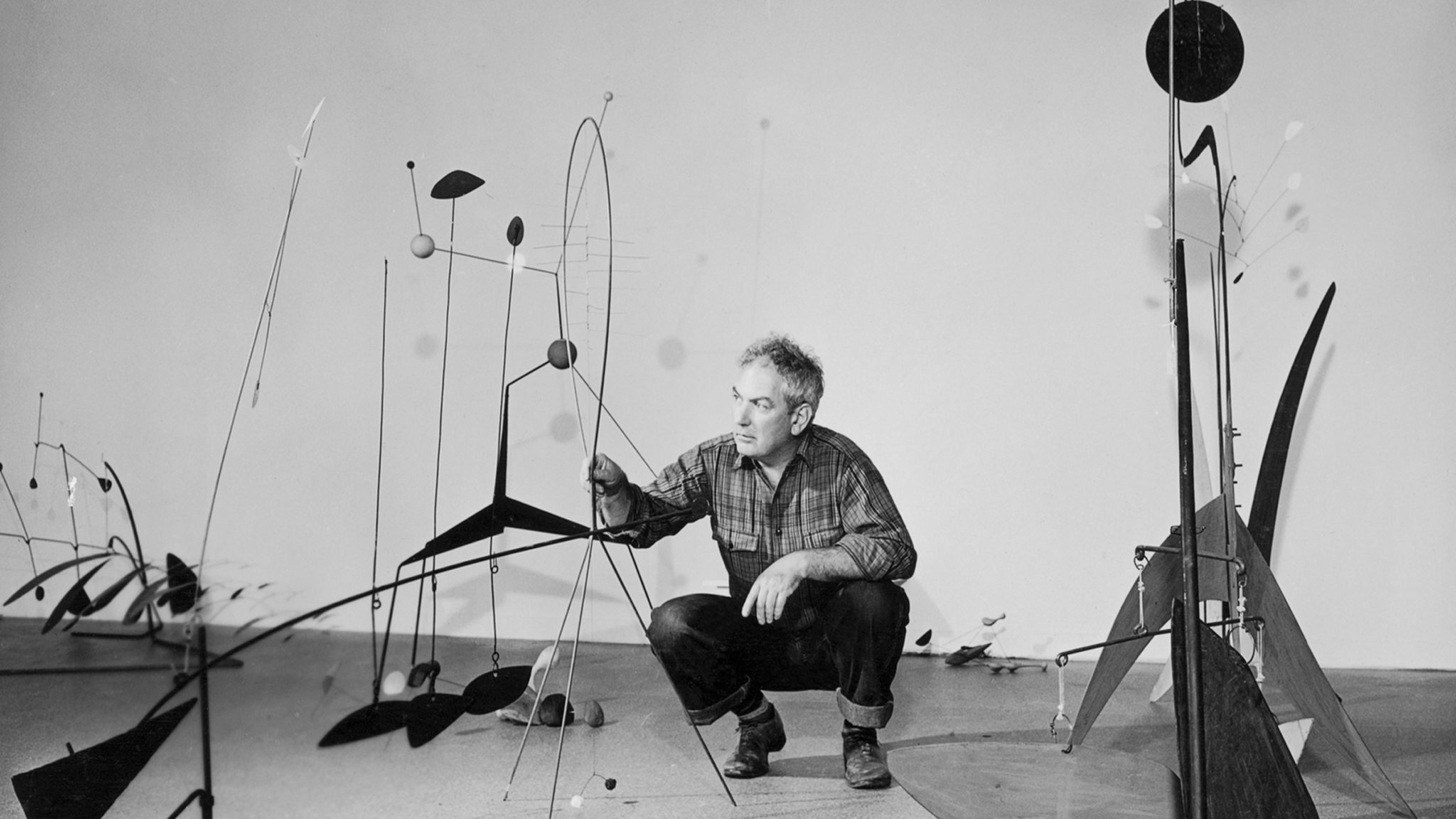
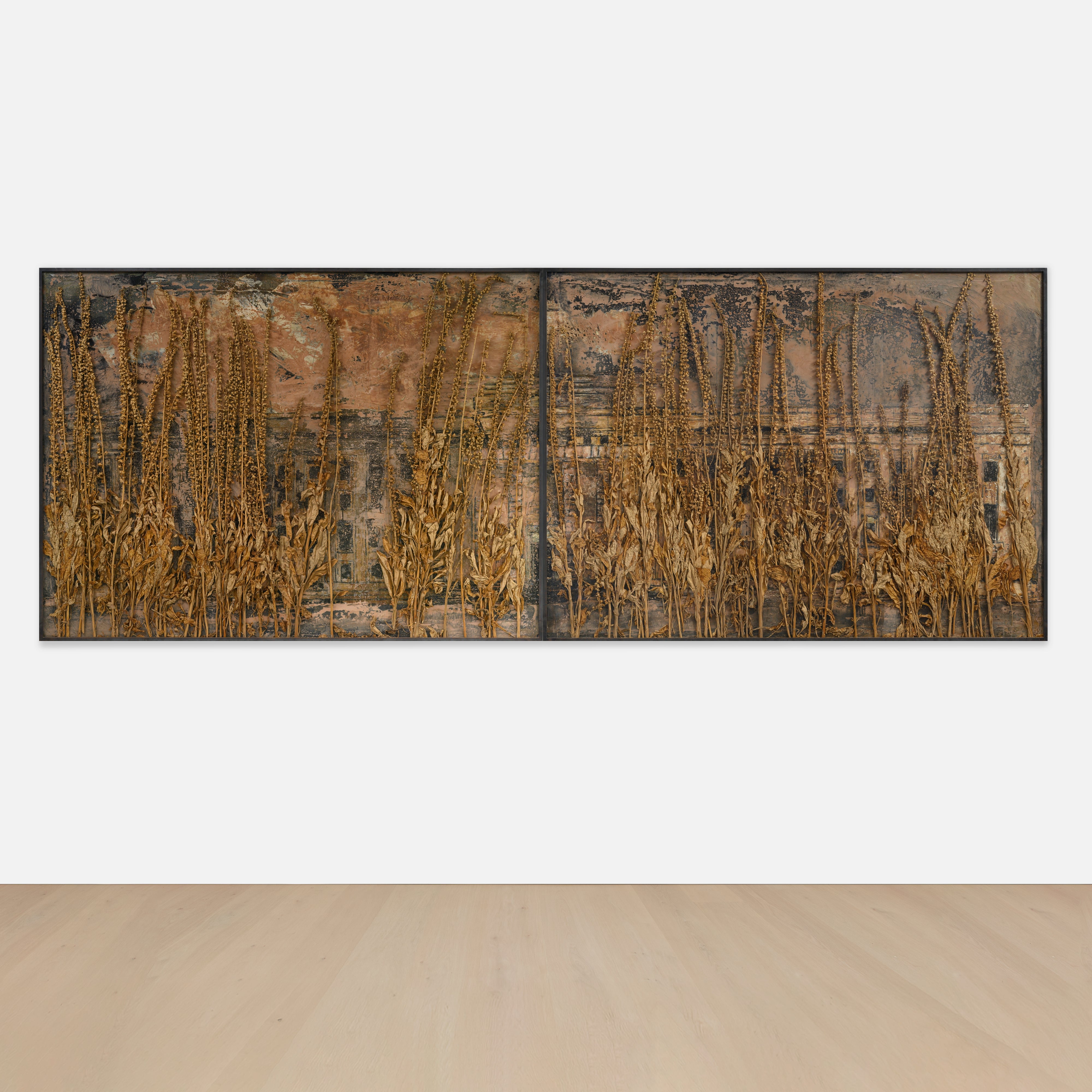
The Living Room as Garden: Collecting Botanical Art
There is something quietly radical about choosing to live with plants. Not the plants themselves, which require tending and eventually die, but the represented plant: fixed in time, perfected in attention, alive on a wall in a way that no orchid on a windowsill can quite manage. Collectors who are drawn to botanical subject matter often describe an almost physical sensation when they encounter a great work in this vein, a sense of being grounded, of having found something that rewards looking the way a garden rewards walking through it slowly. It is one of the few collecting categories where the intimacy of the subject scales beautifully from a small apartment to a grand house without ever feeling out of place.
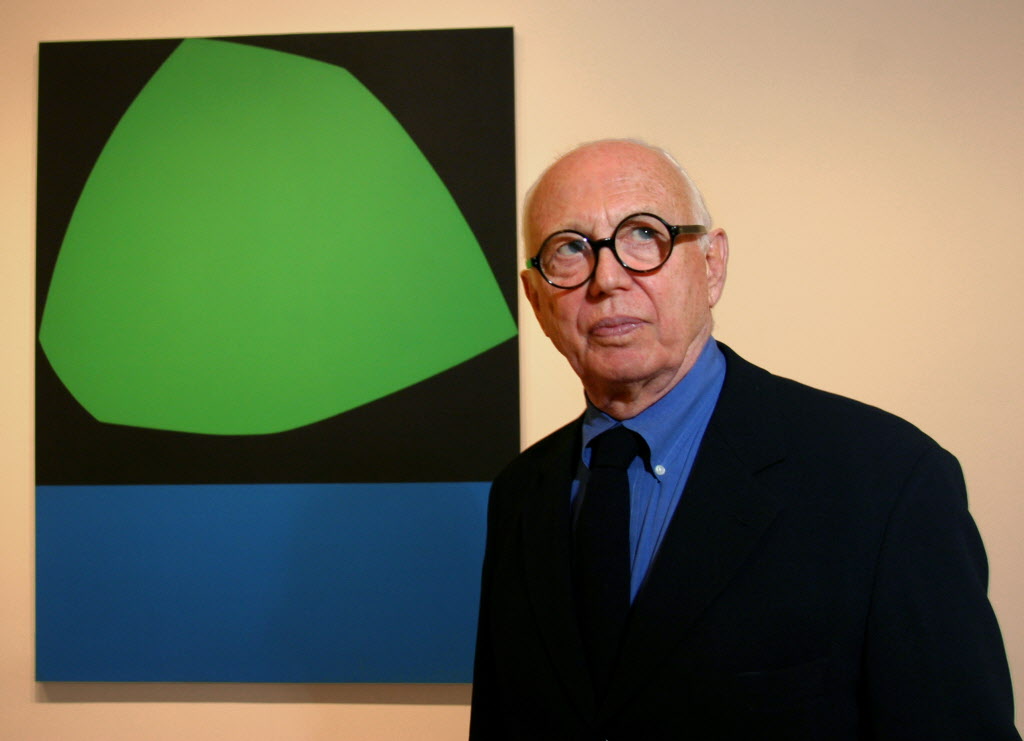
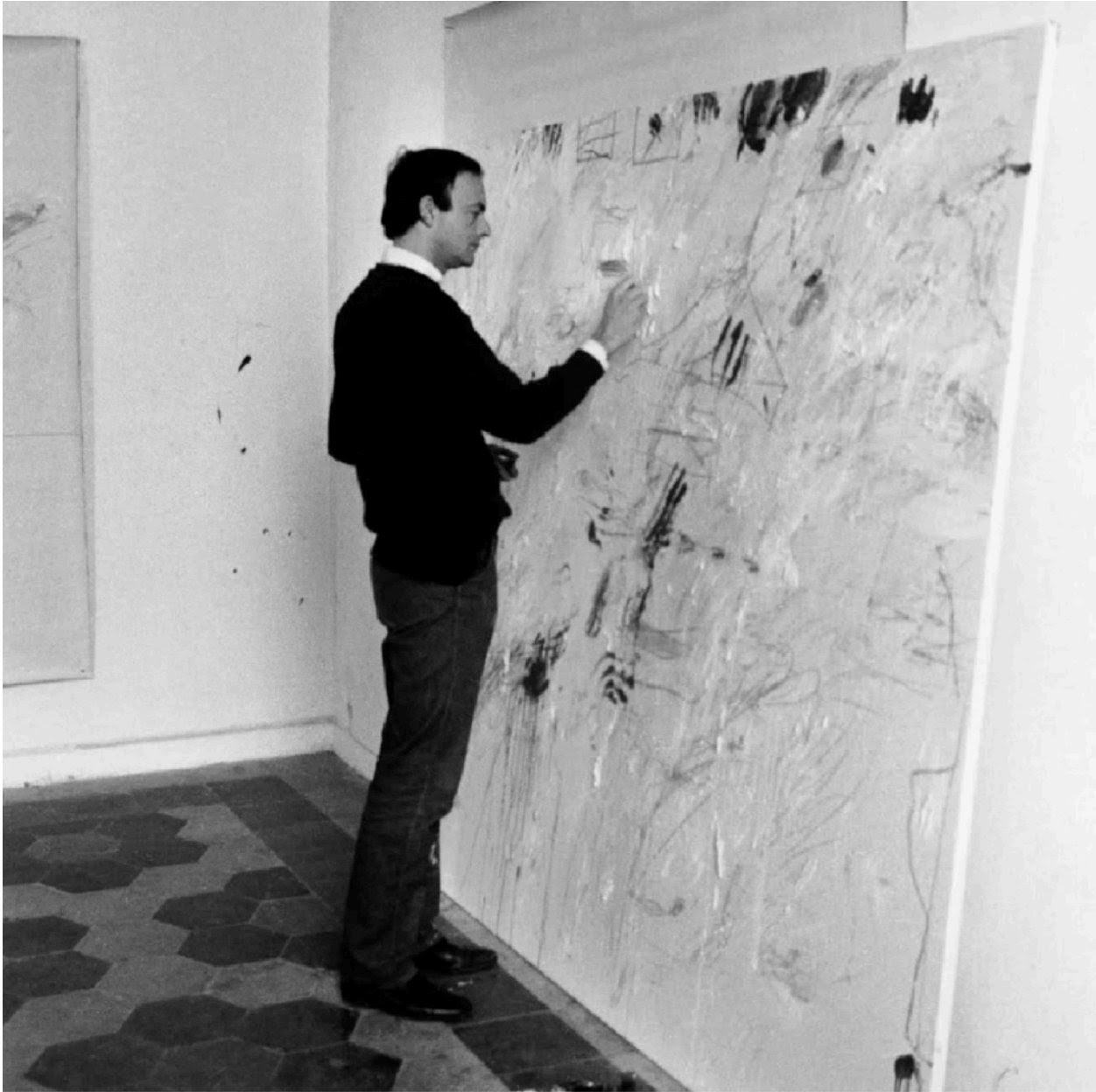
What separates a good botanical work from a genuinely great one is rarely the subject itself and almost always the quality of vision behind it. The flower, the leaf, the stem are givens. What matters is what the artist does with that given: whether they use the plant as a vehicle for formal investigation, as Ellsworth Kelly did across decades of botanical drawings that are among the most rigorously beautiful works on paper made in the twentieth century, or whether they use it as an emotional register, as Cy Twombly did in his late petal and blossom works where roses seemed to dissolve into pure feeling. The best works in this category have a conceptual argument running beneath their lush surfaces.
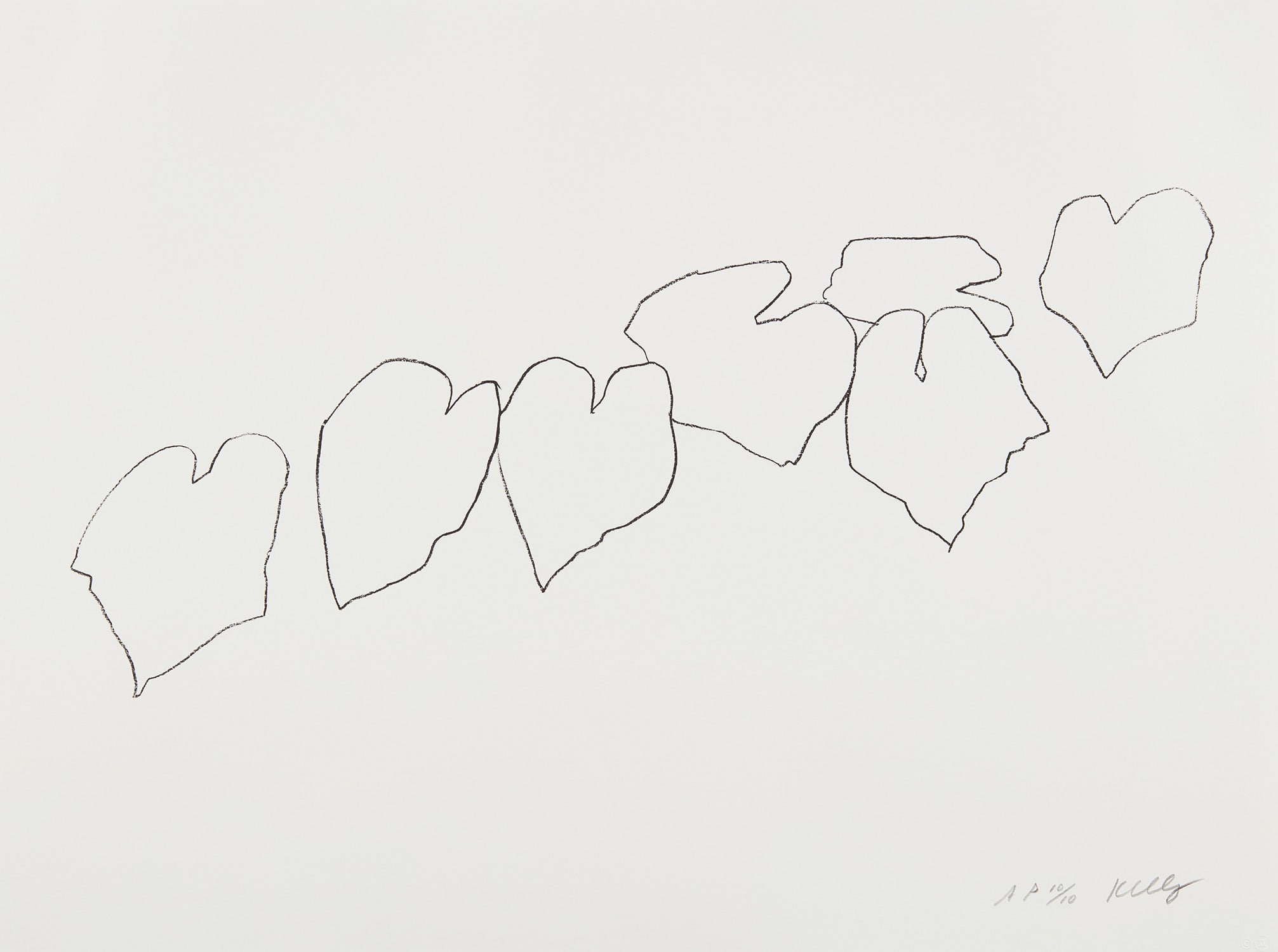
Ellsworth Kelly
Wild Grape Leaves I, from Series of Five Plant and Flower Lithographs
Collectors should train themselves to ask not just whether a work is beautiful, which is a low bar, but whether it is necessary, whether it could only have been made by this particular artist at this particular moment. Among the artists well represented on The Collection, the case for Ellsworth Kelly is almost too easy to make, and yet it bears making clearly. Kelly's engagement with plant forms began seriously in the early 1960s and never really stopped. He drew leaves and seed pods and blossoms with a precision that was neither botanical illustration nor pure abstraction but something genuinely in between, and that in between quality is exactly where his market strength lies.
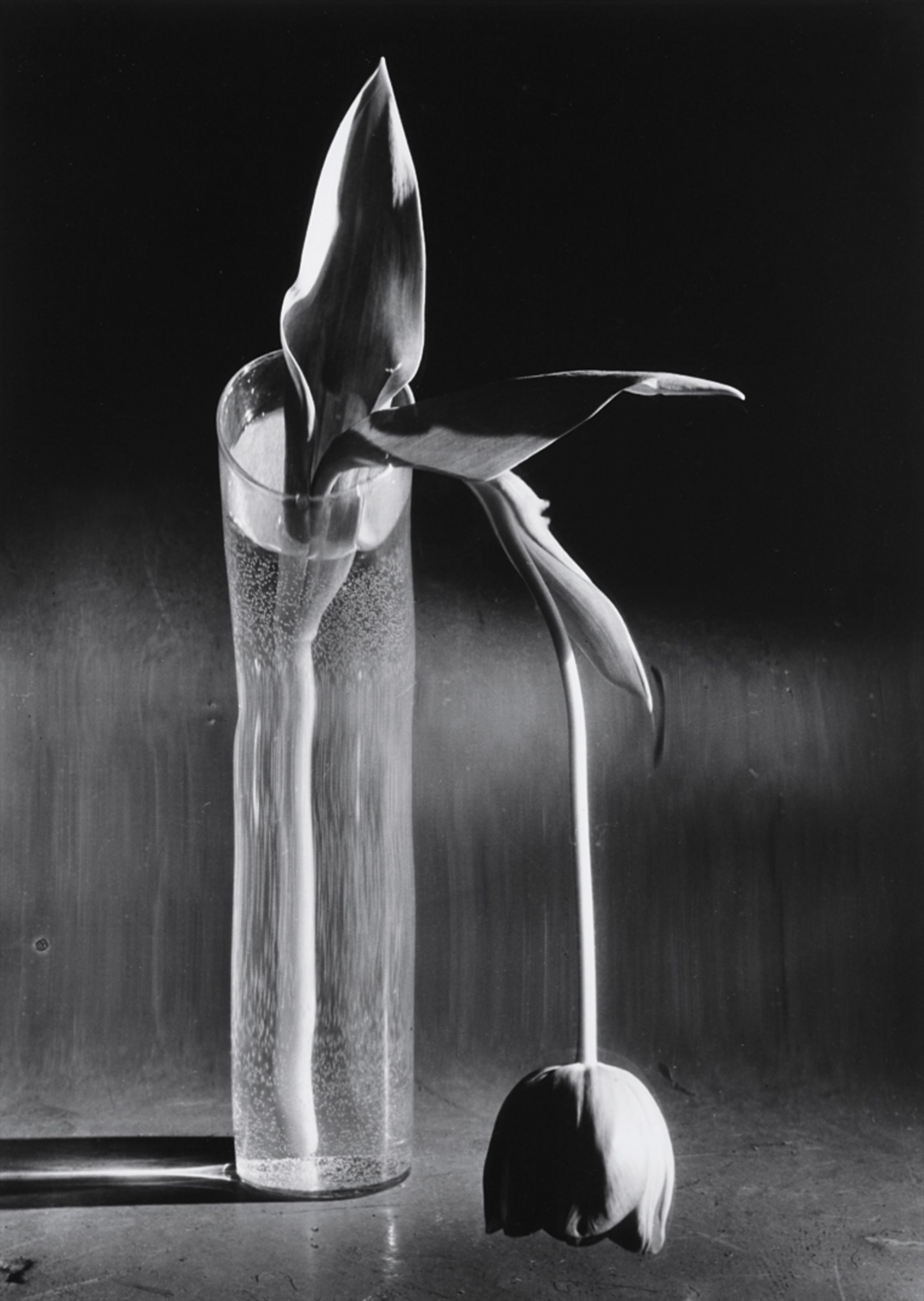
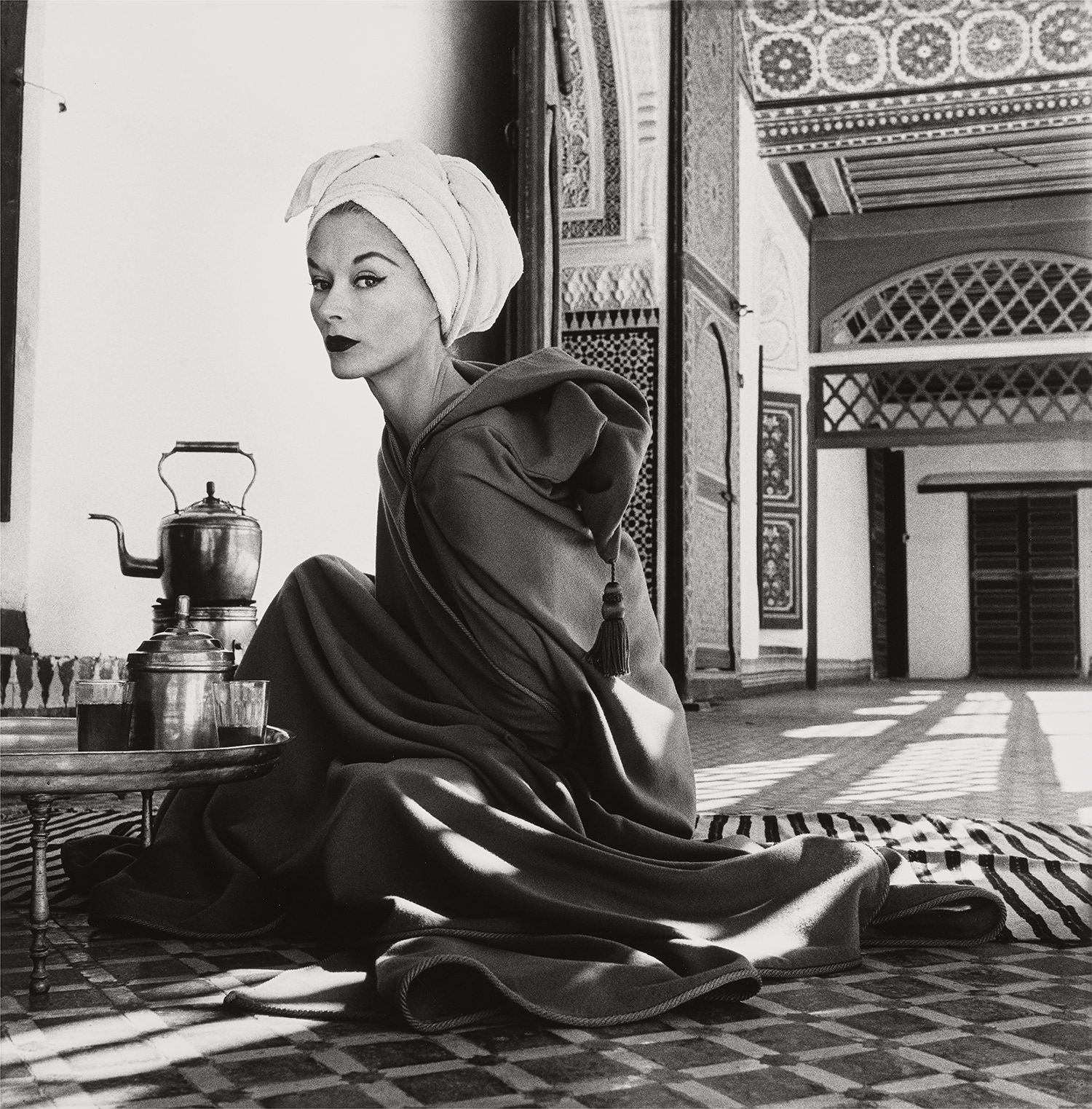
Works on paper by Kelly have proven remarkably durable in the secondary market, and his botanical drawings in particular tend to outperform at auction because they appeal simultaneously to collectors of works on paper, collectors of American postwar art, and collectors specifically interested in nature as subject. Irving Penn, whose floral photographs from the 1960s and 1970s remain canonical, represents a comparable solidity of investment. Penn understood the studio flower as an object of formal investigation, isolating tulips and roses against white grounds and revealing an almost sculptural presence that the garden never shows you. His prints, particularly the platinum palladium works, have held value extremely well and continue to attract serious buyers.
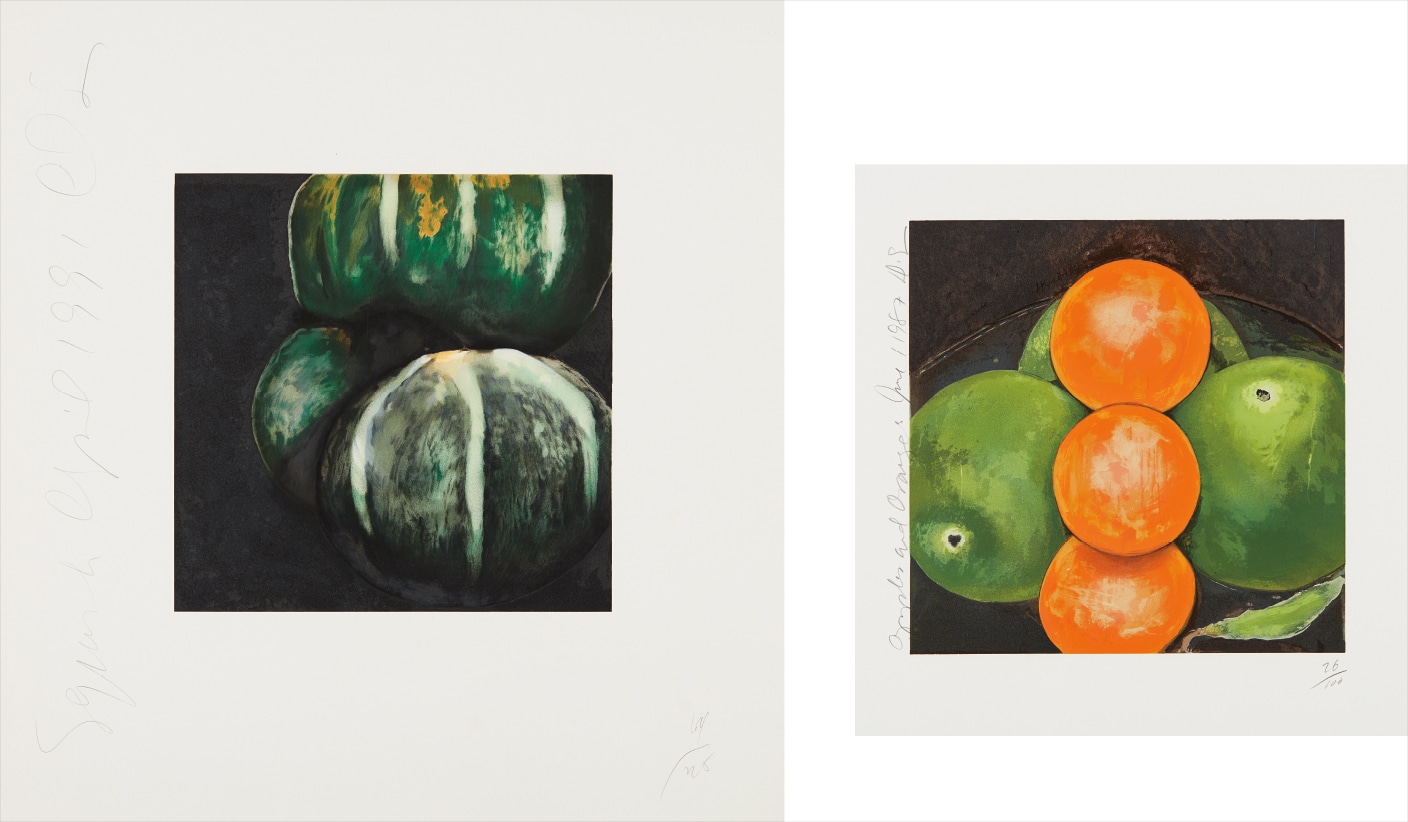
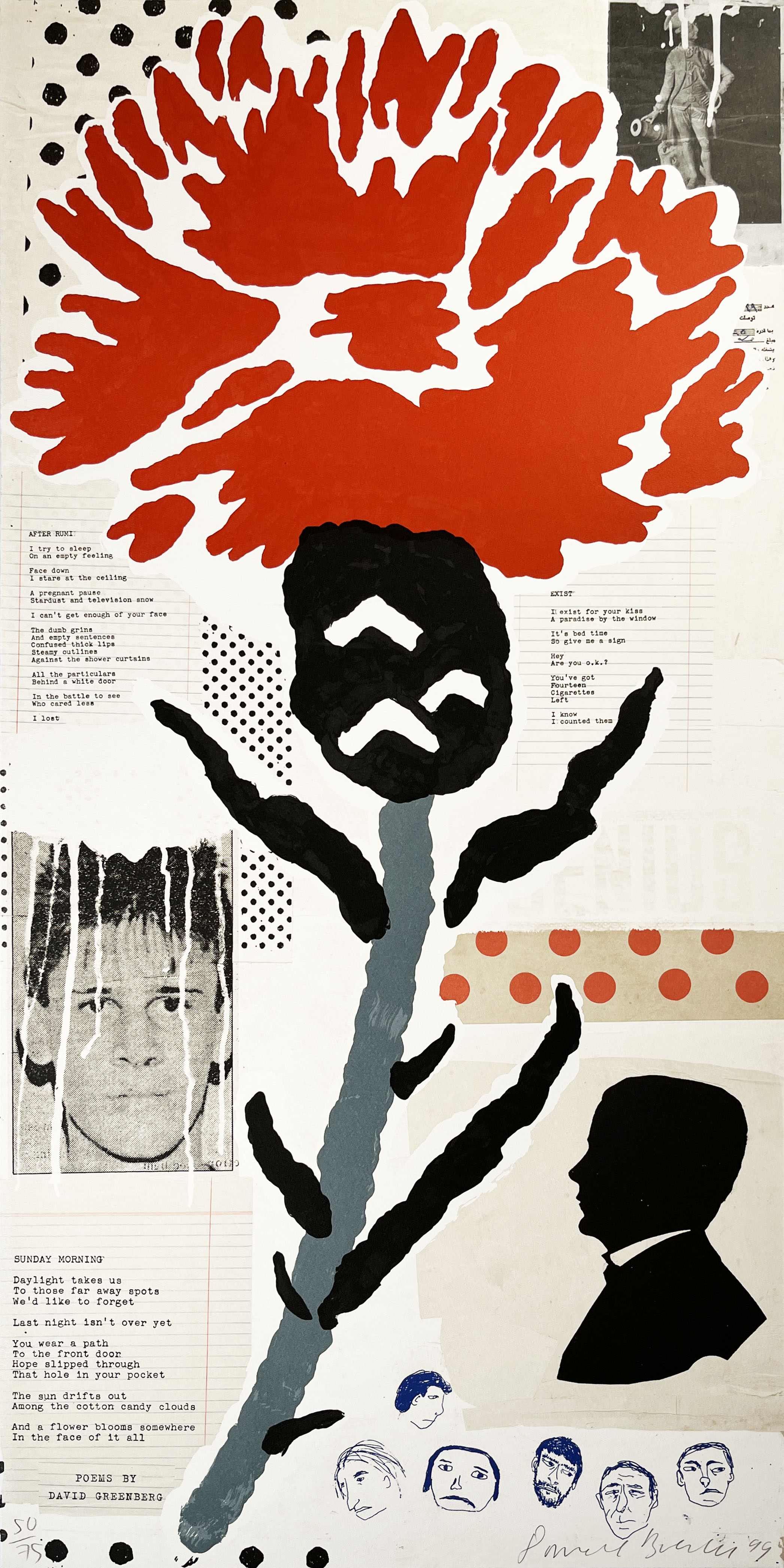
Donald Sultan
Squash from, Fruits and Flowers; and Apples and Oranges
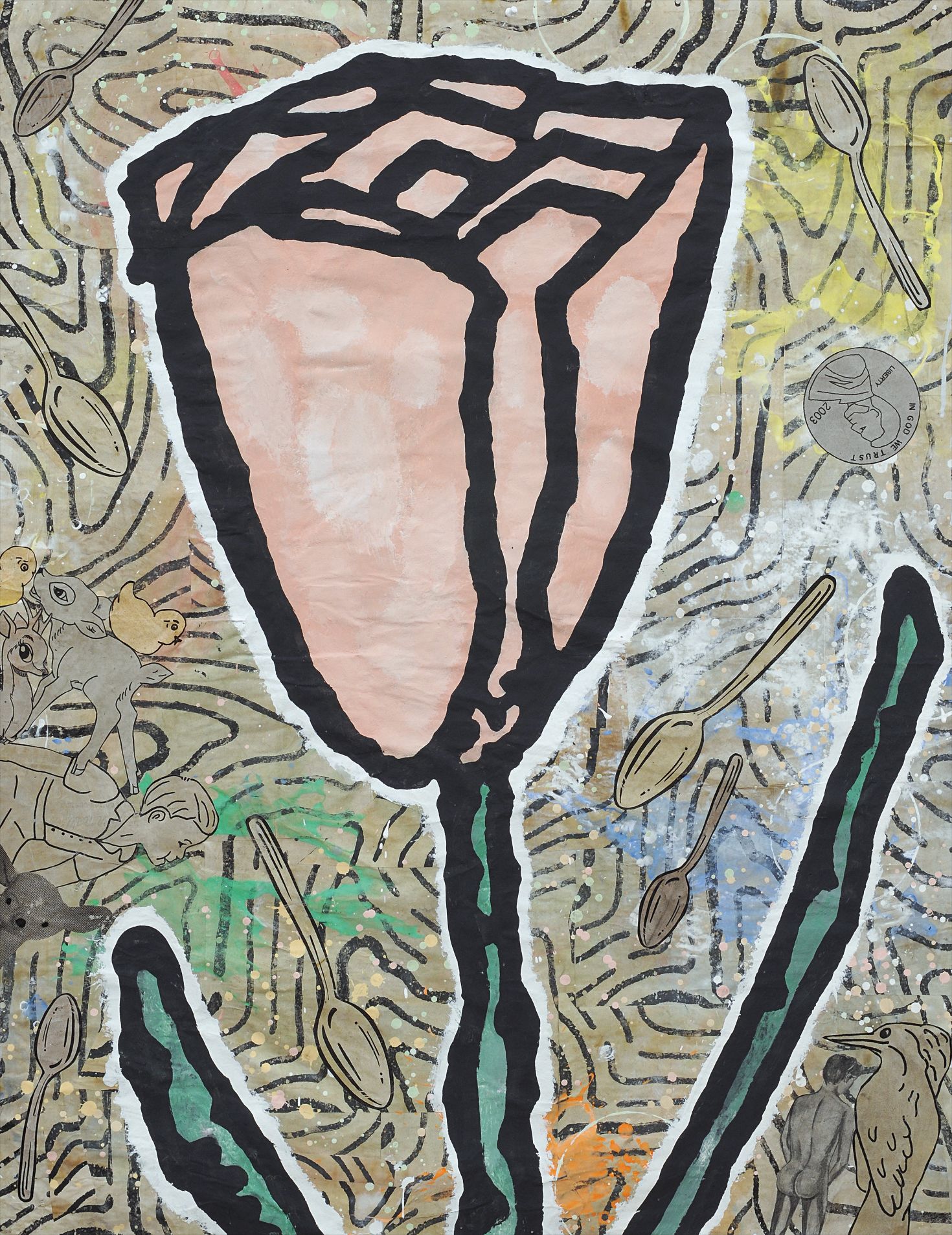
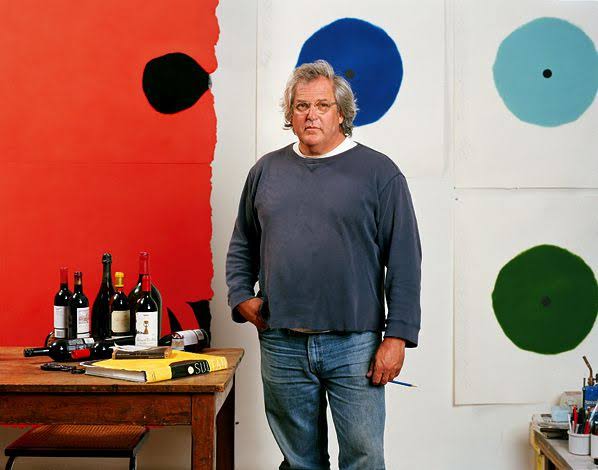
Donald Sultan occupies a fascinating position in this conversation. His large scale black flowers, made through an industrial process involving tar and tile, arrive at botanical subject matter from a completely unexpected direction. They are dark, almost oppressive in their scale, and yet unmistakably floral. Sultan's market has been somewhat underappreciated relative to his peers, which for a collector paying attention represents opportunity.
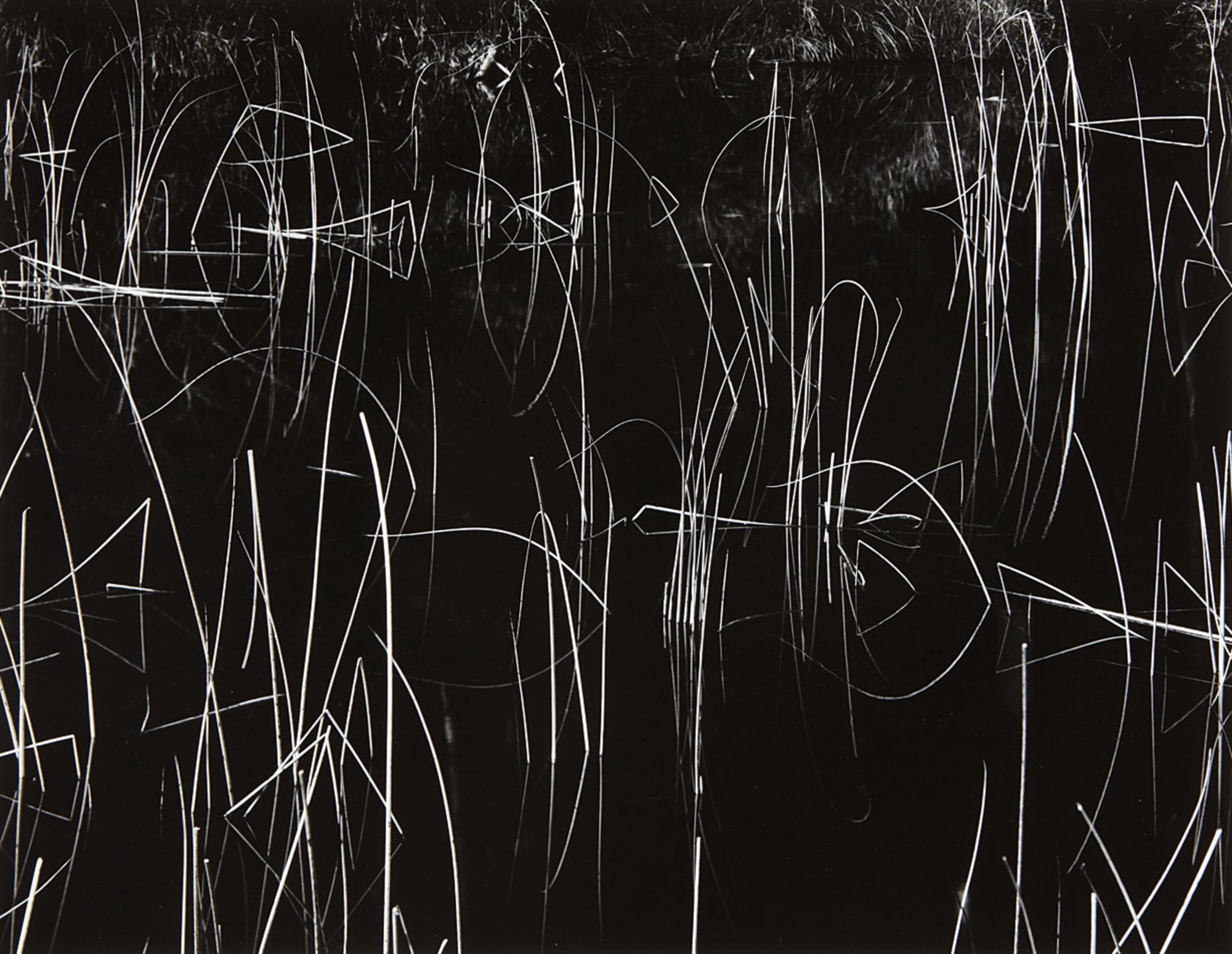
Similarly, Imogen Cunningham's plant photographs from the 1920s and 1930s carry enormous art historical weight. Her magnolia and calla lily images helped establish photography as a serious medium for formal exploration of the natural world, and vintage prints by Cunningham remain genuinely undervalued when measured against comparable works by her contemporaries. For collectors interested in where the category is moving rather than where it has been, Jonas Wood deserves close attention. Wood's interiors filled with potted plants and botanical still lifes have attracted serious institutional interest, and his prints, which are editioned and therefore more accessible in price than his paintings, offer an intelligent entry point.
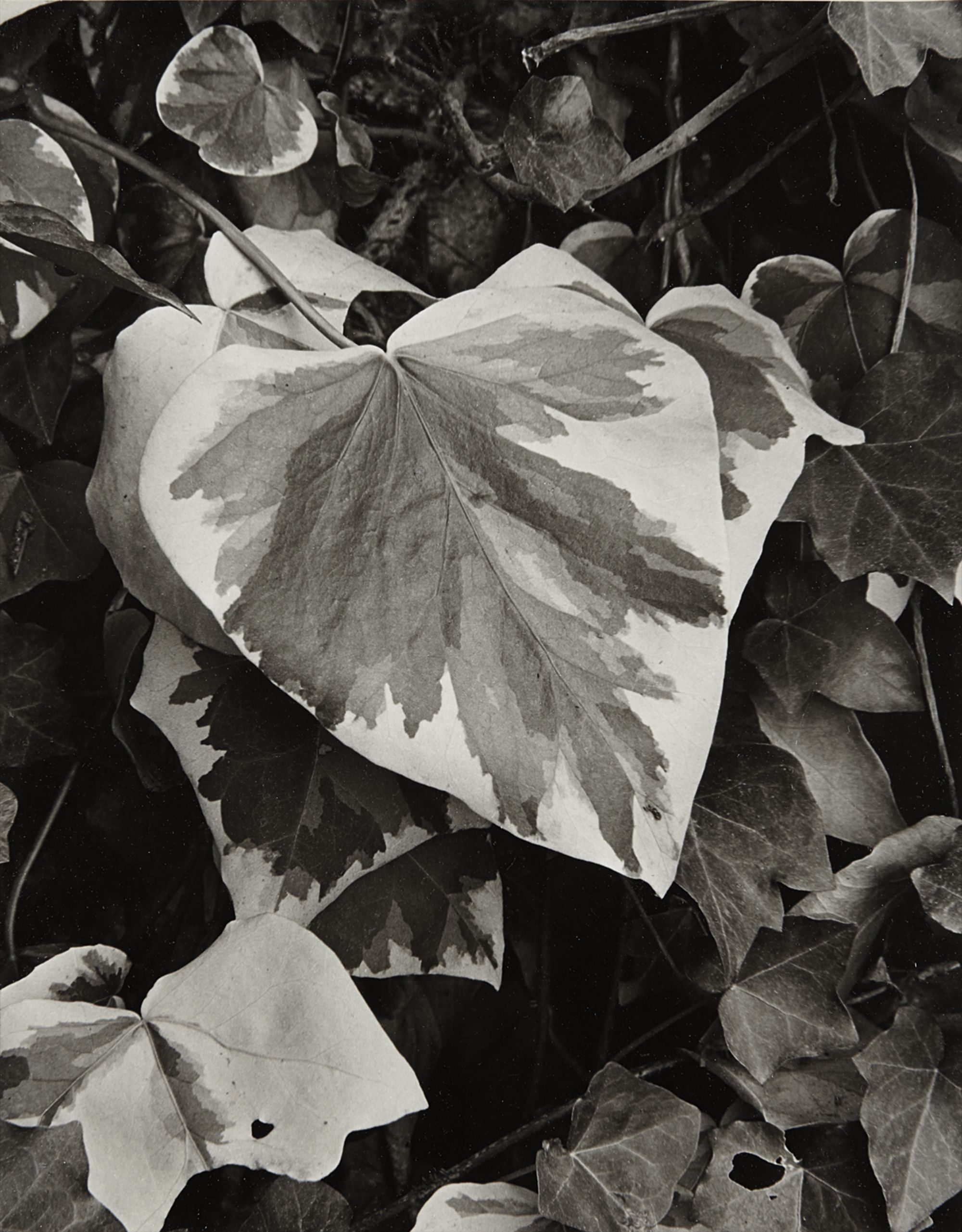
Paul Strand
Yellow Vine and Rock Plants, Orgeval, France
Jennifer Steinkamp works with projected digital botanicals that animate and loop, creating a living image that sits provocatively between sculpture, painting, and film. Her work raises genuinely interesting questions about what we mean by botanical subject in an era when images of nature can be generated, manipulated, and set in motion. Steinkamp is not an emerging artist exactly, but she occupies a space that the collecting world has not fully caught up with yet, which is often where the most interesting acquisitions happen. At auction, botanical works have shown real resilience across market cycles, partly because they carry broad appeal and partly because the category does not depend on any single school or movement.
Works by Penn and Cunningham move reliably through the major photography sales at Christie's and Sotheby's. Kelly's botanical drawings regularly appear in works on paper sales and tend to find buyers quickly. The secondary market for Sultan has been somewhat slower but is showing signs of renewed interest, particularly in Europe. For collectors building a long term collection rather than speculating on short cycles, botanical subject matter has historically offered stability alongside genuine aesthetic pleasure, which is a combination that is harder to find than it sounds.
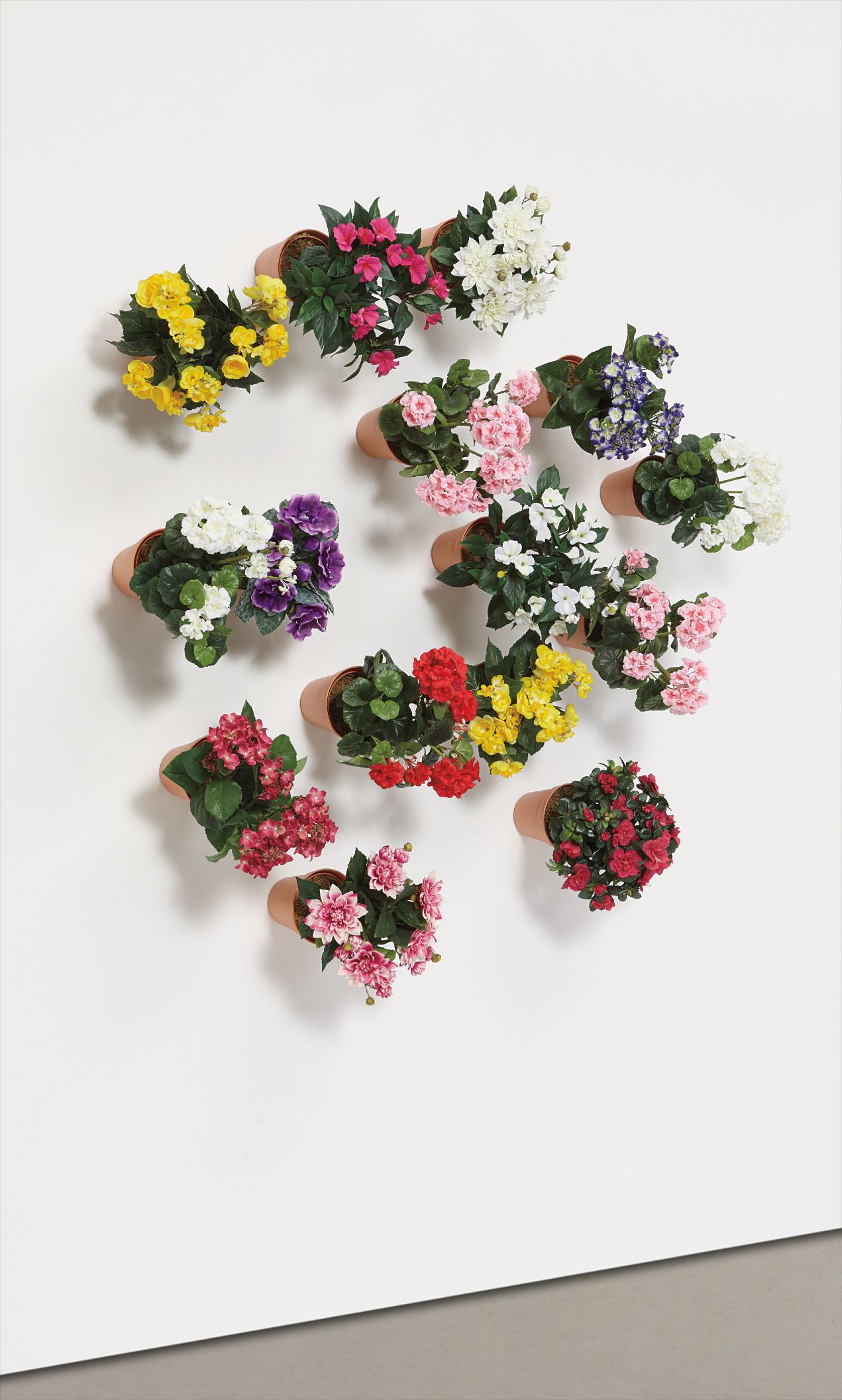
Hans-Peter Feldmann
Flower Pot
Practically speaking, there are several things worth knowing before you buy. Works on paper, which represent a significant portion of the botanical category, are sensitive to light and humidity in ways that painted works are not. Ask your gallery or auction house for detailed condition reports and pay particular attention to any mention of foxing, which is the brown spotting caused by moisture and which can spread over time. For photographic works, the distinction between a vintage print and a later print matters enormously both for condition and for value, and you should always ask specifically which you are considering.
In the case of editioned works, whether prints or photographs, ask what the total edition size is and how many have sold, because a work that is near the end of a small edition carries different market dynamics than one from a large edition that is mostly unsold. Display these works away from direct sunlight and in rooms where temperature does not fluctuate dramatically. A botanical work properly cared for can look as alive in thirty years as it does today, which is more than you can say for most things worth having.