Black Artist
Archived article
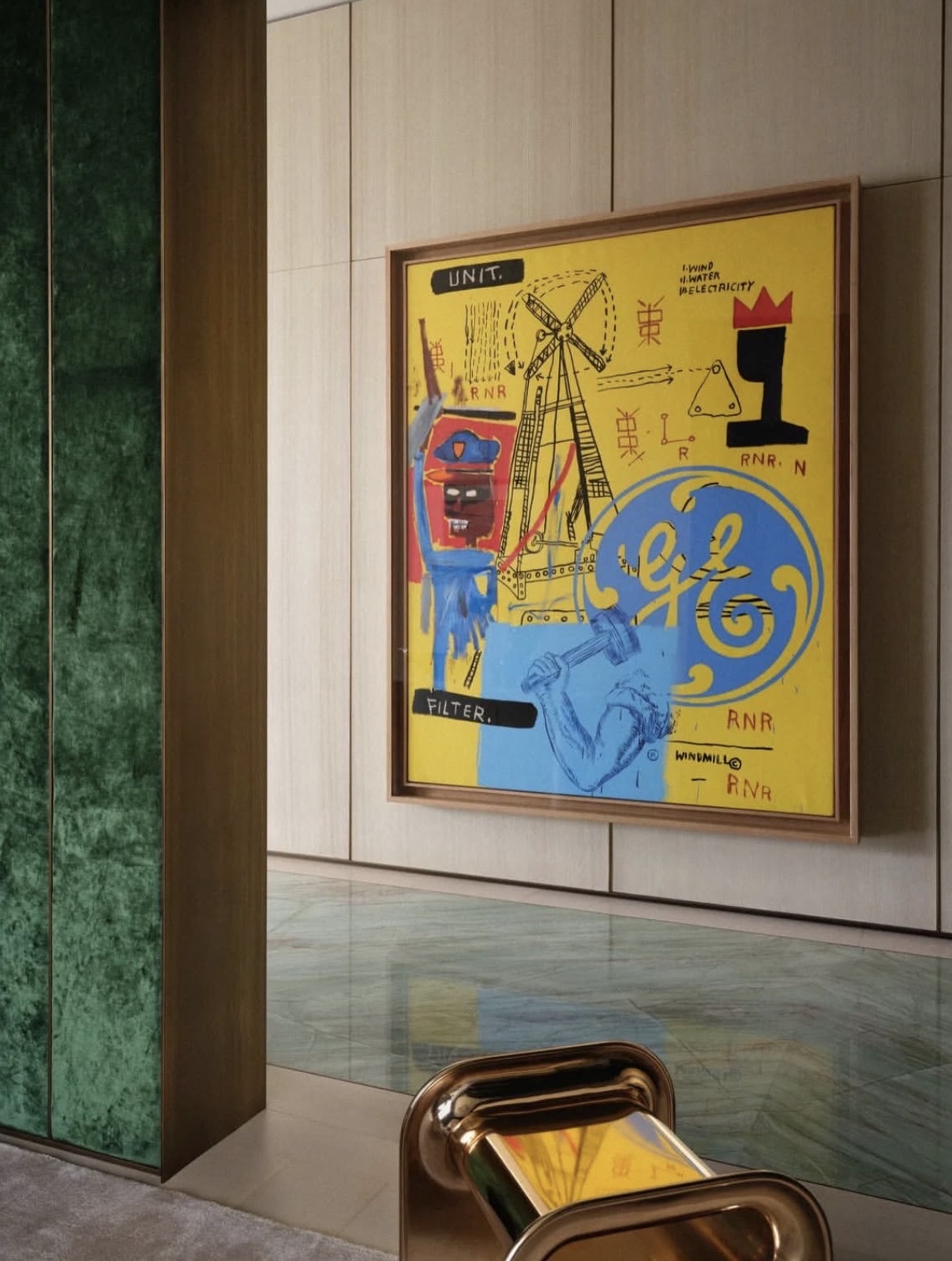
Jean-Michel Basquiat
Unit Filter GE
You are reading a previous version of this article.
Read the latest version```json { "headline": "The Label That Became a Legacy", "body": "There is a phrase that carries the full weight of American art history inside it, and also the full burden of a country that has never quite resolved its relationship to race, authorship, and visibility. To say \"Black artist\" is to invoke a category that has been used as a limitation and a liberation, a curatorial convenience and a political declaration, a market designation and a site of genuine aesthetic community. The question of what the phrase means, who gets to use it, and what it does to the work underneath it has animated some of the most urgent conversations in contemporary art for more than half a century. To collect within this space is to engage with that entire reckoning, not merely to acquire objects.
", "The story does not begin with the market surge of the late 2010s, though that moment reshaped everything that came after it. It begins much earlier, in the Harlem Renaissance of the 1920s and 1930s, when artists like Aaron Douglas and Jacob Lawrence were deliberately constructing a visual language for Black American life that the mainstream art world had either ignored or caricatured. Lawrence's Migration Series, completed in 1940 and 1941, told the story of the Great Migration through a grid of sixty panels, each one a compressed study in shape, color, and historical witness. It entered the collection of the Museum of Modern Art when Lawrence was still in his mid twenties, a remarkable fact that spoke to both his achievement and the rarity of such institutional recognition at the time.
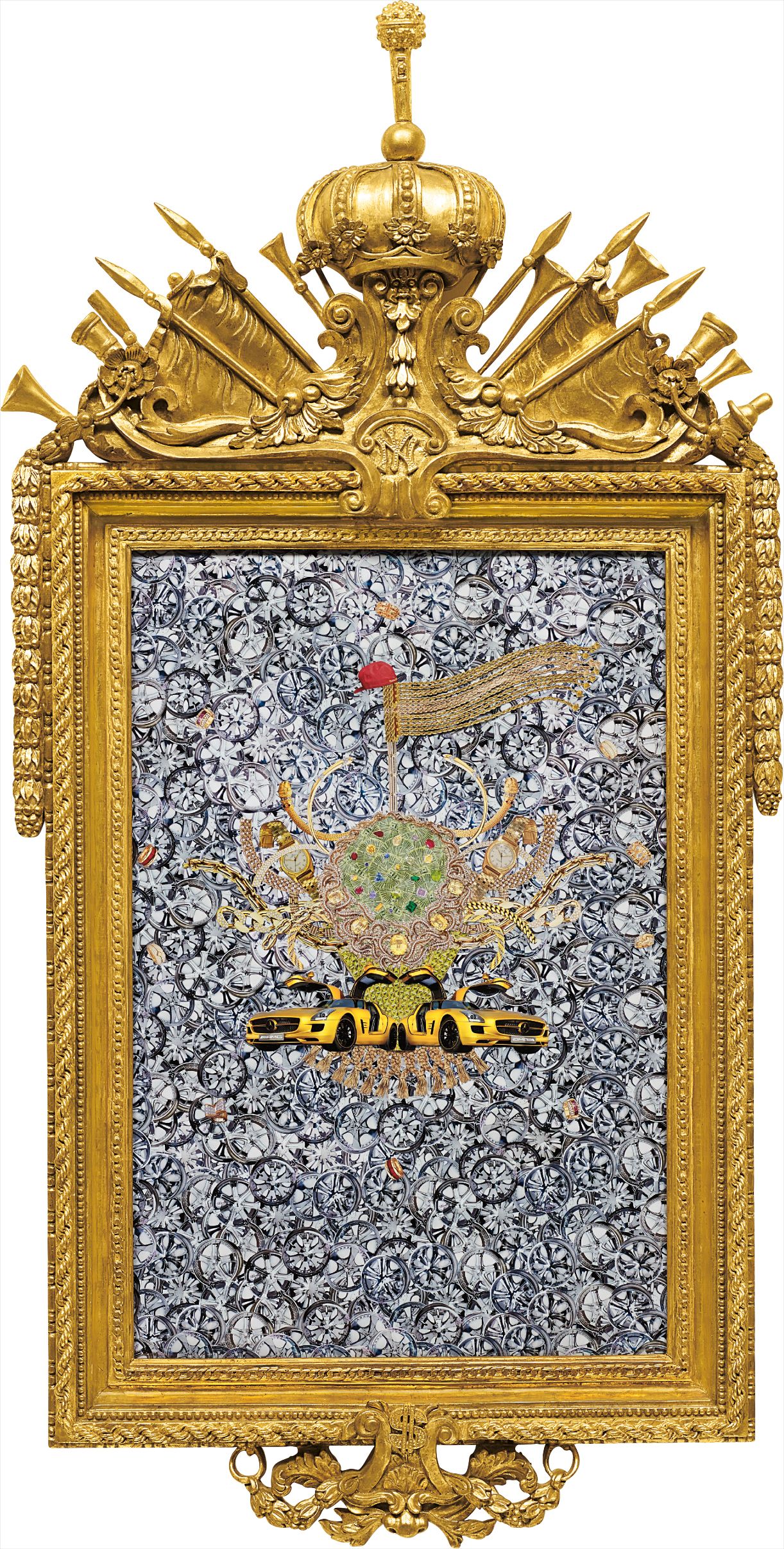
Rashaad Newsome
Status Symbols #33
", "The civil rights era produced its own aesthetic ruptures. The Black Arts Movement of the 1960s and early 1970s, championed by figures like Amiri Baraka and Romare Bearden, insisted that Black art had a responsibility to Black communities, that aesthetics and politics were inseparable. This was a generative tension that would echo through decades of work to come. When Jean Michel Basquiat emerged from the downtown New York scene in the early 1980s, his presence in that world was electric precisely because it was so unexpected: a young Black man from Brooklyn making neo expressionist paintings that referenced everything from anatomy charts to jazz history to the violence of policing, selling them in galleries that had never before considered who was absent from their walls.
His work on The Collection captures that energy, the sense of a mind moving faster than any single canvas can contain.", "The 1990s brought a more conceptually rigorous generation. Glenn Ligon's text based paintings, which began appearing in the late 1980s and early 1990s, used appropriated language, often from James Baldwin or Richard Pryor, repeating it until it smeared and faded into near illegibility. The act of reading became an act of reckoning.
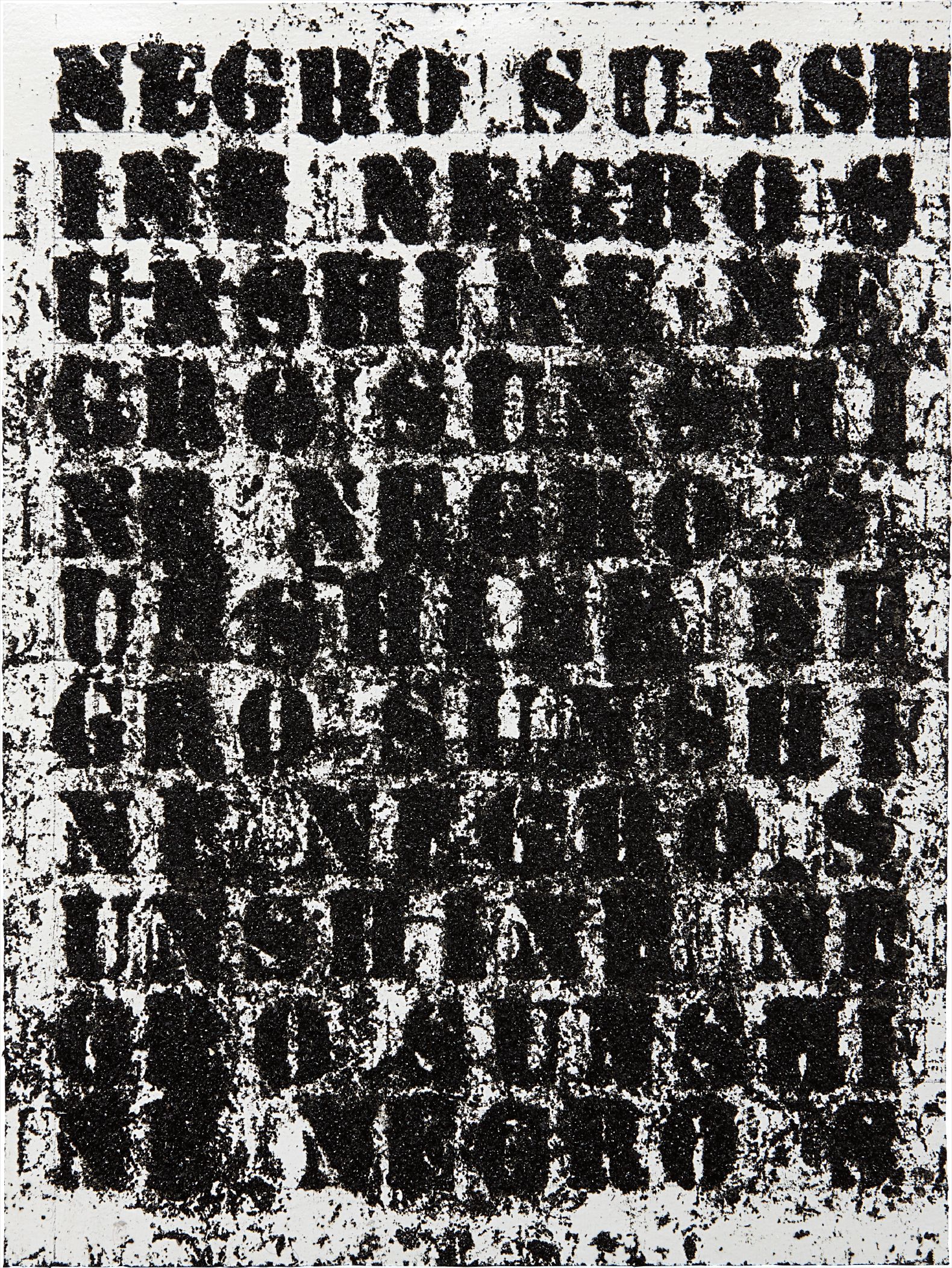
Glenn Ligon
Negro Sunshine #74
Ligon's practice raised questions that felt urgent then and remain urgent now: who gets to speak, who gets heard, and what happens to language when it is made to carry too much. His work sits alongside that of Kara Walker, whose room filling silhouettes first shocked the art world in the mid 1990s with their unflinching engagement with slavery, sexuality, and the grotesque mythology of the antebellum South. Walker was thirty one when she became one of the youngest recipients of the MacArthur Fellowship in 1997, a recognition that also sparked fierce debate within Black artistic communities about representation and who speaks for whom.", "Kerry James Marshall has spent his entire career arguing, through the sheer beauty and precision of his painting, that Black figures belong at the center of art history rather than its margins.
His monumental canvases place Black subjects inside the conventions of Western painting traditions, still lifes, domestic interiors, public parks, insisting on a presence that those traditions had systematically excluded. Titus Kaphar works in a related register, physically altering historical paintings to erase or isolate figures, making visible the absences that canonical art history preferred to leave unexamined. Theaster Gates brings an entirely different approach: his practice folds together architecture, music, community organizing, and object making into a single sustained inquiry into value, both cultural and economic, in Black American life.", "What is striking about the artists gathered on The Collection under this identity is the breadth of their approaches.
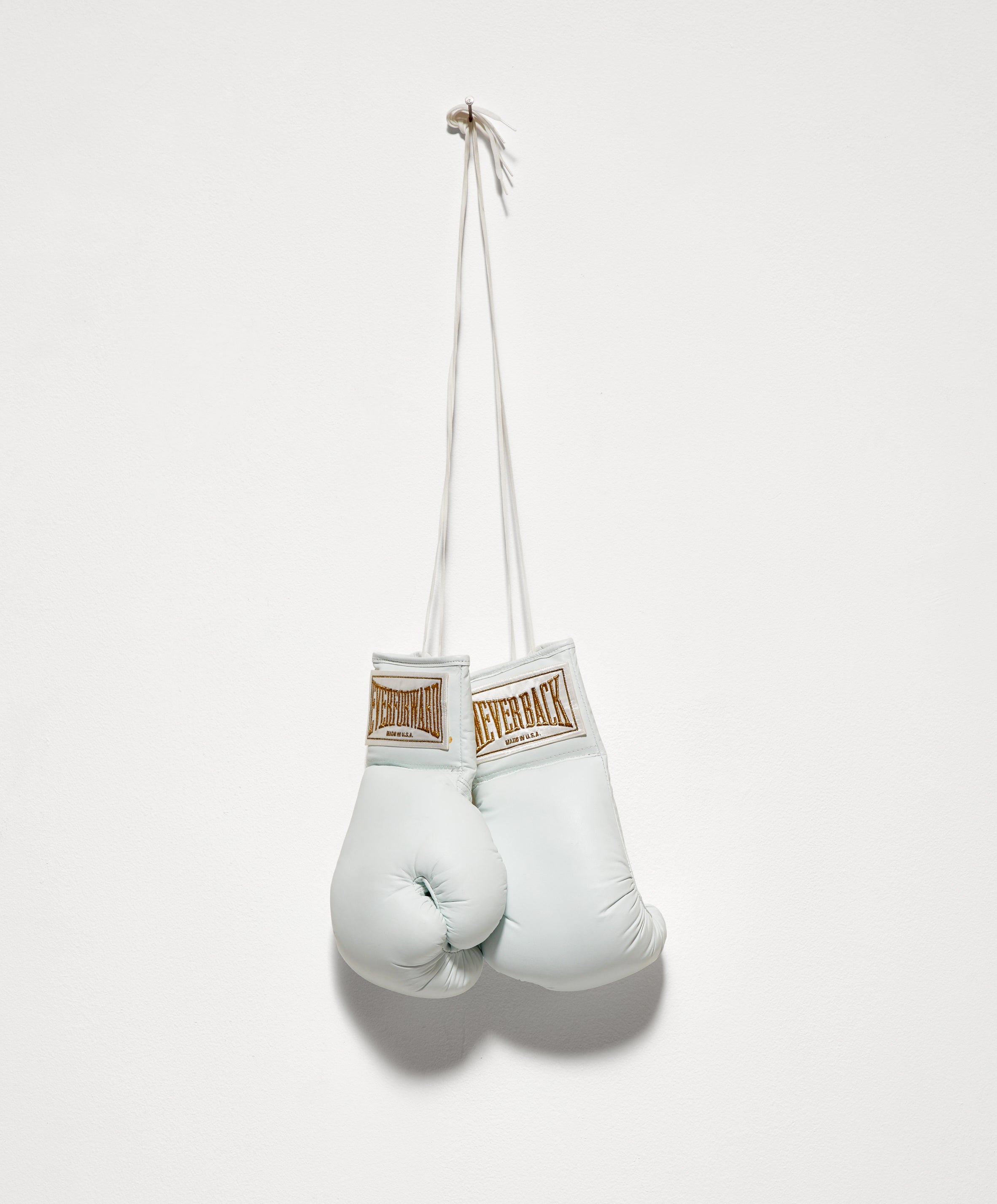
Gary Simmons
Everforward...
Rashid Johnson works through autobiography and material symbolism, using shea butter, black soap, and mirrors to build environments that feel at once intimate and cosmological. Kehinde Wiley reinserts Black figures into the compositional grandeur of Old Master portraiture, a gesture that is at once a corrective and a provocation. Amy Sherald paints her subjects in desaturated grey skin tones, a choice that both flattens and elevates, stripping away the reductive weight of skin color while insisting on the full humanity of the person before you. Tyler Mitchell, the first Black photographer to shoot a cover of American Vogue, brings to his images a tenderness and lightness that feels almost utopian, a deliberately constructed world where Black joy is simply assumed rather than argued for.
", "Younger voices on The Collection complicate and extend these histories in vital ways. Dominic Chambers and Jonathan Lyndon Chase bring an intimacy to figuration that feels generational, interested in interior life and physical vulnerability in ways that earlier political frameworks sometimes left little room for. Chase Hall works with coffee on canvas, a material choice that quietly charges every surface with histories of labor, trade, and the body. Alteronce Gumby, working in abstraction, refuses the assumption that Black artists must always make work about Blackness in a legible, narrative sense, a refusal that is itself a form of political clarity.
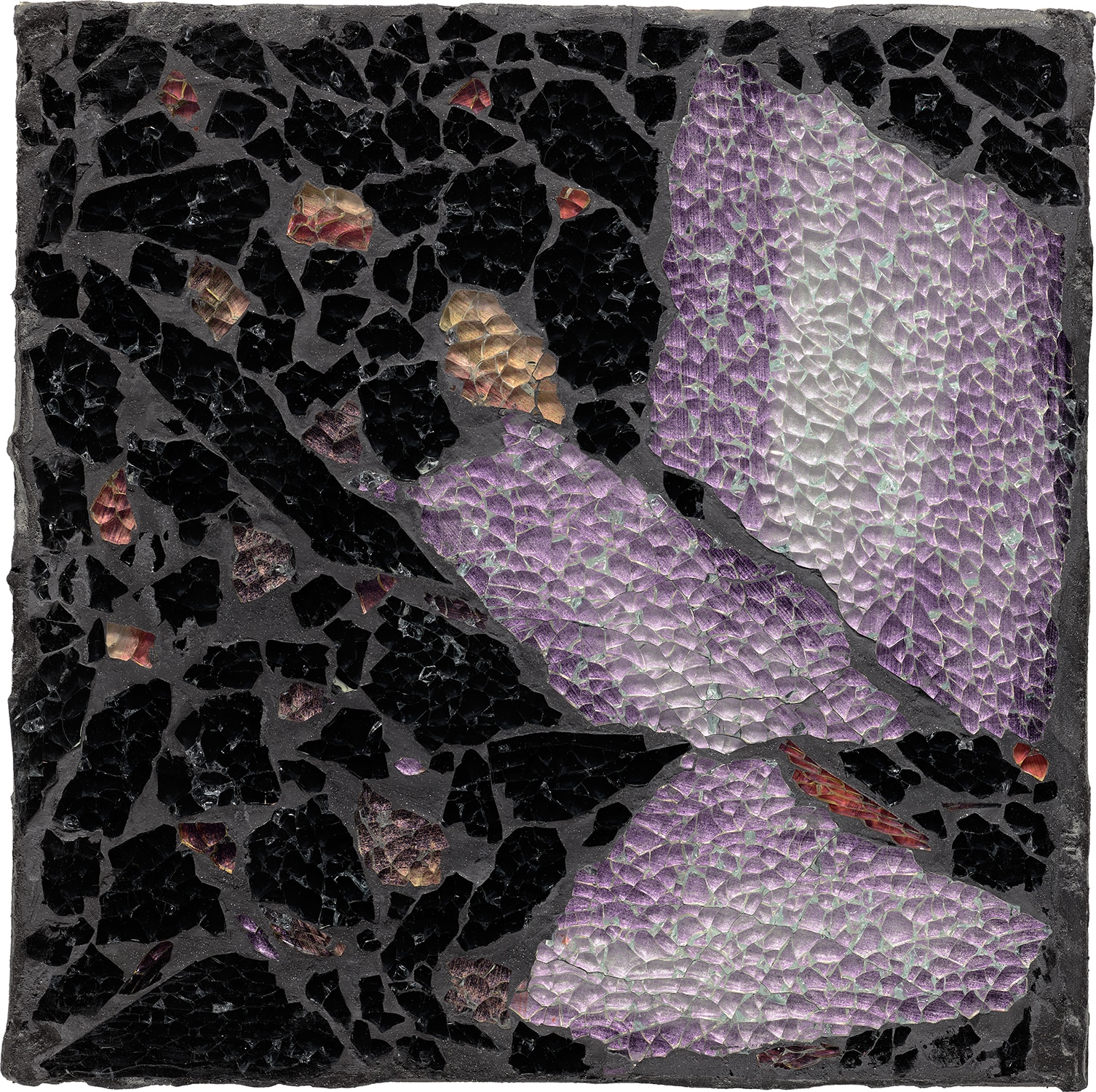
Alteronce Gumby
Zinnia, 2019
", "The broader art world has spent the last decade in a belated and not always graceful scramble to reckon with who had been excluded from its institutions, its auction records, and its histories. Prices for many Black artists rose sharply during this period, which brought resources and visibility but also raised familiar anxieties about the relationship between market enthusiasm and genuine critical engagement. The most important thing a collector can do in this space is to approach it with patience, with genuine curiosity about what each artist is actually saying rather than simply what category they occupy. The category of Black artist, for all its complicated history, has never been more than a starting point.
What the work does from there is everything.
Works tagged Black Artist
Gary Simmons
Everforward...
Alteronce Gumby
Zinnia
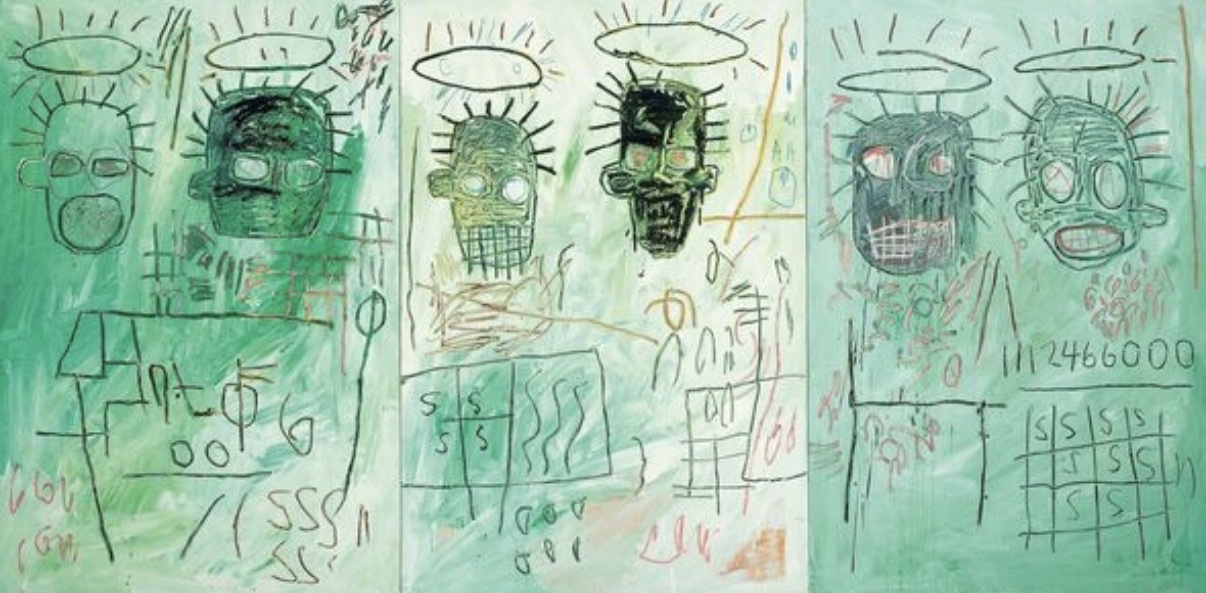
Jean-Michel Basquiat
Six Crimee
Jean-Michel Basquiat
Unit Filter GE
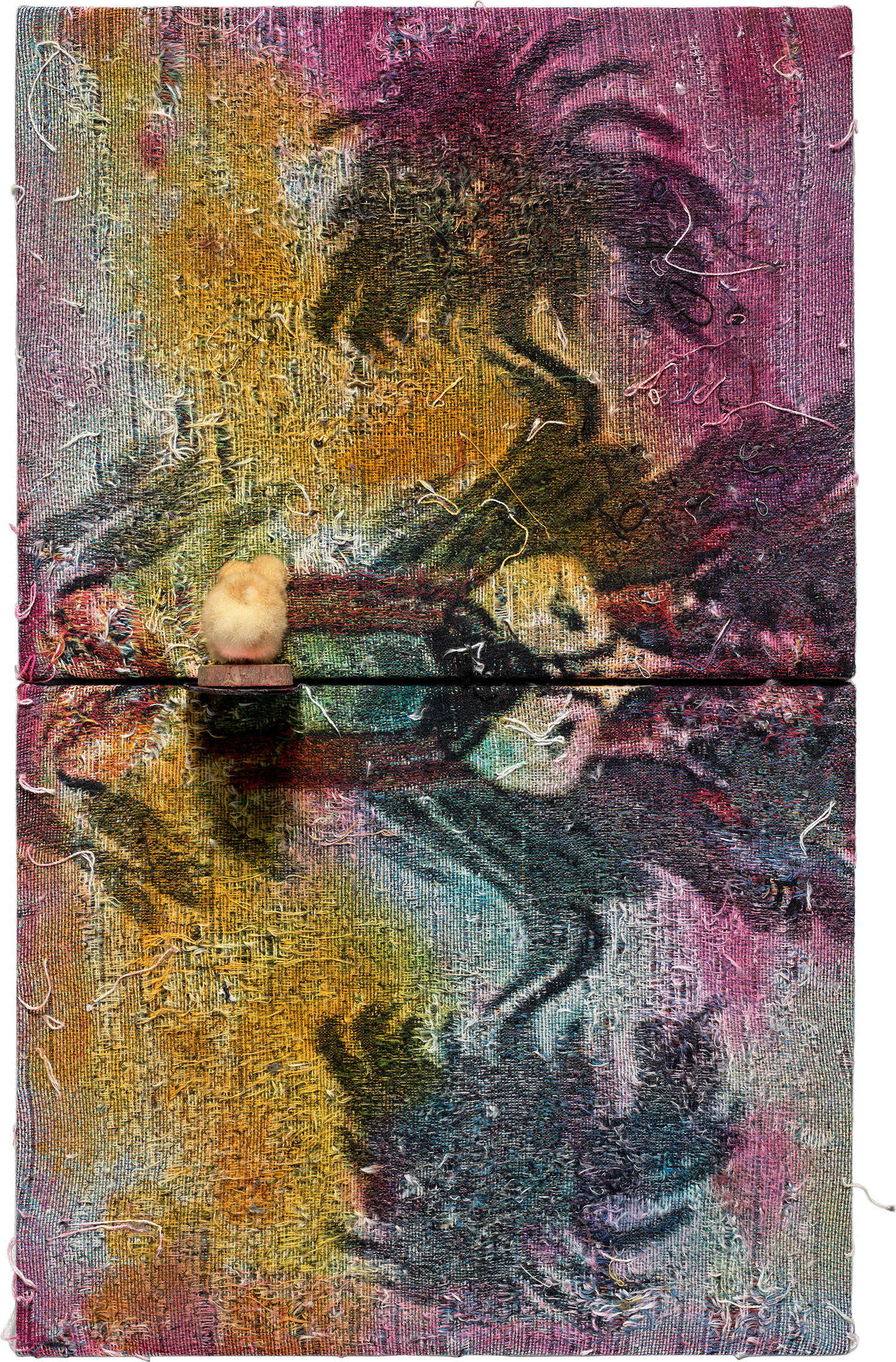
Noel W. Anderson
Dis' Uh So She A Shun
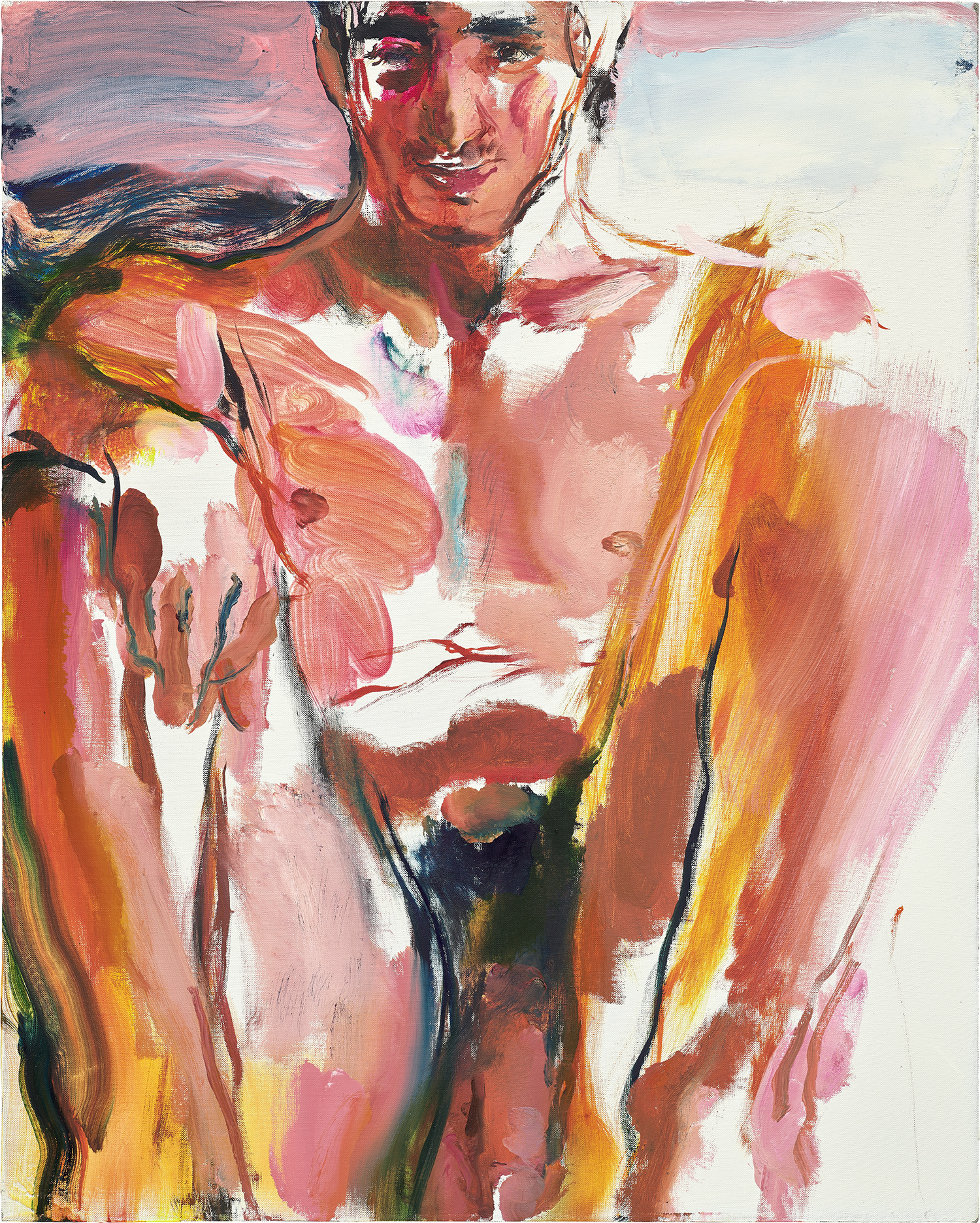
Jonathan Lyndon Chase
Play him a song
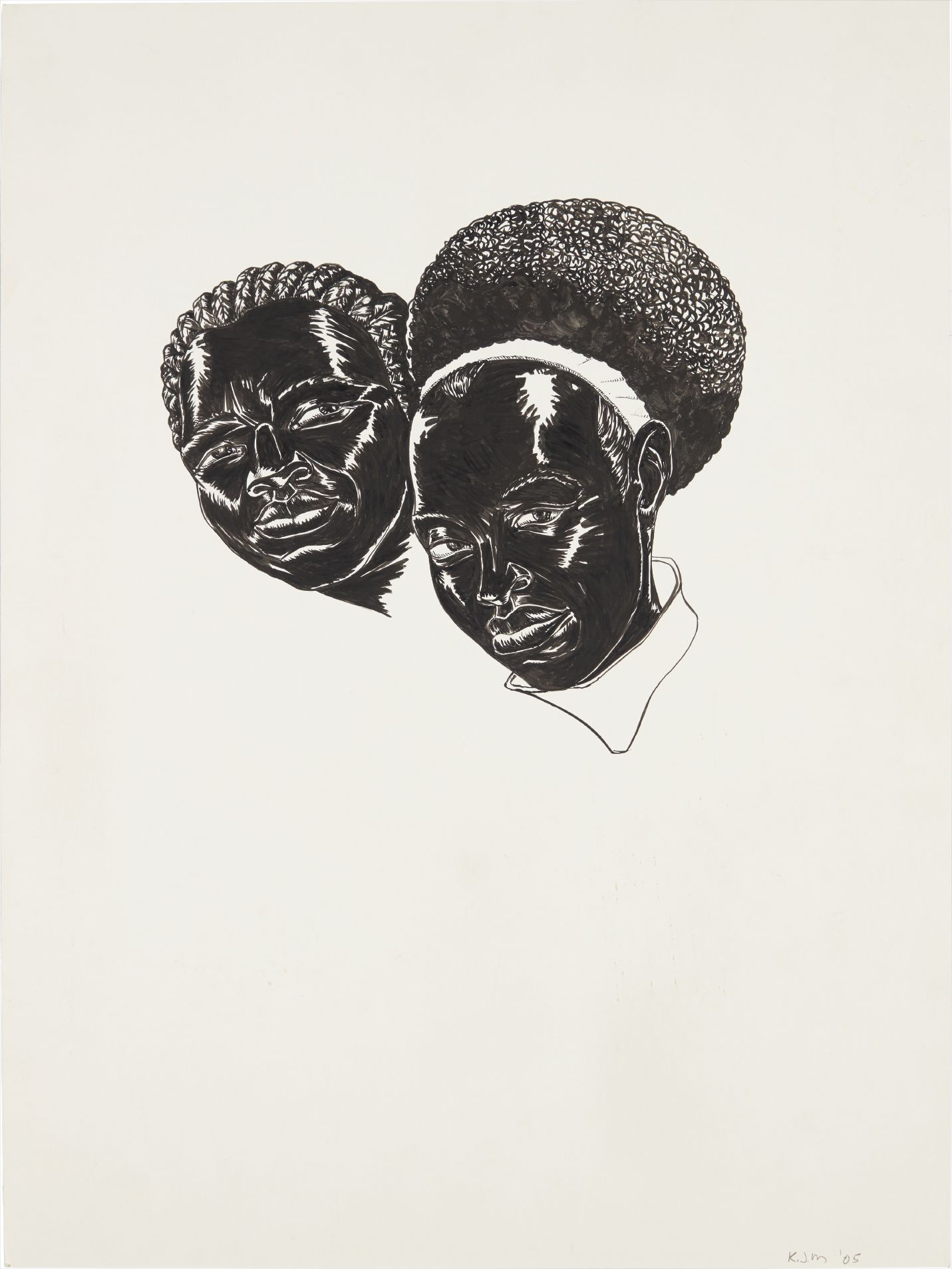
Kerry James Marshall
Drawing (Two Heads) (Study for Vignette)
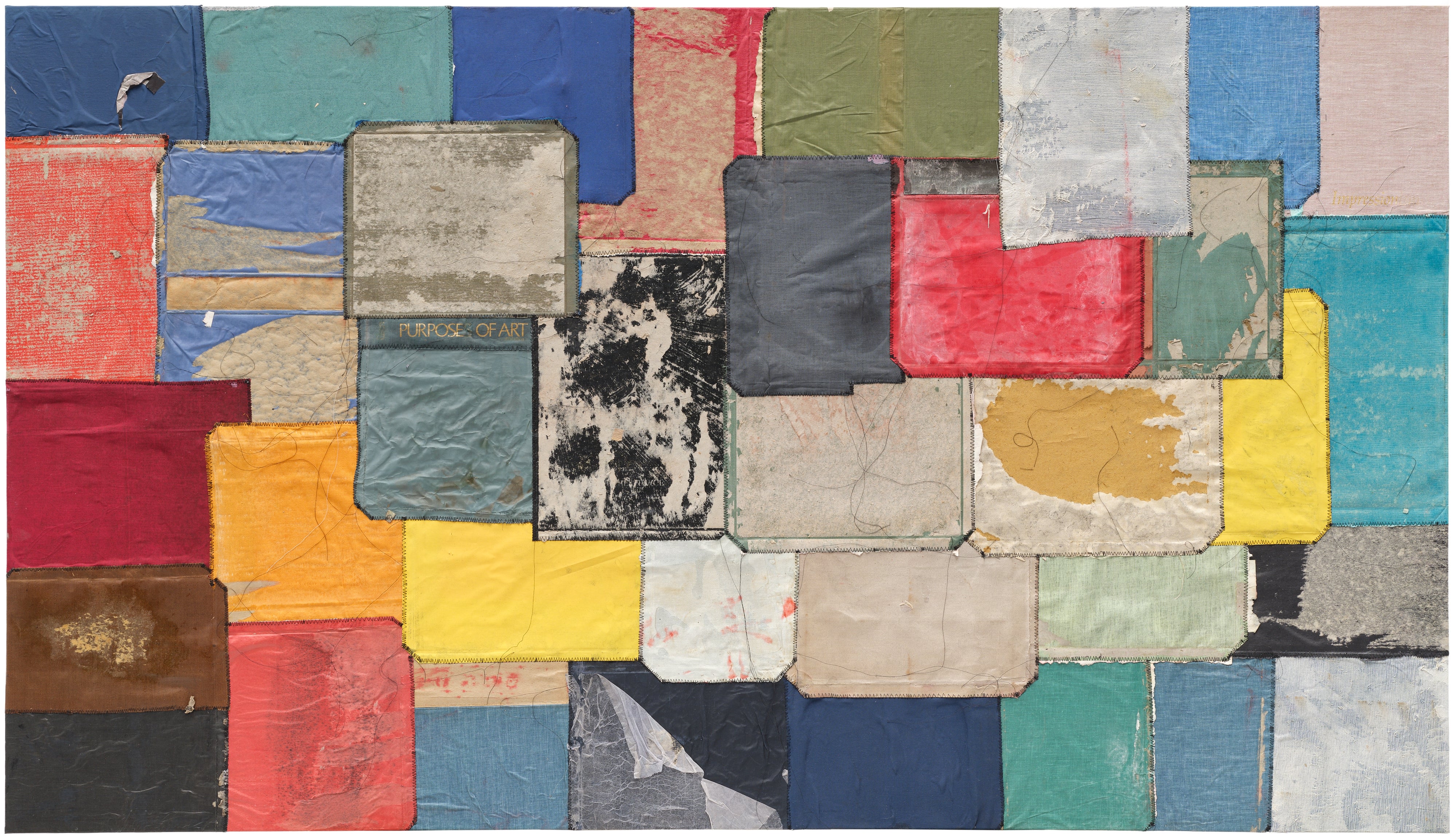
Samuel Levi Jones
Purpose
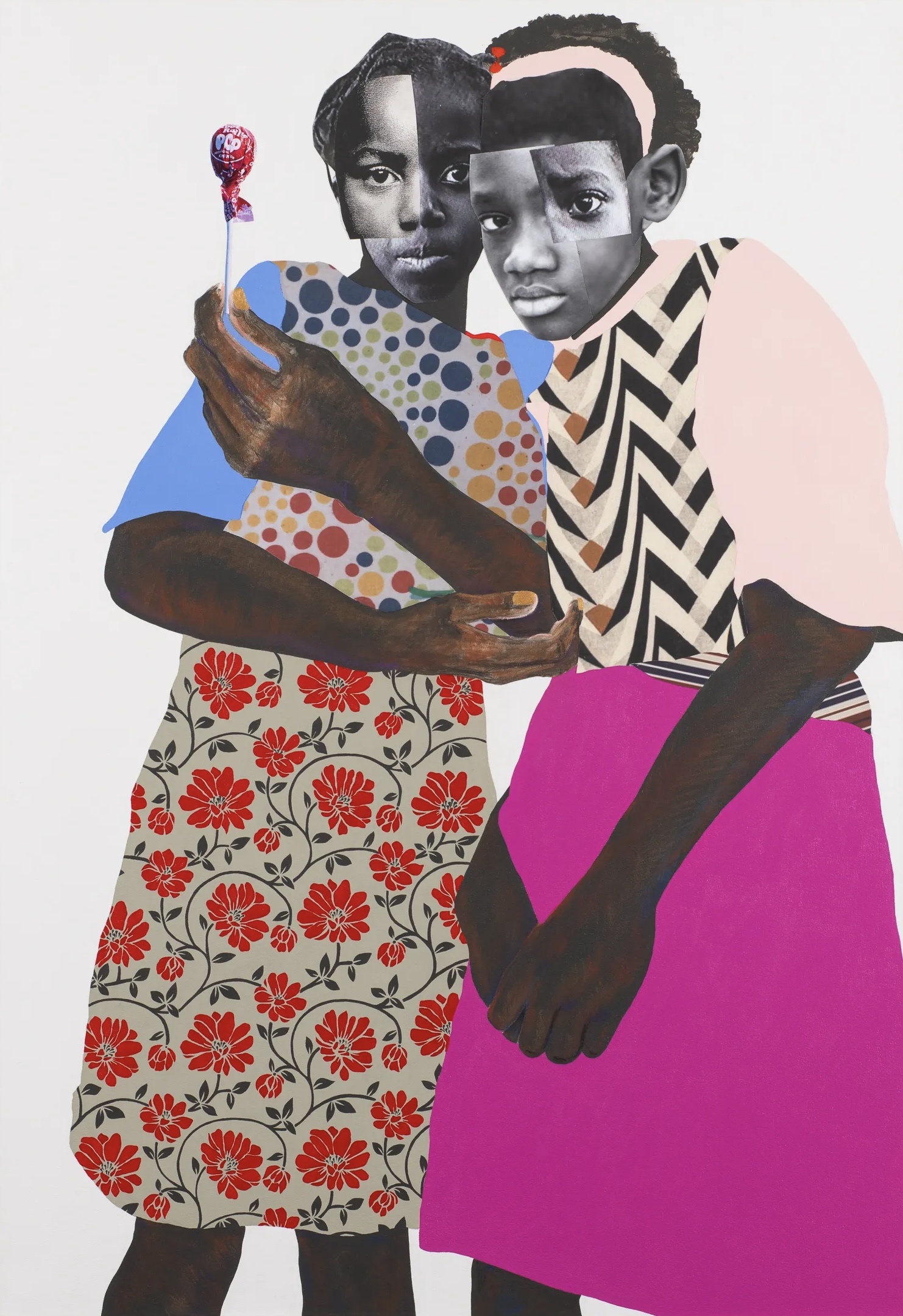
Deborah Roberts
The Unseen
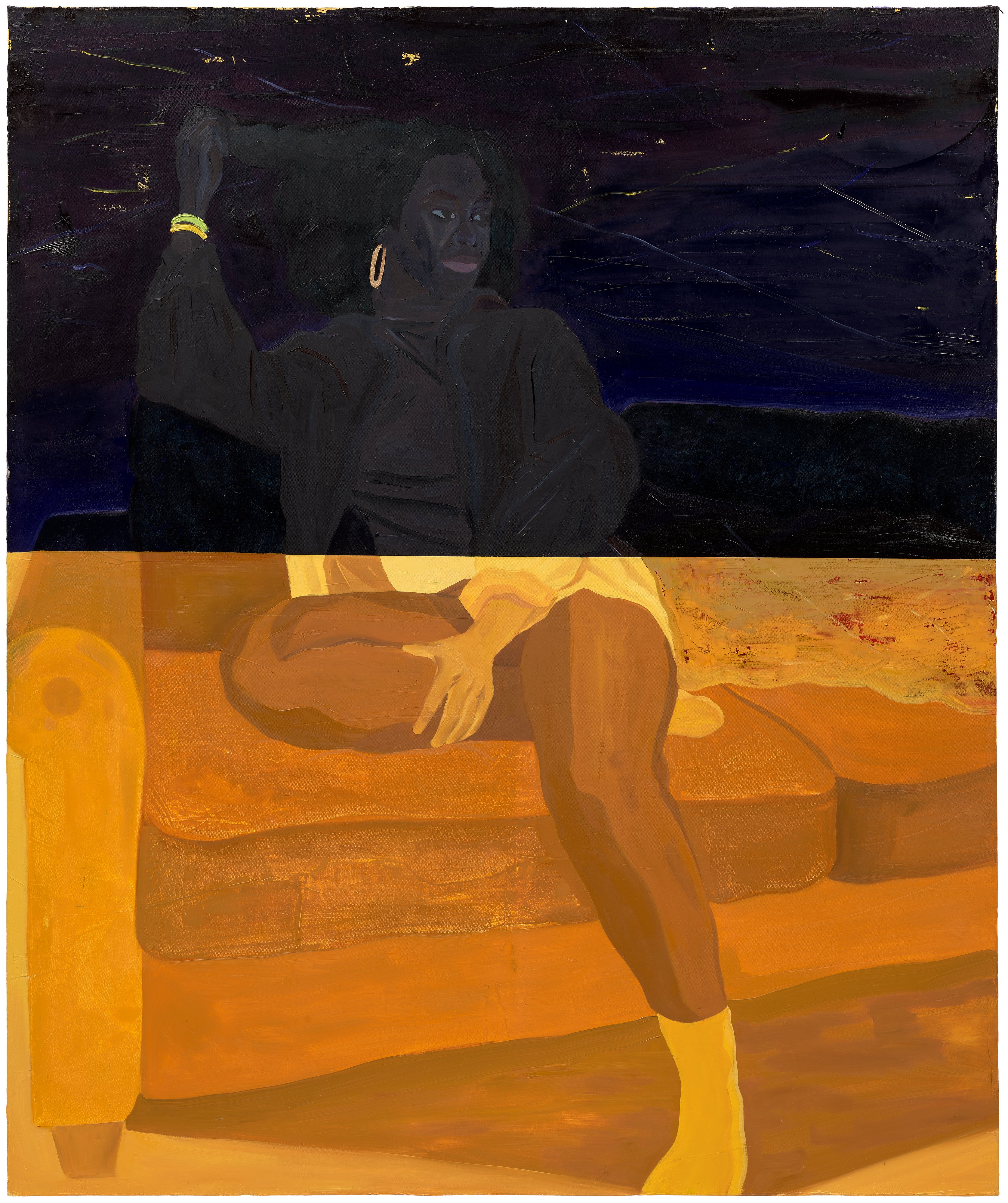
Dominic Chambers
After Albers (Jessica in violet and ocre)
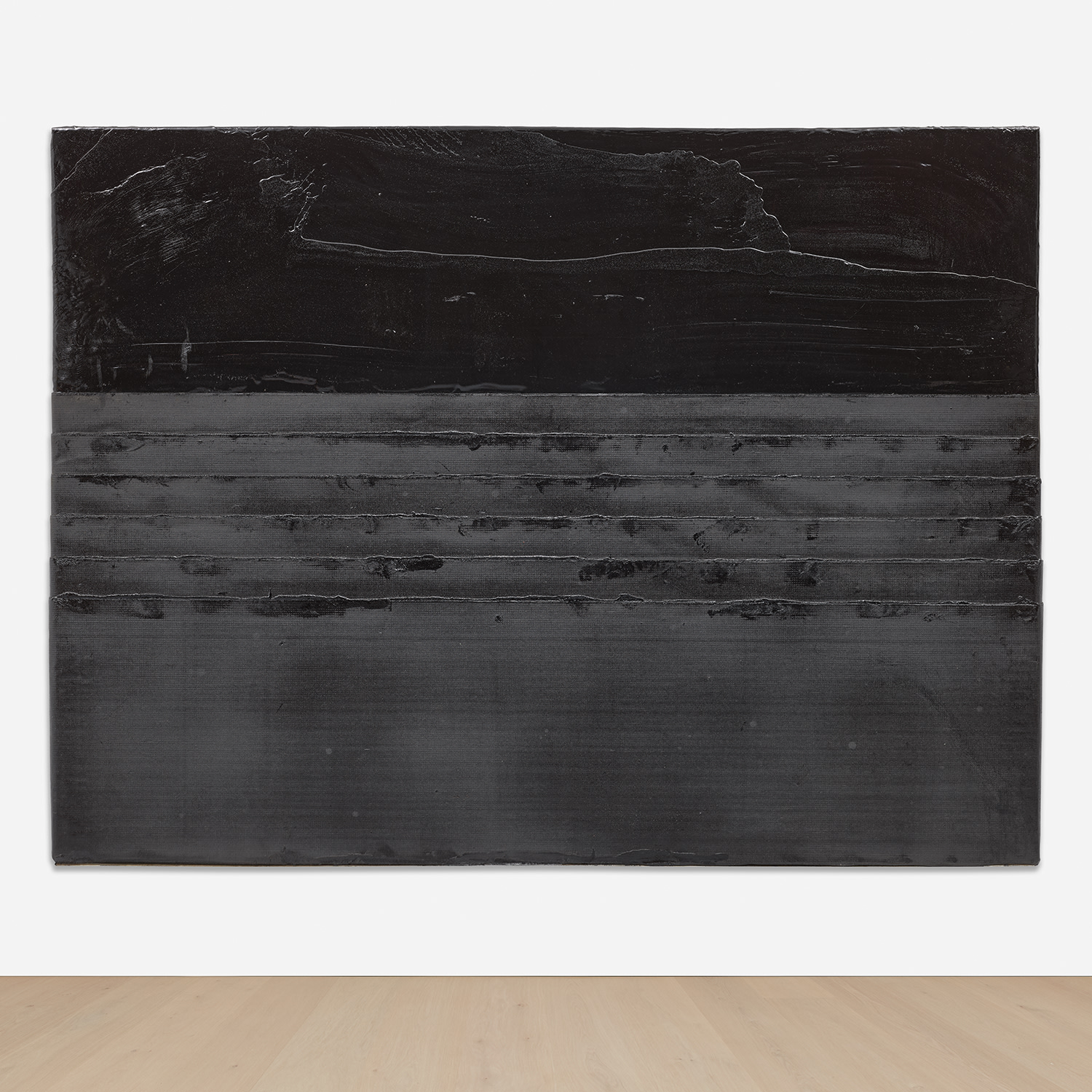
Theaster Gates
Creamy Rich Sky, Asphalt Horizon Roll
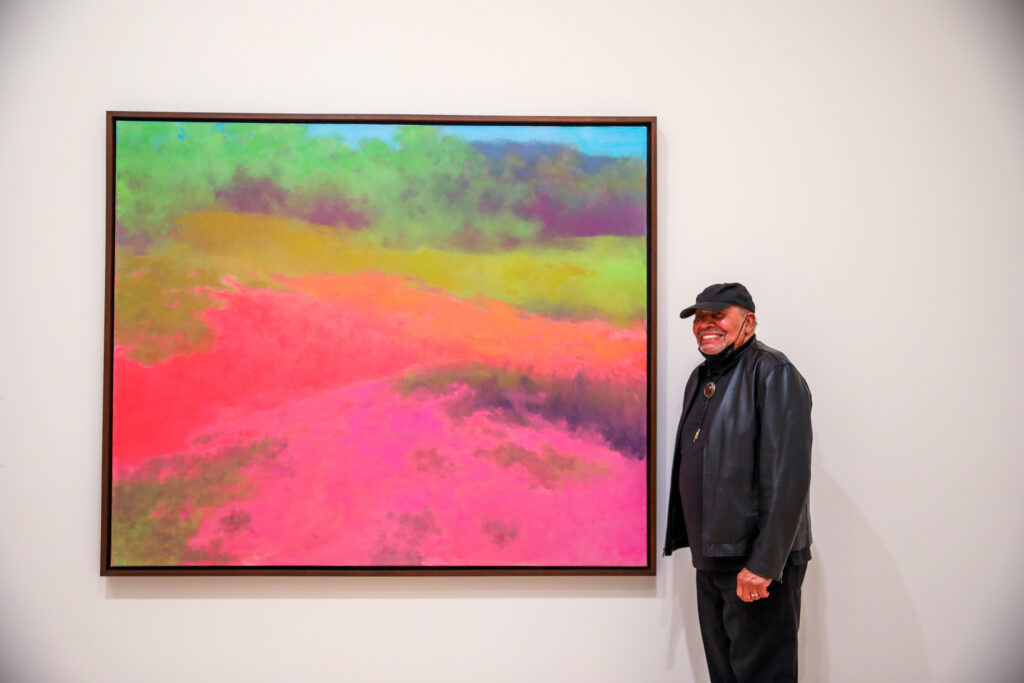
Richard Mayhew
Delusions
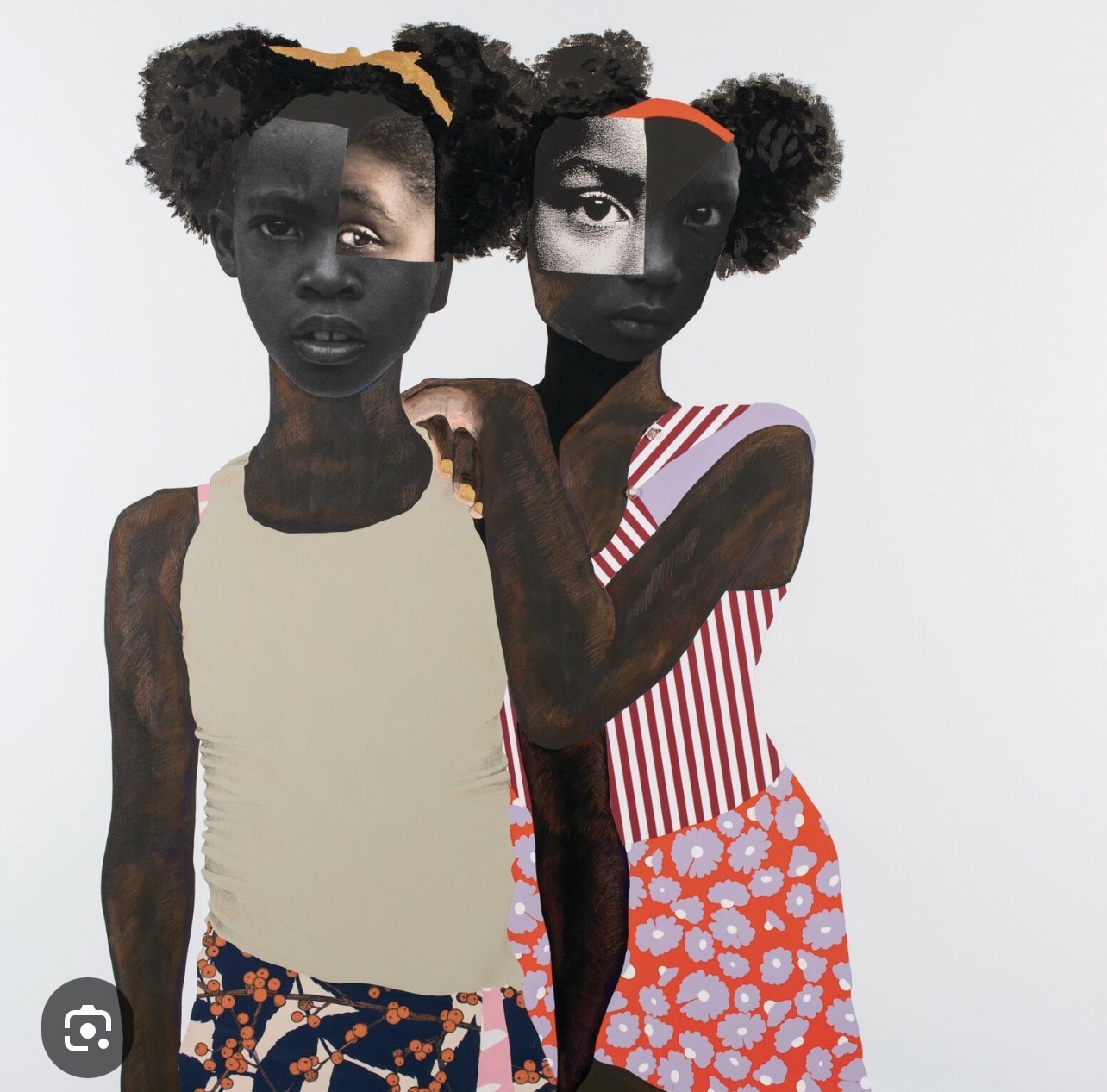
Deborah Robert's
Untitled
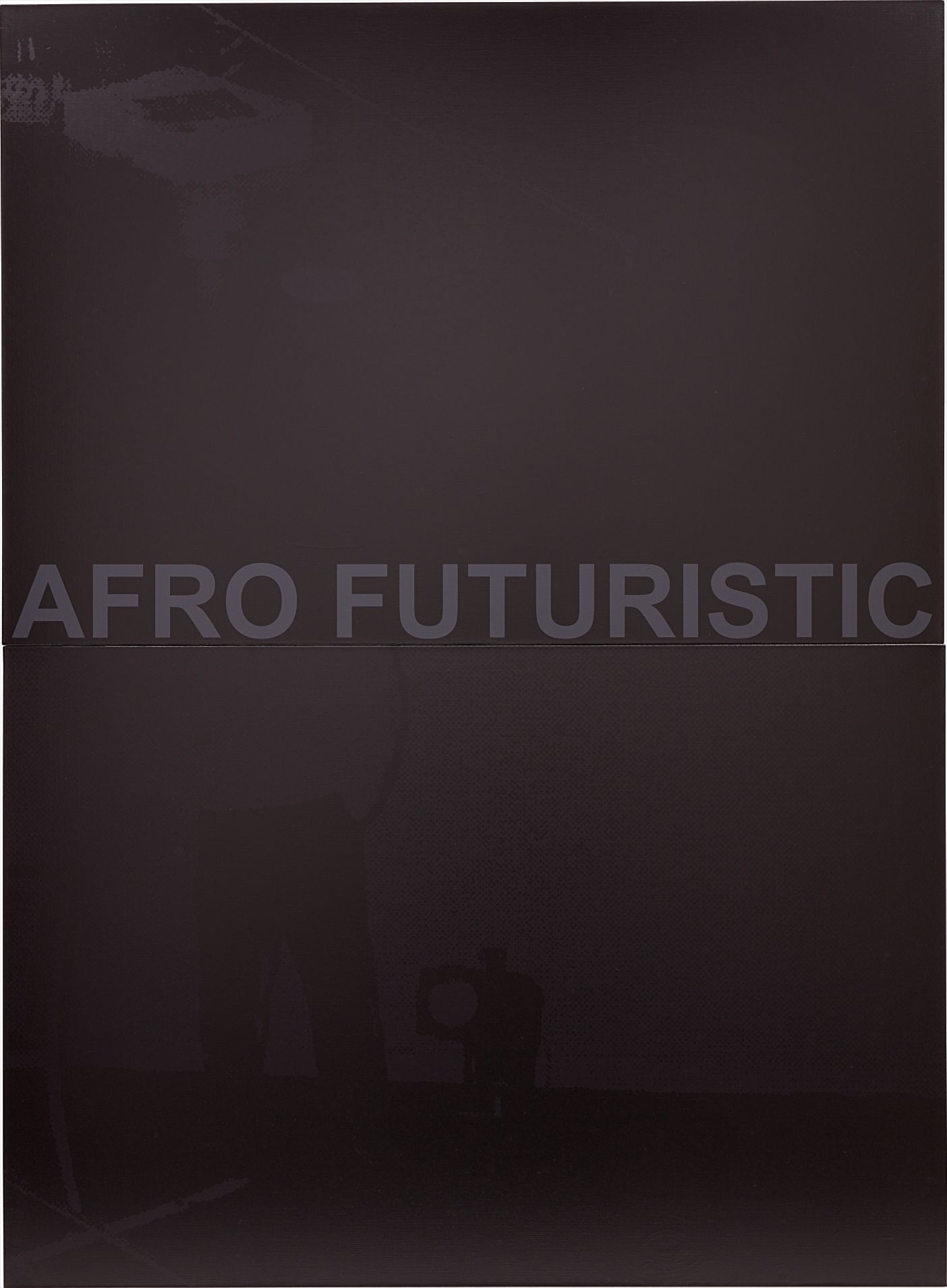
Adam Pendleton
Afro-Futuristic (bottom type)
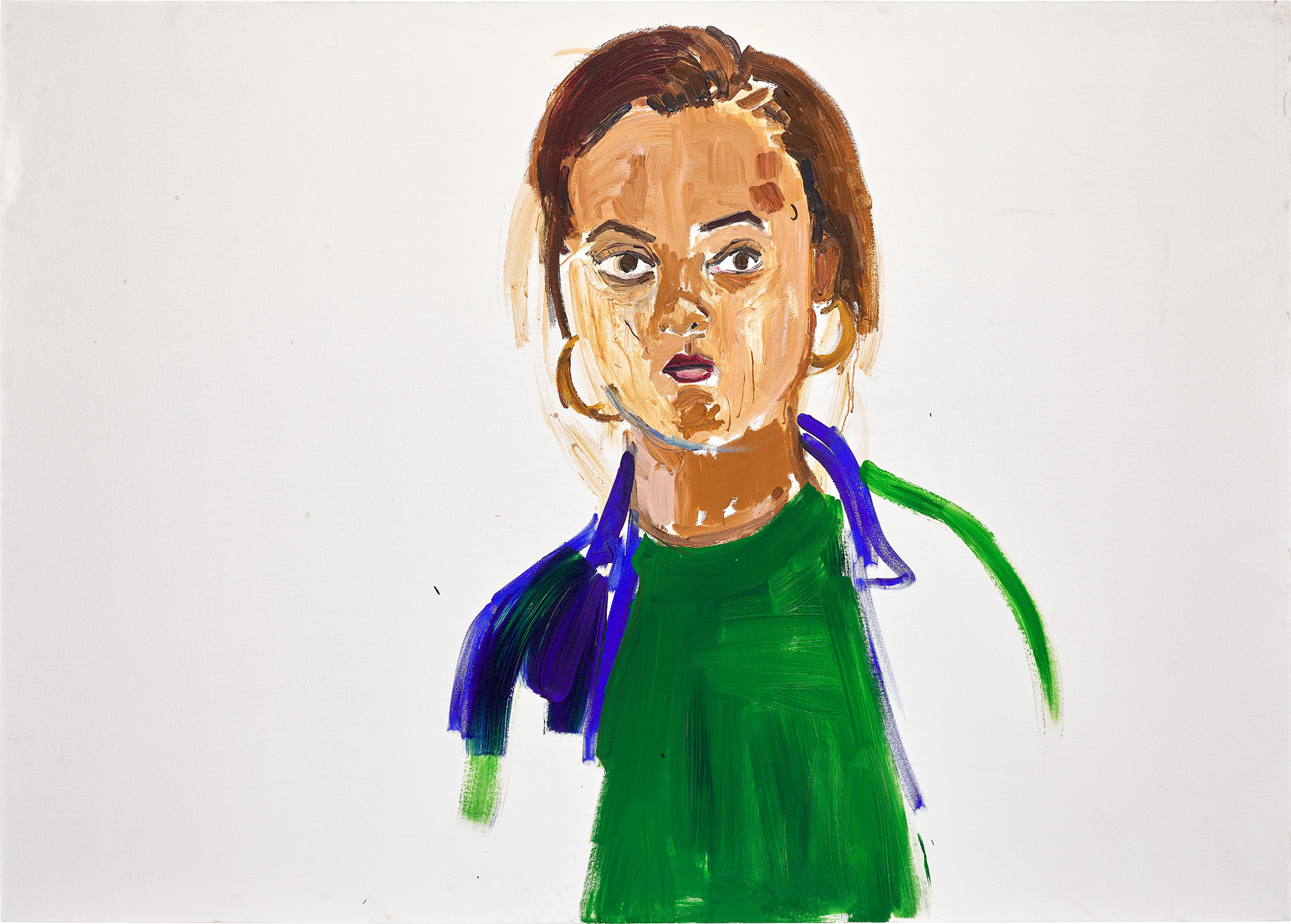
Jammie Holmes
My Grandmother was an Usher
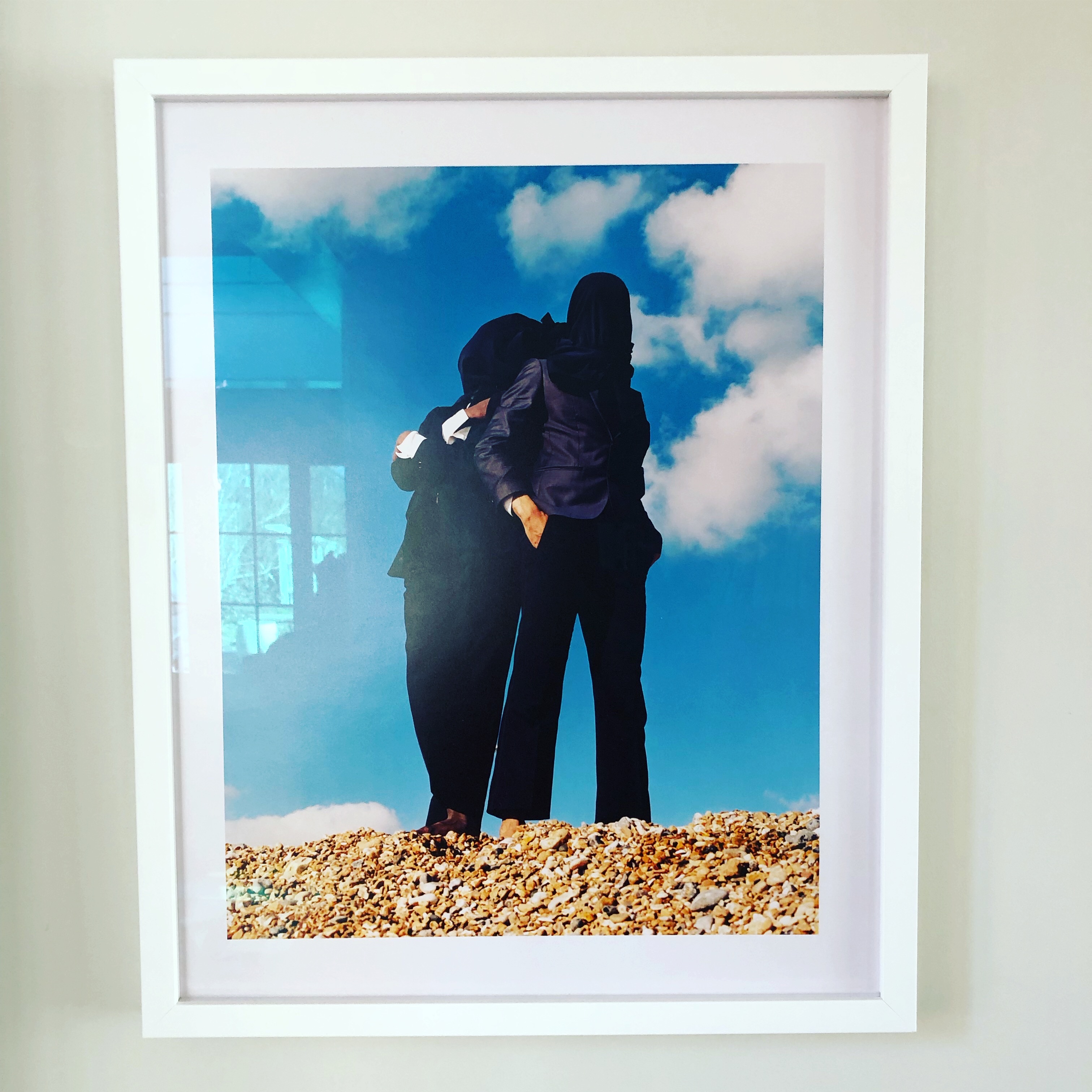
Tyler Mitchell
Untitled
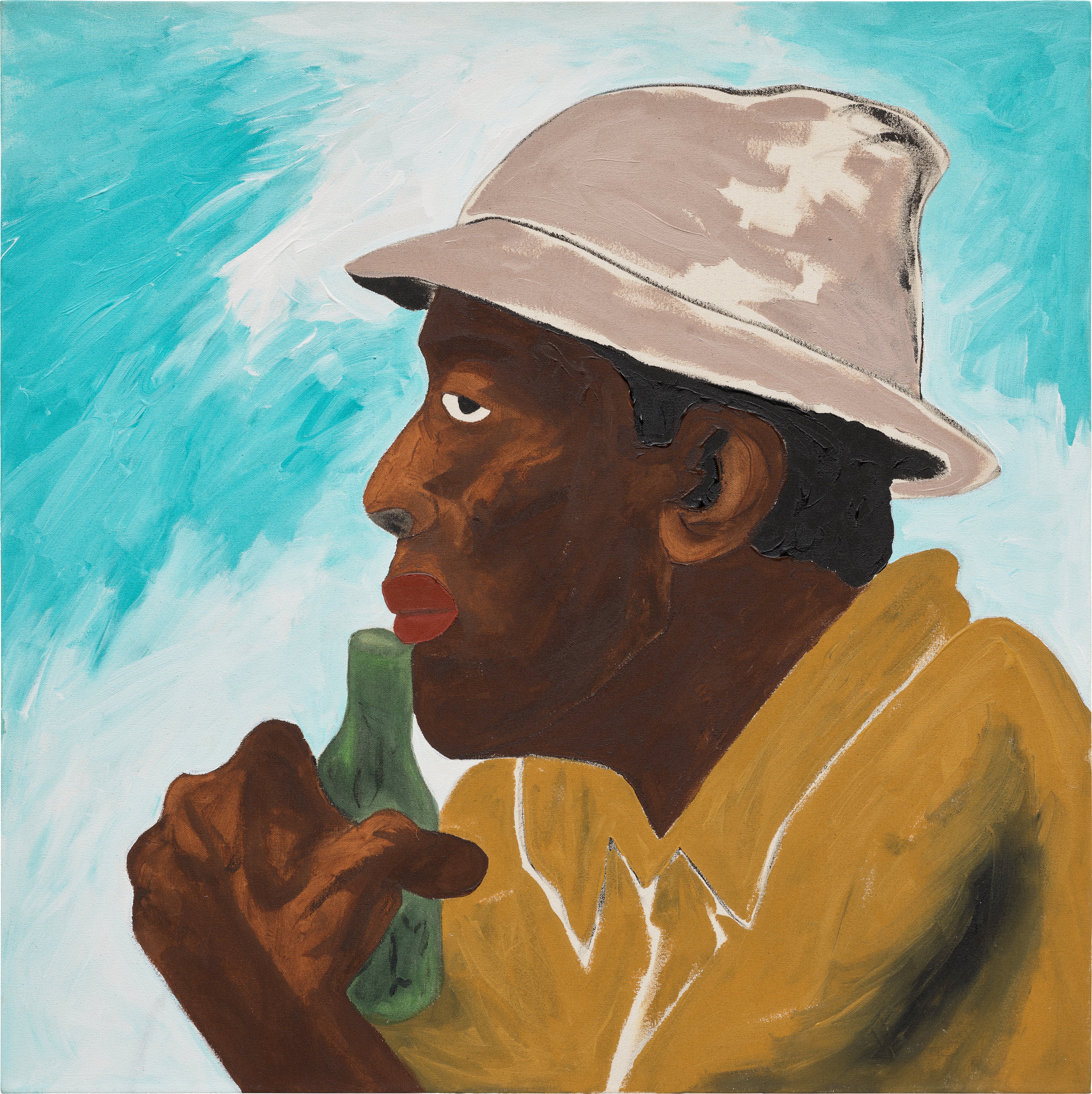
Chase Hall
James JR Smith
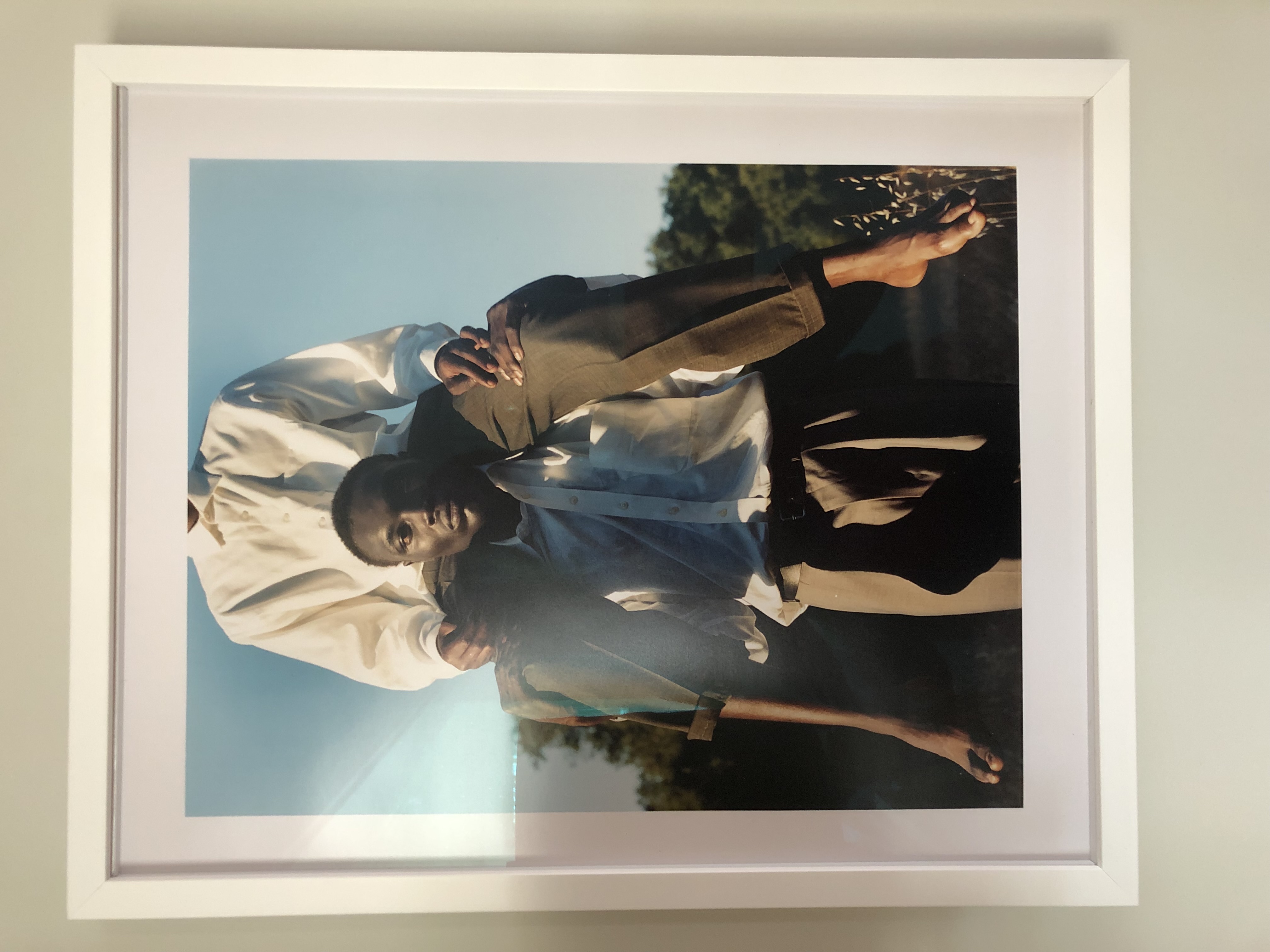
Tyler Mitchell
Untitled
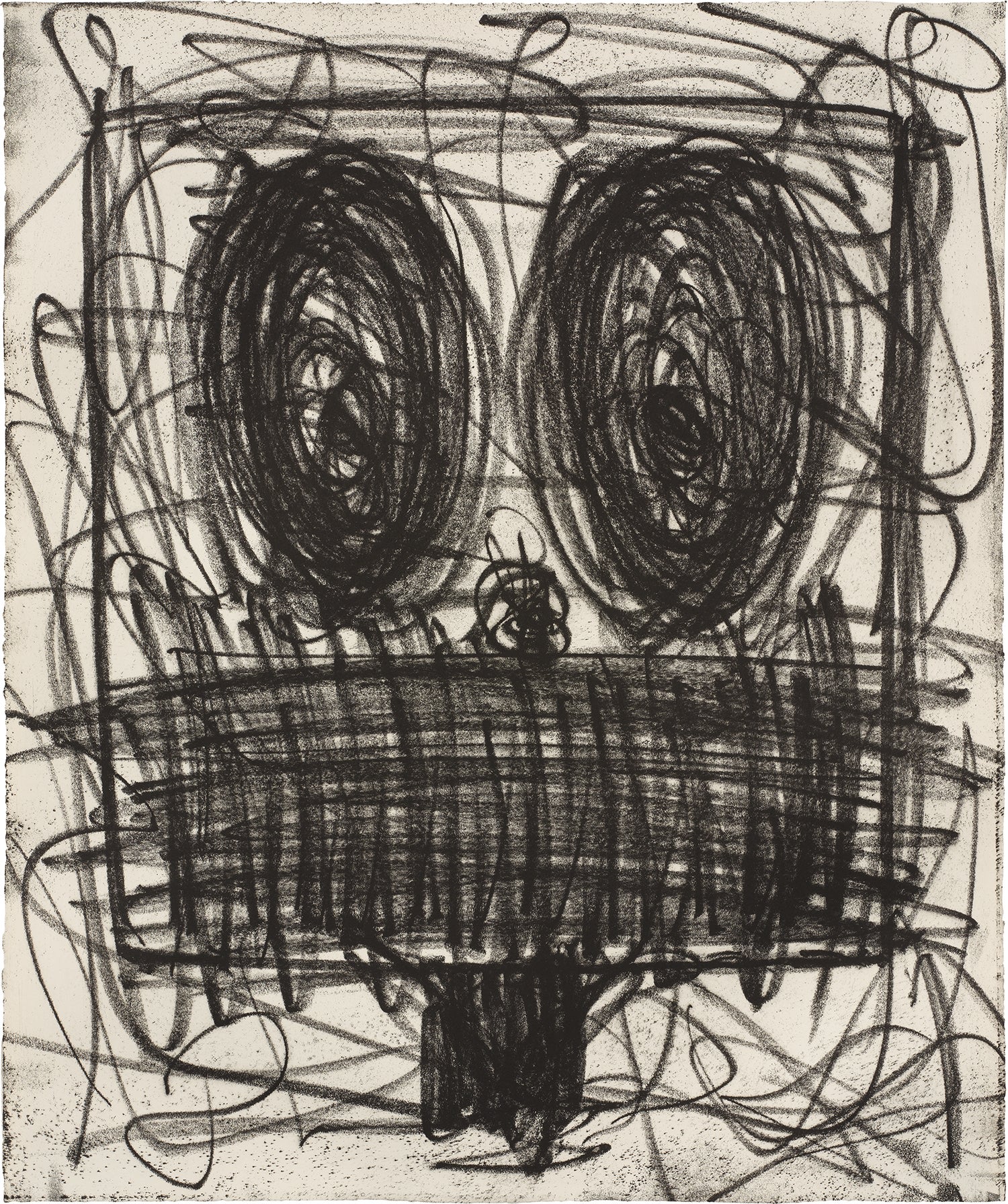
Rashid Johnson
Rashid Johnson
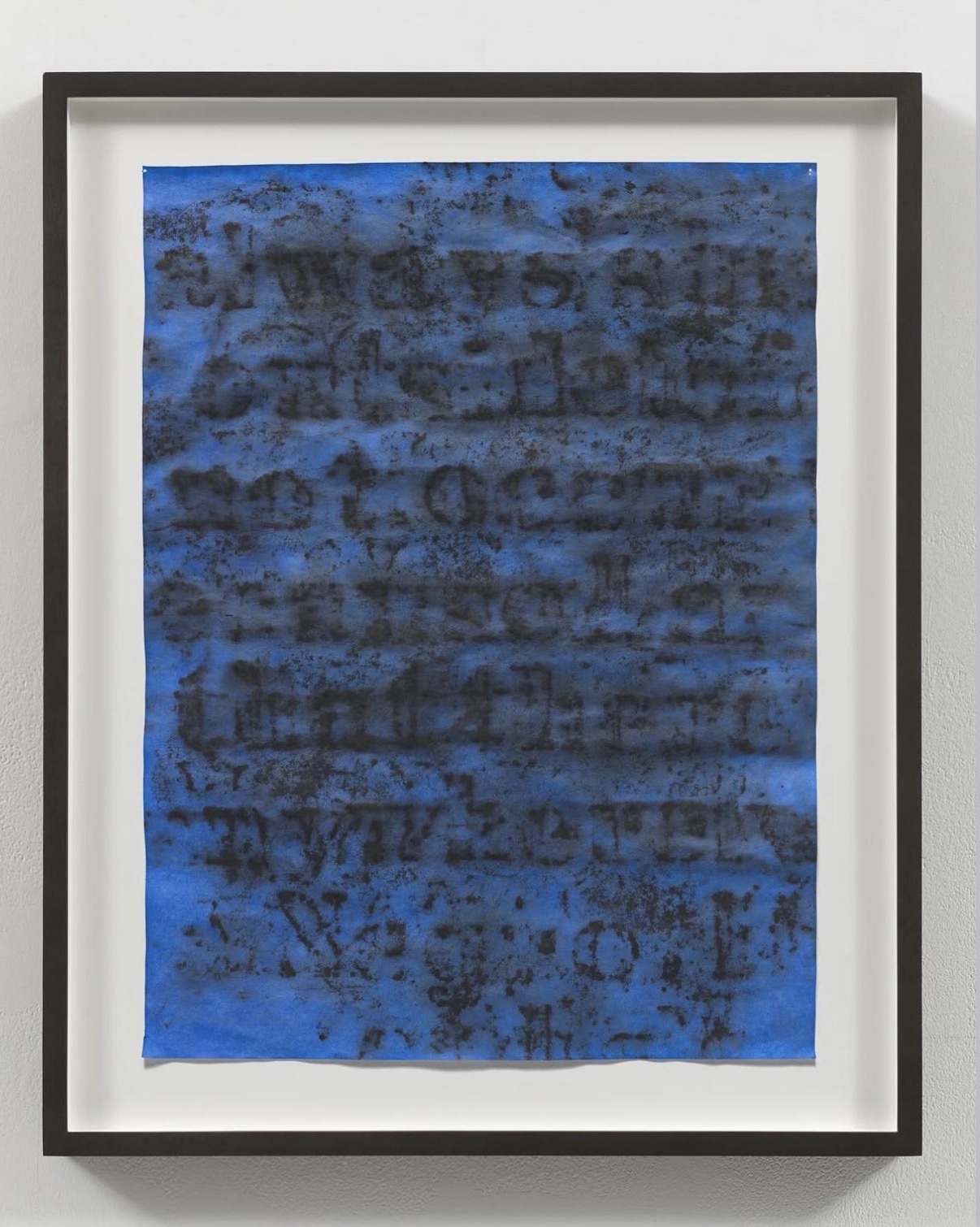
Glenn Ligon
Study for Blue (for JB) #6
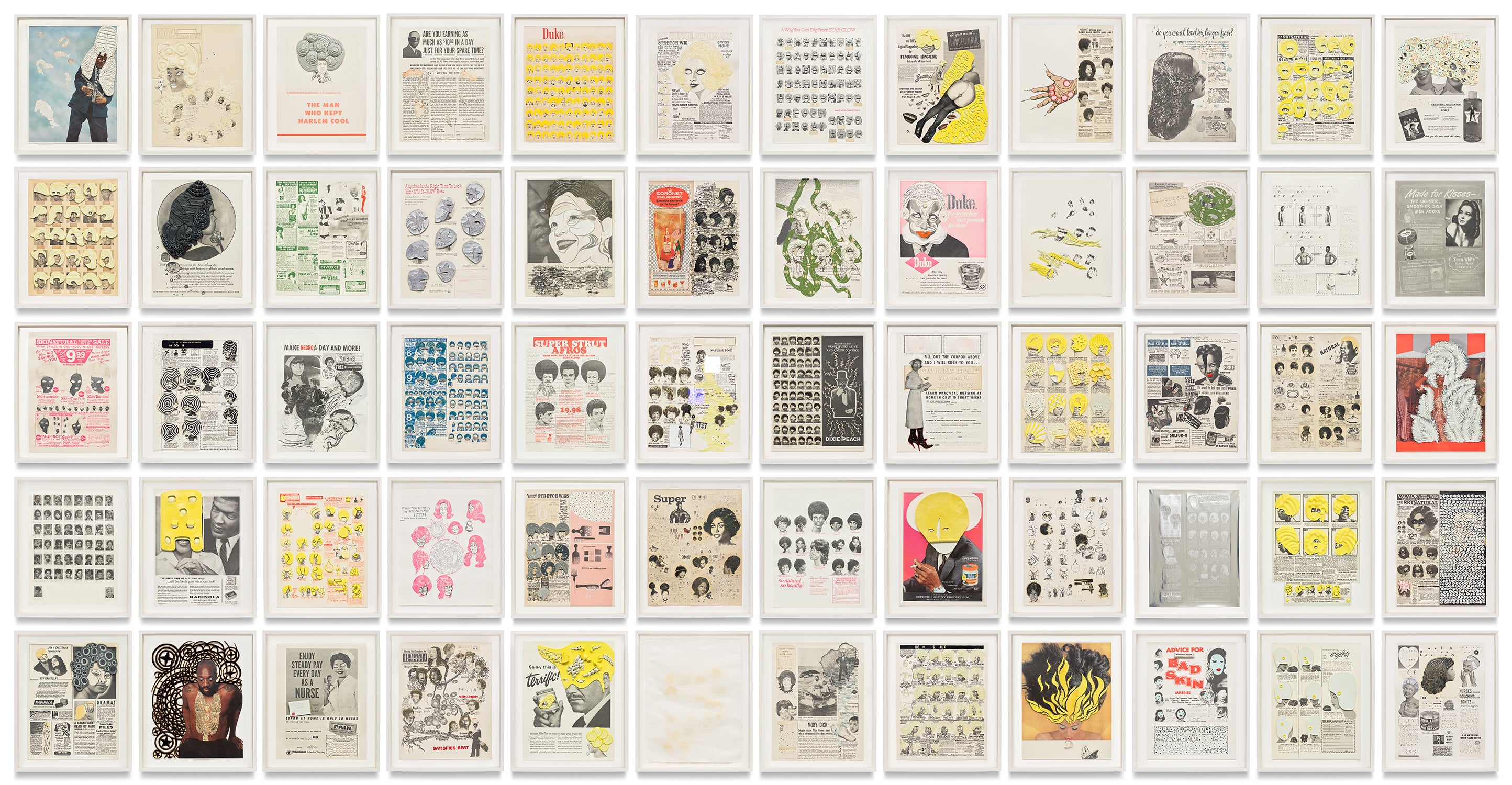
Ellen Gallagher
DeLuxe
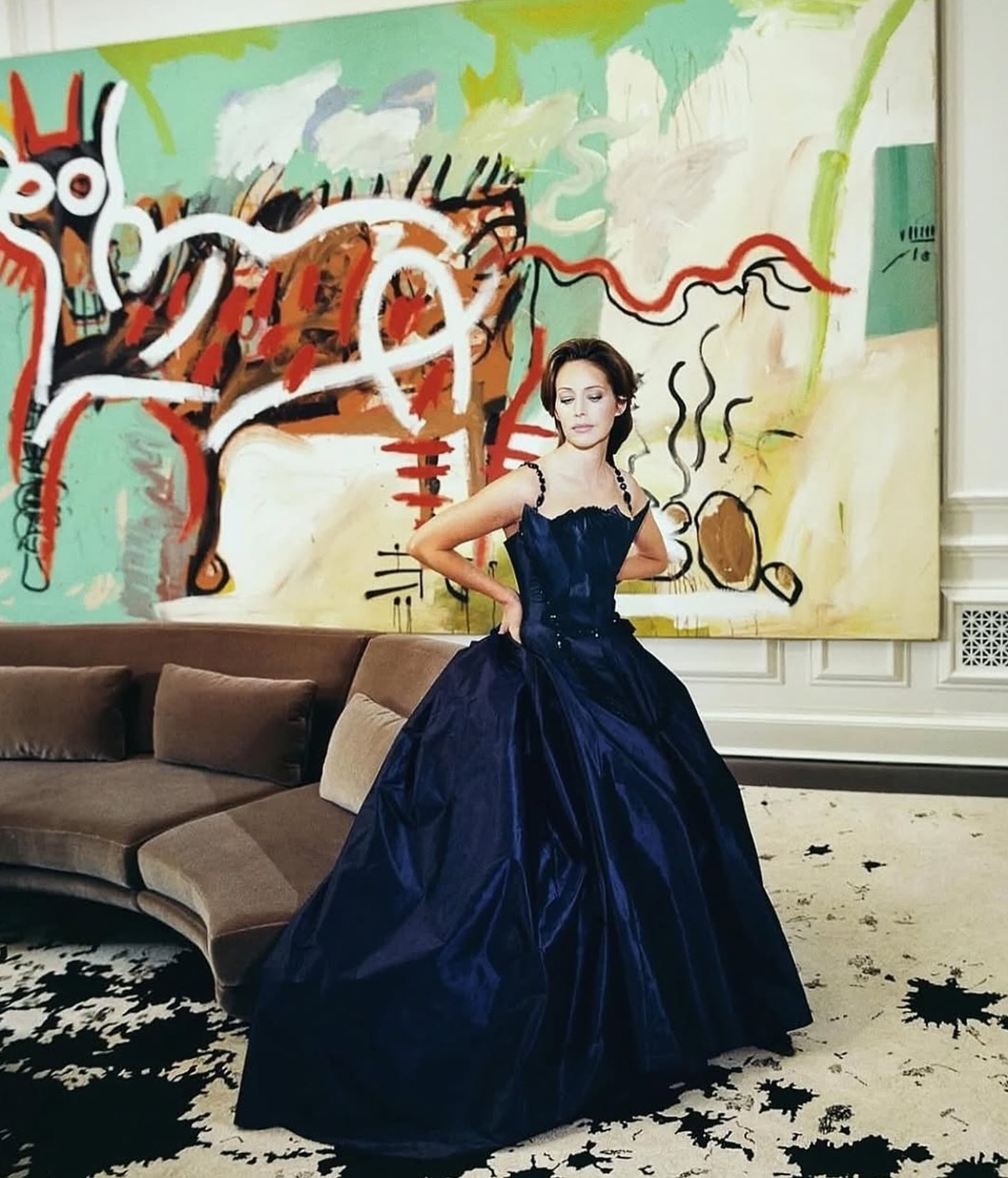
Jean-Michel Basquiat
Untitled (Cow Parts)
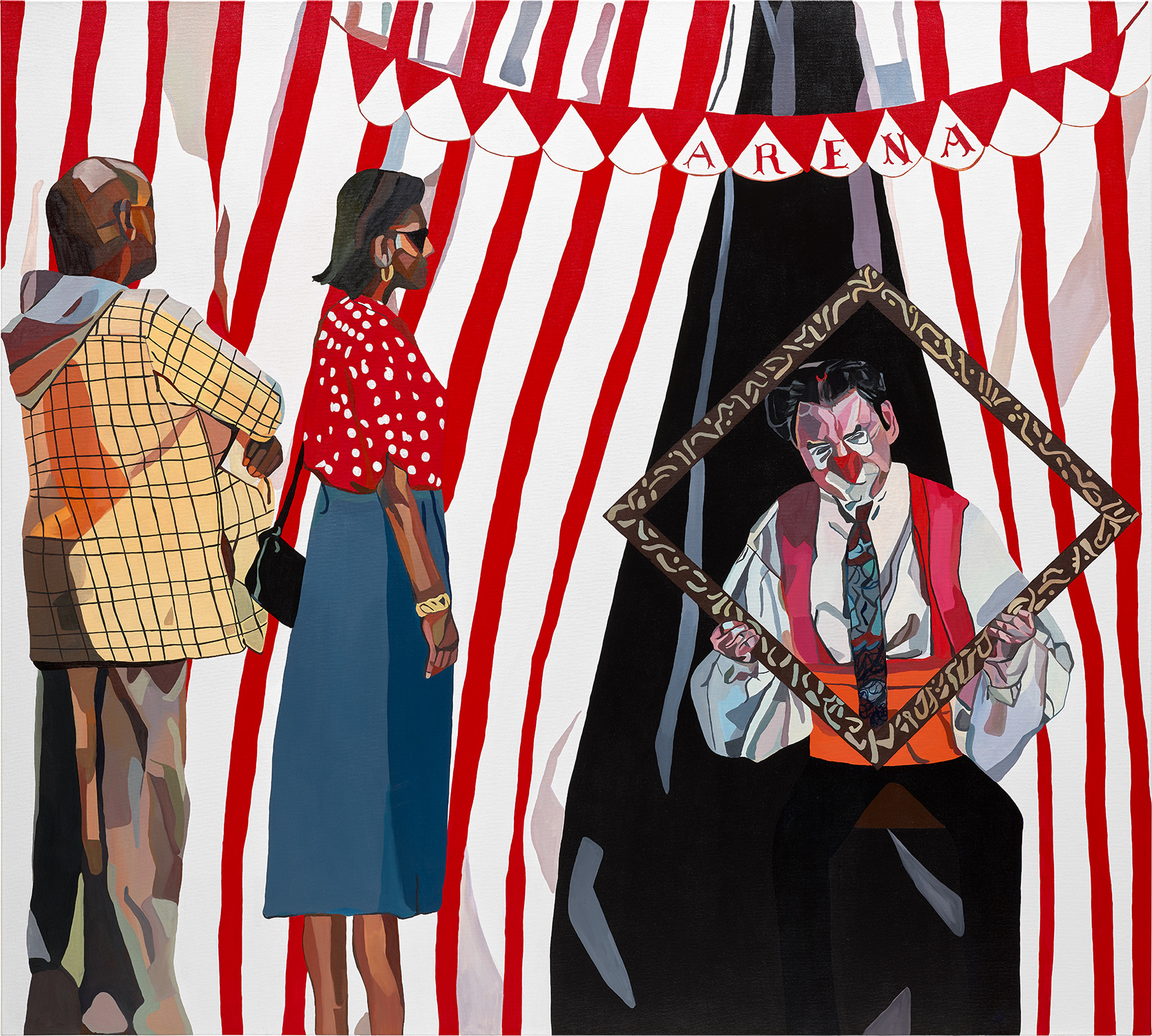
Jeff Sonhouse
Gifted the Enabler's Dexterity
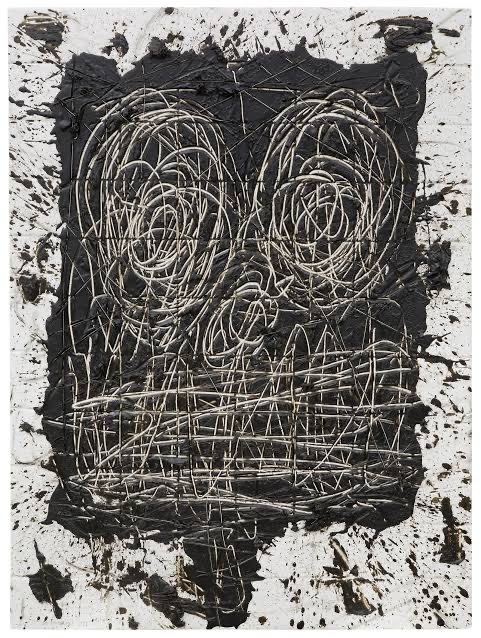
Rashid Johnson
Untitled