Biomorphic Abstraction
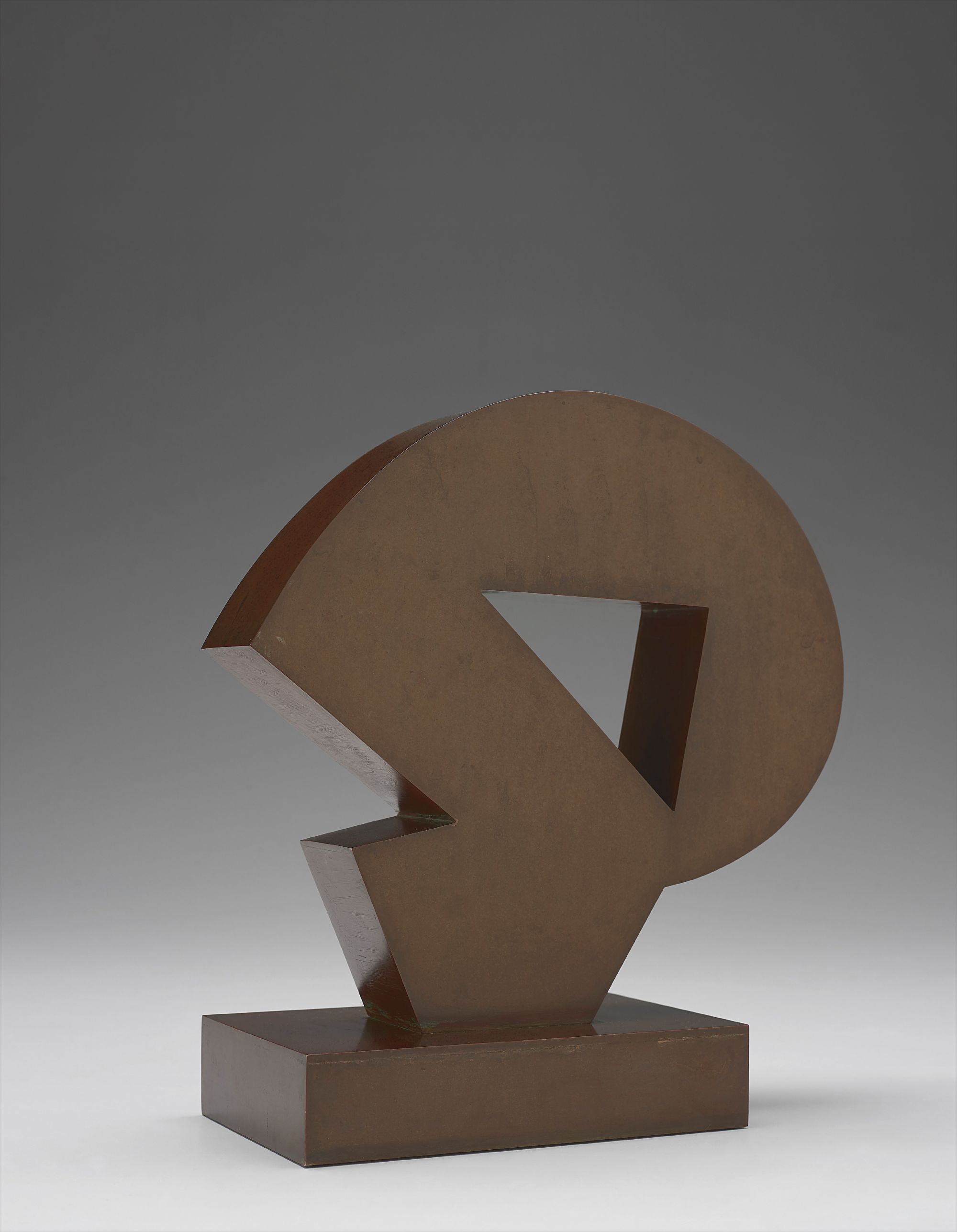
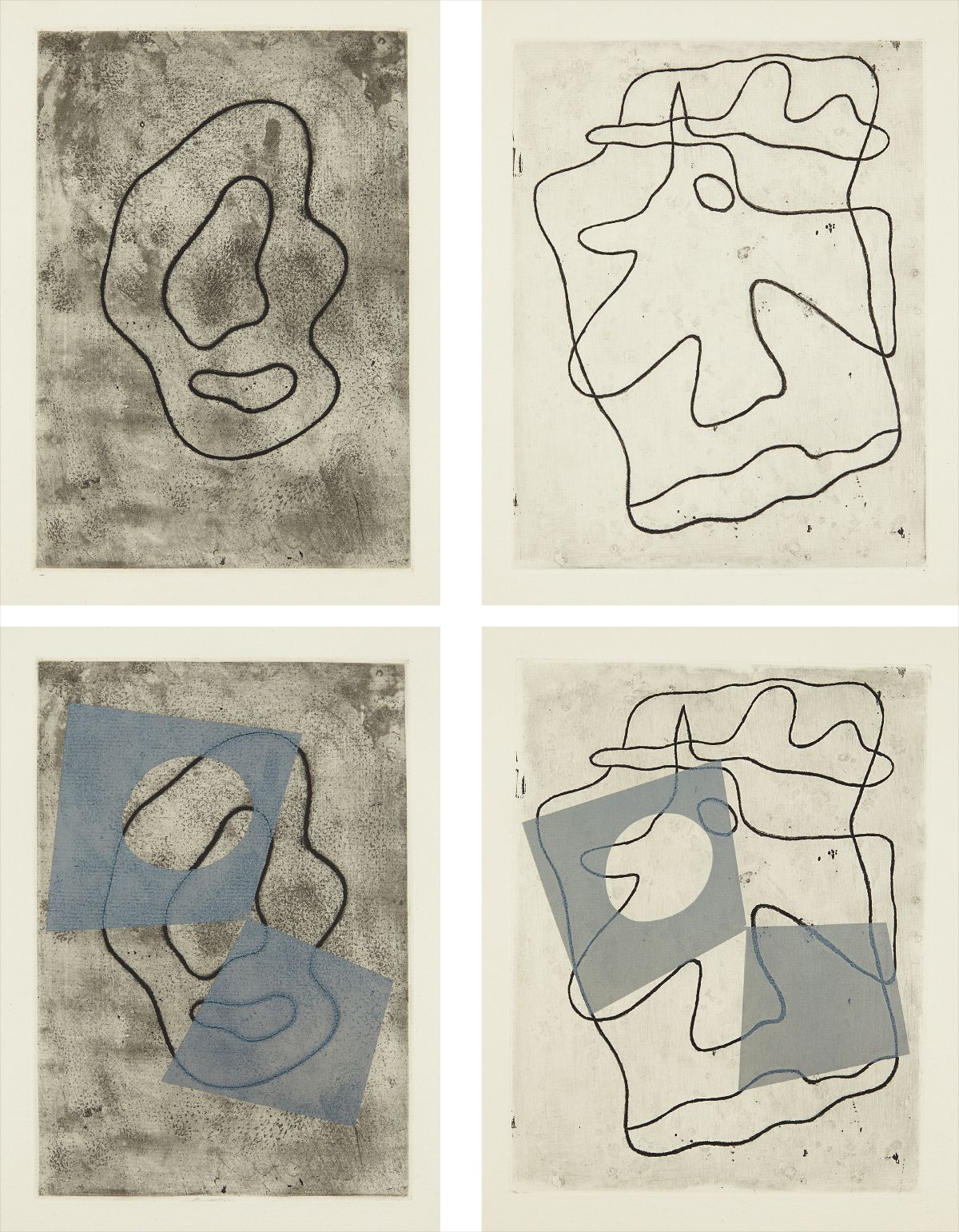
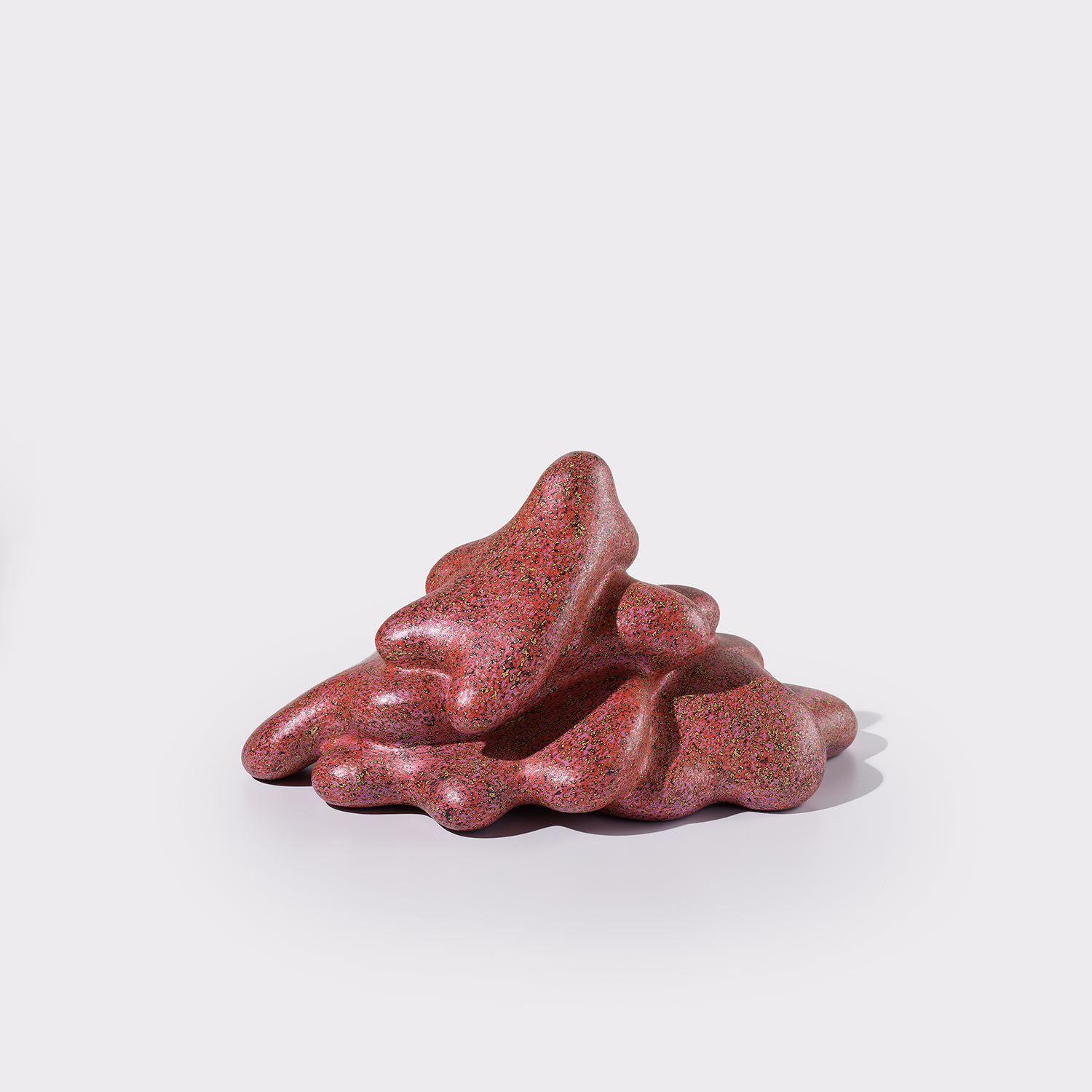
Jean (Hans) Arp
Parent d'oiseau (Bird Parent)
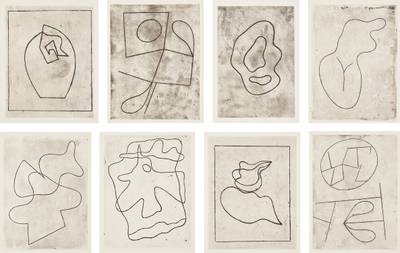




The Living Shape: Why Biomorphic Art Endures
There is something almost disarming about living with biomorphic abstraction. Unlike geometric abstraction, which can feel like it is making an argument, or figurative work, which demands that you read it on its own terms, biomorphic work simply breathes. It occupies a room the way a good piece of furniture does, except that it keeps changing on you. Collectors who come to this area often describe a slow seduction, a sense that the work reveals itself differently depending on the light, the season, the mood they bring to it.
That quality of aliveness is not incidental. It is the whole point. The term itself points toward something organic, forms that rhyme with the body, with cells, with seeds and stones and the curved interiors of shells, without ever quite committing to representation. This ambiguity is not a weakness.
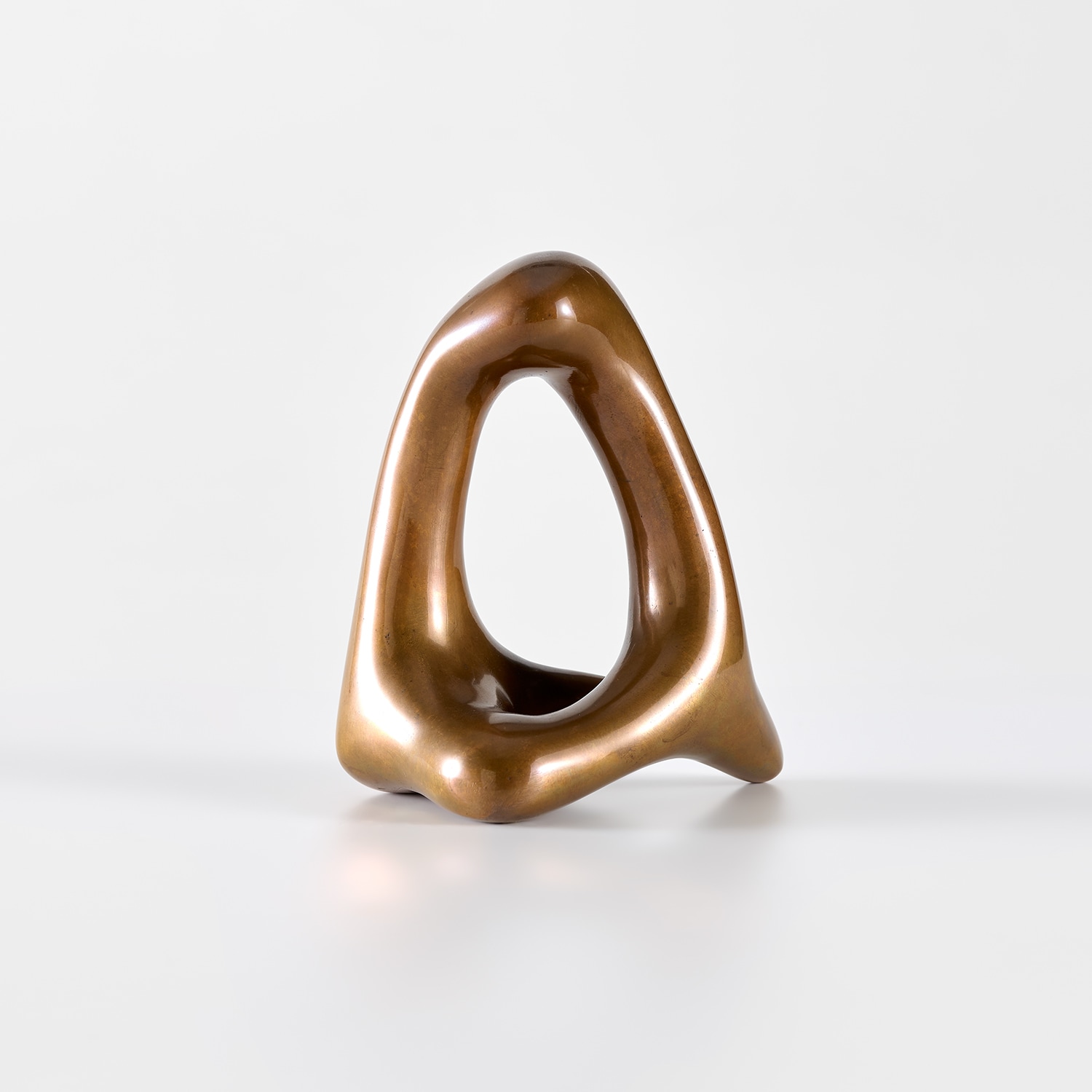
Barbara Hepworth
Interlocking Forms, 1957
It is what allows these works to hold their ground across decades of changing taste. A collector who bought a Barbara Hepworth bronze in the 1960s was not making a period bet. They were investing in a formal intelligence that sits outside of trend cycles entirely. That kind of durability is rare and, when you find it, worth paying attention to.
What separates a good work from a great one in this category comes down to the credibility of the form. A biomorphic shape that looks borrowed, that feels like an approximation of organic life rather than a genuine inquiry into it, reads as decoration. The best works in this area carry a sense of necessity. When you look at Jean Arp at his finest, the forms feel inevitable, as if they could not have been otherwise.
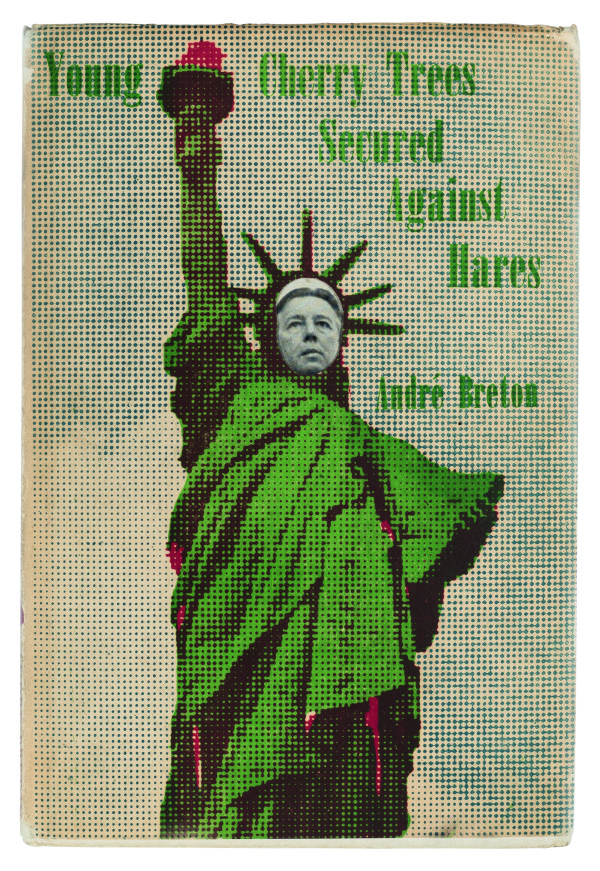
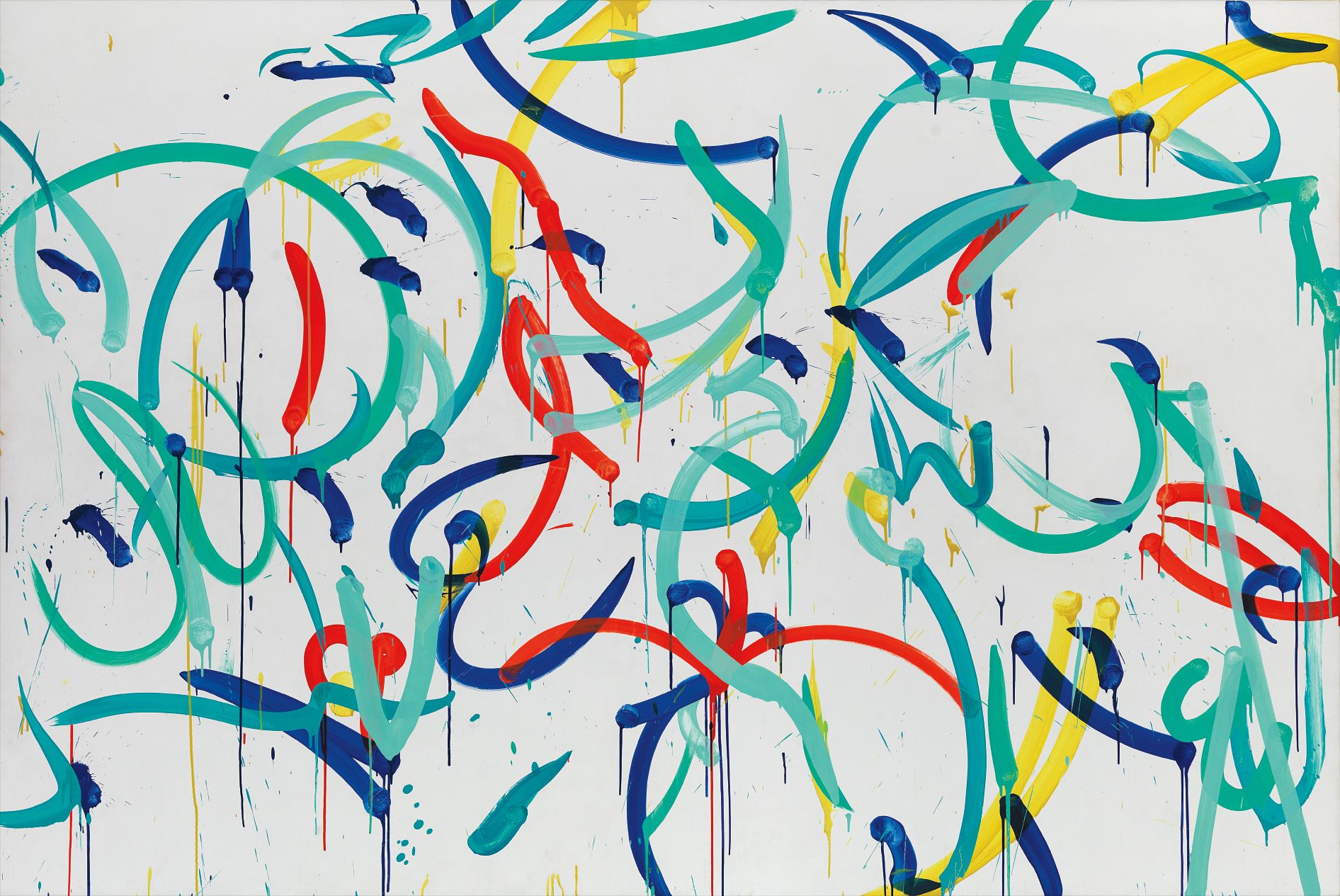
Arshile Gorky
Young Cherry Trees Secured Against Hares, 1945
Arp, who worked across sculpture, relief, and collage across several decades of the twentieth century, understood that the biomorphic vocabulary was not a style to be applied but a logic to be discovered. Collectors should ask themselves whether the work in question feels discovered or designed. That distinction matters enormously. Arshile Gorky offers a different lesson.
His biomorphism came from an intensely personal pressure, absorbing Surrealism and transforming it into something rawer and more psychological. The works from his final years in the mid 1940s, canvases where membrane like forms hover and bleed into one another, represent some of the most emotionally complex painting produced in that century. For collectors, Gorky sits at an interesting intersection: he is canonical enough to carry institutional credibility, yet his market remains somewhat quieter than his historical importance might suggest. That gap between reputation and price is always worth noting.
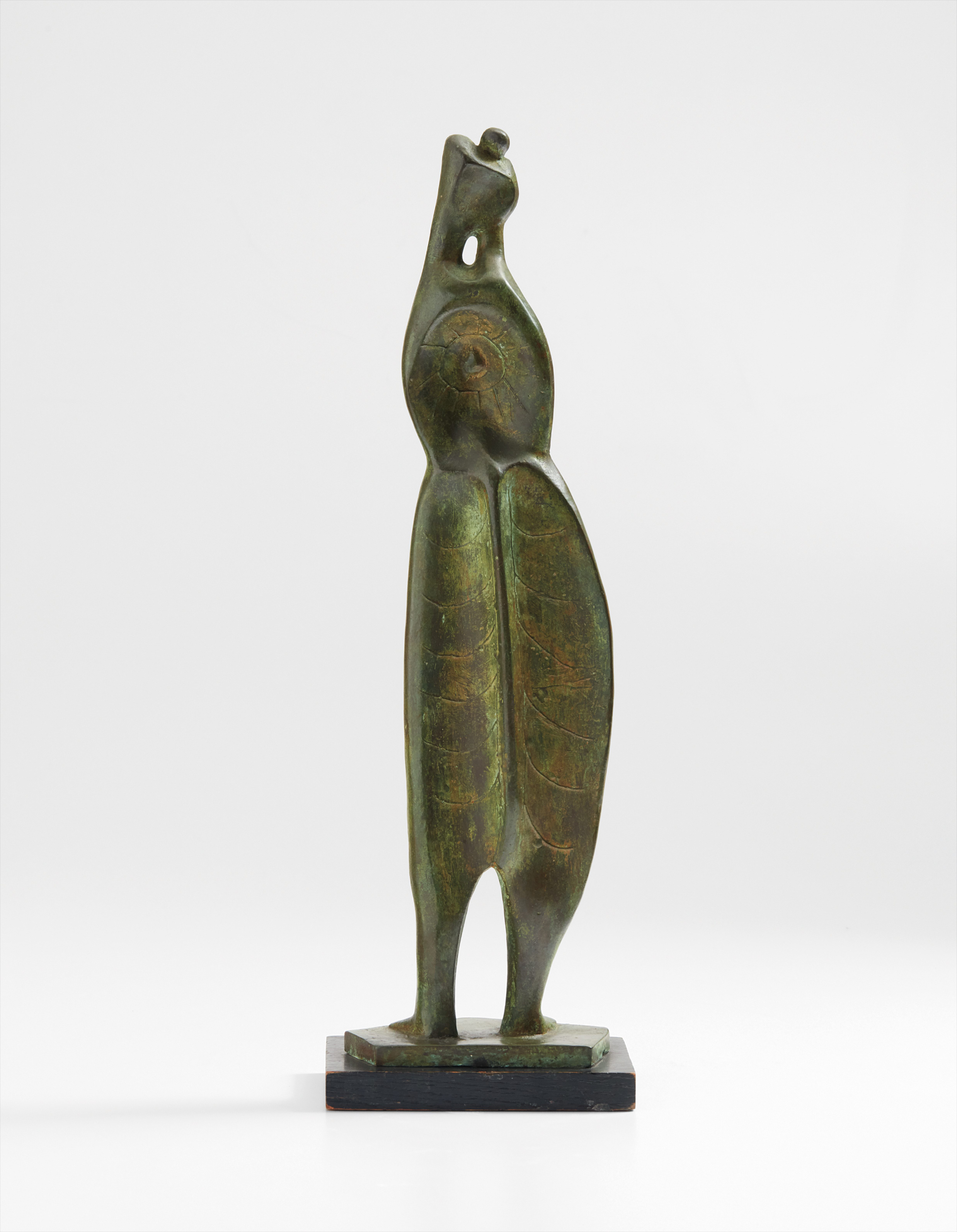
Henry Moore
Leaf Figure No. 3, 1952
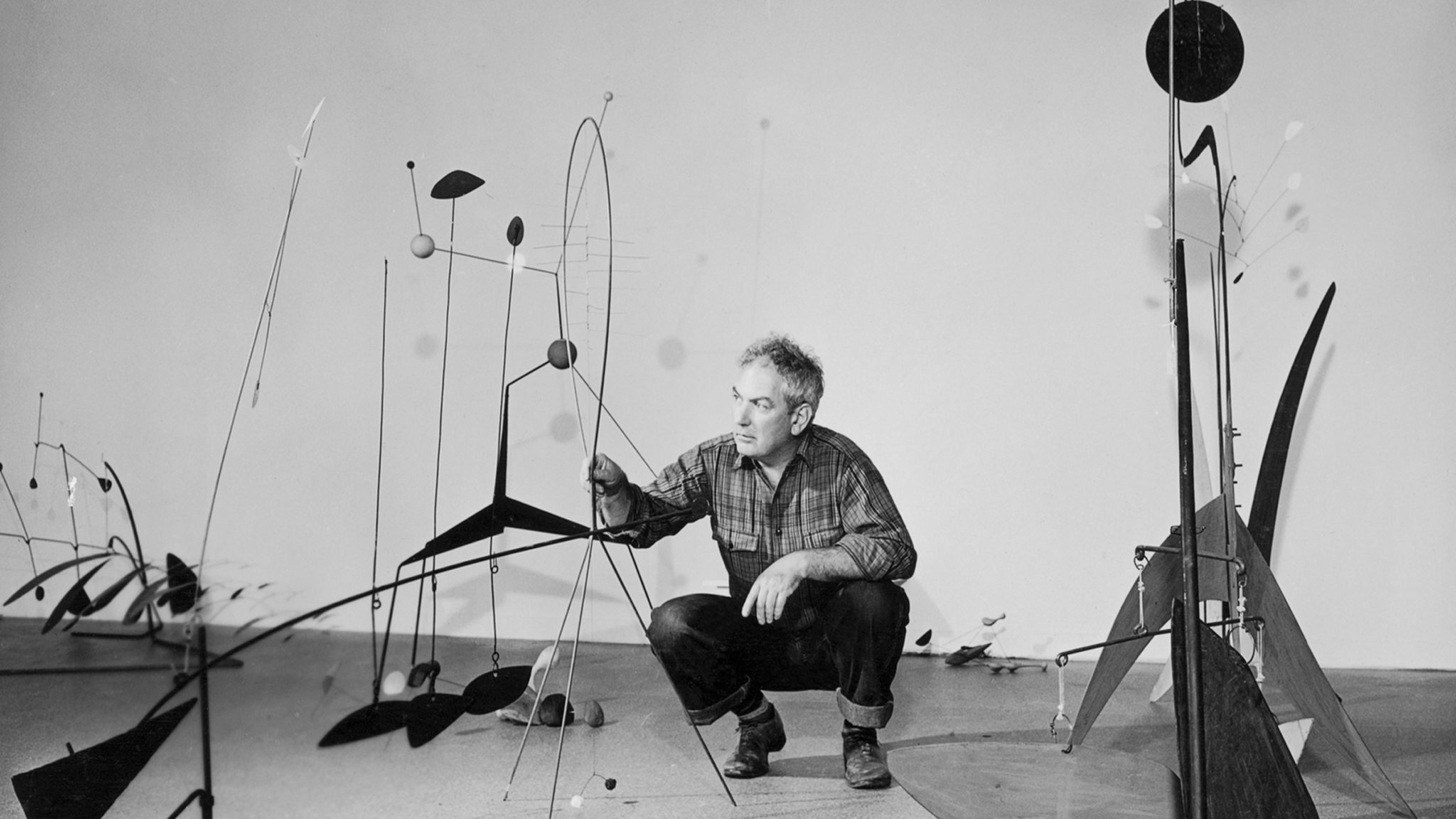
Works by Gorky and Arp are represented on The Collection and reward close looking in this light. Alexander Calder and Henry Moore both extended the biomorphic into three dimensions with remarkable results. Calder brought wit and kinetic energy to forms that clearly drew on the same wellspring as Arp, while Moore pushed toward something more monumental and archaic. What unites them is a shared conviction that the curved, responsive form carries emotional information that angular geometry simply cannot.
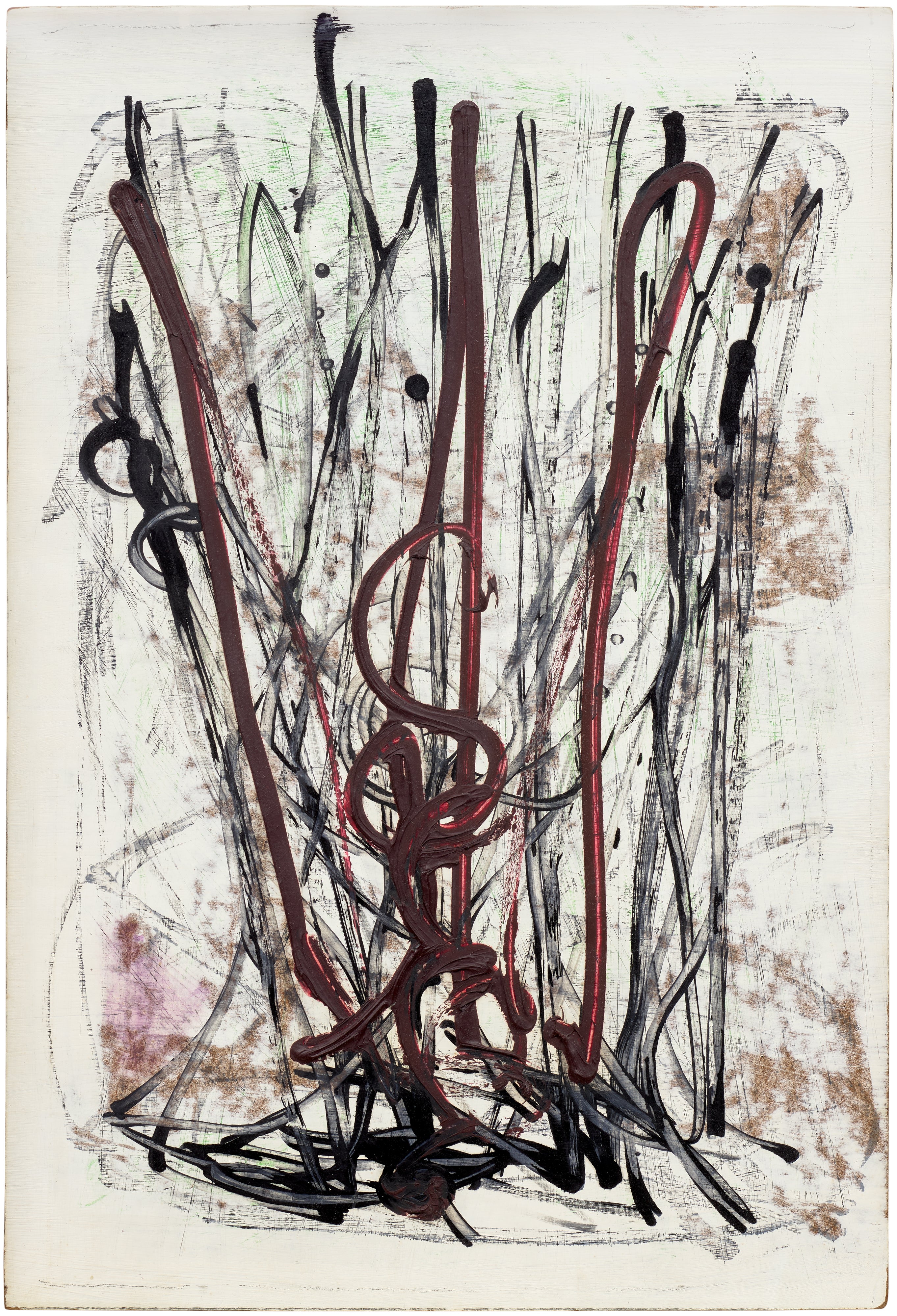
Graham Sutherland, less often grouped with these names but equally significant, brought a peculiarly British darkness to his organic forms, roots and thorns and carapaces that feel both natural and threatening. Collectors who approach biomorphic abstraction too narrowly, looking only for the serene and the harmonious, miss this more turbulent strand entirely. Barbara Hepworth deserves separate consideration because her market has performed with unusual consistency. Her bronzes and carved forms have long been a staple of serious private collections, and auction results over the past decade reflect a collector base that is genuinely international.
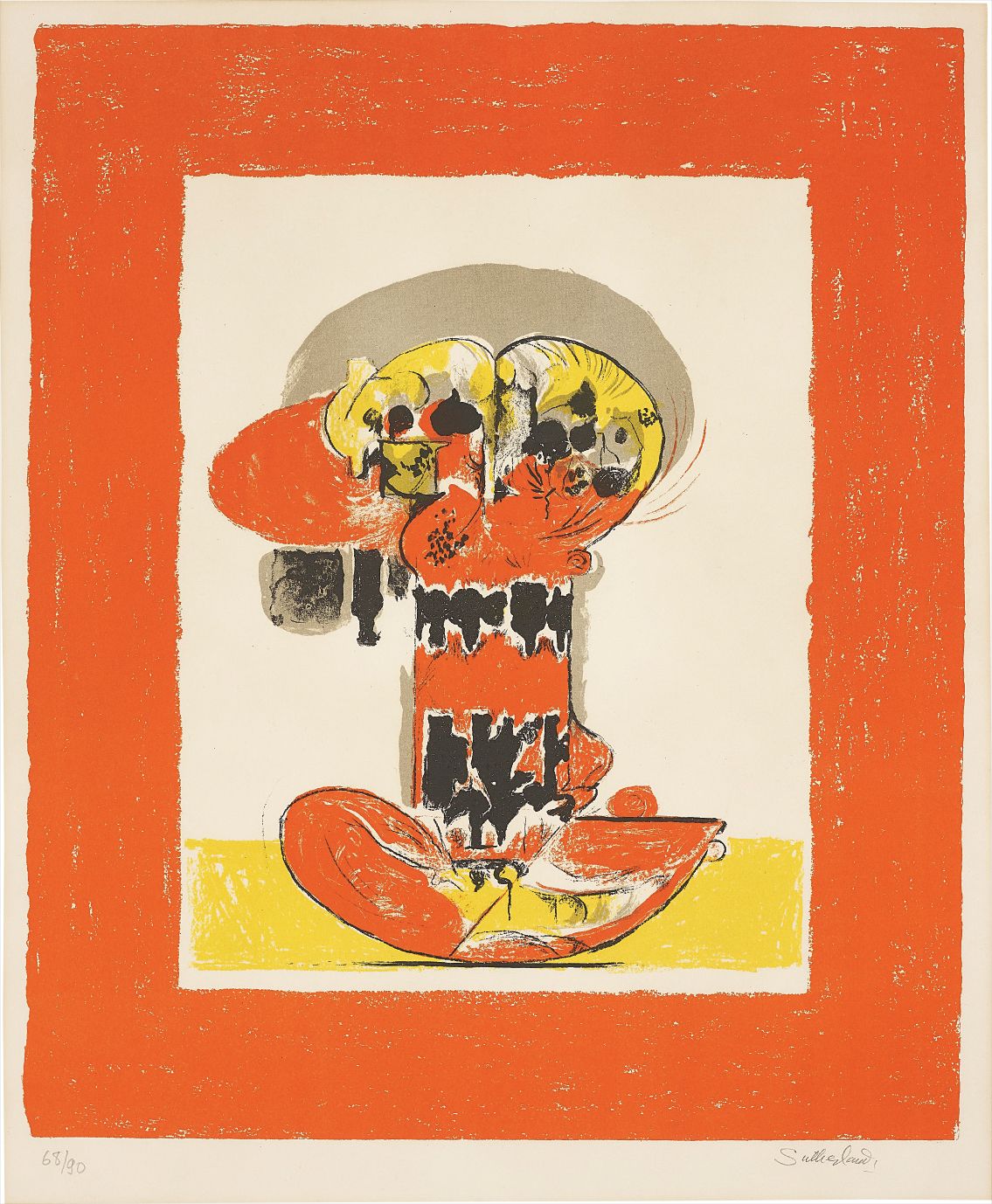
Graham Sutherland
Balancing Form
The strongest examples tend to be works where the internal space is as considered as the external form, pieces where the void is sculpted as deliberately as the mass. When assessing a Hepworth, condition is critical. Patinas on bronzes can be compromised by improper display, particularly outdoor exposure without proper maintenance, and carved works in wood or stone are sensitive to humidity fluctuations. These are questions any responsible gallery should be prepared to answer in detail.
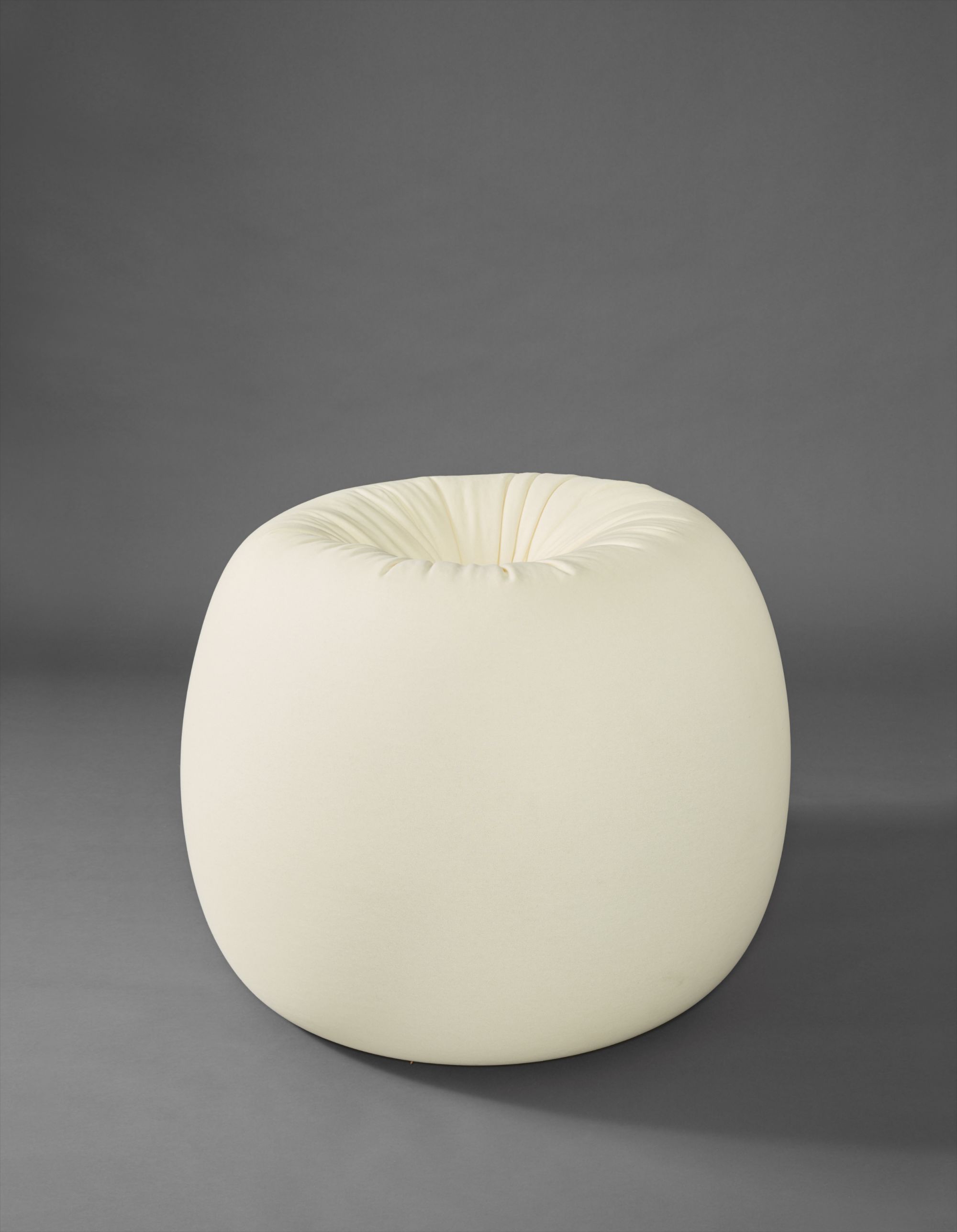
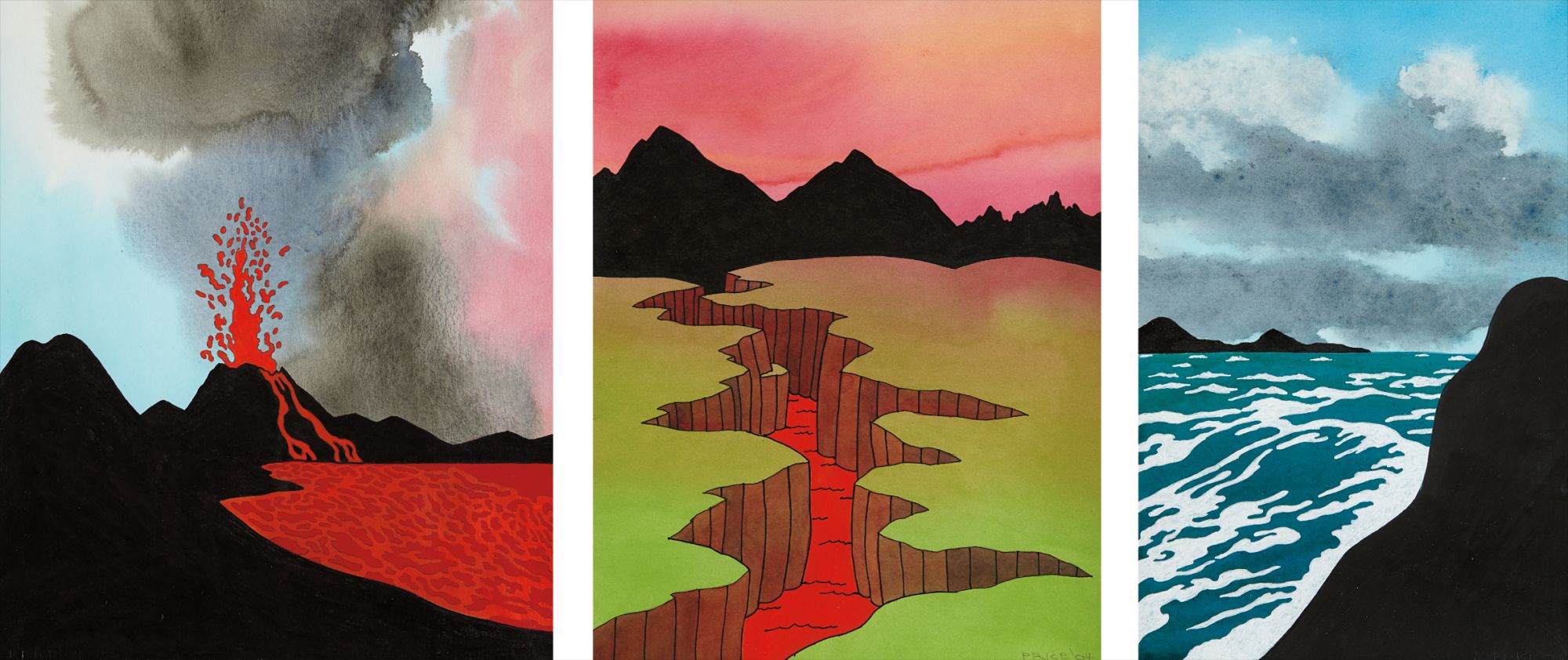
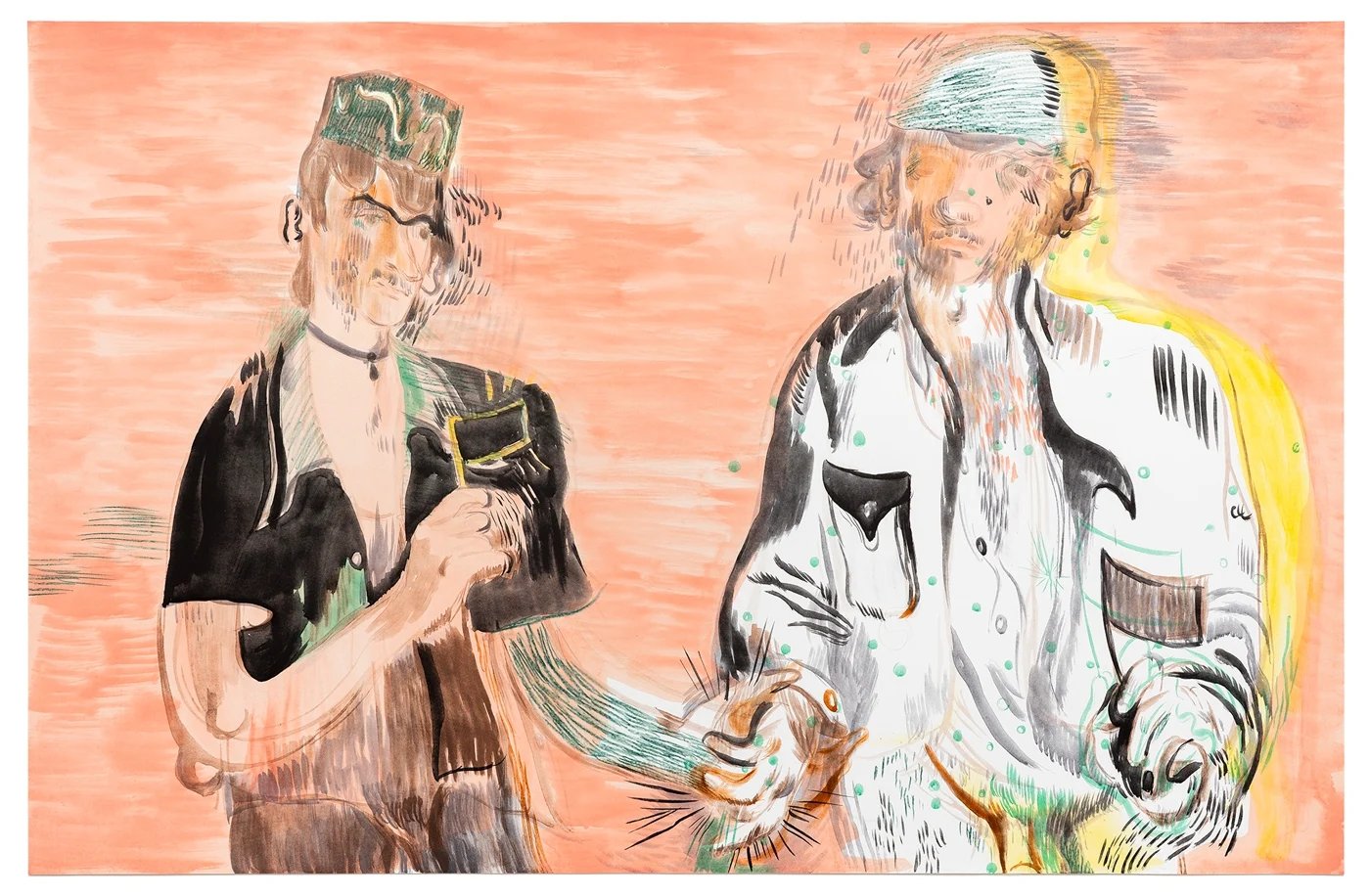
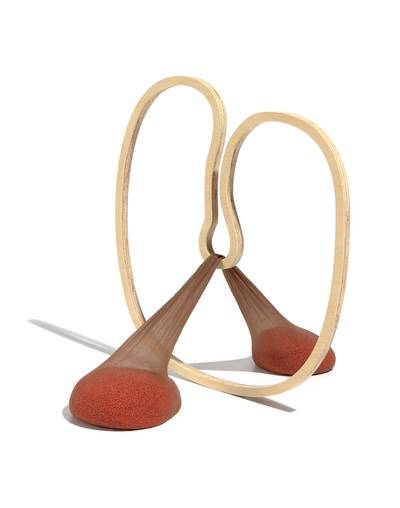
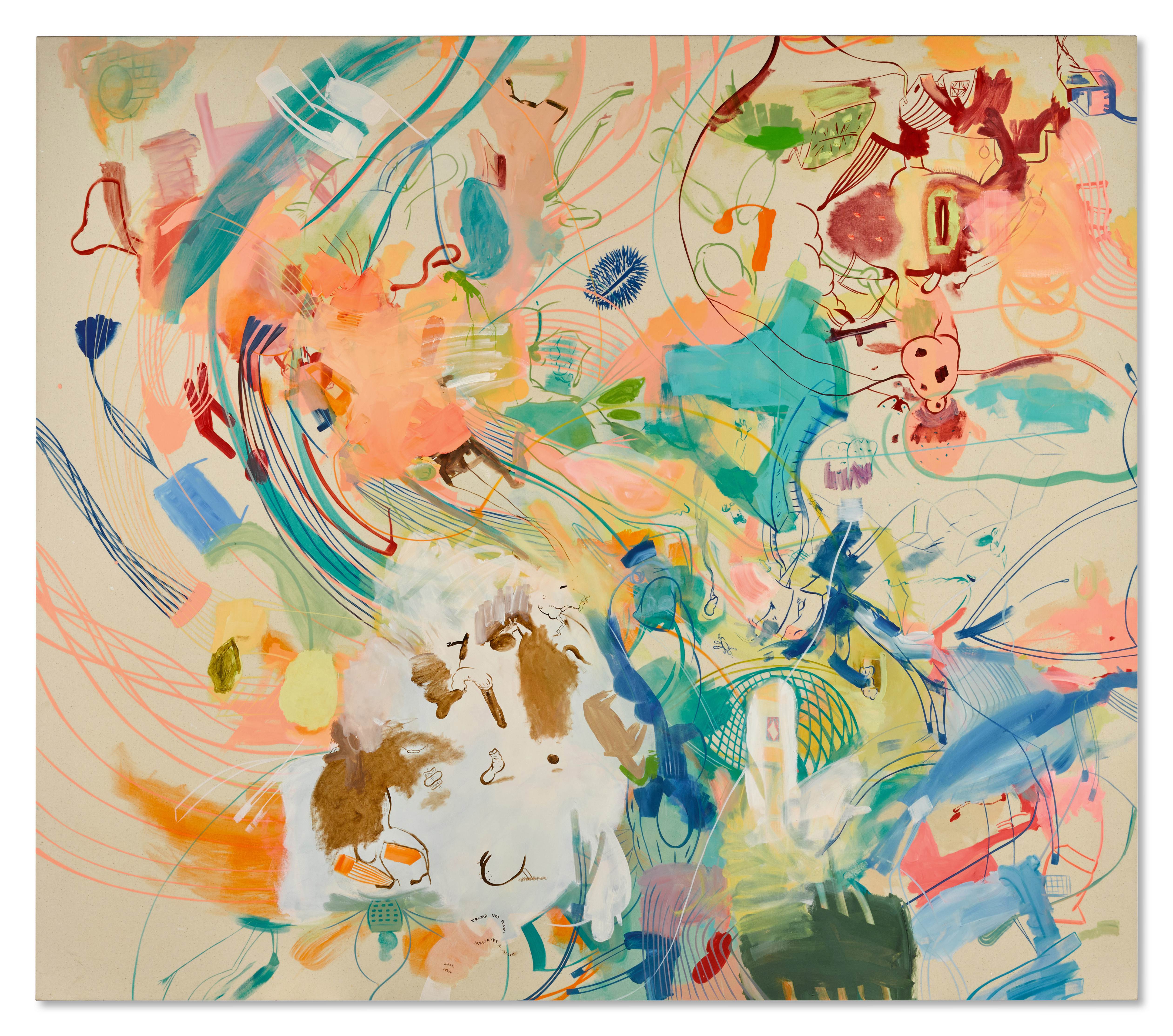
For collectors with an eye on emerging opportunity, the biomorphic impulse is very much alive in contemporary practice. Ernesto Neto, whose work is represented on The Collection, extends the tradition into immersive and tactile territory, using fabric, weight, and smell to create environments that feel almost cellular from the inside. Ken Price, whose ceramic practice developed its own eccentric biomorphic language over decades in Los Angeles, has attracted significant critical reappraisal since his death in 2012, and prices have moved accordingly. Sue Williams occupies a stranger corner of this conversation, her paintings bringing a bodily urgency to abstraction that is not always read as biomorphic but rewards that reading.
Artists working in the younger generation who take organic form seriously, particularly in ceramics and cast materials, represent one of the more interesting areas to watch right now. At auction, works in this category tend to perform best when provenance is clear and exhibition history is strong. Institutional exhibition history, a work shown at the Tate or MoMA or a significant Biennial, adds a premium that is real and lasting. Edition works in bronze present a particular consideration: lower edition numbers generally carry more value, but the condition of the casting and the quality of the foundry work matter as much as the number itself.
Always ask a gallery for the edition size, the casting date, and who holds the artist's estate or foundation. These details shape both the market value and the long term care of the work. The appeal of biomorphic abstraction to serious collectors ultimately comes back to that quality of organic persistence. These works do not date in the way that movement specific pieces do.
They participate in something older and more fundamental than art history, a human instinct to find meaning in forms that echo the structures of living things. Collecting in this area is an act of faith in that instinct, and it is one that has been consistently rewarded.