Afrofuturism
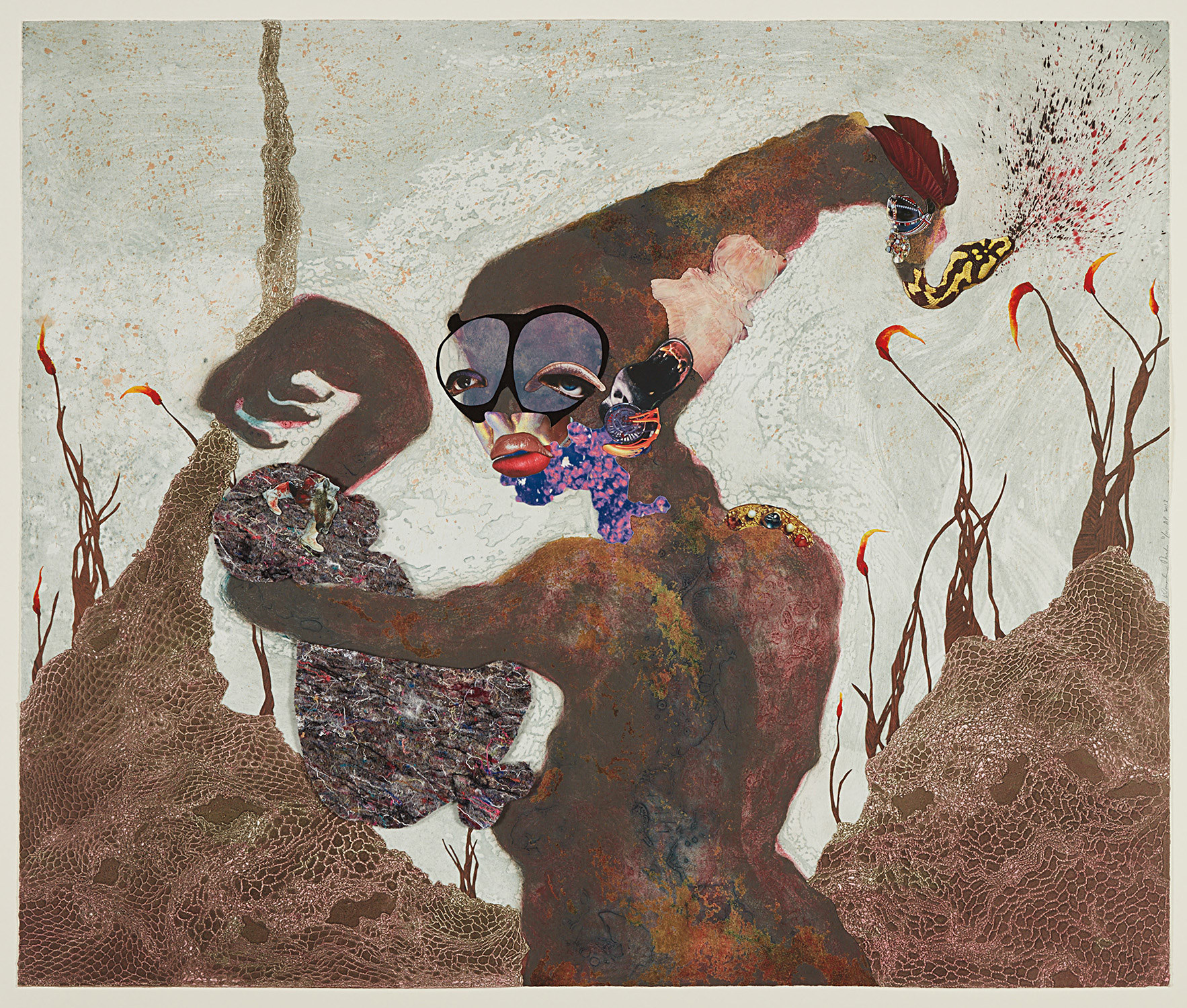
Wangechi Mutu
Second Born
The Future Was Always Black
There is something particular about living with Afrofuturist work. Collectors who have brought these pieces into their homes consistently describe the same experience: the work does not settle into the background. It speaks. It demands a kind of ongoing conversation, a renegotiation of what the future looks like and who gets to inhabit it.
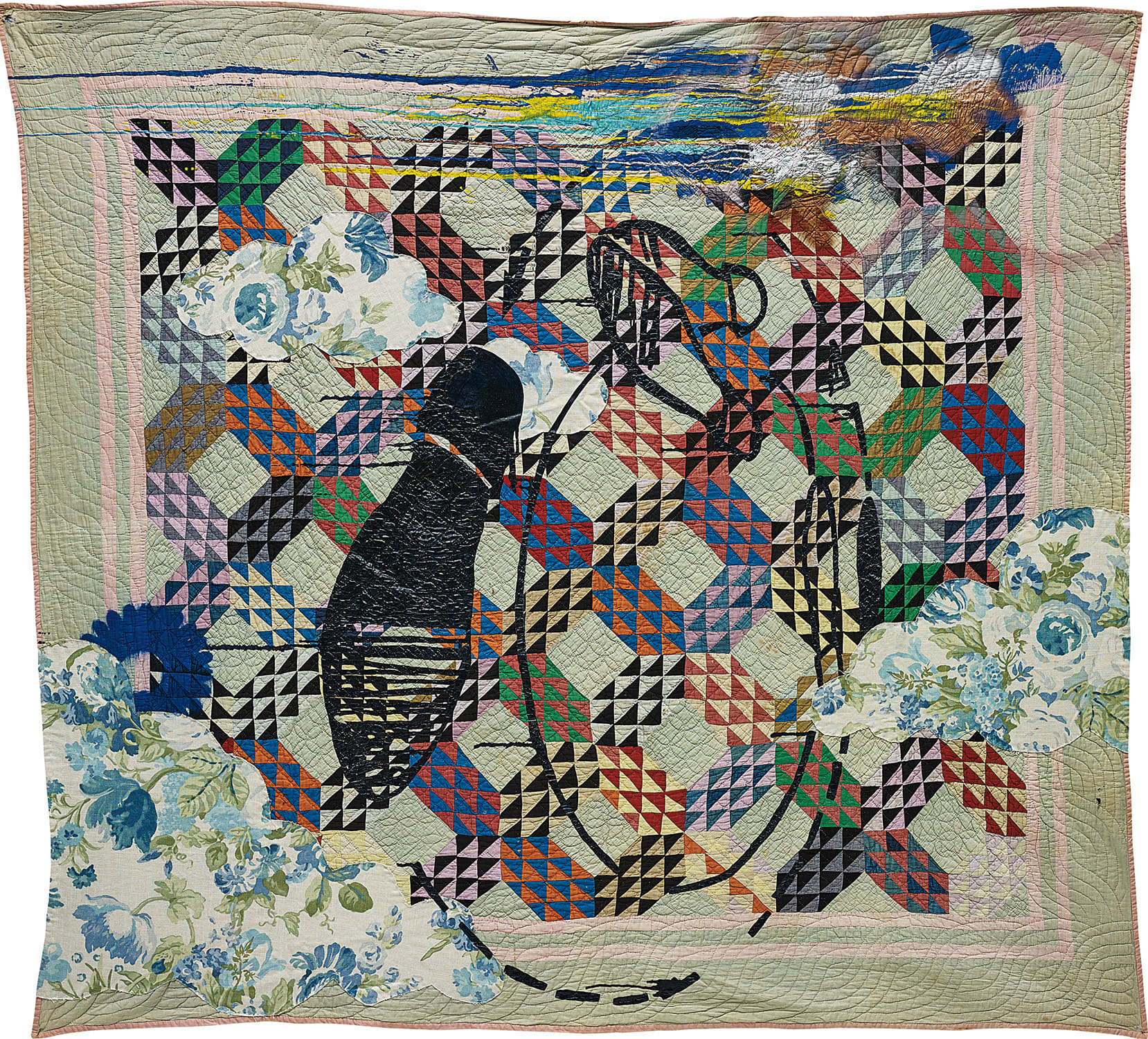
That quality, the refusal to be decorative, is precisely what draws serious collectors to this territory. At its core, Afrofuturism fuses speculative imagination with a deep reckoning of history, and the tension between those two forces generates an almost electric charge that few other movements can match. The critical question for any collector entering this space is not what the movement is but what separates genuinely great work from work that merely wears the aesthetic. Afrofuturism has its visual signatures: cosmic imagery, ancestral symbolism, technology refracted through diasporic memory, bodies that exist outside the constraints of the present moment.
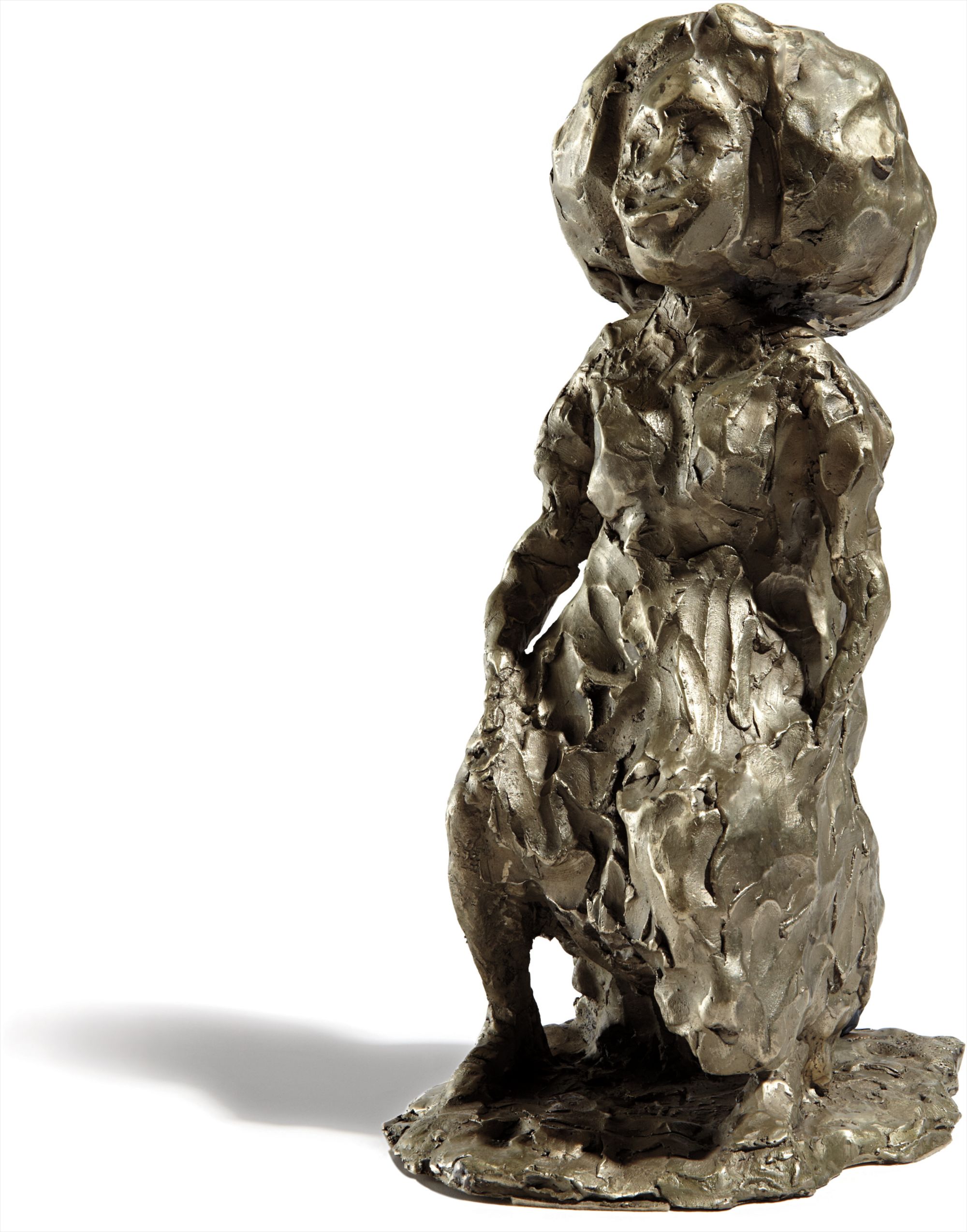
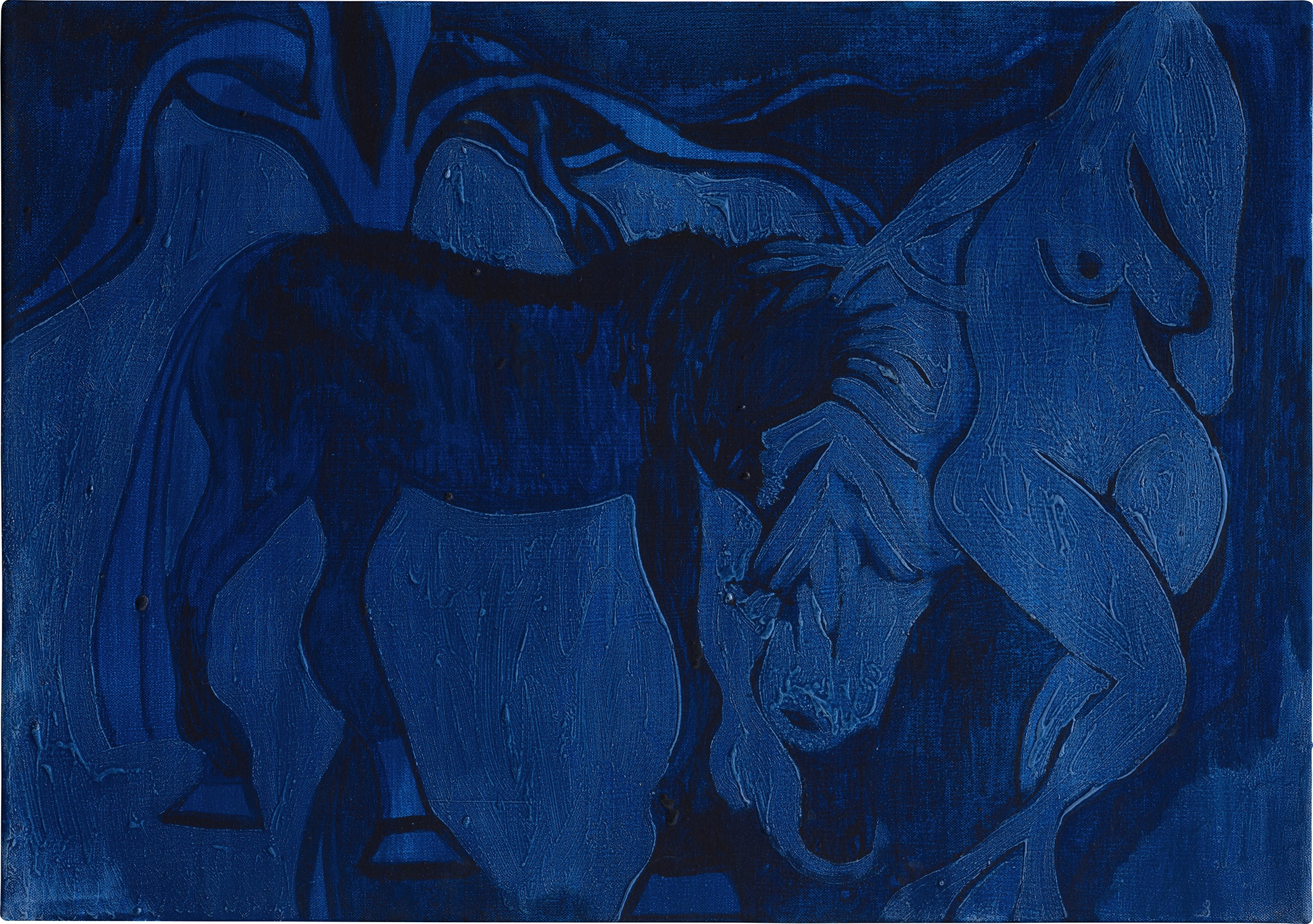
Chris Ofili
Half Moon (Silver)
But the strongest works are not content to deploy these elements as costume. They use them structurally, as load bearing arguments. Look for work where the speculative dimension and the historical dimension are genuinely inseparable, where removing one would cause the whole thing to collapse. When you find that, you have found something worth owning.
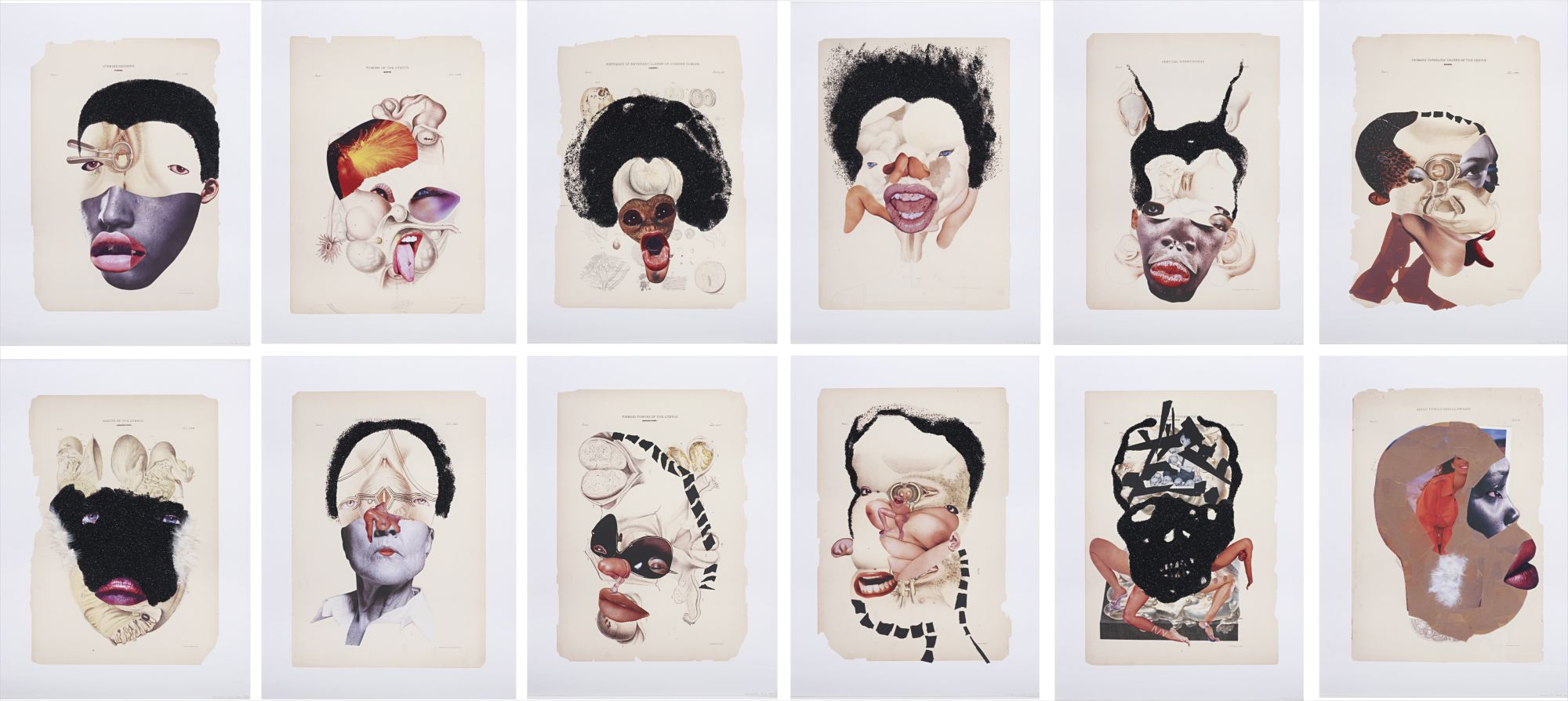
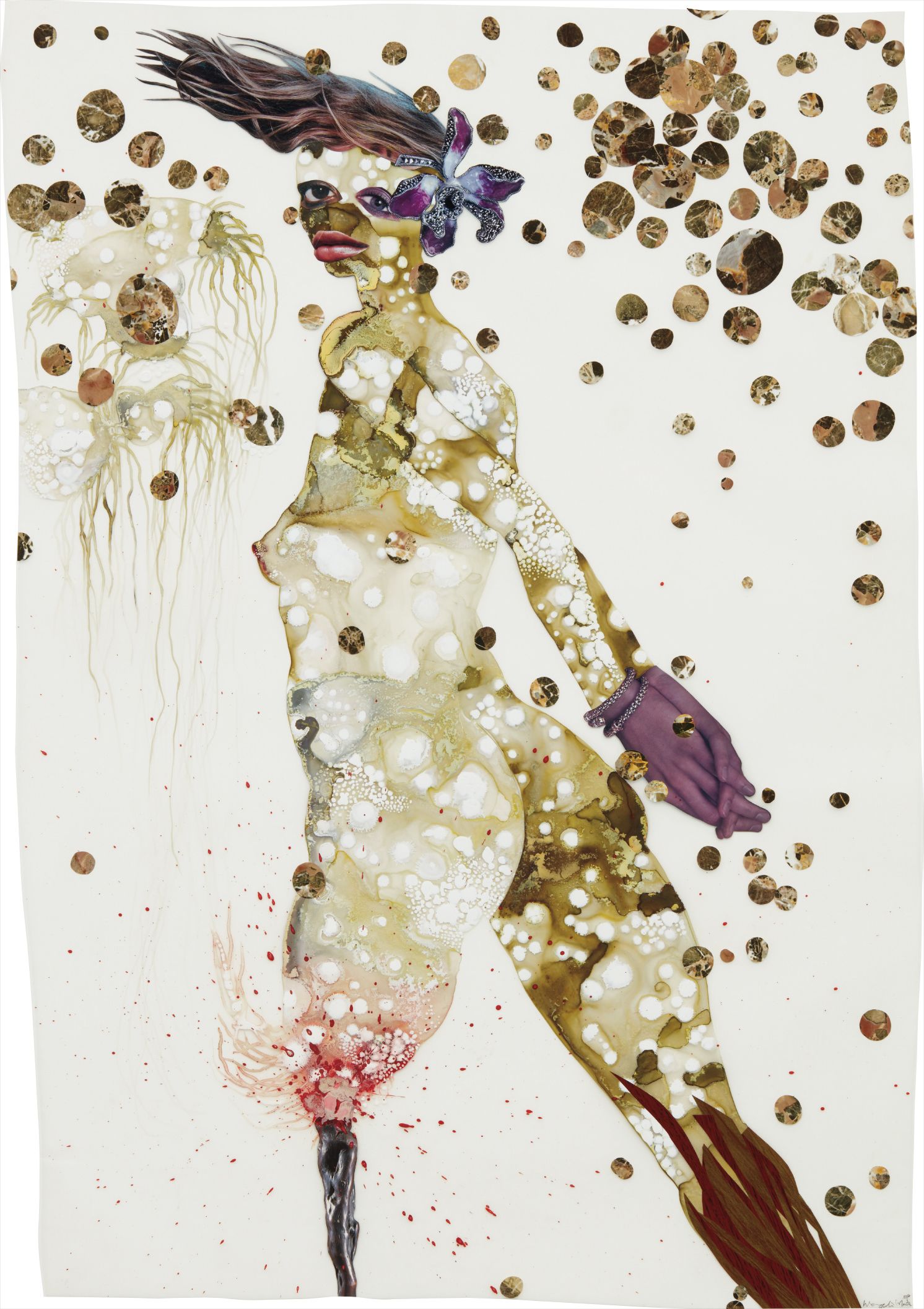
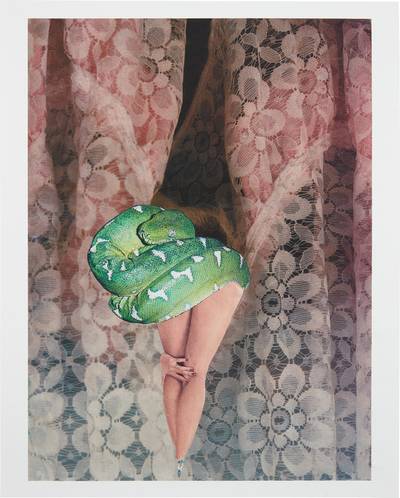
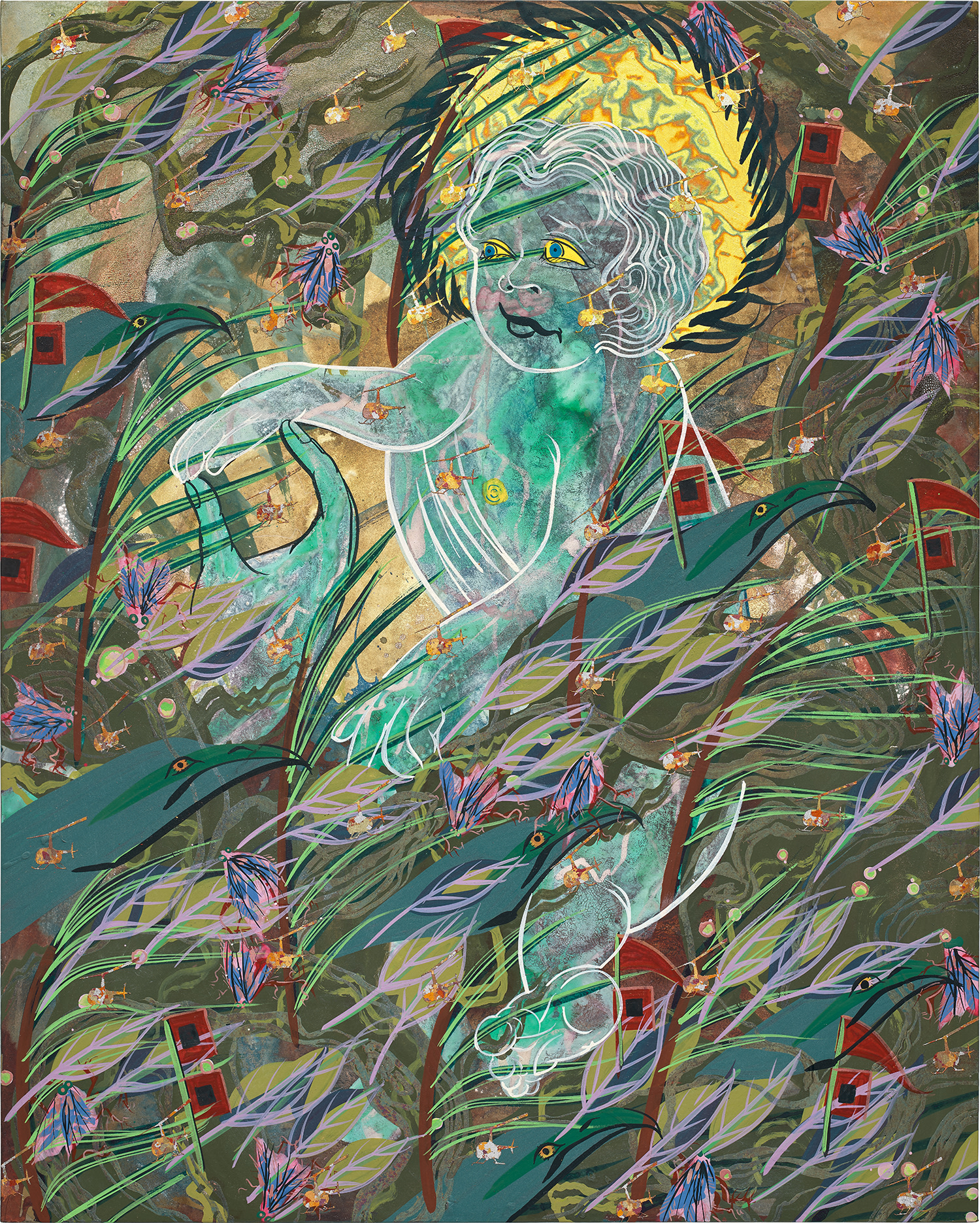
Wangechi Mutu is the clearest example of this standard in practice, and her presence on The Collection reflects exactly why she commands the attention she does. Her collage and sculpture practice has always operated at the intersection of the body, myth, and ecological catastrophe, and the way she holds those registers simultaneously without any of them becoming mere metaphor is what distinguishes her from artists who are only adjacent to this conversation. Her market has strengthened considerably through her solo exhibition at The Metropolitan Museum of Art in 2019, a genuine institutional affirmation that translated directly into secondary market confidence. Works by Mutu that appeared tentative buys in 2015 look like clarifying decisions now.
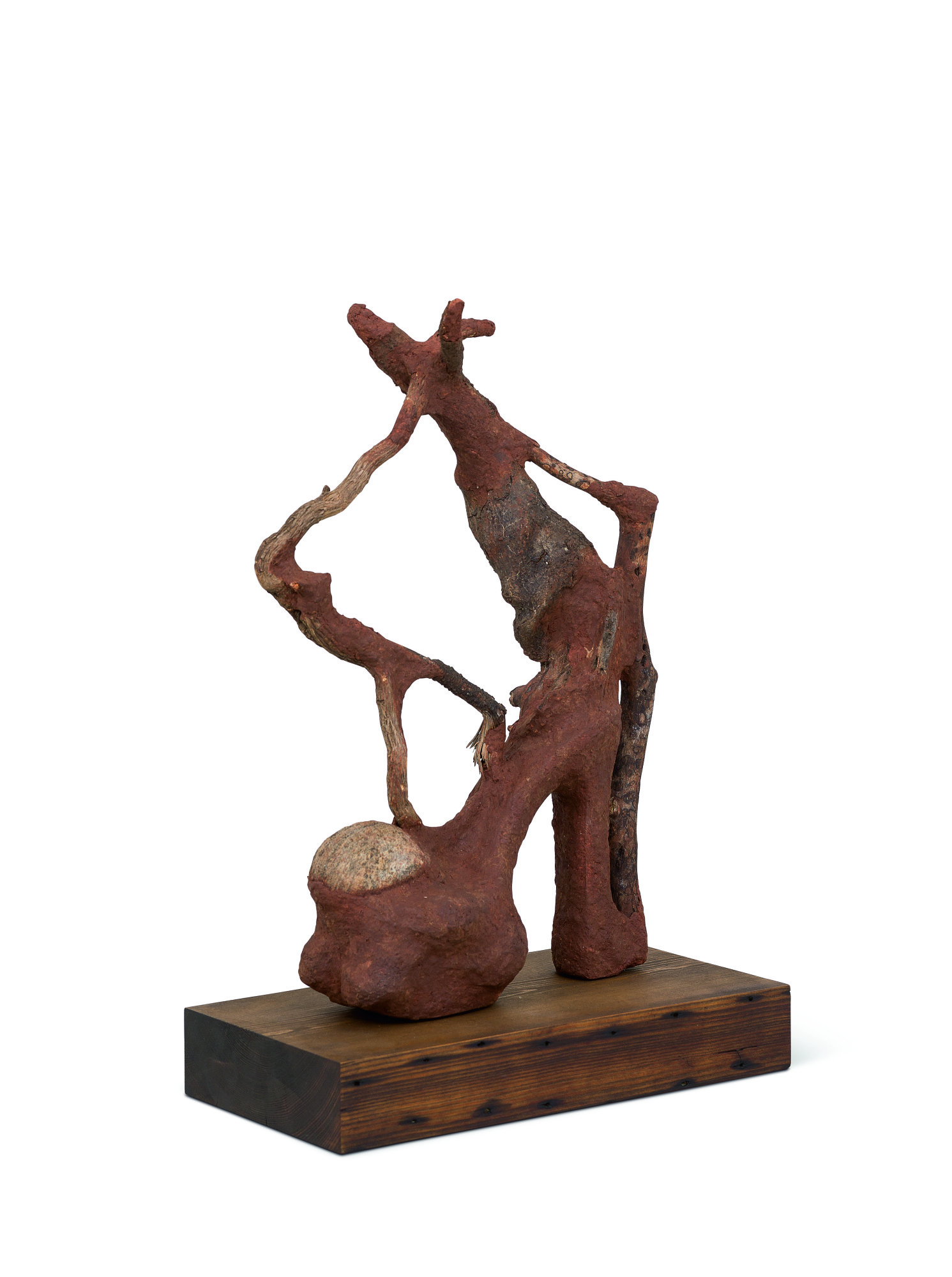
Wangechi Mutu
Heeler Xvi, 2016
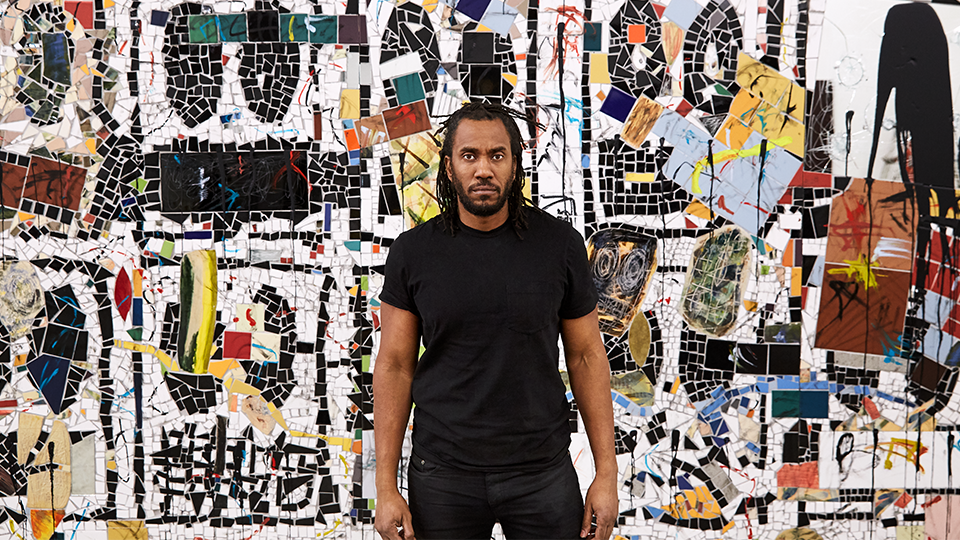
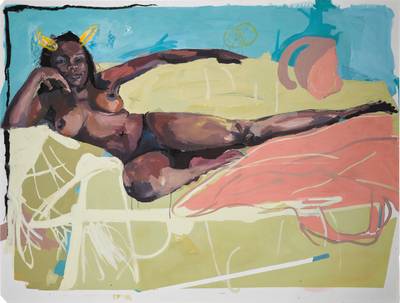
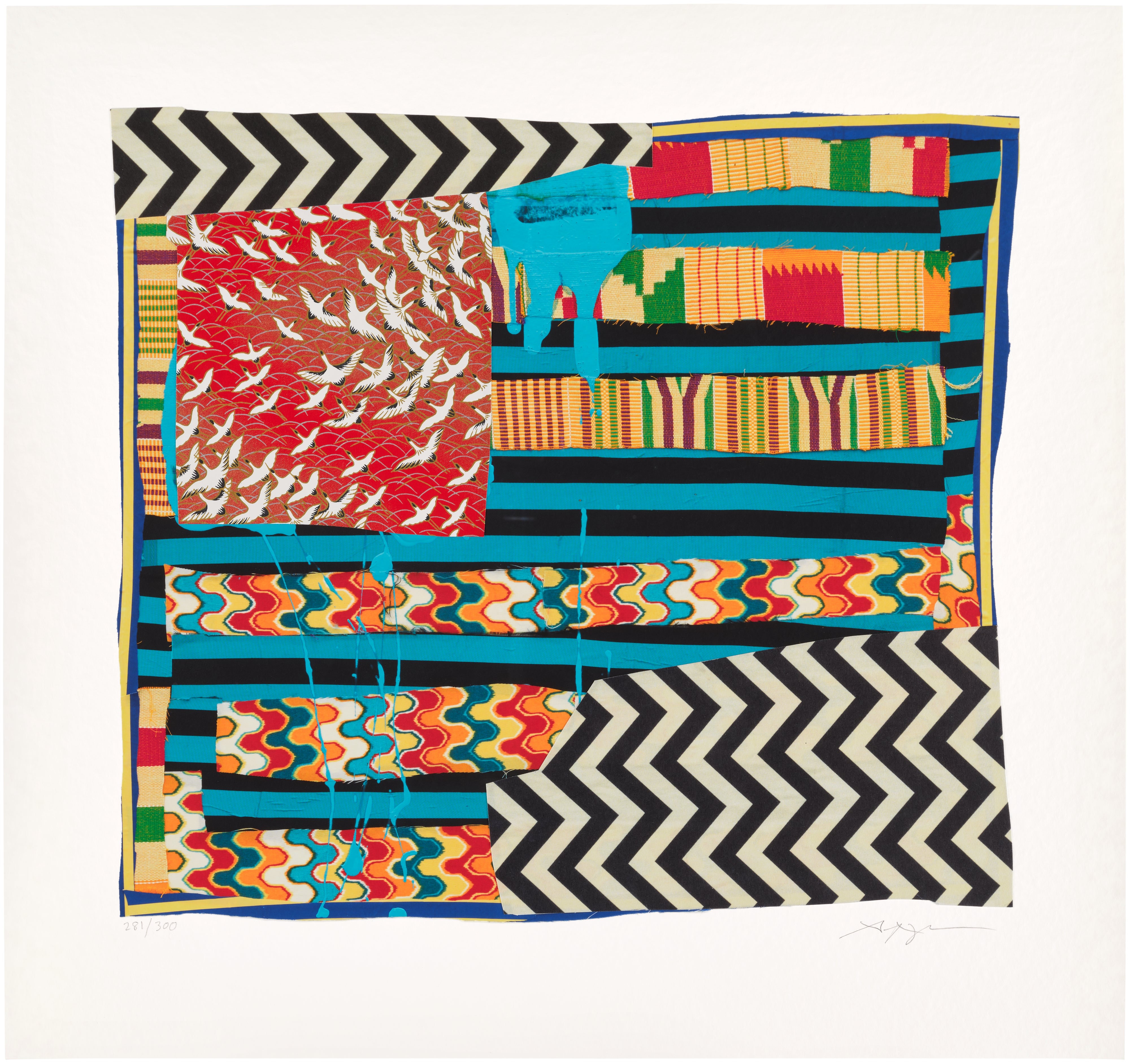
Chris Ofili, whose work has been central to contemporary art since his Turner Prize win in 1998, operates in related territory with a different grammar. His paintings carry African cosmology and diasporic cultural memory through surfaces of extraordinary sensory richness, and collectors who have held his work over the long term have seen consistent appreciation. Rashid Johnson is another name whose trajectory rewards close attention. His use of shea butter, black soap, and anxious plant arrangements creates a material vocabulary that is immediately recognizable and yet continues to deepen with each new body of work.
Johnson has been exhibited widely at institutions including the Guggenheim, and his auction performance over the past decade reflects sustained institutional and collector confidence. For collectors thinking about where the next meaningful movement in value and cultural weight might emerge, several artists on The Collection are worth serious consideration. Lina Iris Viktor works with 24 karat gold and cosmological imagery to construct a visual language of Black sovereign identity that is unlike anything else being made right now. Her work is rare in the market and that scarcity combined with its formal ambition makes it a genuinely compelling acquisition.
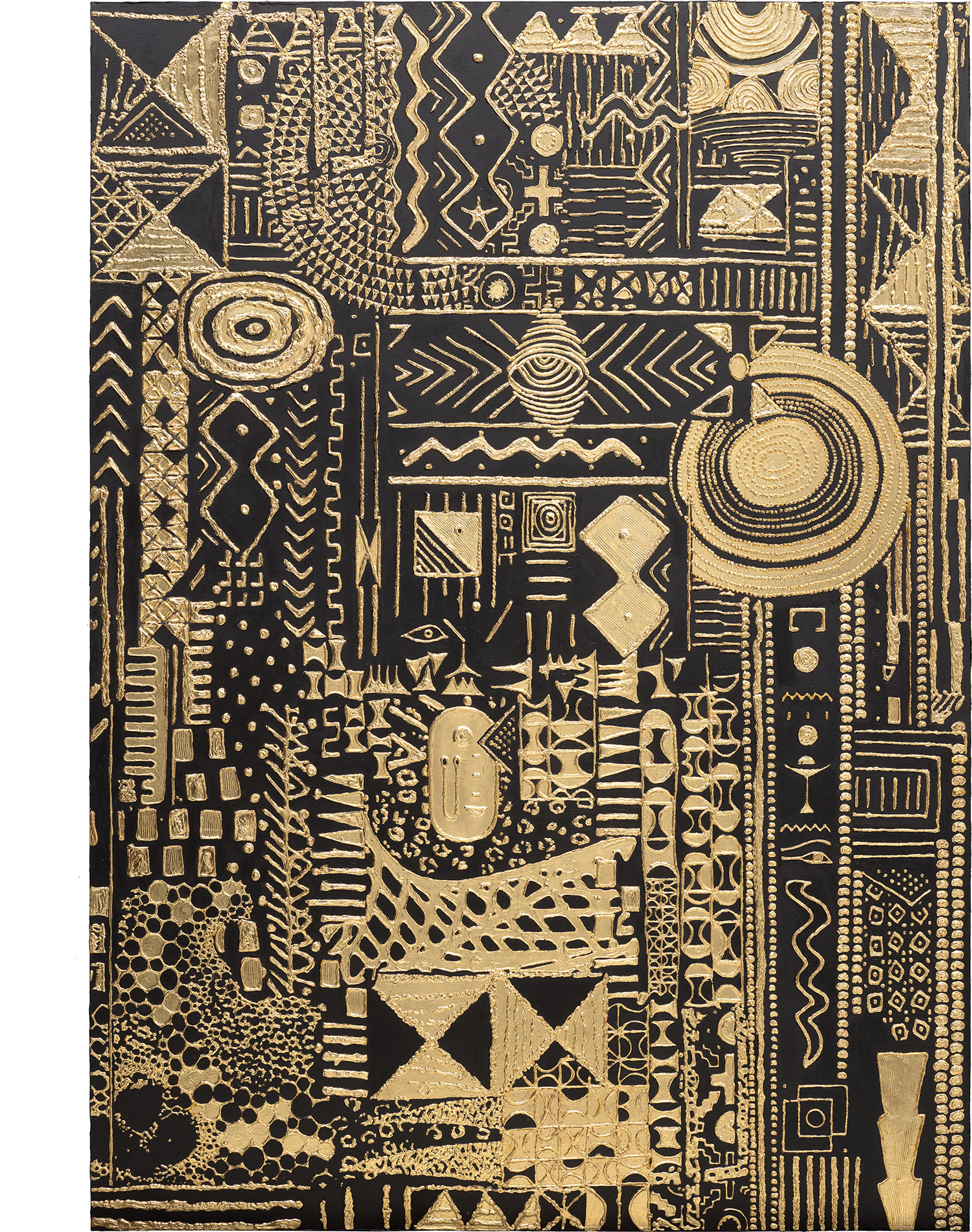
Lina Iris Viktor
Constellations II
Kudzanai Violet Hwami, the Zimbabwean born painter who was included in the 2019 Venice Biennale, has been building an exhibition record that suggests her market is still well behind where her critical reputation places her. That gap is an opportunity. Tunji Adeniyi Jones and Dominic Chambers are two painters whose work engages Afrofuturist ideas through figuration that is grounded in art history and charged with contemporary urgency. Adeniyi Jones paints bodies in rhythmic motion that evokes Yoruba cosmology while remaining entirely of this moment, and his prices at auction have been rising steadily as institutional interest catches up with collector enthusiasm.
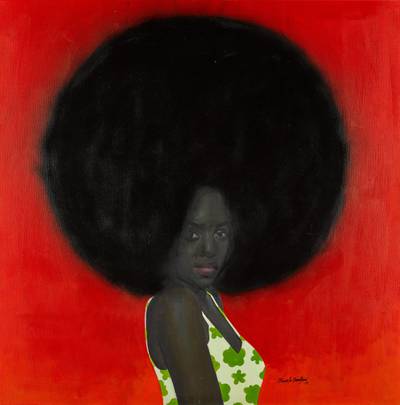
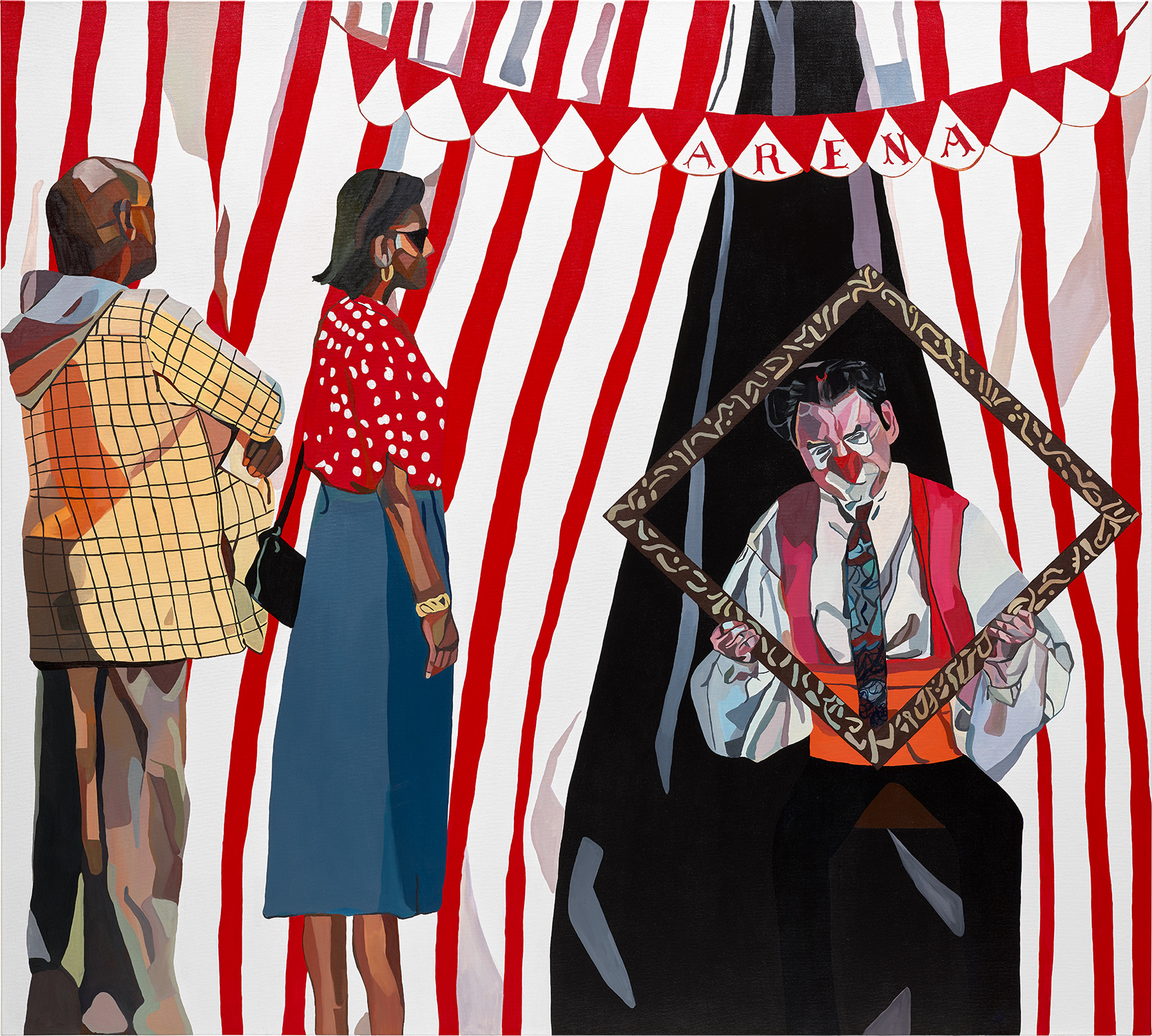
Oluwole Omofemi and Annan Affotey are both producing figurative work that operates in the space between portraiture and speculative world building, and both feel like artists whose market positions will look different in five years than they do today. At auction, Afrofuturist and adjacent works have performed with notable strength since roughly 2019, accelerating through 2020 and 2021 in ways that raised legitimate questions about sustainability. What has followed is something more interesting than a correction: a sorting. Works with genuine formal distinction and strong provenance have held and continued to appreciate.
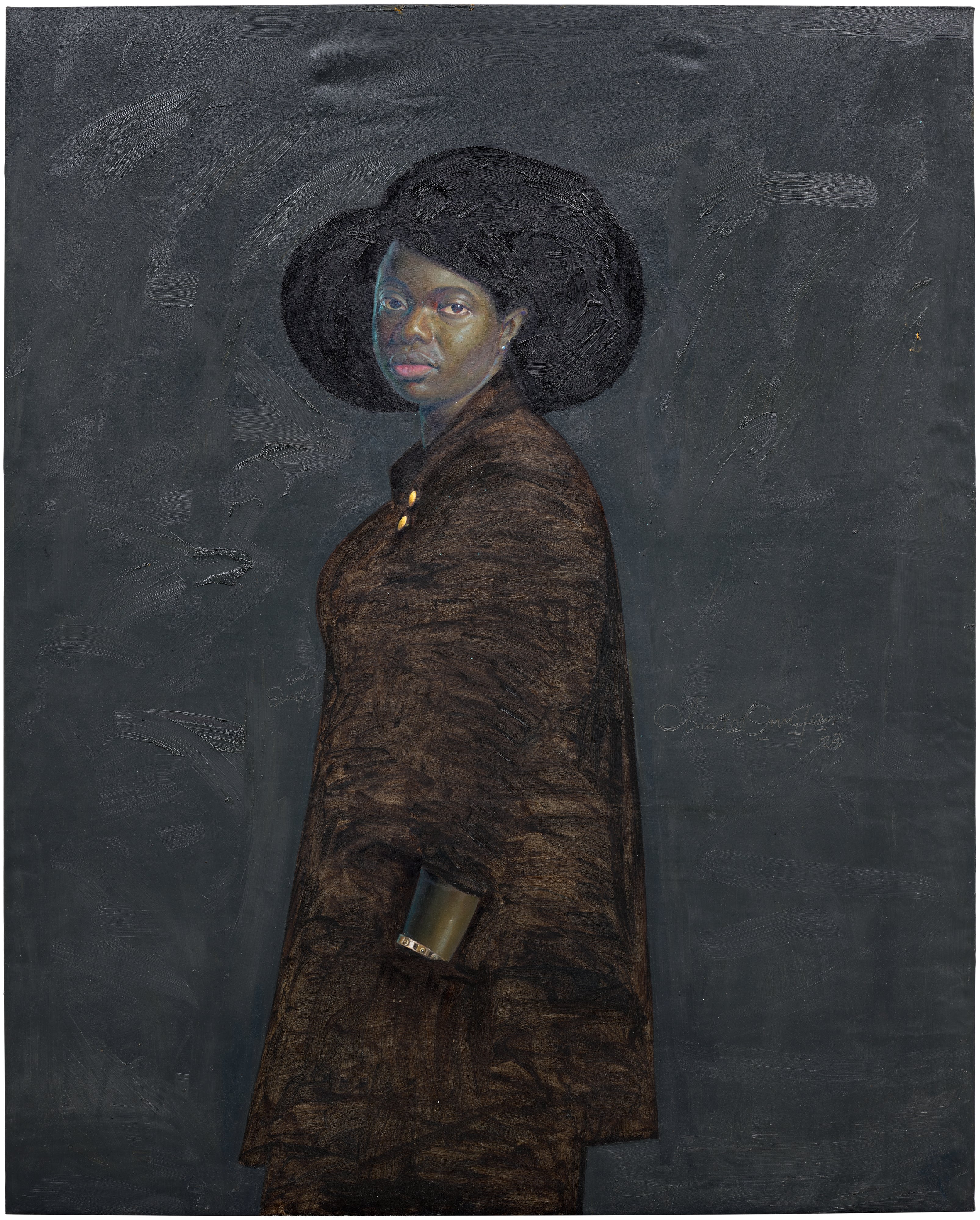
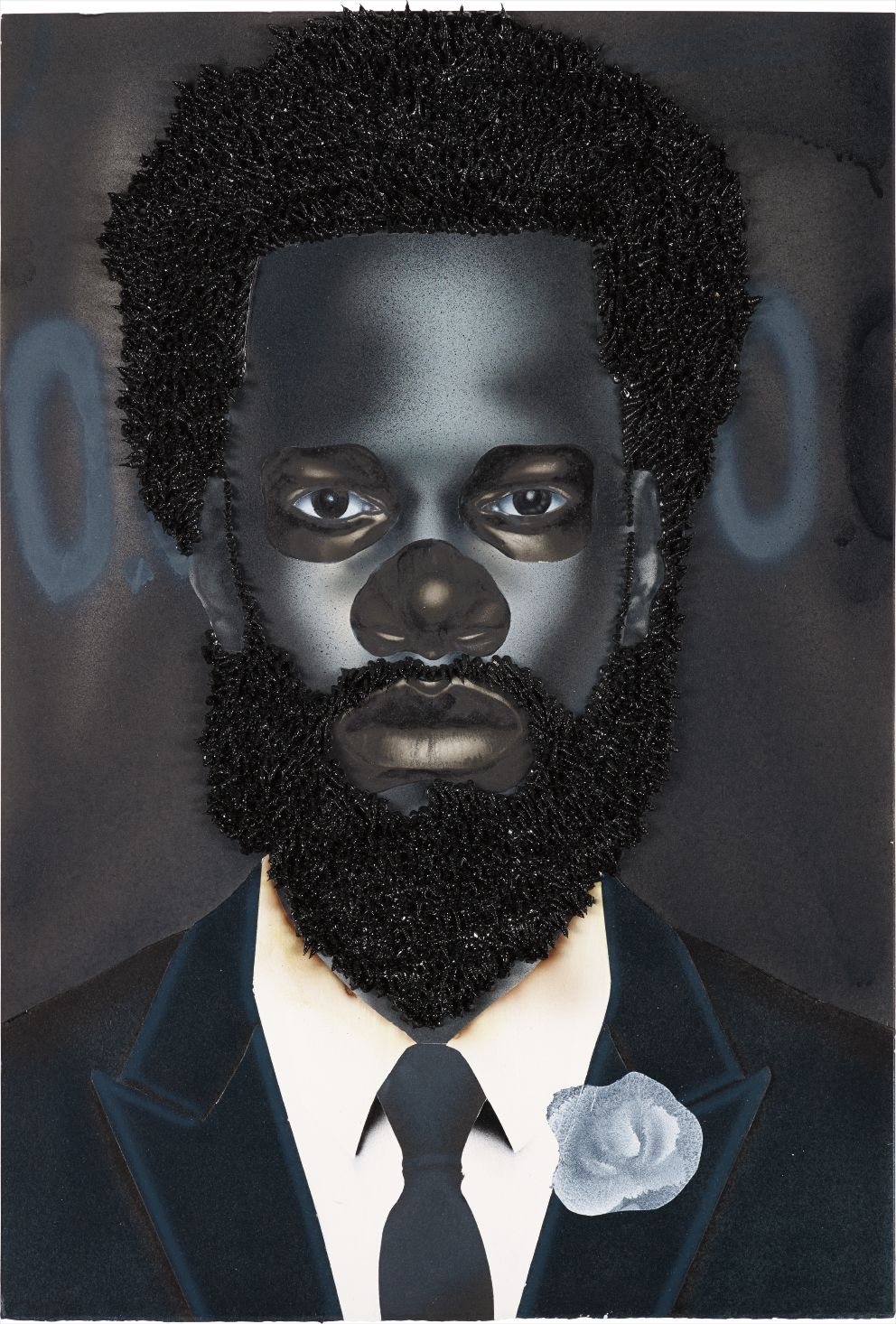
Oluwole Omofemi
Defender of Truth, 2023
Works that were primarily riding momentum have softened. This is a healthy development for collectors who are buying for the long term, because it means the market is beginning to price quality rather than category. Ellen Gallagher, whose work engages Black popular culture and science fiction through obsessive material process, has seen this dynamic play out in her favor, with serious collectors treating any opportunity to acquire her work as precisely that. Practically speaking, there are a few things every collector should think through before acquiring in this space.
Many Afrofuturist artists work across media, and the condition considerations for works on paper, photography, and mixed media are meaningfully different from those for painting. Ask the gallery specifically about light sensitivity, framing recommendations, and any material elements that require particular care. Sanford Biggers and Lauren Halsey both work with installation and sculptural elements that require careful dialogue with any gallery or estate about display requirements before purchase. For edition works, always confirm the total edition size, the number of artist proofs, and whether the edition is closed.
The distinction between a closed edition of eight and an open edition with ongoing printing matters enormously to long term value. Finally, the best question you can ask any gallery selling Afrofuturist work is simply this: what is the artist's relationship to institutions right now. Not what institutions have shown the work historically, but what is in development. Museum exhibitions, biennials, and major survey shows drive secondary market performance in ways that are genuinely predictable if you are paying attention to the pipeline.
Artists like Toyin Odutola and Lynette Yiadom Boakye have demonstrated that sustained institutional engagement over time creates a market foundation that holds through cycles. That combination of critical seriousness, institutional attention, and formal ambition is what you are ultimately looking for. The work that earns a place in the future tends to be the work that was never afraid to imagine it.