African American Culture
Archived article
You are reading a previous version of this article.
Read the latest version```json { "headline": "The Works That Refuse To Be Ignored", "body": "There is something particular about living with work rooted in African American culture. Collectors who come to this area often describe a similar experience: the work does not let you be passive. It asks something of you. Whether it is the layered, almost archaeological texture of a Romare Bearden collage or the charged material language of a David Hammons installation, these are objects that generate conversation, provoke feeling, and hold their ground on any wall, in any room, in any company.
That quality of insistence, of refusing to be decorative furniture, is precisely what draws serious collectors in and keeps them engaged over years and decades.", "After the initial pull comes something subtler. Many collectors in this space speak about a deepening relationship with the work over time, a sense that there are more layers to discover the longer a piece lives with you. This is partly a function of the materials and methods that so many artists in this tradition have employed.
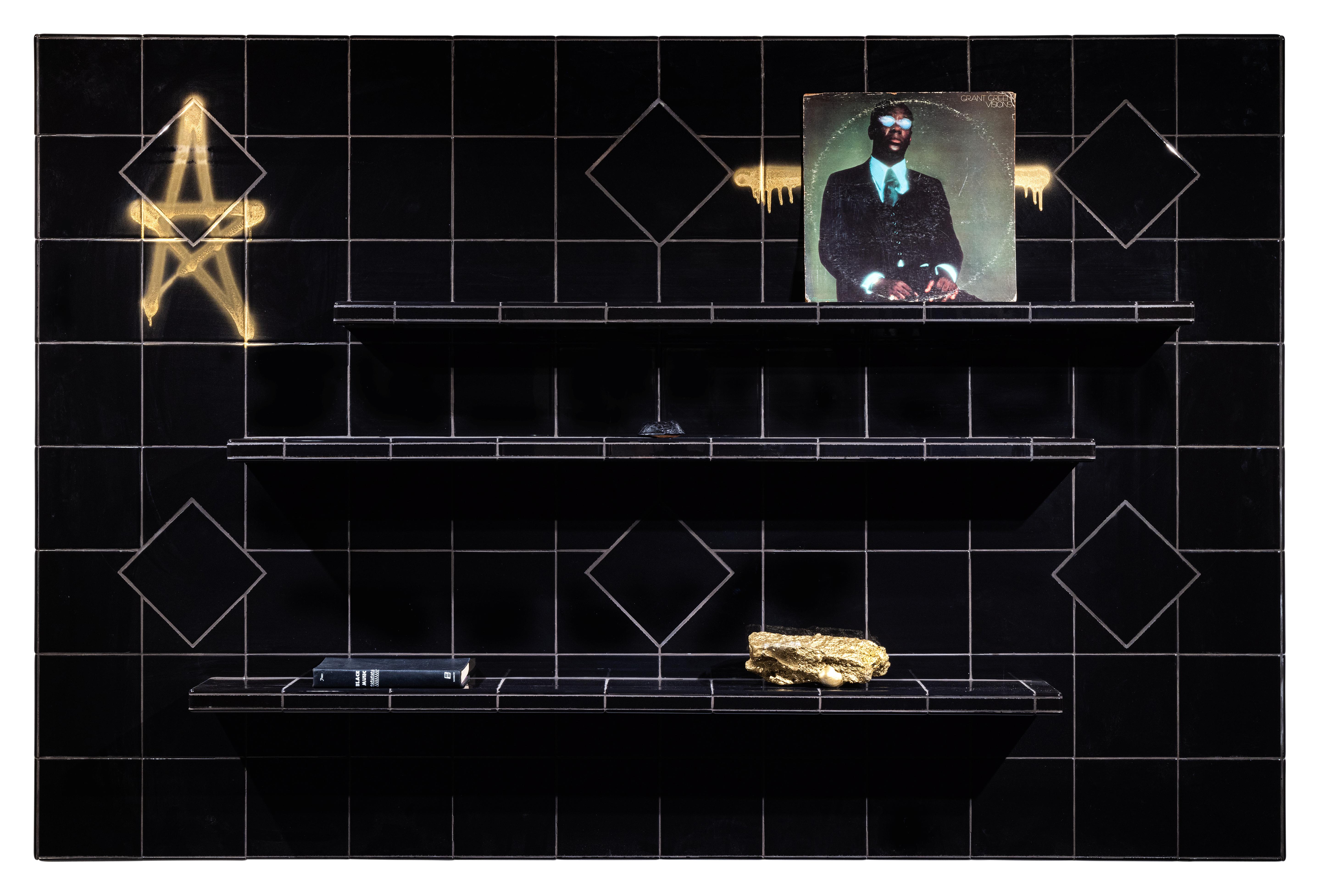
Rashid Johnson
Black Music, 2010
Collage, assemblage, found objects, quilting, photography, ceramics: these are mediums that reward close attention. The longer you look, the more you find. That quality of accumulated meaning is one of the most reliable markers of a great work versus a merely good one.", "What separates good from great in this collecting area comes down to a few specific qualities.
Conceptual coherence is essential. A work should feel as though its form and its content are inseparable, as though the artist could not have said this particular thing any other way. Bearden understood this instinctively. His collages from the Projections series in the 1960s and his later Odyssey works are not simply beautiful assemblages.
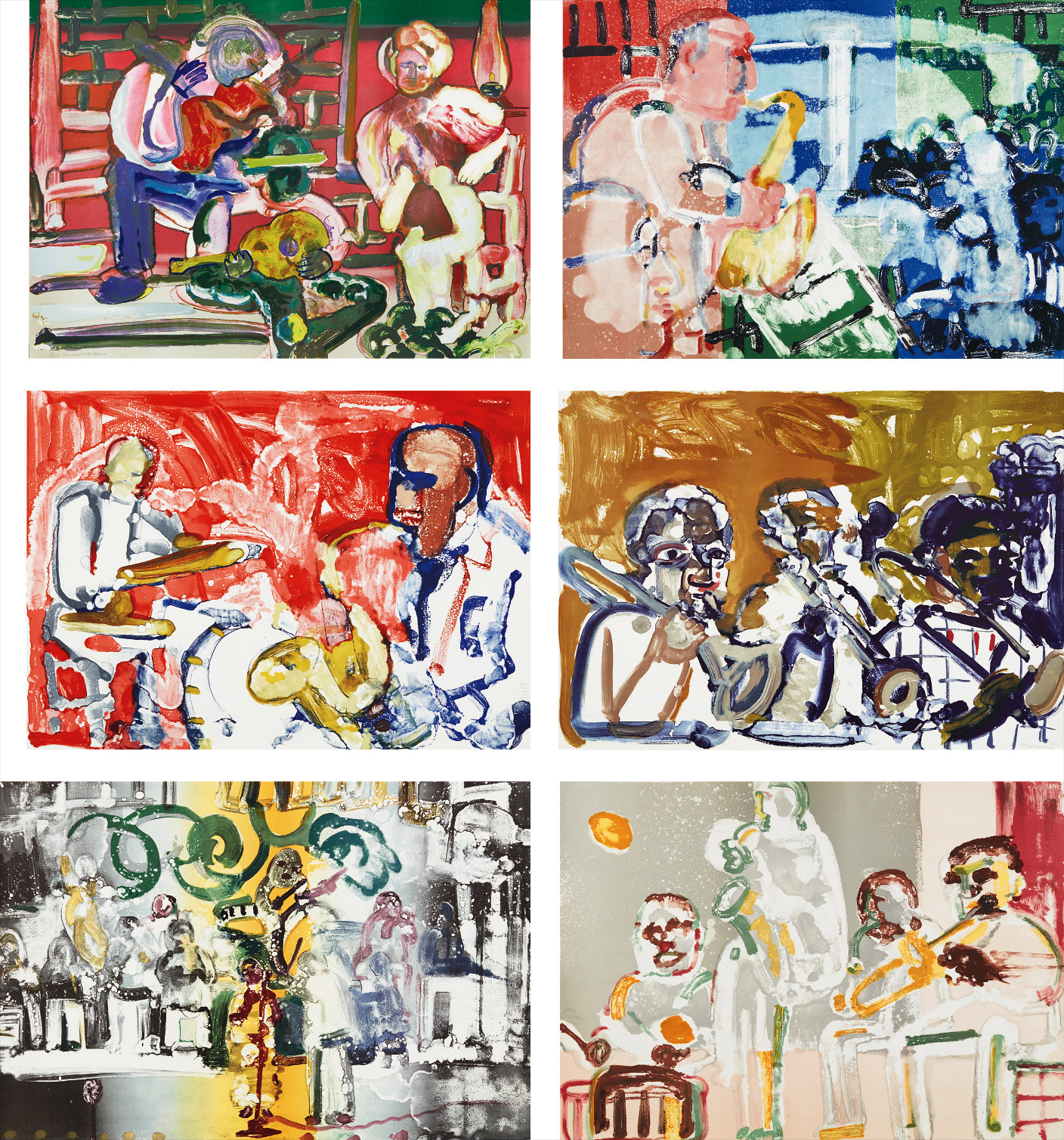
Romare Bearden
Jazz
The fragmentation, the scale shifts, the layered photographic textures are doing specific cultural and psychological work. Collectors should always ask whether the formal choices feel inevitable or arbitrary. Inevitability is the mark of real ambition.", "Provenance and exhibition history carry particular weight in this area of the market.
A work that appeared in a landmark show, a museum retrospective, or a gallery exhibition that helped define a movement carries with it a layer of institutional endorsement that matters both culturally and financially. Rashid Johnson, whose practice draws on personal and collective Black experience through sculpture, painting, and installation, has been the subject of significant museum attention over the past fifteen years, including a major survey at the Museum of Contemporary Art Chicago. That kind of institutional history is not the only measure of value, but it is a meaningful signal when you are considering a purchase. Works by artists represented on The Collection, including Johnson and Theaster Gates, benefit from exactly this kind of accumulated critical and institutional attention.
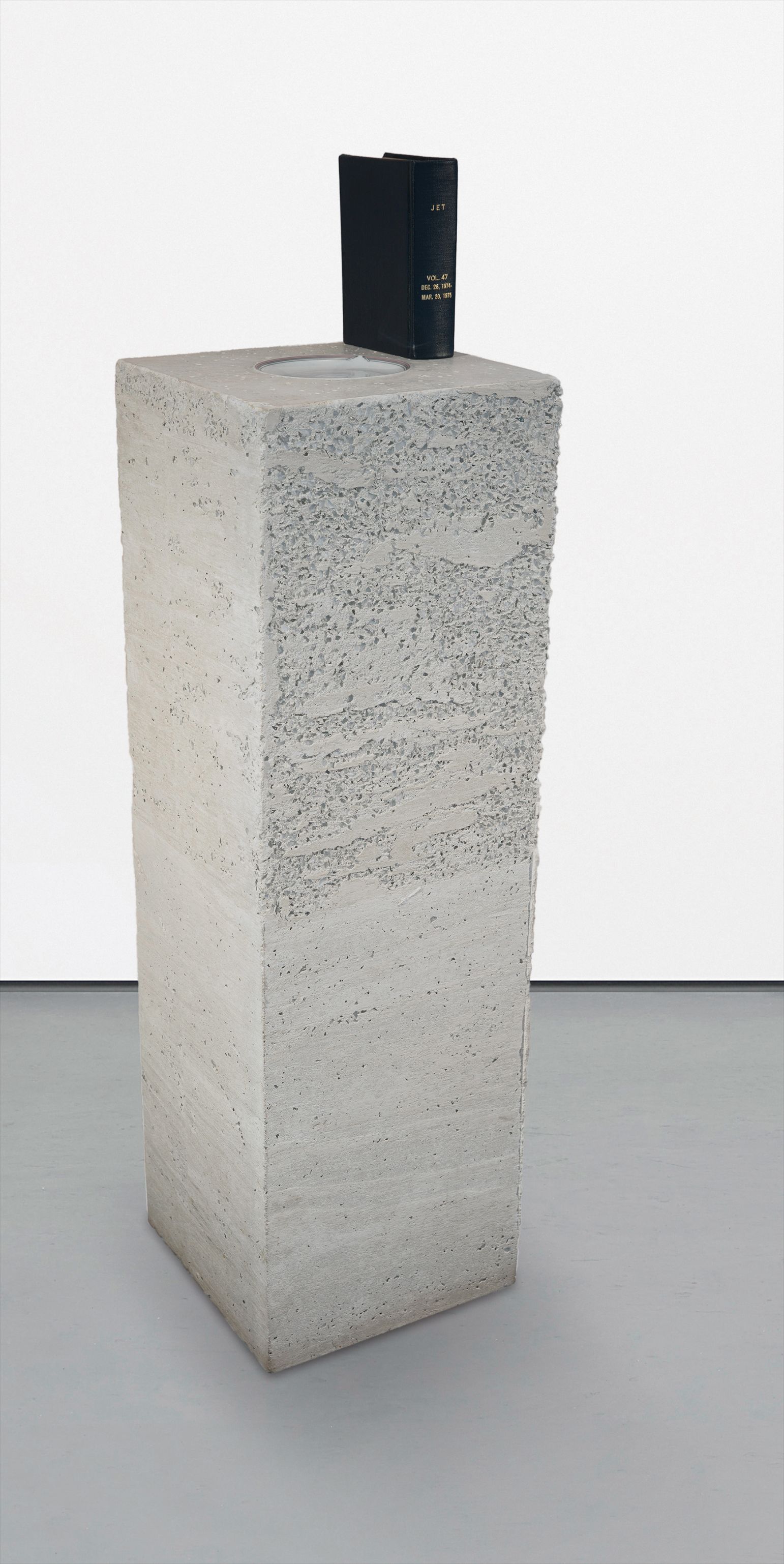
Theaster Gates
Afrostack
", "Theaster Gates occupies a remarkable position in the contemporary market. His practice is as much about community transformation and archival recovery as it is about making discrete objects, and yet the objects that emerge from his studio carry all of that broader context inside them. His work with salvaged materials, with the archive of the Johnson Publishing Company, and with the built environment of Chicago's South Side gives his pieces a weight and specificity that purely formal work rarely achieves. Collectors who bought Gates in the early 2010s have seen substantial appreciation, and works at the secondary market level continue to perform strongly at auction.
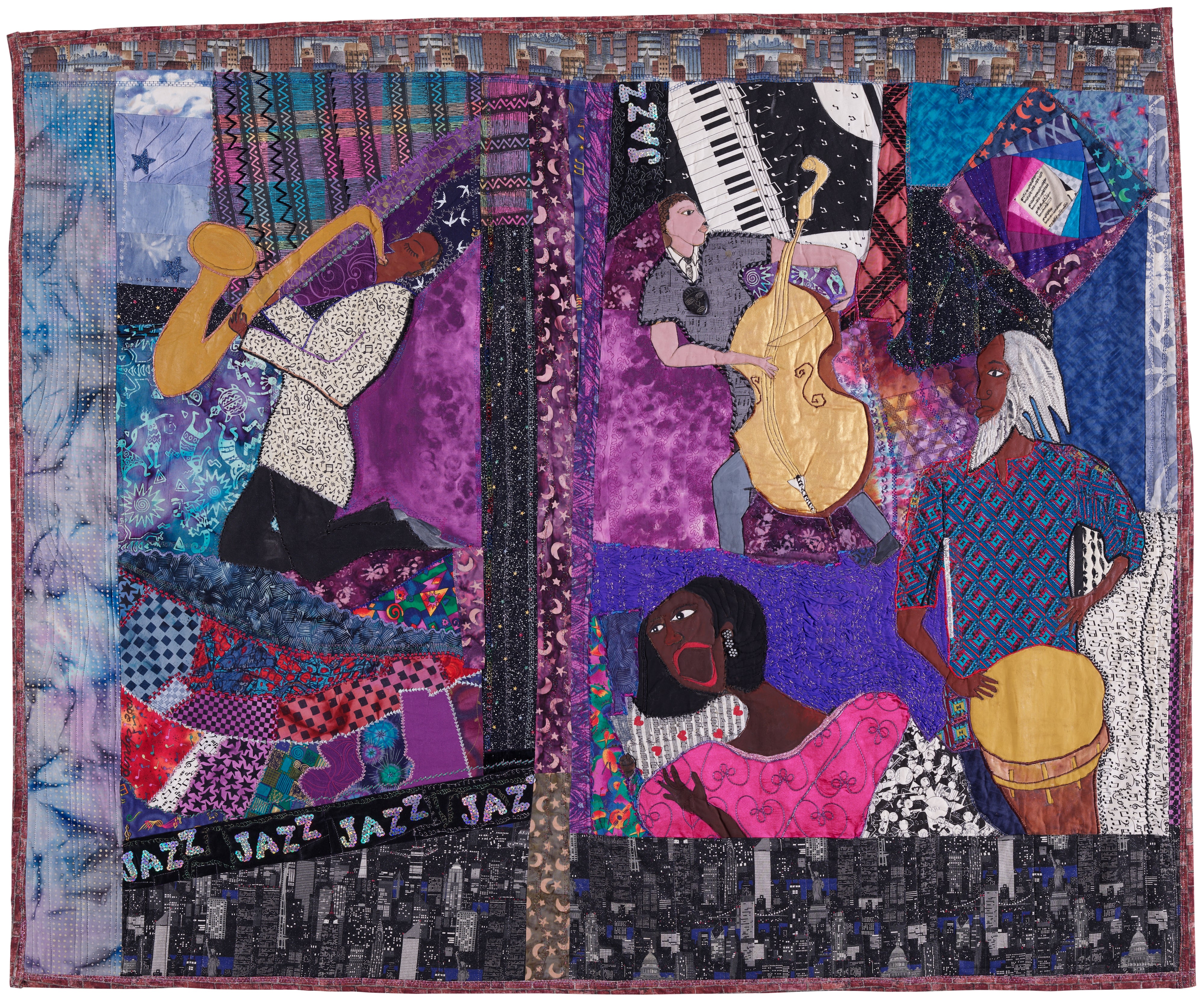
For collectors considering entry points, earlier works on paper or smaller format pieces can offer access to a significant practice without the considerable outlay that his larger installations now command.", "Dindga McCannon represents a different and arguably underappreciated thread in this story. A founding member of the Where We At collective of Black women artists in the early 1970s, McCannon has worked across fiber art, painting, and mixed media for over five decades. Her work sits at the intersection of the feminist art movement and the Black Arts Movement, two currents that are both receiving serious critical and market reassessment right now.
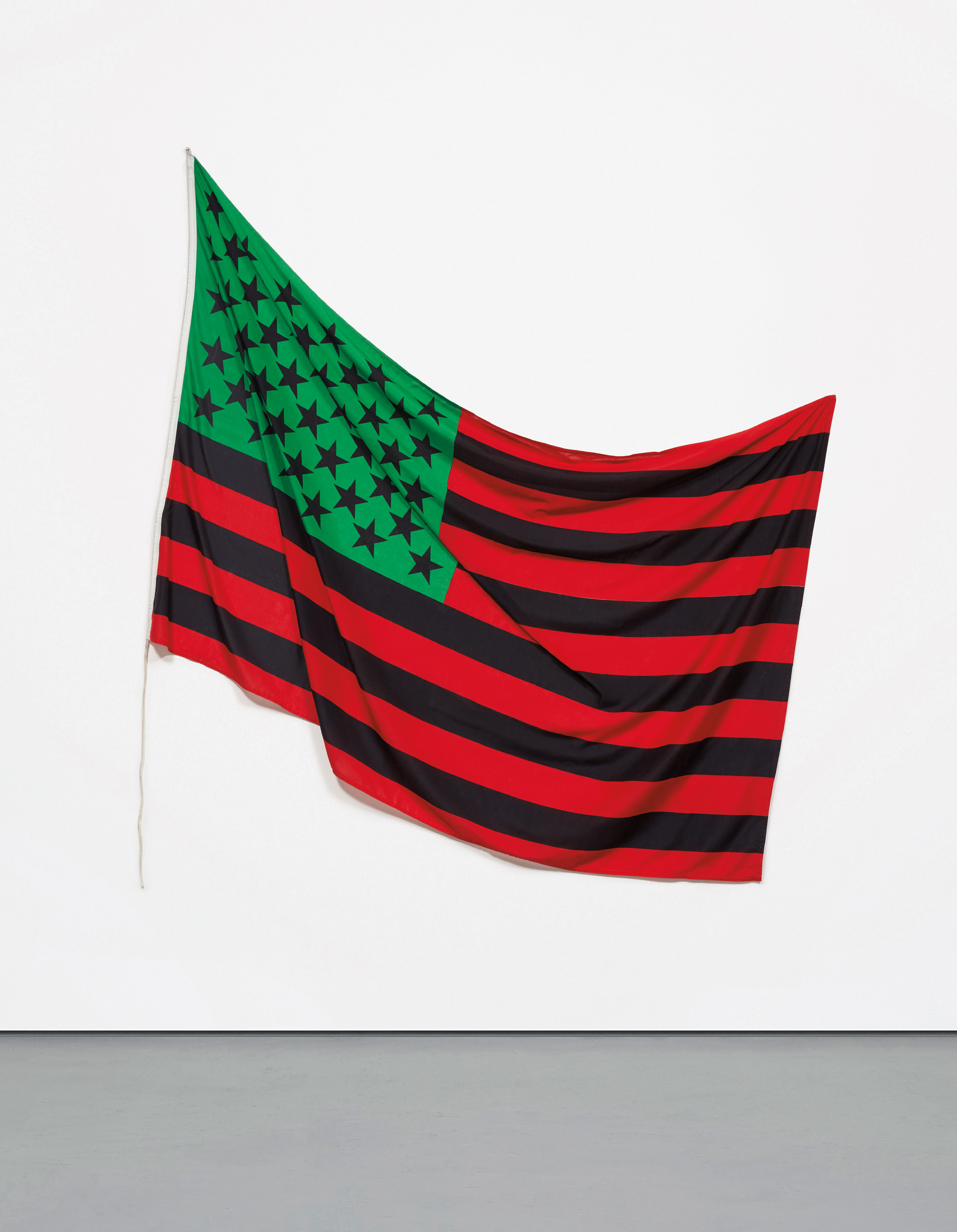
David Hammons
African-American Flag
Collectors who are looking at artists where the critical reappraisal is still in progress, and where the market has not yet fully caught up with the historical importance, should pay close attention. This is exactly the kind of position that long term collectors look back on with satisfaction.", "At auction, works rooted in African American culture have shown remarkable momentum over the past decade. The 2021 sale of Jean Michel Basquiat's In This Case at Christie's New York, achieving just over 93 million dollars, was a headline moment, but the more meaningful signal for working collectors is the consistent performance across a broader range of artists and price points.
David Hammons, for example, rarely appears at auction, which creates scarcity value around each work that does come to market. When Hammons works do appear, they tend to achieve prices that reflect both the difficulty of acquisition and the significance of the practice. Scarcity combined with institutional endorsement is one of the strongest value drivers in any segment of the market.", "Practically speaking, collectors in this area should pay particular attention to condition issues specific to the materials involved.
Works incorporating found objects, organic materials, or mixed media can be more vulnerable to environmental factors than paintings on canvas. Ask the gallery or dealer for a full condition report, and ideally request the conservator's notes if any treatment has been performed. For works on paper, which are common across many of the practices discussed here, UV protective glazing and controlled light exposure are non negotiable. Ask galleries directly about whether editions exist for any photographic or print based works, and what the edition size and numbering are.
Unique works generally carry stronger market positions than large editions, though small editions from significant artists can still represent excellent value.", "The most important question to bring to any gallery conversation is simply: what is this work doing? Not what does it look like, not even what is it about, but what is it doing? The best dealers in this space will have a precise and considered answer.
They will talk about the artist's relationship to their materials, about specific decisions that were made, about how this work sits within the larger arc of the practice. If the conversation stays at the level of biography or social context without ever getting to the formal and conceptual specifics of the object in front of you, that is a signal. The works that matter in this tradition are making specific arguments in specific visual languages. The more fluent you become in those languages, the more rewarding the collection becomes.
Works tagged African American Culture