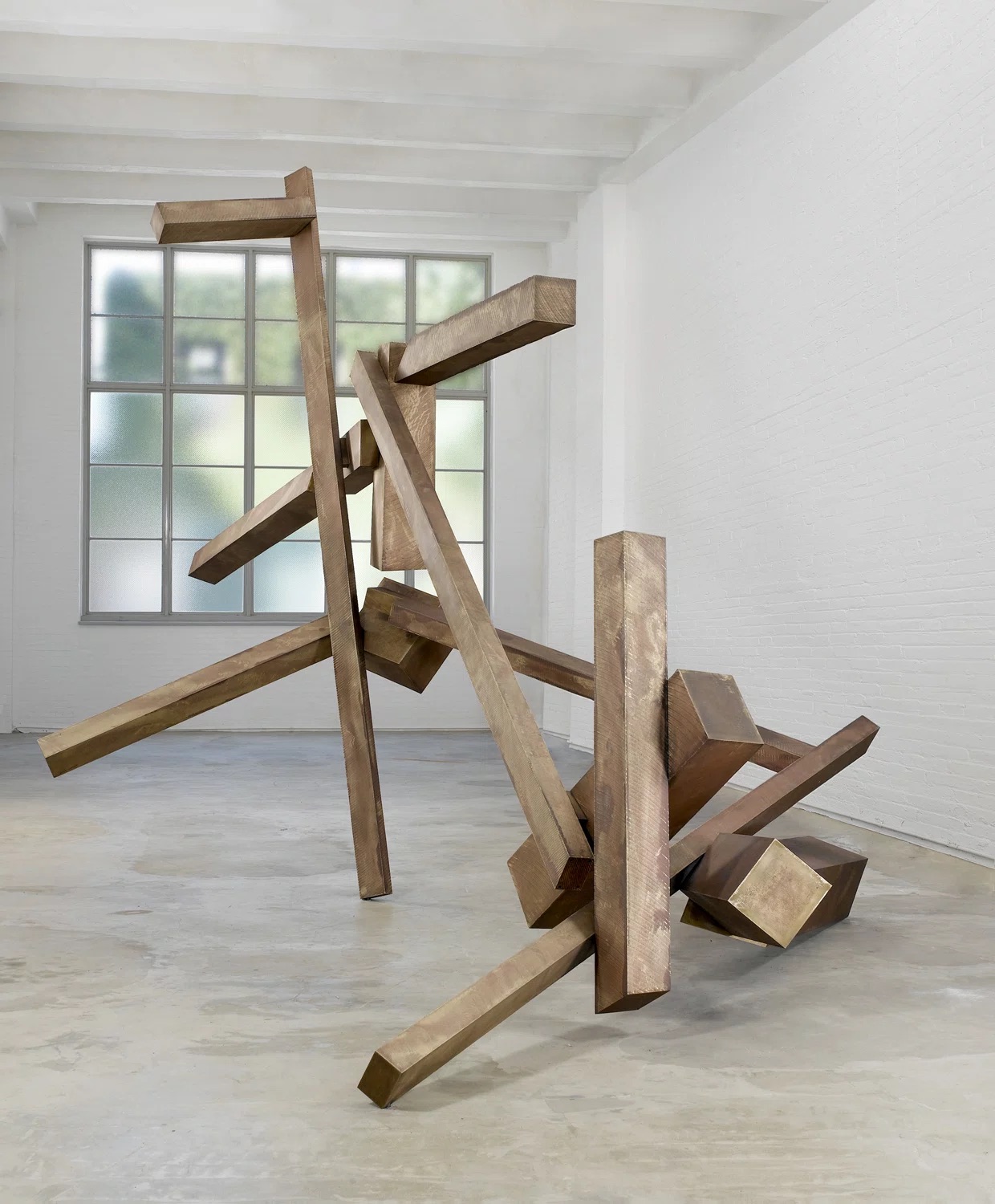
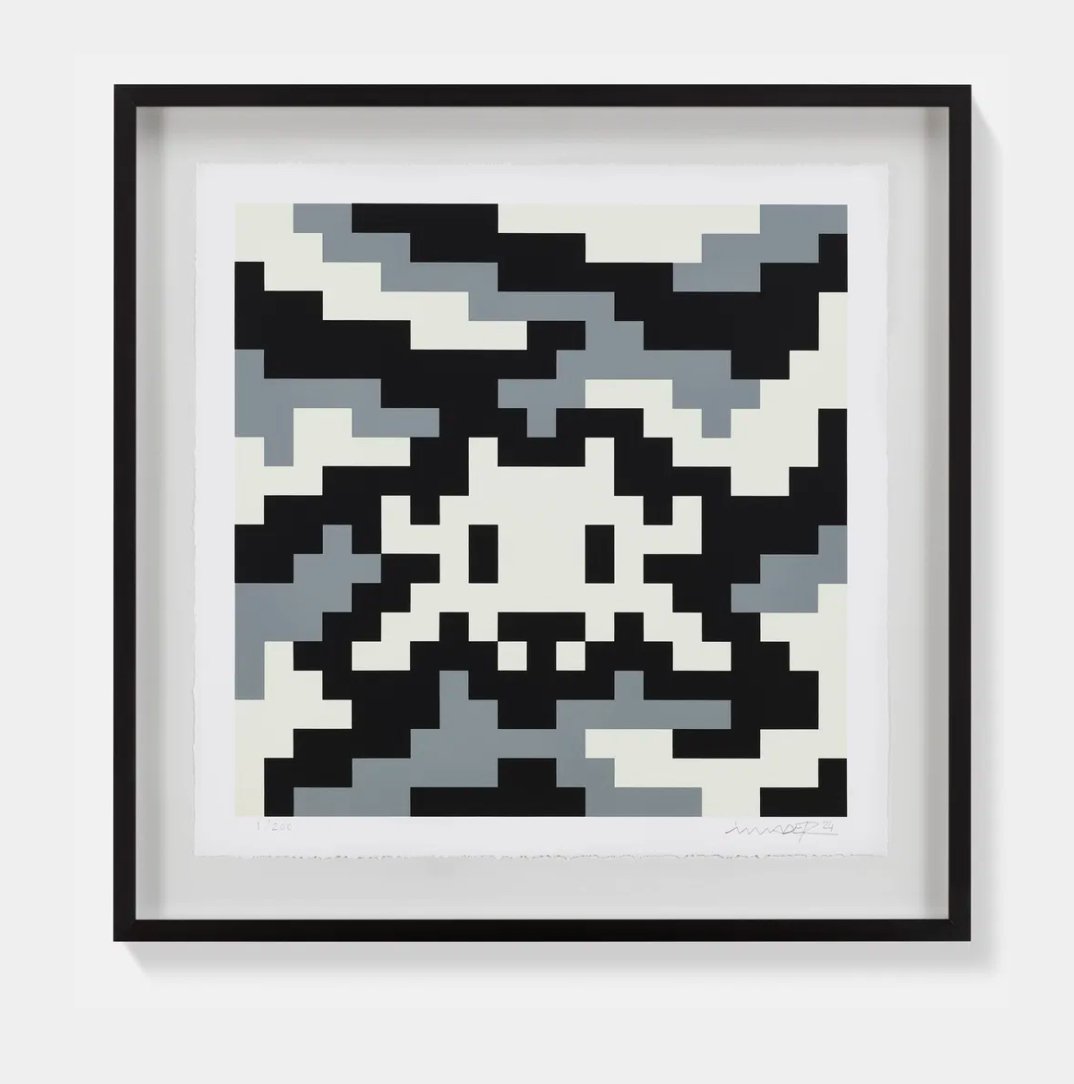
Acrylic Medium
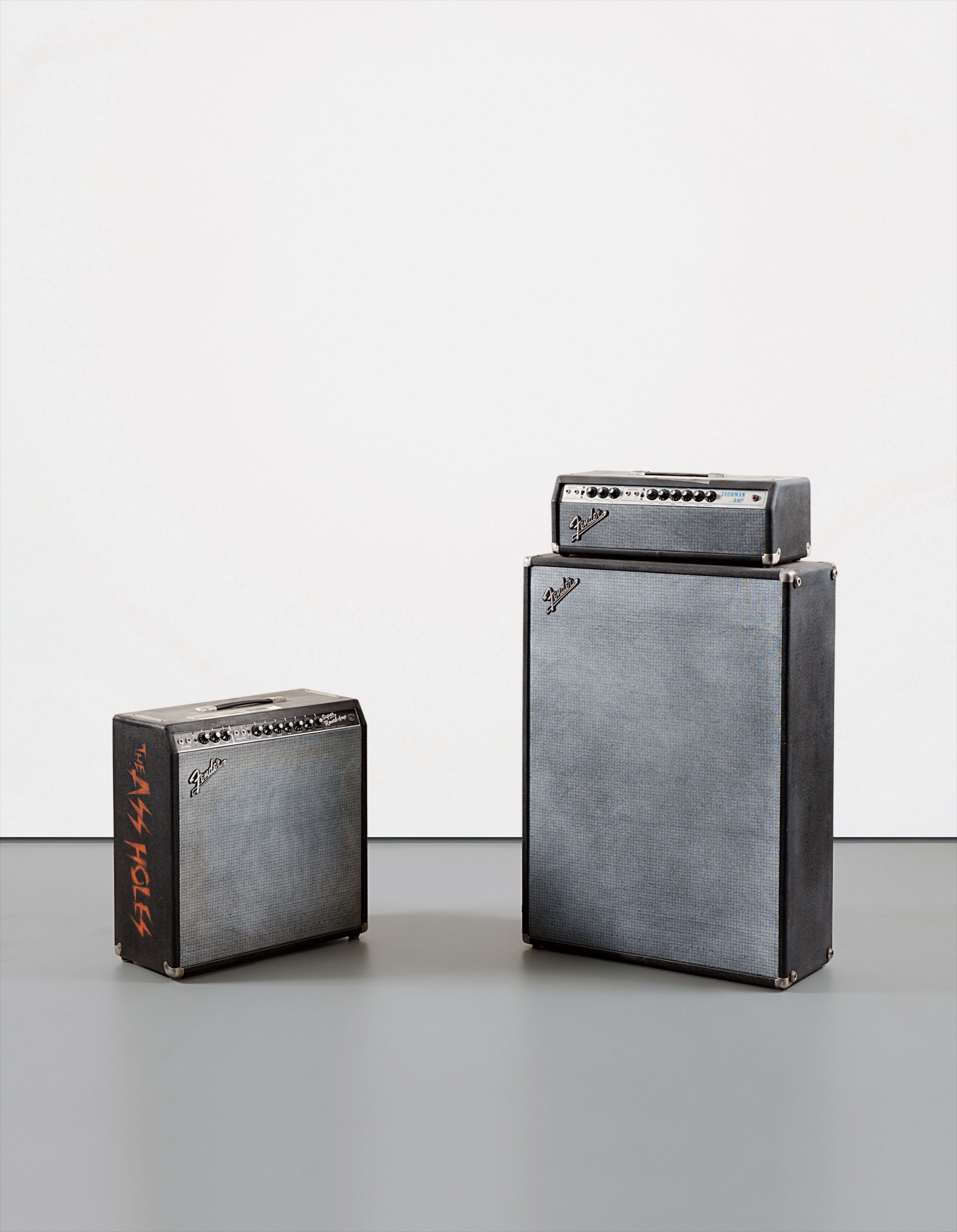
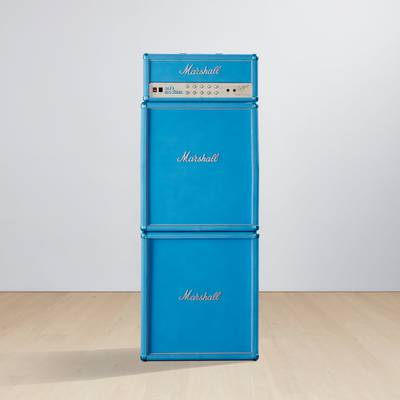
Kaz Oshiro
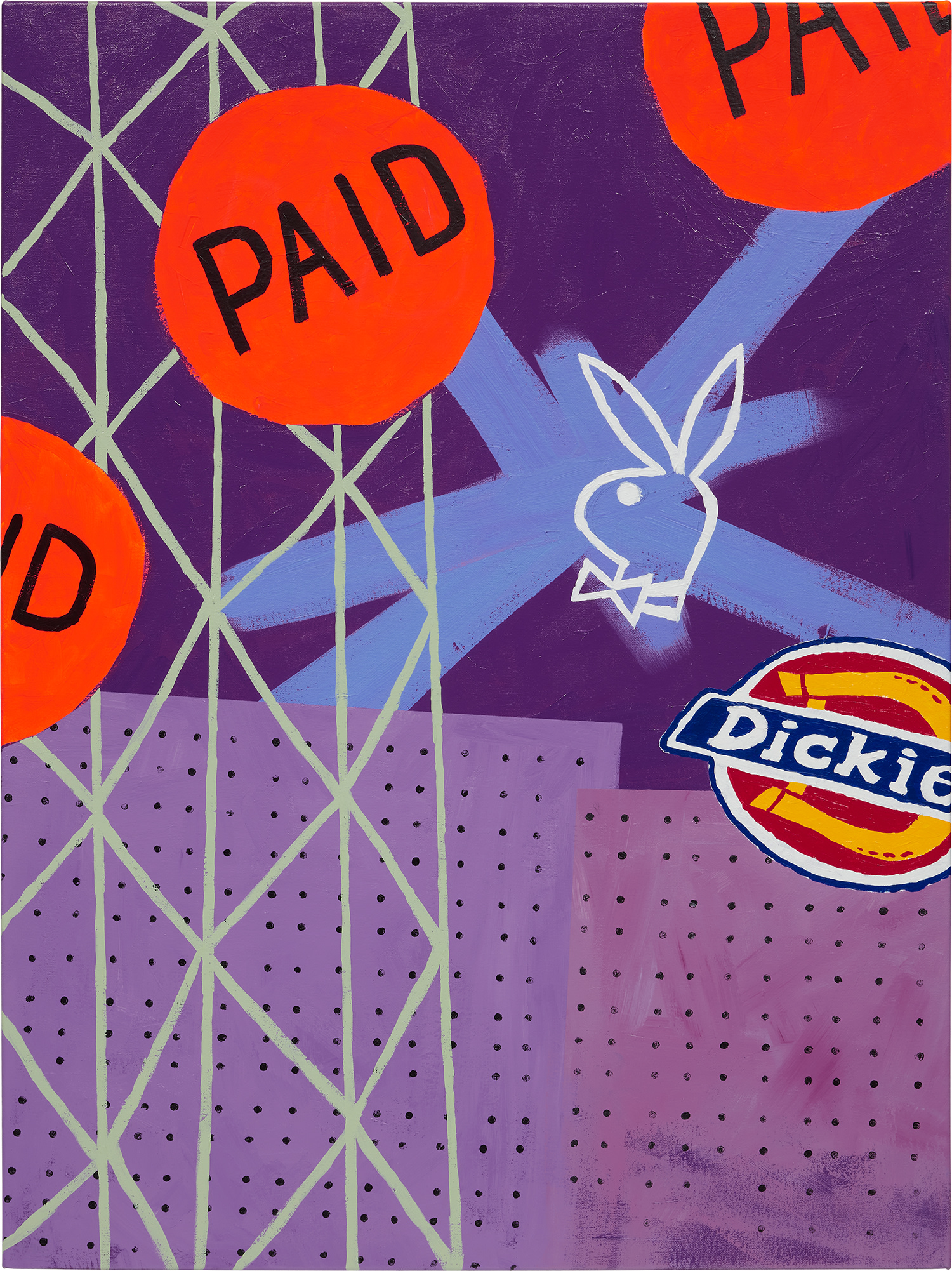
Two works: (i) Fender Reverb #2, 2003; (ii) Fender Showman Amp with Cabinet #2 (Duct Tape & Cigarette Burn)
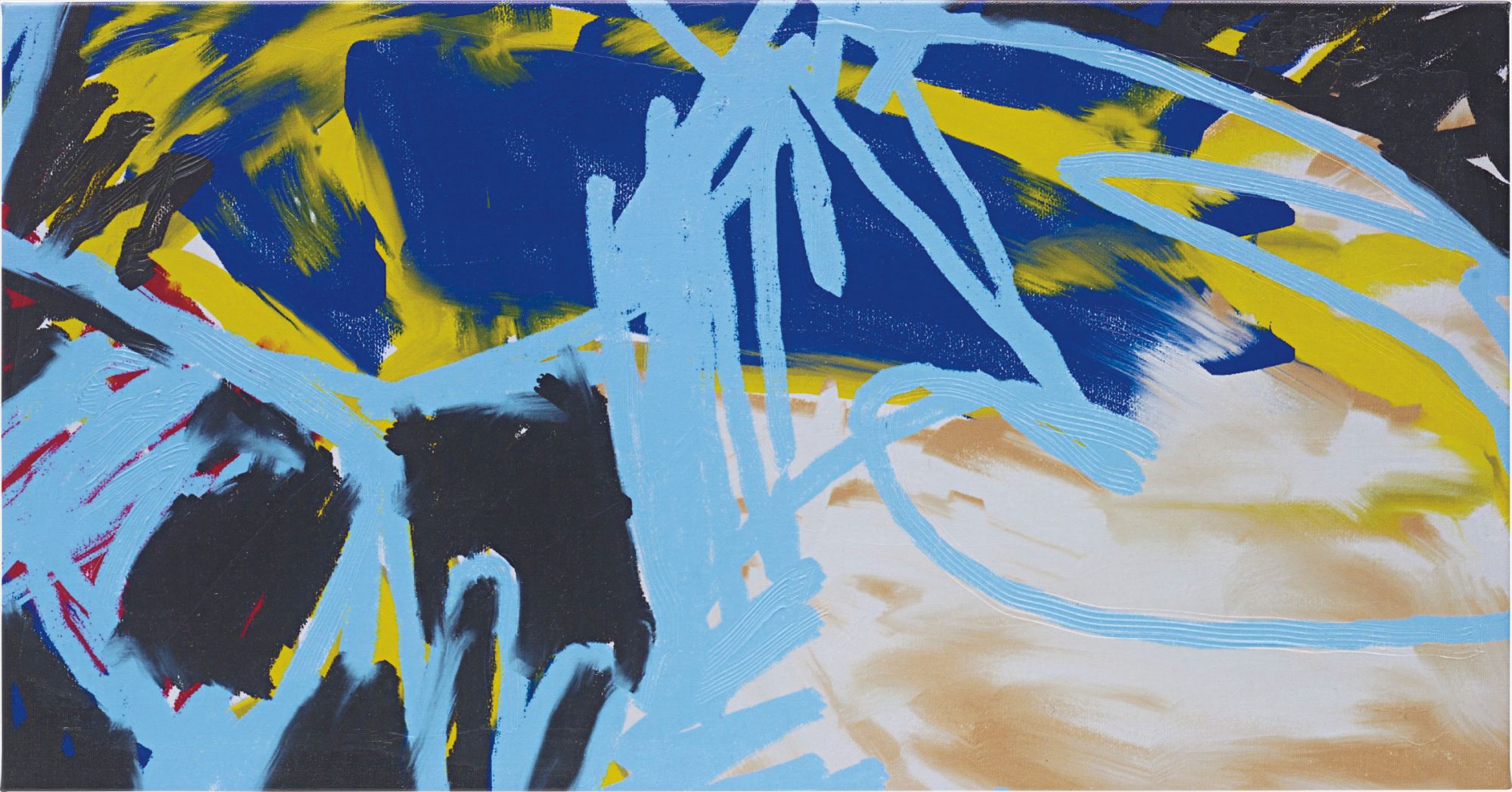
Acrylic's Long Game Is Finally Paying Off
When Kaz Oshiro's meticulously painted acrylic canvases began attracting serious institutional attention in the mid 2000s, the critical establishment was slow to catch up. That lag feels almost impossible to imagine now. At a Christie's Los Angeles sale in recent years, works in acrylic on canvas from artists working in Oshiro's conceptual register sold well above estimate, signaling what collectors with sharper instincts had understood for some time: acrylic as a primary medium is no longer a footnote to oil, no longer the scrappy younger sibling. It is the medium through which some of the most rigorous and culturally attuned work of our moment is being made.
The reappraisal has been building quietly. Acrylic arrived commercially in the late 1940s and was embraced by the Muralists before migrating north into the studios of the New York avant garde. But the medium carried stigma for decades, seen as convenient rather than serious, fast rather than considered. What has shifted is precisely the recognition that convenience and seriousness are not opposites, and that the particular qualities of acrylic, its speed of drying, its capacity for flat unmodulated color, its resistance to the romanticism that clings to oil, make it the ideal material for artists interrogating surfaces, systems, and the language of objects.
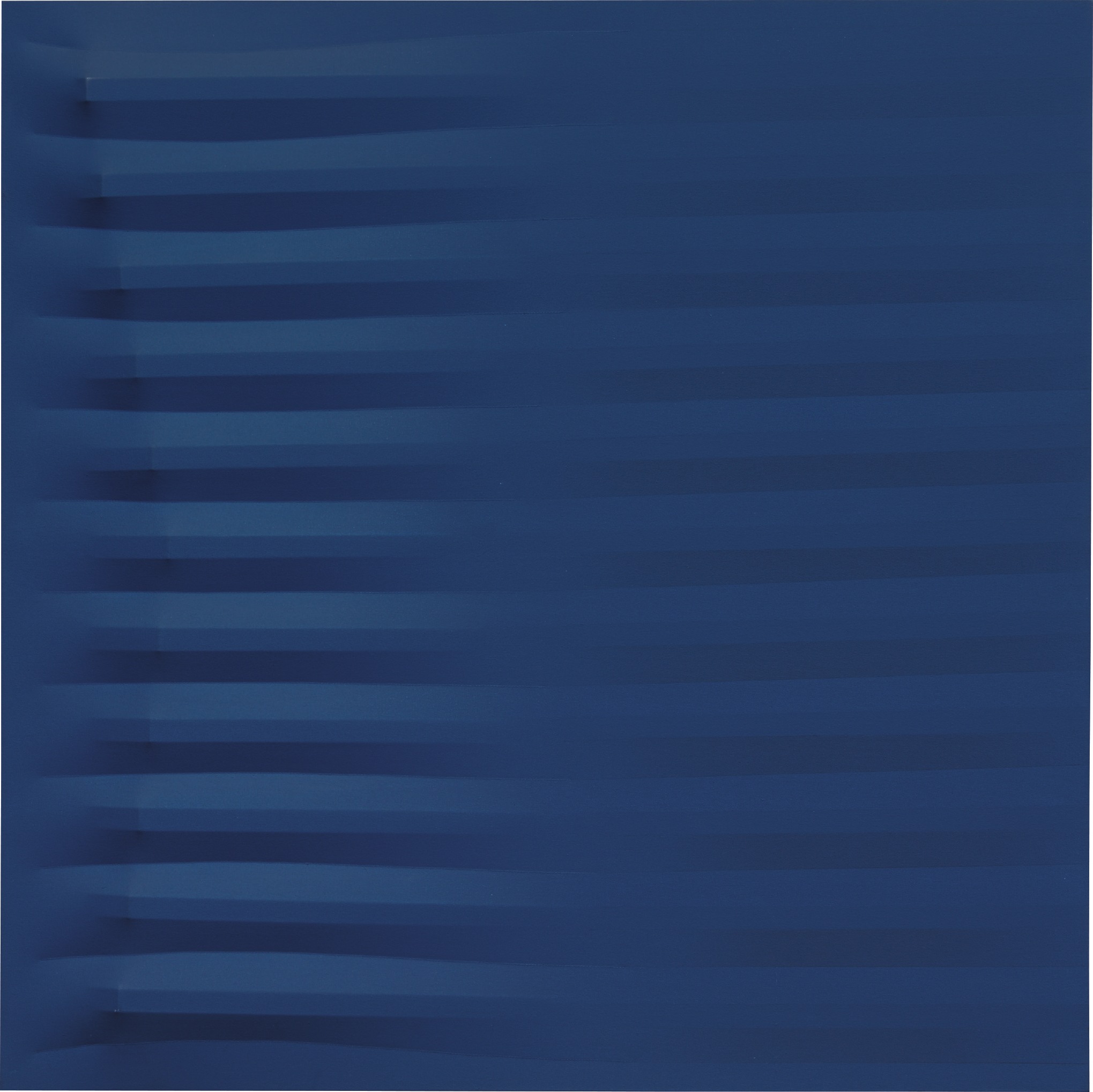
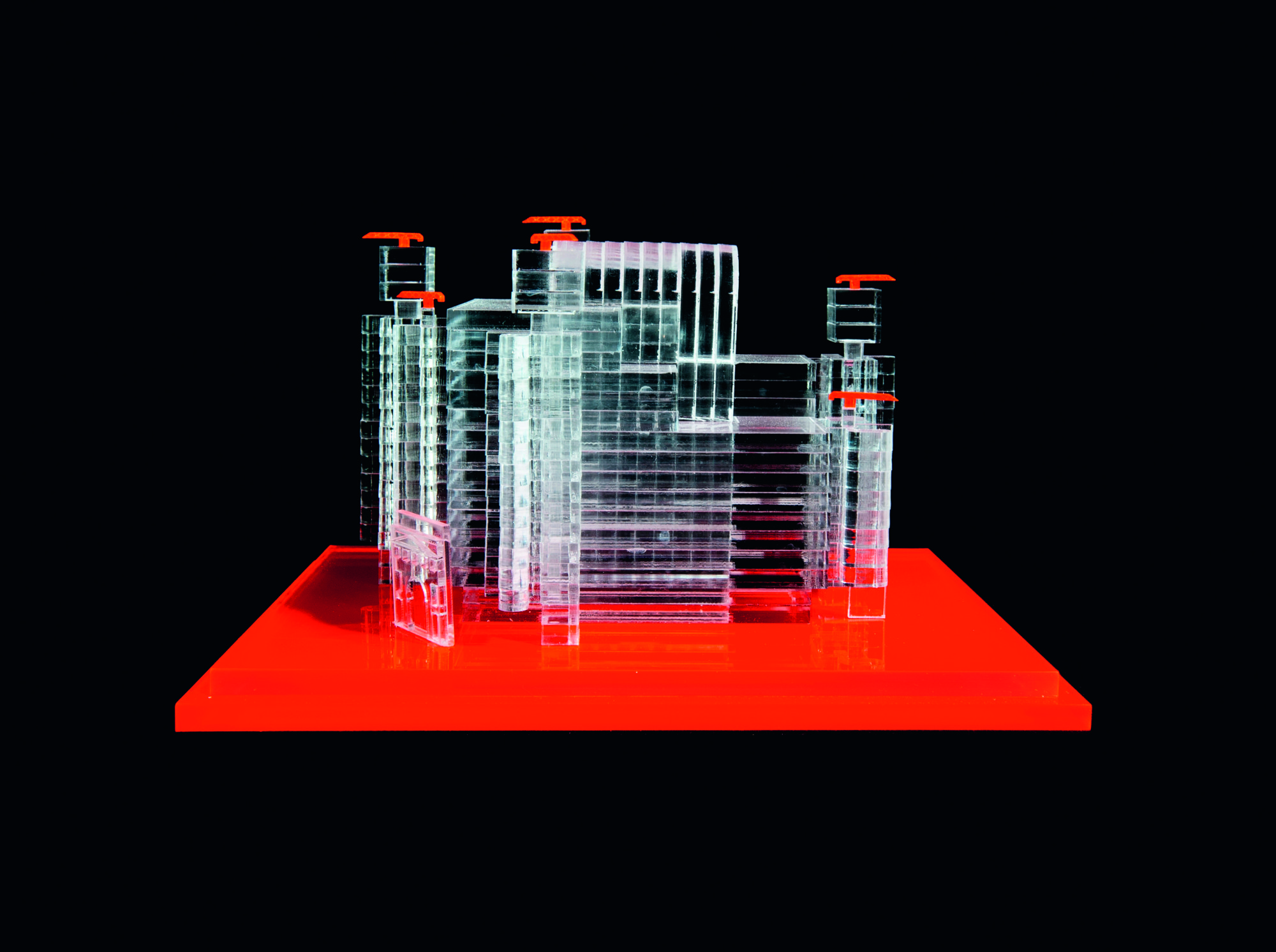
Agostino Bonalumi
Blu, 1979
Agostino Bonalumi understood this earlier than most. The Italian artist, associated with the Azimuth group and a close peer of Enrico Castellani and Piero Manzoni, used acrylic as part of his shaped and extruded canvas works throughout the 1960s and 1970s. His Extroflessioni pushed acrylic's relationship with form in ways that still look fresh today. A 2022 retrospective element at Hauser and Wirth drew renewed attention to that generation of European artists who treated acrylic not as a substitute for something else but as its own structural logic.
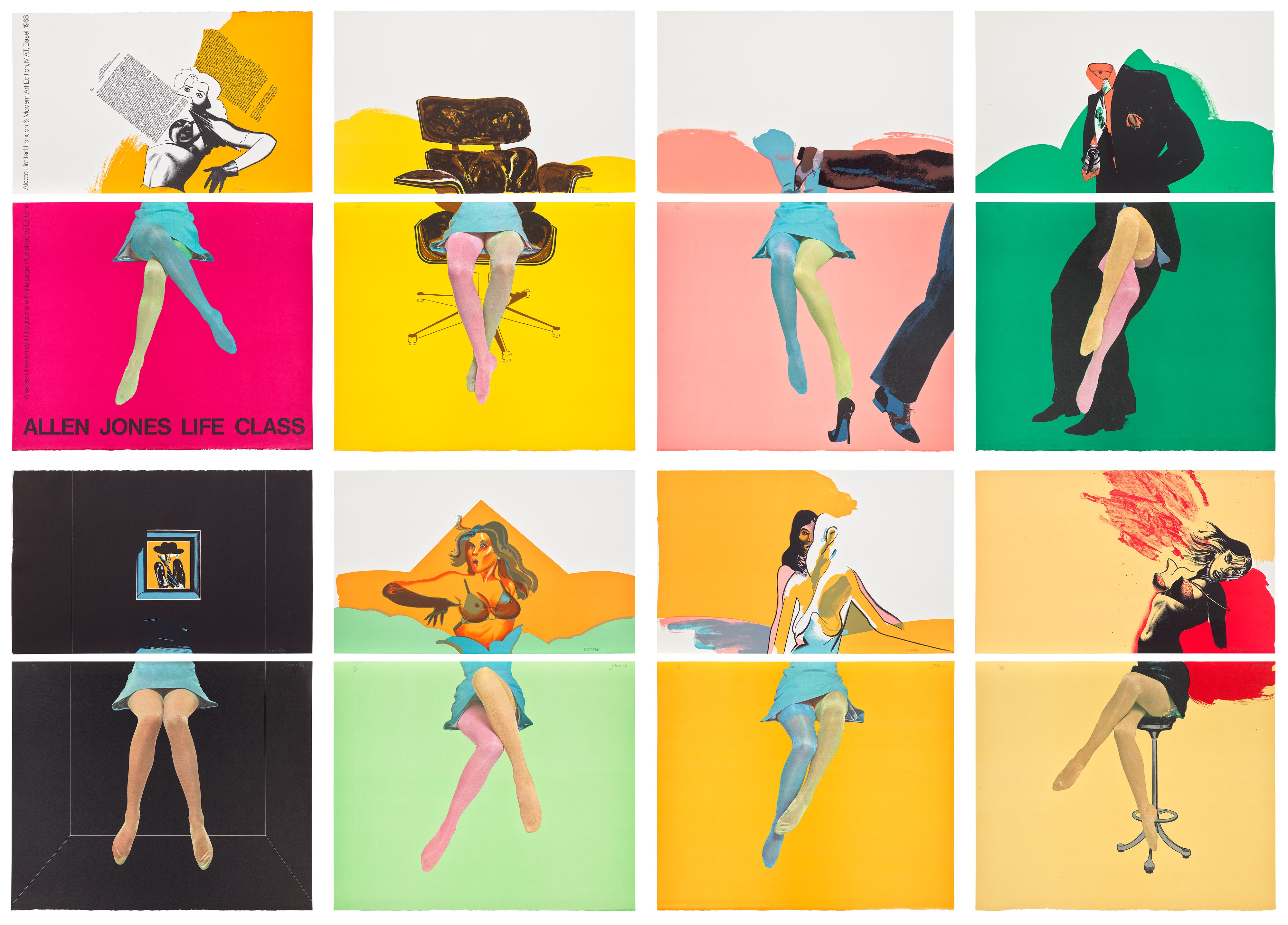
Auction results for Bonalumi have responded accordingly, with works regularly finding strong results at Sotheby's Milano and Christie's London. Allen Jones, whose presence on The Collection speaks to a sustained collector interest in postwar British work, also moved fluidly between acrylic and other media throughout his career. His use of flat, graphic acrylic color placed him in natural dialogue with the American Pop movement while retaining something distinctly London about the work's attitude. The Tate retrospective of 2014 recontextualized Jones as a figure whose formal decisions were more considered than the controversy surrounding his sculpture had often allowed critics to acknowledge.
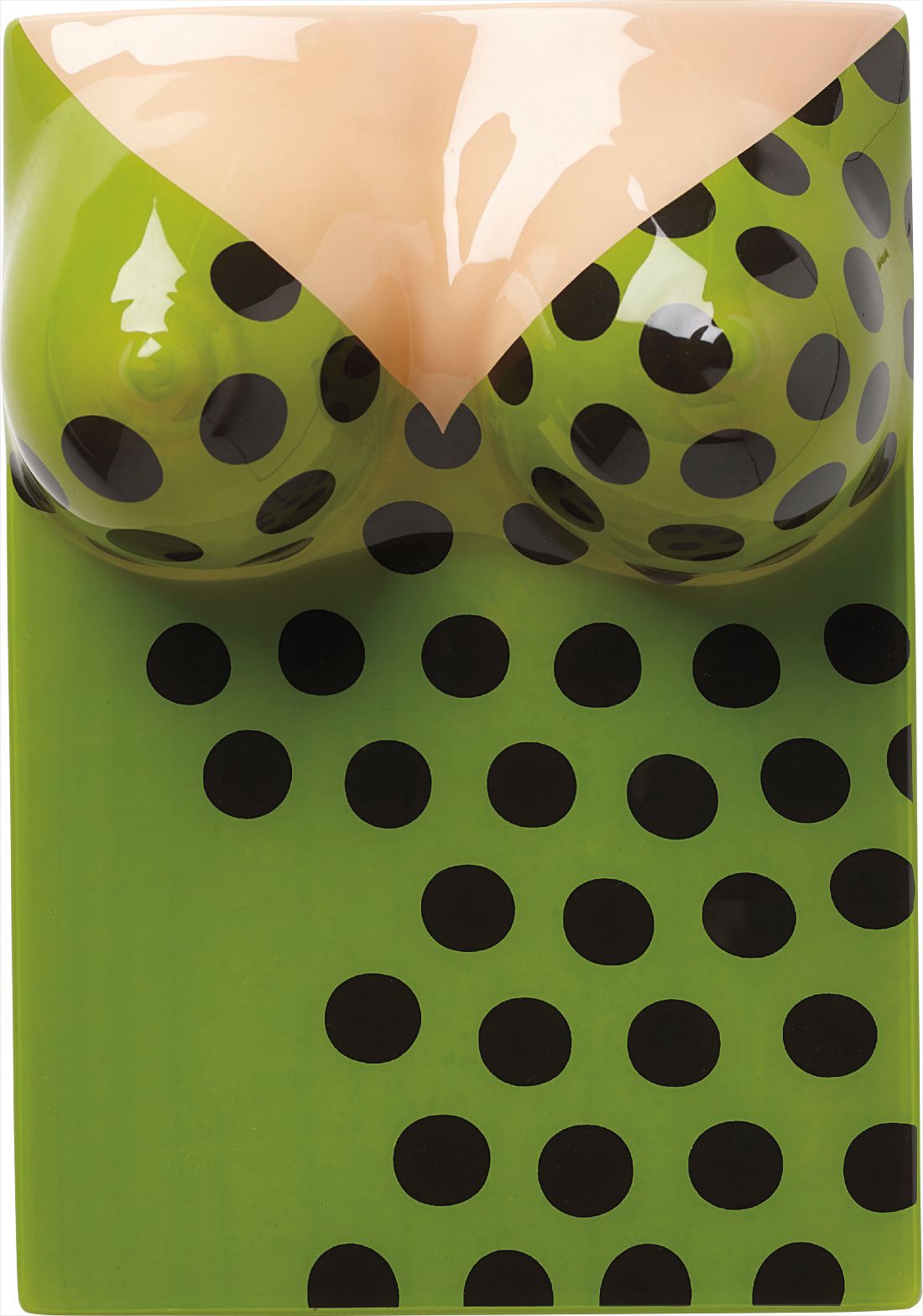
Allen Jones
Chest
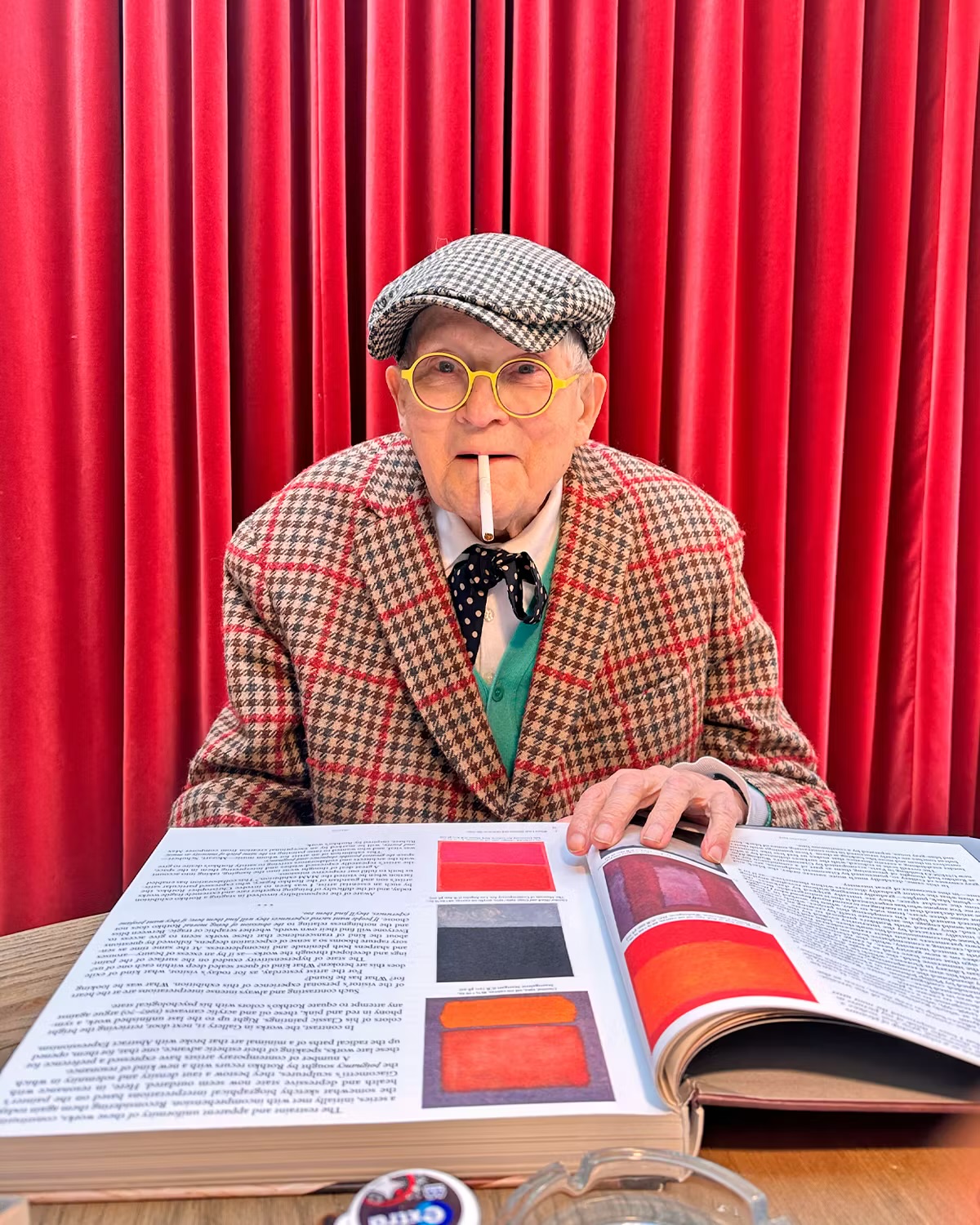
Acrylic was central to that formalism, its blankness and precision performing a kind of willful remove that oil simply could not have delivered. David Hockney occupies a different register entirely. His transitions between acrylic, oil, watercolor, and digital drawing have been among the most discussed in contemporary art over the past thirty years. But it is worth remembering that his large California swimming pool paintings of the late 1960s were made in acrylic precisely because he wanted that hard edge, that light that does not breathe.
The blockbuster retrospective at Tate Modern in 2017, which drew over half a million visitors, placed those acrylic works at the center of a new reading of his practice, and the market responded with one of the most dramatic price escalations any living artist has seen. His presence on The Collection feels entirely appropriate for a platform interested in works where medium is argument. Among younger artists, Michael Manning has built a practice that is inseparable from acrylic's particular relationship with digital culture. Manning works at the intersection of painting and screen, and his use of acrylic allows him to translate the flat luminous quality of digital surfaces into physical objects that retain the warmth of touch.
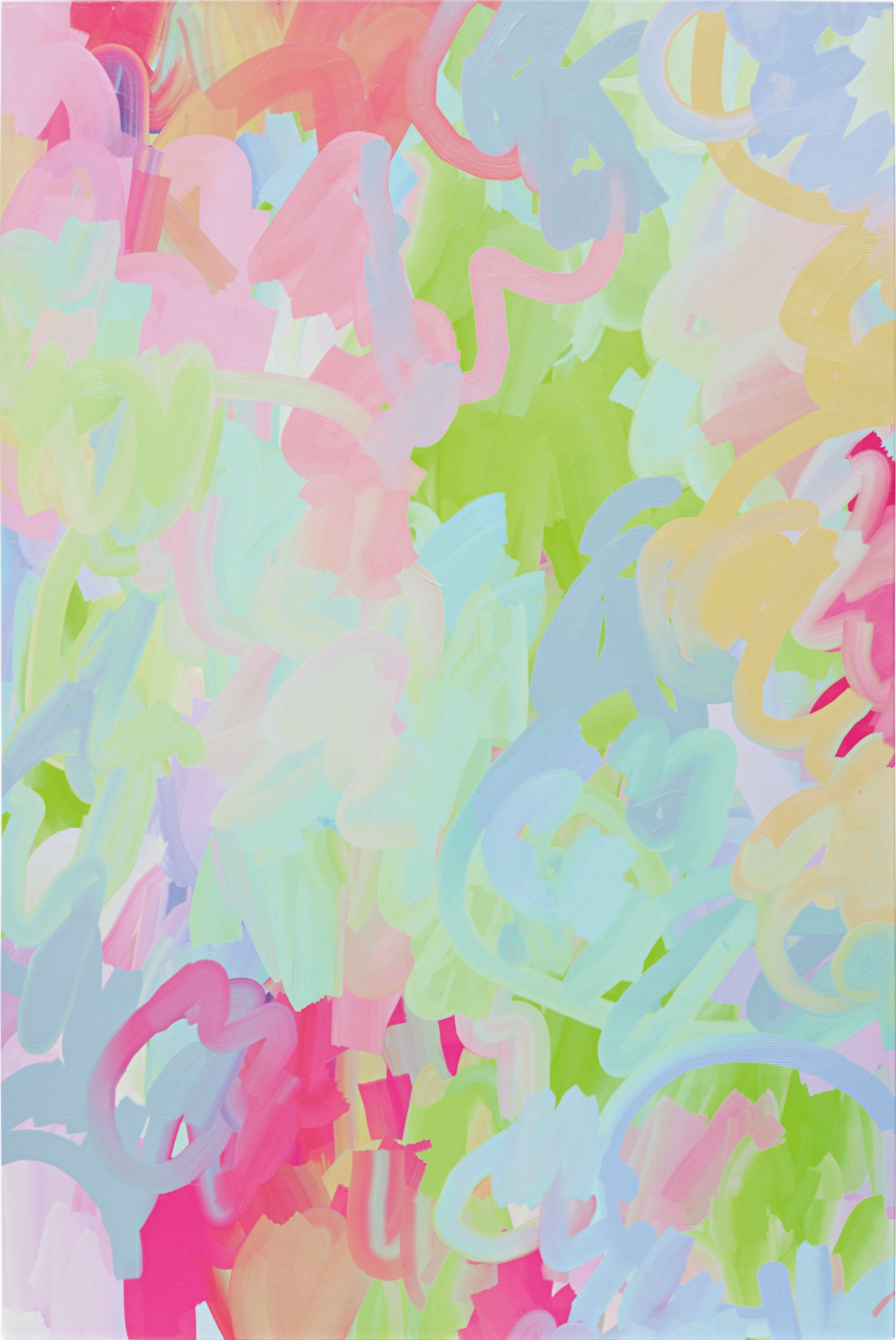
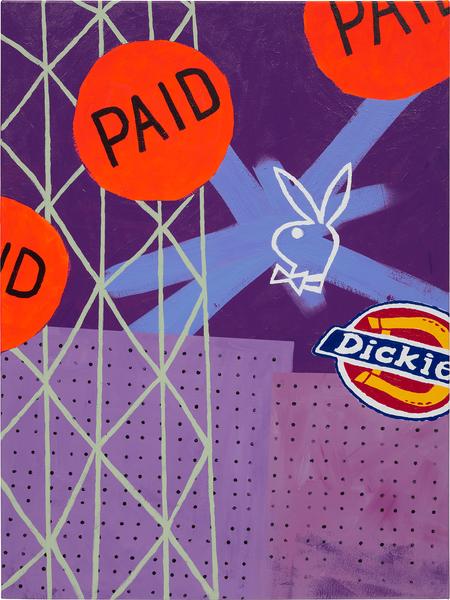
Michael Manning
Kind & Generous (Sheryl Crow Pandora)
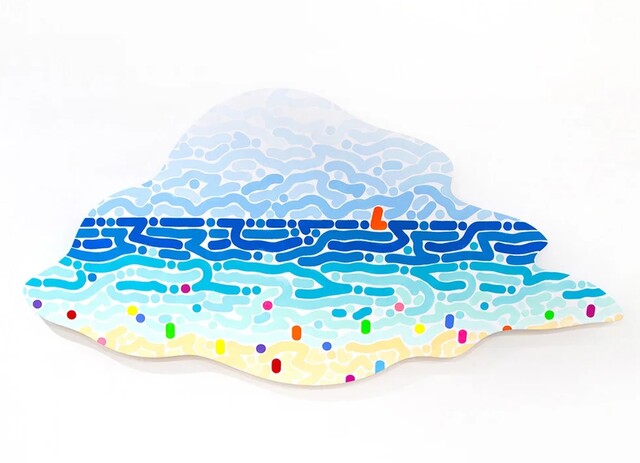
His work has been shown at institutions including Galerie Nagel Draxler and has attracted collector interest across Europe and the United States. The works on The Collection represent a practice that feels genuinely of this moment, engaging with questions about what it means to make a physical painting in an era of infinite digital images. Yoon Hyup brings a different energy to the conversation. His rhythmic, looping acrylic mark making draws on graffiti culture, jazz improvisation, and a kind of urban pattern recognition that feels both personal and archetypal.
His work has shown at Known Gallery and has built a following among collectors who respond to abstraction with a pulse. What is interesting about Hyup in the context of this broader market moment is that he represents a strand of acrylic painting where the medium's speed is an asset, where the quick drying time enables a gestural layering that feels genuinely alive rather than calculated. Institutionally, the signal is clear. MoMA's continued acquisition of works in acrylic from across generations, the Broad's commitment to artists like Oshiro whose practice is unthinkable without acrylic's specific qualities, and the Hammer Museum's programming around Los Angeles based painters have all contributed to a sense that acrylic is receiving the curatorial seriousness it deserves.
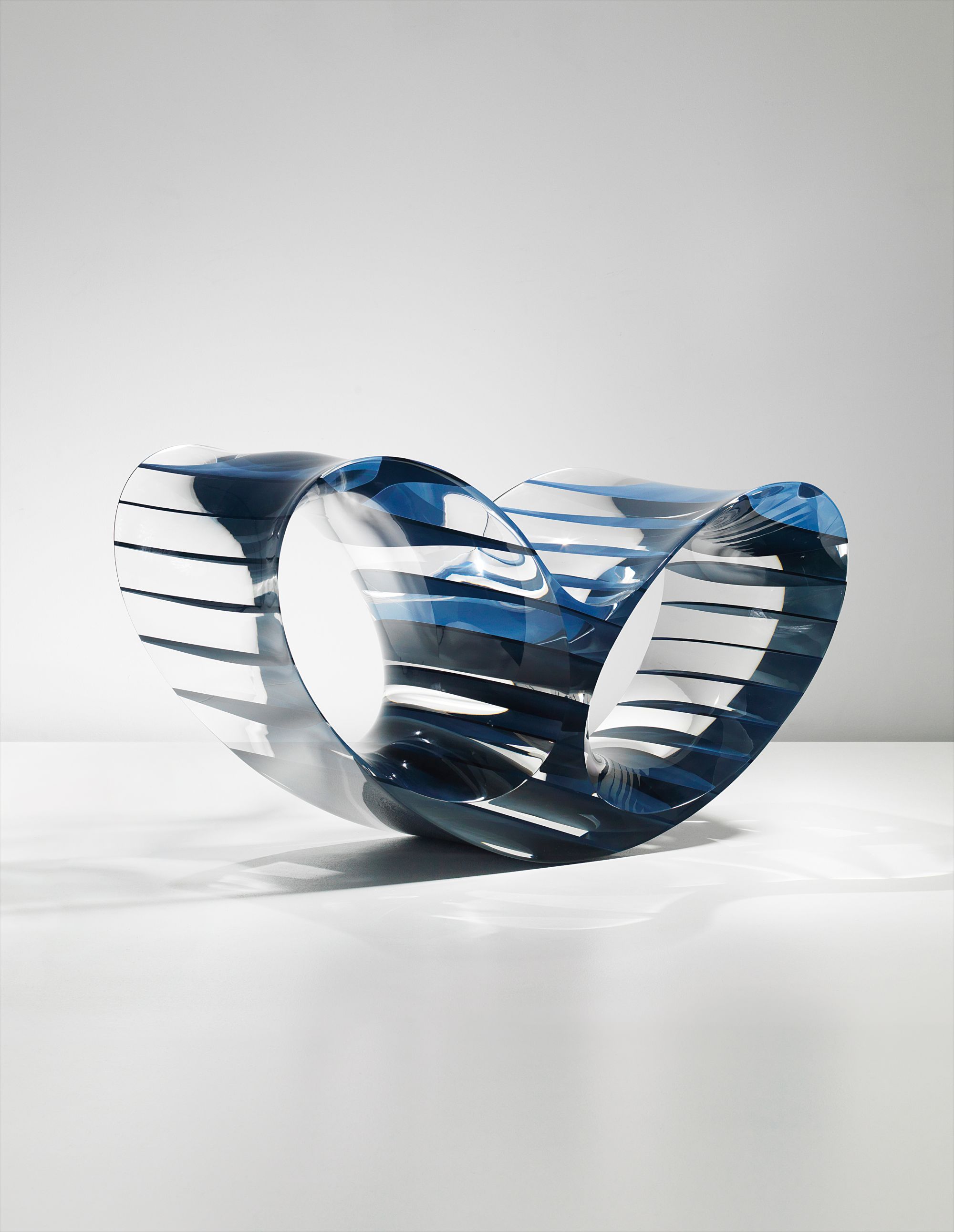
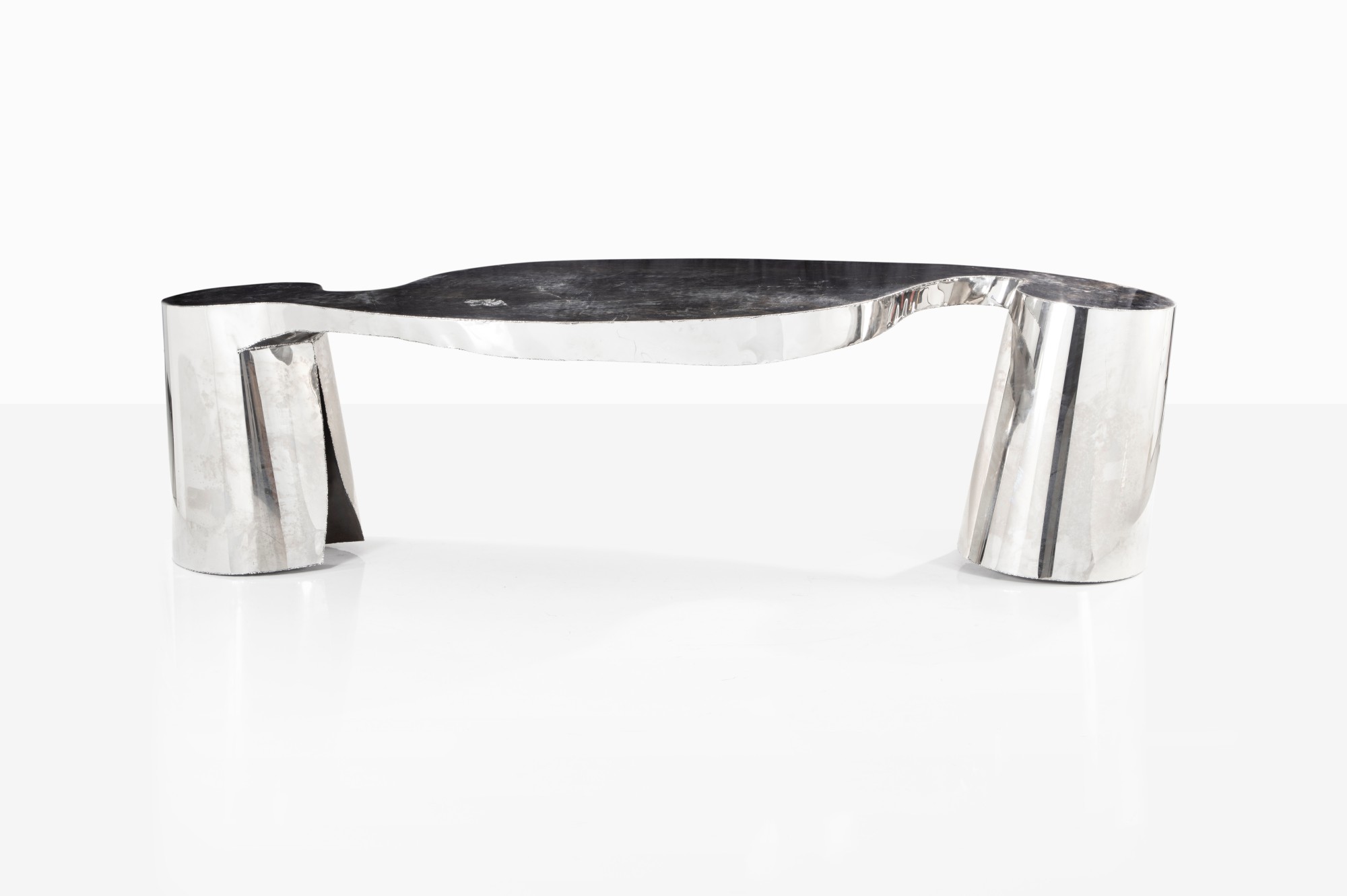
Ron Arad
“Oh-Void 2” chair
Publications including Artforum and frieze have given significant critical real estate to writers like Hamza Walker and Katy Siegel, whose thinking about materiality and surface has helped collectors and curators develop a more nuanced vocabulary for this work. What feels settled is the hierarchy argument. Nobody serious still claims that acrylic is inherently less than oil. What feels alive is the question of which artists working in acrylic are genuinely transforming the medium rather than simply using it as a convenient delivery system.
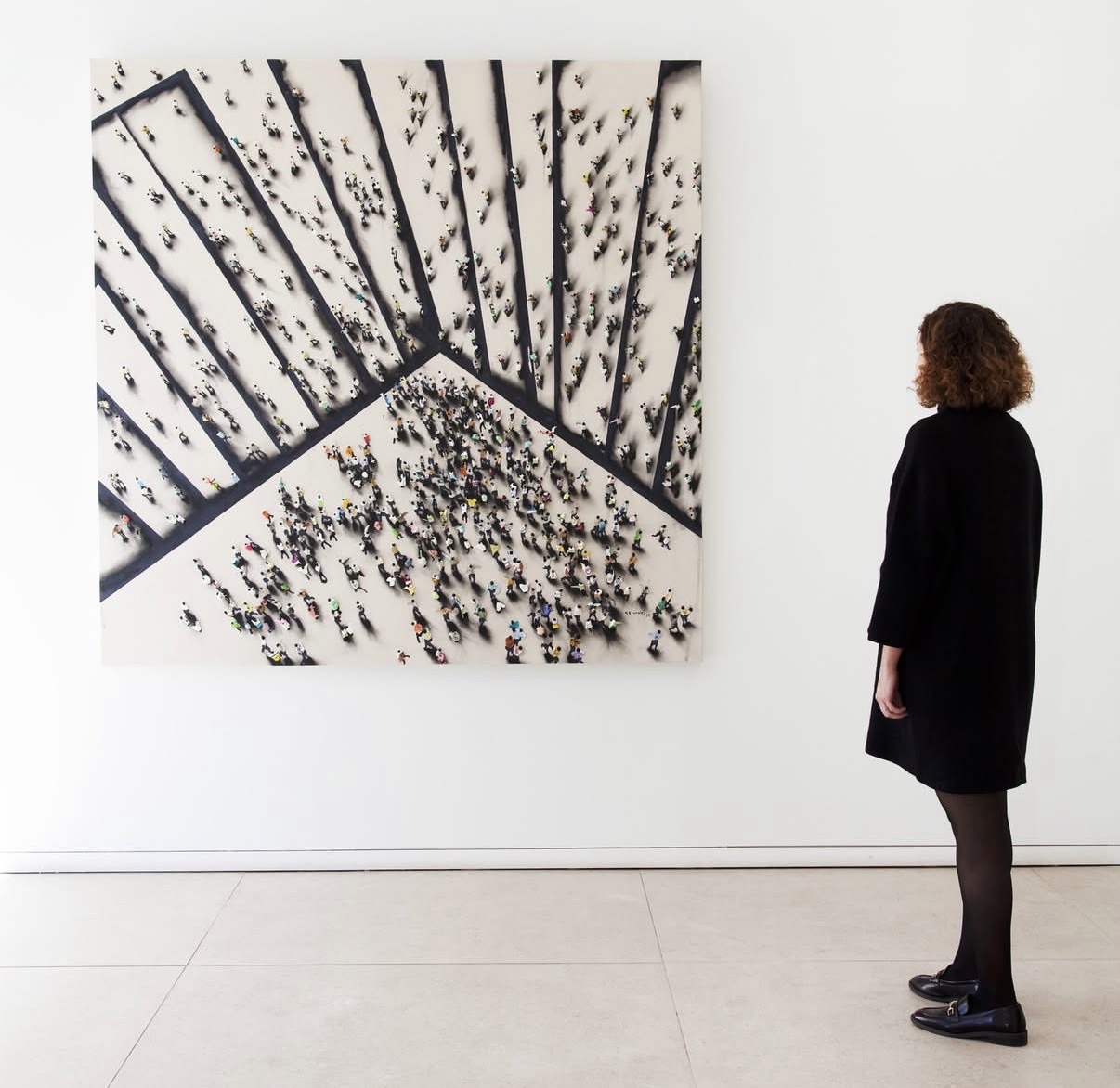
The surprise is coming from unexpected places, from artists like Wendy Park, whose refined and quietly intense acrylic works resist easy categorization, demanding the kind of sustained looking that rewards patient collectors. The energy in this space right now belongs to those who understand that medium is never neutral, and that choosing acrylic in 2024 is itself a statement about time, about surfaces, and about the kind of beauty that does not pretend to be eternal.