Acrylic And Oil
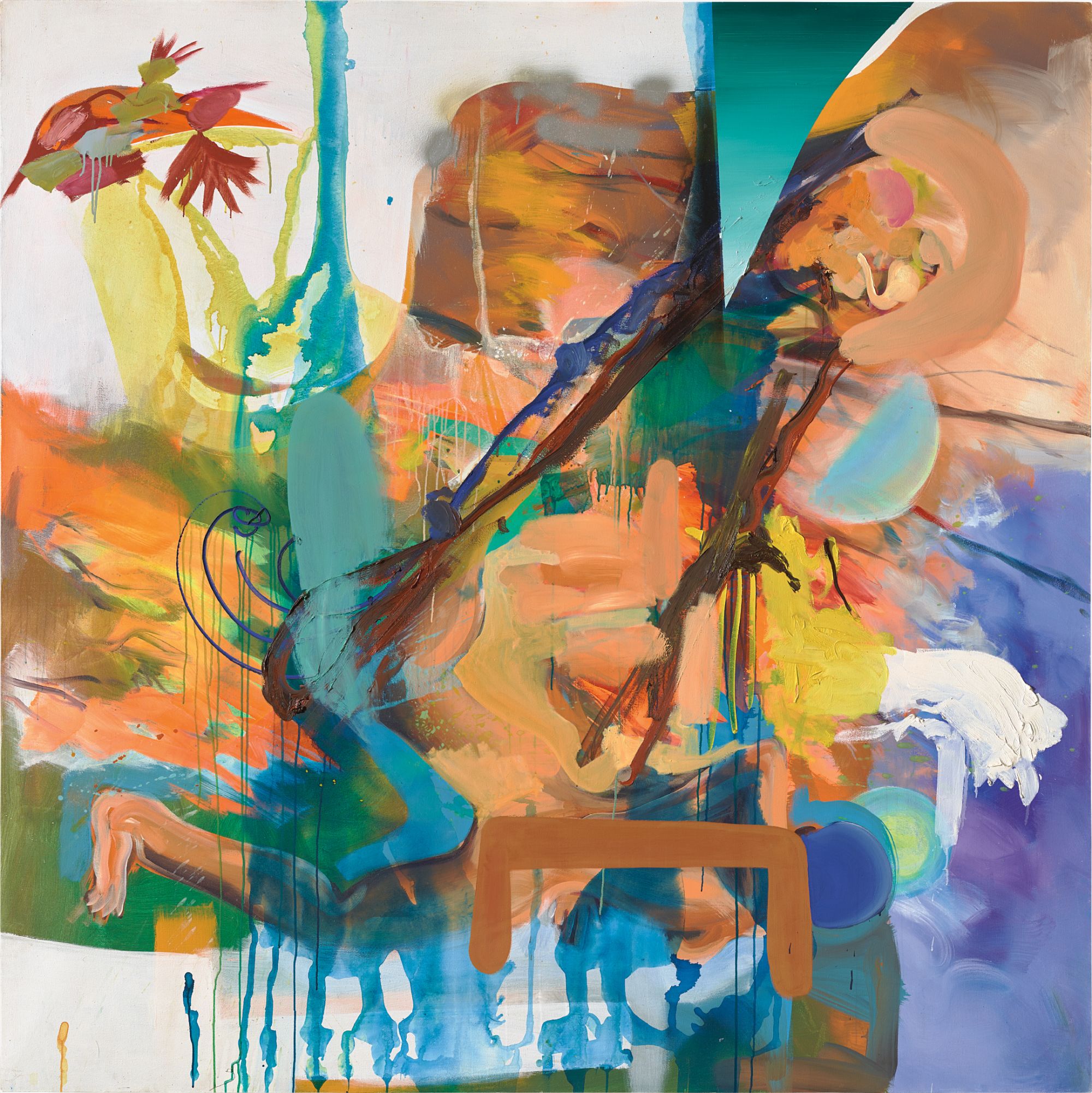
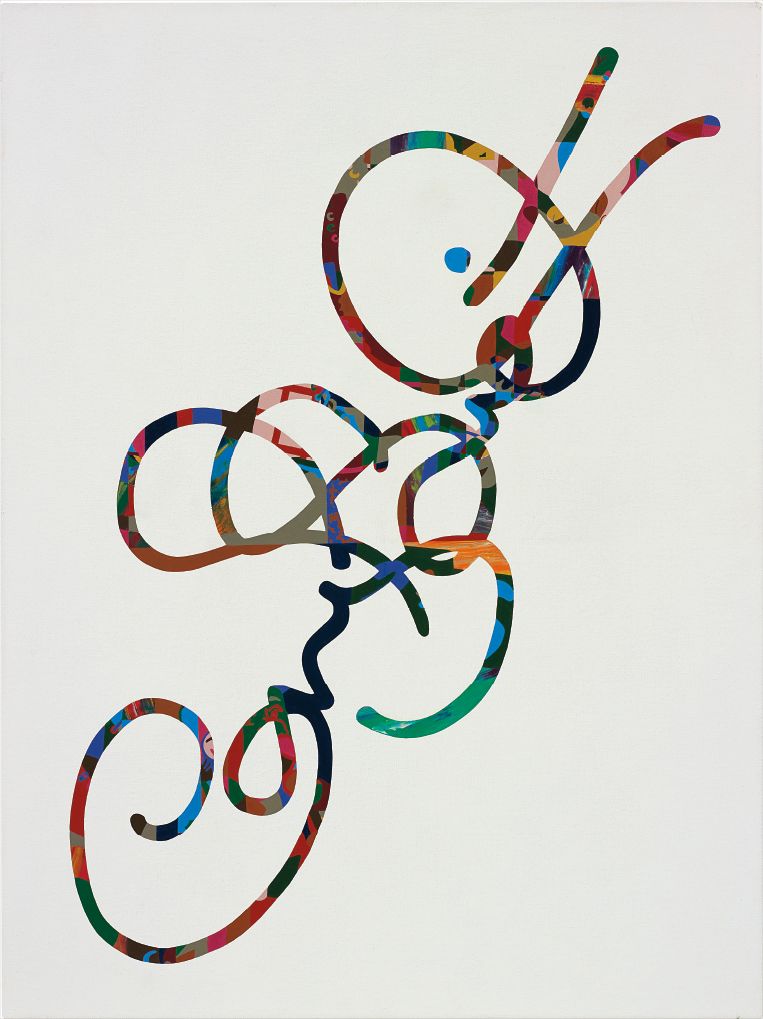
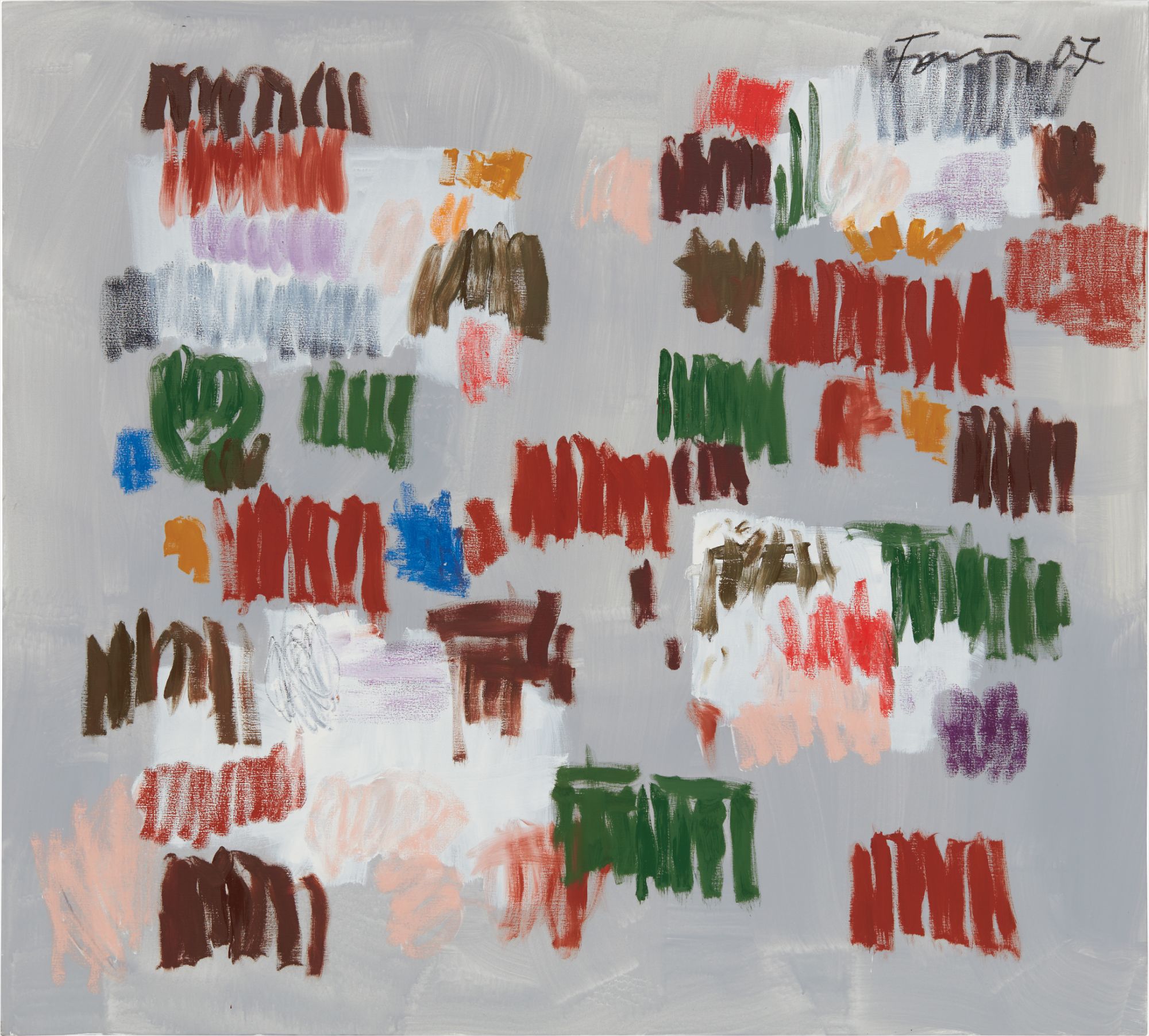
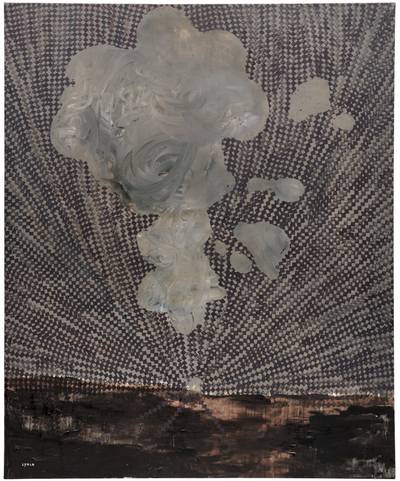
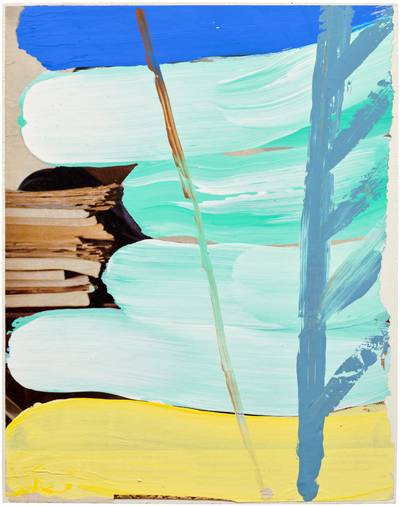
Albert Oehlen
La Playa Nueva, 2002

The Paint That Refuses to Choose Sides
There is something almost perverse about the pleasure a collector takes in a painting that uses both acrylic and oil. The two mediums were not supposed to coexist so easily. Oil painting carried centuries of institutional weight, the language of Old Masters and auction room mythology. Acrylic arrived in the 1950s smelling faintly of the future, fast drying and democratic, the paint of muralists and Pop artists working at scale.
And yet the most interesting painters of the past four decades have refused to honor that border. Living with a work that combines both mediums means living with a kind of productive tension, a surface that rewards sustained looking because it was built through sustained argument with itself. For collectors, this category offers something that neither pure medium can quite deliver on its own. Acrylic lays down flat, luminous fields of color with an opacity that oil struggles to match without laborious preparation.
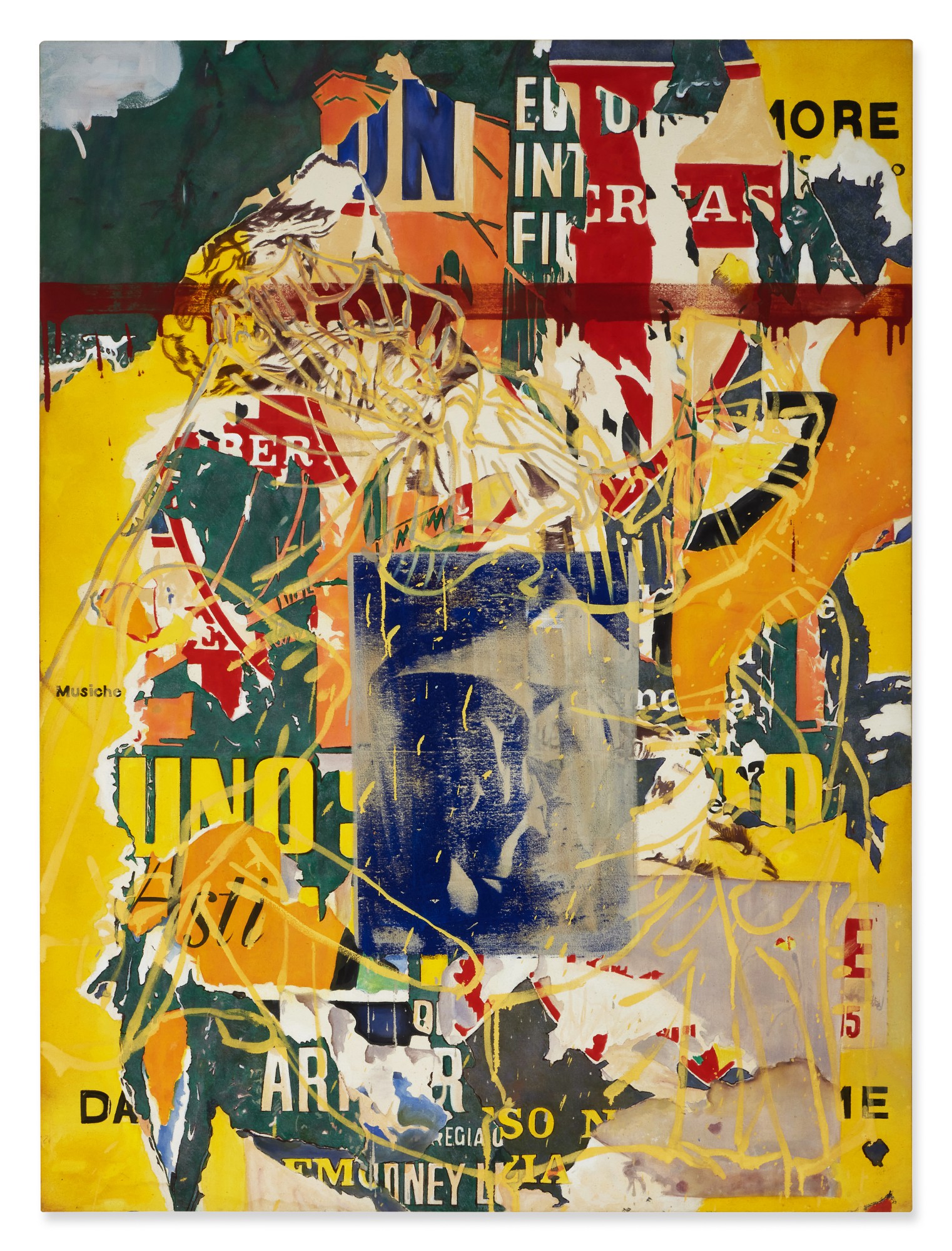
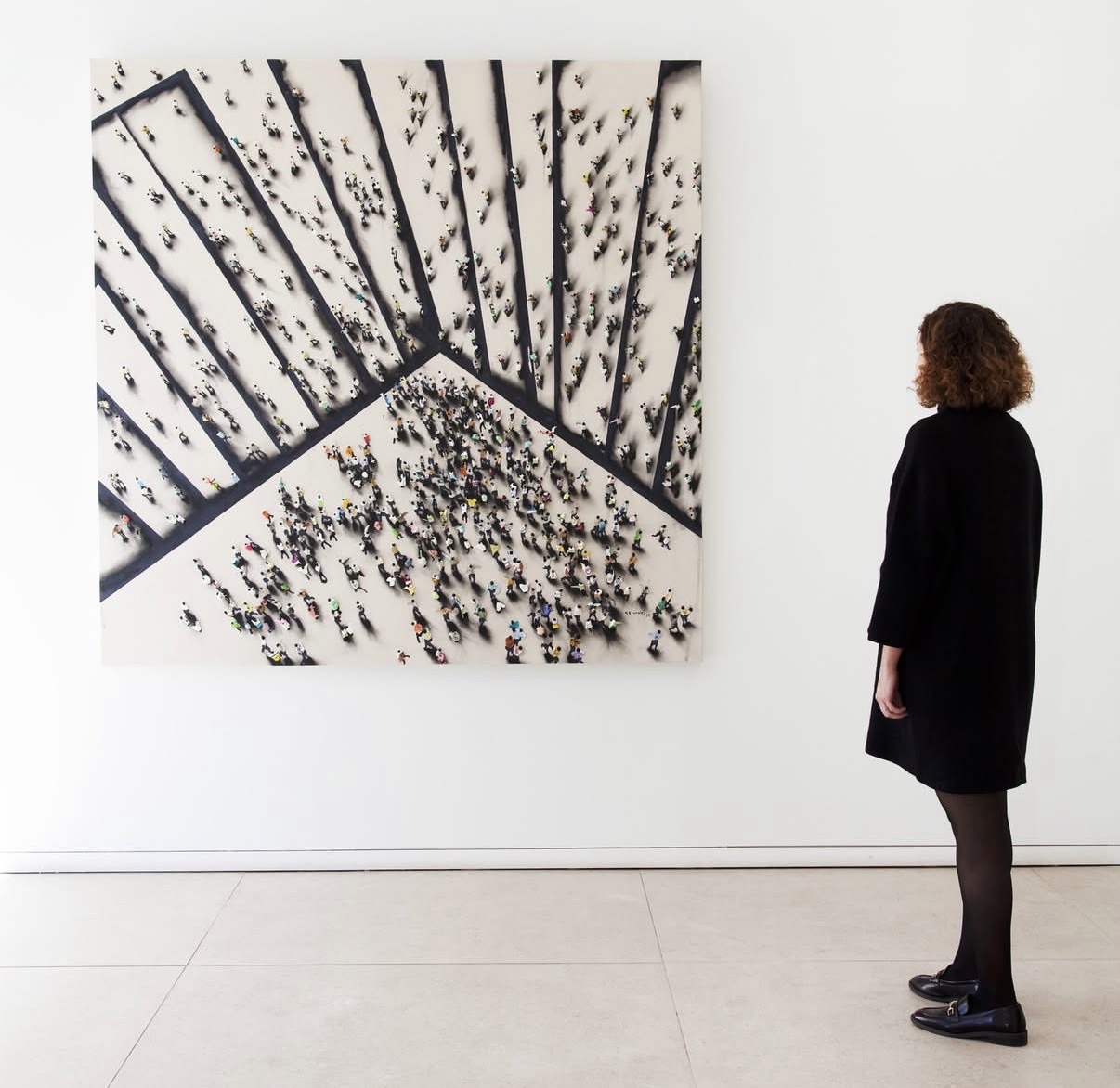
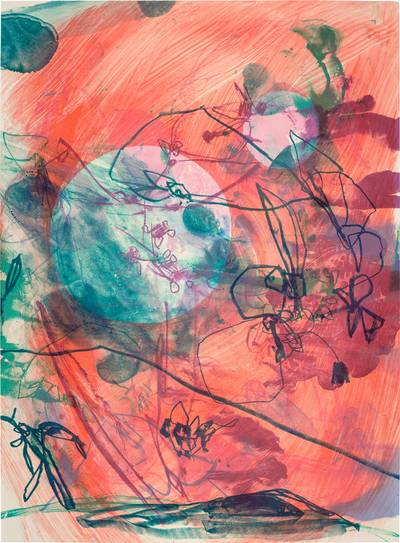
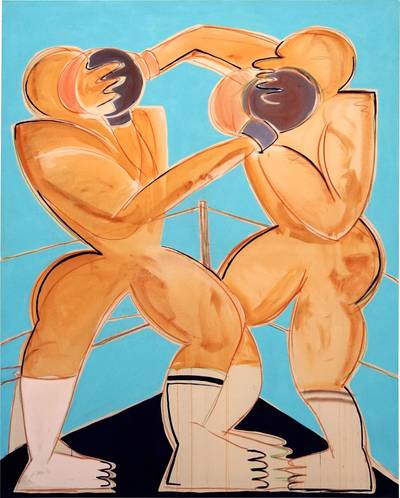
David Salle
Fall of Paris, 1991
Oil, meanwhile, brings translucency, depth, and that particular optical warmth that has kept painters returning to it for five centuries. When a painter moves between the two within a single work, the results can be layered in ways that keep revealing themselves across different light conditions and times of day. A painting that looks one way in morning light and quite another by lamplight is a painting that continues to earn its place on the wall. What separates a compelling work in this category from a truly exceptional one is usually a question of intentionality.
A painter who reaches for both mediums because the work demands it produces something categorically different from one who simply works with whatever is on the studio table. Look for surfaces where the transition between mediums is doing real pictorial work, where a matte acrylic ground sets up an oil glaze in a way that could not have been achieved otherwise. Collectors should also pay attention to the relationship between the painted surface and the support. Canvas behaves differently with acrylic than with oil over time, and a painter who understands that relationship will have made choices in the construction of the work that protect its longevity.
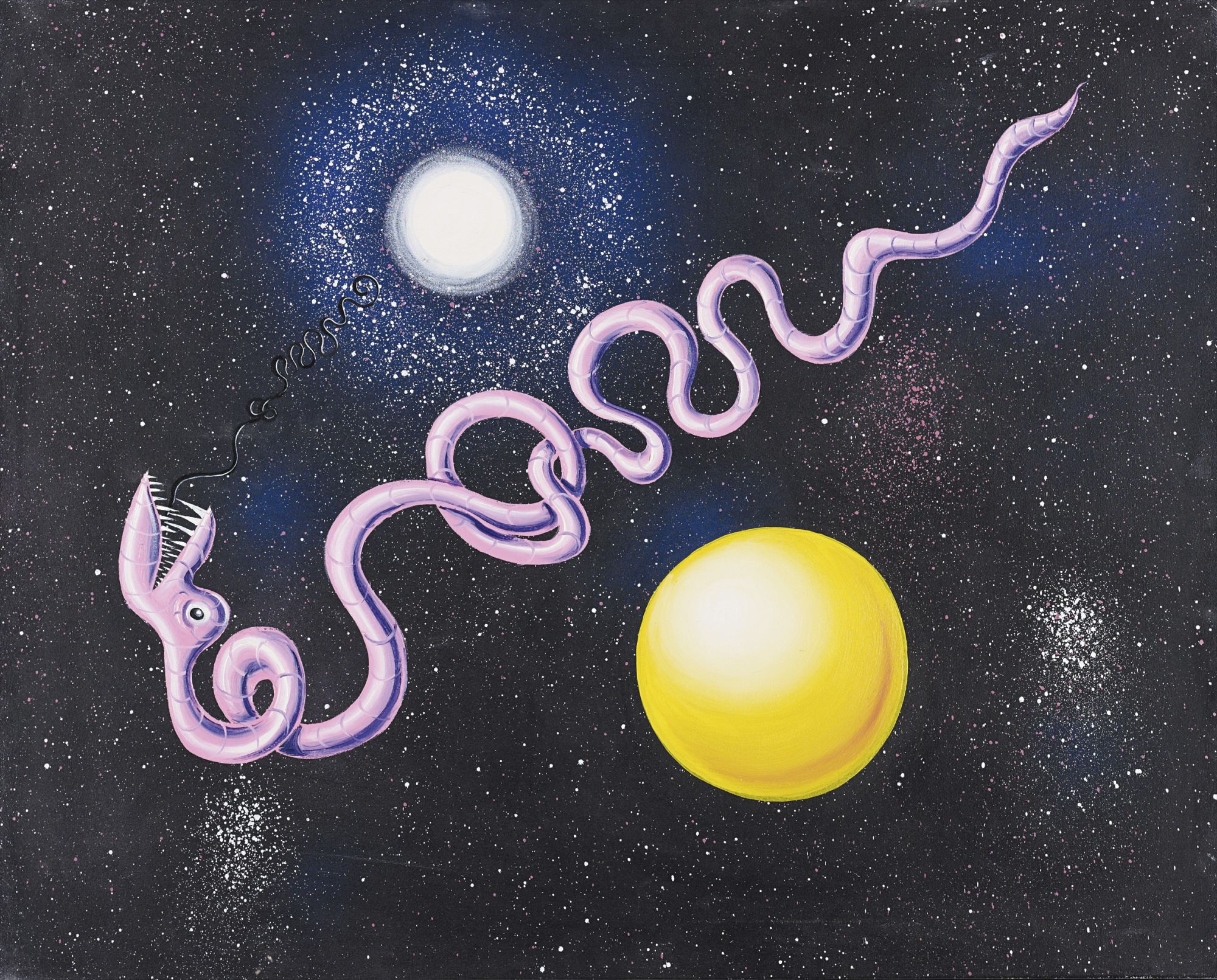
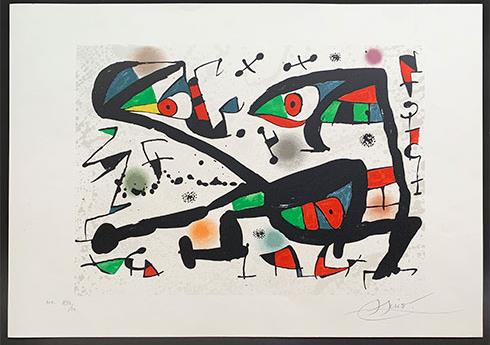
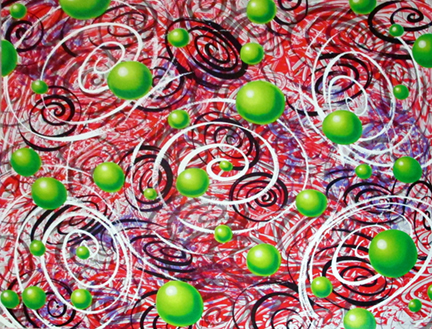
Kenny Scharf
Space Snake
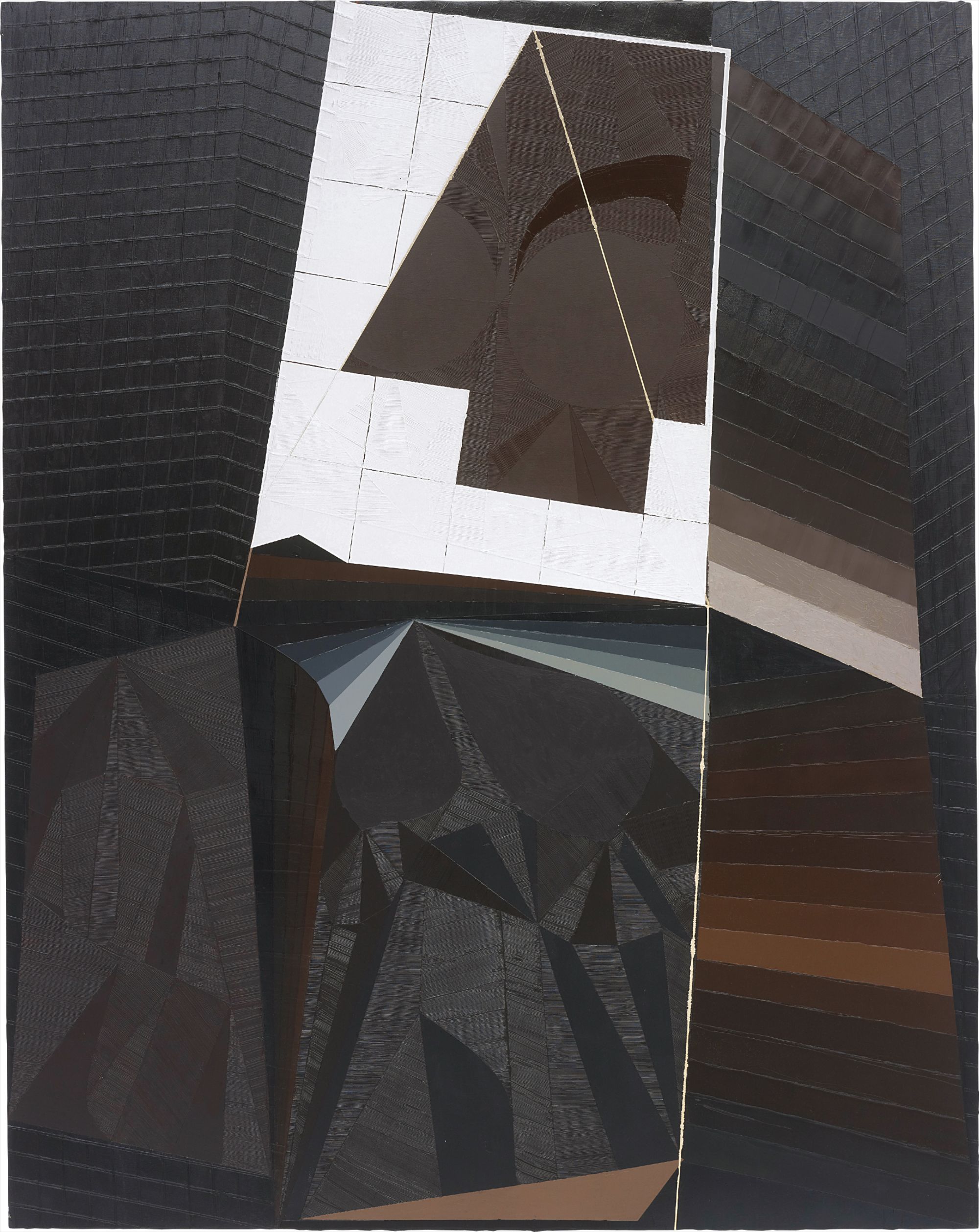
The artists strongest in this territory tend to be those for whom the choice of medium is inseparable from the conceptual logic of the work. Albert Oehlen has spent decades treating the painted surface as a site of competing systems, and his use of layered media reflects that intellectual restlessness. Garth Weiser brings a rigorous formal intelligence to his surfaces, constructing fields of color and texture that seem to exist just at the edge of resolution. Kenny Scharf, whose exuberant cosmologies draw from Pop and surrealist traditions, uses mixed media to achieve the luminous, almost airborne quality his imaginary worlds require.
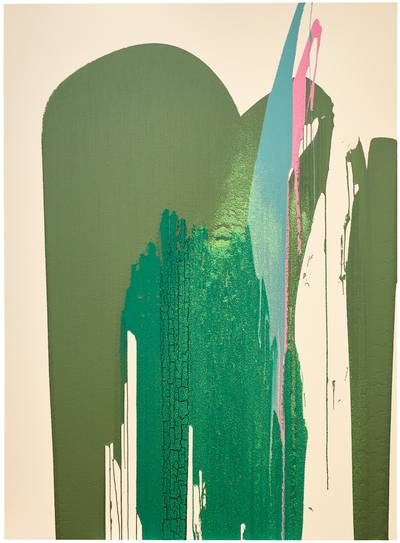
Each of these painters has developed a relationship with their materials that feels genuinely earned rather than simply adopted. Among the artists worth watching with particular attention, Jadé Fadojutimi represents one of the most compelling arguments for why this category is anything but settled or historical. Her paintings proceed from a deeply felt psychological interiority, and the way she moves between mediums mirrors the way thought itself is rarely made of a single substance. Stefanie Heinze is another painter whose work rewards close attention and patient collecting.
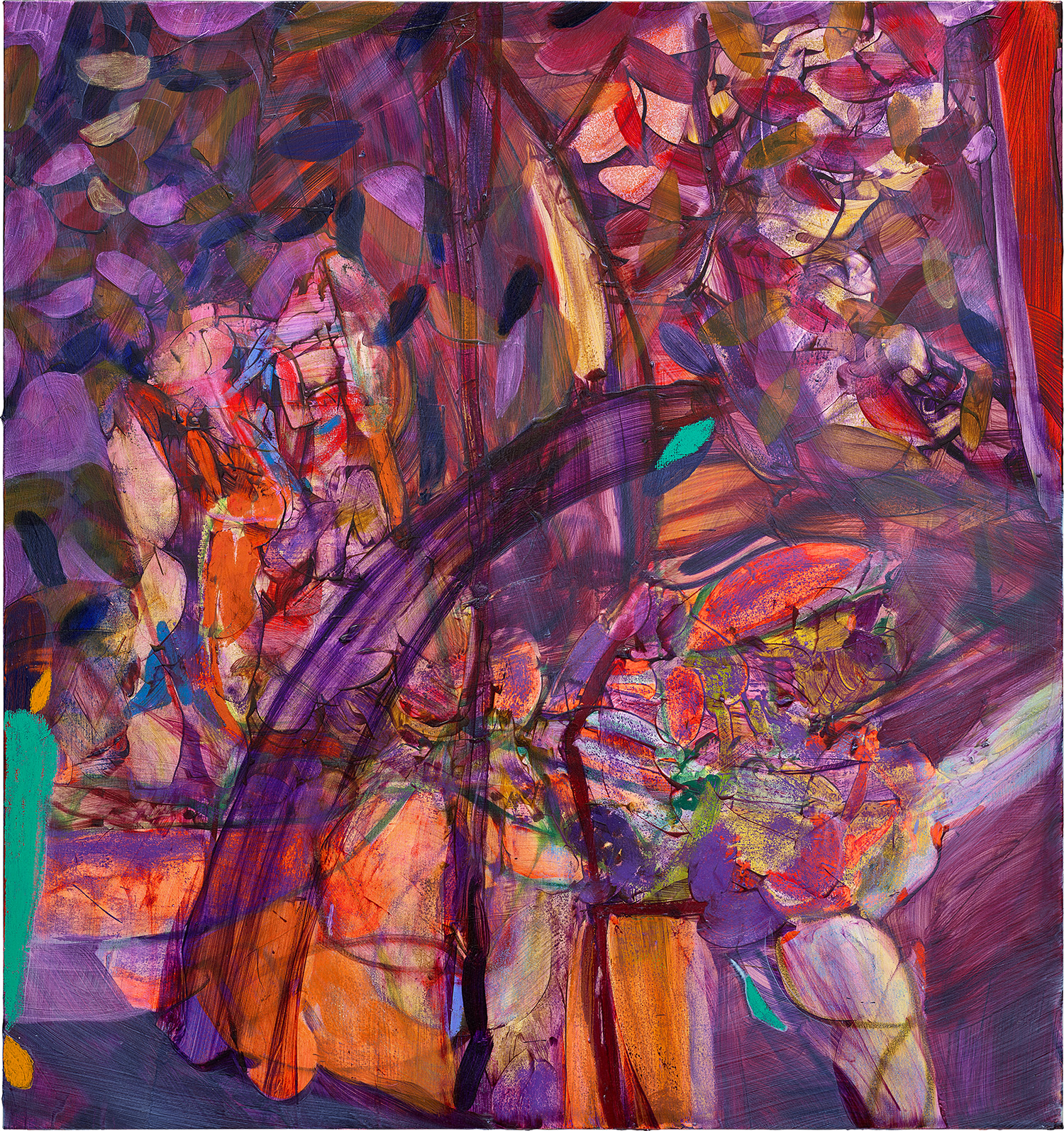
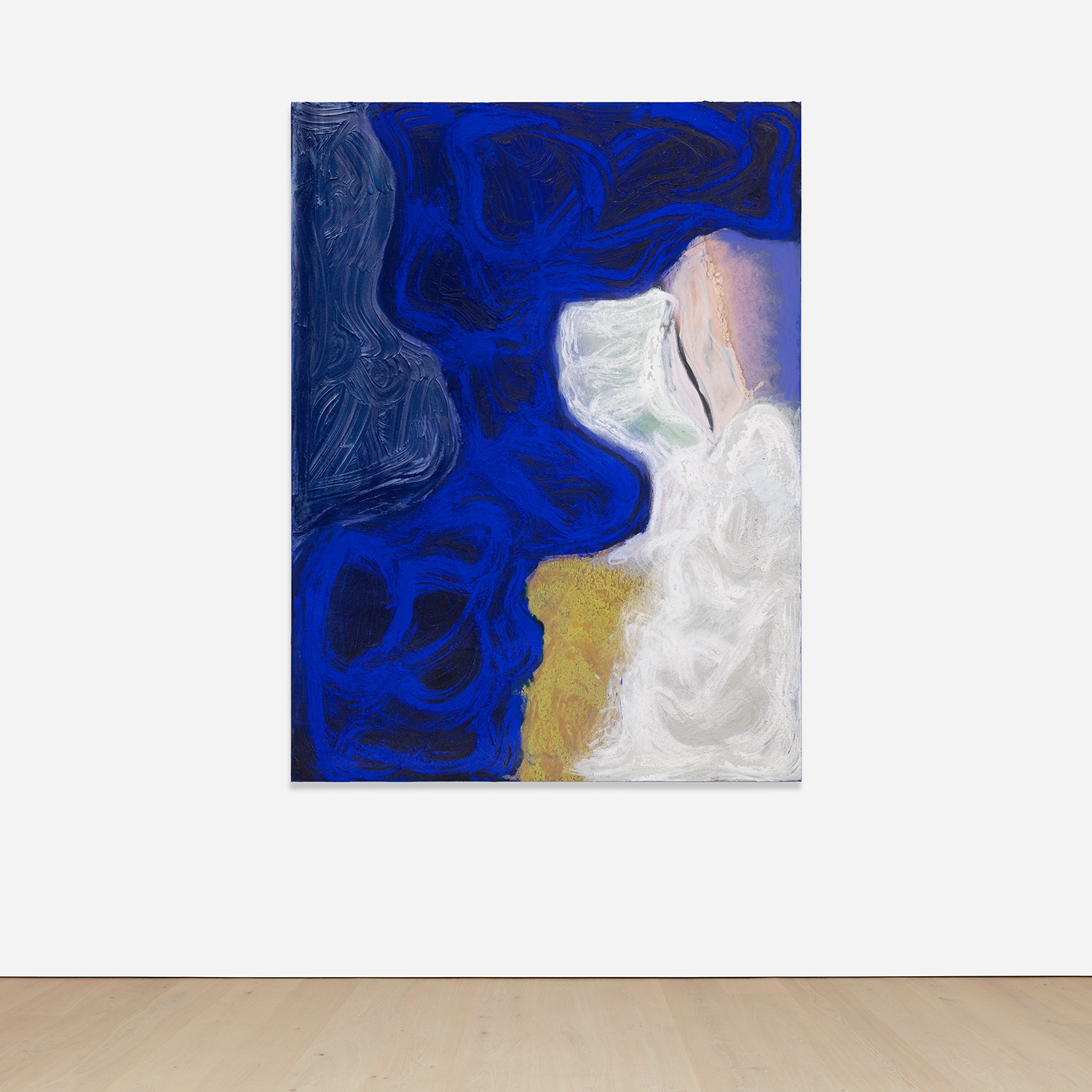
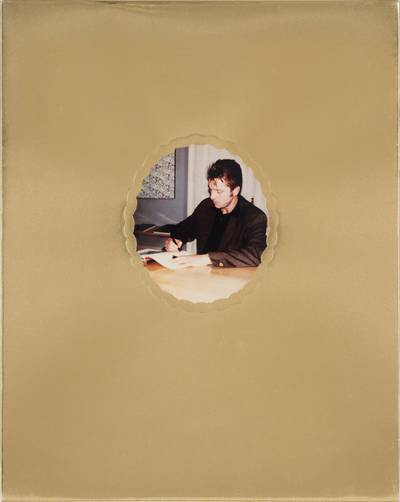
Jadé Fadojutimi
The Pour, 2022
Her surfaces have a dreamlike quality that emerges precisely from the tension between different paint behaviors. Julie Curtiss, working with an almost unsettling precision at the edge of figuration and pattern, uses the particular properties of each medium to modulate between warmth and coolness in ways that are deeply disquieting in the best sense. These are painters whose market positions have not yet fully caught up with the ambition of the work. At auction, works that combine acrylic and oil have shown consistent performance across the past decade, particularly where the artist has an established exhibition history and strong institutional support.
The secondary market for painters like David Salle and Sigmar Polke has demonstrated that collectors are willing to sustain prices for works whose material complexity is legible to a broad audience of serious buyers. What tends to move prices most dramatically is not medium alone but the combination of medium, scale, period, and provenance. A major work from a pivotal moment in an artist's career will always outperform a secondary example regardless of how beautifully it is painted. Knowing the arc of an artist's development is still the most reliable compass a collector can carry.
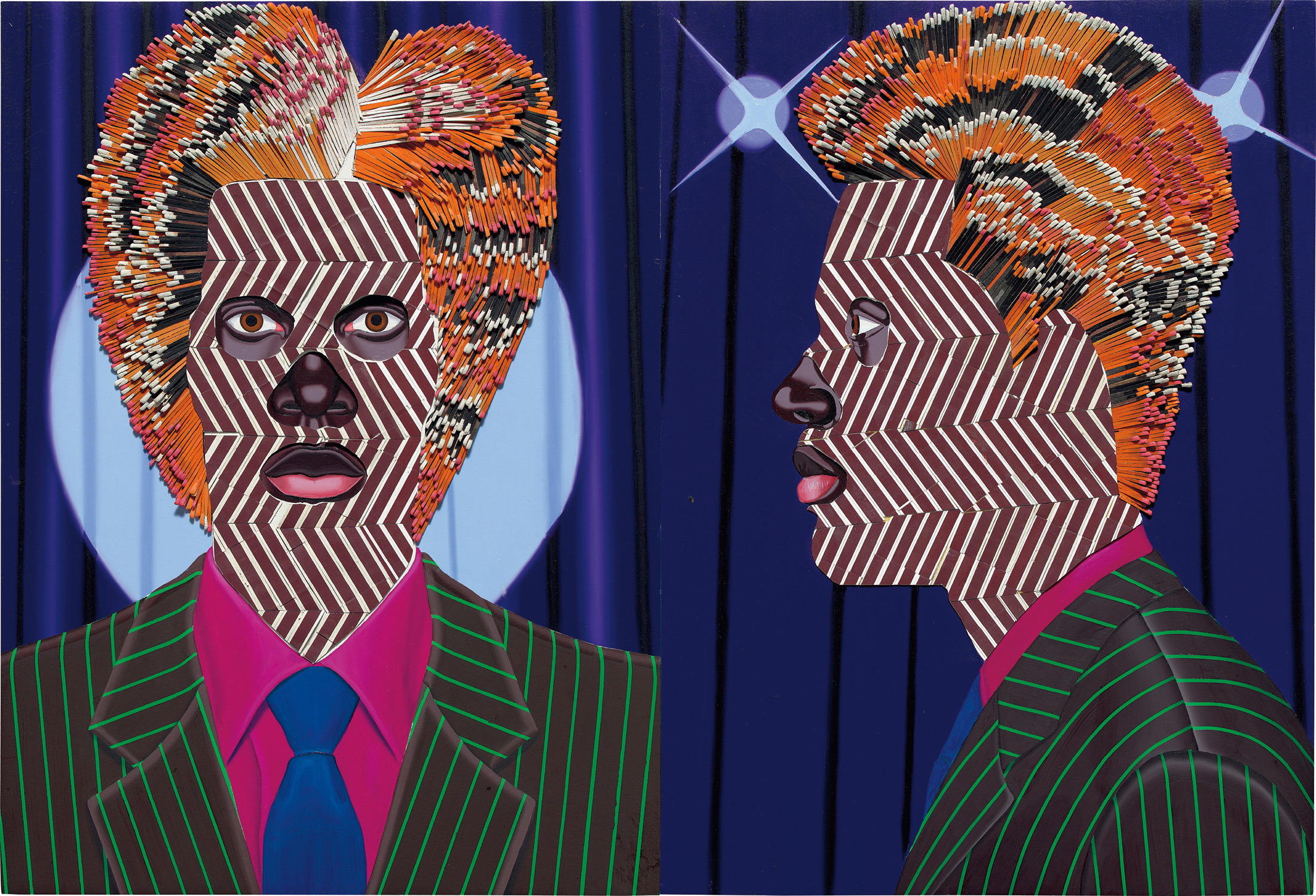
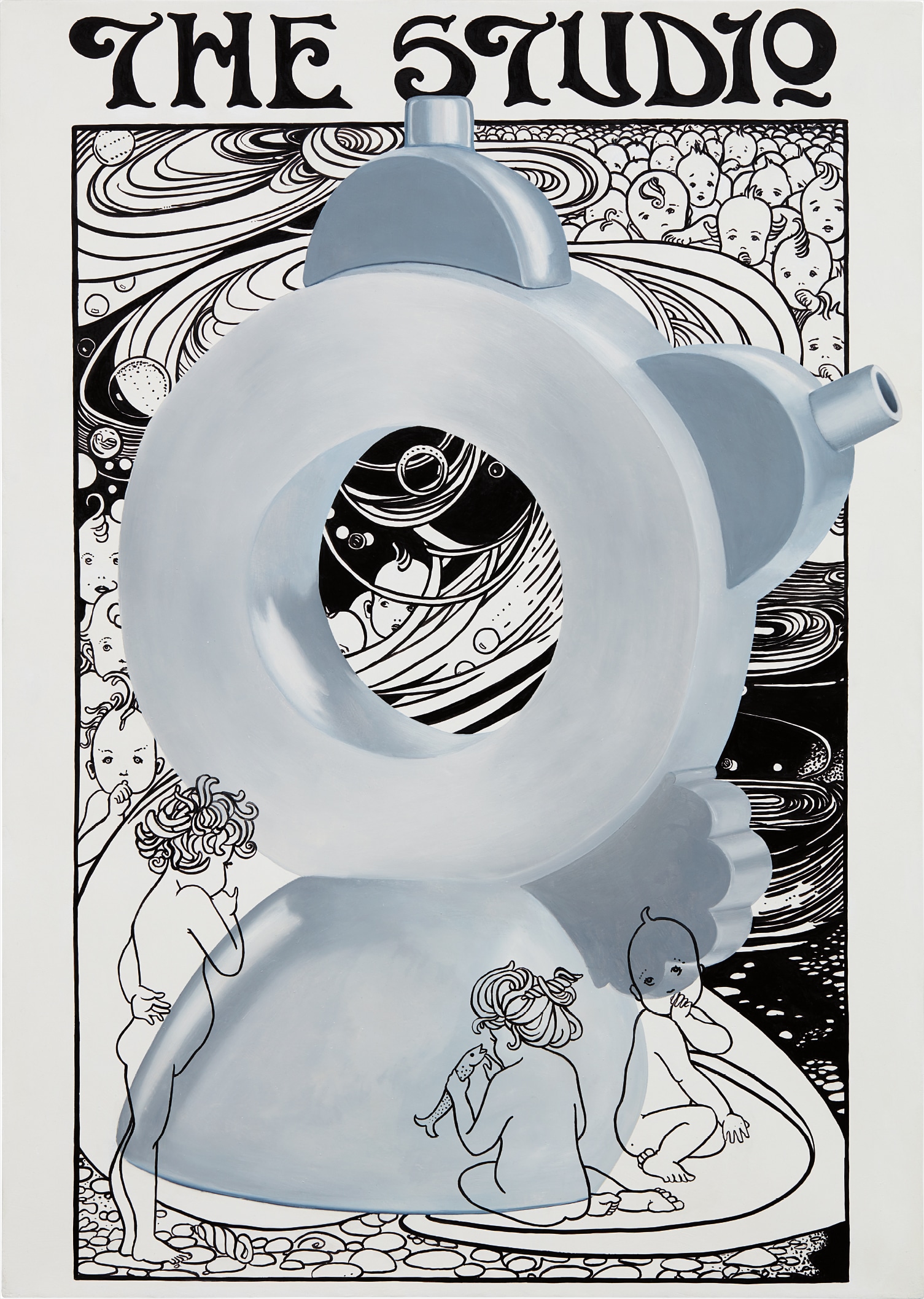
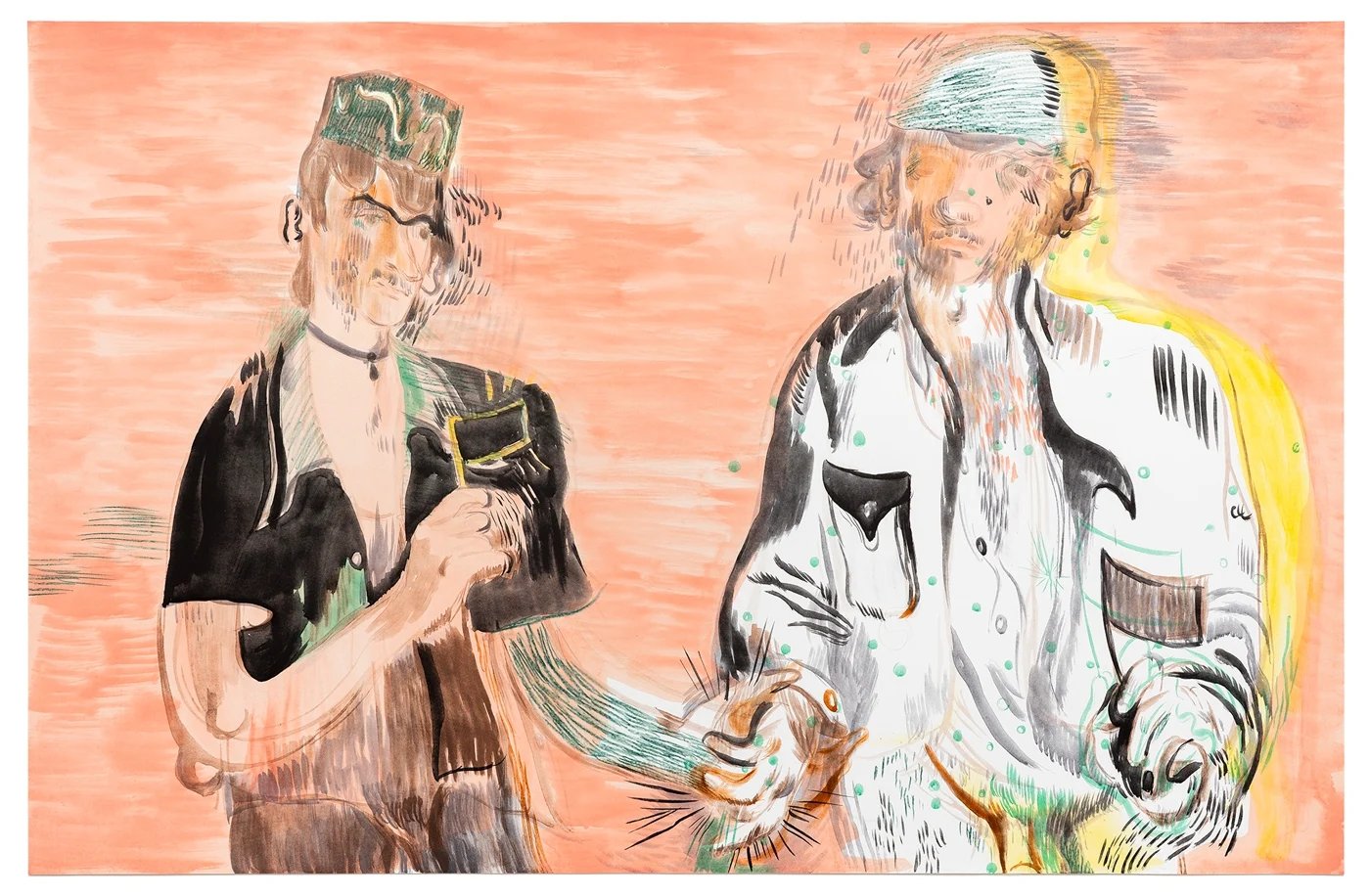
Jeff Sonhouse
Inauguration of the Solicitor, 2005
From a practical standpoint, works combining acrylic and oil require more careful condition assessment than most dealers will volunteer. Ask specifically about the sequence of layers, whether oil was applied over acrylic or the reverse, since the latter can create adhesion problems over time. Request any available conservation reports and ask whether the work has been varnished, because varnishing decisions affect both the appearance and the future restorability of a mixed media surface. For display, these works are generally more tolerant of environmental variation than pure oil paintings, but they still benefit from stable humidity and indirect light.
When comparing a unique work to an edition or a work on paper, remember that the physical accumulation of media is often central to what makes these paintings compelling. A reproduction, however skilled, cannot carry the weight of the actual surface. Unique works in this medium deserve to be treated as such, both in the care they receive and in the premium a discerning buyer should be prepared to pay for them.