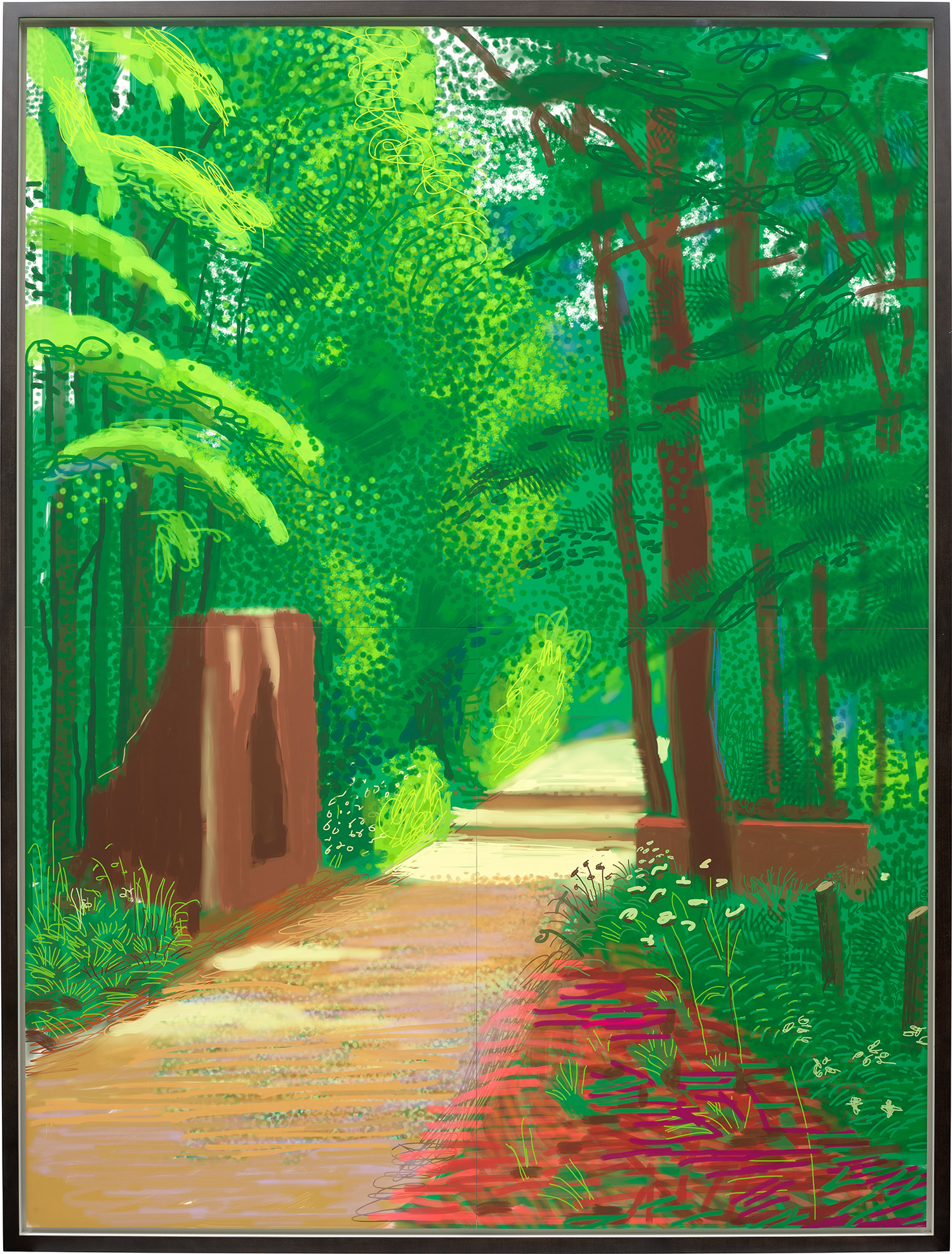
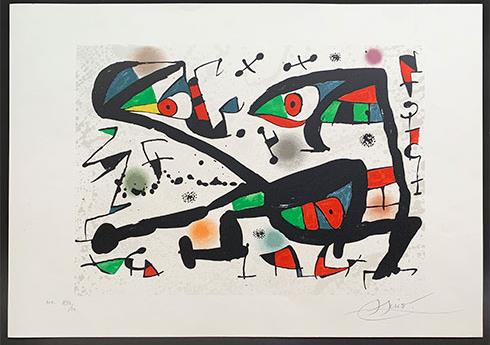
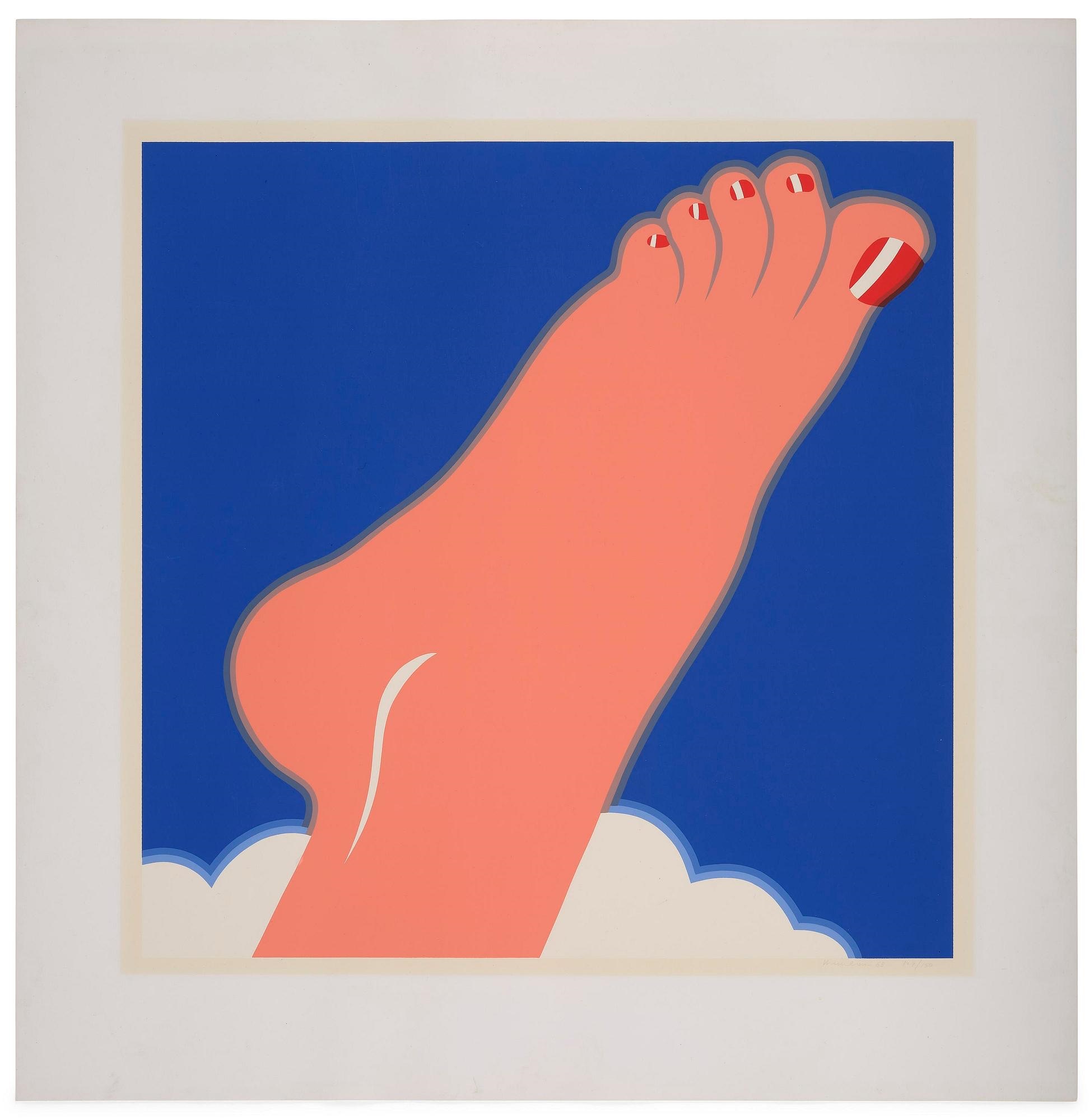
Abstract Landscape
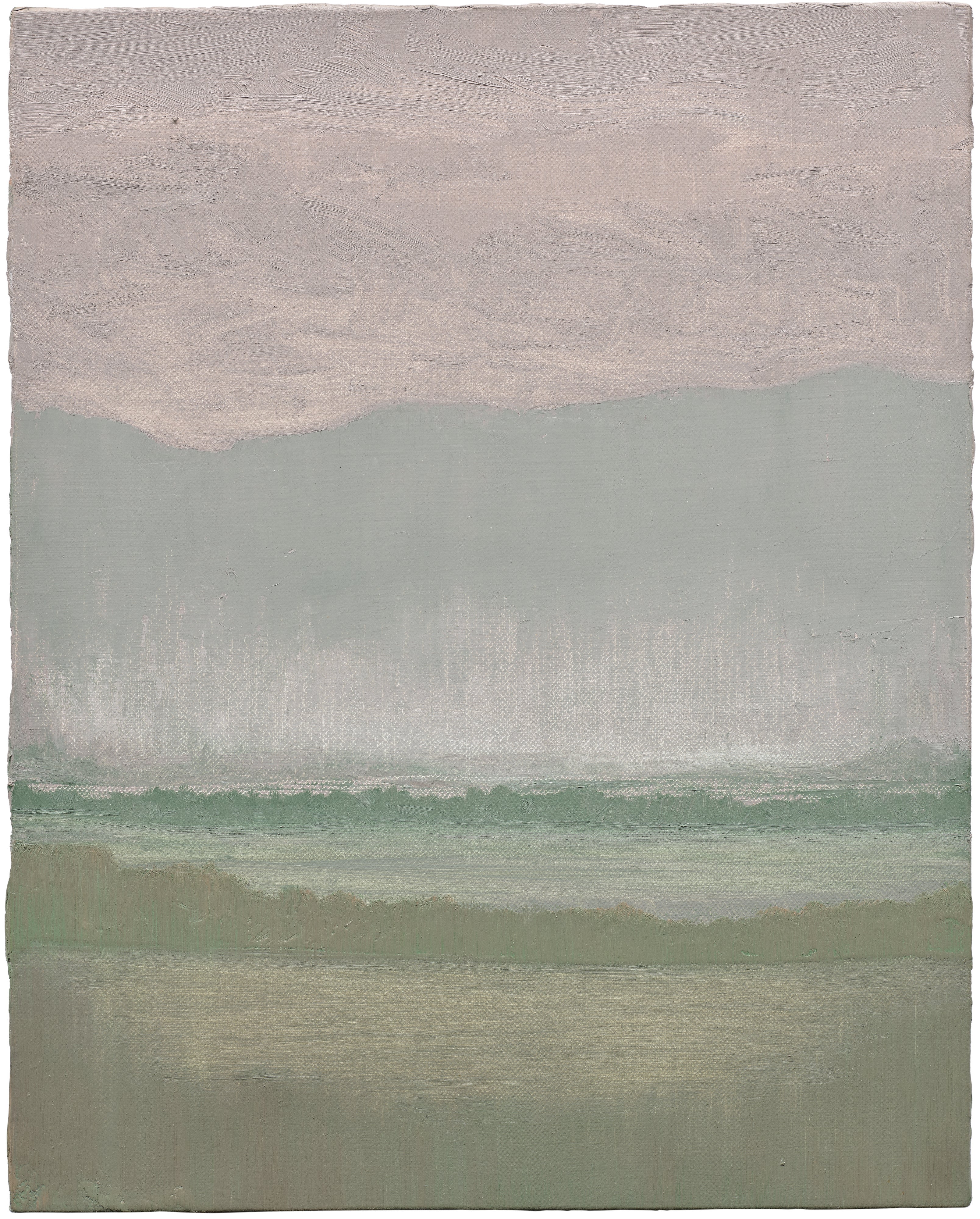
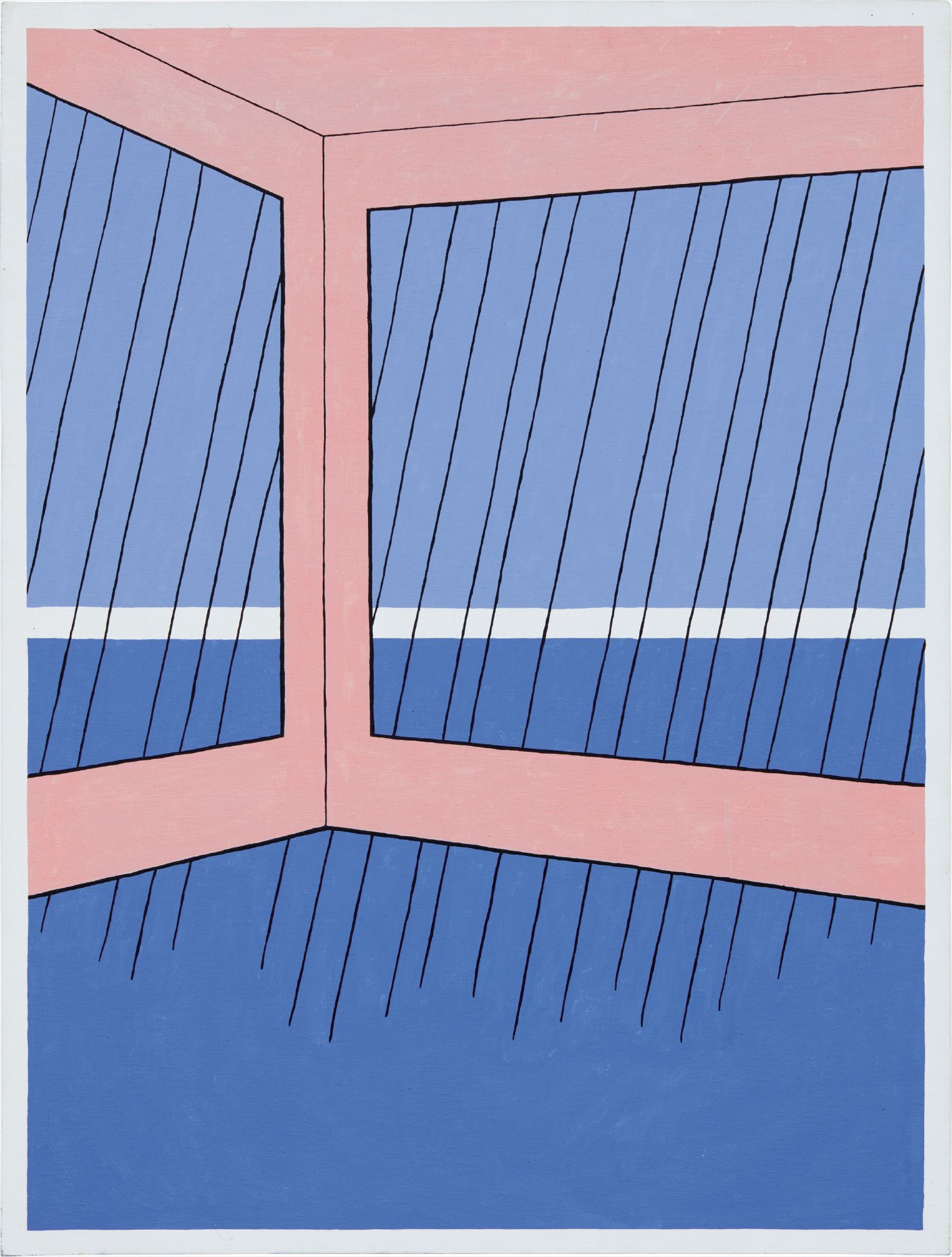
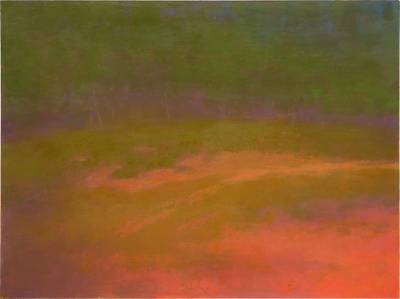
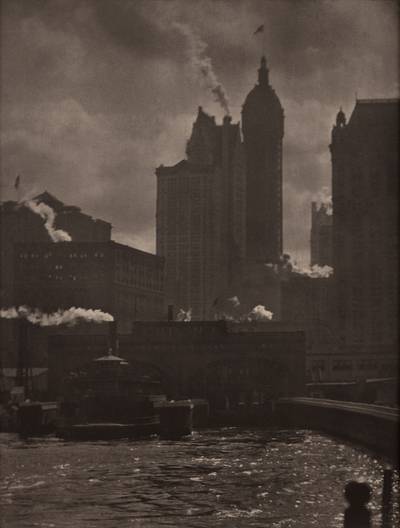
Lucas Arruda
Untitled 14, 2011
Where the Land Ends and Feeling Begins
There is a moment in front of certain paintings when you stop trying to identify what you are looking at and simply surrender to what you are feeling. The ground shifts. Sky and earth trade places. Color does the work that geography once did.
This is the territory of abstract landscape, one of the most enduring and quietly radical modes in the history of modern art, a space where representation loosens its grip and emotion rushes in to fill the gap. The roots of this tradition run deeper than most collectors expect. Long before Abstract Expressionism gave the movement its canonical name and mythology, artists were already testing how much a landscape could be dissolved before it ceased to be one at all. J.
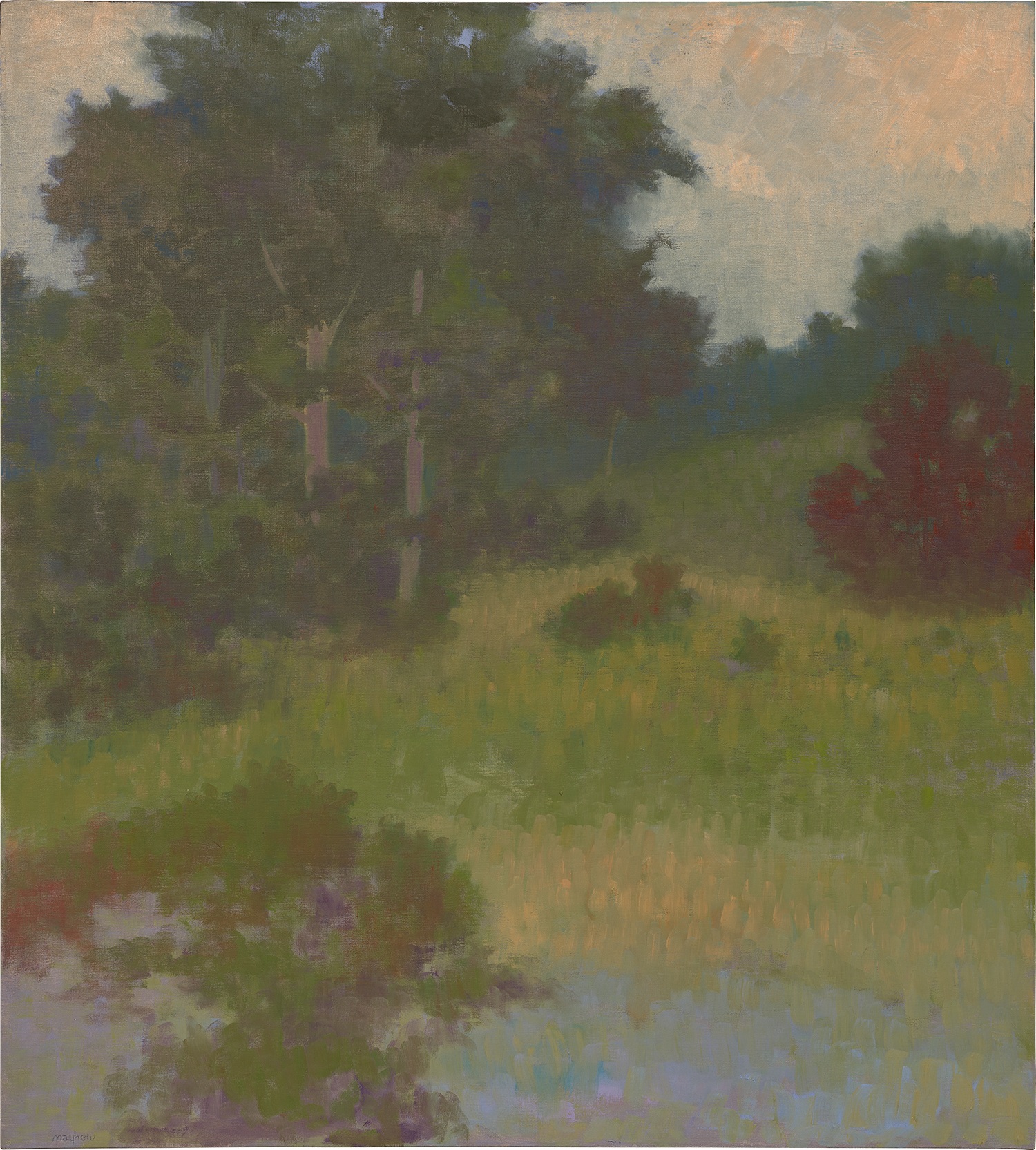
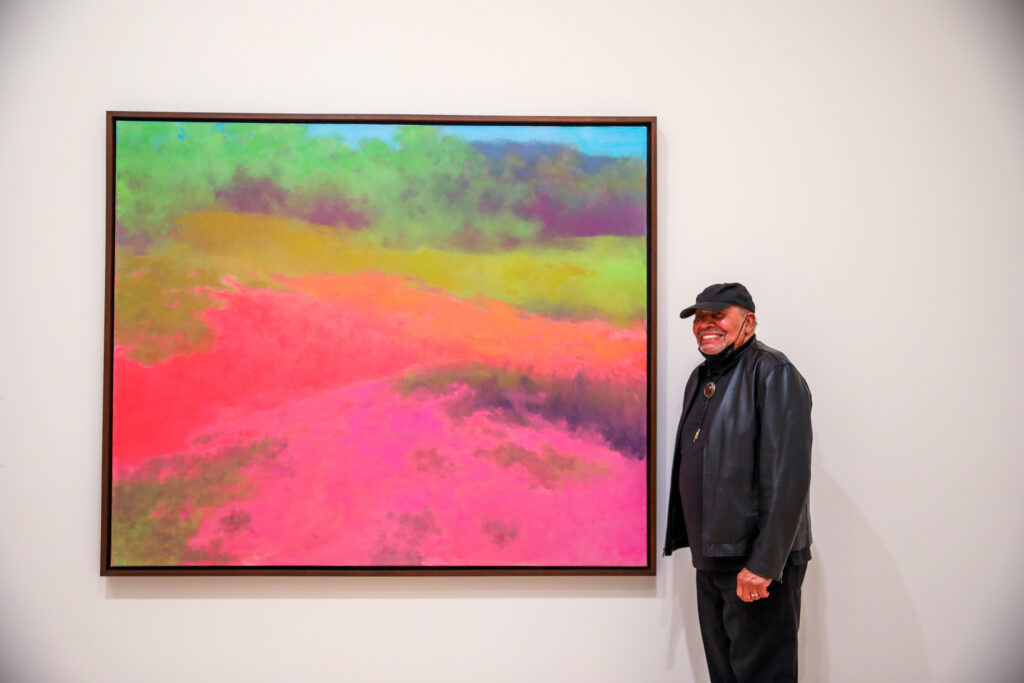
Richard Mayhew
Briarwood, 1982
M.W. Turner's late paintings of the 1840s, those luminous, nearly formless studies of light and atmosphere, were dismissed by critics as unfinished or simply bewildering. In retrospect they read as a premonition of everything that would follow.
Cézanne, working through the 1890s and into the early twentieth century, treated the landscape of Provence as a structural problem, something to be analyzed and rebuilt from its geometry outward. By the time he was done, the mountain at Sainte Victoire had become less a place than a proposition. The pivotal decade was the 1910s, when Wassily Kandinsky began articulating a theory and a practice of pure visual emotion, and when artists across Europe started treating the natural world as raw material for something more interior. Lyonel Feininger, the German American painter who was among the first masters recruited to the Bauhaus in 1919, developed a distinctive crystalline language for landscape that fractured light into faceted planes, making the Baltic coast feel both physically present and spiritually abstract.
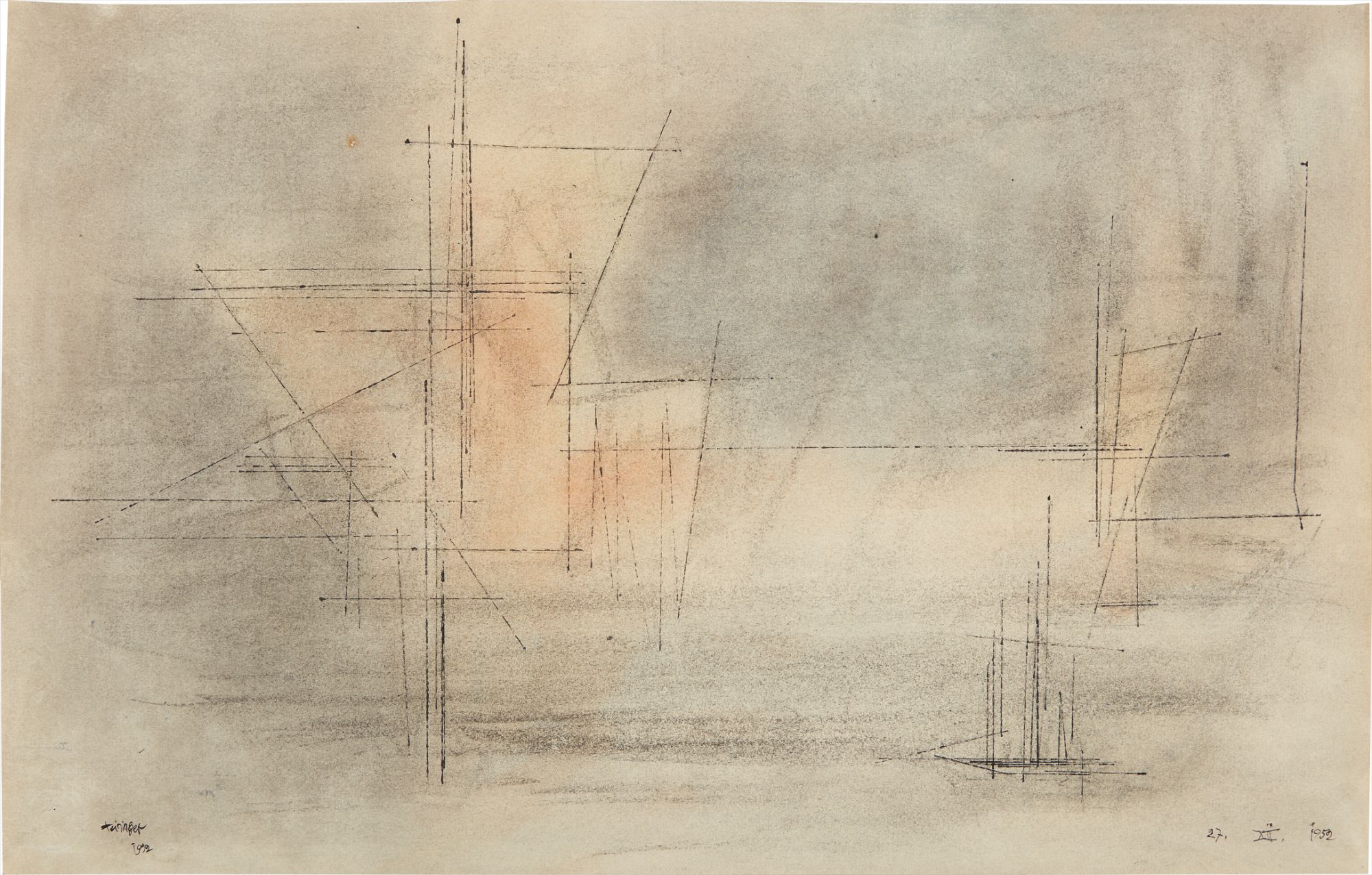
Lyonel Feininger
Sky Space, 1953
His work sits at a precise and productive crossroads, landscape that remembers what it came from while clearly reaching toward something beyond description. American painting found its own voice in this conversation through the mid twentieth century, and the conversation grew louder and stranger. Kay Sage, better known as a Surrealist, brought to her landscapes a cold architectural dream logic, empty planes and receding structures that suggested geography while refusing to confirm it. Richard Mayhew developed a lyrical, deeply felt approach to landscape in which color fields pulse with an emotional warmth that his contemporaries in the harder edged New York scene often avoided.
His work, well represented on The Collection, operates at the frequency of memory and longing rather than observation. The 1950s and 1960s saw the Abstract Expressionists claim landscape as a spiritual ground in the most literal sense. Mark Rothko was explicit that his color fields were about human emotion, not geography, yet collectors and critics kept returning to the horizon line buried in those stacked rectangles, the sense of an earth and sky held in permanent, trembling tension. Helen Frankenthaler's soak stain technique, which she developed in the early 1950s, gave abstract landscape a new physical intimacy, paint absorbed directly into unprimed canvas like water into soil.
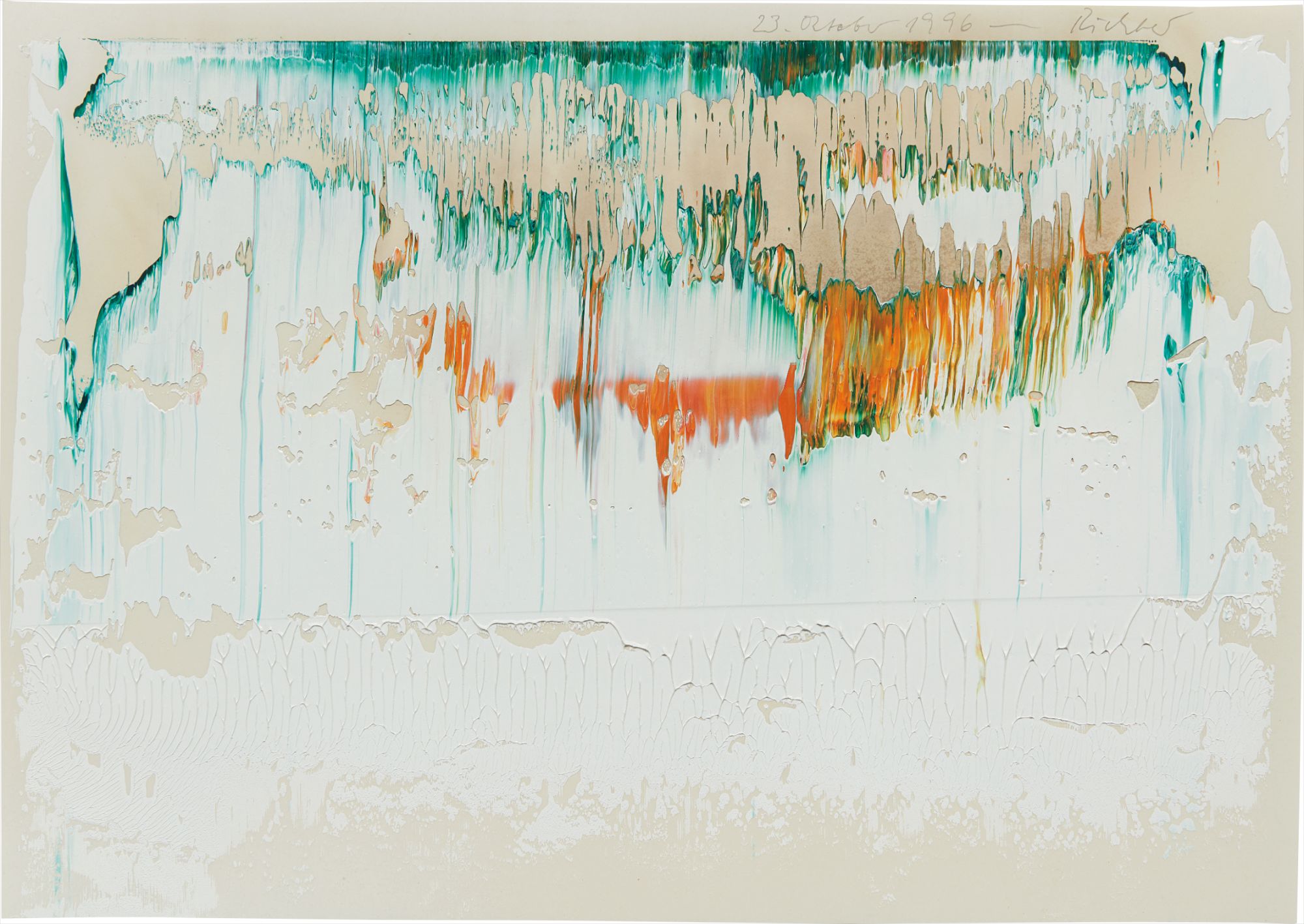
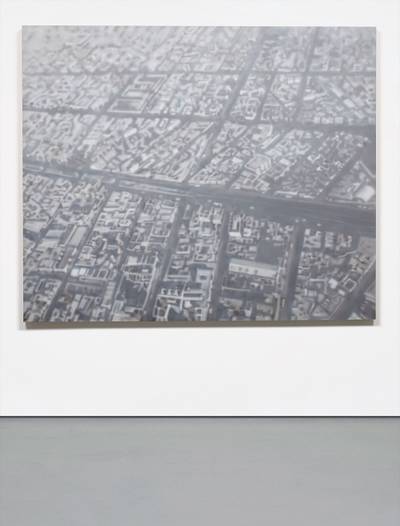
Gerhard Richter
PAPER FUJI (23 Oktober 1996), 1996
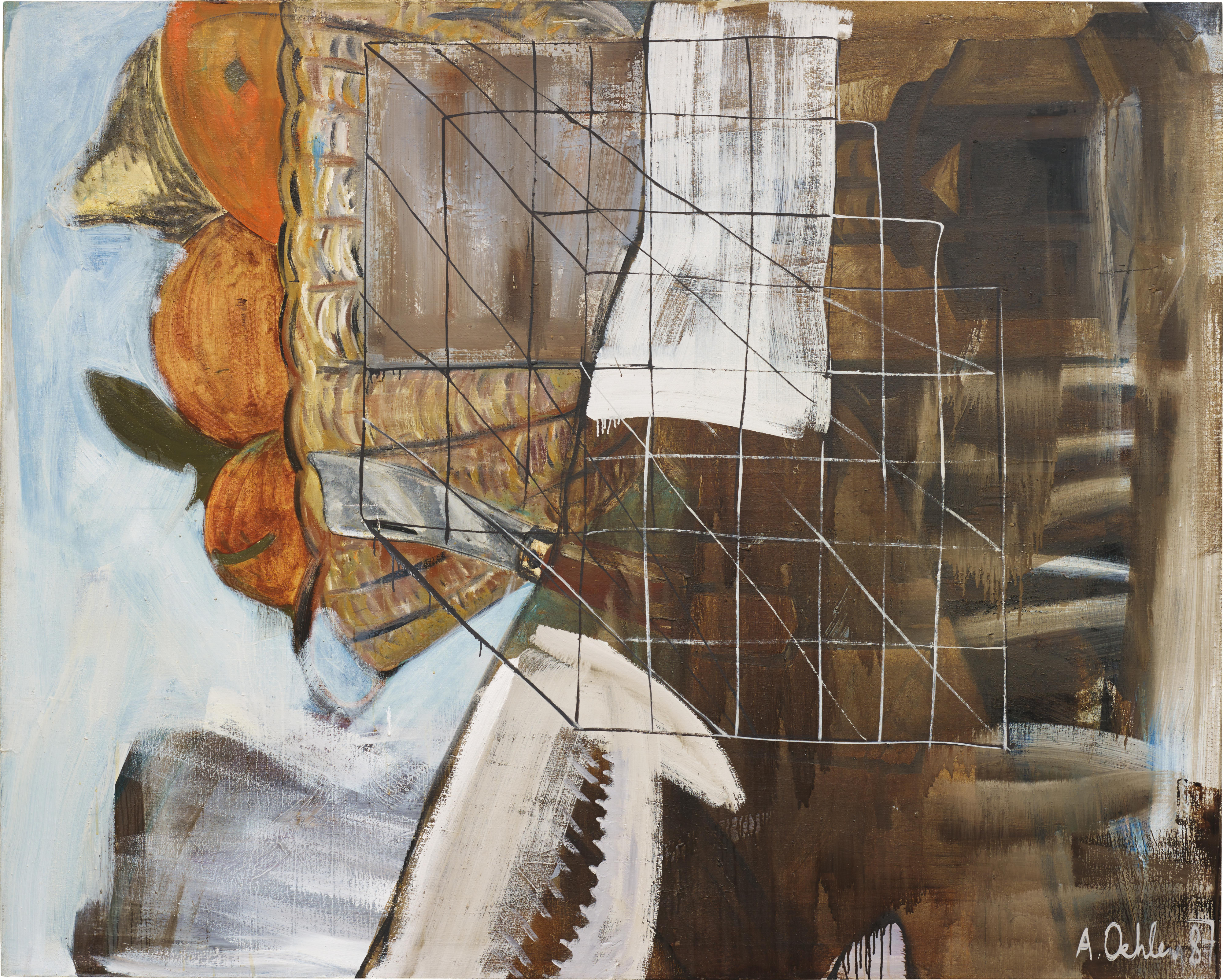
The landscape was no longer depicted. It was enacted. What distinguishes the most compelling abstract landscapes is the way they negotiate between control and surrender, between the artist's hand and something that feels larger than intention. Gerhard Richter, whose work spans decades and defies easy categorization, has returned repeatedly to landscape as a site of philosophical inquiry.
His photo paintings of the 1960s and 1970s subjected bucolic imagery to a blur that felt like an act of mourning, as though clarity itself had become suspect. The work on The Collection speaks to that ongoing tension in his practice. Similarly, Lucas Arruda builds his small, insistently quiet paintings from repeated marks, constructing an atmosphere that feels both ancient and weightless, somewhere between Turner and a held breath. Contemporary artists have expanded the territory in directions that would have surprised even the most adventurous figures of the postwar generation.
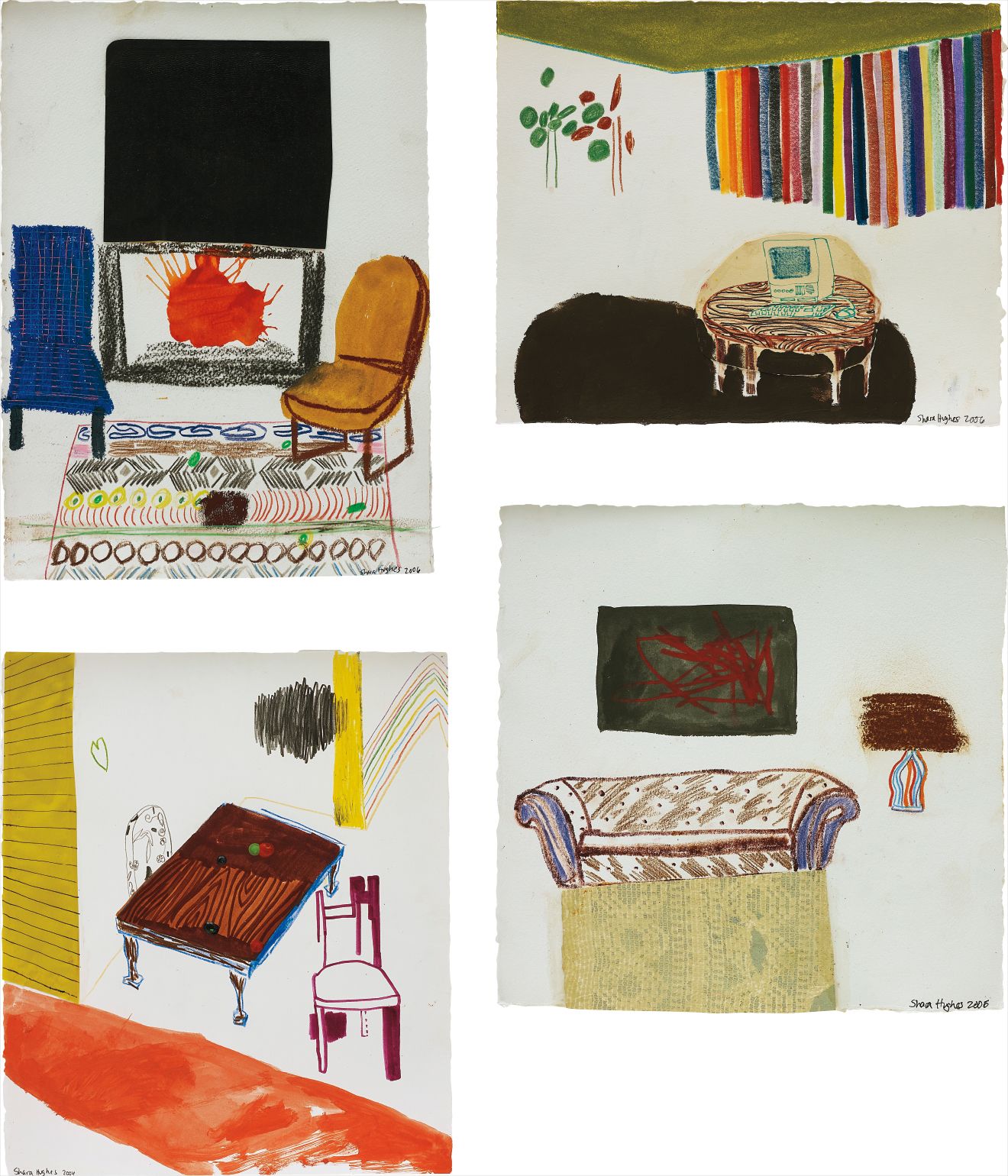
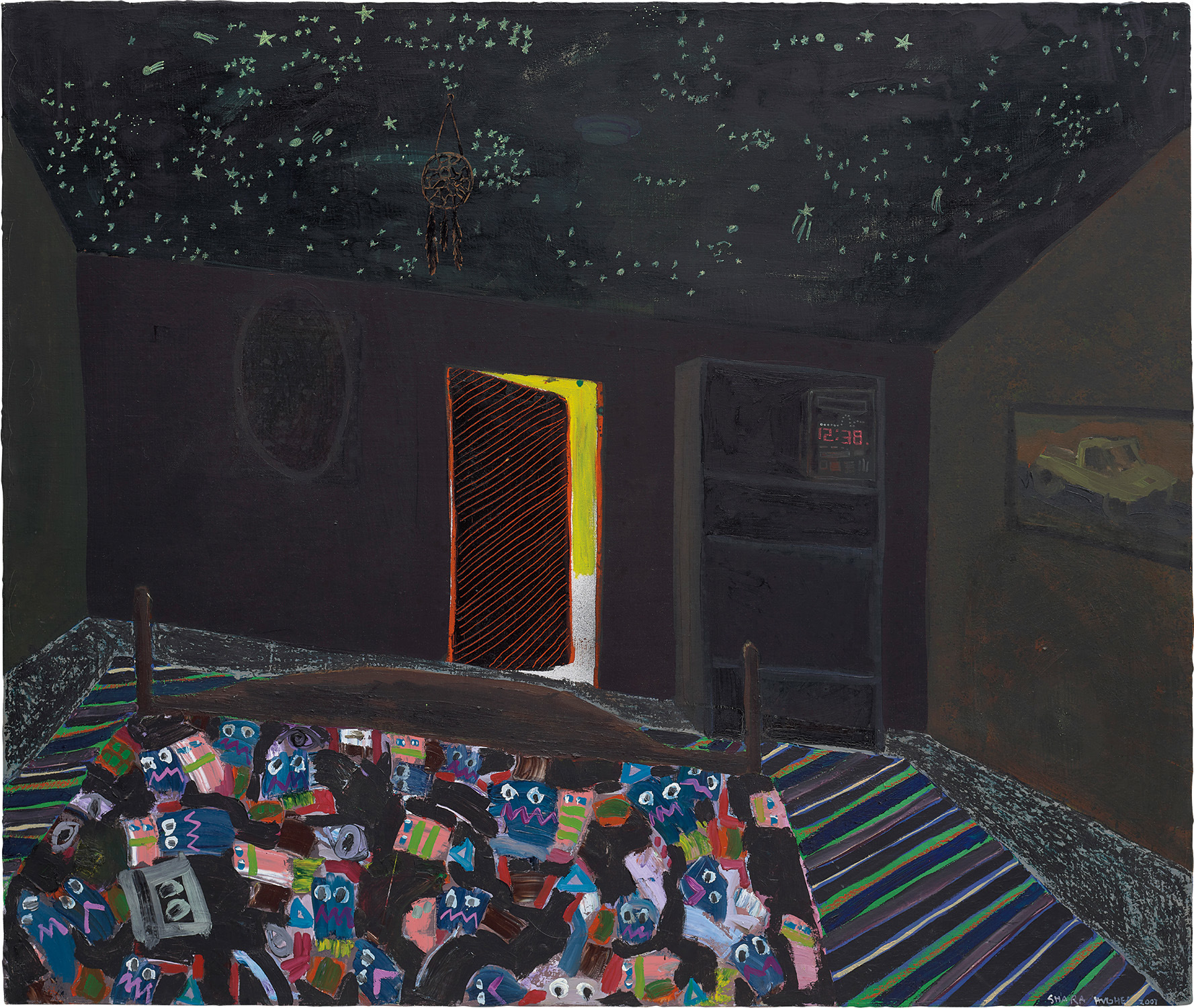
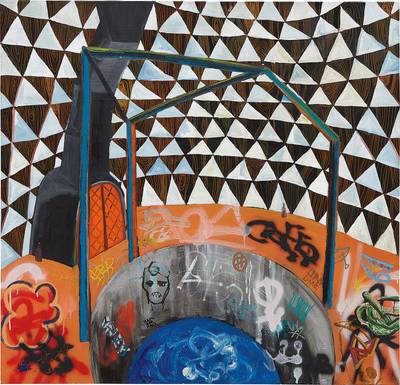
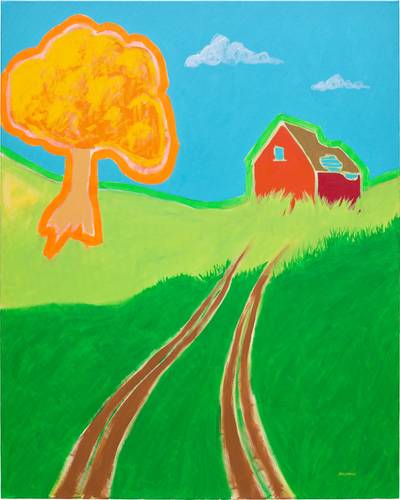
Shara Hughes
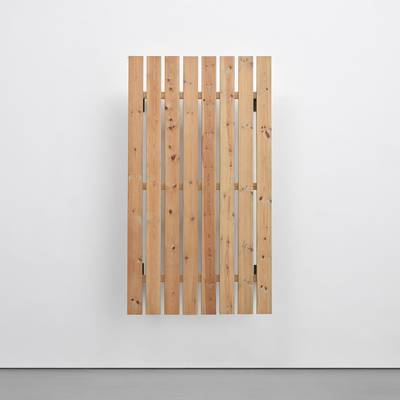
Four works: (i) Black Art and Fireplace; (ii) Computer Table with Rainbow Shades; (iii) Rainbow Lamp; (iv) Grown-Up Table, 2006
Shara Hughes, among the most viscerally exciting painters working today, creates landscapes that operate at a pitch of almost operatic emotion, pushing color and form into spaces that feel simultaneously interior and ecological, as if the mind and the environment had merged. Her work, prominently featured on The Collection, has drawn comparisons to everyone from Edvard Munch to Fauvism, but the sensibility is entirely her own. Chase Langford works at the opposite end of the emotional register, building luminous atmospheric paintings from layered washes that feel like the light between things rather than the things themselves. The global reach of abstract landscape as a mode is easy to underestimate.
Narayan Shridhar Bendre and Sadanand K. Bakre, both associated with progressive movements in Indian modernism from the 1940s onward, brought distinctly different visual philosophies to the question of how landscape becomes feeling. Toko Shinoda's ink works carry the landscape tradition of East Asian painting into pure abstraction with an authority and economy that still feel radical. Joan Nelson builds intimate, almost miniaturist landscapes that borrow freely from Northern European painting while arriving somewhere entirely contemporary.
The category refuses to stay in one place, which is precisely what makes it so alive. What collectors respond to in abstract landscape, often without being able to articulate it immediately, is the way these works give permission to feel something without requiring it to be named. Representation asks you to identify. Abstraction invites you to inhabit.
When the two modes are held together in productive friction, as the best artists in this tradition know how to do, the result is a kind of painting that functions less like a window and more like a room. You do not look at it from a distance. You find yourself inside it, trying to remember how you arrived and not especially eager to leave.