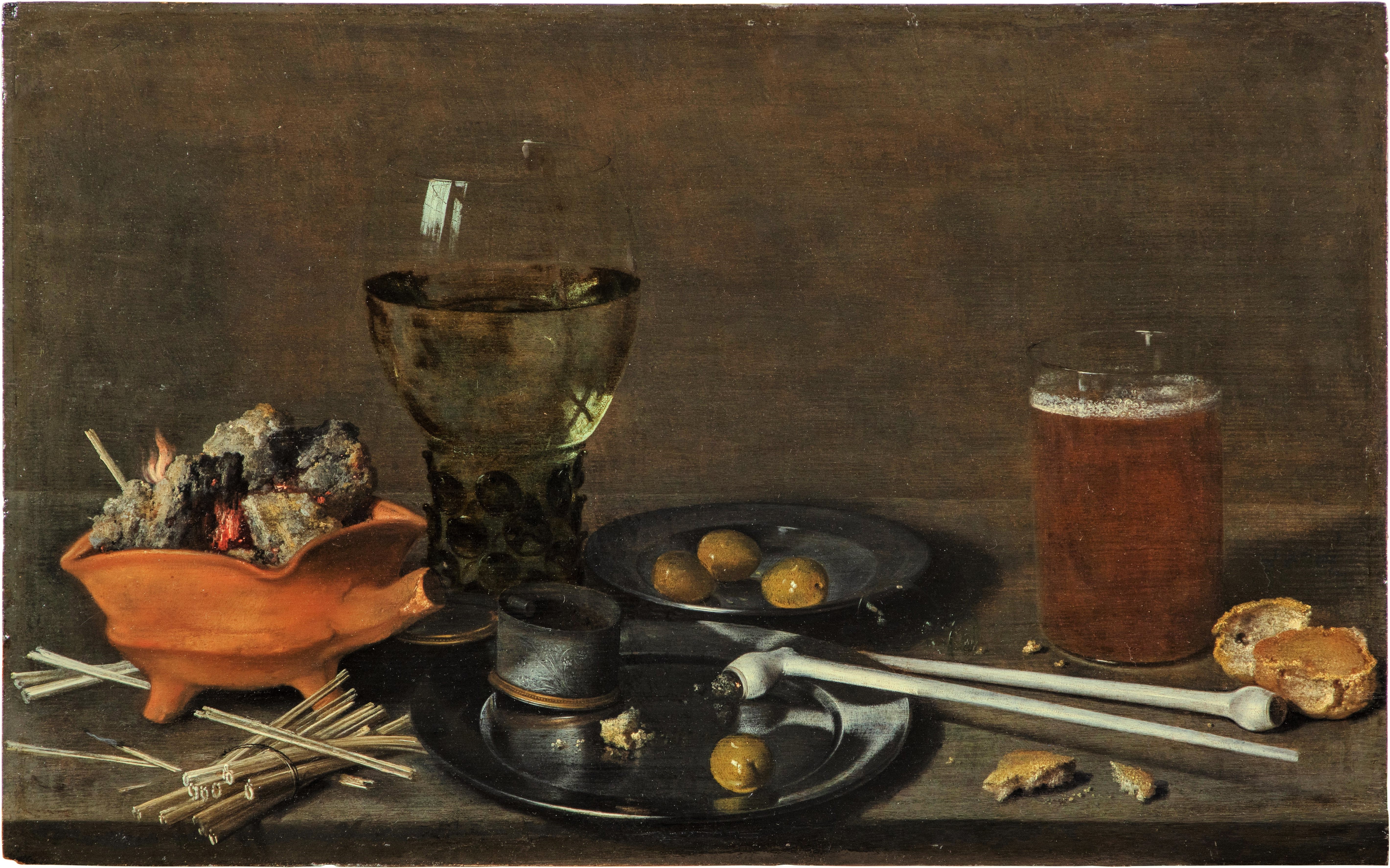
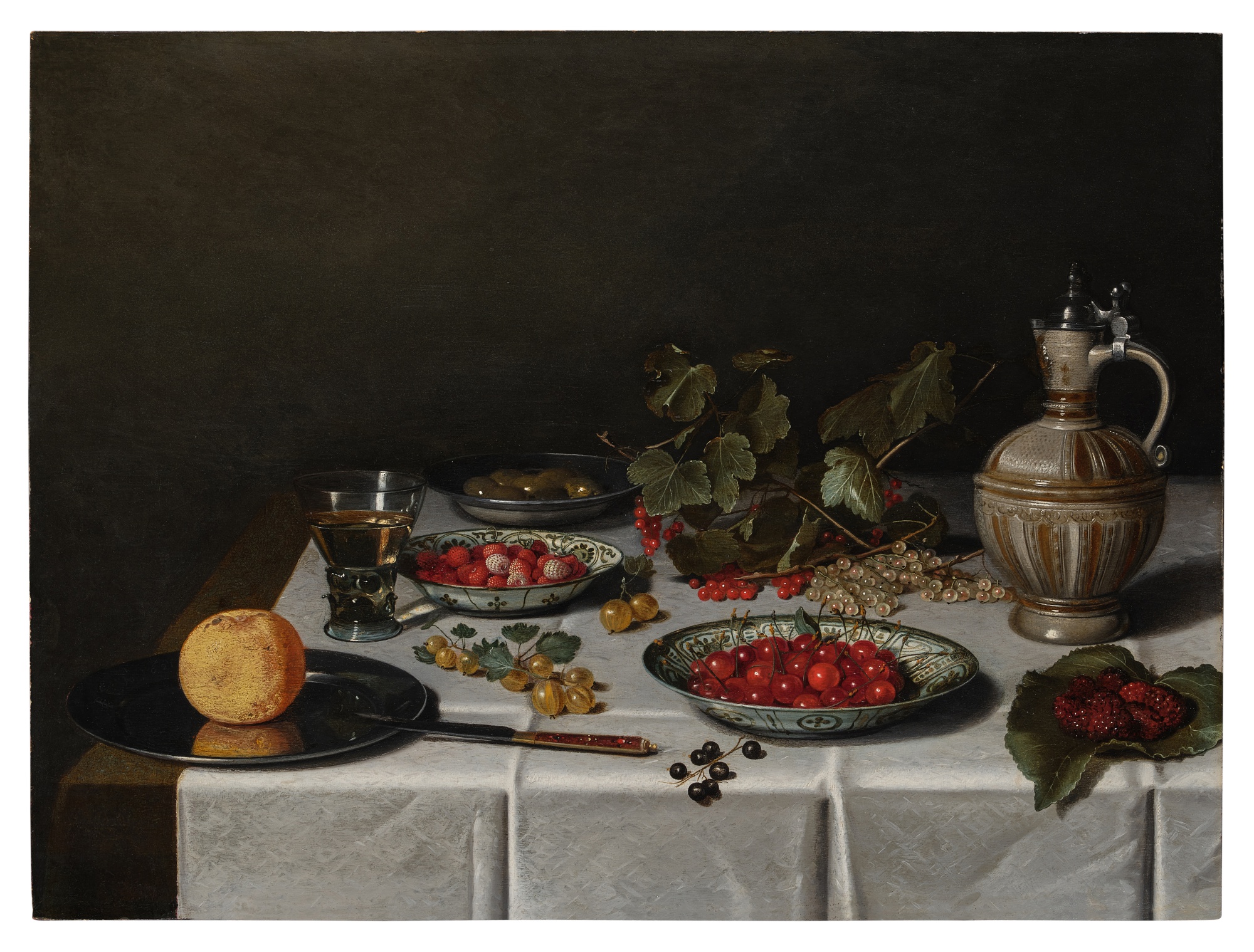
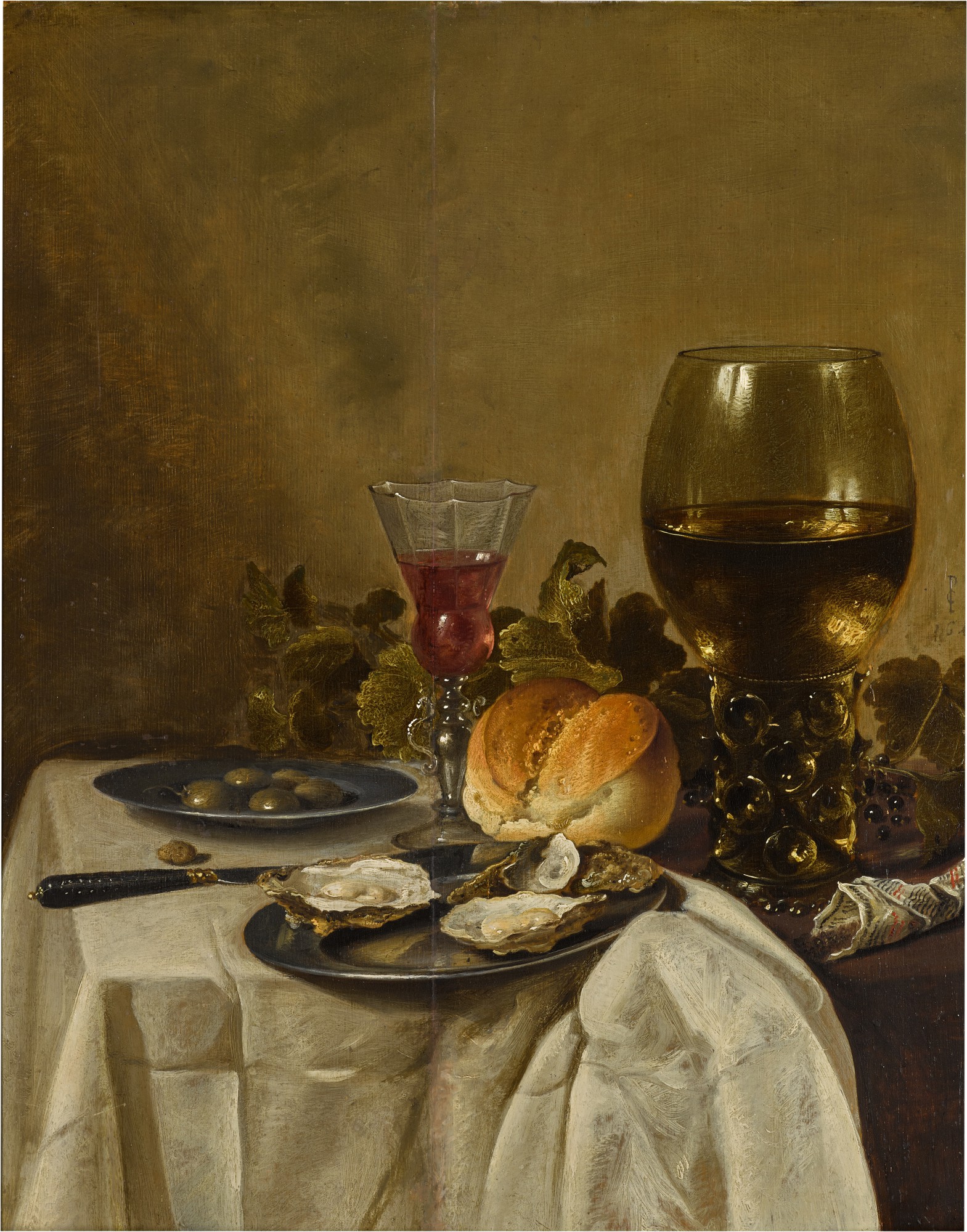
Imagine a pewter plate catching the cool grey light of a Haarlem morning. An orange rests against a knife, its peel half unspooled. A roemer of pale wine holds the reflection of a leaded window. These are not simply objects arranged for display. They are arguments, made in oil on panel, about what it means to be alive and aware of time. Pieter Claesz understood this better than almost any painter of his era, and the museums and auction houses of the twenty first century continue to confirm it with every major Dutch Golden Age exhibition and every record sale that draws crowds to Amsterdam, London, and New York. Claesz was born around 1597 in Berchem, a town near Antwerp in the Southern Netherlands. The precise circumstances of his early life remain somewhat opaque, as is common with artists of that period, but what is clear is that he arrived in Haarlem by the early 1620s and quickly found his footing in one of the most intellectually fertile art markets in Europe. Haarlem at that time was a city of printers, weavers, and merchants, a place where civic pride and commercial ambition combined to create an extraordinary appetite for paintings that could decorate a prosperous home with beauty and meaning in equal measure. For a young painter of exceptional sensitivity, it was exactly the right place to be. His artistic development in Haarlem was shaped in part by the presence of fellow still life painters, most notably Willem Claesz Heda, with whom Claesz is frequently paired in art historical surveys. The two men defined what scholars would later call the monochrome or tonal still life, sometimes referred to by the Dutch term 'monochrome banketje'. Where earlier Flemish masters had favoured opulence and chromatic intensity, Claesz and Heda pursued restraint. Their palettes moved through warm ochres, silver greys, and the deep olive greens of glass vessels, creating compositions that felt less like celebrations of wealth and more like quiet meditations on the texture of ordinary life. This was a genuinely new kind of painting, and Claesz pursued it with absolute conviction across four decades of working. The 'ontbijt', or breakfast piece, became his most celebrated format. These works depict modest meals: bread, olives, oysters, fruit, wine in various vessels, a knife resting at the edge of a table as though just set down by human hands. What made Claesz exceptional within this genre was his capacity to render surface and material with almost uncanny precision while simultaneously imbuing the entire scene with a quality of elapsed time. His tablecloths are never perfectly smooth. His bread has a crust that seems genuinely edible. His glass vessels refract light in ways that still astonish viewers who have spent years looking at seventeenth century paintings. The work titled 'Still Life with Oysters, a Roemer, a Wine Glass, Bread Roll and Olives' demonstrates this perfectly. The roemer sits with the authority of a monument, and yet the whole scene feels provisional, as though the meal might be resumed at any moment. Claesz also worked extensively in the 'vanitas' tradition, a genre explicitly concerned with mortality and the passage of time. These compositions introduce skulls, overturned vessels, extinguished candles, and watches into the breakfast piece format, making the philosophical subtext of the work entirely explicit. What is remarkable is that Claesz managed to make these memento mori paintings feel neither morbid nor didactic. They carry the same warmth and technical refinement as his more straightforward breakfast pieces, and the presence of symbolic objects feels entirely natural within the visual logic of each composition. He was a painter who understood that beauty and seriousness are not opposites. From a collecting perspective, Claesz occupies a position of considerable prestige within the Dutch Golden Age market. Major museums including the Rijksmuseum in Amsterdam, the Mauritshuis in The Hague, the Metropolitan Museum of Art in New York, and the National Gallery in London hold significant examples of his work, which speaks both to the international esteem in which he is held and to the relative scarcity of top tier examples on the open market. Works on panel, which represent much of his finest output, require careful provenance research and condition assessment, and collectors are rightly advised to seek specialist guidance. That said, when strong examples do appear at auction at Christie's, Sotheby's, or Bonhams, they consistently attract serious competition from institutional buyers and sophisticated private collectors alike. The work 'Nature Morte au Grand Verre de Vin et aux Pipes' is precisely the kind of composition that rewards close and repeated looking, combining the artist's mastery of glass, smoke, and reflective surface into a single, perfectly calibrated image. Claesz is best understood within a constellation of contemporaries and inheritors. Willem Claesz Heda, as noted, was his closest peer and friendly rival in Haarlem. Jan Davidsz de Heem, who worked slightly later and with greater chromatic ambition, represents one direction in which the Dutch still life tradition evolved after Claesz established its tonal foundations. Floris van Dyck, active in the decade before Claesz came to prominence, provides useful context for understanding what the breakfast piece looked like before Claesz refined it so profoundly. And Jan van de Velde II, whose relationship to Claesz was familial as well as artistic, since his son Nicolaes Berchem became a celebrated landscapist, reminds us that Haarlem in the seventeenth century was a tightly interconnected world of artistic families and shared ambitions. Collectors who admire Claesz will often find themselves drawn to all of these figures as they build a deeper understanding of the period. The legacy of Pieter Claesz extends well beyond the seventeenth century. His influence can be traced through the still life traditions of subsequent centuries, and contemporary painters working in the realist and photorealist modes frequently cite Dutch Golden Age precedents, with Claesz among the most admired. More broadly, his work asks questions that remain entirely urgent: What do we value. How do we spend our time. What do the objects around us say about who we are. These are not period questions. They are permanent ones, and the fact that Claesz could embed them in a painting of bread and oysters and a half empty glass of wine speaks to a kind of intelligence that deserves our sustained attention and our genuine admiration.