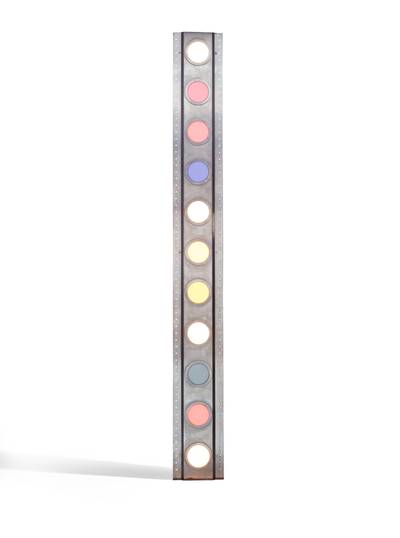
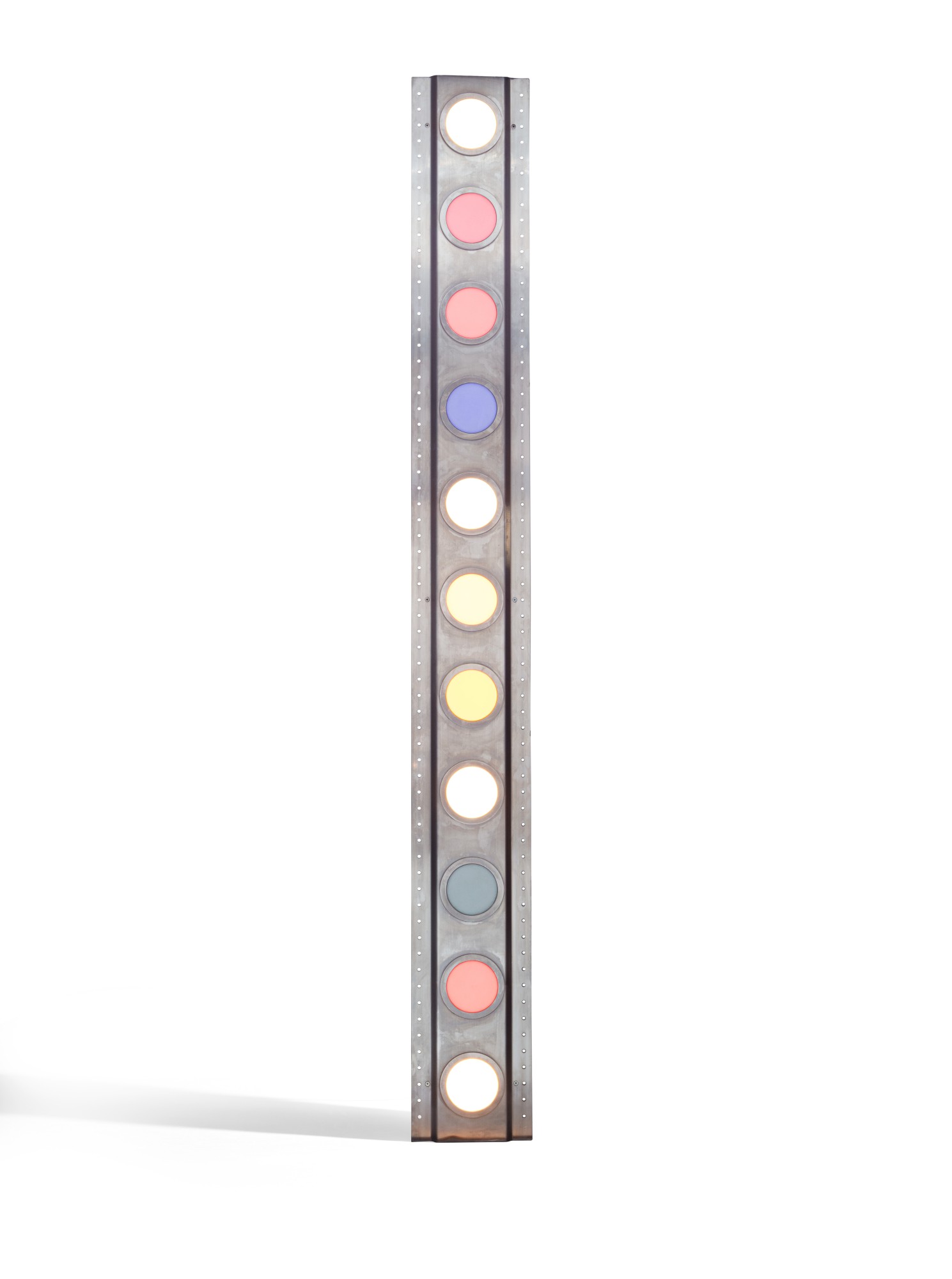
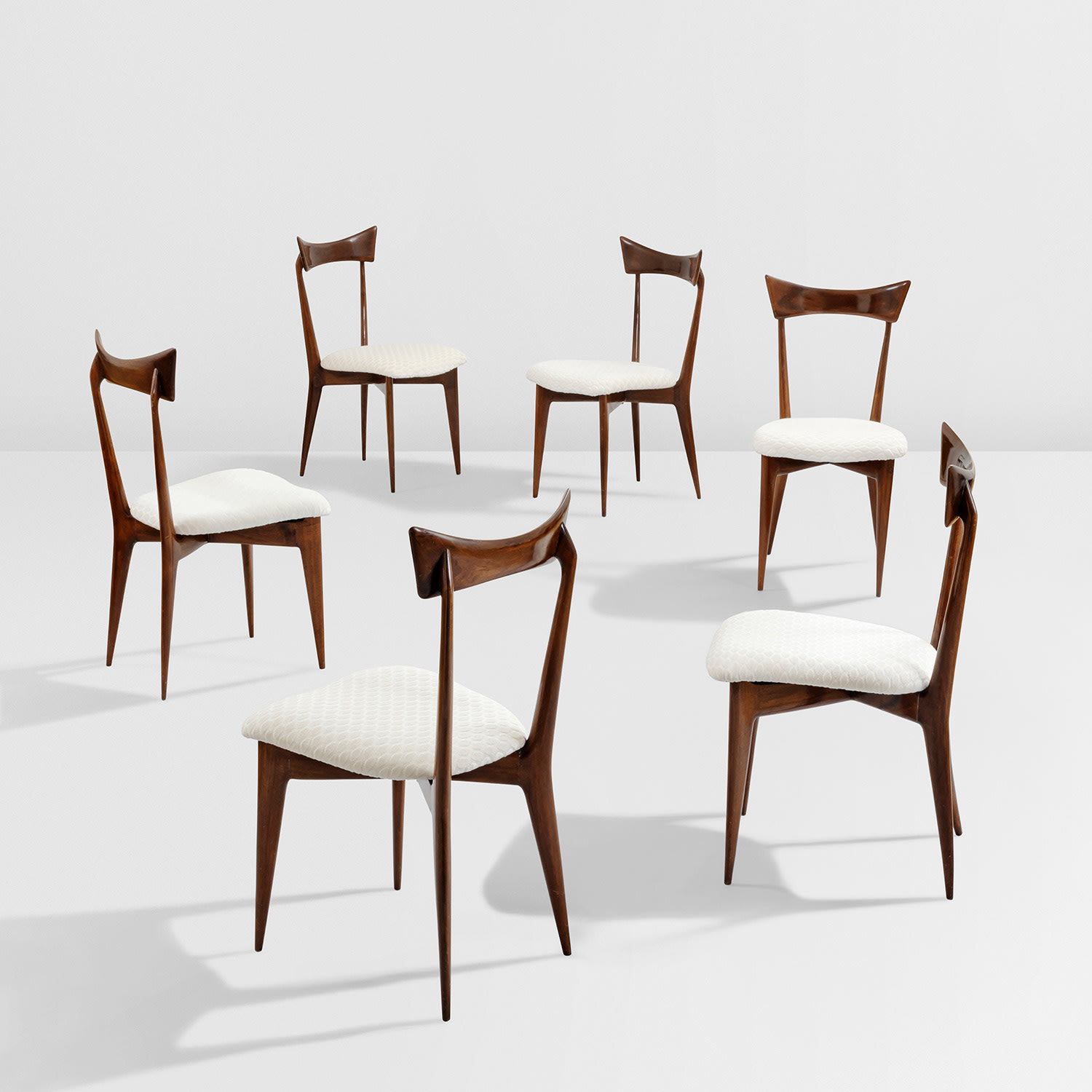
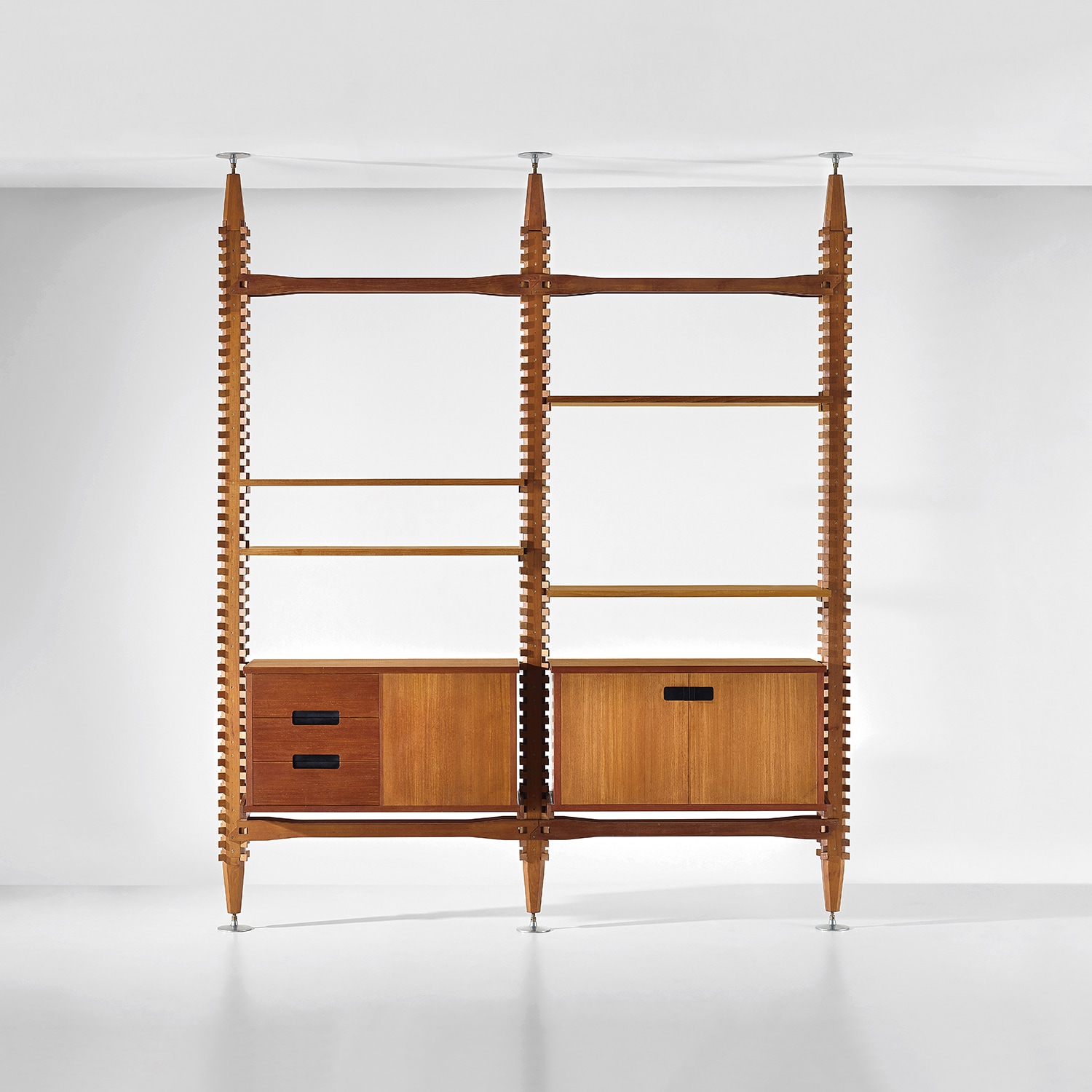
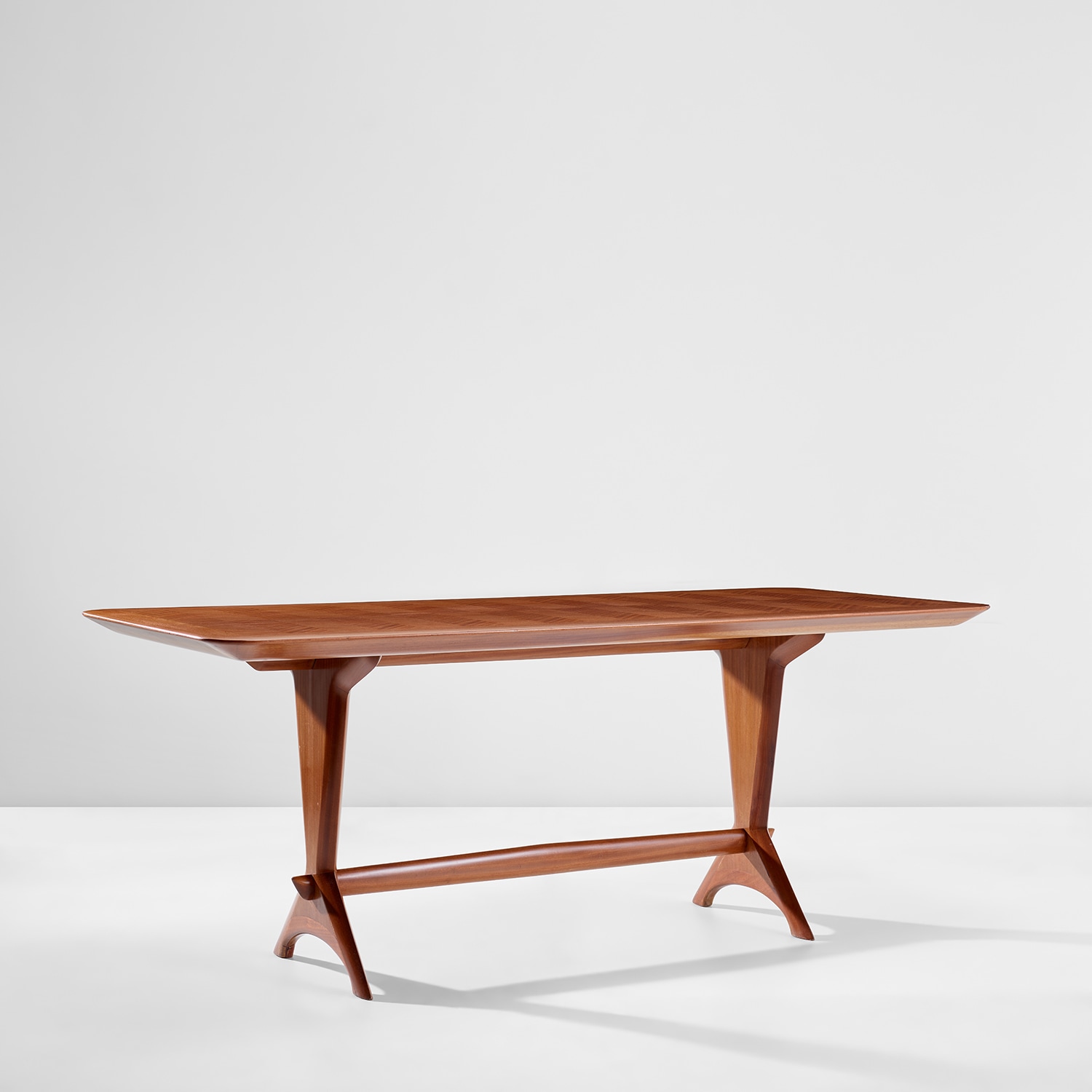
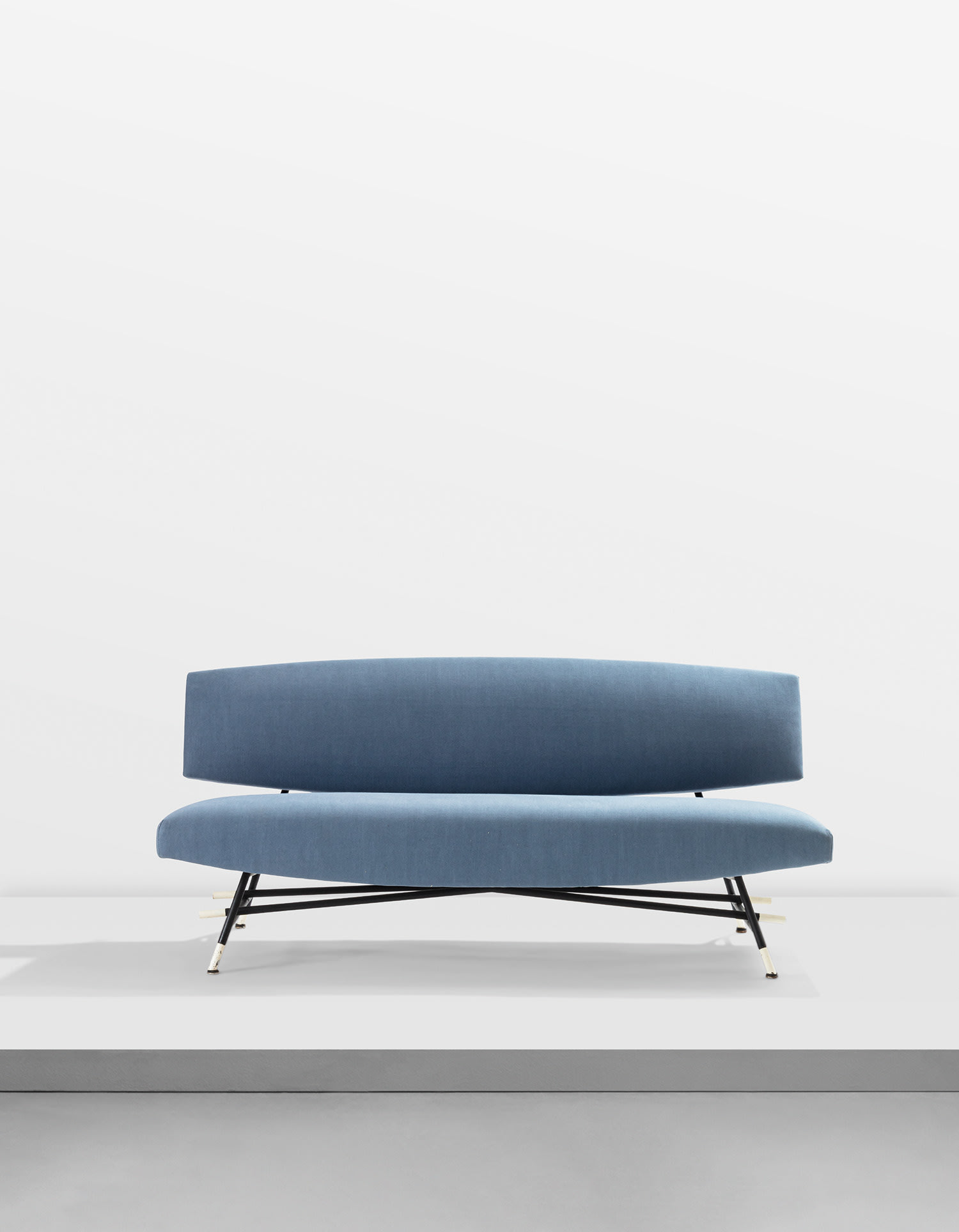
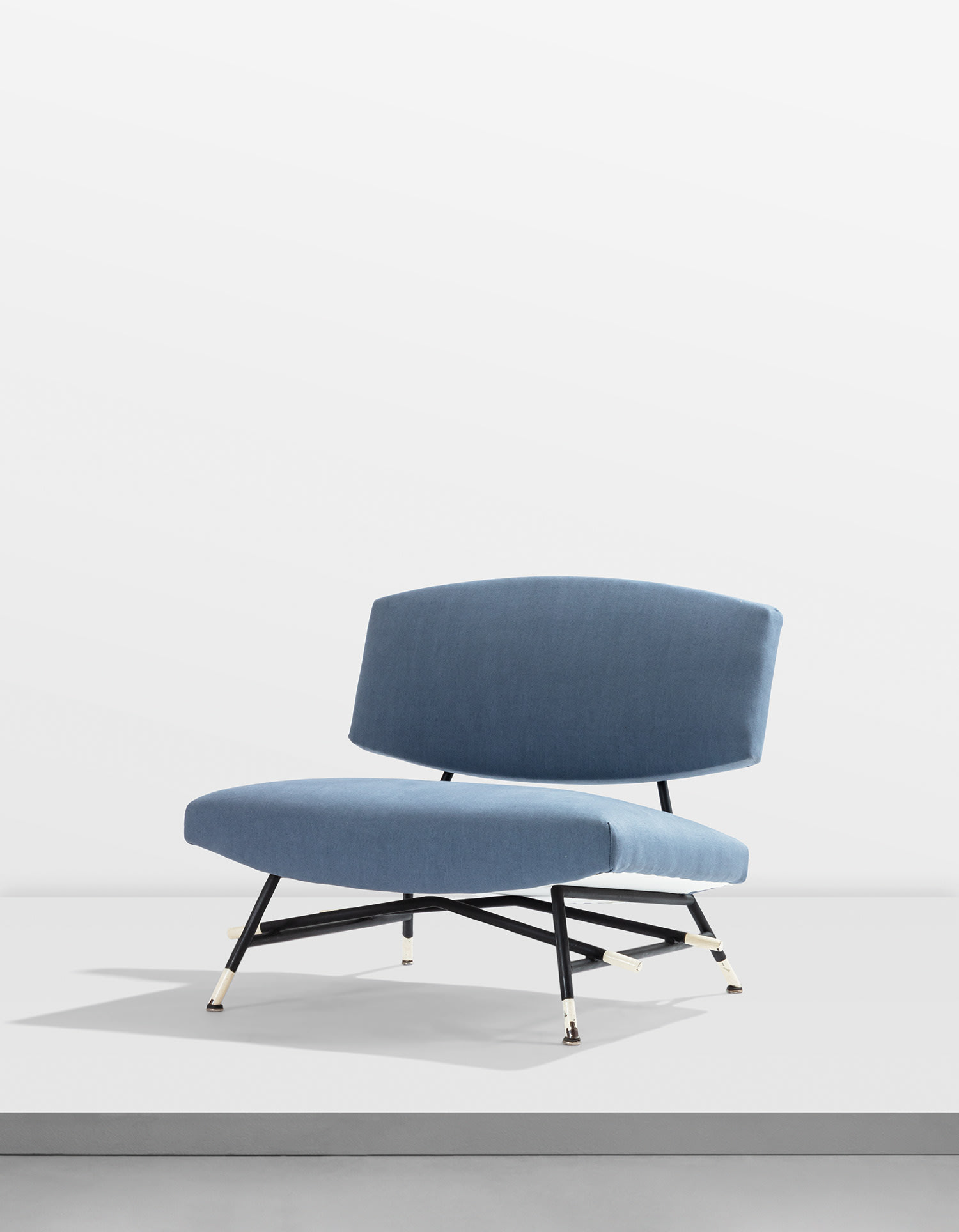
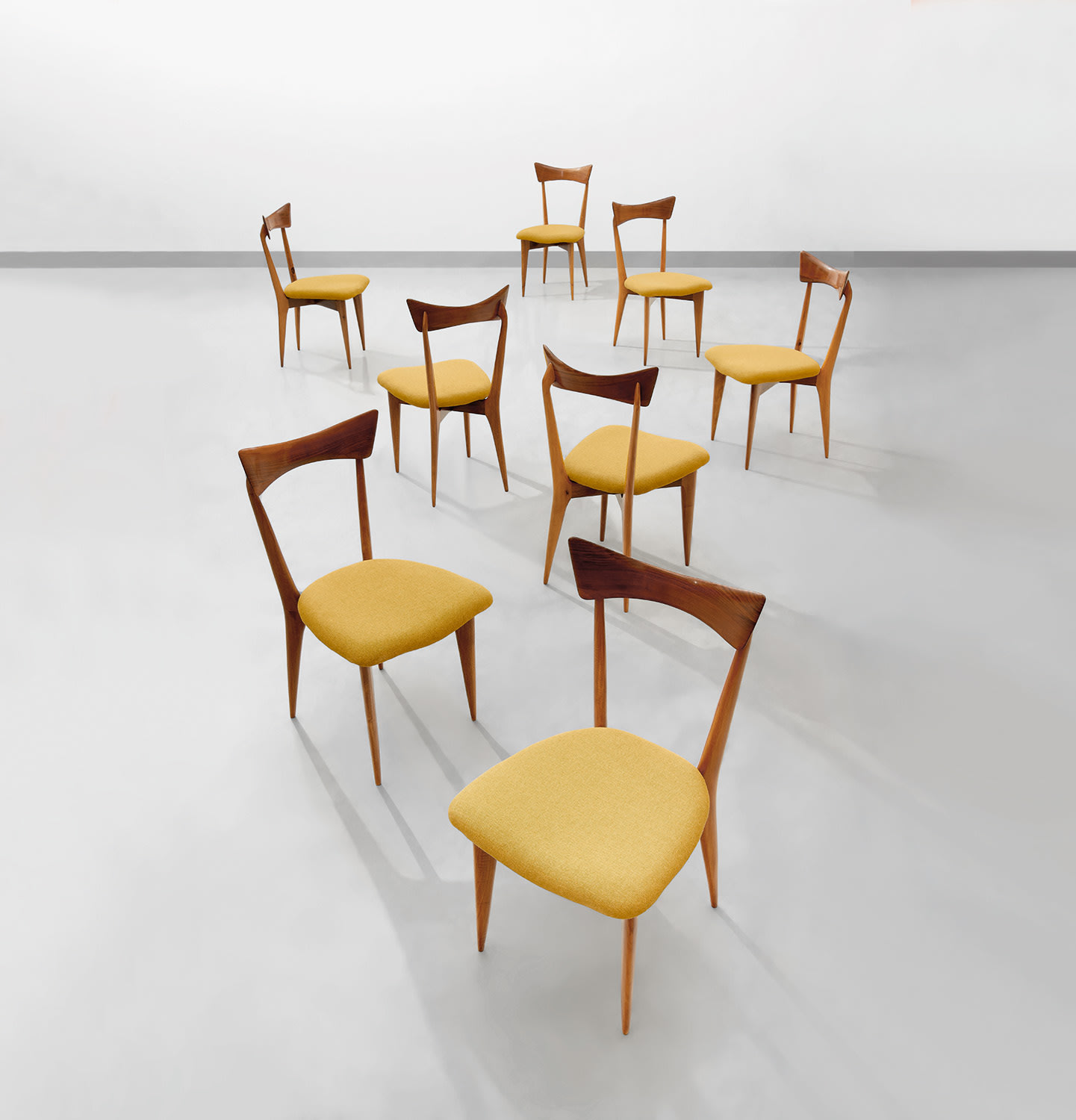
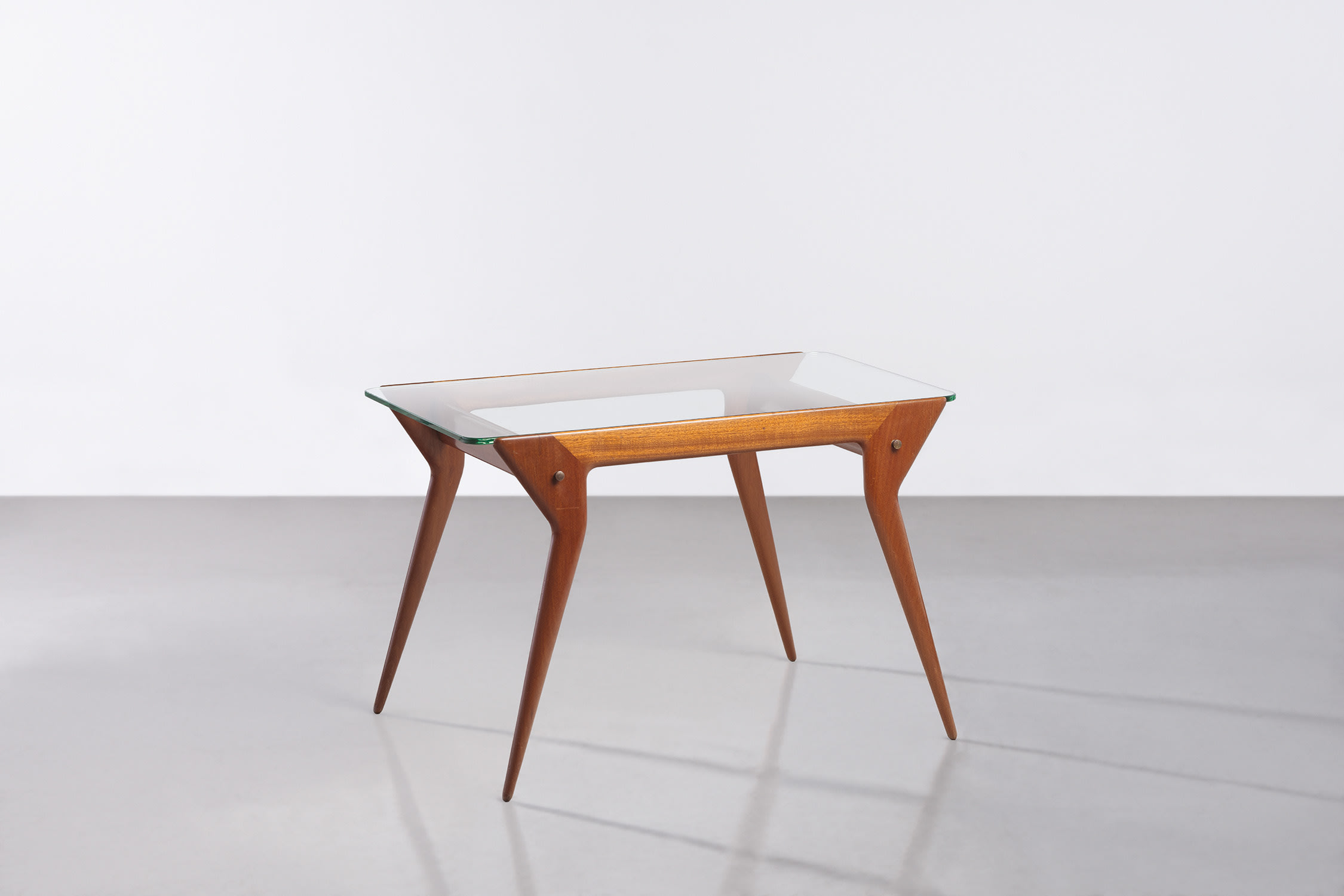
There is a particular kind of Italian room that collectors dream about: spare yet warm, rigorously composed yet undeniably sensuous, where every object seems to have arrived through some perfect logic of proportion and material. Ico Parisi spent his working life building the vocabulary for that room. Born in Palermo in 1916 and shaped by the intellectual culture of Como, he became one of postwar Italy's most searching designer architects, a figure whose furniture, lighting, and interiors proposed nothing less than a new way of inhabiting the modern world. Decades after his death in 1996, the market for his work has grown steadily more serious, with collectors across Europe and the United States recognising what Italian design specialists have long understood: Parisi was working at the absolute summit of midcentury ambition. Palermo gave Parisi his Mediterranean sensibility, a feeling for light and shadow, for the weight of stone and the levity of open space. But it was Como, that elegant lake city in the shadow of the Alps and the long shadow of rationalist architecture, that formed his professional identity. Como in the late 1930s and 1940s was an extraordinary place to be young and serious about design. The city had been home to Giuseppe Terragni, whose Casa del Fascio remained one of the most discussed buildings in Europe, and the rationalist tradition ran deep in the local architectural culture. Parisi absorbed this rigour completely, studying architecture and immersing himself in a milieu where modern design was understood not as decoration but as ethics. The partnership he formed with his wife Luisa Aiani, whom he married in 1947, proved to be the great creative catalyst of his career. Together they established their studio La Ruota in Como, a practice that took on architecture, interior design, and furniture with equal seriousness. The collaboration was genuine and generative: Luisa brought her own training and sensibility to every project, and the work they produced together consistently exceeds what either might plausibly have achieved alone. This was a studio that understood furniture as architecture at a smaller scale, and architecture as furniture at a larger one. The seamlessness between those two concerns is precisely what gives their pieces their authority. Parisi came to international attention through the Milan Triennale, the great postwar stage on which Italian design announced itself to the world. His participation in successive Triennale exhibitions through the late 1940s and 1950s placed him in conversation with the generation that was remaking European material culture: Carlo Mollino, Gio Ponti, Marco Zanuso, Osvaldo Borsani. These were designers who shared a conviction that rational structure and organic warmth were not opposites but partners, that the best modern object could be both architecturally precise and humanly inviting. Parisi's furniture from this period carries exactly that dual quality. His lounge chair model 865 from 1958, executed in painted steel and fabric, shows a structural confidence that reads almost as drawing in three dimensions, a line that describes support and comfort simultaneously. The pieces that collectors prize most highly demonstrate Parisi's exceptional range across material and scale. The demountable coffee table model 357 from 1954 is a work of almost pedagogical clarity, showing how intelligent joinery can make a functional object feel intellectually satisfying. His sets of dining chairs from the mid 1950s reveal an understanding of the human body that was shaped by both architectural training and a genuine curiosity about craft. The Lerici modular shelving unit, in teak veneered wood with nickel plated brass and painted steel components, is one of his most architecturally resolved designs, a system that treats storage as spatial organisation rather than mere utility. And the luminous Built in Light from 1967, working in lacquered metal, brushed steel, and perspex, shows how his thinking continued to evolve into the late 1960s, embracing new materials and a cooler, more optical kind of beauty without ever abandoning the warmth that makes his work livable. On the secondary market, Parisi has benefited enormously from the broader revaluation of Italian midcentury design that accelerated through the 2010s. Major auction houses in Milan, Paris, and New York have handled significant examples of his furniture, and prices for documented, well preserved pieces have moved meaningfully upward. Collectors are drawn to the work for reasons that go beyond fashion: the construction quality is genuinely high, the designs age with extraordinary grace, and there is a coherence to the body of work that rewards sustained collecting. Works that retain their original upholstery or surface treatments command particular attention, and pieces with clear provenance connecting them to the Como studio are especially sought after. For collectors building a considered collection of postwar European design, Parisi represents an opportunity that has not yet reached the ceiling that comparable figures command. To understand Parisi fully it helps to hold him in relation to his peers and near contemporaries. The organic lyricism in his seating places him in conversation with Carlo Mollino's biomorphic extravagance, though Parisi was always more restrained, more willing to let structure read as beauty rather than overwhelming it with gesture. The rationalist spine in his architecture recalls Terragni and the Como tradition, while his furniture shares with Osvaldo Borsani a commitment to engineering as a form of design intelligence. Outside Italy, one hears echoes of Hans Wegner in his respect for material honesty and of Charles and Ray Eames in his conviction that the domestic environment deserved the same intellectual rigour as any public building. These are distinguished company and the comparison flatters no one unfairly. The legacy of Ico Parisi is ultimately a lesson in what design can mean when it refuses to separate beauty from use, structure from feeling, or the individual object from the space it inhabits. His work belongs to a brief and brilliant moment when Italian designers believed they could remake everyday life through better thinking about the things people sat on, ate at, read beside, and moved through. That belief produced objects that continue to reward living with them in a way that mere style objects do not. For collectors who want their spaces to feel genuinely considered rather than merely assembled, Parisi's furniture offers something rare: the pleasure of objects that were made by someone who thought as hard about your room as you have.