Wildlife Art
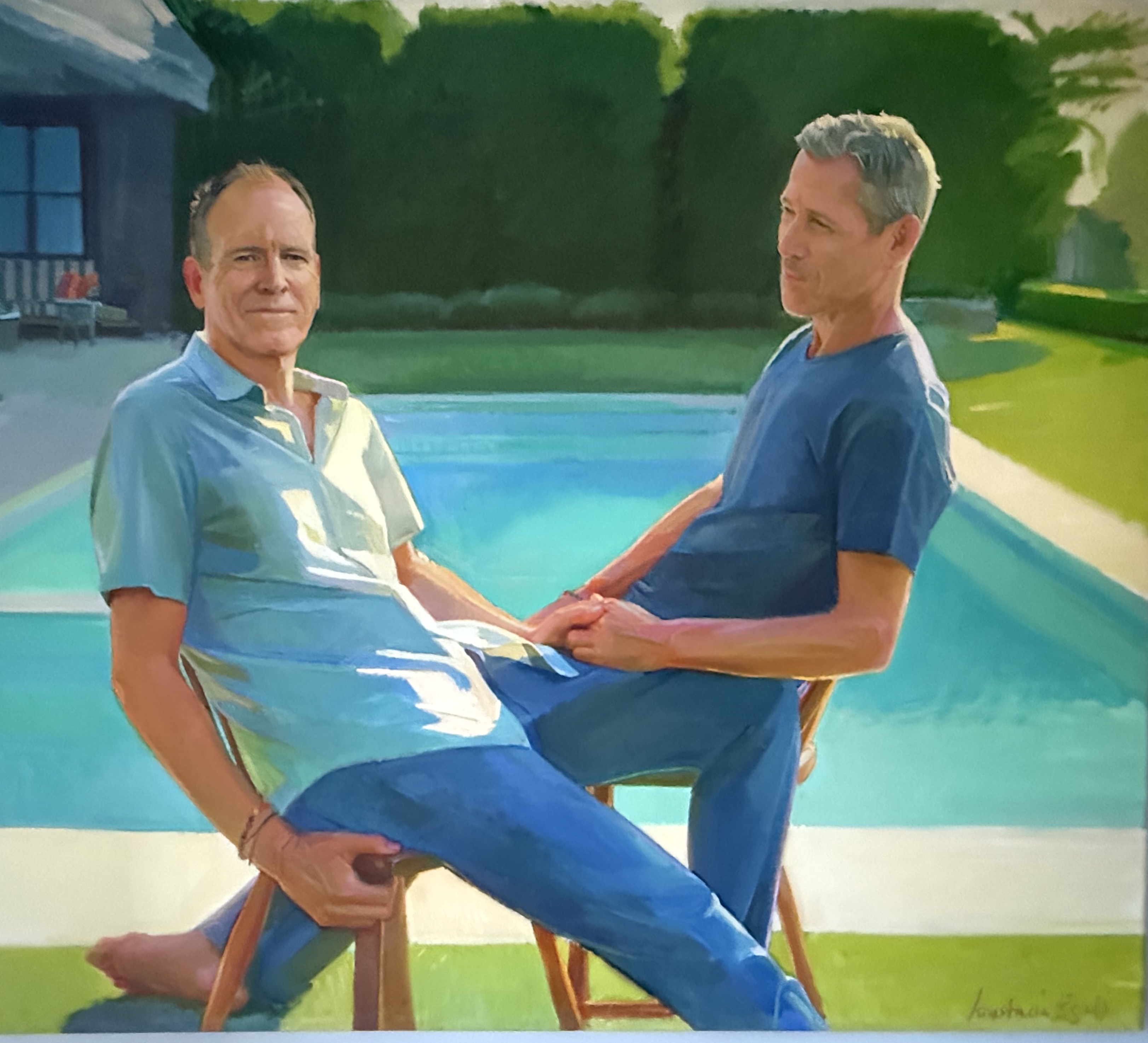
Brendan Lynch
Striped Bass

The Wild Ones: Collecting Nature's Most Powerful Subject
There is something almost primal about the pull of wildlife art. Collectors who come to this category often describe an immediate, physical response to the best works, something that bypasses the usual critical apparatus and lands somewhere deeper. Perhaps it is because the subject carries so much weight: questions of dominance, fragility, extinction, and beauty are all compressed into a single painted eye or a carefully rendered wing. Living with great wildlife art means living with all of that, which is why the most discerning collectors in this space tend to be among the most passionate anywhere in the market.
The category itself resists easy definition, which is part of what makes it so rich. At one end sits the grand tradition of natural history illustration, precise and documentary in its ambitions, rooted in the age of exploration and the desire to catalogue a world that seemed endlessly abundant. At the other end sits contemporary practice that uses animal subjects to interrogate colonialism, environmental collapse, masculinity, and the ethics of human desire. The best collectors understand that these two poles inform each other, and that works which seem purely aesthetic are often making arguments just as pointed as anything in a white cube gallery.
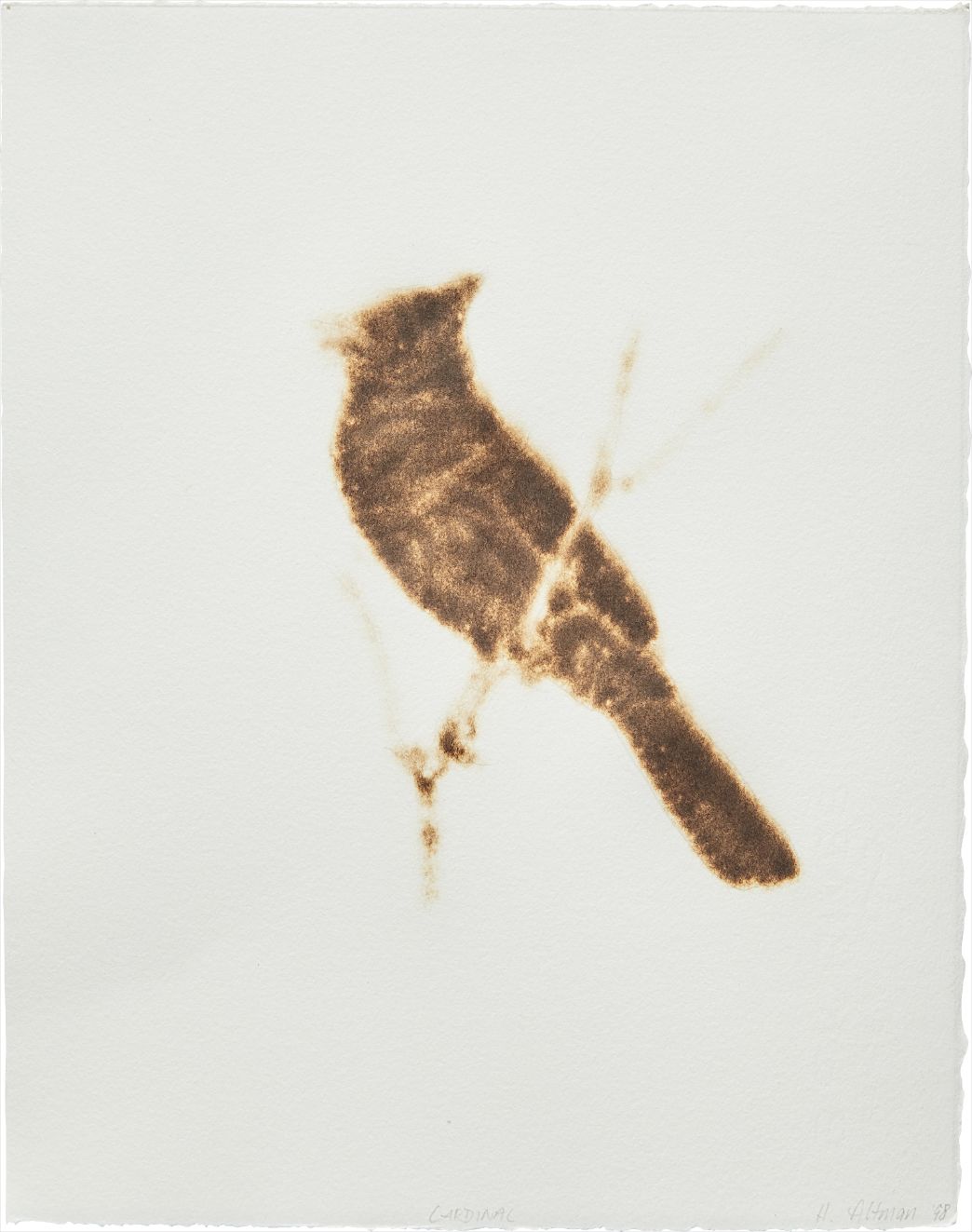
Helen Altman
Cardinal
So what separates a good work from a great one in this category? The answer, almost always, is psychological depth. A technically accomplished animal portrait that captures only the surface of its subject is decorative. A great work reveals something about the relationship between the observer and the observed.
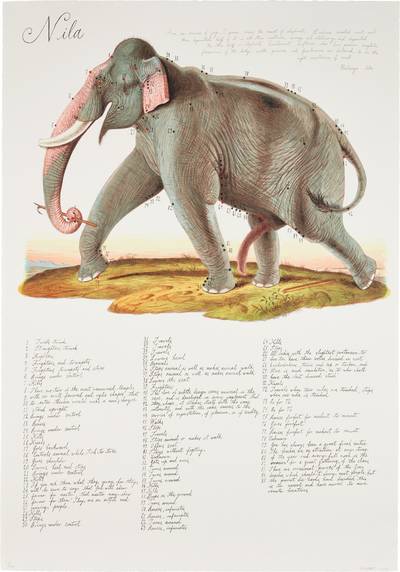
Walton Ford, arguably the most important living artist working in this tradition, understands this completely. His large scale watercolors draw on the formal language of Audubon and the natural history tradition while delivering narratives of colonial violence and ecological grief that are deeply unsettling. Owning a Ford is not a comfortable experience, and that discomfort is precisely the point. The work insists on being reckoned with.
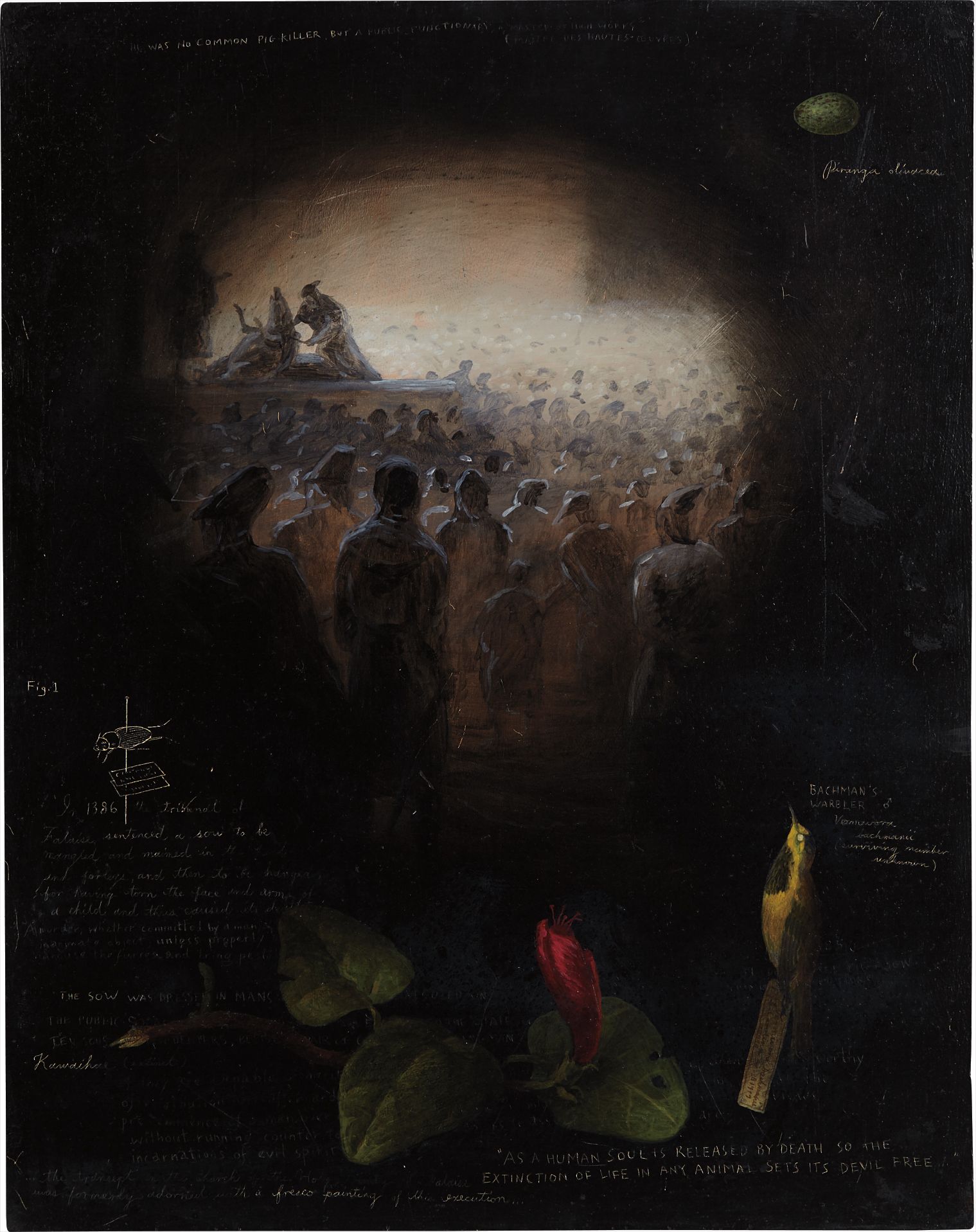
Walton Ford
Guilty Sow, 1994
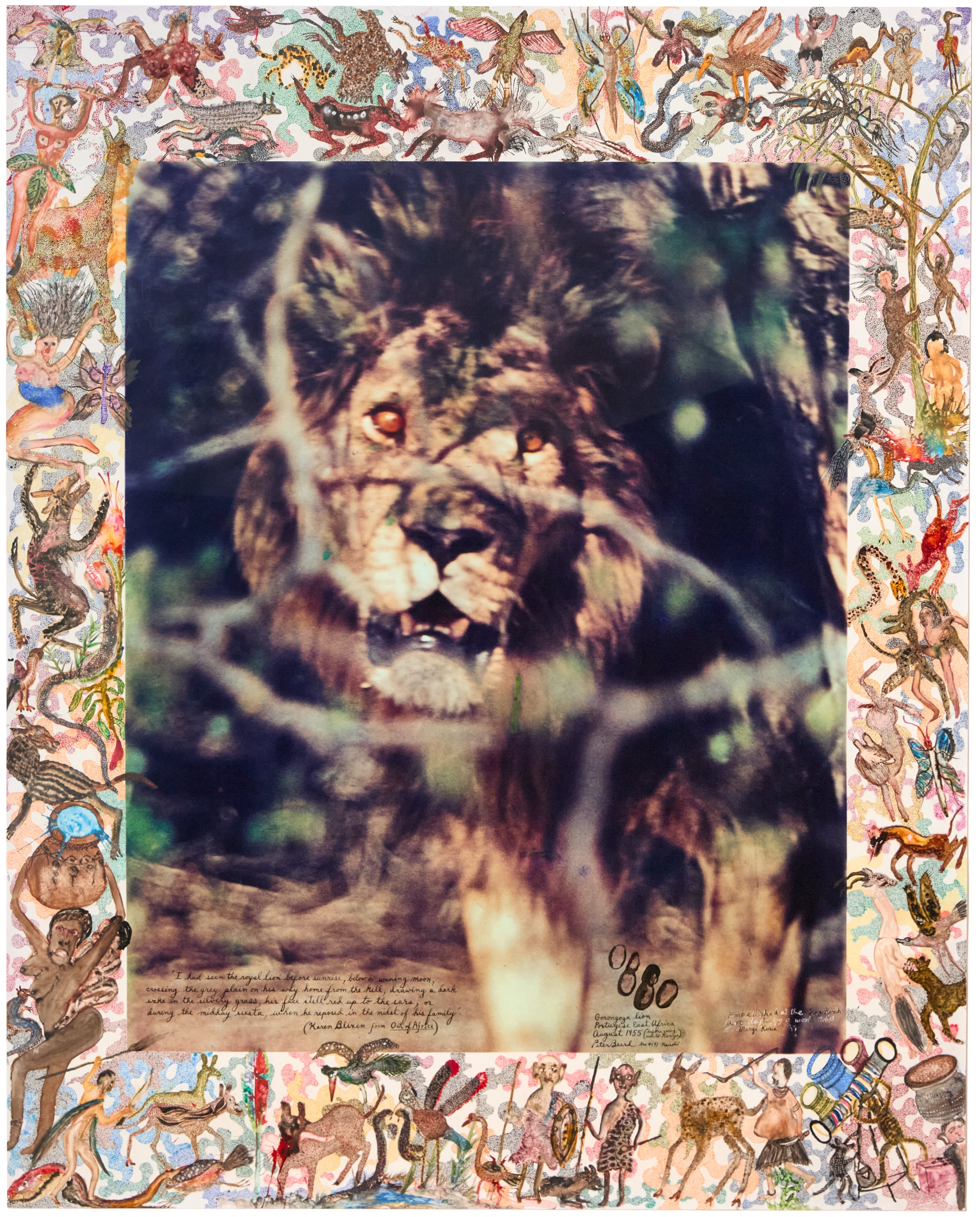
Peter Beard occupies a similarly complex position in the market. His diaries and photographic works, made primarily in East Africa from the 1960s onward, are part document, part obsession, and part elegy. Beard was photographing the mass death of elephants at Tsavo in the early 1970s when very few people in the Western art world were willing to acknowledge what was happening to the continent's wildlife. The best of his works feel urgent even now, and his estate has been carefully managed since his death in 2020, which means that supply is genuinely constrained.
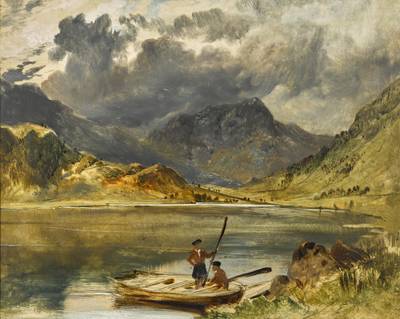
That combination of historical significance and limited availability is exactly the kind of market dynamic serious collectors should pay attention to. For collectors working with a broader range of budgets, the historical material in this category offers extraordinary value. Sir Edwin Henry Landseer, the Victorian painter whose work defined a certain vision of the Scottish Highlands and its animal inhabitants for generations of British collectors, remains undervalued relative to his art historical importance. His influence on the representation of animals in Western painting is difficult to overstate, and works that come to market carry both genuine quality and a kind of cultural weight that feels increasingly relevant as interest in nineteenth century painting continues its rehabilitation.
Brendan Lynch
Striped Bass
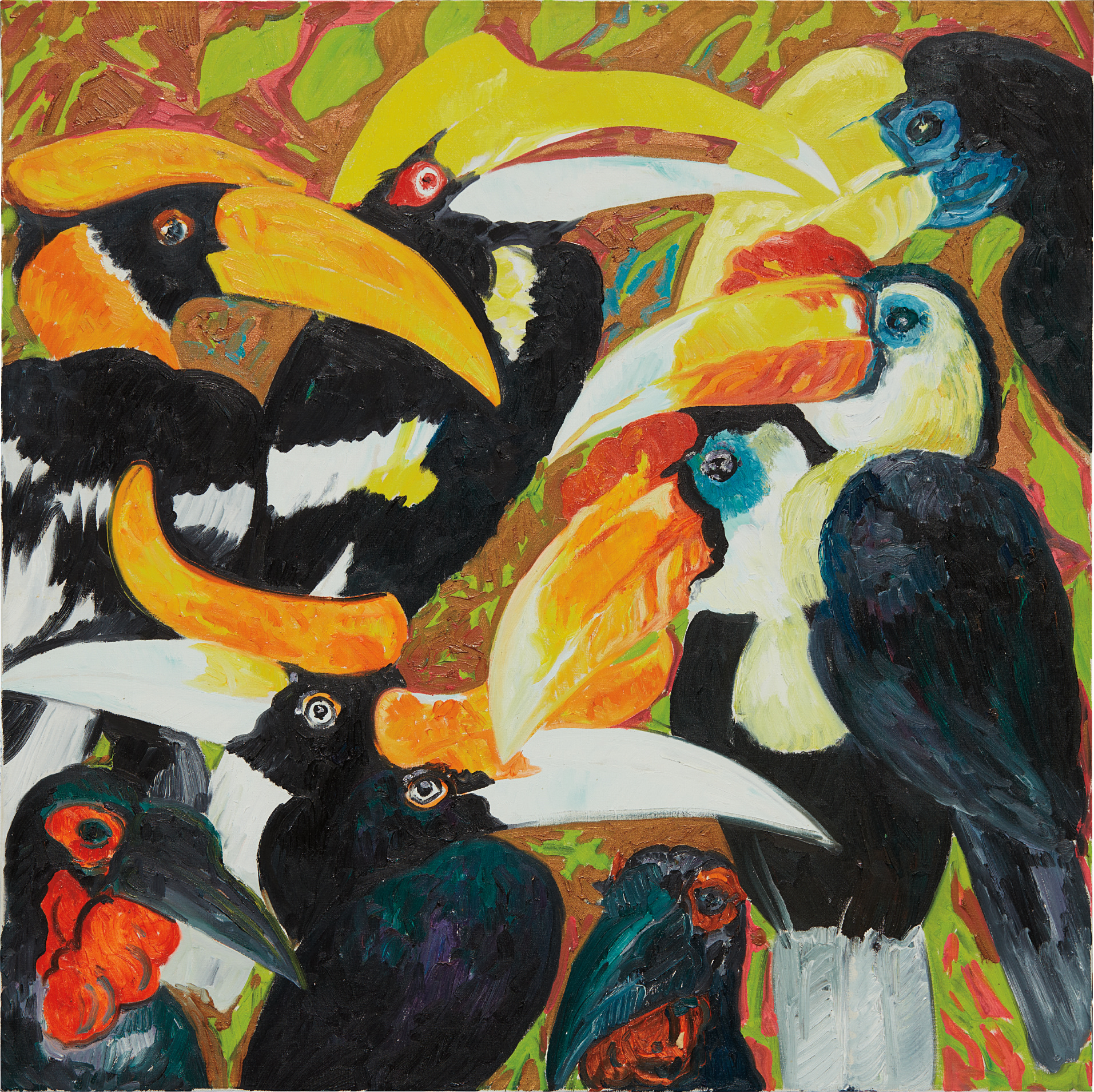
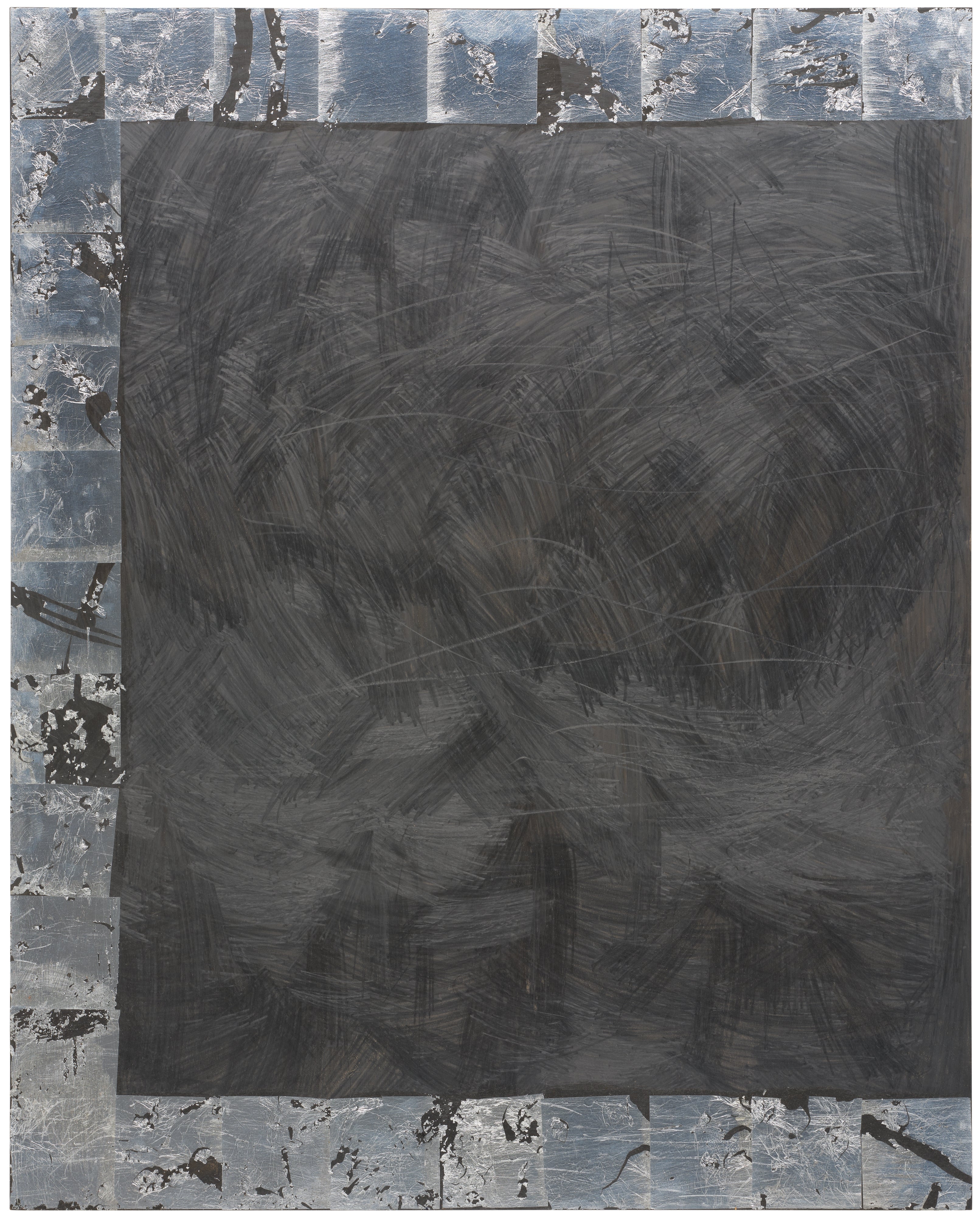
Similarly, Karl Bodmer, the Swiss artist who accompanied Prince Maximilian of Wied on his expedition through North America in the 1830s, produced watercolors of the natural world that are among the most important documents of a landscape and a way of life that were already disappearing. When Bodmer works appear, they reward careful attention. Among the artists worth watching with particular care, Brendan Lynch brings a formal intelligence to his depictions of the natural world that sets him apart from more illustrative practitioners. His work has a quietness to it that rewards sustained looking, the kind of quality that tends to appreciate steadily in the market as more collectors encounter it.
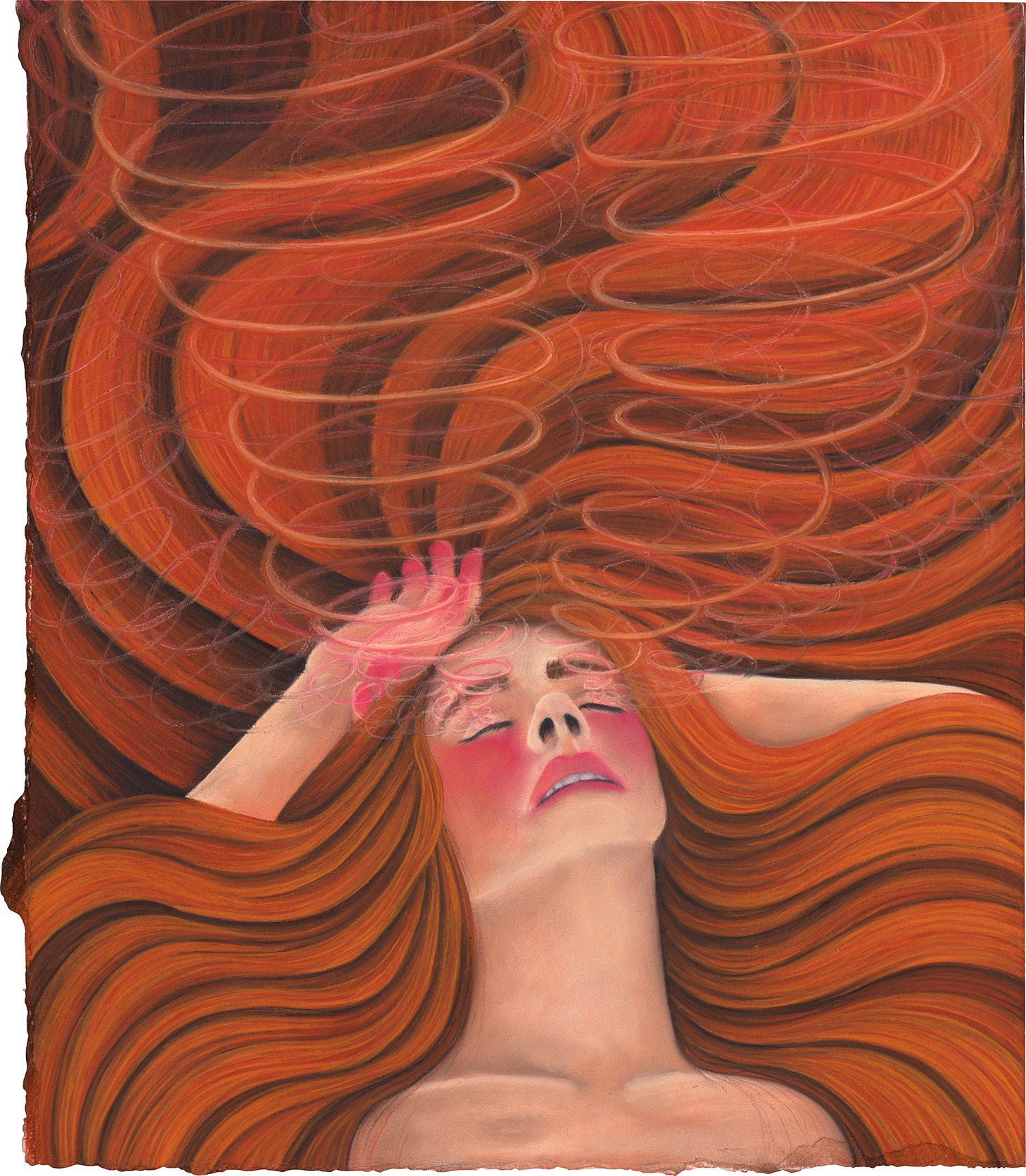
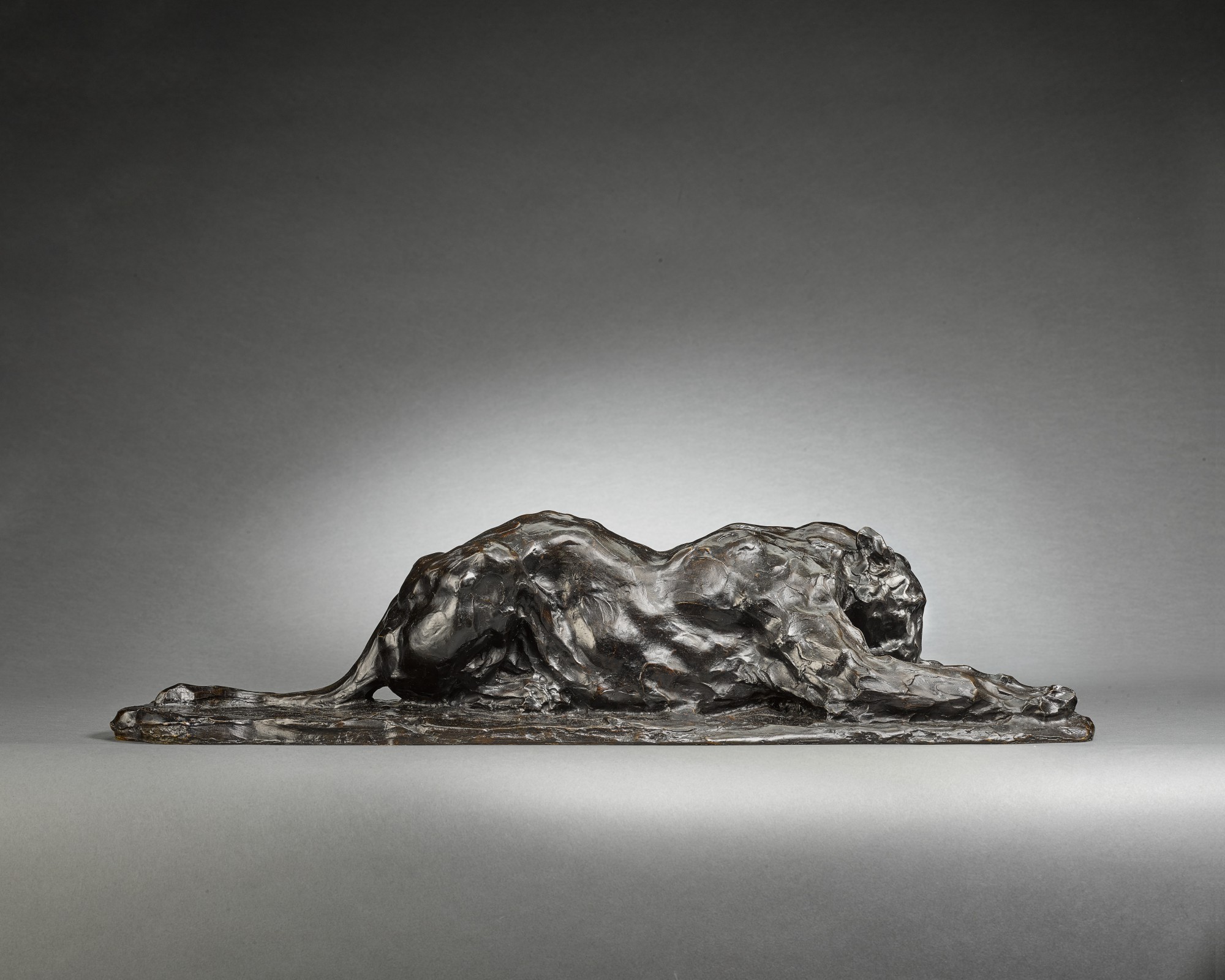
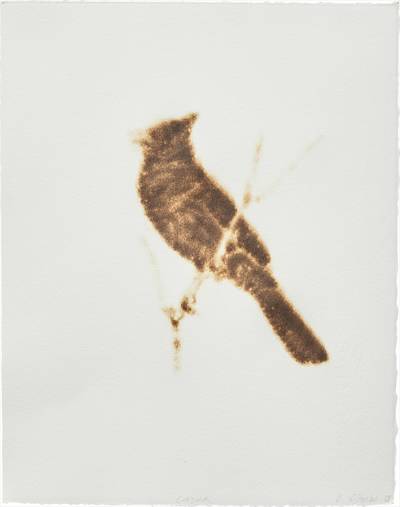
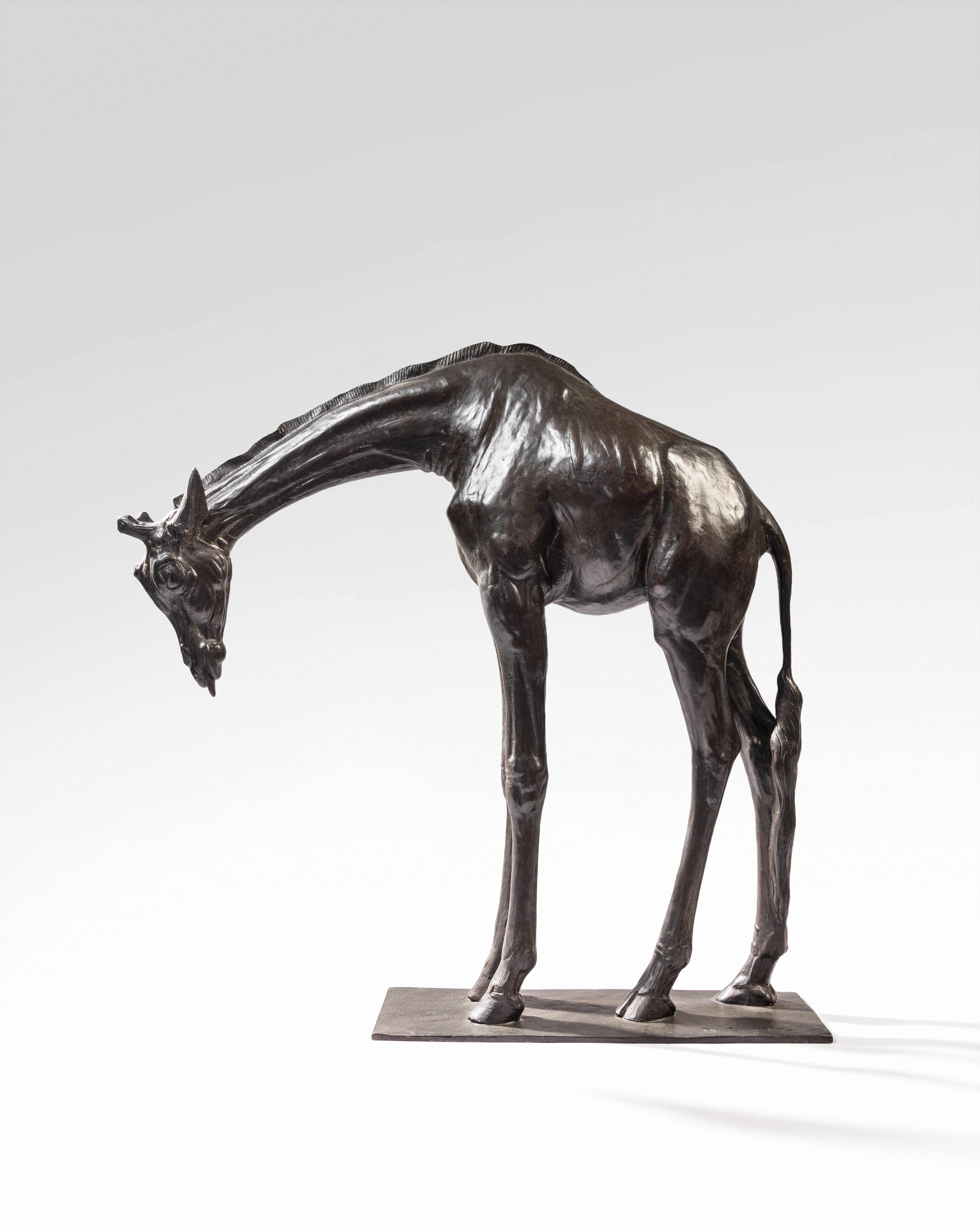
Helen Altman works at the intersection of the domestic and the wild in ways that feel genuinely original, using taxidermy, light, and installation to create encounters with animals that are tender and strange in equal measure. Julia Rosa Clark is another name to hold onto, working with a sensitivity to pattern and ecology that speaks to the current moment in ways that will only become clearer over time. At auction, wildlife art performs with notable consistency in the middle and upper ranges of the market, though it responds strongly to condition and provenance. Works by Rembrandt Bugatti, the Italian sculptor whose bronzes of exotic animals made at the Antwerp and Paris zoological gardens in the early twentieth century carry extraordinary emotional intensity, have seen sustained demand at the major houses.
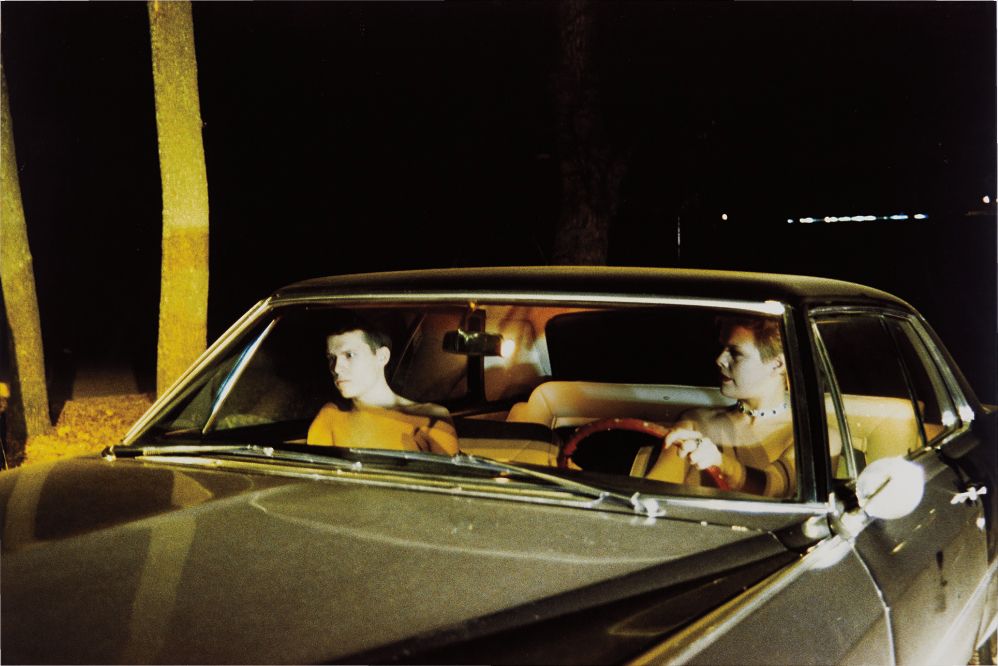
Julia Rosa Clark
Africa: Economic + Fauna
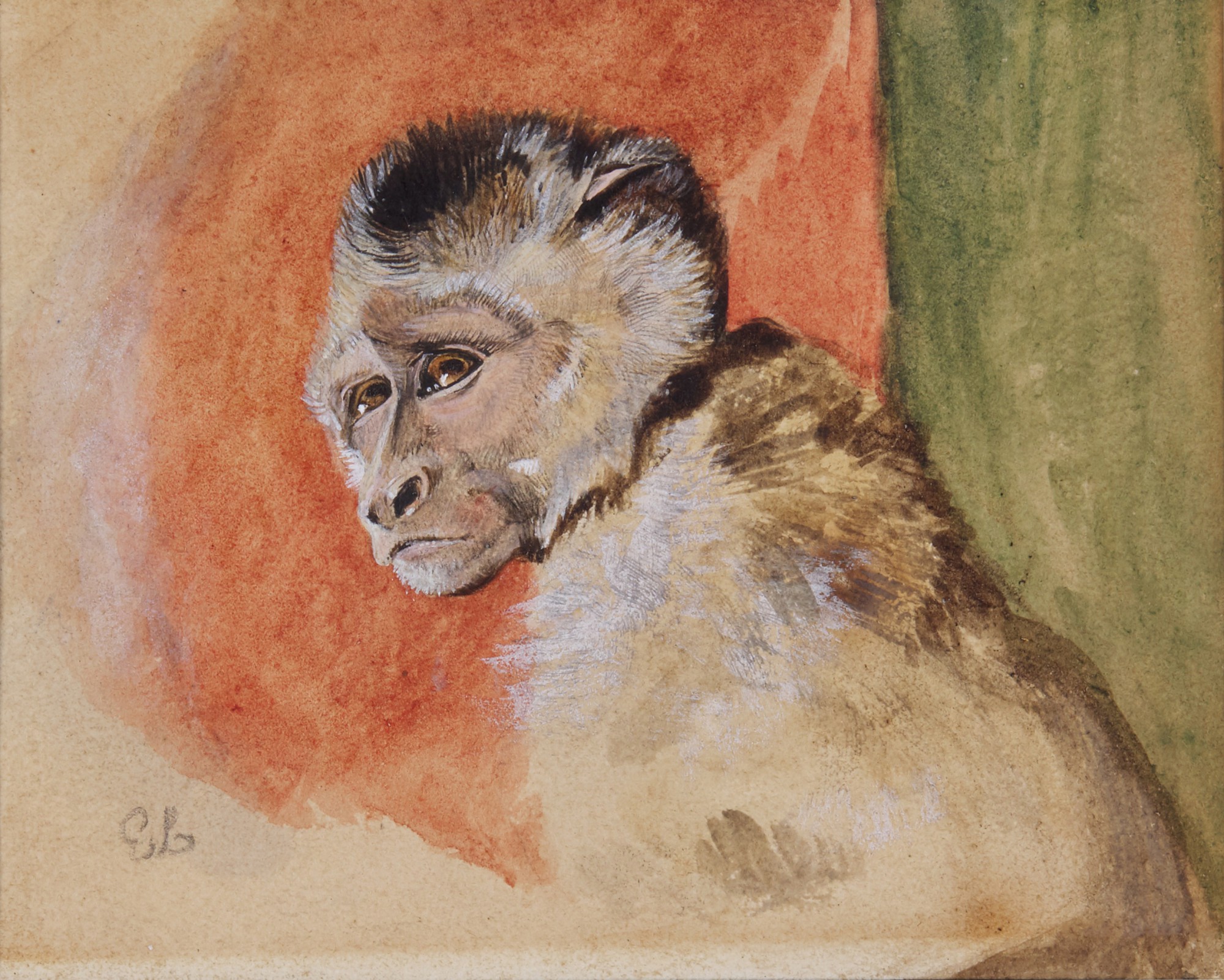
Bugatti died in 1916 at the age of thirty one, which means the body of work is finite and well documented. Any serious collector looking at animal sculpture should understand Bugatti as a benchmark. The prints of Félix Hilaire Buhot, the nineteenth century French etcher who brought genuine atmosphere to his depictions of natural subjects, represent an accessible entry point into historically significant work with strong market support. Practically speaking, condition is paramount in this category in ways that sometimes surprise new collectors.
Works on paper, which include a significant portion of the most important wildlife art from both historical and contemporary practitioners, are acutely sensitive to light, humidity, and temperature. Any work on paper should be framed with UV protective glazing and hung away from direct sunlight without exception. When considering prints, always ask the gallery for the full edition size and the number of artist proofs, since these affect both the rarity and the long term market value of the work. For unique works, ask for a full condition report and, wherever possible, request documentation of any previous restoration.
The best galleries will provide this information without hesitation, and reluctance to do so is itself a signal worth heeding. The deeper pleasure of collecting in this category is what happens over time. These works change as the world around them changes. An image of an animal that seemed decorative when it was acquired can become something entirely different as the species it depicts moves toward extinction or as the politics of land and wildness shift beneath it.
That quality of slow revelation, the sense that you are living with something that is still in the process of declaring itself, is what keeps collectors in this space returning to it with such loyalty. It is, in the end, one of the most serious categories in the contemporary market, even when it looks, at first glance, like something simpler.