Vietnamese American Artist
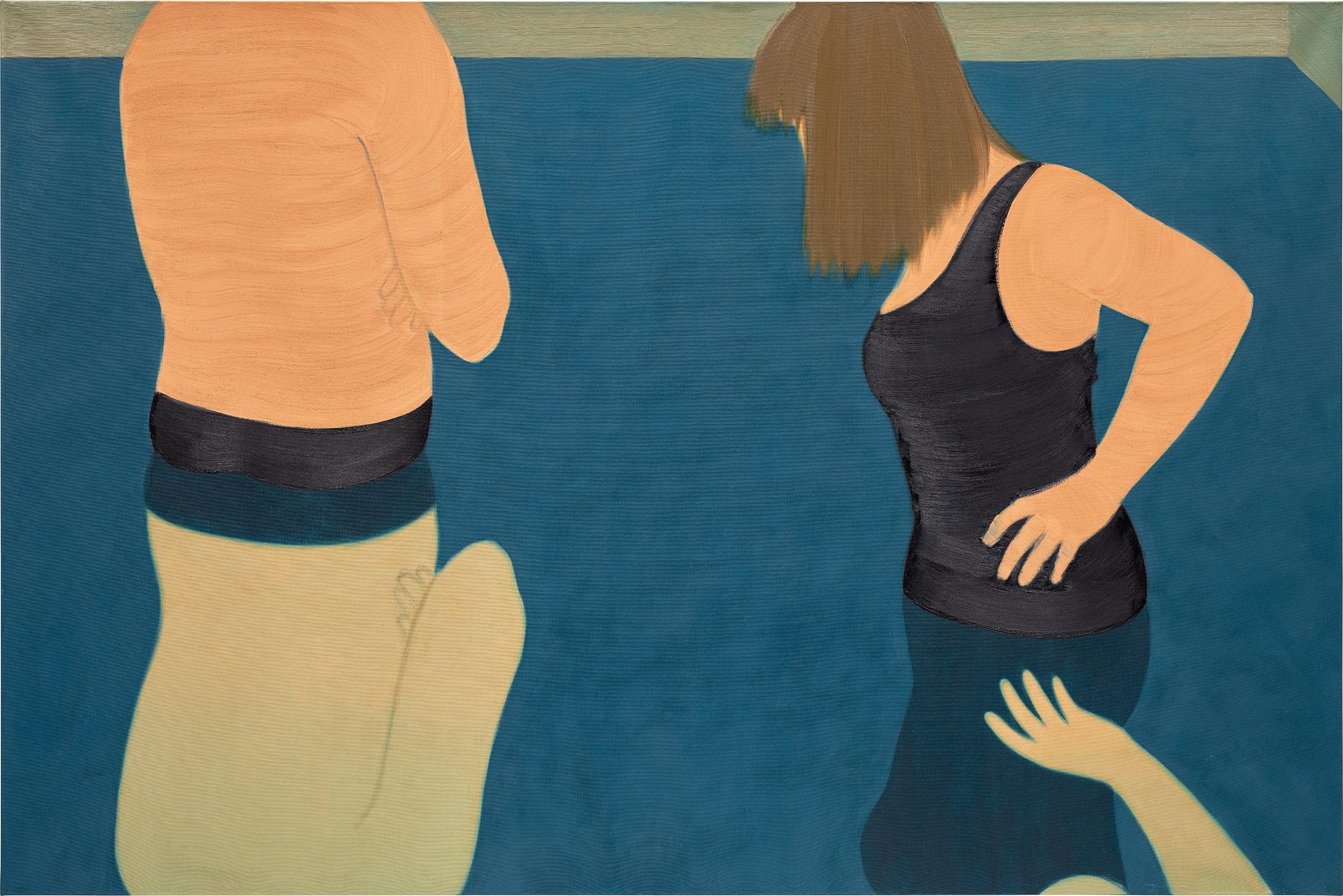
Julien Nguyen
Point Break, 2016
Artists
The Vietnamese American Lens Reshaping Collecting Now
There is something particular about living with work made by Vietnamese American artists. It asks something of you. These are paintings, photographs, and objects that carry the weight of displacement and inheritance without ever becoming merely documentary. Collectors who come to this work often describe a sensation of encountering double vision, a cultural layering that makes the work feel inexhaustible no matter how long it hangs on a wall.
That quality of sustained discovery is precisely what separates decorative acquisition from the kind of collecting that genuinely changes how you see. The appeal goes beyond biography, though biography matters here more than in many areas of contemporary art. The Vietnamese American experience encompasses the specific rupture of 1975, the refugee diaspora that scattered communities across California, Texas, the Gulf Coast, and beyond, and then the generations who grew up translating between worlds both literally and aesthetically. When an artist has inherited that particular grammar of loss and reinvention, the work tends to have density.
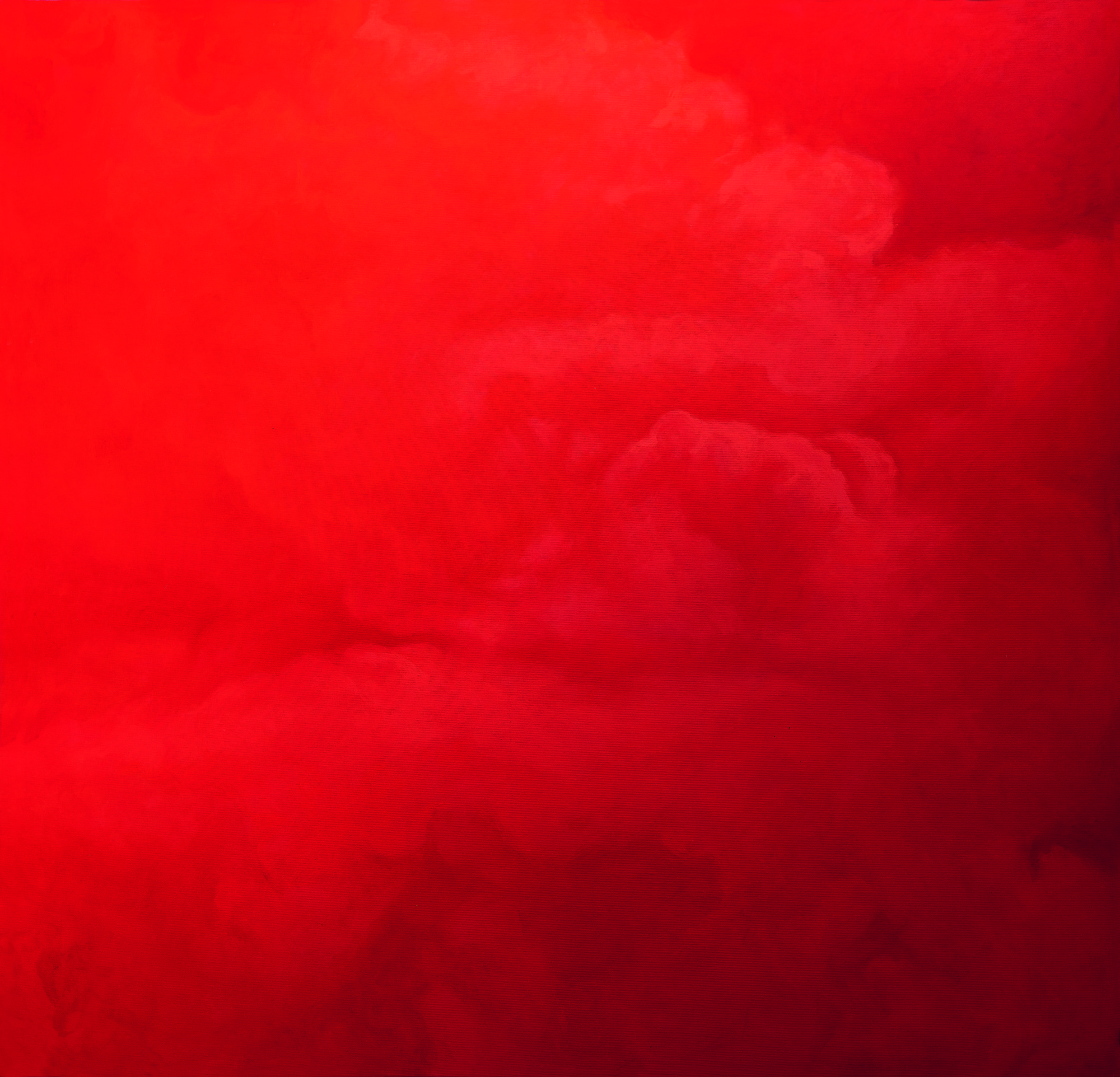
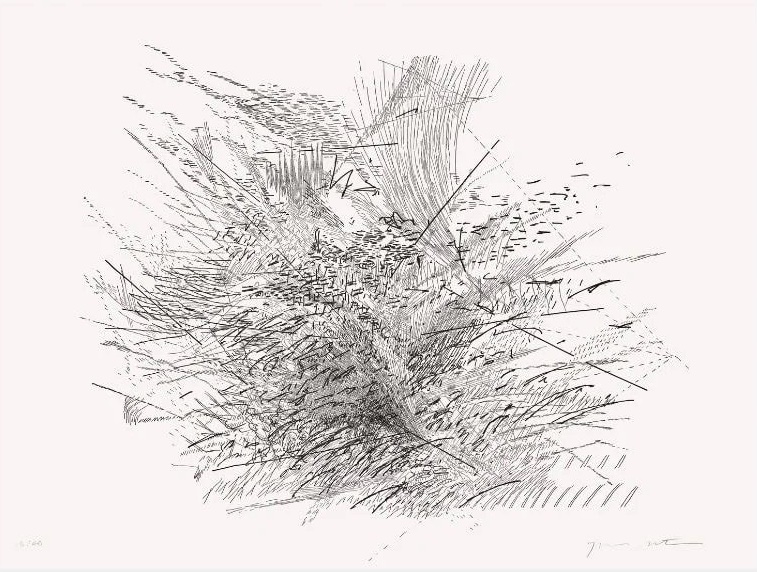
Ti-a Thuy Nguyen
Scarlet Mist, 2018
It rewards attention. For a collector, that density is not a complication to navigate around but the whole point. What separates a good work from a great one in this category comes down to how an artist handles that weight of reference without collapsing under it. The strongest works resist easy ethnographic readings while still being irreducibly specific.
Look for work that operates on multiple registers simultaneously, where a formal decision, a color relationship, a material choice, also functions as an argument or a question. Collectors should be wary of work that offers cultural identity as spectacle rather than as genuine subject matter, and equally wary of work so absorbed in formal concerns that the specificity of experience disappears entirely. The best artists hold these tensions productively. Danh Vō is the clearest example of what this looks like at the highest level.
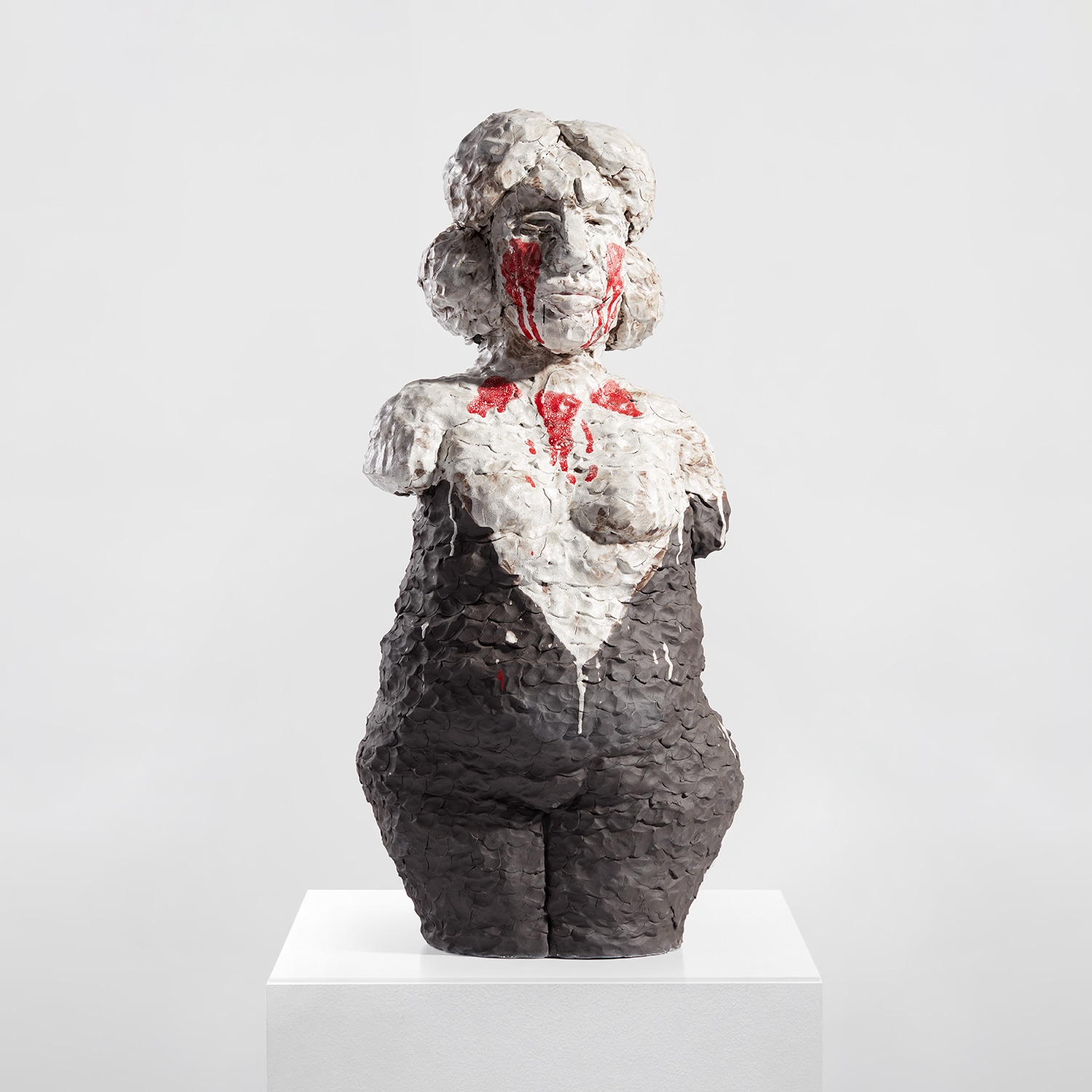
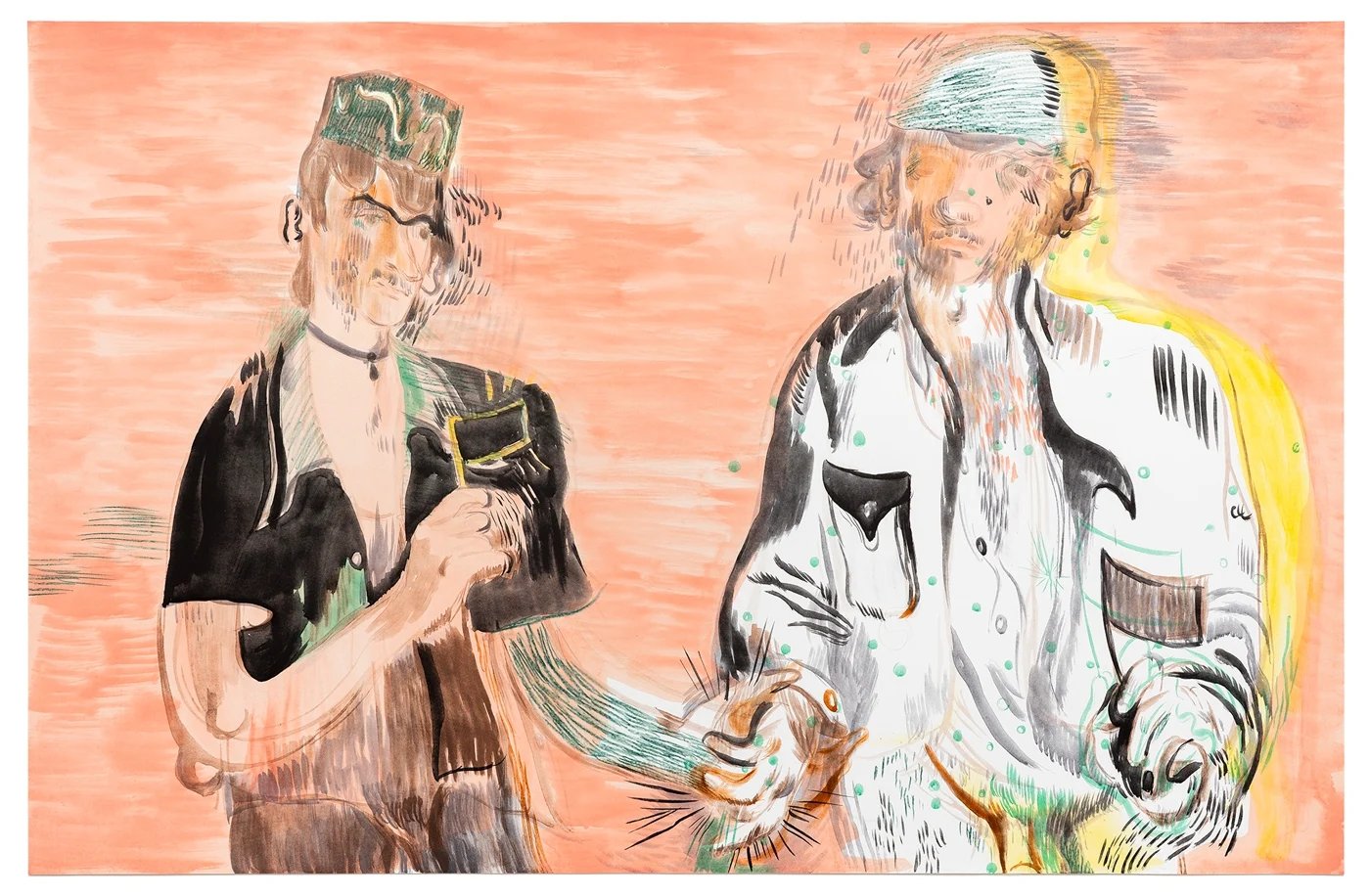
Tammy Nguyen
Northeast Storm and the Young King
His practice, which has placed him at the center of institutional collections and major international exhibitions for over a decade, treats the fragment as the essential unit of meaning. American flags stitched by his father, letters copied by hand, pieces of historical detritus reassembled in new constellations: Vō's work understands that Vietnamese American identity is itself constructed from fragments, from what survived the crossing and what did not. The work on The Collection represents an opportunity to engage with a practice that has achieved canonical status while remaining genuinely difficult and alive. Tammy Nguyen occupies a different but equally compelling position.
Her paintings are dense with literary and political reference, drawing on Southeast Asian manuscript traditions, Cold War iconography, and ecological thinking in ways that feel genuinely synthetic rather than collaged. Her 2022 show at Monika Wülfers Gallery demonstrated how far she has moved from any singular influence, and collectors who acquired work in that period are already seeing the institutional attention follow. Nguyen is the kind of artist whose market trajectory tends to accelerate once curators at major survey exhibitions take notice, and that moment feels close. Julien Nguyen works in a mode of historical painting inflected by a very particular strangeness.
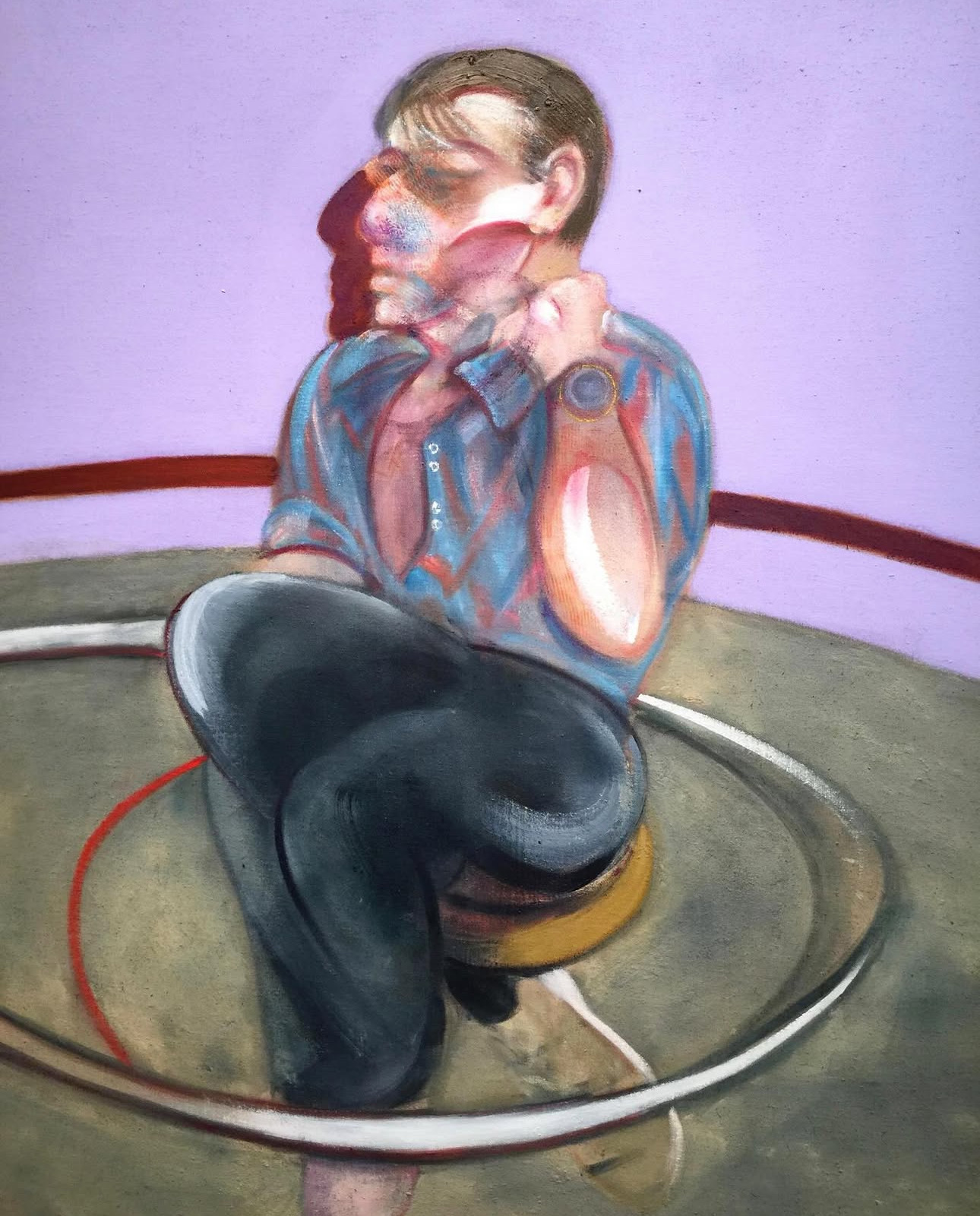
Julien Nguyen
Point Break, 2016
His figures inhabit spaces that feel simultaneously classical and deeply unresolved, and his handling of light owes something to Northern European tradition while remaining stubbornly his own. For collectors interested in painting specifically, his work represents one of the more interesting bets in this space. Ti a Thuy Nguyen brings a different sensibility entirely, one rooted in community and participation as artistic forms, which means collectors engaging with her work are also engaging with questions about what an object can hold when practice extends beyond the studio. On the secondary market, Vietnamese American artists are at an interesting inflection point.
Danh Vō has well established auction results, with works appearing at Christie's and Sotheby's, where institutional provenance and exhibition history drive prices substantially. For artists at earlier career stages, the primary market remains the more active arena, and relationships with galleries that have genuine program commitment to this work matter enormously for long term value. Collectors should ask galleries directly about institutional placement of the artist's work, whether there are upcoming museum shows, and how the gallery thinks about placing work into serious collections rather than simply moving inventory. Practical advice for anyone entering this area begins with condition.
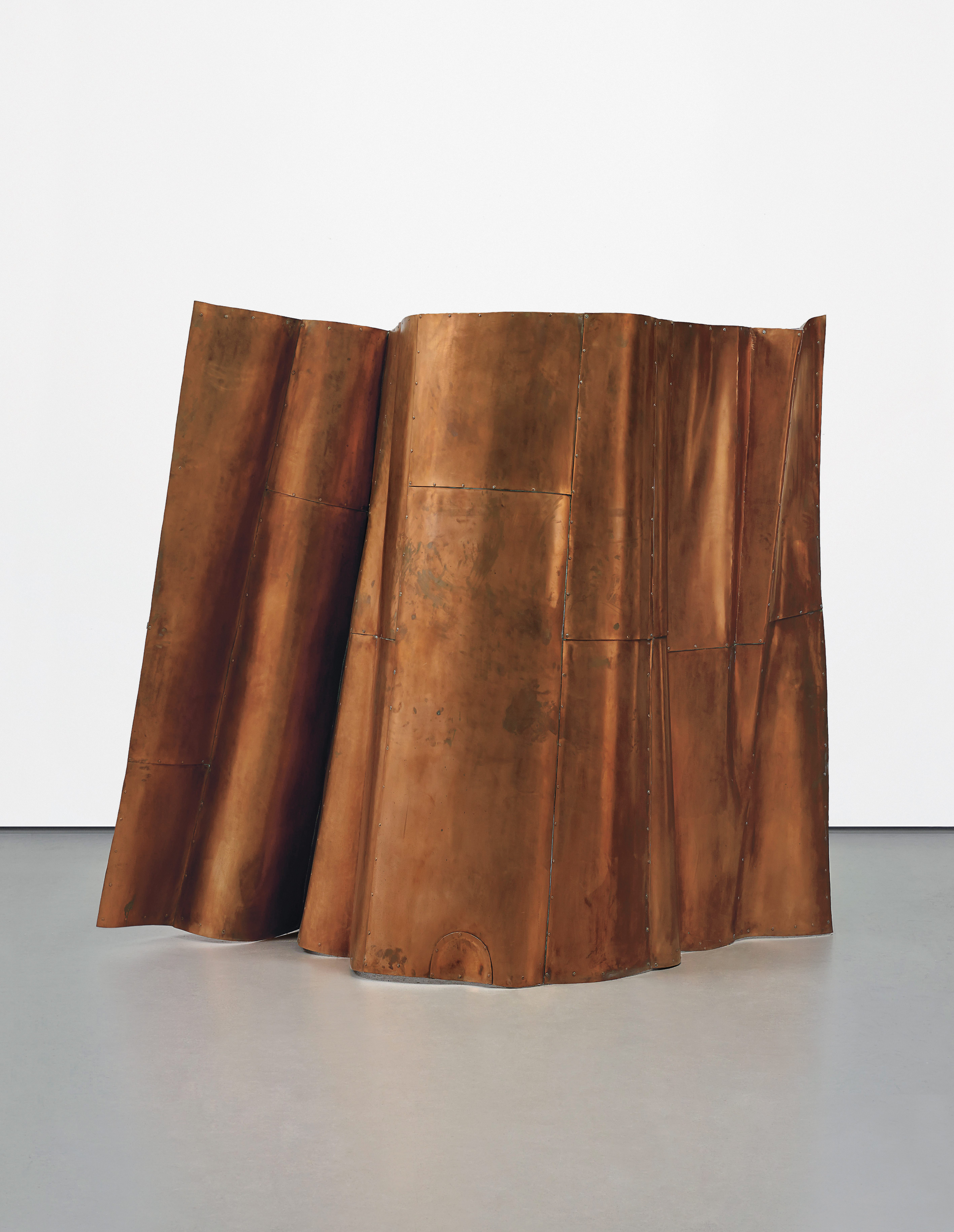
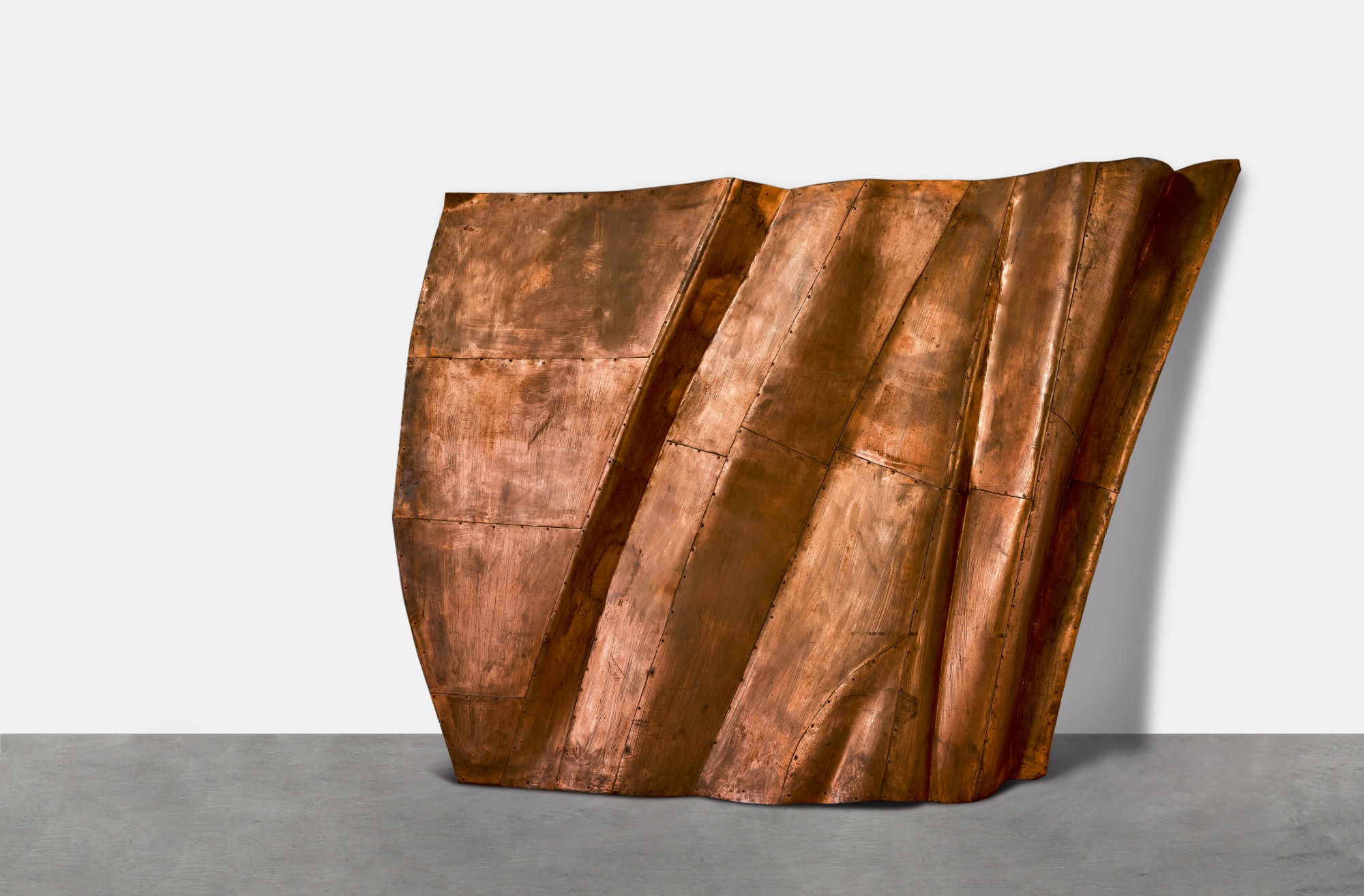
Danh Vō
We the People (detail), Element #D2
Works that engage with found materials or mixed media, as several artists in this space do, require specific care around environmental stability. Ask for detailed condition reports and, where possible, speak with a conservator before acquiring anything with unusual material components. For works on paper, which appear throughout this area of practice, framing with UV protective glass and attention to humidity is not optional. These are not fragile objects in the sense of being delicate to live with, but they do require informed stewardship.
The question of unique works versus editions is particularly relevant here. Several artists working in this space produce limited edition prints or multiples alongside unique paintings and sculptures. Editions can be an intelligent entry point, offering genuine access to a practice at a lower price point, but the resale market for editions is thinner and more dependent on the overall arc of an artist's reputation. Unique works tend to carry more stability.
When speaking to a gallery, ask about the edition size if you are considering a print, ask whether the artist has an organized archive, and ask about the gallery's track record of placing work in institutional collections. These questions tell you a great deal about how seriously a gallery takes the long view. What this moment in Vietnamese American art collecting ultimately offers is the chance to engage with work that is doing real cultural and aesthetic work simultaneously. The artists represented on The Collection are not a movement in the programmatic sense, but they share a willingness to make art that holds complexity without resolving it prematurely.
For collectors who find that quality compelling, and who are willing to do the intellectual work of living with it, this is one of the more rewarding areas of the current contemporary market to explore seriously.