Uncanny Atmosphere
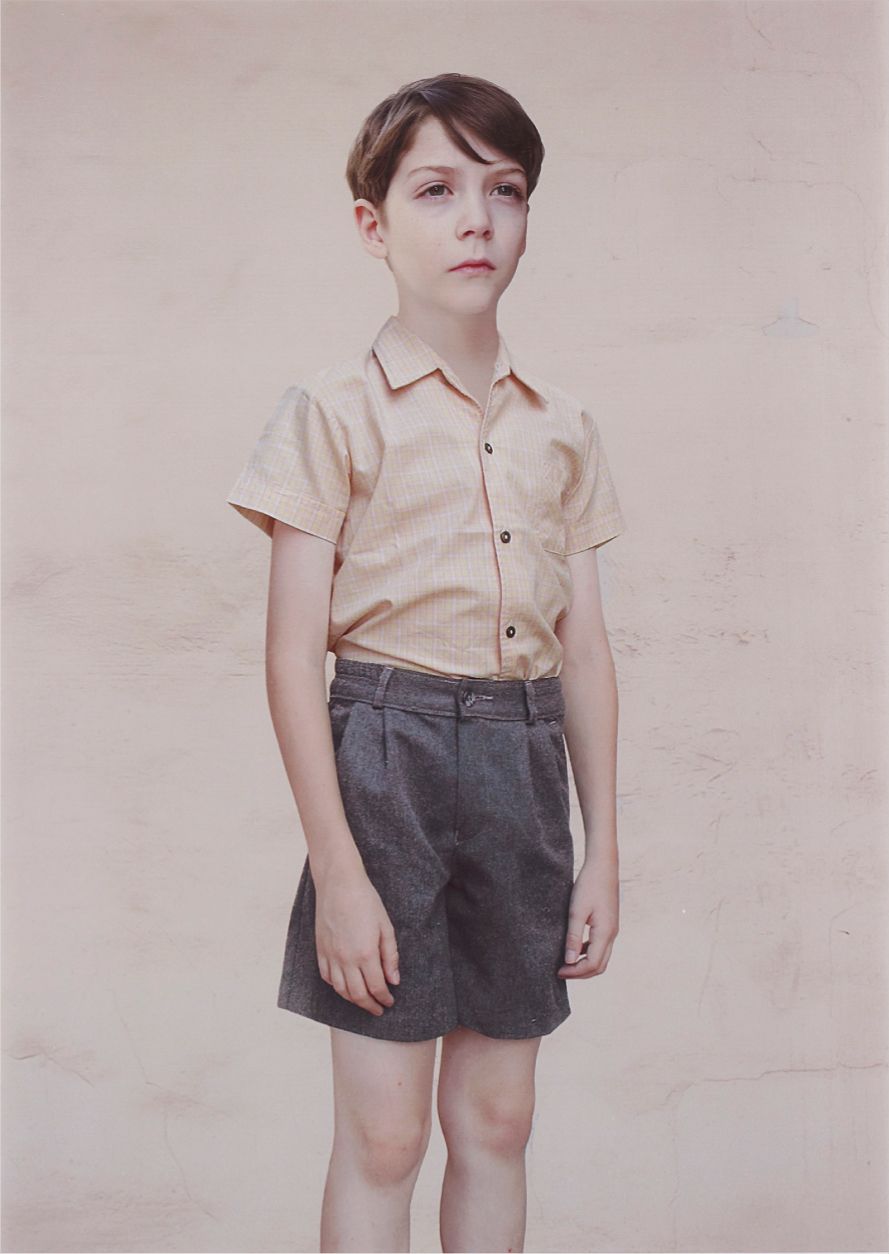
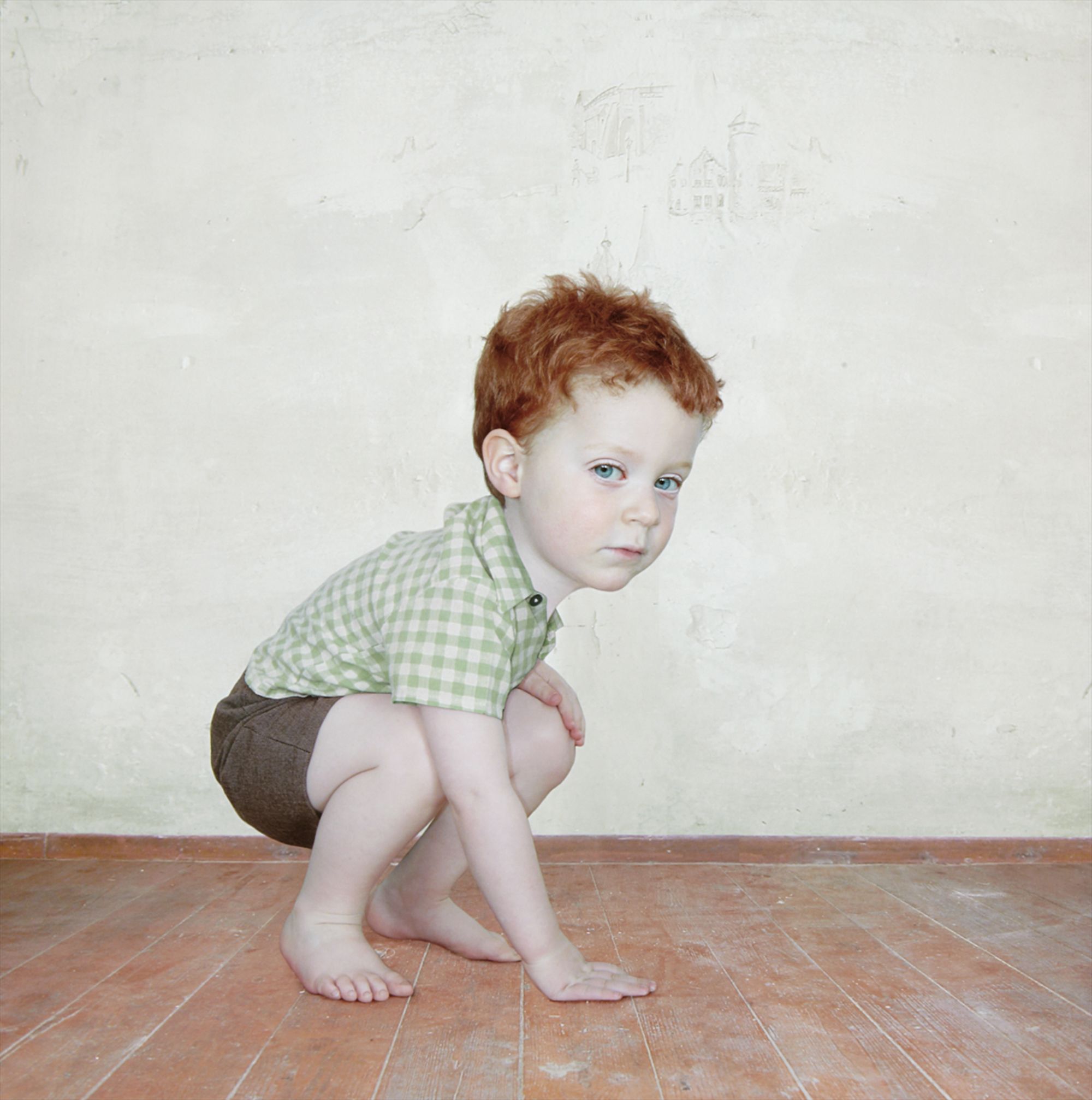
Loretta Lux
The Boy


Something Is Wrong Here, But What
There is a particular sensation that certain works of art produce, one that resists easy description but is immediately and viscerally recognizable. The room feels slightly off. The figure in the corner is almost too still. The light is familiar and yet comes from no source you can name.
This is the uncanny atmosphere, and for more than a century it has been one of the most potent and philosophically rich territories available to visual artists. It sits at the intersection of recognition and wrongness, and it has never felt more relevant than it does right now. Sigmund Freud gave the feeling its theoretical backbone in his 1919 essay Das Unheimliche, translated as The Uncanny, where he described it as that class of the frightening which leads back to what is known and familiar. The German word heimlich means homely, domestic, safe.
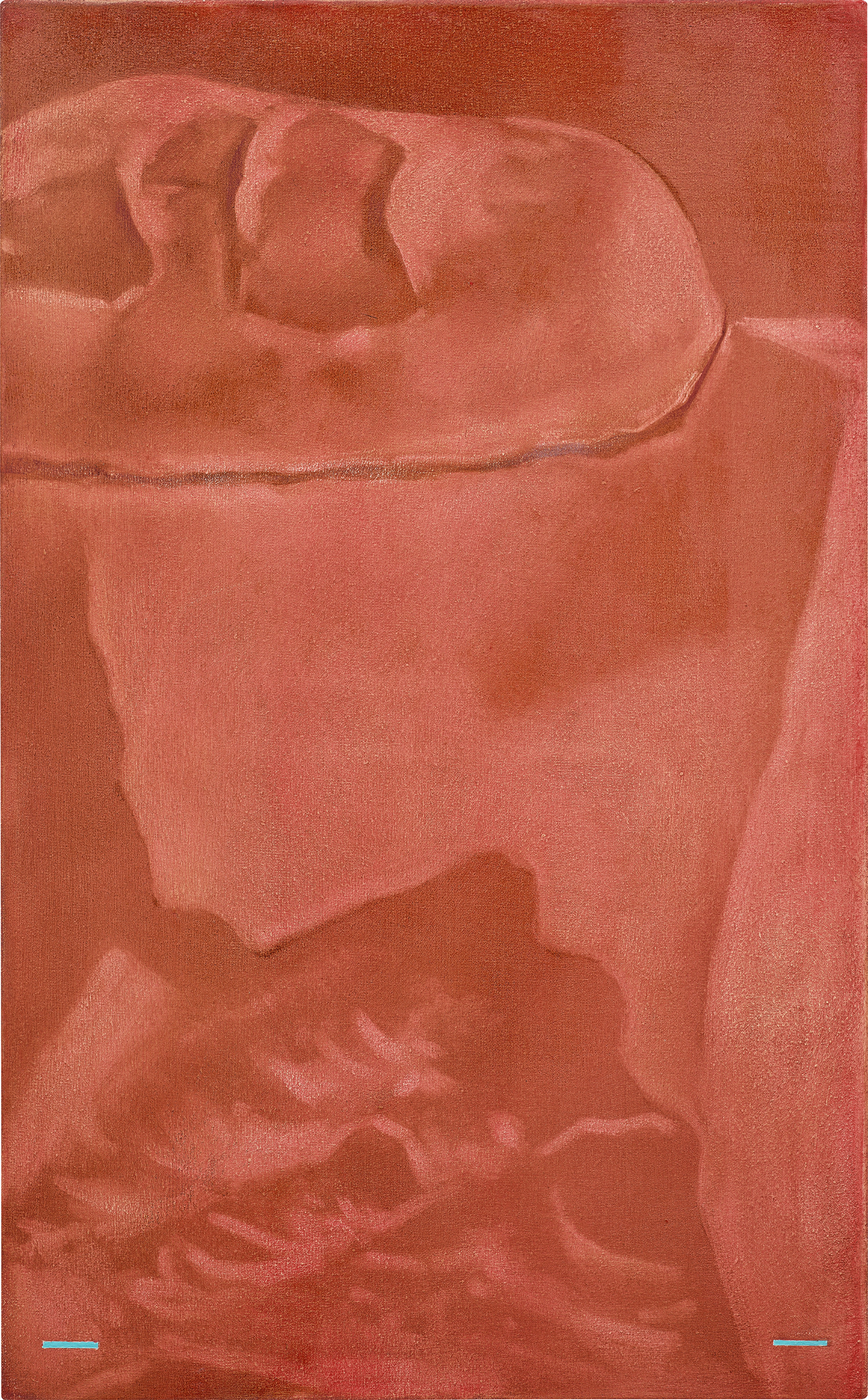
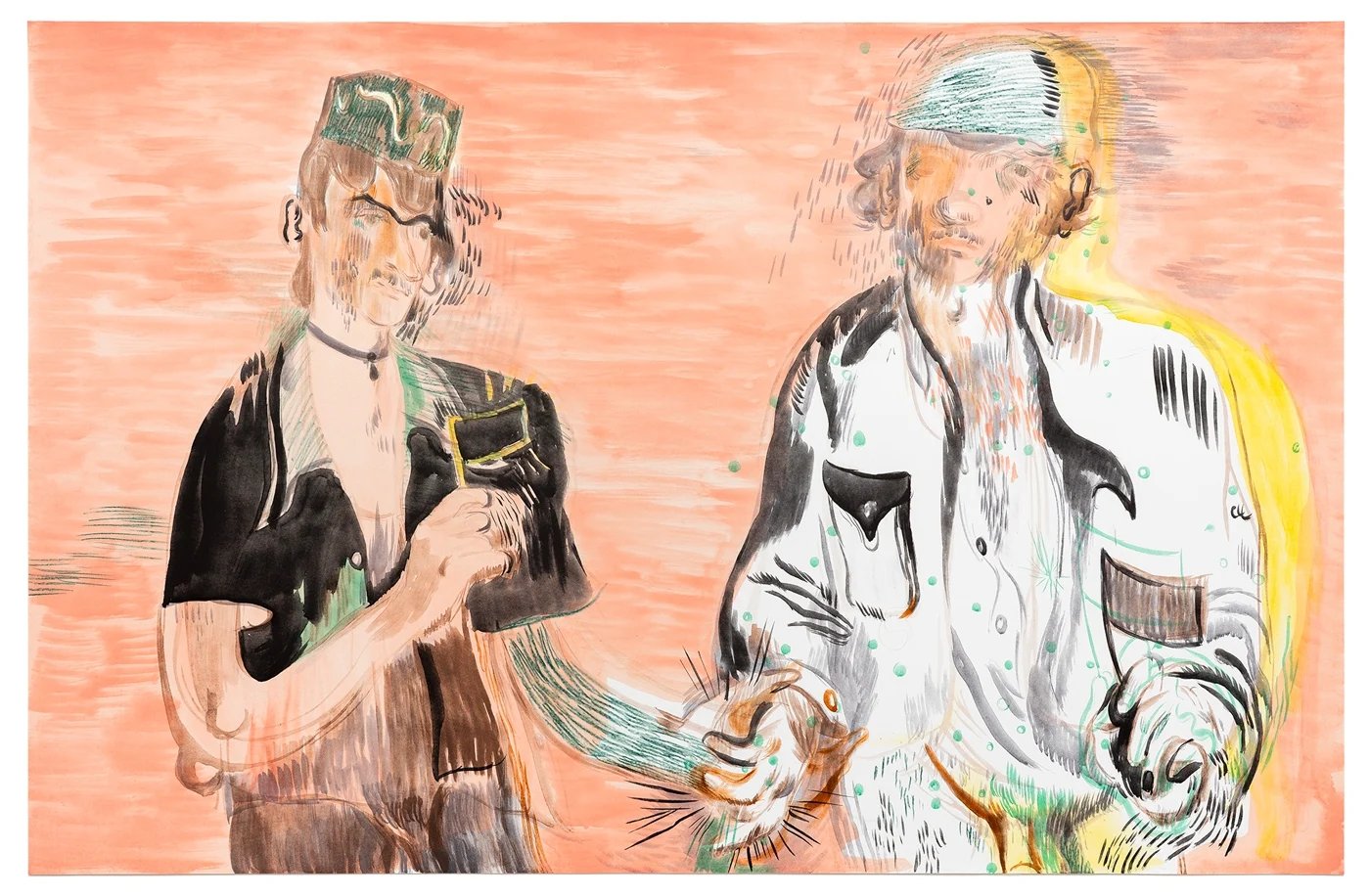
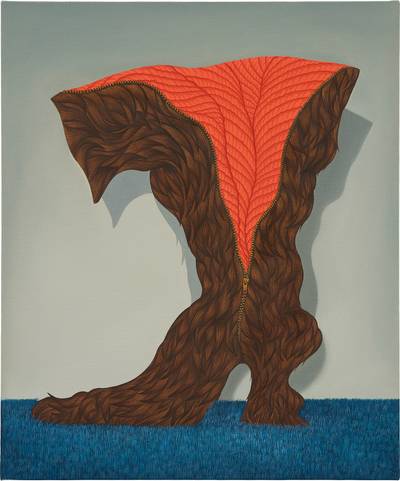
Julie Curtiss
D'après l'Origine du monde, 2016
Add the prefix and the safe home becomes something threatening. Freud drew on literature and folklore, but artists were already working with this dissonance intuitively. The Italian painter Giorgio de Chirico, whose Metaphysical period ran from roughly 1910 through the early 1920s, constructed piazzas that felt evacuated of human meaning even when figures appeared within them. Long shadows fell from suns at impossible angles.
Mannequins stood in for people. The world looked recognizable and was entirely strange. The Surrealists seized on de Chirico's atmosphere with predictable enthusiasm. René Magritte refined the strategy throughout the 1920s and 1930s, replacing drama with deadpan precision.
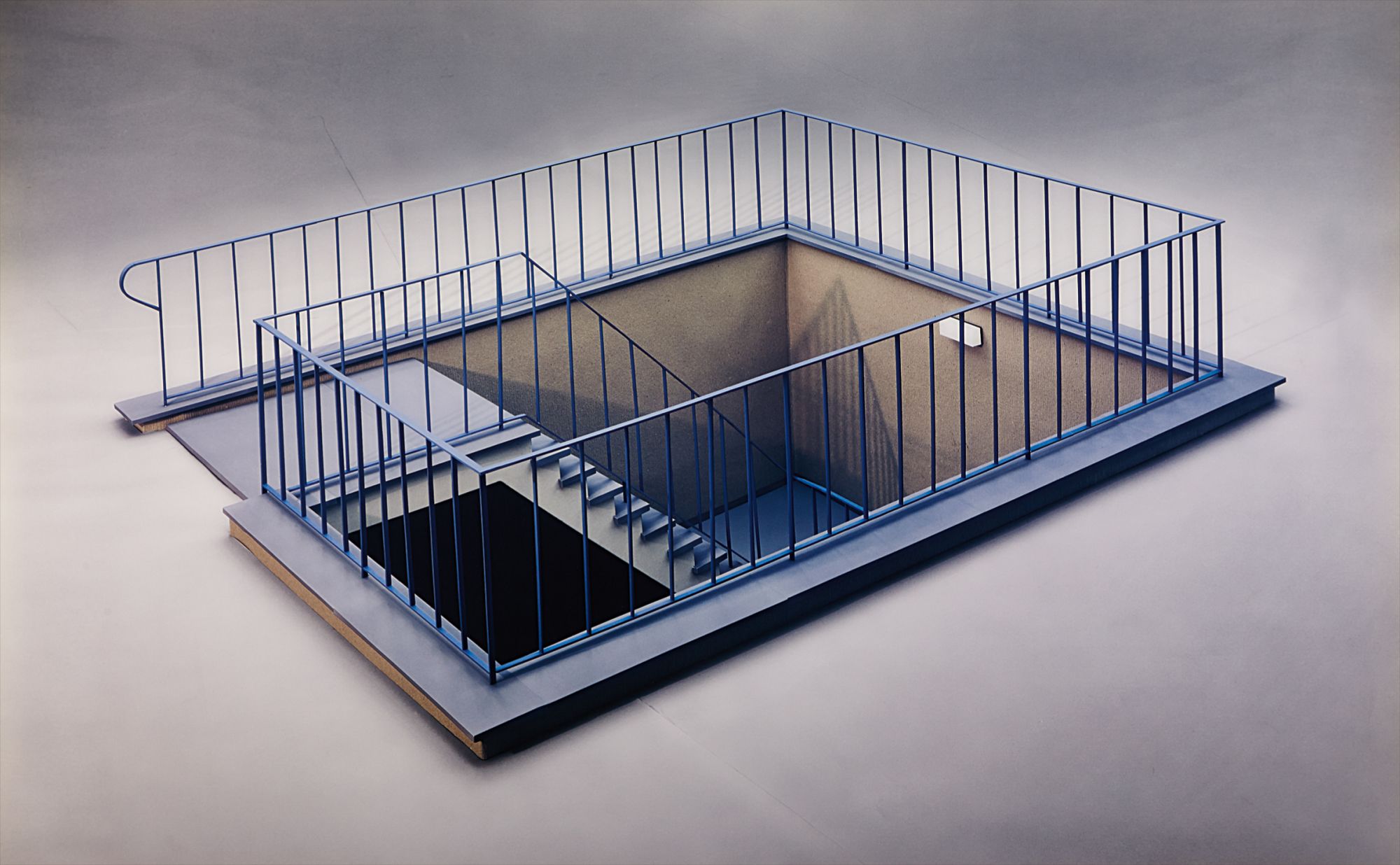
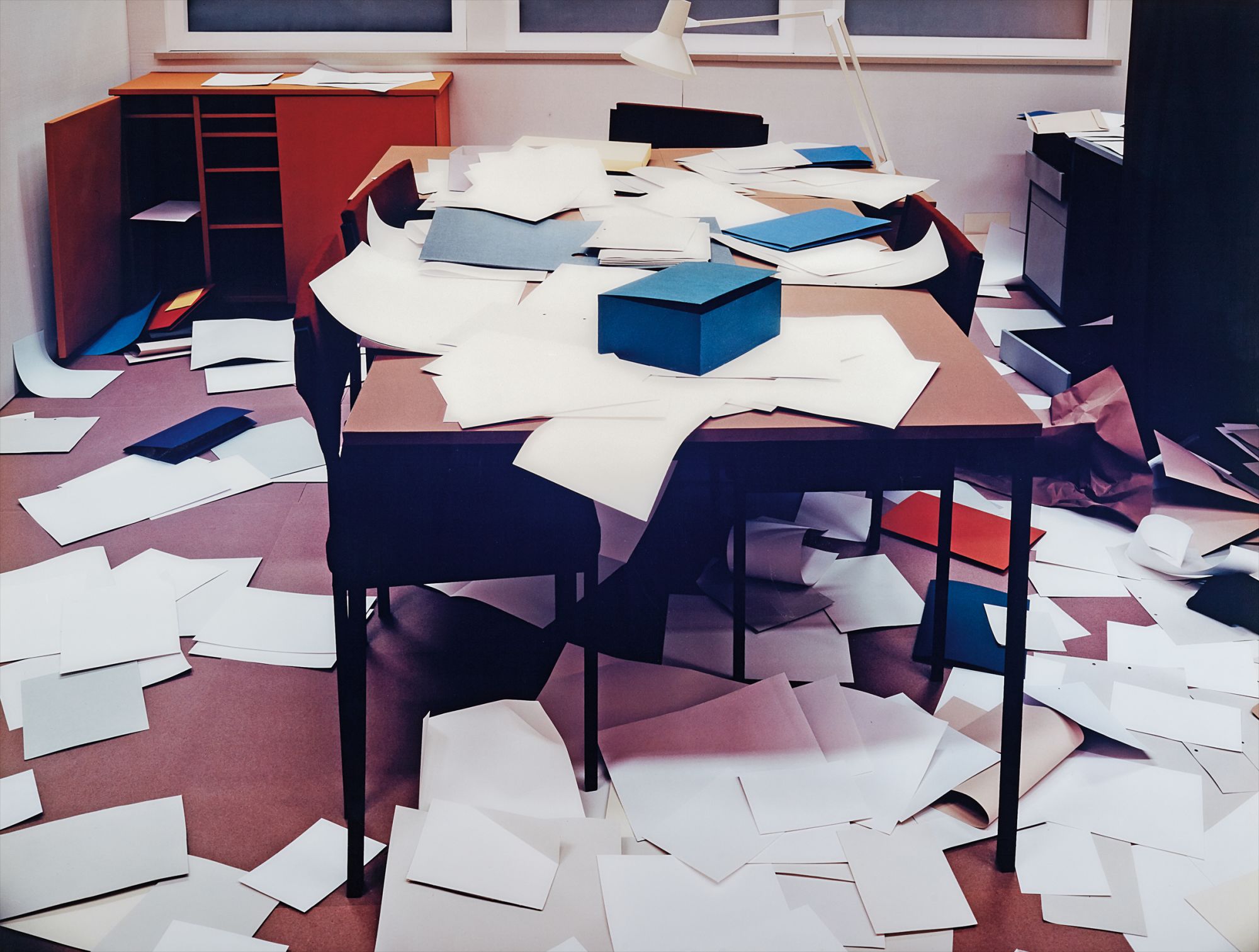
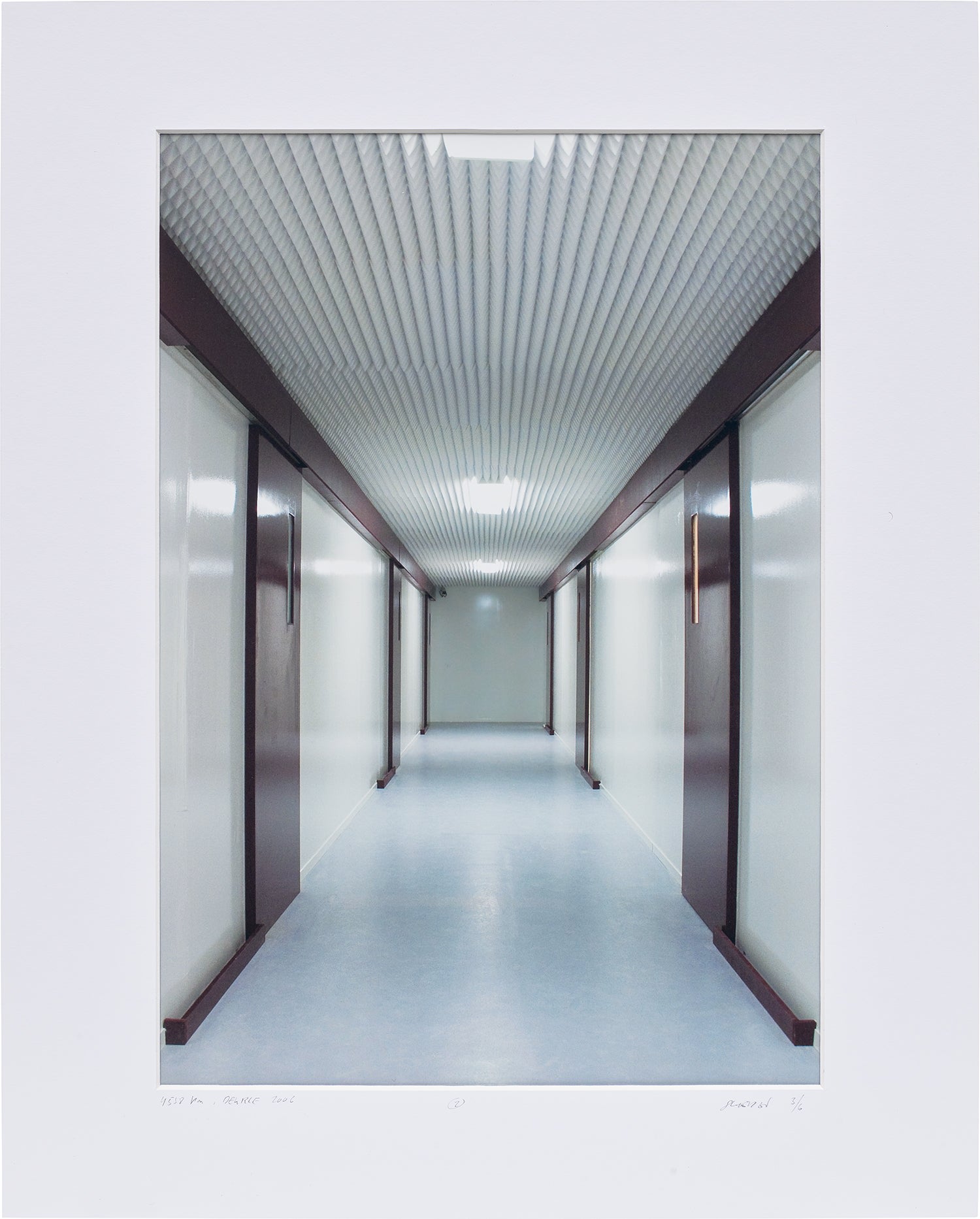
Thomas Demand
Abgang/Exit
His uncanny was quieter and therefore more disturbing. A bowler hat, a green apple, a man at a window who turns out to be a painting of the view outside: each work functions like a logic puzzle with the solution removed. By the time Salvador Dalí and Max Ernst were doing their most ambitious work in the 1930s and 1940s, the uncanny had become something of a movement language. But the Surrealists were only one chapter in a much longer story.
Photography became the natural home of uncanny atmosphere in the postwar decades, partly because the medium already carries an inherent ghostliness. Roland Barthes wrote in Camera Lucida in 1980 about the photograph's relationship to death, to the preserved moment of a person who will one day cease to exist. That temporal dislocation, the sense that what you are seeing both happened and did not happen in any present tense you inhabit, is already uncanny before the artist does anything deliberate with it. Thomas Demand understood this with exceptional clarity.
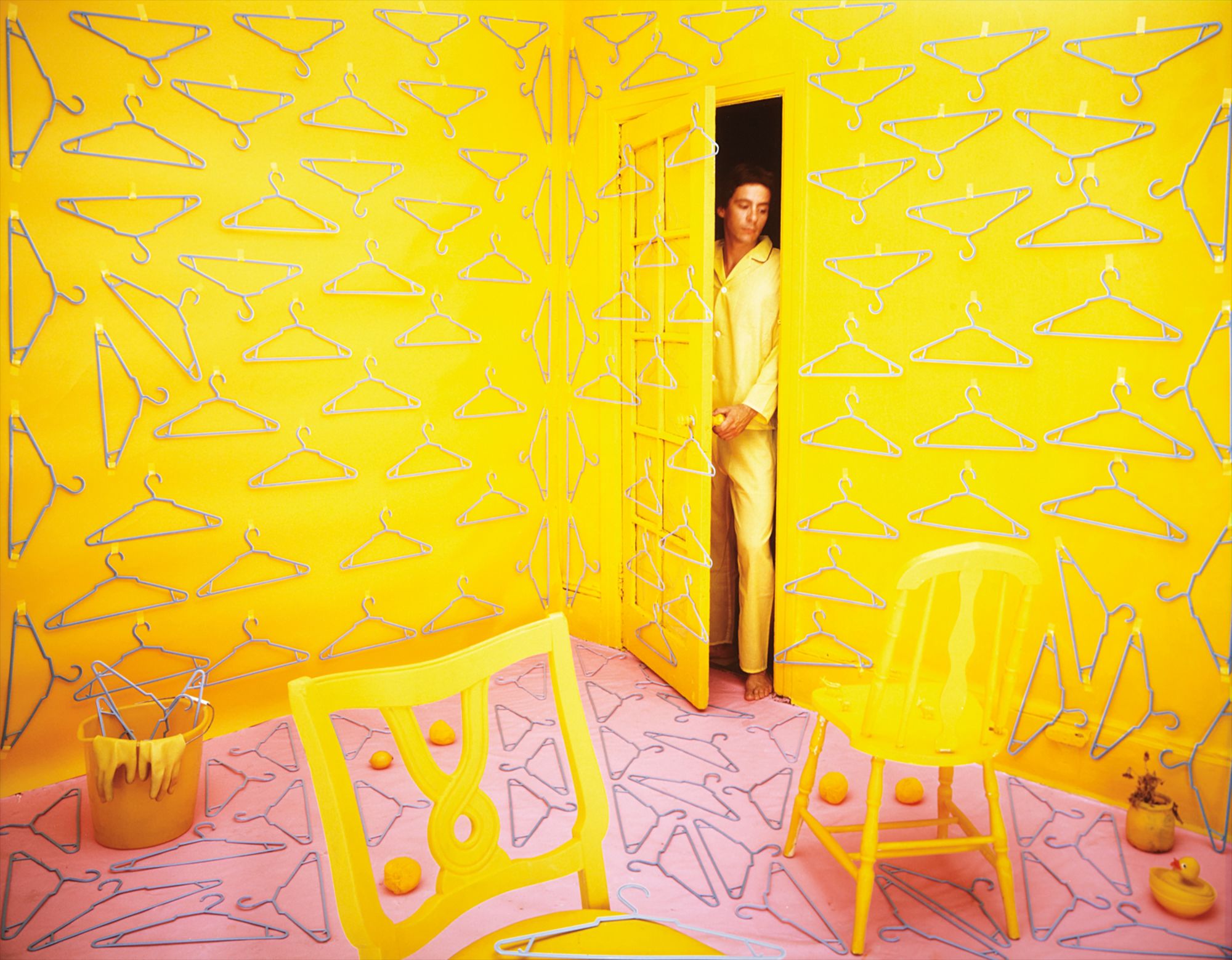
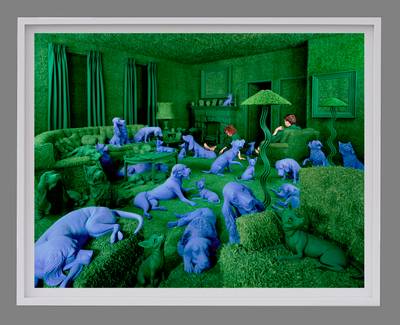
Sandy Skoglund
Coat Hangers
His practice involves constructing meticulous paper and cardboard models of spaces drawn from news photographs and documentary images, then photographing those models and destroying them. The resulting images look like photographs of real places, until you notice that nothing in them is quite real. There is no texture where texture should be. The light is perfect in a way that natural light never is.
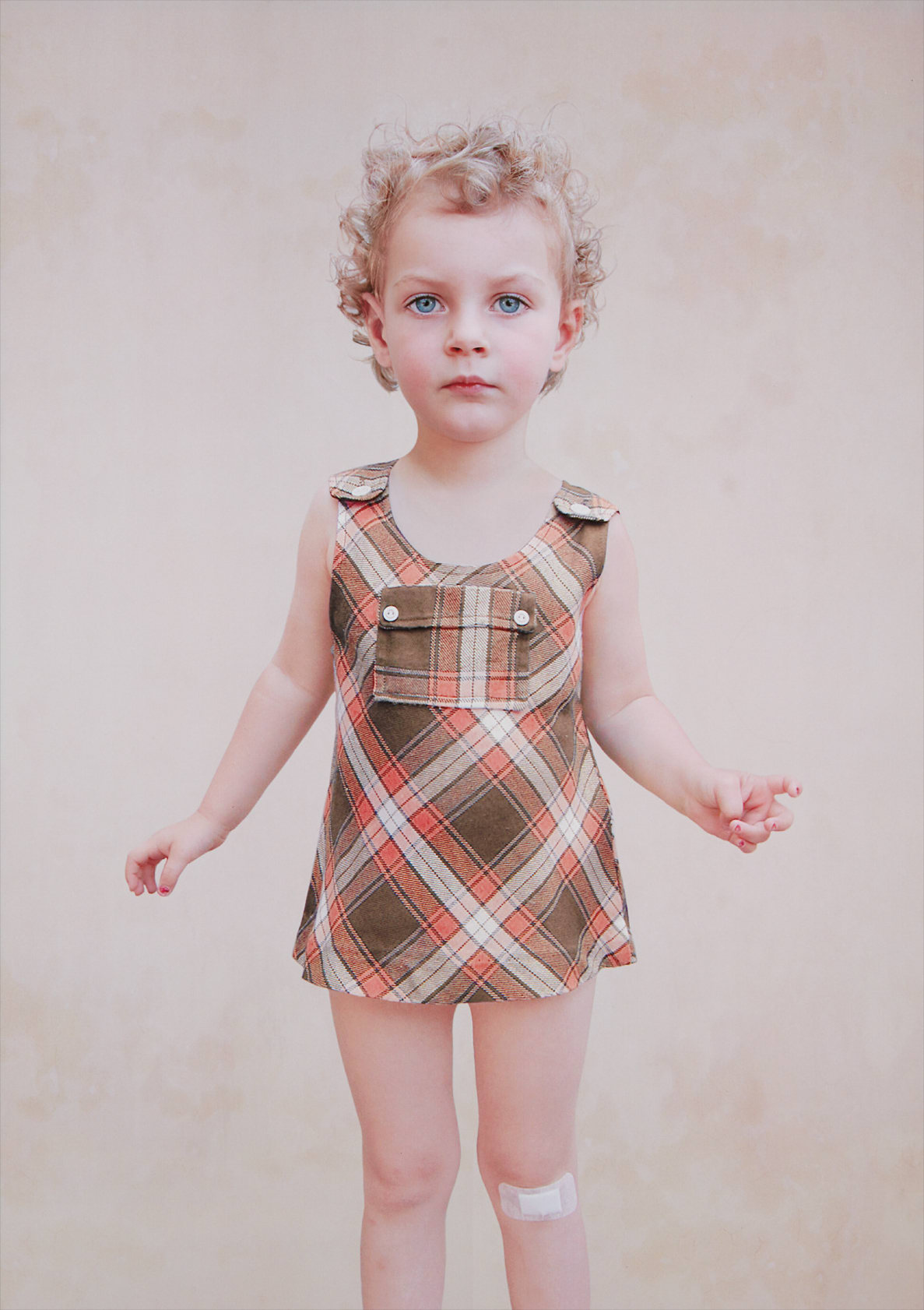
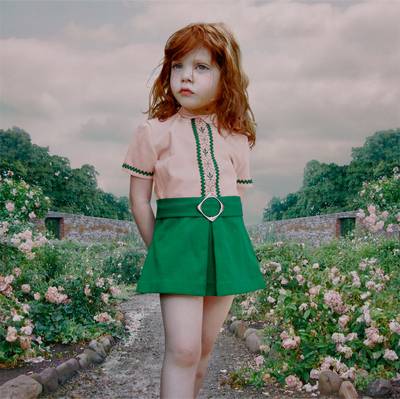
Demand's work, well represented on The Collection, is a sustained meditation on how images construct reality rather than document it, and the atmosphere it generates is among the most quietly disturbing in contemporary art. Loretta Lux brings a different but equally precise uncanny sensibility to her digitally manipulated photographs of children. Working in the early 2000s, she created images in which children with enlarged, luminous eyes stand in spaces that feel borrowed from German Romantic painting. The children look real but proportioned like figures from another register of perception, too calm, too knowing, their surroundings too golden and too still.
Loretta Lux
The Boy
Her works on The Collection invite the kind of prolonged looking that uncanny art demands, where initial beauty slowly gives way to a low hum of unease. Sandy Skoglund approaches the same territory from a completely different direction. Her elaborately staged photographs and installations, beginning in earnest in the early 1980s, populate domestic spaces with armies of fabricated animals rendered in unsettling monochrome or lurid color. Her 1980 work Radioactive Cats placed gray ceramic cats throughout a gray kitchen occupied by an elderly couple.
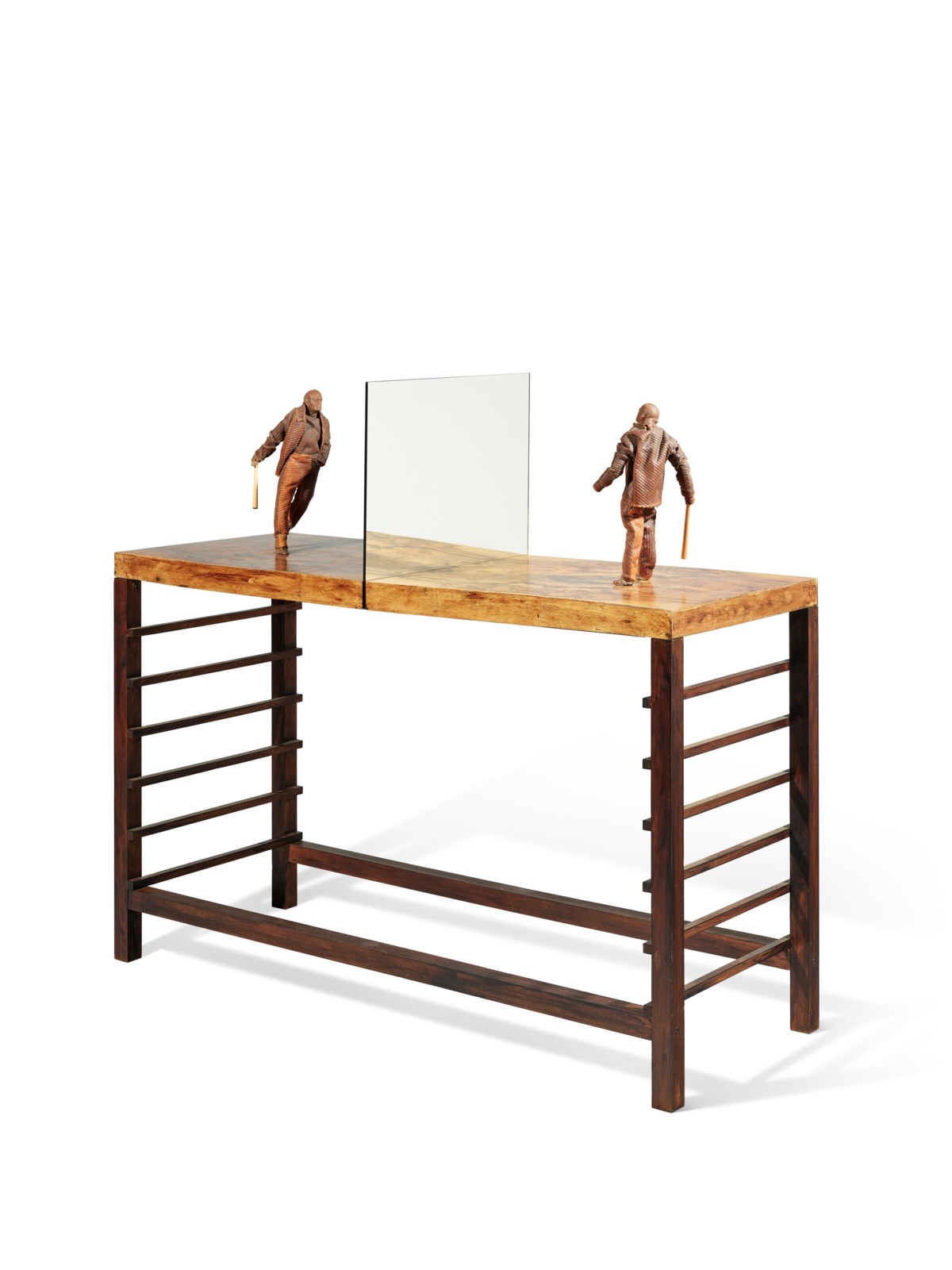
The result was humorous and deeply strange in equal measure, which is one of the more sophisticated registers the uncanny can achieve. Juan Muñoz worked in sculpture and installation with a particular genius for the uncanny arrangement of figures in space. His Conversation Piece series placed bronze figures in clusters that seemed to be sharing a private joke from which the viewer was permanently excluded. His large scale installations at venues like Tate Modern in the early 2000s transformed architectural space into something theatrical and faintly threatening, the kind of room where you suspect the figures move when you look away.
Julie Curtiss, in her paintings, channels a more intimate uncanny through the figure and the object, women in states of partial presence, domestic scenes where something has been left unresolved. Gregor Schneider's work operates at perhaps the most extreme end of this lineage: his ongoing project Haus u r, begun in the 1980s in his family home in Rheydt, Germany, involves building rooms within rooms and corridors that lead nowhere, creating a domestic architecture that has become a machine for psychological distress. What connects all of these artists across their wildly different materials and methods is a shared understanding that the uncanny is not about shock. It is about recognition.
It is about the slight rotation of the familiar into the wrong angle. The best work in this category does not frighten you so much as it makes you uncertain about what you already knew. It questions the reliability of the everyday, which is arguably a more profound form of destabilization than outright horror. In a cultural moment saturated with synthetic images and algorithmically generated environments, that questioning feels less like an artistic strategy and more like a necessary mode of attention.
The uncanny atmosphere was always asking us to look more carefully. It turns out we needed the reminder.