Textile Art
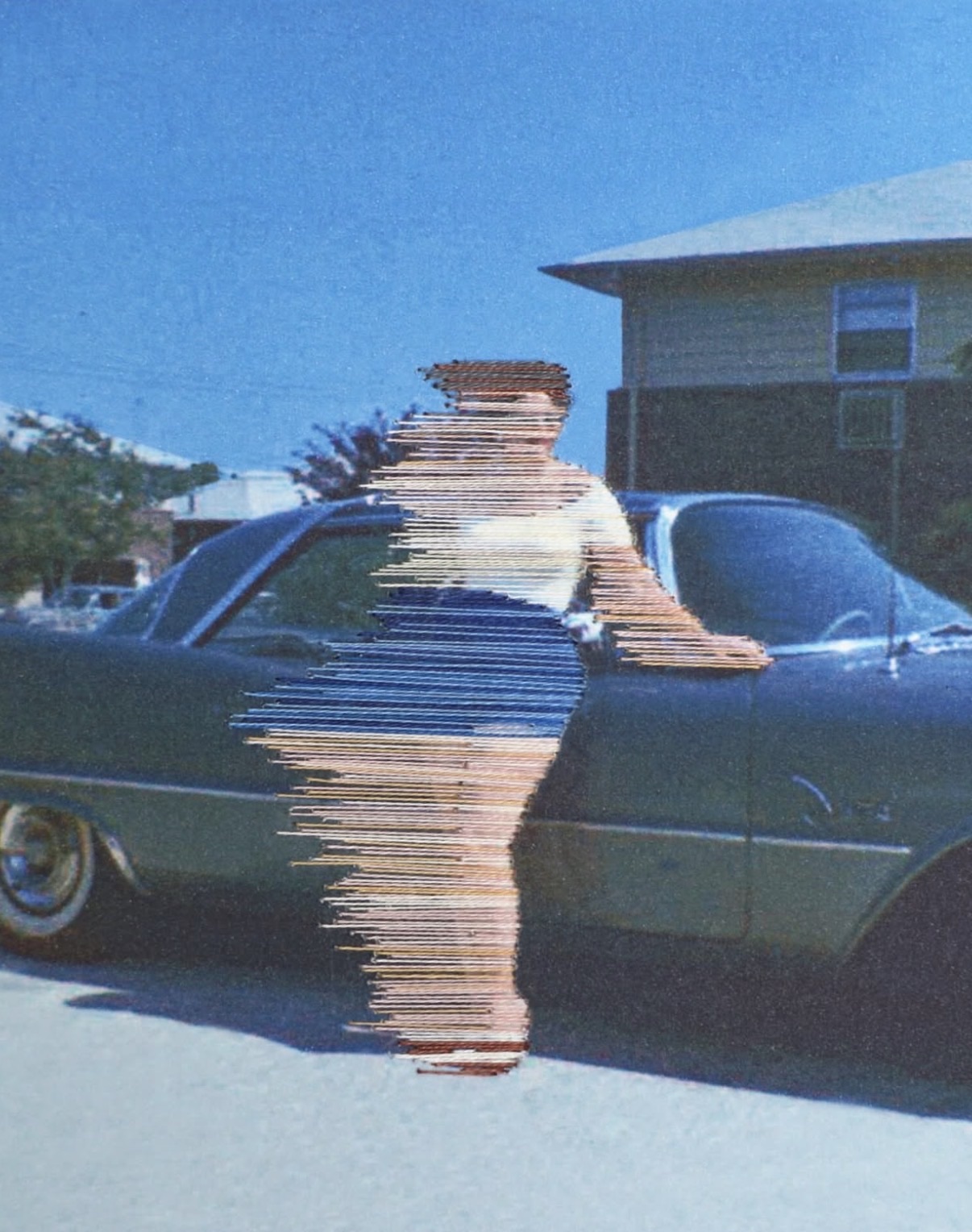
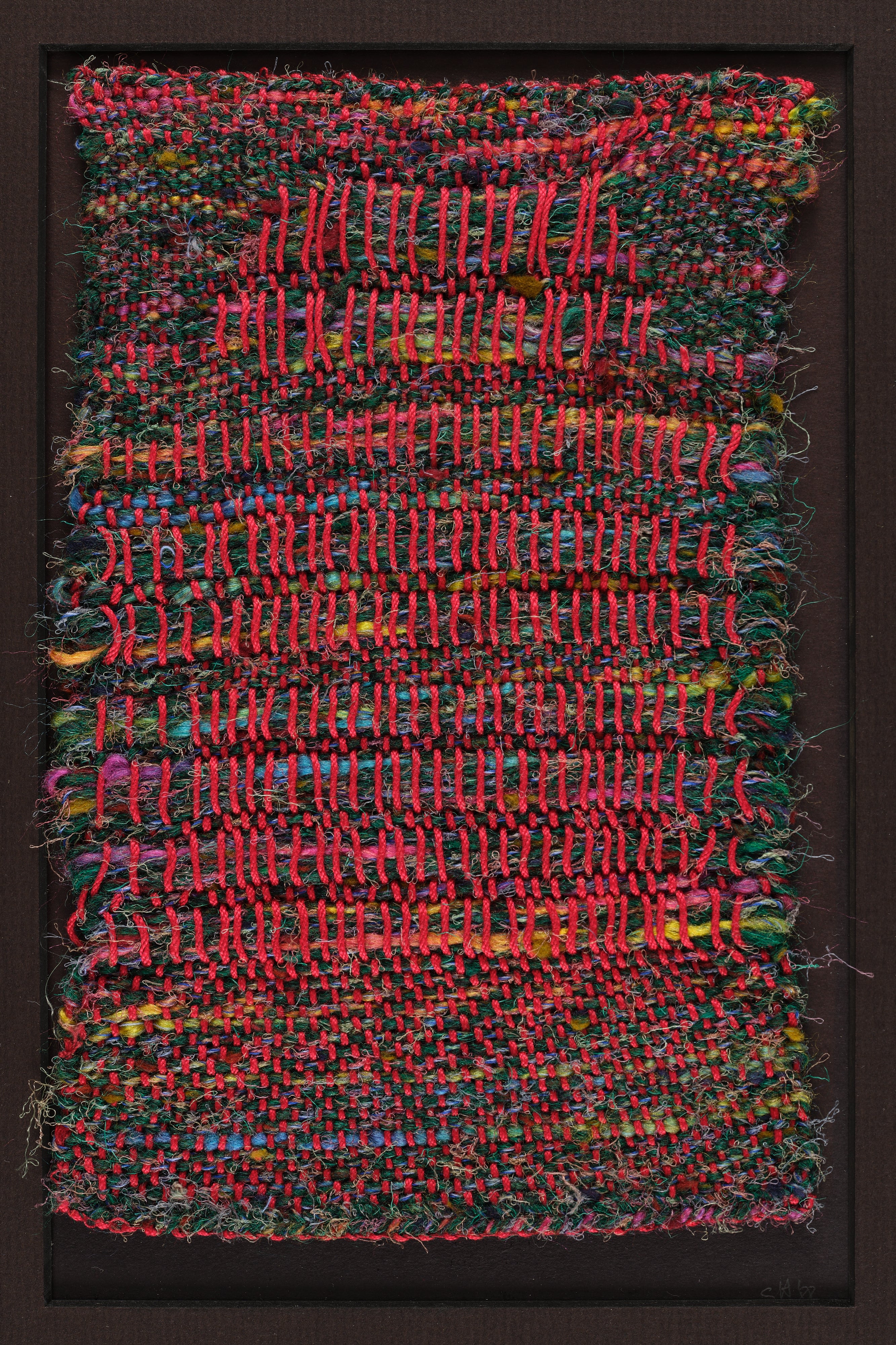
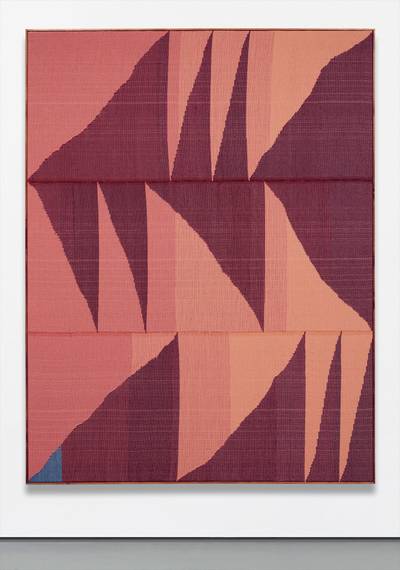
Hagar Vardimon
Which Way the Wind Blows
Thread, Weight, and the Art of Obsession
There is something unusually intimate about living with textile art. Unlike a painting behind glass or a sculpture on a plinth, textile work breathes with the room. It holds light differently in the morning than in the afternoon. It responds to humidity, to proximity, to the warmth of bodies moving past it.
Collectors who discover this category tend to describe the same thing: a pull that is not purely optical but almost physical, a sense that the work is genuinely present in the home rather than simply hanging on a wall. That quality of presence, hard to name but immediately felt, is what keeps serious collectors returning to the medium again and again. The question of what separates a good textile work from a truly great one is worth sitting with carefully. Technically accomplished weaving or embroidery is not, by itself, sufficient.
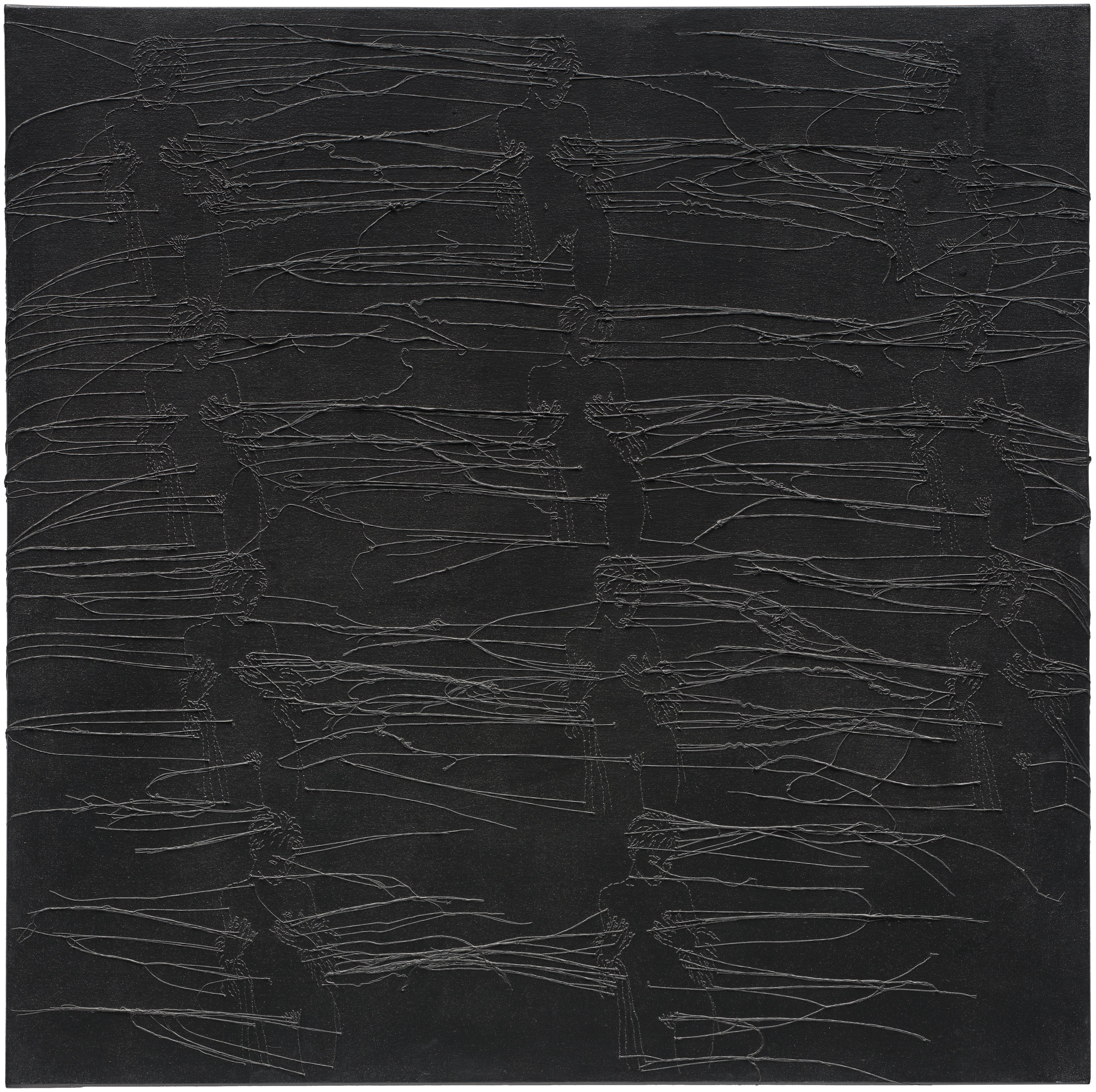
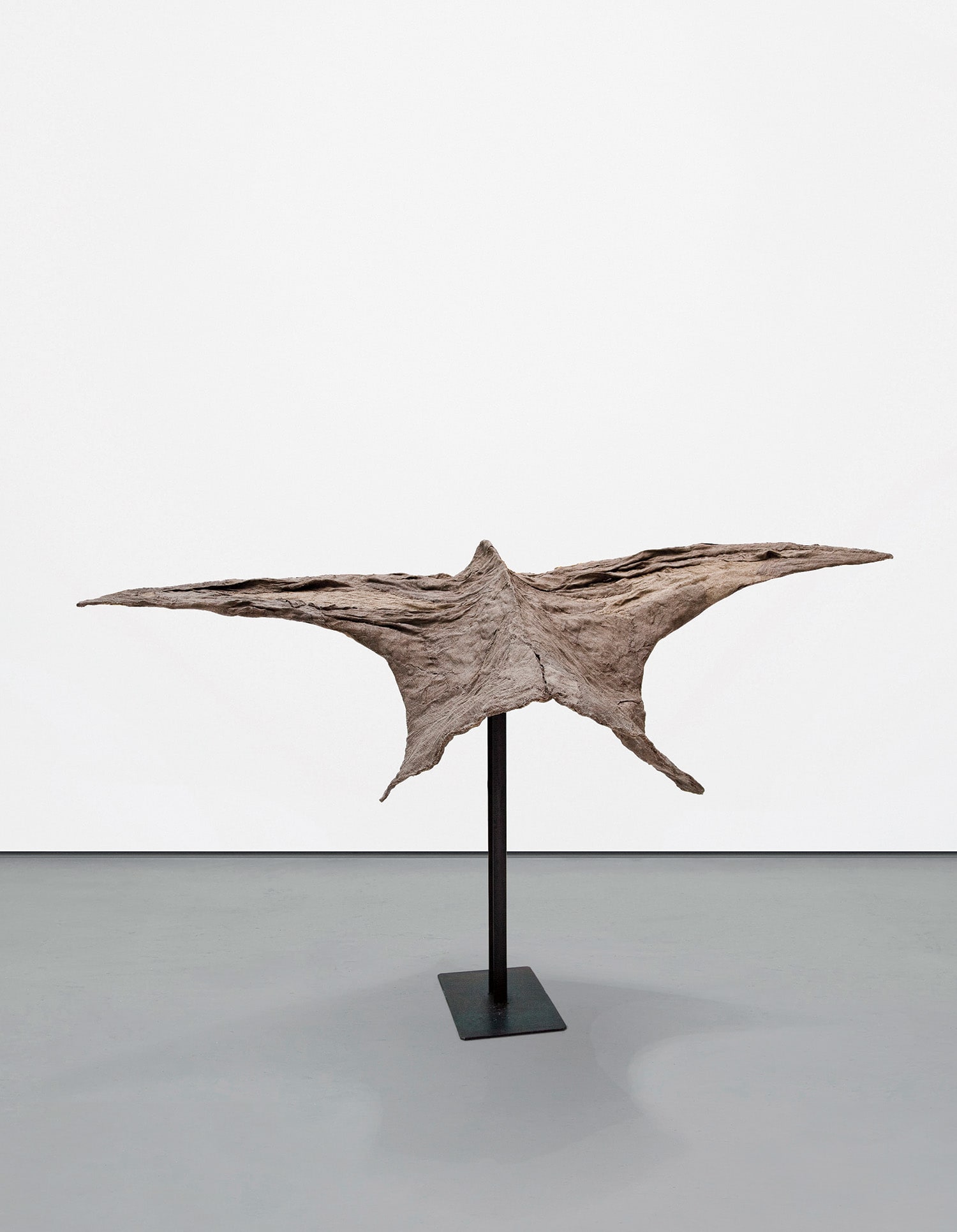
Ghada Amer
3 Diagonales Noires, 2000
What elevates a work is the degree to which the artist uses the material logic of textile, its grain, its reversibility, its memory of being stretched or folded, as the actual subject of the piece rather than merely its vehicle. The best works make you aware of process without reducing themselves to craft demonstration. They hold conceptual weight alongside sensory pleasure, and that balance is rarer than it looks. Scale matters enormously too.
A work that commands a wall reads differently from one intended for intimate contemplation, and understanding which a given piece demands tells you a great deal about where it belongs and how it will perform over time. For collectors building serious positions in this space, certain names anchor the conversation in ways that are unlikely to shift. Anni Albers remains foundational. Her influence on how artists think about the loom as an expressive rather than merely functional instrument is still reverberating decades after her time at the Bauhaus and then Black Mountain College.
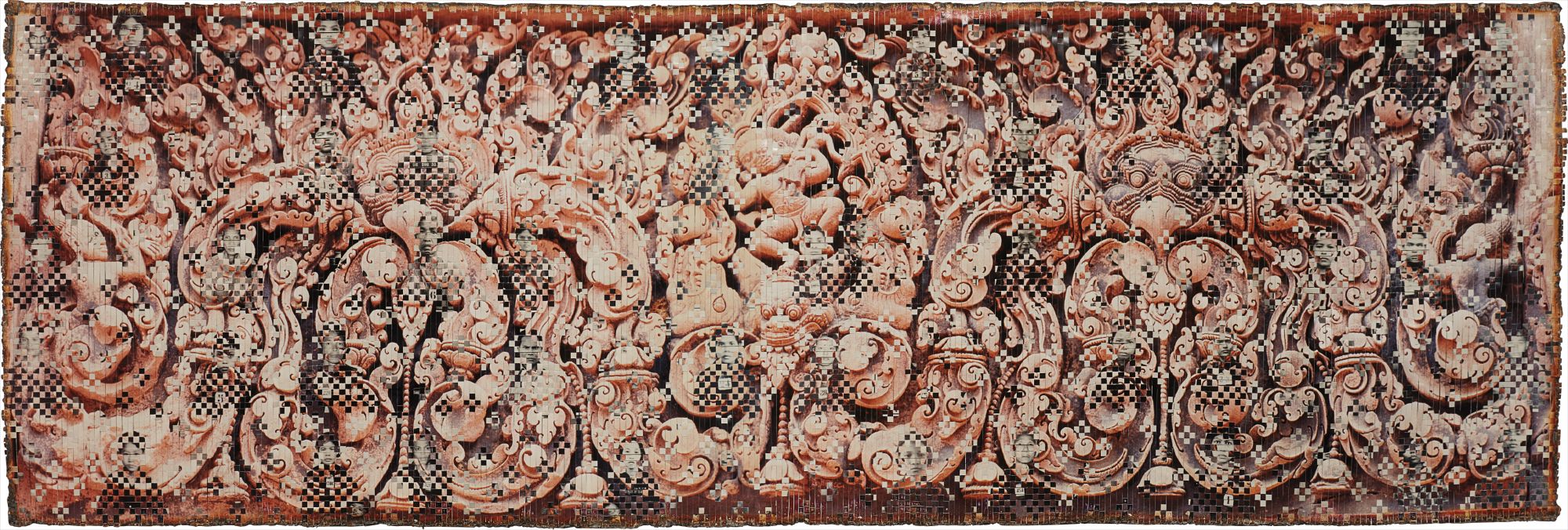
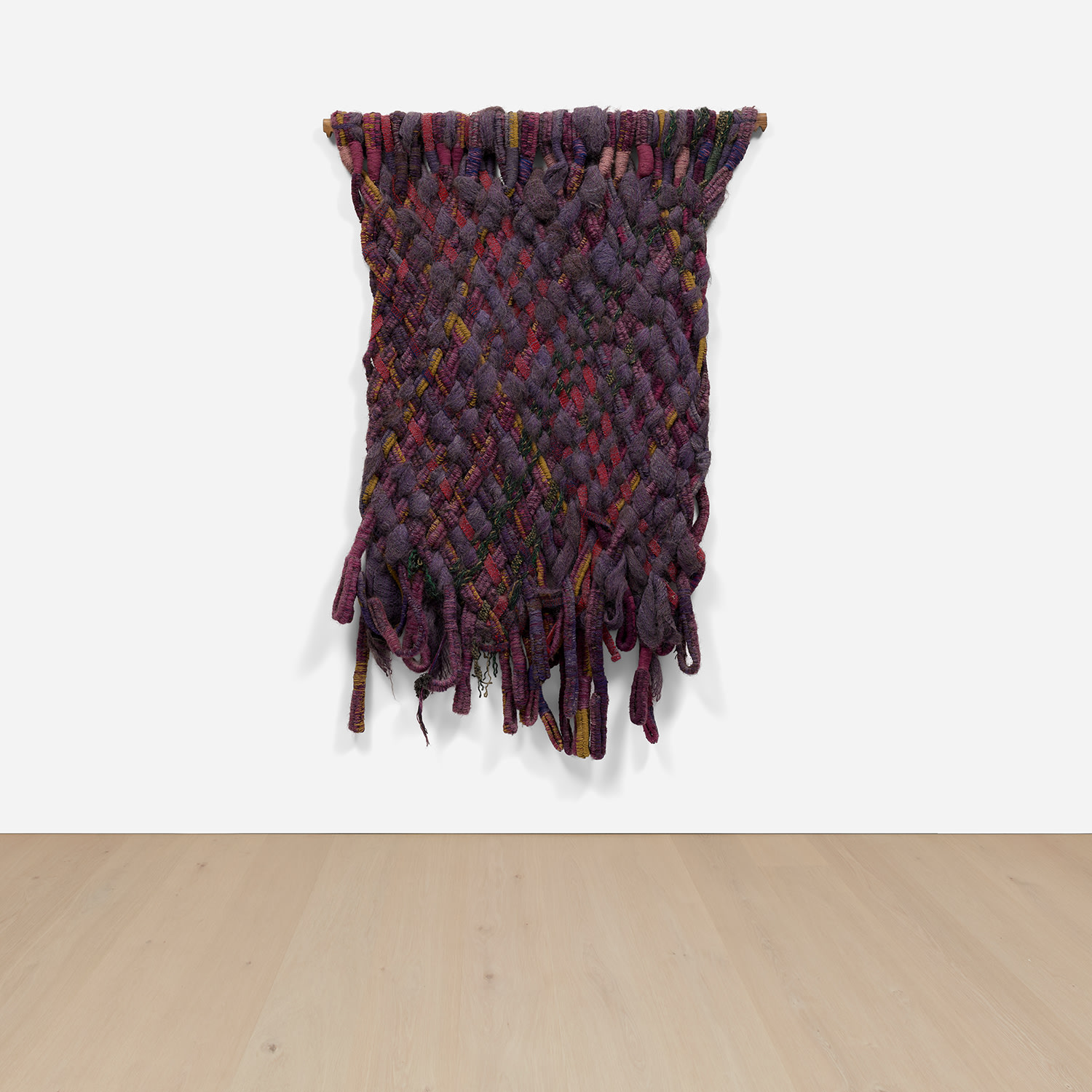
Dinh Q. Lê
Dinh Q. Lê
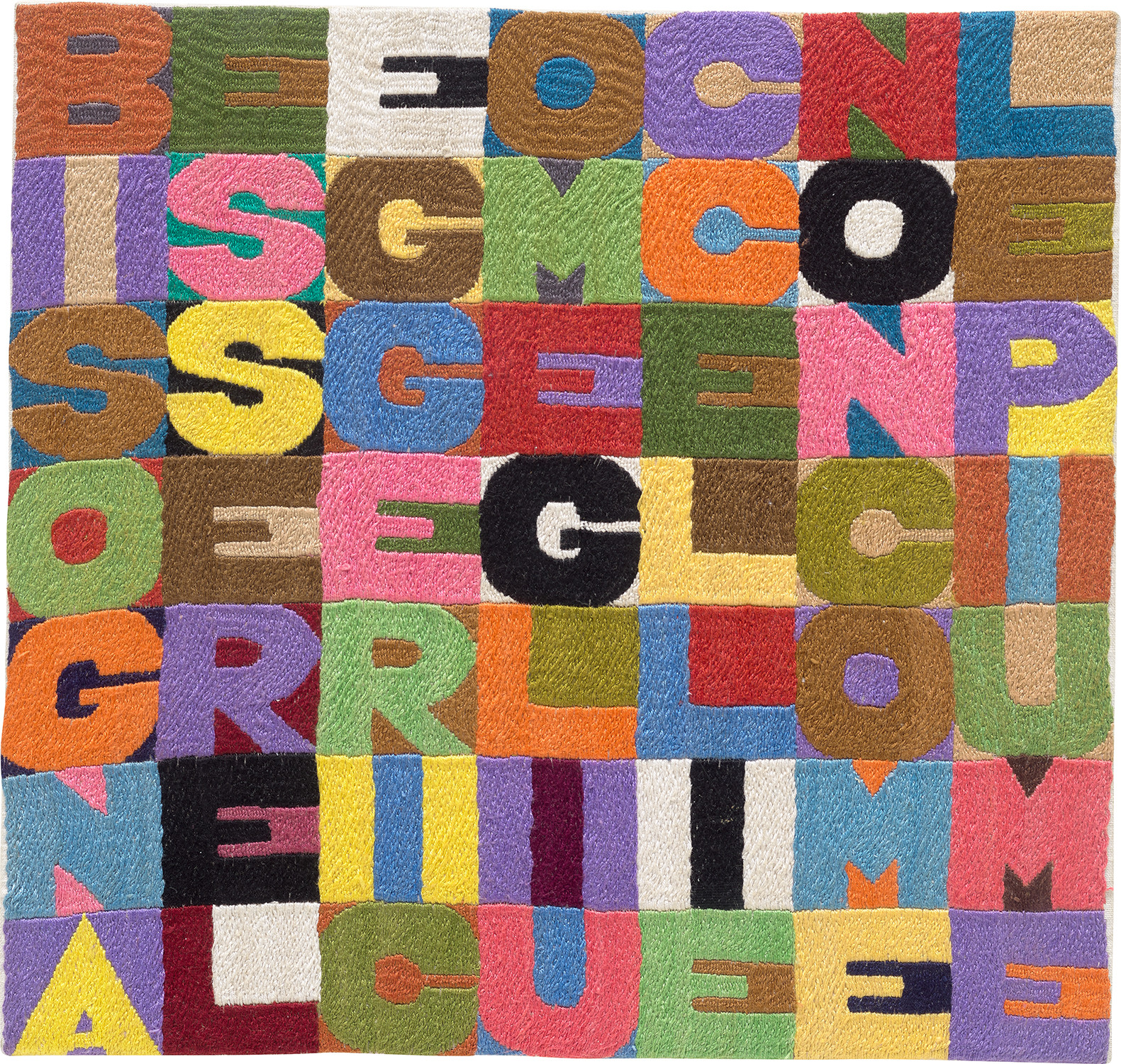
Works on paper that document her weaving ideas have become genuinely competitive at auction, but when textile pieces in good condition appear, they are transformative acquisitions. Alighiero Boetti occupies a different but equally essential position. His embroidered map works, produced through long collaborations with Afghan craftswomen beginning in the early 1970s, collapse the distance between authorship, geography, and labor in ways that feel more relevant now than ever. The market for Boetti has been consistent and strong for well over a decade, with major institutions continuing to mount significant retrospective attention.
Sergej Jensen is the figure many advisors are watching most closely for long term value. His practice treats the canvas itself as a textile object, working with found fabrics, bleach, and pigment in ways that sit somewhere between painting and weaving. The works are quiet but deeply strange, and institutional support has been building steadily since his inclusion in major European surveys in the 2000s. Olga de Amaral, the Colombian artist who worked with gold leaf and fiber to produce works of extraordinary luminosity, has seen a significant reappraisal in recent years that feels entirely warranted.
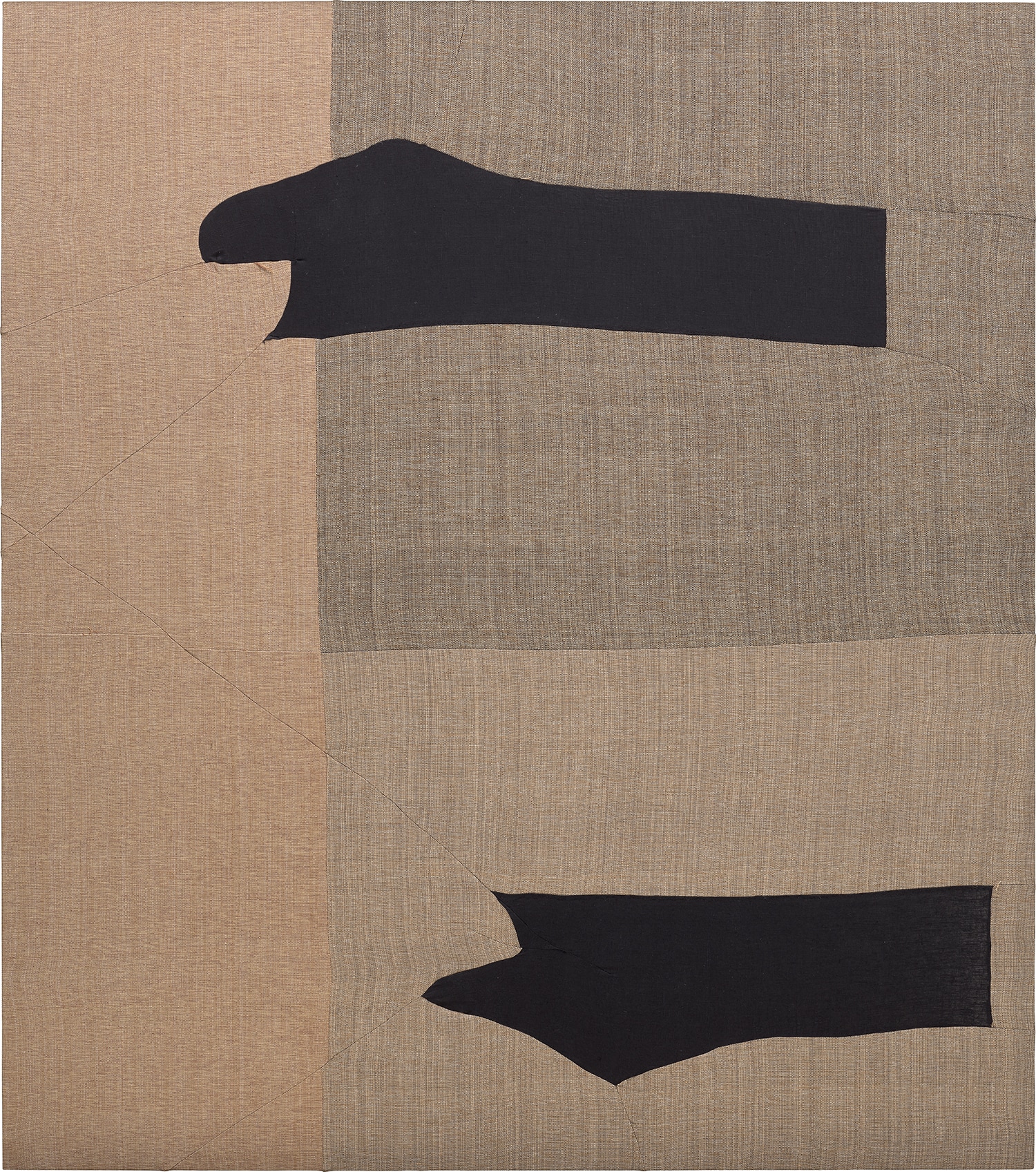
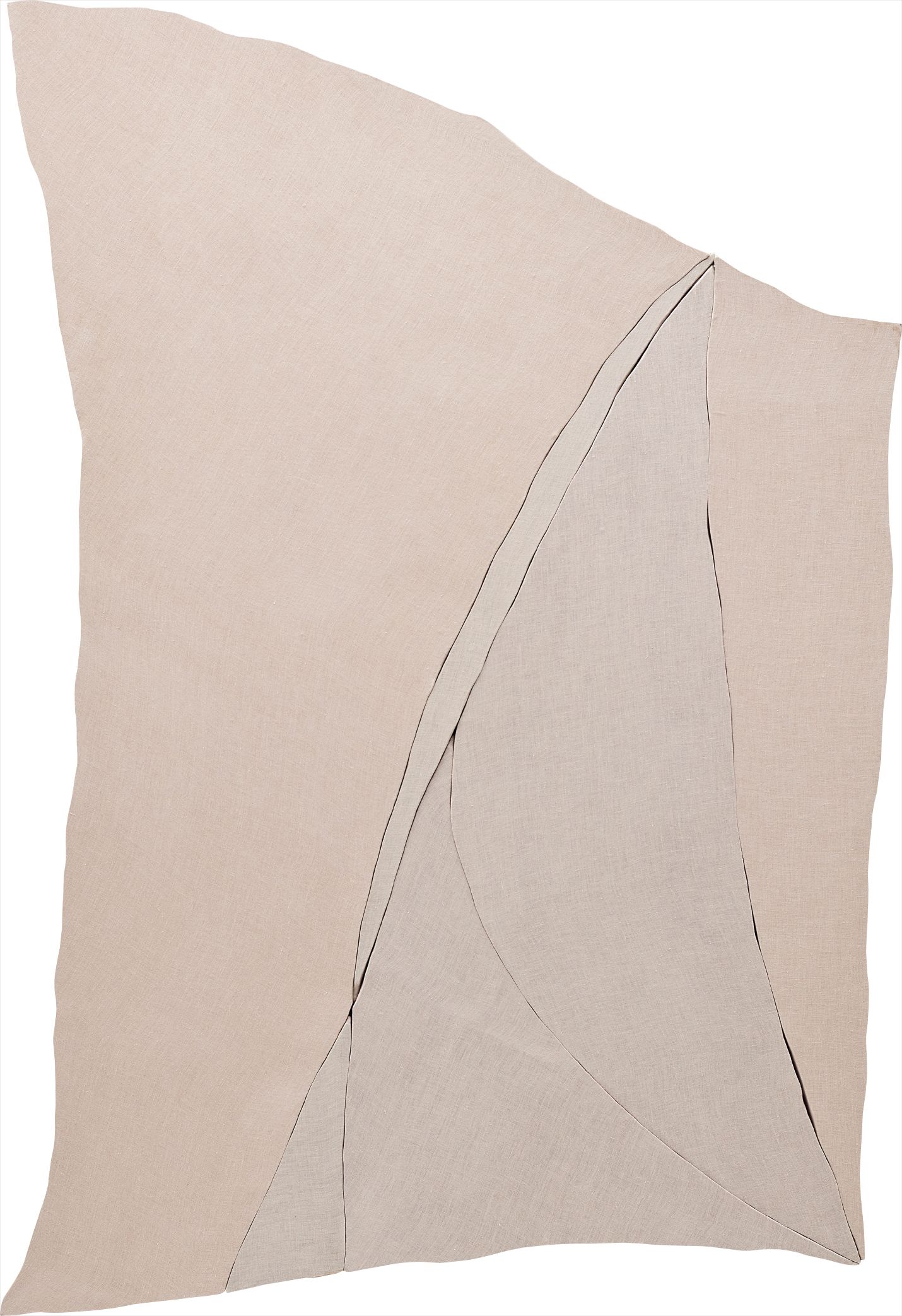
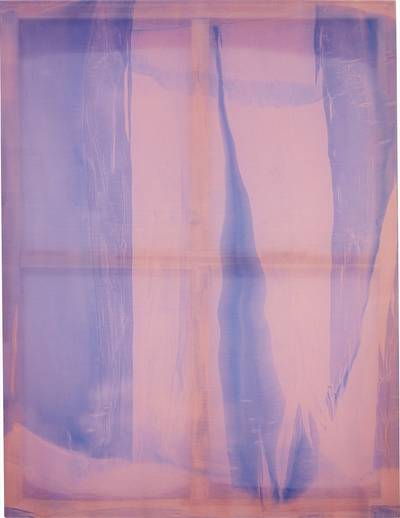
Sergej Jensen
sewn fabric and linen on stretcher, 2009
Her pieces are genuinely difficult to place in any conventional market category, which once worked against her and now works decisively in her favor. Collectors who acquired her work a decade ago have seen that confidence rewarded. For those interested in younger and less established positions, several artists on The Collection represent compelling opportunities. Korakrit Arunanondchai brings a deliberately destabilized approach to cloth, incorporating denim bleaching and digital printing into performances and installations that address cultural identity and technological anxiety simultaneously.
His work has entered major institutional collections including MoMA and the Museum of Contemporary Art Chicago, and the secondary market is still finding its footing, which means there is room for collectors to move thoughtfully. Ayan Farah works with raw linen and natural dyes in ways that are meditative rather than decorative, and critical attention to her practice has been building through gallery representation and residency programs that place her alongside peers working at a much higher market level. Margo Wolowiec, whose woven works engage with digital image compression and the materiality of information, represents a genuinely original synthesis that has not yet been fully priced by the market. At auction, textile works have historically been undervalued relative to painting and sculpture at comparable career levels, which is precisely why the category is interesting right now.
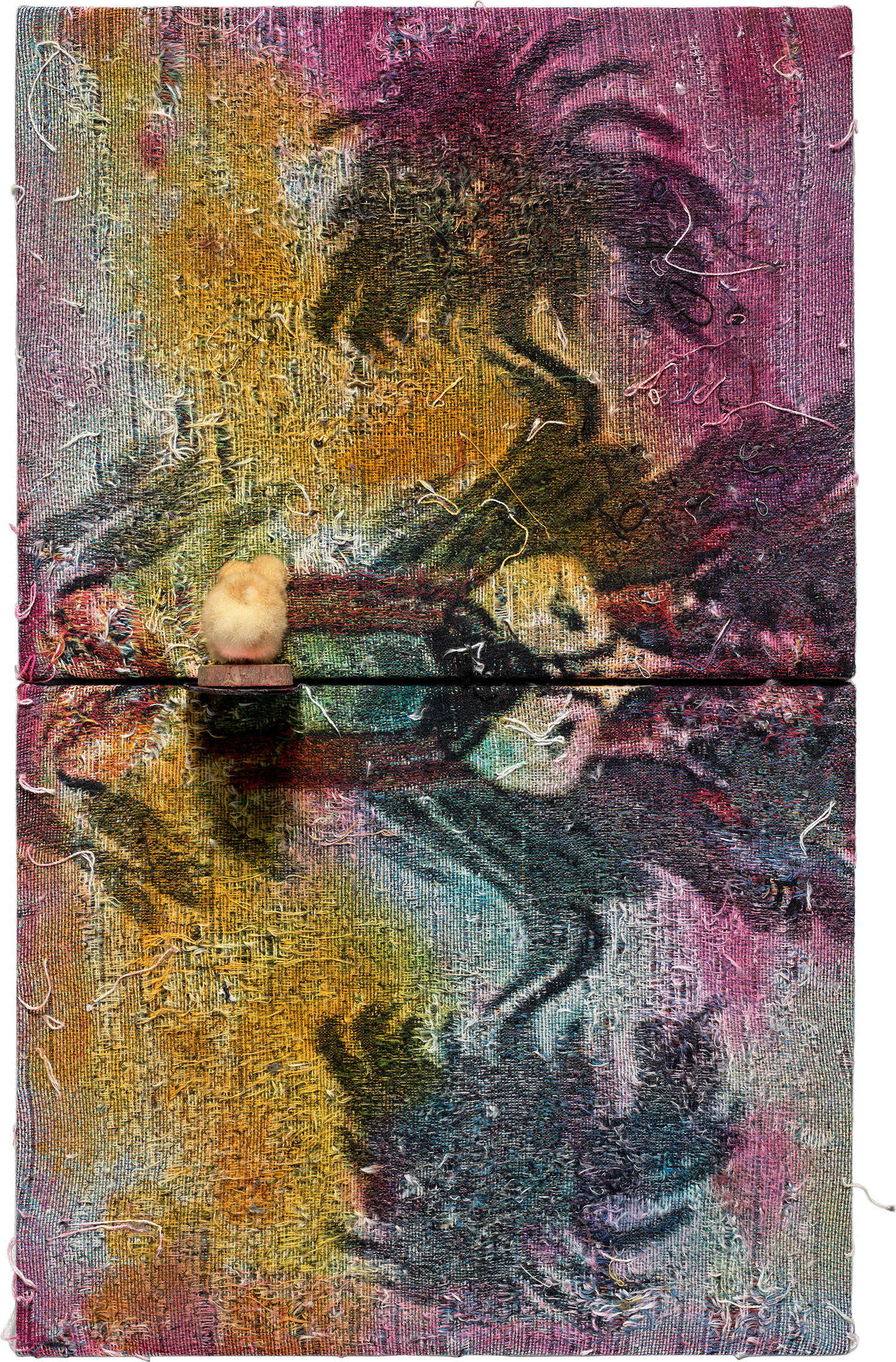
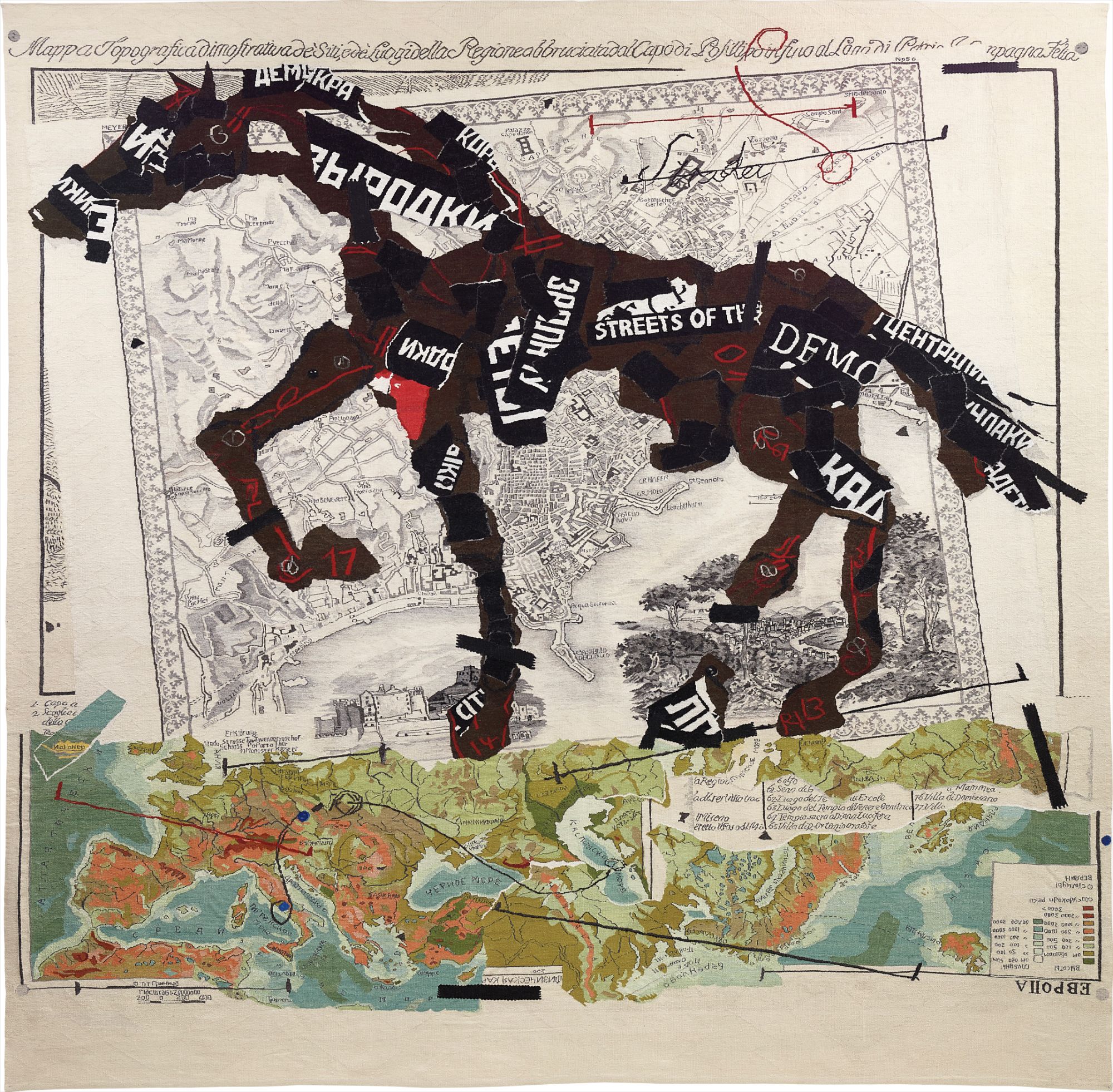
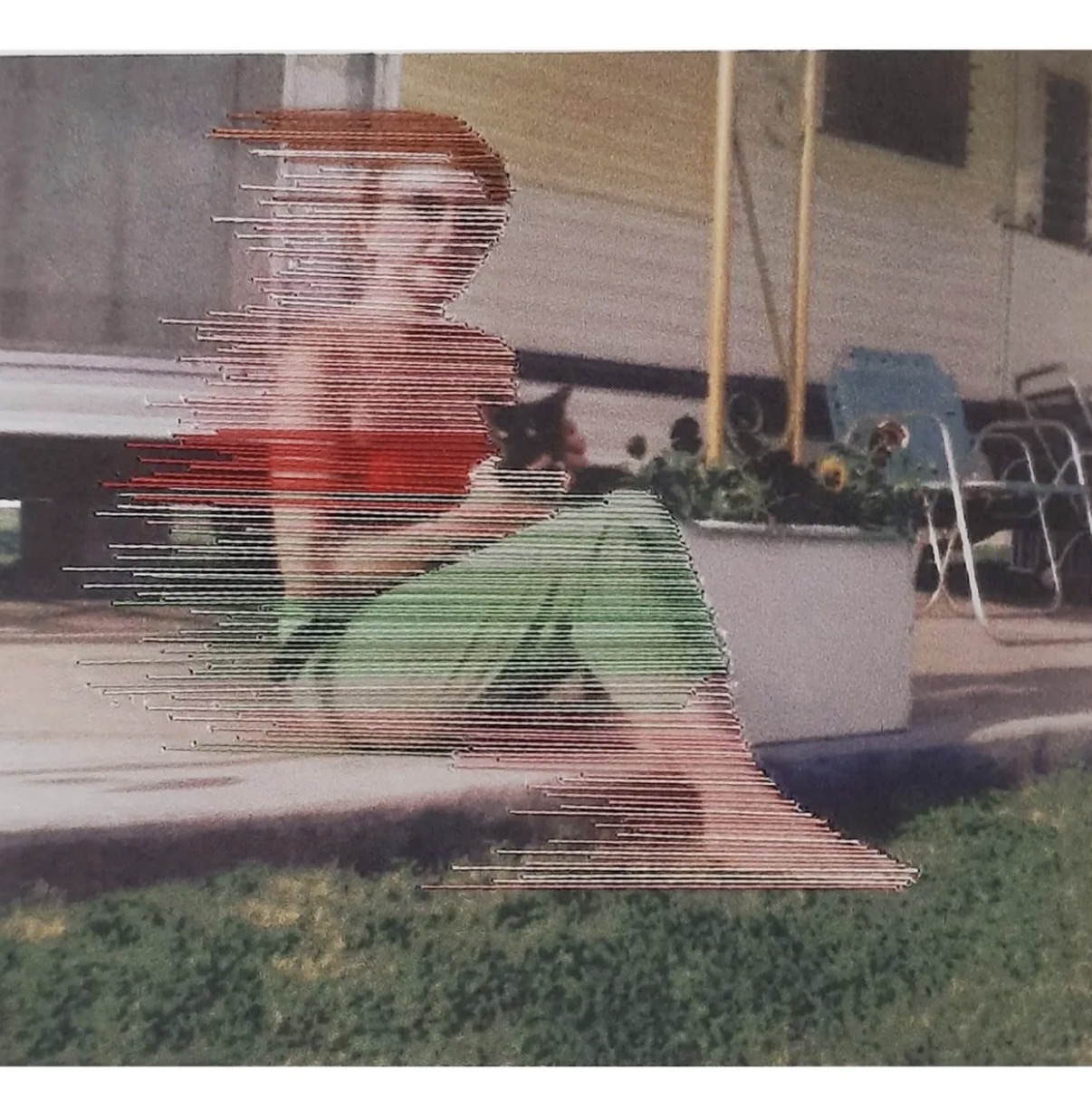
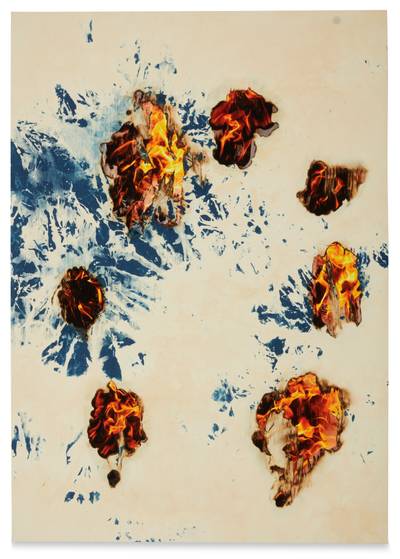
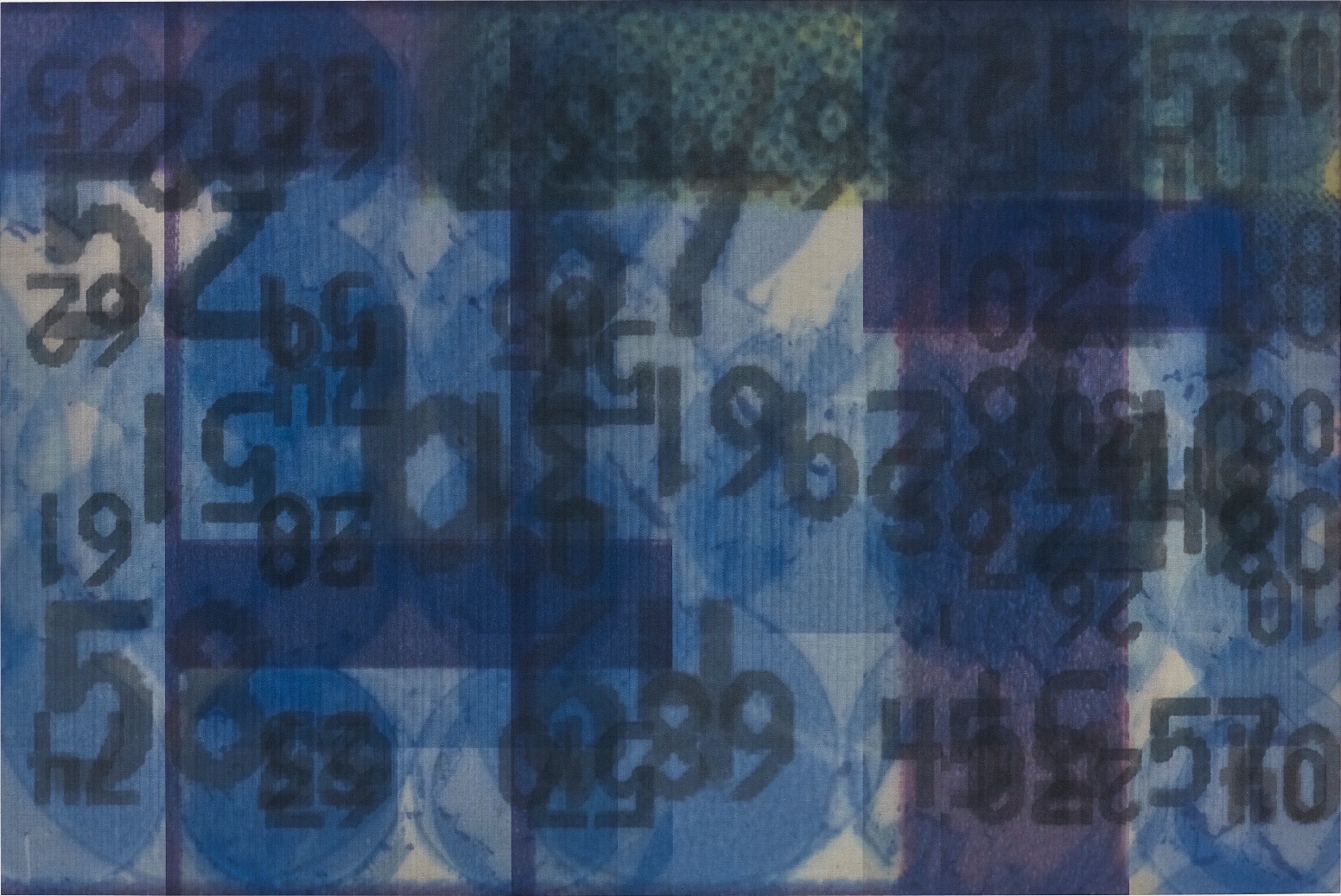
Noel W. Anderson
Dis' Uh So She A Shun, 2021
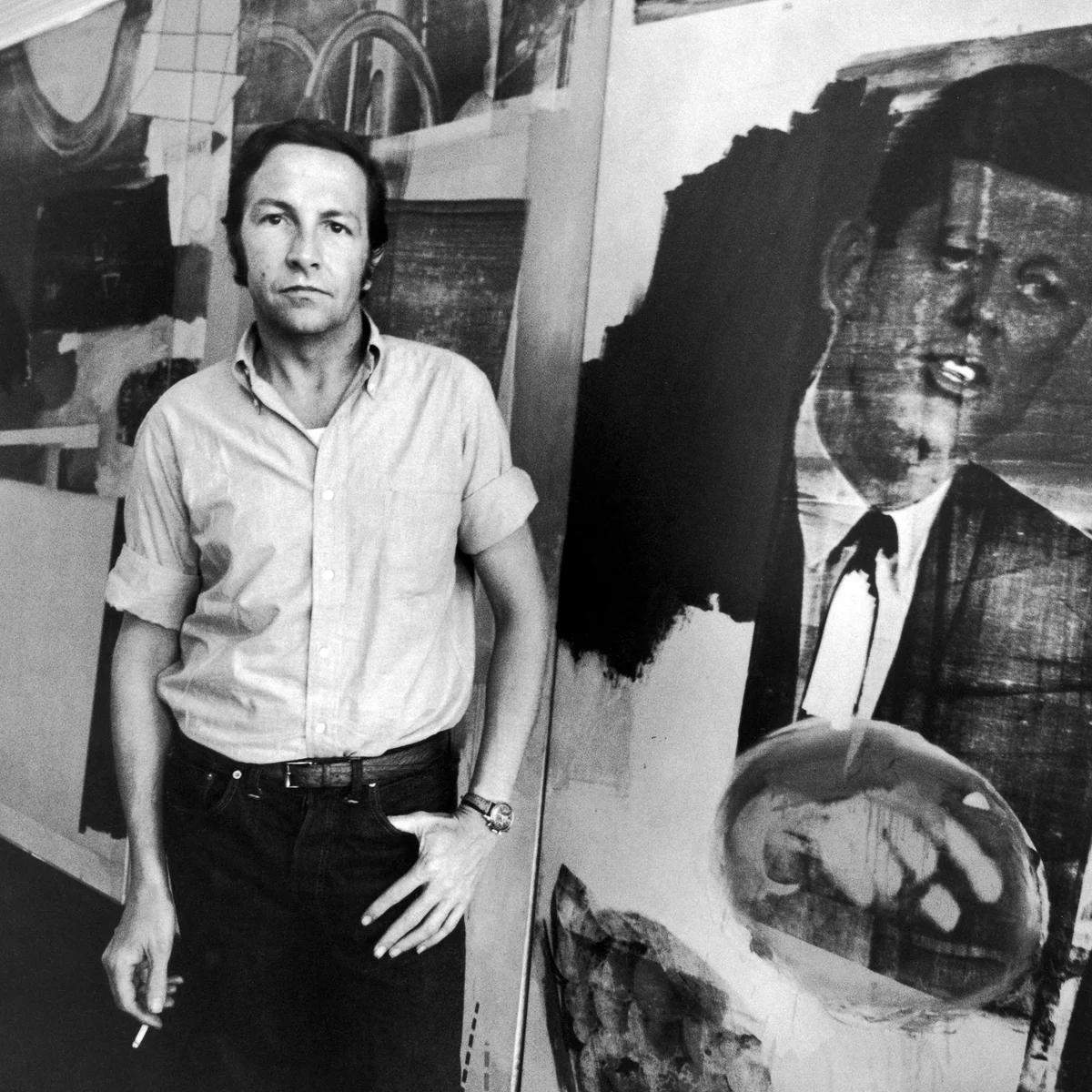
That gap has been closing. Major sales at Christie's, Sotheby's, and Phillips over the past five years have demonstrated renewed institutional and private appetite, particularly for artists whose practices bridge fiber and contemporary conceptual art rather than sitting firmly in either camp. Works by artists such as Robert Rauschenberg, whose combines incorporated fabric and stitching as early as the mid 1950s, or Franz Erhard Walther, whose participatory fabric sculptures anticipated relational aesthetics by decades, have set records that have recalibrated what the field is willing to pay. The lesson for collectors is that textile works by artists with serious critical foundations and strong institutional track records are no longer available at the discounts they once commanded.
Practically speaking, there are important considerations that distinguish textile collecting from other categories. Condition is paramount and also surprisingly fragile. Light damage, in particular, is cumulative and largely irreversible, so UV filtration and controlled display environments are not optional luxuries but genuine preservation necessities. Ask any gallery selling a significant textile work about its exhibition history and any periods of prolonged exposure.
Humidity fluctuation is a secondary concern, particularly for works that incorporate natural fibers or historic materials. On the question of editions versus unique works: most serious textile art in the contemporary market is unique, and that singularity is part of its value proposition. When editions exist, as they occasionally do in print adjacent practices, understand what the edition size means for long term positioning. And when approaching a gallery about a textile acquisition, ask directly about the artist's position on restoration and whether the studio or estate has guidelines.
The best galleries will have already thought carefully about this and will have answers. Textile art rewards collectors who are willing to think beyond the wall and into the room, beyond the visual and into the tactile, beyond the moment of acquisition and into the long conversation that follows. The category has spent too long at the margins of the market, which is exactly why it is worth serious attention now.