Tempera On Paper
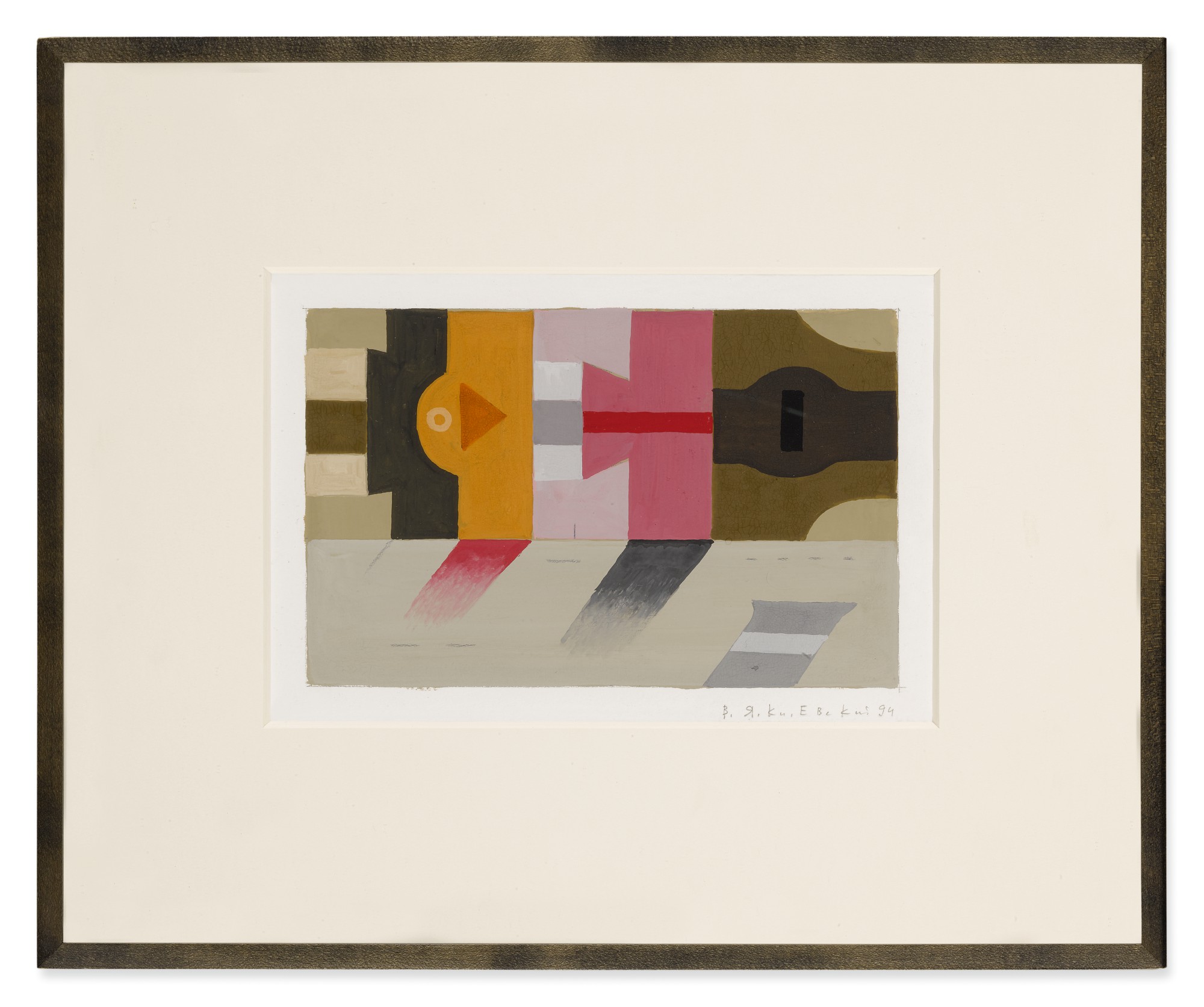
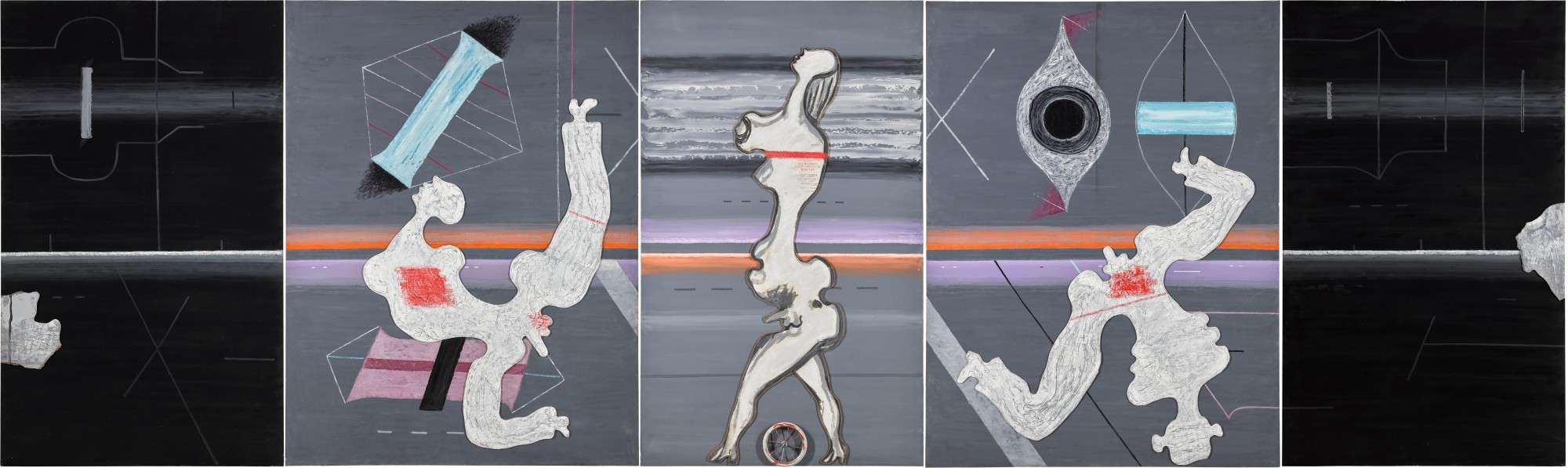
Vladimir Yankilevsky
Space Of Passions



Tempera's Quiet Comeback Is Anything But Quiet
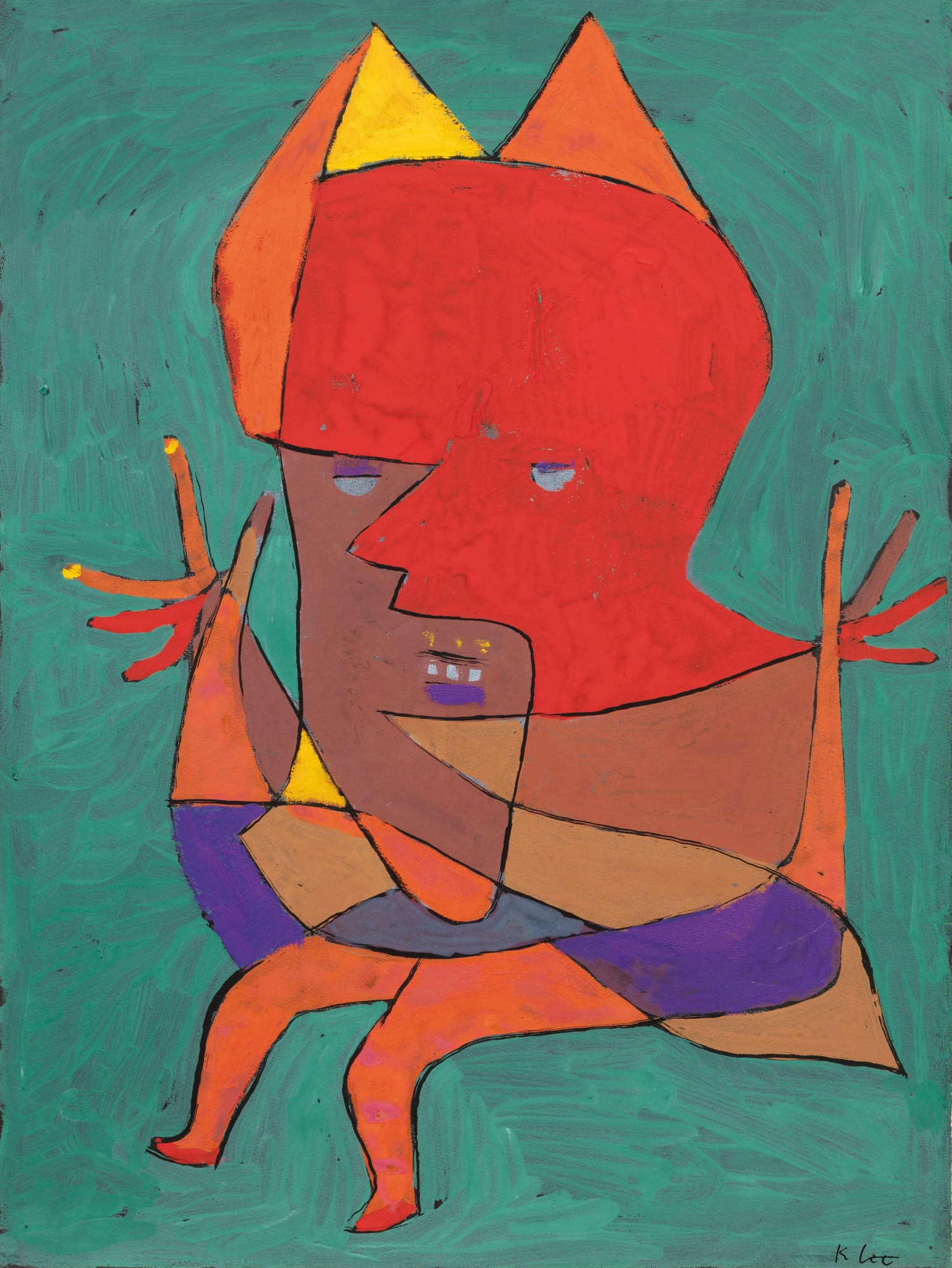
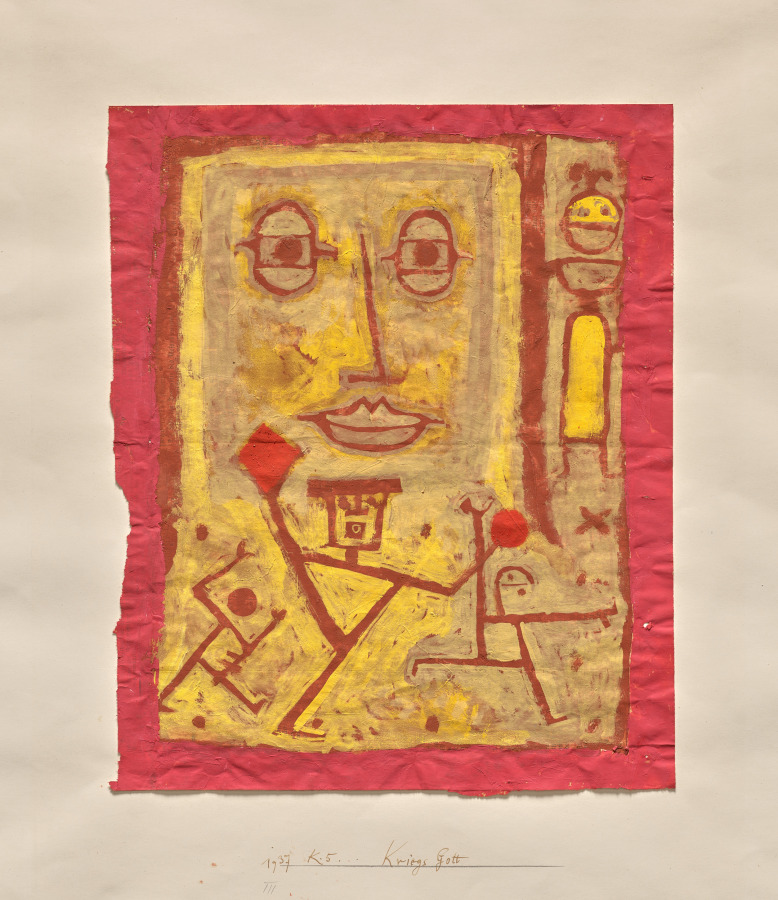
When a small tempera on paper by Paul Klee sold at Christie's for well above its high estimate a few seasons ago, the room paid attention. Not because Klee ever needs a reintroduction, but because the result confirmed something collectors had been quietly discussing for a while: works on paper executed in tempera occupy a genuinely undervalued position in the market, one that serious buyers are now moving to correct. The medium rewards intimacy in a way that oil on canvas rarely does, and the market is beginning to price that intimacy accordingly. Tempera on paper sits at a fascinating crossroads.
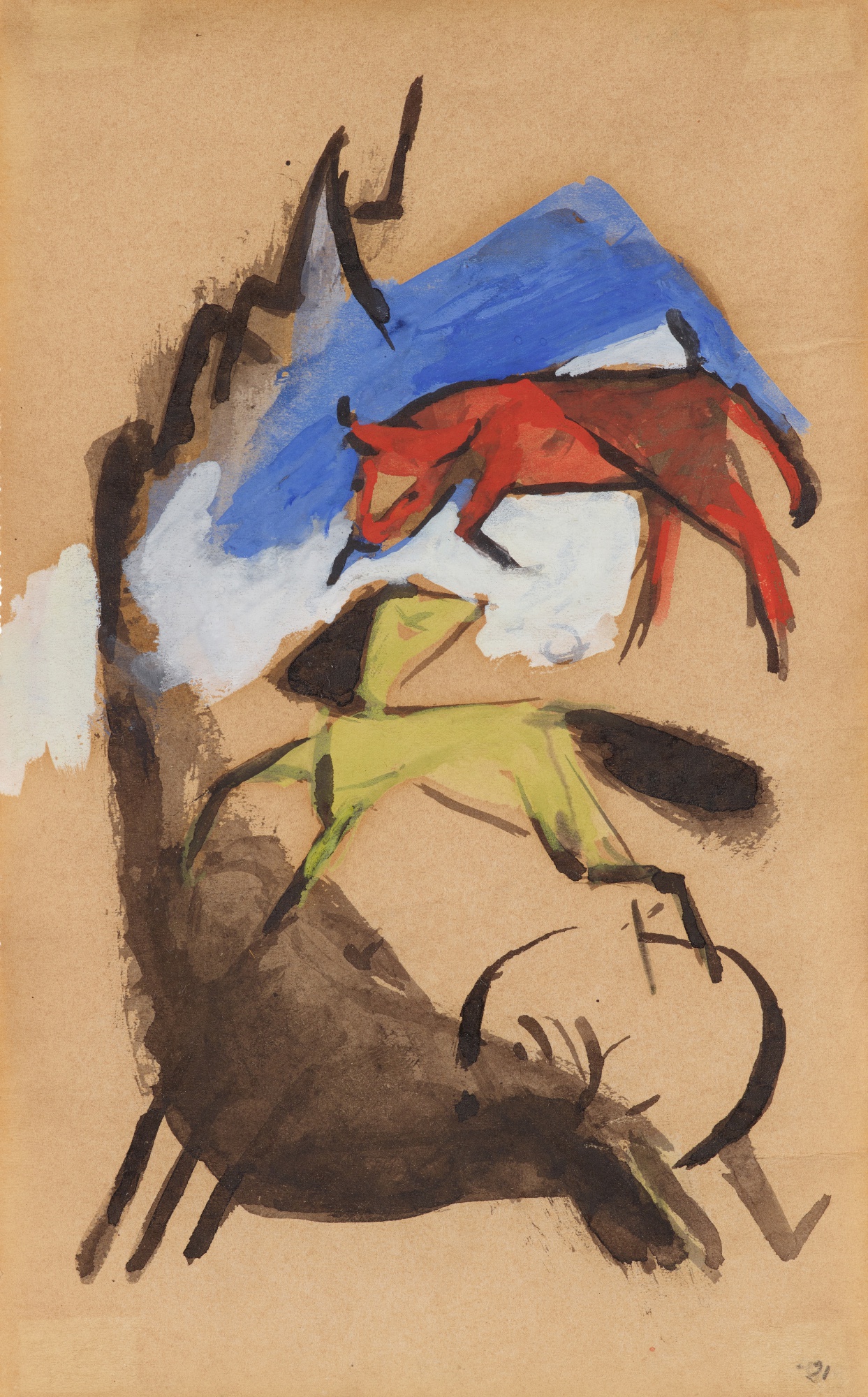
It is both ancient and thoroughly modern, both humble in its materials and astonishing in its expressive range. The egg tempera tradition that runs through the Italian primitives found unlikely descendants in the twentieth century avant garde, where artists discovered that the medium's fast drying time, matte surface, and resistance to blending demanded a kind of decisive mark making that suited their ambitions perfectly. Franz Marc was among those who understood this, and his works on paper from the years before the First World War carry an urgency that his larger canvases sometimes smooth over. There is something about the scale and the surface that compresses feeling.
Franz Marc
Zitronenpferd und Feuerochse, 1913
The exhibition landscape for tempera on paper has been particularly rich in recent years. The Morgan Library and Museum in New York has consistently championed works on paper across all media, and their focused shows on early twentieth century European modernism have helped collectors understand how artists like Marc and Klee used paper not as a rehearsal space but as a primary arena for invention. The Menil Collection in Houston and the Museum of Modern Art have both mounted significant works on paper surveys in the past decade that recalibrated critical attention toward the medium. When institutions of that weight commit to a format, the market listens.
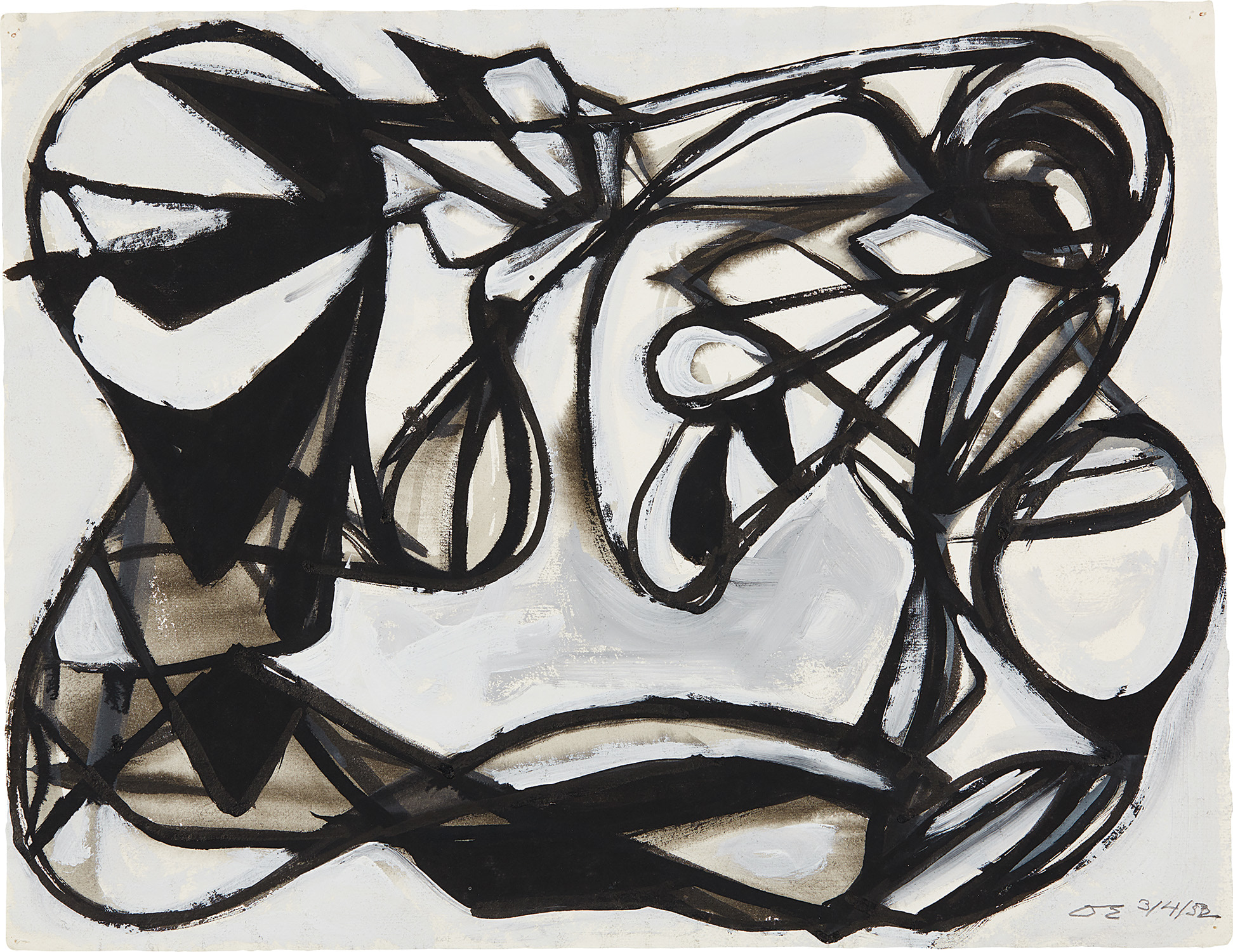
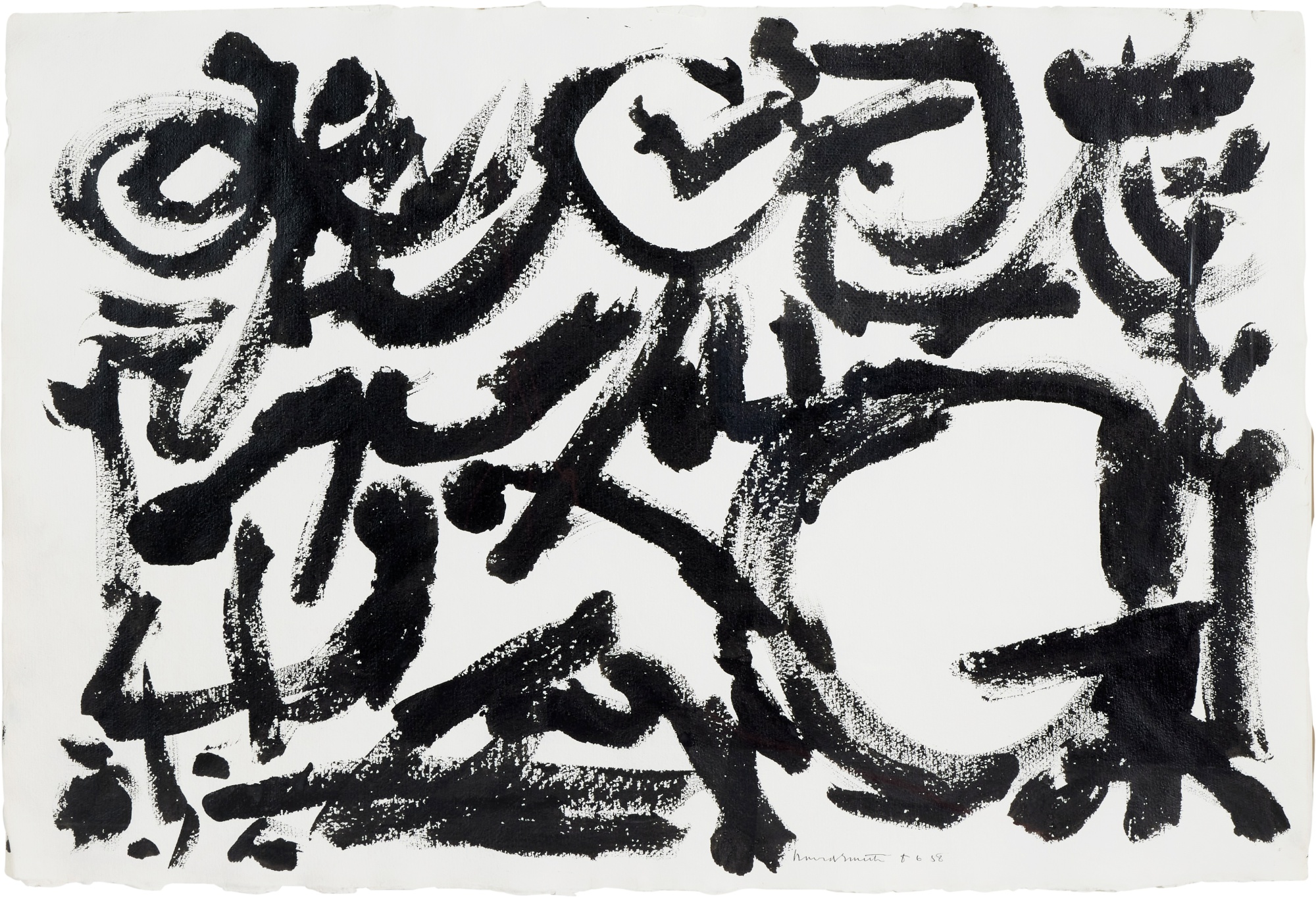
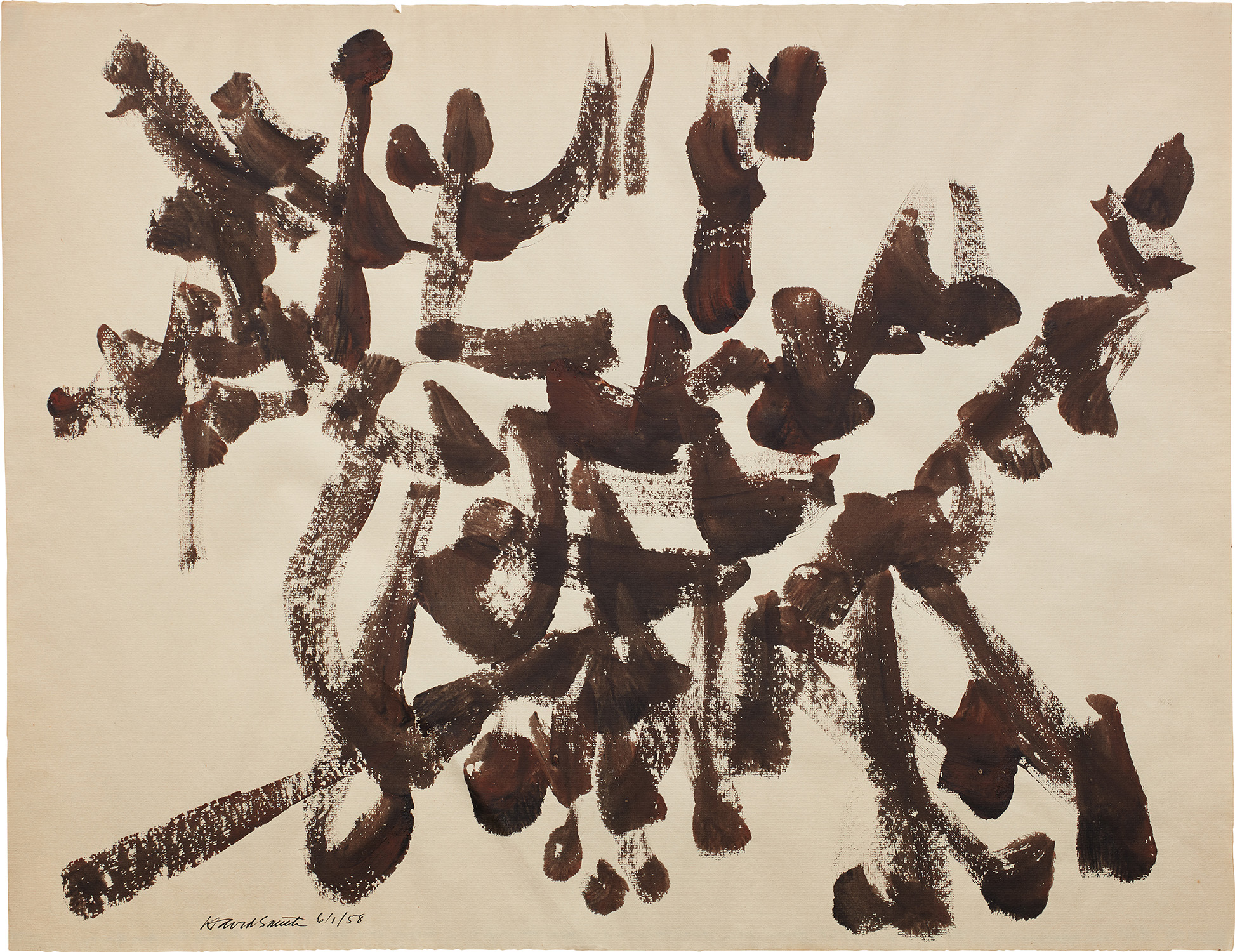
Among the artists well represented on The Collection, the auction records tell an interesting story about where the real appetite lives. Mark Tobey's tempera works on paper have attracted serious attention at auction, particularly pieces from his mature period when he was developing what he called white writing, a calligraphic surface language that tempera allowed him to build with extraordinary control. His smaller works on paper have moved at prices that reflect genuine collector conviction rather than speculative positioning. David Smith, better known for his monumental steel sculpture, produced works on paper that reveal a completely different sensibility, and when these appear at auction they tend to generate disproportionate excitement among collectors who understand how much the drawings and tempera works illuminate his sculptural thinking.
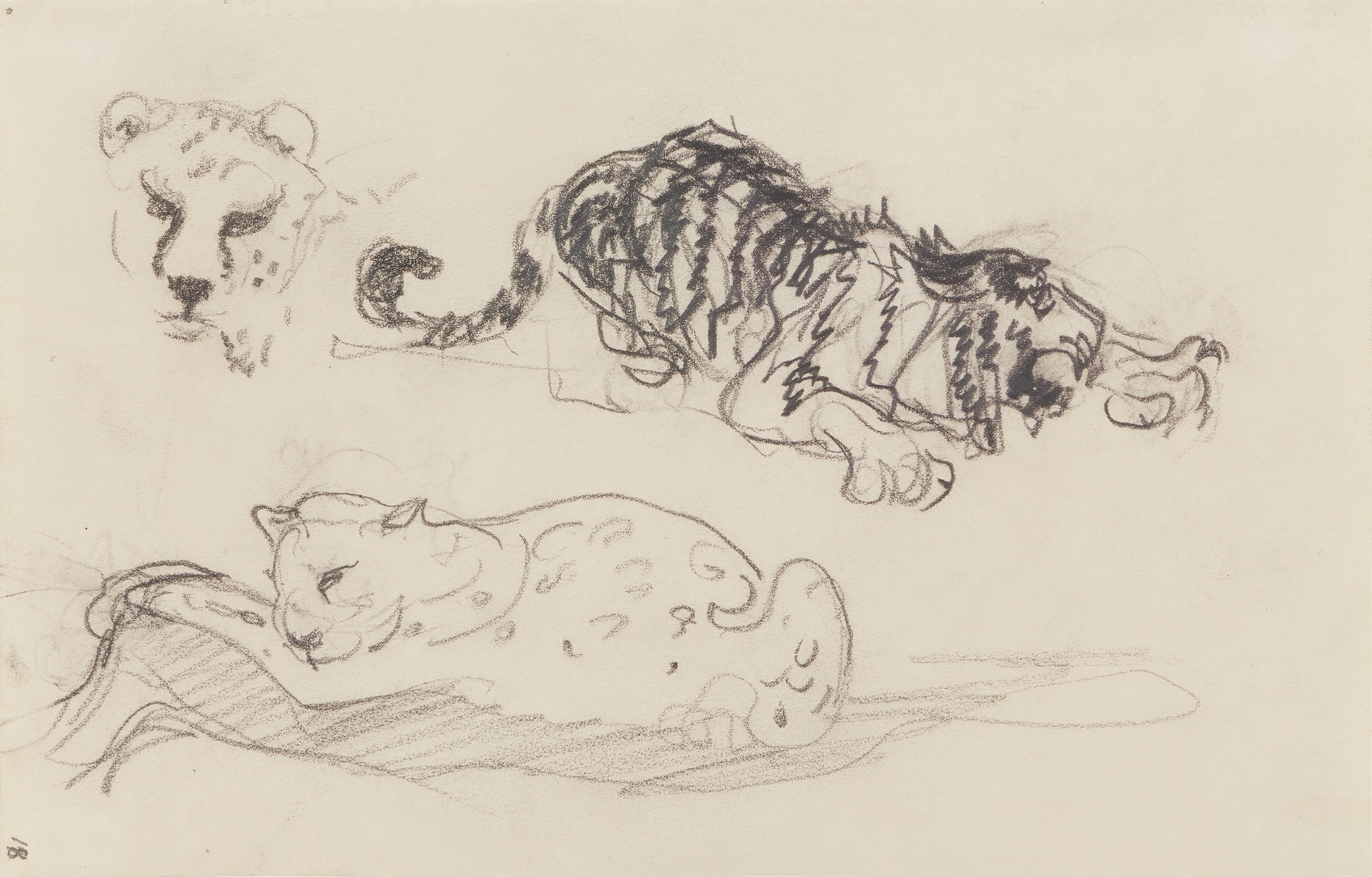
David Smith
Executed on June 1, 1958.
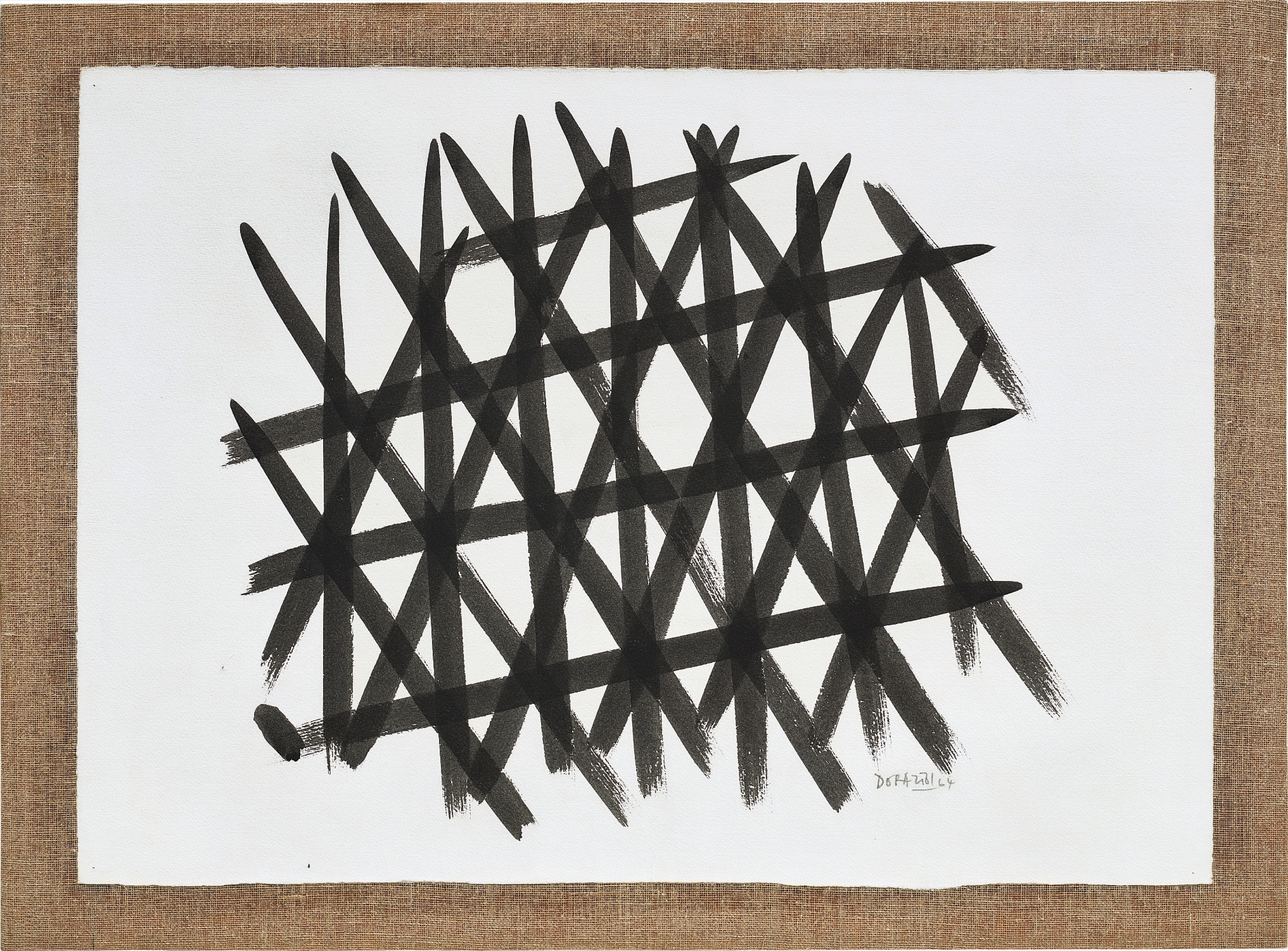
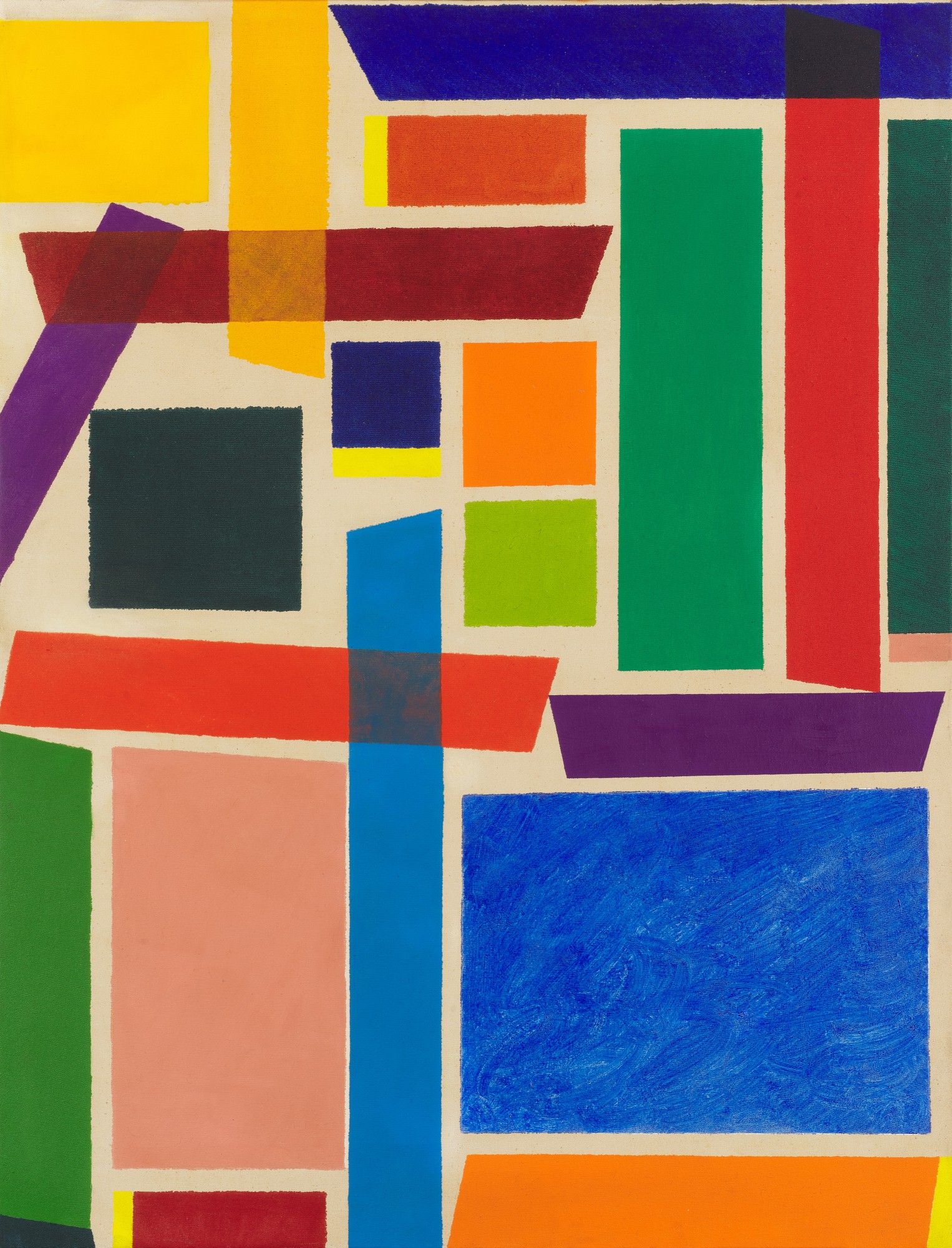
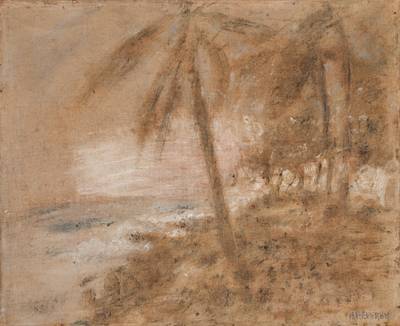
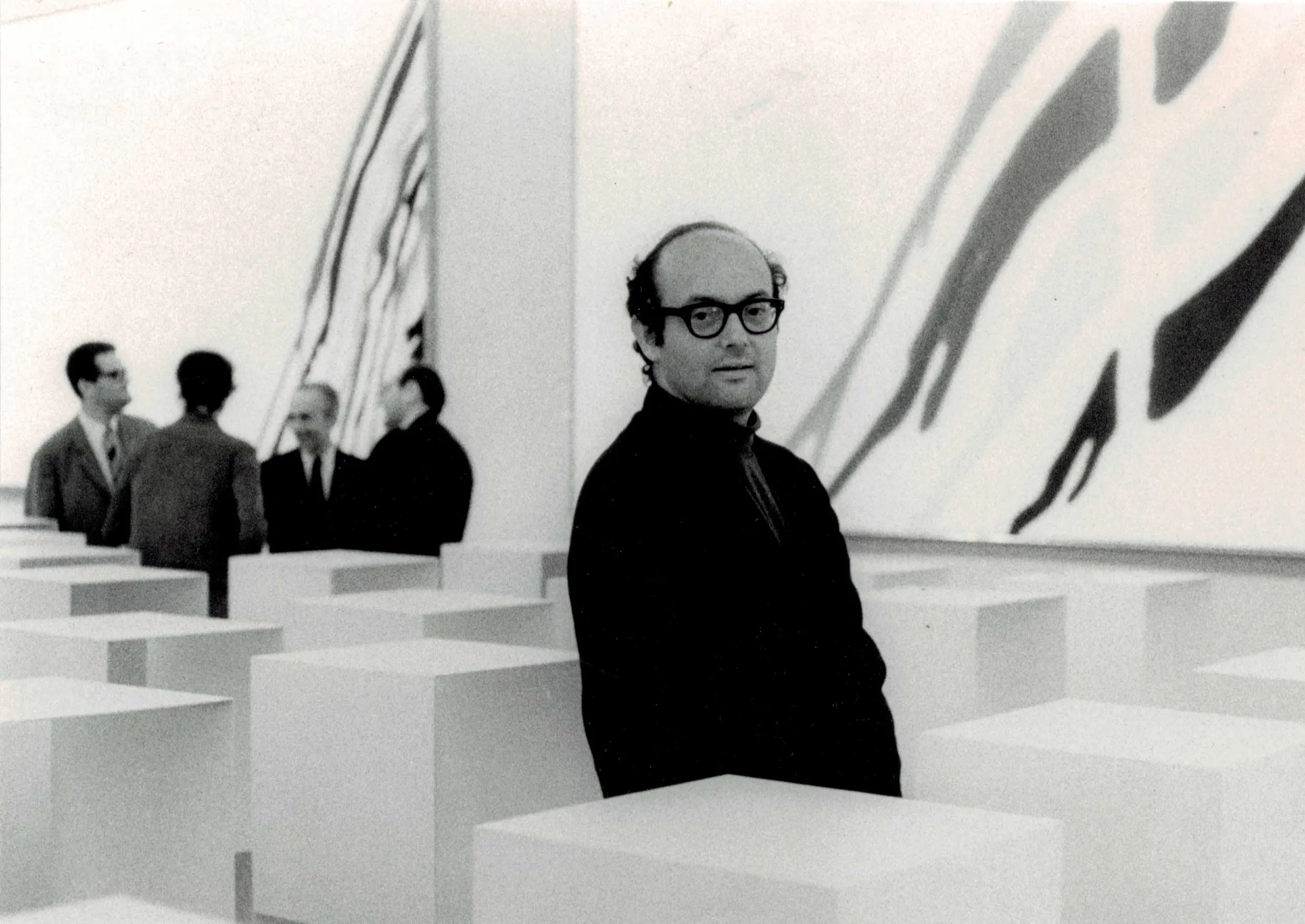
Piero Dorazio's contribution to this conversation is worth pausing on. His tempera works on paper distill his commitment to color as structure into something portable and concentrated. The Italian art market has long understood his significance, but international buyers are increasingly competing for his smaller works, pushing prices upward in ways that suggest a correction was overdue. Alongside Dorazio, the Venezuelan master Armando Reverón occupies a singular position: his works on paper are among the most sought after in Latin American modernism, and institutions from the Museum of Fine Arts Houston to the Reina Sofía in Madrid have helped build the scholarship that now supports his market standing.
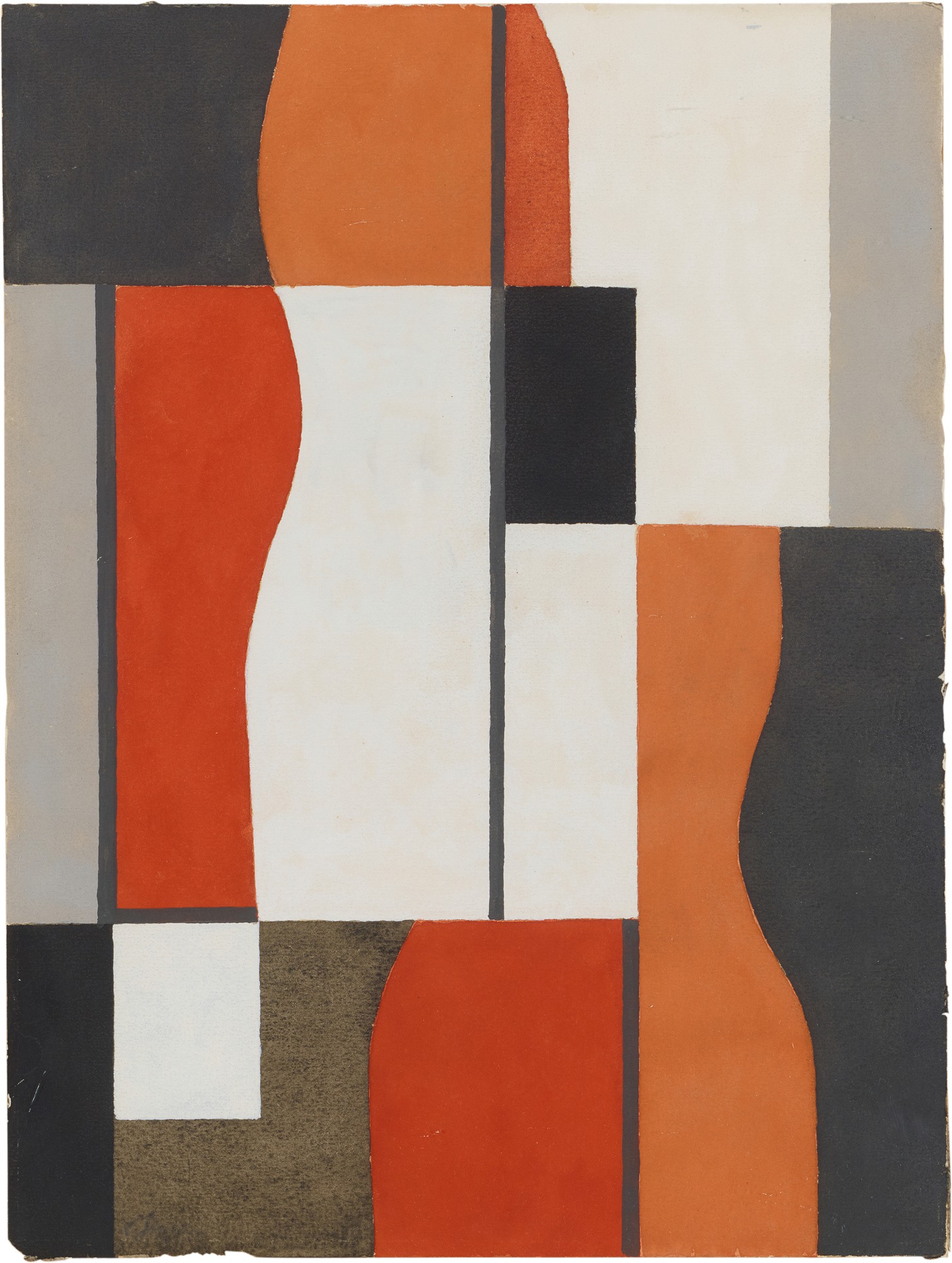
The critical conversation around tempera on paper has been shaped in meaningful ways by a generation of curators who resist the hierarchy that places painting above works on paper. Scholars associated with the Drawing Center in New York have argued consistently that the separation is artificial and historically distorting. Publications like the Burlington Magazine and, more recently, online platforms with serious editorial standards have published research that reframes artists like Rudolf Jahns and Vladimir Yankilevsky as central rather than peripheral figures in their respective traditions. Jahns in particular, working in Germany through much of the twentieth century, produced tempera works on paper of startling geometric and coloristic sophistication that are only now receiving the attention they deserve outside German speaking markets.
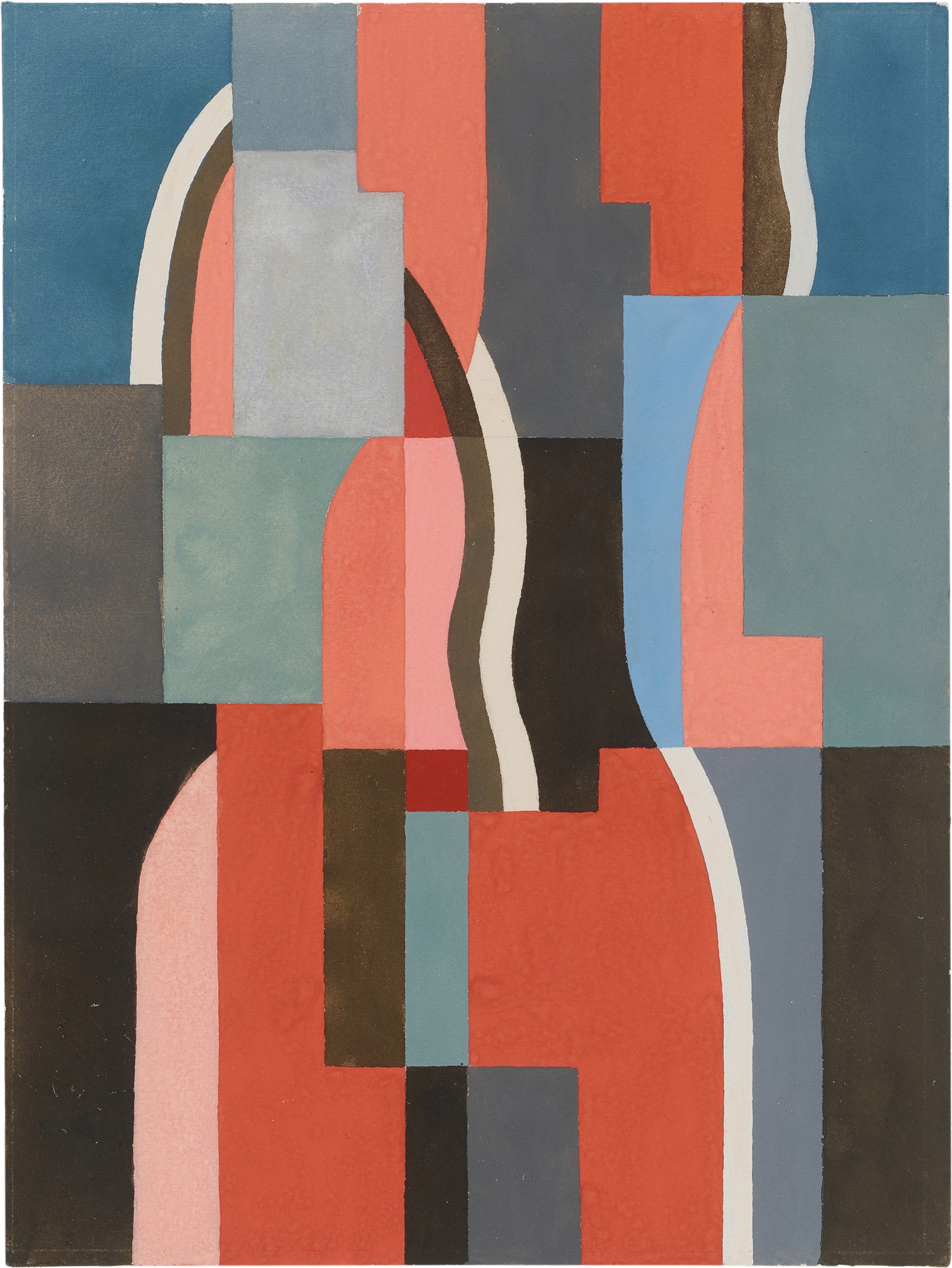
Rudolf Jahns
Akt im Raum (Nr. 164) (Nude in the Room (No. 164)), 1970
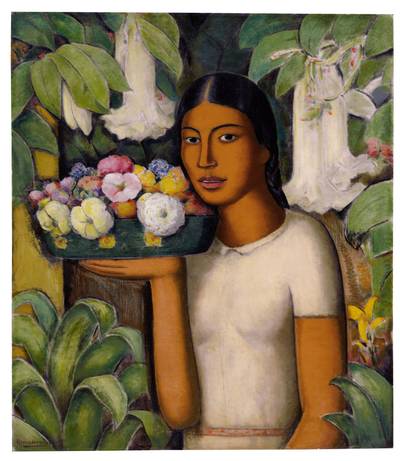
Institutional collecting in this space is accelerating in ways that signal longer term value. The Hammer Museum's recent acquisitions program has emphasized works on paper, and several major American university art museums have identified tempera works as a category where their dollars achieve maximum scholarly and aesthetic impact. Sol LeWitt's works on paper, which blend conceptual rigor with an almost tender relationship to the physical surface, have entered major institutional collections on both sides of the Atlantic, and his presence alongside painters, sculptors, and muralists in this category speaks to how elastic the form really is. Alfredo Ramos Martínez, whose tempera works bridge Mexican muralism and European modernism, has benefited from renewed institutional interest in the broader Latin American canon.
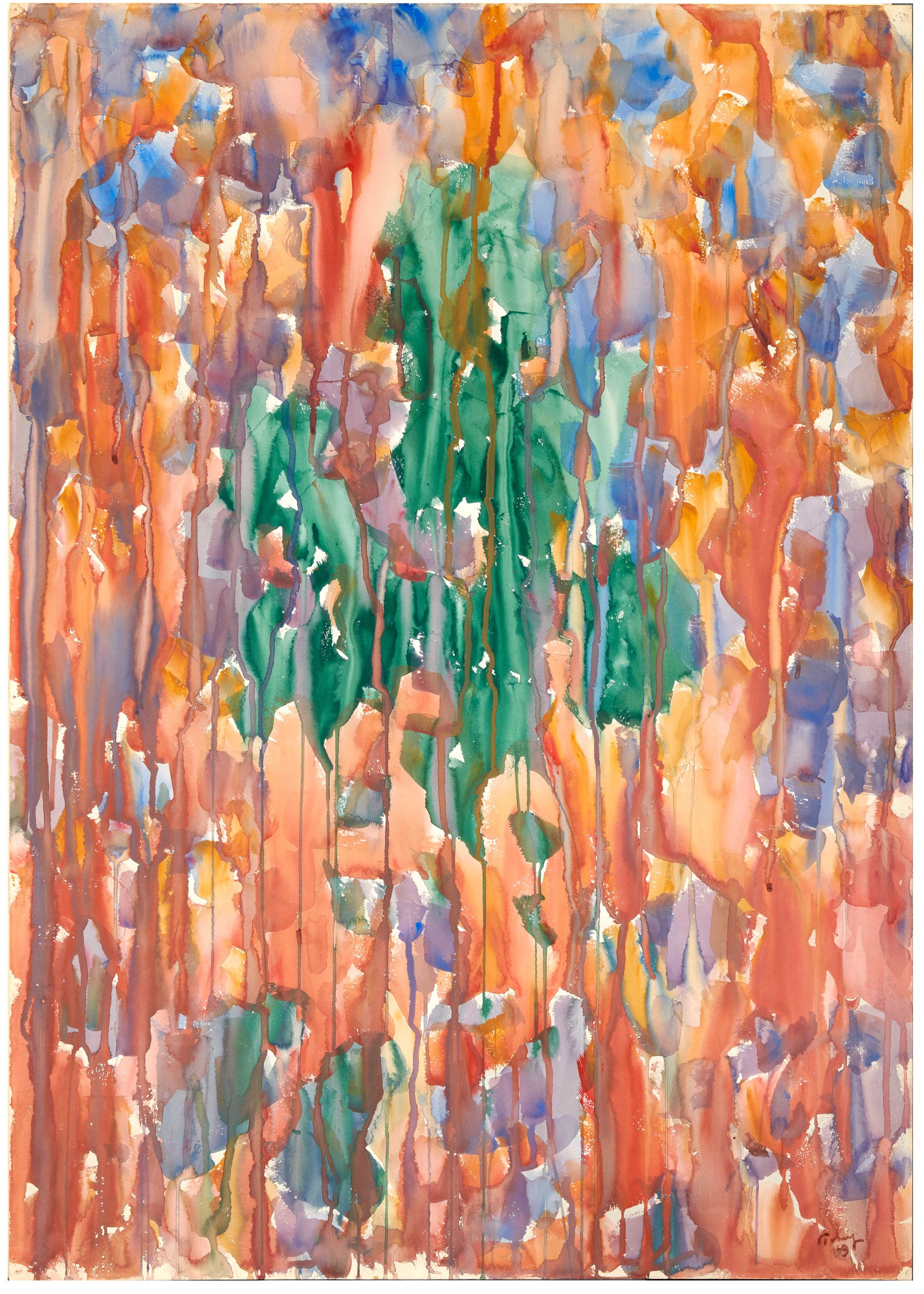
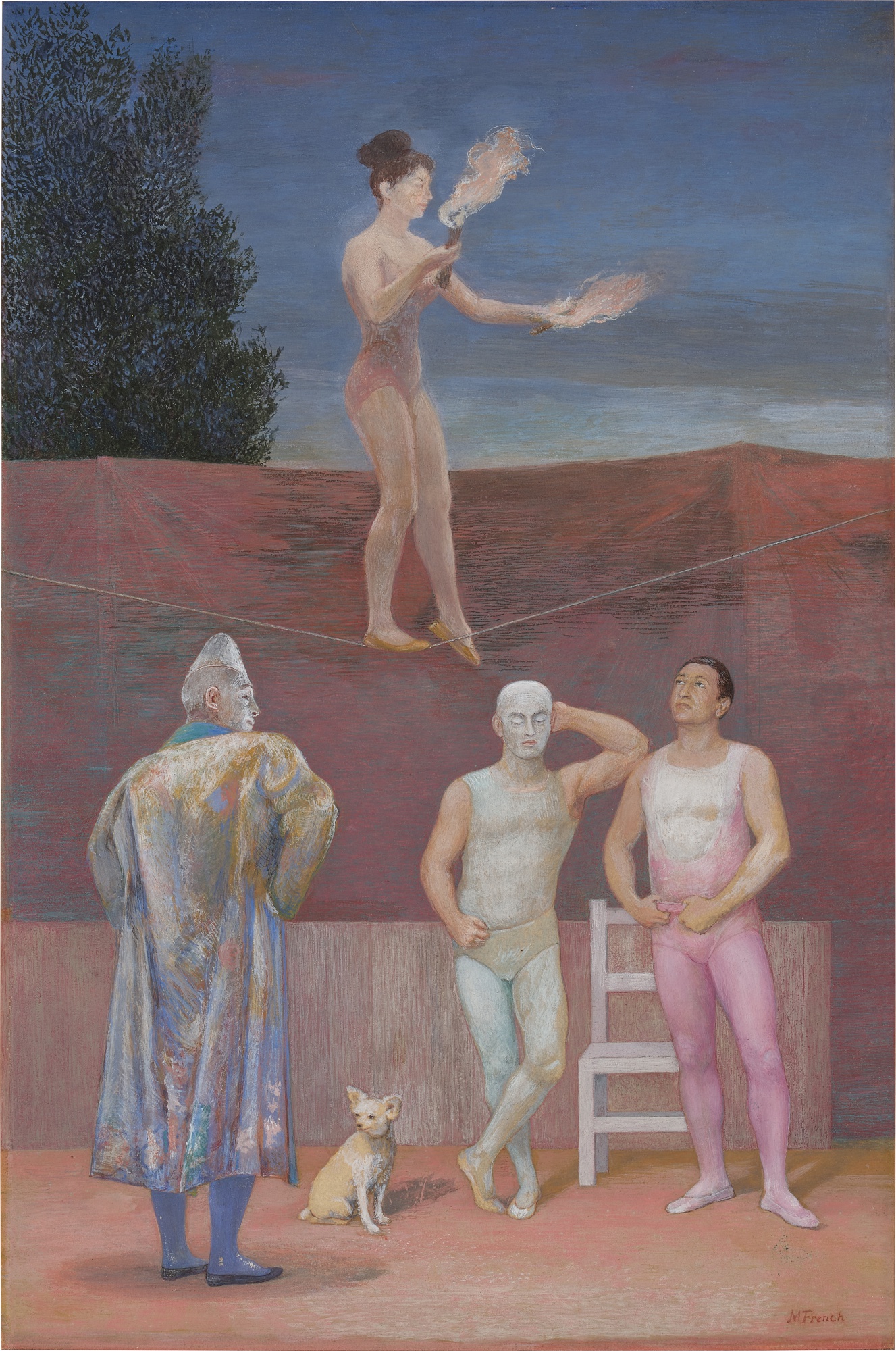
What feels alive right now is the discovery dimension of the market. Collectors who arrived at tempera on paper through canonical names are beginning to look sideways at figures like Margaret Hoening French and Tomás Sánchez, artists whose work in the medium represents genuine collecting opportunities before the broader market catches up. Sánchez in particular, the Cuban born painter whose meditative landscapes have attracted a devoted following in Latin America and Spain, produces tempera works of remarkable stillness that belong in serious collections. The energy around his work has been building steadily, and the institutional validation that tends to precede a market step change feels close.
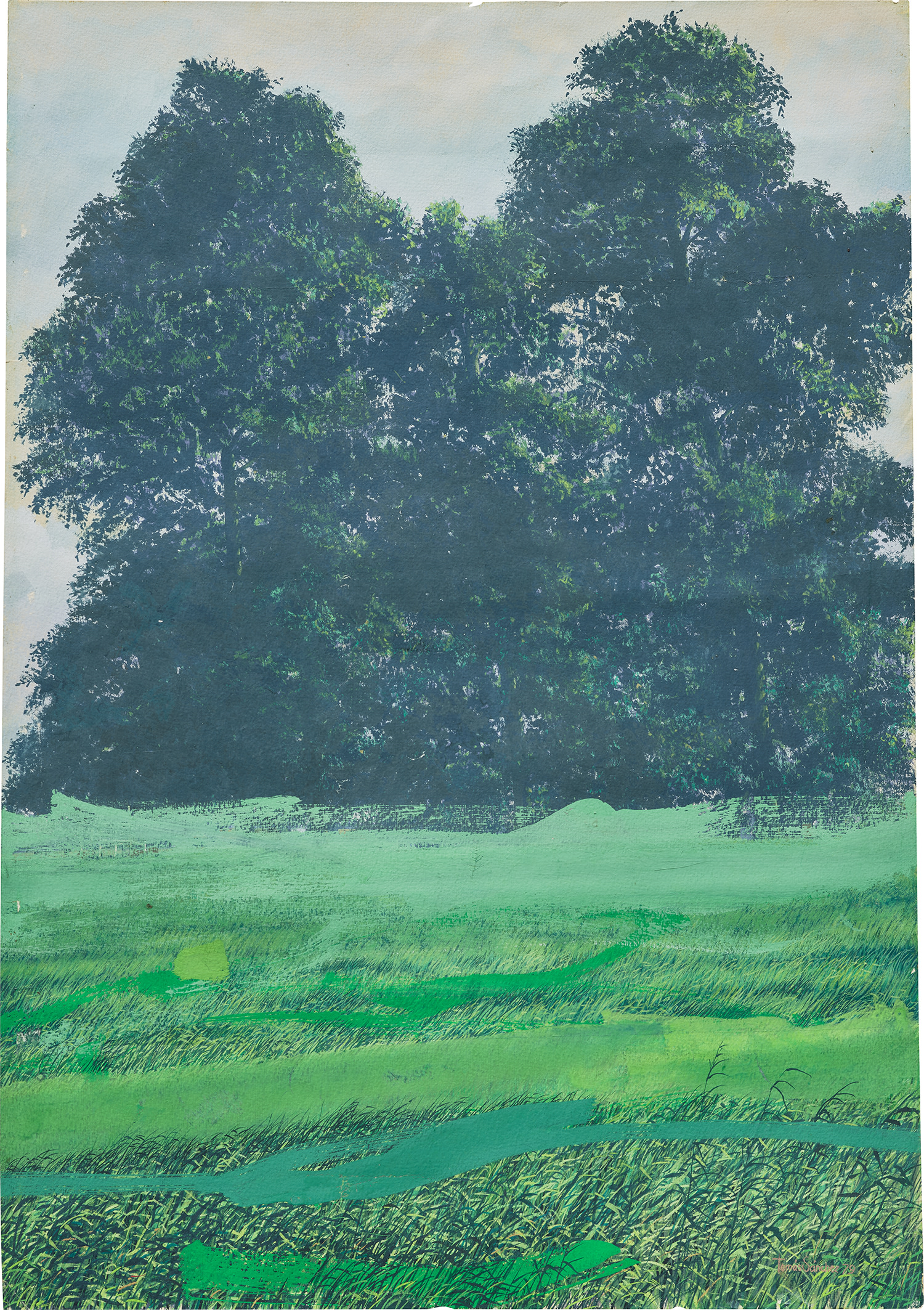
Tomás Sánchez
Liberación del verde, 1979
The deeper truth about tempera on paper is that it rewards the kind of looking that the best collectors bring to their practice. These are not works that announce themselves across a fair booth. They ask you to come closer, to adjust your eyes, to slow down. In a market that sometimes feels addicted to scale and spectacle, that quality feels not like a limitation but like a distinct advantage.
The collectors who understand this are building collections that will look very intelligent in twenty years.