Systematic Painting
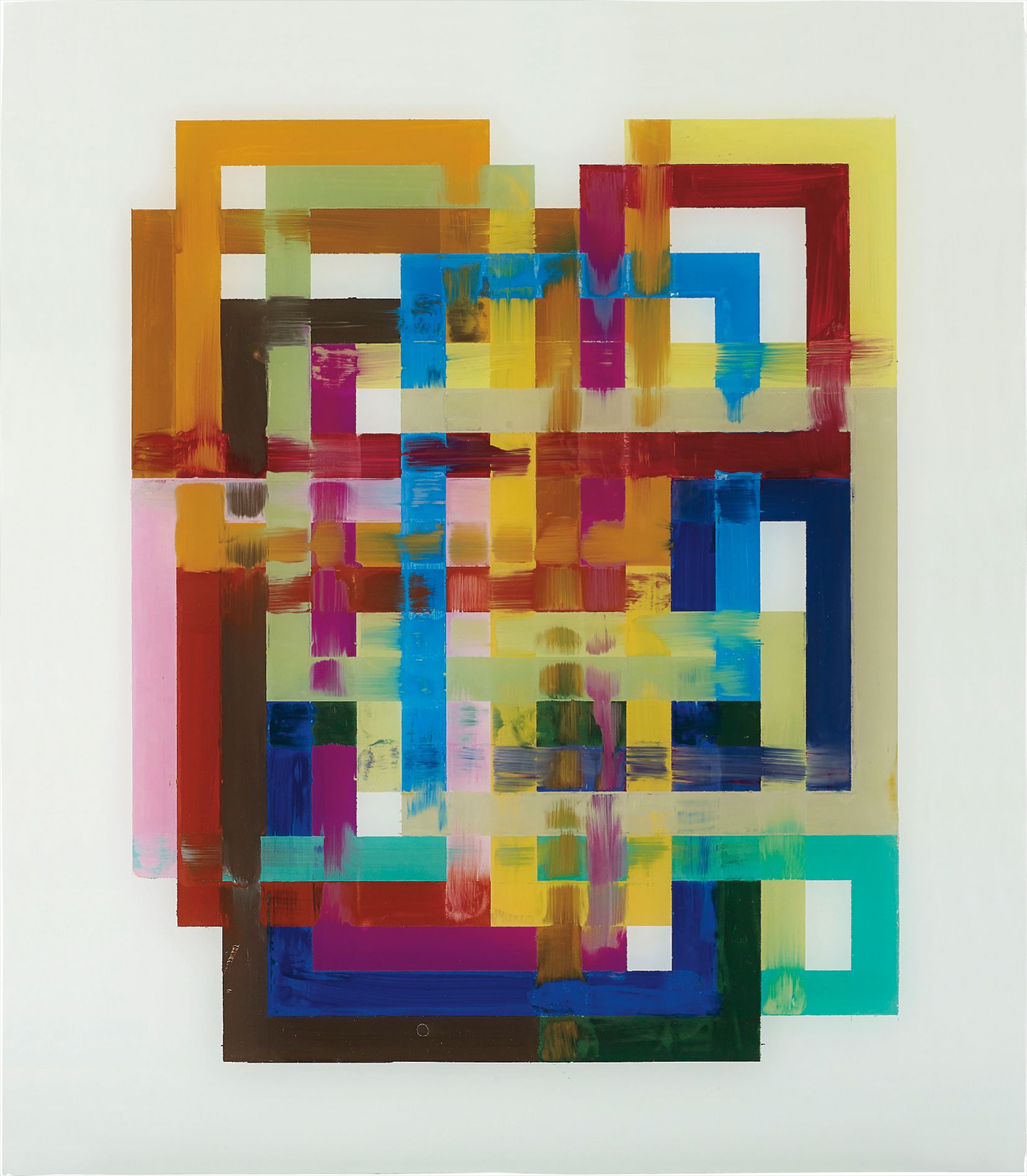
Bernard Frize
Juillet
Rules Made to Be Followed Forever
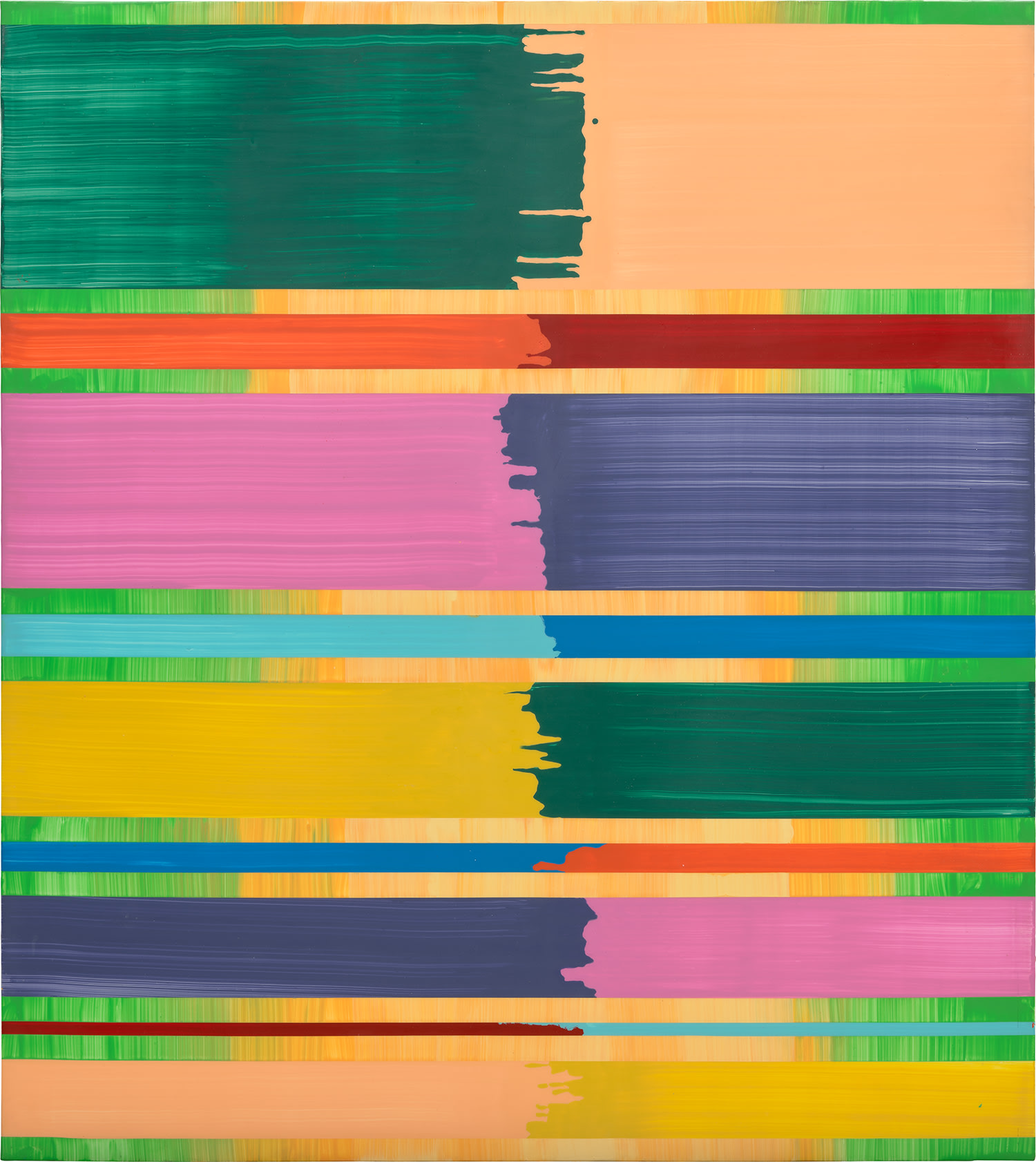
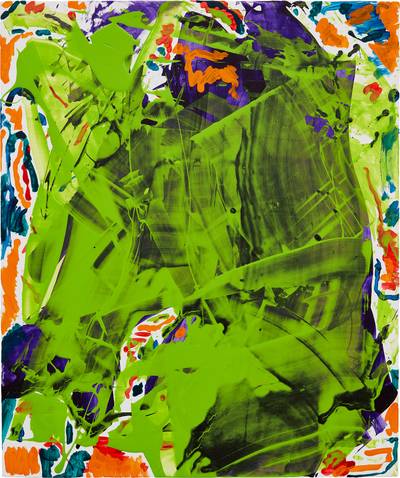
When a Bernard Frize canvas sold at Christie's Paris for well over six figures in recent years, the bidding told a particular story. Collectors were not simply responding to beauty, though the work is undeniably beautiful. They were paying for a kind of proof, a verification that a set of instructions had been faithfully carried out, that the painting before them was the inevitable result of a system rather than a mood. That distinction, once considered an art world curiousity, has become one of the more serious positions a collector can take.
Systematic painting occupies a strange and genuinely exciting place in the current market. It resists easy decoration while rewarding sustained looking. It generates work that is simultaneously impersonal and deeply expressive, which sounds like a paradox but turns out, in practice, to feel like a revelation. The artists working in this mode tend to be rigorous thinkers who happen to also make things of considerable visual power, and the collecting community has caught on in ways that felt unimaginable even fifteen years ago.
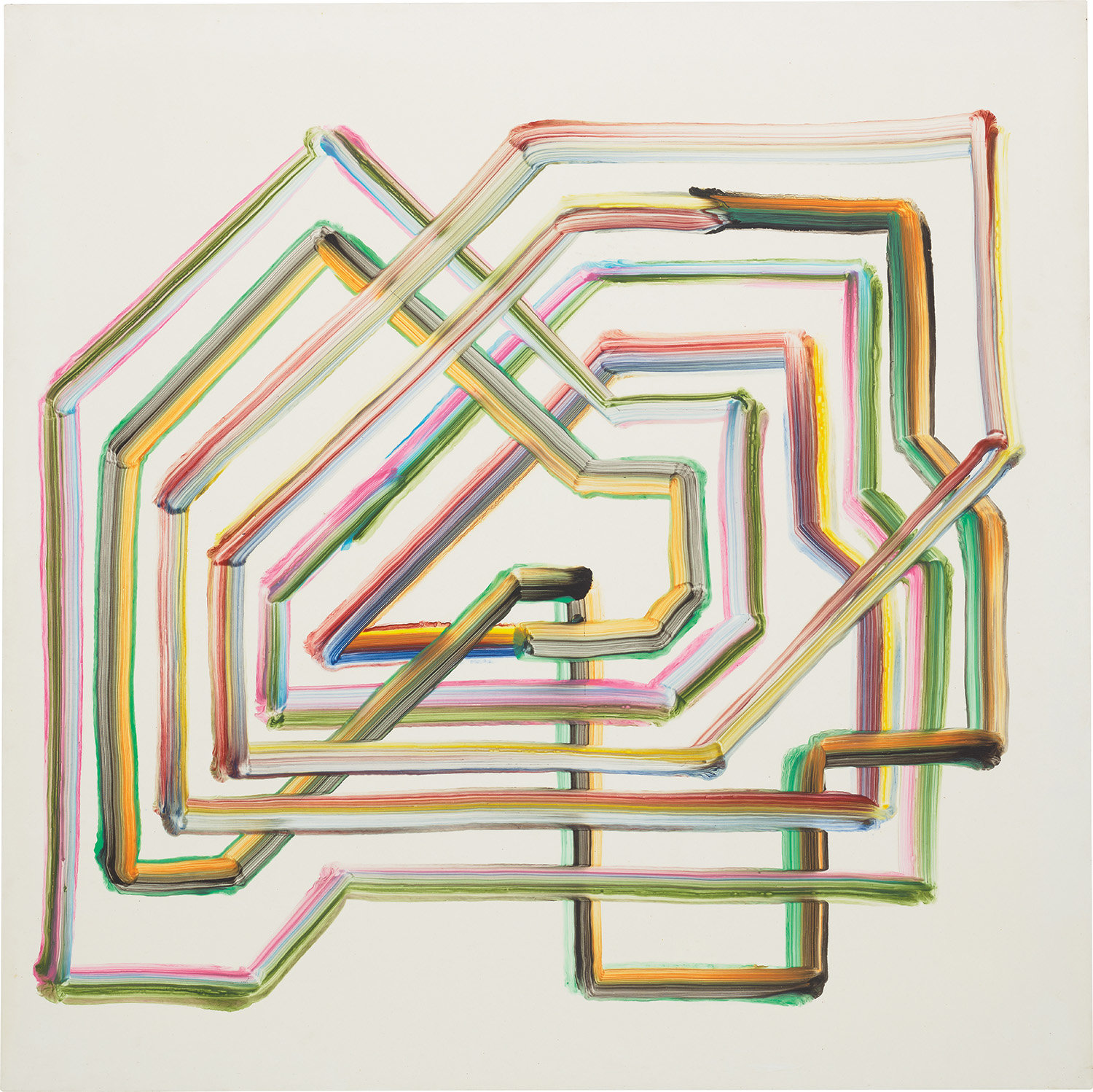
Bernard Frize
Juillet
Museum programming has played a significant role in building this audience. The Centre Pompidou has long championed artists working at the intersection of concept and craft, and their sustained attention to figures like Bernard Frize, who taught at the Staedelschule in Frankfurt and whose work engages directly with the logic of process, helped establish a European critical framework for systematic approaches to painting. The Museum of Modern Art in New York has similarly used its collection and programming to argue that there is no meaningful divide between conceptual rigour and painterly pleasure. Retrospectives and focused group shows in the 2010s drew connections across generations, linking the foundational strategies of Sol LeWitt to younger practitioners who were rethinking what a rule could do.
Sol LeWitt is the necessary ancestor here, and his presence on The Collection signals that any serious engagement with this category has to begin with his contribution. His wall drawings and structures proposed something radical: that the idea itself is the work, and that execution is almost incidental, or at least transferable. That logic opened a door through which an entire generation of painters walked, asking what happened when you applied similar thinking not to line and instruction but to pigment, surface, and the physical act of applying paint to canvas. Cheyney Thompson, whose work is also represented on The Collection, pursues this question with almost scientific intensity, using chromatographic systems and procedural constraints to produce canvases that feel both inevitable and surprising.
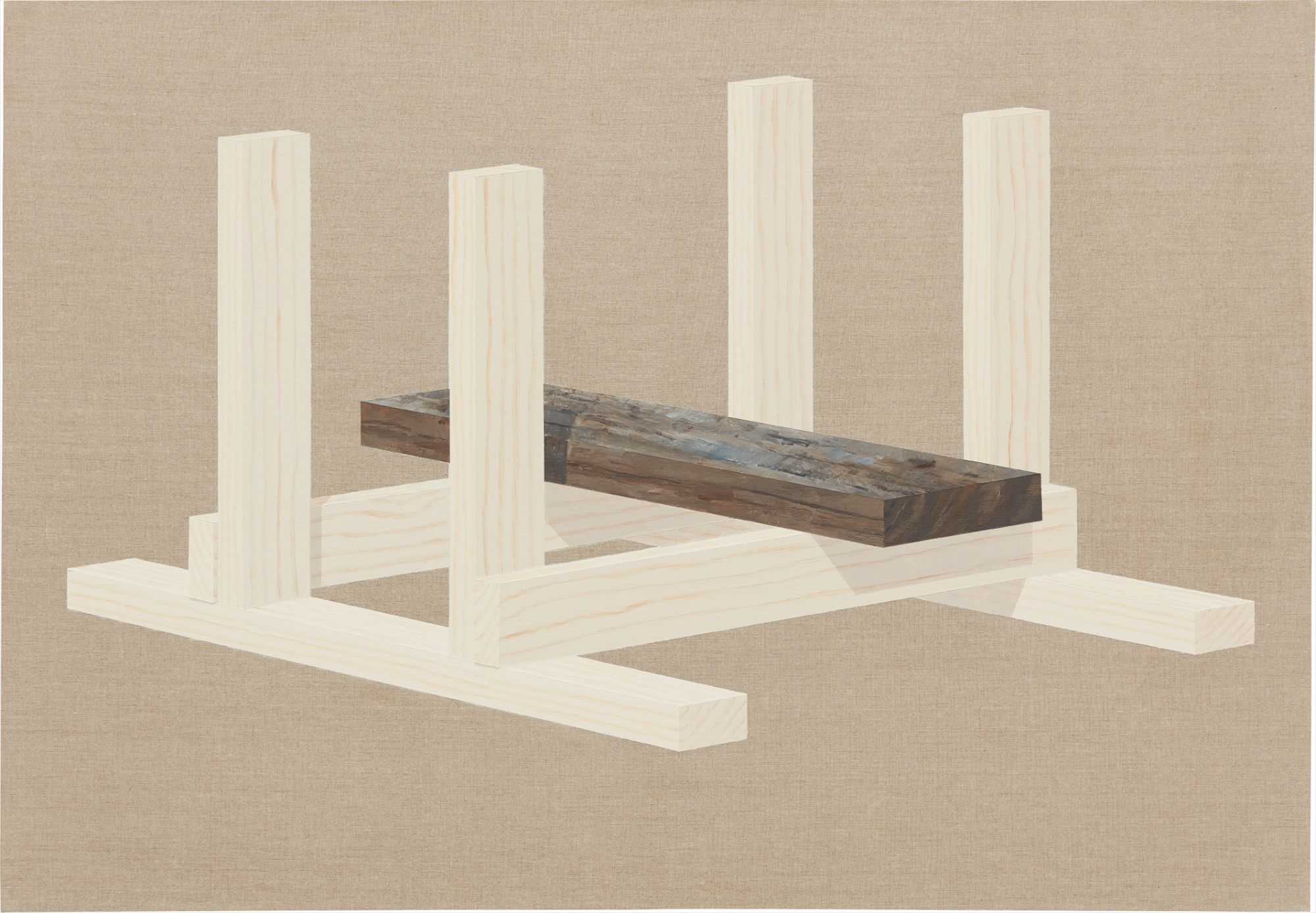
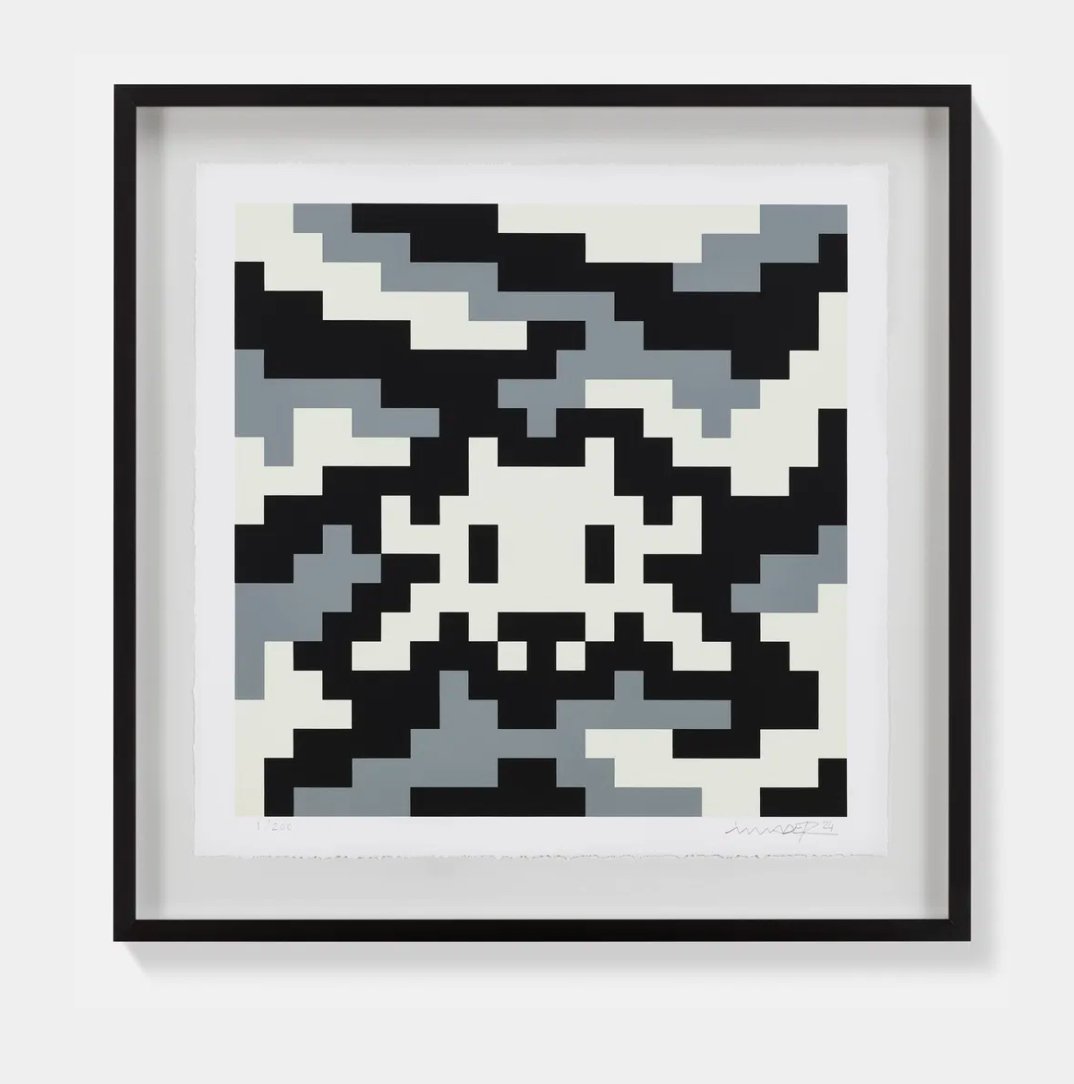
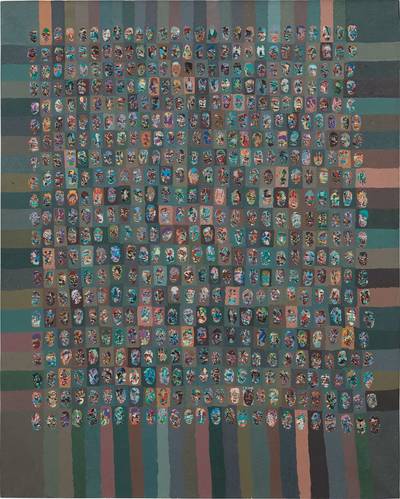
Cheyney Thompson
1998 (ct-0318), 2004
The auction market has responded to this seriousness with seriousness of its own. Frize commands strong prices at Phillips, Sotheby's, and Christie's, with works from his signature collaborative and procedural series drawing consistent interest from European and American collectors. Keith Tyson, whose practice extends systematic thinking into territory that is genuinely unpredictable, using generative processes and chance operations that recall but also challenge the legacy of John Cage, has seen renewed auction interest as collectors seek out artists who build genuine complexity into their methods. Tom Phillips, one of the more underappreciated figures in this conversation, brings a literary and almost archaeological dimension to systematic work.
His ongoing treatment of W.H. Mallock's novel, the project known as A Humument, demonstrates that a system applied with patience and intelligence can become something close to a life's work. Institutional collecting in this space is as instructive as the auction results.
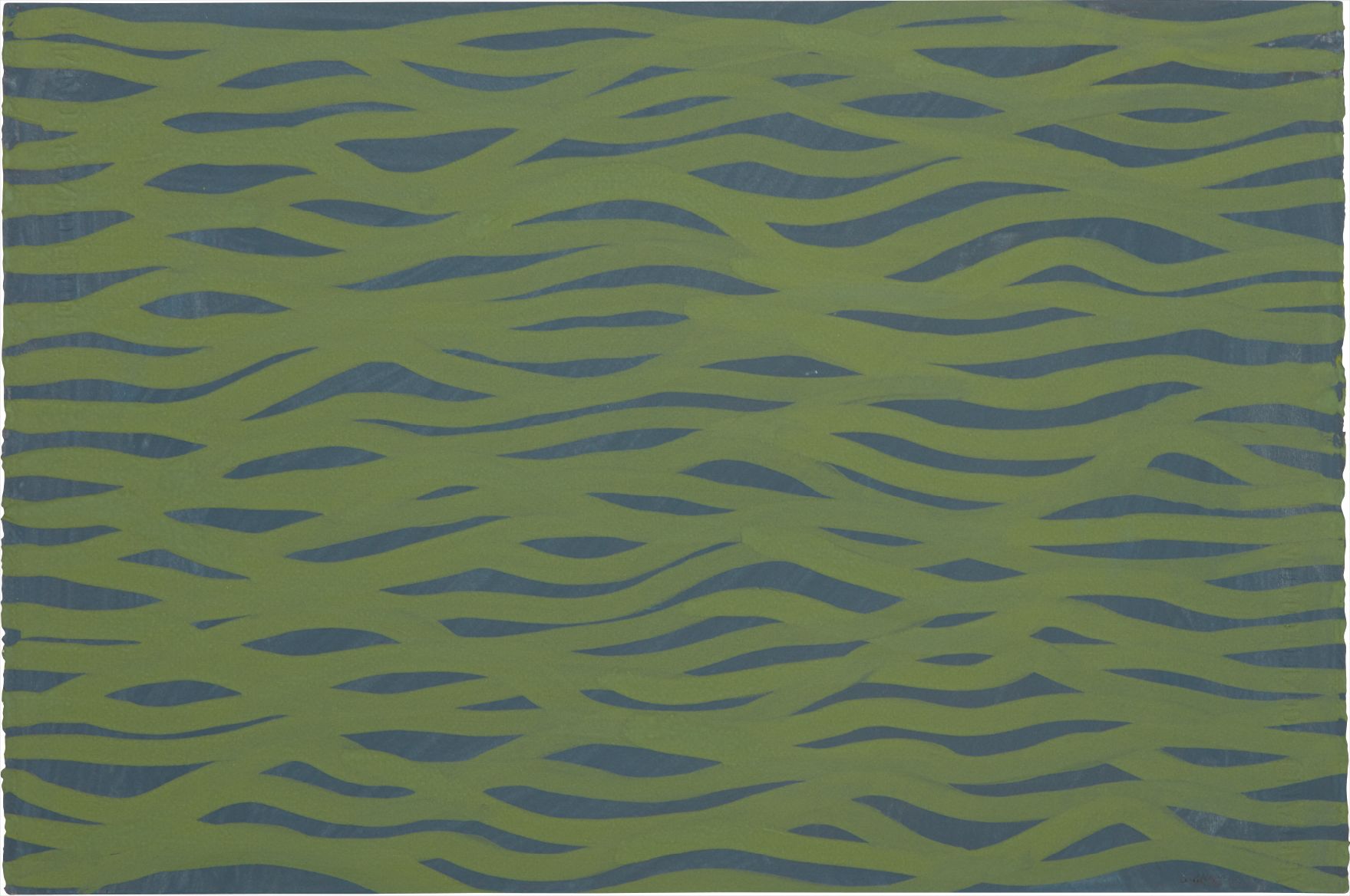
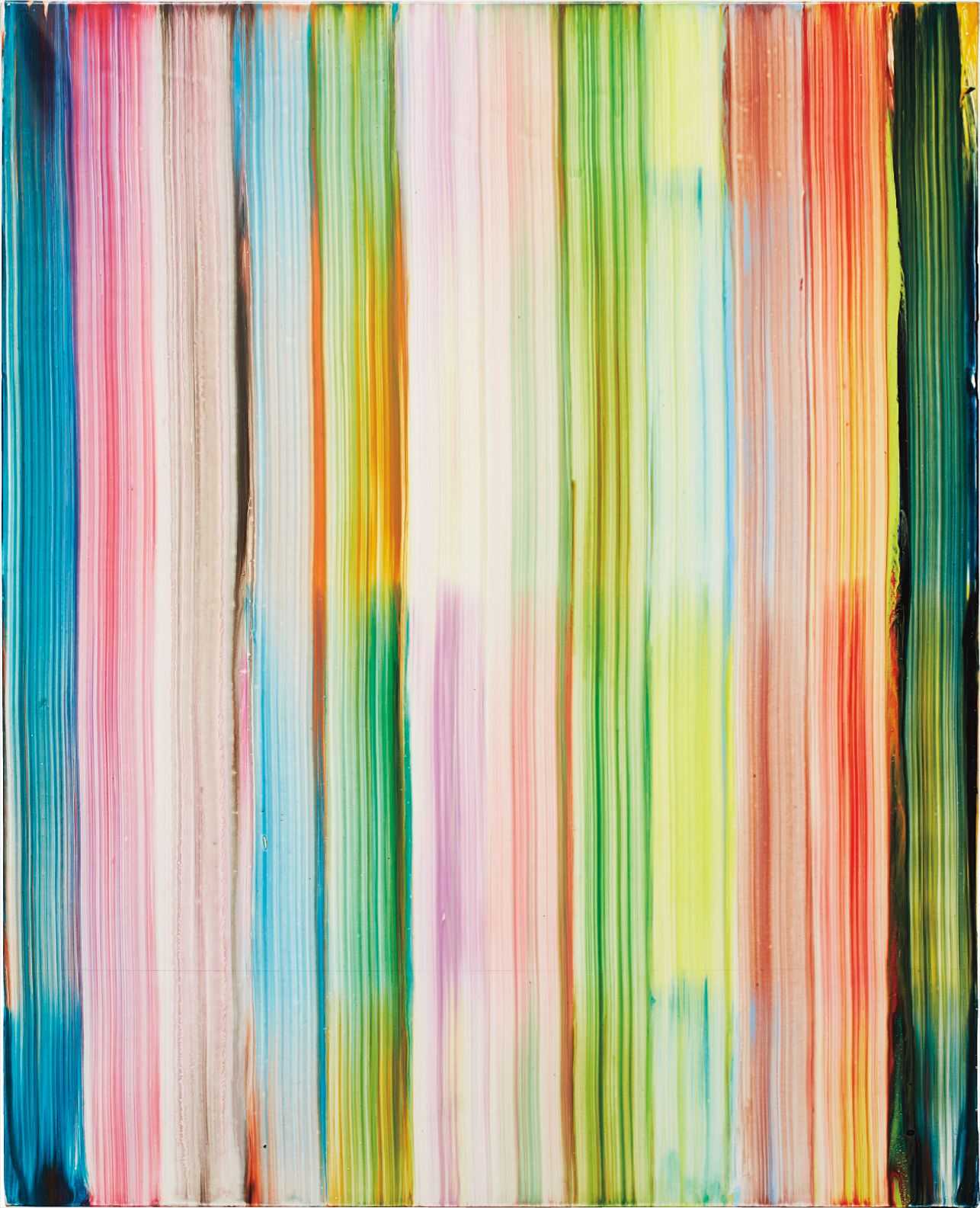
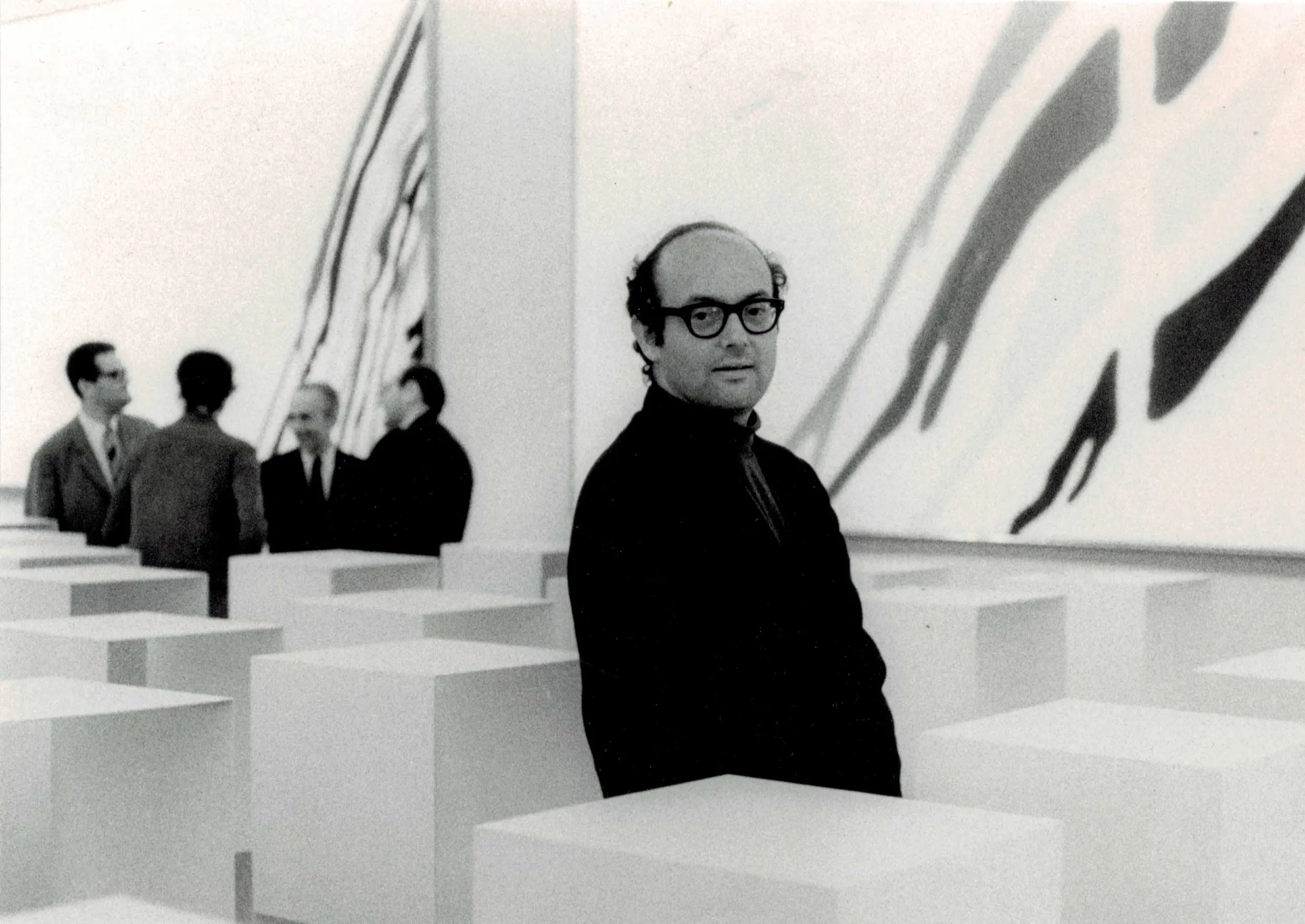
Sol LeWitt
Horizontal Brushstrokes (More or Less), 2002
The Broad in Los Angeles, the Pinault Collection, and various northern European museums have been acquiring systematic painting with real conviction. What this signals is not simply taste but thesis: that this mode of working belongs at the center of the postwar and contemporary story, not at its edges. When a major institution commits to systematic painting, it is arguing that the concerns driving this work, transparency of method, the relationship between decision and outcome, the role of the body in ostensibly rule bound processes, are among the most consequential concerns of our time. Critically, the conversation has been shaped by writers willing to take both the philosophy and the aesthetics seriously.
Briony Fer's scholarship on repetition and seriality provided crucial tools for understanding why these works behave differently from other abstraction. James Meyer's writing on minimalism and its aftermath created a genealogy that subsequent curators and critics have built on. Publications like October and, more recently, Art Agenda have run the kind of extended critical essays that let systematic painting breathe and complicate itself on the page. The vocabulary is now sophisticated enough that collectors can speak about these works without reaching for metaphor as a substitute for analysis.
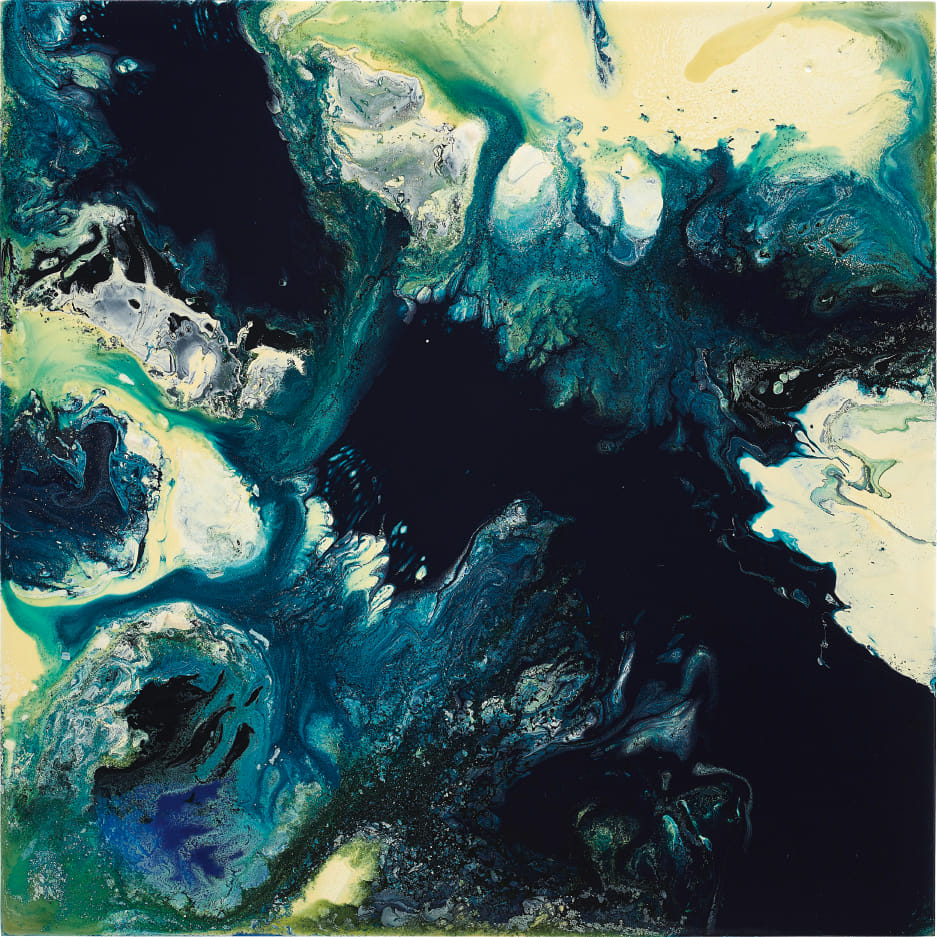
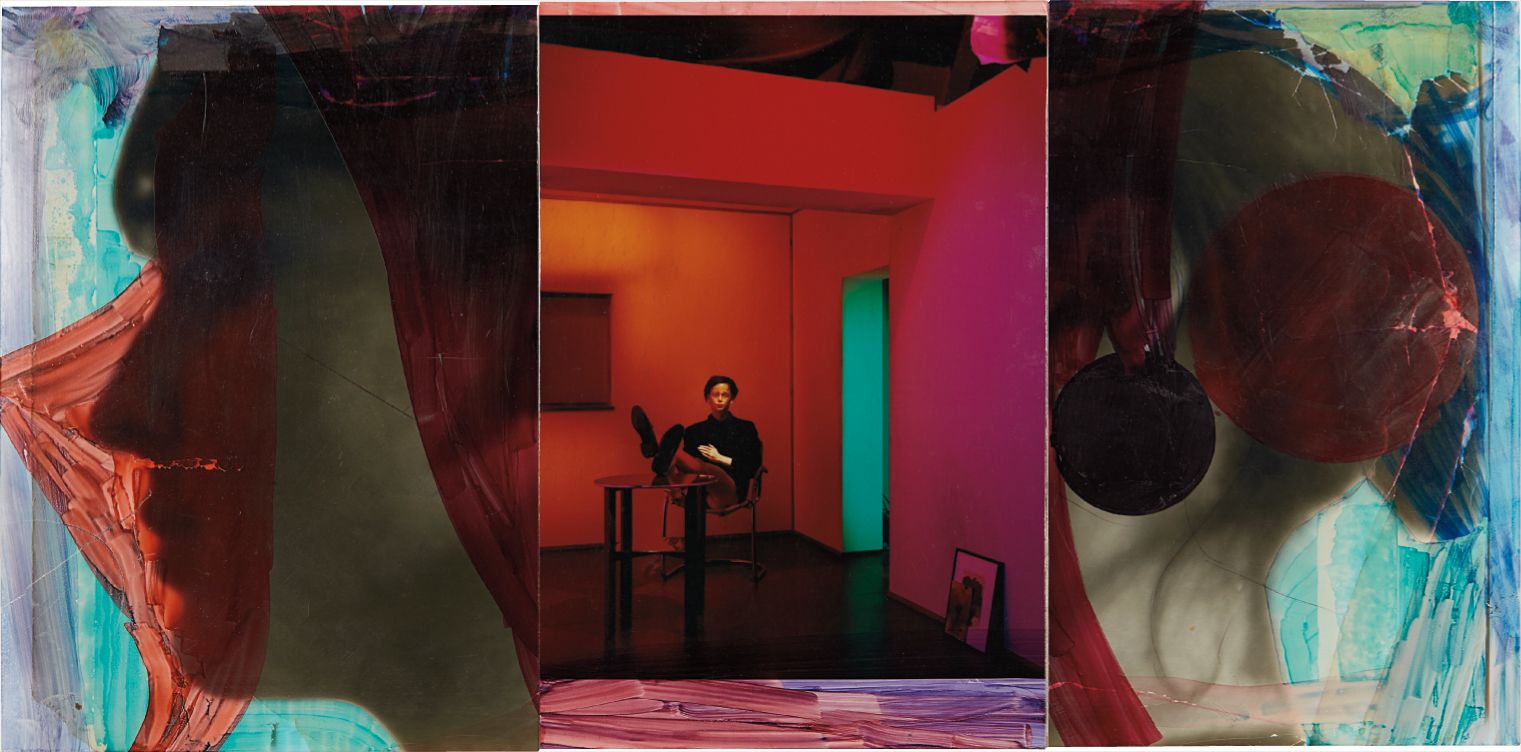
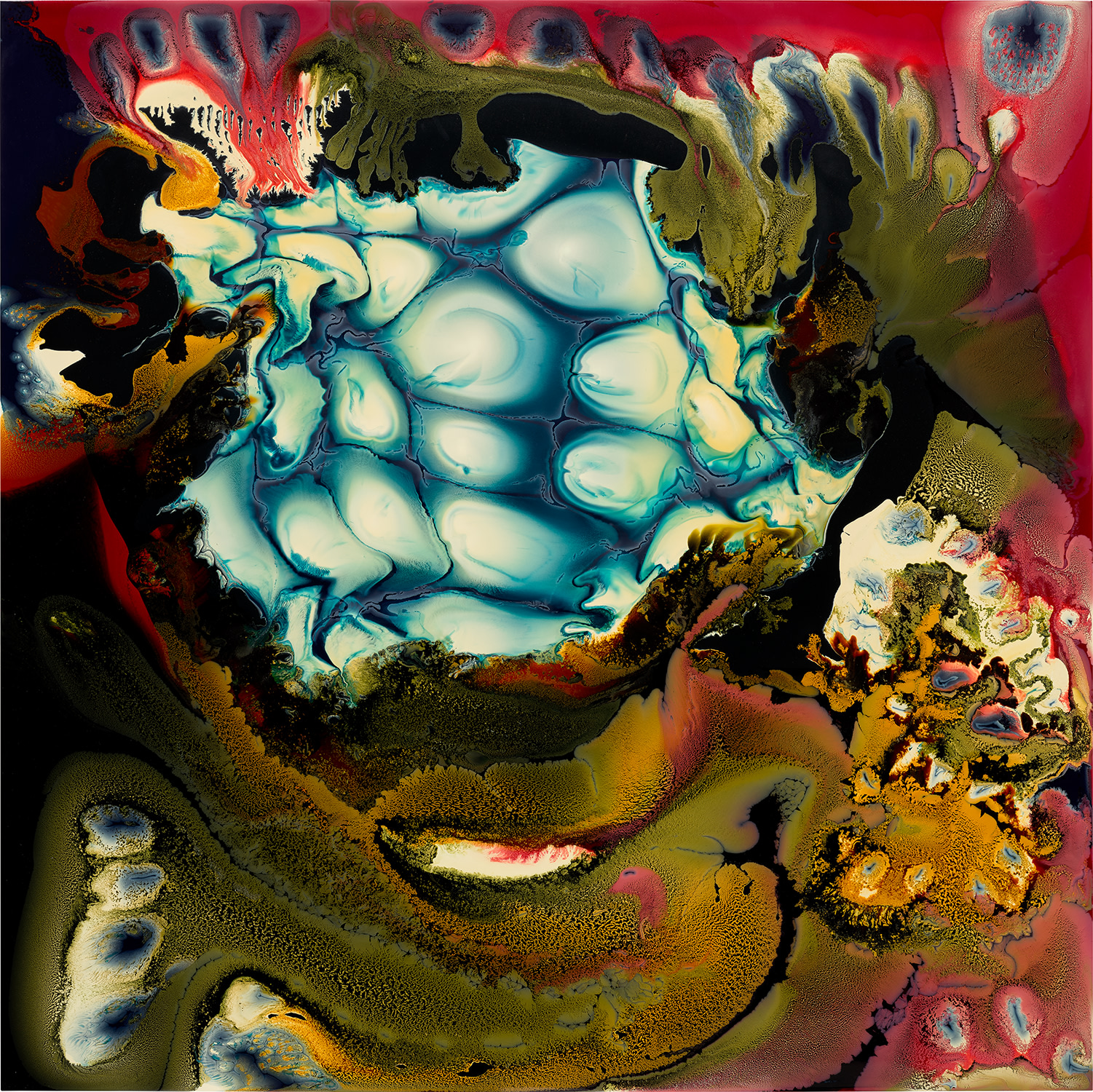
Keith Tyson
Nature Painting (Geo), 2010
What feels alive right now is the question of the body. For decades, systematic painting was partly defined by its resistance to gesture, its deliberate deflation of the romantic idea that a painter's physical presence was the true subject of the canvas. That resistance was necessary and productive. But the most interesting work being made and collected at this moment tends to hold the system and the body in genuine tension, as Frize does when his brushwork makes the method visible without surrendering to it, or as Thompson does when the grid accommodates something that still feels like sensation.
The settled territory is the purely theoretical end of the spectrum, work that proves its concept without generating much beyond the proof. The surprise, and it is a genuine one, is how emotionally available this work has become for a new generation of collectors who came of age with algorithmic systems surrounding them everywhere. For someone who has spent years navigating procedurally generated content, recommendation engines, and rule sets they never see, a painting that makes its logic visible and then makes something beautiful from it is not cold or remote. It is transparent in the best sense.
It offers what a genuinely well made system always offers: the pleasure of understanding exactly how you arrived somewhere you are glad to be.