Sports Art
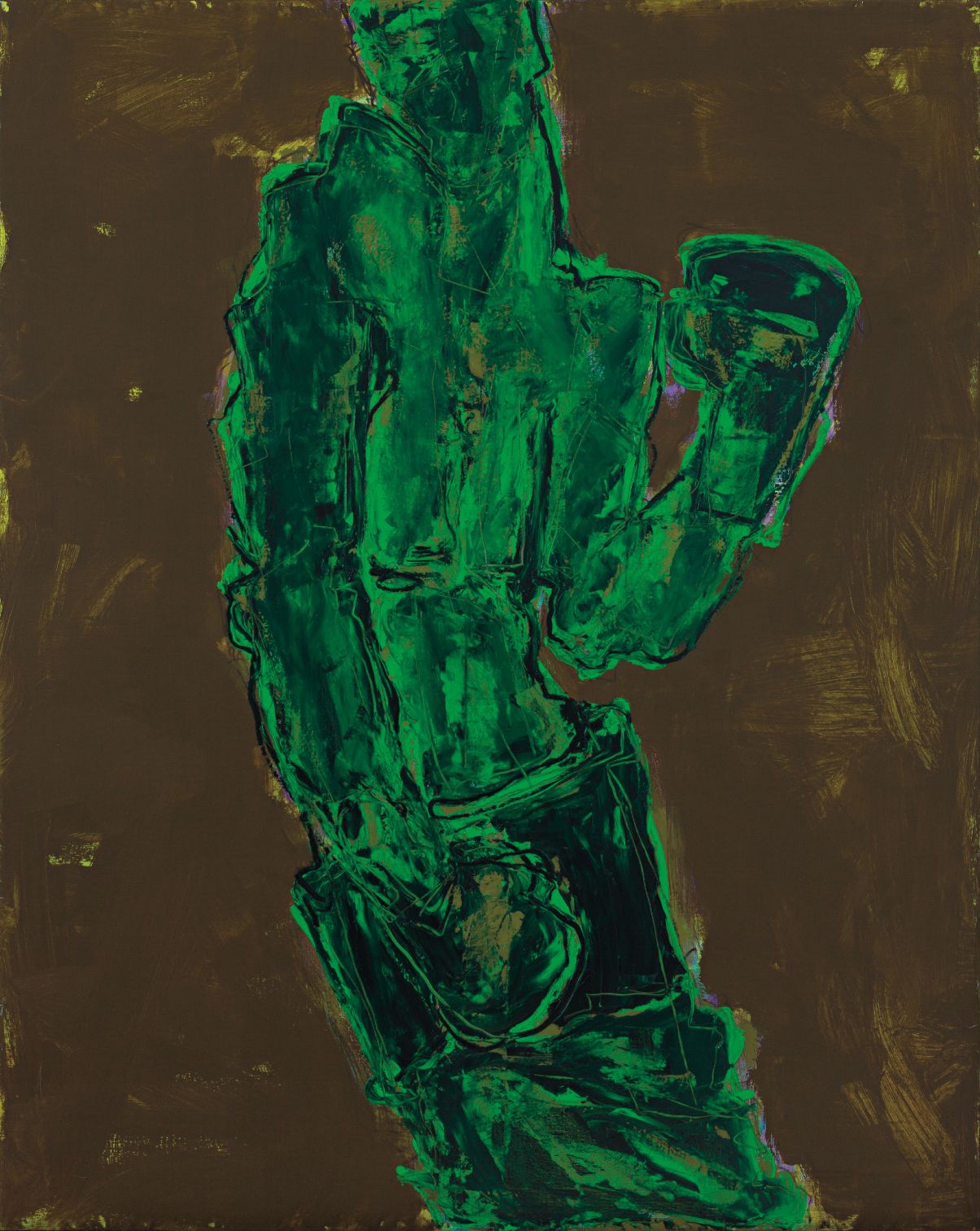
Mikhailo Deyak
Klitschko Brothers Emotions



The Body in Motion, Finally Taken Seriously
There is a particular tension that runs through the history of sports art, a persistent anxiety about whether the athletic body belongs in the same conversation as the philosophical or the formally rigorous. For centuries, Western art institutions treated sport as spectacle rather than subject, as entertainment rather than inquiry. That attitude has largely collapsed, and what remains in its place is something far more interesting: a body of work that uses speed, competition, and physical grace to ask some of the most urgent questions about identity, power, masculinity, and the experience of being alive in a body that is pushing itself to its absolute limit. The relationship between art and athletic performance stretches back to antiquity.
Ancient Greek sculptors understood the ideal human form through the lens of athletic competition, and works like the Discobolus, attributed to Myron and dated to around 450 BCE, treated the athlete as the highest expression of physical and moral virtue. The Greek concept of kalos kagathos, the beautiful and the good fused together in a single figure, placed the competitor at the center of civic and aesthetic life. The Olympic Games were not merely sporting events but religious and cultural festivals, and the statues commissioned to honor victors were acts of collective devotion as much as portraiture. This reverence for the athletic form persisted unevenly through the centuries, surfacing in the Renaissance fascination with musculature and then receding during periods when the life of the mind was held in more esteem than the life of the body.
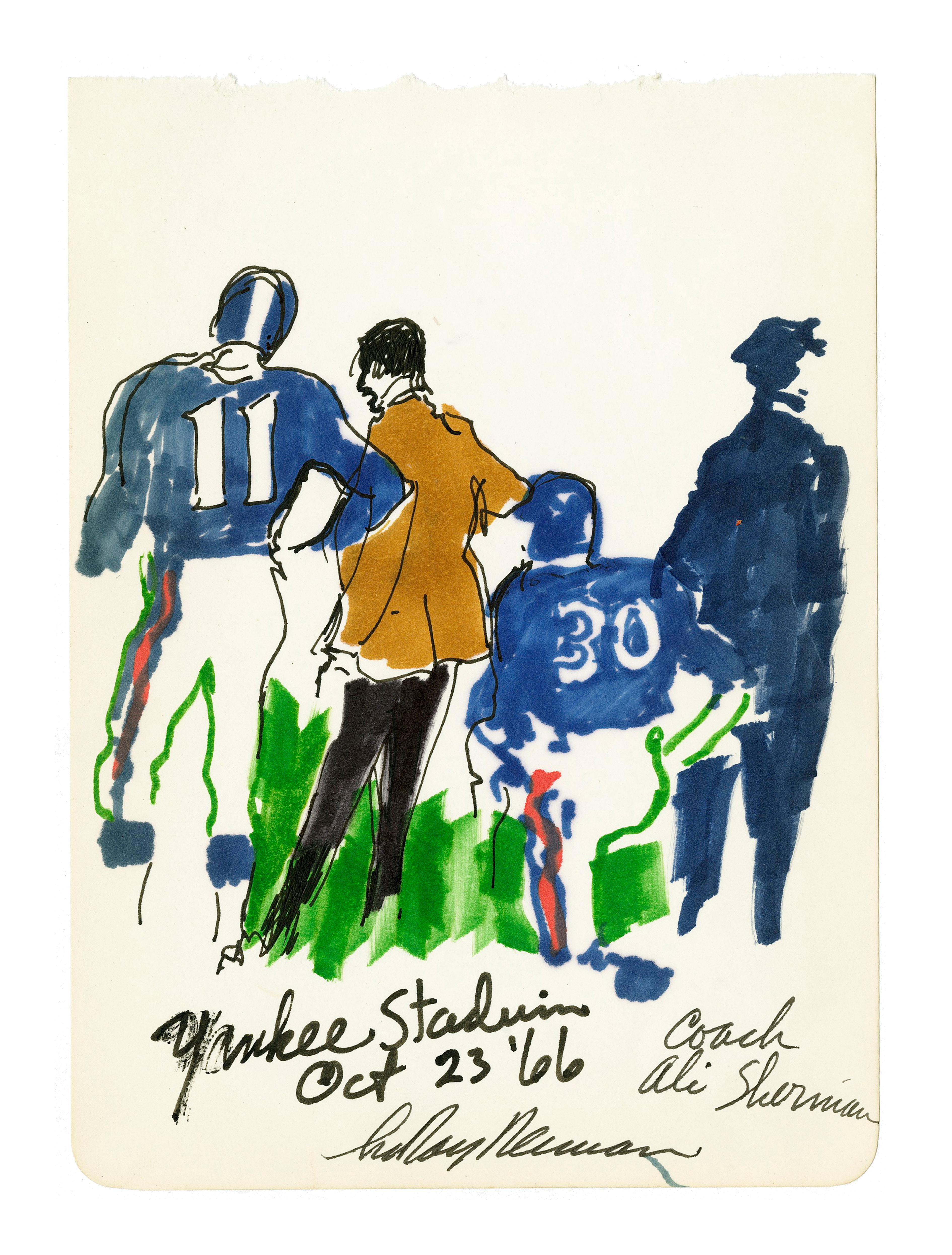
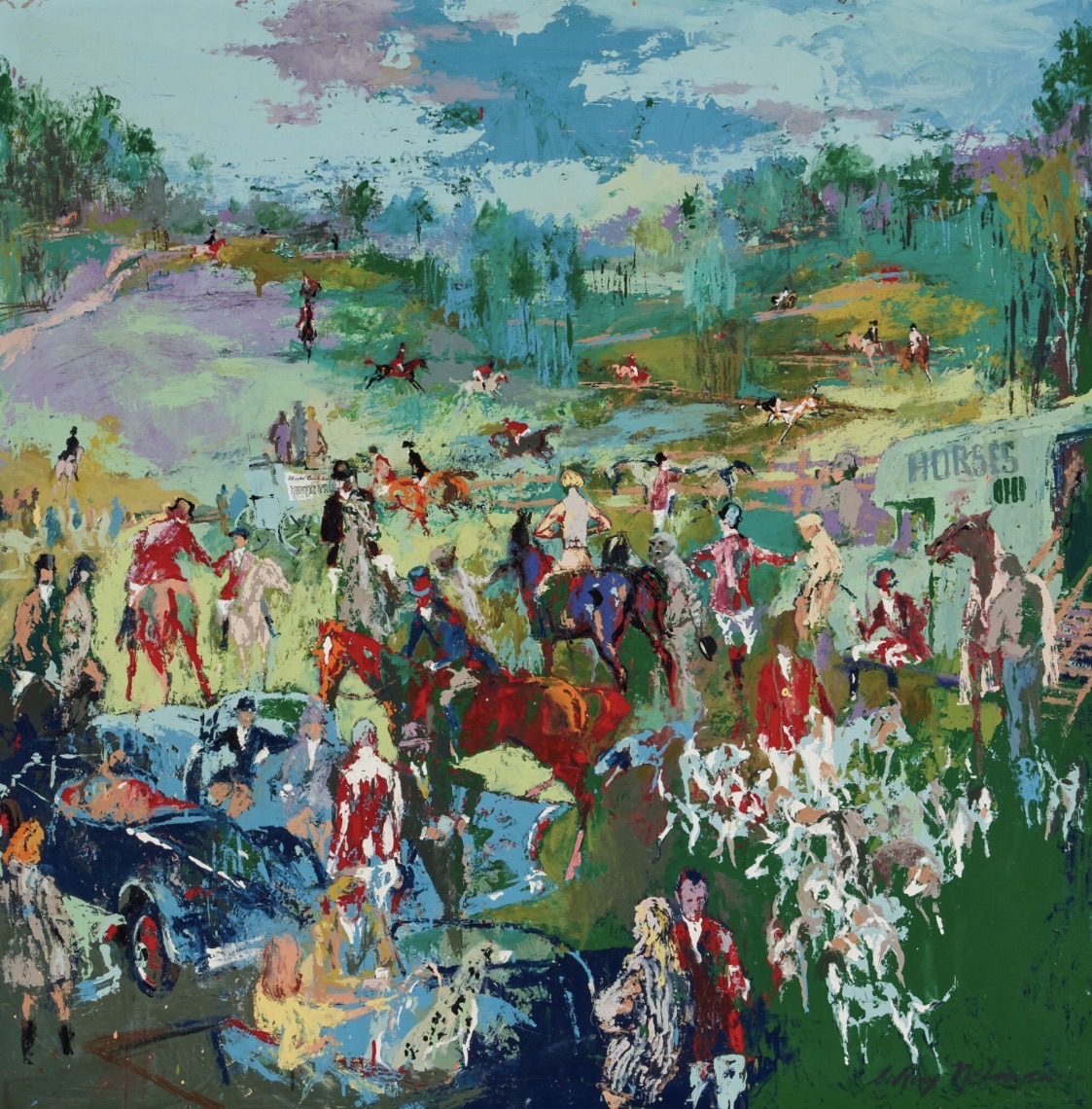
LeRoy Neiman
Giants Coach, Allie Sherman at Yankee Stadium
It was not until the late nineteenth century that sport began to reclaim a serious place in the visual arts. Thomas Eakins, working in Philadelphia in the 1870s and 1880s, painted rowers, wrestlers, and boxers with a clinical precision and psychological depth that felt genuinely radical. His 1875 painting of oarsmen on the Schuylkill River, among the most carefully observed athletic images in American art, treated the sweating body as worthy of the same formal attention Velázquez gave to royalty. The twentieth century saw sport become genuinely entangled with the forces shaping modern life: nationalism, commerce, celebrity, and the mass media.
It was within this charged environment that LeRoy Neiman built one of the most recognizable bodies of work in American popular culture. His kinetic canvases, rendered in blazing strokes of pure cadmium and cobalt, captured Muhammad Ali, the Kentucky Derby, and the Super Bowl with an energy that felt tuned to the frequency of televised spectacle. Neiman was for a long time dismissed by the critical establishment precisely because his work was so widely loved, but the conversation around him has become more nuanced. His work on The Collection offers an entry point into that reassessment, and into a broader understanding of how popular and fine art appetites have always fed each other.
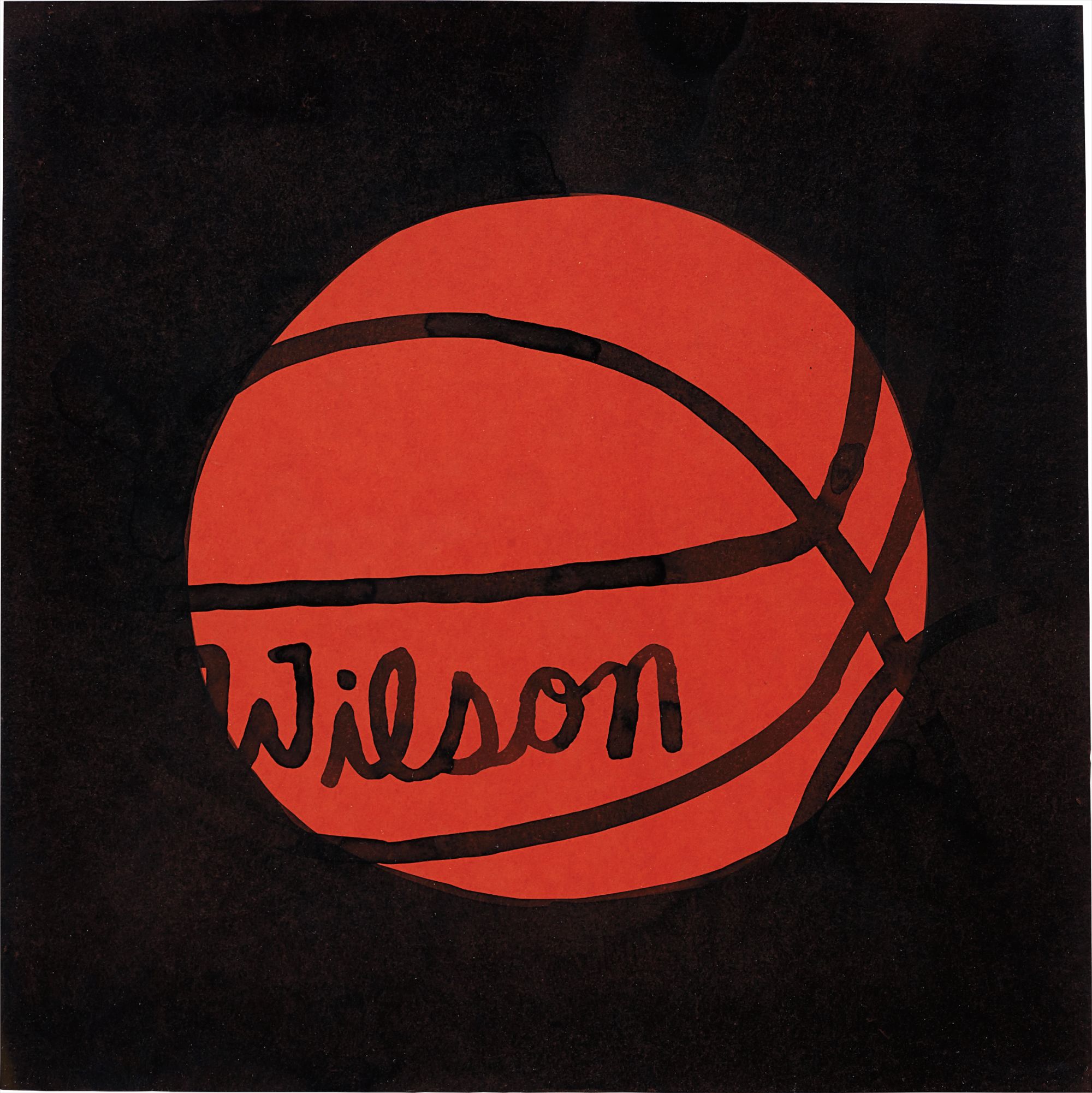
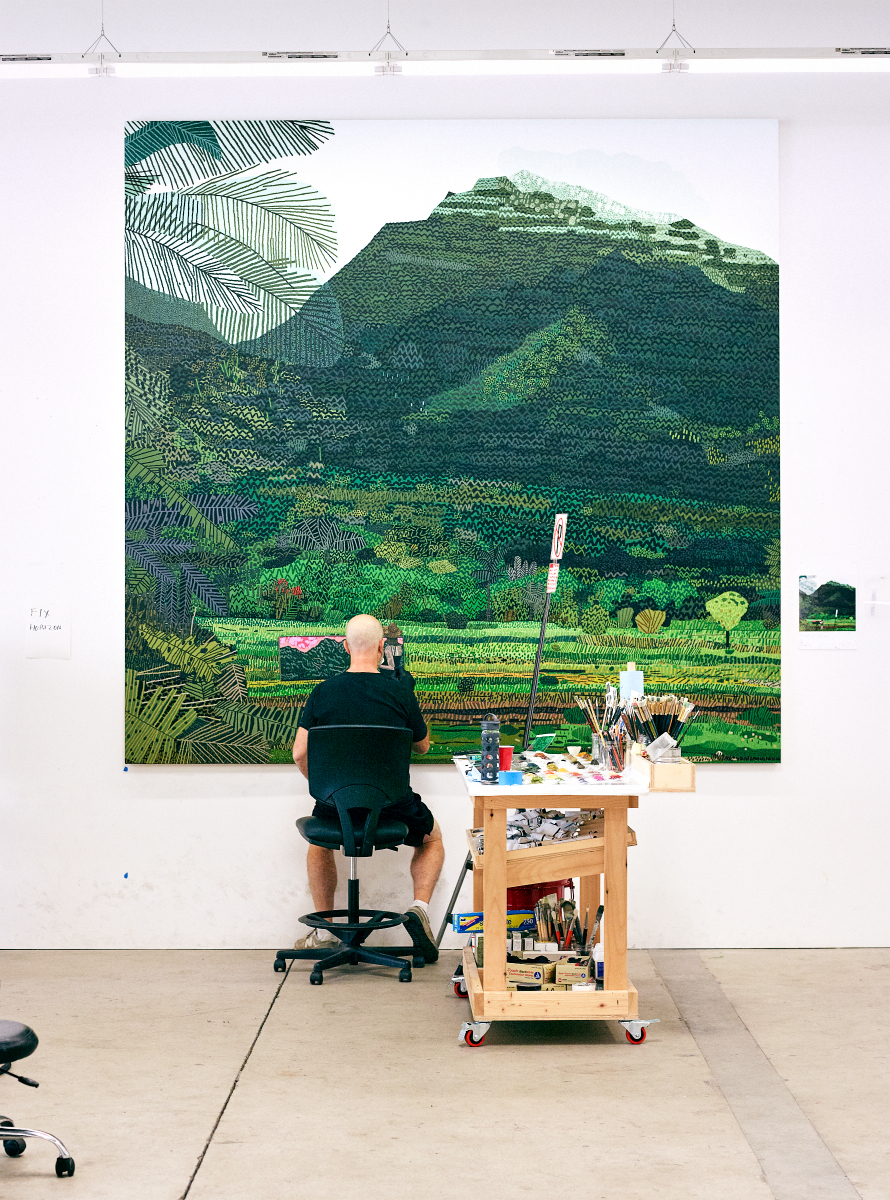
Jonas Wood
B-Ball 14
What separates the most compelling sports art from mere illustration is the degree to which it uses athletic imagery as a vehicle for something larger. Jonas Wood is a useful example here. His flattened, pattern saturated canvases draw on sports photography, Japanese prints, and the visual grammar of the domestic interior simultaneously. When Wood paints a tennis court or a basketball game, he is interested in the geometry of competition, the way sports impose their own kind of abstraction on the world: grids, arcs, bounded zones.
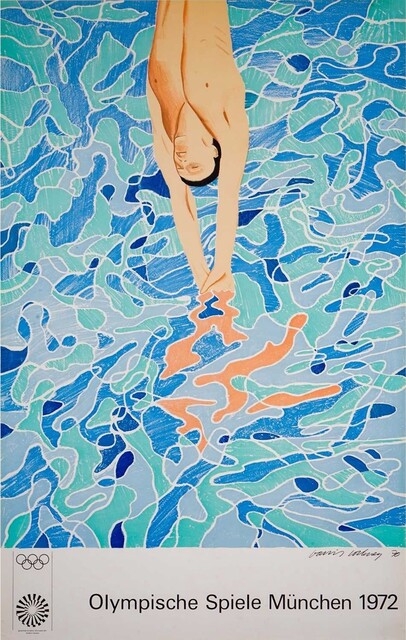
His work in The Collection reflects a sensibility that refuses to separate athletic culture from art historical tradition, reading both as equally constructed visual languages. David Hockney, whose presence on The Collection spans some of the most beloved and studied works in contemporary art, offers a different lens on this conversation. Hockney's celebrated swimming pool paintings of the late 1960s and 1970s are not sports art in any conventional sense, yet they are deeply preoccupied with the body in water, with leisure and performance and the particular tension of the Californian sun. Works like those in his Pool series transformed the act of diving and swimming into something philosophical, a meditation on surface and depth, pleasure and looking.
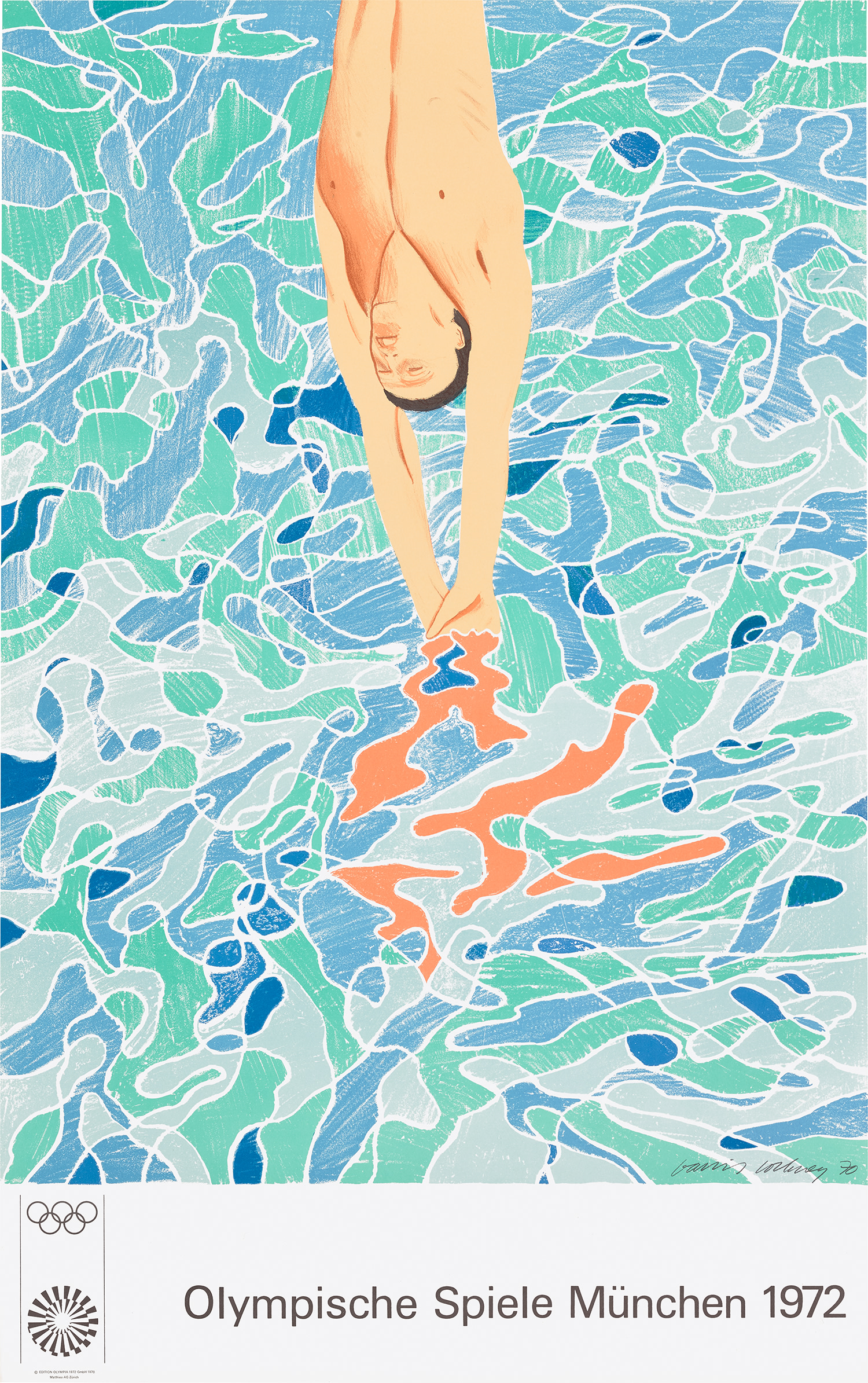
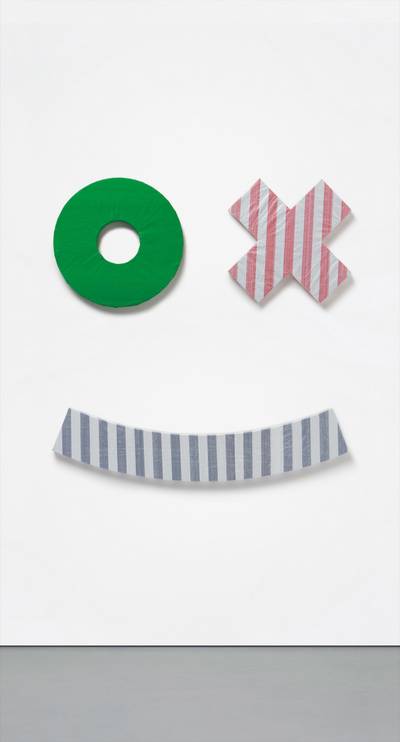
David Hockney
Olympische Spiele München (Olympic Games Munich) (B. 34)
They remind us that the boundary between sports art and other categories of contemporary painting is far more permeable than critics have historically allowed. The question of craft and technique is central to understanding what distinguishes the finest work in this genre. Neiman worked with palette knives and rapid gestural strokes to mimic the velocity of athletic action. Wood builds his images through careful layering of flat color zones that feel simultaneously immediate and studied.
Grear Patterson, whose work brings a younger and more conceptually restless energy to questions of sport and culture, operates in a space where painting, drawing, and cultural critique overlap. His engagement with basketball and its relationship to Black American identity situates sports art within conversations that are as politically alive as anything happening in contemporary figurative painting. Patterson's work on The Collection is among the most timely in this thematic grouping. What is perhaps most striking, surveying this territory now, is how naturally sports art connects to some of the defining concerns of the broader contemporary art world: the politics of the body, the spectacle of mass media, the tension between individual achievement and collective identity.
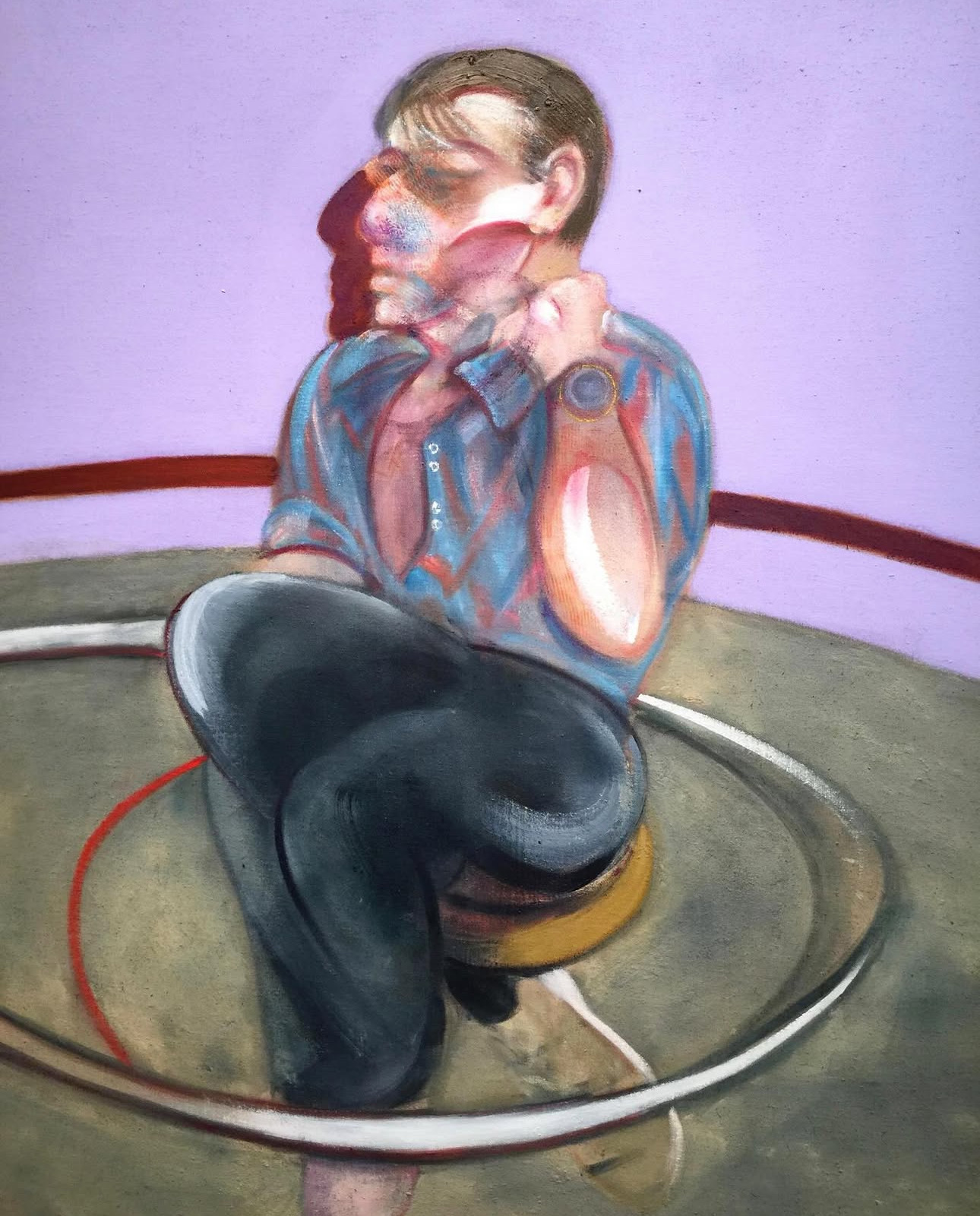
Mikhailo Deyak
Klitschko Brothers Emotions
These are not peripheral questions. The artist Mikhailo Deyak brings his own figurative intensity to this conversation, and his presence alongside artists like Wood and Patterson suggests how genuinely international and formally diverse this field has become. Sports art is no longer a genre that needs defending. It is, increasingly, where some of the most honest and penetrating observations about modern life are being made.