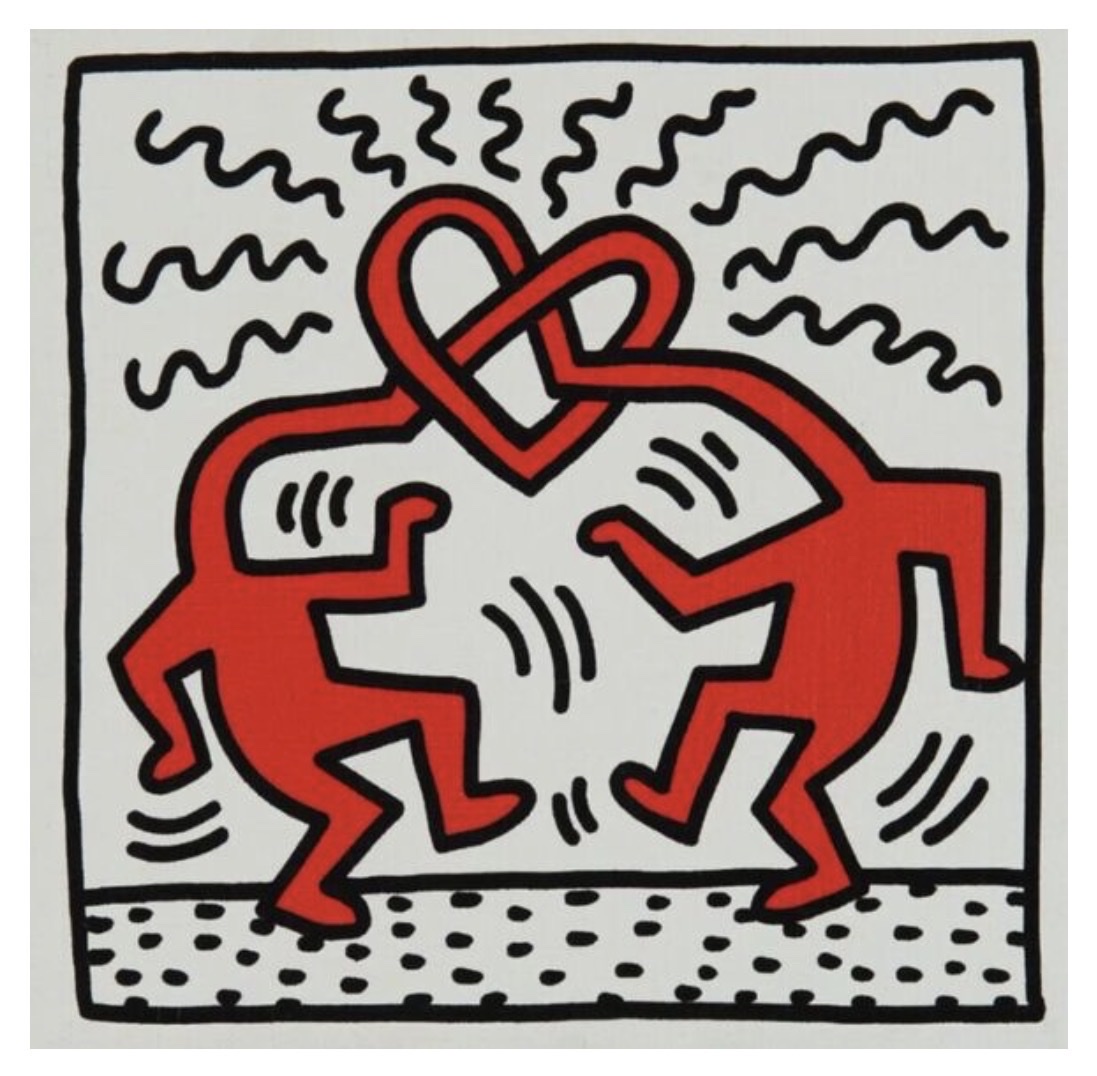
Space
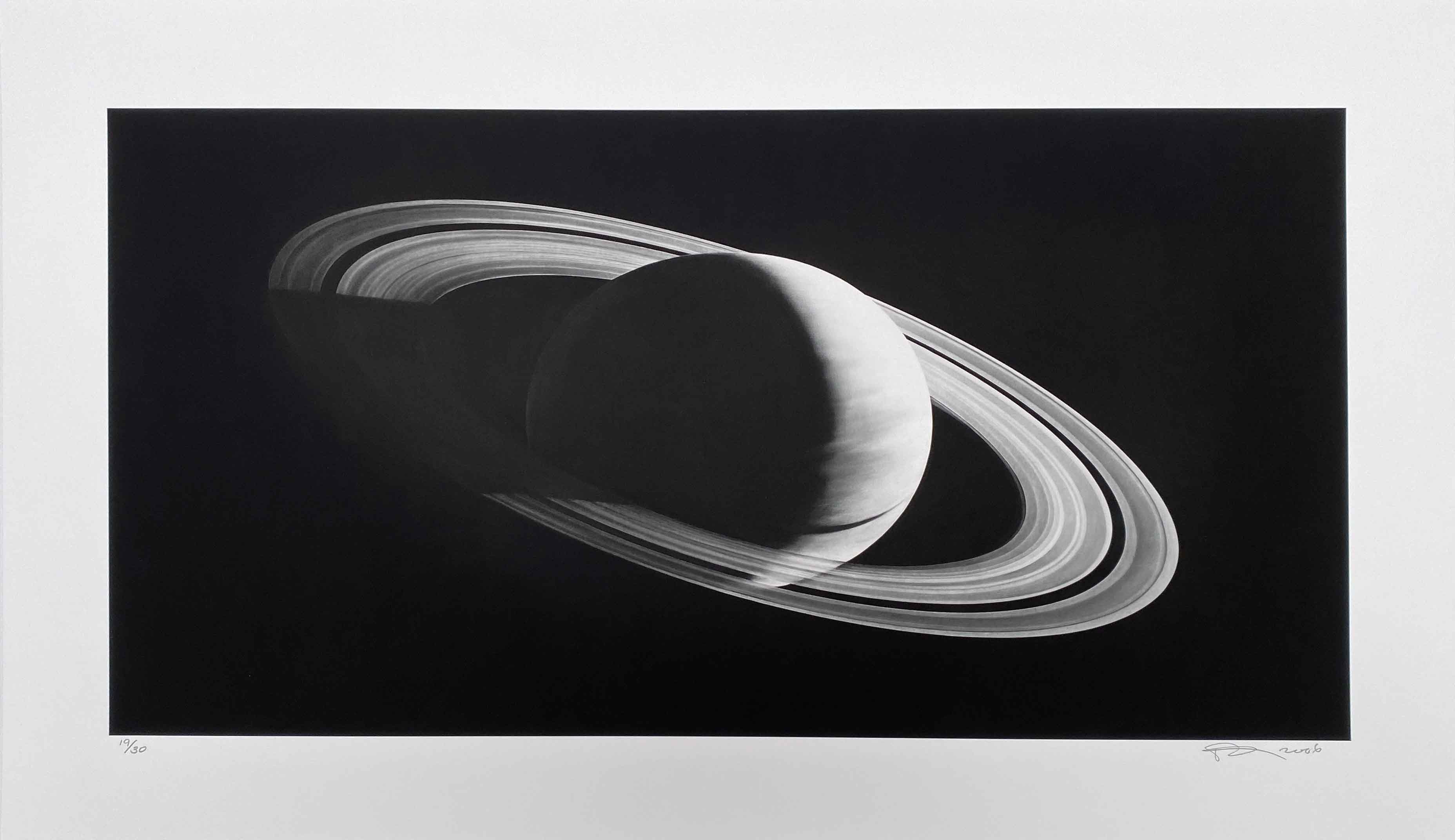
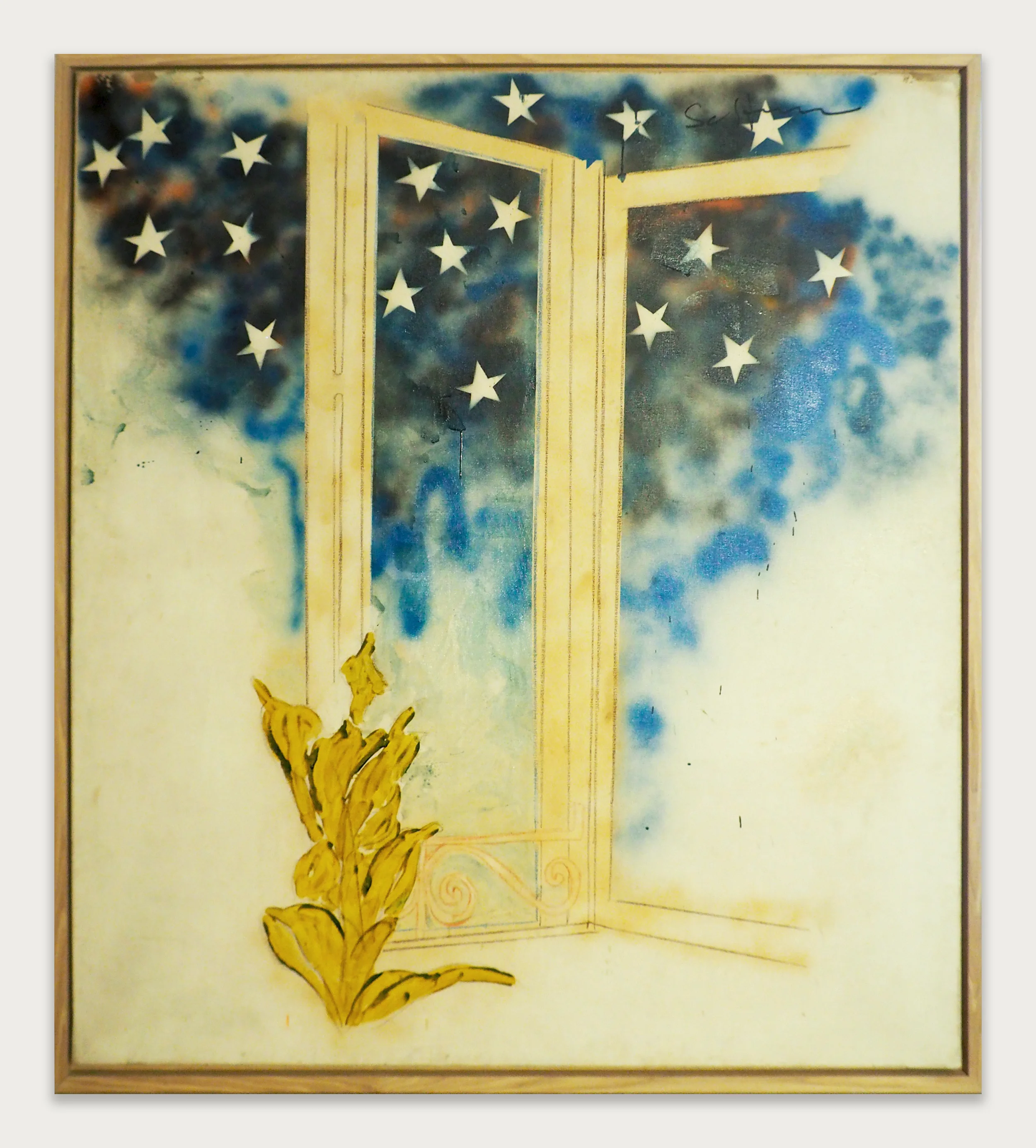
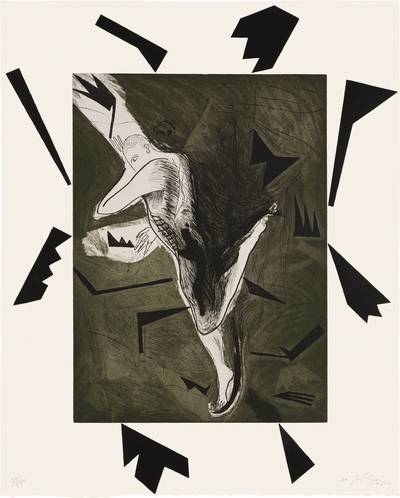
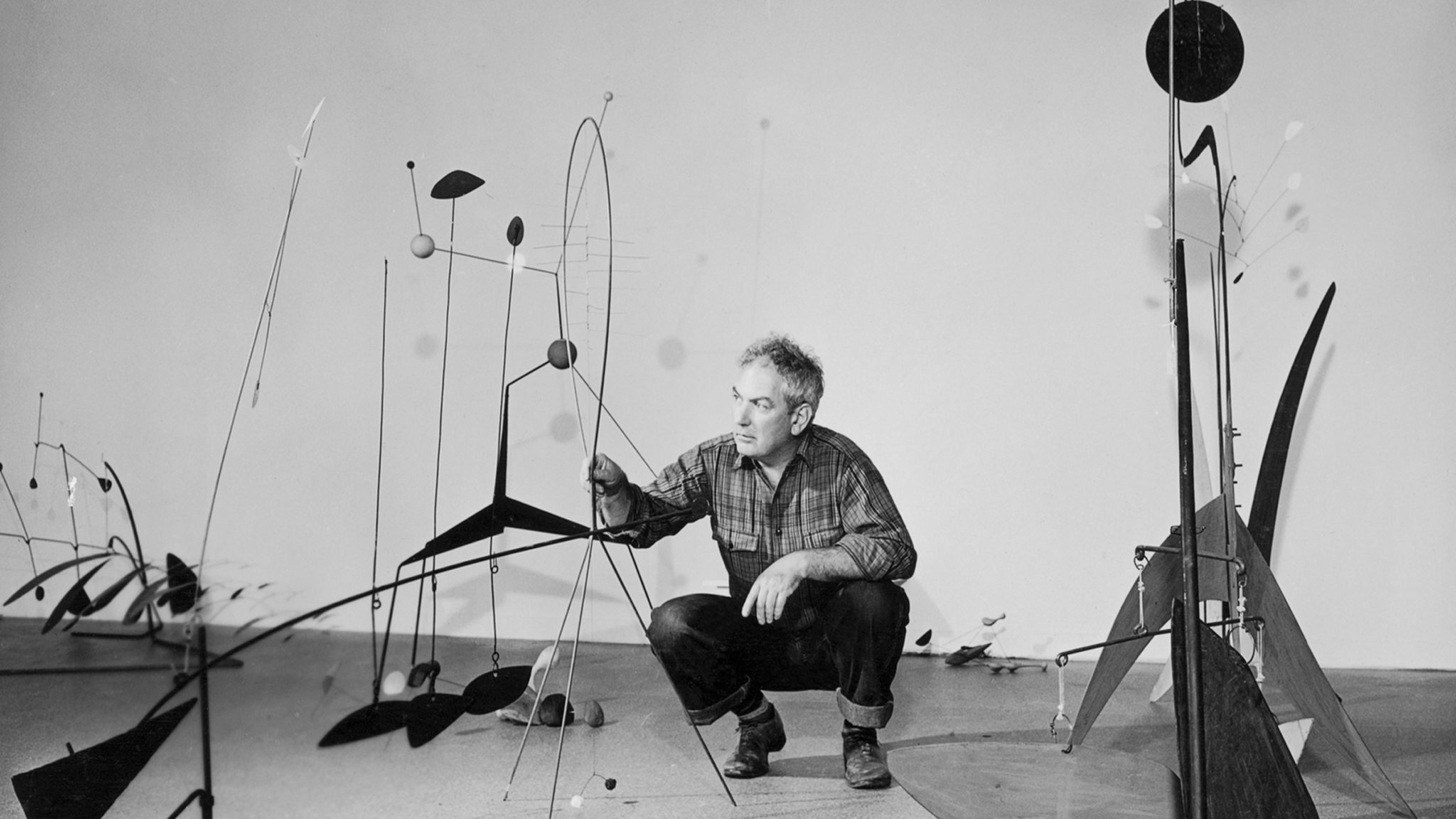
Robert Longo
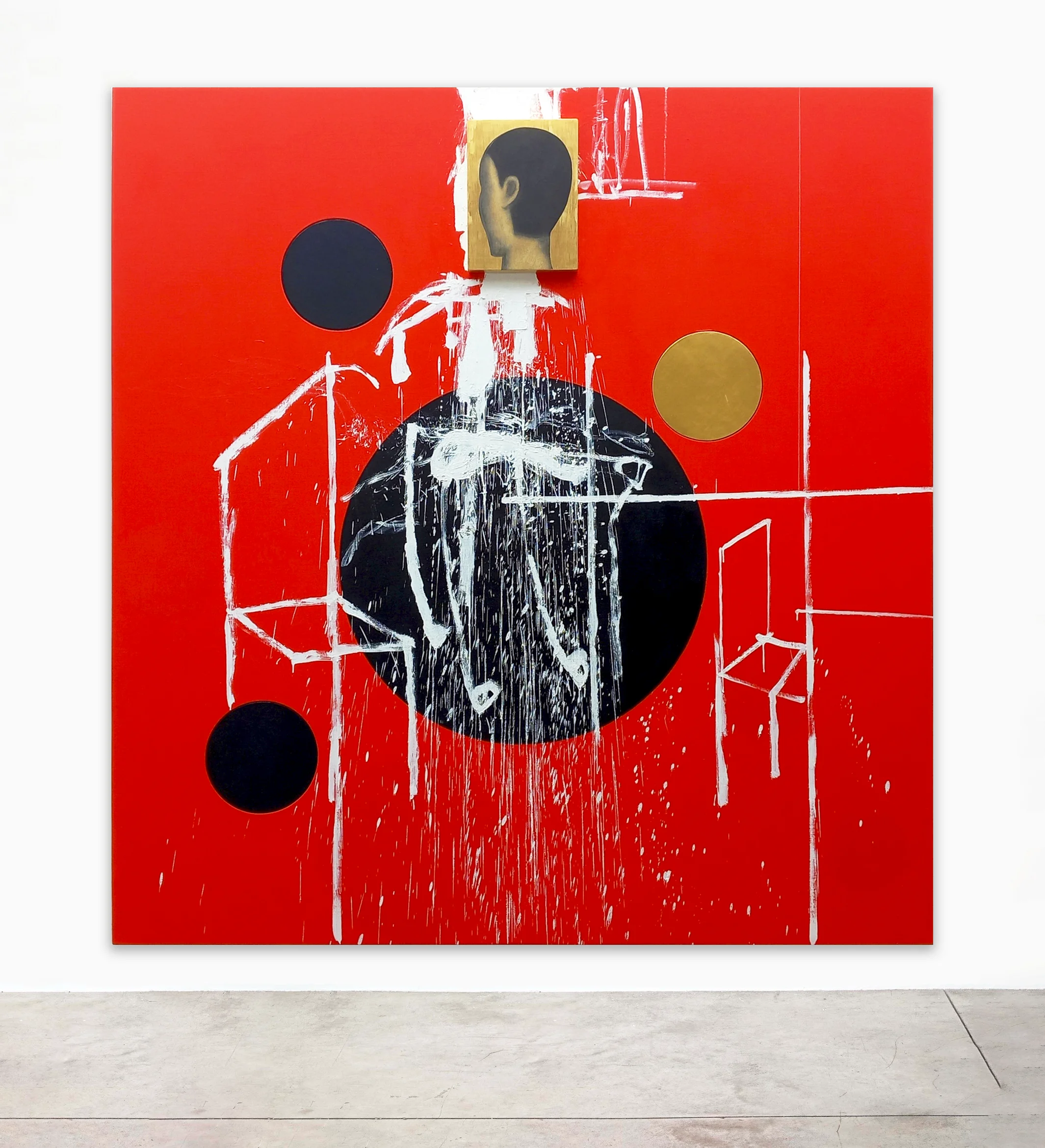
Saturn, 2006





The Infinite Pull: Collecting Art About Space
There is something deeply personal about choosing to live with art that concerns itself with space. Not space as backdrop or setting, but space as subject, as question, as obsession. Collectors who are drawn to this territory often describe the same thing: a restlessness in the work that mirrors something in themselves. These are pieces that do not resolve quietly on the wall.
They continue to think, to expand, to ask something of you every time you walk past them. Part of the appeal is philosophical. Works that grapple with space, whether the cosmic void, the compressed interior of a room, or the charged emptiness between sculptural forms, invite a kind of sustained attention that most decorative or figurative art does not. You are not looking at a narrative.
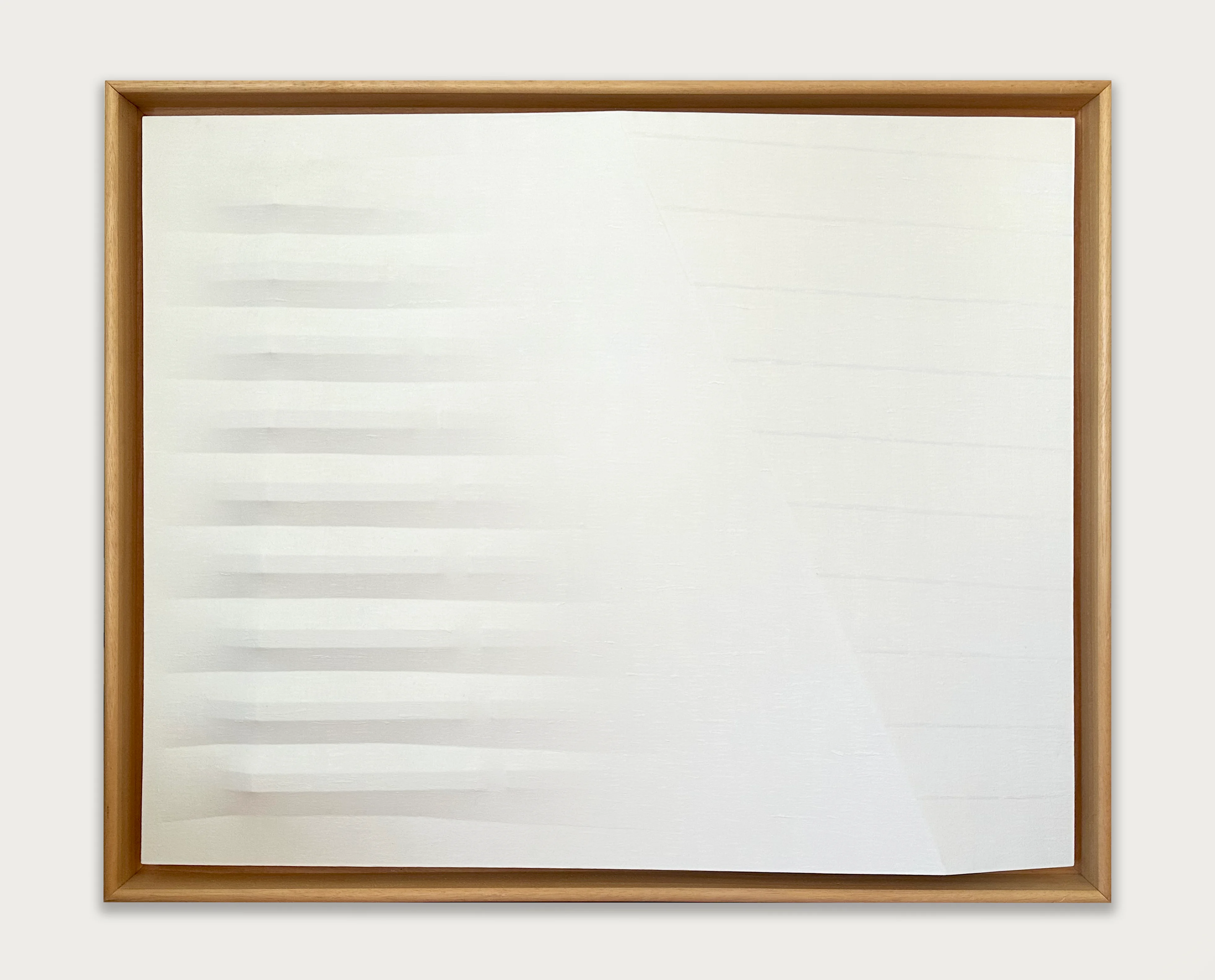
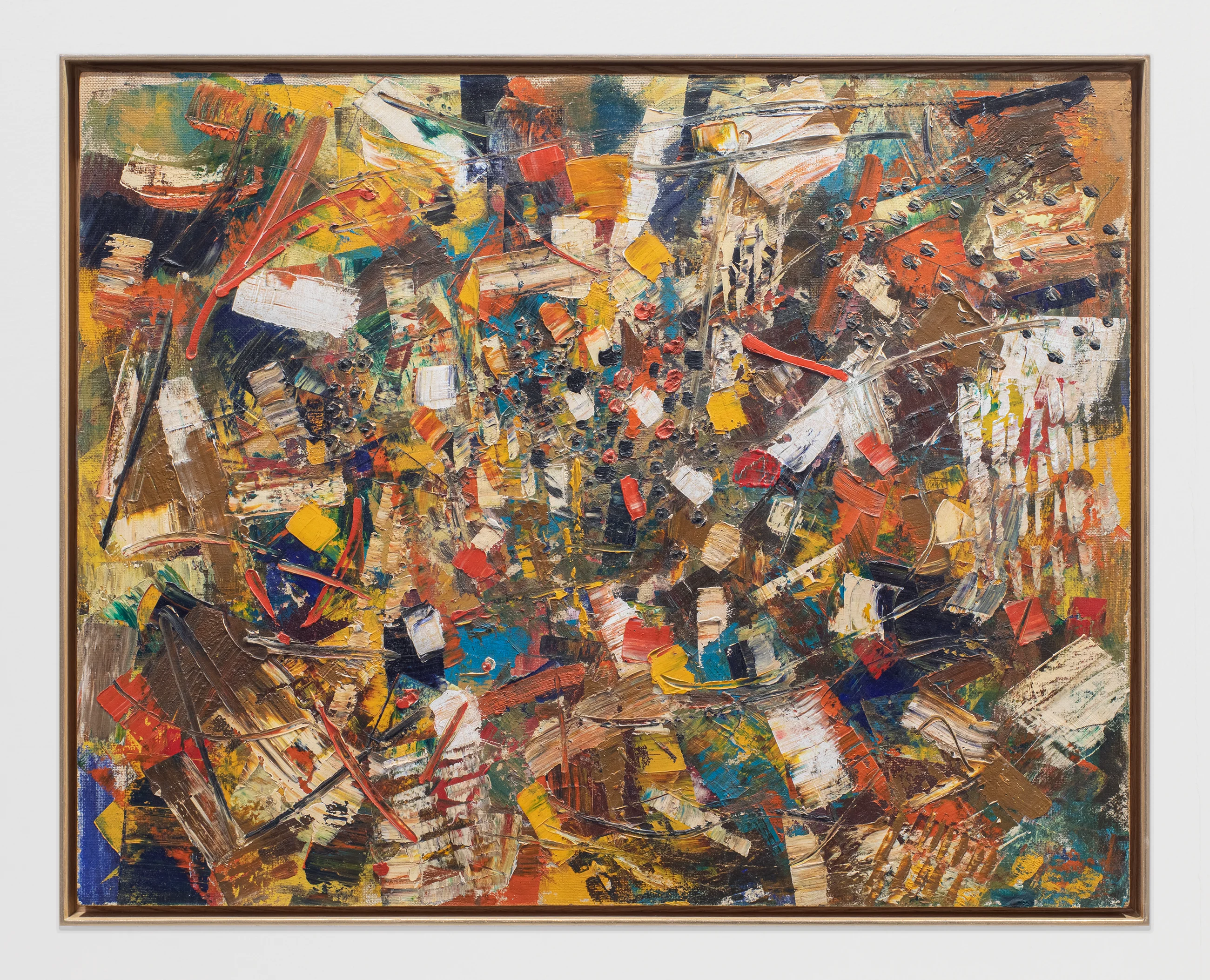
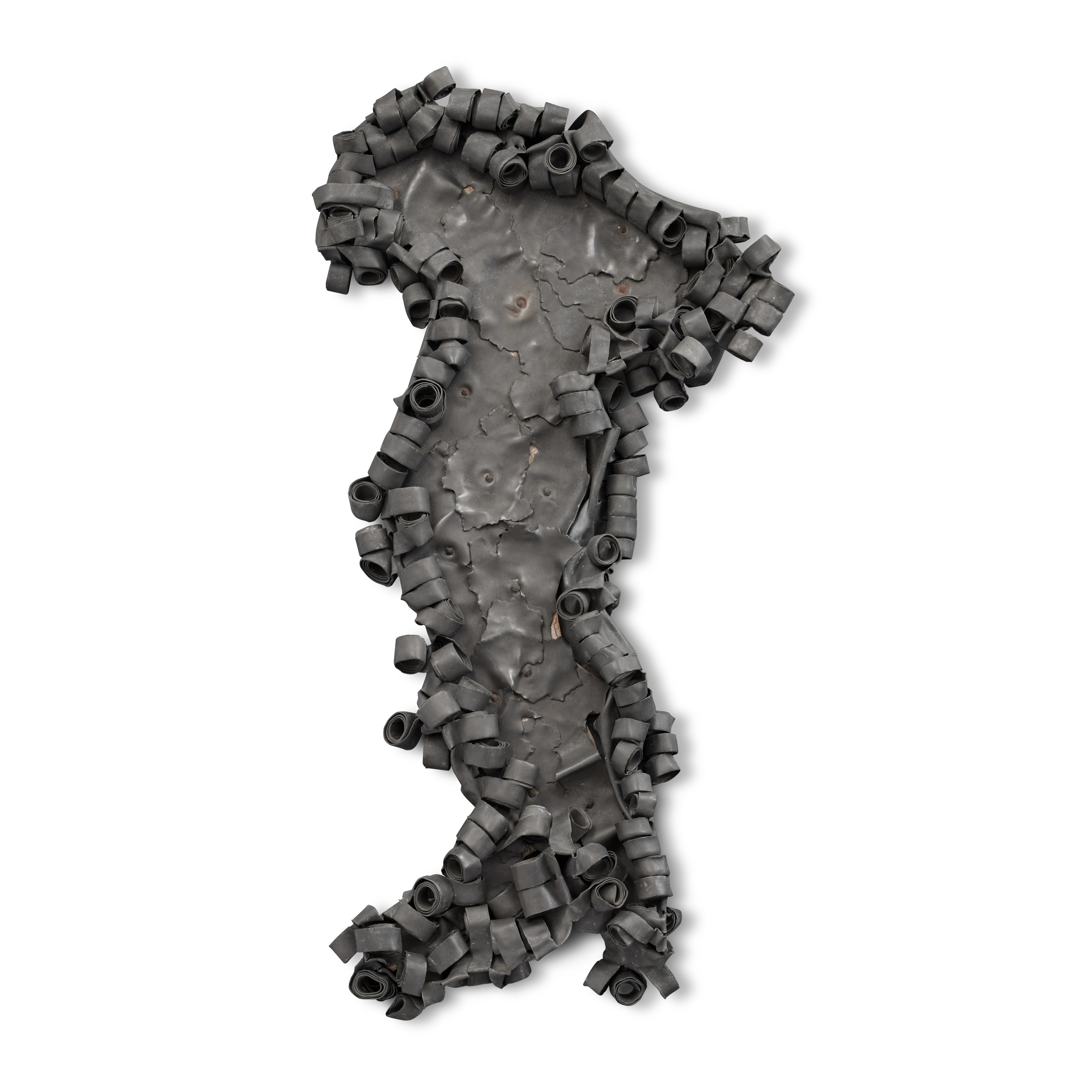
Agostino Bonalumi
Bianco, 1987
You are inhabiting a proposition. For collectors who find conventional subject matter limiting, this category offers something rarer: art that functions almost like a practice, something you return to rather than simply admire. What separates a good work from a genuinely great one in this territory comes down to specificity of vision. Almost any artist can gesture at infinity.
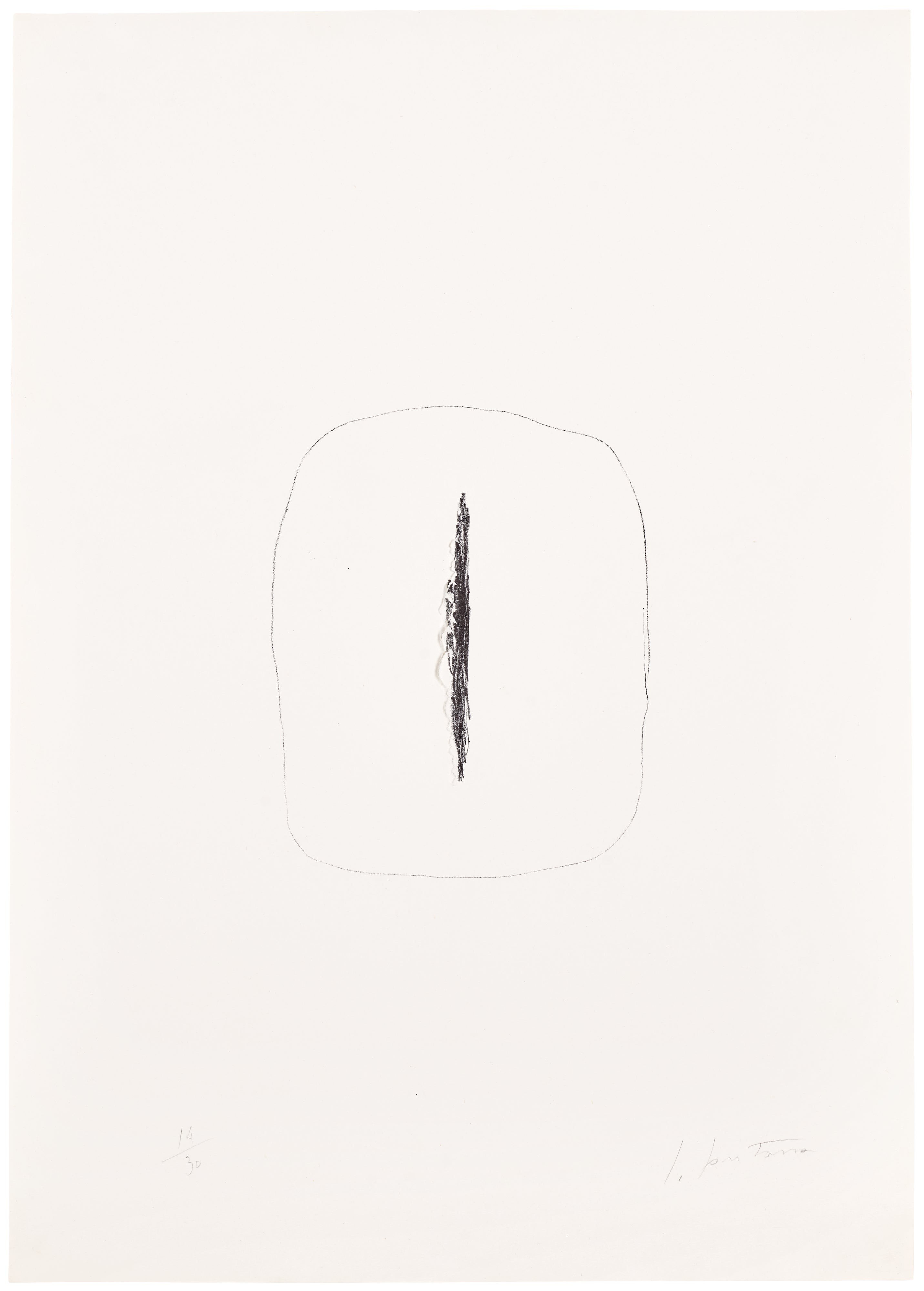
Very few can make you feel it. The best works in this area have an internal logic, a conviction in their formal decisions, that holds up under close and repeated looking. When Lucio Fontana cut his canvases in the late 1950s and 1960s, the gesture was not about destruction. It was about opening the picture plane into something beyond itself, acknowledging that space continued behind the surface, beyond representation.
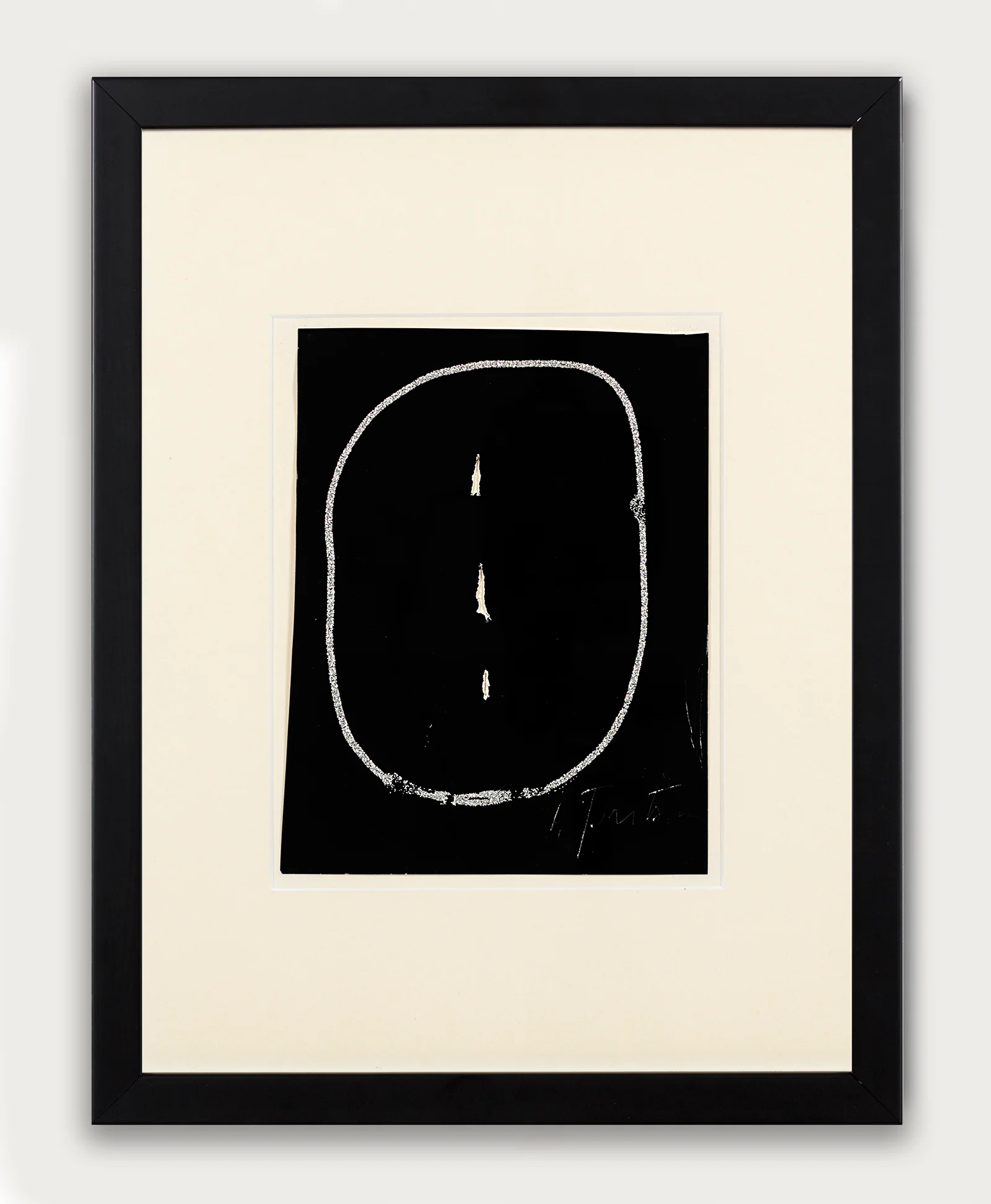
Lucio Fontana
Concetto spaziale, 1962
That conceptual precision is what elevates a Fontana from interesting to essential. Collectors should ask whether a work surprises them on the tenth viewing as much as the first. If the answer is yes, that is a meaningful signal. On The Collection, several artists represent particularly strong positions for serious collectors.
Thomas Ruff has spent decades using photography not to document the world but to interrogate how images construct our understanding of it, and his work connecting to space photography and astronomical imagery operates at a rare intersection of conceptual rigor and visual seduction. Vija Celmins is, for many advisors, simply one of the most important living artists working in any category. Her obsessive, hand rendered depictions of ocean surfaces and night skies achieve something paradoxical: the more precisely she renders the infinite, the more infinite it becomes. Works on paper by Celmins have seen strong sustained auction performance, and her market reflects genuine critical consensus rather than speculative heat.
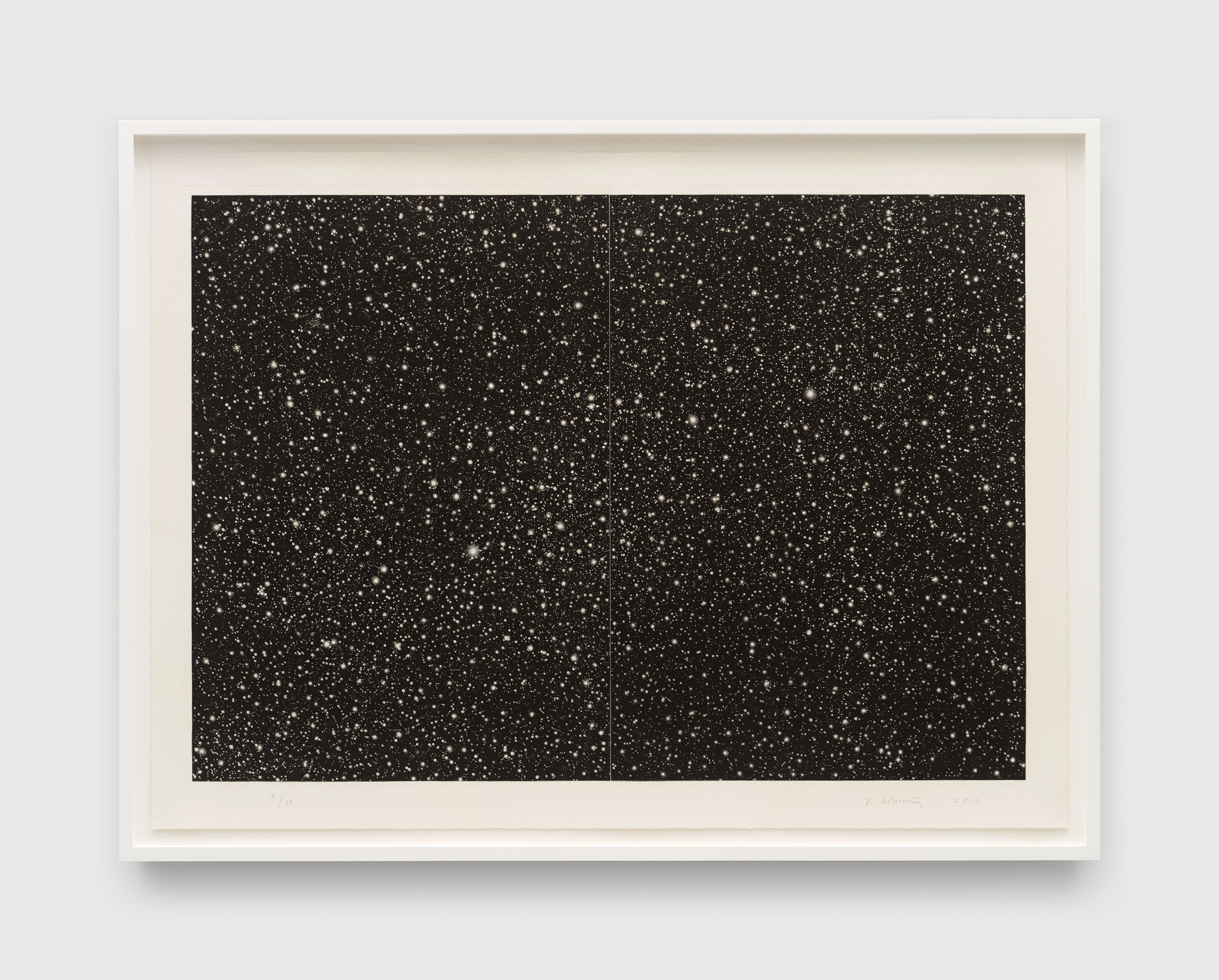
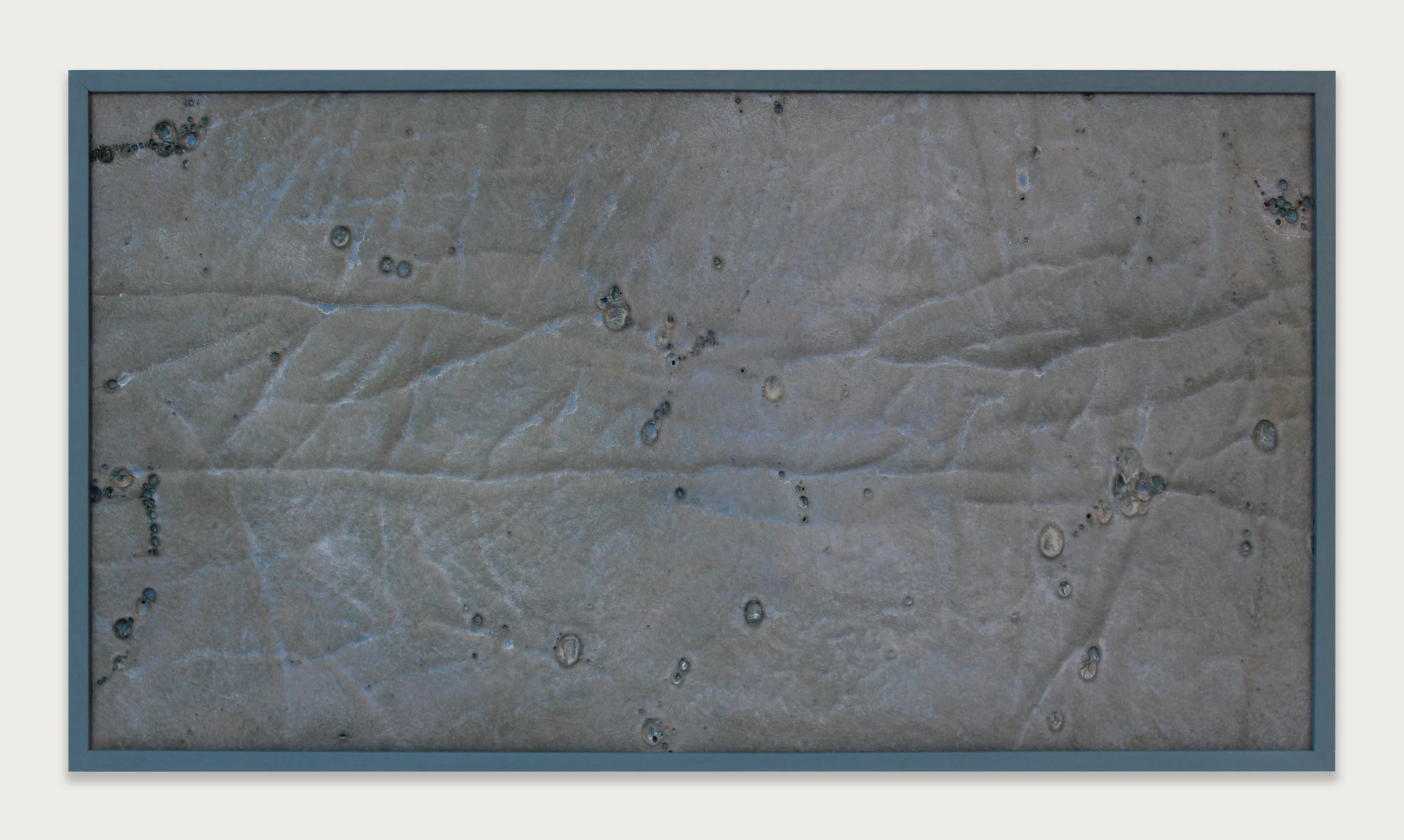
Vija Celmins
Starfield, 2010
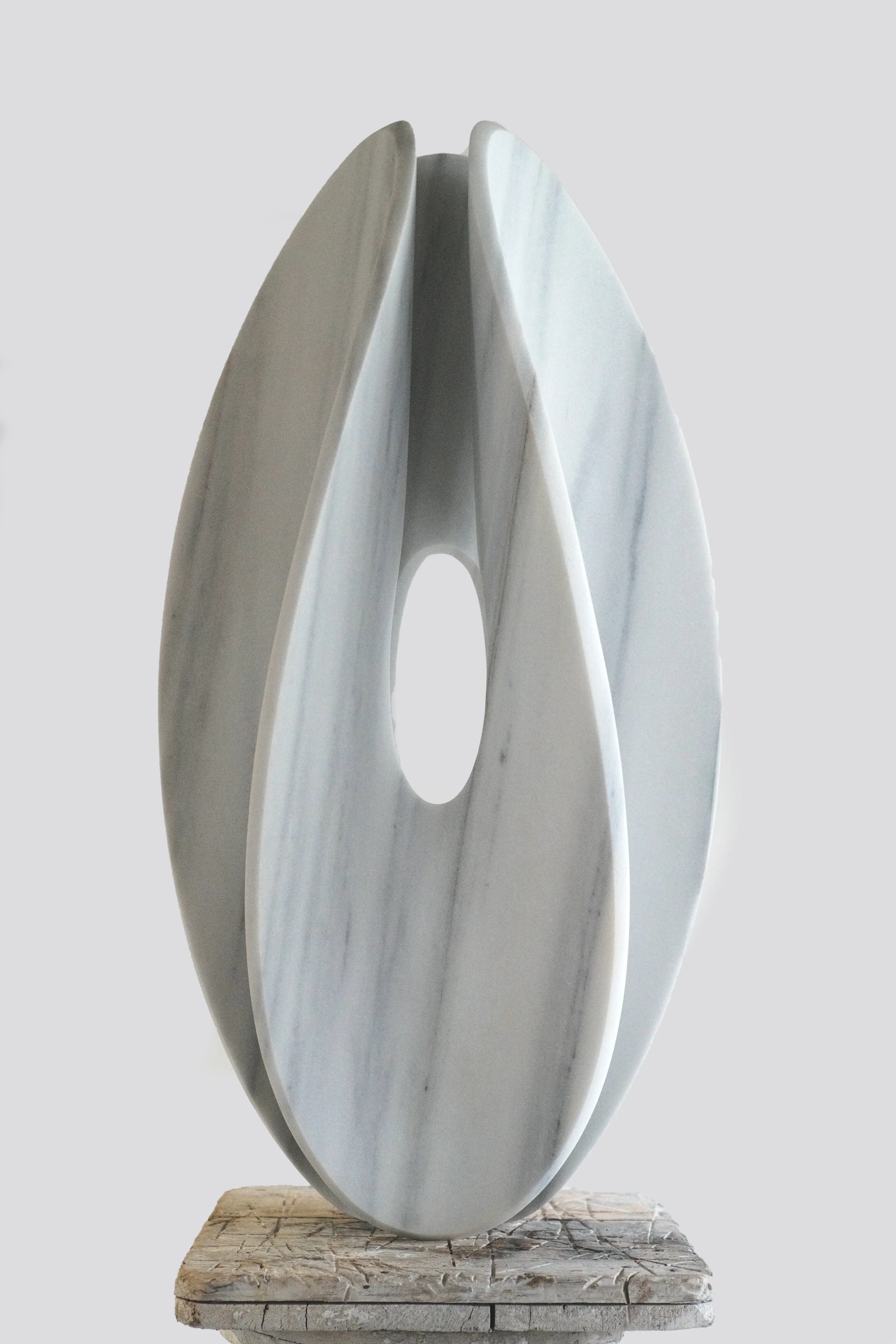
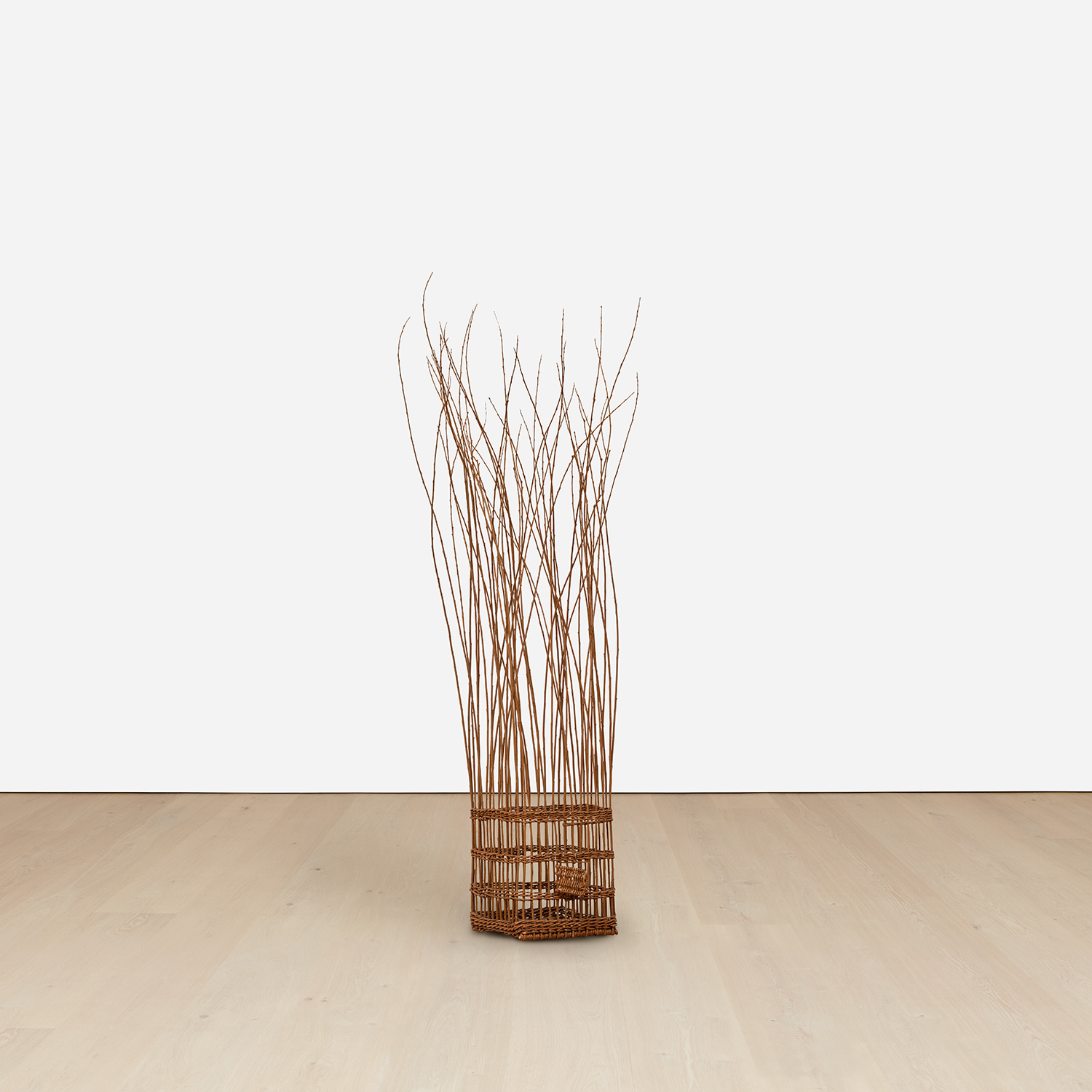
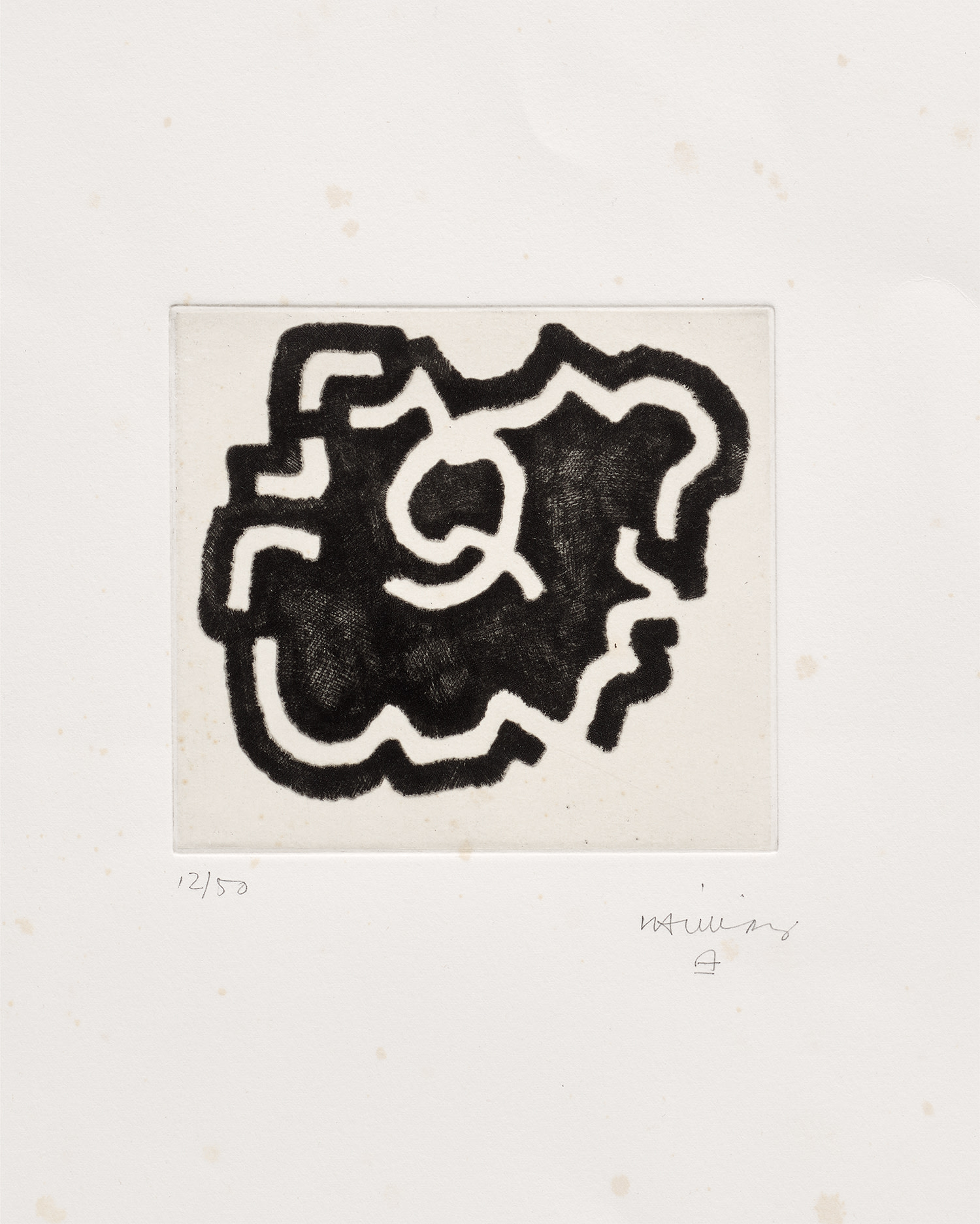
Eduardo Chillida, the great Spanish sculptor who spent his career thinking about weight, void, and the boundaries of form, offers a different entry point. His prints and works on paper are significantly more accessible than his monumental sculptures and carry the same philosophical seriousness that made him one of the defining voices of postwar European art. For collectors thinking about where genuine value still exists, the Italian Spazialismo movement remains underappreciated outside specialist circles. Agostino Bonalumi, whose shaped canvases breathe with an almost architectural tension, occupies a position adjacent to Fontana but has not yet seen equivalent market recognition globally.
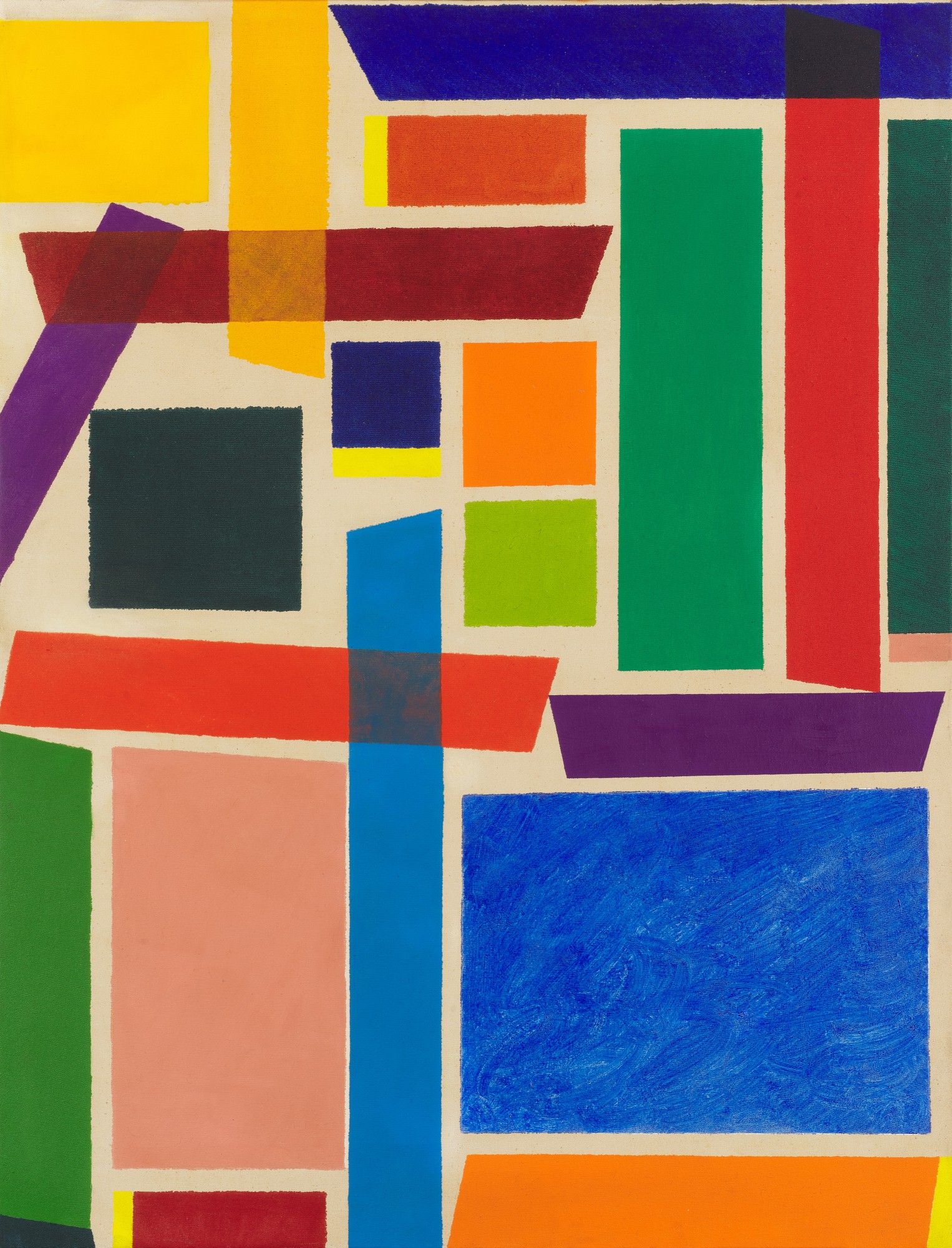
Piero Dorazio, whose luminous grid paintings feel as contemporary now as they did in the 1960s, is another figure whose work rewards close attention from collectors willing to do a little research. Both artists appear on The Collection and represent the kind of opportunity where critical reputation and price have not yet fully aligned. Giulio Turcato and Tancredi are names that serious Italian art specialists speak about with reverence, and their relative accessibility in the current market reflects geography and language barriers more than any honest assessment of quality. At auction, works dealing with space and cosmological themes have shown consistent resilience.
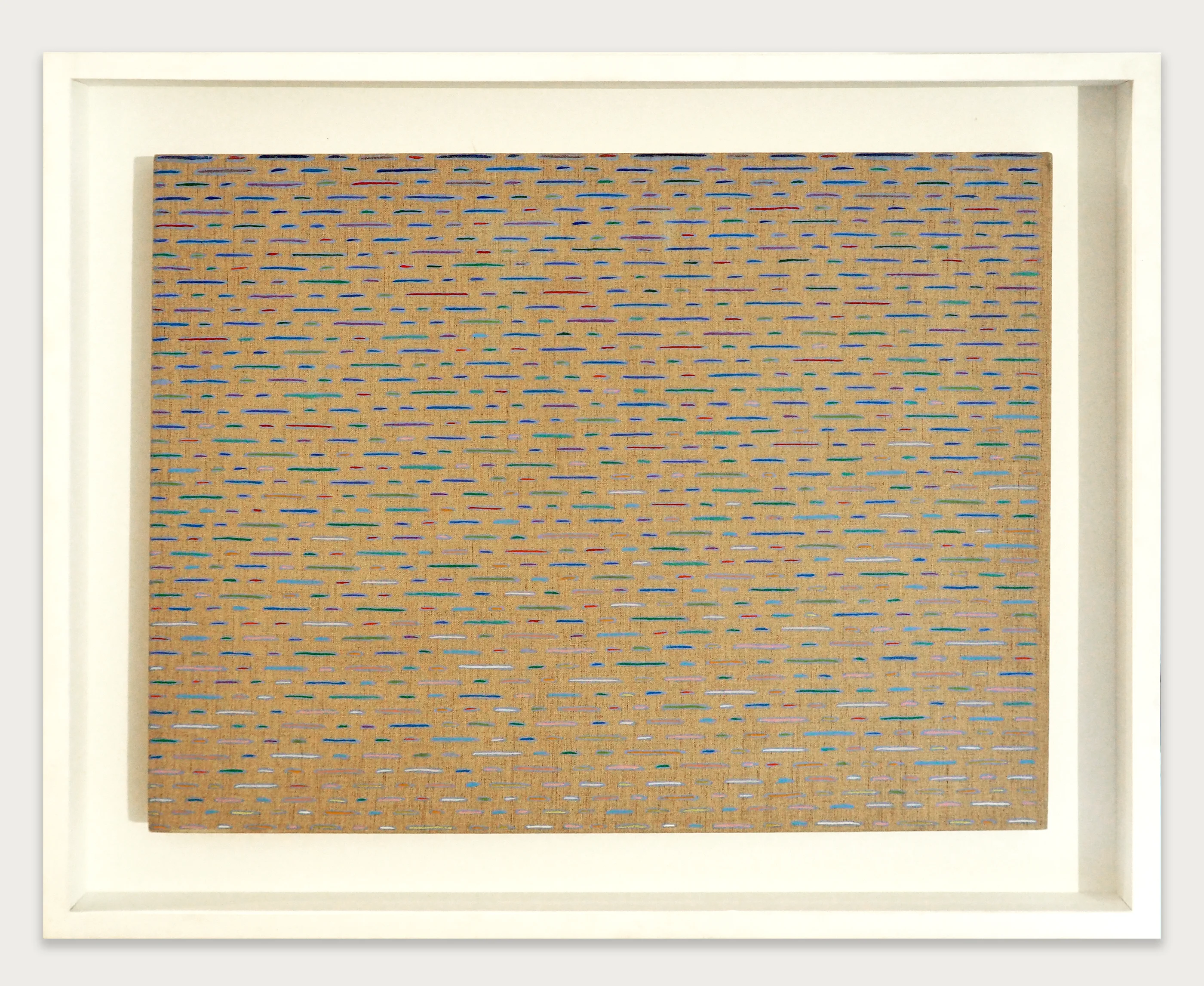
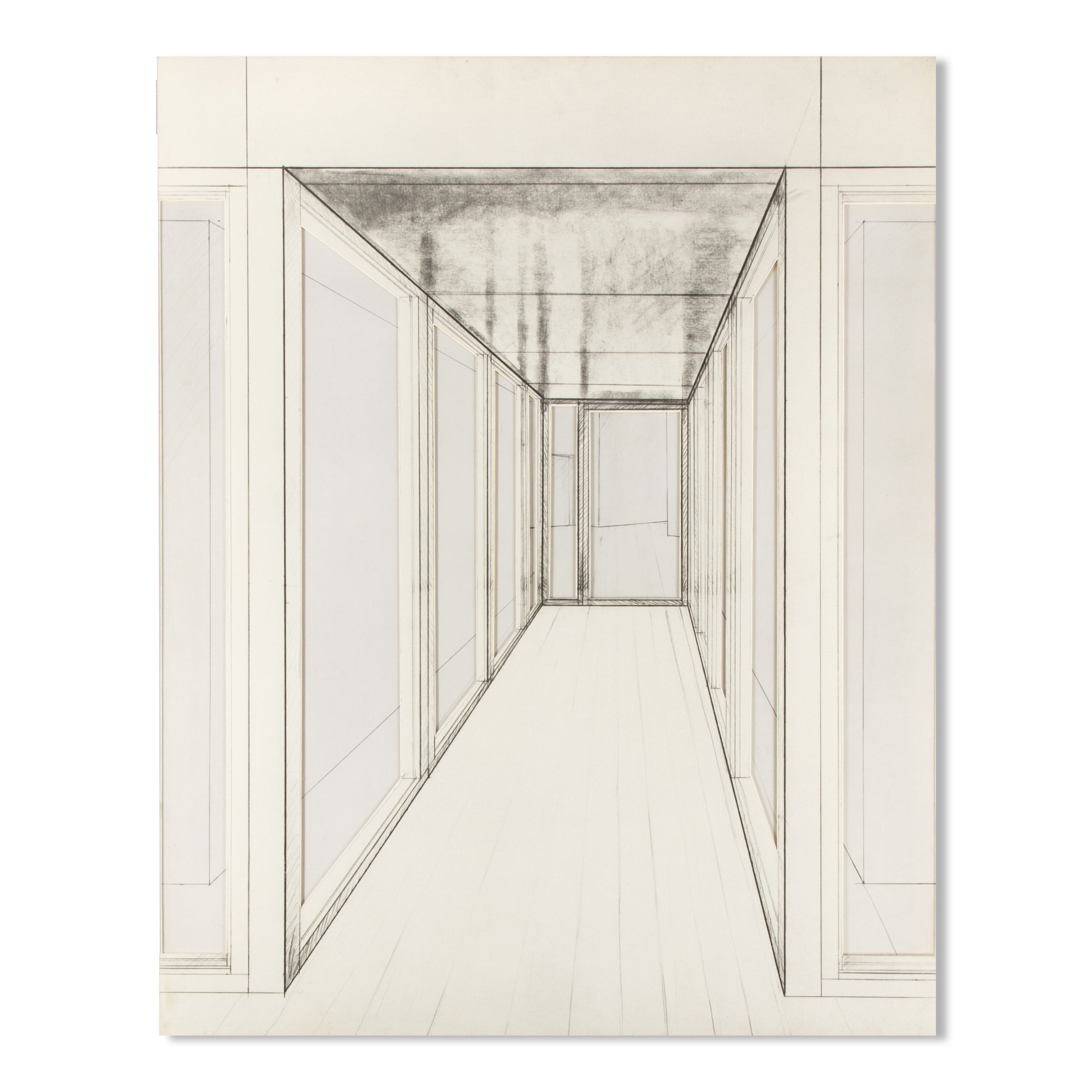
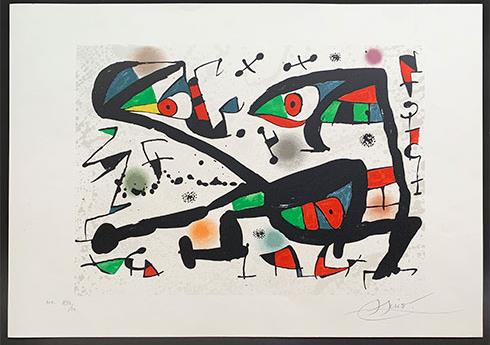
Piero Dorazio
Grisaille XVII, 1976
Celmins holds records at Christie's and Sotheby's that have been built steadily over two decades rather than spiking on hype. Fontana's works, particularly the Concetti Spaziali, remain among the most reliably liquid in the postwar Italian category. What the data shows across this area is that depth of concept correlates with depth of market: works that can be written about seriously, that have a traceable intellectual lineage, tend to find buyers even in cautious years. Speculative works that rode a trend do not.
This is a category where scholarship protects value. On the contemporary side, Refik Anadol represents an entirely different relationship with space: one mediated by data, artificial intelligence, and architectural scale. His work raises genuine questions about edition structures, ownership, and what it means to collect a time based or software dependent work. For collectors curious about this frontier, the key questions to ask are around archival stability, edition size, and what technical support the artist's studio commits to over time.
These are not reasons to avoid the work. They are reasons to ask specific questions before acquiring it. Similarly, artists like Daniel Arsham, who treats time and entropy as spatial forces, have built serious collector bases and secondary market presence that suggest staying power beyond the initial cultural moment. Practical considerations for collectors in this space are worth taking seriously.
Works on paper, which many of the strongest artists in this category produced in significant quantity, require careful attention to light exposure. Prolonged UV exposure degrades works on paper faster than almost any other factor, so framing with UV protective glass and thoughtful placement away from direct natural light is not optional. For prints and editions, always verify the edition number, the presence of the artist's signature or estate stamp, and the provenance trail. Ask the gallery for a condition report and, for anything significant, commission an independent one.
Unique works in this category command premiums that are usually justified by rarity, but editions by artists like Chillida or Celmins carry serious art historical weight and represent more accessible entry points to major careers. Living with art about space changes how you occupy a room. These works do not compete with furniture or conversation. They alter the atmosphere of wherever they are placed, creating a kind of gravitational pull that, over time, you come to depend on.
That is the real argument for collecting in this area: not portfolio theory or market timing, but the quiet, persistent reward of sharing your daily life with something that genuinely reaches toward the unknown.