Socially Engaged Art
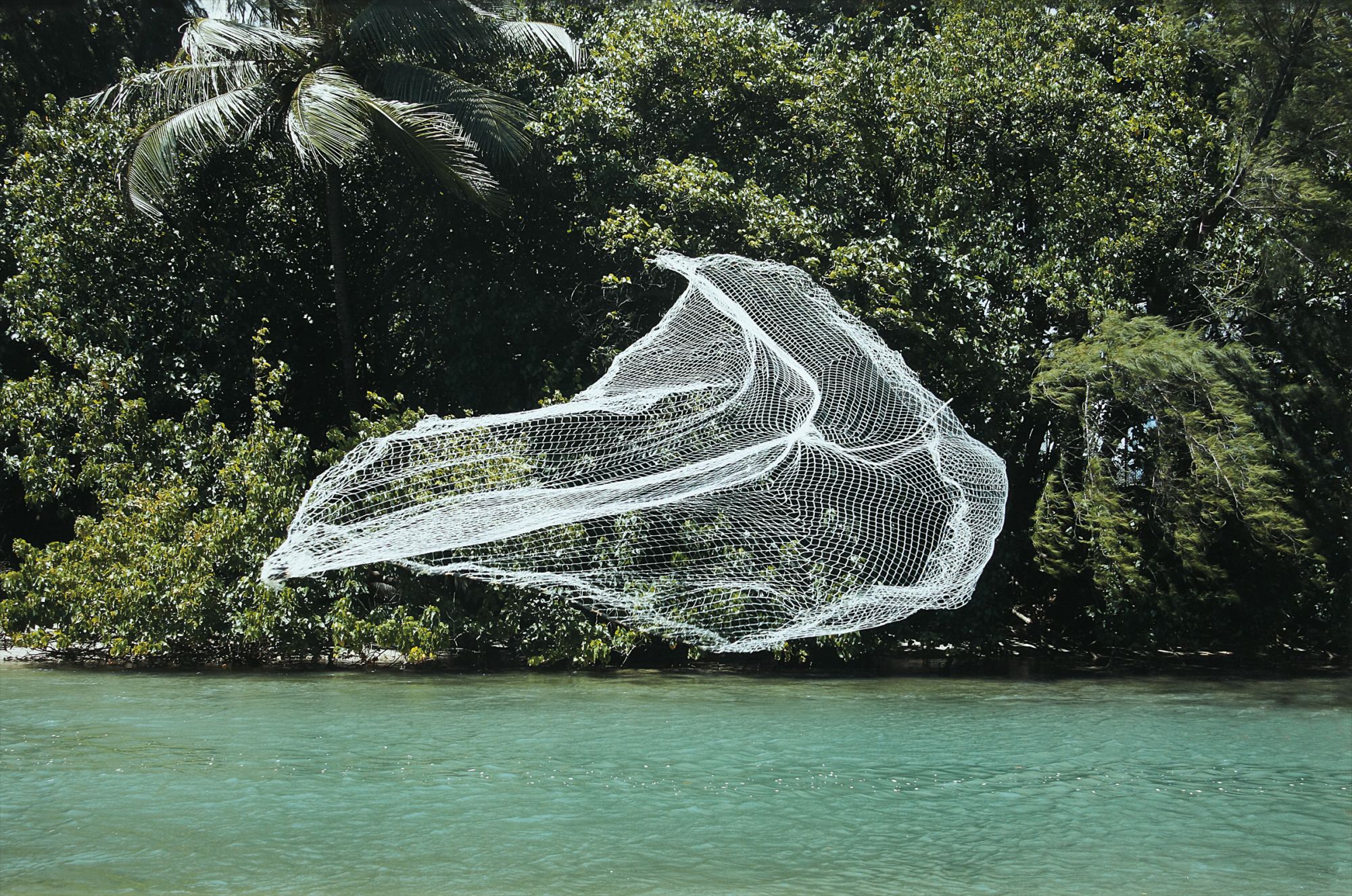
Allora
This work is number four from an edition of five.




Art That Refuses To Stay On The Wall
There is a particular kind of collector who finds themselves drawn to socially engaged art not despite its complexity but because of it. These are people who want the works in their homes and collections to do more than decorate or signal taste. They want friction, conversation, and a persistent reminder that art does not exist in a vacuum. Living with a work by Francis Alÿs or Theaster Gates is not always comfortable, and that is precisely the point.
The best pieces in this category change how you think about the space around them and, over time, how you think about your own position in the world. What separates a merely interesting work in this category from a genuinely great one is the degree to which the social process behind it remains legible in the object itself. Socially engaged practice covers an enormous range of approaches, from community workshops and public interventions to long term collaborative studios, and not every outcome translates into something a collector can meaningfully own. The strongest works carry the evidence of their making.
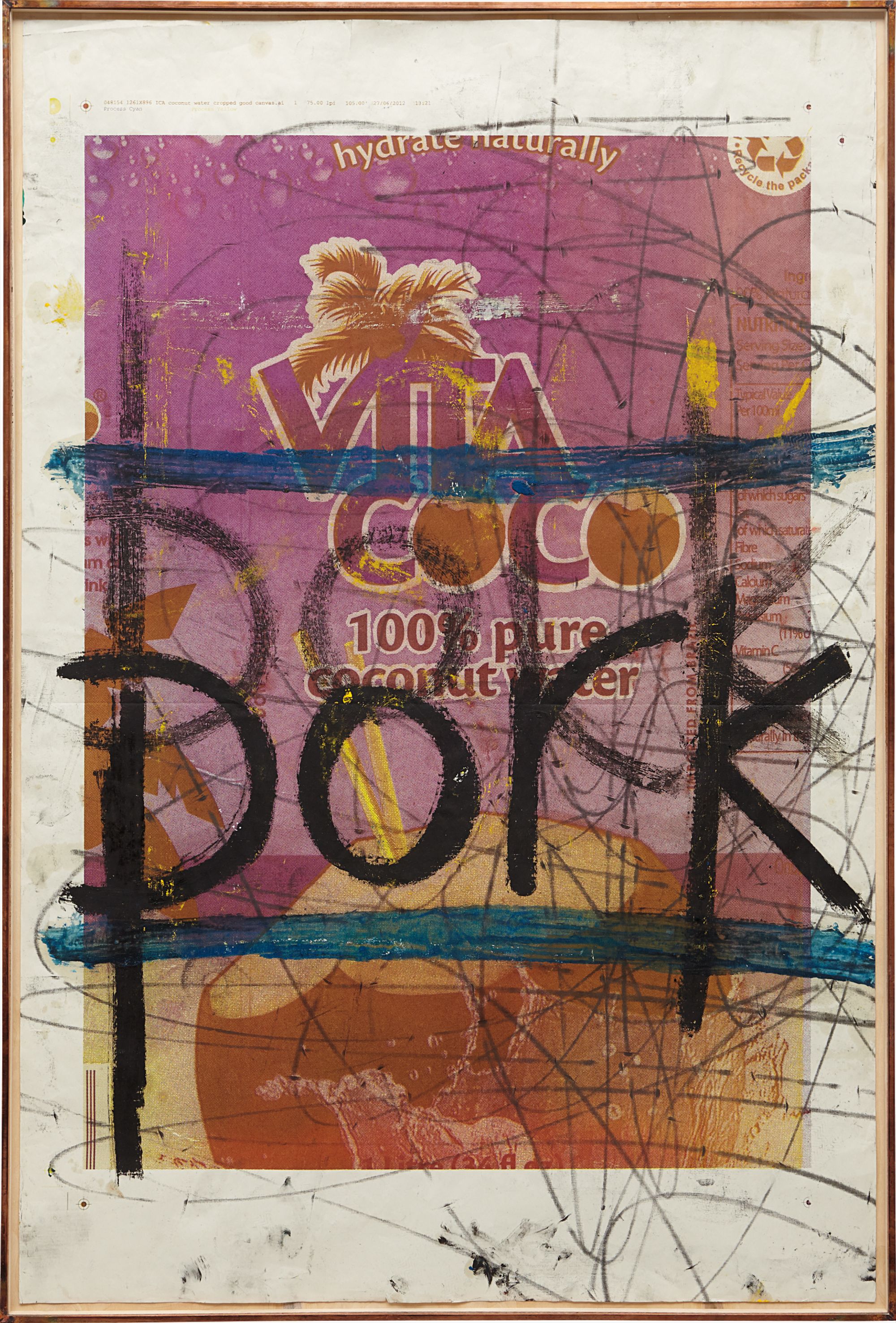
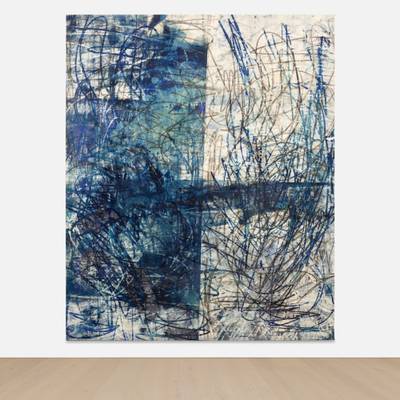
Oscar Murillo
La era de la sinceridad series
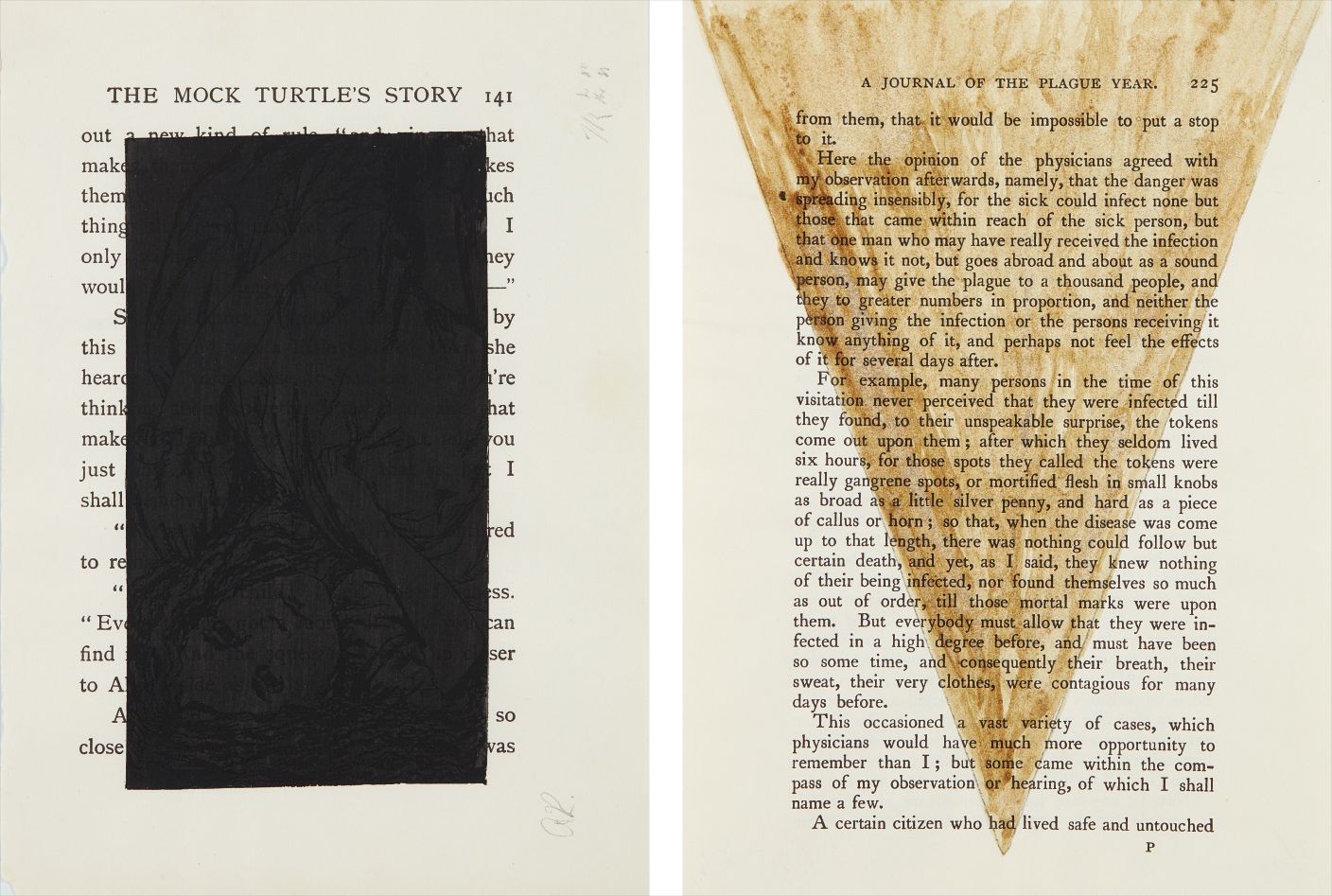
You should be able to look at a piece and feel the relationship between the artist, the community, and the resulting form. If that relationship has been cleaned up or aestheticized away, something essential has been lost. Tim Rollins and K.O.
S. represent perhaps the clearest example of this principle in practice. The collaborative, formed in the South Bronx in the early 1980s, produced works that were inseparable from their process: young people from one of America's most underserved communities painting directly onto the pages of canonical literary and musical texts. The Amerika series, drawing on Kafka, became iconic not just as painting but as argument.
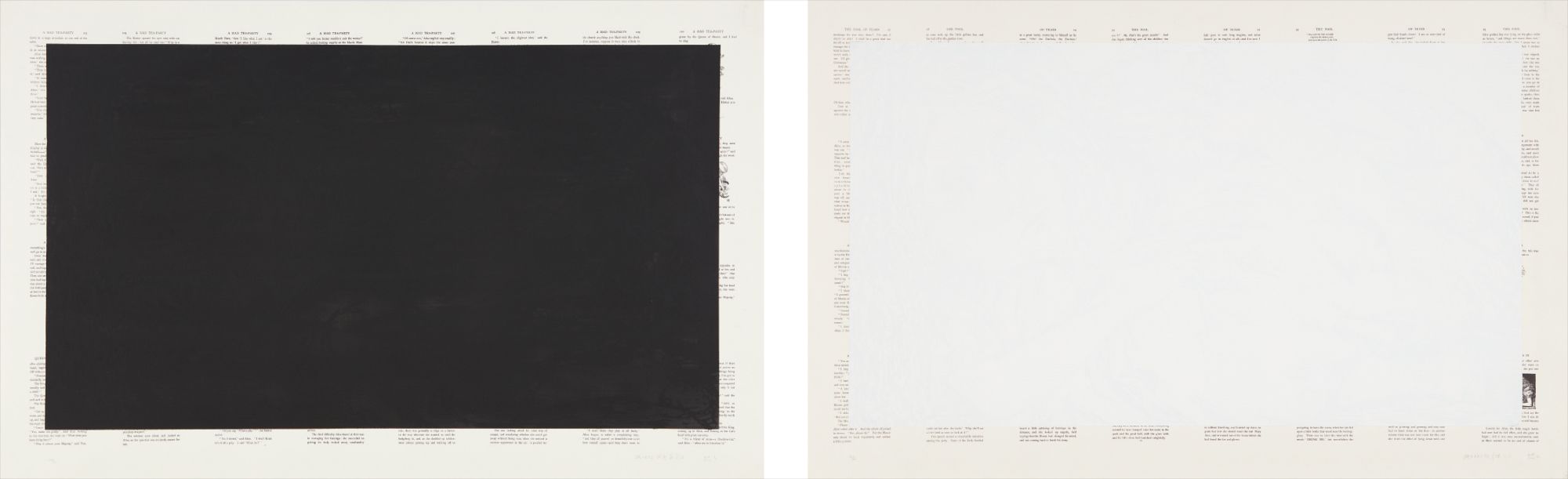
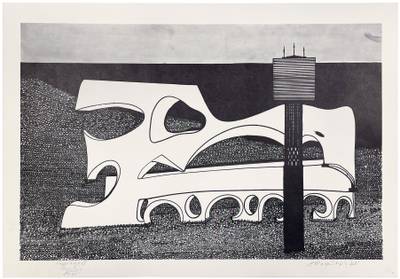
Tim Rollins and K.O.S.
Black Alice; and White Alice
Works by Rollins and K.O.S. have real staying power in the secondary market precisely because the story is embedded in the surface.
When you acquire one of these pieces, you are acquiring a document of a genuine exchange, not an illustration of one. Their presence on The Collection reflects how seriously the platform takes this lineage. Theaster Gates operates at a different scale but with equal rigor. His practice weaves together urban redevelopment, archival recovery, and object making in ways that make the Chicago neighborhoods he works in as much a medium as clay or tar.
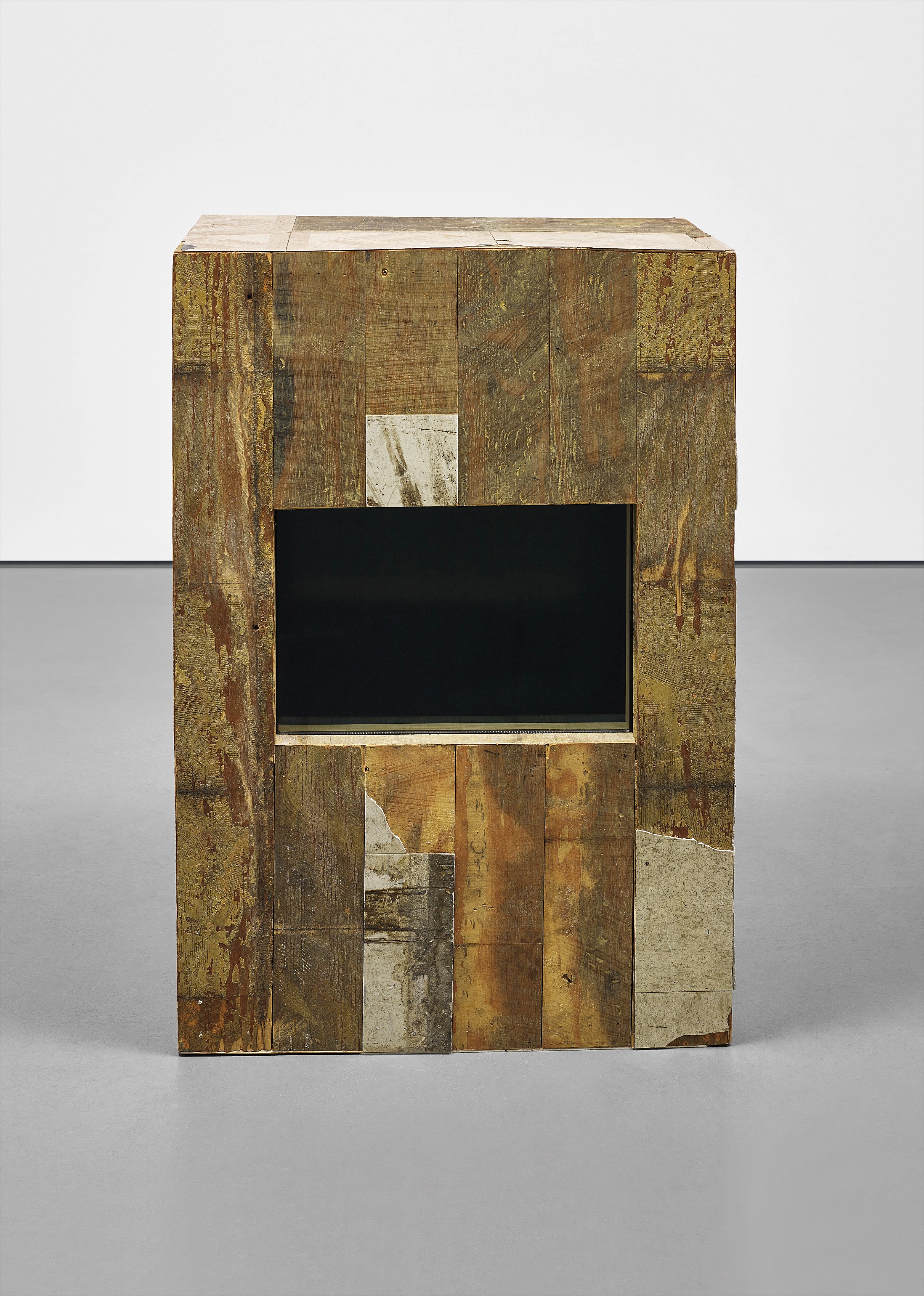
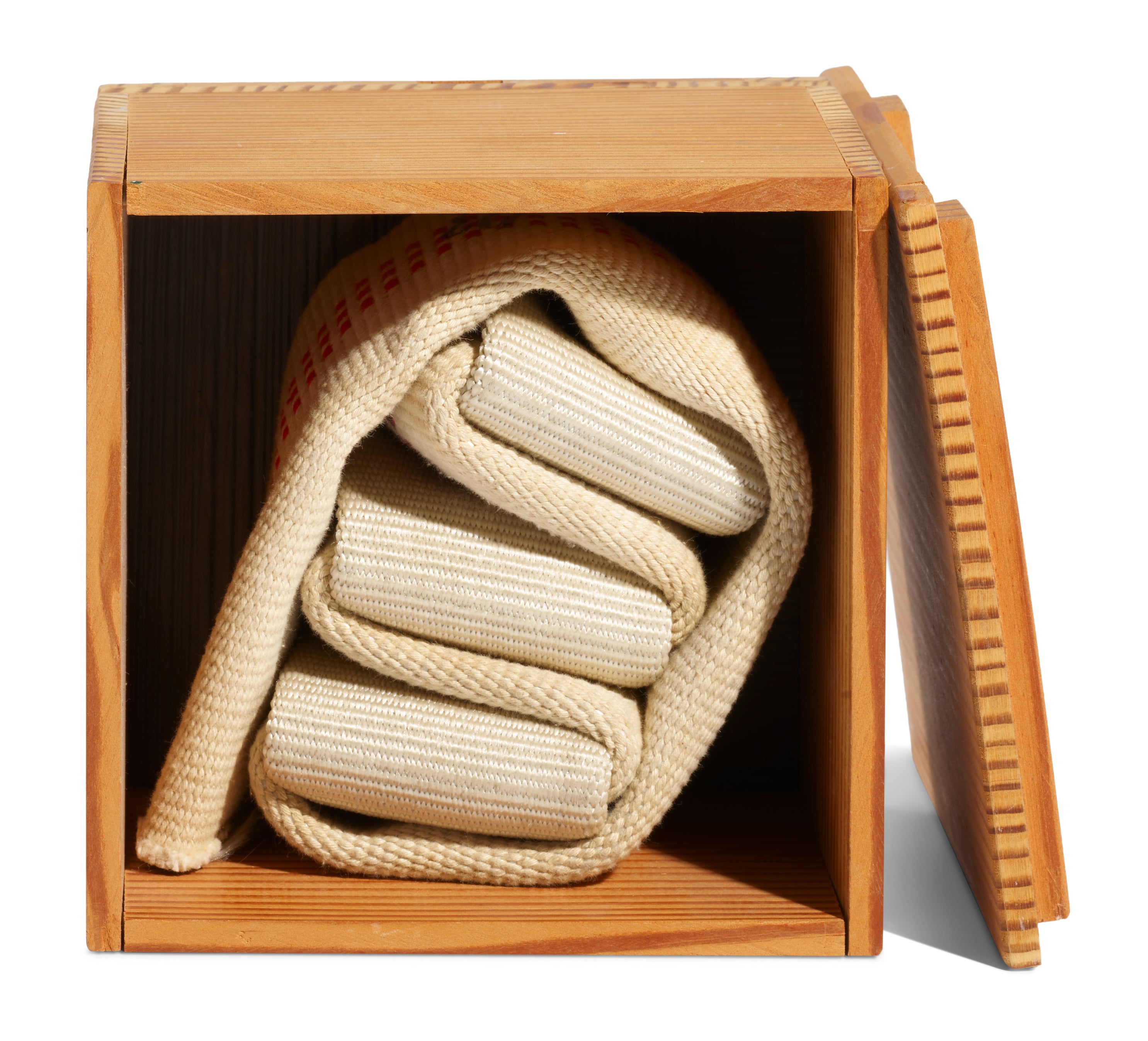
Theaster Gates
Black Box II, 2011
Collectors who acquire Gates are buying into a larger ecosystem of meaning, and the market has recognized this. His prices at auction have risen steadily through the 2010s and into the 2020s, with major institutions from the Serpentine to the Prado giving his work sustained critical attention. A Gates work on your wall is a conversation starter that never gets old because the references keep accumulating. Oscar Murillo, Colombian born and London trained, operates in a similar register of global circulation and local rootedness.
His canvases, often dragged across factory floors or worked on by communities in different countries, bear physical marks that are essentially biographical. Murillo's market has matured considerably since his early gallerist relationships generated some controversy around rapid price escalation. Today his work reads more settled and the secondary market reflects genuine institutional confidence. For collectors looking at emerging opportunities, it is worth paying attention to artists working at the intersection of post colonial critique and community practice, particularly those coming out of Latin America, West Africa, and Southeast Asia.

Pieter Hugo
Mallam Galadima Ahamadu with Jamis, Nigeria from The Hyena and Other Men
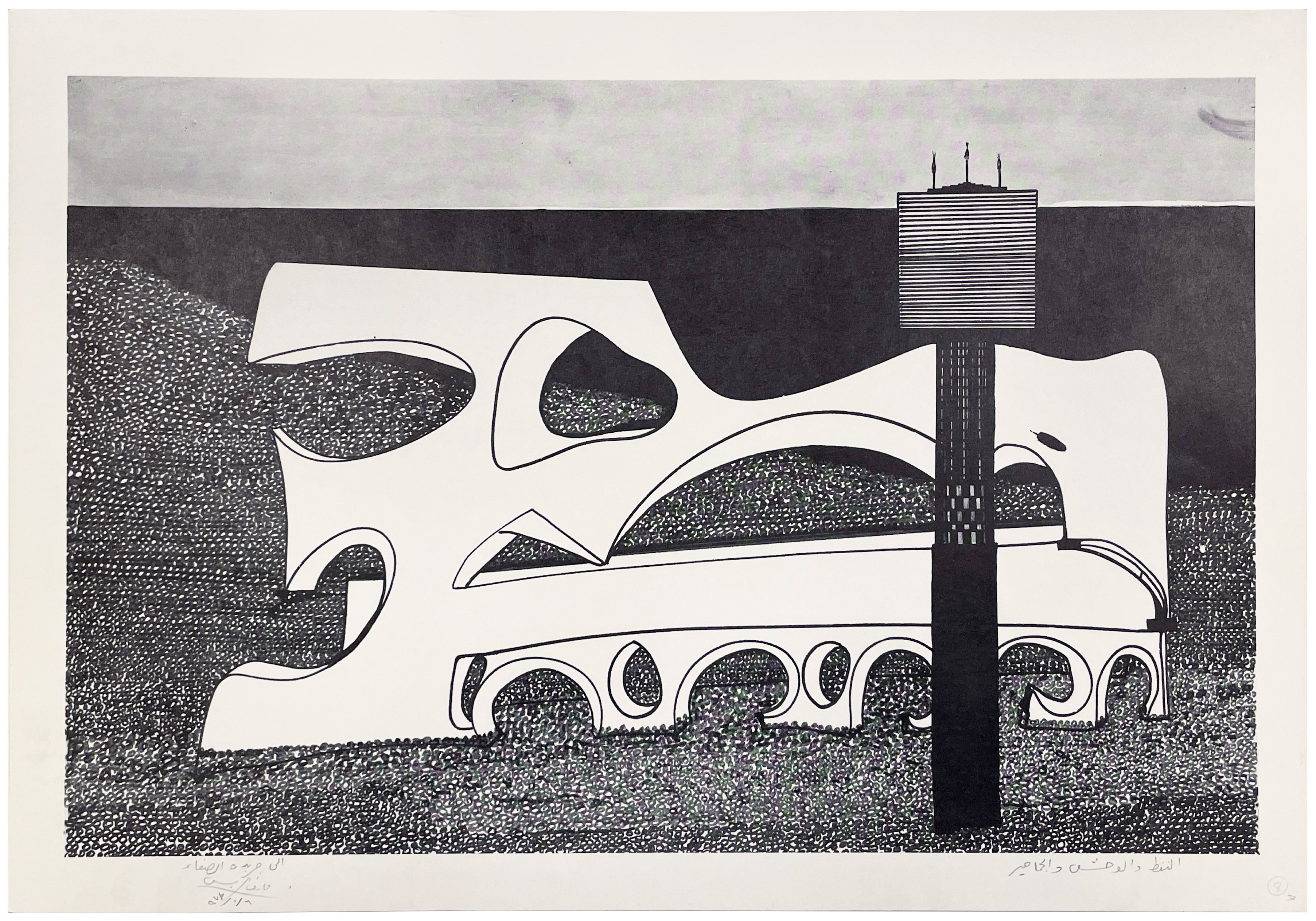
The legacy of someone like Aref El Rayess, the Lebanese artist whose work engaged deeply with questions of national identity and displacement, feels newly relevant to a generation of artists processing similar ruptures in different geographies. Works that engage or reference this tradition carry particular weight right now. Pieter Hugo, though primarily known as a photographer, brings a similar quality of ethical seriousness to his images of communities and individuals often rendered invisible by mainstream representation. His work rewards close attention from collectors willing to think about photography not just as document but as encounter.
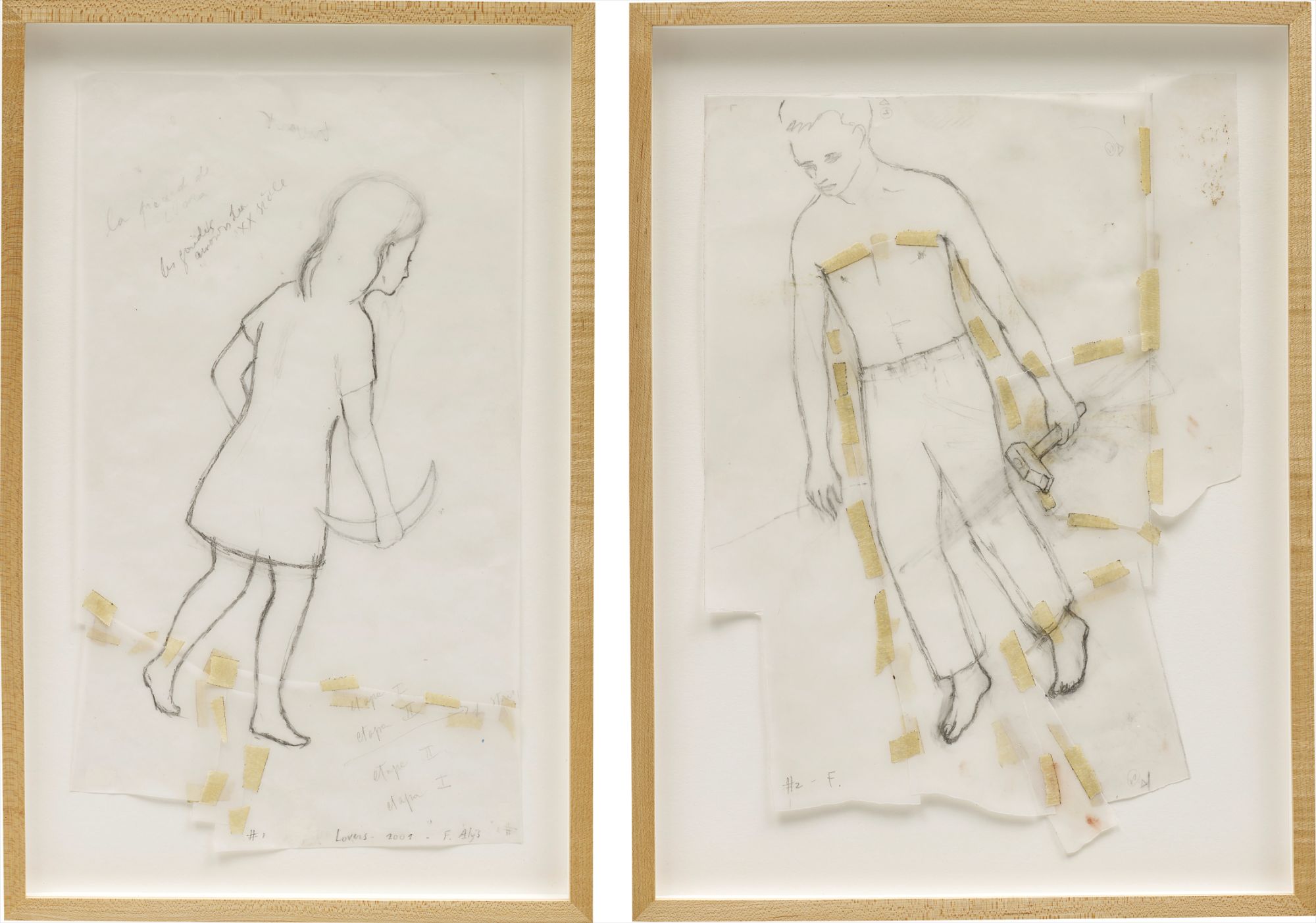
At auction, socially engaged works can behave unpredictably, and it pays to understand why. Pieces that depend heavily on context, such as instructions for a performance, photographs documenting an intervention, or ephemera from a community project, sometimes struggle to find their floor at auction because generalist buyers are uncertain how to value them. This is actually an opportunity for knowledgeable collectors. Francis Alÿs, whose practice ranges from video to painting to drawing and whose interventions in cities from Jerusalem to Mexico City have become canonical, has works across multiple media that trade at very different price points.
The drawings and studies that relate to his larger projects are often more accessible than you might expect, and they carry genuine art historical weight. Practically speaking, condition in this category requires particular care because the materials are often unconventional. Gates uses industrial materials, Murillo uses raw canvas, and collaborative works sometimes incorporate found objects or paper elements that are inherently fragile. Always ask the gallery for a full condition report and a materials list before acquiring.
Ask specifically whether the work has been shown in an outdoor or non climate controlled context, as this affects long term stability. With editions, which are common in photographic and video based work from this space, ask about the total edition size, the printer or fabricator, and whether the artist has been involved in supervising subsequent prints. A small edition supervised by the artist is almost always preferable to a larger one produced without oversight. Display considerations are worth thinking about seriously.
Many of these works come with strong wall presence but also carry conceptual weight that can be diluted by the wrong context. A Murillo canvas next to purely decorative work can feel stranded. Consider groupings that allow the social and political content to breathe. And do not be afraid to let a work change how a room feels.
That discomfort, that productive unease, is often exactly what the artist intended and exactly what makes living with this kind of work such a genuinely rare experience.