Single Figure
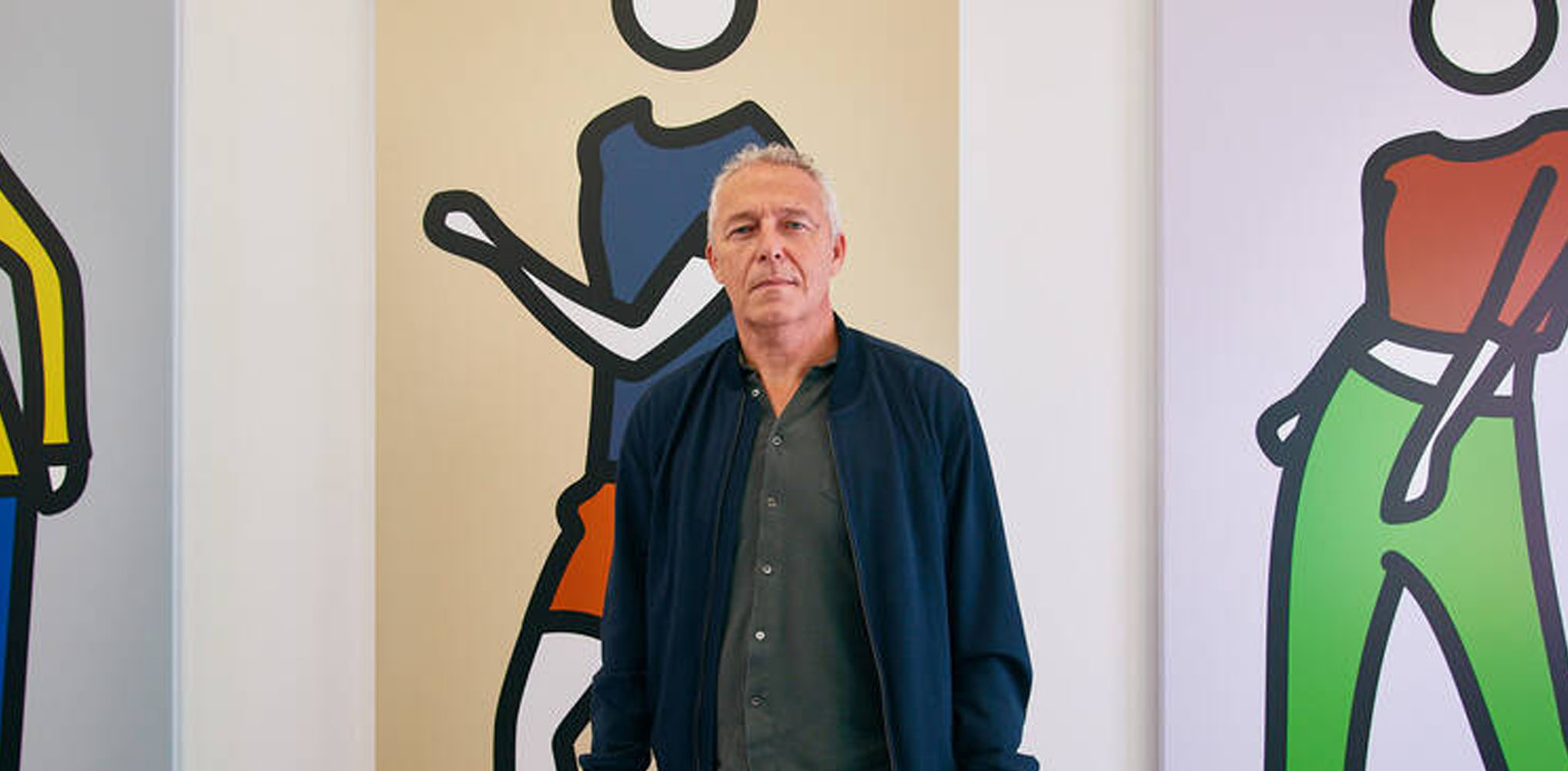
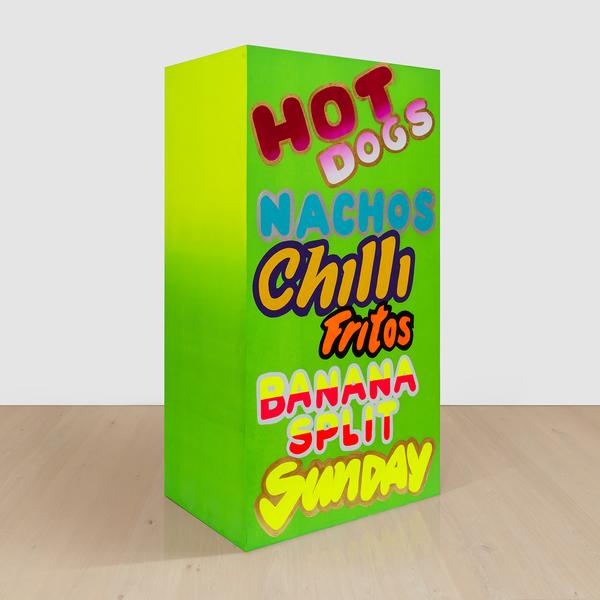
Jordi Ribes
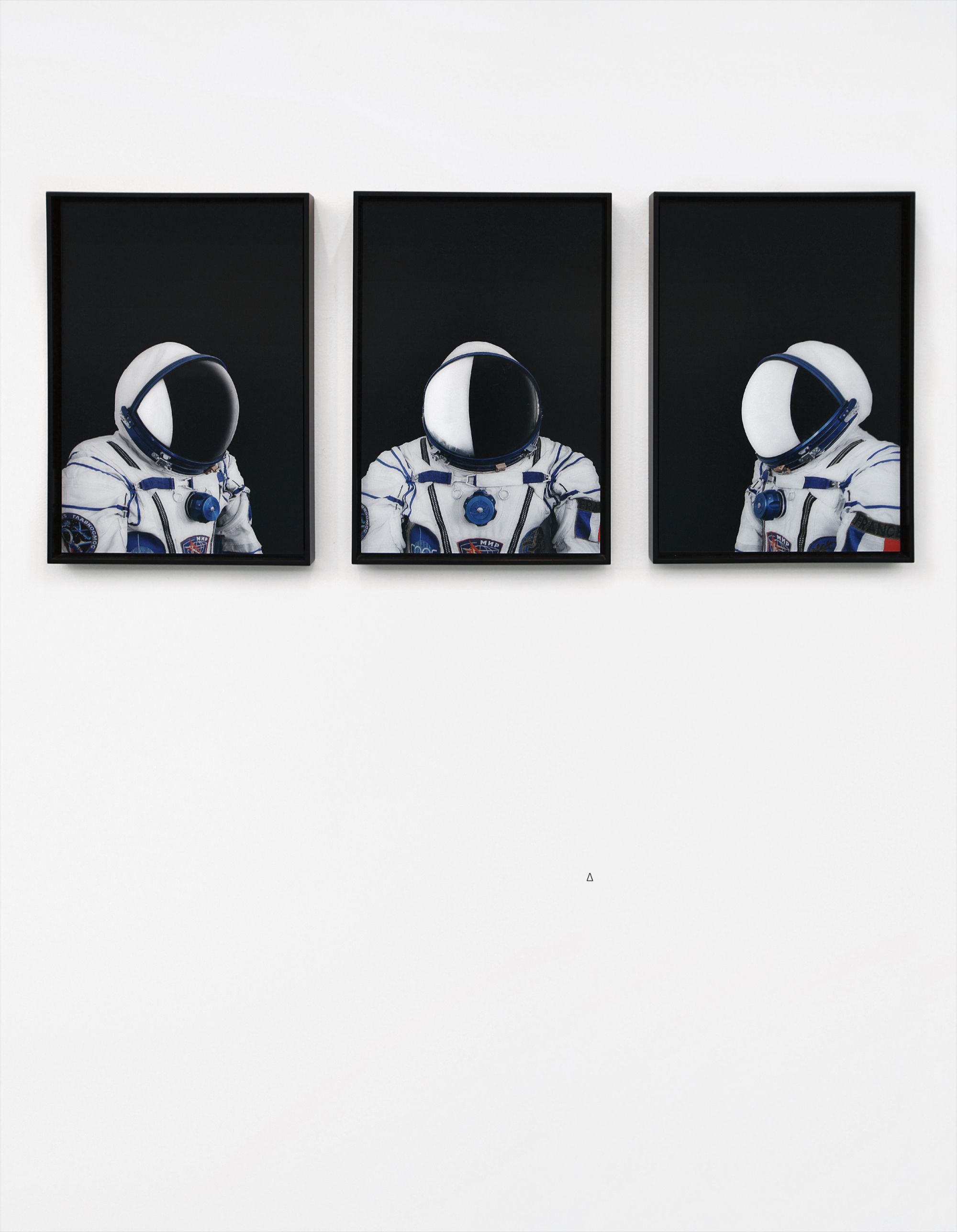
El Inquilino, 2005
The Lone Figure Refuses to Stand Still
When Tala Madani's paintings came up at auction in recent seasons, the rooms tended to go quiet in a particular way. Her single figures, those squat anonymous men caught in pools of projected light or sliding through spaces that barely contain them, generated serious competition among collectors who understand that figure painting right now is not a nostalgic retreat but a genuinely urgent place to be. The results confirmed what curators and advisors had been saying privately for several years: the isolated human form has become one of the most charged territories in contemporary art, carrying questions about identity, visibility, and what it means to be seen that feel more pressing with each passing year. The conversation around single figure painting and its broader category of singular human presence in art has been building momentum since at least the mid 2010s, but the institutional weight behind it has grown noticeably heavier.
The Museum of Modern Art's 2021 exhibition Around 1984: A Look at Art in the Eighties returned attention to a period when artists were grappling with the body under extreme social and political pressure. More recently, shows at the Serpentine and Tate Modern have repeatedly foregrounded works in which one figure stands, sits, or floats in psychological rather than physical space. The curatorial argument, made convincingly across multiple institutions, is that the isolated figure is never simply a compositional choice. It is a statement about subjecthood itself.
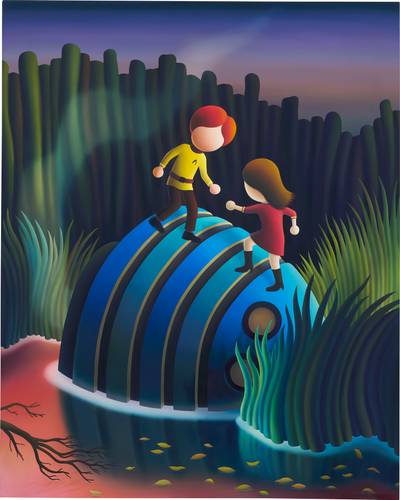
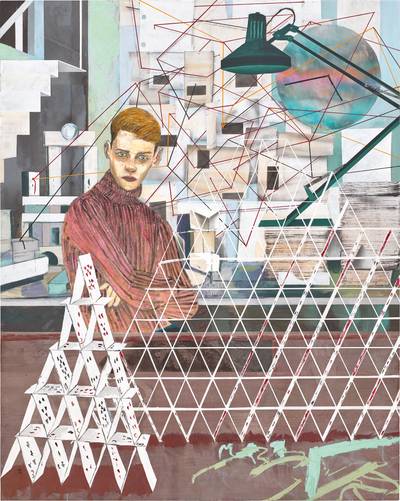
Hernan Bas
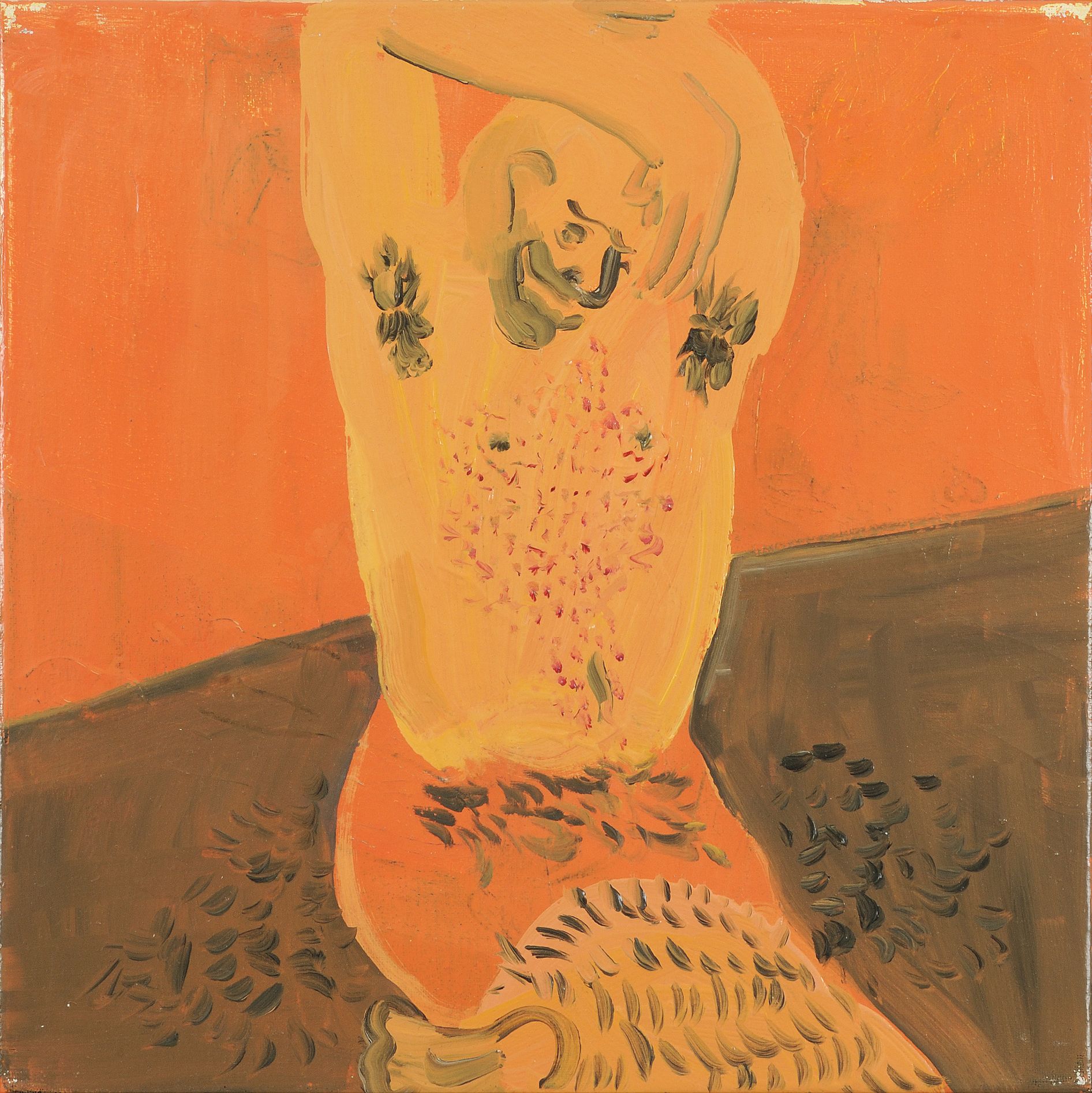
Nick, Dancing in Berlin
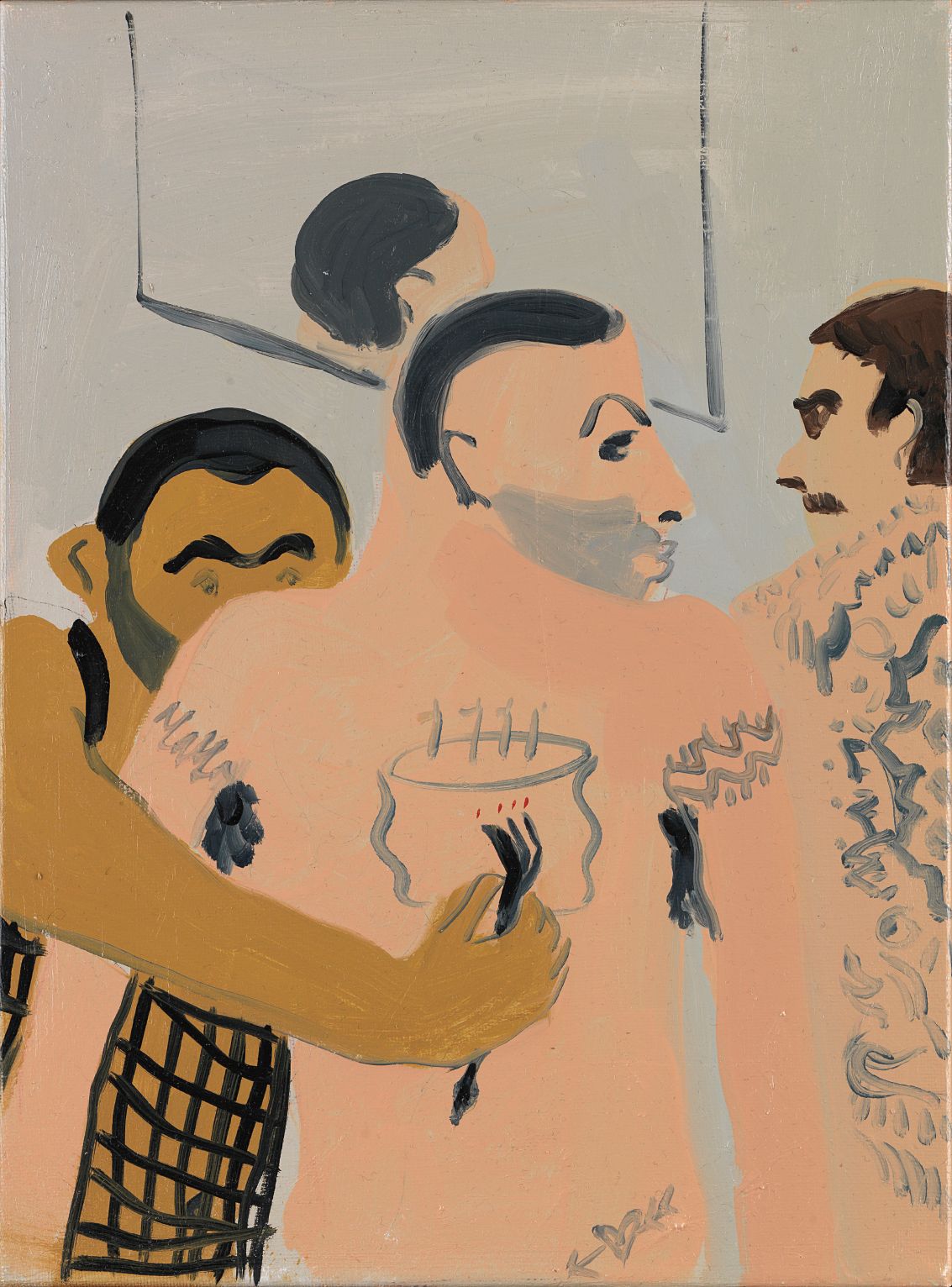
The auction market has absorbed this argument enthusiastically. Works by Hernan Bas, whose solitary young men inhabit swampy Southern Gothic interiors charged with literary and queer symbolism, have seen consistent secondary market strength, with prices at Christie's and Phillips regularly exceeding estimates. Bas built his reputation through shows at galleries in Miami and New York during the early 2000s and his institutional footprint, including a substantial survey at the Rubell Museum, anchored his market before broader collecting interest caught up. His single figures reward the kind of close looking that rewards collectors who read as well as buy.
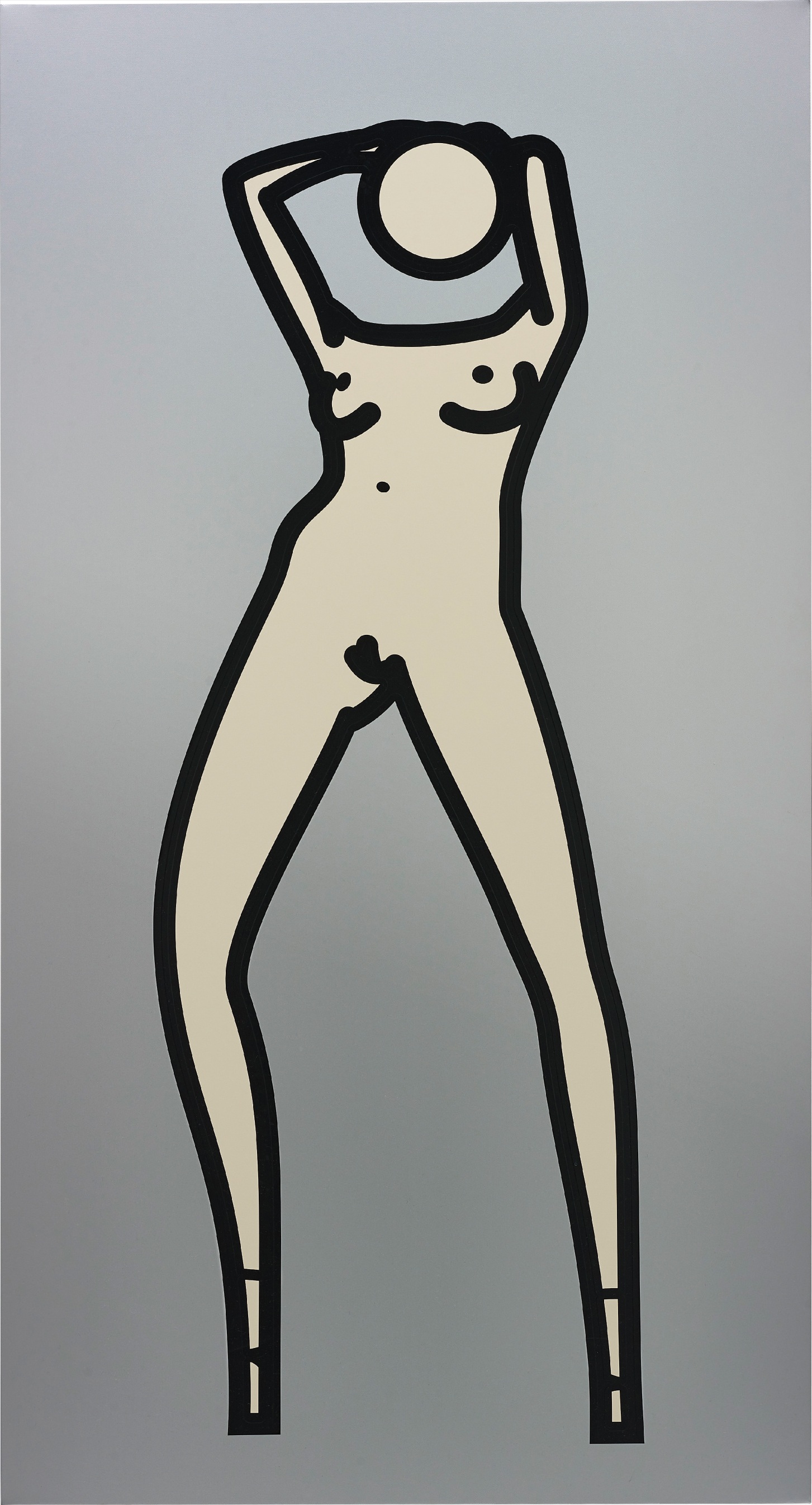
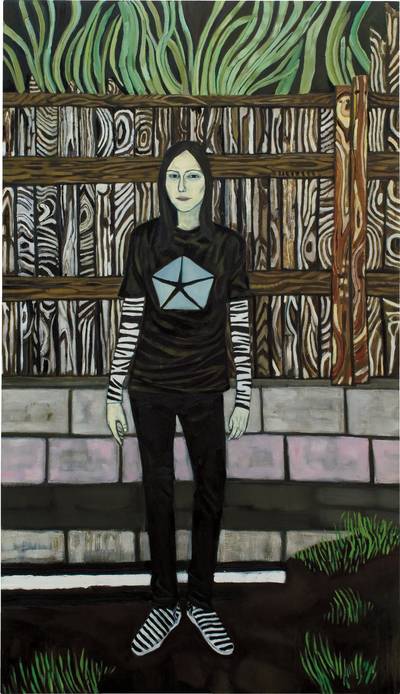
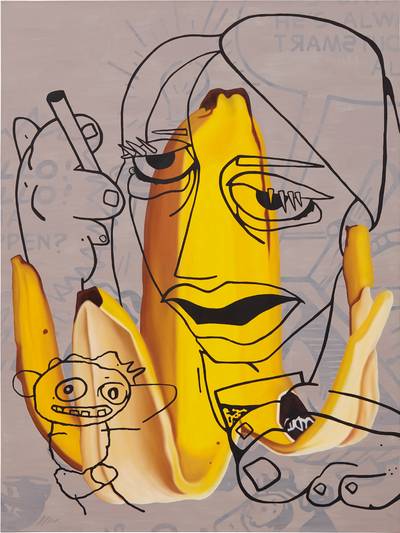
Similarly, Raffi Kalenderian's intimate portraits of lone individuals rendered in a palette that feels simultaneously warm and slightly melancholic have attracted a younger generation of collectors drawn to painting that is technically accomplished without being showy. Julian Opie represents a different pole of the same conversation. His simplified figures, reduced to black outlines and flat fields of colour, have maintained remarkable market stability over decades, and the works on The Collection demonstrate why. Opie turned the single figure into something almost like a typeface, a repeatable but always specific unit of human identity.
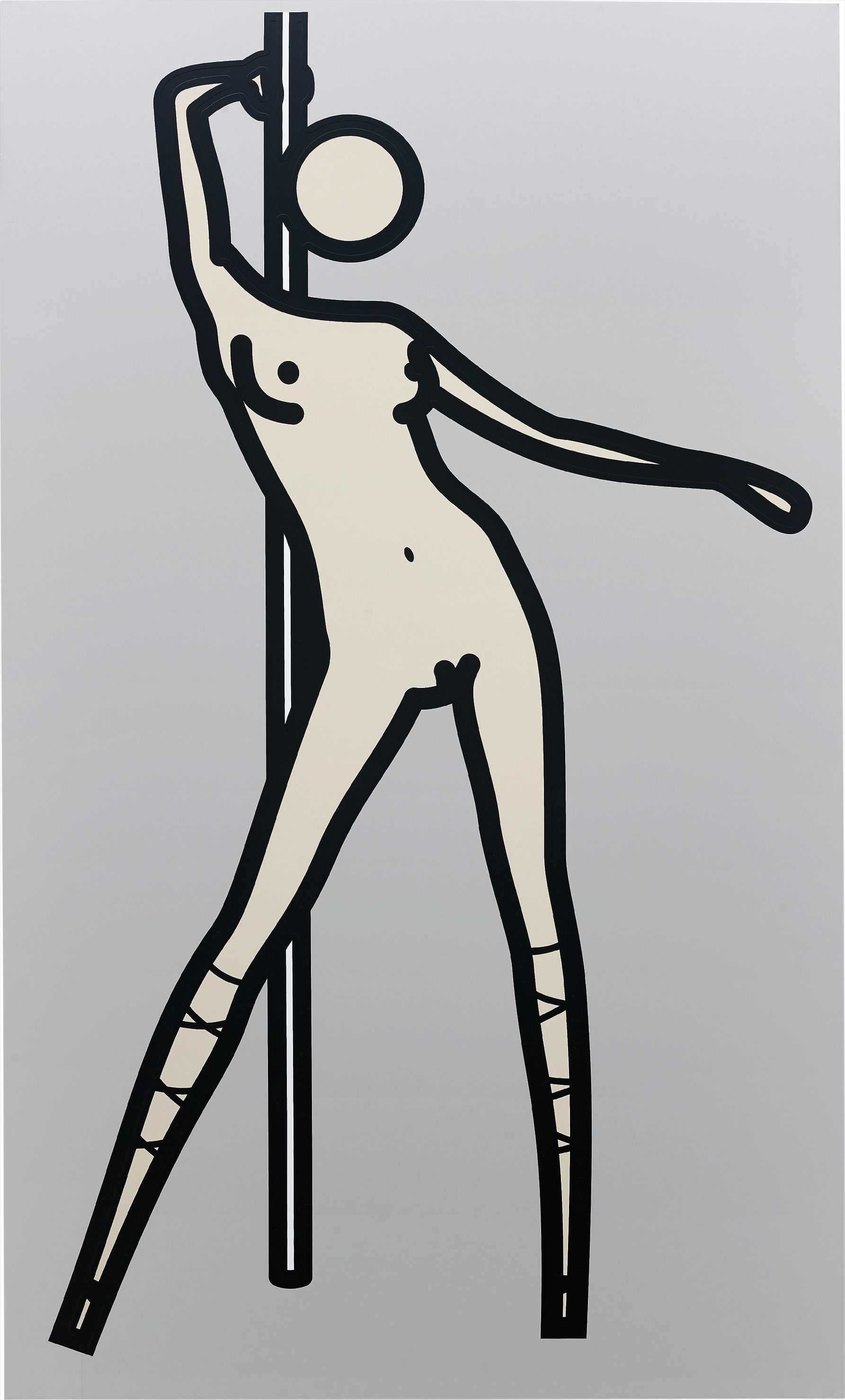
Julian Opie
This Is Shahnoza 37, 2007
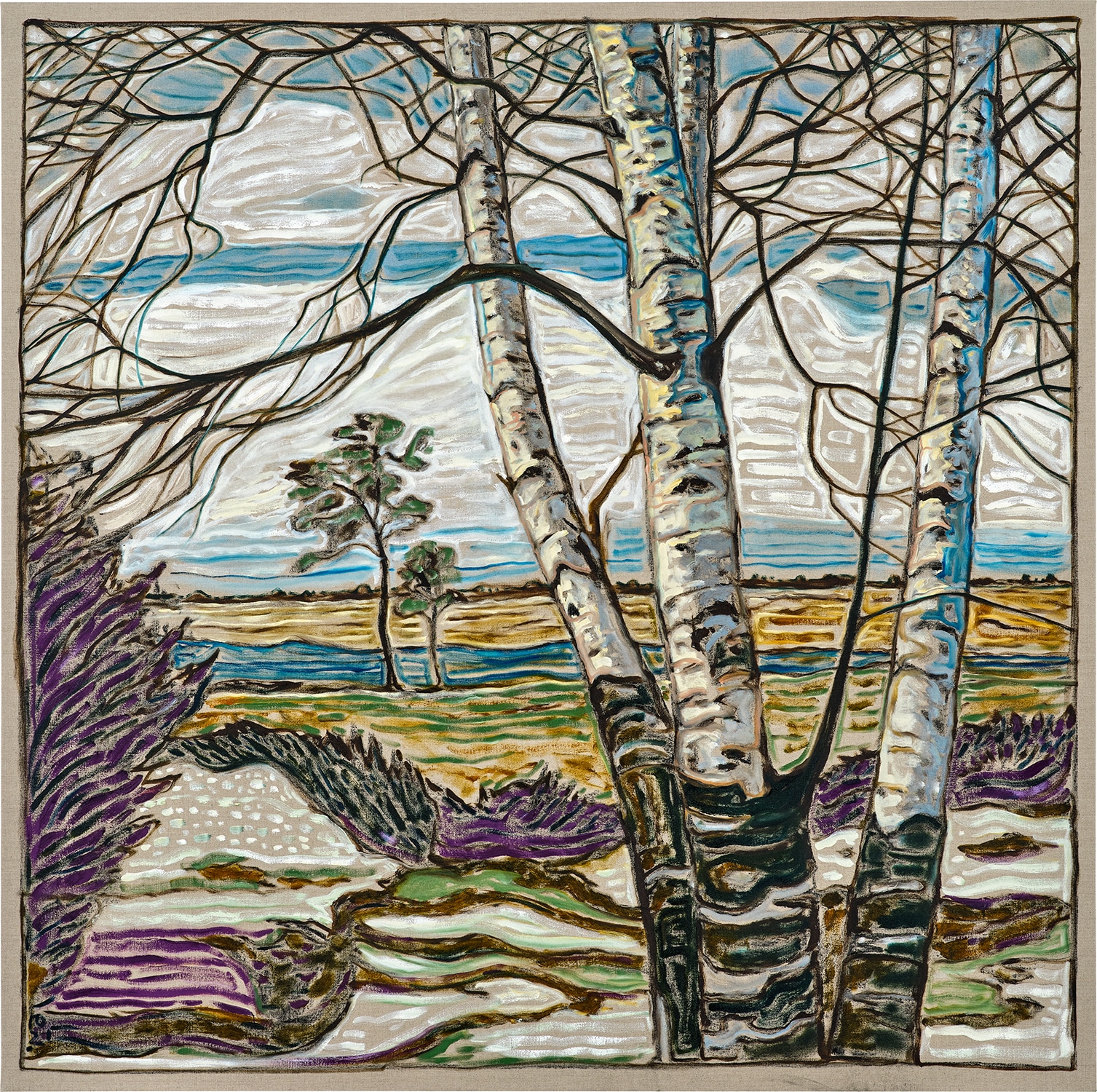
His prices at major auction houses have held firm even in uncertain market conditions, which tells you something about the broad appeal of his approach. Where some figurative painters depend on a specialist audience, Opie has built a following that spans institutions, corporate collections, and private buyers who might not otherwise consider themselves figure painting collectors at all. Among the artists well represented on The Collection, Billy Childish occupies a position that the market has been in the process of reappraising with real seriousness. Long celebrated within a certain strain of British art writing, his raw and insistently handmade single figures have gained critical altitude as the conversation around outsider adjacency and deliberate awkwardness has become more sophisticated.
Publications like Frieze and Art Monthly have returned to Childish repeatedly, and the auction results have followed critical attention in a way that feels organic rather than engineered. Ebecho Muslimova's work presents a different kind of challenge to received ideas about the single figure. Her protagonist Fatebe, a figure who refuses the limitations placed on her by perspective, gravity, and social expectation, has generated some of the most genuinely interesting critical writing about figuration in recent years, with essays in Artforum engaging seriously with what it means to build an entire practice around a single recurring presence. Institutional collecting patterns are telling.
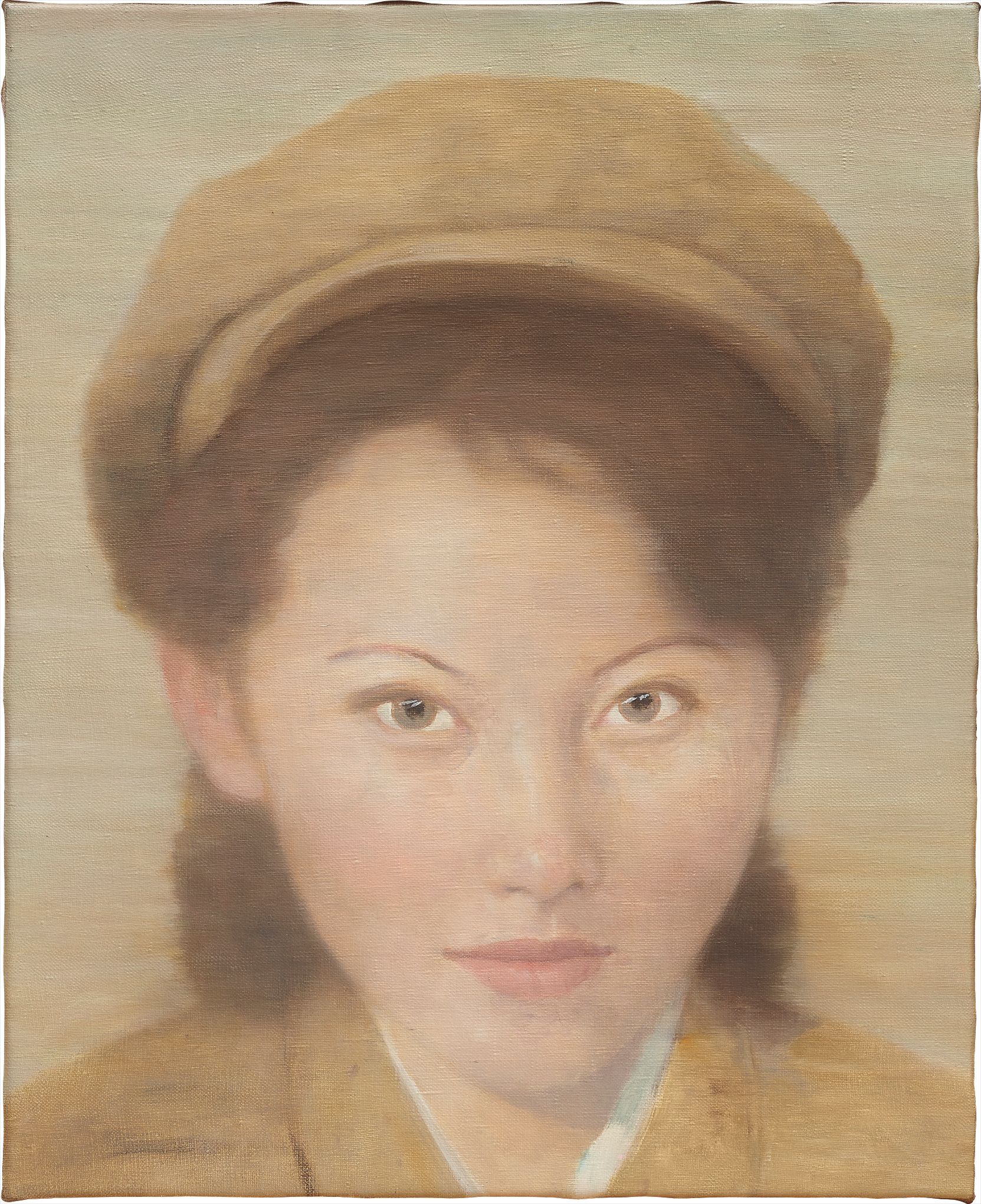
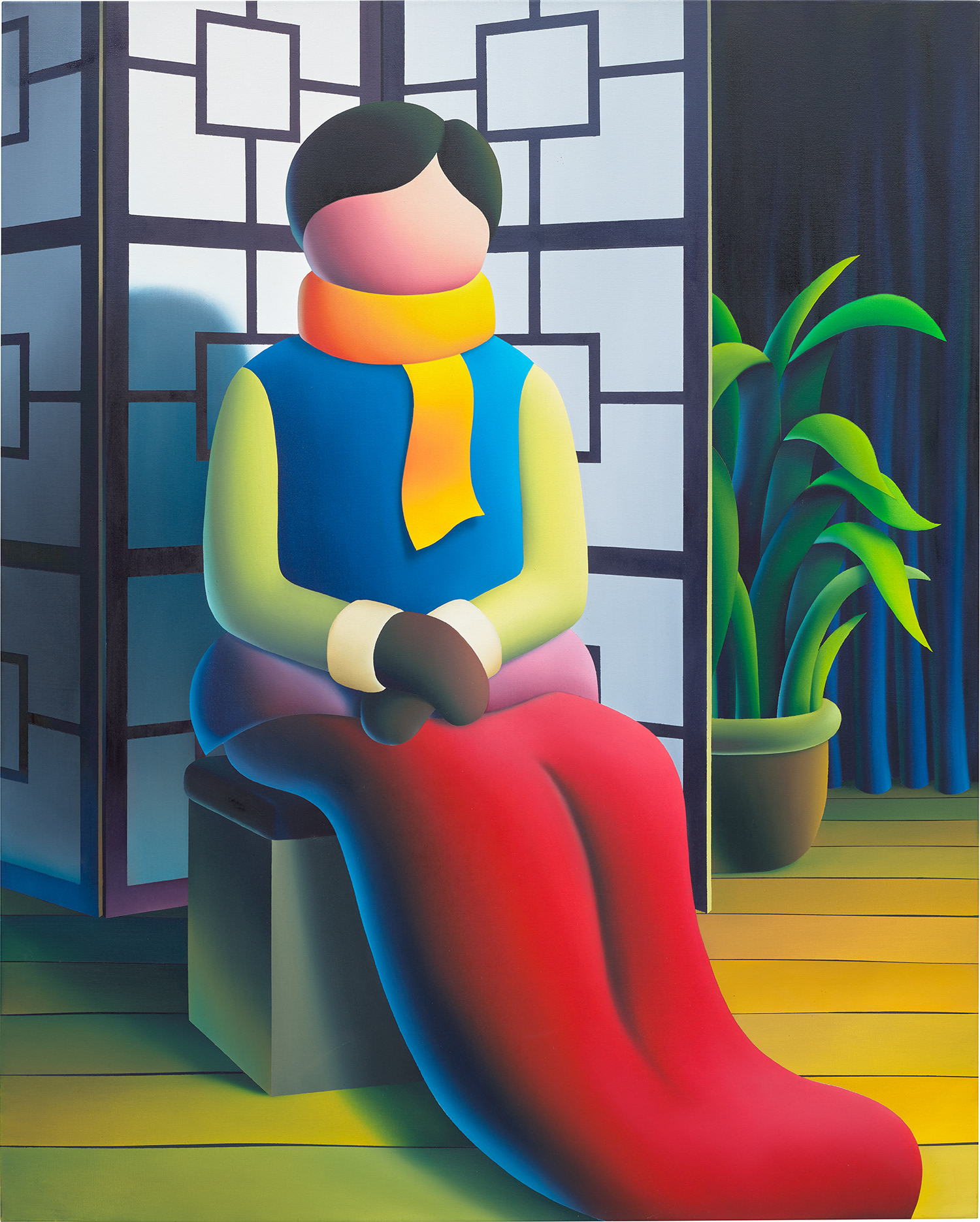
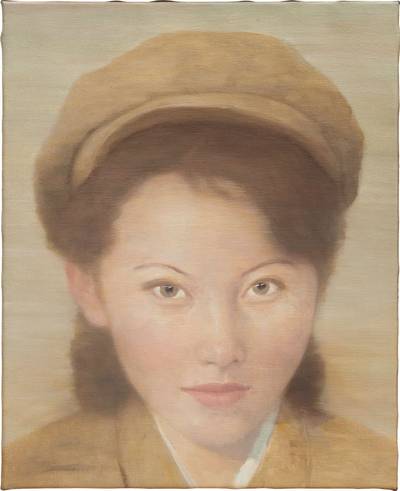
Qi Zhilong
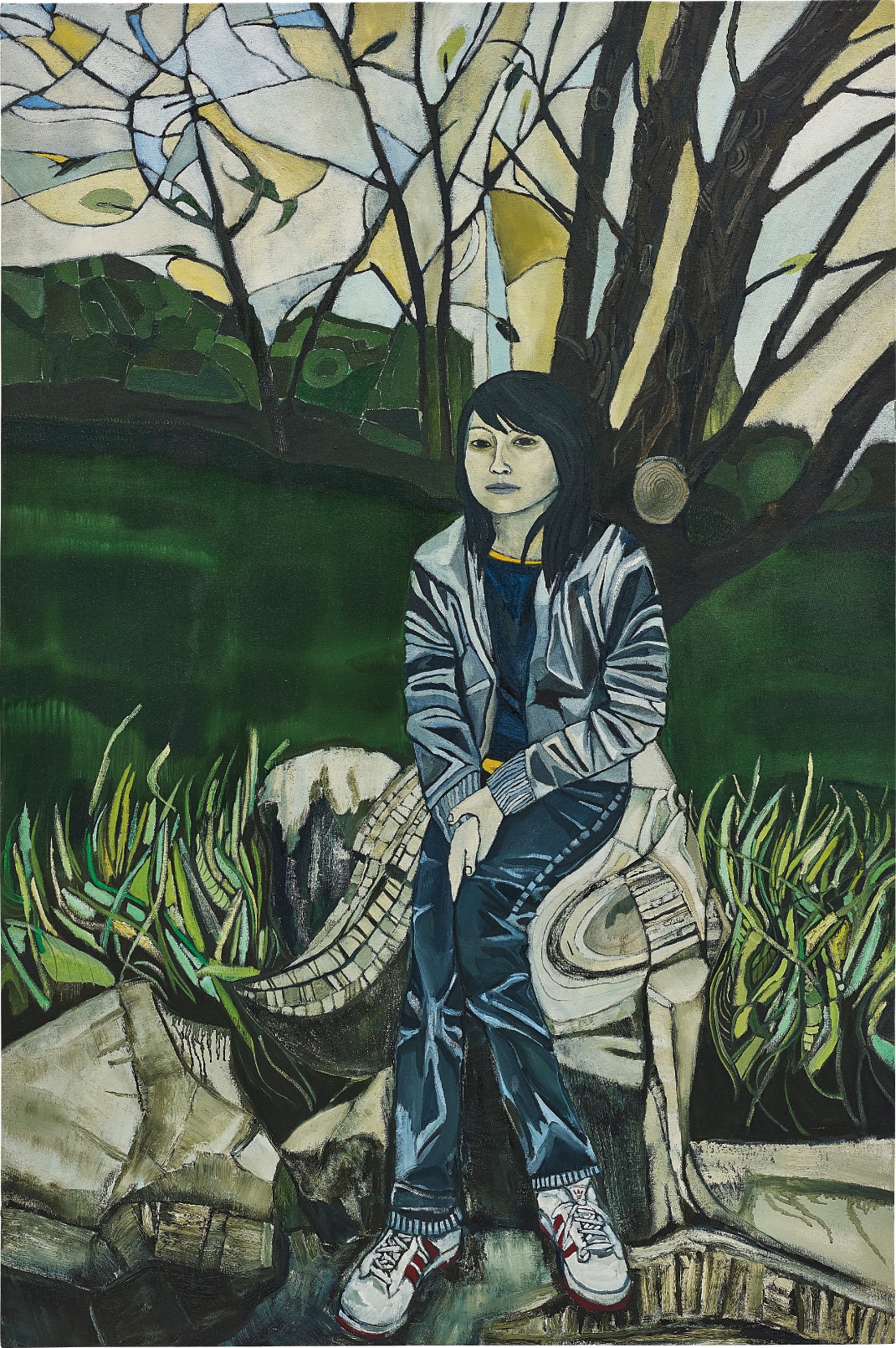
'Chinese Girl' Nr. 8, 2005
The Hammer Museum in Los Angeles, the Stedelijk in Amsterdam, and a range of European Kunsthalles have been building holdings in contemporary figurative work with a focus on artists whose single figures carry explicit or implicit social content. Qi Zhilong's figures, which engage directly with questions of Chinese identity and ideological imagery, sit at the intersection of these institutional interests in ways that make his work a reliable presence in museum conversations about global figuration. Yoan Mudry and Max Ruf, both working in European contexts, represent the quieter end of the market where critical reputation often builds before auction visibility catches up. Collectors who paid attention to gallery shows in Basel and Zurich in the early part of this decade have found themselves holding works that are now generating institutional interest.
The critical infrastructure around single figure art has never been stronger. Curators like Alison Gingeras, who has written and exhibited extensively around figurative painting, and writers associated with October and various European art journals have provided theoretical scaffolding that gives collectors a language for what they are responding to intuitively. The conversation has largely moved past the anxious debates of the 1990s about whether painting was finished or whether figuration was reactionary. What replaced that anxiety is something more generative: a genuine curiosity about what the single figure can hold, what it can say about loneliness and desire and political life that other forms cannot.
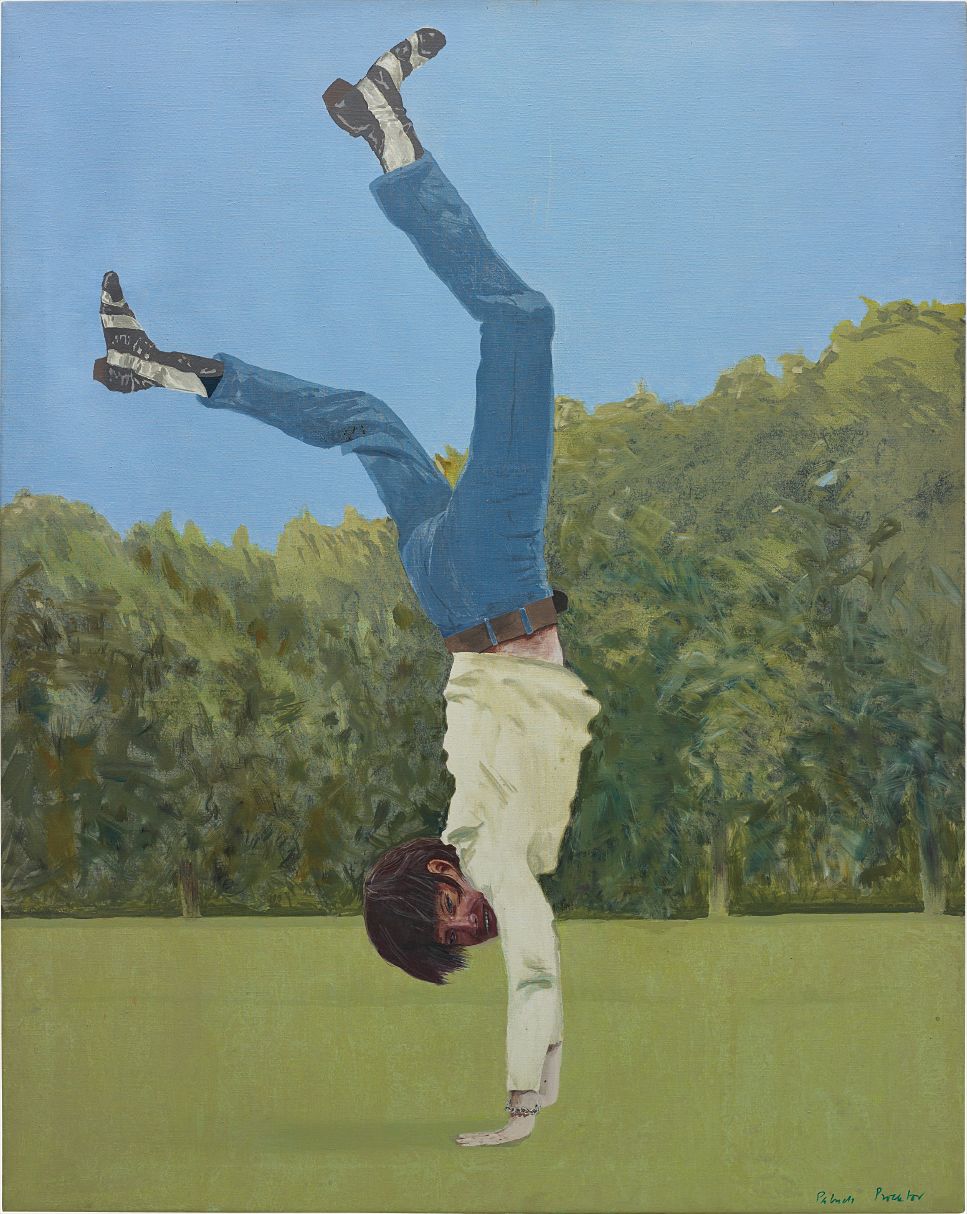
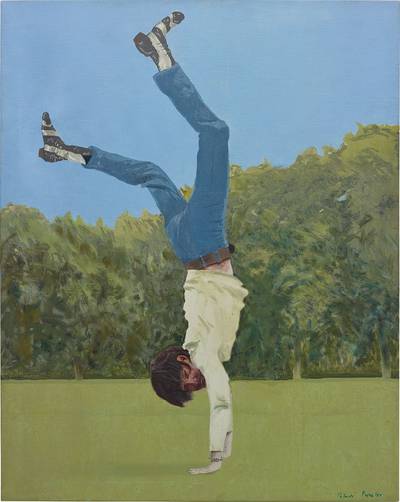
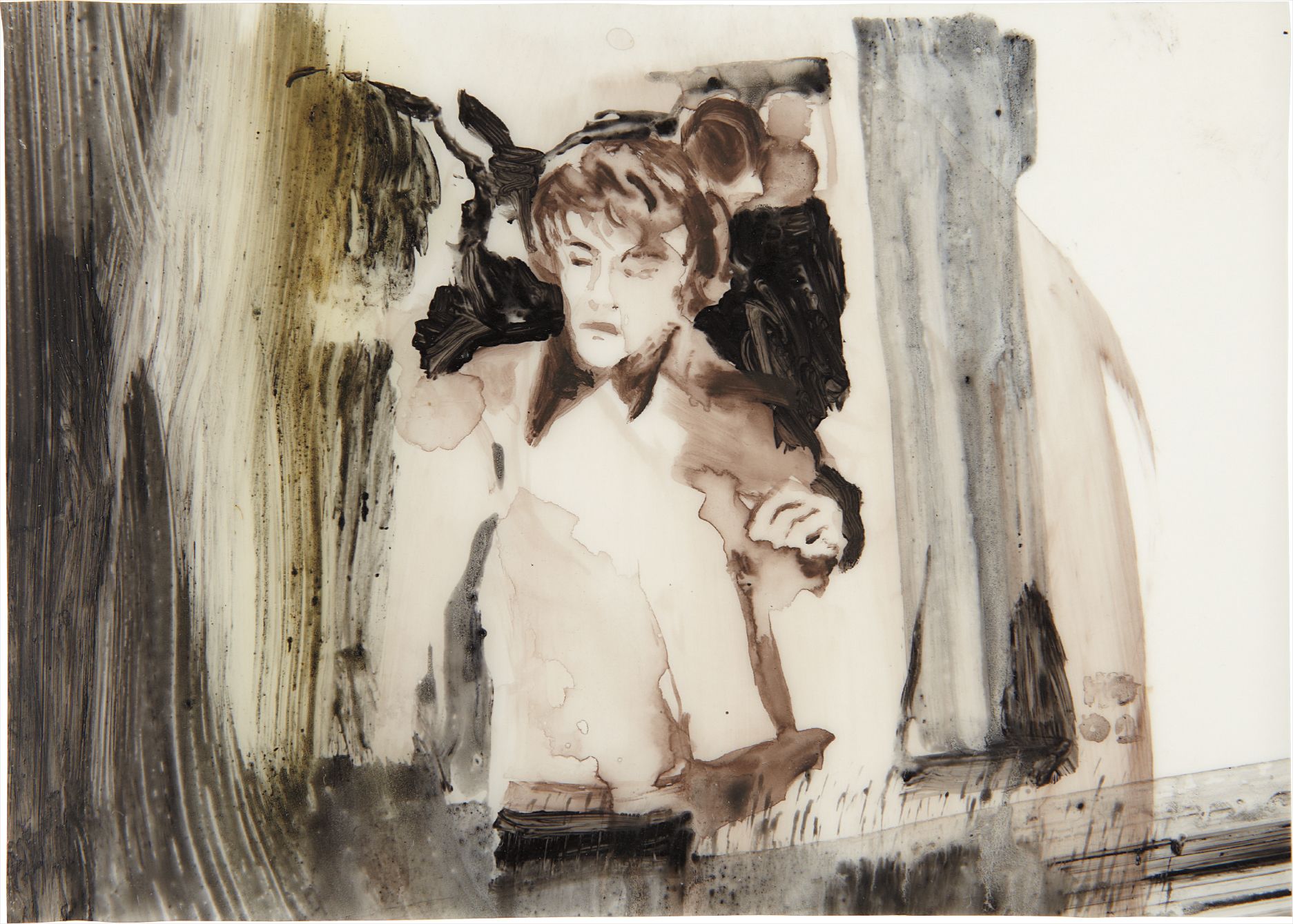
Patrick Procktor
Gervase IV, 1968
What feels alive right now is the intersection between figuration and questions of performance, documentation, and the image that exists before or after the photograph. Patrick Procktor's work, which sits at a particular intersection of British postwar culture and a very specific mode of intimate portraiture, reminds us that the single figure has always been a site of social information as much as aesthetic decision. The surprise coming in the next few years is likely to be a renewed focus on artists whose figures occupy spaces rather than define them, figures caught mid gesture rather than presented for study. The collectors who understand this already tend to be the ones whose walls tell the most interesting stories.