Shadow And Light
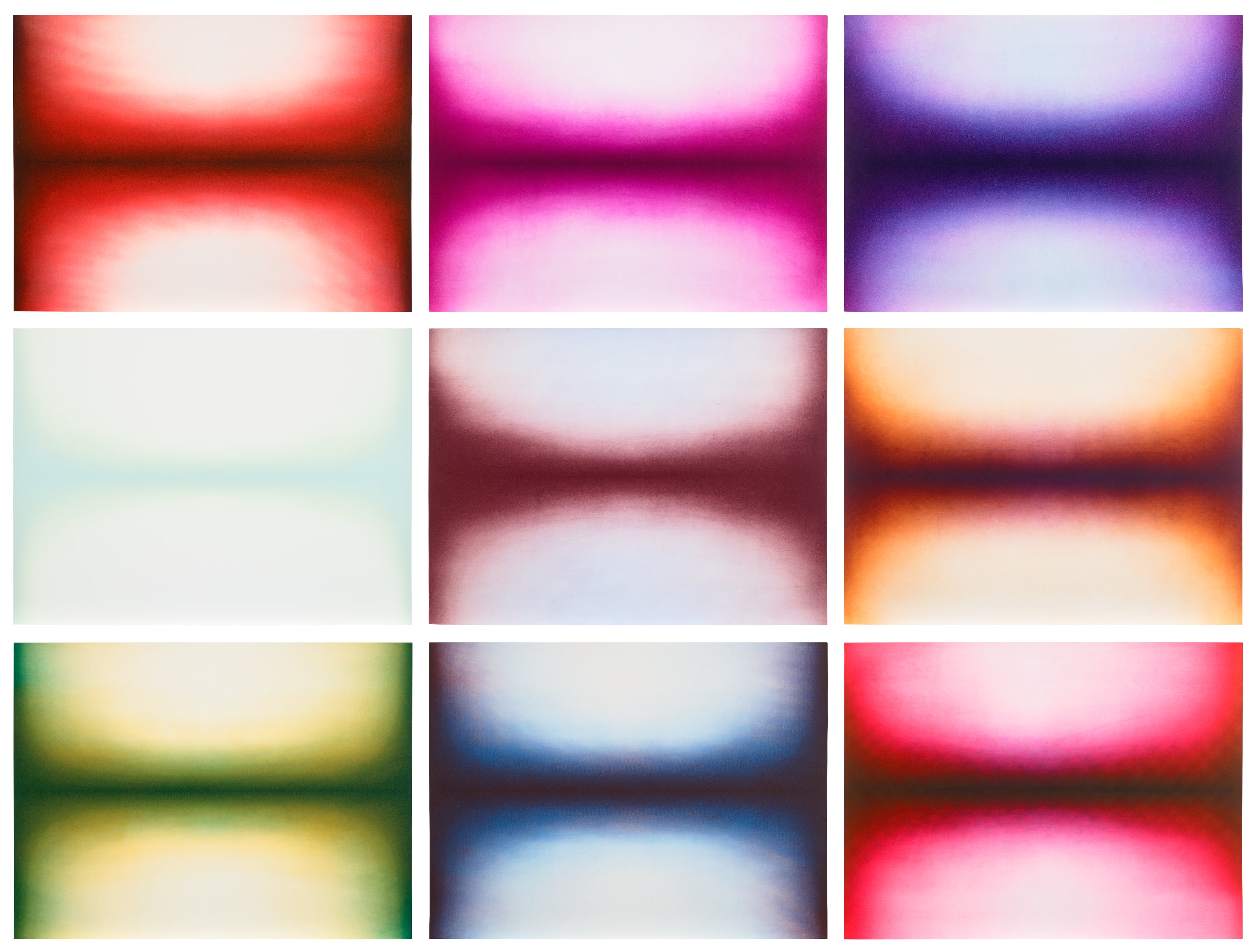
Anish Kapoor
Horizon Shadow

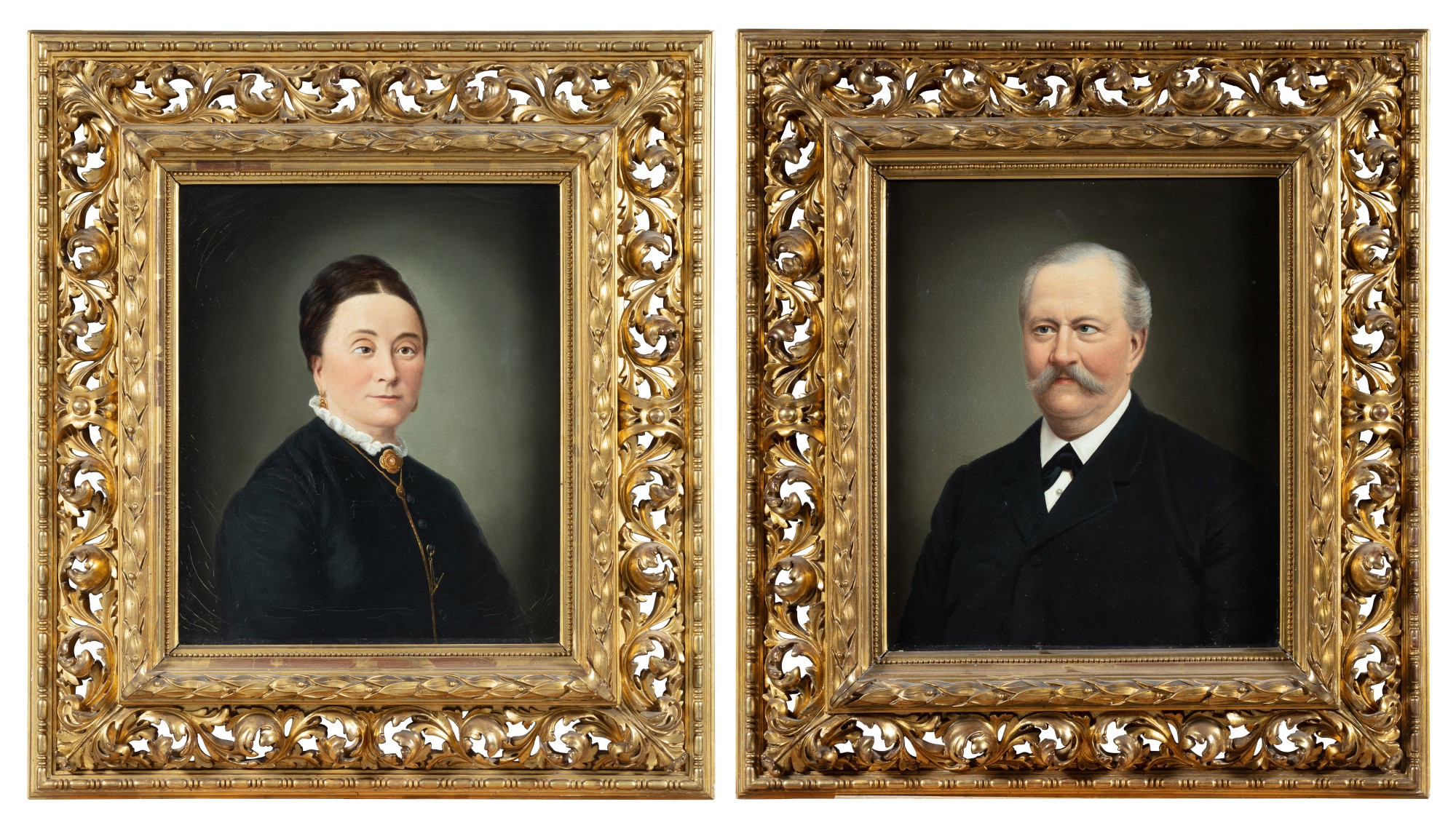
The Ancient Argument Between Dark and Light
There is no more fundamental tension in the history of art than the one between shadow and light. Before there was color theory, before there was perspective, before artists had names that history chose to remember, there was the problem of how to make a flat surface feel like a world that breathes. The answer, almost always, came down to darkness placed against brightness, void set beside presence. This is not merely a technical consideration.
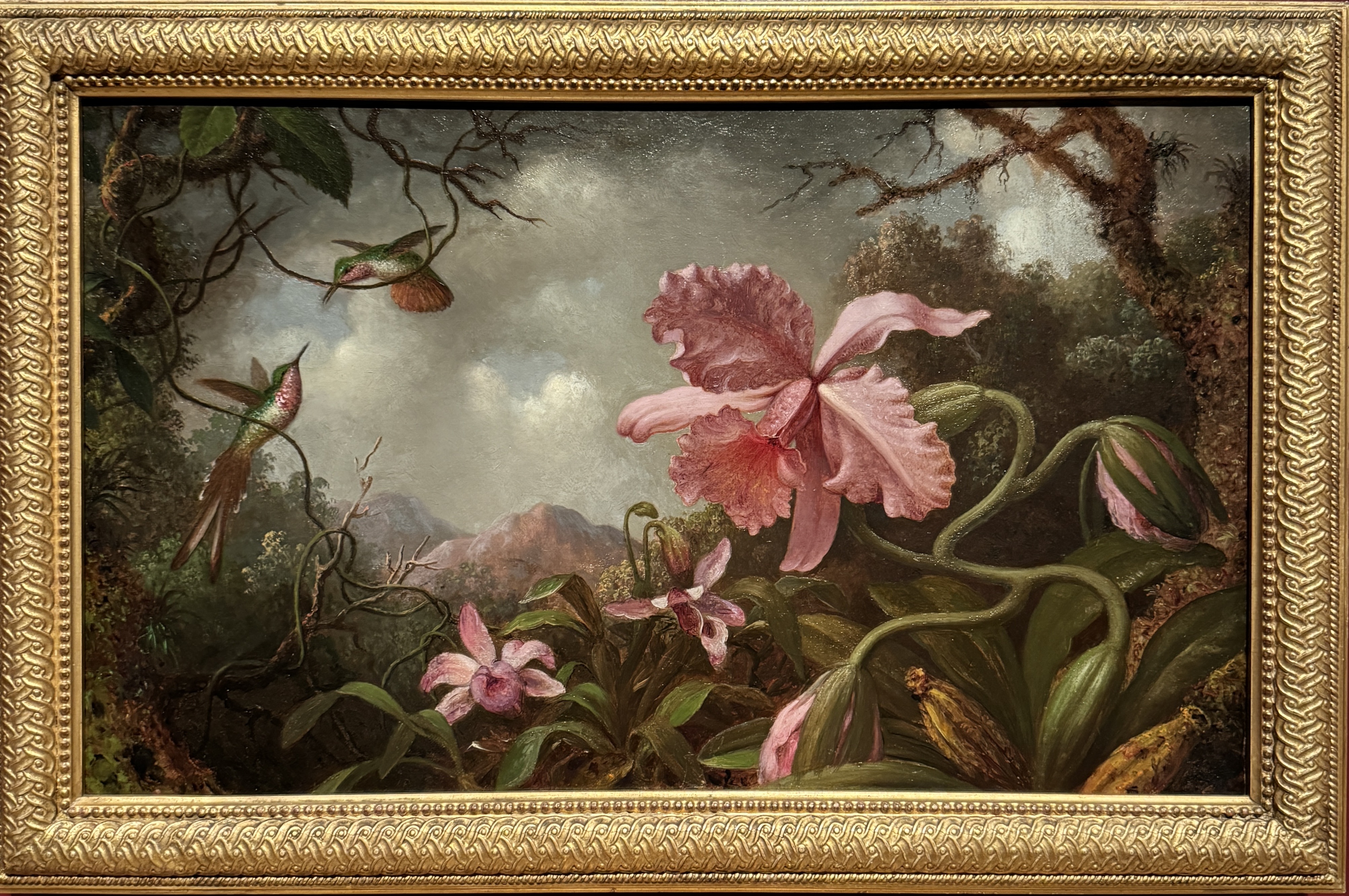
It is a philosophical one, and the greatest artists across centuries have understood it as such. The conversation began in earnest during the Italian Renaissance, when painters started to move away from the flat gold grounds of Byzantine icon painting and toward something that felt startlingly alive. Leonardo da Vinci gave the technique its name, sfumato, a smoky blurring of edges that allowed shadow to dissolve into light without a hard boundary between them. But it was Caravaggio, working in Rome in the 1590s and into the early 1600s, who made shadow genuinely dangerous.
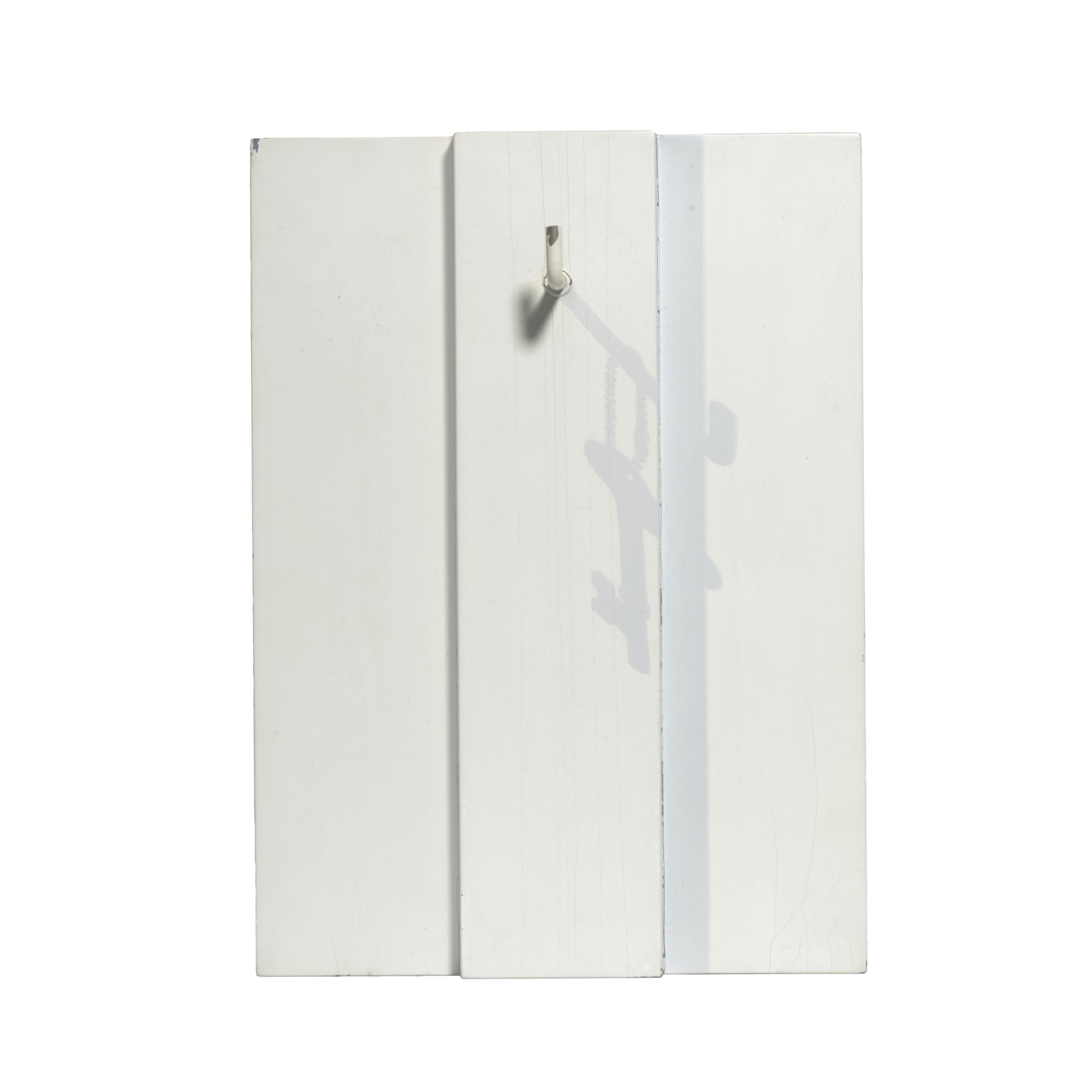
Unknown
Shadow of Key (Kagi no kage), No. 238 | Showa period, 20th century
His tenebrism, that radical pooling of darkness around figures who seem to emerge from absolute black, changed everything. Painters across Europe, the Utrecht Caravaggists in the Netherlands, Ribera in Spain, La Tour in France, spent the following decades working through the implications of what he had done. The Baroque era institutionalized chiaroscuro as a mode of emotional address. Rembrandt van Rijn, whose self portraits across four decades constitute one of the most sustained investigations of light in all of Western painting, understood shadow as a place where psychology lives.
His faces emerge from brown darkness with an intimacy that still feels almost uncomfortable, as though you are seeing something private. By the time Goya arrived in the late eighteenth century, shadow had become something closer to dread, a carrier of historical and psychological weight that light alone could never achieve. Photography, when it arrived in the 1830s, inherited this entire vocabulary while also dismantling it. The camera could not choose its shadows the way a painter could.
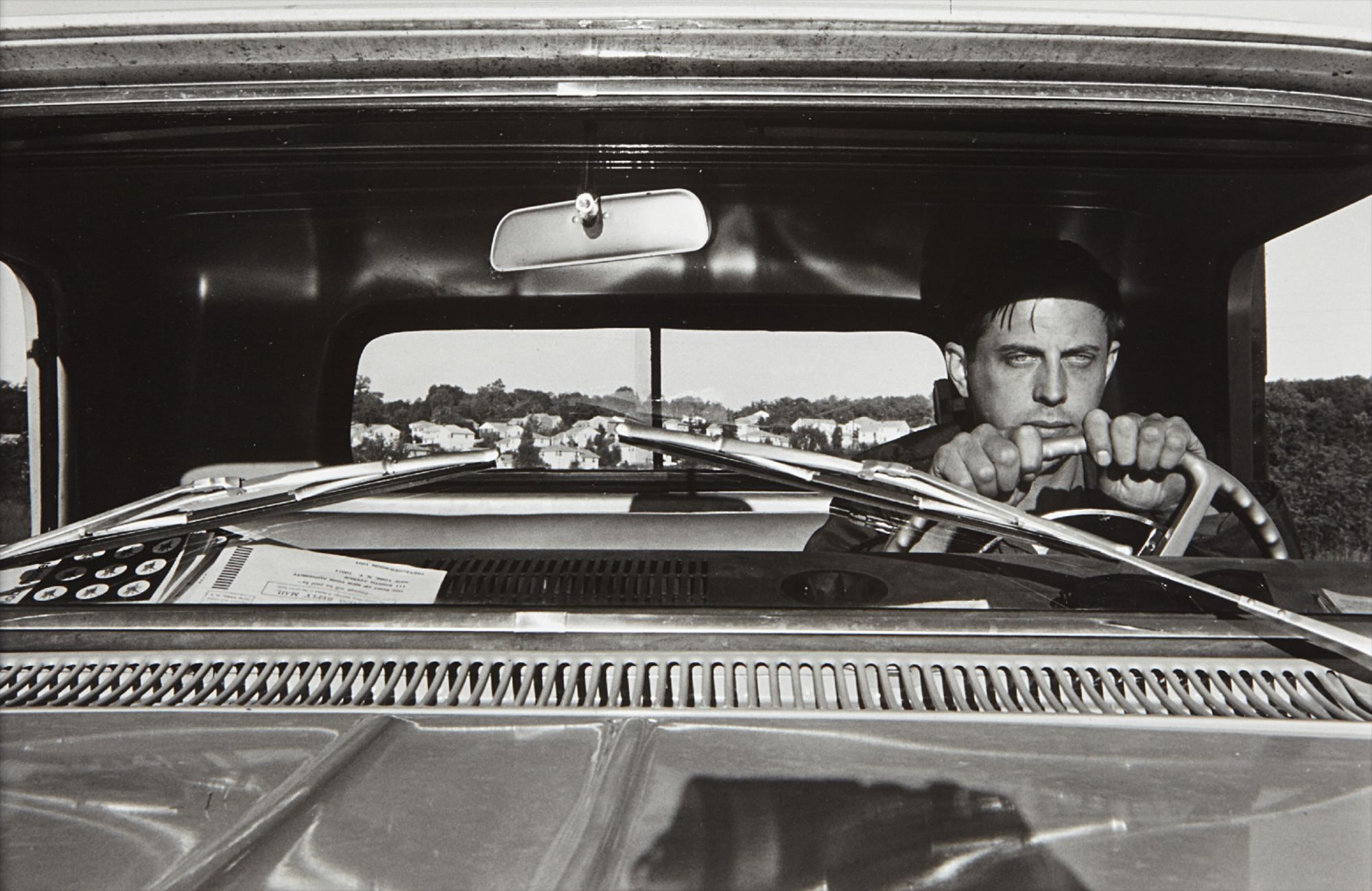
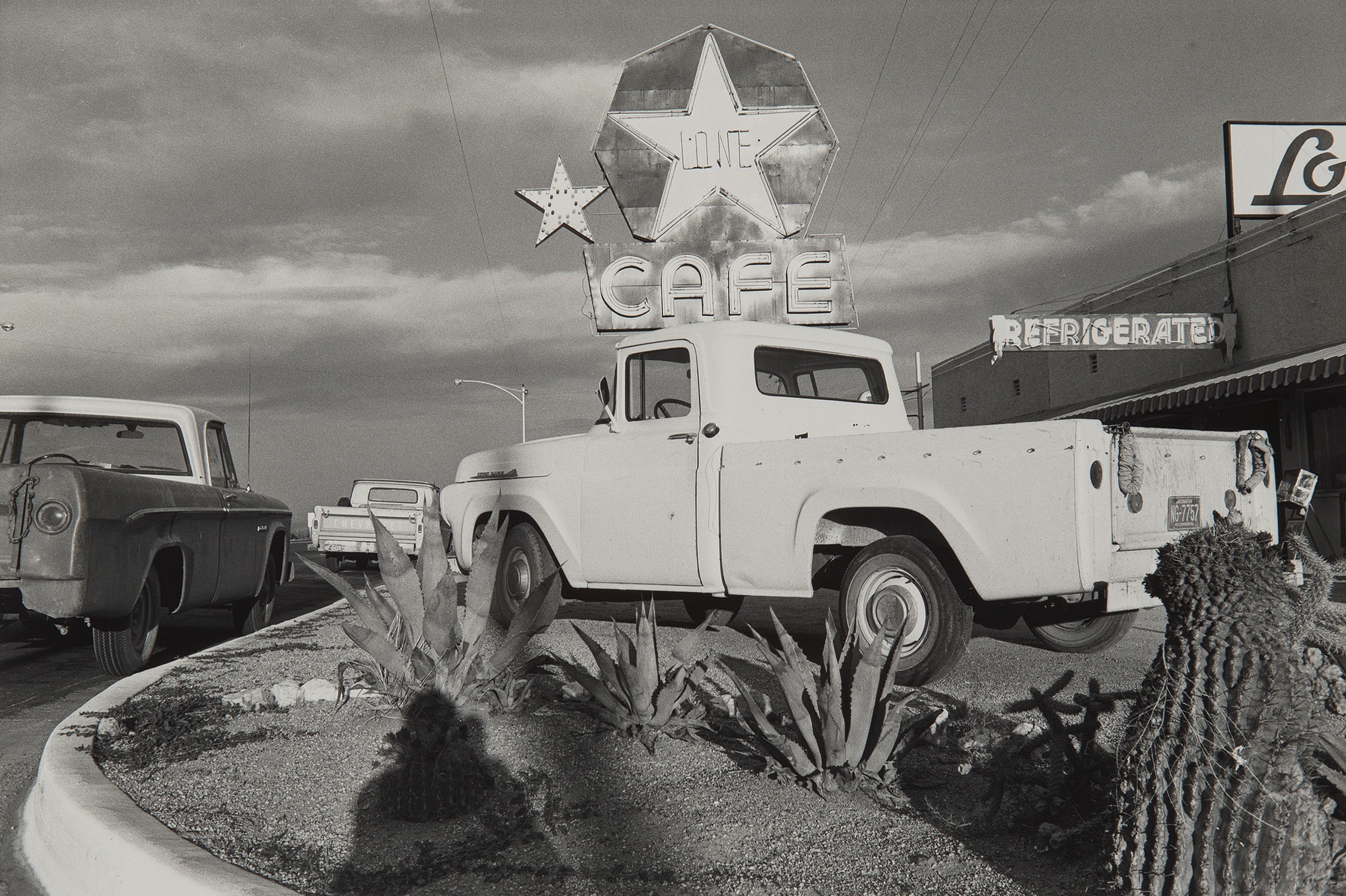
Lee Friedlander
Self-portrait- Haverstraw, New York
It recorded them, which meant that photographers had to learn to see what was already there and to make compositional decisions that painters had always made in reverse, starting from shadow rather than building toward it. Lee Friedlander, one of the central figures in American documentary photography and well represented in The Collection, built an entire career around this reversal. His photographs from the 1960s and 1970s treat his own shadow as a recurring character, a presence in the frame that both signs the image and complicates it. The shadow becomes the photographer, and the photographer becomes a formal problem worth solving.
Sculpture has its own, often underacknowledged relationship to this theme. Three dimensional work is inseparable from the light that falls on it and the shadows it casts, and the greatest sculptors have always known that they are designing both the object and its shade. Anish Kapoor, whose work appears in The Collection, has spent decades treating void and reflection as co equal forces. His concave and convex mirror works absorb the viewer into a surface that seems to go on forever, while his darker works, particularly the vantablack pieces that remain so culturally charged, propose something more absolute: a shadow with no source, darkness as material rather than absence.
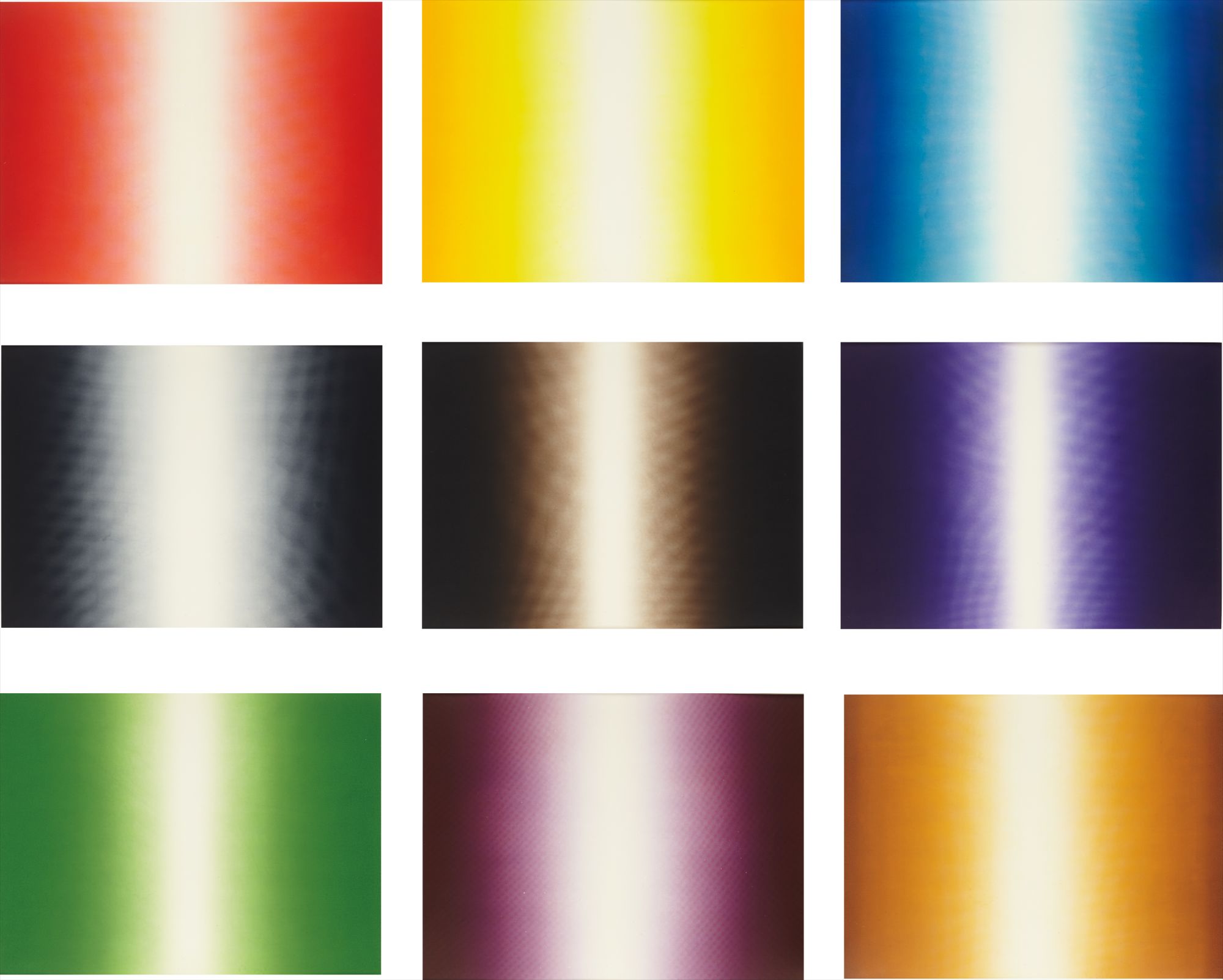
Anish Kapoor
Shadow
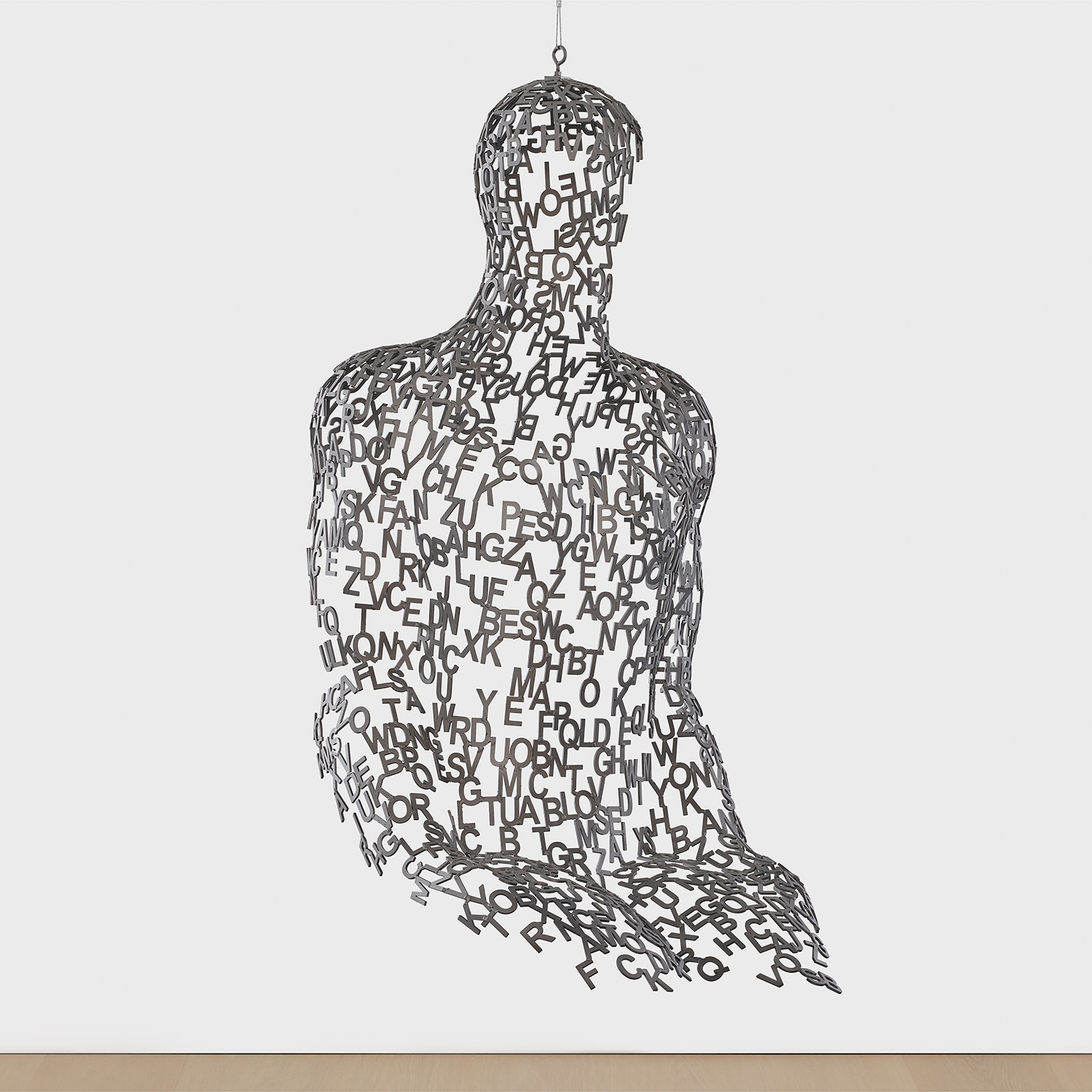
Kapoor understands shadow not as the absence of light but as a substance with its own integrity. Jaume Plensa, also featured in The Collection, approaches the interplay from a different angle entirely. His translucent sculptures, often built from interlocking letters or mesh, are designed to be permeated by light. The shadows they cast are as intricate as lacework, and the work exists as much in those shadows as in the object itself.
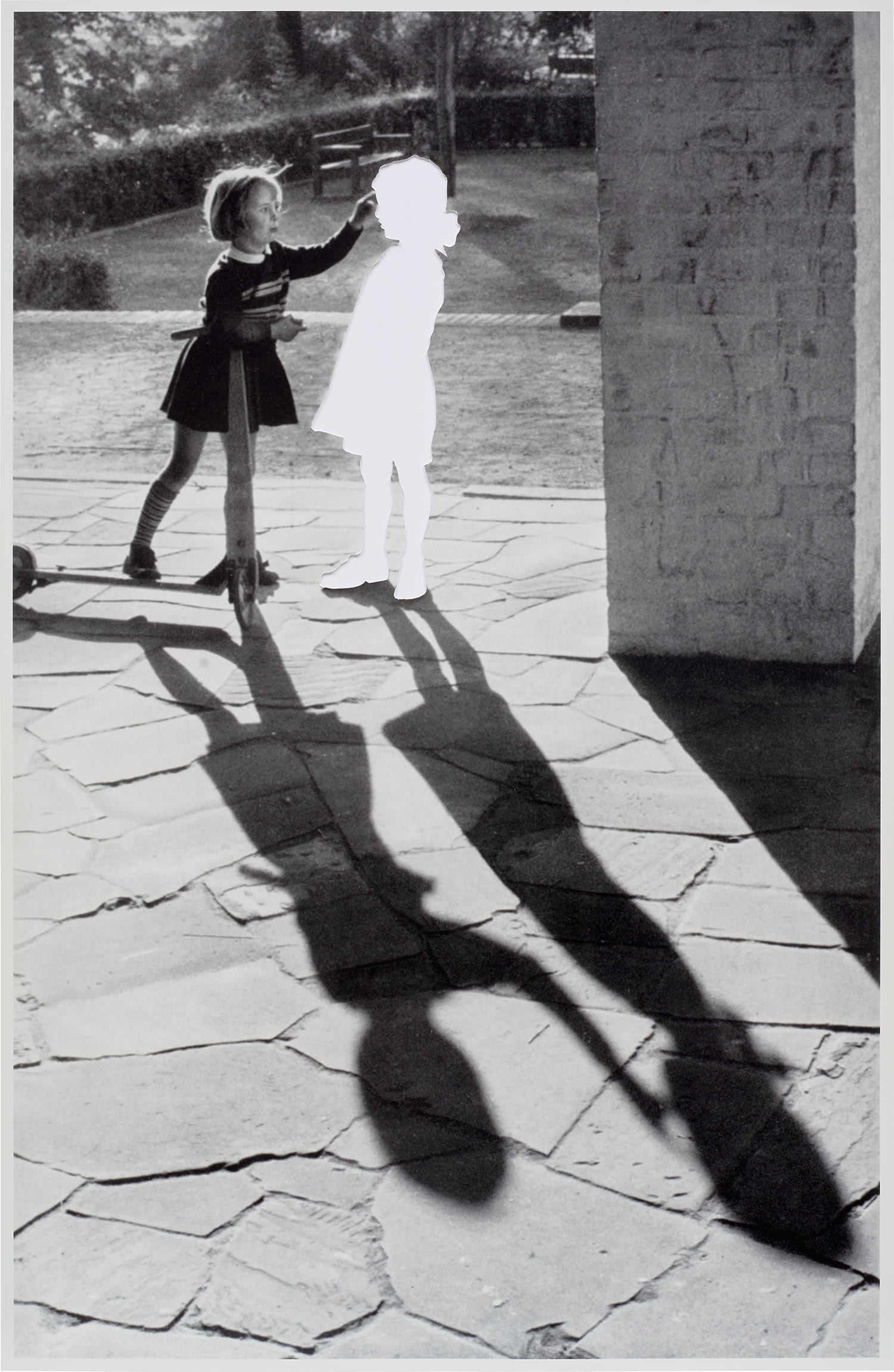
Plensa's sculptures suggest that the body is porous, that identity is something light passes through rather than something it simply illuminates. It is a profoundly humanist reading of a very old formal problem. Hans Peter Feldmann, whose practice spans photography, installation, and what might loosely be called archival art, brings yet another sensibility to the question. His use of shadow and light is often quiet, almost domestic, but it carries a weight that accumulates slowly.
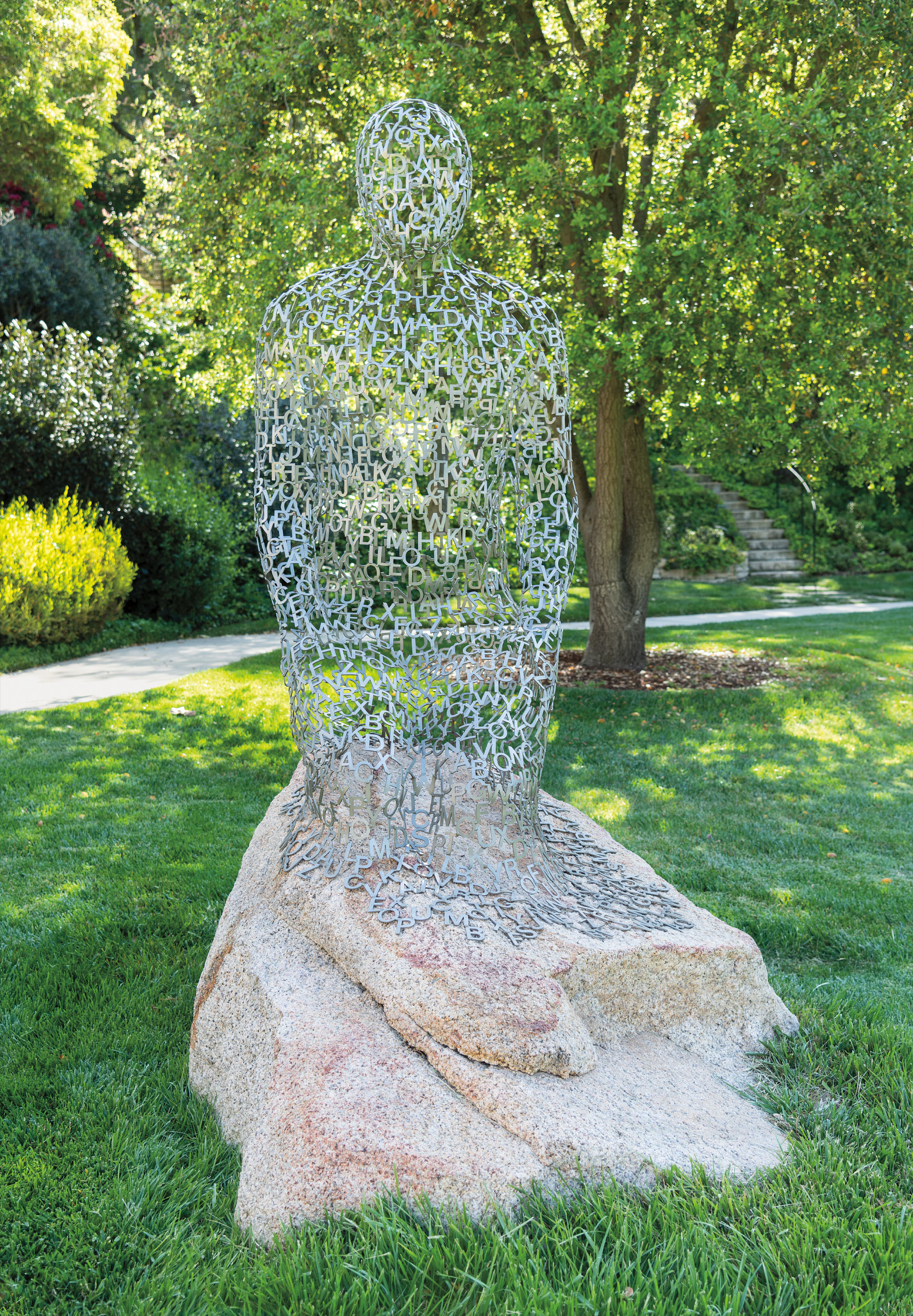
Jaume Plensa
Kneeled Shadow, 2008
Feldmann collects the world in images and objects, and the light in his work tends to be the light of ordinary life, the kind that falls through a window on an afternoon that you would otherwise forget. That ordinariness is precisely the point. Shadow and light are not reserved for cathedrals and mythological narratives. They happen everywhere, to everyone, all the time.
The conceptual art movements of the 1960s and 1970s engaged with this theme in ways that were deliberately dematerialized. Artists associated with Arte Povera, Land Art, and process based practices began treating light as a medium in its own right rather than a condition for seeing other media. James Turrell's light installations, Dan Flavin's fluorescent arrangements, and the light and space movement centered in Southern California all proposed that you could remove the object entirely and still have an artwork, provided the light was doing something interesting enough. Shadow, in this context, became negative space charged with intention.
What persists across all of these histories, from Caravaggio's Roman studios to Kapoor's reflective voids, is the sense that shadow and light are not opposites but partners in a continuous negotiation. One requires the other to mean anything. A painting that is all light has no volume, no mystery, no place for the eye to rest. A sculpture that casts no shadow seems weightless, disconnected from the physical world.
The most enduring works in this tradition understand that the space between light and dark is where perception actually happens, and where the most interesting questions about existence tend to live. That is why collectors return to it. Not because it is timeless in some vague sense, but because it keeps asking something real.