Russian Artist
Archived article
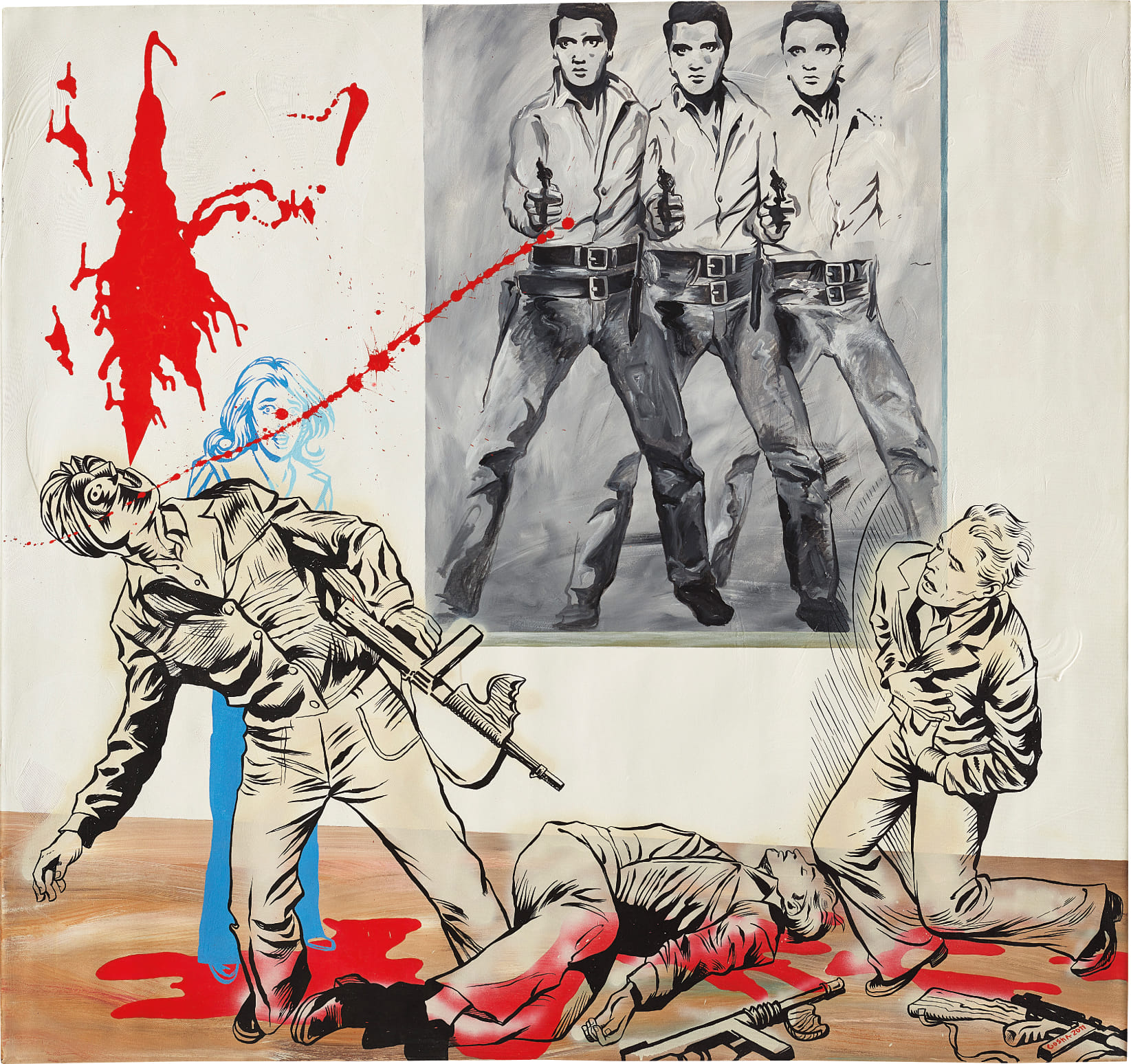
Gosha Ostretsov
Elvises
You are reading a previous version of this article.
Read the latest version```json { "headline": "The Russian Avant Garde Is Having Its Moment Again", "body": "When a late canvas by Wassily Kandinsky sold at Sotheby's London for well above its high estimate in recent years, it confirmed something collectors had already been sensing: the appetite for Russian art across its entire arc, from the revolutionary avant garde through Soviet realism and into the irreverent conceptualism of the late Soviet underground, has never been more sophisticated or more global. The buyer was not a Russian oligarch chasing national heritage. The buyer was an institution. That shift in who is doing the acquiring tells you nearly everything about where this market stands right now.
\n\nThe story of Russian art collecting has long been distorted by its own mythology. For decades, the market divided itself neatly between the canonical modernists commanding serious international prices and the Soviet era material treated as curiosity or political artifact. What has changed, and changed decisively, is the critical reframing of the entire tradition as a continuous and genuinely complex conversation about image making, ideology, and resistance. Curators at the Tate Modern, the Guggenheim Bilbao, and the Centre Pompidou have each mounted significant surveys in recent years that refused the old divisions.
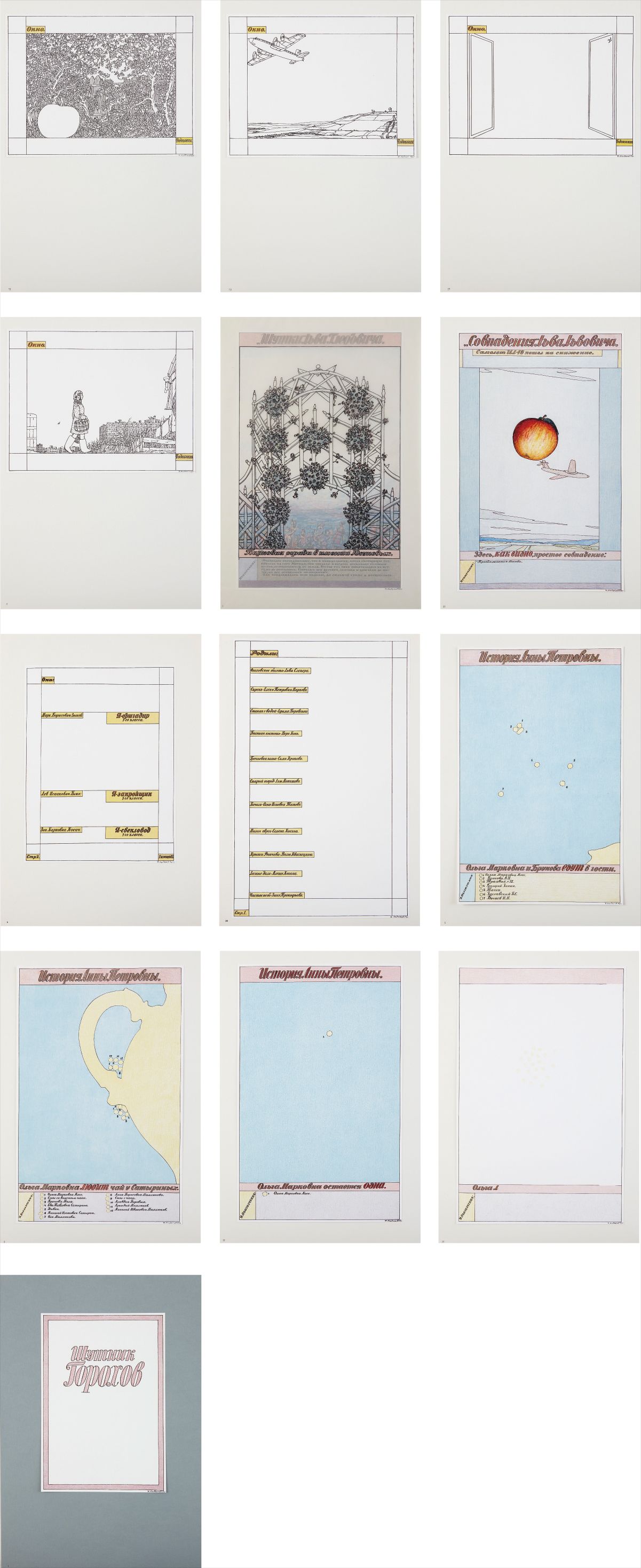
Ilya Kabakov
10 Characters, Complete Set of Portfolios: (i) The Flying Komarov; (ii) The Joker Gorokhov; (iii) Generous Barmin; (iv) Agonizing Surikov (v) Anna Petrova Has A Dream; (vi) Sitting-in-the-Closet Primakov; (vii) Mathematical Gorsky; (viii) The Decorator Maligin; (ix) The Released Gavrilov; (x) The Looking-Out-The-Window Arkhipov
The effect on collector interest has been substantial.\n\nKandinsky remains the undisputed market anchor among Russian artists, and his presence across The Collection reflects that centrality. His abstractions continue to perform at auction with the consistency you associate with Picasso or Matisse, which is remarkable when you consider how recently he was still treated as a secondary figure to his Bauhaus colleagues in certain Western critical circles. Marc Chagall occupies a similarly elevated position, though his market has its own emotional register, drawing collectors who respond to the folkloric and the visionary in equal measure.
Both artists were shaped by their Russian formation even as they became thoroughly European figures, and that dual inheritance gives their work a particular resonance for collectors building collections that move across geographies.\n\nSerge Poliakoff represents a fascinating case study in delayed recognition. His color compositions, developed in Paris across the 1950s and 1960s, have moved steadily upward at auction as the critical conversation around postwar abstraction has widened its frame of reference beyond the New York School. Christie's and Bonhams have both registered strong results for his work in recent sale seasons, and his presence on The Collection speaks to a growing collector conviction that his contribution to European abstraction has been meaningfully undervalued.
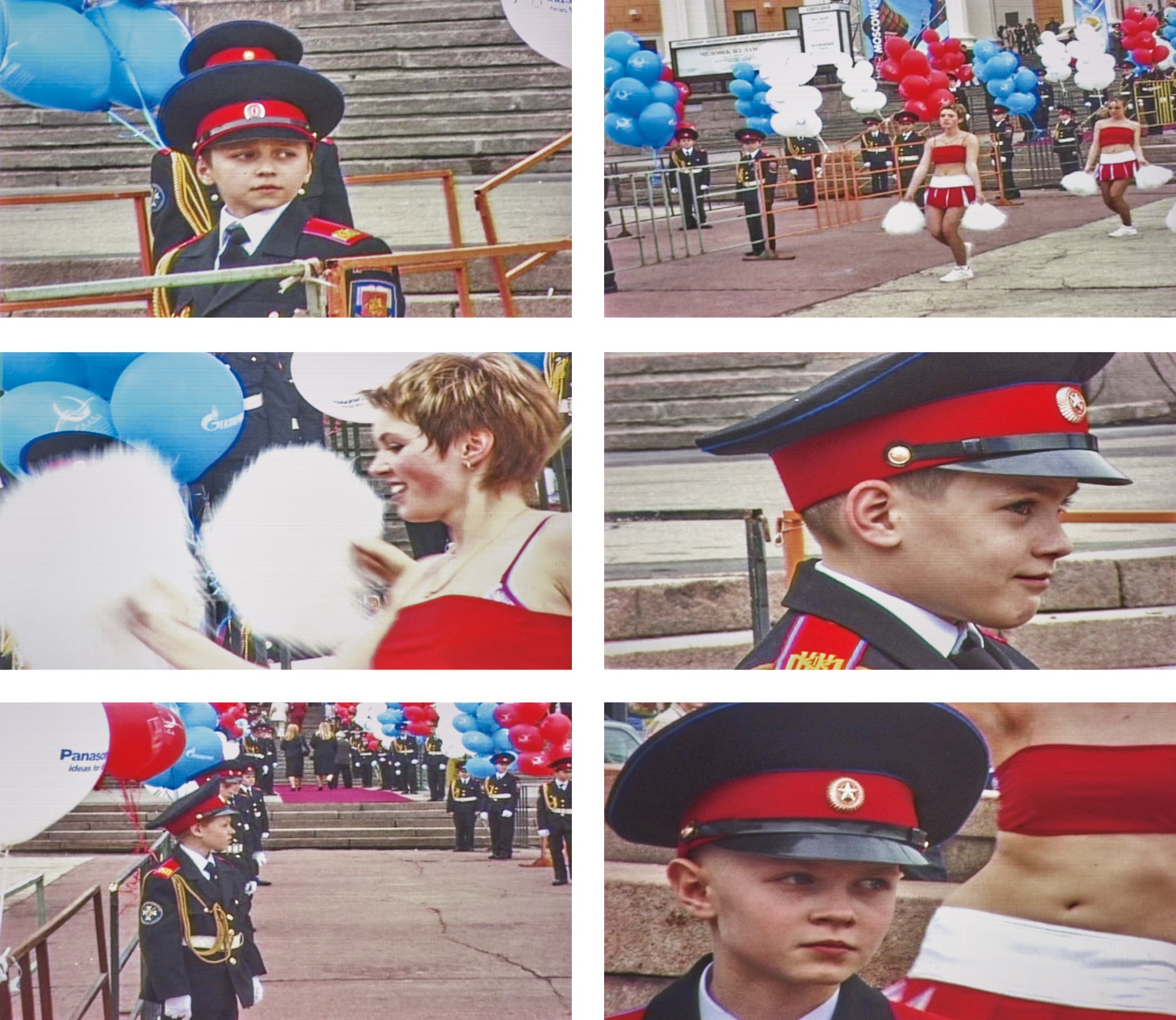
Olga Chernysheva
March, 2005
Alexander Rodchenko sits at the other end of the temperament spectrum, his constructivist graphics and photomontages now commanding serious institutional and private attention as design history and art history continue to blur into each other.\n\nThe Soviet underground and the figures who emerged from it represent the most energetically contested territory in the current market. Ilya Kabakov, who built an entire cosmology out of the mundane bureaucratic textures of Soviet communal life, has been the subject of major retrospectives at the Hirshhorn and across Europe, and his installations are now considered landmarks of late twentieth century conceptualism by any serious measure. His work on The Collection rewards sustained attention.
Pavel Pepperstein, who came of age under Kabakov's conceptualist influence before developing his own hallucinatory visual vocabulary, is one of those artists where you feel the critical establishment slightly trailing the market, which has understood his originality for longer than the survey exhibitions have acknowledged it.\n\nZinaida Evgenievna Serebriakova occupies a different but equally compelling position. Her luminous figurative work, rooted in the Silver Age tradition and marked by a particular quality of psychological directness, has attracted serious institutional interest from the Tretyakov Gallery and from Western museums building more complete narratives of early twentieth century figuration. Ella Kruglyanskaya, working several generations later with a figuration that owes something to both Soviet poster art and German Neue Sachlichkeit, has crossed over into the primary market in New York in ways that feel genuinely new and suggest a broadening international appetite for Russian voices in contemporary painting.

Yulia Lebedeva
Pepsi or Coke III
\n\nThe critical conversation shaping this field is being written in several languages simultaneously. In English, the work of scholars like Margarita Tupitsyn, whose writing on the Soviet photographic avant garde remains essential, and curators associated with the Zimmerli Art Museum at Rutgers, which holds one of the most significant collections of nonconformist Soviet art in the world, have provided the intellectual scaffolding for a more nuanced collecting practice. The publication of comprehensive catalogues raisonnés for several major figures has also clarified attribution and condition questions that once made certain areas feel risky to collectors without deep specialist knowledge.\n\nGrisha Bruskin, Oleg Tselkov, and Leonid Sokov each represent the generation of artists whose work circulated in samizdat culture before finding its way into Western collections through the emigration of the 1970s and 1980s.
Their market has matured in interesting ways, moving from the initial enthusiasm of ideological fascination toward a more considered engagement with the actual formal and conceptual substance of the work. Kostya Totibadze and Gosha Ostretsov represent a younger sensibility, one that processes the entire weight of that tradition with irony and genuine affection in equal measure.\n\nWhat feels most alive right now is the intersection of archival interest and contemporary practice. Collectors who began with Kandinsky or Chagall are following the thread forward into artists like Sanya Kantarovsky, who works in New York but carries a Russian cultural formation that inflects everything he makes, or Olga Chernysheva, whose documentary and poetic practice engages the textures of contemporary Russian life with a patience that rewards close looking.
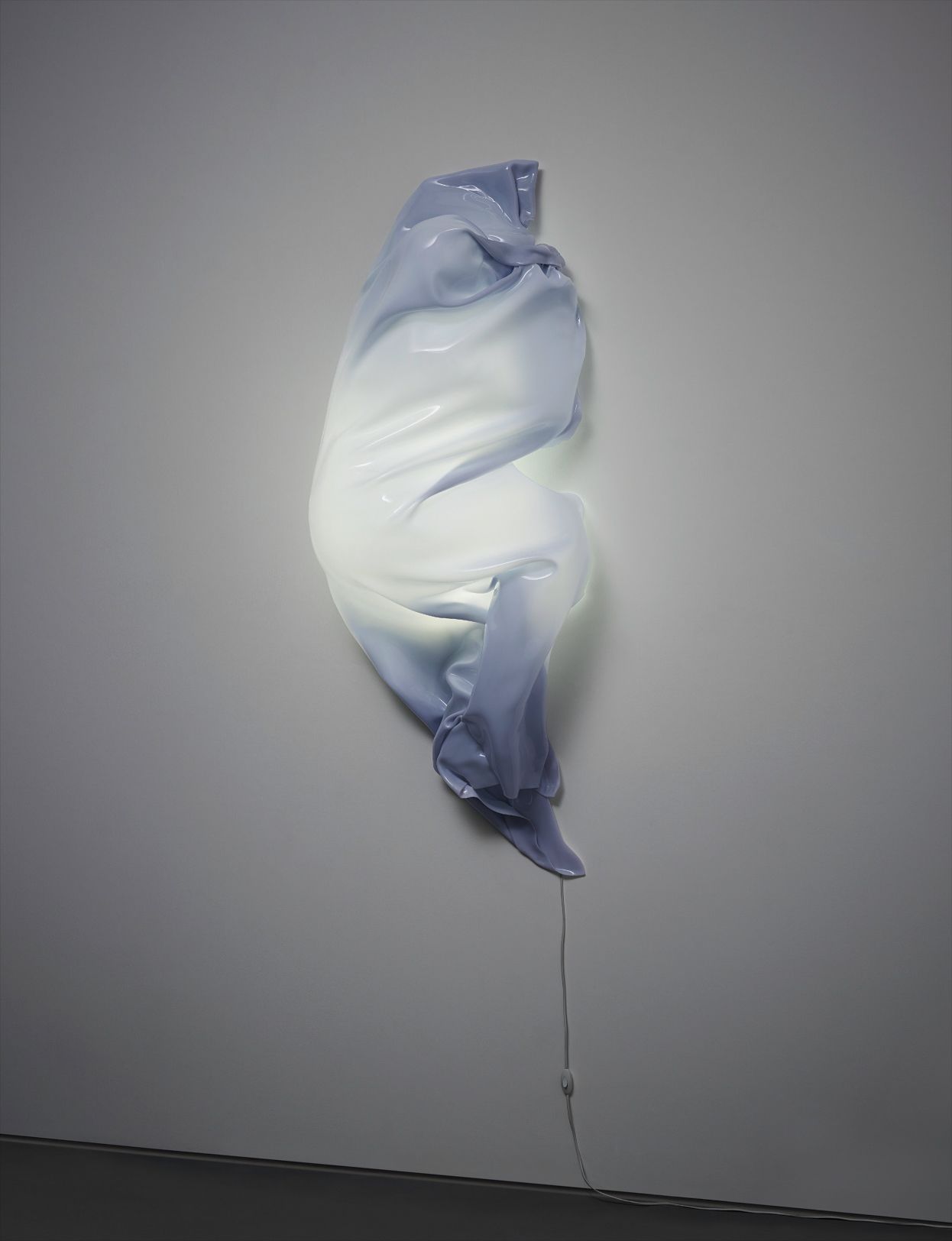
Philipp Dontsov
3D2R from the series Birth Certificate
The energy is moving across generations rather than staying within them, which is always the sign of a collecting field that has found its confidence. The Russian art story is not a national story anymore. It is a story about how images survive history, and that is a story with a very large audience.
Works tagged Russian Artist
Gosha Ostretsov
Elvises
Olga Chernysheva
March
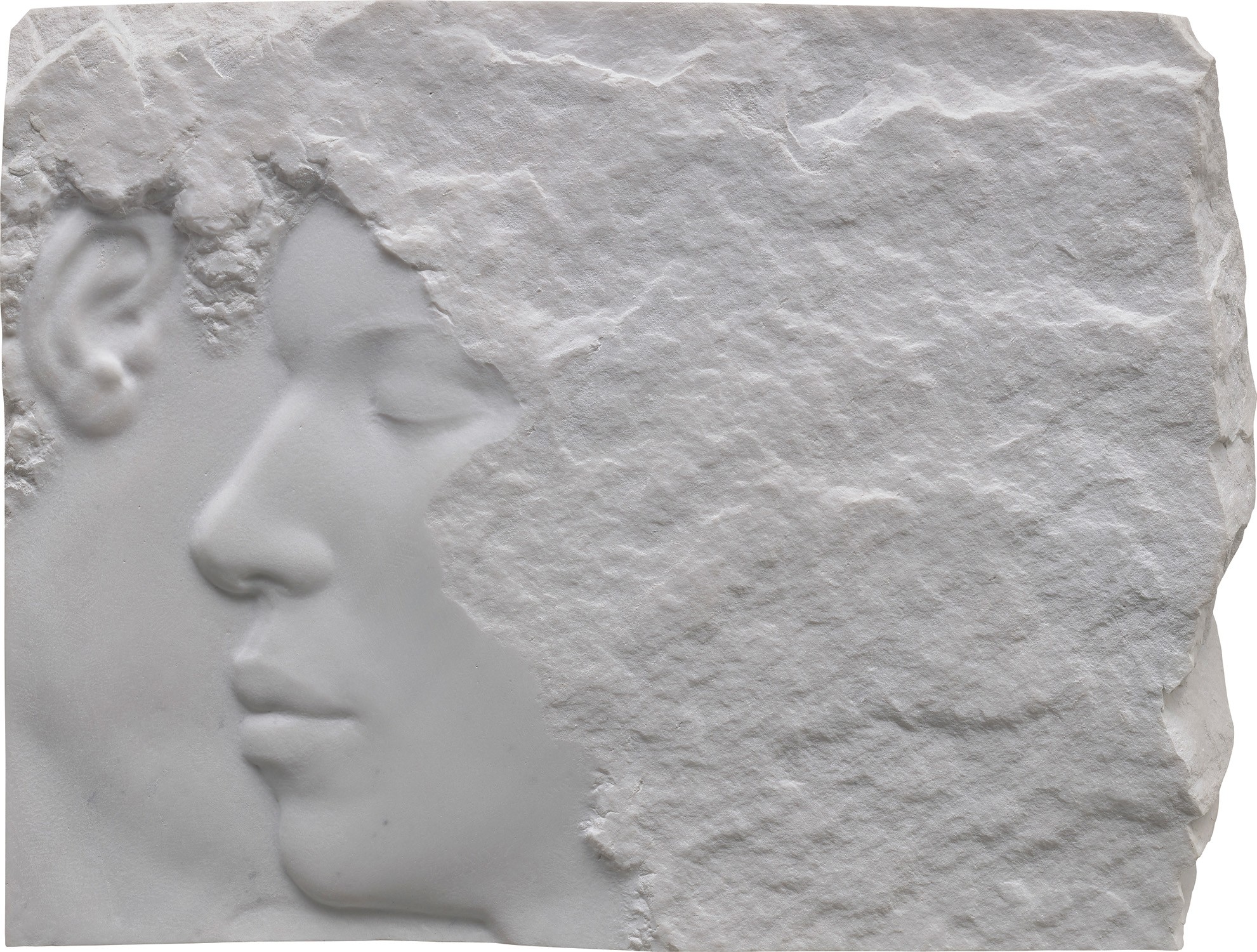
Dmitriy Grek
Contiguity
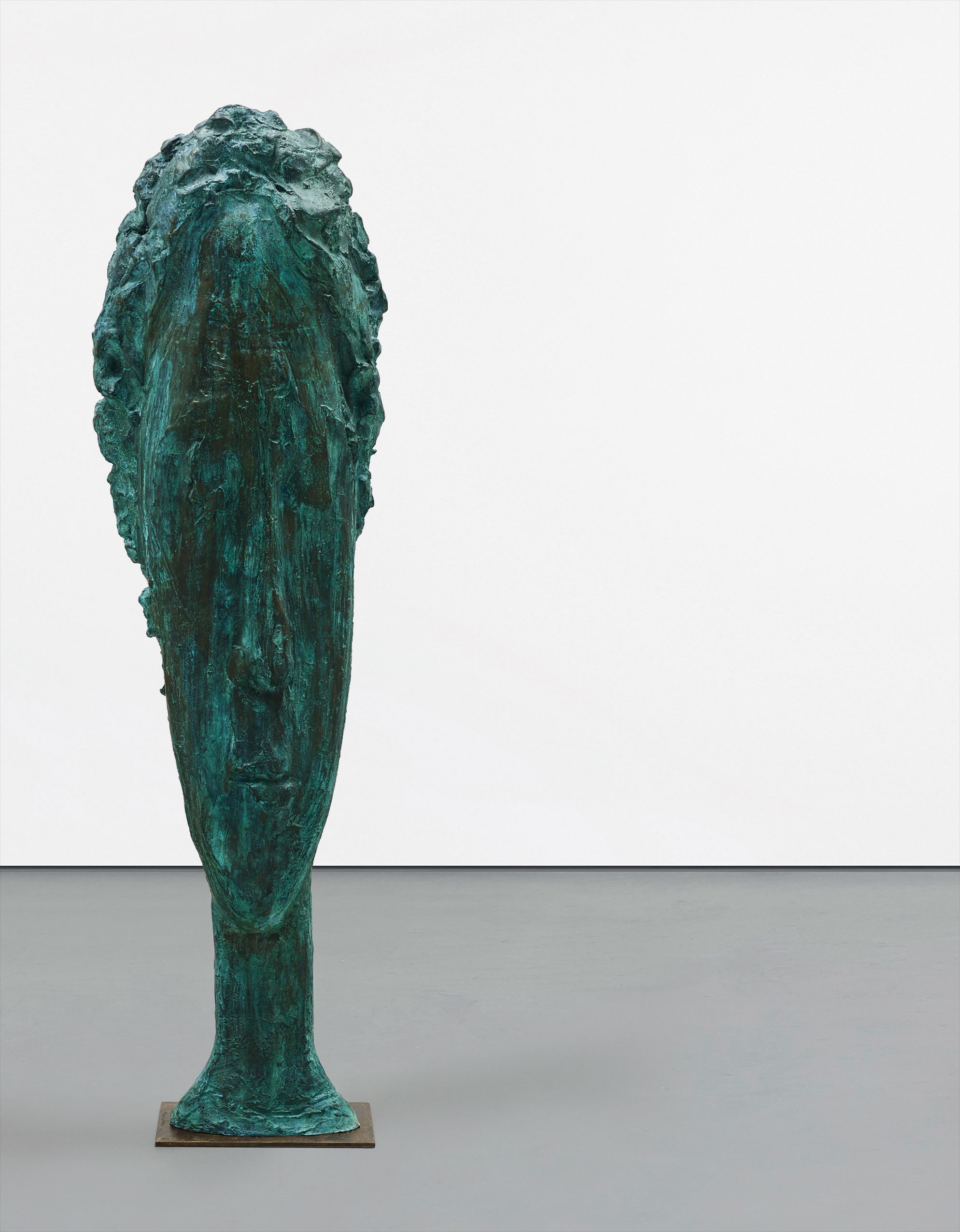
Dmitriy Grek
Portrait
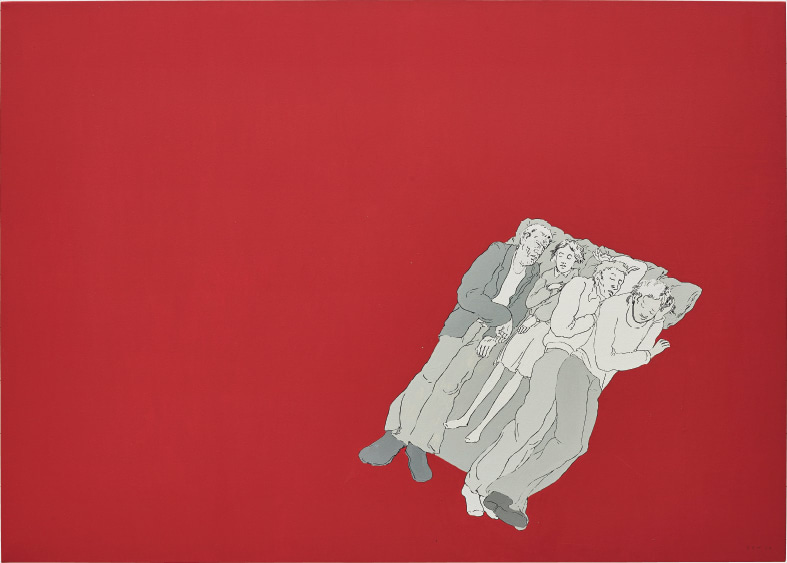
Pavel Pepperstein
Sleeping People
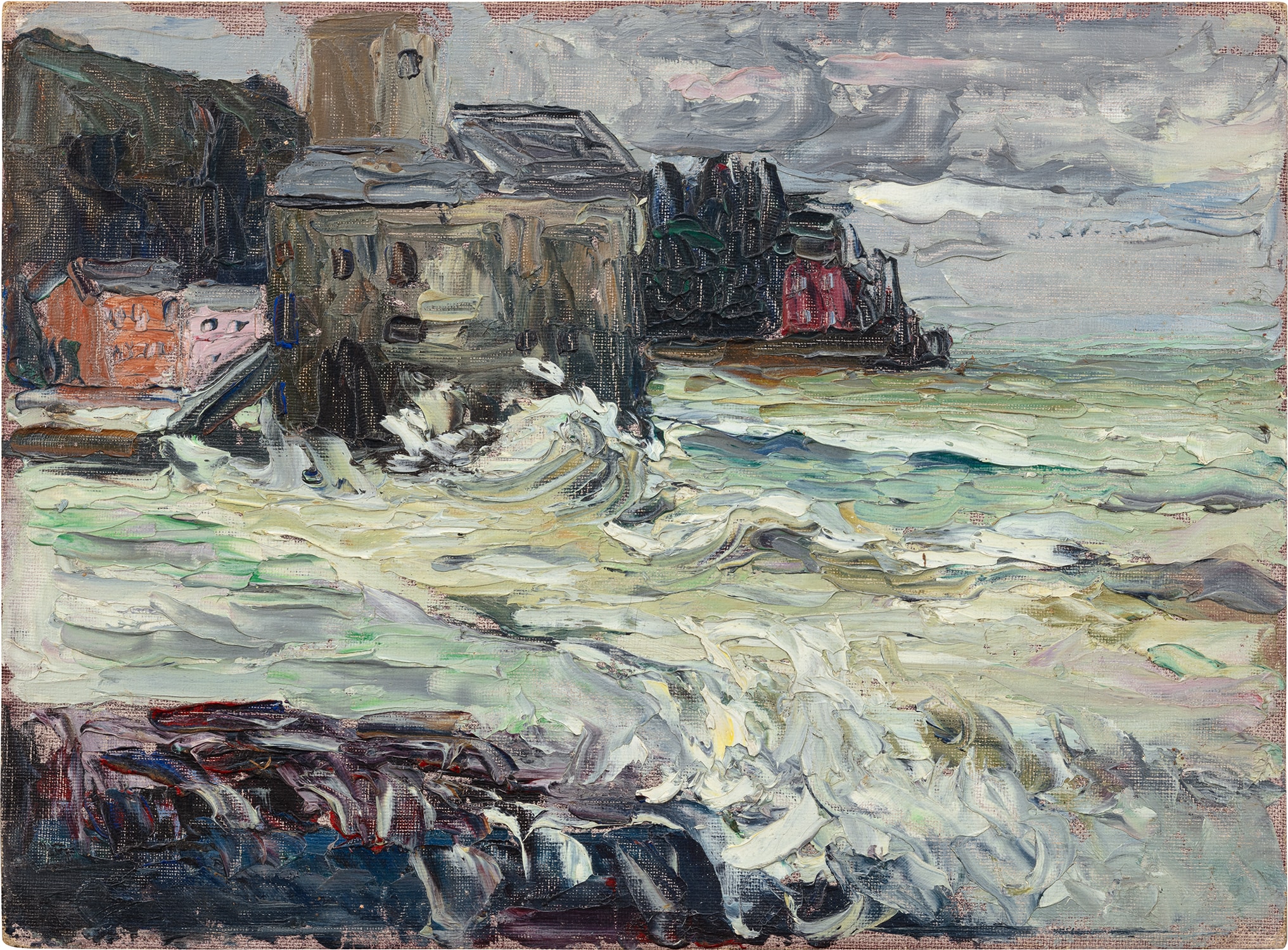
Wassily Kandinsky
Rapallo-Stürmischer Tag
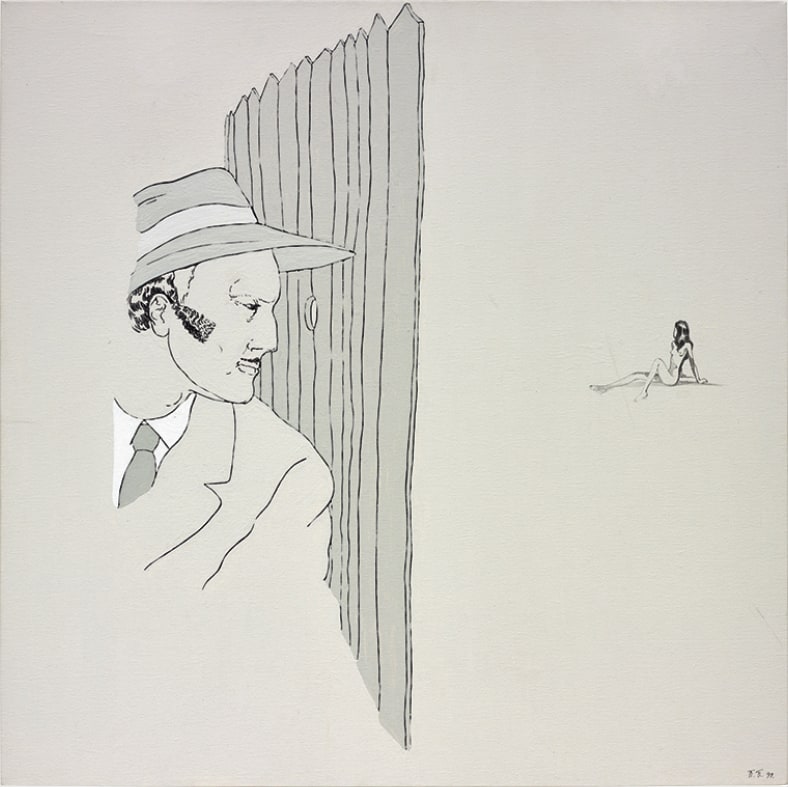
Pavel Pepperstein
Voyeur
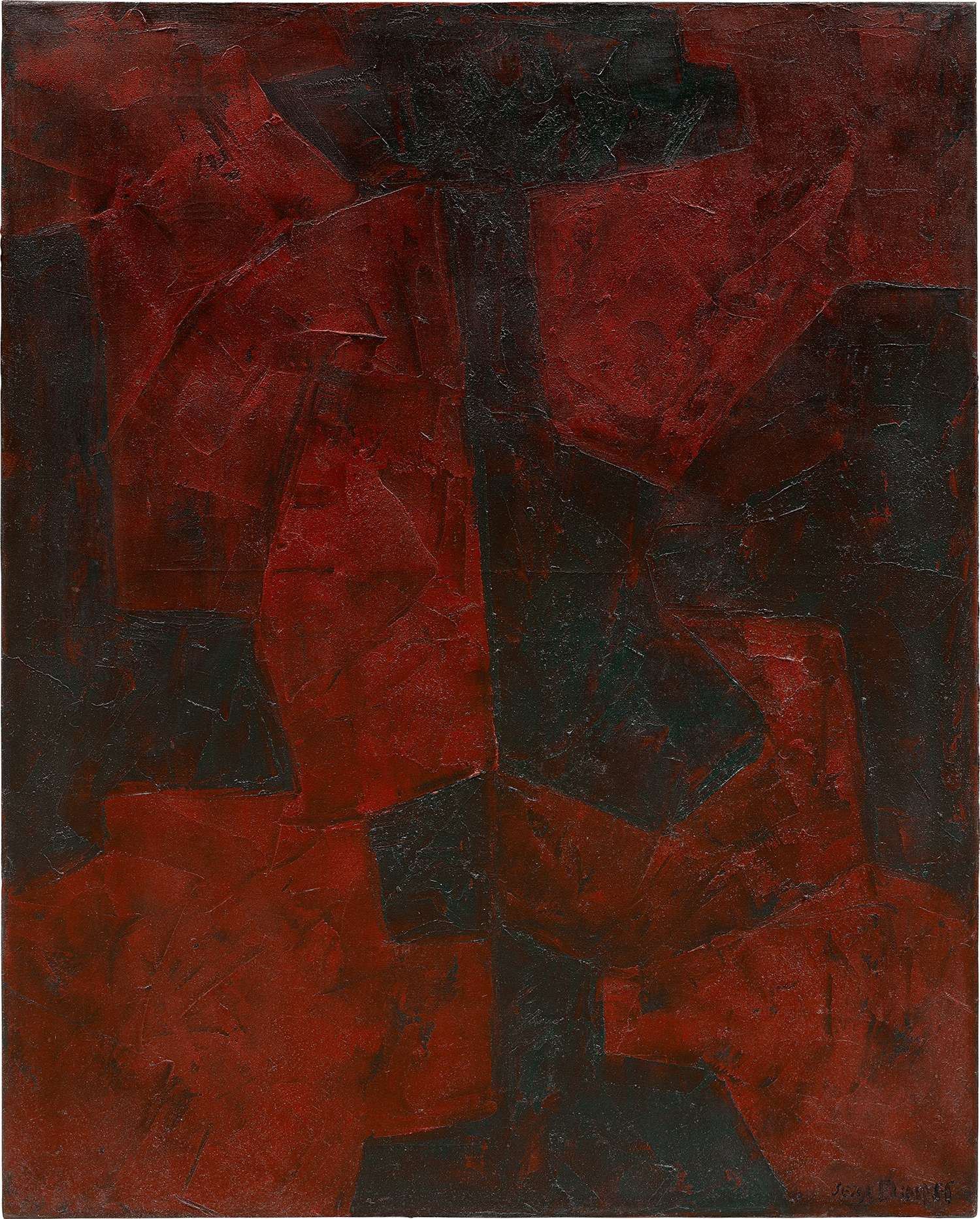
Serge Poliakoff
Composition
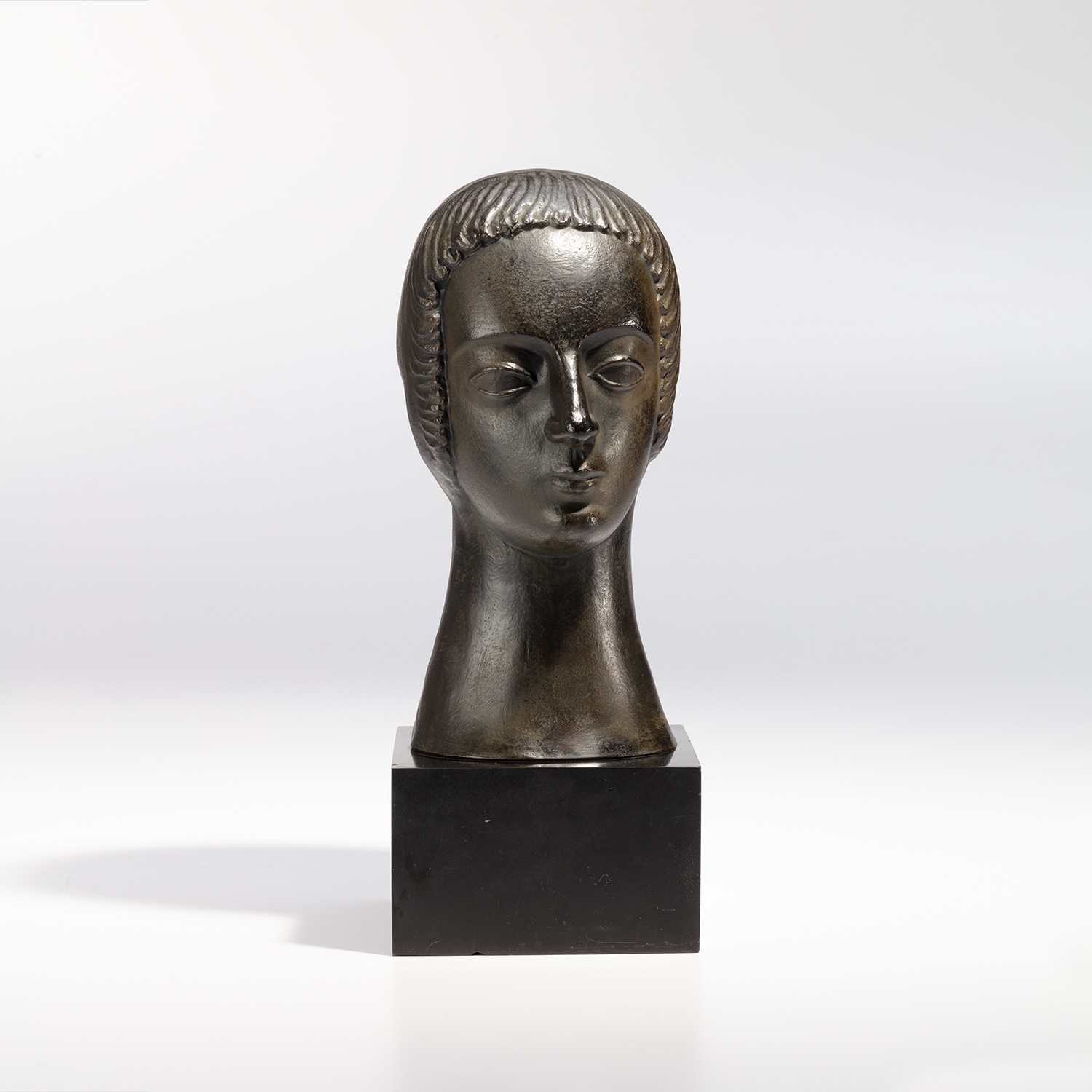
Moissey Kogan
Mädchenkopf I (Head of a Girl I)
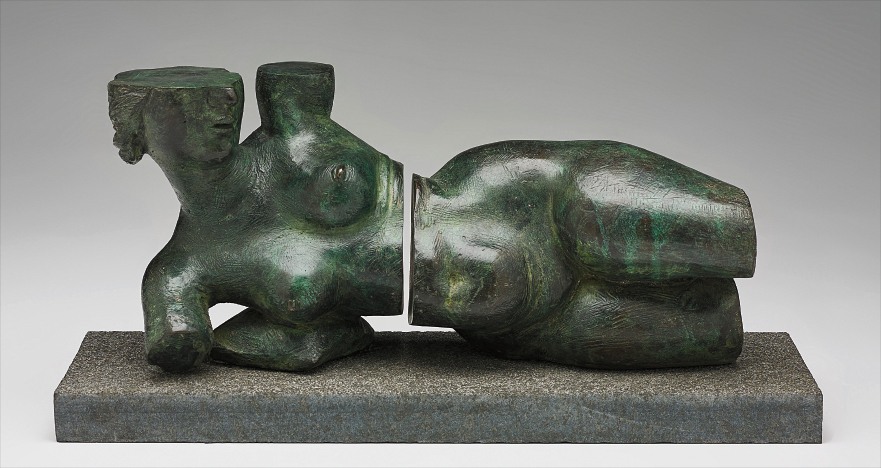
Viktor Ivanovich Korneev
This work is number 2 from an edition of 9.

Ebecho Muslimova
Fatebe Heirloom
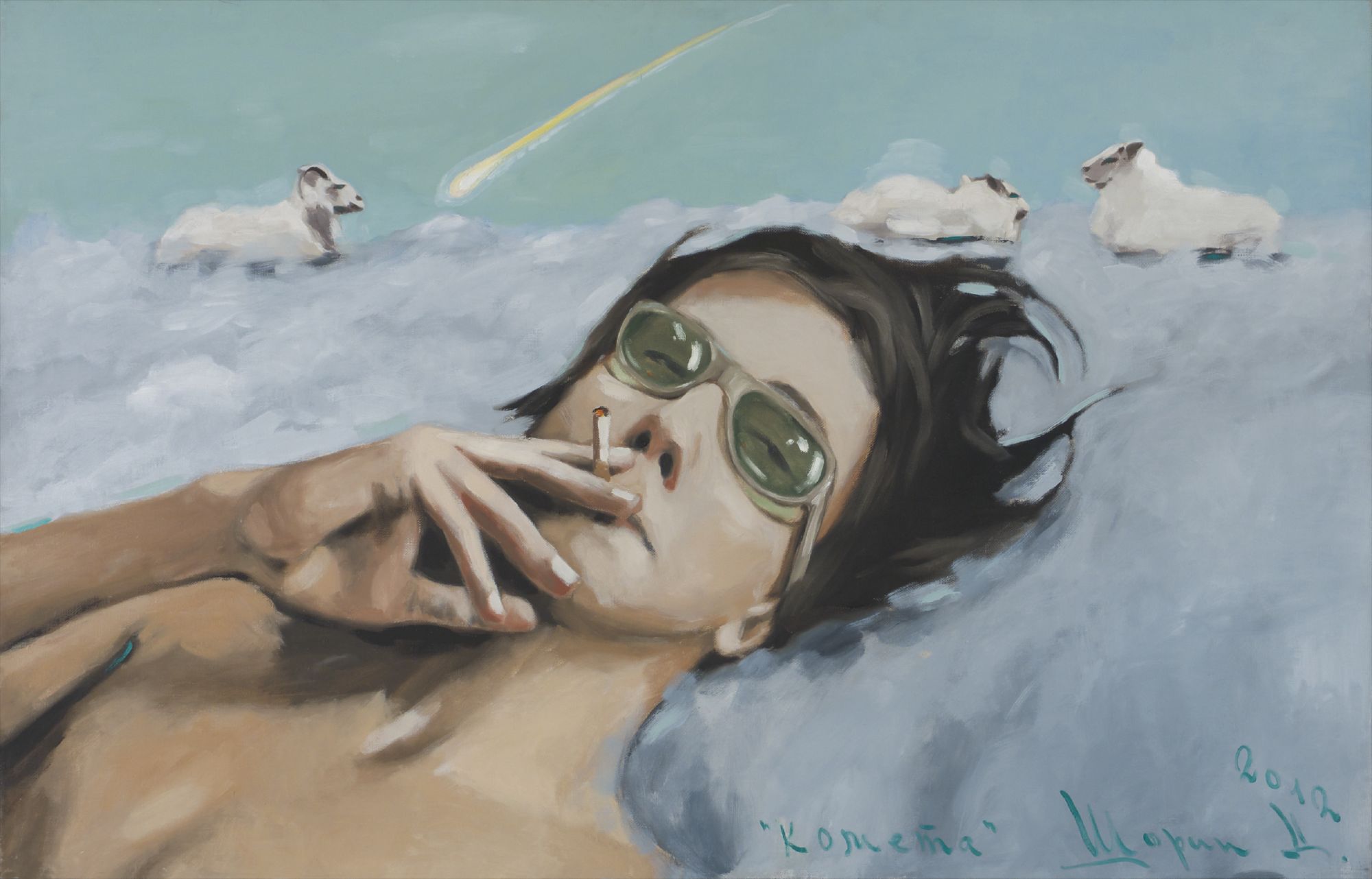
Dmitry Shorin
Comet
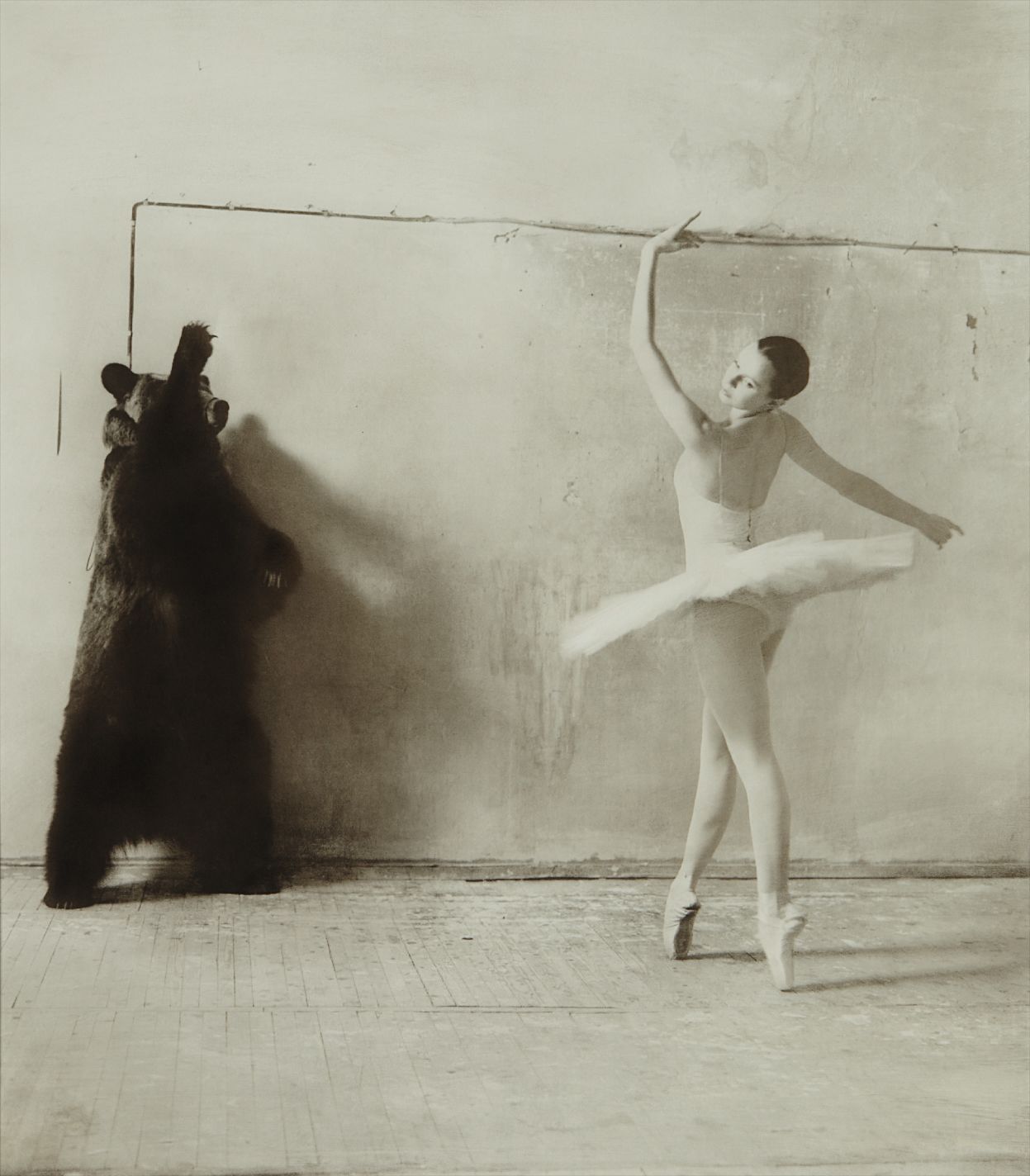
Gregori Maiofis
In Time a Bear May Even Be Taught to Dance
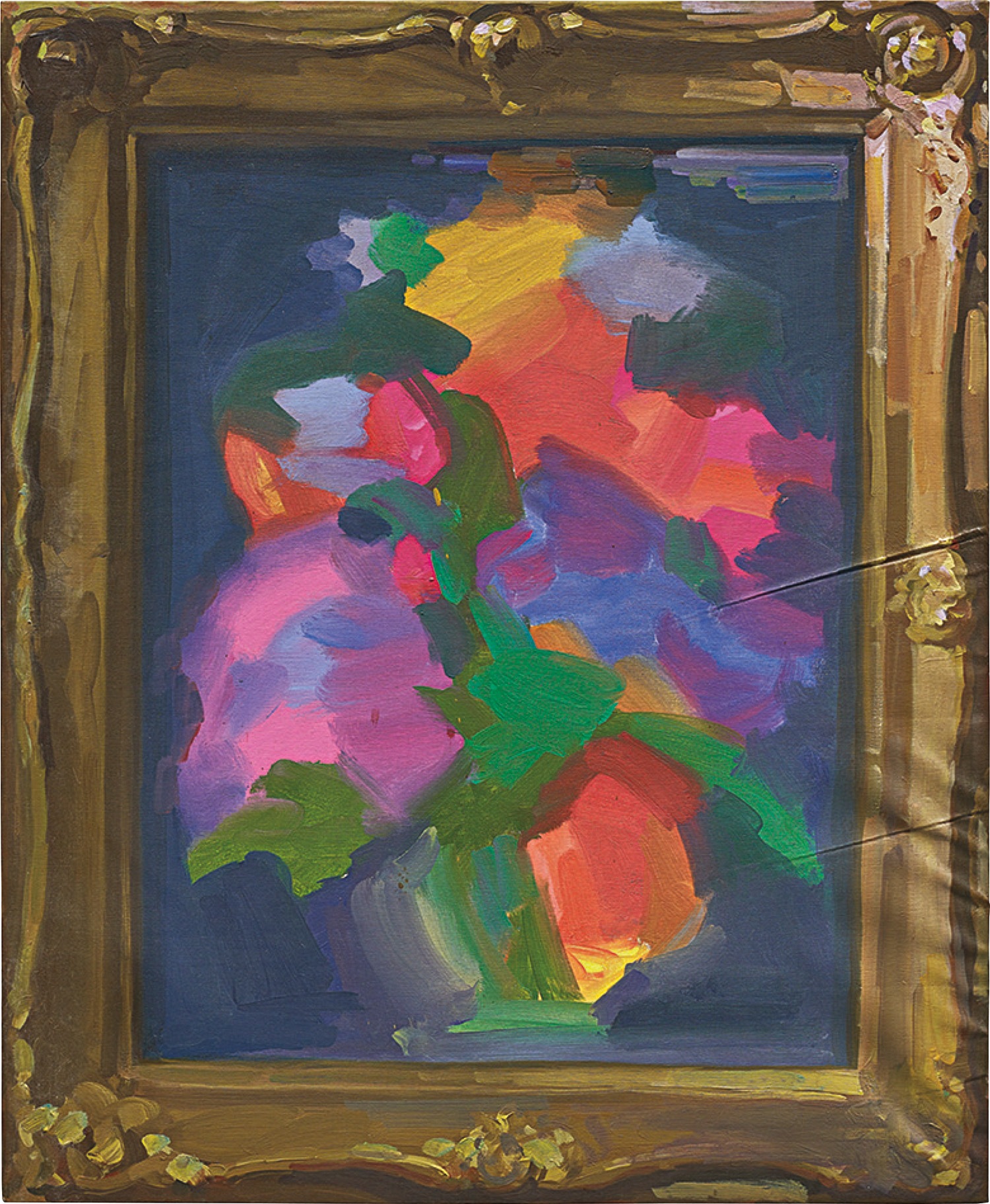
Nikolay Koshelev
S1/17
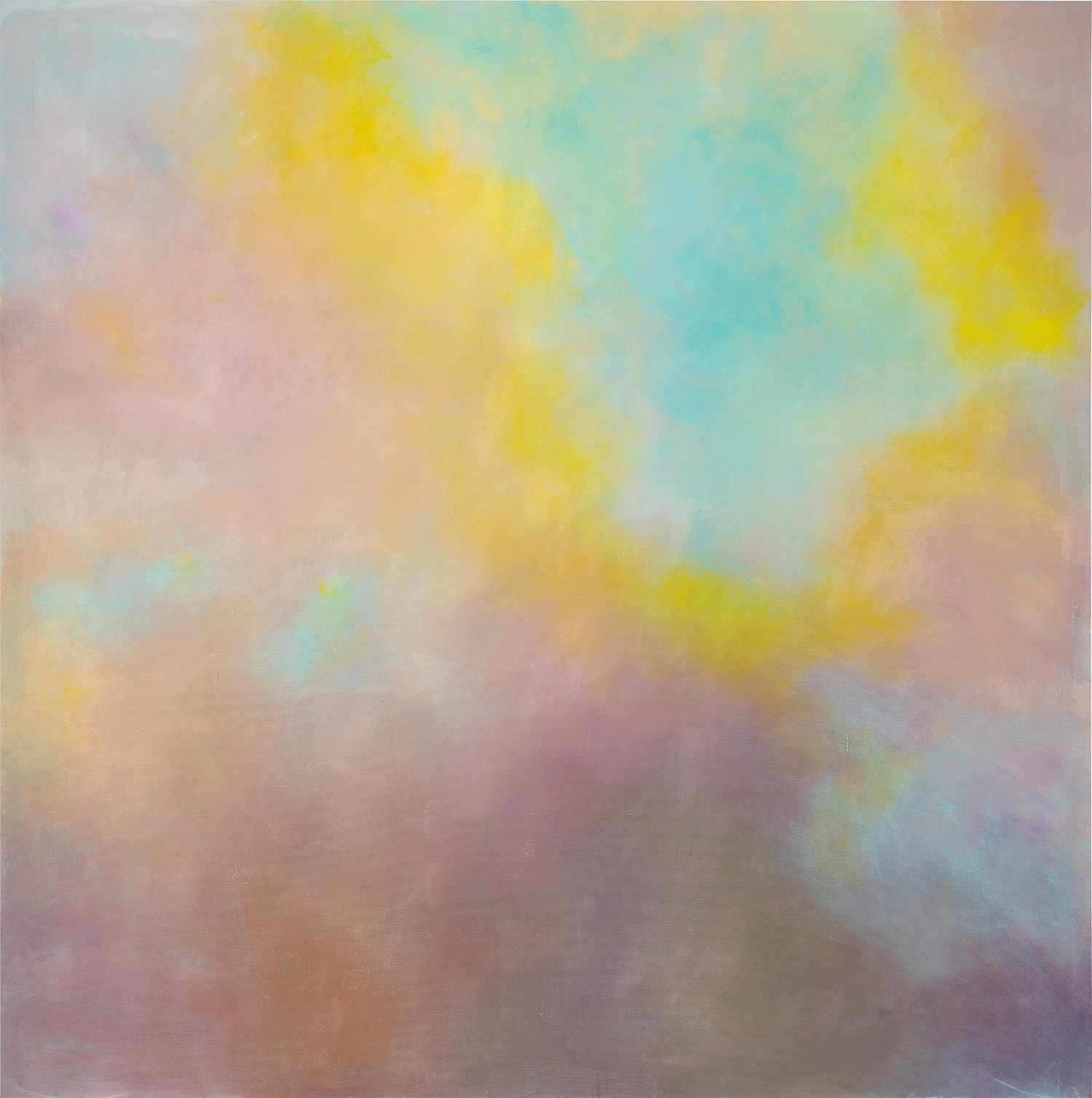
Vladimir Potapov
Brothers
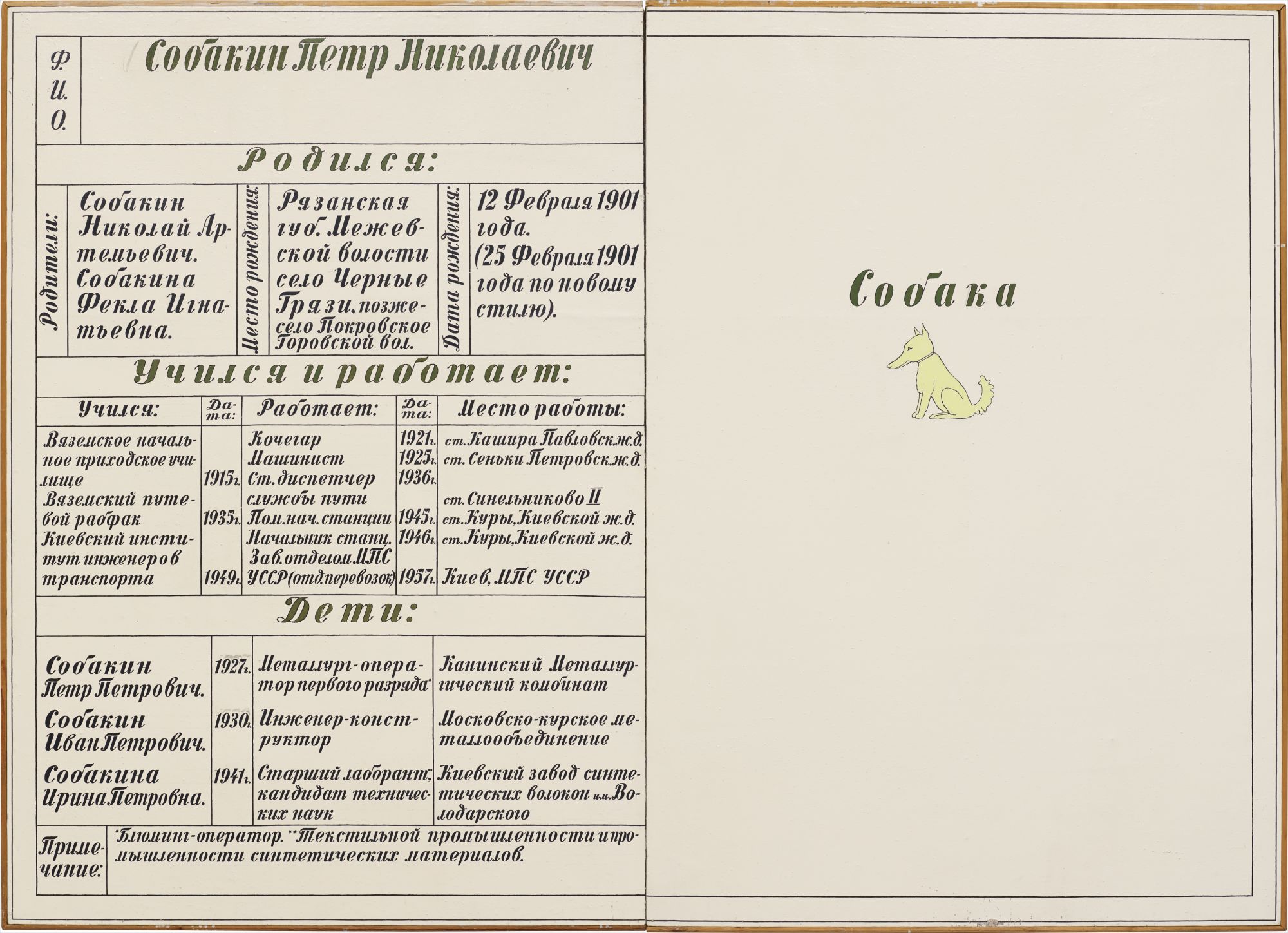
Ilya Kabakov
Sobakin
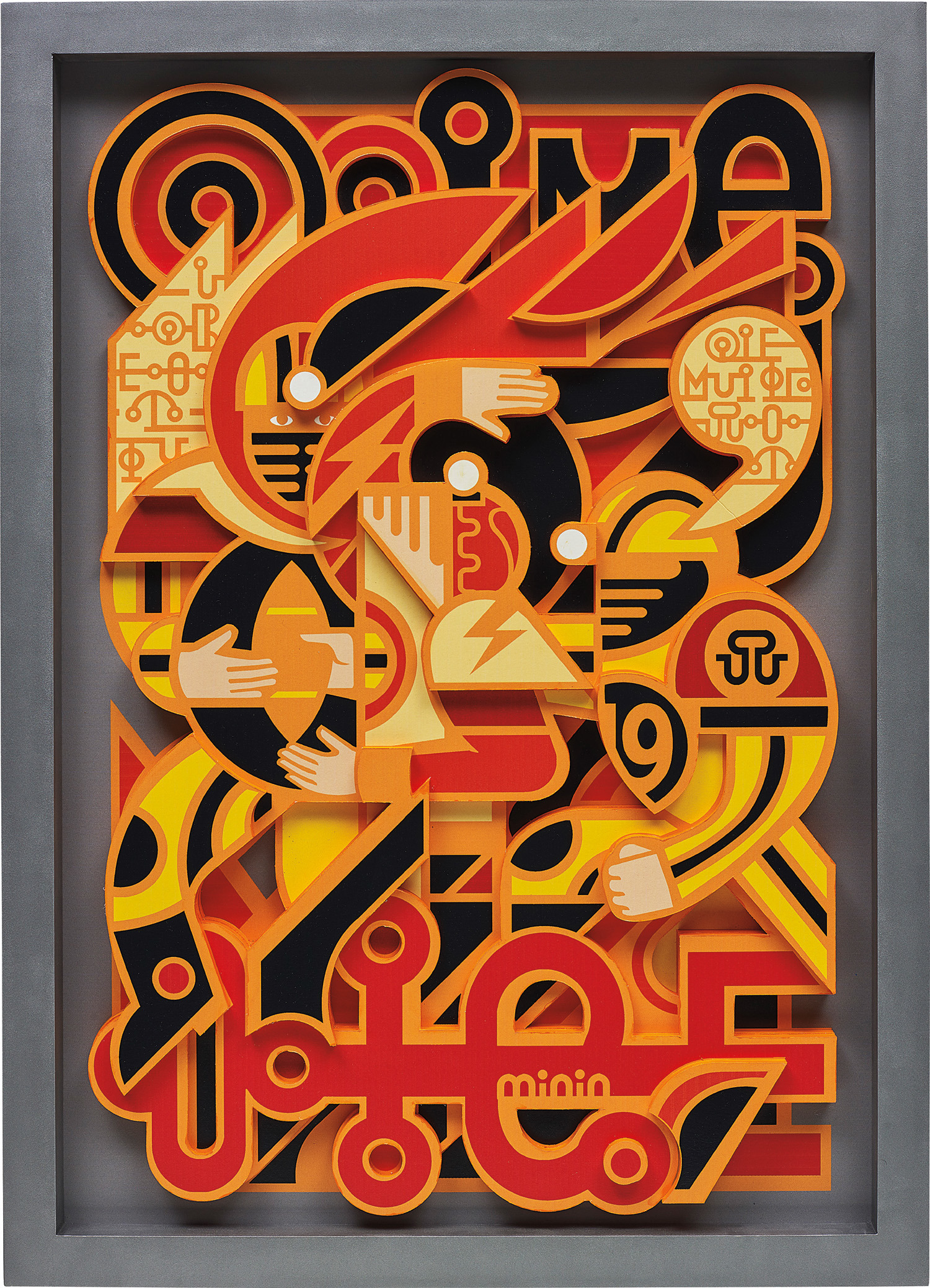
Vinny Reunov
Bouquet
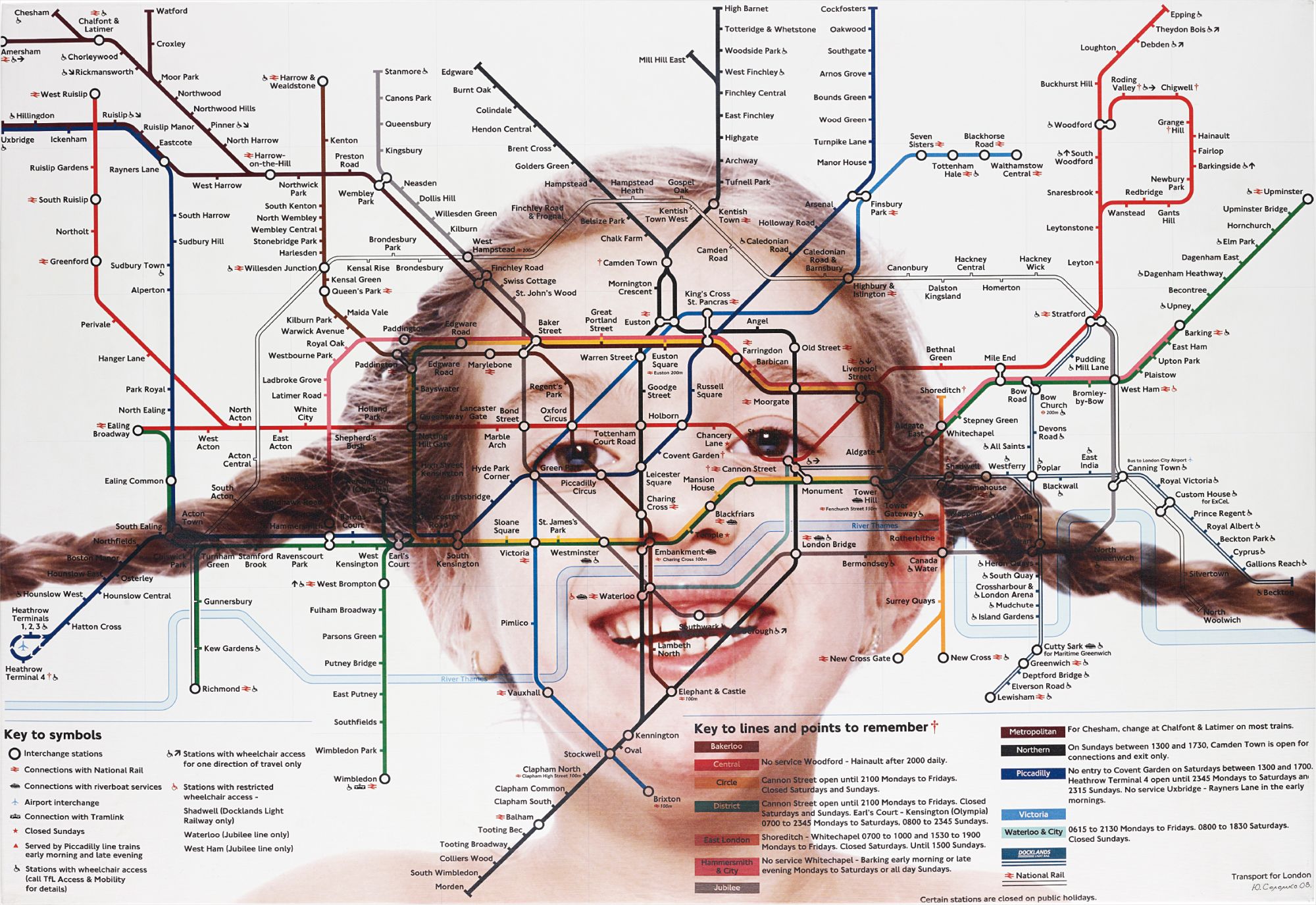
Yuri Solomko
London G8
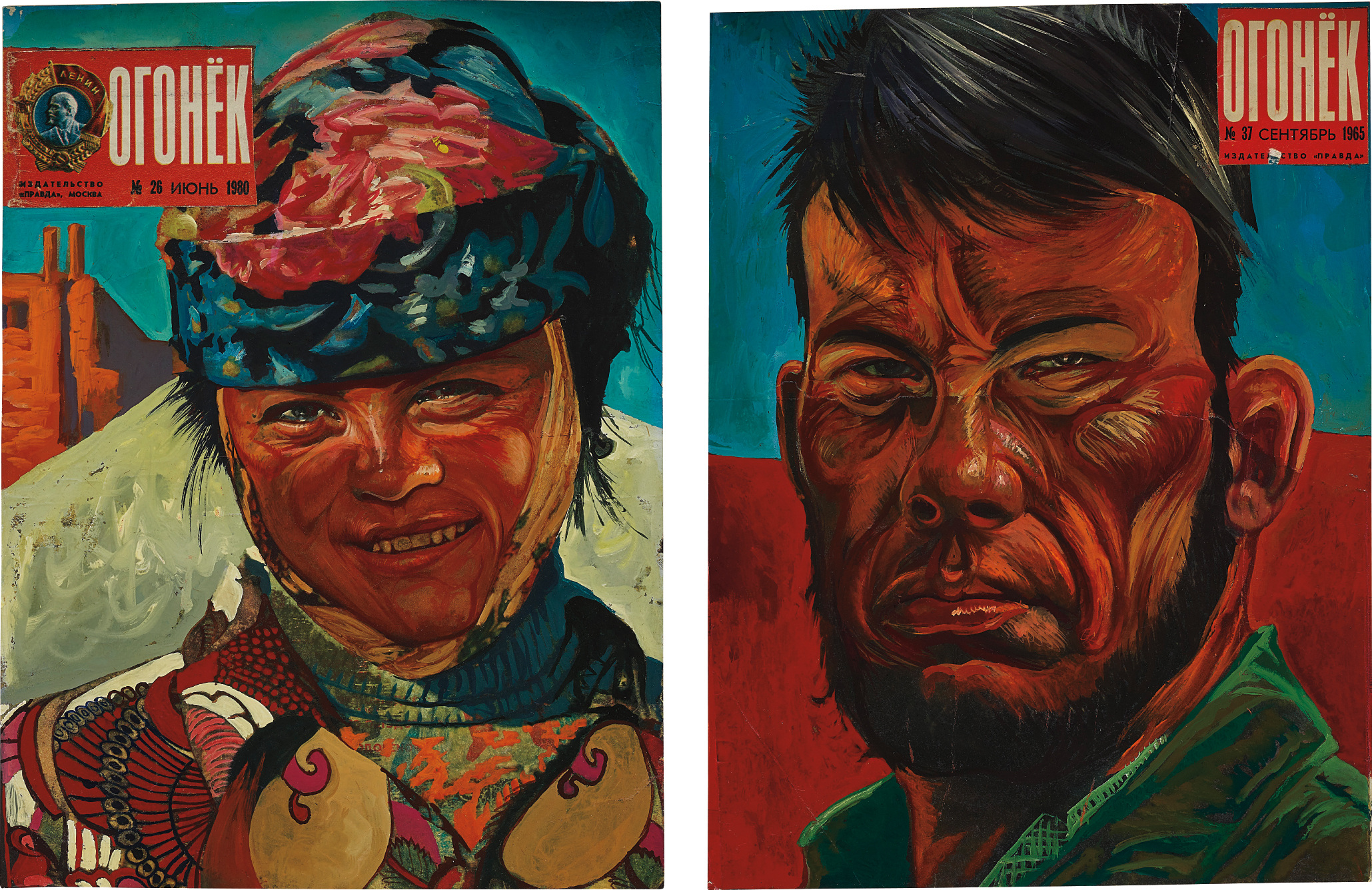
Sergey Zarva
Two works: (i) FROM THE SERIES "OGONYOK"; (ii) FROM THE SERIES "OGONYOK"
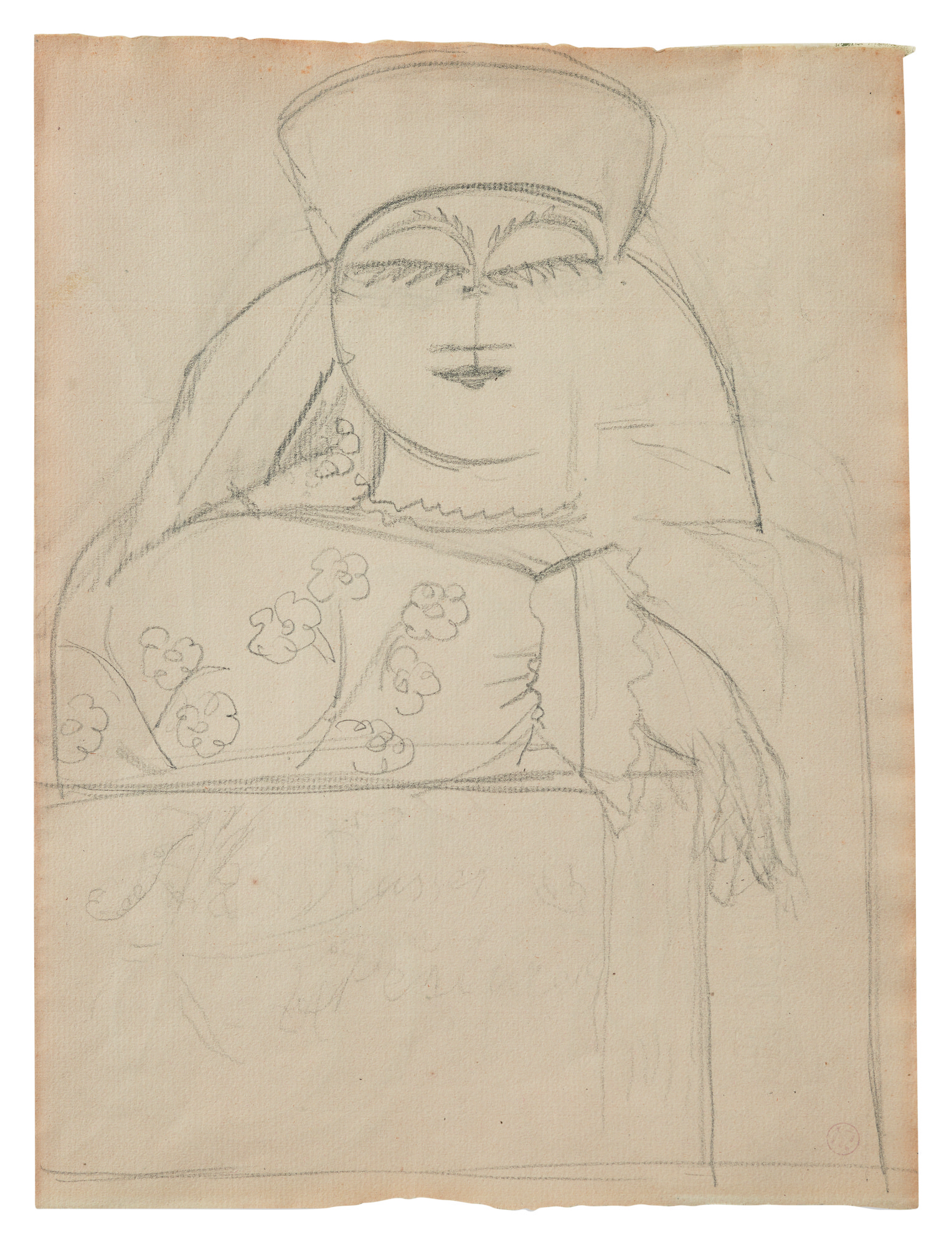
Natalia Goncharova
Design For The Commedia Dell’arte (a Double-sided Work)
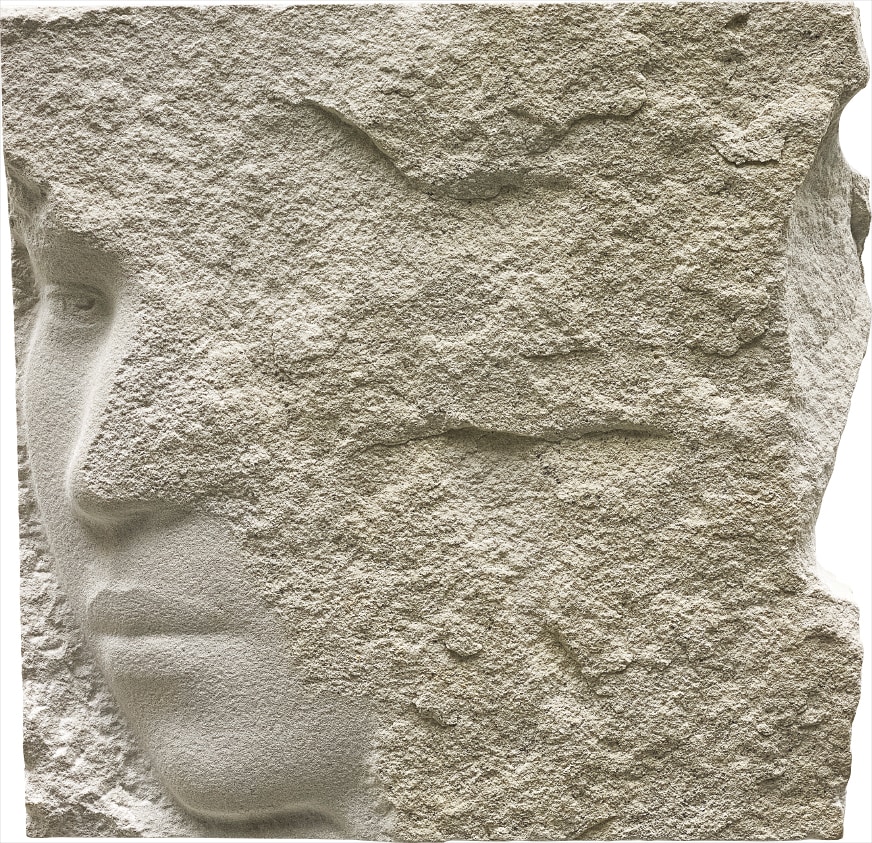
Dmitriy Grek
Looking Out
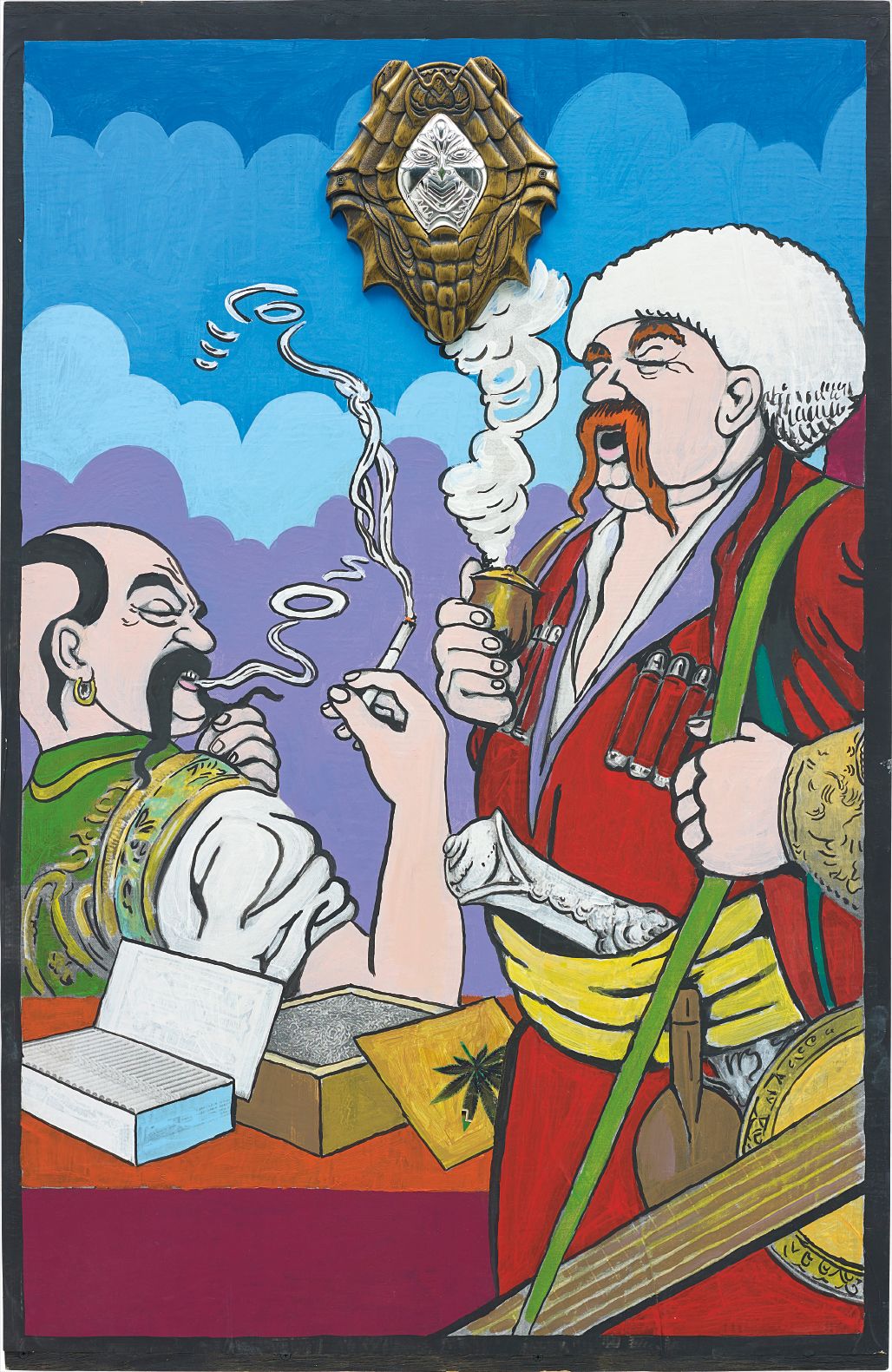
Konstantin Zvezdochetov
Kossaks
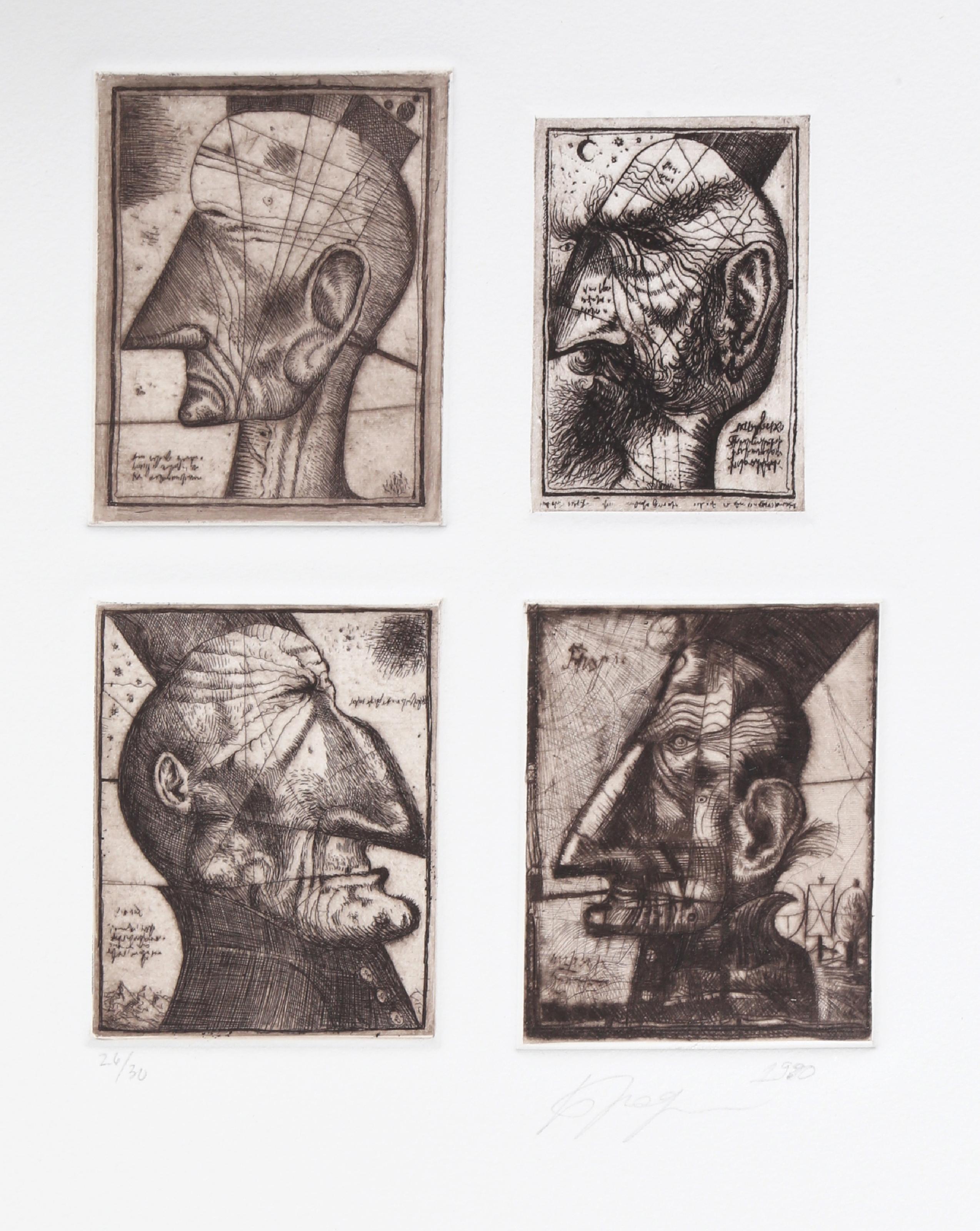
Alexander Brodsky and Ilya Utkin
Four Head Composite

Erik Bulatov
Sky and Sea