Renowned Modern Master

Lucian Freud
Landscape



The Modern Masters Collectors Keep Coming Back To
There is something particular about living with a work by a modern master. It is not merely the prestige, though that exists and anyone who pretends otherwise is being dishonest. It is the daily conversation these works demand. A painting by Gerhard Richter or Francis Bacon does not recede into the wall the way decorative work can.
It holds its ground, changes with the light, changes with your mood, and occasionally unsettles you at breakfast in a way you find yourself grateful for by evening. This is what draws serious collectors to the category again and again: the work keeps working. The question of what separates a good work from a great one in this space is worth sitting with, because the gap matters enormously both intellectually and financially. Within any major artist's output, there are periods of peak conviction and periods of consolidation or repetition.
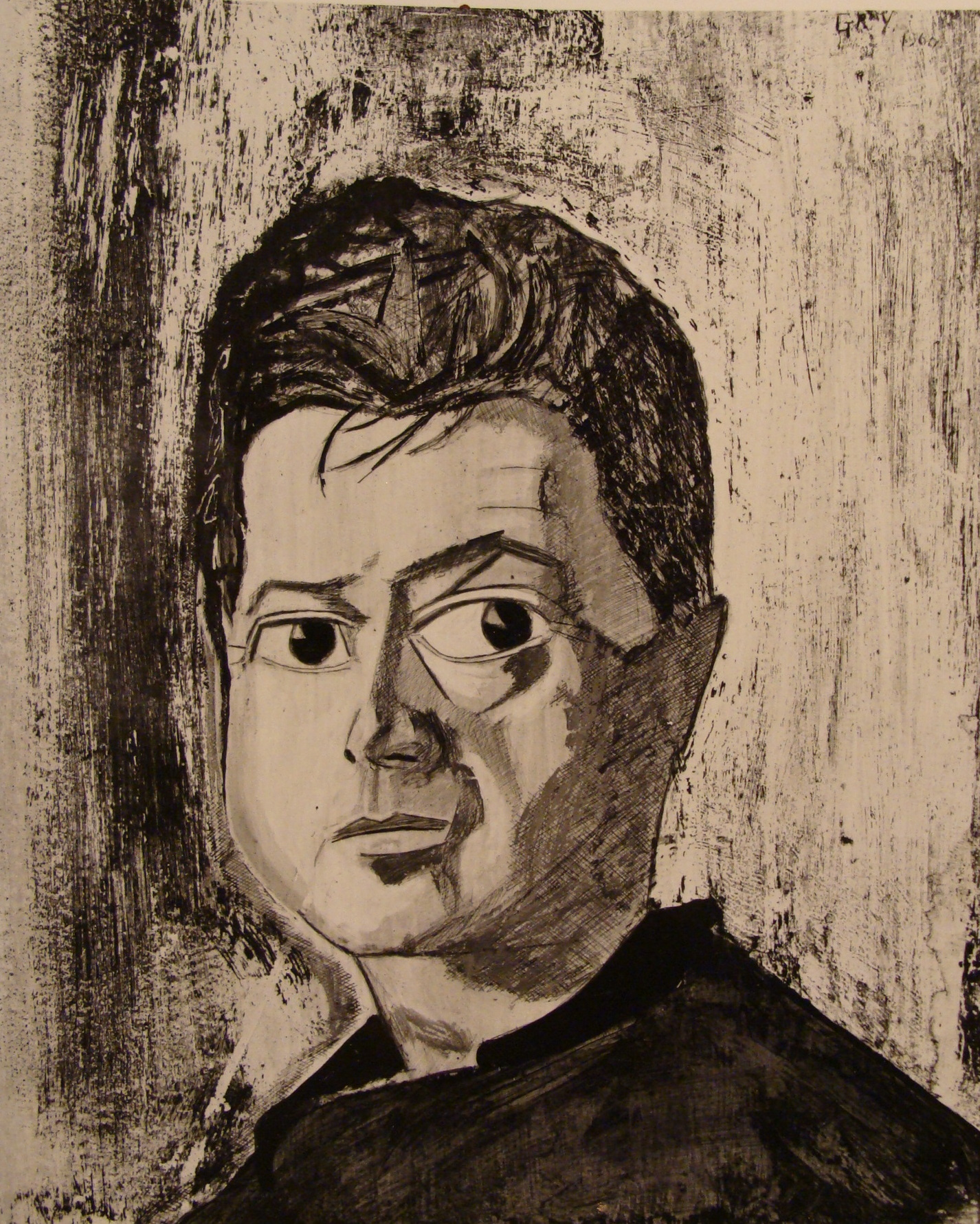
Lucian Freud
Landscape
A great work tends to come from a moment of genuine risk. With Lucian Freud, for instance, the thickly impastoed flesh paintings from the 1990s and early 2000s represent his fully realized voice, where the psychological weight and the physical handling of paint became inseparable. Earlier works, while historically interesting, lack that fusion. Collectors should always ask whether a work represents an artist thinking at the edge of their ability or coasting on an established formula.
Scale, subject matter, and provenance also separate the good from the truly significant. A small study and a major exhibition piece by the same hand are different objects in almost every meaningful sense, even if they share the same signature. Francis Bacon's triptych format became so central to his project that single panels from triptychs carry a specific and somewhat melancholy status, present but incomplete. When considering a work at any level of the market, knowing where it has been, which collections it passed through, which exhibitions included it, adds a layer of meaning that is not sentimental.
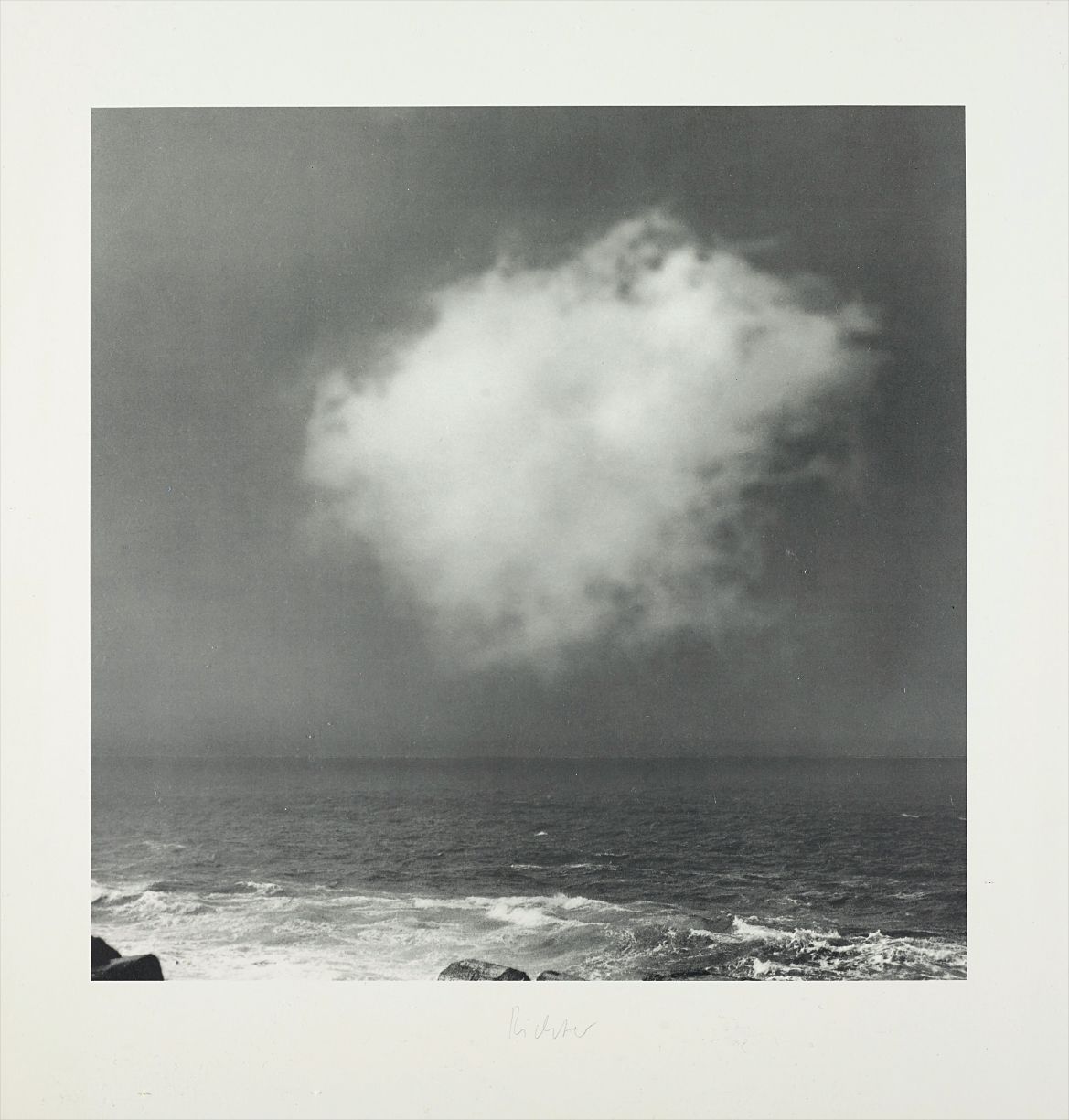
![Gerhard Richter — Seestück (Gegenlicht) (Seascape [Backlight])](https://rtwaymdozgnhgluydsys.supabase.co/storage/v1/object/public/artwork-images/auction-lots/UK030215-112015-lot1774344210814.jpg)
Gerhard Richter
Seestück (Gegenlicht) (Seascape [Backlight])
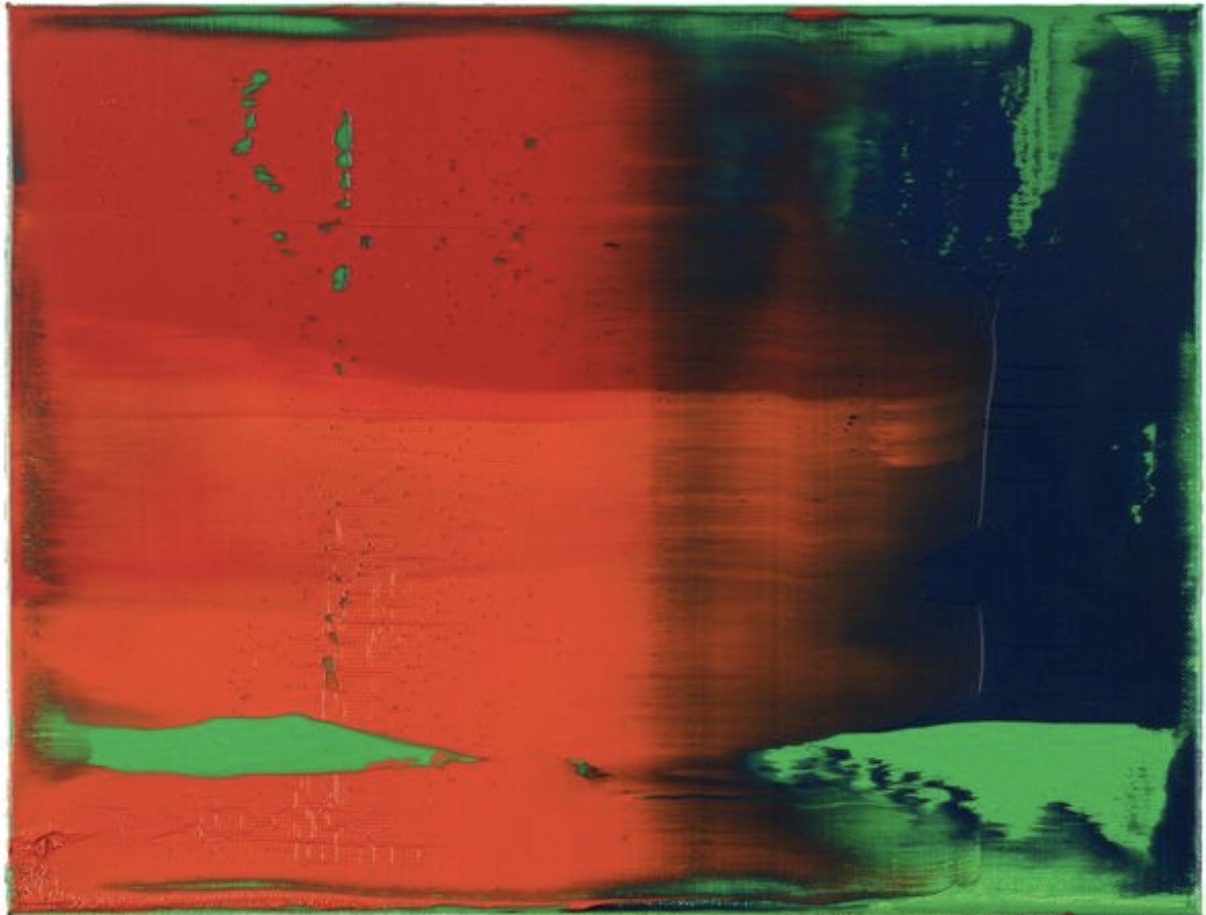
It is evidence of the work having been recognized over time by people who knew what they were looking at. Among the artists well represented on The Collection, Gerhard Richter stands out as one of the most rigorously examined and consistently valued figures in the postwar canon. His photographic paintings, his squeegee abstractions, and his quieter landscape works all operate within a sustained philosophical inquiry into the nature of representation itself, which means collectors are buying into a coherent intellectual project rather than a single stylistic moment. Josef Albers, whose Homage to the Square series he pursued from 1950 until his death in 1976, offers something different: a meditative, systematic exploration of color relationships that rewards long acquaintance.
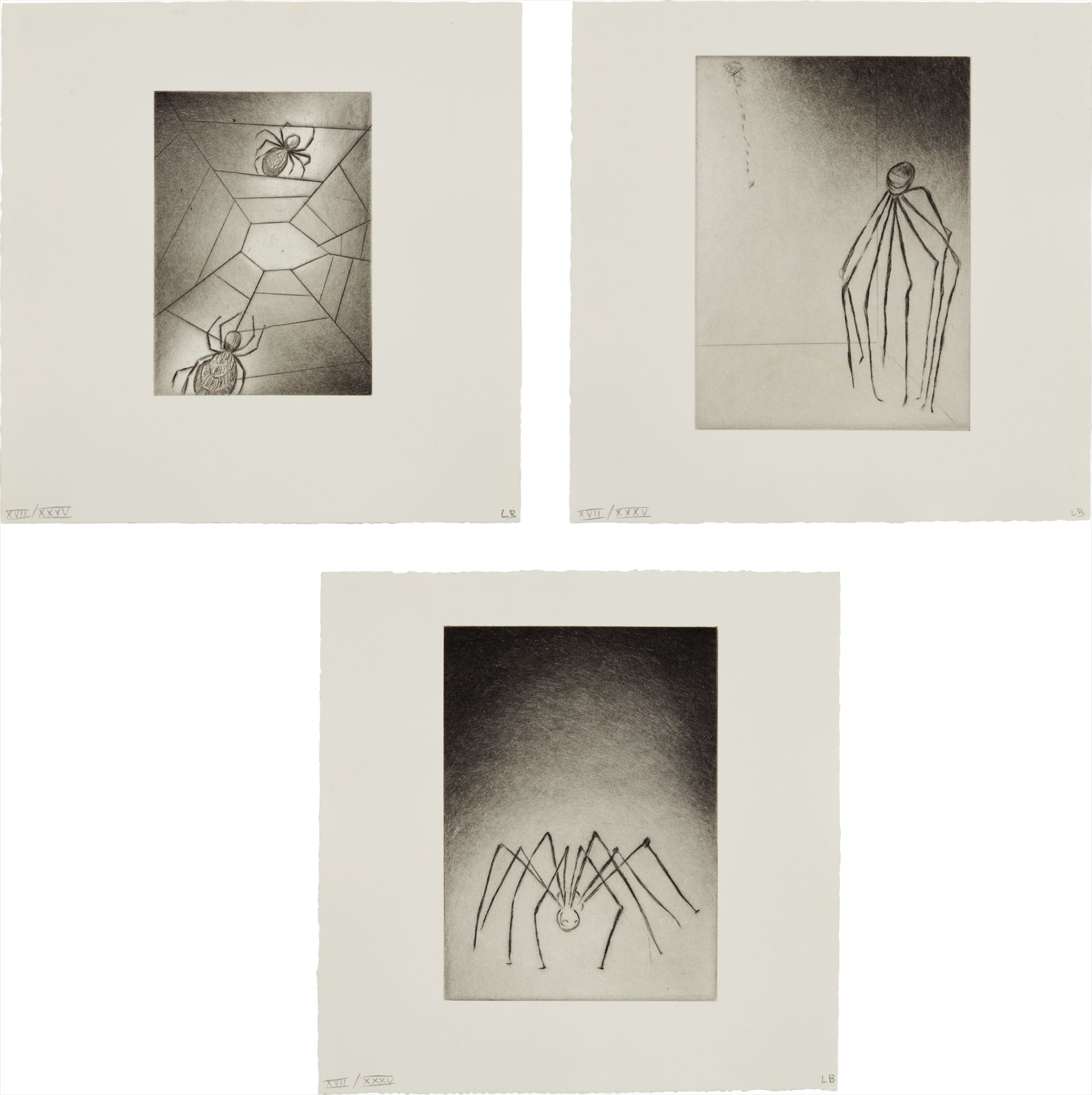
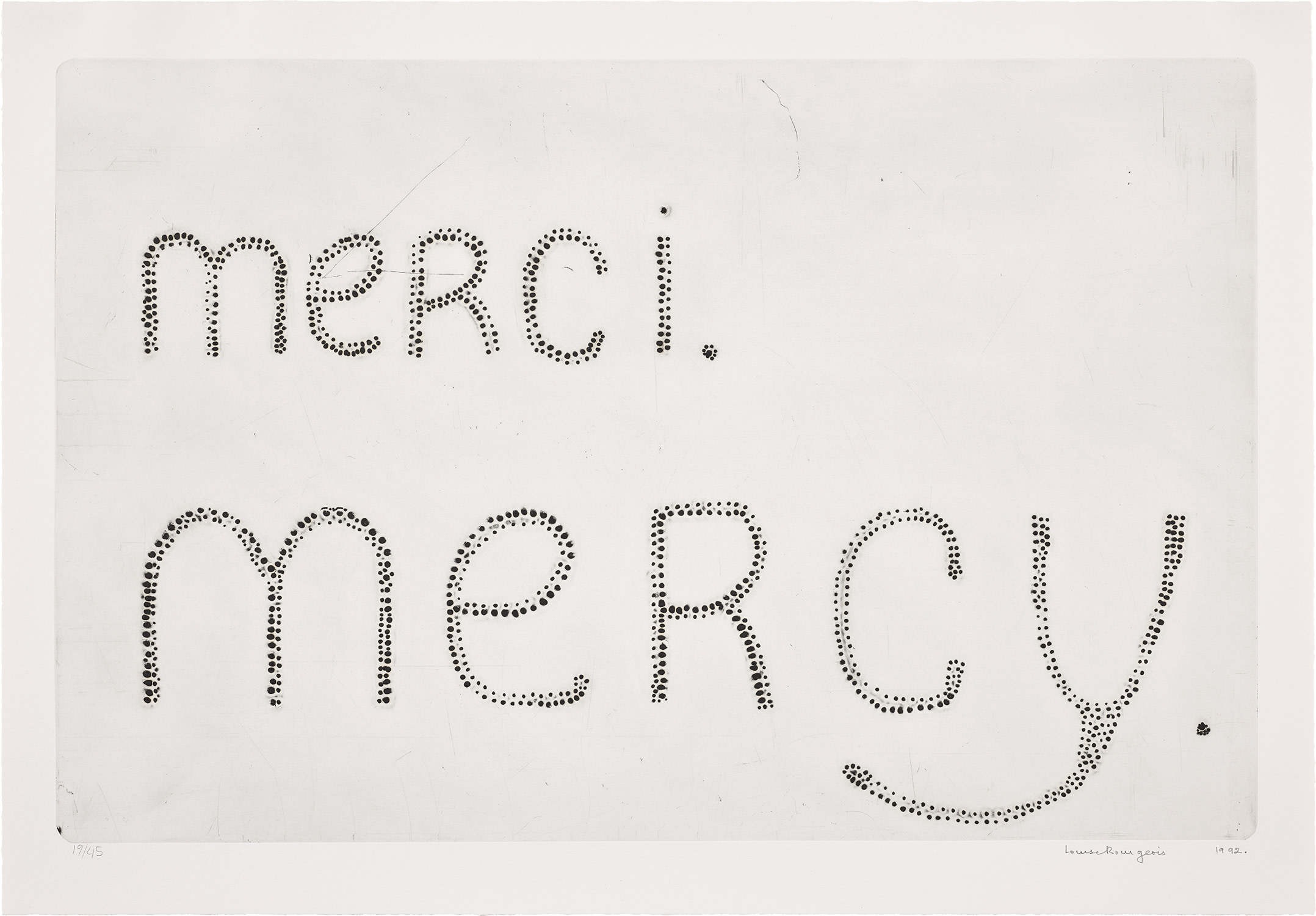
Living with an Albers is less like owning an image and more like having an instrument for tuning your perception. David Hockney, meanwhile, remains one of the most beloved and internationally legible figures in the canon, and works from his California swimming pool period of the 1960s and 1970s continue to perform exceptionally well because they fused formal innovation with an instantly recognizable emotional warmth. Louise Bourgeois is worth particular attention for collectors who think carefully about long term value. Her reputation has only deepened since her death in 2010, and institutional interest shows no signs of plateauing.

David Hockney
Caribbean Tea Time, 1987
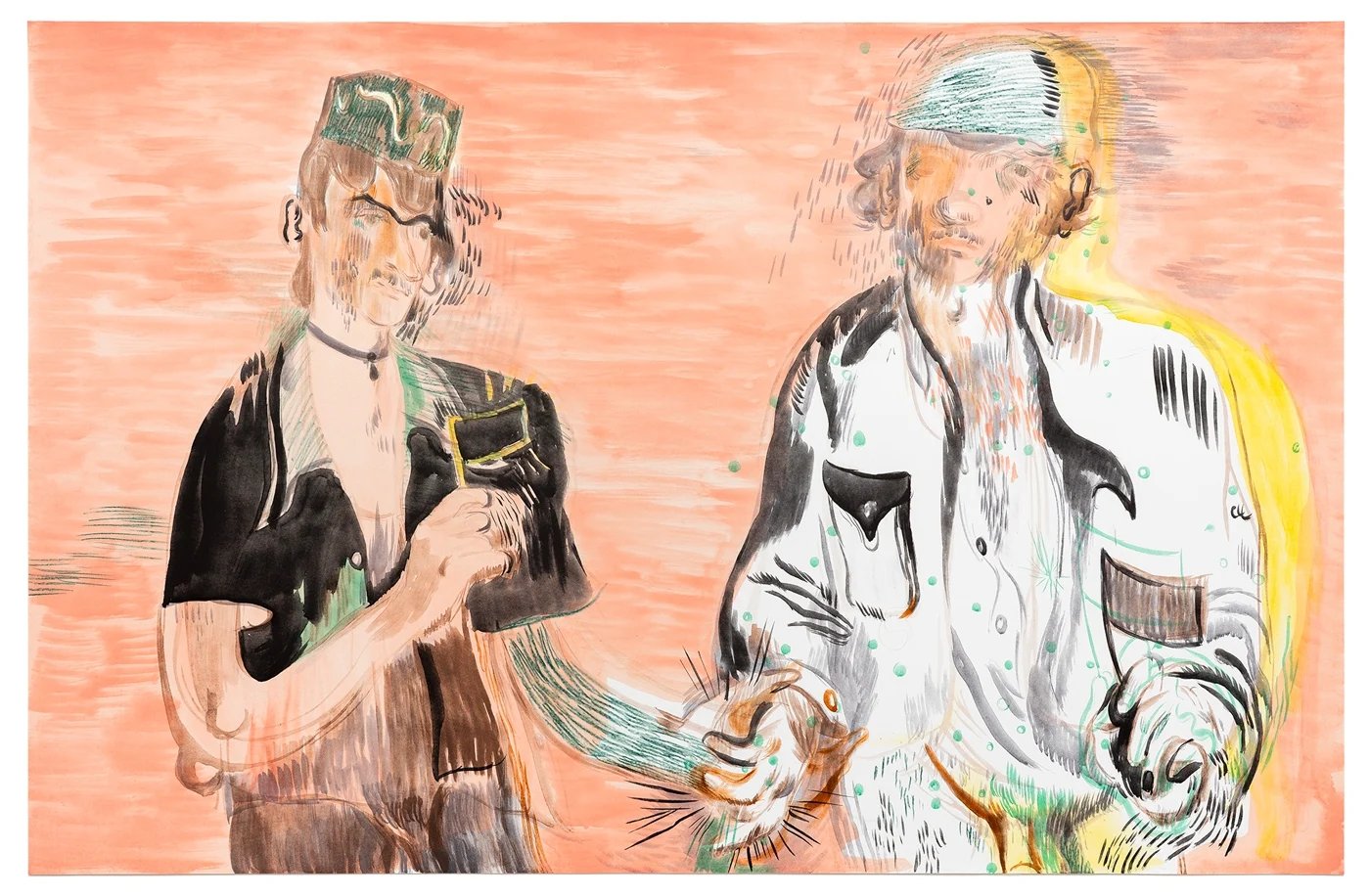
The Tate Modern retrospective in 2007 and 2008 reframed her legacy for a new generation and expanded the base of serious collectors engaged with her work. Prints and works on paper by Bourgeois offer a point of entry that is financially more accessible than her sculpture while still representing the full range of her obsessive, psychologically charged imagery. For collectors interested in where the next generation of significant value might emerge, it is worth watching artists working in the tradition of rigorous painterly inquiry, particularly those whose work engages with the legacy of figures like Richter or Albers without simply imitating them. Several painters now in their forties are developing genuinely independent approaches to abstraction and figuration that draw on this lineage critically rather than reverentially.
The art fair circuit, particularly Frieze and Art Basel, has become a useful but imperfect barometer. The more reliable signal is sustained institutional attention, residencies at major foundations, and inclusion in serious group shows that place emerging work in historical context. At auction, works by the artists in this category perform with notable consistency at the top end of the market, though the secondary market for any given work is always more nuanced than headline sale results suggest. Richter's abstract works have achieved record prices at Christie's and Sotheby's over the past two decades, but the range within his output is significant.
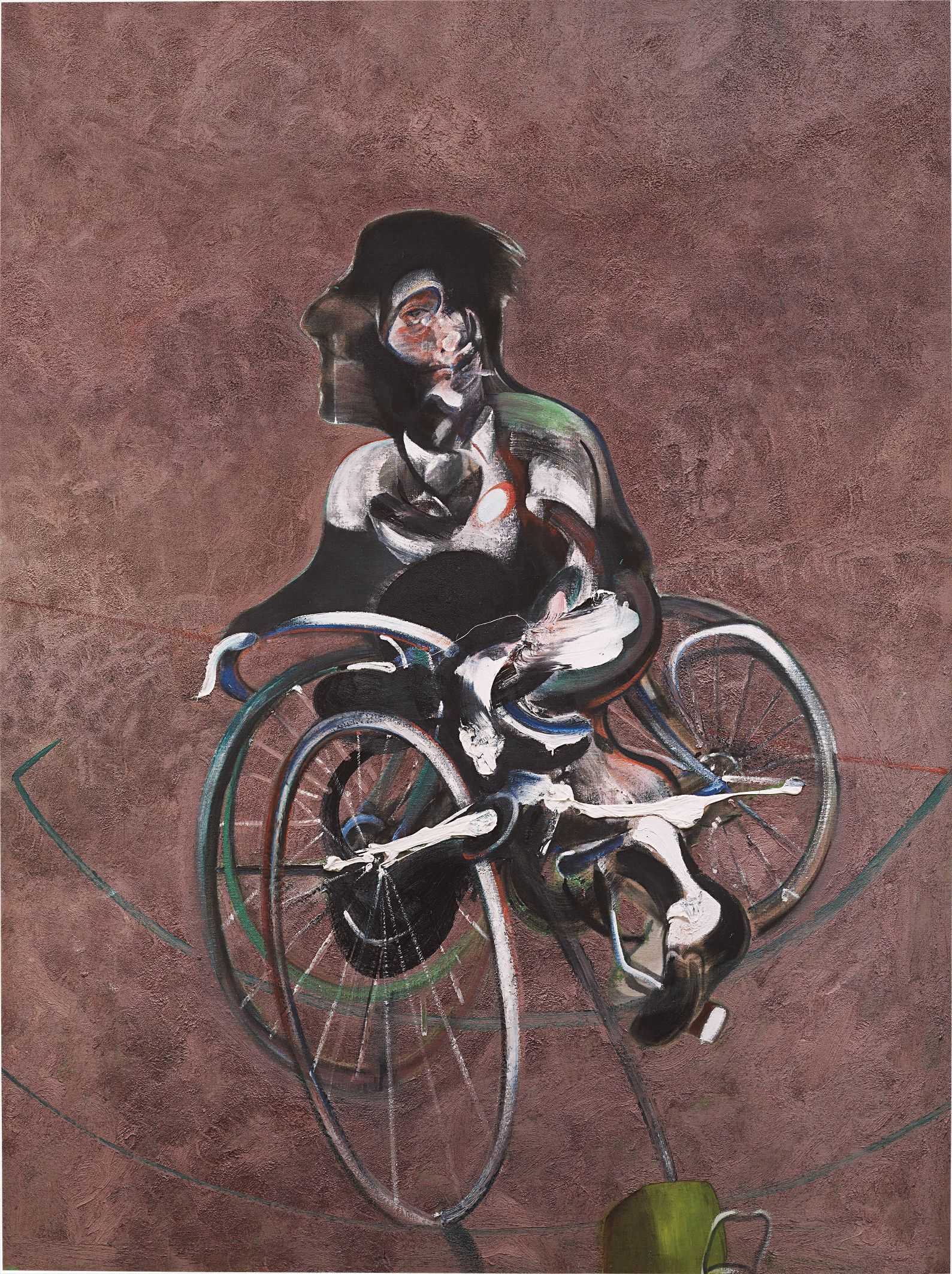
Francis Bacon
Portrait of George Dyer Riding a Bicycle
Buyers who have done their research understand that condition, provenance, and period specificity drive results far more than name recognition alone. A work in poor condition by a great artist will underperform in ways that can surprise the uninitiated, and restoration history should always be disclosed and scrutinized. On the practical side, there are several things worth establishing before any acquisition. Always ask a gallery for the full condition report and, for works on paper or canvas, request the conservation history.
For Richter's squeegee paintings in particular, surface condition is paramount because the layered, dragged paint is essentially irreparable if damaged. With editions and prints, which represent important bodies of work for artists like Albers and Bourgeois, understand the difference between the edition size, the artist's proofs, and any posthumous printings, as these distinctions affect both value and meaning. For unique works, ask about display requirements directly: some pigments are genuinely sensitive to ultraviolet light, and the wrong hanging position can do cumulative damage over years that is invisible until it is not. What draws collectors to modern masters and keeps them there is ultimately not security or status, though both are real.
It is the sense of participating in a conversation that has already been happening for decades and will continue long after any individual sale. These works carry their histories with them. Choosing carefully, living with work attentively, and understanding what you are looking at before you acquire it: this is the practice. The works reward exactly that kind of sustained attention.