Renowned Modern Artist
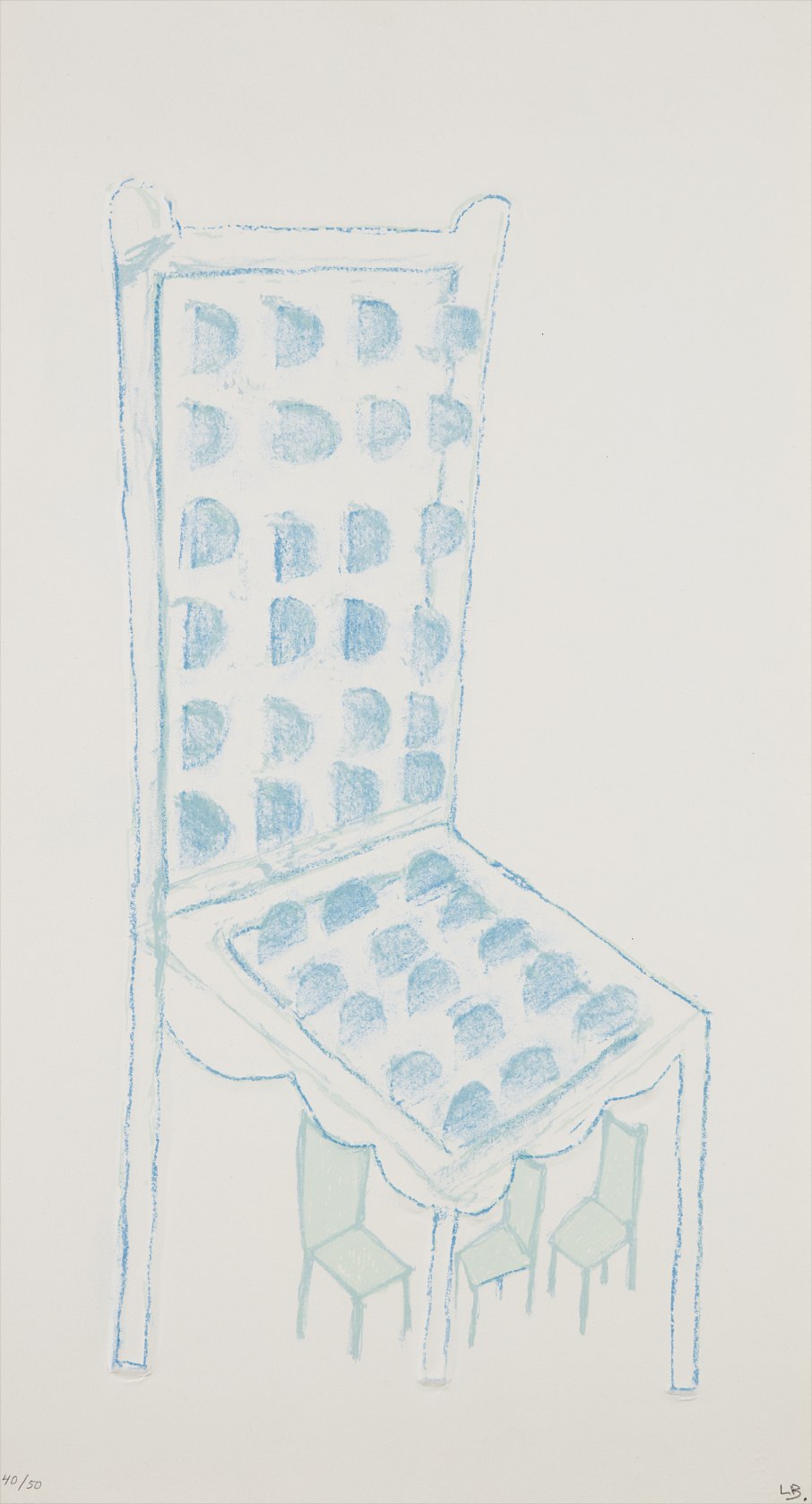
Louise Bourgeois
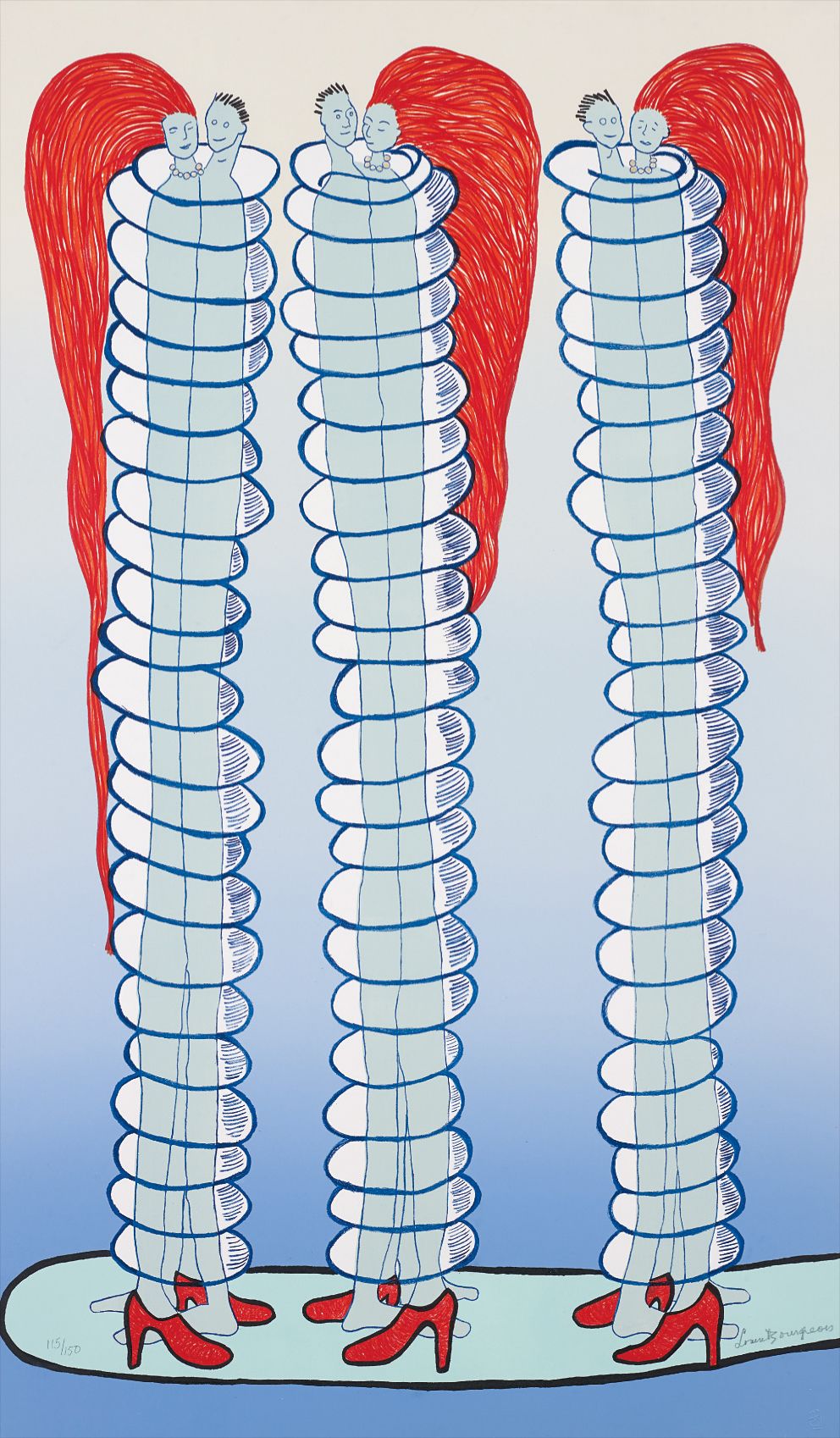
Le Père et les 3 Fils (The Father and the 3 Sons), Version 2
Artists
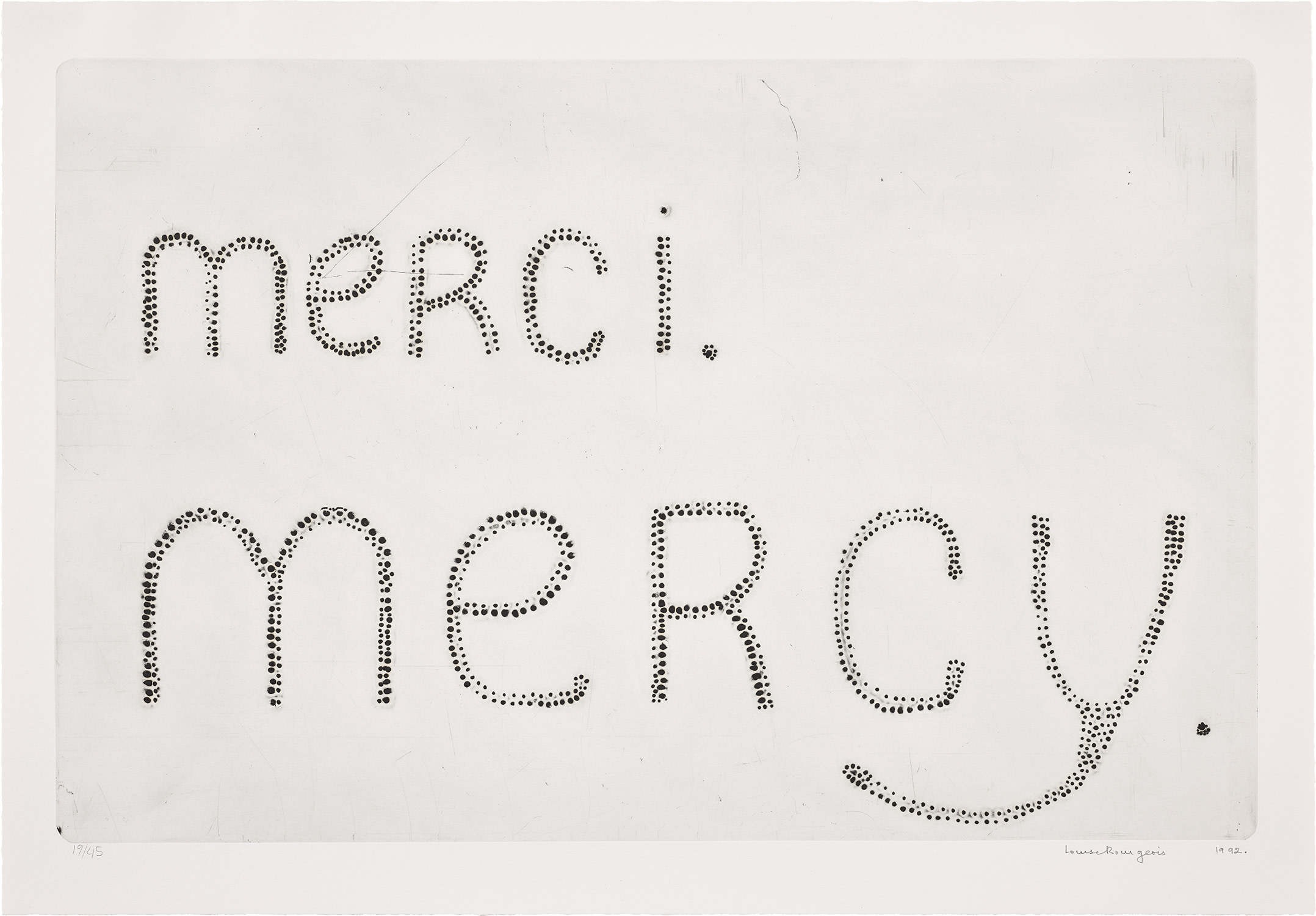
The Body Knows: Modern Art's Radical Turn
There is a particular kind of courage required to make art that refuses to be comfortable. Modern art, as a category, as a sensibility, as a broad and sometimes unruly tradition, has always been animated by exactly that refusal. Since the late nineteenth century, artists working across Europe and the Americas began to ask what painting, sculpture, and printmaking could do if they shed the obligation to represent the world as it already appeared. The answers they arrived at changed everything.
The origins of what we now call modern art are inseparable from the upheavals of industrialization and the philosophical crises that accompanied it. By the 1860s and 1870s, painters like Gustave Courbet and Édouard Manet were already destabilizing academic conventions, insisting that the flatness of the canvas and the roughness of ordinary life were legitimate subjects. When the first Impressionist exhibition opened in Paris in 1874 in the studio of the photographer Nadar, critics mocked it. Within two decades, the work shown there had fundamentally reoriented how Western audiences understood the relationship between perception and painting.
Louise Bourgeois
Le Père et les 3 Fils (The Father and the 3 Sons), Version 2
That tension between rupture and reception would define the modern enterprise for the next hundred years. As the twentieth century opened, the pace of transformation accelerated. Cubism, developed by Pablo Picasso and Georges Braque between roughly 1907 and 1914, shattered single point perspective and introduced the radical idea that an object could be depicted from multiple viewpoints simultaneously. Abstraction followed with its own logic: Wassily Kandinsky was publishing his treatise "Concerning the Spiritual in Art" by 1911, arguing that color and form carried emotional and spiritual weight entirely independent of representation.
The Bauhaus, founded in Weimar in 1919, brought together fine art, craft, and industrial design under one roof and insisted that aesthetic thinking belonged in every corner of daily life. These were not aesthetic preferences. They were arguments about how human beings understood reality. The aftermath of World War Two produced a generation of artists for whom the body and its traumas became central material.
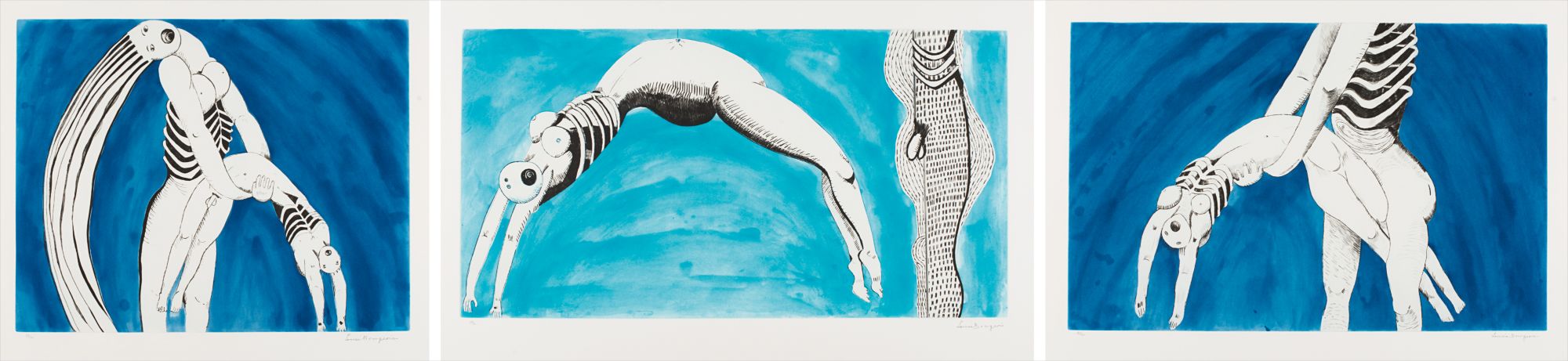
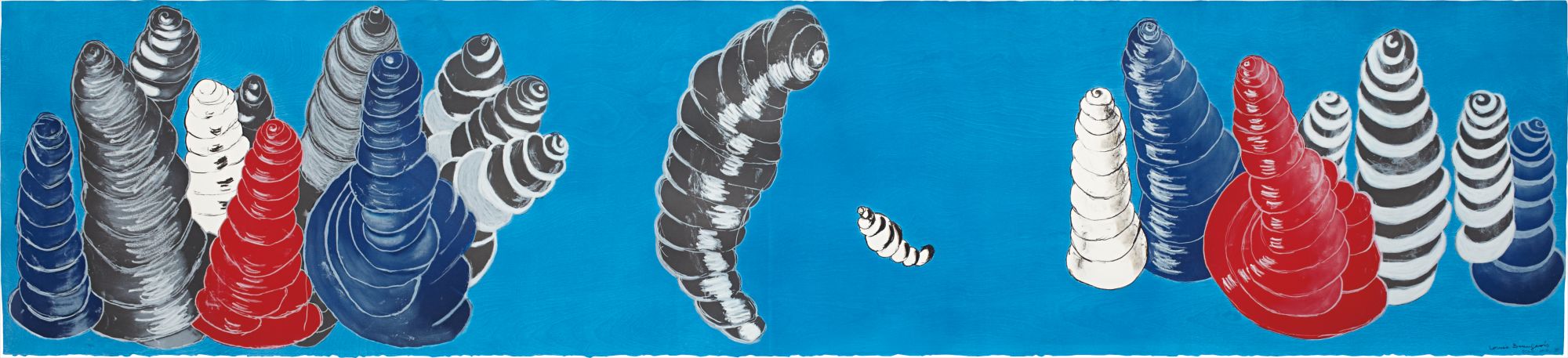
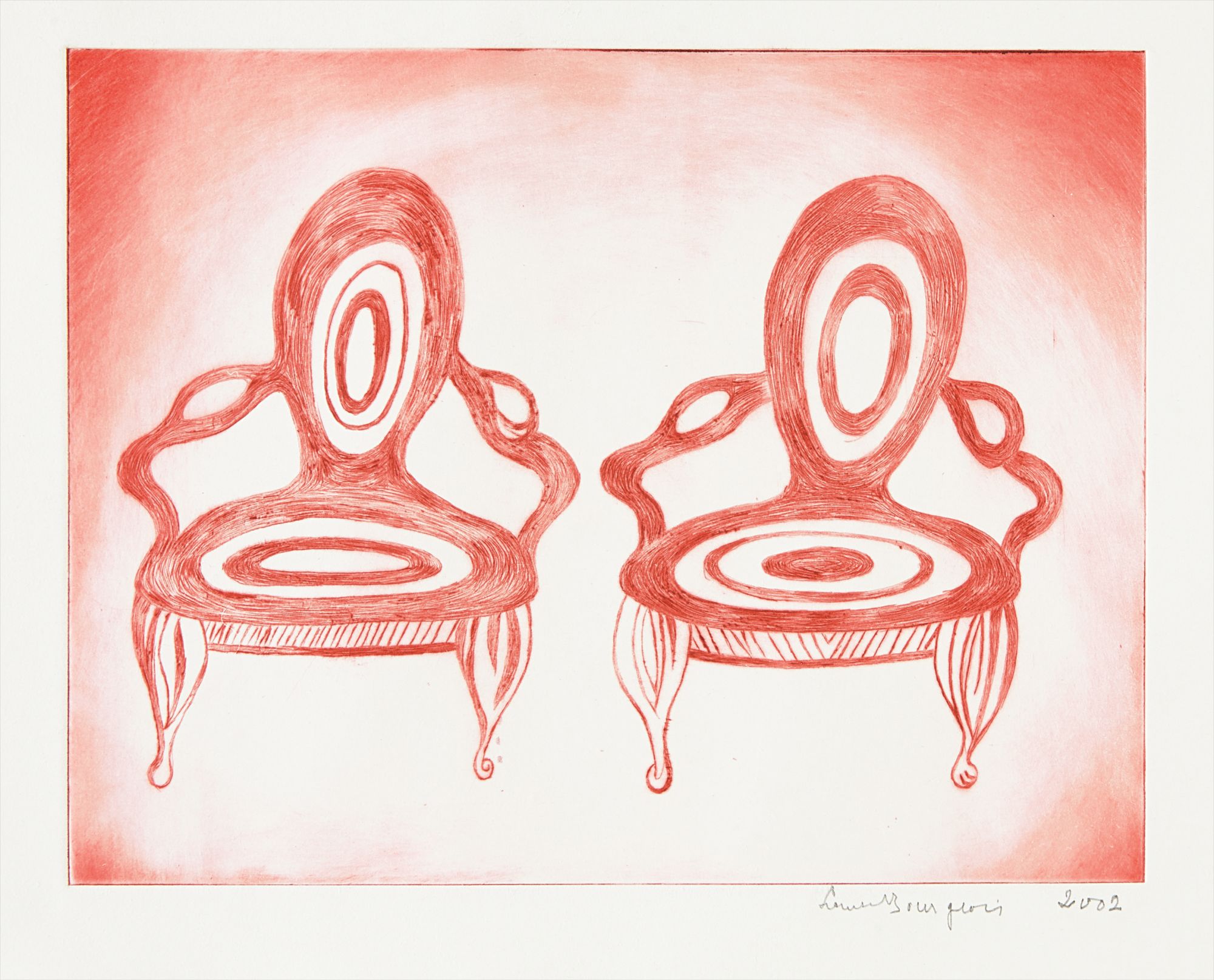
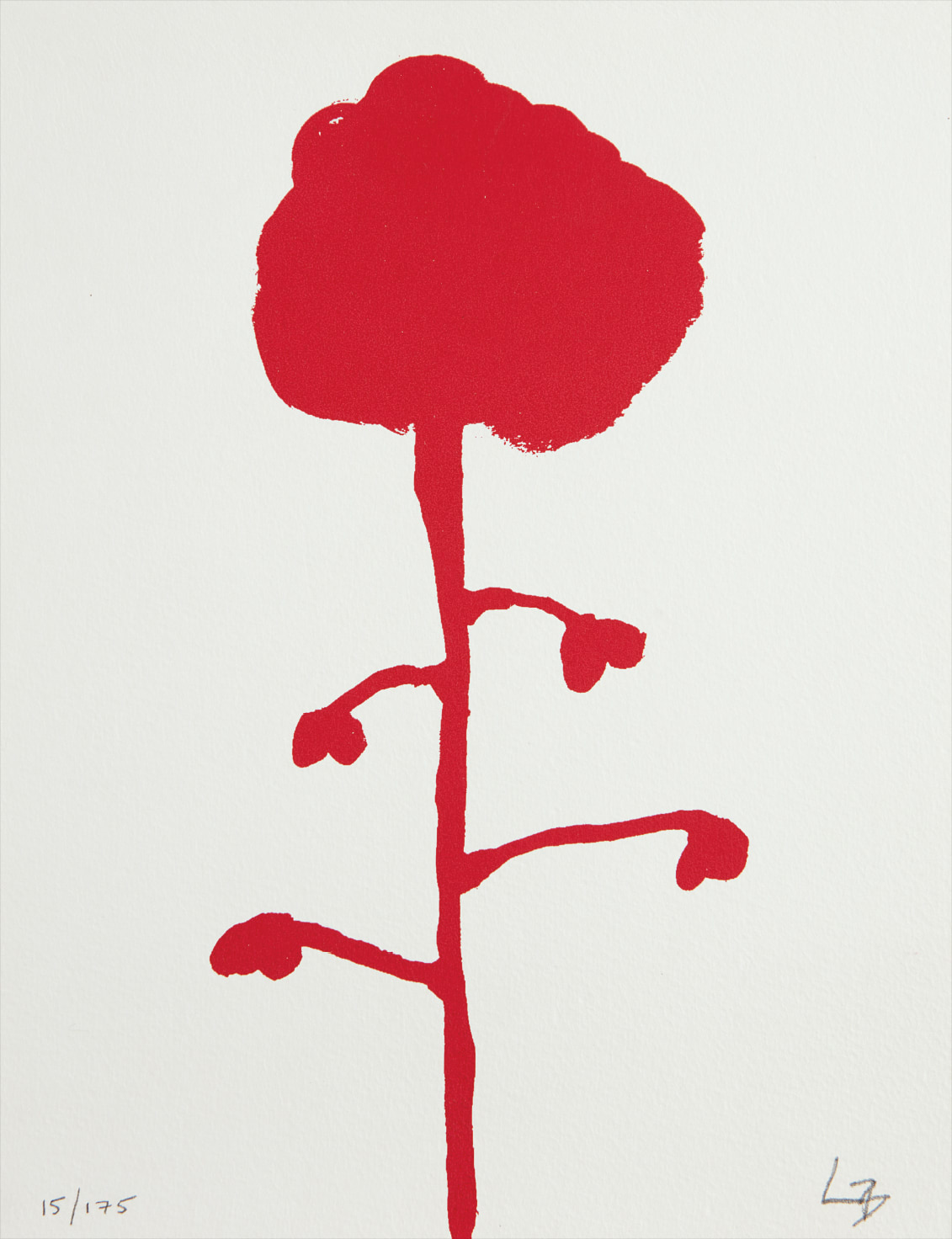
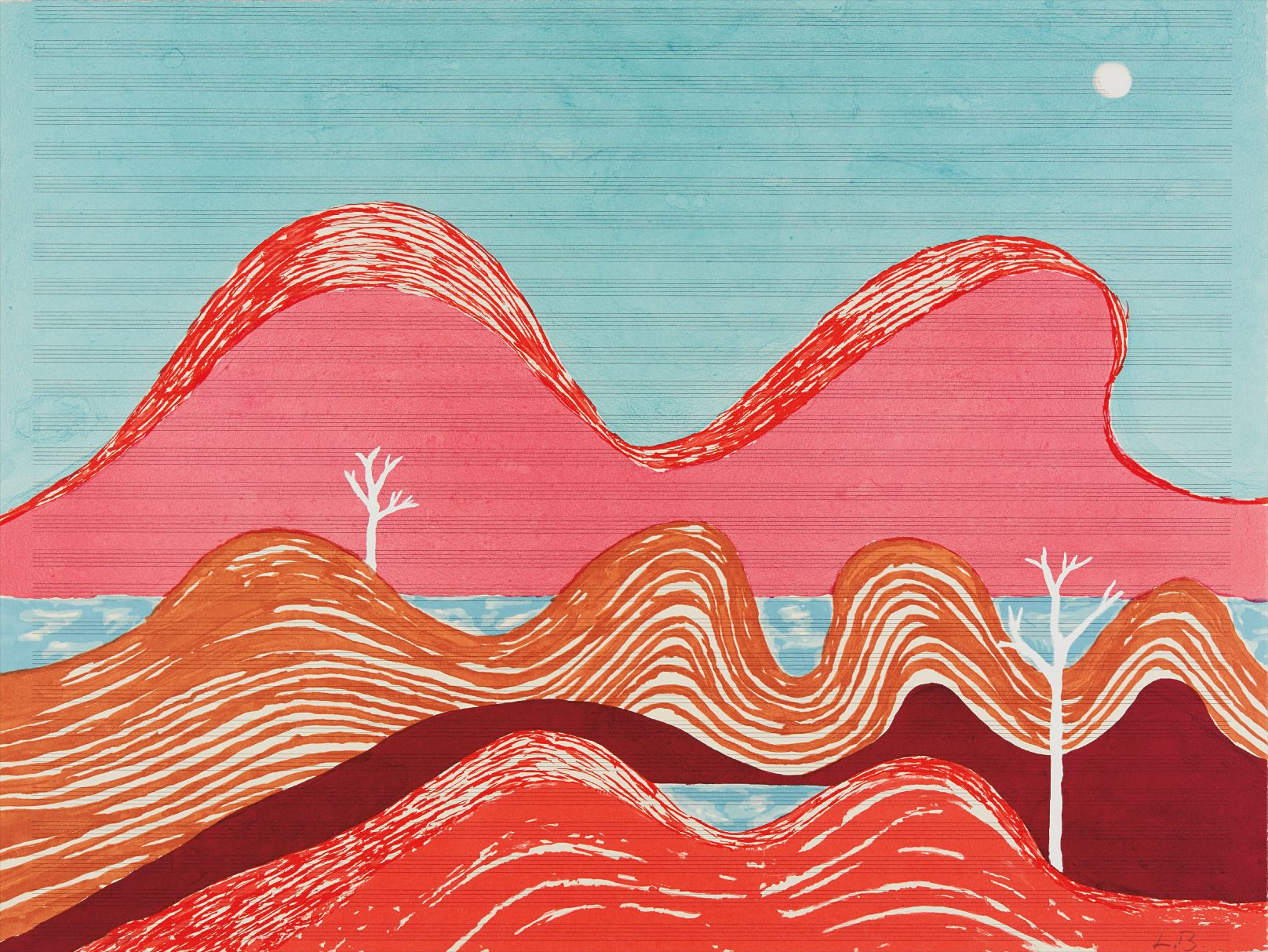
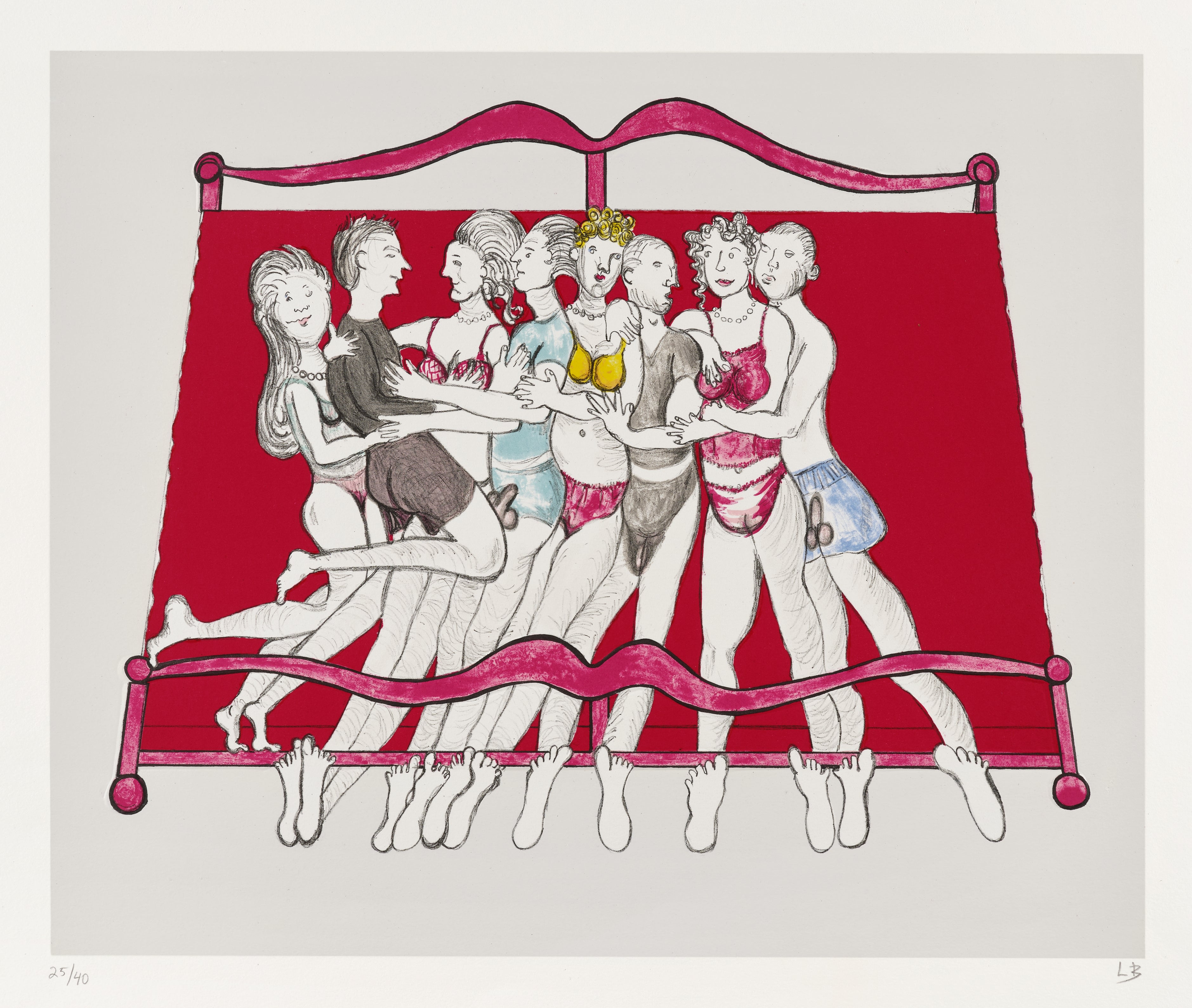
Abstract Expressionism in New York during the late 1940s and 1950s made the physical act of painting itself a subject, with artists like Franz Kline and Lee Krasner treating the canvas as both arena and record. But some of the most durable and searching work of that period came from artists who refused the heroic posturing that often accompanied the movement. Louise Bourgeois, whose presence on The Collection is substantial and deeply worth exploring, spent decades developing a practice rooted in memory, sexuality, childhood, and the architecture of psychological experience. Her sculptures in latex, bronze, and fabric transformed the body into metaphor without ever losing its rawness.
Her 1982 retrospective at the Museum of Modern Art, a landmark moment for a woman artist of her generation, introduced a broader public to work that had been quietly accumulating in power for years. What makes modern art such a rich category for collectors is precisely its breadth. The techniques and materials alone tell a story of constant reinvention. Artists moved from oil on canvas to industrial enamel, from carved marble to welded steel, from printmaking to neon and found object assemblage.
The conceptual frameworks shifted just as dramatically. By the 1960s, Minimalist artists like Donald Judd and Dan Flavin were arguing that a work of art need not refer to anything outside itself, while Conceptualists like Sol LeWitt were proposing that the idea behind a work was the work. These positions were not abstract arguments. They were expressed in objects, installations, and actions that still carry considerable weight in the room.
The cultural significance of modern art extends well beyond gallery walls. The movements that emerged between 1900 and 1980 shaped graphic design, architecture, cinema, fashion, and the visual language of advertising. The Surrealists influenced Hollywood imagery. The Bauhaus shaped everything from typography to the look of contemporary tech products.
Feminist artists of the 1970s, building in part on the example of figures like Bourgeois, insisted that experience coded as domestic or feminine was legitimate subject matter for serious art, a claim that transformed the landscape of contemporary practice. These reverberations are not merely historical. They are active. Today, the category of modern art occupies a fascinating position in the broader art world.
It is both a historical period with defined boundaries and a living conversation. Young artists continue to engage with the formal and conceptual questions posed by Picasso, Matisse, Krasner, and Bourgeois, sometimes in direct homage and sometimes in deliberate argument. The market reflects this sustained relevance: major works from the mid twentieth century consistently attract serious attention at auction, and private collections built around modernist work retain their coherence and their capacity to generate meaning across generations. For collectors, this is not nostalgia.
It is an engagement with the foundational arguments of visual culture as we know it. What distinguishes the most enduring modern works is a quality that resists easy description but that experienced collectors recognize immediately: the sense that the work is still working. It continues to produce meaning, to resist reduction, to ask something of the viewer rather than simply rewarding a glance. The works on The Collection represent artists who understood that imperative deeply.
Bourgeois understood it. The canonical figures of modernism understood it. And the collectors who brought these works together understood that art which demands something of you is ultimately the art worth living with.