Psychological Realism
Archived article
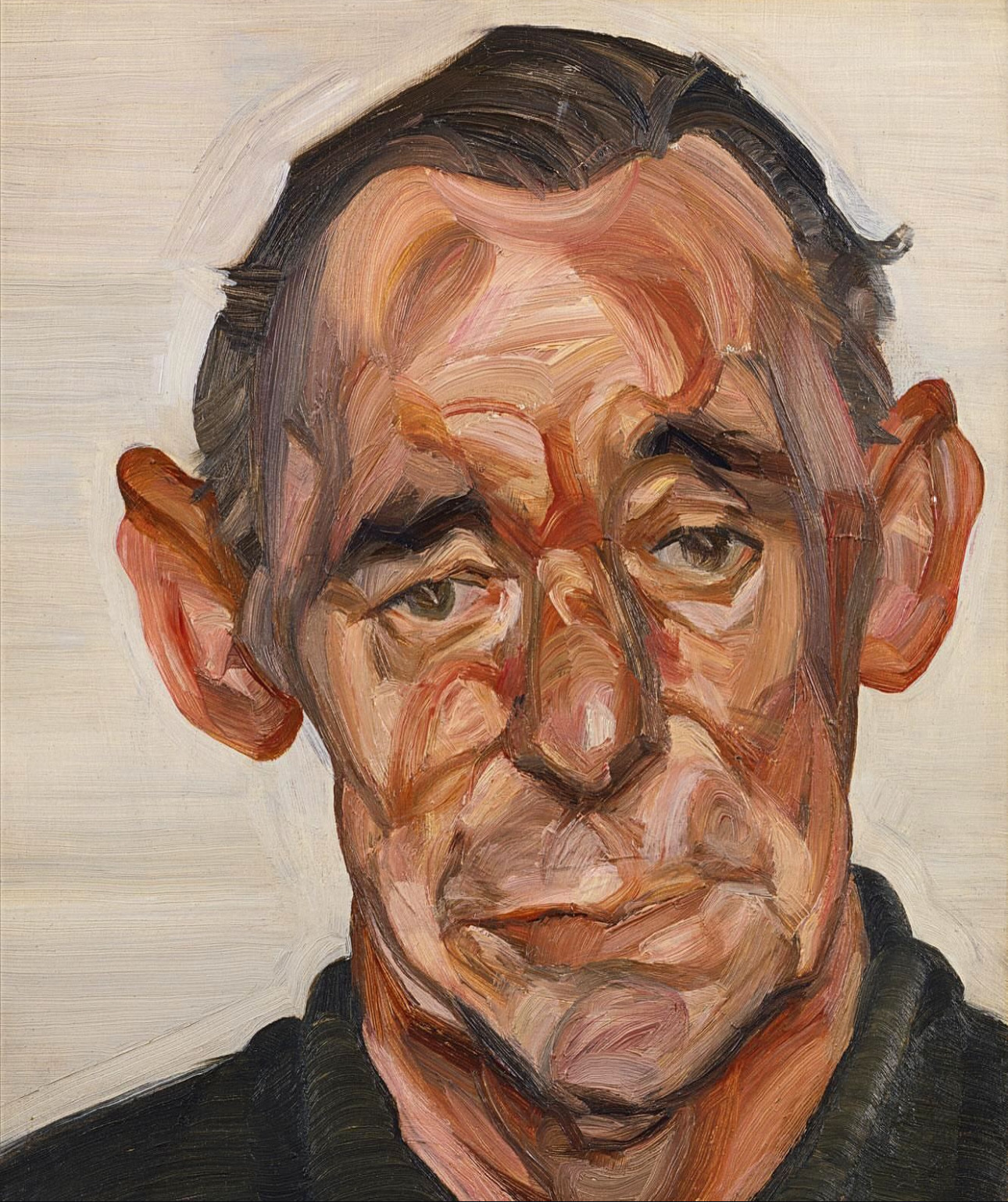
Lucian Freud
John Deakin
You are reading a previous version of this article.
Read the latest version```json { "headline": "The Gaze That Gives Nothing Away", "body": "There is a particular quality that draws serious collectors to psychological realism, and it is difficult to name precisely, which is perhaps the point. These are works that do not explain themselves. They hold something back. You live with a painting by Lucian Freud or a photograph by Diane Arbus for years and you are still not entirely sure what you are looking at, not because the image is obscure but because the human subject at its center refuses to be fully known.
That resistance is the work. It is also, for collectors who have moved past decorative impulse and into something more demanding, one of the most compelling reasons to spend serious money on serious art.", "Unlike abstraction, which asks the viewer to project meaning outward, psychological realism turns that energy inward. The figures in these works have inner lives, and the artists' achievement is making you feel the weight of those lives without ever spelling them out.
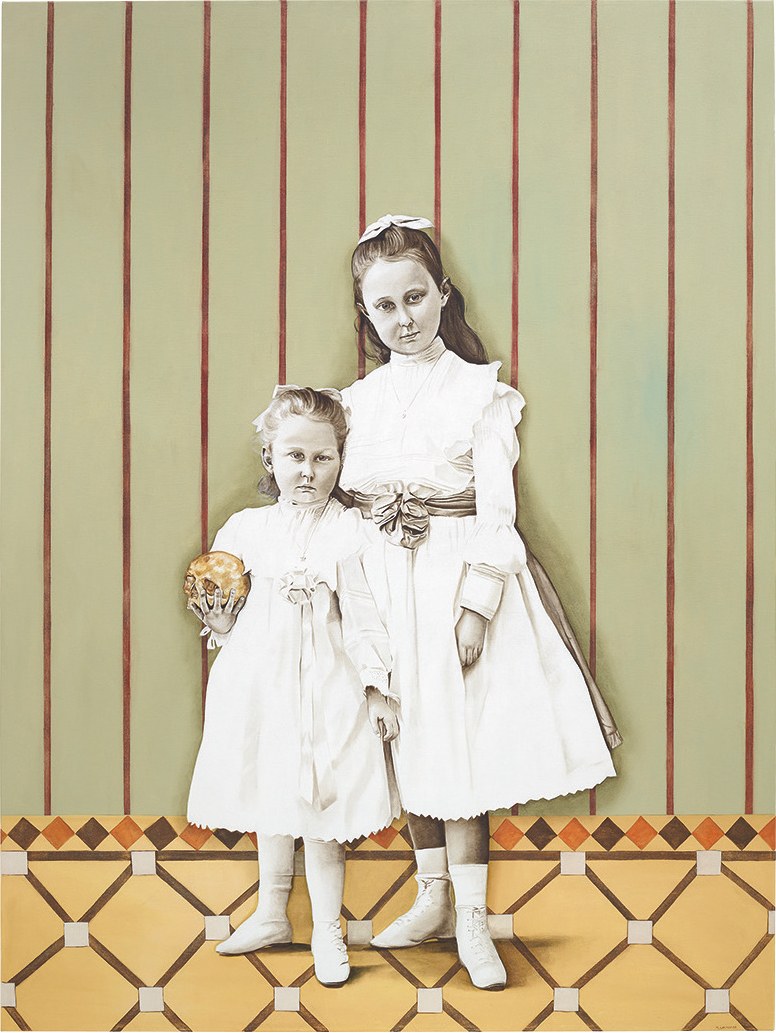
Marianna Gartner
Girls in White, 2004
Collectors who live with this kind of work often describe a slow, accumulative experience, one where the piece seems to shift slightly depending on their own mood or circumstance. That is not a mystical claim. It is a function of genuine psychological depth rendered through craft. When it works, it is almost unbearable in the best sense.
", "So what separates a good work from a great one in this space? The first thing to look for is tension between surface and interiority. A technically accomplished portrait can render flesh convincingly without revealing anything about the person wearing it. The great works in psychological realism do something harder: they suggest a consciousness operating behind the image.
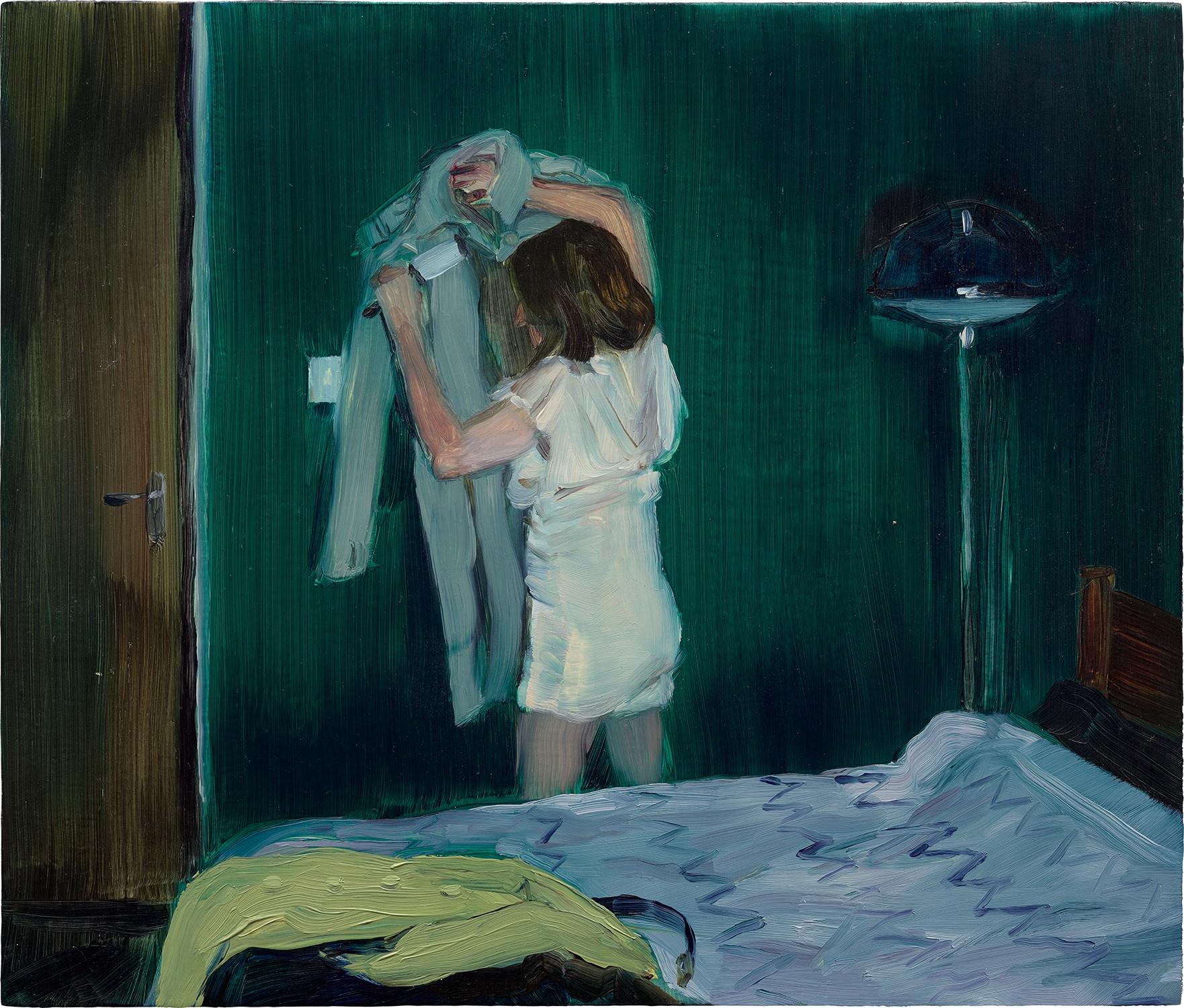
Caroline Walker
Positions, 2010
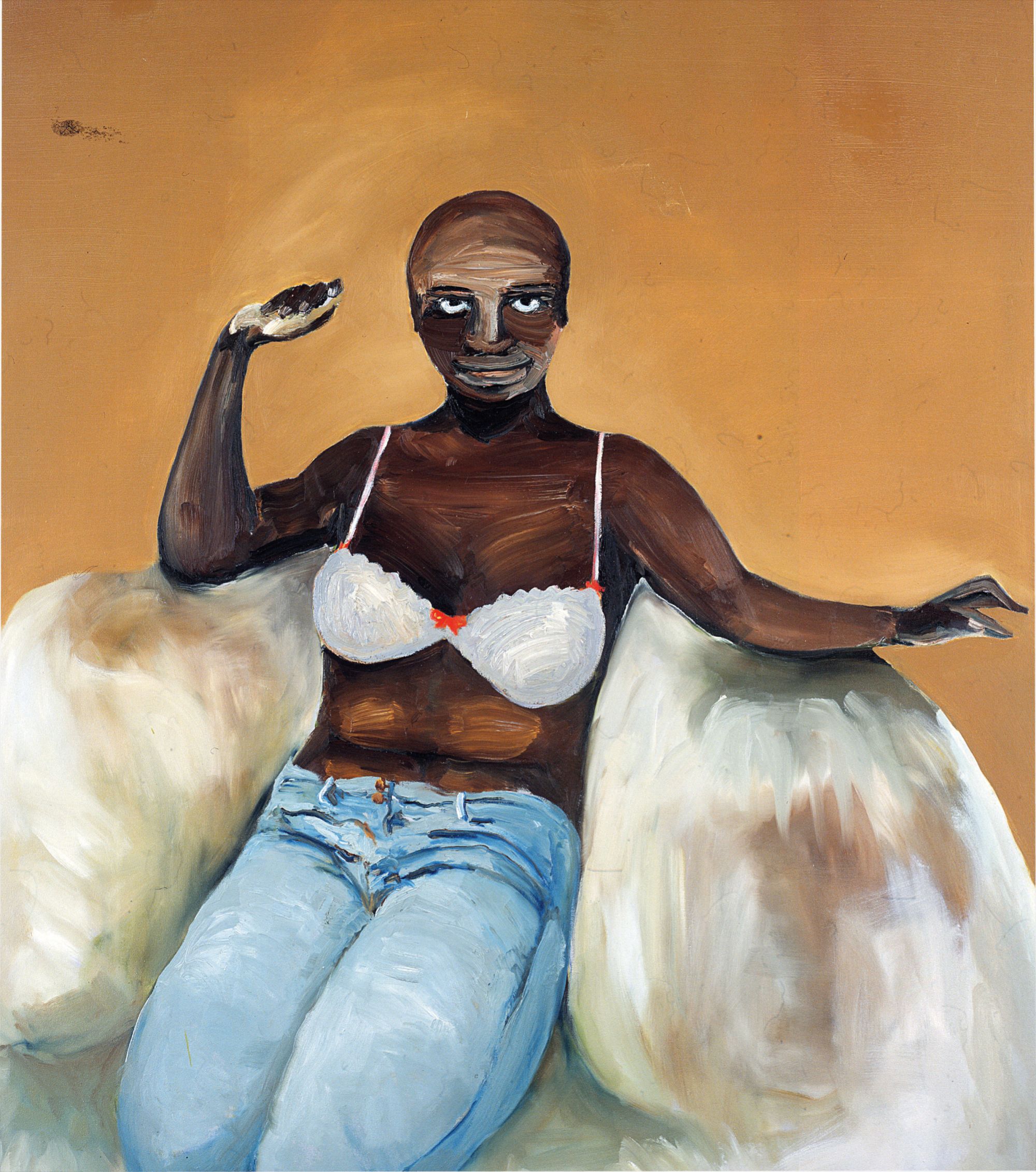
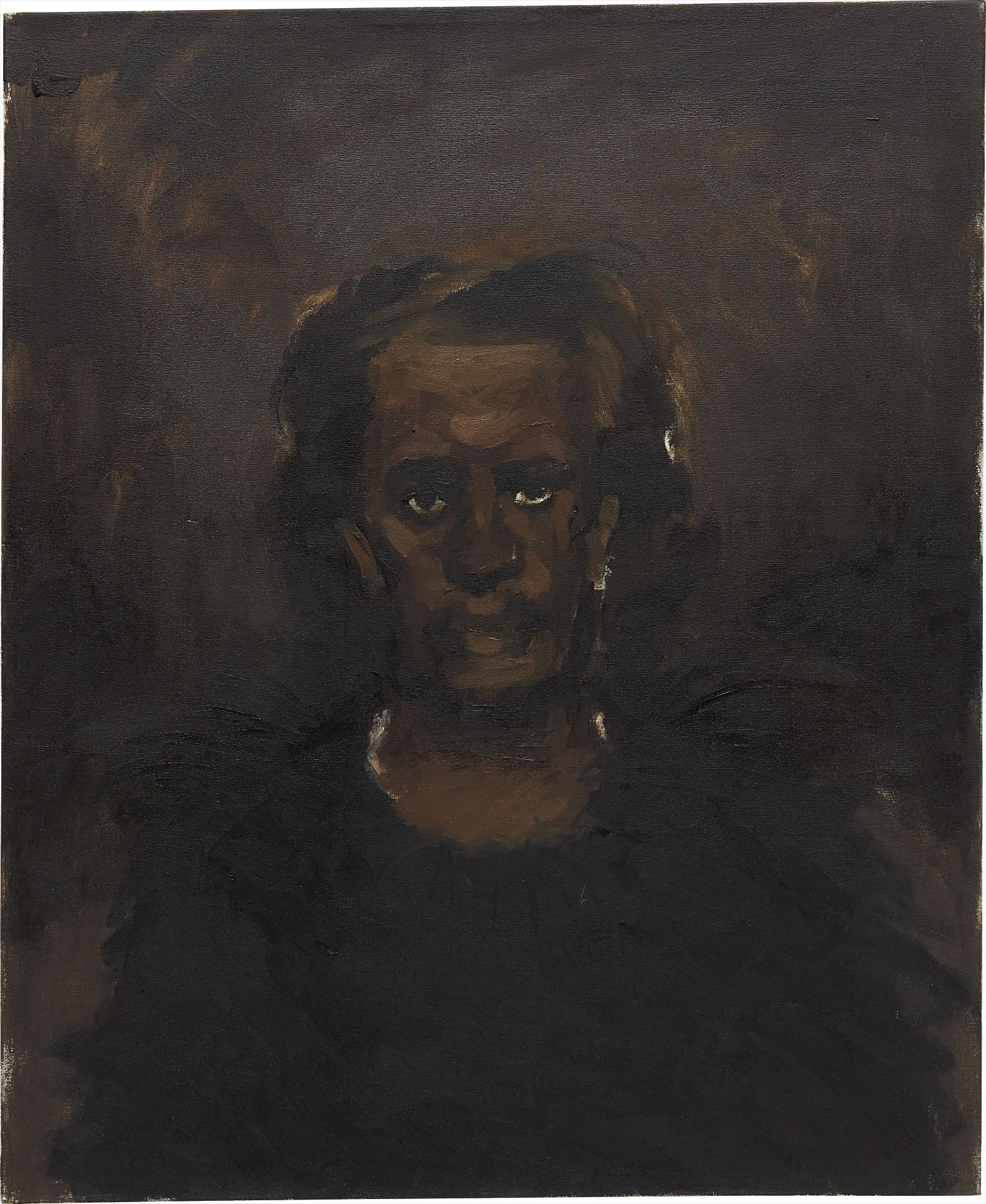
Look at how Lucian Freud used the weight of paint itself to convey something about the burden of being in a body. Look at how Lynette Yiadom Boakye constructs fictional figures who nonetheless feel more psychologically present than many portraits of real people. The specificity of her painted light, the way her subjects seem to have been interrupted rather than posed, carries enormous emotional charge. Collectors should also pay attention to gaze and its relationship to the picture plane.
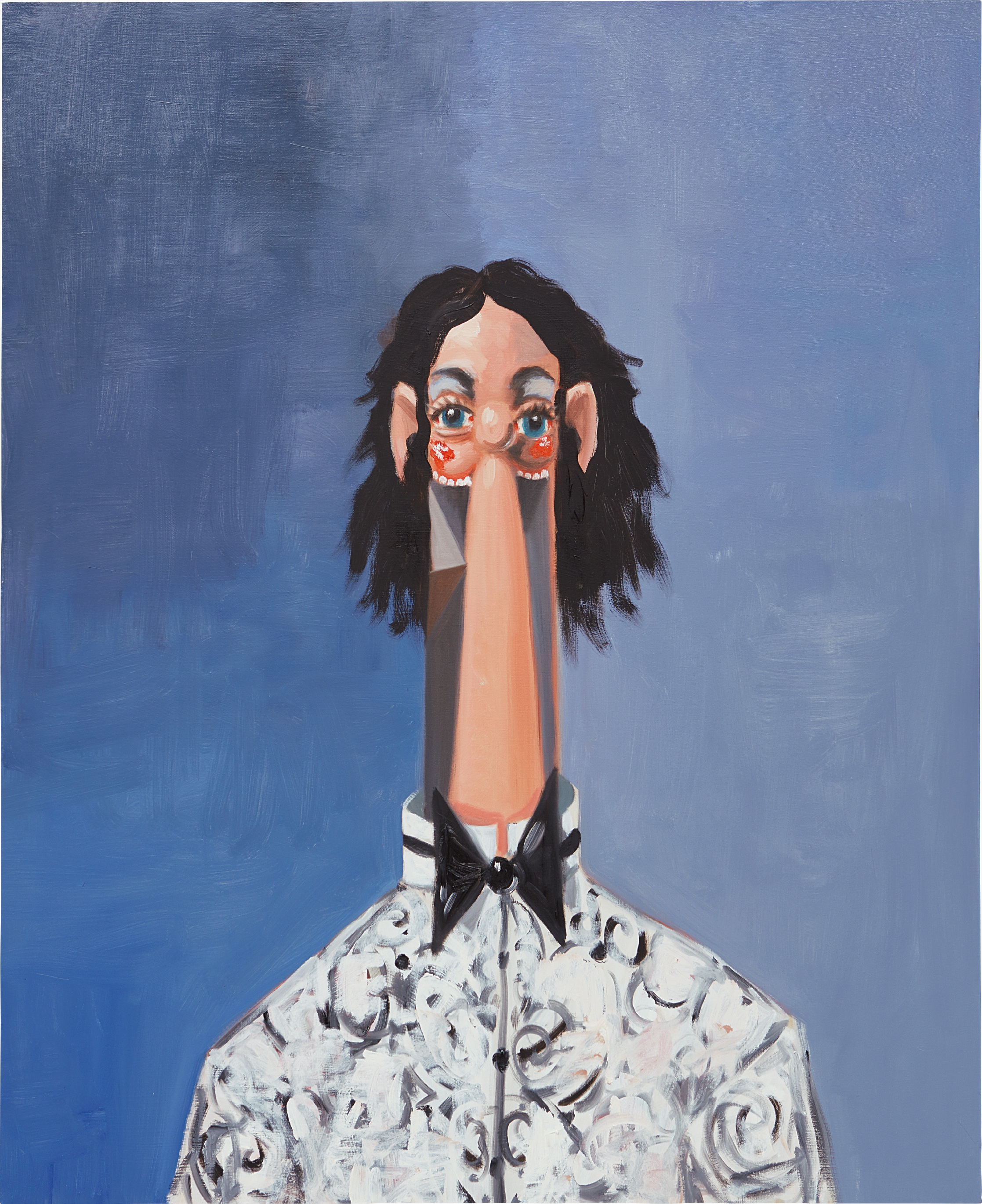
Is the subject looking at you, past you, or into some inner distance? Each is a different kind of intimacy, and a great work controls that relationship with intention.", "Among the artists well represented on The Collection, several occupy particularly strong positions in the current market. George Condo has built a secondary market that rewards early and mid period works, with his grotesque psychologies finding serious institutional endorsement over the past decade.
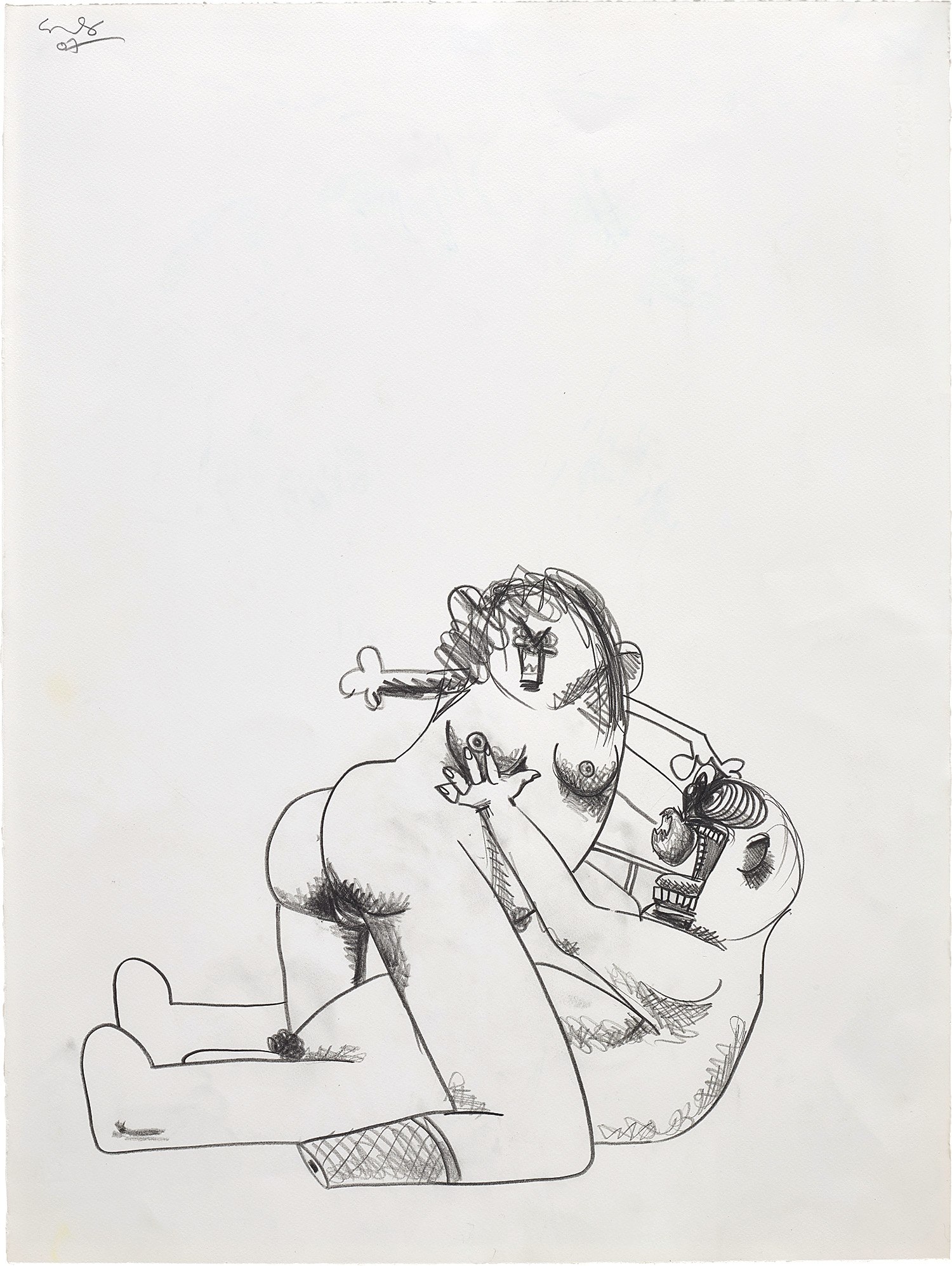
George Condo
Adam and Eve, 2007
His figures, simultaneously funny and terrifying, draw on Velázquez and Picasso while arriving somewhere that feels entirely of this moment. Condo's auction results have been consistently strong, and works on paper represent an accessible point of entry relative to his large canvases. Marianna Gartner works in a slower, more unsettling register, and her market has the feel of something still being discovered. Her painted figures, drawn partly from found photography, carry a kind of temporal dislocation that is genuinely rare.
Ganesh Pyne, the Bengali master whose dreamlike figuration drew from both the Bengal School and European surrealism, is a name that Western collectors are increasingly encountering, and his works hold exceptional depth for those willing to do the research.", "For collectors with an eye on emerging value, Caroline Walker and Sanya Kantarovsky represent two very different but equally compelling opportunities. Walker's interior scenes place women in domestic and institutional spaces suffused with artificial light, and her paintings reward close looking in a way that photographs cannot capture. Her critical profile has risen steadily through shows at Parafin in London and she remains, relative to her quality, underpriced.

Ganesh Pyne
Encounter in the Twilight Zone
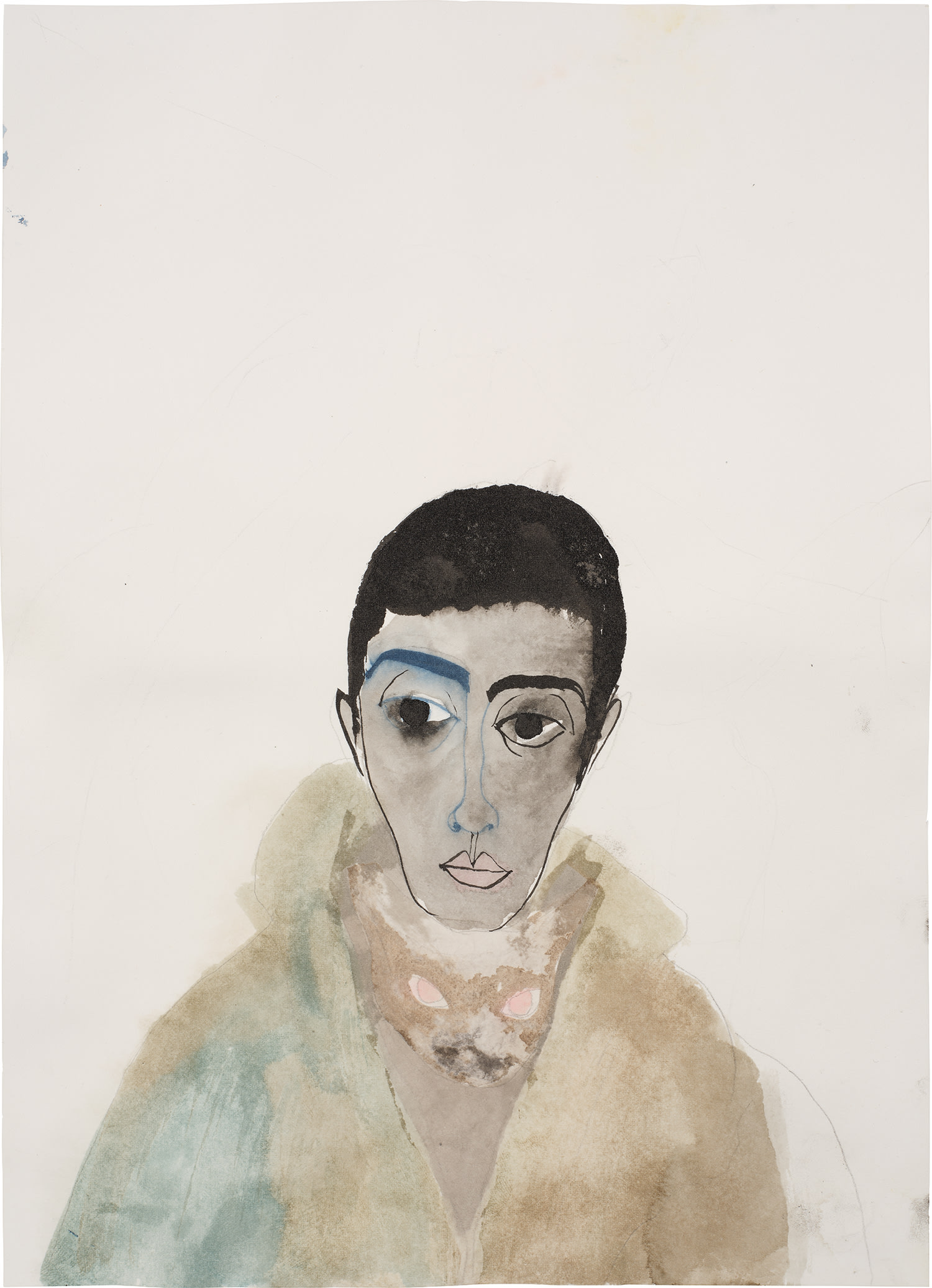
Kantarovsky's figures occupy anxious, theatrical spaces that owe something to Eastern European illustration traditions and something to Balthus, though the result is nothing like either. His work has been shown at MoMA PS1 and Studio Voltaire and he is the kind of artist whose market tends to move decisively once institutional momentum builds. Celia Paul, long associated with the Freud circle in London, is also experiencing a serious critical and market reappraisal, with her introspective self portraits and studies of her family carrying a quiet intensity that holds up against much louder work.", "Auction performance for psychological realism varies considerably by generation and medium.
Freud and Magritte sit at the top of the market in terms of price ceiling, with Freud's major figurative paintings having sold well above estimate at Christie's and Sotheby's through the 2000s and 2010s. But the more interesting action right now is in the tier below, where artists like Yiadom Boakye and Lisa Yuskavage have seen sustained demand from both institutional buyers and private collectors. Yuskavage's paintings, which engage the grotesque and erotic with a seriousness that sometimes gets obscured by their surface provocations, have performed strongly at Phillips and Sotheby's New York. Works by Rineke Dijkstra and Gregory Crewdson in the photographic space carry their own market logic, with Crewdson's large format productions functioning almost like film stills, and edition size and print quality being decisive factors in their valuation.
", "On the practical side, collectors new to this area should ask galleries a specific set of questions before committing. For paintings, ask about condition reports going back to the earliest available documentation, and request ultraviolet examination records if the work is more than thirty years old. Varnish history matters more in figurative work than in abstraction because it affects the reading of skin and atmosphere. For photographs, ask about edition size, whether the artist supervised the printing, and what archival substrate was used.
Works printed or overseen by the artist in limited editions carry significantly more value than open editions printed posthumously or without direct involvement. On display, psychological realist works tend to suffer in over lit rooms. They benefit from a light source that creates some shadow, not because they need to be hidden but because they were painted or photographed in conditions of human ambiguity, and that ambiguity should be preserved. The collector who understands this will find that these works become more generous over time, not less.
Works tagged Psychological Realism
Lucian Freud
John Deakin
Marianna Gartner
Girls in White
Caroline Walker
Positions
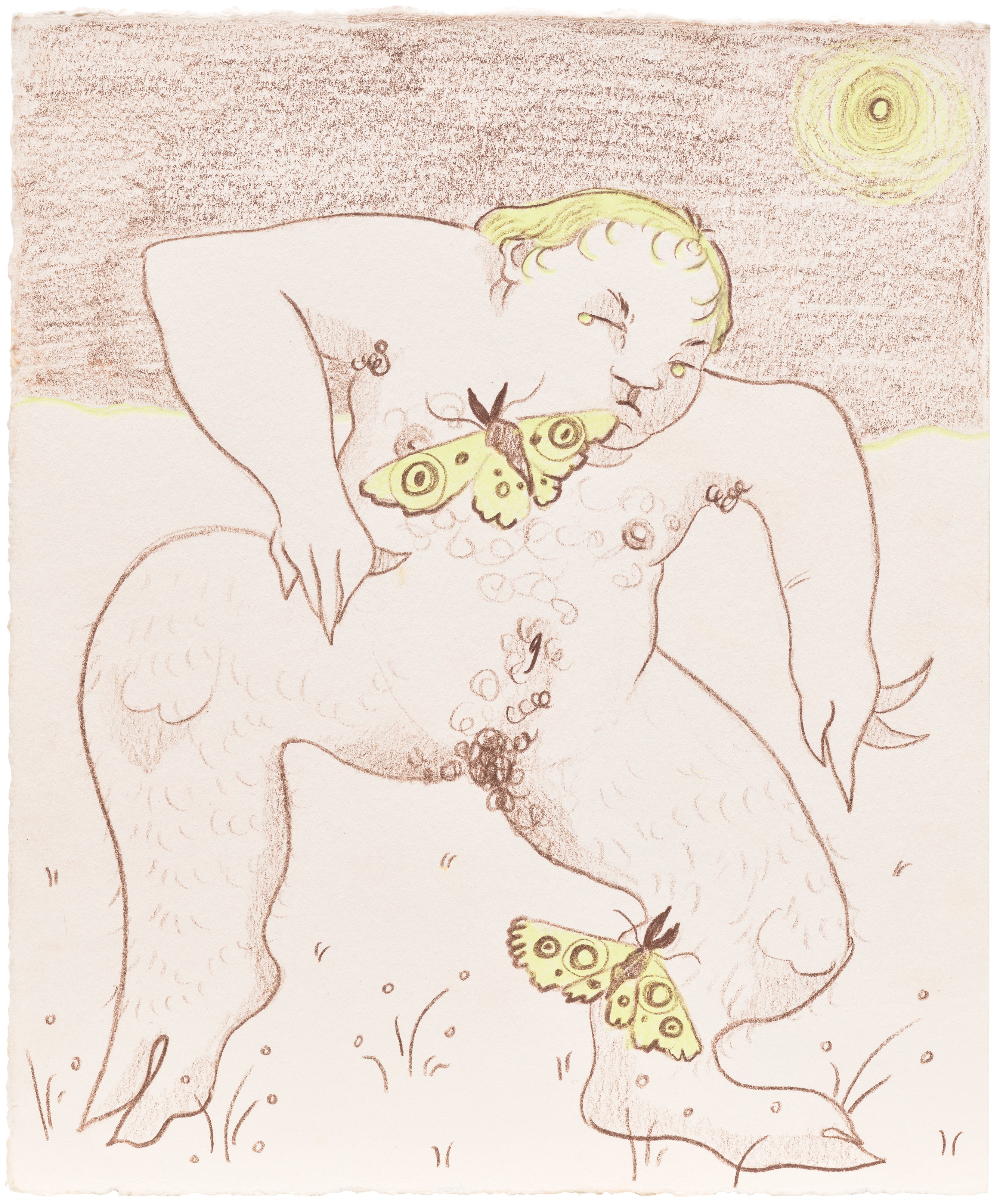
Georg Wilson
Mothe Teaser
Ganesh Pyne
Encounter in the Twilight Zone
George Condo
Adam and Eve
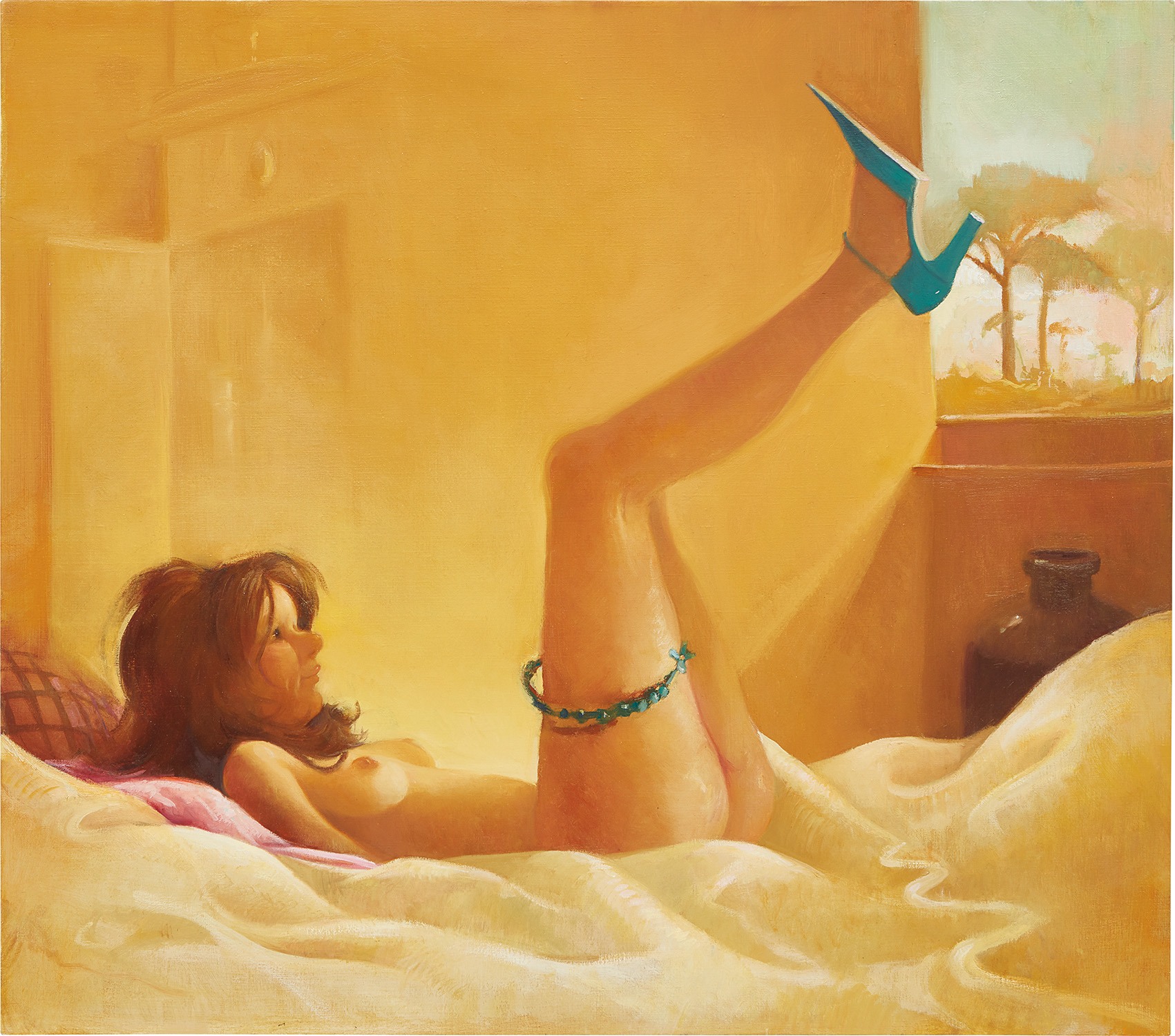
Lisa Yuskavage
Bridesmaid
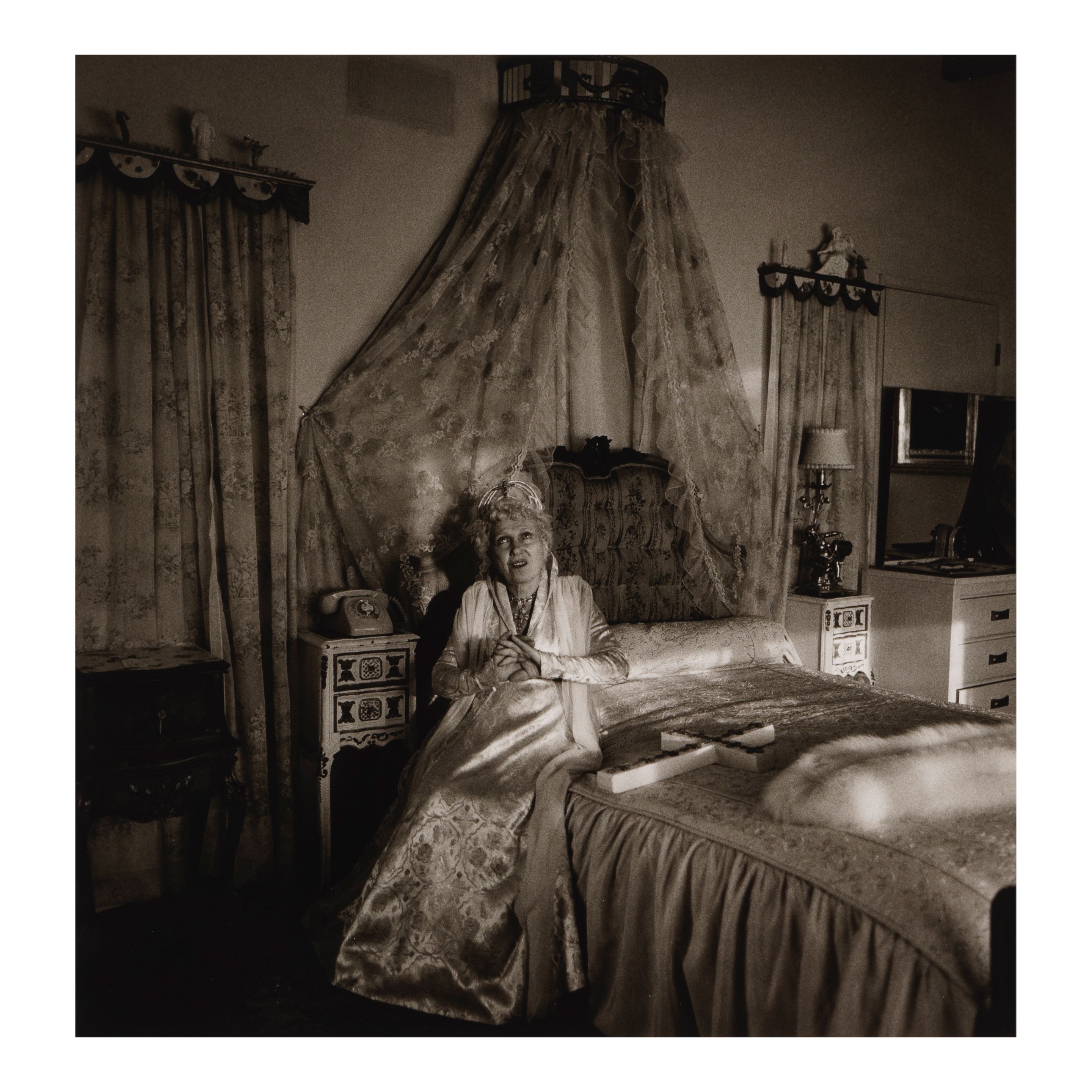
Diane Arbus
Bishop on her bed, Santa Barbara
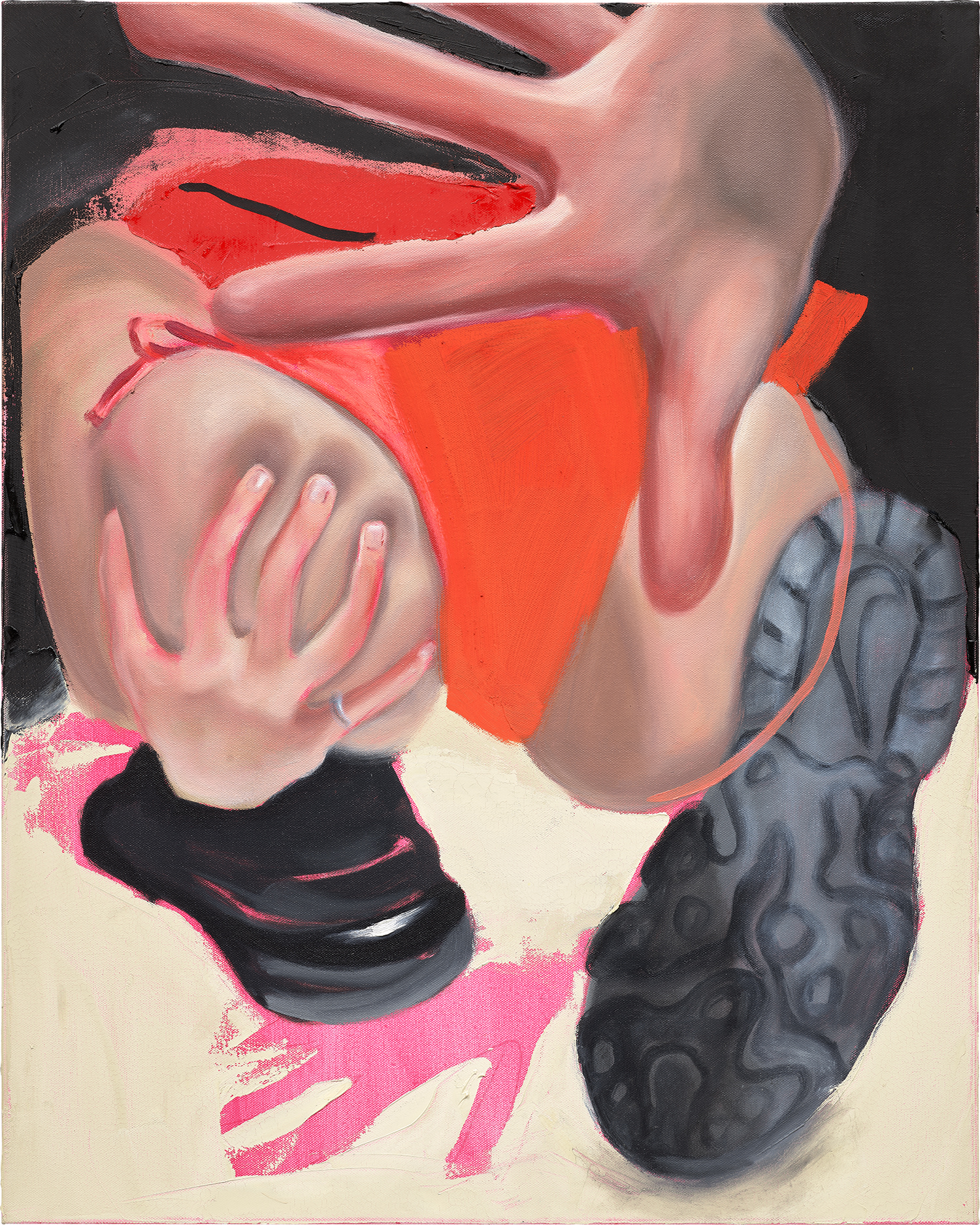
Amanda Wall
Long Distance
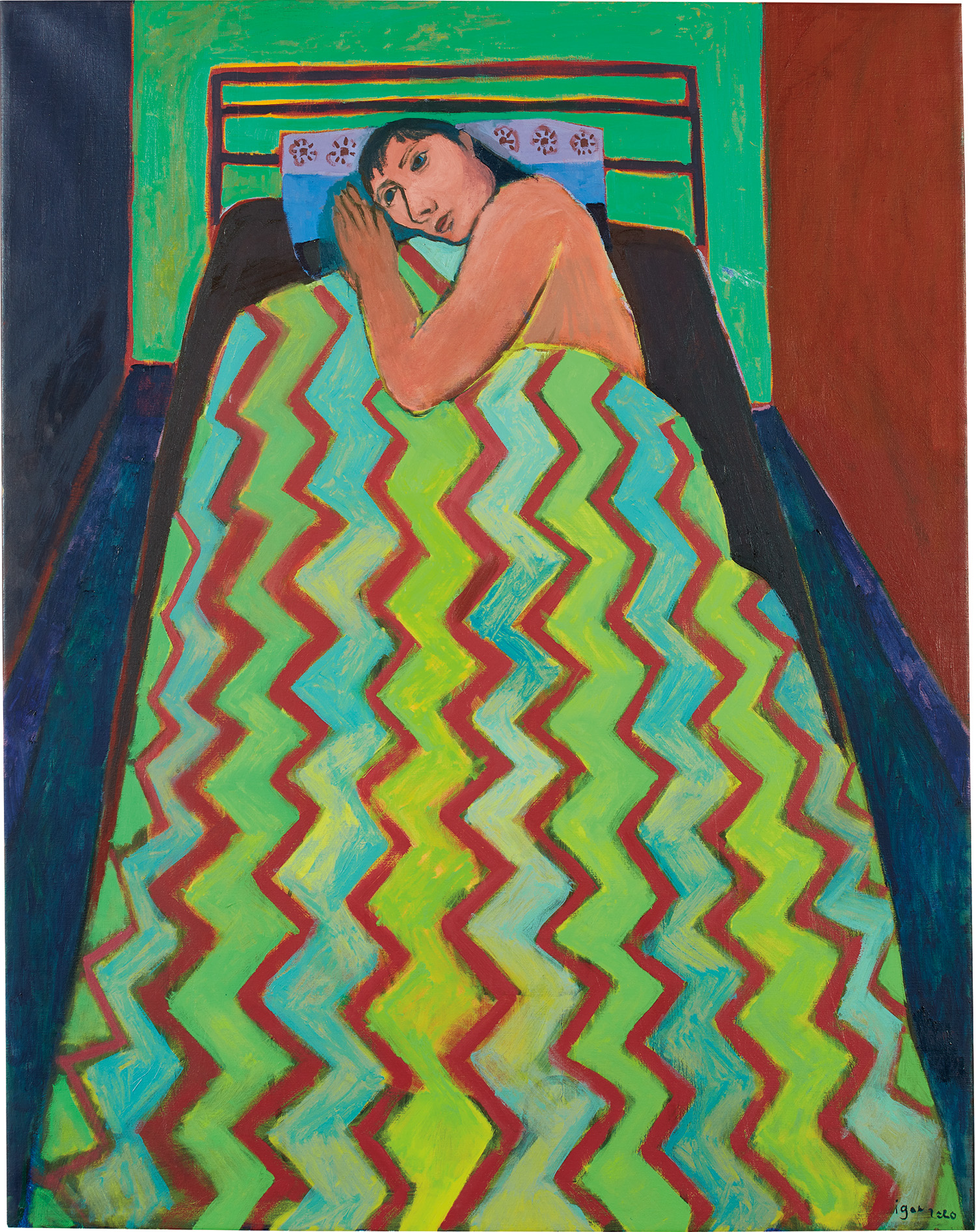
Igor Moritz
In bed
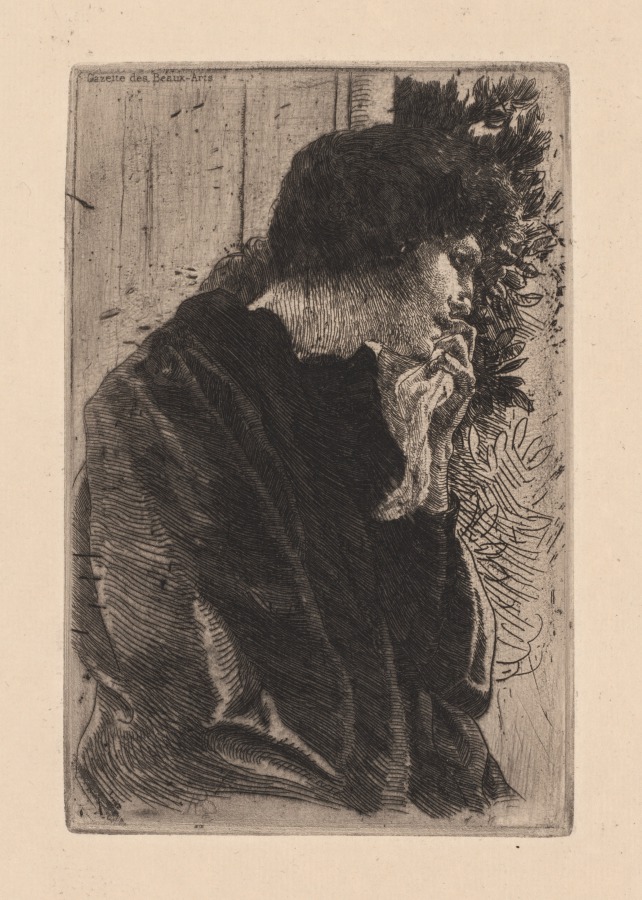
Albert Besnard
Sadness
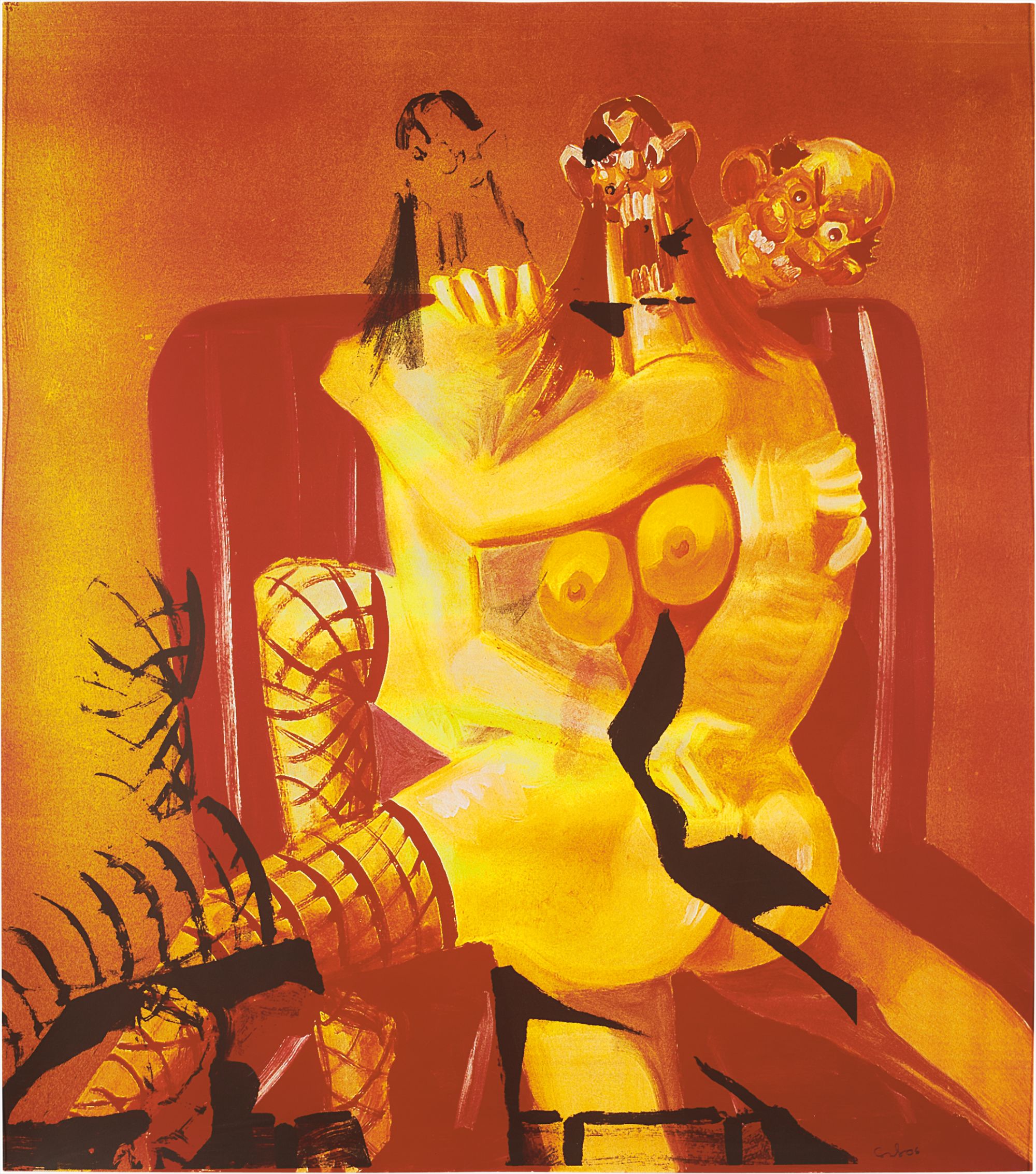
George Condo
Double Seated Couple
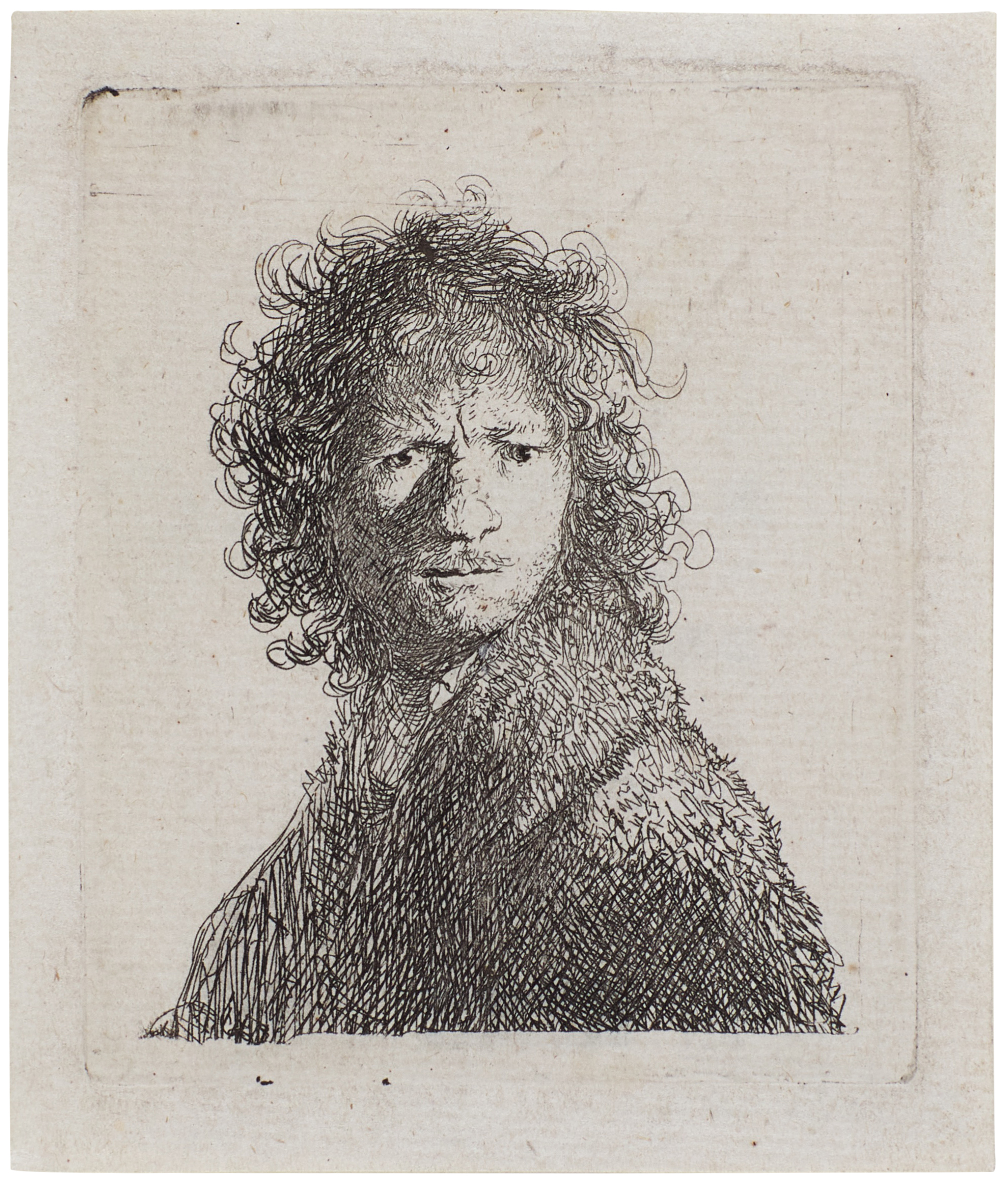
Rembrandt Harmensz. van Rijn
Self-Portrait, Frowning: Bust
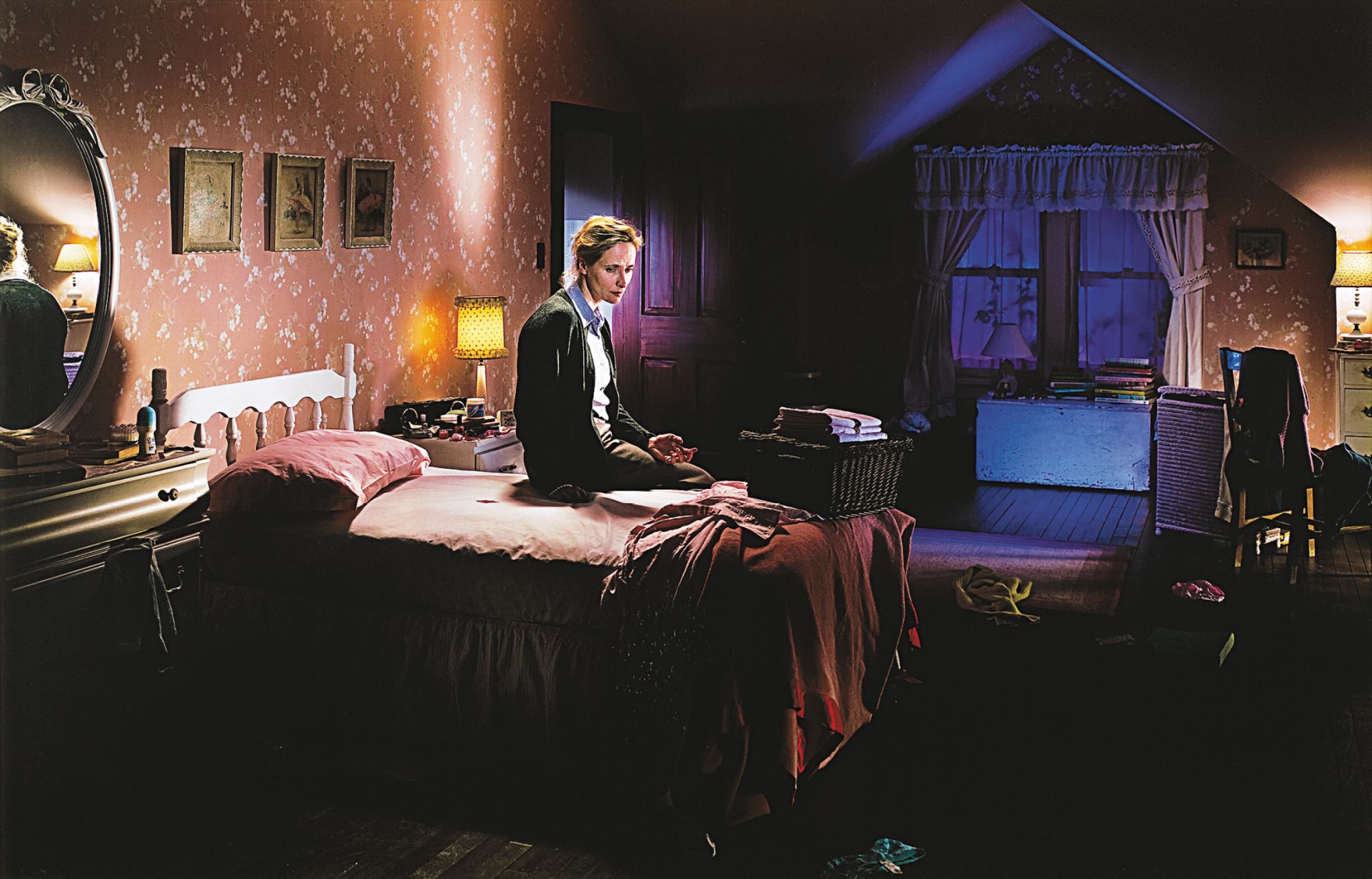
Gregory Crewdson
Winter (mother on bed with blood)
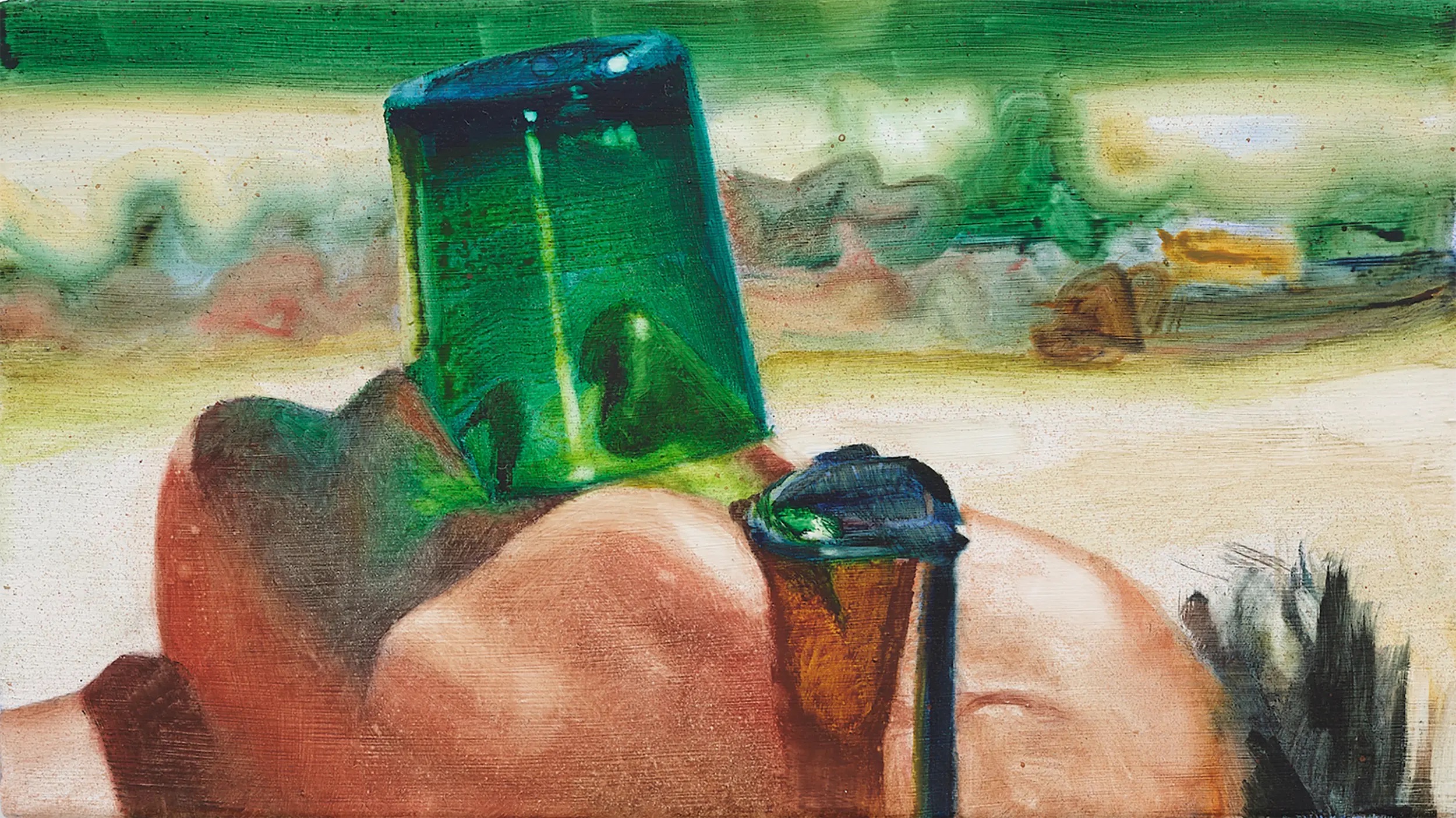
Joseph Yaeger
Exhuming the Hatchet
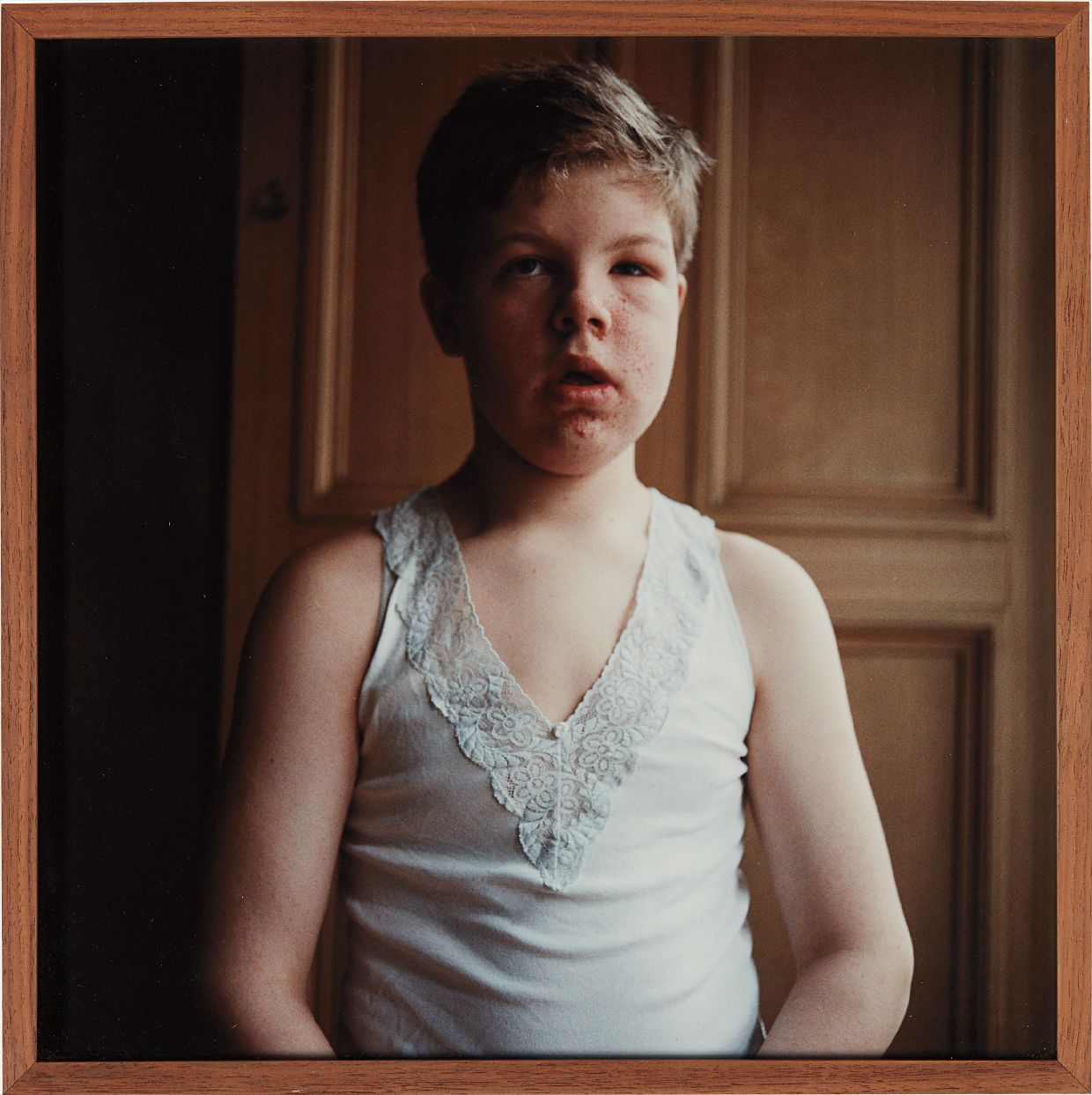
Hellen van Meene
zonder titel

David Shrigley
Stop Panicking
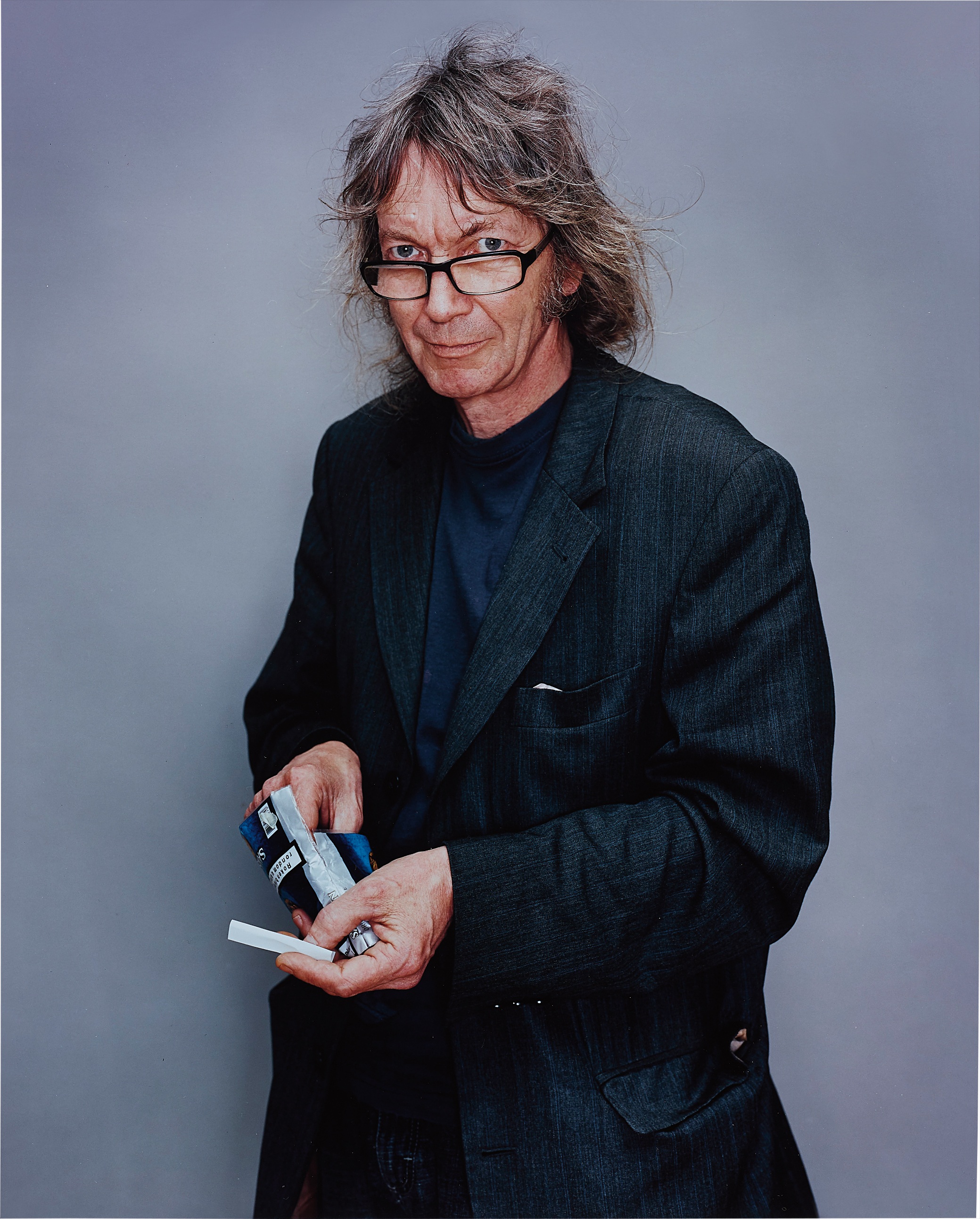
Rineke Dijkstra
Peter Svenson
George Condo
Marc Jacobs
Lynette Yiadom-Boakye
Ambassador
Sanya Kantarovsky
A
Lynette Yiadom-Boakye
Bird of Paradise
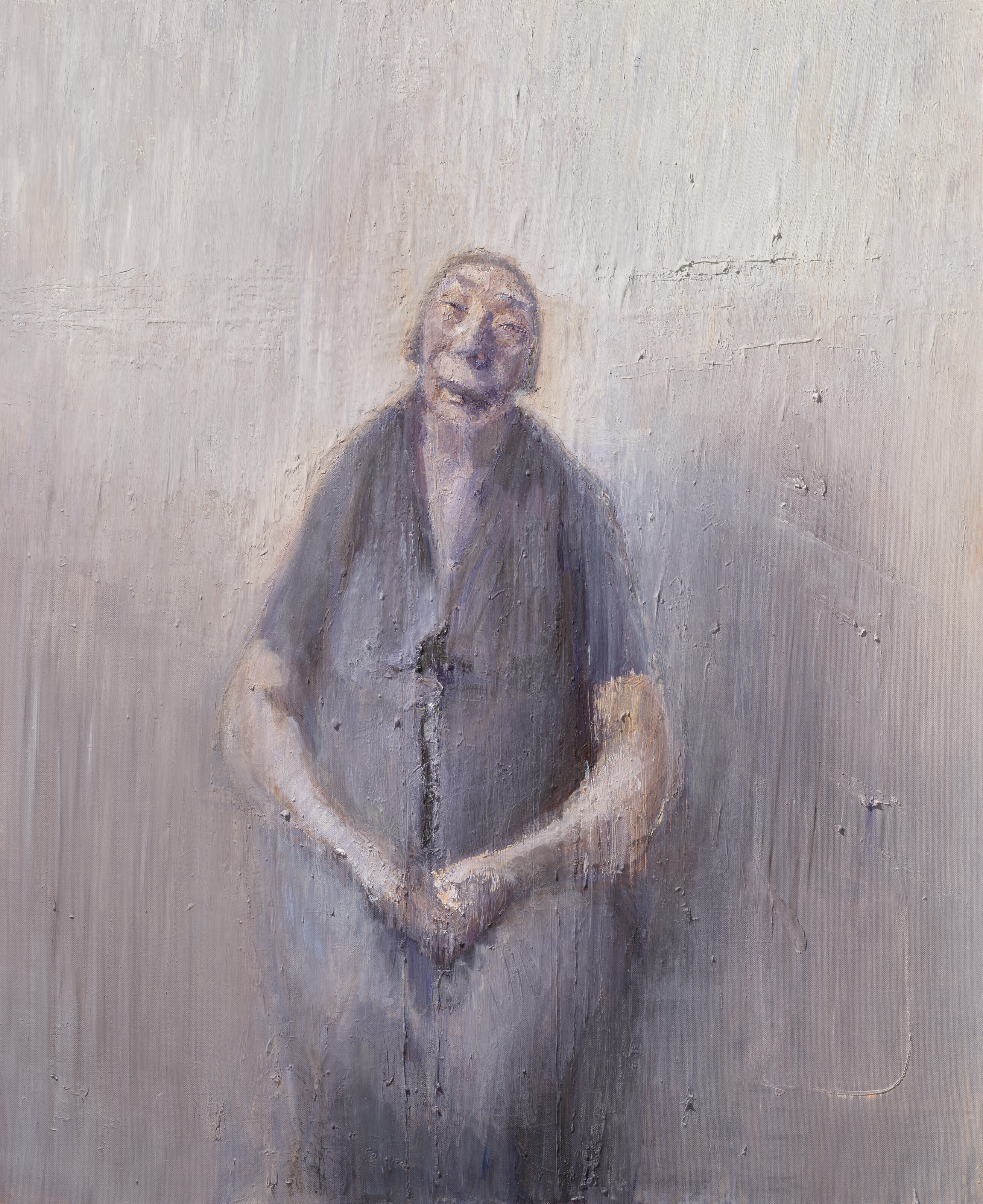
Celia Paul
My Mother Facing

Celeste Rapone
Save me