Provocative Humor
Mark Flood
Brief Nudity


The Joke That Rearranges Your Thinking
When Richard Prince's "Nurse" paintings began commanding eight figure sums at Christie's in the mid 2000s, something quietly shifted in how the market understood humor as a critical strategy. These works, sourced from pulp paperback covers and rephotographed into something simultaneously lurid and deadpan, were not just funny. They were unsettling in the way that the best jokes always are, leaving you laughing at something you probably should not find amusing. That tension, between pleasure and discomfort, between the wisecrack and the gut punch, is precisely what has kept provocative humor alive as one of the most commercially and critically vital seams in contemporary art.
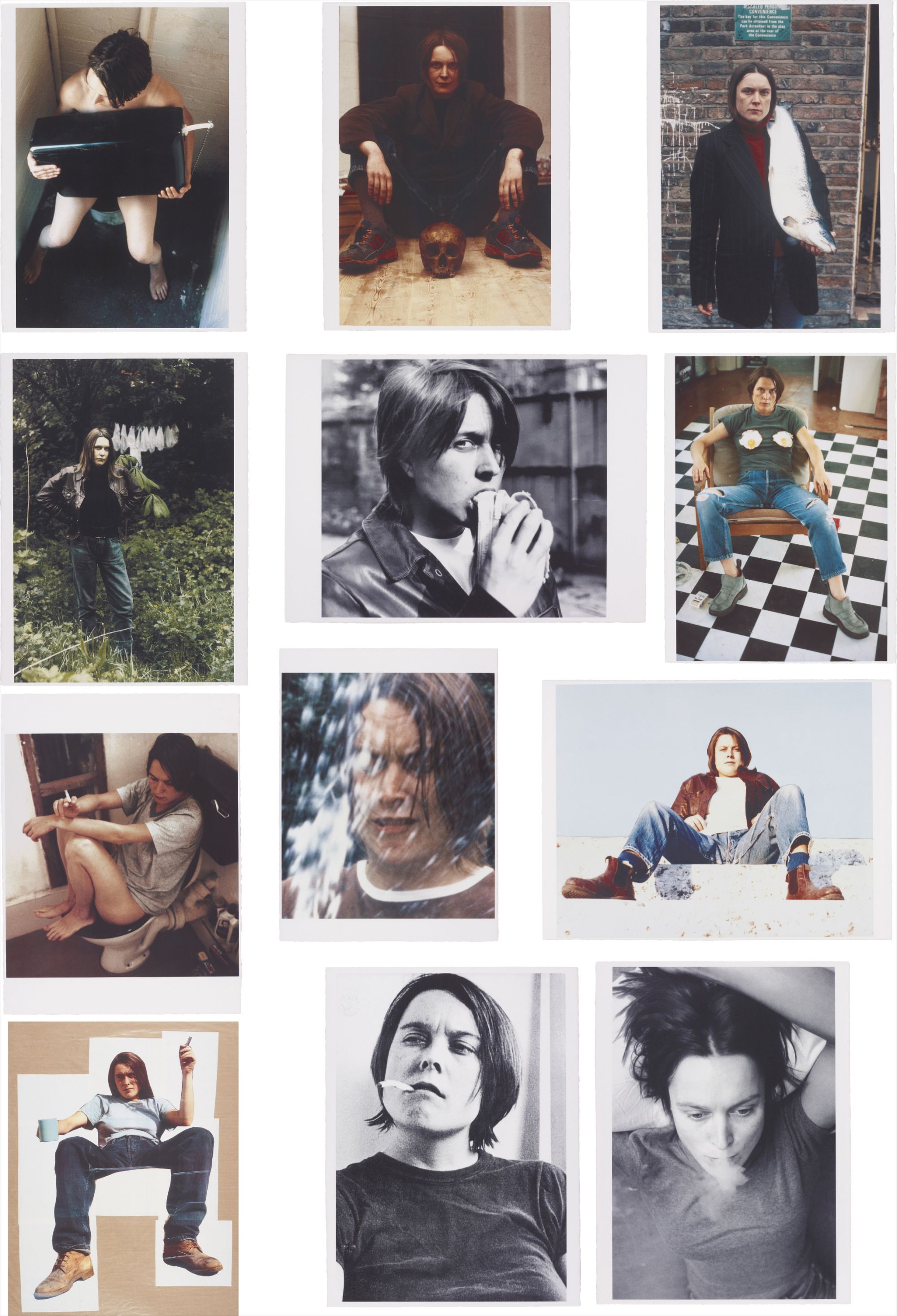
The category resists easy definition, which is part of its durability. Provocative humor is not illustration, and it is not satire in the editorial cartoon sense. It is closer to what the comedian Richard Pryor once described as truth wearing a funny hat. When Sarah Lucas arranges fried eggs and a kebab on a chair to stand in for a female body, or constructs aggressively phallic sculptures from stuffed tights and orange peels, the laughter that follows is the sound of a cultural assumption being cracked open.
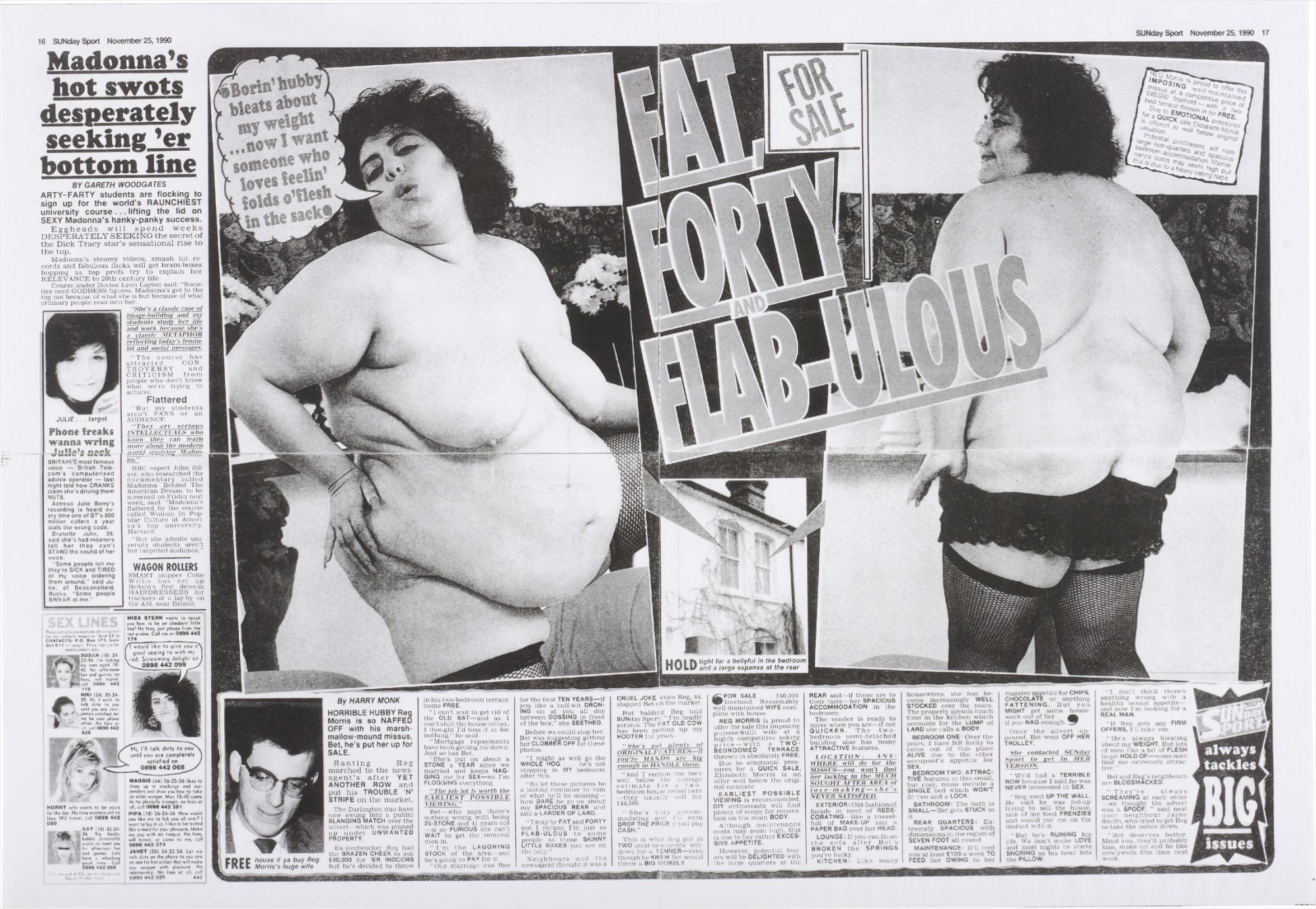
Sarah Lucas
Fat, Forty and Fabulous
Lucas has said in interviews that she is less interested in shock for its own sake than in exposing the absurdity of how bodies, particularly women's bodies, are coded and consumed. The work is hilarious and then, a moment later, it is not. Museum and gallery interest in this territory has been consistently strong over the past decade. The Saatchi Gallery's ongoing appetite for work that operates in this register has kept several of these artists in conversation with new audiences, and the Tate Modern's retrospective programming has increasingly made room for artists whose primary tool is irreverence.
Lucas had a major Tate Britain retrospective in 2023, which brought renewed critical attention to the full arc of her practice and confirmed what collectors have known for some time: that her market is not only resilient but still growing. Tim Noble and Sue Webster, whose shadow sculptures transform piles of detritus into recognizable silhouettes with a kind of theatrical wit, have been the subject of sustained institutional interest in both London and New York, with their work finding homes in collections that once might have favored more solemnly conceptual fare. At auction, the signals are instructive. Prince's market has seen considerable volatility, partly because of ongoing legal debates around appropriation and partly because his work sits at the intersection of humor, critique, and provocation in ways that can make nervous buyers hesitate.
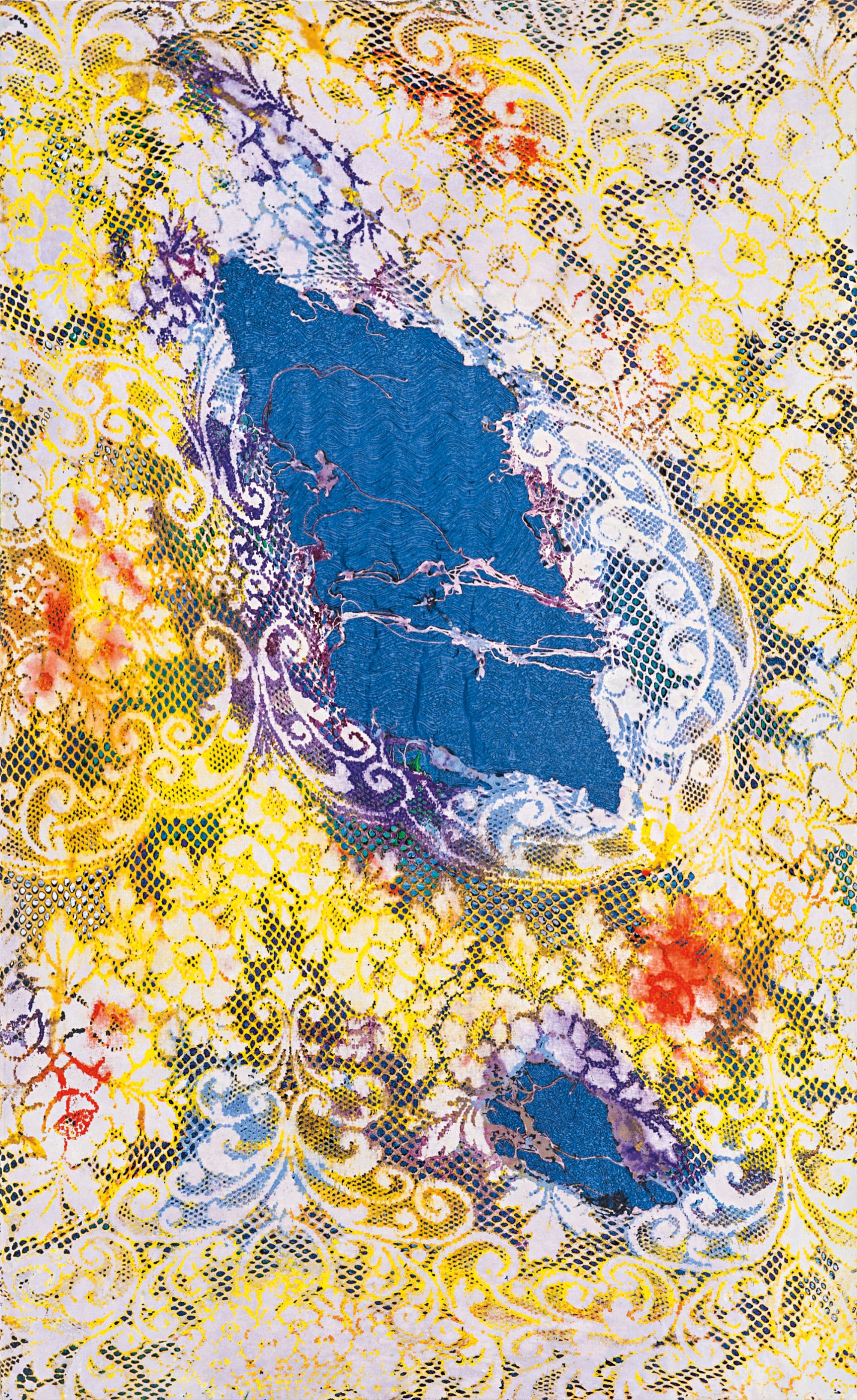
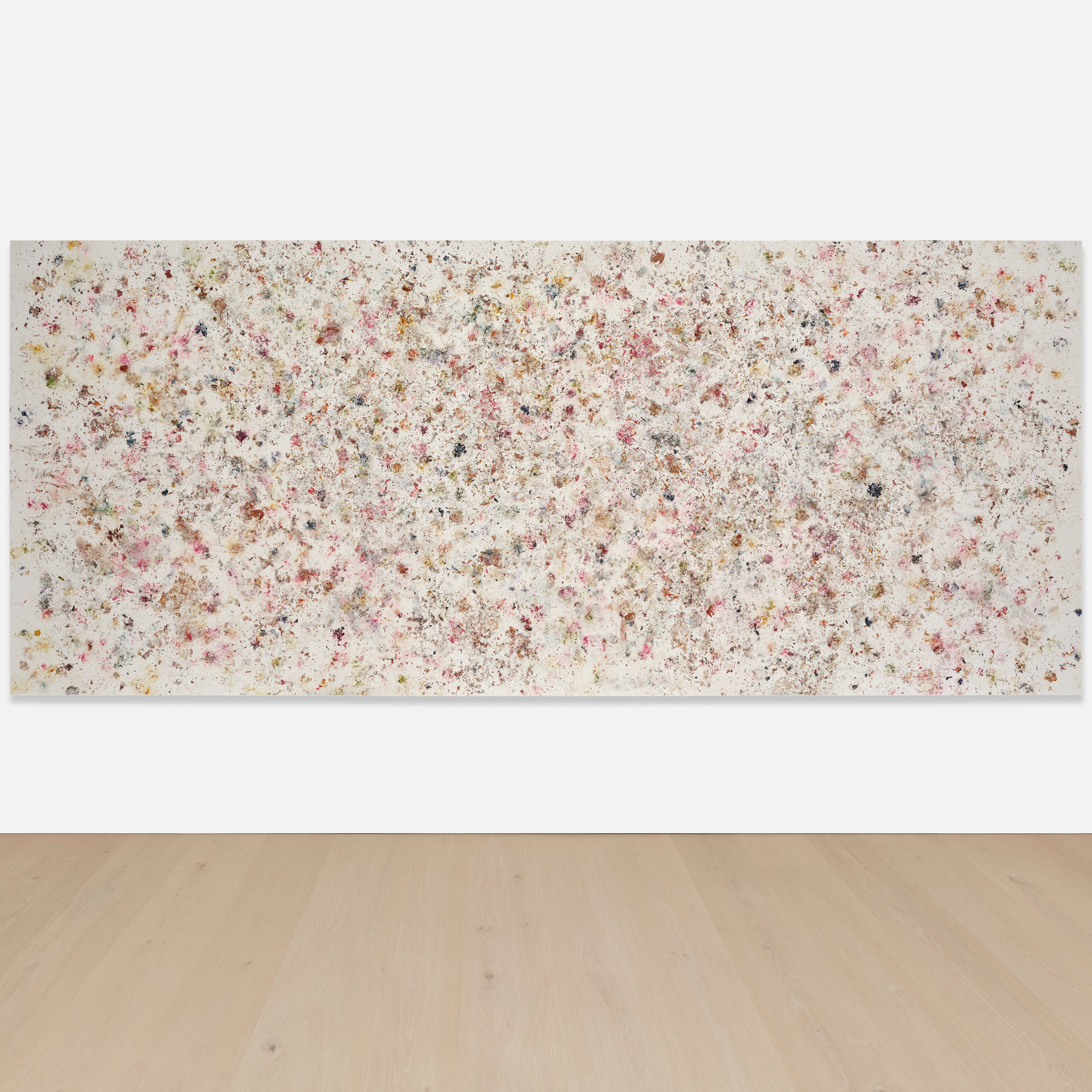
Mark Flood
Brief Nudity
But the long view is bullish. Works that landed in major collections in the 1990s and early 2000s have appreciated substantially, and his Joke paintings, featuring printed texts of deliberately offensive or nonsensical humor sourced from comedy albums and joke books, remain among the most discussed works of his career. Mark Flood, whose heavily lacquered paintings often incorporate corporate logos, internet aesthetics, and vernacular text in ways that feel like they are laughing directly at the viewer, has built a following among younger collectors who appreciate his particular brand of acerbic wit. His secondary market is still developing, but primary prices have been climbing steadily as his critical profile rises.
Dan Colen occupies a more ambivalent position in this conversation. His early work, involving chewing gum pressed into large scale paintings or graffiti sourced from real walls, carried a kind of adolescent irreverence that some critics found energizing and others found merely provocative without sufficient depth. Yet revisiting that work now, in a cultural moment saturated with sincerity and earnestness as aesthetic positions, there is something almost prescient about its commitment to the deliberately unserious. Colen's trajectory is one that rewards patience, and collectors who acquired early have found themselves holding work that reads differently, and more richly, with each passing year.
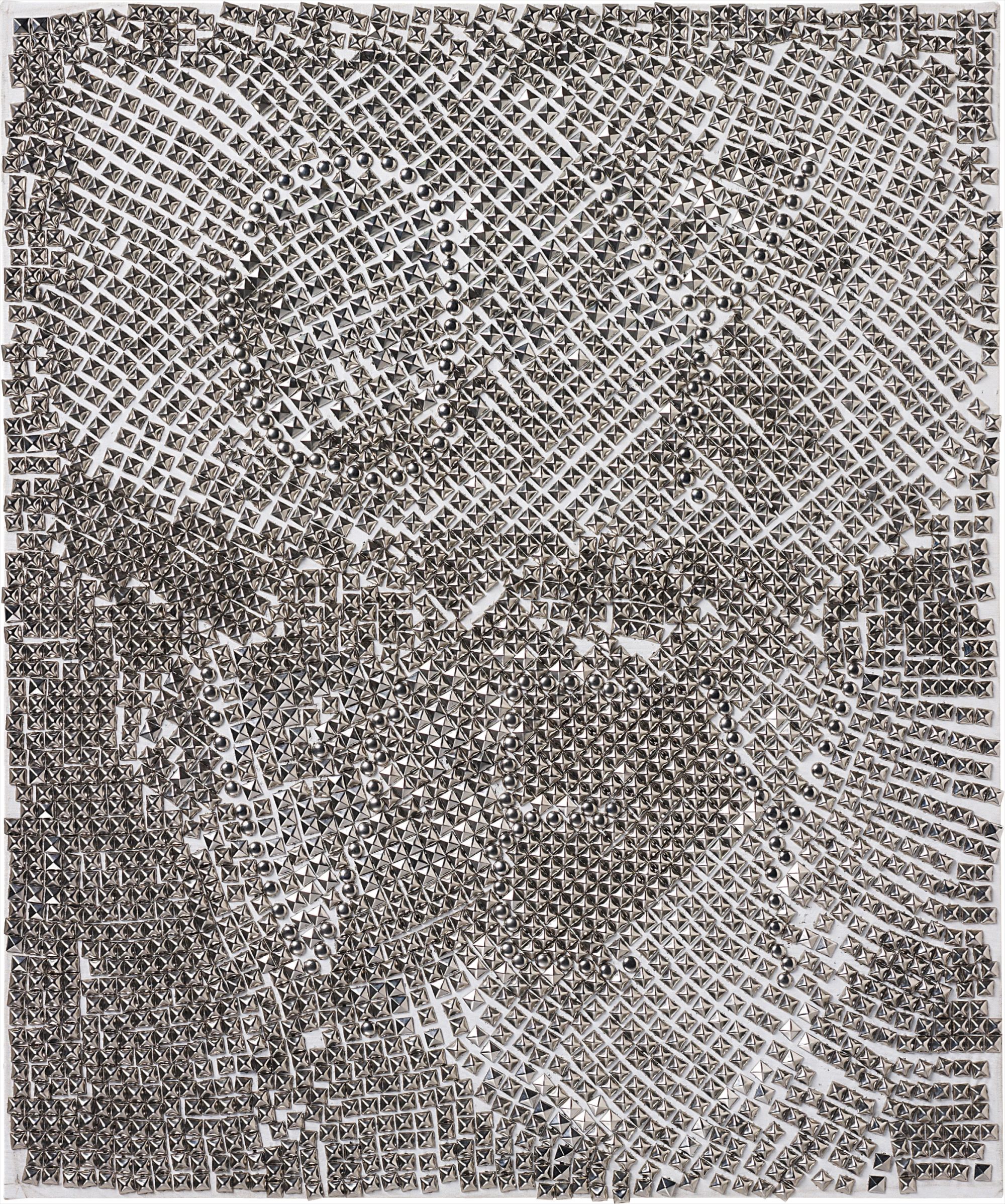
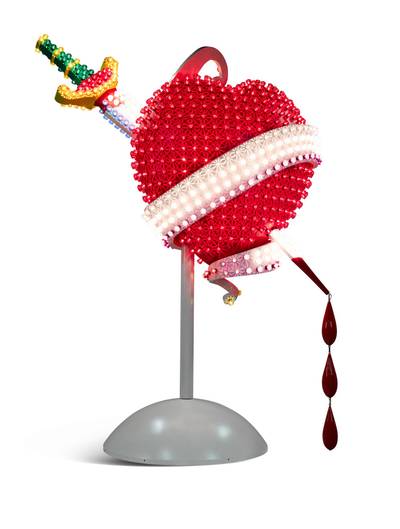
Dan Colen
Oy Vey 3
The critical conversation around provocative humor has been shaped significantly by a handful of writers and curators willing to take the mode seriously on its own terms rather than treating it as a lesser register of conceptual art. Jerry Saltz has been a consistent champion of artists working in this vein, particularly in his long running engagement with Lucas and with the broader British art scene that produced her. The publication Artforum has run several substantial essays in recent years examining the relationship between humor and political critique, drawing on feminist theory and affect theory to argue that laughter is not a softening of the work but an intensification of it. Curator Alison Gingeras has also been an important voice, particularly in her framing of artists like Colen within a lineage of American irreverence that runs through Dada, Warhol, and beyond.
Institutional collecting in this space has become more confident and more geographically diverse. The Museum of Contemporary Art in Los Angeles has deepened its holdings in this area, as has the Broad Foundation. In Europe, the Pinault Collection and the Rubell Museum have both made acquisitions that signal a genuine belief in the long term critical standing of artists who use humor as a primary tool rather than an occasional flourish. There is something meaningful about seeing this work move from the edgy upstart category into the kind of permanent collection consideration that used to be reserved for painters and sculptors working in more traditionally serious modes.
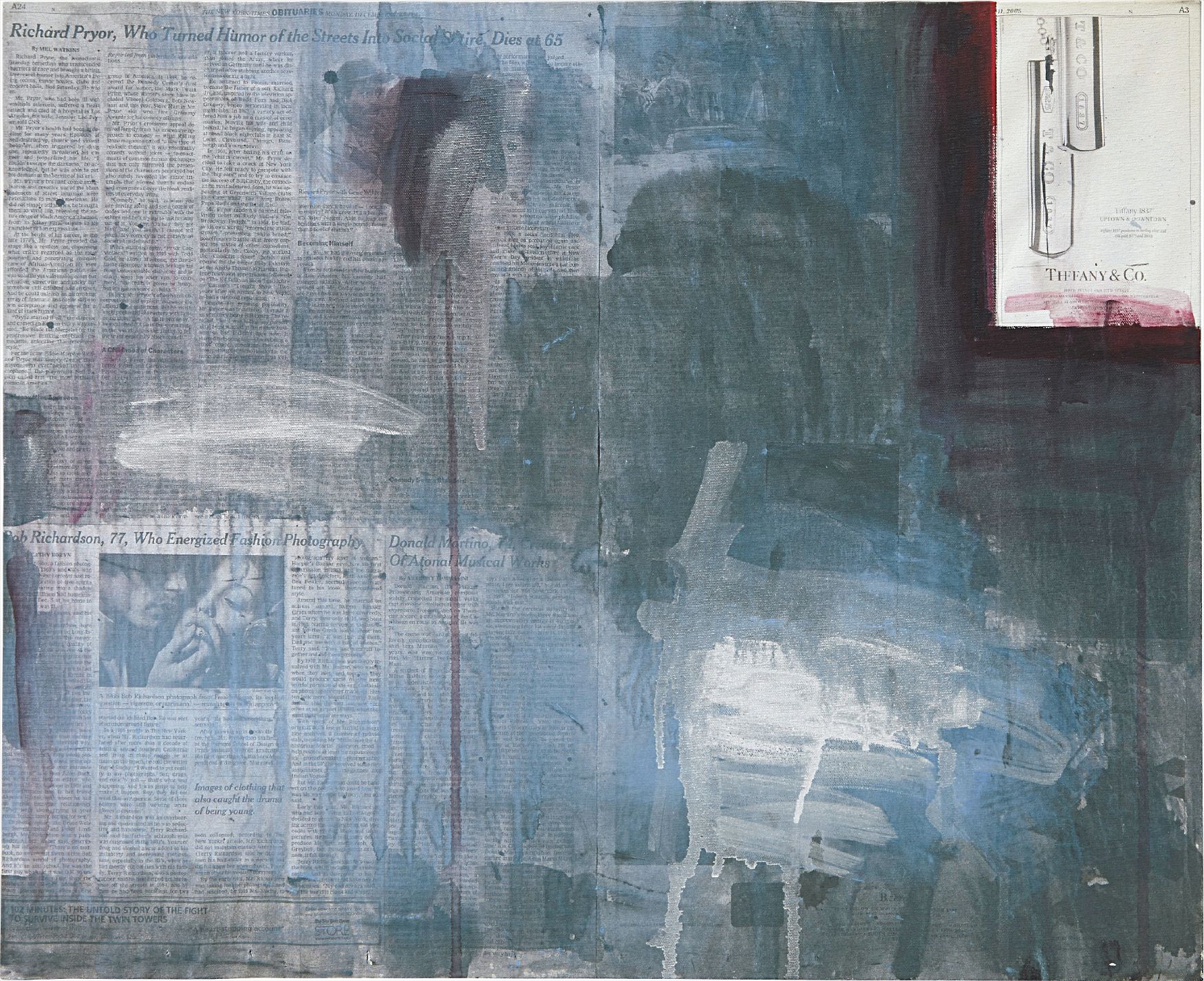
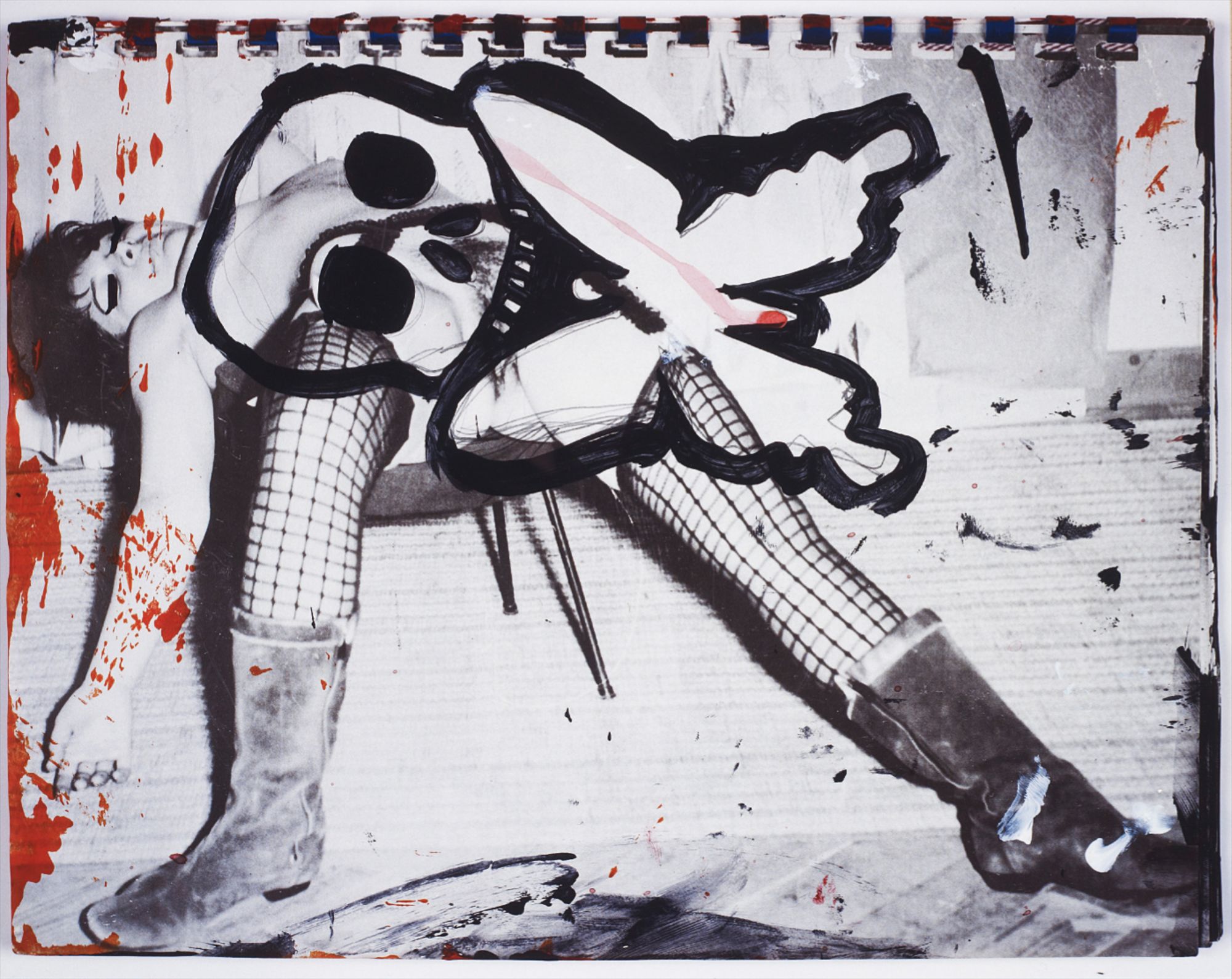
Richard Prince
Fuckin A, 2009
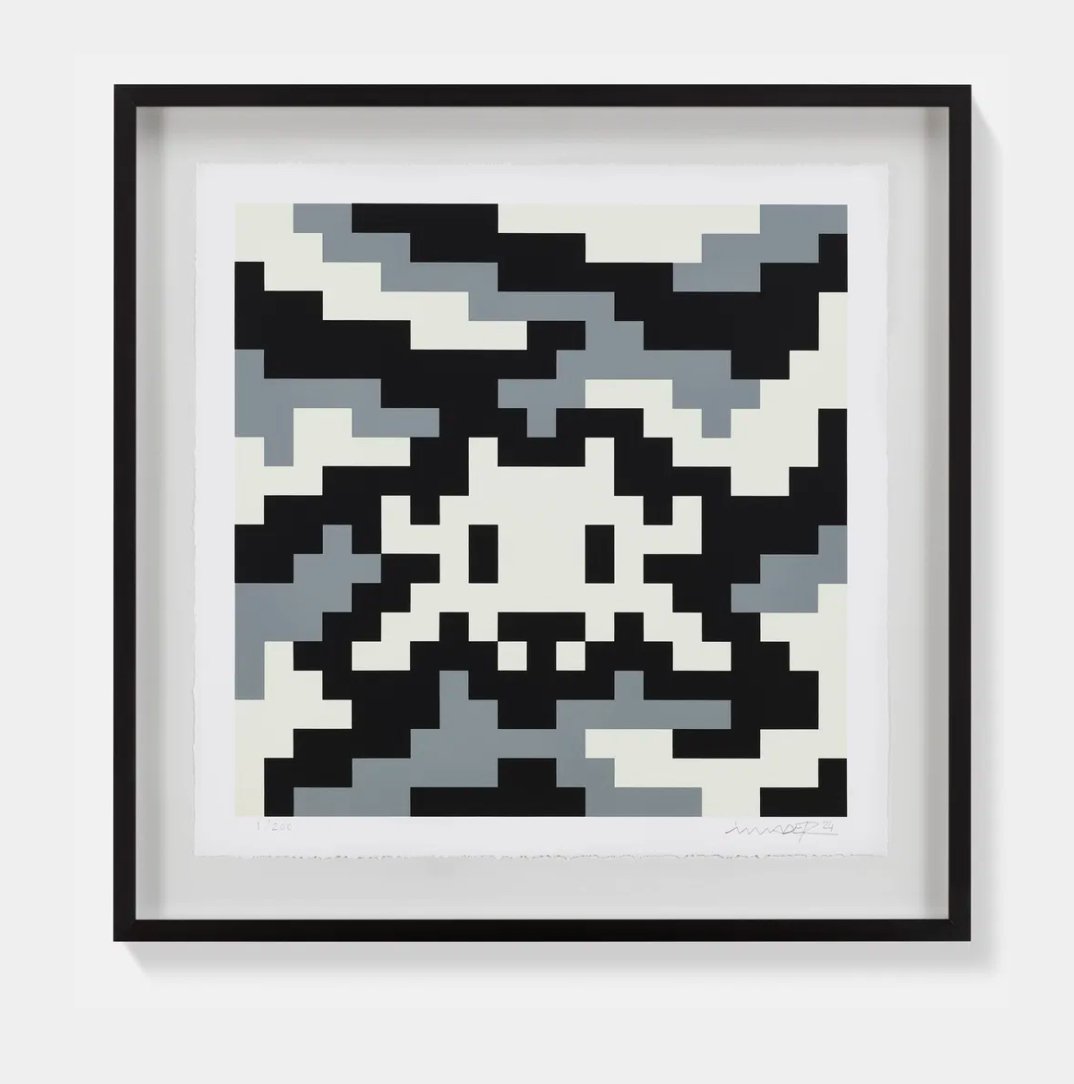
Where the energy is heading feels genuinely interesting right now. There is a new generation of artists, many of them working with memes, platform culture, and the aesthetics of online humor, who are being understood partly through the lens that Lucas, Prince, Noble and Webster, and others established. The question for collectors is whether to deepen positions in the foundational figures, whose markets are maturing but whose critical importance continues to grow, or to look ahead toward artists who are translating this sensibility into entirely new visual languages. The honest answer is probably both.
Provocative humor has never been a trend. It is a disposition toward the world, and the world keeps giving it fresh material.