Postwar Japanese Art
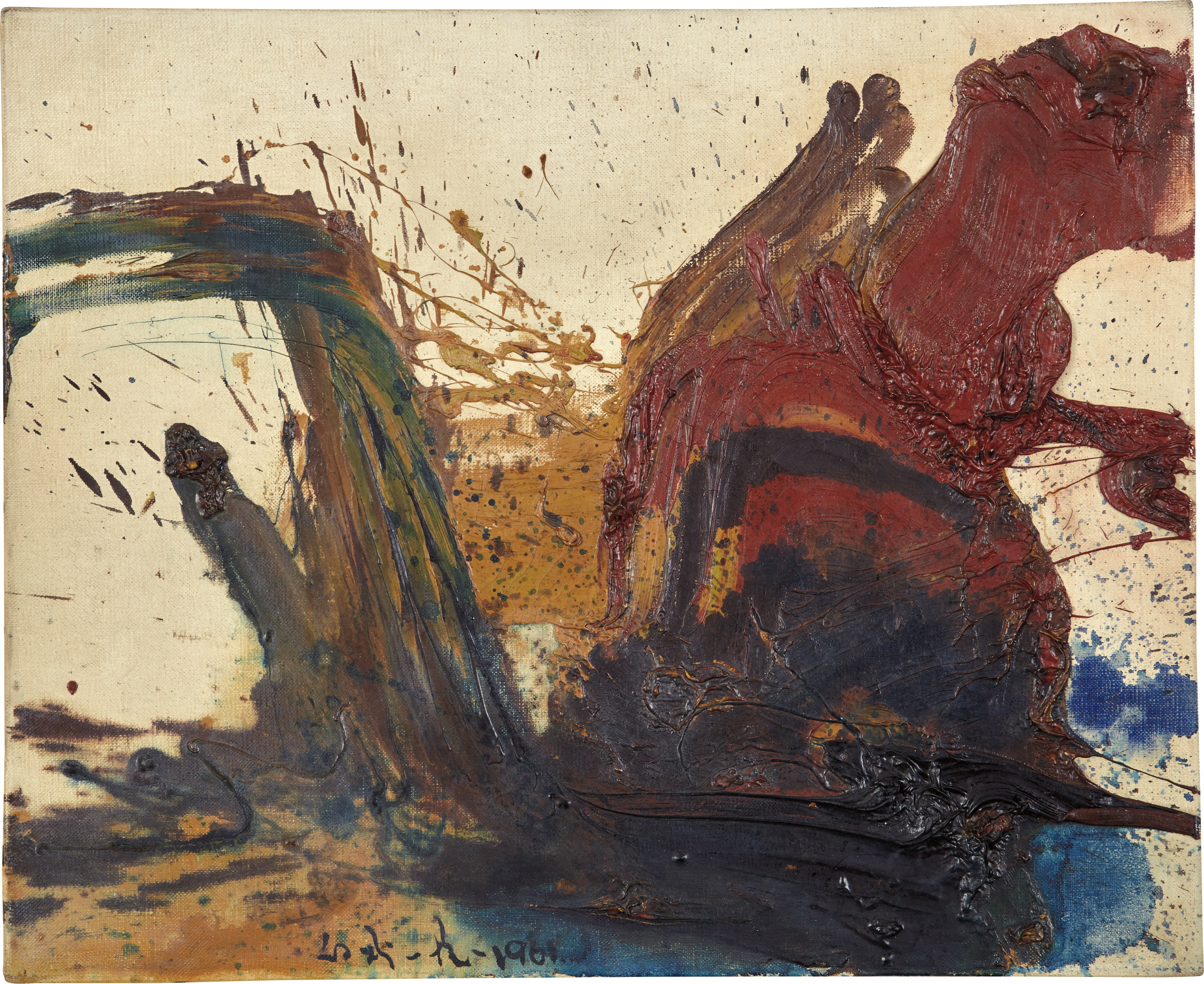
Kazuo Shiraga
"In front of me lay an austere road to originality. Run forward, I thought, run and run, it won’t matter if I fall down... Let me do it with my hands, with my fingers. Then, as I ran, thinking that I was moving forward, it occurred to me: Why not feet? Why don’t I paint with my feet?" Kazuo Shiraga, 1955
Born from Ruins, Japan Remade Art
There is a particular kind of urgency that only catastrophe can produce. In the years immediately following Japan's defeat in World War II, a generation of artists confronted a landscape that was literally and psychologically shattered. What emerged from that confrontation was not despair rendered in paint, but something far more radical: a complete reimagining of what art could be, what the body could do, and what materials were allowed to mean. Postwar Japanese art is one of the great upheavals in twentieth century creative history, and it still feels dangerous in the best possible sense.
The story begins most visibly with the Gutai Art Association, founded in Osaka in 1954 by Jiro Yoshihara. The name translates roughly as 'concrete' or 'embodiment,' and the mandate was unambiguous: create what has never been made before. Yoshihara gathered around him a circle of young artists who took that instruction seriously to an almost alarming degree. Performances, installations, and paintings were made by hurling paint, piercing canvases with the body, and letting chance and physical force dictate the outcome.
Kazuo Shiraga
"In front of me lay an austere road to originality. Run forward, I thought, run and run, it won’t matter if I fall down... Let me do it with my hands, with my fingers. Then, as I ran, thinking that I was moving forward, it occurred to me: Why not feet? Why don’t I paint with my feet?" Kazuo Shiraga, 1955
The group's first major outdoor exhibition in 1955, held in Ashiya, announced to anyone paying attention that something genuinely new was happening in Japan. Kazuo Shiraga became the most iconic embodiment of Gutai's principles. Painting with his feet while suspended from a rope above a pool of paint on the floor, Shiraga turned the act of making a picture into a physical contest, something between a wrestling match and a ritual. The resulting canvases are among the most viscerally compelling objects in postwar art, dense with looping, slashing marks that record the full weight and momentum of a human body in motion.
His practice drew equally on the Zen inflected physicality of traditional Japanese arts and a ferocious engagement with postwar existentialism. Works by Shiraga that appear on The Collection offer a direct encounter with that charged and irreducible energy. Gutai was the movement that gained the most international attention early on, largely through the advocacy of French critic Michel Tapié, who connected the group to the broader currents of Art Informel in Europe. But the postwar ferment in Japan was far wider than any single association could contain.
Yoshishige Saito
Work
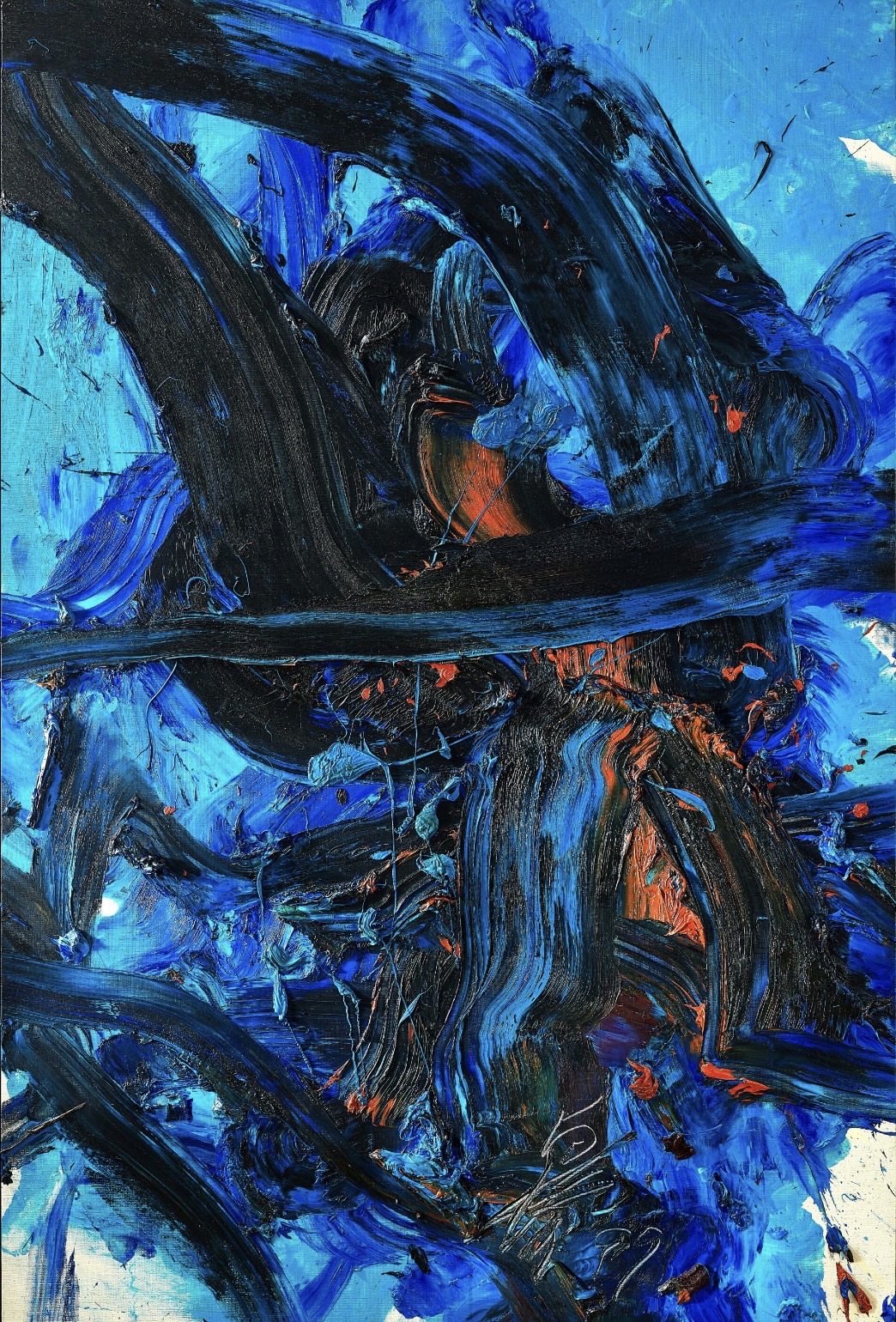
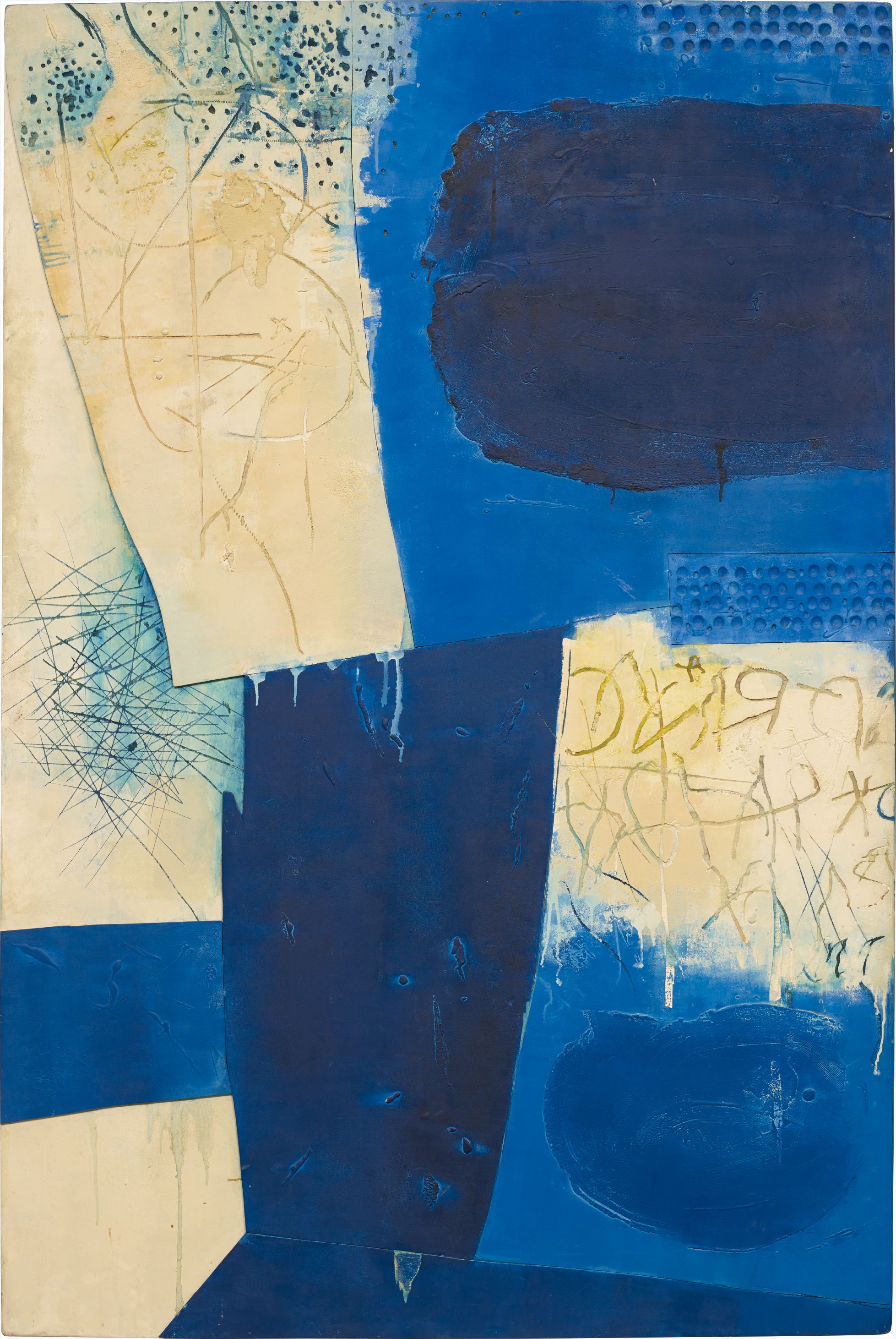
Yoshishige Saito was working in a more severe, almost brutalist register, reducing painting to its most elemental confrontations between surface, form, and force. His early exposure to Russian Constructivism gave his work a philosophical austerity that distinguished him from the expressionist heat of many contemporaries. A work by Saito rewards sustained attention precisely because it refuses easy emotional access. The 1960s brought new pressures and new vocabularies.
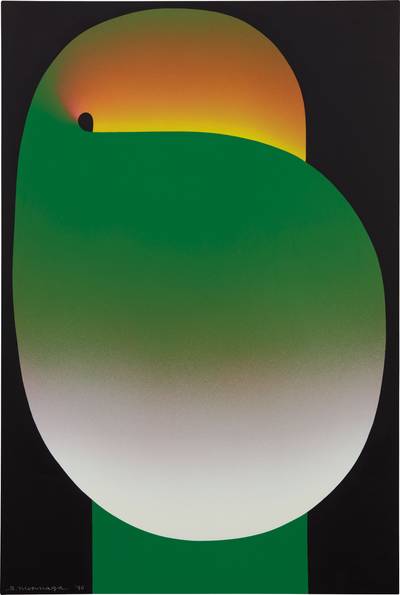
Tetsumi Kudo was making work that processed the trauma of modernity through a lens of dark, often grotesque transformation. His installations and objects engaged with themes of pollution, mutation, and the consequences of industrial civilization in ways that felt prophetic at the time and remain unsettling now. Around the same time, Sadamasa Motonaga, another Gutai member, was developing a far more lyrical and sensuous approach, working with flowing pigment and transparent materials that seemed to capture light in a state of suspension. The range between Kudo and Motonaga alone gives a sense of how capacious postwar Japanese art actually was.
Kishio Suga
Kinsa-nairi
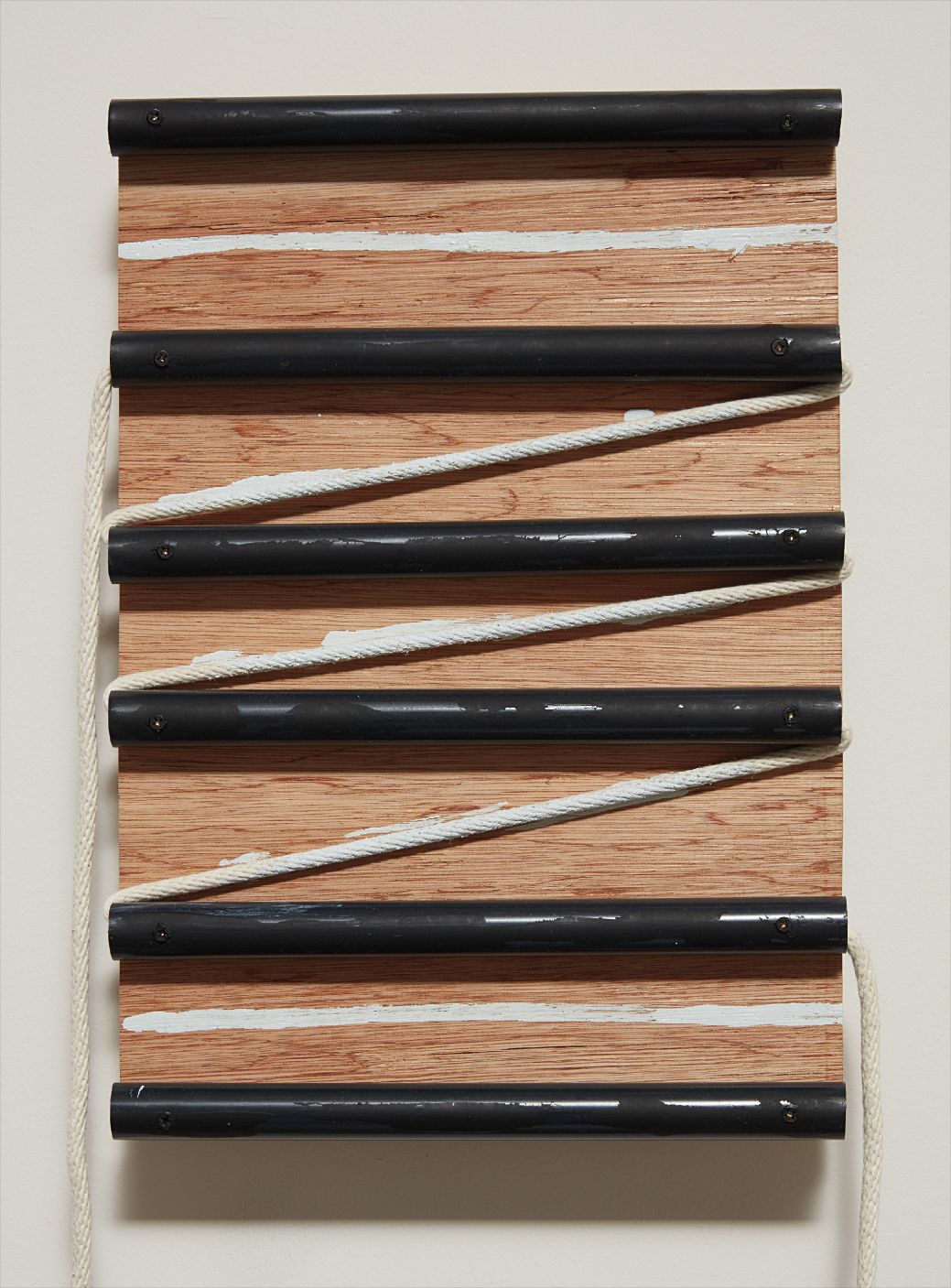
By the late 1960s and into the 1970s, a new conceptual tendency known as Mono ha, or 'School of Things,' was reshaping the conversation entirely. Where Gutai had emphasized action and the trace of the body, Mono ha artists were interested in the raw encounter between materials and space, in the gaps and tensions that arise when stone meets glass, or rope lies across a concrete floor. Kishio Suga was one of the central figures in this tendency, producing works that ask the viewer to reconsider perception itself, to notice the weight and presence of things that usually go unremarked. His practice carries a meditative quality that connects it to Japanese philosophical traditions while remaining fully engaged with the international language of Arte Povera and post Minimalism.
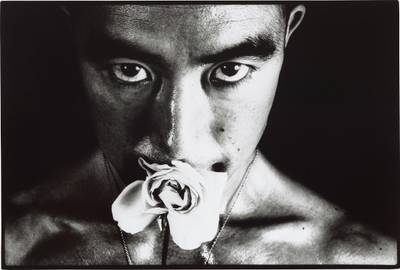
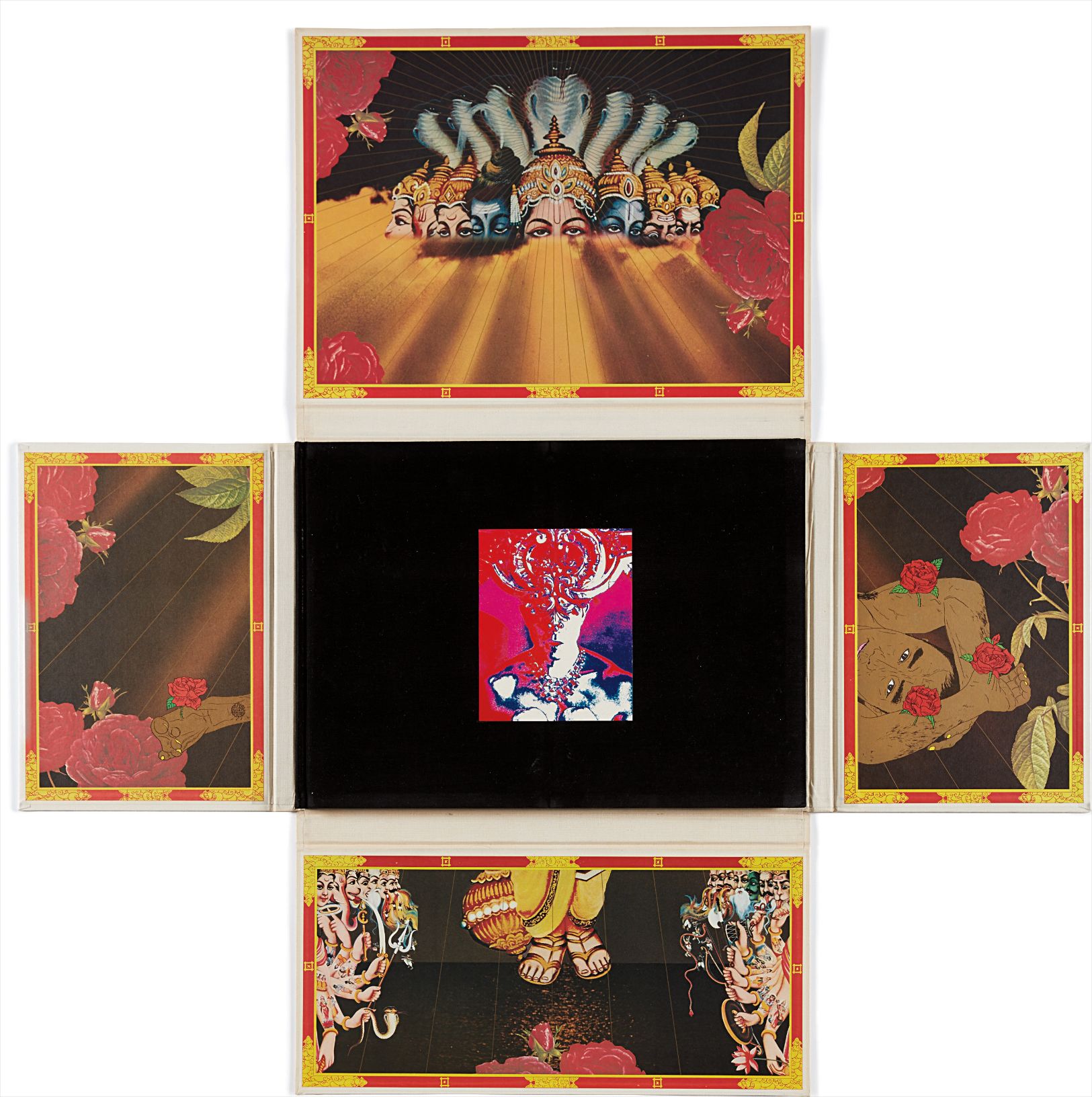
Photography also played a pivotal role in constructing the visual culture of postwar Japan, and no photographer captured its psychological complexity more precisely than Eikoh Hosoe. His collaborations with the writer Yukio Mishima, the dancer Tatsumi Hijikata, and other figures from the avant garde produced images of extraordinary intensity, exploring the body as a site of transformation, eroticism, and mortal vulnerability. His 1963 series 'Barakei,' known in English as 'Ordeal by Roses,' remains one of the defining artistic documents of the era. Hosoe understood that photography could bear the full weight of cultural crisis, and the work on The Collection reflects that ambition.
Eikoh Hosoe
Barakei Shinshuban – Ordeal by Roses Re-Edited
What makes postwar Japanese art so enduringly significant is the seriousness with which these artists approached fundamental questions. They were not making aesthetic choices in a vacuum. They were responding to the bomb, to occupation, to rapid industrialization, to the collision between a deeply rooted cultural inheritance and a violently disrupted present. The answers they found were not comforting, but they were honest, and honesty at that scale tends to last.
The influence of Gutai on performance art worldwide, the impact of Mono ha on subsequent generations of sculptors and installation artists, and the ongoing resonance of photographers like Hosoe in contemporary practice all testify to how much of our present these artists helped to invent. For collectors engaging with this material today, the rewards go well beyond historical importance. These works have a physical and conceptual directness that cuts through the noise of the contemporary market. They ask something of the viewer and give something back in proportion.
Whether you are approaching the scarred, exhilarating surfaces of a Shiraga, the spare intensity of a Saito, or the spatial questioning of a Suga, you are in the presence of art made under real pressure, by people who understood that making art was never merely a professional activity. The Collection brings together a group of artists who between them map much of what made postwar Japan one of the most important sites of artistic invention in the twentieth century. That conversation is still very much worth entering.